

Anti-obesity drug discovery: advances and challenges
Open accessThe DOI matches its Crossref record; 344 of the 344 references it cites were found in a registry or an index.
Abstract
Enormous progress has been made in the last half-century in the management of diseases closely integrated with excess body weight, such as hypertension, adult-onset diabetes and elevated cholesterol. However, the treatment of obesity itself has proven largely resistant to therapy, with anti-obesity medications (AOMs) often delivering insufficient efficacy and dubious safety. Here, we provide an overview of the history of AOM development, focusing on lessons learned and ongoing obstacles. Recent advances, including increased understanding of the molecular gut–brain communication, are inspiring the pursuit of next-generation AOMs that appear capable of safely achieving sizeable and sustained body weight loss. The development of therapies that are capable of safely achieving sizeable and sustained body weight loss has proved tremendously challenging. Here, Müller et al. provide an overview of the history of anti-obesity drug development, focusing on lessons learned, ongoing challenges and recent advances in the field.
Overview
The claims and statistics of this paper haven’t been checked yet.
Free: it reads the open-access text and checks the first 5 claims that cite a source we can check. Create a free account to check every claim.
Integrity signals
Registry
Cites
Statistics
Figures
Verification
Claims the paper makes
The claims and statistics of this paper haven’t been checked yet.
Free: it reads the open-access text and checks the first 5 claims that cite a source we can check. Create a free account to check every claim.
Claims other papers make about this one
Each is checked against this paper’s own text: does it say what the citing paper says it does?
The source backs part of the claim, not all of it — or backs it for a different population, condition or comparison.
In the citing paper
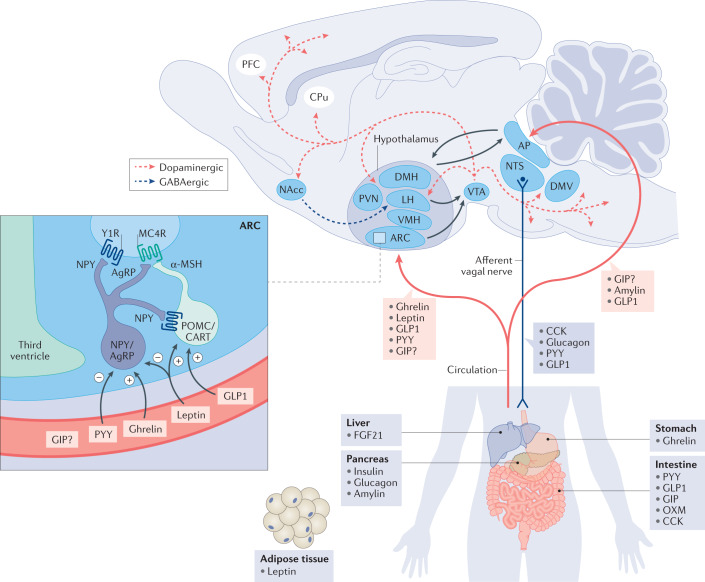
“The regulation of body weight is orchestrated primarily by the brain and adipose tissue (Figure 1), which constantly integrate information related to the body’s energetic state to adjust food intake, satiety and energy balance8,10.”
From Transforming obesity: The advancement of multi-receptor drugs (2024) · cites this paper as [8]
Experimental — accuracy not yet measuredThe source backs part of the claim, not all of it — or backs it for a different population, condition or comparison.
In the citing paper
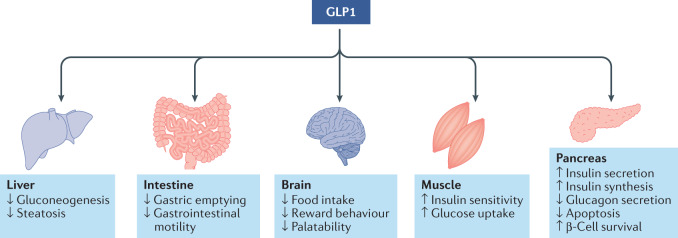
“Beyond its role in glucose metabolism, GLP-1 is known to possess cardio- and neuroprotective effects, reduce cellular apoptosis and inflammation, and modulate reward behavior and palatability8,55 (Figure 1).”
From Transforming obesity: The advancement of multi-receptor drugs (2024) · cites this paper as [8]
Experimental — accuracy not yet measuredThe source backs part of the claim, not all of it — or backs it for a different population, condition or comparison.
In the citing paper
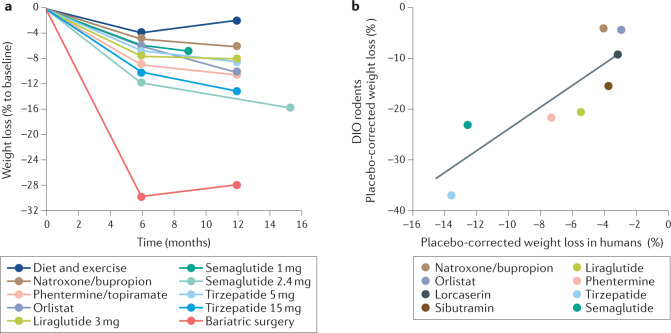
“However, despite appreciable weight loss of ~5-8% in the short term, such lifestyle interventions have only limited potential for sustained weight reduction, particularly when utilized as a stand-alone therapy8.”
From Transforming obesity: The advancement of multi-receptor drugs (2024) · cites this paper as [8]
Experimental — accuracy not yet measuredThe source backs part of the claim, not all of it — or backs it for a different population, condition or comparison.
In the citing paper
“Consistent with this model is a battery of preclinical and clinical studies demonstrating that weight loss induced by GLP-1R agonism is enhanced when adjunctively administered with glucagon, GIP, amylin, CCK or FGF21, which can be achieved as co-therapy, or in a unimolecular polyagonist formulation8.”
From Transforming obesity: The advancement of multi-receptor drugs (2024) · cites this paper as [8]
Experimental — accuracy not yet measuredThe source backs part of the claim, not all of it — or backs it for a different population, condition or comparison.
In the citing paper
“However, most of these efforts have been plagued with significant adverse effects and/or limited efficacy which has resulted in the withdrawal and discontinued use for the majority of these medications [5].”
From Dual and Triple Incretin-Based Co-agonists: Novel Therapeutics for Obesity and Diabetes (2024) · cites this paper as [5]
Experimental — accuracy not yet measured
13 more claims about this paper
Create a free account to see every claim other papers make about this one.
Self-check
Percentages, sums and reported differences re-computed from the paper’s own numbers.
The self-check needs the paper’s full text.
Citations
Cites
Reduction in the incidence of type 2 diabetes with lifestyle intervention or metformin
(2002) · New England Journal of Medicine · doi:10.1056/nejmoa012512 · Cited by 19,011
Positional cloning of the mouse obese gene and its human homologue
Zhang, Y., Proenca, R., Maffei, M., Barone, M., Leopold, L., & Friedman, J. M. (1994) · Nature · doi:10.1038/372425a0 · Cited by 13,419
The metabolic phenotype in obesity: Fat mass, body fat distribution, and adipose tissue function
Goossens, G. H. (2017) · Obesity Facts · doi:10.1159/000471488 · Cited by 8,481
Molecular Mechanisms of Depression: Perspectives on New Treatment Strategies
Lang, U. E., & Borgwardt, S. (2013) · Cellular Physiology and Biochemistry · doi:10.1159/000350094 · Cited by 8,475
Health effects of overweight and obesity in 195 countries over 25 years
Collaborators, T. G. 2. O. (2017) · New England Journal of Medicine · doi:10.1056/nejmoa1614362 · Cited by 7,918
Overweight, obesity, and mortality from cancer in a prospectively studied cohort of U.S. Adults
Calle, E. E., Rodriguez, C., Walker-Thurmond, K., & Thun, M. J. (2003) · New England Journal of Medicine · doi:10.1056/nejmoa021423 · Cited by 7,696
Liraglutide and Cardiovascular Outcomes in Type 2 Diabetes
Marso, S. P., Daniels, G. H., Brown-Frandsen, K., Kristensen, P., Mann, J. F. E., Nauck, M. A., Nissen, S. E., Pocock, S., Poulter, N. R., Ravn, L. S., et al. (2016) · New England Journal of Medicine · doi:10.1056/nejmoa1603827 · Cited by 7,629
Genetics of Food Intake Self-Regulation in Childhood: Literature Review and Research Opportunities
Faith, M. S., Carnell, S., & Kral, T. V. E. (2013) · Human Heredity · doi:10.1159/000353879 · Cited by 7,601
Semaglutide and Cardiovascular Outcomes in Patients with Type 2 Diabetes
Marso, S. P., Bain, S. C., Consoli, A., Eliaschewitz, F. G., Jódar, E., Leiter, L. A., Lingvay, I., Rosenstock, J., Seufert, J., Warren, M. L., et al. (2016) · New England Journal of Medicine · doi:10.1056/nejmoa1607141 · Cited by 6,900
Brown Adipose Tissue: Function and Physiological Significance
CANNON, B., & NEDERGAARD, J. (2004) · Physiological Reviews · doi:10.1152/physrev.00015.2003 · Cited by 6,433
Research works printed but not linked: 1
- Farooqi S O’Rahilly S Genetics of obesity in humans Endocr. Rev. 2006 27 710 718 10.1210/er.2006-0040 17122358 · DOI · Paper page
Cited by
Items 201–300 of 1,001
Modulation of lipid metabolism by oyster peptides in mice with high-fat diet-induced obesity
Chen, H., Dong, X., Zhou, M., Xu, Z., & Xiang, X. (2023) · Food Bioscience · doi:10.1016/j.fbio.2023.103529 · Cited by 27
Gasoyan, H., & Sarwer, D. B. (2022) · Obesity · doi:10.1002/oby.23556 · Cited by 26
“Furthermore, combination oral agents phentermine/topiramate (2012) and bupropion/naltrexone (2014) have been available for more than 8 years without safety concerns [12].”
BackgroundQuarta, S., Massaro, M., Carluccio, M. A., Calabriso, N., Bravo, L., Sarriá, B., & García‐Conesa, M. (2022) · Foods · doi:10.3390/foods11162524 · Cited by 26
“Often, those drugs also promote considerable adverse events leading to poor adherence to the treatments [159,160].”
BackgroundIncretin hormone agonists: Current and emerging pharmacotherapy for obesity management
Alhomoud, I. S., Talasaz, A. H., Chandrasekaran, P., Brown, R., Mehta, A., & Dixon, D. L. (2024) · Pharmacotherapy The Journal of Human Pharmacology and Drug Therapy · doi:10.1002/phar.4607 · Cited by 28
“9 Thus, there is a need for weight loss medications that are effective but also safe, accessible, and affordable.”
Bulum, T. (2022) · Biomedicines · doi:10.3390/biomedicines10102586 · Cited by 31
“4 mg showed superior weight loss effects [73].”
BackgroundEffects of treatment for diabetes mellitus on testosterone concentrations: A systematic review
Cauwenberghe, J. V., Block, C. E. M. D., Vanderschueren, D., & Antonio, L. (2022) · Andrology · doi:10.1111/andr.13318 · Cited by 26
Pharmacological targeting of glutamatergic neurons within the brainstem for weight reduction
Schneeberger, M., Brice, N., Pellegrino, K., Parolari, L., Shaked, J. T., Page, K. J., Marchildon, F., Barrows, D., Carroll, T. S., Topilko, T., et al. (2022) · Nature Metabolism · doi:10.1038/s42255-022-00677-8 · Cited by 28
“Obesity is an important medical problem associated with a set of co-morbidities that includes heart disease, diabetes and hypertension 1,2 .”
InfluentialBerberine Reduces Lipid Accumulation in Obesity via Mediating Transcriptional Function of PPARδ
Shou, J., & Shaw, P. (2023) · International Journal of Molecular Sciences · doi:10.3390/ijms241411600 · Cited by 27
“To date, several oral weight loss drugs have been approved by the FDA, such as orlistat, naltrexone, lorcaserin, and phentermine, which are effective but still produce many adverse effects, namely cardiovascular events, suicidality, abuse risk [8,9], and cancer [10].”
BackgroundAnti-obesity effects of olivetol in adult zebrafish model induced by short-term high-fat diet
Reshma, A., Tamilanban, T., Chitra, V., Subramaniyan, V., Gupta, G., Fuloria, N. K., Sekar, M., Fuloria, S., Sahu, R., Narayanan, J., et al. (2023) · Scientific Reports · doi:10.1038/s41598-023-44462-3 · Cited by 30
“Sibutramine and orlistat have been shown to result in weight loss of up to 10% 56 .”
BackgroundCoffee, tea, and cocoa in obesity prevention: Mechanisms of action and future prospects
Wang, Q., Hu, G., Qiu, M., Cao, J., & Xiong, W. (2024) · Current Research in Food Science · doi:10.1016/j.crfs.2024.100741 · Cited by 31
“Examples include amphetamines, thyroid hormones, and dinitrophenol, which were withdrawn shortly after regulatory approval owing to serious adverse effects (Muller et al., 2022).”
BackgroundRecent advances in peptide-based therapies for obesity and type 2 diabetes
Bailey, C. J., Flatt, P. R., & Conlon, J. M. (2024) · Peptides · doi:10.1016/j.peptides.2024.171149 · Cited by 25
“Among these are peptides based on the hormone oxyntomodulin, notably the dual GLP-1/GCGR agonists survodutide (BI-456906), pemvidutide (ALT-801) and mazdutide (IBI362 and LY3305677) which have shown promising anti-obesity effects in initial clinical studies [36,37].”
BackgroundObesity wars: hypothalamic sEVs a new hope
Mukherjee, S., Diéguez, C., Fernø, J., & López, M. (2023) · Trends in Molecular Medicine · doi:10.1016/j.molmed.2023.04.006 · Cited by 26
Xue, Y., Zou, H., Ruan, Z., Chen, X., Lai, Y., Yao, D., Ung, C. O. L., & Hu, H. (2023) · Frontiers in Endocrinology · doi:10.3389/fendo.2023.1254398 · Cited by 28
“Interestingly, the dose-dependent weight reduction effect offour among these fi ve approved AODs (except Orlistat) was observed in the exploration of multiple sites of action and mechanisms of the therapeutic agent(s) involved, which were originally for other pathophysiological conditions (45, 75).”
BackgroundAswani, B. S., Hegde, M., Vishwa, R., Alqahtani, M. S., Abbas, M., Almubarak, H. A., Sethi, G., & Kunnumakkara, A. B. (2024) · Military Medical Research · doi:10.1186/s40779-024-00564-1 · Cited by 27
“Individuals with a BMI of 30.0–34.9 kg/m 2 face a hazard ratio for over-all mortality elevated by over 40%, reaching 100% at a BMI > 40 kg/m 2 , contributing to 4–9% of cancer diagnoses [196–198].”
BackgroundInfluentialRecent achievements and future directions of anti-obesity medications
Grandl, G., Novikoff, A., Liu, X., & Müller, T. D. (2024) · The Lancet Regional Health - Europe · doi:10.1016/j.lanepe.2024.101100 · Cited by 33
Self-citationWang, J., Zhang, X., Zhu, Y., Sun, H., Chen, X., Zhao, Z., Zhang, N., Zhang, C., Li, L., & Bi, Y. (2025) · Cell Metabolism · doi:10.1016/j.cmet.2025.10.005 · Cited by 26
Muzurović, E. M., Katsiki, N., Volčanšek, Š., Plescia, F., Rizzo, M., & Mantzoros, C. S. (2026) · Metabolism · doi:10.1016/j.metabol.2026.156494 · Cited by 25
Holmbäck, U. C., Grudén, S., Litorp, H., Willhems, D., Kuusk, S., Alderborn, G., Söderhäll, A., & Forslund, A. H. (2022) · Obesity · doi:10.1002/oby.23557 · Cited by 28
“Obesity is a multidimensional health problem worldwide and a major risk factor for additional health concerns such as cardiovascular diseases, diabetes, musculoskeletal disorders, and some cancers [1,2].”
BackgroundResultStructural basis for Y2 receptor-mediated neuropeptide Y and peptide YY signaling
Kang, H., Park, C., Choi, Y. K., Bae, J., Kwon, S., Kim, J., Choi, C., Seok, C., Im, W., & Choi, H. (2022) · Structure · doi:10.1016/j.str.2022.11.010 · Cited by 27
Rodríguez‐Rodríguez, R., Fosch, A., García-Chica, J., Zagmutt, S., & Casals, N. (2023) · Journal of Neuroendocrinology · doi:10.1111/jne.13234 · Cited by 25
“strategies, the number of anti-obesity drugs reaching the market is very small, mainly for safety reasons and due to unsustainable long-term efficacy.(6) Obesity and related complications are, consequently, unmet med-”
BackgroundSeeking satiety: From signals to solutions
Tschöp, M. H., & Friedman, J. M. (2023) · Science Translational Medicine · doi:10.1126/scitranslmed.adh4453 · Cited by 31
“The elucidation of this framework has enabled and accelerated the identification of numerous drug targets for the treatment of diabetes and obesity, leading to the development of a growing number of therapeutics ( 28 ).”
BackgroundSelf-citationPezzino, S., Sofia, M., Mazzone, C., Litrico, G., Greco, L. P., Gallo, L., Greca, G. L., & Latteri, S. (2024) · Heliyon · doi:10.1016/j.heliyon.2024.e35498 · Cited by 26
“Despite the pharmacological effects of medications, they often have the potential to cause harmful adverse reactions [23,24].”
BackgroundBetulonic acid: A review on its sources, biological activities, and molecular mechanisms
Lou, S., Dai, C., Wu, Y., Wang, L., Jin, Y., Shen, N., Lv, W., Wu, M., Xu, X., Han, J., et al. (2025) · European Journal of Pharmacology · doi:10.1016/j.ejphar.2025.177518 · Cited by 24
Weight loss with glucagon‐like peptide‐1 receptor agonists in Bardet‐Biedl syndrome
Ganawa, S., Santhosh, S. H., Parry, L., & Syed, A. A. (2022) · Clinical Obesity · doi:10.1111/cob.12546 · Cited by 24
“Several novel pharmacotherapies for obesity are on the horizon, including new GLP-1RAs, glucose-dependent insulinotropic polypeptide (GIP) receptor agonists, glucagon analogues, GLP-1/glucagon, GIP/GLP-1 and amylin/calcitonin dual agonists, and GIP/GLP1/glucagon tri-agonists.(10) However, no specific pharmacological t…”
BackgroundLi, J., Wu, K., Zhong, Y., Kuang, J., Huang, N., Guo, X., Du, H., Guo, C., Li, R., Zhu, X., et al. (2022) · Journal of Ethnopharmacology · doi:10.1016/j.jep.2022.115892 · Cited by 24
Dedic, N., Wang, L., Hajós‐Korcsok, É., Hecksher‐Sørensen, J., Roostalu, U., Vickers, S. P., Wu, S. S., Anacker, C., Synan, C., JONES, P. G., et al. (2024) · Molecular Metabolism · doi:10.1016/j.molmet.2024.101883 · Cited by 26
“The greatest effects reported in rodents and humans are with incretin-based therapies including the GLP-1R agonist semaglutide and the dual GIP/GLP-1R agonist tirzepatide [73].”
BackgroundResultInfluentialRubinić, I., Kurtov, M., & Likić, R. (2024) · Pharmacology Research & Perspectives · doi:10.1002/prp2.1243 · Cited by 27
“26,149”
BackgroundGjersdal, E., Larsen, L. B., Ettrup, K. S., Vestergaard, P., Nielsen, E. H., Karmisholt, J., Muller, H. L., & Dal, J. (2024) · Pituitary · doi:10.1007/s11102-024-01426-8 · Cited by 25
Acupuncture Therapies for Individuals with Overweight or Obesity: An Overview of Systematic Reviews
Chen, J., Shergis, J. L., Guo, X., Zhang, A. L., Wang, H., Lu, C., Xue, C. C., & Xie, C. (2022) · Diabetes Metabolic Syndrome and Obesity · doi:10.2147/dmso.s356853 · Cited by 25
“Some future candidate drugs for anti-obesity appear to be promising but there are still considerable barriers and challenges.(12,13) In recent years, acupuncture therapy has gained popularity as a treatment for weight loss.”
BackgroundWeight strategy in older adults with obesity: calorie restriction or not?
Colleluori, G., & Villareal, D. T. (2022) · Current Opinion in Clinical Nutrition & Metabolic Care · doi:10.1097/mco.0000000000000879 · Cited by 26
“Copyright © 2022 Wolters Kluwer H effectiveness is difficult to achieve [29].”
BackgroundJędrysik, M., Wyszomirski, K., Różańska-Walędziak, A. M., Grosicka-Maciąg, E., Walędziak, M. S., & Chełstowska, B. (2024) · Biomedicines · doi:10.3390/biomedicines12010159 · Cited by 24
Rubino, D., Angelene, H., Fabricatore, A. N., & Ard, J. D. (2024) · Obesity · doi:10.1002/oby.24042 · Cited by 23
“Obesity can promote the onset of related comorbidities including type 2 diabetes (T2D), cardiovascular diseases, metabolic syndrome, and chronic kidney disease [4, 5].”
BackgroundReed, J., Bain, S. C., & Kanamarlapudi, V. (2024) · Diabetes Metabolic Syndrome and Obesity · doi:10.2147/dmso.s415934 · Cited by 24
“The incretin effect is responsible for 60–”
Constitutively active receptor ADGRA3 signaling induces adipose thermogenesis
Zhao, Z., Hu, L., Song, B., Jiang, T., Wu, Q., Lin, J., Li, X., Cai, Y., Li, J., Qian, B., et al. (2024) · eLife · doi:10.7554/elife.100205.4 · Cited by 22
The role of GIPR in food intake control
James-Okoro, P.-P., Lewis, J. E., Gribble, F. M., & Reimann, F. (2025) · Frontiers in Endocrinology · doi:10.3389/fendo.2025.1532076 · Cited by 23
CVOT summit report 2024: new cardiovascular, kidney, and metabolic outcomes
Schnell, O., Almandoz, J. P., Anderson, L., Barnard-Kelly, K. D., Battelino, T., Blüher, M., Busetto, L., Catrinou, D., Ceriello, A., Cos, X., et al. (2025) · Cardiovascular Diabetology · doi:10.1186/s12933-025-02700-0 · Cited by 24
“Conversely, studies with GLP-1 RAs and dual GIP/GLP-1 RAs, originally developed as glucose lowering drugs, have shown that these substances are very effective in reducing body weight [17].”
Self-citationEmerging Nanotechnology Strategies for Obesity Therapy
Chang, W., Meng, Z., Zhao, Y., Qi, Y., Li, Z., & Lian, H. (2025) · Advanced Science · doi:10.1002/advs.202501813 · Cited by 23
Approved and Emerging Hormone-Based Anti-Obesity Medications: A Review Article
Sidrak, W. R., Kalra, S., & Kalhan, A. (2024) · Indian Journal of Endocrinology and Metabolism · doi:10.4103/ijem.ijem_442_23 · Cited by 27
Dual gut hormone receptor agonists for diabetes and obesity
Bass, J., Tschöp, M. H., & Beutler, L. R. (2023) · Journal of Clinical Investigation · doi:10.1172/jci167952 · Cited by 21
Self-citationTargeting skeletal muscle mitochondrial health in obesity
Pileggi, C. A., Hooks, B. G., McPherson, R., Dent, R. R. M., & Harper, M.-E. (2022) · Clinical Science · doi:10.1042/cs20210506 · Cited by 21
Methodologies for Assessing Pancreatic Lipase Catalytic Activity: A Review
Rocha, S., Rufino, A. T., Freitas, M., Silva, A. M. S., Carvalho, F. D., & Fernandes, E. G. R. (2023) · Critical Reviews in Analytical Chemistry · doi:10.1080/10408347.2023.2221731 · Cited by 23
“[22] Despite some compounds, such as cetilistat, show very promising results, [23] orlistat or tetrahydrolipstatin (commercially known as Xenical V R ) is the only anti-obesity drug approved by the European Medicines Agency (EMA, 1998) and Food and Drug Administration (FDA, 1999) that acts as PL…”
Anti-obesity pharmacotherapy in adults with chronic kidney disease
Taber-Hight, E., Gilmore, A. C., & Friedman, A. N. (2023) · Kidney International · doi:10.1016/j.kint.2023.10.014 · Cited by 22
Chang, M., & Liu, K. (2023) · International Journal of Food Science & Technology · doi:10.1111/ijfs.16882 · Cited by 23
Pharmacological Treatments and Natural Biocompounds in Weight Management
Gasmi, A., Mujawdiya, P. K., Nehaoua, A., Shanaida, M., Semenova, Y. M., Piscopo, S., Menzel, A., Voloshyn, V., Voloshyn, O., Shanaida, V., et al. (2023) · Pharmaceuticals · doi:10.3390/ph16020212 · Cited by 24
“Recent advances in the analysis of the molecular connection between the brain and the intestine will help create a new generation of anti-obesity drugs that can provide stable weight loss for the patient [26].”
BackgroundIspas, S., Tuta, L. A., Botnarciuc, M., Ispas, V., Staicovici, S., Ali, S., Twakor, A. N., Cojocaru, C., Herlo, A., & Petcu, A. (2023) · Journal of Personalized Medicine · doi:10.3390/jpm13111602 · Cited by 24
Sallam, M., Snygg, J., Ghandour, S. E., & Sallam, M. (2025) · Obesities · doi:10.3390/obesities5020026 · Cited by 21
Liu, Z., Guo, Y., Deng, Y., Shao, J., Huang, X., & Cao, Z. (2025) · Journal of Nanobiotechnology · doi:10.1186/s12951-025-03651-0 · Cited by 20
“However, its widespread use has received limitations in terms of adverse effects [278].”
Wong, G. W., Garner, E. M., Takkouche, S. K., Spann, M. D., English, W. J., Albaugh, V. L., & Srivastava, G. (2022) · Obesity Science & Practice · doi:10.1002/osp4.635 · Cited by 20
“Approved anti‐obesity medications (AOMs) for long‐term obesity control include: orlistat (pancreatic and gastric lipase inhibitor), phentermine‐topiramate (combination sympathomimetic and antiepileptic/GABAenhancer/carbonic anhydrase inhibitor), bupropion‐naltrexone (combination aminoketone antidepressant and opioid r…”
BackgroundTsagkaris, A. S., Loučková, A., Jaegerova, T., Tokárová, V., & Hajšlová, J. (2022) · International Journal of Molecular Sciences · doi:10.3390/ijms231911204 · Cited by 20
“In addition, the development of medication that does not impact the central nervous system is of great interest to avoid psychological side-effects [4].”
BackgroundPagliai, G., Coman, M. M., Baldi, S., Dinu, M., Nannini, G., Russo, E., Curini, L., Colombini, B., Lotti, S., Pallecchi, M., et al. (2023) · Frontiers in Nutrition · doi:10.3389/fnut.2023.1142527 · Cited by 22
Lund, J. T., & Clemmensen, C. (2023) · Philosophical Transactions of the Royal Society B Biological Sciences · doi:10.1098/rstb.2022.0229 · Cited by 24
“These include fibroblast growth factor 21 (FGF21), growth differentiation factor 15 (GDF15), liverexpressed antimicrobial peptide 2 (LEAP2), adiponectin, glucagon-like peptide-1 (GLP-1) and gastric inhibitory polypeptide (GIP)—to name a few [73].”
BackgroundEarlGAN: An enhanced actor–critic reinforcement learning agent-driven GAN for de novo drug design
Tang, H., Li, C., Jiang, S., Yu, H., Kamei, S., Yamanishi, Y., & Morimoto, Y. (2023) · Pattern Recognition Letters · doi:10.1016/j.patrec.2023.10.001 · Cited by 22
Pharmacotherapy as an Augmentation to Bariatric Surgery for Obesity
Horváth, L., Mráz, M., Jude, E. B., & Haluzík, M. (2024) · Drugs · doi:10.1007/s40265-024-02029-0 · Cited by 22
“…primary mechanism of action is thought to be release of catecholamine neurotransmitters (predominantly noradrenaline) in the central nervous system (CNS), resulting mainly in appetite suppression, and possibly metabolism activation, via increased thermogenesis and accelerated heart rate [65, 66].”
BackgroundDuquenne, M., Deligia, E., Folgueira, C., Bourouh, C., Caron, É., Pfrieger, F. W., Schwaninger, M., Nogueiras, R., Annicotte, J., Imbernón, M., et al. (2024) · Molecular Metabolism · doi:10.1016/j.molmet.2024.101996 · Cited by 20
“Nutrient sensing mechanisms that maintain glucose and energy homeostasis involve body-brain communication by peripheral humoral and neuronal components, that will inform the brain about peripheral energy status and nutrient availability [2 e 4].”
BackgroundChrigui, S., Taieb, S. H., Jemai, H., Mbarek, S., Benlarbi, M., Feki, M., Haouas, Z., Zemmel, A., Chaouacha‐Chekir, R. B., & Boudhrioua, N. M. (2023) · Foods · doi:10.3390/foods12061185 · Cited by 20
Havers, T., Held, S., Schönfelder, M., Geisler, S., & Wackerhage, H. (2025) · Sports Medicine · doi:10.1007/s40279-025-02263-w · Cited by 19
“Such trends have already been observed in the context of obesity and diabetes pharma-cotherapy [211].”
Mechanisms and treatment of obesity-related hypertension—Part 2: Treatments
Parvanova, A. I., Abbate, M., Reseghetti, E., & Ruggenenti, P. L. (2025) · Clinical Kidney Journal · doi:10.1093/ckj/sfaf035 · Cited by 23
Human Glucose Transporters in Health and Selected Neurodegenerative Diseases
Szablewski, L. (2025) · International Journal of Molecular Sciences · doi:10.3390/ijms26157392 · Cited by 21
“It enhances insulin secretion by pancreatic β cells and regulates blood glucose, food intake, and body weight [324,325].”
Cruciani, S., Delitala, A., Cossu, M. L., Ventura, C., & Maioli, M. (2023) · International Journal of Molecular Sciences · doi:10.3390/ijms24032310 · Cited by 21
Li, Q., Byun, J., Choi, J., Park, J.-W., Lee, J., & Oh, Y. (2024) · ACS Nano · doi:10.1021/acsnano.3c06001 · Cited by 19
Overweight and Obesity in Adults with Type 1 Diabetes: A Growing Challenge
Majanović, S. K., Detel, D., Igrec, M., Bergoč, A., Rahelić, V., & Rahelić, D. (2024) · Diabetology · doi:10.3390/diabetology5030018 · Cited by 23
Gut hormone multi-agonists for the treatment of type 2 diabetes and obesity: advances and challenges
Huang, X., Liu, J., Peng, G., Lu, M., Zhou, Z., Jiang, N., & Yan, Z. (2024) · Journal of Endocrinology · doi:10.1530/joe-23-0404 · Cited by 20
Ding, J., Zhao, M., Li, Y., Zhang, K., Chen, H., Hu, X., Li, L., Su, Y., Yuan, X. F., & Lin, Z. (2024) · Chemical Engineering Journal · doi:10.1016/j.cej.2024.153726 · Cited by 19
Khan, T. T. S., Sheikh, Z., Maleknia, S. D., Oveissi, F., Fathi, A., Abrams, T., Ong, H. X., & Traini, D. (2024) · Expert Opinion on Drug Delivery · doi:10.1080/17425247.2024.2387110 · Cited by 21
“A dual agonist, Tirzepatide, which is a combination of GLP-1 RA and glucose-dependent insulinotropic polypeptide receptor agonist (GIP RA), has also been recently approved by FDA for long-term obesity control [8,10,12].”
Chen, X., Wu, Z., Hou, X., Yu, W., Gao, C., Gou, S., & Fu, P. (2025) · PLoS ONE · doi:10.1371/journal.pone.0311547 · Cited by 20
Design of Xenopus GLP-1-Based Long-Acting Dual GLP-1/Y2 Receptor Agonists
Yang, Q., Tang, W., Sun, L., Yan, Z., Tang, C., Yuan, Y., Zhou, H., Zhou, F. L., Zhou, S., Wu, Q., et al. (2022) · Journal of Medicinal Chemistry · doi:10.1021/acs.jmedchem.2c01385 · Cited by 23
Rokou, A., Eleftheriou, A., Tsigalou, C., Apessos, I., Nena, E., Dalamaga, Μ., Voulgaris, A., & Steiropoulos, P. (2022) · Current Nutrition Reports · doi:10.1007/s13668-022-00445-w · Cited by 21
GLP-1 Receptor Agonists – Good for Body Weight, Bad for Micronutrient Status?
Kerlikowsky, F., Krämer, K., Eggersdorfer, M., & Hahn, A. (2025) · Current Developments in Nutrition · doi:10.1016/j.cdnut.2025.107587 · Cited by 18
“Historically, antiobesity drugs (AOM) have been limited by poor efficacy and significant safety concerns [5].”
InfluentialPhan, A., Carette, C., Narjoz, C., Rives‐Lange, C., Rassy, N., Czernichow, S., & Pallet, N. (2025) · Obesity · doi:10.1002/oby.24300 · Cited by 18
“Liraglutide 3 mg facilitated a weight loss of (cid:2) 7% and semaglutide 2.4 mg facilitated a weight loss of 12% at 1 year versus placebo in large randomized clinical trials [1].”
InfluentialHsu, C., Liao, C.-C., Lin, Z., Alalaiwe, A. S., Hwang, E., Lin, T.-W., & Fang, J. (2024) · Journal of Nanobiotechnology · doi:10.1186/s12951-024-02316-8 · Cited by 18
Trends in Obesity Care Among US Adults, 2010–2021
Podolsky, M. I., Raquib, R. V., Hempstead, K., & Stokes, A. (2025) · Medical Care · doi:10.1097/mlr.0000000000002113 · Cited by 18
“The COVID-19 pandemic resulted in a loss of in-person data collection for panels 23 and 24, so these panels received four additional interview rounds.”
The combined effect of metformin and mirabegron on diet‐induced obesity
Zhao, X., Liu, Y., Zhang, X., Zhao, B., Burley, G., Yang, Z., Luo, Y., Li, A., Zhang, R., Liu, Z., et al. (2023) · MedComm · doi:10.1002/mco2.207 · Cited by 18
Botticelli, L., Bonaventura, E. M. D., Bello, F. D., Giorgioni, G., Piergentili, A., Quaglia, W., Bonifazi, A., Cifani, C., & Bonaventura, M. V. M. D. (2023) · Pharmacological Research · doi:10.1016/j.phrs.2023.106875 · Cited by 18
Chi, Y., & Wang, P. (2023) · Journal of Applied Phycology · doi:10.1007/s10811-023-03090-0 · Cited by 19
Zhang, Z., Shi, M., Li, Z., Ling, Y., Zhai, L., Yuan, Y., Ma, H., Li, H., Li, Z., Zhang, Z., et al. (2023) · Parkinson s Disease · doi:10.1155/2023/7427136 · Cited by 25
Xiang, P., Du, Y., Chen, G., Mao, Y., Li, S., Li, Q., Yang, Y., Li, X., & Wang, D. (2023) · Molecular Nutrition & Food Research · doi:10.1002/mnfr.202300451 · Cited by 19
Gut microbiota changes associated with low-carbohydrate diet intervention for obesity
Li, L., Zhao, X., Abdugheni, R., Yu, F., Zhao, Y., Ma, B.-F., Zhifang, Y., Li, R., Li, Y., Maimaitiyiming, Y., et al. (2024) · Open Life Sciences · doi:10.1515/biol-2022-0803 · Cited by 21
“Obesity, a global health problem, a ff ects a signi fi cant number of people worldwide [1,2].”
Regulation of energy metabolism through central GIPR signaling
Liśkiewicz, A., & Müller, T. D. (2024) · Peptides · doi:10.1016/j.peptides.2024.171198 · Cited by 18
“…accelerated by either co-treatment with selected gut hormones, such as e.g. GIP, glucagon, amylin, or CCK, or through biochemically engineered poly-agonists that combine the metabolic action of several independent hormones into a single entity of enhanced potency and sustained action [1,15 – 17].”
Self-citationKaur, M., & Misra, S. (2024) · Journal of Basic and Clinical Physiology and Pharmacology · doi:10.1515/jbcpp-2024-0065 · Cited by 18
Liu, N., Song, Z., Jin, W., Yang, Y., Sun, S., Zhang, Y., Zhang, S., Liu, S., Ren, F., & Wang, P. (2022) · Journal of Functional Foods · doi:10.1016/j.jff.2022.105234 · Cited by 19
Méndez-Álvarez, D., Torres-Rojas, M. F., Lara-Ramirez, E. E., Marchat, L. A., & Rivera, G. (2023) · Molecules · doi:10.3390/molecules28114389 · Cited by 18
“Recently, semaglutide, a second GLP1R agonist, was approved by the FDA [9].”
BackgroundAn updated patent review of GLP-1 receptor agonists (2020-present)
Lu, W., Zhou, Z., Jiang, N., & Han, J. (2023) · Expert Opinion on Therapeutic Patents · doi:10.1080/13543776.2023.2274905 · Cited by 17
“…to bridge this divide, researchers have explored the concept of the ‘co-agonist’ strategy, which involves blending GLP-1 with other hormones from the proglucagon family, as well as related peptides such as glucagon, glucose-dependent insulinotropic polypeptide (GIP) and amylin analogues [28–30].”
BackgroundInfluentialWulff, B. S., Chambers, A. P., Contreras, C. K. O., Kirkeby, K., Rinnov, A. R., Sustarsic, R. K., Østergaard, S., Laabs, J. E., & O'Neil, P. M. (2025) · Obesity · doi:10.1002/oby.24329 · Cited by 19
“PYY is secreted as a 36-amino acid peptide, PYY 1-36 1-36 , which is cleaved There is considerable interest in investigating potential additive or synergistic effects of administering PYY and GLP-1 analogues in combination [17, 18].”
Neuronal loss of TRPM8 leads to obesity and glucose intolerance in male mice
Liśkiewicz, D., Zhang, Q., Barthem, C. S., Jastroch, M., Liśkiewicz, A., Khajavi, N., Grandl, G., Coupland, C. A. C., Kleinert, M., García‐Cáceres, C., et al. (2023) · Molecular Metabolism · doi:10.1016/j.molmet.2023.101714 · Cited by 17
Self-citationLyons, S. A., & Beaudry, J. L. (2023) · Endocrinology · doi:10.1210/endocr/bqad153 · Cited by 19
Therapeutics for Metabolic Dysfunction-Associated Fatty Liver Disease (MAFLD)
Bhopale, K. K., & Srinivasan, M. P. (2023) · Livers · doi:10.3390/livers3040040 · Cited by 19
“Metformin and dipeptidyl peptide 4 (DPP4) inhibitors failed to demonstrate substantial efficacy in hepatic steatosis and fibrosis, whereas glucagon-like peptide-1 receptor agonists (GLP-1, RA), thiazolidinediones, and sodium-dependent glucose transporter 2 (SGLT2) inhibitors showed some improvement…”
BackgroundProspects of antidiabetic drugs in the treatment of neurodegenerative disease
Hu, L., Wang, W., Chen, X., Bai, G., Ma, L., Yang, X., Shu, Q., & Li, X. (2024) · Brain‐X · doi:10.1002/brx2.52 · Cited by 20
Dynamic Roles and Expanding Diversity of Adipose Tissue Macrophages in Obesity
Soedono, S., Julietta, V., Nawaz, H., & Cho, K. W. (2024) · Journal of Obesity & Metabolic Syndrome · doi:10.7570/jomes24030 · Cited by 17
Li, X., Sun, B., Qin, Y., Yue, F., & Lü, X. (2025) · Molecular Nutrition & Food Research · doi:10.1002/mnfr.202400577 · Cited by 17
Chemical and ribosomal synthesis of atropisomeric and macrocyclic peptides with embedded quinolines
Knudson, I. J., Dover, T. L., Dilworth, D. A., Paloutzian, C., Paz, O., Lin, J., Cho, H. Y., Gonen, T., Schepartz, A., & Miller, S. J. (2025) · Nature Chemistry · doi:10.1038/s41557-025-01935-4 · Cited by 17
“N-formyl methionine ( fM ) and monomers 1 – 4 (Fig.”
Ghaddar, B., Gence, L., Veeren, B., Bringart, M., Bascands, J., Meilhac, O., & Diotel, N. (2022) · Antioxidants · doi:10.3390/antiox11071309 · Cited by 17
“Nowadays, the scientific effort is focusing on establishing successful pharmacological treatments to limit weight gain and/or to limit the deleterious effects of obesity on the central nervous system [18,19].”
BackgroundChoi, Y. J., Choi, C.-Y., Kim, C. U., & Shin, S. (2023) · Journal of Global Health · doi:10.7189/jogh.13.04095 · Cited by 17
Goel, A., Yamini, Y., Gusain, C., Sharma, B., Purohit, R., Das, P., & Padwad, Y. S. (2023) · Chemistry - An Asian Journal · doi:10.1002/asia.202300179 · Cited by 17
Kim, H., Jeon, Y. E., Kim, S. M., Jung, J.-I., Ko, D., & Kim, E. J. (2023) · Nutrients · doi:10.3390/nu15194225 · Cited by 17
“It can lead to the development of chronic diseases such as diabetes, cardiovascular diseases, and nonalcoholic fatty liver disease (NAFLD) [5,6].”
BackgroundPoly-Agonist Pharmacotherapies for Metabolic Diseases: Hopes and New Challenges
Allard, C., Cota, D., & Quarta, C. (2023) · Drugs · doi:10.1007/s40265-023-01982-6 · Cited by 17
“Several pharmacological species have been developed over the past decades, generally with limited efficacy, high costs and in some cases significant side effects already reviewed [3, 4, 31–33].”
Spezani, R., Marinho, T. D. S., Santos-Reis, T., Águila, M. B., & Mandarim‐de‐Lacerda, C. A. (2023) · Peptides · doi:10.1016/j.peptides.2023.171138 · Cited by 17
Chavoshy, F., Mirjalili, S. Z., Mohammadi, A., Amini, M., Somsen, G. W., & Shirangi, M. (2024) · International Journal of Peptide Research and Therapeutics · doi:10.1007/s10989-024-10608-8 · Cited by 18
Sánchez‐Trasviña, C., Lorenzo-Anota, H. Y., Escobar-Fernández, A. M., Lezama-Aguilar, D., Morales-Martínez, A., Vélez-Barceló, A., Benavides, J., Lozano, O., Rito‐Palomares, M., & Mayolo‐Deloisa, K. (2024) · ACS Omega · doi:10.1021/acsomega.4c07203 · Cited by 16
Anti-obesity weight loss medications: Short-term and long-term use
Jeong, D., & Priefer, R. (2022) · Life Sciences · doi:10.1016/j.lfs.2022.120825 · Cited by 21
Alternative Methods as Tools for Obesity Research: In Vitro and In Silico Approaches
Pamplona, J. H., Zoehler, B., Shigunov, P., Barisón, M. J., Severo, V. R., Erich, N. M., Ribeiro, A. L., Horinouchi, C. D. D. S., Suzukawa, A. A., Robert, A. W., et al. (2022) · Life · doi:10.3390/life13010108 · Cited by 17
Metadata
- Authors
- Müller, T. D., Blüher, M., Tschöp, M. H., & DiMarchi, R. D.
- Affiliations
- Helmholtz Munich (DE)
- Indiana University Bloomington (US)
- Corresponding author
- Müller, Timo D.
- DiMarchi, Richard D.
- Venue
- Nature Reviews Drug Discovery
- Published
- 2021-11-23
- Volume
- 21
- Issue
- 3
- Pages
- 201-223
- ISSN
- 1474-1776 (ISSN-L)
- 1474-1784
- PMC
- PMC8609996
- OpenAlex
- W3217337816
- Semantic Scholar
- b0e07187edbb01228cee2a7f1f5884b1c6df014c
- Cited by
- 1,021
- References
- 343
- Citations by year
- 2026: 136 · 2025: 255 · 2024: 286 · 2023: 221 · 2022: 123
- FWCI
- 20.08
- Type
- journal article
- Language
- en
- Open access
- hybrid
- doi.org
- Licence
- cc-by
- www.springernature.com/gp/researchers/text-and-data-mining (tdm)
- www.springernature.com/gp/researchers/text-and-data-mining (vor)
- Locations
- Nature Reviews Drug Discovery (publishedVersion, cc-by)
- PubMed Central (publishedVersion, cc-by)
- PubMed (publishedVersion)
- mediaTUM (Technical University of Munich) (submittedVersion)
- Site cant be reached (submittedVersion)
- PuSH - Publication Server of Helmholtz Zentrum München (submittedVersion)
- Funders
- Alexander von Humboldt-Stiftung
- Deutsche Forschungsgemeinschaft (TRR- 152, TRR296)
- Servier
- H2020 European Research Council (695054)
- Topics
- Health Sciences › Medicine › Pharmacology (medical) › Pharmacology and Obesity Treatment
- Life Sciences › Neuroscience › Endocrine and Autonomic Systems › Regulation of Appetite and Obesity
- Health Sciences › Medicine › Endocrinology, Diabetes and Metabolism › Adipokines, Inflammation, and Metabolic Diseases
- Keywords
- anti-obesity drugs, obesity, drug development history, drug safety, sustained weight loss, gut-brain signaling, obesity pharmacotherapy
- MeSH terms
- Adult, Diabetes Mellitus, Type 2, Humans, Obesity, Weight Loss, Anti-Obesity Agents
About these checks
Registry, retraction, Cites and statistics results are computed, not judged, with one exception: a printed reference that no index lists is read once by a model before it counts as a citation error. Claims are extracted by a model and kept only when their quote appears verbatim in the text; each cited source is then checked, with a model’s help, for whether it says what the claim relies on. Those verdicts can be wrong — read the claim’s quote and the cited source before relying on one.
Statistics and arithmetic are recomputed, not judged.
Confidence bands are shown only for fields calibrated on our annotated test set. None is calibrated yet, so no band is shown.
What counts as a claim ›How we measure confidence ›How we check this ›
Are you an author, or do you see a problem with this page? Request a review
Data sources
Bibliographic data: Semantic Scholar, OpenAlex, Crossref.
Contains information from the Semantic Scholar Academic Graph Datasets, made available under the ODC Attribution License (ODC-BY 1.0).
Semantic Scholar’s data is described in: Kinney, R., et al. (2023). The Semantic Scholar Open Data Platform. arXiv:2301.10140.
