

Anti-obesity drug discovery: advances and challenges
Open accessThe DOI matches its Crossref record; 344 of the 344 references it cites were found in a registry or an index.
Abstract
Enormous progress has been made in the last half-century in the management of diseases closely integrated with excess body weight, such as hypertension, adult-onset diabetes and elevated cholesterol. However, the treatment of obesity itself has proven largely resistant to therapy, with anti-obesity medications (AOMs) often delivering insufficient efficacy and dubious safety. Here, we provide an overview of the history of AOM development, focusing on lessons learned and ongoing obstacles. Recent advances, including increased understanding of the molecular gut–brain communication, are inspiring the pursuit of next-generation AOMs that appear capable of safely achieving sizeable and sustained body weight loss. The development of therapies that are capable of safely achieving sizeable and sustained body weight loss has proved tremendously challenging. Here, Müller et al. provide an overview of the history of anti-obesity drug development, focusing on lessons learned, ongoing challenges and recent advances in the field.
Overview
The claims and statistics of this paper haven’t been checked yet.
Free: it reads the open-access text and checks the first 5 claims that cite a source we can check. Create a free account to check every claim.
Integrity signals
Registry
Cites
Statistics
Figures
Verification
Claims the paper makes
The claims and statistics of this paper haven’t been checked yet.
Free: it reads the open-access text and checks the first 5 claims that cite a source we can check. Create a free account to check every claim.
Claims other papers make about this one
Each is checked against this paper’s own text: does it say what the citing paper says it does?
The source backs part of the claim, not all of it — or backs it for a different population, condition or comparison.
In the citing paper
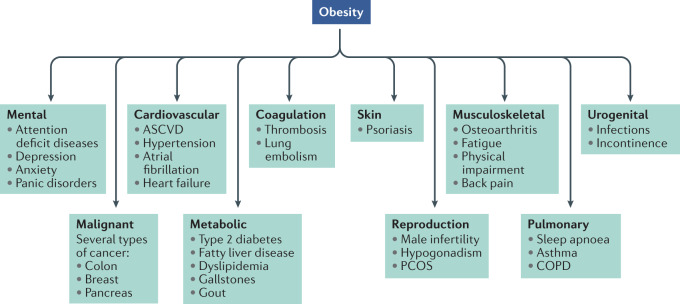
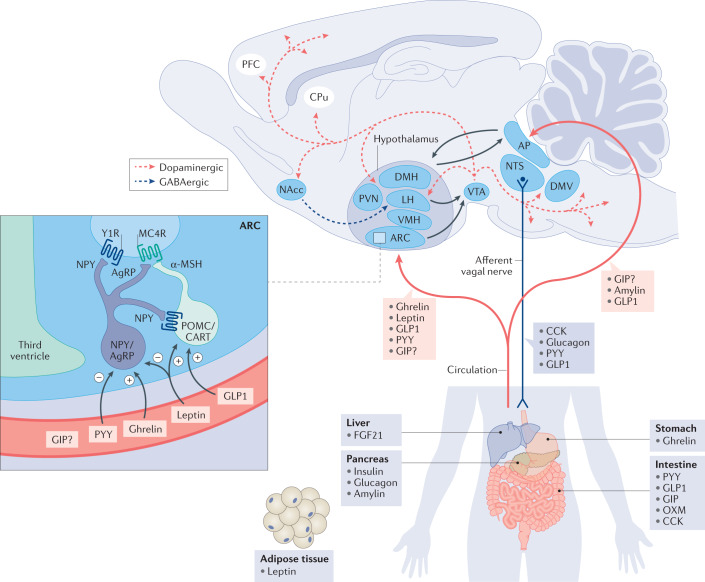
“The regulation of body weight is orchestrated primarily by the brain and adipose tissue (Figure 1), which constantly integrate information related to the body’s energetic state to adjust food intake, satiety and energy balance8,10.”
From Transforming obesity: The advancement of multi-receptor drugs (2024) · cites this paper as [8]
Experimental — accuracy not yet measuredThe source backs part of the claim, not all of it — or backs it for a different population, condition or comparison.
In the citing paper
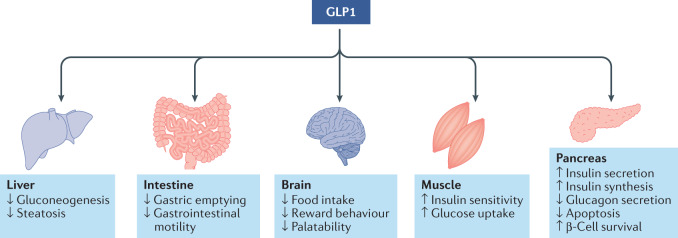
“Beyond its role in glucose metabolism, GLP-1 is known to possess cardio- and neuroprotective effects, reduce cellular apoptosis and inflammation, and modulate reward behavior and palatability8,55 (Figure 1).”
From Transforming obesity: The advancement of multi-receptor drugs (2024) · cites this paper as [8]
Experimental — accuracy not yet measuredThe source backs part of the claim, not all of it — or backs it for a different population, condition or comparison.
In the citing paper
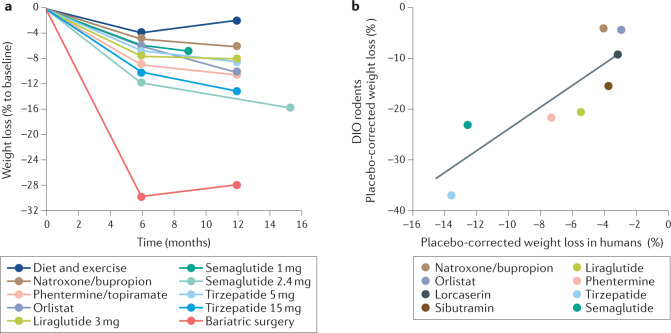
“However, despite appreciable weight loss of ~5-8% in the short term, such lifestyle interventions have only limited potential for sustained weight reduction, particularly when utilized as a stand-alone therapy8.”
From Transforming obesity: The advancement of multi-receptor drugs (2024) · cites this paper as [8]
Experimental — accuracy not yet measuredThe source backs part of the claim, not all of it — or backs it for a different population, condition or comparison.
In the citing paper
“Consistent with this model is a battery of preclinical and clinical studies demonstrating that weight loss induced by GLP-1R agonism is enhanced when adjunctively administered with glucagon, GIP, amylin, CCK or FGF21, which can be achieved as co-therapy, or in a unimolecular polyagonist formulation8.”
From Transforming obesity: The advancement of multi-receptor drugs (2024) · cites this paper as [8]
Experimental — accuracy not yet measuredThe source backs part of the claim, not all of it — or backs it for a different population, condition or comparison.
In the citing paper
“However, most of these efforts have been plagued with significant adverse effects and/or limited efficacy which has resulted in the withdrawal and discontinued use for the majority of these medications [5].”
From Dual and Triple Incretin-Based Co-agonists: Novel Therapeutics for Obesity and Diabetes (2024) · cites this paper as [5]
Experimental — accuracy not yet measured
13 more claims about this paper
Create a free account to see every claim other papers make about this one.
Self-check
Percentages, sums and reported differences re-computed from the paper’s own numbers.
The self-check needs the paper’s full text.
Citations
Cites
Reduction in the incidence of type 2 diabetes with lifestyle intervention or metformin
(2002) · New England Journal of Medicine · doi:10.1056/nejmoa012512 · Cited by 19,011
Positional cloning of the mouse obese gene and its human homologue
Zhang, Y., Proenca, R., Maffei, M., Barone, M., Leopold, L., & Friedman, J. M. (1994) · Nature · doi:10.1038/372425a0 · Cited by 13,419
The metabolic phenotype in obesity: Fat mass, body fat distribution, and adipose tissue function
Goossens, G. H. (2017) · Obesity Facts · doi:10.1159/000471488 · Cited by 8,481
Molecular Mechanisms of Depression: Perspectives on New Treatment Strategies
Lang, U. E., & Borgwardt, S. (2013) · Cellular Physiology and Biochemistry · doi:10.1159/000350094 · Cited by 8,475
Health effects of overweight and obesity in 195 countries over 25 years
Collaborators, T. G. 2. O. (2017) · New England Journal of Medicine · doi:10.1056/nejmoa1614362 · Cited by 7,918
Overweight, obesity, and mortality from cancer in a prospectively studied cohort of U.S. Adults
Calle, E. E., Rodriguez, C., Walker-Thurmond, K., & Thun, M. J. (2003) · New England Journal of Medicine · doi:10.1056/nejmoa021423 · Cited by 7,696
Liraglutide and Cardiovascular Outcomes in Type 2 Diabetes
Marso, S. P., Daniels, G. H., Brown-Frandsen, K., Kristensen, P., Mann, J. F. E., Nauck, M. A., Nissen, S. E., Pocock, S., Poulter, N. R., Ravn, L. S., et al. (2016) · New England Journal of Medicine · doi:10.1056/nejmoa1603827 · Cited by 7,629
Genetics of Food Intake Self-Regulation in Childhood: Literature Review and Research Opportunities
Faith, M. S., Carnell, S., & Kral, T. V. E. (2013) · Human Heredity · doi:10.1159/000353879 · Cited by 7,601
Semaglutide and Cardiovascular Outcomes in Patients with Type 2 Diabetes
Marso, S. P., Bain, S. C., Consoli, A., Eliaschewitz, F. G., Jódar, E., Leiter, L. A., Lingvay, I., Rosenstock, J., Seufert, J., Warren, M. L., et al. (2016) · New England Journal of Medicine · doi:10.1056/nejmoa1607141 · Cited by 6,900
Brown Adipose Tissue: Function and Physiological Significance
CANNON, B., & NEDERGAARD, J. (2004) · Physiological Reviews · doi:10.1152/physrev.00015.2003 · Cited by 6,433
Research works printed but not linked: 1
- Farooqi S O’Rahilly S Genetics of obesity in humans Endocr. Rev. 2006 27 710 718 10.1210/er.2006-0040 17122358 · DOI · Paper page
Cited by
Items 301–400 of 1,001
Murray, J. H., Burgio, A. L., Beretta, M., Hargett, S. R., Harris, T. E., Olzomer, E. M., Grams, R. J., Garcia, C. J., Li, C., Salamoun, J. M., et al. (2023) · Journal of Medicinal Chemistry · doi:10.1021/acs.jmedchem.2c01573 · Cited by 18
Yang, U. S., Harikrishna, A., Preda, V. A., & Chen, J. (2023) · Clinical Nutrition ESPEN · doi:10.1016/j.clnesp.2023.09.001 · Cited by 18
Ragavan, S., Elhelw, O., Majeed, W., Alkhaffaf, B. H., Senapati, S., Ammori, B. J., Mudaliar, R. N., & Syed, A. A. (2024) · Journal of Clinical Medicine · doi:10.3390/jcm13010256 · Cited by 17
GLP-1 and Its Role in Glycogen Production: A Narrative Review
Lotosky, J., Jean, X., Altankhuyag, A., Khan, S. R., Bernotas, A., Sharafshah, A., Blum, K., Posner, A. R., & Thanos, P. K. (2025) · Biomedicines · doi:10.3390/biomedicines13071610 · Cited by 17
“Historically, adverse effects of pharmacologic interventions for obesity have generated concern over the use of pharmaceuticals [33].”
Ben‐Porat, T., Dagan, S. S., Côté, M., Miner, C. J., & Buch, A. (2025) · Advances in Nutrition · doi:10.1016/j.advnut.2025.100522 · Cited by 18
Gao, Y., Zhu, A., Li, J., Liu, H., Li, X., & Zhang, H. (2025) · Microbial Biotechnology · doi:10.1111/1751-7915.70227 · Cited by 15
Therapeutic developments in metabolic dysfunction-associated fatty liver disease
Shi, Y., & Fan, J. (2022) · Chinese Medical Journal · doi:10.1097/cm9.0000000000002091 · Cited by 17
“Currently, orlistat, naltrexone/bupropion, liraglutide, and semaglutide are approved for the treatment for obesity in the United States and Europe.([29]) Although in a previous liver biopsy-proven study orlistat did not improve liver histology inMAFLD patients,([30]) orlistat showed decrease in liver fat content ( 5.”
BackgroundReducing obesity and inflammation in mice with organically-derivatized polyoxovanadate clusters
Chen, K., Dai, G., Liu, S., & Wei, Y. (2022) · Chinese Chemical Letters · doi:10.1016/j.cclet.2022.06.061 · Cited by 15
Liu, Y., Zeng, C., Huang, Z., Zhuang, W., Chen, X., Li, S., Liu, Z., Cai, Z., Zhu, J., & Lin, Y. (2024) · Chemical Engineering Journal · doi:10.1016/j.cej.2024.150419 · Cited by 15
Akindehin, S., Liśkiewicz, A., Liśkiewicz, D., Bernecker, M., García‐Cáceres, C., Drucker, D. J., Finan, B., Grandl, G., Gutgesell, R. M., Hofmann, S. M., et al. (2024) · Molecular Metabolism · doi:10.1016/j.molmet.2024.101915 · Cited by 17
“GIPR:GLP-1R co-agonists improve body weight and glucose control with superior ef fi cacy relative to single GLP-1R agonists in preclinical [1,2] and clinical studies [3,4].”
Self-citationCaffeine: a potential mechanism for anti-obesity
Wang, M., Guo, W. Y., & Chen, J. (2024) · Purinergic Signalling · doi:10.1007/s11302-024-10022-1 · Cited by 16
Morus alba: natural and valuable effects in weight loss management
Ntalouka, F., & Tsirivakou, A. (2024) · Frontiers in Clinical Diabetes and Healthcare · doi:10.3389/fcdhc.2024.1395688 · Cited by 19
“However, as noted earlier, these medications are associated with important side effects and are prescribed only under certain criteria (7, 11).”
BackgroundZeng, H., Peng, L., Liu, C., Zhou, Y., Wan, L., Wen, S., Fang, W., Yang, X., Bai, Q., Zeng, J., et al. (2024) · Food Chemistry · doi:10.1016/j.foodchem.2024.141785 · Cited by 16
The role of macrophage and adipocyte mitochondrial dysfunction in the pathogenesis of obesity
Wang, M., Min, M., Duan, H., Mai, J., & Liu, X. (2024) · Frontiers in Immunology · doi:10.3389/fimmu.2024.1481312 · Cited by 18
Liu, Z., Gao, T., Chang, H., Xu, Y., Wang, L., Wang, X., Lang, J., Yu, Y., Xiao, Y., & Peng, Y. (2025) · Current Research in Food Science · doi:10.1016/j.crfs.2025.101025 · Cited by 16
“However, these drugs generally come with notable side effects (Heck et al., 2000; Müller et al., 2022; Tak and Lee, 2021).”
Artificial intelligence in anti-obesity drug discovery: unlocking next-generation therapeutics
Gangwal, A., & Lavecchia, A. (2025) · Drug Discovery Today · doi:10.1016/j.drudis.2025.104333 · Cited by 17
Hou, S., Li, R., Zhang, Y., Liang, P., Yang, H., He, H., Wang, L., Sun, Y., Jin, T., Liu, Z., et al. (2025) · Frontiers in Nutrition · doi:10.3389/fnut.2025.1554996 · Cited by 16
Sustained Weight Loss With Combined LEAP2 and Semaglutide Treatment in Mice
Holm, S. K., Johansen, V. B. I., Ranea‐Robles, P., Svendsen, C., Merrild, C., Rohlfs, R., Conte, M. L., Hogendorf, W. F. J., Merkestein, M., Zaykov, A. N., et al. (2025) · Diabetes · doi:10.2337/db24-1056 · Cited by 15
“Antagonizing the GHSR system has long been considered a pharmacological target for treating cardiometabolic diseases, but despite decades of research, no approach has proven successful (7,8).”
Chakhtoura, M., & Mantzoros, C. S. (2023) · Metabolism · doi:10.1016/j.metabol.2023.155531 · Cited by 16
Mainieri, F., Bella, S. L., Rinaldi, M., & Chiarelli, F. (2024) · European Journal of Pediatrics · doi:10.1007/s00431-024-05427-4 · Cited by 15
Thomas, L. H., Martel, E., Rist, W., Uphues, I., Hamprecht, D. W., Neubauer, H., & Augustin, R. (2024) · Diabetes Obesity and Metabolism · doi:10.1111/dom.15551 · Cited by 16
Pharmacological treatment of obesity in adults in Norway 2004–2022
Ruiz, P. L., Karlstad, Ø., Nøkleby, K., Slåtsve, K., Gulseth, H. L., Meyer, H. E., Sveen, K. A., Qvigstad, E., & Furu, K. (2024) · Diabetes, Obesity and Metabolism · doi:10.1111/dom.15515 · Cited by 14
“30,31 Examples from the past include adverse cardio-vascular effects after the use of sibutramine 32 and neuropsychiatric side effects, with an increased risk of suicide associated with rimonabant use.”
BackgroundKaishap, P. P., Laskar, B., Dutta, D., Gogoi, N., & Dey, T. (2025) · The Chemical Record · doi:10.1002/tcr.202500073 · Cited by 15
Østergaard, S. (2025) · Expert Opinion on Drug Discovery · doi:10.1080/17460441.2025.2601113 · Cited by 16
“This is especially notable since GLP-1 is one of several other endogenous peptide hormones that regulate metabolism [66].”
Zhu, M., Shang, B., Zhou, F., Yuan, Y., Yin, F., Cao, J., Huang, J., Wang, K., Zeng, X., Li, M., et al. (2023) · Food Science and Human Wellness · doi:10.26599/fshw.2022.9250128 · Cited by 15
Andalib, A., Safar, A., Bouchard, P., Demyttenaere, S. V., & Court, O. (2023) · Obesity Surgery · doi:10.1007/s11695-023-06900-z · Cited by 15
“All the while the addition of effective pharmaceutical agents like glucagon-like peptide-1 receptor agonists and newer co-agonists as adjuvant therapies can also further enhance the multi-modal treatment of extreme obesity [26].”
BackgroundDiscovery of Ingenane Diterpenoids from Euphorbia hylonoma as Antiadipogenic Agents
Wu, S., Zhu, X., Yuan, T., Yuan, F.-Y., Zhou, S.-Y., Huang, D., Wang, Y., Tang, G., Huang, Z., Chen, X., et al. (2023) · Journal of Natural Products · doi:10.1021/acs.jnatprod.3c00822 · Cited by 14
Anti-obesogenic effects of plant natural products: A focus on Korean traditional foods
Das, G., Jiménez‐Ortega, L. A., Gonçalves, S., Heredia, J. B., Pereira, M. D. L., Romano, A., Shin, H., & Patra, J. K. (2024) · Trends in Food Science & Technology · doi:10.1016/j.tifs.2024.104470 · Cited by 15
Reyad‐ul‐Ferdous, M., Gul, I., Raheem, M. A., Pandey, V., & Qin, P. (2024) · Phytomedicine · doi:10.1016/j.phymed.2024.155672 · Cited by 15
Chen, Y., Long, P.-T., Xu, H.-X., Wang, W.-J., & Zhang, Q. (2024) · International Journal of Biological Macromolecules · doi:10.1016/j.ijbiomac.2024.134092 · Cited by 15
Anti-obesity Drugs for the Treatment of Binge Eating Disorder: Opportunities and Challenges
Riboldi, I., & Carrá, G. (2024) · ALPHA PSYCHIATRY · doi:10.5152/alphapsychiatry.2024.241464 · Cited by 10
“48,49 In addition, BED seems to be characterized by increased impulsivity, which results in good responsiveness to catecholaminergic drugs, thus probably explaining the efficacy of LDX as well as phentermine on eating symptomatology.”
BackgroundJo, Y. M., Son, Y. J., Kim, S.-A., Lee, G. M., Ahn, C. W., Park, H.-O., & Yun, J. (2024) · The Journal of Microbiology · doi:10.1007/s12275-024-00173-6 · Cited by 15
“In the case of drug therapeutics, the most common side effects include nausea, diarrhea, vomiting, and constipation (Müller et al., 2022).”
Central nervous system pathways targeted by amylin in the regulation of food intake
Hankir, M. K., & Foll, C. L. (2024) · Biochimie · doi:10.1016/j.biochi.2024.10.012 · Cited by 14
Pescari, D., Mihuţa, M. S., Bena, A., & Stoian, D. L. (2024) · Frontiers in Nutrition · doi:10.3389/fnut.2024.1493954 · Cited by 14
Østergaard, S., Jessen, C., Paulsson, J. F., Kasimova, M. A., Conde‐Frieboes, K. W., Straarup, E. M., Skyggebjerg, R. B., Ynddal, L., Sanfridson, A., Wulff, B. S., et al. (2025) · Science Translational Medicine · doi:10.1126/scitranslmed.adq6392 · Cited by 17
Alzahrani, A. M., Alshobragi, G. A., Alshehri, A., Alzahrani, M., Alshehri, H., Alzhrani, R. M., Basudan, S. S., Alkatheeri, A. A., Al-Mutairi, S. A., & Alzahrani, Y. A. (2025) · Integrated Pharmacy Research and Practice · doi:10.2147/iprp.s503501 · Cited by 16
“34,51”
Pharmacological Advances in Incretin-Based Polyagonism: What We Know and What We Don’t
Novikoff, A., & Müller, T. D. (2024) · Physiology · doi:10.1152/physiol.00032.2023 · Cited by 15
Self-citationReview on obesity management: diet, exercise and pharmacotherapy
Peri, K., & Eisenberg, M. (2024) · BMJ Public Health · doi:10.1136/bmjph-2023-000246 · Cited by 13
“14 However, their body mass returns to its original weight after 12 months.”
Petersen, J., Merrild, C., Lund, J., Holm, S., & Clemmensen, C. (2024) · Molecular Metabolism · doi:10.1016/j.molmet.2024.102027 · Cited by 13
“Over the last decades, key technological advancements in transforming short-acting gut peptide hormones into innovative pharmaceutical solutions have yielded anti-obesity pharmacotherapies that safely deliver 15 e 20% weight loss in people with obesity [14,15].”
Preventing obesity, insulin resistance and type 2 diabetes by targeting MT1-MMP
Asthana, P., & Wong, H. L. X. (2024) · Biochimica et Biophysica Acta (BBA) - Molecular Basis of Disease · doi:10.1016/j.bbadis.2024.167081 · Cited by 13
Argente, J., Clément, K., Duis, J. B., Farooqi, I. S., Kühnen, P., Miller, J. L., Roth, C. L., & van den Akker, E. L. T. (2025) · Reviews in Endocrine and Metabolic Disorders · doi:10.1007/s11154-025-09984-3 · Cited by 13
Gjersdal, E., Klit, F. Ø., Ettrup, K. S., Vestergaard, P., Nielsen, E. H., Vistisen, K. N., Muller, H. L., Melgaard, D., & Dal, J. (2025) · Pituitary · doi:10.1007/s11102-025-01564-7 · Cited by 13
Discovery of a potent and long-acting Xenopus GLP-1-based GLP-1/glucagon/Y2 receptor triple agonist
Yuan, Y., Yan, Z., Lao, Q., Jiang, N., Wu, S., Lu, Q., Han, J. D. J., & Zhao, S. (2022) · European Journal of Medicinal Chemistry · doi:10.1016/j.ejmech.2022.115036 · Cited by 14
Shifting paradigms: Reframing coverage of antiobesity medications for plan sponsors
Green, L., & Taddei-Allen, P. (2023) · Journal of Managed Care & Specialty Pharmacy · doi:10.18553/jmcp.2023.29.5.564 · Cited by 13
Vo, C.-V. T., Nguyen, T. T. H., Dang, T. N., Dao, M. Q., Vo, V. T., Tran, O., Vu, L. T., & Tran, T. (2023) · Bioorganic & Medicinal Chemistry Letters · doi:10.1016/j.bmcl.2023.129574 · Cited by 13
Controlled Quercetin Release by Fluorescent Mesoporous Nanocarriers for Effective Anti-Adipogenesis
Kim, T., Cho, A. Y., Lee, S., & Lee, H. J. (2024) · International Journal of Nanomedicine · doi:10.2147/ijn.s463765 · Cited by 14
“3,7 In addition, the cost implications associated with pharmaceutical solutions contribute to their limited accessibility, hindering widespread adoption.”
BackgroundTransdermal microneedle patches as a promising drug delivery system for anti-obesogenic molecules
Sánchez‐Trasviña, C., Coronel-Meneses, D., Escobar-Fernández, A. M., & Mayolo‐Deloisa, K. (2024) · Frontiers in Bioengineering and Biotechnology · doi:10.3389/fbioe.2024.1380537 · Cited by 17
βAR-mTOR-lipin1 pathway mediates PKA-RIIβ deficiency-induced adipose browning
Wang, B., Hu, Z., Cui, L., Zhao, M., Su, Z., Jiang, Y., Liu, J., Zhao, Y., Hou, Y., Yang, X., et al. (2024) · Theranostics · doi:10.7150/thno.97046 · Cited by 14
“Currently, there is no established prevention or viable long-term treatment strategies for obesity [72].”
BackgroundGLP-1, GIP, and Glucagon Agonists for Obesity Treatment: A Hunger Perspective
d’Ávila, M., Hall, S., & Horváth, T. L. (2024) · Endocrinology · doi:10.1210/endocr/bqae128 · Cited by 14
Novel neural pathways targeted by GLP-1R agonists and bariatric surgery
Hankir, M. K., & Lutz, T. A. (2024) · Pflügers Archiv - European Journal of Physiology · doi:10.1007/s00424-024-03047-3 · Cited by 16
Recent advances, strategies, and future perspectives of peptide-based drugs in clinical applications
Yang, Q., Hu, Z., Jiang, H., Wang, J., Han, H., Shi, W., & Qian, H. (2025) · Chinese Journal of Natural Medicines · doi:10.1016/s1875-5364(25)60800-4 · Cited by 20
Savova, M. S., Todorova, M. N., Binev, B. K., Georgiev, M. I., & Mihaylova, L. V. (2025) · International Journal of Obesity · doi:10.1038/s41366-025-01724-6 · Cited by 13
The clinical antiprotozoal drug halofuginone promotes weight loss by elevating GDF15 and FGF21
Xu, S., Liu, Z., Tian, T., Zhao, W., Wang, Z., Liu, M., Xu, M., Zhang, F., Zhang, Z., Chen, M., et al. (2025) · Science Advances · doi:10.1126/sciadv.adt3142 · Cited by 13
“Consequently, the development of previously un-identified therapeutic agents and strategies is deemed a more effective approach for sustained obesity management at the population level ( 6 , 7 ).”
Chou, T.-J., Lu, C., Lin, L.-Y., Hsu, Y.-J., Huang, C., & Huang, K. (2023) · International Journal of Molecular Sciences · doi:10.3390/ijms24065743 · Cited by 13
Playdon, M. C., Hardikar, S. S., Karra, P., Hoobler, R., Ibele, A. R., Cook, K. L., Kumar, A., Ippolito, J. E., & Brown, J. C. (2023) · JNCI Monographs · doi:10.1093/jncimonographs/lgad003 · Cited by 14
“The next generation of obesity pharmacotherapy will leverage the synergy of dual agonists, such as glucose-dependent insulino-tropic polypeptide and GLP-1 receptor agonist (eg, tirzepatide) or amylin agonists coupled with GLP-1 receptor agonists (eg, cagri-lintide with semaglutide 2.4mg) (69,98).”
BackgroundIndividualised prescription of medications for treatment of obesity in adults
HOCKING, S. L., & Sumithran, P. (2023) · Reviews in Endocrine and Metabolic Disorders · doi:10.1007/s11154-023-09808-2 · Cited by 16
“Moreover, in coming years, we will have a wider range of effective medications for obesity management with different mechanisms of action [75] that could potentially be matched to an individual’s phenotype.”
BackgroundCurrent Weight Loss Medications: What Plastic Surgeons Should Know
Wirth, P. J., Shaffrey, E. C., Bay, C. C., & Rao, V. K. (2023) · Aesthetic Surgery Journal · doi:10.1093/asj/sjad304 · Cited by 13
An Update on Semaglutide Research: A Bibliometric Analysis and a Literature Review
Dagli, N., Kumar, S., Ahmad, R., Narwaria, M., & Haque, M. (2023) · Cureus · doi:10.7759/cureus.46510 · Cited by 17
“, 2022 [33] Anti-obesity drug discovery: Advances and challenges Nature Reviews Drug Discovery 187 Semaglutide at a dose of 2.”
BackgroundDąbrowski, G., Czaplicki, S., Szustak, M., Korkus, E., Gendaszewska‐Darmach, E., & Konopka, I. (2024) · Scientific Reports · doi:10.1038/s41598-024-53312-9 · Cited by 13
Eriksson, J. W., Pereira, M. J., Kagios, C., Kvernby, S., Lundström, E., Fanni, G., Lundqvist, M., Carlsson, B., Sundbom, M., Tarai, S., et al. (2024) · Diabetologia · doi:10.1007/s00125-024-06150-3 · Cited by 15
NPFF Decreases Activity of Human Arcuate NPY Neurons: A Study in Embryonic-Stem-Cell-Derived Model
Torz, L., Niss, K., Lundh, S. H., Rekling, J. C., Quintana, C. D., Frazier, S. E. D., Mercer, A. J., Cornea, A. M., Bertelsen, C., Gerstenberg, M. K., et al. (2022) · International Journal of Molecular Sciences · doi:10.3390/ijms23063260 · Cited by 13
Amin, A., Badenes, M., Tüshaus, J., de Carvalho, É., Burbridge, E., Faísca, P., Trávníčková, K., Barros, A., Carobbio, S., Domingos, P. M., et al. (2023) · Molecular Metabolism · doi:10.1016/j.molmet.2023.101731 · Cited by 13
Curbing the Obesity Epidemic: Should GLP-1 Receptor Agonists Be the Standard of Care for Obesity?
Kaplan, J. M., Zaman, A., & Abushamat, L. A. (2024) · Current Cardiology Reports · doi:10.1007/s11886-024-02097-4 · Cited by 12
“Efforts to treat obesity with pharmacotherapy have been limited by side effects of treatment, particularly arrhythmias, valvular disease, and at times, death [9, 10].”
Rheumatic diseases and metabolism: where centre and periphery meet
López, M., & Gualillo, O. (2024) · Nature Reviews Rheumatology · doi:10.1038/s41584-024-01178-6 · Cited by 13
Šket, R., Slapnik, B., Kotnik, P., Črepinšek, K., Kern, B. Č., Tesovnik, T., Bizjan, B. J., Vrhovšek, B., Remec, Ž. I., Debeljak, M., et al. (2024) · Advances in Therapy · doi:10.1007/s12325-024-03057-8 · Cited by 13
A Mechanistic Rationale for Incretin-Based Therapeutics in the Management of Obesity
Samms, R. J., & Kusminski, C. M. (2024) · Annual Review of Physiology · doi:10.1146/annurev-physiol-022724-105443 · Cited by 12
Tolouei, S. E. L., Marcon, R., Vilela, F. C., Freitas, C. S., Heller, M., de Andrade, E. L., Macedo, S. J., Santos, A. A., Rocha, R. F., Fadanni, G. P., et al. (2025) · Pharmacological Research · doi:10.1016/j.phrs.2025.107607 · Cited by 12
Optimized scaffold-free human 3D adipose tissue organoid culture for obesity and disease modeling
Dariolli, R., Nir, R., Mushlam, T., Souza, G. R., Farmer, S. R., & Júnior, M. L. B. (2025) · SLAS DISCOVERY · doi:10.1016/j.slasd.2025.100218 · Cited by 12
Impact of Setmelanotide on Metabolic Syndrome Risk in Patients With Bardet-Biedl Syndrome
Haqq, A. M., Poitou, C., Chung, W. K., Forsythe, E. L., Conroy, R., Dollfus, H., Malhotra, S., Touchot, N., Okorie, U. C., Beales, P. L., et al. (2025) · The Journal of Clinical Endocrinology & Metabolism · doi:10.1210/clinem/dgaf079 · Cited by 12
Kambe, Y., Nguyen, T. T., Yasaka, T., Nguyen, T. T., Sameshima, Y., Hashiguchi, K., Shintani, N., Hashimoto, H., Kurihara, T., & Miyata, A. (2022) · Molecular Neurobiology · doi:10.1007/s12035-022-03084-y · Cited by 12
Ryan, D. H., Deanfield, J. E., & Jacob, S. (2023) · Cardiovascular Endocrinology & Metabolism · doi:10.1097/xce.0000000000000279 · Cited by 12
Pharmacotherapy for chronic obesity management: a look into the future
Abdel-Malek, M., Yang, L., & Miras, A. D. (2023) · Internal and Emergency Medicine · doi:10.1007/s11739-023-03237-4 · Cited by 14
“Liraglutide 3 mg was the first GLP-1 receptor agonist to gain approval at a dosage which was almost double that used for the treatment of T2DM [1].”
BackgroundTan, Q., Fan, R., Yang, W., Zou, G., Chen, T., Wu, J., Wang, B., Yin, S., & She, Z. (2023) · Chinese Chemical Letters · doi:10.1016/j.cclet.2023.109390 · Cited by 12
Chou, T.-J., Lin, L.-Y., Lu, C., Hsu, Y.-J., Huang, C., & Huang, K. (2024) · Obesity Research & Clinical Practice · doi:10.1016/j.orcp.2024.01.003 · Cited by 12
Patil, M., Casari, I., Warne, L. N., & Falasca, M. (2024) · Biomedicine & Pharmacotherapy · doi:10.1016/j.biopha.2024.116245 · Cited by 12
Ali, A., Flatt, P. R., & Irwin, N. (2024) · Clinical Medicine Insights Endocrinology and Diabetes · doi:10.1177/11795514241238059 · Cited by 14
“121,122 The overall impact of these compounds on bone in the setting of obesity and diabetes will also be of particular interest, as described below.”
BackgroundDu, Z., Wu, G., Cheng, H., Han, T., Li, D., & Xie, Z. (2024) · Foods · doi:10.3390/foods13182977 · Cited by 12
Zhou, P., Li, T., Zhao, J., AL‐Ansi, W., Fan, M., Qian, H., Li, Y., & Wang, L. (2025) · Food Research International · doi:10.1016/j.foodres.2025.116291 · Cited by 13
Grammatikopoulou, M. G., Gkouskou, K. K., Gkiouras, K., Bogdanos, D. P., Eliopoulos, A. G., & Goulis, D. G. (2022) · Current Nutrition Reports · doi:10.1007/s13668-022-00404-5 · Cited by 12
Elebeedy, D., Ghanem, A., Saleh, A., Ibrahim, M. H., Kamaly, O. M. A., Abourehab, M. A. S., Ali, M. A., Maksoud, A. I. A. E., Hassab, M. A. E., & Eldehna, W. M. (2022) · International Journal of Molecular Sciences · doi:10.3390/ijms232012200 · Cited by 14
Song, E., Shin, N. R., Jeon, S., Nam, Y., & Kim, H. (2022) · Frontiers in Pharmacology · doi:10.3389/fphar.2022.1042833 · Cited by 12
Le Roux, C. W., Koroleva, A., Larsen, S., & Foot, E. (2025) · Clinical Obesity · doi:10.1111/cob.12704 · Cited by 11
“7,9 Finally, bariatric surgery is a generally effective intervention with good safety outcomes 10,11 ; however, due to system capacity and resource constraints, its use tends to be limited to less than 3% of the eligible population.”
Pinckaers, N. E. T., Blankesteijn, W. M., Mircheva, A., Shi, X., Opperhuizen, A., Schooten, F.-J. V., & Vrolijk, M. F. (2024) · Nutrients · doi:10.3390/nu16111567 · Cited by 11
“In particular, sympathomimetics (e.g., sibutramine, phentermine, methamphetamine and fenfluramine) that inhibit neurotransmitter reuptake or stimulate neurotransmitter release have failed to fulfil cardiovascular safety standards [69,72].”
BackgroundLarsen, A. T., Mohamed, K. E., Melander, S. A., Karsdal, M. A., & Henriksen, K. (2024) · American Journal of Physiology-Endocrinology and Metabolism · doi:10.1152/ajpendo.00092.2024 · Cited by 12
Bridging the Gap: A Literature Review of Advancements in Obesity and Diabetes Mellitus Management
Pop, G. N., Manole, F., Buleu, F. N., Motofelea, A. C., Bircea, S., Popa, D. I., Motofelea, N., & Pîrvu, C. A. (2024) · Applied Sciences · doi:10.3390/app14156565 · Cited by 12
Mustafa, Y. F. (2025) · Obesity Medicine · doi:10.1016/j.obmed.2025.100620 · Cited by 11
Immunoengineering strategies using nanoparticles for obesity treatment
Mohaghegh, N., Balajam, N. Z., Hosseinpour, B., Buttles, C., Huang, Q., Huang, Y., Ahari, A. F., Farhadi, N., Davani, S., Khosravi, S., et al. (2025) · Nano Research · doi:10.26599/nr.2025.94907707 · Cited by 11
“However, despite this progress, the field has also faced numerous setbacks, with several drugs being withdrawn from the market due to their adverse effects, such as risks to cardiovascular health, increased suicidal tendencies, drug dependence, and potential for abuse, among several others [22–24].”
Role of amylin in feeding and satiation
Lutz, T. A. (2025) · Neuropharmacology · doi:10.1016/j.neuropharm.2025.110587 · Cited by 12
Obesity and Metabolic Syndrome: Current Insights and Future Directions
Zarkasi, Z., Mudaliar, R. N., Majeed, W., & Syed, A. A. (2025) · British Journal of Hospital Medicine · doi:10.12968/hmed.2025.0127 · Cited by 12
Bang, M., Shin, S., Kim, J., Kang, M., Lee, D., Kim, J., Kim, C., Son, J., Choi, S., Jeon, S., et al. (2025) · Pharmaceuticals · doi:10.3390/ph18091396 · Cited by 11
LEAP2 as a therapeutic target in obesity and cardiometabolic disorders
Holm, S. K., Johansen, V. B. I., & Clemmensen, C. (2025) · Reviews in Endocrine and Metabolic Disorders · doi:10.1007/s11154-025-10007-4 · Cited by 11
“Given the distinct mechanisms of action and engagement of different receptor systems and neuronal circuits of GLP-1-based therapies and LA-LEAP2 [16, 38], the combination of LA-LEAP2 and the GLP-1 receptor agonist, semaglu-tide, has been investigated for potential additive metabolic effects.”
Kim, Y.-S., Kim, H.-R., Antonisamy, P., Lee, Y., Lee, G., Jung, H.-J., & Kwon, K. (2022) · Journal of King Saud University - Science · doi:10.1016/j.jksus.2022.102230 · Cited by 11
Palani, A., Nawrocki, A. R., Orvieto, F., Bianchi, E., Mandić, E., Pessi, A., Huang, C., Deng, Q., Toussaint, N., Walsh, E., et al. (2022) · ACS Medicinal Chemistry Letters · doi:10.1021/acsmedchemlett.2c00217 · Cited by 12
Obesity in CKD: A Promising Path Forward
Friedman, A. N. (2022) · Clinical Journal of the American Society of Nephrology · doi:10.2215/cjn.09150822 · Cited by 13
Czerniak, A. S., Kretschmer, K., Weiß, T., & Beck‐Sickinger, A. G. (2022) · ChemMedChem · doi:10.1002/cmdc.202200413 · Cited by 11
Verma, N., Mittal, M., Mahdi, A. A., Awasthi, V., Kumar, P., Goel, A., Banik, S. P., Chakraborty, S., Rungta, M., Bagchi, M., et al. (2024) · Journal of the American Nutrition Association · doi:10.1080/27697061.2023.2284994 · Cited by 11
Ali, H., Inayat, F., Moond, V., Chaudhry, A., Afzal, A., Anjum, Z., Tahir, H., Anwar, M. S., Dahiya, D. S., Afzal, M. S., et al. (2024) · World Journal of Gastrointestinal Surgery · doi:10.4240/wjgs.v16.i4.1097 · Cited by 11
Anti-Obesity Therapeutic Targets Studied In Silico and In Vivo: A Systematic Review
de Medeiros, W. F., Gomes, A. F. T., Aguiar, A., de Queiroz, J. L. C., Bezerra, I. W. L., da Silva-Maia, J. K., Piuvezam, G., & Morais, A. H. D. A. (2024) · International Journal of Molecular Sciences · doi:10.3390/ijms25094699 · Cited by 11
Czernichow, S., Rassy, N., Carette, C., Shoung, N., Hu, F. B., & Rives‐Lange, C. (2025) · Obesity Reviews · doi:10.1111/obr.13890 · Cited by 11
A narrative review of anti-obesity medications for obese patients with osteoarthritis
Oo, W. M., Mobasheri, A., & Hunter, D. J. (2022) · Expert Opinion on Pharmacotherapy · doi:10.1080/14656566.2022.2104636 · Cited by 12
“Anti-obesity drugs contribute to as much as 15% weight loss in responders [23,24], and the weight loss is”
Background
Metadata
- Authors
- Müller, T. D., Blüher, M., Tschöp, M. H., & DiMarchi, R. D.
- Affiliations
- Helmholtz Munich (DE)
- Indiana University Bloomington (US)
- Corresponding author
- Müller, Timo D.
- DiMarchi, Richard D.
- Venue
- Nature Reviews Drug Discovery
- Published
- 2021-11-23
- Volume
- 21
- Issue
- 3
- Pages
- 201-223
- ISSN
- 1474-1776 (ISSN-L)
- 1474-1784
- PMC
- PMC8609996
- OpenAlex
- W3217337816
- Semantic Scholar
- b0e07187edbb01228cee2a7f1f5884b1c6df014c
- Cited by
- 1,021
- References
- 343
- Citations by year
- 2026: 136 · 2025: 255 · 2024: 286 · 2023: 221 · 2022: 123
- FWCI
- 20.08
- Type
- journal article
- Language
- en
- Open access
- hybrid
- doi.org
- Licence
- cc-by
- www.springernature.com/gp/researchers/text-and-data-mining (tdm)
- www.springernature.com/gp/researchers/text-and-data-mining (vor)
- Locations
- Nature Reviews Drug Discovery (publishedVersion, cc-by)
- PubMed Central (publishedVersion, cc-by)
- PubMed (publishedVersion)
- mediaTUM (Technical University of Munich) (submittedVersion)
- Site cant be reached (submittedVersion)
- PuSH - Publication Server of Helmholtz Zentrum München (submittedVersion)
- Funders
- Alexander von Humboldt-Stiftung
- Deutsche Forschungsgemeinschaft (TRR- 152, TRR296)
- Servier
- H2020 European Research Council (695054)
- Topics
- Health Sciences › Medicine › Pharmacology (medical) › Pharmacology and Obesity Treatment
- Life Sciences › Neuroscience › Endocrine and Autonomic Systems › Regulation of Appetite and Obesity
- Health Sciences › Medicine › Endocrinology, Diabetes and Metabolism › Adipokines, Inflammation, and Metabolic Diseases
- Keywords
- anti-obesity drugs, obesity, drug development history, drug safety, sustained weight loss, gut-brain signaling, obesity pharmacotherapy
- MeSH terms
- Adult, Diabetes Mellitus, Type 2, Humans, Obesity, Weight Loss, Anti-Obesity Agents
About these checks
Registry, retraction, Cites and statistics results are computed, not judged, with one exception: a printed reference that no index lists is read once by a model before it counts as a citation error. Claims are extracted by a model and kept only when their quote appears verbatim in the text; each cited source is then checked, with a model’s help, for whether it says what the claim relies on. Those verdicts can be wrong — read the claim’s quote and the cited source before relying on one.
Statistics and arithmetic are recomputed, not judged.
Confidence bands are shown only for fields calibrated on our annotated test set. None is calibrated yet, so no band is shown.
What counts as a claim ›How we measure confidence ›How we check this ›
Are you an author, or do you see a problem with this page? Request a review
Data sources
Bibliographic data: Semantic Scholar, OpenAlex, Crossref.
Contains information from the Semantic Scholar Academic Graph Datasets, made available under the ODC Attribution License (ODC-BY 1.0).
Semantic Scholar’s data is described in: Kinney, R., et al. (2023). The Semantic Scholar Open Data Platform. arXiv:2301.10140.
