

Pan-KRAS inhibitor disables oncogenic signalling and tumour growth
Open accessThe DOI matches its Crossref record; 41 of the 42 references it cites were found in a registry or an index.
Abstract
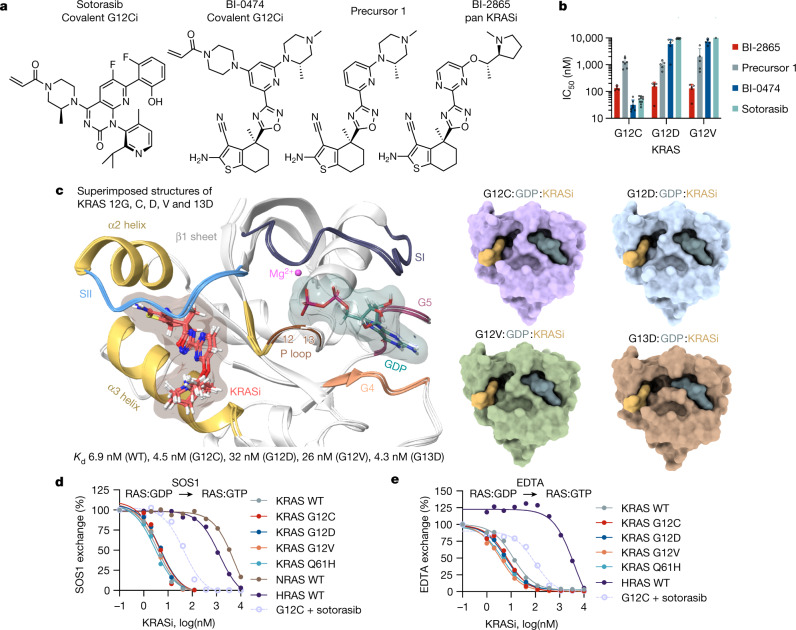
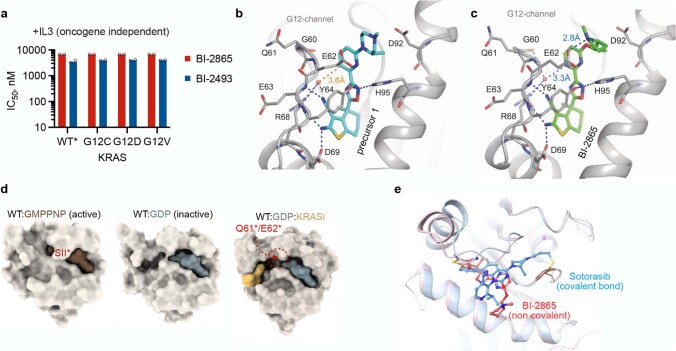
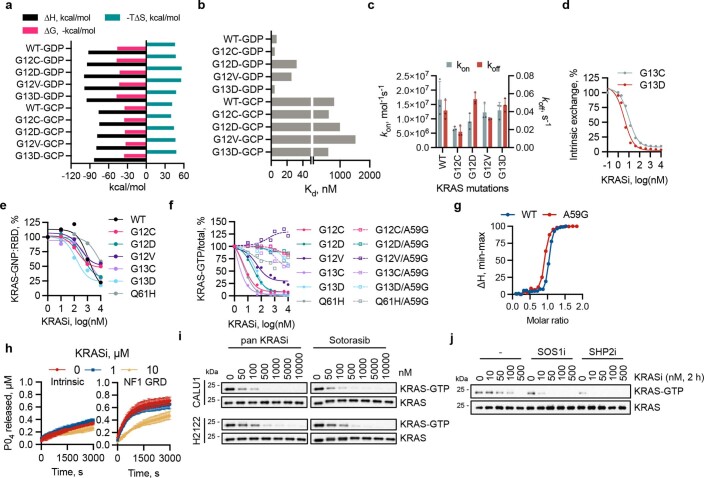
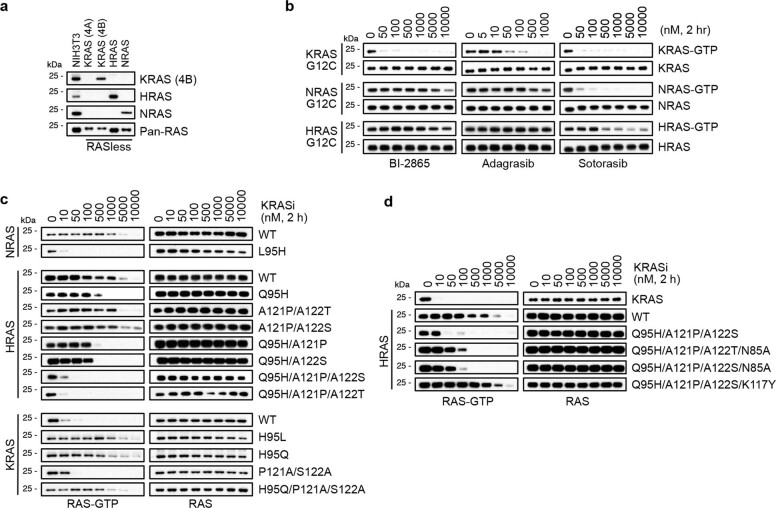
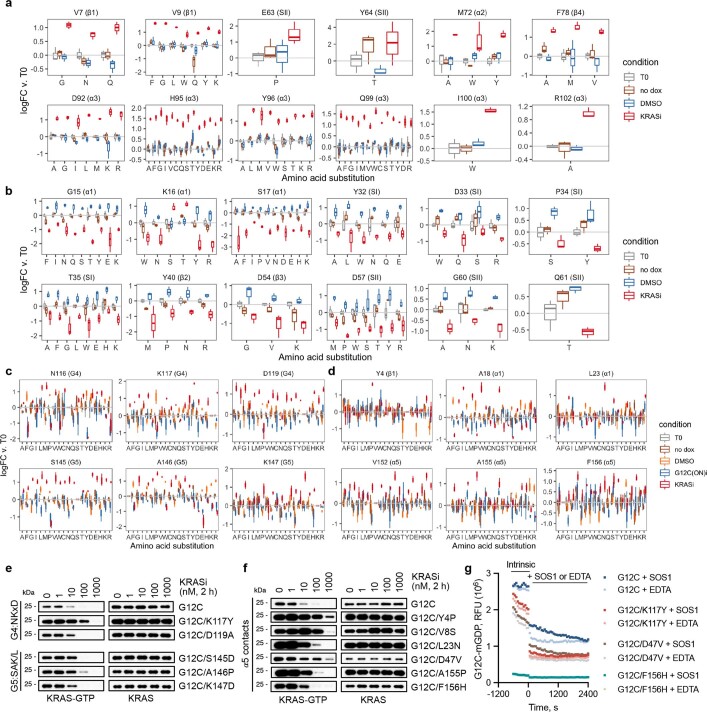
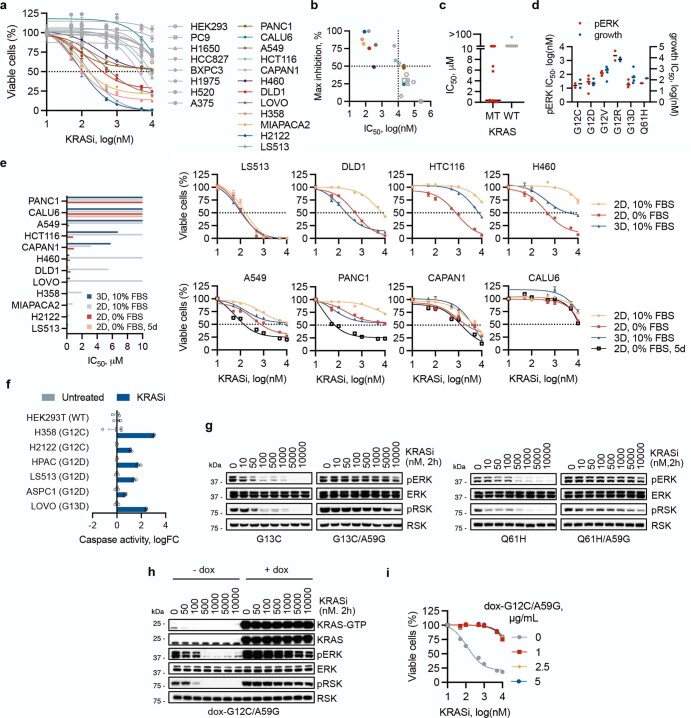
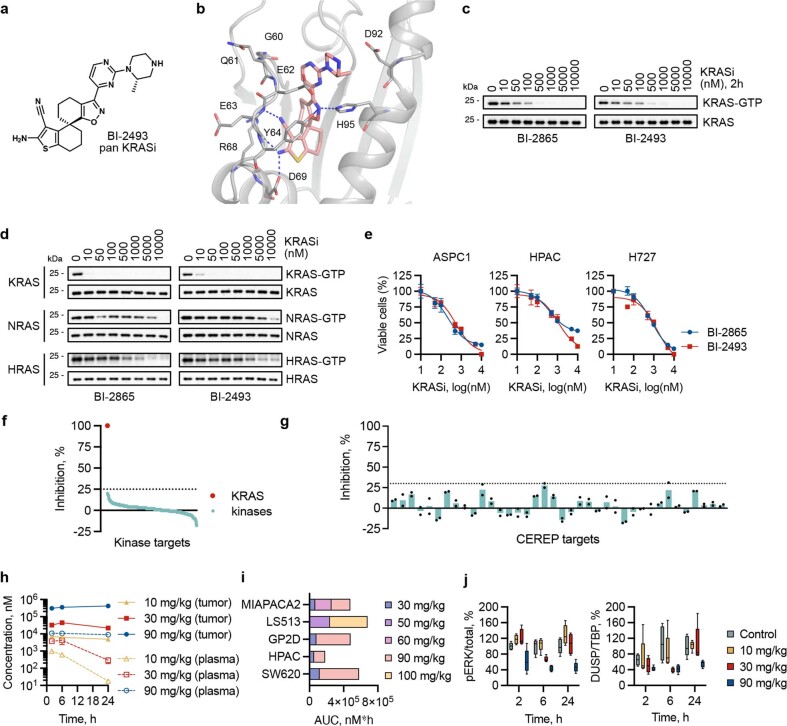
KRAS is one of the most commonly mutated proteins in cancer, and efforts to directly inhibit its function have been continuing for decades. The most successful of these has been the development of covalent allele-specific inhibitors that trap KRAS G12C in its inactive conformation and suppress tumour growth in patients 1–7 . Whether inactive-state selective inhibition can be used to therapeutically target non-G12C KRAS mutants remains under investigation. Here we report the discovery and characterization of a non-covalent inhibitor that binds preferentially and with high affinity to the inactive state of KRAS while sparing NRAS and HRAS. Although limited to only a few amino acids, the evolutionary divergence in the GTPase domain of RAS isoforms was sufficient to impart orthosteric and allosteric constraints for KRAS selectivity. The inhibitor blocked nucleotide exchange to prevent the activation of wild-type KRAS and a broad range of KRAS mutants, including G12A/C/D/F/V/S, G13C/D, V14I, L19F, Q22K, D33E, Q61H, K117N and A146V/T. Inhibition of downstream signalling and proliferation was restricted to cancer cells harbouring mutant KRAS, and drug treatment suppressed KRAS mutant tumour growth in mice, without having a detrimental effect on animal weight. Our study suggests that most KRAS oncoproteins cycle between an active state and an inactive state in cancer cells and are dependent on nucleotide exchange for activation. Pan-KRAS inhibitors, such as the one described here, have broad therapeutic implications and merit clinical investigation in patients with KRAS-driven cancers.
Overview
The claims and statistics of this paper haven’t been checked yet.
Free: it reads the open-access text and checks the first 5 claims that cite a source we can check. Create a free account to check every claim.
Integrity signals
Registry
Cites
Statistics
Figures
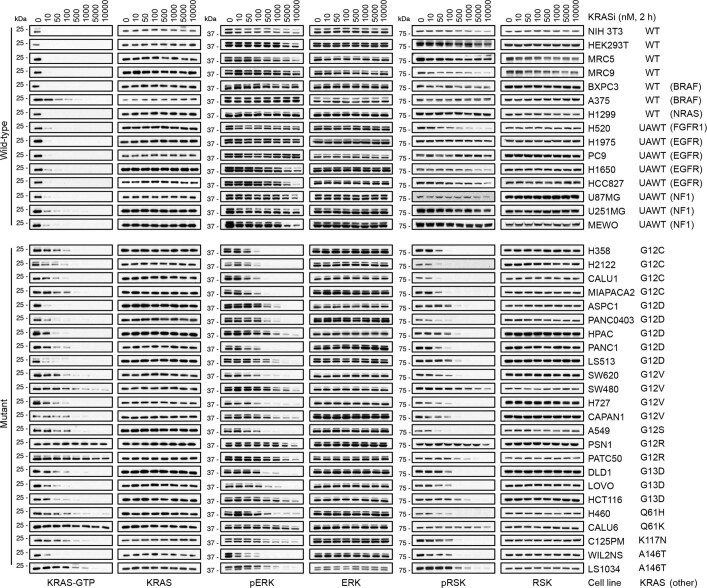
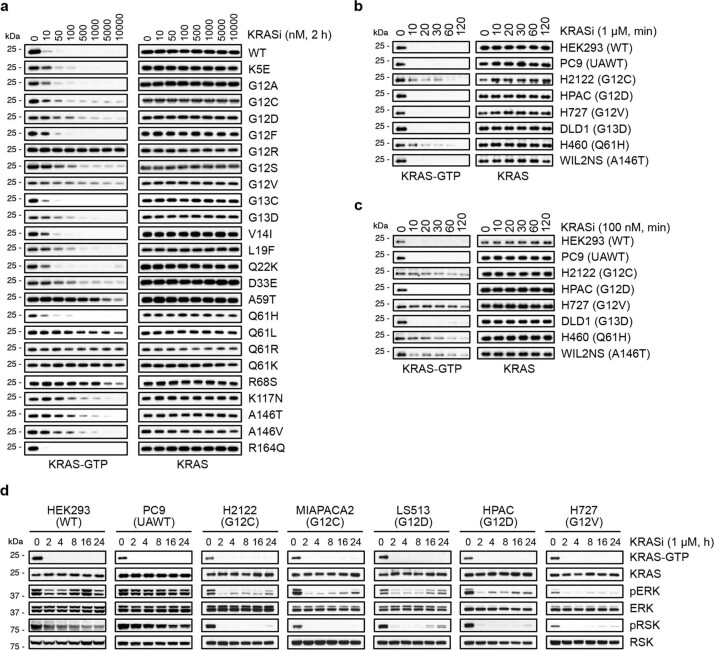
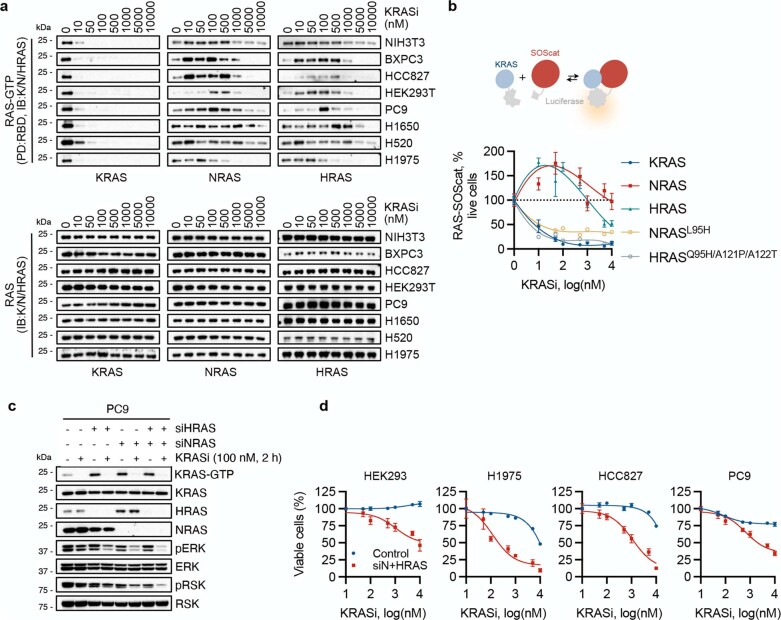
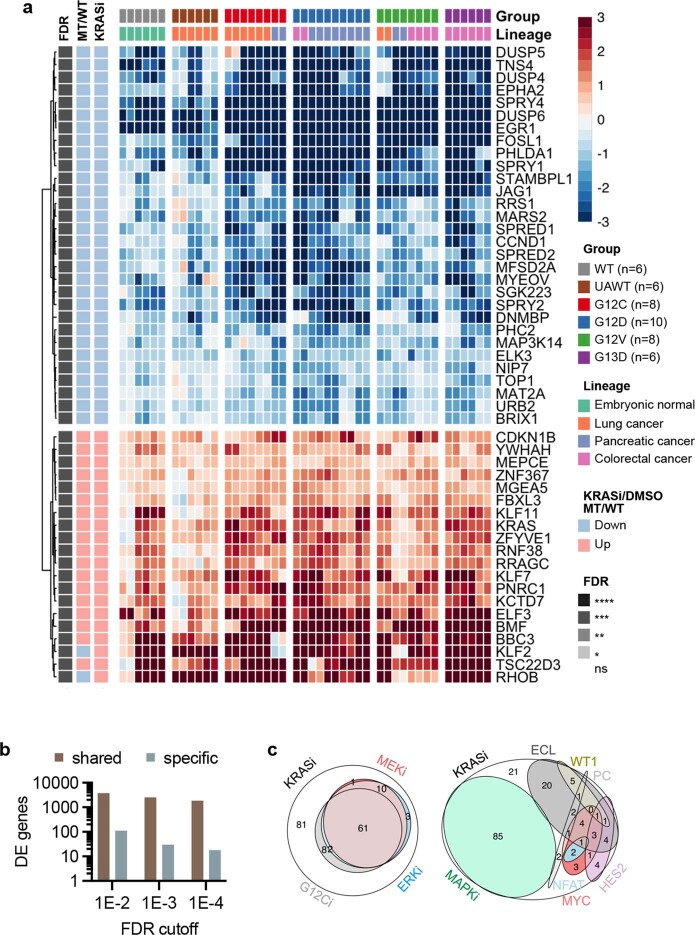
Verification
Claims the paper makes
The claims and statistics of this paper haven’t been checked yet.
Free: it reads the open-access text and checks the first 5 claims that cite a source we can check. Create a free account to check every claim.
Claims other papers make about this one
Each is checked against this paper’s own text: does it say what the citing paper says it does?
The source backs part of the claim, not all of it — or backs it for a different population, condition or comparison.
In the citing paper
“Murine xenograft experiments demonstrated efficacy against grafted cell lines and a PDX driven by KRAS G12C, G12D, G12V, and A146V without causing significant body weight loss.”
From KRAS: Biology, Inhibition, and Mechanisms of Inhibitor Resistance (2024) · cites this paper as [62]
Experimental — accuracy not yet measuredThe source backs part of the claim, not all of it — or backs it for a different population, condition or comparison.
In the citing paper
“This inhibitor functions by blocking the GDP/GTP nucleotide exchange of wildtype KRAS and other KRAS mutants, including G12A, G12C, G12D, G12F, G12V, G12S, G13C, G13D, V14I, L19F, Q22K, D33E, Q61H, K117N, A146V, and A146T.”
From KRAS: Biology, Inhibition, and Mechanisms of Inhibitor Resistance (2024) · cites this paper as [62]
Experimental — accuracy not yet measuredThe source backs part of the claim, not all of it — or backs it for a different population, condition or comparison.
In the citing paper
“BI-2865 inhibits oncogenic signaling through the RAF cascade, regardless of the specific KRAS driver mutation [62].”
From KRAS: Biology, Inhibition, and Mechanisms of Inhibitor Resistance (2024) · cites this paper as [62]
Experimental — accuracy not yet measuredThe source backs part of the claim, not all of it — or backs it for a different population, condition or comparison.
In the citing paper
“BI-2865 effectively blocked the interaction between KRAS and RAF in most cell lines, though it displayed weaker activity against cell lines harboring the KRAS G12R mutation.”
From KRAS: Biology, Inhibition, and Mechanisms of Inhibitor Resistance (2024) · cites this paper as [62]
Experimental — accuracy not yet measuredThe source backs part of the claim, not all of it — or backs it for a different population, condition or comparison.
In the citing paper
“Point mutations in the KRAS gene included G12D/F/R/V/W, which prevent covalent interactions with mutant cysteine, as well as V8L, G13D, V14I, Q61H, H95D/Q/R, Y96C, and Y96D [62,97,102,103].”
From KRAS: Biology, Inhibition, and Mechanisms of Inhibitor Resistance (2024) · cites this paper as [62]
Experimental — accuracy not yet measured
12 more claims about this paper
Create a free account to see every claim other papers make about this one.
Self-check
Percentages, sums and reported differences re-computed from the paper’s own numbers.
The self-check needs the paper’s full text.
Citations
Cites
Features and development of Coot
Emsley, P., Lohkamp, B., Scott, W. G., & Cowtan, K. (2010) · Acta Crystallographica Section D Biological Crystallography · doi:10.1107/s0907444910007493 · Cited by 29,915
The CCP4 suite: programs for protein crystallography
Collaborative Computational Project, N. 4. (1994) · Acta Crystallographica Section D Biological Crystallography · doi:10.1107/s0907444994003112 · Cited by 17,270
K-Ras(G12C) inhibitors allosterically control GTP affinity and effector interactions
Ostrem, J. M., Peters, U., Sos, M. L., Wells, J. A., & Shokat, K. M. (2013) · Nature · doi:10.1038/nature12796 · Cited by 2,557
The Clinical KRAS(G12C) Inhibitor AMG 510 Drives Anti-Tumour Immunity
Canon, J., Rex, K., Saiki, A. Y., Mohr, C., Cooke, K., Bagal, D., Gaida, K., Holt, T., Knutson, C. G., Koppada, N., et al. (2019) · Nature · doi:10.1038/s41586-019-1694-1 · Cited by 2,277
Data processing and analysis with the autoPROC toolbox
Vonrhein, C., Flensburg, C., Keller, P., Sharff, A., Smart, O., Paciorek, W., Womack, T., & Bricogne, G. (2011) · Acta Crystallographica Section D Biological Crystallography · doi:10.1107/s0907444911007773 · Cited by 2,029
RAS Proteins and Their Regulators in Human Disease
Simanshu, D. K., Nissley, D. V., & McCormick, F. (2017) · Cell · doi:10.1016/j.cell.2017.06.009 · Cited by 1,943
RAS oncogenes: the first 30 years
Malumbres, M., & Barbacid, M. (2003) · Nature Reviews Cancer · doi:10.1038/nrc1097 · Cited by 1,902
Sotorasib for Lung Cancers with KRAS p.G12C Mutation
Skoulidis, F., Li, B. T., Dy, G. K., Price, T. J., Falchook, G. S., Wolf, J., Italiano, A., Schuler, M., Borghaei, H., Barlesi, F., et al. (2021) · New England Journal of Medicine · doi:10.1056/nejmoa2103695 · Cited by 1,849
RAS oncogenes: weaving a tumorigenic web
Pylayeva-Gupta, Y., Grabocka, E., & Bar-Sagi, D. (2011) · Nature Reviews Cancer · doi:10.1038/nrc3106 · Cited by 1,789
KRAS G12C Inhibition with Sotorasib in Advanced Solid Tumors
Hong, D. S., Fakih, M. G., Strickler, J. H., Desai, J., Durm, G. A., Shapiro, G. I., Falchook, G. S., Price, T. J., Sacher, A., Denlinger, C. S., et al. (2020) · New England Journal of Medicine · doi:10.1056/nejmoa1917239 · Cited by 1,733
Self-citation
Cited by
Exploring treatment options in cancer: tumor treatment strategies
Liu, B., Zhou, H., Tan, L., Siu, K. T. H., & Guan, X.-Y. (2024) · Signal Transduction and Targeted Therapy · doi:10.1038/s41392-024-01856-7 · Cited by 1,201
Singhal, A., Li, B. T., & O’Reilly, E. M. (2024) · Nature Medicine · doi:10.1038/s41591-024-02903-0 · Cited by 332
“BI-2865 is a novel pan-KRAS inhibitor that selectively binds a spectrum of KRAS mutations and the wild-type KRAS protein, but notably spares other RAS family proteins, thereby potentially limiting the toxicity of RAS blockade in normal cells 77 .”
Translational and therapeutic evaluation of RAS-GTP inhibition by RMC-6236 in RAS-driven cancers
Jiang, J., Jiang, L., Maldonato, B. J., Wang, Y., Holderfield, M., Aronchik, I., Winters, I. P., Salman, Z., Blaj, C., Menard, M., et al. (2024) · Cancer Discovery · doi:10.1158/2159-8290.cd-24-0027 · Cited by 343
“Mutant-selective inhibitors of KRAS G12D (18, 19) and pan-KRAS inhibitors (20) could potentially expand the therapeutic landscape beyond KRAS G12C mutant cancers.”
Mechanisms of Resistance to Oncogenic KRAS Inhibition in Pancreatic Cancer
Dilly, J., Hoffman, M. T., Abbassi, L., Li, Z., Paradiso, F., Parent, B. D., Hennessey, C. J., Jordan, A. C., Morgado, M., Dasgupta, S., et al. (2024) · Cancer Discovery · doi:10.1158/2159-8290.cd-24-0177 · Cited by 308
“Recently developed “pan-RAS” or “pan-KRAS” inhibitors capable of targeting all RAS isoforms or all KRAS alleles will be broadly applicable to most patients with PDAC (71–74).”
BackgroundKRAS inhibitors: resistance drivers and combinatorial strategies
Isermann, T., Sers, C., Der, C. J., & Papke, B. (2025) · Trends in Cancer · doi:10.1016/j.trecan.2024.11.009 · Cited by 196
Tumour-selective activity of RAS-GTP inhibition in pancreatic cancer
Wasko, U. N., Jiang, J., Dalton, T. C., Curiel-Garcia, A., Edwards, A. C., Wang, Y., Lee, B., Orlen, M., Tian, S., Stalnecker, C. A., et al. (2024) · Nature · doi:10.1038/s41586-024-07379-z · Cited by 209
Targeting cancer with small-molecule pan-KRAS degraders
Popow, J., Farnaby, W., Gollner, A., Kofink, C., Fischer, G., Wurm, M., Zollman, D., Wijaya, A., Mischerikow, N., Hasenoehrl, C., et al. (2024) · Science · doi:10.1126/science.adm8684 · Cited by 198
Self-citationA Small Molecule with Big Impact: MRTX1133 Targets the KRASG12D Mutation in Pancreatic Cancer
Wei, D., Wang, L., Zuo, X., Maitra, A., & Bresalier, R. S. (2023) · Clinical Cancer Research · doi:10.1158/1078-0432.ccr-23-2098 · Cited by 193
Oncogenic alterations in advanced NSCLC: a molecular super-highway
Friedlaender, A., Pérol, M., Banna, G. L., Parikh, K., & Addeo, A. (2024) · Biomarker Research · doi:10.1186/s40364-024-00566-0 · Cited by 179
“More recently, a non-covalent pan-KRAS inhibitor was developed, which showed preclinical inhibition of multiple KRAS mutations in GDP-bound state [127].”
BackgroundExploiting the therapeutic implications of KRAS inhibition on tumor immunity
Molina-Arcas, M., & Downward, J. (2024) · Cancer Cell · doi:10.1016/j.ccell.2024.02.012 · Cited by 152
Defining the KRAS- and ERK-dependent transcriptome in KRAS-mutant cancers
Klomp, J. A., Klomp, J. E., Stalnecker, C. A., Bryant, K. L., Edwards, A. C., Drizyte-Miller, K., Hibshman, P. S., Diehl, J. N., Lee, Y. S., Morales, A. J., et al. (2024) · Science · doi:10.1126/science.adk0775 · Cited by 120
“To first determine whether these KRAS-ERK transcriptional changes oc-curred acutely, we evaluated RNA-seq data (PRJNA947663) ( 38 ) of a series of 16 KRAS-mutant cancer cell lines treated for 2 hours with a pan-KRASi.”
MethodRAS signaling in carcinogenesis, cancer therapy and resistance mechanisms
Yang, X., & Wu, H. K. (2024) · Journal of Hematology & Oncology · doi:10.1186/s13045-024-01631-9 · Cited by 146
Cregg, J., Edwards, A. V., Chang, S., Lee, B. J., Knox, J. E., Tomlinson, A. C. A., Marquez, A., Liu, Y., Freilich, R., Aay, N., et al. (2025) · Journal of Medicinal Chemistry · doi:10.1021/acs.jmedchem.4c02314 · Cited by 151
Zhou, C., Li, W., Zhenxing, L., Wu, X., Cheng, S., Peng, J., Zeng, K., Li, W., Lan, P., Yang, X., et al. (2024) · Nature Communications · doi:10.1038/s41467-024-44779-1 · Cited by 115
Combinatorial strategies to target RAS-driven cancers
Perurena, N., Situ, L., & Cichowski, K. M. (2024) · Nature reviews. Cancer · doi:10.1038/s41568-024-00679-6 · Cited by 115
Tumour and microenvironment crosstalk in NSCLC progression and response to therapy
Rahal, Z., Darzi, R. E., Moghaddam, S. J., Cascone, T., & Kadara, H. N. (2025) · Nature Reviews Clinical Oncology · doi:10.1038/s41571-025-01021-1 · Cited by 122
“These agents hold potential for modulating the TME and improving therapeutic responses, emphasizing the need to consider the variability of KRAS mutations when planning treatment strategies 187,188 .”
Consensus, debate, and prospective on pancreatic cancer treatments
Wang, J., Yang, J., Narang, A. K., He, J., Wolfgang, C. L., Li, K., & Zheng, L. (2024) · Journal of Hematology & Oncology · doi:10.1186/s13045-024-01613-x · Cited by 109
KRAS G12C inhibitor combination therapies: current evidence and challenge
Miyashita, H., Kato, S., & Hong, D. S. (2024) · Frontiers in Oncology · doi:10.3389/fonc.2024.1380584 · Cited by 85
Daraxonrasib in Previously Treated Advanced RAS -Mutated Pancreatic Cancer
Wolpin, B. M., Park, W., Garrido-Laguna, I., Spira, A., Starodub, A., Sommerhalder, D., Punekar, S. R., Barve, M., Pelster, M., Herzberg, B., et al. (2026) · New England Journal of Medicine · doi:10.1056/nejmoa2505783 · Cited by 90
Digestive cancers: mechanisms, therapeutics and management
Zhan, T., Betge, J., Schulte, N., Dreikhausen, L., Hirth, M., Li, M., Weidner, P., Leipertz, A., Teufel, A., & Ebert, M. P. A. (2025) · Signal Transduction and Targeted Therapy · doi:10.1038/s41392-024-02097-4 · Cited by 100
Strain-release alkylation of Asp12 enables mutant selective targeting of K-Ras-G12D
Zheng, Q., Zhang, Z., Guiley, K. Z., & Shokat, K. M. (2024) · Nature Chemical Biology · doi:10.1038/s41589-024-01565-w · Cited by 88
Targeting KRAS: from metabolic regulation to cancer treatment
Shi, Y., Zheng, H., Wang, T., Zhou, S., Zhao, S., Li, M., & Cao, B. (2025) · Molecular Cancer · doi:10.1186/s12943-024-02216-3 · Cited by 89
“Therefore, BI-2865 can inhibit many of the common KRAS mutations seen in cancer, including G12D, G12V, G12C, and G13D, as well as wild-type KRAS [176,177].”
Chan, A., Haley, R. M., Najar, M. A., Gonzalez-Martinez, D., Bugaj, L. J., Burslem, G. M., Mitchell, M. J., & Tsourkas, A. (2024) · Nature Communications · doi:10.1038/s41467-024-50235-x · Cited by 82
Hilmi, M., Delaye, M., Muzzolini, M., Nicolle, R., Cros, J. F., Hammel, P. R., Cardot‐Ruffino, V., & Neuzillet, C. (2023) · The Lancet. Gastroenterology & hepatology · doi:10.1016/s2468-1253(23)00207-8 · Cited by 82
Targeting PIKfyve-driven lipid metabolism in pancreatic cancer
Cheng, C., Hu, J., Mannan, R., He, T., Bhattacharyya, R., Magnuson, B., Wisniewski, J. P., Peters, S., Karim, S. A., MacLean, D., et al. (2025) · Nature · doi:10.1038/s41586-025-08917-z · Cited by 89
Self-citationDiscovery of KRAS(G12D) selective degrader ASP3082
Yoshinari, T., Nagashima, T., Ishioka, H., Inamura, K., Nishizono, Y., Tasaki, M., Iguchi, K., Suzuki, A., Sato, C., Nakayama, A., et al. (2025) · Communications Chemistry · doi:10.1038/s42004-025-01662-4 · Cited by 89
Thatikonda, V., Lyu, H., Jurado, S., Kostyrko, K., Bristow, C. A., Albrecht, C., Alpar, D., Arnhof, H., Bergner, O., Bosch, K., et al. (2024) · Nature Cancer · doi:10.1038/s43018-024-00800-6 · Cited by 76
“Co-administration of SOS1i or SHP2i both lead to the pharmacological blockade of nucleotide exchange 44 and increased inactive RAS levels, thus potentiating the effect of KRAS G12C i.”
Self-citationResponse and Resistance to RAS Inhibition in Cancer
Ebright, R. Y., Dilly, J., Shaw, A. T., & Aguirre, A. J. (2025) · Cancer Discovery · doi:10.1158/2159-8290.cd-25-0349 · Cited by 83
Computer-Aided Drug Discovery for Undruggable Targets
Sun, Q., Wang, H., Xie, J., Wang, L., Mu, J., Li, J., Ren, Y., & Lai, L. (2025) · Chemical Reviews · doi:10.1021/acs.chemrev.4c00969 · Cited by 83
RAS-ON inhibition overcomes clinical resistance to KRAS G12C-OFF covalent blockade
Nokin, M., Mira, A., Patrucco, E., Ricciuti, B., Cousin, S., Soubeyran, I., José, S. S., Peirone, S., Caizzi, L., Michelina, S. V., et al. (2024) · Nature Communications · doi:10.1038/s41467-024-51828-2 · Cited by 76
ASD2023: towards the integrating landscapes of allosteric knowledgebase
He, J., Liu, X., Zhu, C., Zha, J., Li, Q., Zhao, M., Wei, J., Li, M., Wu, C., Wang, J., et al. (2023) · Nucleic Acids Research · doi:10.1093/nar/gkad915 · Cited by 81
KRAS: the Achilles’ heel of pancreas cancer biology
Drizyte‐Miller, K., Talabi, T., Somasundaram, A., Cox, A. D., & Der, C. J. (2025) · Journal of Clinical Investigation · doi:10.1172/jci191939 · Cited by 73
KRAS: Biology, Inhibition, and Mechanisms of Inhibitor Resistance
Ash, L. J., Busia-Bourdain, O., Okpattah, D., Kamel, A., Liberchuk, A., & Wolfe, A. L. (2024) · Current Oncology · doi:10.3390/curroncol31040150 · Cited by 68
“In KRAS inhibitor-resistant tumors, genetic alterations observed in upstream regulators included transmembrane growth factor receptors EGFR and FGFR2/3 as well as the KRAS-regulating GAP protein NF1 [102].”
BackgroundInfluentialRiedl, J. M., Fece de la Cruz, F., Lin, J. J., Parseghian, C., Kim, J. E., Matsubara, H., Barnes, H., Caughey, B., Norden, B. L., Morales-Giron, A. A., et al. (2025) · Annals of Oncology · doi:10.1016/j.annonc.2025.01.020 · Cited by 68
A hybrid quantum computing pipeline for real world drug discovery
Li, W., Yin, Z., Li, X., Ma, D., Yi, S., Zhang, Z., Zou, C., Bu, K., Dai, M., Yue, J., et al. (2024) · Scientific Reports · doi:10.1038/s41598-024-67897-8 · Cited by 67
Targeting KRAS mutations: orchestrating cancer evolution and therapeutic challenges
Choucair, K., Imtiaz, H., Uddin, M. H., Nagasaka, M., Al-Hallak, M. N., Philip, P. A., El-Rayes, B., Pasche, B., & Azmi, A. S. (2025) · Signal Transduction and Targeted Therapy · doi:10.1038/s41392-025-02473-8 · Cited by 83
Protein lipidation in cancer: mechanisms, dysregulation and emerging drug targets
Tate, E. W., Soday, L., de la Lastra, A. L., Wang, M., & Lin, H. (2024) · Nature reviews. Cancer · doi:10.1038/s41568-024-00666-x · Cited by 69
Simultaneous Covalent Modification of K-Ras(G12D) and K-Ras(G12C) with Tunable Oxirane Electrophiles
Yu, Z., He, X., Wang, R., Xu, X., Zhang, Z., Ding, K., Zhang, Z., Tan, Y., & Li, Z. (2023) · Journal of the American Chemical Society · doi:10.1021/jacs.3c05899 · Cited by 63
KRAS Mutation Subtypes and Their Association with Other Driver Mutations in Oncogenic Pathways
Mondal, K., Posa, M. K., Shenoy, R. P., & Roychoudhury, S. (2024) · Cells · doi:10.3390/cells13141221 · Cited by 69
On the origins of SARS-CoV-2 main protease inhibitors
Janin, Y. L. (2024) · RSC Medicinal Chemistry · doi:10.1039/d3md00493g · Cited by 59
Targeting KRAS mutations in pancreatic cancer: opportunities for future strategies
Linehan, A., O’Reilly, M., McDermott, R., & O'Kane, G. M. (2024) · Frontiers in Medicine · doi:10.3389/fmed.2024.1369136 · Cited by 60
Cyclic fasting-mimicking diet in cancer treatment: Preclinical and clinical evidence
Vernieri, C., Ligorio, F., Tripathy, D., & Longo, V. D. (2024) · Cell Metabolism · doi:10.1016/j.cmet.2024.06.014 · Cited by 60
Pharmacological restoration of GTP hydrolysis by mutant RAS
Cuevas-Navarro, A., Pourfarjam, Y., Hu, F., Rodriguez, D. J., Vides, A., Sang, B., Fan, S., Goldgur, Y., de Stanchina, E., & Lito, P. (2024) · Nature · doi:10.1038/s41586-024-08283-2 · Cited by 55
“We have shown that most KRAS mutants are susceptible to inhibitors preferentially targeting their inactive state because they retain the ability to hydrolyse GTP in cancer cells 14–17 .”
Self-citationTargeting KRAS in Pancreatic Ductal Adenocarcinoma: The Long Road to Cure
de Jesus, V. H. F., Mathias-Machado, M. C., de Farias, J. P. F., Aruquipa, M. P. S., Jacome, A. A. D. A., & Peixoto, R. D. (2023) · Cancers · doi:10.3390/cancers15205015 · Cited by 55
“In PDAC, the activation of autophagy may lead to epithelial-mesenchymal transition (EMT), regulation of energy homeostasis, as well as mediation of chemotherapy-induced resistance [142].”
BackgroundHippo Signaling at the Hallmarks of Cancer and Drug Resistance
Kumar, R., & Hong, W. (2024) · Cells · doi:10.3390/cells13070564 · Cited by 53
“In addition to KRAS amplification, a broad range of allelic mutations including G12A/C/D/F/V/S, G13C/D, V41, L19F, Q22K, D33E, Q61H, K117N, and A146V/T makes it challenging to tackle mutant K-RAS-driven diseases [44].”
BackgroundSotorasib Is a Pan- RAS G12C Inhibitor Capable of Driving Clinical Response in NRAS G12C Cancers
Rubinson, D. A., Tanaka, N., Fece de la Cruz, F., Kapner, K. S., Rosenthal, M. H., Norden, B. L., Barnes, H., Ehnstrom, S., Morales-Giron, A. A., Brais, L. K., et al. (2024) · Cancer Discovery · doi:10.1158/2159-8290.cd-23-1138 · Cited by 43
“Notably, the three switch-II-pocket–binding molecules in this study showing the greatest selectivity for KRAS G12C —adagrasib, GDC-6036, and ARS-1620—all share an unsubstituted core nitrogen that is well-positioned to form a hydrogen bond with His95.”
InfluentialUSP7 deubiquitinates KRAS and promotes non-small cell lung cancer
Huang, B., Cao, D., Yuan, X., Xiong, Y., Chen, B., Wang, Y., Niu, X., Tian, R., & Huang, H. (2024) · Cell Reports · doi:10.1016/j.celrep.2024.114917 · Cited by 54
Disrupted molecular glue complex drives RAS inhibitor resistance
Sang, B., Ye, L. F., Fu, Z., Pourfarjam, Y., Cuevas-Navarro, A., Fan, S., Hu, F., Washington, A., Rodriguez, D. J., Vides, A., et al. (2026) · Cell · doi:10.1016/j.cell.2026.03.031 · Cited by 53
“73,77,78 Briefly, cells were seeded in 96-well plates at 2,000 cells per well in triplicates (at minimum) and treated with indicated concentrations of drugs for 72 h.”
Self-citationPrecision Oncology: 2023 in Review
Murciano‐Goroff, Y. R., Suehnholz, S. P., Drilon, A. E. D. C., & Chakravarty, D. (2023) · Cancer Discovery · doi:10.1158/2159-8290.cd-23-1194 · Cited by 52
“Lastly, pan-KRAS inhibitors that avoid inadvertant HRAS and NRAS activation by KRAS wild-type cells are in preclinical development (6).”
BackgroundTargeting CRAF kinase in anti-cancer therapy: progress and opportunities
Wang, P., Laster, K. V., Jia, X., Dong, Z., & Liu, K. (2023) · Molecular Cancer · doi:10.1186/s12943-023-01903-x · Cited by 47
From bench to bedside: current development and emerging trend of KRAS-targeted therapy
Chen, Y., Liu, Q.-P., Xie, H., & Ding, J. (2023) · Acta Pharmacologica Sinica · doi:10.1038/s41401-023-01194-4 · Cited by 47
“…studies by these two groups (Kevan Shokat et al. and Piro Lito et al.) suggest that inhibition of KRAS in the inactive state (or S-IIP as the binding site) is not a privilege of the G12C mutation and that this approach can also be applied to target a broad range of KRAS mutations [89, 96].”
InfluentialEmerging landscape of KRAS inhibitors in cancer treatment
Riedl, J. M., Matsubara, H., McNeil, R., Patel, P. S., de la Cruz, F. F., Gulhan, D., & Corcoran, R. B. (2026) · Cancer Cell · doi:10.1016/j.ccell.2026.01.001 · Cited by 53
Facts and Hopes on RAS Inhibitors and Cancer Immunotherapy
Boumelha, J., Molina‐Arcas, M., & Downward, J. (2023) · Clinical Cancer Research · doi:10.1158/1078-0432.ccr-22-3655 · Cited by 46
“Morerecently,BoehringerIngelheim has reported the development of a noncovalent KRAS inhibitors, which binds preferentially to the inactive form and targets both wild-type KRAS and a broad range of KRAS mutant forms (25).”
BackgroundPrognostic and therapeutic impact of the KRAS G12C mutation in colorectal cancer
Qunaj, L., May, M. S., Neugut, A. I., & Herzberg, B. O. (2023) · Frontiers in Oncology · doi:10.3389/fonc.2023.1252516 · Cited by 48
“Direct pan-RAS or pan-KRAS inhibitors, which inhibit RAS regardless of mutated allele (and include on-target WT inhibition), have also been described, with lots of preclinical data and early hints of clinical efficacy (63, 64).”
BackgroundThe role of CRAF in cancer progression: from molecular mechanisms to precision therapies
Riaud, M., Maxwell, J., Soria‐Bretones, I., Dankner, M., Li, M., & Rose, A. A. N. (2024) · Nature reviews. Cancer · doi:10.1038/s41568-023-00650-x · Cited by 45
“Moreover, promising new KRAS G12D inhibitors and pan-KRAS inhibitors will probably move into clinical development in the near future 175,178,179 .”
Adamopoulos, C., Cave, D. D., & Papavassiliou, A. G. (2024) · International Journal of Molecular Sciences · doi:10.3390/ijms25031631 · Cited by 43
“This pan-KRAS inhibitor showed preclinical anti-tumor activity in various models, indicating broad therapeutic implications in patients with KRAS-driven cancers, including pancreatic cancer [69].”
BackgroundLiu, Y., Han, J., Hsu, W., LaBella, K. A., Deng, P., Shang, X., de Lara, P. T., Cai, L., Jiang, S., & DePinho, R. A. (2024) · Cancer Discovery · doi:10.1158/2159-8290.cd-24-0489 · Cited by 50
Recent advances in drug delivery and targeting for the treatment of pancreatic cancer
Pramanik, N., Gupta, A. K., Ghanwatkar, Y., & Mahato, R. I. (2024) · Journal of Controlled Release · doi:10.1016/j.jconrel.2023.12.053 · Cited by 43
Crosstalk between metabolic and epigenetic modifications during cell carcinogenesis
Gao, Y., Zhang, S., Zhang, X., Du, Y., Ni, T., & Hao, S. (2024) · iScience · doi:10.1016/j.isci.2024.111359 · Cited by 50
The current landscape of using direct inhibitors to target KRASG12C-mutated NSCLC
Batrash, F., Kutmah, M., & Zhang, J. (2023) · Experimental Hematology and Oncology · doi:10.1186/s40164-023-00453-8 · Cited by 43
“Created with BioRender.com pan-KRAS inhibitor that was able to dampen tumor growth in multiple KRAS mutation carrying cell lines with similar potency to sotorasib [102].”
BackgroundCastelli, M., Marchetti, F., Osuna, S., Oliveira, A. S. F., Mulholland, A. J., Serapian, S. A., & Colombo, G. (2023) · Journal of the American Chemical Society · doi:10.1021/jacs.3c11396 · Cited by 48
Feng, J., Xiao, X., Xia, X., Min, J., Tang, W., Shi, X., Xu, K., Zhou, G., Li, K., Shen, P., et al. (2025) · Cancer Cell · doi:10.1016/j.ccell.2025.07.006 · Cited by 46
NF2: An underestimated player in cancer metabolic reprogramming and tumor immunity
Xu, D., Yin, S., & Shu, Y. (2024) · npj Precision Oncology · doi:10.1038/s41698-024-00627-5 · Cited by 43
“To date, divarasib (GDC-6036), sotorasib and the most recently reportedPan-KRASinhibitorhavebeenexploredforthetreatment of multiple solid tumors 80 – 82 , suggesting the feasibility of employing KRAS inhibitors in mesothelioma treatment.”
BackgroundExploration of Cryptic Pockets Using Enhanced Sampling Along Normal Modes: A Case Study of KRAS G12D
Vithani, N., Zhang, S., Thompson, J. P., Patel, L. A., Demidov, A., Xia, J., Balaeff, A., Mentes, A., Arnautova, Y. A., Kohlmann, A., et al. (2024) · Journal of Chemical Information and Modeling · doi:10.1021/acs.jcim.4c01435 · Cited by 40
Current and emerging concepts for systemic treatment of metastatic colorectal cancer
Steup, C., Kennel, K. B., Neurath, M. F., Fichtner-Feigl, S., & Greten, F. R. (2025) · Gut · doi:10.1136/gutjnl-2025-335412 · Cited by 39
“36 In addition, several other drugs targeting KRAS mutations, including the most frequent p.G12D mutation 37 and pan-RAS (rat sarcoma) inhibitors, 38 are being investigated in clinical studies (table 3).”
Tang, Y., Pu, X., Yuan, X., Pang, Z., Li, F., & Wang, X. (2024) · Cancer Gene Therapy · doi:10.1038/s41417-024-00778-4 · Cited by 43
“Consequently, in cells with wild-type KRAS , the use of this inhibitor leads to increased activation of other RAS homologs, thereby limiting its antiproliferative effects [33].”
BackgroundGenetics and biology of pancreatic ductal adenocarcinoma
Ying, H., Kimmelman, A. C., Bardeesy, N. M., Kalluri, R., Maitra, A., & DePinho, R. A. (2024) · Genes & Development · doi:10.1101/gad.351863.124 · Cited by 48
“Undruggable KRAS”: druggable after all
Cox, A. D., & Der, C. J. (2024) · Genes & Development · doi:10.1101/gad.352081.124 · Cited by 61
A single inhibitor for all KRAS mutations
Corcoran, R. B. (2023) · Nature Cancer · doi:10.1038/s43018-023-00615-x · Cited by 37
Targeting KRAS in Colorectal Cancer: A Bench to Bedside Review
Bteich, F., Mohammadi, M., Li, T., Bhat, M. A., Sofianidi, A. A., Wei, N., & Kuang, C. (2023) · International Journal of Molecular Sciences · doi:10.3390/ijms241512030 · Cited by 36
“recently published the characterization and preclinical anti-tumor activity of the novel panKRAS inhibitors BI-2865 and BI-2493 [151].”
BackgroundInfluentialTargeting ALDH1A1 to enhance the efficacy of KRAS-targeted therapy through ferroptosis
Bian, Y., Shan, G., Bi, G., Liang, J., Hu, Z., Sui, Q., Shi, H., Zheng, Z., Yao, G., Wang, Q., et al. (2024) · Redox Biology · doi:10.1016/j.redox.2024.103361 · Cited by 35
“To test the generality of inhibiting ALDH1A1, we assessed the sensitivity of parental MIAPACA2 and H2122 cells to pan-KRAS inhibitors BI-2493 [26] and that of KRAS G12D mutant cells (HPAC and GP2D) to KRAS G12D inhibitor MRTX1133 [27].”
A first-in-class EGFR-directed KRAS G12V selective inhibitor
Stanland, L. J., Huggins, H. P., Sahoo, S. S., Porrello, A., Chareddy, Y. S., Azam, S. H., Perry, J. L., Pallan, P. S., Whately, K. M., Edatt, L., et al. (2025) · Cancer Cell · doi:10.1016/j.ccell.2025.05.016 · Cited by 42
Liaki, V., Barrambana, S., Kostopoulou, M., Lechuga, C. G., Zamorano-Domínguez, E., Acosta, D., Morales-Cacho, L., Álvarez, R., Sun, P., Rosas-Pérez, B., et al. (2025) · Proceedings of the National Academy of Sciences · doi:10.1073/pnas.2523039122 · Cited by 37
RetractedPrecision medicine for KRAS wild-type pancreatic adenocarcinomas
Ben-Ammar, I., Rousseau, A., Nicolle, R., Tarabay, A., Boige, V., Valéry, M., Pudlarz, T., Malka, D., Gelli, M., Fernandez-De-Sevilla, E., et al. (2023) · European Journal of Cancer · doi:10.1016/j.ejca.2023.113497 · Cited by 34
A pan-KRAS degrader for the treatment of KRAS-mutant cancers
Yang, J., Wang, Q.-L., Wang, G., Ye, J.-C., Li, Z.-Q., Wang, J.-Y., Liang, Z., Li, S., Sun, C., Liao, W., et al. (2024) · Cell Discovery · doi:10.1038/s41421-024-00699-4 · Cited by 37
“…small-molecule inhibitor, which acts by blocking the nucleotide exchange between KRAS-bound GTP and KRAS-bound GDP, has demonstrated broad inhibition of KRAS activity; however, its effectiveness against KRAS mutants with impaired hydrolytic activity, such as KRAS G12R and Q61L/R/K, is limited 13 .”
Functional and structural insights into RAS effector proteins
Mozzarelli, A. M., Simanshu, D. K., & Castel, P. (2024) · Molecular Cell · doi:10.1016/j.molcel.2024.06.027 · Cited by 40
Evaluation of KRAS inhibitor-directed therapies for pancreatic cancer treatment
Long, S.-A., Amparo, A. M., Goodhart, G., Ahmad, S. A., & Waters, A. M. (2024) · Frontiers in Oncology · doi:10.3389/fonc.2024.1402128 · Cited by 31
Tedeschi, A., Schischlik, F., Rocchetti, F., Popow, J., Ebner, F., Gerlach, D., Geyer, A., Santoro, V., Boghossian, A. S., Rees, M. G., et al. (2024) · Molecular Cancer Therapeutics · doi:10.1158/1535-7163.mct-24-0386 · Cited by 36
“C ), in agreement with previous results (10).”
InfluentialSelf-citationEmerging Targeted Therapies in Non-Small-Cell Lung Cancer (NSCLC)
Mina, S. A., Shanshal, M., Leventakos, K., & Parikh, K. (2025) · Cancers · doi:10.3390/cancers17030353 · Cited by 35
“These inhibitors preferentially bind to the inactive state of the KRAS protein and work by blocking nucleotide exchange, thereby preventing the activation of both wild-type and mutant KRAS proteins (including G12A/C/D/F/V/S, G13C/D, V14I, L19F, Q22K, D33E, Q61H, K117N, and A146V/T) [46].”
Wheless, M. C., Agarwal, R., Goff, L. W., Lockney, N. A., Padmanabhan, C., & Heumann, T. R. (2024) · Current Treatment Options in Oncology · doi:10.1007/s11864-023-01153-5 · Cited by 38
Shembrey, C., Yang, R., Casan, J. M. L., Hu, W., Chen, H., Singh, G. J., Sadras, T., Prasad, K., Shortt, J., Johnstone, R. W., et al. (2024) · Science Advances · doi:10.1126/sciadv.adl0731 · Cited by 30
Cholangiocarcinoma Targeted Therapies
Ellis, H., Braconi, C., Valle, J. W., & Bardeesy, N. M. (2024) · American Journal Of Pathology · doi:10.1016/j.ajpath.2024.11.005 · Cited by 31
Stromal-derived NRG1 enables oncogenic KRAS bypass in pancreas cancer
Han, J., Xu, J., Liu, Y., Liang, S., LaBella, K. A., Chakravarti, D., Spring, D. J., Xia, Y., & DePinho, R. A. (2023) · Genes & Development · doi:10.1101/gad.351037.123 · Cited by 30
Lokhandwala, J., Smalley, T. B., & Tran, T. H. (2024) · Frontiers in Oncology · doi:10.3389/fonc.2024.1394702 · Cited by 29
Liu, X., Yang, J., Huang, S., Hong, Y., Zhu, Y., Wang, J., Wang, Y., Liang, T., & Bai, X. (2025) · Molecular Therapy · doi:10.1016/j.ymthe.2025.01.023 · Cited by 30
Pancreatic Cancer: Pathogenesis and Clinical Studies
Zhou, K., Liu, Y., Tang, C., & Zhu, H. (2025) · MedComm · doi:10.1002/mco2.70162 · Cited by 35
Direct-to-Biology Enabled Molecular Glue Discovery
Hu, M., Ochoada, J., Actis, M., McGowan, K. M., Jarusiewicz, J., Yoshimura, S., McGrath, L., Neelakantan, U., Aggarwal, A., Mayasundari, A., et al. (2025) · Journal of the American Chemical Society · doi:10.1021/jacs.5c13496 · Cited by 32
KRAS mutations in advanced non-small cell lung cancer: From biology to novel therapeutic strategies
Liguori, L., Salomone, F., Viggiano, A., Sabbatino, F., Pepe, S., Formisano, L., Bianco, R., & Servetto, A. (2024) · Critical Reviews in Oncology/Hematology · doi:10.1016/j.critrevonc.2024.104554 · Cited by 31
Tanaka, N., & Ebi, H. (2024) · Cancer Science · doi:10.1111/cas.16441 · Cited by 30
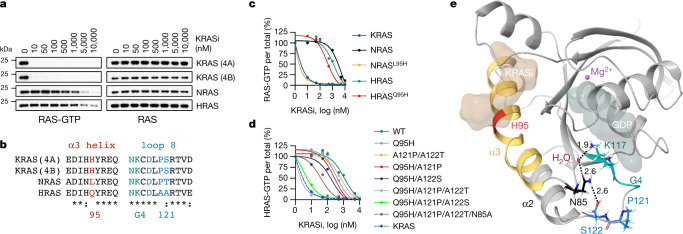
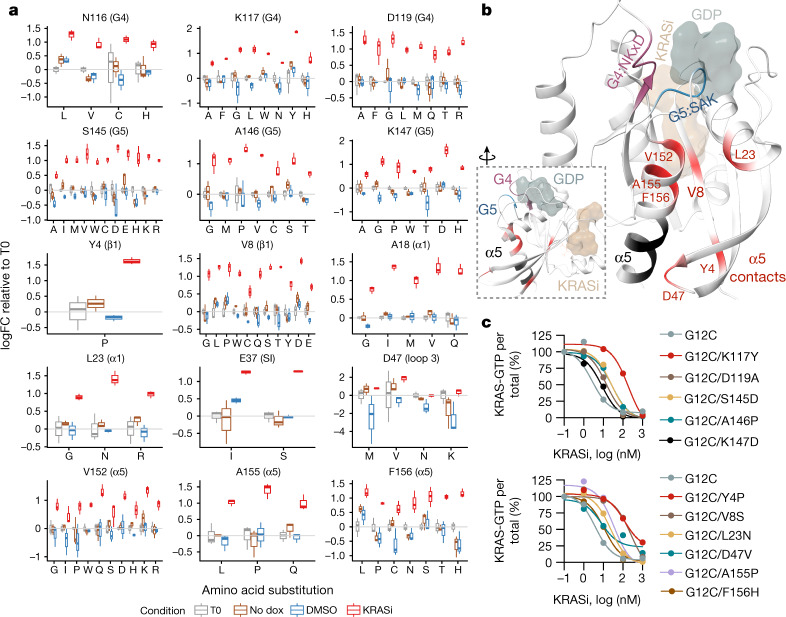
“These residues impose selectivity constraints on KRAS inhibition through a combination of orthosteric effects from H95 in the α3 helix and allosteric (or indirect) effects from P121 and S122 [12].”
Alexander, P., Chan, A. H., Rabara, D., Swain, M., Larsen, E. K., Dyba, M. D., Chertov, O., Ashraf, M., Champagne, A., Lin, K. Y., et al. (2025) · Journal of Biological Chemistry · doi:10.1016/j.jbc.2025.110331 · Cited by 27
Evolution of direct RAS inhibitors: from undruggable target to clinical breakthroughs
Wang, X., Wu, J., Xiao, A., Wang, J., & Tian, J. (2025) · Molecular Cancer · doi:10.1186/s12943-025-02364-0 · Cited by 29
“The first one is BI-2865 [53] (Fig.”
Ma, Z., Zhou, M., Shen, Q., & Zhou, J. (2025) · Journal of Medicinal Chemistry · doi:10.1021/acs.jmedchem.5c01441 · Cited by 31
Tee, W.-V., Lim, S. J. M., & Berezovsky, I. N. (2024) · Journal of Medicinal Chemistry · doi:10.1021/acs.jmedchem.4c01043 · Cited by 26
Treatment of KRAS-Mutated Pancreatic Cancer: New Hope for the Patients?
Krupa, K., Fudalej, M. M., Włoszek, E., Miski, H., Badowska-Kozakiewicz, A. M., Mękal, D., Budzik, M. P., Czerw, A. I., & Deptała, A. (2025) · Cancers · doi:10.3390/cancers17152453 · Cited by 25
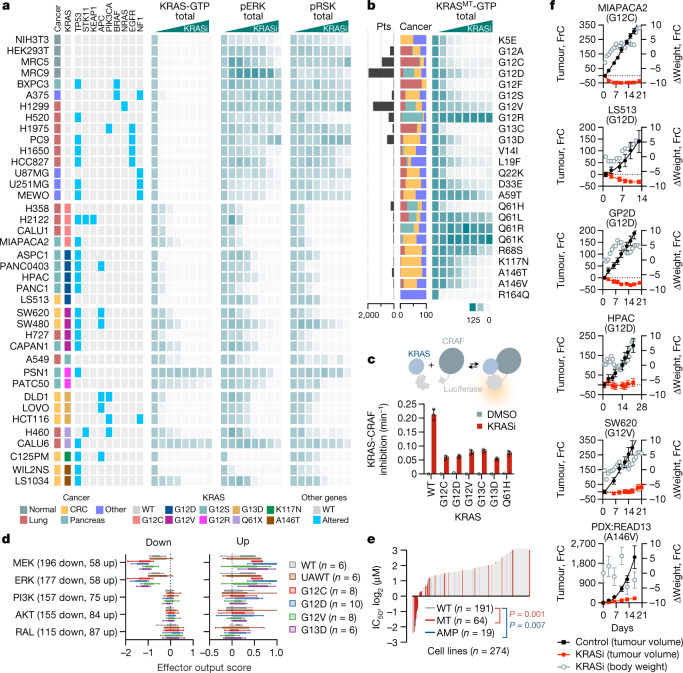
“In mouse xenograft models with various KRAS mutations (G12C, G12D, G12V, A146V), BI-2865 inhibited tumor growth without visible adverse effects on animal body weight [85].”
Targeting KRASG12C in Non-Small-Cell Lung Cancer: Current Standards and Developments
Torres-Jiménez, J., Espinar, J. B., Bote, H., Berjaga, M. Z., Esteban-Villarrubia, J., Fraile, J. Z., & Paz-Ares, L. G. (2024) · Drugs · doi:10.1007/s40265-024-02030-7 · Cited by 28
“BI-2865 is the first-pan-KRAS-selective inhibitor that selectively binds KRAS and not other RAS family proteins [146].”
The Integrated Stress Response in Pancreatic Development, Tissue Homeostasis, and Cancer
Malnassy, G., Ziolkowski, L. M., Macleod, K. F., & Oakes, S. A. (2024) · Gastroenterology · doi:10.1053/j.gastro.2024.05.009 · Cited by 25
KRAS-Driven Tumorigenesis and KRAS-Driven Therapy in Pancreatic Adenocarcinoma
Than, M. T., O’Hara, M. H., Stanger, B. Z., & Reiss, K. A. (2024) · Molecular Cancer Therapeutics · doi:10.1158/1535-7163.mct-23-0519 · Cited by 23
Rahimi, A., Khibech, O., Benabbou, A., Merzouki, M., Bouhrim, M., Al-Zharani, M. M., Nasr, F. A., Qurtam, A. A., Abadi, S., Challioui, A., et al. (2025) · Pharmaceuticals · doi:10.3390/ph18081110 · Cited by 24
“Crystallographic campaigns and fragment screens have revealed that subtle chemical nudges in this lateral cleft can stiffen the loops enough to retain GDP and obstruct effector engagement, offering a mutation-agnostic path to KRAS silencing [9,11,12].”
Targeting KRAS Diversity: Covalent Modulation of G12X and Beyond in Cancer Therapy
Kirschner, T., Müller, M. P., & Rauh, D. (2024) · Journal of Medicinal Chemistry · doi:10.1021/acs.jmedchem.3c02403 · Cited by 24
Zhang, F., Wang, B., Wu, M., Zhang, L., & Ji, M. Q. (2025) · Frontiers in Immunology · doi:10.3389/fimmu.2025.1509173 · Cited by 28
Metadata
- Authors
- Kim, D., Herdeis, L., Rudolph, D., Zhao, Y., Böttcher, J., Vides, A., Ayala-Santos, C. I., Pourfarjam, Y., Cuevas-Navarro, A., Xue, J. Y., Mantoulidis, A., Bröker, J., Wunberg, T., Schaaf, O., Popow, J., Wolkerstorfer, B., Kropatsch, K. G., Qu, R., de Stanchina, E., Sang, B., Li, C., McConnell, D. B., Kraut, N., & Lito, P.
- Affiliations
- Boehringer Ingelheim (Austria) (AT)
- Memorial Sloan Kettering Cancer Center (US)
- Corresponding author
- Lito, Piro
- ORCID
- Venue
- Nature
- Published
- 2023-05-31
- Volume
- 619
- Issue
- 7968
- Pages
- 160-166
- ISSN
- 0028-0836 (ISSN-L)
- 1476-4687
- PMC
- PMC10322706
- OpenAlex
- W4378901135
- Semantic Scholar
- adbdedfc9643df9a77eda1538b6370ab04be09d1
- Cited by
- 534
- References
- 42
- Citations by year
- 2026: 129 · 2025: 190 · 2024: 176 · 2023: 39
- FWCI
- 47.67
- Type
- journal article
- Language
- en
- Open access
- hybrid
- doi.org
- Licence
- cc-by
- creativecommons.org/licenses/by/4.0 (tdm)
- creativecommons.org/licenses/by/4.0 (vor)
- Locations
- Nature (publishedVersion, cc-by)
- PubMed Central (publishedVersion, cc-by)
- PubMed (publishedVersion)
- RePEc: Research Papers in Economics (submittedVersion)
- DORA PSI (Paul Scherrer Institute) (submittedVersion, cc-by)
- Funders
- Pew Charitable Trusts
- Damon Runyon Cancer Research Foundation (P30 CA008748)
- Memorial Sloan-Kettering Cancer Center (CA008748, P30 CA008748)
- Pershing Square Sohn Cancer Research Alliance (P30 CA008748)
- National Institutes of Health (CA008748)
- National Cancer Institute (R01CA230267, CA008748, P30CA008748, R01CA279264, R01CA230745)
- Topics
- Life Sciences › Biochemistry, Genetics and Molecular Biology › Molecular Biology › Protein Kinase Regulation and GTPase Signaling
- Life Sciences › Biochemistry, Genetics and Molecular Biology › Molecular Biology › Protein Tyrosine Phosphatases
- Life Sciences › Biochemistry, Genetics and Molecular Biology › Molecular Biology › Melanoma and MAPK Pathways
- Keywords
- KRAS, pan-KRAS inhibitors, non-covalent inhibitors, KRAS mutation, oncogenic signaling, tumor growth inhibition, allosteric inhibition, KRAS-driven cancers
- MeSH terms
- Animals, Body Weight, Cell Division, Enzyme Activation, Mutation, Neoplasms, Nucleotides, Substrate Specificity, Signal Transduction, Proto-Oncogene Proteins p21(ras), Monomeric GTP-Binding Proteins, Mice
About these checks
Registry, retraction, Cites and statistics results are computed, not judged, with one exception: a printed reference that no index lists is read once by a model before it counts as a citation error. Claims are extracted by a model and kept only when their quote appears verbatim in the text; each cited source is then checked, with a model’s help, for whether it says what the claim relies on. Those verdicts can be wrong — read the claim’s quote and the cited source before relying on one.
Statistics and arithmetic are recomputed, not judged.
Confidence bands are shown only for fields calibrated on our annotated test set. None is calibrated yet, so no band is shown.
What counts as a claim ›How we measure confidence ›How we check this ›
Are you an author, or do you see a problem with this page? Request a review
Data sources
Bibliographic data: Semantic Scholar, OpenAlex, Crossref.
Contains information from the Semantic Scholar Academic Graph Datasets, made available under the ODC Attribution License (ODC-BY 1.0).
Semantic Scholar’s data is described in: Kinney, R., et al. (2023). The Semantic Scholar Open Data Platform. arXiv:2301.10140.
