

Plasma proteomic associations with genetics and health in the UK Biobank
Open accessPublished version of a preprint
The DOI matches its Crossref record; 125 of the 125 references it cites were found in a registry or an index; 25 of the 34 sources its claims cite were checked for support.
Abstract
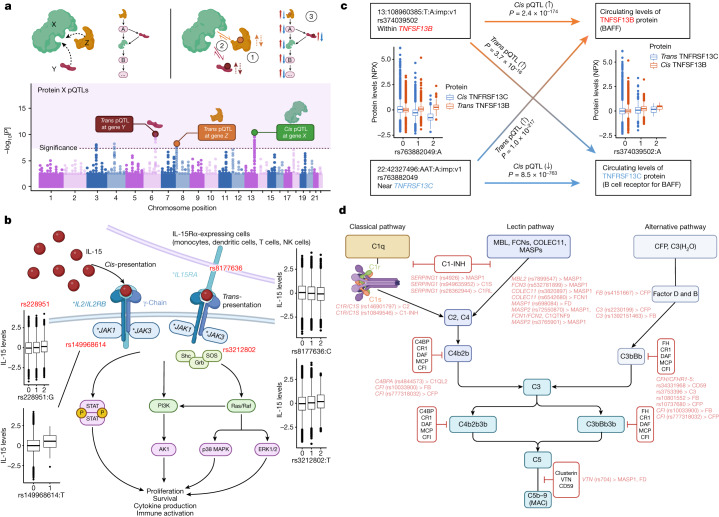
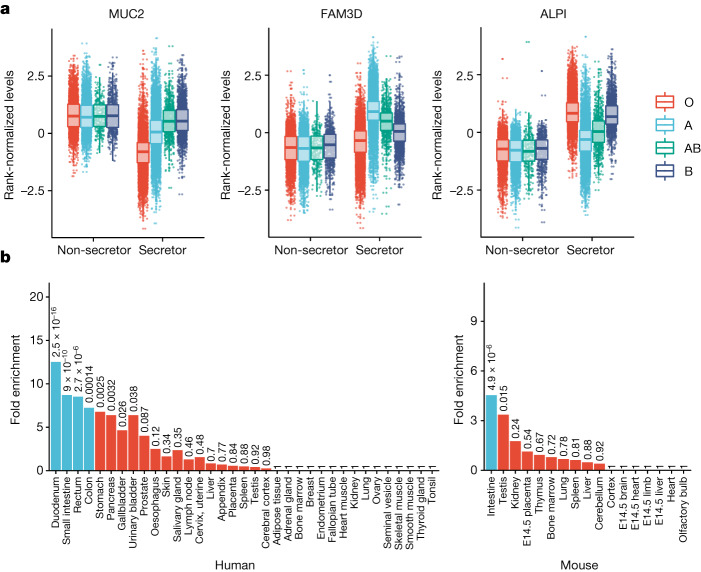
The Pharma Proteomics Project is a precompetitive biopharmaceutical consortium characterizing the plasma proteomic profiles of 54,219 UK Biobank participants. Here we provide a detailed summary of this initiative, including technical and biological validations, insights into proteomic disease signatures, and prediction modelling for various demographic and health indicators. We present comprehensive protein quantitative trait locus (pQTL) mapping of 2,923 proteins that identifies 14,287 primary genetic associations, of which 81% are previously undescribed, alongside ancestry-specific pQTL mapping in non-European individuals. The study provides an updated characterization of the genetic architecture of the plasma proteome, contextualized with projected pQTL discovery rates as sample sizes and proteomic assay coverages increase over time. We offer extensive insights into trans pQTLs across multiple biological domains, highlight genetic influences on ligand–receptor interactions and pathway perturbations across a diverse collection of cytokines and complement networks, and illustrate long-range epistatic effects of ABO blood group and FUT2 secretor status on proteins with gastrointestinal tissue-enriched expression. We demonstrate the utility of these data for drug discovery by extending the genetic proxied effects of protein targets, such as PCSK9, on additional endpoints, and disentangle specific genes and proteins perturbed at loci associated with COVID-19 susceptibility. This public–private partnership provides the scientific community with an open-access proteomics resource of considerable breadth and depth to help to elucidate the biological mechanisms underlying proteo-genomic discoveries and accelerate the development of biomarkers, predictive models and therapeutics 1 .
Overview
CoChat Summary
TL;DR
The UK Biobank Pharma Proteomics Project profiled plasma proteins in 54,219 UK Biobank participants using the Olink Explore 3072 proximity extension assay, measuring 2,923 unique proteins. It reports large-scale pQTL mapping, including 14,287 primary genetic associations in a European discovery cohort, of which 81% were previously undescribed.
Key findings
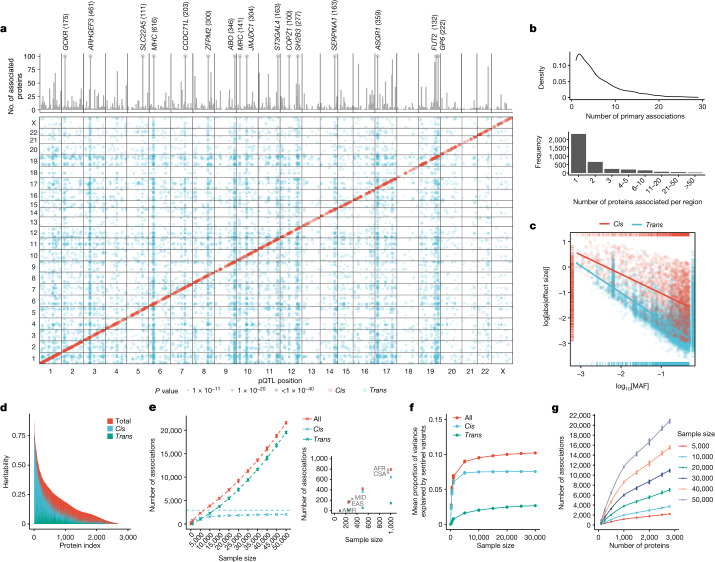
- In the European discovery cohort (n = 34,557), the study identified 14,287 primary pQTL associations across 3,760 independent genetic regions at P < 1.7 × 10⁻¹¹; 1,955 were cis and 12,332 were trans. Replication in n = 17,806 showed 95.6% of cis and 64.1% of trans associations remained significant and directionally concordant.
- 82.6% of tested proteins (2,414/2,922) had at least one pQTL, and 66.9% (1,954/2,922) had a cis association. 81% of primary associations (11,521/14,287) were previously undescribed; 89% of trans pQTLs were previously undescribed versus 27% of cis pQTLs.
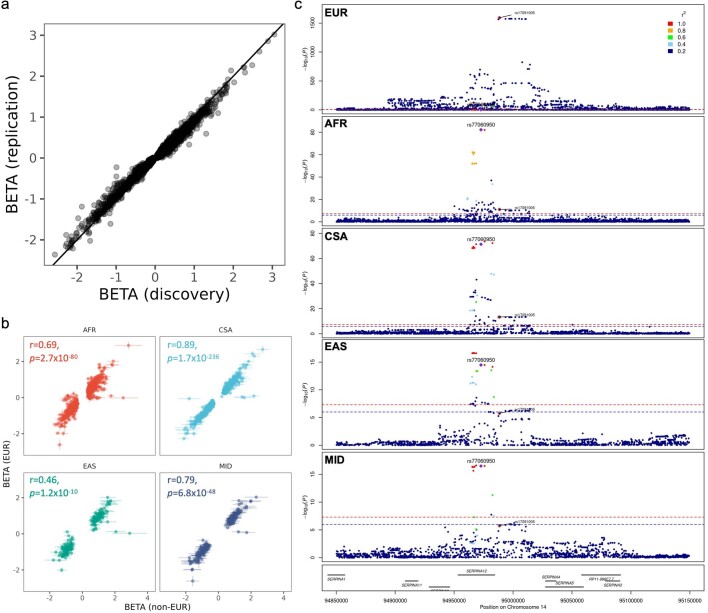
- Non-European ancestry-specific analyses found 785 (AFR, n = 931), 732 (CSA, n = 920), 227 (MID, n = 308), 179 (EAS, n = 262) and 9 (AMR, n = 97) primary associations; the paper highlights ancestry-specific allelic enrichments such as SERPINA12 rs77060950.
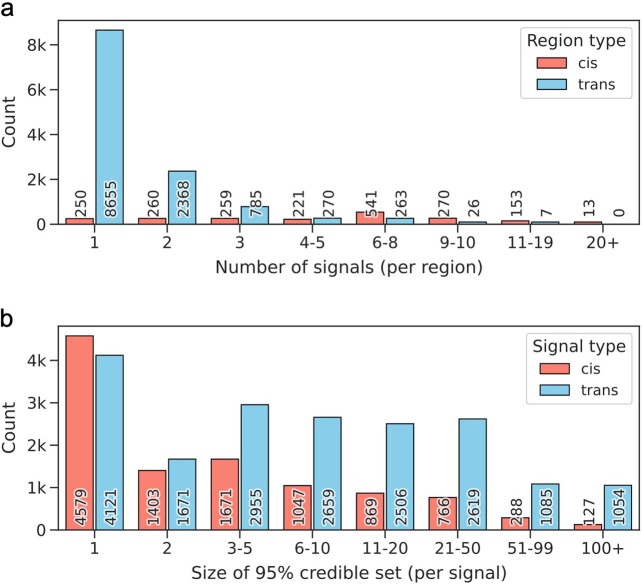
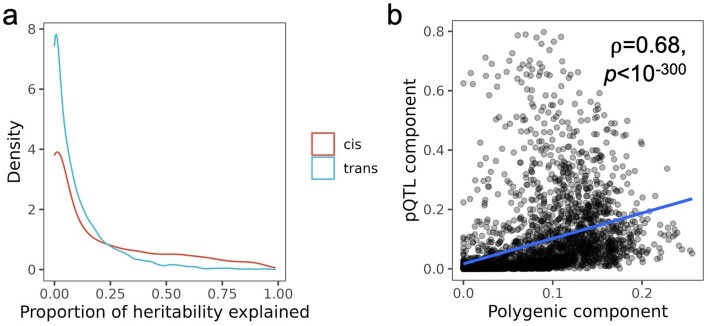
- Additional analyses identified 29,420 independent pQTL signals, mean total SNP-based heritability of 0.16, and colocalization of 65% (1,220/1,889) of genes with a significant eQTL in at least one tissue.
Methods
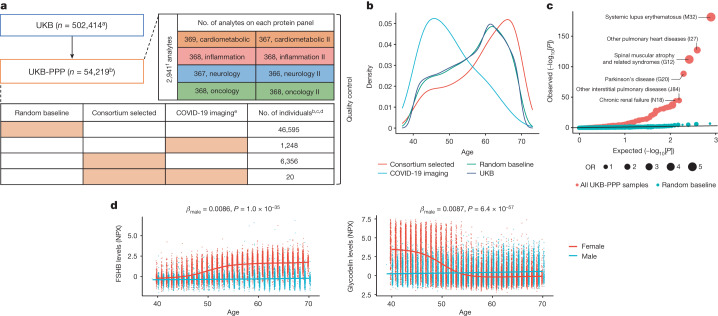
- Plasma proteomic profiling used the antibody-based Olink Explore 3072 PEA, measuring 2,941 protein analytes and 2,923 unique proteins across 54,219 UKB participants, including 46,595 randomly selected baseline, 6,376 consortium-selected and 1,268 COVID-19 repeat-imaging participants.
- Discovery pQTL analyses were performed in European-ancestry randomly selected baseline participants (n = 34,557) with replication in the remaining samples (n = 17,806), using REGENIE GWAS for up to 16.1 million imputed variants and a significance threshold of P < 1.7 × 10⁻¹¹; full-cohort mapping used n = 52,363 and up to 23.8 million variants.
- Downstream analyses included SuSiE fine-mapping, SNP-based heritability estimation, colocalization with GTEx eQTLs, ancestry-specific pQTL mapping in five pan-UKBB groups, sensitivity analyses for blood cell counts, BMI, season and fasting time, and Mendelian randomization exemplars such as PCSK9.
Limitations
- Stated: the predominantly white European ancestral composition of UKB does not capture full human genetic and phenotypic diversity, and the non-European ancestry groups were small and underpowered; the authors call for prioritizing under-represented and genetically diverse populations, resampling/longitudinal analyses, and orthogonal comparisons across proteomic assays.
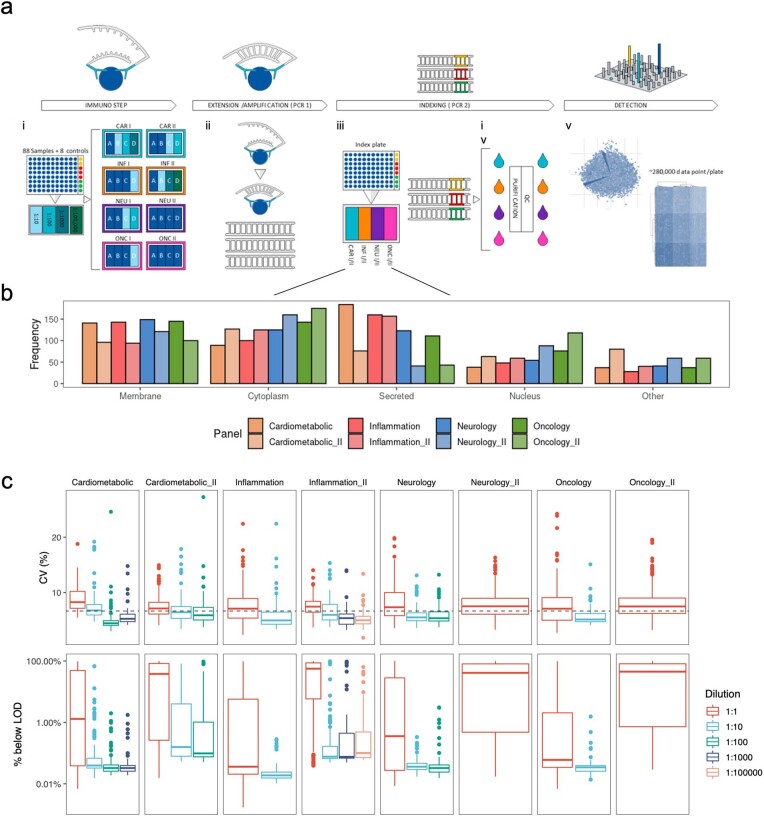
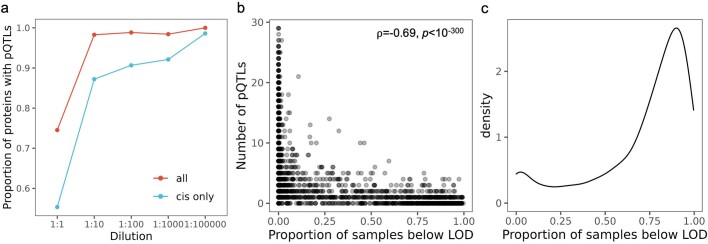
- Stated: pQTL discovery is affected by protein abundance and assay detection; proteins with lower expected concentrations had higher coefficients of variation, and 81.4% of proteins without a pQTL had more than 50% of samples below the limit of detection.
- Evident from the text: the main design is cross-sectional and observational, with causal inference limited to exemplar Mendelian randomization analyses; platform-specific antibody-based measurements may limit overlap with aptamer-based pQTL findings, as only 38% of previous aptamer-based associations replicated among common proteins.
Model-written summary. Check it against the paper before relying on it.
Integrity signals
Registry
Cites
Statistics
Figures
Verification
Claims the paper makes
15 Valid · 1 Not valid · 5 Not checked · 123 Own results and interpretations
The cited sources that could be checked couldn’t confirm or dispute this claim.
In the paper
“Liver expression of SERPINA12 was also higher in rs77060950-T carriers (P = 2.6 × 10 -8 ) 31”
§ Plasma proteomic associations with genetics and health in the UK Biobank > Non-European pQTL mapping
What the sources say
- Could not verifycites [31] The GTEx Consortium. The GTEx Consortium atlas of genetic regulatory effects across human tissues. Science 369, 1318-1330 (2020). sourceExperimental — accuracy not yet measured
The QTL discovery section describes associations between genetic variants and gene expression across tissues, but does not report this specific association. Searches for SERPINA12, rs77060950, and the stated P value found no passage establishing higher liver expression in T carriers; page numbers were not supplied in our copy. (LLM, conf=0.72)
plainstates an association- Asserted: passes — The authors put it forward as true.
- Checkable: passes — It can be checked against evidence.
- Load-bearing: unclear — It is unclear whether the paper’s conclusions depend on it.
- Based: passes — The paper gives a reason why it holds.
- Could not verify
The cited sources support only part of this claim — read each source’s verdict below.
In the paper
“These included well-established, previously identified [17][18][19][20] pleiotropic loci such as MHC, ABO, ZFPM2, ARHGEF3, GCKR, SERPINA1, SH2B3 and ASGR1”
§ Plasma proteomic associations with genetics and health in the UK Biobank > Discovery of pQTLs
What the sources say
- Partly supportedcites [17] Emilsson, V. et al. Co-regulatory networks of human serum proteins link genetics to disease. Science 361, 769-773 (2018). sourceExperimental — accuracy not yet measured
The section “Genetic variants influence serum protein levels” explicitly describes pleiotropy at ABO as well established. Our copy does not identify MHC, ZFPM2, ARHGEF3, GCKR, SERPINA1, SH2B3, or ASGR1 as previously identified pleiotropic loci, so it supports only part of the list. (LLM, conf=0.86)
- Partly supportedcites [18] Sun, B. B. et al. Genomic atlas of the human plasma proteome. Nature 558, 73-79 (2018). sourceExperimental — accuracy not yet measured
In “trans pQTLs identify pathways to disease” (page unavailable), the paper identifies ABO as a well-known pleiotropic locus, describes ZFPM2 as associated with many correlated proteins, and reports associations between a SERPINA1 variant and multiple proteins. It mentions MHC elsewhere but does not identify it there as a pleiotropic locus; the passages found do not establish ARHGEF3, GCKR, SH2B3 or ASGR1 as examples. (LLM, conf=0.88)
- Not checked — no full text of the sourcecites [19] Ferkingstad, E. et al. Large-scale integration of the plasma proteome with genetics and disease. Nat. Genet. 53, 1712-1721 (2021). source
- Partly supportedcites [20] Pietzner, M. et al. Mapping the proteo-genomic convergence of human diseases. Science 374, eabj1541 (2021). sourceExperimental — accuracy not yet measured
The Results section (‘Genetic associations for protein targets’; page unavailable) identifies ARF4-ARHGEF3, ABO and GCKR as substantially pleiotropic regions. The ‘A map of proteo-genomic connections across the phenome’ section also calls GCKR a known pleiotropic locus. Our copy does not establish the remaining named loci as previously identified pleiotropic loci, so it does not support the full list. (LLM, conf=0.87)
boostedstates an association- Asserted: passes — The authors put it forward as true.
- Checkable: passes — It can be checked against evidence.
- Load-bearing: unclear — It is unclear whether the paper’s conclusions depend on it.
- Based: passes — The paper gives a reason why it holds.
- Partly supported
The cited sources support only part of this claim — read each source’s verdict below.
In the paper
“The missense variant rs72938840 (Arg59Gln, MAF AFR = 7.9%) in the gene encoding rhomboid protease, RHBDL2, is mostly absent in EUR and other ancestries 28 and is associated in trans with concentrations of one of its cleavage substrates 29 , SPINT1 (P = 5.8 × 10 -12 )”
§ Plasma proteomic associations with genetics and health in the UK Biobank > Non-European pQTL mapping
What the sources say
- Could not verifycites [28] Karczewski, K. J. et al. The mutational constraint spectrum quantified from variation in 141,456 humans. Nature 581, 434-443 (2020). sourceExperimental — accuracy not yet measured
The cited paper’s population-comparison discussion (p. 439) concerns gene-level constraint, not rs72938840 or its frequency across ancestries. Searches for rs72938840, RHBDL2, Arg59Gln and SPINT1 found no passage reporting the variant’s 7.9% African-ancestry frequency or its association with SPINT1 concentrations. In the citing sentence, this source’s citation is attached to the ancestry-frequency statement, while a different citation follows the SPINT1 statement. (LLM, conf=0.72)
- Supportedcites [29] Johnson, N. et al. Quantitative proteomics screen identifies a substrate repertoire of rhomboid protease RHBDL2 in human cells and implicates it in epithelial homeostasis. Sci. Rep. 7, 7283 (2017). source
The citation to this paper identifies SPINT1 as a cleavage substrate of RHBDL2. In the Results section (page not available), the authors report RHBDL2-dependent cleavage of Spint-1 and identify its cleavage site. The variant association, allele frequency, and P value are not attributed to this source by the citation placement. (LLM, conf=0.93)
plainstates an association- Asserted: passes — The authors put it forward as true.
- Checkable: passes — It can be checked against evidence.
- Load-bearing: unclear — It is unclear whether the paper’s conclusions depend on it.
- Based: passes — The paper gives a reason why it holds.
- Could not verify
A result the paper reports from its own data — it cites no other source for it, so there is none to check. The quote shows it is in the paper.
In the paper
“we found a significant negative relationship between the number of pQTLs and the proportion of samples that were below the LOD (Spearman's ρ = -0.69,P < 10 -300”
§ Plasma proteomic associations with genetics and health in the UK Biobank > Discovery of pQTLs
plainstates an association- Asserted: passes — The authors put it forward as true.
- Checkable: passes — It can be checked against evidence.
- Load-bearing: unclear — It is unclear whether the paper’s conclusions depend on it.
- Based: passes — The paper gives a reason why it holds.
A result the paper reports from its own data — it cites no other source for it, so there is none to check. The quote shows it is in the paper.
In the paper
“with 66.9% of proteins tested (1,954 of 2,922 proteins) having a cis association (within 1 Mb from the gene encoding the protein)”
§ Plasma proteomic associations with genetics and health in the UK Biobank > Discovery of pQTLs
plainstates an association- Asserted: passes — The authors put it forward as true.
- Checkable: passes — It can be checked against evidence.
- Load-bearing: passes — The paper’s conclusions depend on it.
- Based: passes — The paper gives a reason why it holds.
52 more claims
Create a free account to see all 144 claims and to verify the 1 reference still open.
- It may state two separate claims as one. 58
- Probably not a substantial claim. 44
Claims other papers make about this one
Each is checked against this paper’s own text: does it say what the citing paper says it does?
The source backs part of the claim, not all of it — or backs it for a different population, condition or comparison.
In the citing paper
“In a separate array-based GWAS on the UKB-PPP cohort, we tested for the association between common variants (MAF > 0.1%) and 2,922 protein assays, resulting in 14,287 primary genetic associations5.”
From Rare variant associations with plasma protein levels in the UK Biobank (2023) · cites this paper as [5]
Experimental — accuracy not yet measuredThe source backs part of the claim, not all of it — or backs it for a different population, condition or comparison.
In the citing paper
“This pQTL was also CSF specific using Olink (table S5), independent of a subthreshold EGFR pQTL in plasma (rs56380922; R2 = 0.017), and not significant in plasma studies with 10 times our CSF sample size (9–11), implying a highly specific association in neurological contexts.”
From Low overlap of plasma and CSF protein quantitative trait loci affects protein discovery for neurological disease (2026) · cites this paper as [11]
Experimental — accuracy not yet measuredThe cited source says what the claim attributes to it.
In the citing paper
“Key plasma protein databases, such as the UK Biobank Pharma Proteomics Project (UKB-PPP) and deCODE [12,13], offer valuable resources for identifying therapeutic targets and risk factors across various diseases, including cancer [14,15].”
From Identifying novel drug targets for calcific aortic valve disease through Mendelian randomization (2025) · cites this paper as [12]
The cited source says what the claim attributes to it.
In the citing paper
“To date, most pQTLs have been discovered via genome-wide association studies (GWASs), which predominantly focus on common variants3,5–8.”
From Rare variant associations with plasma protein levels in the UK Biobank (2023) · cites this paper as [5]
The cited source says what the claim attributes to it.
In the citing paper
“The effect sizes (β) of nominally significant ExWAS pQTLs (P < 1 × 10⁻⁴) strongly correlated with the GWAS-derived pQTLs5 (r2 = 0.96; Supplementary Fig. 2).”
From Rare variant associations with plasma protein levels in the UK Biobank (2023) · cites this paper as [5]
10 more claims about this paper
Create a free account to see every claim other papers make about this one.
Self-check
Percentages, sums and reported differences re-computed from the paper’s own numbers.
Each contradiction between two passages listed here was confirmed by an independent check.
Rated minor: it would not touch a result — a value no result rests on, a p-value that stays on the same side of the significance level, or a conflict that is clerical, resolved elsewhere in the paper, or outside its own findings.
In the paper
§ Plasma proteomic associations with genetics and health in the UK Biobank > Additional information
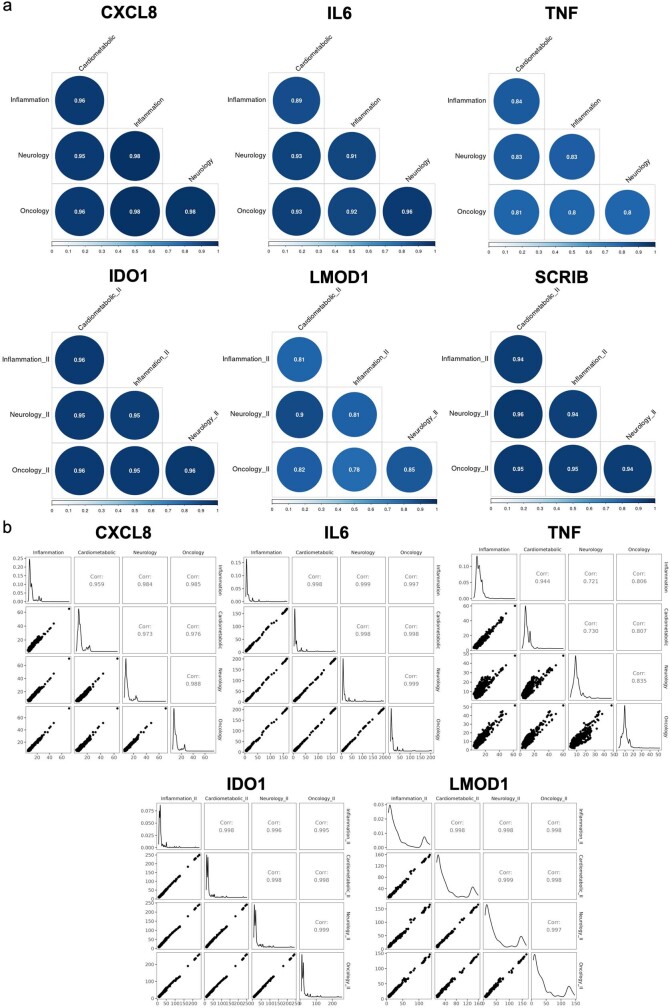
“on three proteins measured across multiple protein panels”
§ Plasma proteomic associations with genetics and health in the UK Biobank > Additional information
“(CXCL8, IL-6, TNF, IDO1, LMOD1, SCRIB).”
Rated minor: it would not touch a result — a value no result rests on, a p-value that stays on the same side of the significance level, or a conflict that is clerical, resolved elsewhere in the paper, or outside its own findings.
In the paper
§ Plasma proteomic associations with genetics and health in the UK Biobank > Discovery of pQTLs
“A total of 1,955 of the 14,287 primary associations were in cis”
§ Plasma proteomic associations with genetics and health in the UK Biobank > Comparisons with previous pQTL studies
“compared with cis pQTLs (27%; 518 out of 1,954).”
Citations
Cites
Regularization Paths for Generalized Linear Models via Coordinate Descent
Friedman, J., Hastie, T., & Tibshirani, R. (2010) · Journal of Statistical Software · doi:10.18637/jss.v033.i01 · Cited by 19,927 · cited 1×
“…eGFR and ABO blood groups (genetic ascertainment of blood groups is described in the ‘ABO blood group and FUT2 secretor status analysis’ section) separately using glmnet (R package v.4.1-4) 57 to tune the lambda.1se parameter with tenfold cross validation for 100 lambdas between 10 −5 and 1,000.”
MethodInfluentialTissue-based map of the human proteome
Uhlén, M., Fagerberg, L., Hallström, B. M., Lindskog, C., Oksvold, P., Mardinoglu, A., Sivertsson, Å., Kampf, C., Sjöstedt, E., Asplund, A., et al. (2015) · Science · doi:10.1126/science.1260419 · Cited by 15,286
Second-generation PLINK: rising to the challenge of larger and richer datasets
Chang, C. C., Chow, C. C., Tellier, L. C., Vattikuti, S., Purcell, S. M., & Lee, J. J. (2015) · Gigascience · doi:10.1186/s13742-015-0047-8 · Cited by 12,709
The mutational constraint spectrum quantified from variation in 141,456 humans
Karczewski, K. J., Francioli, L. C., Tiao, G., Cummings, B. B., Alföldi, J., Wang, Q., Collins, R. L., Laricchia, K. M., Ganna, A., Birnbaum, D. P., et al. (2020) · Nature · doi:10.1038/s41586-020-2308-7 · Cited by 9,434 · cited 3×
“%) and is nearly absent in EUR and other ances-tries 28 .”
BackgroundInfluentialSelf-citationThe UK Biobank resource with deep phenotyping and genomic data
Bycroft, C., Freeman, C., Petkova, D., Band, G., Elliott, L. T., Sharp, K., Motyer, A., Vukcevic, D., Delaneau, O., O’Connell, J., et al. (2018) · Nature · doi:10.1038/s41586-018-0579-z · Cited by 8,876 · cited 2×
“The open-access framework 24 , deep phenotypic characterization 7 and long-term development 9,10 of population studies like the UKB offer a unique opportunity to expand proteogenomics to a massive scale, broaden research use of high-throughput proteomic data, build more extensive pQTL databases,…”
BackgroundMethodSelf-citationThe MR-Base platform supports systematic causal inference across the human phenome
Hemani, G., Zheng, J., Elsworth, B., Wade, K. H., Haberland, V., Baird, D., Laurin, C., Burgess, S., Bowden, J., Langdon, R., et al. (2018) · eLife · doi:10.7554/elife.34408 · Cited by 7,959 · cited 1×
“Data for these outcomes were extracted from the OpenGWAS project 72,73 .”
MethodSelf-citationLD Score regression distinguishes confounding from polygenicity in genome-wide association studies
Schizophrenia Working Group of the Psychiatric Genomics Consortium, Bulik-Sullivan, B. K., Loh, P.-R., Finucane, H. K., Ripke, S., Yang, J., Patterson, N., Daly, M. J., Price, A. L., & Neale, B. M. (2015) · Nature Genetics · doi:10.1038/ng.3211 · Cited by 5,559 · cited 1×
“The polygenic component, which mostly likely satisfies the polygenic model of small genetic contributions across the genome, was estimated using LD-score regression 62 .”
MethodThe GTEx Consortium atlas of genetic regulatory effects across human tissues
The GTEx Consortium, Aguet, F., Anand, S., Ardlie, K. G., Gabriel, S., Getz, G. A., Graubert, A., Hadley, K., Handsaker, R. E., Huang, K. H., et al. (2020) · Science · doi:10.1126/science.aaz1776 · Cited by 5,547
Self-citationAnderson, N. L., & Anderson, N. G. (2002) · Molecular & Cellular Proteomics · doi:10.1074/mcp.r200007-mcp200 · Cited by 4,414
Estimating glomerular filtration rate from serum creatinine and cystatin C
Inker, L. A., Schmid, C. H., Tighiouart, H., Eckfeldt, J. H., Feldman, H. I., Greene, T., Kusek, J. W., Manzi, J., Van Lente, F., Zhang, Y. L., et al. (2012) · New England Journal of Medicine · doi:10.1056/nejmoa1114248 · Cited by 4,102
Cited by
Items 901–1,000 of 1,846
Duff, E. P., Zetterberg, H., Heslegrave, A., Dehghan, A., Elliott, P., Allen, N. E., Runz, H., Laban, R., Veleva, E., Whelan, C. D., et al. (2024) · medRxiv · doi:10.1101/2024.02.02.24302132 · Cited by 2
“We used Olink Explore proteomic data from the Pharma Proteomics Project (PPP) which assayed samples from 54,219 UK Biobank participants across the different assessment sessions (25).”
Self-citationXia, T., Wang, T., Zhang, J., Li, H., Sun, J., Liu, S., Yun, F., Teng, K., Jin, S., Wang, S., et al. (2024) · Research Square · doi:10.21203/rs.3.rs-4190256/v1 · Cited by 2
Dierks, C., Mizrak, R. S., Shomroni, O., Farztdinov, V. M., Textoris‐Taube, K., Ludwig, D., Rainer, J., Mülleder, M., Demuth, I., & Ralser, M. (2024) · medRxiv · doi:10.1101/2024.06.22.24309293 · Cited by 2
Non-linear genetic regulation of the blood plasma proteomePreprint
Sigurdsson, A. I., Gräf, J. F., Yang, Z., Ravn, K., Meisner, J., Thielemann, R., Webel, H. E., Smit, R. A. J., Niu, L., Mann, M., et al. (2024) · medRxiv · doi:10.1101/2024.07.04.24309942 · Cited by 2
Freimann, K., Brümmer, A., Warmerdam, R., Rupall, T. S., Hernández-Ledesma, A. L., Chiou, J., Holzinger, E. R., Maranville, J., Nakić, N., Ongen, H., et al. (2024) · medRxiv · doi:10.1101/2024.07.15.24310442 · Cited by 2
“However, current large-scale trans -eQTL and trans -pQTL studies have been limited to easily accessible bulk tissues such as whole blood 6,7 or plasma 5,8–10 .”
Self-citationDavis, C. N., Toikumo, S., Hatoum, A. S., Khan, Y., Pham, B. K., Pakala, S. R., Feuer, K. L., Gelernter, J. E., Sanchez‐Roige, S., Kember, R. L., et al. (2024) · medRxiv · doi:10.1101/2024.07.29.24310991 · Cited by 2
“32 These analyses test whether genes having certain properties (i.e., expression in a particular tissue or developmental period) are more likely to be associated with the somatoform factor, adjusting for the average expression of all tissues/developmental stages in the dataset.”
BackgroundShen, J., Valentim, W. L., Friligkou, E., Overstreet, C. M., Choi, K. W., Koller, D., O’Donnell, C. J., Stein, M. B., Gelernter, J. E., Lv, H., et al. (2024) · medRxiv · doi:10.1101/2024.08.20.24312181 · Cited by 2
Barreiro, K. A., Karttunen, J., Valo, E., Viippola, E., Quintero, I. B., Käräjämäki, A., Rannikko, A. S., Holthöfer, H., Ganna, A., Sandholm, N., et al. (2024) · medRxiv · doi:10.1101/2024.09.12.24312889 · Cited by 2
Gupte, T. P., Azizi, Z., Kho, P. F., Zhou, J., Chen, M., Panyard, D. J., Guarischi‐Sousa, R., Hilliard, A. T., Sharma, D., Watson, K. T., et al. (2024) · medRxiv · doi:10.1101/2024.09.13.24313652 · Cited by 6
“The sample handling, processing, and quality control protocols implemented by the UKB have been previously described in a summary document (biobank.ndph.ox.ac.uk/ukb/ukb/docs/PPP_Phase_1_QC_dataset_companion_doc.pdf) and in two publications 12,13 .”
MethodGenome-wide scan of Flortaucipir PET levels finds JARID2 associated with cerebral tau depositionPreprint
Gunasekaran, T. I., Meena, D., Lee, A., Wu, S., Dumitrescu, L. C., Sperling, R. A., Hohman, T. J., Initiative, A. D. N., Huang, J., Dehghan, A., et al. (2024) · medRxiv · doi:10.1101/2024.10.04.24314853 · Cited by 2
“Genetic associations of circulating plasma proteins were obtained from the UK Biobank Pharma Proteomics Project (UKBPPP) for individuals of European ancestry (N=54,129; up to 95% Europeans) 22 .”
MethodSelf-citationProbabilistic Fine-mapping of Putative Causal GenesPreprint
Okamoto, J., Yin, X., Ryan, B., Chiou, J., Luca, F., Piqué-Regi, R., Im, H. K., Morrison, J., Burant, C., Fauman, E. B., et al. (2024) · bioRxiv (Cold Spring Harbor Laboratory) · doi:10.1101/2024.10.27.620482 · Cited by 2
“We apply INTACT and INTERFACE to jointly analyze the UK Biobank plasma pQTL data [20] and the Metabolic Syndrome in Men (METSIM) metabolite GWAS data [21], aiming to identify causal genes regulating human metabolite levels.”
MethodSelf-citationHofmeister, R. J., Cavinato, T., Karimi, R., van der Graaf, A., Pajuste, F., Kronberg, J., Taba, N., Mägi, R., Vaudel, M., Rubinacci, S., et al. (2024) · medRxiv · doi:10.1101/2024.12.03.24318392 · Cited by 2
Machine Learning and Omic Data for Prediction of Health and Chronic Diseases
Olenik, M., & Dönertaş, H. M. (2025) · Elsevier eBooks · doi:10.1016/b978-0-323-95502-7.00284-0 · Cited by 4
Linda, L., Mutema, A. B., Babirye, S. R., Nabbumba, C., Chong, A., Gaunt, T. R., Meng, X., Kuchenbaecker, K. B., Jjingo, D., Kinyanda, E., et al. (2025) · Research Square · doi:10.21203/rs.3.rs-5828682/v1 · Cited by 2
Bankier, S., Talukdar, H., Khan, M., Mocci, G., Sukhavasi, K., Hao, K., Ma, A., Ruusalepp, A., Schadt, E. E., Kovacic, J. C., et al. (2025) · medRxiv · doi:10.1101/2025.01.22.25320723 · Cited by 2
Neylan, C. J., Levin, M. G., Shakt, G., Hartmann, K., Beigel, K., Khodursky, S., Abramowitz, S. A., Furth, E. E., Heuckeroth, R. O., Damrauer, S. M., et al. (2025) · medRxiv · doi:10.1101/2025.03.27.25324777 · Cited by 3
Plucińska, K., Chen, Z., Xiang, R., Zaman, S., Lü, Y., Hurson, C., Peterson, C., Fredrickson, K., Farrell, L. A., Walker, J. M., et al. (2025) · bioRxiv (Cold Spring Harbor Laboratory) · doi:10.1101/2025.06.30.662436 · Cited by 5
Multi-omics integration predicts 17 disease incidences in the UK BiobankPreprint
Du, J., Zhou, M., Raffield, L. M., Zhou, R., Li, Y., Chen, C., & Sun, Q. (2025) · medRxiv · doi:10.1101/2025.08.01.25332841 · Cited by 2
Self-citationBellomo, T. R., Saadatagah, S., Lee, J., Bramel, E. E., Abushamat, L. A., Misra, A., Nakao, T., Koyama, S., Patel, A. P., Urbut, S., et al. (2025) · medRxiv · doi:10.64898/2025.12.16.25342337 · Cited by 2
Amin, N., Kaushik, P., Belbasis, L., Xiao, S., Argentieri, M. A., Ahmad, S., Husain, M., Kaddurah‐Daouk, R., & van Duijn, C. M. (2025) · medRxiv · doi:10.64898/2025.12.08.25341836 · Cited by 2
High false sign rates in transcriptome-wide association studies
Gerlach, P. A., Milind, N., Spence, J. P., & Pritchard, J. K. (2026) · Nature Genetics · doi:10.1038/s41588-026-02796-4 · Cited by 1
Western, D., Yang, C., Timsina, J., Liu, M., Wang, C., Campbell, M. C., Kotzbauer, P., Perlmutter, J. S., Schindler, S. E., Morris, J. C., et al. (2026) · Science Translational Medicine · doi:10.1126/scitranslmed.adz2016 · Cited by 1
UK BioCoin: swift trait-specific summary statistics regression for UK Biobank
He, J.-C., Qi, G., Ying, J., Qian, Y., Gu, L.-L., Zhang, Q.-X., Han, L., Mao, Y., Zheng, H., Jiang, H., et al. (2026) · Nature Communications · doi:10.1038/s41467-026-71788-z · Cited by 1
CHIPing Away at Proteomics to Find Correlations with Myeloid Neoplasms
Bhalgat, A. M., & Taylor, J. (2024) · Clinical Cancer Research · doi:10.1158/1078-0432.ccr-24-0827 · Cited by 1
Введенская, О. Ю. (2024) · International Journal of Applied and Fundamental Research (Международный журнал прикладных и фундаментальных исследований) · doi:10.17513/mjpfi.13642 · Cited by 1
Plasma MERTK is causally associated with infection mortality
Drozd, M., Hamilton, F., Cheng, C. W., Lillie, P. J., Brown, O. I., Chaddock, N., Savic, S., Naseem, K. M., Iles, M. M., Morgan, A. W., et al. (2024) · Journal of Infection · doi:10.1016/j.jinf.2024.106262 · Cited by 1
Hypometric genetics: Improved power in genetic discovery by incorporating quality control flags
Tanigawa, Y., & Kellis, M. (2024) · The American Journal of Human Genetics · doi:10.1016/j.ajhg.2024.09.008 · Cited by 1
Fan, Z., Chen, B., Ding, L., & Guo, H. (2024) · Scientific Reports · doi:10.1038/s41598-024-80697-4 · Cited by 1
Balanced diets are associated with a lower risk of type 2 diabetes than plant-based diets
Kang, B., Yin, X., Chen, D., Wang, Y., Lv, J., Zhou, J., Chen, X., Kou, X., Hang, X., Yang, Q., et al. (2024) · Diabetes Research and Clinical Practice · doi:10.1016/j.diabres.2024.111977 · Cited by 1
Ding, S., Tong, Q., Liu, Y., Qin, M., & Sun, S. (2025) · Bioengineering · doi:10.3390/bioengineering12020126 · Cited by 1
“I t r e v e a l s t h e i d e n - t i fi c a t i o n o f 14 , 287 s i g n i fi c a n t g e n e t i c a ss o c i a t i o n l o c i , w i t h 81 % o f t h e s e l o c i b e i n g n o v e l a n d n o t p r e v i o u s l y d o c u m e n t e d [ 10 ] .”
Identification of multiple novel procoagulant plasma ligands for stabilin-2
Underwood, M. I., Leprevost, F. D. V., Basrur, V., Nesvizhskii, A. I., Rawley, O., Golden, K. L., Emmer, B. T., Lillicrap, D., & Desch, K. C. (2025) · Journal of Thrombosis and Haemostasis · doi:10.1016/j.jtha.2025.01.023 · Cited by 3
Mass spectrometry-based mapping of plasma protein QTLs in children and adolescents
Liu, Y. (2025) · Nature Genetics · doi:10.1038/s41588-025-02088-3 · Cited by 1
Tang, W., & Ma, X. (2025) · Cancer Research Communications · doi:10.1158/2767-9764.crc-24-0553 · Cited by 3
“These data can be utilized to study biomarkers, mechanisms, and pathogenesis of various diseases (7).”
Zhu, M., Wu, B., Chenzhao, C., Chen, H., & Xiong, W. (2024) · PubMed Central · doi:10.11817/j.issn.1672-7347.2024.240062 · Cited by 1
Potential therapeutic targets for bladder cancer: a proteome-wide Mendelian randomization study
Liu, J.-H., Du, Y.-Z., Liu, F., Yang, L., Liu, X., Fu, B., & Yang, X. (2025) · American Journal of Cancer Research · doi:10.62347/ubej3345 · Cited by 1
Gui, J., Li, X., Chu, H., Zhang, J., Dong, M., Zhang, F., Li, R., Luo, H., Gao, K., & Jiang, Y. (2025) · Pharmaceuticals · doi:10.3390/ph18040498 · Cited by 1
“We performed a fixed-effect GWAS meta-analysis using the METAL package as outcome factors [48,49], which integrated data from the UK Biobank (155 GBS cases and 361,039 controls) and FinnGen R11 (489 GBS cases and 445,865 controls).”
Hunt, P. W., Olshen, A. B., Murad, N. F., Ambayec, G. C., Sezgın, E., Schneider, M. F., & Jabs, D. A. (2025) · Ophthalmology Science · doi:10.1016/j.xops.2025.100794 · Cited by 2
Genetic determinants of proteomic aging
Mörseburg, A., Zhao, Y., Kentistou, K. A., Perry, J. R. B., Ong, K. K., & Day, F. R. (2025) · npj Aging · doi:10.1038/s41514-025-00205-4 · Cited by 7
“47 foundthatthemajorityofproteinsintheUKBiobank OlinkdatahadapositiveassociationwithBMIinadults.”
Cao, J., Chen, S., Wang, J., Fan, X., Liu, S., Shan, J., Li, X., & Li, Y. (2025) · Discover Oncology · doi:10.1007/s12672-025-02476-5 · Cited by 1
Khodursky, S., Yuan, S., Spin, J. M., Tsao, P. S., Levin, M. G., & Damrauer, S. M. (2025) · JVS Vascular Science · doi:10.1016/j.jvssci.2025.100290 · Cited by 6
Xu, J., & Gao, C. (2025) · Discover Oncology · doi:10.1007/s12672-025-02550-y · Cited by 2
“Proteome data were sourced from the deCODE database (https:// www. decode. com/ summa rydata/) for the Icelandic population [4], as well as from the UK Biobank Pharmaceutical Proteomics Project (UKB-PPP) (https:// www. synap se. org/ Synap se: syn51 364943/ wiki/ 622119) [5].”
Li, Y., Yao, Y., & Wu, Y. (2025) · Journal of Alzheimer s Disease · doi:10.1177/13872877251345151 · Cited by 2
“We obtained plasma proteomic GWAS data from the study conducted by Sun et al. 23 In their research, Sun et al. performed protein quantitative trait loci (pQTL) analysis of 2922 plasma proteomic pro fi les across eight panels (cardio-metabolic, cardiometabolic II, in fl ammation, in fl ammation II,…”
Bi, L., Wang, J., Yang, J., Zhou, Z., Chen, K., Xu, Z., Zuo, X., Xu, J., Sheng, Y., & Cui, Y. (2025) · Clinical Proteomics · doi:10.1186/s12014-025-09544-6 · Cited by 1
“Data from the UK Biobank Pharma Proteomics Project (UKB), which contained 54,219 participants and identified 2,923 proteins, were used for the validation of identified drug targets [12].”
Li, Y., Zhu, W., Chen, Y., Kang, Q., Zhang, Y., Yang, P., Wang, S., Liu, C., Zhang, Q., & Zhang, Q. (2025) · Scientific Reports · doi:10.1038/s41598-025-04902-8 · Cited by 1
“The summary-level GWAS statistics on plasma proteins were derived from the UK Biobank Pharma Proteomics Project (UKB-PPP) and the deCODE genetics 13,14 .”
Sun, C., Liu, R., Hu, J., Fan, W., Sun, C., Shan, P., & Wei, X. (2025) · Osteoporosis and Sarcopenia · doi:10.1016/j.afos.2025.06.001 · Cited by 2
Cagigas, M. L., Masedunskas, A., Lin, Y., Emery‐Corbin, S. J., Yousef, J. M., Dagley, L. F., Olechnowicz, S. W. Z., Bowden, R. J., Hayward, R., Low, G. K. K., et al. (2025) · Aging Cell · doi:10.1111/acel.70123 · Cited by 2
Yan, C., Jiang, L., Hu, Y., You, T., Chen, J., & Wu, S. (2025) · Dermatology and Therapy · doi:10.1007/s13555-025-01448-5 · Cited by 1
Underwood, M. I., Ozel, A. B., Deepak, T., McGee, B. M., Siemieniak, D. R., Malik, R. A., Teney, C., Kretz, C. A., Weitz, J., & Desch, K. C. (2025) · Research and Practice in Thrombosis and Haemostasis · doi:10.1016/j.rpth.2025.102955 · Cited by 2
“Sun et al. [72] evaluated associations between common genetic variants in participants of the UK Biobank and plasma protein concentrations measured using O-link technology.”
Kun, H., Zhou, Q., Wu, H., Yang, D., Xiong, C., & Zhang, X. (2025) · Scientific Reports · doi:10.1038/s41598-025-07178-0 · Cited by 2
“These associations were replicated across independent cohorts (UKB-PPP and DECODE), with colocalization analysis confirming shared genetic variants driving CX3CL1-and TYRO3-related CP susceptibility.”
InfluentialBöge, F. L., Zacharias, H. U., Becker, S. C., & Jung, K. (2025) · Frontiers in Bioinformatics · doi:10.3389/fbinf.2025.1566162 · Cited by 2
Song, Z.-Q., Xu, Y.-P., Chen, Y., Zeng, H., Lu, X., Lu, X.-Y., Yutao, Shi, S., & Chen, Y.-H. (2025) · Journal of Cardiology · doi:10.1016/j.jjcc.2025.07.005 · Cited by 2
Deng, S., Zhang, M., Zhang, T., & Mao, R. (2025) · Medicine · doi:10.1097/md.0000000000043447 · Cited by 1
“[4,5] From the initial pool, 54,306 subjects were selected for proteomic profiling.”
Backyard Proteomics: A Case Study with the Black Widow Spider
Shah, T., Fitzpatrick, J. A., & Orsburn, B. C. (2025) · Journal of Proteome Research · doi:10.1021/acs.jproteome.5c00342 · Cited by 1
“5 While a tipping point may be approaching soon for so-called “next generation” techniques thanks largely to their impressive throughput capabilities, 6 most proteomics laboratories in the world probably rely on LCMS technologies at the date of this writing.”
Yang, M., & Wu, W. (2025) · Frontiers in Endocrinology · doi:10.3389/fendo.2025.1638661 · Cited by 2
Jiang, D., Yue, A., Nan, H., Hou, J., Chu, M., Wang, Y., & Wu, L. (2025) · Journal of Alzheimer s Disease · doi:10.1177/13872877251362496 · Cited by 2
“14 Among these participants, summary statistics for plasma GFAP in the European population were derived from a subset of 32,847 individuals using the Olink Explore 3072 platform.”
Zhang, X., Gu, W., Tian, Y., Zhao, H., Cao, D., Niu, T., Li, X., & Yuan, H. (2025) · Journal of Molecular Neuroscience · doi:10.1007/s12031-025-02383-y · Cited by 1
“Through GWAS analysis, these data revealed significant associations between 18,084 sequence variants and pQTLs (Sun et al. 2023).”
Dib, M., Meena, D., Yarmolinsky, J. W., Azzo, J. D., Salman, O., Tavolinejad, H., Gan, S., Beeche, C., Pourmussa, B., Gill, D., et al. (2025) · Journal of the American Heart Association · doi:10.1161/jaha.124.037596 · Cited by 1
“…class I, E; IGFBP3, insulin-like growth factor–binding protein 3; IL1B, interleukin-1 β ; ITGAL, integrin subunit α L; KIF22, kinesin family member 22; KLKB1, kallikrein B1; LTBP2, latent transforming growth factor β binding protein 2; MANEAL, mannose endo-α - 1,2-mannosidase like; NPPB,…”
Mulugeta, A., Stacey, D., Lumsden, A. L., Madakkatel, I., Lee, S., Maenpaa, J. U., Oehler, M. K., & Hyppönen, E. (2025) · British Journal of Cancer · doi:10.1038/s41416-025-03143-w · Cited by 1
Reflection knockoffs via householder reflection: applications in proteomics and genetic fine mapping
Guan, Y., & Levy, D. A. (2025) · Genetics · doi:10.1093/genetics/iyaf178 · Cited by 2
Zhu, G., Tan, C., & Li, Y. (2025) · American Journal of Men s Health · doi:10.1177/15579883251368307 · Cited by 1
Wang, S., Yuan, Y., Guo, X., Qin, M., Chen, J., Jiang, D., Feng, Y., & Mao, L. (2025) · Brain Behavior and Immunity · doi:10.1016/j.bbi.2025.106101 · Cited by 4
Shi, L. S., Zheng, R., Brunius, C. F., Byberg, L., Baron, J. A., Wolk, A., Michaëlsson, K., & Landberg, R. (2025) · American Journal of Clinical Nutrition · doi:10.1016/j.ajcnut.2025.07.015 · Cited by 2
Tarchi, L., Bonacchi, L., Santo, A. D., Rovero, P., Sassoli, C., Garella, R., Squecco, R., Villa, G., Nassini, R., Logu, F. D., et al. (2025) · Endocrinology Diabetes & Metabolism · doi:10.1002/edm2.70109 · Cited by 1
“For more details on OLINK proteomics, see the parent study [29].”
Liu, H., You, J., Bai, J., Khan, D., & Muhammad, S. (2025) · Brain Sciences · doi:10.3390/brainsci15101091 · Cited by 1
“Plasma protein data were sourced from the UK Biobank-Proteomics Project (UKB-PPP) [10–12], which contains Genome-Wide Association Studies (GWAS) data for 2940 plasma proteins.”
Jiang, S., Li, Y., Lin, X., Zou, K., Du, J., & Li, Q. (2025) · Computers in Biology and Medicine · doi:10.1016/j.compbiomed.2025.111187 · Cited by 2
Xu, C., Huo, D., Liu, Y., Zhu, Q., Zhao, J., Liang, J., & Wang, X. (2025) · BMC Cancer · doi:10.1186/s12885-025-14980-6 · Cited by 4
“The UK Biobank’s proteomic data has been extensively utilized for cancer biomarker discovery [21, 22].”
Identification of COVID-19 susceptibility genes by Mendelian randomization
Wang, H., Ma, K., Wu, J., Shan, M., & Zhang, G. (2025) · Science Progress · doi:10.1177/00368504251385959 · Cited by 1
Yang, Z., Huang, L.-Y., Luo, X., Zhang, X. H., Tan, C., Tan, L., Sun, F.-R., & Xu, W. M. (2025) · Journal of Affective Disorders · doi:10.1016/j.jad.2025.120451 · Cited by 3
Vascular cell adhesion molecule 1: a marker for atrial fibrillation and heart failure risk
Baadsgaard, J. A., Vad, O. B., Hessellund, A. K., Diederichsen, S. Z., Paludan‐Müller, C., & Svendsen, J. H. (2025) · EP Europace · doi:10.1093/europace/euaf246 · Cited by 2
“In-depth methodology has previously been described by Sun et al. 26”
Chen, J. C., Goodrich, J. A., Liao, J., Li, S., Jia, Q., Walker, D. I., Costello, E. J., Alderete, T. L., Goran, M. I., Valvi, D., et al. (2025) · Environmental Pollution · doi:10.1016/j.envpol.2025.127336 · Cited by 1
Daria, T., Iyer, K. R., Alkhairo, H., Kho, P. F., Ken, S., Hatzikotoulas, K., Southam, L., Taylor, H. J., Yin, X., Mandla, R., et al. (2025) · JACC Basic to Translational Science · doi:10.1016/j.jacbts.2025.101390 · Cited by 4
“29 Our objectives were to investigate which pQTLs were associated with aortic structure and whether the pQTL-targeted genes were relevant for glycemic function.”
Zhuyuan, Y., Meng, X., Zong, Z., Song, Q., Huo, Y., & Chen, H. (2025) · Atherosclerosis · doi:10.1016/j.atherosclerosis.2025.120570 · Cited by 5
Li, X., Li, J., Lan, Y., Wan, Y., Yang, W., & Zhu, X. (2025) · Hematology · doi:10.1080/16078454.2025.2580060 · Cited by 1
“This dataset, published in 2023, was based on a cohort of 54,219 UK Biobank participants [18].”
Proteomic predictors of mortality among people with Coronary Artery Disease
Liu, C., Hui, Q., Quyyumi, A. A., Vaccarino, V., & Sun, Y. V. (2025) · American Journal of Preventive Cardiology · doi:10.1016/j.ajpc.2025.101347 · Cited by 1
“Proteomic profiling of the blood plasma samples collected from a sub-cohort of 53,018 participants in the UKB at enrollment was performed using the antibody-based Olink Explore 3072 PEA, with a total of 2923 unique proteins measured [14].”
Tan, X., Liu, Z., Chen, K., Li, D., Xia, J., Niu, C., Li, H., & Huang, J. (2025) · Phlebology The Journal of Venous Disease · doi:10.1177/02683555251398726 · Cited by 2
Glycemic status-dependent proteomic signatures of biological aging for health risk prediction
Li, J., Li, J., Xu, X., Yu, Y., Shen, W., Sun, Y., Fu, Y., Tan, X. W., Wang, N., Lu, Y., et al. (2025) · GeroScience · doi:10.1007/s11357-025-01950-w · Cited by 2
“Full details on sample selection, processing, and quality control have been described elsewhere [20, 28].”
Huang, B., Tian, Y., & Li, J. (2025) · Hepatobiliary & pancreatic diseases international · doi:10.1016/j.hbpd.2025.11.005 · Cited by 1
Kim, S. K., Jun, H. J., Park, G., & Shin, M. (2025) · CardioMetabolic Syndrome Journal · doi:10.51789/cmsj.2026.6.e4 · Cited by 1
Ling, D., Zhou, J., Zhou, H., Cui, Z., Chen, Z., Ma, X., Wang, X., Zheng, S., & Wang, Q. (2025) · Ecotoxicology and Environmental Safety · doi:10.1016/j.ecoenv.2025.119457 · Cited by 1
Guo, L., Li, J., Chen, Z., Zhang, X., & Li, C. (2025) · Molecular Neurobiology · doi:10.1007/s12035-025-05501-4 · Cited by 1
“The plasma pQTL dataset was sourced from Sun et al.[21] (UKB-PPP, 2023), Ferkingstad et al.[22] (DECODE, 2021), and Sun et al.[23] (INTERVAL, 2018).”
Liang, B., Li, M., & Zhang, L. (2025) · Journal of Affective Disorders · doi:10.1016/j.jad.2025.120770 · Cited by 2
Wang, H., Hu, K., Tang, C., Li, C., Dai, J., Chen, W., Ding, Z., Liu, F., & Li, Z. (2025) · Communications Biology · doi:10.1038/s42003-025-09274-3 · Cited by 1
“TheUKB-PPPdatabaseincludedplasmapQTLsfor 54,219participants(https://www.synapse.org/#!Synapse:syn51365303), measured using the Olink Explore 3072 platform 19 .”
Zhu, Z., Shi, L., Li, H., Wang, X., Gao, J., Cheng, L., & Zhang, X. (2025) · Briefings in Bioinformatics · doi:10.1093/bib/bbaf633 · Cited by 6
“Briefly, 14 287 primary genetic associations, covering 2923 plasma proteins in 54 219 UKB participants [32], were used as genetic instruments to evaluate the putative causal a ssociation between plasma proteins and IBD risk.”
Esposito, D. V., Sobrinho, H. F. D. S., & Marques, M. R. (2025) · Human Genetics and Genomics Advances · doi:10.1016/j.xhgg.2025.100550 · Cited by 1
Zhou, F., Wang, Y., Xu, Y., Wang, L., Ge, J., Luo, Q., & Sun, H. (2025) · Renal Failure · doi:10.1080/0886022x.2025.2581943 · Cited by 1
“…were in log 2 -scaled relative units derived through intra-and inter-plate normalization procedures to ensure accurate comparison across samples and minimize technical variability [23]. the rigorous quality control measures and protein measurement protocols used were previously detailed [24,25].”
Le, K., Liu, Y., Bai, R., Sheng, J., Hu, J. H., Zhu, J., Powell, N., Bi, Y., Ma, D., & Liu, Z. (2025) · BMC Medicine · doi:10.1186/s12916-025-04539-4 · Cited by 1
“The UK Biobank, with its extensive plasma proteomic profiles from over 54,000 participants, provides a unique opportunity to explore this relationship at a molecular level [19].”
InfluentialTang, X., Cheng, G., Chen, S., Yao, L., Lu, L., Shen, C., Feng, L., Zhang, W., Xu, N., & Wang, L. (2025) · Molecular Neurobiology · doi:10.1007/s12035-025-05420-4 · Cited by 1
“Blood pQTL data were sourced from a previous study [20], including 54,219 UKB participants.”
Leveraging large-scale biobanks for therapeutic target discovery
Ferolito, B. R., Dashti, H., Giambartolomei, C., Peloso, G. M., Golden, D. J., Gravel-Pucillo, K., Rasooly, D., Horimoto, A. R. V. R., Matty, R., Gaziano, L., et al. (2025) · Human Genetics and Genomics Advances · doi:10.1016/j.xhgg.2025.100556 · Cited by 11
Howe, L. J., Aulchenko, Y. S., Smith, G. D., Davies, N. M., Esparza-Gordillo, J., Johnson, T., Liu, J. Z., Richardson, T. G., Sanséau, P., Scott, R. A., et al. (2025) · Nature Communications · doi:10.1038/s41467-025-67199-1 · Cited by 3
Self-citationMulti-omics profiling uncovers candidate genes for the treatment of graves’ disease
Gao, J., Zheng, Z., & Zhang, G. (2025) · Immunopharmacology and Immunotoxicology · doi:10.1080/08923973.2025.2603439 · Cited by 1
“…Project (UKB-PPP; 54,219 participants) mapped 14,287 genetic associations across 2,923 plasma proteins, 85% of which were previously unreported [38]. these curated molecular Qtl datasets collectively span multiple regulatory layers and provide the foundation for subsequent causal inference…”
Xu, X., Xu, C., Zeng, N., Sun, Q., Xu, F., Ma, J., Huang, X., Zhou, M., Sun, J., Zhu, S., et al. (2025) · International Journal of Surgery · doi:10.1097/js9.0000000000004636 · Cited by 1
“According to the UKB-PPP quality control report [ 13 ] , the UKB-PPP cohort was demographically and clinically representative of the broader UK Biobank population.”
Deciphering tissue-specific protein regulation for insights into cardiometabolic disease
Hartley, A. E., Sukhavasi, K., Hu, S., Traylor, M., González-Ramírez, M., Hanghøj, K., Talukdar, H. A., Ruusalepp, A., Björkegren, E., Björkegren, J., et al. (2025) · Molecular Metabolism · doi:10.1016/j.molmet.2025.102314 · Cited by 3
“We identified 13 proteins with pQTLs in at least one of the analysed tissues ( i.e. pQTLs in a non-plasma tissue) that had no pQTL in plasma in STARNET nor reported significant by the UKB-PPP [10] (Supplementary Table ST12).”
InfluentialSelf-citationProteome-wide association study identifies novel Alzheimer's disease-associated proteins
Sun, L., Wei, G., Ji, F., Ding, Y., Fan, J., Xu, Y., He, C., Zhou, Y., Liu, Z., Sun, Z., et al. (2025) · Journal of Alzheimer s Disease · doi:10.1177/13872877251409352 · Cited by 1
“A total of 1144 to 1154 proteins were used to establish protein abundance imputation models (Supplemental Tables 9 – 16).”
Lee, J., Park, D. G., & Sung, J. (2025) · Neurotherapeutics · doi:10.1016/j.neurot.2025.e00815 · Cited by 1
“To capture the influence of drug targets on downstream biological components, we also constructed genetic instruments related to plasma protein levels using data from a recent genome-wide association study (GWAS) of proteome in the UK Biobank [17].”
Hsu, L., Trần, N. Y., Juang, J. J., Chiang, F., Wu, S., & Ko, Y.-L. (2026) · Journal of Human Genetics · doi:10.1038/s10038-025-01445-8 · Cited by 1
“These loci correspond closely to trans-pQTLs for LCN2 previously reported in European cohorts [17, 18], suggesting partial cross-population reproducibility.”
InfluentialTao, Y., Yang, Z., Hou, H., Wang, M., Sun, M., Fang, W., & Chen, M. (2025) · International Journal of Surgery · doi:10.1097/js9.0000000000004141 · Cited by 1
Proteomic and Genetic Insights into Ancestry‐Specific Associations in Parkinson's Disease
Lim, W. Y., Foo, J. N., Chew, E. G. Y., Lim, S., Tan, A. H., Hwang, L., MacGregor, S., Rentería, M. E., & Ong, J. (2026) · Movement Disorders · doi:10.1002/mds.70169 · Cited by 1
Wt, Z., Li, Y., Zhang, Y., Liu, X., & Liu, S. (2026) · Medicine · doi:10.1097/md.0000000000045849 · Cited by 1
“[21]”
Liu, J., Chen, Z., Yang, Q., Lin, H., Wang, S., Li, M., Wang, T., Zhao, Z., Xu, M., Chen, Y., et al. (2026) · Communications Medicine · doi:10.1038/s43856-026-01379-y · Cited by 2
Peng, J., He, Y., Wang, M., Yu, H., Li, G., Li, S., Kim, J., Chen, M., Zhu, W., & Zhao, G. (2026) · Materials Today Chemistry · doi:10.1016/j.mtchem.2026.103357 · Cited by 6
Metadata
- Authors
- Sun, B. B., Chiou, J., Traylor, M., Benner, C., Hsu, Y.-H., Richardson, T. G., Surendran, P., Mahajan, A., Robins, C., Vasquez-Grinnell, S. G., Hou, L., Kvikstad, E. M., Burren, O. S., Davitte, J., Ferber, K. L., Gillies, C. E., Hedman, Å. K., Hu, S., Lin, T., Mikkilineni, R., Pendergrass, R. K., Pickering, C., Prins, B., Baird, D., Chen, C.-Y., Ward, L. D., Deaton, A. M., Welsh, S., Willis, C. M., Lehner, N., Arnold, M., Wörheide, M. A., Suhre, K., Kastenmüller, G., Sethi, A., Cule, M., Raj, A., Genetics, A. H., Initiative, A. G., Biogen Biobank Team, Squibb, B. M., Genetics, G. H., Sciences, G. G., Biology, P. I., Sciences, P. A. O. J. D., Regeneron Genetics Center, Kang, H. M., Burkitt-Gray, L., Melamud, E., Black, M. H., Fauman, E. B., Howson, J. M. M., Kang, H. M., McCarthy, M. I., Nioi, P., Petrovski, S., Scott, R. A., Smith, E. N., Szalma, S., Waterworth, D. M., Mitnaul, L. J., Szustakowski, J. D., Gibson, B. W., Miller, M. R., & Whelan, C. D.
- Affiliations
- Biogen (United States) (US)
- Pfizer (United States) (US)
- Genentech (US)
- Amgen (United States) (US)
- GlaxoSmithKline (United Kingdom) (GB)
- GlaxoSmithKline (United States) (US)
- Janssen Research & Development (United States) (US)
- Bristol-Myers Squibb (United States) (US)
- AstraZeneca (United Kingdom) (GB)
- Regeneron (United States) (US)
- Pfizer (Sweden) (SE)
- Takeda (United States) (US)
- UK Biobank (GB)
- Alnylam Pharmaceuticals (United States) (US)
- Helmholtz Munich (DE)
- Duke University (US)
- Weill Cornell Medical College in Qatar (QA)
- Calico Life Sciences (US)
- Corresponding author
- Sun, Benjamin B.
- Whelan, Christopher D.
- ORCID
- Sun, Benjamin B.
- Chiou, Joshua
- Traylor, Matthew
- Benner, Christian
- Hsu, Yi-Hsiang
- Richardson, Tom G.
- Surendran, Praveen
- Mahajan, Anubha
- Robins, Chloe
- Hou, Liping
- Kvikstad, Erika M.
- Burren, Oliver S.
- Davitte, Jonathan
- Ferber, Kyle L.
- Gillies, Christopher E.
- Hedman, Åsa K.
- Hu, Sile
- Lin, Tinchi
- Mikkilineni, Rajesh
- Prins, Bram
- Baird, Denis
- Chen, Chia-Yen
- Ward, Lucas D.
- Deaton, Aimee M.
- Welsh, Samantha
- Willis, Carissa M.
- Arnold, Matthias
- Wörheide, Maria A.
- Suhre, Karsten
- Kastenmüller, Gabi
- Sethi, Anurag
- Cule, Madeleine
- Raj, Anil
- Burkitt-Gray, Lucy
- Melamud, Eugene
- Black, Mary Helen
- Fauman, Eric B.
- Howson, Joanna M. M.
- Kang, Hyun Min
- McCarthy, Mark I.
- Nioi, Paul
- Petrovski, Slavé
- Scott, Robert A.
- Smith, Erin N.
- Szalma, Sándor
- Waterworth, Dawn M.
- Szustakowski, Joseph D.
- Gibson, Bradford W.
- Miller, Melissa R.
- Whelan, Christopher D.
- Venue
- Nature
- Published
- 2023-10-04
- Volume
- 622
- Issue
- 7982
- Pages
- 329-338
- ISSN
- 0028-0836 (ISSN-L)
- 1476-4687
- PMC
- PMC10567551
- OpenAlex
- W4387344289
- Semantic Scholar
- 9a677c53b58ffd1d81817d8c3334723edca321fd
- Cited by
- 1,880
- References
- 107
- Citations by year
- 2026: 805 · 2025: 703 · 2024: 313 · 2023: 54
- FWCI
- 233.27
- Type
- journal article
- Language
- en
- Open access
- hybrid
- doi.org
- Licence
- cc-by
- creativecommons.org/licenses/by/4.0 (tdm)
- creativecommons.org/licenses/by/4.0 (vor)
- Locations
- Nature (publishedVersion, cc-by)
- bioRxiv (Cold Spring Harbor Laboratory) (submittedVersion, cc-by-nc-nd)
- PubMed Central (publishedVersion, cc-by)
- PubMed (publishedVersion)
- RePEc: Research Papers in Economics (submittedVersion)
- PuSH - Publication Server of Helmholtz Zentrum München (submittedVersion, cc-by)
- Funders
- Amgen
- Bristol-Myers Squibb
- Pfizer
- AstraZeneca
- GlaxoSmithKline
- Biogen
- Alnylam Pharmaceuticals
- Regeneron Pharmaceuticals
- Novo Nordisk
- Genentech
- Medical Research Council (MC_PC_17228)
- Topics
- Life Sciences › Biochemistry, Genetics and Molecular Biology › Genetics › Genetic Associations and Epidemiology
- Life Sciences › Biochemistry, Genetics and Molecular Biology › Molecular Biology › Bioinformatics and Genomic Networks
- Life Sciences › Biochemistry, Genetics and Molecular Biology › Genetics › Genetic and phenotypic traits in livestock
- Keywords
- plasma proteome, protein quantitative trait loci, ligand-receptor interactions, cytokines, complement system, ABO blood group system, PCSK9, COVID-19 susceptibility, disease signatures, predictive modeling, UK Biobank
- MeSH terms
- ABO Blood-Group System, Proprotein Convertase 9, COVID-19, Galactoside 2-alpha-L-fucosyltransferase, Blood Proteins, Epistasis, Genetic, Fucosyltransferases, United Kingdom, Health, Humans, Plasma, Databases, Factual, Biological Specimen Banks, Genetic Predisposition to Disease, Proteome, Genomics, Quantitative Trait Loci, Proteomics, Drug Discovery, Public-Private Sector Partnerships
About these checks
Registry, retraction, Cites and statistics results are computed, not judged, with one exception: a printed reference that no index lists is read once by a model before it counts as a citation error. Claims are extracted by a model and kept only when their quote appears verbatim in the text; each cited source is then checked, with a model’s help, for whether it says what the claim relies on. Those verdicts can be wrong — read the claim’s quote and the cited source before relying on one.
The claim verdicts this report counts are experimental: their accuracy is not yet measured.
A language model drew the claims from the paper on 2026-10-31, under version 3 of the claim definition (model deepseek-v4.1-flash, prompt extract-v3).
A second model labelled each claim on 2026-10-31 (model jev-1.13-20260917, definition revision gold-guideline-v0.2).
Cited sources are checked with a language model’s help (gpt-6-sol).
Statistics and arithmetic are recomputed, not judged.
Confidence bands are shown only for fields calibrated on our annotated test set. None is calibrated yet, so no band is shown.
What counts as a claim ›How we measure confidence ›How we check this ›
Are you an author, or do you see a problem with this page? Request a review
Data sources
Bibliographic data: Semantic Scholar, OpenAlex, Crossref.
Contains information from the Semantic Scholar Academic Graph Datasets, made available under the ODC Attribution License (ODC-BY 1.0).
Semantic Scholar’s data is described in: Kinney, R., et al. (2023). The Semantic Scholar Open Data Platform. arXiv:2301.10140.
