

Human de novo mutation rates from a four-generation pedigree reference
Open accessPublished version of a preprint
The DOI matches its Crossref record; 123 of the 123 references it cites were found in a registry or an index; none of the 82 sources its claims cite is checked for support yet.
Abstract
Understanding the human de novo mutation (DNM) rate requires complete sequence information 1 . Here using five complementary short-read and long-read sequencing technologies, we phased and assembled more than 95% of each diploid human genome in a four-generation, twenty-eight-member family (CEPH 1463). We estimate 98–206 DNMs per transmission, including 74.5 de novo single-nucleotide variants, 7.4 non-tandem repeat indels, 65.3 de novo indels or structural variants originating from tandem repeats, and 4.4 centromeric DNMs. Among male individuals, we find 12.4 de novo Y chromosome events per generation. Short tandem repeats and variable-number tandem repeats are the most mutable, with 32 loci exhibiting recurrent mutation through the generations. We accurately assemble 288 centromeres and six Y chromosomes across the generations and demonstrate that the DNM rate varies by an order of magnitude depending on repeat content, length and sequence identity. We show a strong paternal bias (75–81%) for all forms of germline DNM, yet we estimate that 16% of de novo single-nucleotide variants are postzygotic in origin with no paternal bias, including early germline mosaic mutations. We place all this variation in the context of a high-resolution recombination map (~3.4 kb breakpoint resolution) and find no correlation between meiotic crossover and de novo structural variants. These near-telomere-to-telomere familial genomes provide a truth set to understand the most fundamental processes underlying human genetic variation.
Overview
CoChat Summary
TL;DR
This study uses a four-generation, 28-member CEPH 1463 pedigree and five sequencing technologies to build phased, near-telomere-to-telomere assemblies and estimate human de novo mutation rates across variant classes. It reports 98–206 DNMs per transmission (average 152), strong paternal bias, 16% postzygotic SNVs, and elevated mutation in repeats, centromeres, and Y heterochromatin.
Key findings
- Across transmissions, the authors estimate 98–206 DNMs per transmission (average 152), including 74.5 de novo SNVs, 7.4 non-tandem repeat indels, 65.3 de novo indels or SVs from tandem repeats, and 4.4 centromeric DNMs; among male individuals, 12.4 de novo Y chromosome events per generation.
- Germline DNMs show a strong paternal bias of 75–81% for all forms, with a paternal age effect of +1.55 germline DNMs per year (two-sided t-test, P = 0.013); 16% of de novo SNVs (119/745) are postzygotic in origin and show no paternal bias.
- Tandem repeats are highly mutable: 32 loci show recurrent mutation, the TR DNM rate is 4.74 × 10⁻⁶ per locus per haplotype per generation (STR 5.50 × 10⁻⁶; VNTR 0.83 × 10⁻⁶), and 75.0% of phased de novo TR alleles are paternal.
- The authors assemble 288 centromeres and six Y chromosomes, identify 18 de novo SVs among 150 centromere transmissions, estimate a centromeric SNV rate of 4.94 × 10⁻⁸ and a Y MSY SNV rate of 1.99 × 10⁻⁷, and find no correlation between meiotic crossover and de novo SVs.
Methods
- The study sequenced the four-generation, 28-member CEPH 1463 family with five technologies: PacBio HiFi, ultra-long Oxford Nanopore Technologies, Strand-seq, Illumina, and Element AVITI; blood-derived DNA was used for variant discovery, with cell lines used for UL-ONT and Strand-seq.
- Phased genome assemblies were generated with Verkko and hifiasm, phasing and assembling more than 95% of each diploid genome; 288 centromeres and six Y chromosomes were assembled, and variants were validated using Mendelian consistency and transmission across generations.
- DNM discovery used HiFi reads aligned to T2T-CHM13 with orthogonal ONT, Illumina, and Element validation; TRs were genotyped with TRGT and TRGT-denovo; recombination breakpoints were mapped using Strand-seq, inheritance vectors, and trio-based phased assemblies; mutation rates were calculated per callable base pair or locus.
Limitations
- The paper states that homopolymers remain challenging even with Element data, acrocentric regions could not be characterized, and DNM discovery was limited to the first three generations of one multigenerational family, with G4 used mainly for validation.
- The authors state that familial variation depends on genetic background and that many more families will be required for reliable mutation-rate estimates, especially in complex genomic regions.
- The text makes evident that small sample sizes limit power for some comparisons, such as de novo versus postzygotic mutational spectra and transmitted PZM enrichment in SDs; it also notes that blood-derived sequencing cannot demonstrate that every PZM is present in multiple tissues, and that five intragenerational recurrent TR events may reflect parental germline mosaicism rather than recurrent mutation.
Model-written summary. Check it against the paper before relying on it.
Integrity signals
Registry
Cites
Statistics
Figures
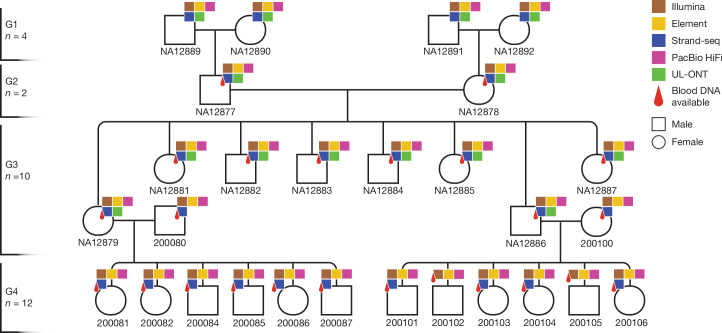
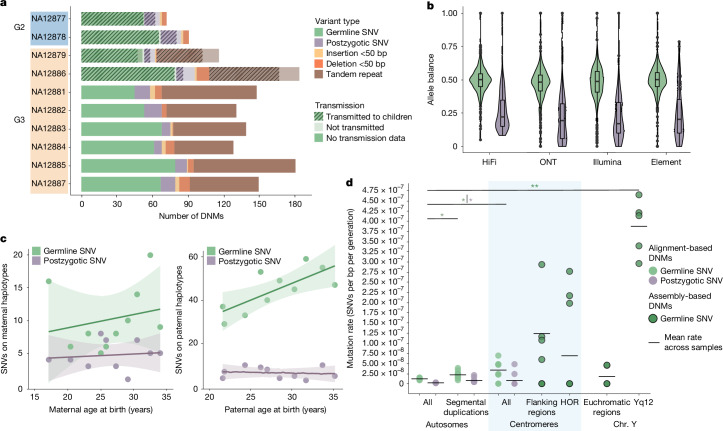
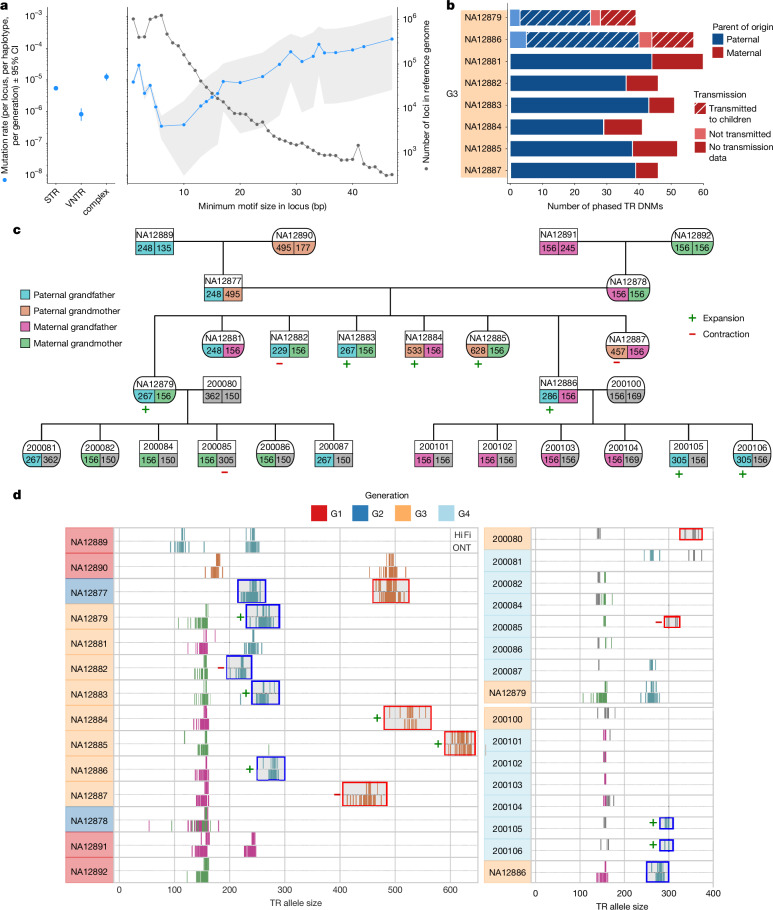
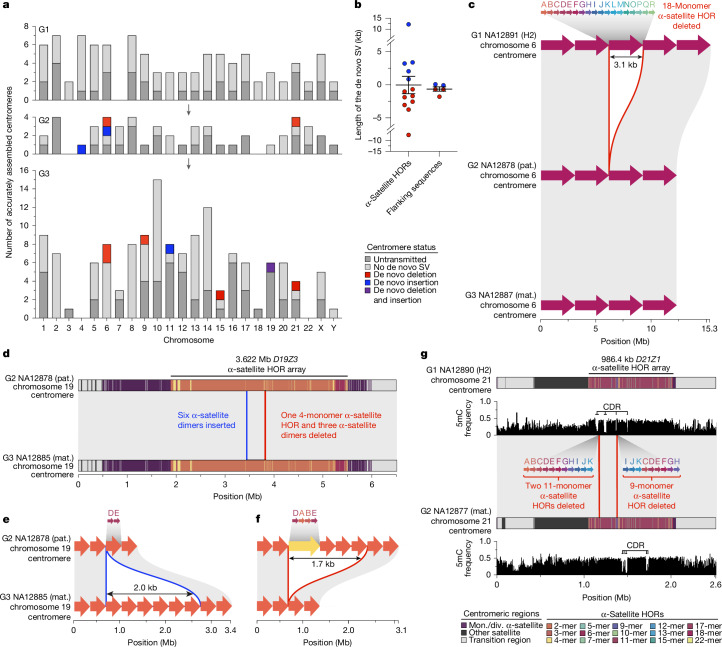
Verification
Claims the paper makes
0 Valid · 0 Not valid · 48 Not checked · 191 Own results and interpretations
In the paper
“We identified a total of 5.95 million single-nucleotide variants (SNVs) and indels and 35,662 structural variants (SVs)—all of which are Mendelian consistent across the second and third generations (Methods, Supplementary Table 5, Supplementary Fig. 13 and Data availability)18.”
§ Human de novo mutation rates from a four-generation pedigree reference > A multigenerational variant callset
What the sources say
- Not checked yetcites [18] Kronenberg, Z. et al. The Platinum Pedigree: a long-read benchmark for genetic variants. Preprint at bioRxiv10.1101/2024.10.02.616333 (2024). PMC12533576 40759746 source
plainSingle case- Asserted: passes — The authors put it forward as true.
- Checkable: passes — It can be checked against evidence.
- Load-bearing: passes — The paper’s conclusions depend on it.
- Based: passes — The paper gives a reason why it holds.
- Rests on an assumption not shown here.
A result the paper reports from its own data — it cites no other source for it, so there is none to check. The quote shows it is in the paper.
In the paper
“We estimate 98–206 DNMs per transmission, including 74.5 de novo single-nucleotide variants, 7.4 non-tandem repeat indels, 65.3 de novo indels or structural variants originating from tandem repeats, and 4.4 centromeric DNMs.”
§ Human de novo mutation rates from a four-generation pedigree reference > Abstract
hedged- Asserted: passes — The authors put it forward as true.
- Checkable: passes — It can be checked against evidence.
- Load-bearing: passes — The paper’s conclusions depend on it.
- Based: passes — The paper gives a reason why it holds.
- Rests on an assumption not shown here.
A result the paper reports from its own data — it cites no other source for it, so there is none to check. The quote shows it is in the paper.
In the paper
“We accurately assemble 288 centromeres and six Y chromosomes across the generations and demonstrate that the DNM rate varies by an order of magnitude depending on repeat content, length and sequence identity.”
§ Human de novo mutation rates from a four-generation pedigree reference > Abstract
plain- Asserted: passes — The authors put it forward as true.
- Checkable: passes — It can be checked against evidence.
- Load-bearing: passes — The paper’s conclusions depend on it.
- Based: passes — The paper gives a reason why it holds.
- Rests on an assumption not shown here.
A result the paper reports from its own data — it cites no other source for it, so there is none to check. The quote shows it is in the paper.
In the paper
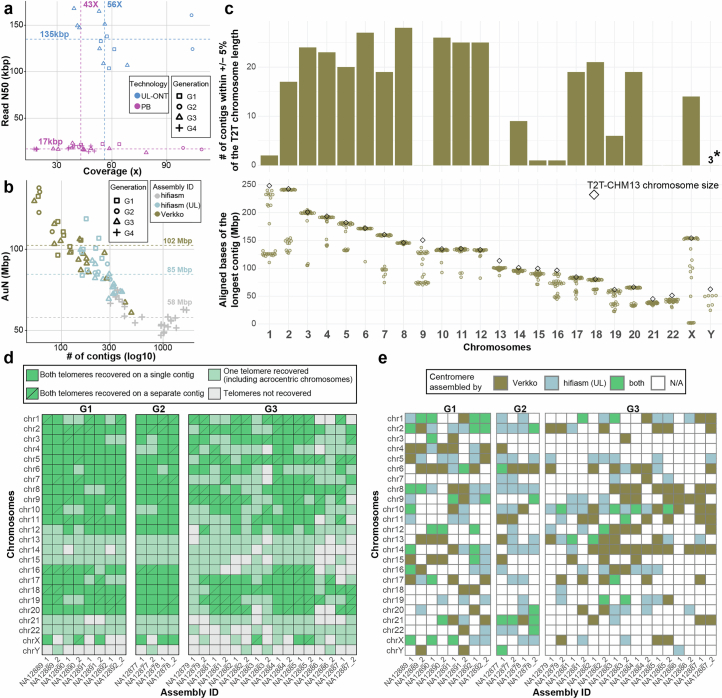
“Moreover, 42.3% (213 out of 504) of non-acrocentric chromosomes are spanned in a single contig with canonical telomere repeats at each end (Methods, Extended Data Fig. 1d, Supplementary Fig. 3 and Supplementary Table 3).”
§ Human de novo mutation rates from a four-generation pedigree reference > Genome sequence and assembly
plain- Asserted: passes — The authors put it forward as true.
- Checkable: passes — It can be checked against evidence.
- Load-bearing: unclear — It is unclear whether the paper’s conclusions depend on it.
- Based: passes — The paper gives a reason why it holds.
A result the paper reports from its own data — it cites no other source for it, so there is none to check. The quote shows it is in the paper.
In the paper
“Short tandem repeats and variable-number tandem repeats are the most mutable, with 32 loci exhibiting recurrent mutation through the generations.”
§ Human de novo mutation rates from a four-generation pedigree reference > Abstract
plainstates an associationSingle case- Asserted: passes — The authors put it forward as true.
- Checkable: passes — It can be checked against evidence.
- Load-bearing: passes — The paper’s conclusions depend on it.
- Based: passes — The paper gives a reason why it holds.
- Rests on an assumption not shown here.
99 more claims
Create a free account to see all 239 claims and to verify the 82 references still open.
- Probably not a substantial claim. 75
- It may state two separate claims as one. 86
Self-check
Percentages, sums and reported differences re-computed from the paper’s own numbers.
Each contradiction between two passages listed here was confirmed by an independent check.
Rated minor: it would not touch a result — a value no result rests on, a p-value that stays on the same side of the significance level, or a conflict that is clerical, resolved elsewhere in the paper, or outside its own findings.
In the paper
§ Human de novo mutation rates from a four-generation pedigree reference > Centromere transmission and de novo SVs
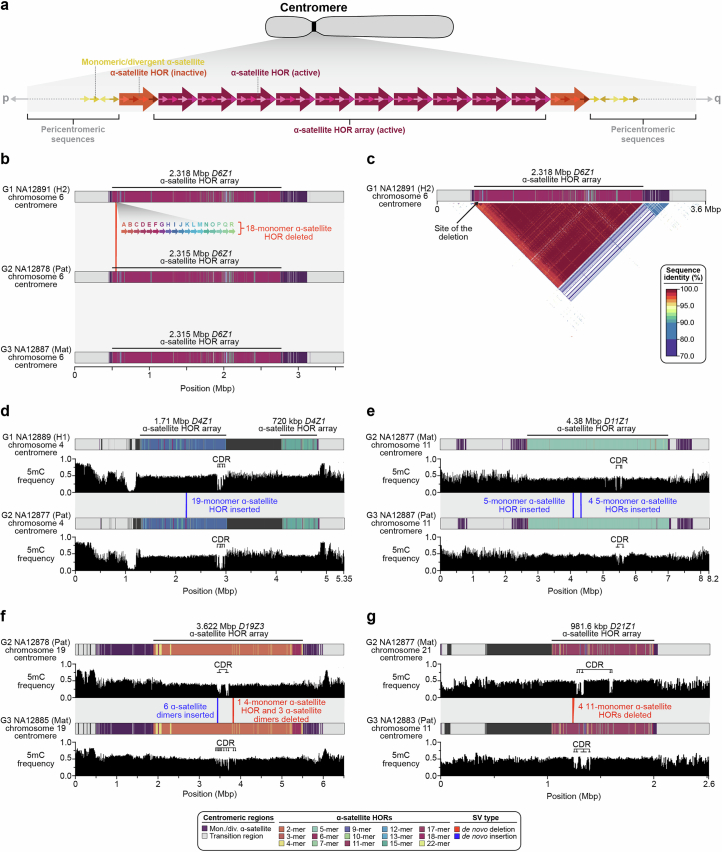
“One transmission from chromosome 9 involves both a gain of 2,052 bp (six dimer α-satellite HOR units) and a loss of 1,710 bp (one 4-mer α-satellite HOR and three α-satellite dimer units) in a single G2-to-G3 transmission (Fig. 4d–f).”
§ Human de novo mutation rates from a four-generation pedigree reference > Centromere transmission and de novo SVs
“d, An example of a de novo insertion and deletion in the chromosome 19 α-satellite HOR array of G3-NA12885.”
Rated minor: it would not touch a result — a value no result rests on, a p-value that stays on the same side of the significance level, or a conflict that is clerical, resolved elsewhere in the paper, or outside its own findings.
In the paper
§ Human de novo mutation rates from a four-generation pedigree reference > Methods > Y-chromosomal analysis
“Detailed analysis of Y-chromosomal DNMs focused on seven male individuals”
§ Human de novo mutation rates from a four-generation pedigree reference > Methods > Y-chromosomal analysis
“G1-NA12889, G2-NA12877, G3-NA12882, G3-NA12883, G3-NA12884 and G3-NA12886”
Rated minor: it would not touch a result — a value no result rests on, a p-value that stays on the same side of the significance level, or a conflict that is clerical, resolved elsewhere in the paper, or outside its own findings.
In the paper
§ Human de novo mutation rates from a four-generation pedigree reference > Y chromosome mutations
“from G3-NA12866 to his three male descendants in G4”
§ Human de novo mutation rates from a four-generation pedigree reference > Y chromosome mutations
“from G3-NA12886 to his male descendants in G4”
Citations
Cites
The Sequence Alignment/Map format and SAMtools
Li, H., Handsaker, B., Wysoker, A., Fennell, T., Ruan, J., Homer, N., Marth, G., Abecasis, G., Durbin, R., & 1000 Genome Project Data Processing Subgroup (2009) · Bioinformatics · doi:10.1093/bioinformatics/btp352 · Cited by 62,041
MAFFT Multiple Sequence Alignment Software Version 7: Improvements in Performance and Usability
Katoh, K., & Standley, D. M. (2013) · Molecular Biology and Evolution · doi:10.1093/molbev/mst010 · Cited by 46,209
MUSCLE: multiple sequence alignment with high accuracy and high throughput
Edgar, R. C. (2004) · Nucleic Acids Research · doi:10.1093/nar/gkh340 · Cited by 44,662
RAxML version 8: a tool for phylogenetic analysis and post-analysis of large phylogenies
Stamatakis, A. (2014) · Bioinformatics · doi:10.1093/bioinformatics/btu033 · Cited by 32,291
BEDTools: a flexible suite of utilities for comparing genomic features
Quinlan, A. R., & Hall, I. M. (2010) · Bioinformatics · doi:10.1093/bioinformatics/btq033 · Cited by 27,437
Self-citationMAFFT: a novel method for rapid multiple sequence alignment based on fast Fourier transform
Katoh, K. (2002) · Nucleic Acids Research · doi:10.1093/nar/gkf436 · Cited by 17,027
The variant call format and VCFtools
Danecek, P., Auton, A., Abecasis, G., Albers, C. A., Banks, E., DePristo, M. A., Handsaker, R. E., Lunter, G., Marth, G. T., Sherry, S. T., et al. (2011) · Bioinformatics · doi:10.1093/bioinformatics/btr330 · Cited by 16,200
Robinson, J. T., Thorvaldsdóttir, H., Winckler, W., Guttman, M., Lander, E. S., Getz, G., & Mesirov, J. P. (2011) · Nature Biotechnology · doi:10.1038/nbt.1754 · Cited by 15,390
Twelve years of SAMtools and BCFtools
Danecek, P., Bonfield, J. K., Liddle, J., Marshall, J., Ohan, V., Pollard, M. O., Whitwham, A., Keane, T., McCarthy, S. A., Davies, R. M., et al. (2021) · GigaScience · doi:10.1093/gigascience/giab008 · Cited by 15,343 · cited 1×
“BCFtools 101,102 (v.1.16) was used with a minimum base quality 20, mapping quality 20 and ploidy 1.”
InfluentialMinimap2: Pairwise alignment for nucleotide sequences
Li, H. (2018) · Bioinformatics · doi:10.1093/bioinformatics/bty191 · Cited by 14,807
BEAST: Bayesian evolutionary analysis by sampling trees
Drummond, A. J., & Rambaut, A. (2007) · BMC Evolutionary Biology · doi:10.1186/1471-2148-7-214 · Cited by 12,919
Fast and accurate long-read alignment with Burrows-Wheeler transform.
Li, H., & Durbin, R. (2010) · Bioinformatics · doi:10.1093/bioinformatics/btp698 · Cited by 12,063
The Human Genome Browser at UCSC
Kent, W. J., Sugnet, C. W., Furey, T. S., Roskin, K. M., Pringle, T. H., Zahler, A. M., & Haussler, A. D. (2002) · Genome Research · doi:10.1101/gr.229102 · Cited by 10,400 · cited 2×
“MEI sequences representing known Alu, L1 and SVA subclasses were obtained from previous work 115 , Dfam 116 and UCSC Genome Browser 74 .”
Tandem repeats finder: a program to analyze DNA sequences
Benson, G. (1999) · Nucleic Acids Research · doi:10.1093/nar/27.2.573 · Cited by 9,374 · cited 4×
“We processed all G1, G2 and G3 assemblies with Tandem Repeats Finder (TRF) 91 to determine the existence of the canonical telomeric repeat (p-arm, CCCTAA; q-arm, TTAGGG) within the distal regions of each assembled contig; TRF (v.4.09.1) was run with parameters: '2 7 7 80 10 50 10 -d -h-ngs' ,…”
InfluentialIntegrative Genomics Viewer (IGV): high-performance genomics data visualization and exploration
Thorvaldsdottir, H., Robinson, J. T., & Mesirov, J. P. (2013) · Briefings in Bioinformatics · doi:10.1093/bib/bbs017 · Cited by 9,049 · cited 1×
“…$11}’ {input.bed} | grep -v “nan” | sort -k1,1 -k2,2n > {output.bedgraph} and subsequently converted the bedGraph into a bigwig using bedGraphToBigWig (https://www.encodeproject. org/software/bedgraphtobigwig/) and then visualized the bigwig file using Integrative Genomics Viewer 93,98 (v.2.16.0).”
Influential<tt>BLAT</tt> —The <tt>BLAST</tt> -Like Alignment Tool
Kent, W. J. (2002) · Genome Research · doi:10.1101/gr.229202 · Cited by 8,480
Li, H. (2011) · Bioinformatics · doi:10.1093/bioinformatics/btr509 · Cited by 6,486 · cited 1×
“BCFtools 101,102 (v.1.16) was used with a minimum base quality 20, mapping quality 20 and ploidy 1.”
InfluentialThe International HapMap Project
†The International HapMap Consortium, Genotyping centres: Baylor College of Medicine and ParAllele BioScience, Gibbs, R. A., Belmont, J. W., Hardenbol, P., Willis, T. D., Yu, F., Chinese HapMap Consortium, Yang, H., Ch'ang, L.-Y., et al. (2003) · Nature · doi:10.1038/nature02168 · Cited by 6,057
Merqury: reference-free quality, completeness, and phasing assessment for genome assemblies
Rhie, A., Walenz, B. P., Koren, S., & Phillippy, A. M. (2020) · Genome Biology · doi:10.1186/s13059-020-02134-9 · Cited by 3,643
The complete sequence of a human genome
Nurk, S., Koren, S., Rhie, A., Rautiainen, M., Bzikadze, A. V., Mikheenko, A., Vollger, M. R., Altemose, N., Uralsky, L., Gershman, A., et al. (2022) · Science · doi:10.1126/science.abj6987 · Cited by 3,136
Self-citationSambamba: fast processing of NGS alignment formats
Tarasov, A., Vilella, A. J., Cuppen, E., Nijman, I. J., & Prins, P. (2015) · Bioinformatics · doi:10.1093/bioinformatics/btv098 · Cited by 2,413
An integrated map of structural variation in 2,504 human genomes
Sudmant, P. H., Rausch, T., Gardner, E. J., Handsaker, R. E., Abyzov, A., Huddleston, J., Zhang, Y., Ye, K., Jun, G., Hsi-Yang Fritz, M., et al. (2015) · Nature · doi:10.1038/nature15394 · Cited by 2,354 · cited 2×
“BCFtools 101,102 (v.1.16) was used with a minimum base quality 20, mapping quality 20 and ploidy 1.”
InfluentialSelf-citationRate of de novo mutations and the importance of father’s age to disease risk
Kong, A., Frigge, M. L., Masson, G., Besenbacher, S., Sulem, P., Magnusson, G., Gudjonsson, S. A., Sigurdsson, A., Jonasdottir, A., Jonasdottir, A., et al. (2012) · Nature · doi:10.1038/nature11396 · Cited by 2,134
Scaling accurate genetic variant discovery to tens of thousands of samples
Poplin, R., Ruano-Rubio, V., DePristo, M. A., Fennell, T. J., Carneiro, M. O., Van der Auwera, G. A., Kling, D. E., Gauthier, L. D., Levy-Moonshine, A., Roazen, D., et al. (2017) · bioRxiv (Cold Spring Harbor Laboratory) · doi:10.1101/201178 · Cited by 1,915
A universal SNP and small-indel variant caller using deep neural networks
Poplin, R., Chang, P.-C., Alexander, D., Schwartz, S., Colthurst, T., Ku, A., Newburger, D., Dijamco, J., Nguyen, N., Afshar, P. T., et al. (2018) · Nature Biotechnology · doi:10.1038/nbt.4235 · Cited by 1,840
A high-resolution recombination map of the human genome
Kong, A., Gudbjartsson, D. F., Sainz, J., Jonsdottir, G. M., Gudjonsson, S. A., Richardsson, B., Sigurdardottir, S., Barnard, J., Hallbeck, B., Masson, G., et al. (2002) · Nature Genetics · doi:10.1038/ng917 · Cited by 1,736 · cited 1×
“28).”
Challenges in homology search: HMMER3 and convergent evolution of coiled-coil regions
Mistry, J., Finn, R. D., Eddy, S. R., Bateman, A., & Punta, M. (2013) · Nucleic Acids Research · doi:10.1093/nar/gkt263 · Cited by 1,660
An Unstable Triplet Repeat in a Gene Related to Myotonic Muscular Dystrophy
Fu, Y. H., Pizzuti, A., Fenwick, R. G., King, J., Rajnarayan, S., Dunne, P. W., Dubel, J., Nasser, G. A., Ashizawa, T., de Jong, P., et al. (1992) · Science · doi:10.1126/science.1546326 · Cited by 1,455 · cited 1×
“Of particular interest in this regard is the discovery of 32 recurrently mutated TRs—loci rarely discovered out of the context of unstable disease alleles 60 .”
A copy number variation morbidity map of developmental delay
Cooper, G. M., Coe, B. P., Girirajan, S., Rosenfeld, J. A., Vu, T. H., Baker, C., Williams, C., Stalker, H., Hamid, R., Hannig, V., et al. (2011) · Nature Genetics · doi:10.1038/ng.909 · Cited by 1,351
Self-citationSmith, G. P. (1976) · Science · doi:10.1126/science.1251186 · Cited by 1,212 · cited 2×
“This includes changes in the length of around 7% of human centromeres in which insertions and deletions all occur as multiples of the predominant HOR unit 56 .”
A draft human pangenome reference.
Liao, W.-W., Asri, M., Ebler, J., Doerr, D., Haukness, M., Hickey, G., Lu, S., Lucas, J. K., Monlong, J., Abel, H. J., et al. (2023) · Nature · doi:10.1038/s41586-023-05896-x · Cited by 1,129
Self-citationComprehensive Human Genetic Maps: Individual and Sex-Specific Variation in Recombination
Broman, K. W., Murray, J. C., Sheffield, V. C., White, R. L., & Weber, J. L. (1998) · The American Journal of Human Genetics · doi:10.1086/302011 · Cited by 1,068
A structural variation reference for medical and population genetics
Collins, R. L., Brand, H., Karczewski, K. J., Zhao, X., Alföldi, J., Francioli, L. C., Khera, A. V., Lowther, C., Gauthier, L. D., Wang, H., et al. (2020) · Nature · doi:10.1038/s41586-020-2287-8 · Cited by 1,037 · cited 1×
“The rate of de novo SVs increased from previous estimates of 0.2–0.3 per generation 15,61 to 3–4 de novo SVs per generation reported in this study.”
InfluentialGenome sequence of a 45,000-year-old modern human from western Siberia
Fu, Q., Li, H., Moorjani, P., Jay, F., Slepchenko, S. M., Bondarev, A. A., Johnson, P. L. F., Aximu-Petri, A., Prüfer, K., de Filippo, C., et al. (2014) · Nature · doi:10.1038/nature13810 · Cited by 1,023
Using DECIPHER v2.0 to Analyze Big Biological Sequence Data in R
Wright, E. (2016) · The R Journal · doi:10.32614/rj-2016-025 · Cited by 1,016
De novo mutations in human genetic disease
Veltman, J. A., & Brunner, H. G. (2012) · Nature Reviews Genetics · doi:10.1038/nrg3241 · Cited by 843
Variation graph toolkit improves read mapping by representing genetic variation in the reference
Garrison, E., Sirén, J., Novak, A. M., Hickey, G., Eizenga, J. M., Dawson, E. T., Jones, W., Garg, S., Markello, C., Lin, M. F., et al. (2018) · Nature Biotechnology · doi:10.1038/nbt.4227 · Cited by 821
Self-citationExtensive sequencing of seven human genomes to characterize benchmark reference materials
Zook, J. M., Catoe, D., McDaniel, J., Vang, L., Spies, N., Sidow, A., Weng, Z., Liu, Y., Mason, C. E., Alexander, N., et al. (2016) · Scientific Data · doi:10.1038/sdata.2016.25 · Cited by 811 · cited 1×
“LRS provides access to an additional approximately 260 Mb of the human genome (2.77 Gb) in contrast to the Genome in a Bottle (GIAB) (2.51 Gb) 19 or Illumina WGS (2.58 Gb) 13 data, including 201 Mb not present in either study.”
InfluentialSelf-citationJeffreys, A. J., Royle, N. J., Wilson, V., & Wong, Z. (1988) · Nature · doi:10.1038/332278a0 · Cited by 759 · cited 1×
“TRs are among the most mutable loci of our genome 36,56,57 , with the number of such de novo events comparable to germline SNVs 58 but affecting more than an order of magnitude more base pairs per generation.”
Storer, J., Hubley, R., Rosen, J., Wheeler, T. J., & Smit, A. F. (2021) · Mobile DNA · doi:10.1186/s13100-020-00230-y · Cited by 741 · cited 1×
“MEI sequences representing known Alu, L1 and SVA subclasses were obtained from previous work 115 , Dfam 116 and UCSC Genome Browser 74 .”
Gepard: a rapid and sensitive tool for creating dotplots on genome scale
Krumsiek, J., Arnold, R., & Rattei, T. (2007) · Bioinformatics · doi:10.1093/bioinformatics/btm039 · Cited by 718
Haplotype-resolved diverse human genomes and integrated analysis of structural variation
Ebert, P., Audano, P. A., Zhu, Q., Rodriguez-Martin, B., Porubsky, D., Bonder, M. J., Sulovari, A., Ebler, J., Zhou, W., Serra Mari, R., et al. (2021) · Science · doi:10.1126/science.abf7117 · Cited by 702 · cited 15×
“Further details are provided in Supplementary Note 10.”
InfluentialSelf-citationTiming, rates and spectra of human germline mutation
UK10K Consortium, Rahbari, R., Wuster, A., Lindsay, S. J., Hardwick, R. J., Alexandrov, L. B., Al Turki, S., Dominiczak, A., Morris, A., Porteous, D., et al. (2016) · Nature Genetics · doi:10.1038/ng.3469 · Cited by 655 · cited 2×
“For each sample, we selected 60+ Strand-seq libraries (range, 62–90) with a median of around 274,000 reads with mapping quality ≥10 per library, translating to about 0.67% genome (T2T-CHM13) being covered per library (Supplementary Fig.”
InfluentialComplete genomic and epigenetic maps of human centromeres
Altemose, N., Logsdon, G. A., Bzikadze, A. V., Sidhwani, P., Langley, S. A., Caldas, G. V., Hoyt, S. J., Uralsky, L., Ryabov, F. D., Shew, C. J., et al. (2022) · Science · doi:10.1126/science.abl4178 · Cited by 618
Self-citationFine-scale recombination rate differences between sexes, populations and individuals
Kong, A., Thorleifsson, G., Gudbjartsson, D. F., Masson, G., Sigurdsson, A., Jonasdottir, A., Walters, G. B., Jonasdottir, A., Gylfason, A., Kristinsson, K. T., et al. (2010) · Nature · doi:10.1038/nature09525 · Cited by 582 · cited 2×
“This includes 16 recombination hotspots, 11 of which are consistent with previously reported increased recombination rates 26 (Supplementary Table 8 and Supplementary Fig.”
Gel, B., Díez-Villanueva, A., Serra, E., Buschbeck, M., Peinado, M. A., & Malinverni, R. (2016) · Bioinformatics · doi:10.1093/bioinformatics/btv562 · Cited by 577
Centre d'Etude du polymorphisme humain (CEPH): Collaborative genetic mapping of the human genome
Dausset, J., Cann, H., Cohen, D., Lathrop, M., Lalouel, J.-M., & White, R. (1990) · Genomics · doi:10.1016/0888-7543(90)90491-c · Cited by 575 · cited 2×
“This family has been intensively studied over the past three decades 11 , and we sequenced the family members using five sequencing technologies with distinct and complementary error modalities.”
Parental influence on human germline de novo mutations in 1,548 trios from Iceland
Jónsson, H., Sulem, P., Kehr, B., Kristmundsdottir, S., Zink, F., Hjartarson, E., Hardarson, M. T., Hjorleifsson, K. E., Eggertsson, H. P., Gudjonsson, S. A., et al. (2017) · Nature · doi:10.1038/nature24018 · Cited by 561 · cited 1×
“Most DNM studies 40,45–49 are based on SRS data from large groups of trios and converge on around 60–70 DNMs per generation; however, these studies often exclude highly mutable regions of the genome 7 .”
Detection of mosaic and population-level structural variants with Sniffles2
Smolka, M., Paulin, L. F., Grochowski, C. M., Horner, D. W., Mahmoud, M., Behera, S., Kalef-Ezra, E., Gandhi, M., Hong, K., Pehlivan, D., et al. (2024) · Nature Biotechnology · doi:10.1038/s41587-023-02024-y · Cited by 514
The complete sequence of a human Y chromosome
Rhie, A., Nurk, S., Cechova, M., Hoyt, S. J., Taylor, D. J., Altemose, N., Hook, P. W., Koren, S., Rautiainen, M., Alexandrov, I. A., et al. (2023) · Nature · doi:10.1038/s41586-023-06457-y · Cited by 471 · cited 3×
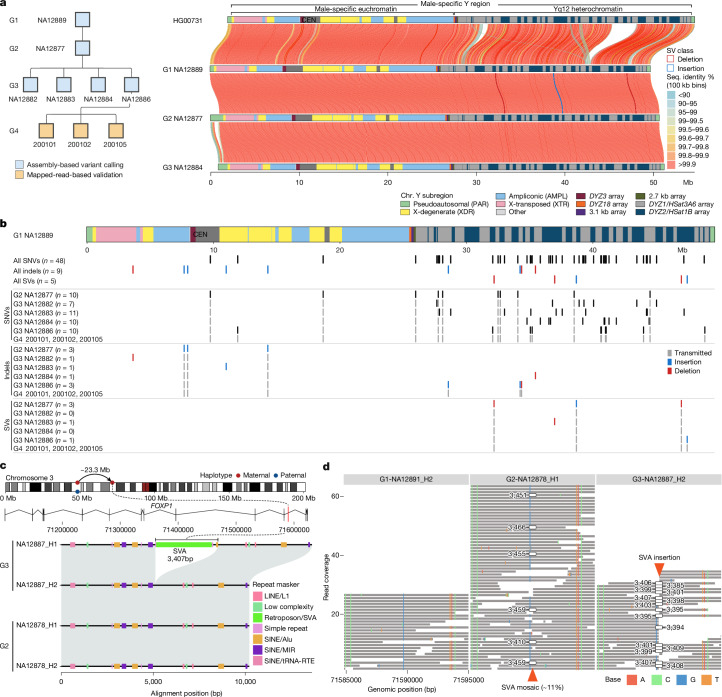
“This, along with the fact that 29% of mutational changes match to non-orthologous All indels ( n = 9) sites in Yq12, is consistent with ‘interlocus gene conversion’ driving this >20-fold excess, potentially as a result of increased sister chromatid exchange events 41 .”
InfluentialSelf-citationKlambauer, G., Schwarzbauer, K., Mayr, A., Clevert, D.-A., Mitterecker, A., Bodenhofer, U., & Hochreiter, S. (2012) · Nucleic Acids Research · doi:10.1093/nar/gks003 · Cited by 455
Telomere-to-telomere assembly of diploid chromosomes with Verkko
Rautiainen, M., Nurk, S., Walenz, B. P., Logsdon, G. A., Porubsky, D., Rhie, A., Eichler, E. E., Phillippy, A. M., & Koren, S. (2023) · Nature Biotechnology · doi:10.1038/s41587-023-01662-6 · Cited by 409 · cited 14×
“We first extracted an inserted SVA element in the de novo Verkko assembly of NA12887 (maternal haplotype, haplotype 1).”
InfluentialSelf-citationSymphonizing pileup and full-alignment for deep learning-based long-read variant calling
Zheng, Z., Li, S., Su, J., Leung, A. W.-S., Lam, T.-W., & Luo, R. (2022) · Nature Computational Science · doi:10.1038/s43588-022-00387-x · Cited by 405
An open resource for accurately benchmarking small variant and reference calls
Zook, J. M., McDaniel, J., Olson, N. D., Wagner, J., Parikh, H., Heaton, H., Irvine, S. A., Trigg, L., Truty, R., McLean, C. Y., et al. (2019) · Nature Biotechnology · doi:10.1038/s41587-019-0074-6 · Cited by 399
Genome-wide patterns and properties of de novo mutations in humans
Genome of the Netherlands Consortium, Francioli, L. C., Polak, P. P., Koren, A., Menelaou, A., Chun, S., Renkens, I., van Duijn, C. M., Swertz, M., Wijmenga, C., et al. (2015) · Nature Genetics · doi:10.1038/ng.3292 · Cited by 379
Characterizing mutagenic effects of recombination through a sequence-level genetic map
Halldorsson, B. V., Palsson, G., Stefansson, O. A., Jonsson, H., Hardarson, M. T., Eggertsson, H. P., Gunnarsson, B., Oddsson, A., Halldorsson, G. H., Zink, F., et al. (2019) · Science · doi:10.1126/science.aau1043 · Cited by 361 · cited 3×
“Although there is no known biological mechanism that would lead to a decrease in both parental germlines, this observation runs counter to a population-level analysis based on SRS data 25,30,31 .”
Eberle, M. A., Fritzilas, E., Krusche, P., Källberg, M., Moore, B. L., Bekritsky, M. A., Iqbal, Z., Chuang, H.-Y., Humphray, S. J., Halpern, A. L., et al. (2017) · Genome Research · doi:10.1101/gr.210500.116 · Cited by 354 · cited 8×
“This particular pedigree has served as a benchmark for early linkage mapping studies 11,12 using short-read sequencing (SRS) 13 and continues to serve as reference for understanding human variation, including patterns of mosaicism 14,15 .”
InfluentialSelf-citationSegmental duplications and their variation in a complete human genome
Vollger, M. R., Guitart, X., Dishuck, P. C., Mercuri, L., Harvey, W. T., Gershman, A., Diekhans, M., Sulovari, A., Munson, K. M., Lewis, A. P., et al. (2022) · Science · doi:10.1126/science.abj6965 · Cited by 350
Self-citationThe structure, function and evolution of a complete human chromosome 8
Logsdon, G. A., Vollger, M. R., Hsieh, P., Mao, Y., Liskovykh, M. A., Koren, S., Nurk, S., Mercuri, L., Dishuck, P. C., Rhie, A., et al. (2021) · Nature · doi:10.1038/s41586-021-03420-7 · Cited by 341 · cited 2×
“We also assessed 18 SV events for their potential effect on the hypomethylation pocket associated with the centromere dip region (CDR)—a marker of the site of kinetochore attachment 38,39 (Methods).”
Self-citationParent-of-origin-specific signatures of de novo mutations
Goldmann, J. M., Wong, W. S. W., Pinelli, M., Farrah, T., Bodian, D., Stittrich, A. B., Glusman, G., Vissers, L. E. L. M., Hoischen, A., Roach, J. C., et al. (2016) · Nature Genetics · doi:10.1038/ng.3597 · Cited by 334
compleasm: a faster and more accurate reimplementation of BUSCO
Huang, N., & Li, H. (2023) · Bioinformatics · doi:10.1093/bioinformatics/btad595 · Cited by 333
Epigenetic patterns in a complete human genome
Gershman, A., Sauria, M. E. G., Guitart, X., Vollger, M. R., Hook, P. W., Hoyt, S. J., Jain, M., Shumate, A., Razaghi, R., Koren, S., et al. (2022) · Science · doi:10.1126/science.abj5089 · Cited by 297 · cited 3×
“We also assessed 18 SV events for their potential effect on the hypomethylation pocket associated with the centromere dip region (CDR)—a marker of the site of kinetochore attachment 38,39 (Methods).”
Self-citationSomatic mutations reveal asymmetric cellular dynamics in the early human embryo
Ju, Y. S., Martincorena, I., Gerstung, M., Petljak, M., Alexandrov, L. B., Rahbari, R., Wedge, D. C., Davies, H. R., Ramakrishna, M., Fullam, A., et al. (2017) · Nature · doi:10.1038/nature21703 · Cited by 289 · cited 1×
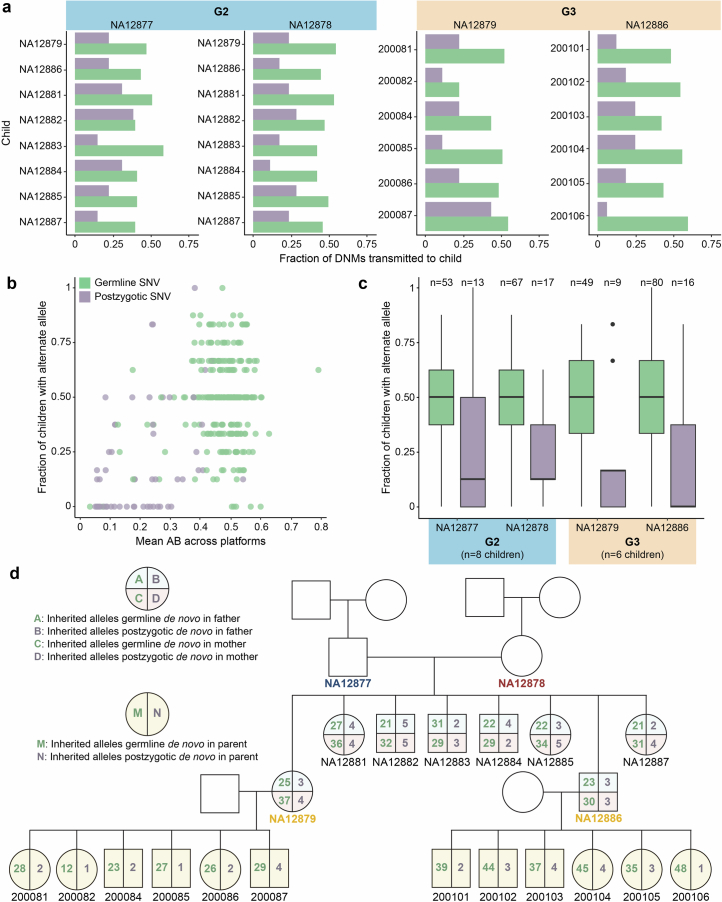
“Early cell divisions of human embryos are frequently error prone 54,55 with an accelerated rate of cell division potentially contributing to the large fraction of PZMs with high (>25”
Garrison, E., Guarracino, A., Heumos, S., Villani, F., Bao, Z., Tattini, L., Hagmann, J., Vorbrugg, S., Marco-Sola, S., Kubica, C., et al. (2024) · Nature Methods · doi:10.1038/s41592-024-02430-3 · Cited by 277
Self-citationAccurate, scalable cohort variant calls using DeepVariant and GLnexus
Yun, T., Li, H., Chang, P.-C., Lin, M. F., Carroll, A., & McLean, C. Y. (2021) · Bioinformatics · doi:10.1093/bioinformatics/btaa1081 · Cited by 269
Long-read mapping to repetitive reference sequences using Winnowmap2
Jain, C., Rhie, A., Hansen, N. F., Koren, S., & Phillippy, A. M. (2022) · Nature Methods · doi:10.1038/s41592-022-01457-8 · Cited by 267
A synthetic-diploid benchmark for accurate variant-calling evaluation
Li, H., Bloom, J. M., Farjoun, Y., Fleharty, M., Gauthier, L., Neale, B., & MacArthur, D. (2018) · Nature Methods · doi:10.1038/s41592-018-0054-7 · Cited by 253 · cited 6×
“By contrast, a recombination map of G4 individuals was constructed using a combination of Strand-seq data for G3 spouses and an assembly-based variant callset (Dipcall) of G4 samples.”
InfluentialSequencing Y Chromosomes Resolves Discrepancy in Time to Common Ancestor of Males Versus Females
Poznik, G. D., Henn, B. M., Yee, M.-C., Sliwerska, E., Euskirchen, G. M., Lin, A. A., Snyder, M., Quintana-Murci, L., Kidd, J. M., Underhill, P. A., et al. (2013) · Science · doi:10.1126/science.1237619 · Cited by 248 · cited 5×
“This particular pedigree has served as a benchmark for early linkage mapping studies 11,12 using short-read sequencing (SRS) 13 and continues to serve as reference for understanding human variation, including patterns of mosaicism 14,15 .”
InfluentialPost-zygotic Point Mutations Are an Underrecognized Source of De Novo Genomic Variation
Acuna-Hidalgo, R., Bo, T., Kwint, M. P., van de Vorst, M., Pinelli, M., Veltman, J. A., Hoischen, A., Vissers, L. E. L. M., & Gilissen, C. (2015) · The American Journal of Human Genetics · doi:10.1016/j.ajhg.2015.05.008 · Cited by 246 · cited 2×
“Previous studies predicted that 6–10% of DNMs are not germline in origin, but instead arise sometime after fertilization, giving rise to a mosaic variant 14,53 .”
Scalable telomere-to-telomere assembly for diploid and polyploid genomes with double graph
Cheng, H., Asri, M., Lucas, J., Koren, S., & Li, H. (2024) · Nature Methods · doi:10.1038/s41592-024-02269-8 · Cited by 222 · cited 2×
“Phased genome assemblies were generated using two different algorithms, namely Verkko (v.1.3.1 and v.1.4.1) 16 and hifiasm (UL) with ONT support (v.0.19.5) 17 .”
InfluentialWhole-genome analysis of Alu repeat elements reveals complex evolutionary history
Price, A. L., Eskin, E., & Pevzner, P. A. (2004) · Genome Research · doi:10.1101/gr.2693004 · Cited by 213 · cited 1×
“MEI sequences representing known Alu, L1 and SVA subclasses were obtained from previous work 115 , Dfam 116 and UCSC Genome Browser 74 .”
Recombination rate and reproductive success in humans
Kong, A., Barnard, J., Gudbjartsson, D. F., Thorleifsson, G., Jonsdottir, G., Sigurdardottir, S., Richardsson, B., Jonsdottir, J., Thorgeirsson, T., Frigge, M. L., et al. (2004) · Nature Genetics · doi:10.1038/ng1445 · Cited by 205 · cited 2×
“Although there is no known biological mechanism that would lead to a decrease in both parental germlines, this observation runs counter to a population-level analysis based on SRS data 25,30,31 .”
The variation and evolution of complete human centromeres
Logsdon, G. A., Rozanski, A. N., Ryabov, F., Potapova, T., Shepelev, V. A., Catacchio, C. R., Porubsky, D., Mao, Y., Yoo, D., Rautiainen, M., et al. (2024) · Nature · doi:10.1038/s41586-024-07278-3 · Cited by 203 · cited 1×
“The rate of de novo SNVs varies by more than an order of magnitude depending on the genomic context, consistent with recent human population-based analyses 7,50 and theoretical predictions 51 .”
Self-citationLong-read sequence and assembly of segmental duplications
Vollger, M. R., Dishuck, P. C., Sorensen, M., Welch, A. E., Dang, V., Dougherty, M. L., Graves-Lindsay, T. A., Wilson, R. K., Chaisson, M. J. P., & Eichler, E. E. (2019) · Nature Methods · doi:10.1038/s41592-018-0236-3 · Cited by 200
Self-citationMini‐ and microsatellite expansions: the recombination connection
Richard, G., & Pâques, F. (2000) · EMBO reports · doi:10.1093/embo-reports/kvd031 · Cited by 195 · cited 2×
“For example, larger TR motifs may be more likely to mutate through NAHR, synthesis-dependent strand annealing or interlocus gene conversion while mutational events at STRs may be biased toward traditional replication-based slippage mutational mechanisms 42,43 .”
Patterns of de novo tandem repeat mutations and their role in autism
Mitra, I., Huang, B., Mousavi, N., Ma, N., Lamkin, M., Yanicky, R., Shleizer-Burko, S., Lohmueller, K. E., & Gymrek, M. (2021) · Nature · doi:10.1038/s41586-020-03078-7 · Cited by 194
Sasani, T. A., Pedersen, B. S., Gao, Z., Baird, L., Przeworski, M., Jorde, L. B., & Quinlan, A. R. (2019) · eLife · doi:10.7554/elife.46922 · Cited by 186 · cited 4×
“Previous studies predicted that 6–10% of DNMs are not germline in origin, but instead arise sometime after fertilization, giving rise to a mosaic variant 14,53 .”
InfluentialSelf-citationRefined genetic maps reveal sexual dimorphism in human meiotic recombination at multiple scales
Bhérer, C., Campbell, C. L., & Auton, A. (2017) · Nature Communications · doi:10.1038/ncomms14994 · Cited by 182 · cited 2×
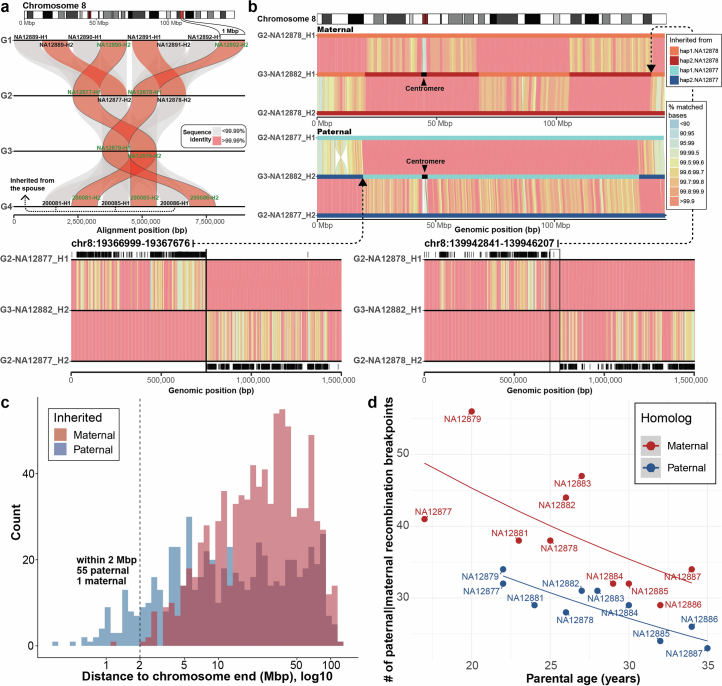
“Paternal recombination is significantly biased towards the ends of human chromosomes with 55 paternal recombination events mapping to within 2 Mb of the telomere in comparison to 1 event in female individuals 27–29 (Methods, Extended Data Fig.”
Recurrent inversion polymorphisms in humans associate with genetic instability and genomic disorders
Porubsky, D., Höps, W., Ashraf, H., Hsieh, P., Rodriguez-Martin, B., Yilmaz, F., Ebler, J., Hallast, P., Maria Maggiolini, F. A., Harvey, W. T., et al. (2022) · Cell · doi:10.1016/j.cell.2022.04.017 · Cited by 156 · cited 1×
“Polymorphic inversions for G1–G3 were detected by mapping Strand-seq read orientation with respect to the reference genome as previously described 71,72 .”
Self-citationCharacterization and visualization of tandem repeats at genome scale
Dolzhenko, E., English, A., Dashnow, H., De Sena Brandine, G., Mokveld, T., Rowell, W. J., Karniski, C., Kronenberg, Z., Danzi, M. C., Cheung, W. A., et al. (2024) · Nature Biotechnology · doi:10.1038/s41587-023-02057-3 · Cited by 153 · cited 25×
“In brief, TRGT-denovo extracts and partitions spanning reads from each family member (mother, father and child) to their most likely alleles.”
InfluentialSelf-citationSanders, A. D., Falconer, E., Hills, M., Spierings, D. C. J., & Lansdorp, P. M. (2017) · Nature Protocols · doi:10.1038/nprot.2017.029 · Cited by 149 · cited 1×
“We also evaluated such selected Strand-seq libraries manually and further excluded libraries with an uneven coverage, or an excess of ‘background reads’ (reads mapped in opposing orientation for chromosomes expected to inherit only Crick or Watson strands) as previously described 70 .”
Self-citationThe first mitotic division of human embryos is highly error prone
Currie, C. E., Ford, E., Whyte, L. B., Taylor, D. M., Mihalas, B. P., Erent, M., Marston, A. L., Hartshorne, G. M., & McAinsh, A. D. (2022) · Nature Communications · doi:10.1038/s41467-022-34294-6 · Cited by 148
Clonal dynamics in early human embryogenesis inferred from somatic mutation
Park, S., Mali, N. M., Kim, R., Choi, J.-W., Lee, J., Lim, J., Park, J. M., Park, J. W., Kim, D., Kim, T., et al. (2021) · Nature · doi:10.1038/s41586-021-03786-8 · Cited by 141 · cited 1×
“Early cell divisions of human embryos are frequently error prone 54,55 with an accelerated rate of cell division potentially contributing to the large fraction of PZMs with high (>25”
Non-crossover gene conversions show strong GC bias and unexpected clustering in humans
Williams, A. L., Genovese, G., Dyer, T. D., Altemose, N., Truax, K., Jun, G., Patterson, N. J., Myers, S., Curran, J. E., Duggirala, R., et al. (2015) · eLife · doi:10.7554/elife.04637 · Cited by 136
Assembly of 43 human Y chromosomes reveals extensive complexity and variation
Hallast, P., Ebert, P., Loftus, M., Yilmaz, F., Audano, P. A., Logsdon, G. A., Bonder, M. J., Zhou, W., Höps, W., Kim, K., et al. (2023) · Nature · doi:10.1038/s41586-023-06425-6 · Cited by 135 · cited 6×
“We estimate that satellite DNA in the Yq12 heterochromatic region 41,52 is at least 30 times more mutable than autosomal euchroma-tin (3.86 × 10 −7 mutations per bp per generation).”
InfluentialSelf-citationRecombination between heterologous human acrocentric chromosomes
Guarracino, A., Buonaiuto, S., de Lima, L. G., Potapova, T., Rhie, A., Koren, S., Rubinstein, B., Fischer, C., Human Pangenome Reference Consortium, Abel, H. J., et al. (2023) · Nature · doi:10.1038/s41586-023-05976-y · Cited by 134 · cited 1×
“Second, we were unable to characterize DNMs in the acrocentric regions due to the repetitive nature of the regions and rampant ectopic recombination 4 .”
Self-citationPedigree-based estimation of human mobile element retrotransposition rates
Feusier, J., Watkins, W. S., Thomas, J., Farrell, A., Witherspoon, D. J., Baird, L., Ha, H., Xing, J., & Jorde, L. B. (2019) · Genome Research · doi:10.1101/gr.247965.118 · Cited by 134 · cited 2×
“Mapped sequencing data and assemblies for five family members (G3-NA12883, G3-NA12884, G3-NA12887, G4-200103 and G4-200105) who did not consent for open access are available at dbGaP (phs003793. v1.p1; Platinum Pedigree Consortium LRS).”
Self-citationChu, C., Borges-Monroy, R., Viswanadham, V., Lee, S., Li, H., Lee, E. A., & Park, P. J. (2021) · Nature Communications · doi:10.1038/s41467-021-24041-8 · Cited by 132
Belyeu, J. R., Brand, H., Wang, H., Zhao, X., Pedersen, B. S., Feusier, J., Gupta, M., Nicholas, T. J., Brown, J., Baird, L., et al. (2021) · The American Journal of Human Genetics · doi:10.1016/j.ajhg.2021.02.012 · Cited by 108 · cited 2×
“The rate of de novo SVs increased from previous estimates of 0.2–0.3 per generation 15,61 to 3–4 de novo SVs per generation reported in this study.”
InfluentialSelf-citationIncreased mutation and gene conversion within human segmental duplications
Vollger, M. R., Dishuck, P. C., Harvey, W. T., DeWitt, W. S., Guitart, X., Goldberg, M. E., Rozanski, A. N., Lucas, J., Asri, M., Human Pangenome Reference Consortium, et al. (2023) · Nature · doi:10.1038/s41586-023-05895-y · Cited by 104 · cited 19×
“Further details are provided in Supplementary Note 10.”
InfluentialSelf-citationMinisatellite instability and germline mutation
Bois, P. R. J., & Jeffreys, A. J. (1999) · Cellular and Molecular Life Sciences · doi:10.1007/s000180050402 · Cited by 101 · cited 1×
“Consistent with some earlier genome-wide analyses of minisatellites 59 , we did not find evidence that TR changes are mediated by unequal crossover between homologues during meiosis as none of our TR de novo SVs ( n = 27) coincided with recombination breakpoints.”
Dense and accurate whole-chromosome haplotyping of individual genomes
Porubsky, D., Garg, S., Sanders, A. D., Korbel, J. O., Guryev, V., Lansdorp, P. M., & Marschall, T. (2017) · Nature Communications · doi:10.1038/s41467-017-01389-4 · Cited by 95 · cited 2×
“The first approach is based on chromosome-length haplotypes extracted from Strand-seq data using R package StrandPhaseR 81 (v.0.99).”
InfluentialSelf-citationThe Y-chromosome point mutation rate in humans
Helgason, A., Einarsson, A. W., Guðmundsdóttir, V. B., Sigurðsson, Á., Gunnarsdóttir, E. D., Jagadeesan, A., Ebenesersdóttir, S. S., Kong, A., & Stefánsson, K. (2015) · Nature Genetics · doi:10.1038/ng.3171 · Cited by 93 · cited 1×
“Most DNM studies 40,45–49 are based on SRS data from large groups of trios and converge on around 60–70 DNMs per generation; however, these studies often exclude highly mutable regions of the genome 7 .”
Population-Scale Sequencing Data Enable Precise Estimates of Y-STR Mutation Rates
Willems, T., Gymrek, M., Poznik, G. D., Tyler-Smith, C., & Erlich, Y. (2016) · The American Journal of Human Genetics · doi:10.1016/j.ajhg.2016.04.001 · Cited by 90 · cited 1×
“TRs are among the most mutable loci of our genome 36,56,57 , with the number of such de novo events comparable to germline SNVs 58 but affecting more than an order of magnitude more base pairs per generation.”
Sequencing by avidity enables high accuracy with low reagent consumption
Arslan, S., Garcia, F. J., Guo, M., Kellinger, M. W., Kruglyak, S., LeVieux, J. A., Mah, A. H., Wang, H., Zhao, J., Zhou, C., et al. (2024) · Nature Biotechnology · doi:10.1038/s41587-023-01750-7 · Cited by 90
Self-citationCharacterizing polymorphic inversions in human genomes by single-cell sequencing
Sanders, A. D., Hills, M., Porubský, D., Guryev, V., Falconer, E., & Lansdorp, P. M. (2016) · Genome Research · doi:10.1101/gr.201160.115 · Cited by 89 · cited 2×
“Polymorphic inversions for G1–G3 were detected by mapping Strand-seq read orientation with respect to the reference genome as previously described 71,72 .”
Self-citationVerbiest, M., Maksimov, M., Jin, Y., Anisimova, M., Gymrek, M., & Bilgin Sonay, T. (2023) · Journal of Evolutionary Biology · doi:10.1111/jeb.14106 · Cited by 74 · cited 2×
“For example, larger TR motifs may be more likely to mutate through NAHR, synthesis-dependent strand annealing or interlocus gene conversion while mutational events at STRs may be biased toward traditional replication-based slippage mutational mechanisms 42,43 .”
Age-Dependent Recombination Rates in Human Pedigrees
Hussin, J., Roy‐Gagnon, M., Gendron, R., Andelfinger, G., & Awadalla, P. (2011) · PLoS Genetics · doi:10.1371/journal.pgen.1002251 · Cited by 72 · cited 2×
“Although there is no known biological mechanism that would lead to a decrease in both parental germlines, this observation runs counter to a population-level analysis based on SRS data 25,30,31 .”
SVbyEye: a visual tool to characterize structural variation among whole-genome assemblies
Porubskỳ, D., Guitart, X., Yoo, D., Dishuck, P. C., Harvey, W. T., & Eichler, E. E. (2025) · Bioinformatics · doi:10.1093/bioinformatics/btaf332 · Cited by 71
Self-citationAhn, B. Y., & Livingston, D. M. (1986) · Molecular and Cellular Biology · doi:10.1128/mcb.6.11.3685-3693.1986 · Cited by 70 · cited 1×
“We also characterize 78 smaller haplotype segment ‘switches’ in G3 (median size of ~1 kb) 23–25 that would be consistent with either a double crossover or an allelic gene conversion event, although this is probably an underestimate due to our strict filtering criteria (Methods, Supplementary Table…”
Familial long-read sequencing increases yield of de novo mutations
Noyes, M. D., Harvey, W. T., Porubsky, D., Sulovari, A., Li, R., Rose, N. R., Audano, P. A., Munson, K. M., Lewis, A. P., Hoekzema, K., et al. (2022) · The American Journal of Human Genetics · doi:10.1016/j.ajhg.2022.02.014 · Cited by 69 · cited 1×
“Following the parameters outlined previously 10 , we called variants in HiFi data aligned to T2T-CHM13 using GATK HaplotypeCaller 90 (v.4.3.0.0) and DeepVariant 87 (v.1.4.0) and naively identified variants unique to each G2 and G3 sample.”
InfluentialSelf-citationDirect chromosome-length haplotyping by single-cell sequencing
Porubský, D., Sanders, A. D., van Wietmarschen, N., Falconer, E., Hills, M., Spierings, D. C. J., Bevova, M. R., Guryev, V., & Lansdorp, P. M. (2016) · Genome Research · doi:10.1101/gr.209841.116 · Cited by 57 · cited 3×
“22).”
Self-citationA 25-year odyssey of genomic technology advances and structural variant discovery
Porubsky, D., & Eichler, E. E. (2024) · Cell · doi:10.1016/j.cell.2024.01.002 · Cited by 56
Self-citationThe mutational dynamics of short tandem repeats in large, multigenerational families
Steely, C. J., Watkins, W. S., Baird, L., & Jorde, L. B. (2022) · Genome Biology · doi:10.1186/s13059-022-02818-4 · Cited by 56
Self-citationHiPhase: jointly phasing small, structural, and tandem repeat variants from HiFi sequencing
Holt, J., Saunders, C. T., Rowell, W. J., Kronenberg, Z. N., Wenger, A. M., & Eberle, M. A. (2024) · Bioinformatics · doi:10.1093/bioinformatics/btae042 · Cited by 56
Self-citationThe Platinum Pedigree: a long-read benchmark for genetic variants
Kronenberg, Z. N., Nolan, C., Porubskỳ, D., Mokveld, T., Rowell, W. J., Lee, S. Y., Dolzhenko, E., Chang, P.-C., Holt, J., Saunders, C. T., et al. (2025) · Nature Methods · doi:10.1038/s41592-025-02750-y · Cited by 51 · cited 1×
“13 and Data availability) 18 .”
Self-citationbreakpointR: an R/Bioconductor package to localize strand state changes in Strand-seq data
Porubsky, D., Sanders, A. D., Taudt, A., Colomé-Tatché, M., Lansdorp, P. M., & Guryev, V. (2020) · Bioinformatics · doi:10.1093/bioinformatics/btz681 · Cited by 48 · cited 1×
“Then we ran breakpointR 73 (v.1.15.1) across selected Strand-seq libraries to detect points of strand-state changes 73 .”
InfluentialSelf-citationAlleva, B., Brick, K., Pratto, F., Huang, M., & Camerini‐Otero, R. D. (2021) · Frontiers in Cell and Developmental Biology · doi:10.3389/fcell.2021.675286 · Cited by 47
Saunders, C. T., Holt, J., Baker, D. N., Lake, J. A., Belyeu, J. R., Kronenberg, Z. N., Rowell, W. J., & Eberle, M. A. (2025) · Bioinformatics · doi:10.1093/bioinformatics/btaf136 · Cited by 46
Self-citationSequence variants affecting the genome-wide rate of germline microsatellite mutations
Kristmundsdottir, S., Jonsson, H., Hardarson, M. T., Palsson, G., Beyter, D., Eggertsson, H. P., Gylfason, A., Sveinbjornsson, G., Holley, G., Stefansson, O. A., et al. (2023) · Nature Communications · doi:10.1038/s41467-023-39547-6 · Cited by 43 · cited 1×
“As discussed in previous stud - ies 37 , the number of polymorphic is proportional to the size of the cohort.”
A Southeast Asian origin for present-day non-African human Y chromosomes
Hallast, P., Agdzhoyan, A., Balanovsky, O. P., Xue, Y., & Tyler‐Smith, C. (2020) · Human Genetics · doi:10.1007/s00439-020-02204-9 · Cited by 39
Self-citationConstruction of Strand-seq libraries in open nanoliter arrays
Hanlon, V. C. T., Chan, D. D., Hamadeh, Z., Wang, Y., Mattsson, C.-A., Spierings, D. C. J., Coope, R., & Lansdorp, P. M. (2022) · Cell Reports Methods · doi:10.1016/j.crmeth.2021.100150 · Cited by 35 · cited 3×
“Pre-spotting of index primers is more reliable than the transfer of index primers between arrays during library preparation as described previously 65 .”
InfluentialSelf-citationEnvisioning a new era: Complete genetic information from routine, telomere-to-telomere genomes
Miga, K. H., & Eichler, E. E. (2023) · The American Journal of Human Genetics · doi:10.1016/j.ajhg.2023.09.011 · Cited by 26
Self-citationThe Coalescent with Selection on Copy Number Variants
Teshima, K. M., & Innan, H. (2012) · Genetics · doi:10.1534/genetics.111.135343 · Cited by 22 · cited 1×
“The rate of de novo SNVs varies by more than an order of magnitude depending on the genomic context, consistent with recent human population-based analyses 7,50 and theoretical predictions 51 .”
SVbyEye: A visual tool to characterize structural variation among whole-genome assemblies
Porubsky, D., Guitart, X., Yoo, D., Dishuck, P. C., Harvey, W. T., & Eichler, E. E. (2024) · doi:10.1101/2024.09.11.612418 · Cited by 21
Self-citationHAT: de novo variant calling for highly accurate short-read and long-read sequencing data
Ng, J. K., & Turner, T. N. (2024) · Bioinformatics · doi:10.1093/bioinformatics/btad775 · Cited by 13
ASHLEYS: automated quality control for single-cell Strand-seq data
Gros, C., Sanders, A. D., Korbel, J. O., Marschall, T., & Ebert, P. (2021) · Bioinformatics · doi:10.1093/bioinformatics/btab221 · Cited by 13
Self-citationHao, F., Wang, N., Gui, H., Zhang, Y., Wu, Z., & Wang, J. (2022) · Aging · doi:10.18632/aging.204319 · Cited by 13
Graphasing: phasing diploid genome assembly graphs with single-cell strand sequencing
Henglin, M., Ghareghani, M., Harvey, W. T., Porubskỳ, D., Koren, S., Eichler, E. E., Ebert, P., & Marschall, T. (2024) · Genome biology · doi:10.1186/s13059-024-03409-1 · Cited by 12 · cited 1×
“To generate phased genome assemblies of G1, we still used a combination of HiFi and ONT reads with the Verkko pipeline and used Strand-seq to phase assembly graphs 75 .”
Self-citationHMW gDNA purification and ONT ultra-long-read data generation v1Preprint
Logsdon, G. A., & Chuang, S.-C. (2020) · doi:10.17504/protocols.io.81wgbpnrnvpk/v4 · Cited by 12
Self-citationThe Platinum Pedigree: A long-read benchmark for genetic variants
Kronenberg, Z., Nolan, C., Mokveld, T., Rowell, W. J., Lee, S., Dolzhenko, E., Chang, P.-C., Holt, J. M., Saunders, C. T., Olson, N. D., et al. (2024) · doi:10.1101/2024.10.02.616333 · Cited by 8
Self-citationHMW gDNA purification and ONT ultra-long-read data generation v1
Logsdon, G. (2020) · doi:10.17504/protocols.io.bchhit36 · Cited by 8
Self-citationTRGT-denovo: accurate detection of de novo tandem repeat mutations
Mokveld, T., Dolzhenko, E., Dashnow, H., Nicholas, T. J., Sasani, T., van der Sanden, B., Jadhav, B., Pedersen, B., Kronenberg, Z., Tucci, A., et al. (2024) · doi:10.1101/2024.07.16.600745 · Cited by 6 · cited 1×
“We used TRGT-denovo to identify candidate DNMs at loci that were covered by at least 10 HiFi reads across all members of a given trio; on average, 6.88 million TR loci met this criterion 33 .”
InfluentialSelf-citation
Cited by
Complex genetic variation in nearly complete human genomes
Logsdon, G. A., Ebert, P., Audano, P. A., Loftus, M. G., Porubskỳ, D., Ebler, J., Yilmaz, F., Hallast, P., Prodanov, T., Yoo, D., et al. (2025) · Nature · doi:10.1038/s41586-025-09140-6 · Cited by 213
“25 and 26).”
Self-citationSperm sequencing reveals extensive positive selection in the male germline
Neville, M. D. C., Lawson, A. R. J., Sanghvi, R., Abascal, F., Pham, M. H., Cagan, A., Nicola, P. A., Bayzetinova, T., Baez‐Ortega, A., Roberts, K., et al. (2025) · Nature · doi:10.1038/s41586-025-09448-3 · Cited by 65
“Although long-read sequencing studies have begun to explore these in sperm 57 and trios 58 , further work is needed to capture the full range of human germline variation and its impact on offspring.”
Toward clinical long-read genome sequencing for rare diseases
Eisfeldt, J., Ek, M., Nordenskjöld, M., & Lindstrand, A. (2025) · Nature Genetics · doi:10.1038/s41588-025-02160-y · Cited by 55
Antipov, D., Rautiainen, M., Nurk, S., Walenz, B. P., Solar, S. J., Phillippy, A. M., & Koren, S. (2025) · Genome Research · doi:10.1101/gr.280383.124 · Cited by 52
“Existing reference-free tools such as Flagger (Liao et al. 2023) and NucFrec (Vollger et al. 2019) produce a high number of false-positive predictions and are not always consistent with each other (Porubsky et al. 2025), making it challenging to use them without manual curation of their results.”
The Platinum Pedigree: a long-read benchmark for genetic variants
Kronenberg, Z. N., Nolan, C., Porubskỳ, D., Mokveld, T., Rowell, W. J., Lee, S. Y., Dolzhenko, E., Chang, P.-C., Holt, J., Saunders, C. T., et al. (2025) · Nature Methods · doi:10.1038/s41592-025-02750-y · Cited by 51
“In a recent study the four-generation CEPH-1463 pedigree was sequenced using multiple technologies (Supplementary Table 1) and analyzed to study the de novo mutation rate for SNVs, indels, TRs and SVs 11 .”
InfluentialSelf-citation
Metadata
- Authors
- Porubsky, D., Dashnow, H., Sasani, T. A., Logsdon, G. A., Hallast, P., Noyes, M. D., Kronenberg, Z. N., Mokveld, T., Koundinya, N., Nolan, C., Steely, C. J., Guarracino, A., Dolzhenko, E., Harvey, W. T., Rowell, W. J., Grigorev, K., Nicholas, T. J., Goldberg, M. E., Oshima, K. K., Lin, J., Ebert, P., Watkins, W. S., Leung, T. Y., Hanlon, V. C. T., McGee, S., Pedersen, B. S., Happ, H. C., Jeong, H., Munson, K. M., Hoekzema, K., Chan, D. D., Wang, Y., Knuth, J., Garcia, G. H., Fanslow, C., Lambert, C., Lee, C., Smith, J. D., Levy, S., Mason, C. E., Garrison, E., Lansdorp, P. M., Neklason, D. W., Jorde, L. B., Quinlan, A. R., Eberle, M. A., & Eichler, E. E.
- Affiliations
- University of Utah (US)
- University of Washington (US)
- The Jackson Laboratory for Genomic Medicine (US)
- Pacific Biosciences (United States) (US)
- University of Kentucky (US)
- University of Tennessee Health Science Center (US)
- Ames Research Center (US)
- University of Pennsylvania (US)
- Düsseldorf University Hospital (DE)
- BC Cancer Agency (CA)
- Elements Biosciences (United States) (US)
- Weill Cornell Medicine (US)
- Howard Hughes Medical Institute (US)
- Corresponding author
- Eichler, Evan E.
- ORCID
- Porubsky, David
- Dashnow, Harriet
- Sasani, Thomas A.
- Logsdon, Glennis A.
- Hallast, Pille
- Noyes, Michelle D.
- Kronenberg, Zev N.
- Mokveld, Tom
- Koundinya, Nidhi
- Nolan, Cillian
- Steely, Cody J.
- Guarracino, Andrea
- Dolzhenko, Egor
- Harvey, William T.
- Rowell, William J.
- Grigorev, Kirill
- Nicholas, Thomas J.
- Goldberg, Michael E.
- Oshima, Keisuke K.
- Lin, Jiadong
- Ebert, Peter
- Watkins, W. Scott
- Hanlon, Vincent C. T.
- McGee, Sean
- Pedersen, Brent S.
- Happ, Hannah C.
- Jeong, Hyeonsoo
- Munson, Katherine M.
- Hoekzema, Kendra
- Wang, Yanni
- Knuth, Jordan
- Garcia, Gage H.
- Lee, Charles
- Smith, Joshua D.
- Levy, Shawn
- Mason, Christopher E.
- Garrison, Erik
- Lansdorp, Peter M.
- Neklason, Deborah W.
- Jorde, Lynn B.
- Quinlan, Aaron R.
- Eberle, Michael A.
- Eichler, Evan E.
- Venue
- Nature
- Published
- 2025-04-23
- Volume
- 643
- Issue
- 8071
- Pages
- 427-436
- ISSN
- 0028-0836 (ISSN-L)
- 1476-4687
- PMC
- PMC12240836
- OpenAlex
- W4409729484
- Cited by
- 151
- References
- 120
- Citations by year
- 2026: 102 · 2025: 45
- FWCI
- 48.94
- Type
- journal article
- Language
- en
- Open access
- hybrid
- doi.org
- Licence
- cc-by
- creativecommons.org/licenses/by/4.0 (tdm)
- creativecommons.org/licenses/by/4.0 (vor)
- Locations
- Nature (publishedVersion, cc-by)
- bioRxiv (Cold Spring Harbor Laboratory) (submittedVersion, cc-by-nc-nd)
- Europe PMC (PubMed Central) (publishedVersion, cc-by)
- PubMed Central (publishedVersion, cc-by)
- PubMed (publishedVersion)
- PubMed Central (submittedVersion, cc-by-nc-nd)
- PubMed (submittedVersion)
- Funders
- Howard Hughes Medical Institute
- Simons Foundation (810018EE)
- Simons Foundation Autism Research Initiative (810018EE)
- National Institutes of Health (GM12878, 1s10od034321-01, HG007497, GM147352, UM1TR004409, RC2TR004391)
- Canadian Institutes of Health Research (159787)
- National Institute on Aging (P30AG072946)
- National Institute of Mental Health (R01MH101221)
- National Human Genome Research Institute (R00HG011657, K99HG012796, R01HG002385, R00HG012796, T32HG008962, R01HG010169, U24HG007497)
- National Institute of General Medical Sciences (GM12878, GM12884, K99GM147352, R35GM118335, R00GM147352)
- National Center for Advancing Translational Sciences
- Topics
- Life Sciences › Biochemistry, Genetics and Molecular Biology › Genetics › Genomic variations and chromosomal abnormalities
- Life Sciences › Biochemistry, Genetics and Molecular Biology › Genetics › Genomics and Rare Diseases
- Life Sciences › Biochemistry, Genetics and Molecular Biology › Molecular Biology › Genomics and Phylogenetic Studies
- Keywords
- germline mutations, diploid genome assembly, centromere, Y chromosome, microsatellite markers, variable number tandem repeats, structural variants, postzygotic mutation, germline mosaicism, crossover, human genetic variation
- MeSH terms
- Centromere, Female, Humans, Male, Pedigree, Genome, Human, Germ-Line Mutation, Polymorphism, Single Nucleotide, Chromosomes, Human, Y, INDEL Mutation, Mutation Rate
About these checks
Registry, retraction, Cites and statistics results are computed, not judged, with one exception: a printed reference that no index lists is read once by a model before it counts as a citation error. Claims are extracted by a model and kept only when their quote appears verbatim in the text; each cited source is then checked, with a model’s help, for whether it says what the claim relies on. Those verdicts can be wrong — read the claim’s quote and the cited source before relying on one.
A language model drew the claims from the paper on 2026-11-28, under version 3 of the claim definition (model deepseek-v4.1-flash, prompt extract-v3).
A second model labelled each claim on 2026-11-28 (model jev-1.13-20260917, definition revision gold-guideline-v0.2).
Statistics and arithmetic are recomputed, not judged.
Confidence bands are shown only for fields calibrated on our annotated test set. None is calibrated yet, so no band is shown.
What counts as a claim ›How we measure confidence ›How we check this ›
Are you an author, or do you see a problem with this page? Request a review
Data sources
Bibliographic data: Semantic Scholar, OpenAlex, Crossref.
Contains information from the Semantic Scholar Academic Graph Datasets, made available under the ODC Attribution License (ODC-BY 1.0).
Semantic Scholar’s data is described in: Kinney, R., et al. (2023). The Semantic Scholar Open Data Platform. arXiv:2301.10140.
