

DNA-encoded library-enabled discovery of proximity-inducing small molecules
Open accessPublished version of a preprint
The DOI matches its Crossref record; 56 of the 56 references it cites were found in a registry or an index.
Abstract
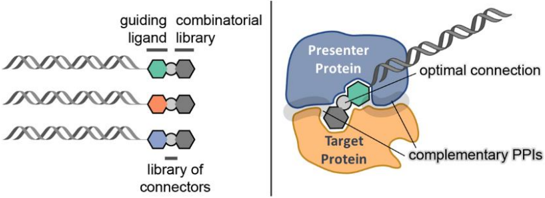
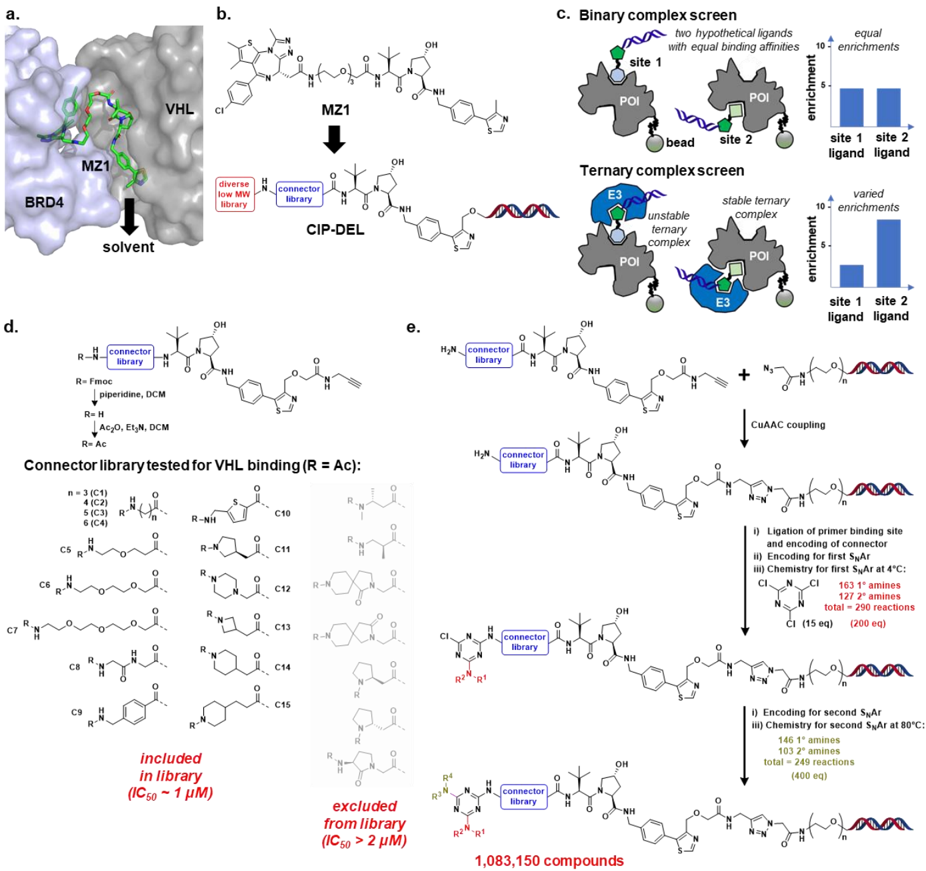
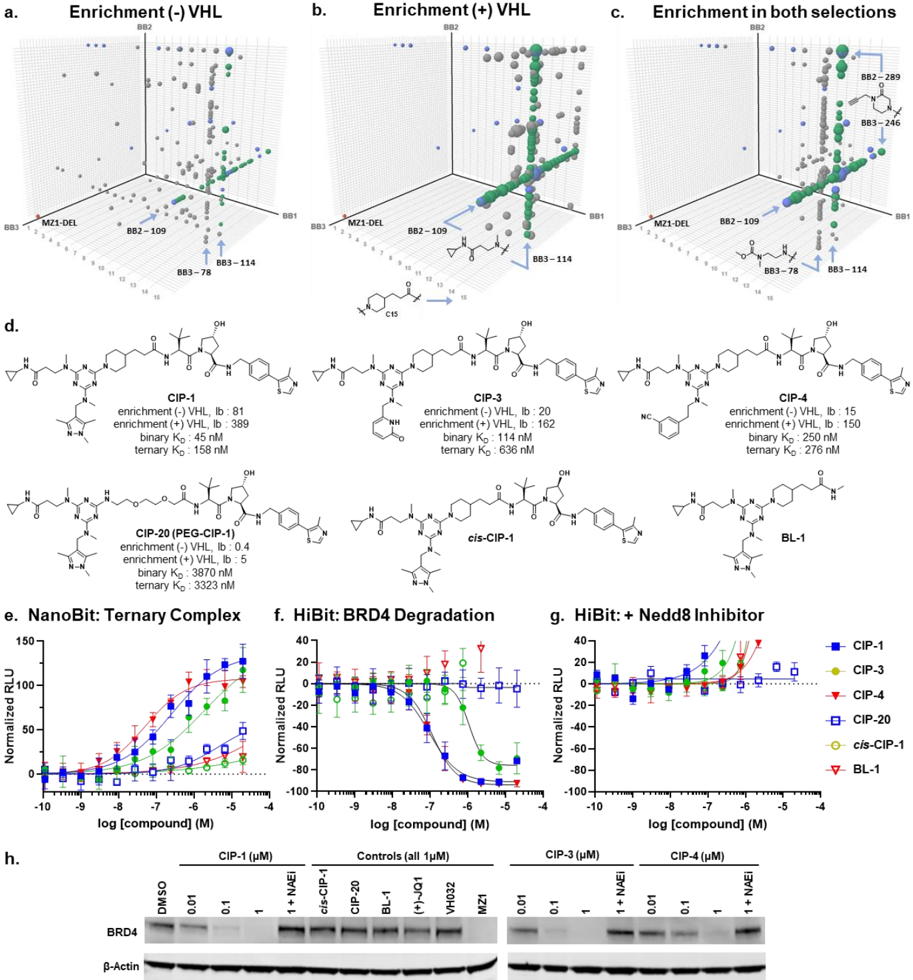
Small molecules that induce protein-protein associations represent powerful tools to modulate cell circuitry. We sought to develop a platform for the direct discovery of compounds able to induce association of any two preselected proteins, using the E3 ligase von Hippel-Lindau (VHL) and bromodomains as test systems. Leveraging the screening power of DNA-encoded libraries (DELs), we synthesized ~1 million DNA-encoded compounds that possess a VHL-targeting ligand, a variety of connectors and a diversity element generated by split-and-pool combinatorial chemistry. By screening our DEL against bromodomains in the presence and absence of VHL, we could identify VHL-bound molecules that simultaneously bind bromodomains. For highly barcode-enriched library members, ternary complex formation leading to bromodomain degradation was confirmed in cells. Furthermore, a ternary complex crystal structure was obtained for our most enriched library member with BRD4 BD1 and a VHL complex. Our work provides a foundation for adapting DEL screening to the discovery of proximity-inducing small molecules.
Overview
The claims and statistics of this paper haven’t been checked yet.
Free: it reads the open-access text and checks the first 5 claims that cite a source we can check. Create a free account to check every claim.
Integrity signals
Registry
Cites
Statistics
Figures
Verification
Claims the paper makes
The claims and statistics of this paper haven’t been checked yet.
Free: it reads the open-access text and checks the first 5 claims that cite a source we can check. Create a free account to check every claim.
Claims other papers make about this one
Each is checked against this paper’s own text: does it say what the citing paper says it does?
The source backs part of the claim, not all of it — or backs it for a different population, condition or comparison.
In the citing paper
“Although FKBP12 is not an e3 ligase, and so the compounds identified are not classified as degraders, these two landmark studies highlight Dels as a versatile platform for rational, high-throughput discovery of both PROtAcs and molecular glue degraders (Mason et al. 2024;Zandi et al. 2024).”
From From serendipity to strategy: molecular glue degraders in cancer therapeutics (2025) · cites this paper as Mason et al. 2024
Experimental — accuracy not yet measuredThe cited source says what the claim attributes to it.
In the citing paper
“in a PROtAc-based proof-of-concept study, a Del approach streamlined the development of these bivalent degraders, leading to the direct discovery of a potent vHl-dependent BRD4 degrader (Mason et al. 2024).”
From From serendipity to strategy: molecular glue degraders in cancer therapeutics (2025) · cites this paper as Mason et al. 2024
Self-check
Percentages, sums and reported differences re-computed from the paper’s own numbers.
The self-check needs the paper’s full text.
Citations
Cites
Coot : model-building tools for molecular graphics
Emsley, P., & Cowtan, K. (2004) · Acta Crystallographica Section D Biological Crystallography · doi:10.1107/s0907444904019158 · Cited by 30,571
Phaser crystallographic software
McCoy, A. J., Grosse-Kunstleve, R. W., Adams, P. D., Winn, M. D., Storoni, L. C., & Read, R. J. (2007) · Journal of Applied Crystallography · doi:10.1107/s0021889807021206 · Cited by 20,612
The CCP4 suite: programs for protein crystallography
Collaborative Computational Project, N. 4. (1994) · Acta Crystallographica Section D Biological Crystallography · doi:10.1107/s0907444994003112 · Cited by 17,270
Kabsch, W. (2010) · Acta Crystallographica Section D Biological Crystallography · doi:10.1107/s0907444909047337 · Cited by 16,463
How good are my data and what is the resolution?
Evans, P. R., & Murshudov, G. N. (2013) · Acta Crystallographica Section D Biological Crystallography · doi:10.1107/s0907444913000061 · Cited by 4,697
Selective inhibition of BET bromodomains
Filippakopoulos, P., Qi, J., Picaud, S., Shen, Y., Smith, W. B., Fedorov, O., Morse, E. M., Keates, T., Hickman, T. T., Felletar, I., et al. (2010) · Nature · doi:10.1038/nature09504 · Cited by 4,262 · cited 1×
“36) and the VHL-binding element VH032 (ref.”
Calcineurin is a common target of cyclophilin-cyclosporin A and FKBP-FK506 complexes
Liu, J., Farmer, J. D., Lane, W. S., Friedman, J., Weissman, I., & Schreiber, S. L. (1991) · Cell · doi:10.1016/0092-8674(91)90124-h · Cited by 4,116
Self-citationSakamoto, K. M., Kim, K. B., Kumagai, A., Mercurio, F., Crews, C. M., & Deshaies, R. J. (2001) · Proceedings of the National Academy of Sciences · doi:10.1073/pnas.141230798 · Cited by 2,609
Smith, T., Heger, A., & Sudbery, I. (2017) · Genome Research · doi:10.1101/gr.209601.116 · Cited by 2,143
A mammalian protein targeted by G1-arresting rapamycin–receptor complex
Brown, E. J., Albers, M. W., Bum Shin, T., ichikawa, K., Keith, C. T., Lane, W. S., & Schreiber, S. L. (1994) · Nature · doi:10.1038/369756a0 · Cited by 2,053
Self-citationAn inhibitor of NEDD8-activating enzyme as a new approach to treat cancer
Soucy, T. A., Smith, P. G., Milhollen, M. A., Berger, A. J., Gavin, J. M., Adhikari, S., Brownell, J. E., Burke, K. E., Cardin, D. P., Critchley, S., et al. (2009) · Nature · doi:10.1038/nature07884 · Cited by 1,990 · cited 1×
“34), which fully reversed degradation (Fig.”
Lenalidomide Causes Selective Degradation of IKZF1 and IKZF3 in Multiple Myeloma Cells
Krönke, J., Udeshi, N. D., Narla, A., Grauman, P., Hurst, S. N., McConkey, M., Svinkina, T., Heckl, D., Comer, E., Li, X., et al. (2014) · Science · doi:10.1126/science.1244851 · Cited by 1,879 · cited 1×
“Contin-ued identification of simpler synthetic CIPs, such as tool compounds synstab A 5 and indisulam 6–10 , and drugs thalidomide and lenalidomide (Revlimid) 11–17 , have ignited widespread interest in the development of proximity-inducing molecules.”
Self-citationHistone Recognition and Large-Scale Structural Analysis of the Human Bromodomain Family
Filippakopoulos, P., Picaud, S., Mangos, M., Keates, T., Lambert, J.-P., Barsyte-Lovejoy, D., Felletar, I., Volkmer, R., Müller, S., Pawson, T., et al. (2012) · Cell · doi:10.1016/j.cell.2012.02.013 · Cited by 1,694
The Myeloma Drug Lenalidomide Promotes the Cereblon-Dependent Destruction of Ikaros Proteins
Lu, G., Middleton, R. E., Sun, H., Naniong, M., Ott, C. J., Mitsiades, C. S., Wong, K.-K., Bradner, J. E., & Kaelin, W. G. (2014) · Science · doi:10.1126/science.1244917 · Cited by 1,583
Sabatini, D. M., Erdjument-Bromage, H., Lui, M., Tempst, P., & Snyder, S. H. (1994) · Cell · doi:10.1016/0092-8674(94)90570-3 · Cited by 1,509
NanoLuc Complementation Reporter Optimized for Accurate Measurement of Protein Interactions in Cells
Dixon, A. S., Schwinn, M. K., Hall, M. P., Zimmerman, K., Otto, P., Lubben, T. H., Butler, B. L., Binkowski, B. F., Machleidt, T., Kirkland, T. A., et al. (2016) · ACS Chemical Biology · doi:10.1021/acschembio.5b00753 · Cited by 1,405 · cited 1×
“To complement our SPR and TR-FRET datasets, we assessed ternary complex induction in HEK293T cells using the high-sensitivity NanoBiT split-luciferase assay 32 .”
Structural basis of PROTAC cooperative recognition for selective protein degradation
Gadd, M. S., Testa, A., Lucas, X., Chan, K.-H., Chen, W., Lamont, D. J., Zengerle, M., & Ciulli, A. (2017) · Nature Chemical Biology · doi:10.1038/nchembio.2329 · Cited by 1,242 · cited 2×
“5) 29 .”
Lysosome-targeting chimaeras for degradation of extracellular proteins
Banik, S. M., Pedram, K., Wisnovsky, S., Ahn, G., Riley, N. M., & Bertozzi, C. R. (2020) · Nature · doi:10.1038/s41586-020-2545-9 · Cited by 1,199 · cited 1×
“While the potential applications of CIPs continue to expand 18–25 , the available tools for identifying them remain limited.”
Structure of the DDB1–CRBN E3 ubiquitin ligase in complex with thalidomide
Fischer, E. S., Böhm, K., Lydeard, J. R., Yang, H., Stadler, M. B., Cavadini, S., Nagel, J., Serluca, F., Acker, V., Lingaraju, G. M., et al. (2014) · Nature · doi:10.1038/nature13527 · Cited by 1,141
Proteolysis-Targeting Chimeras as Therapeutics and Tools for Biological Discovery
Burslem, G. M., & Crews, C. M. (2020) · Cell · doi:10.1016/j.cell.2019.11.031 · Cited by 1,079
Selective Small Molecule Induced Degradation of the BET Bromodomain Protein BRD4
Zengerle, M., Chan, K.-H., & Ciulli, A. (2015) · ACS Chemical Biology · doi:10.1021/acschembio.5b00216 · Cited by 1,056 · cited 1×
“1a,b) 28,29 .”
Encoded combinatorial chemistry.
Brenner, S., & Lerner, R. A. (1992) · Proceedings of the National Academy of Sciences · doi:10.1073/pnas.89.12.5381 · Cited by 1,014
Targeted protein degradation: expanding the toolbox
Schapira, M., Calabrese, M. F., Bullock, A. N., & Crews, C. M. (2019) · Nature Reviews Drug Discovery · doi:10.1038/s41573-019-0047-y · Cited by 960
The Phenix software for automated determination of macromolecular structures
Adams, P. D., Afonine, P. V., Bunkóczi, G., Chen, V. B., Echols, N., Headd, J. J., Hung, L.-W., Jain, S., Kapral, G. J., Grosse Kunstleve, R. W., et al. (2011) · Methods · doi:10.1016/j.ymeth.2011.07.005 · Cited by 891
Structure of the VHL-ElonginC-ElonginB Complex: Implications for VHL Tumor Suppressor Function
Stebbins, C. E., Kaelin, W. G., & Pavletich, N. P. (1999) · Science · doi:10.1126/science.284.5413.455 · Cited by 860
Structure of an HIF-1α-pVHL Complex: Hydroxyproline Recognition in Signaling
Min, J.-H., Yang, H., Ivan, M., Gertler, F., Kaelin, W. G., & Pavletich, N. P. (2002) · Science · doi:10.1126/science.1073440 · Cited by 765 · cited 1×
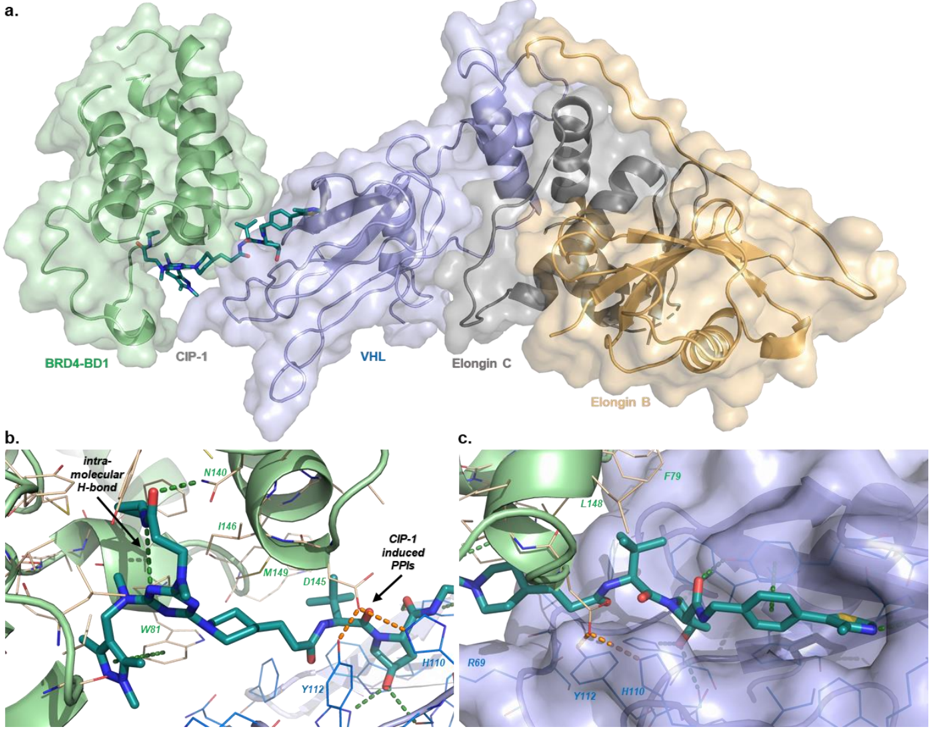
“The native substrate of VHL is the hydroxyproline-containing HIF-1α peptide, which spans an extended groove on the protein surface and exits at both N-and C-termini 38 .”
Anticancer sulfonamides target splicing by inducing RBM39 degradation via recruitment to DCAF15
Han, T., Goralski, M., Gaskill, N., Capota, E., Kim, J., Ting, T. C., Xie, Y., Williams, N. S., & Nijhawan, D. (2017) · Science · doi:10.1126/science.aal3755 · Cited by 762
Design, synthesis and selection of DNA-encoded small-molecule libraries
Clark, M. A., Acharya, R. A., Arico-Muendel, C. C., Belyanskaya, S. L., Benjamin, D. R., Carlson, N. R., Centrella, P. A., Chiu, C. H., Creaser, S. P., Cuozzo, J. W., et al. (2009) · Nature Chemical Biology · doi:10.1038/nchembio.211 · Cited by 667 · cited 1×
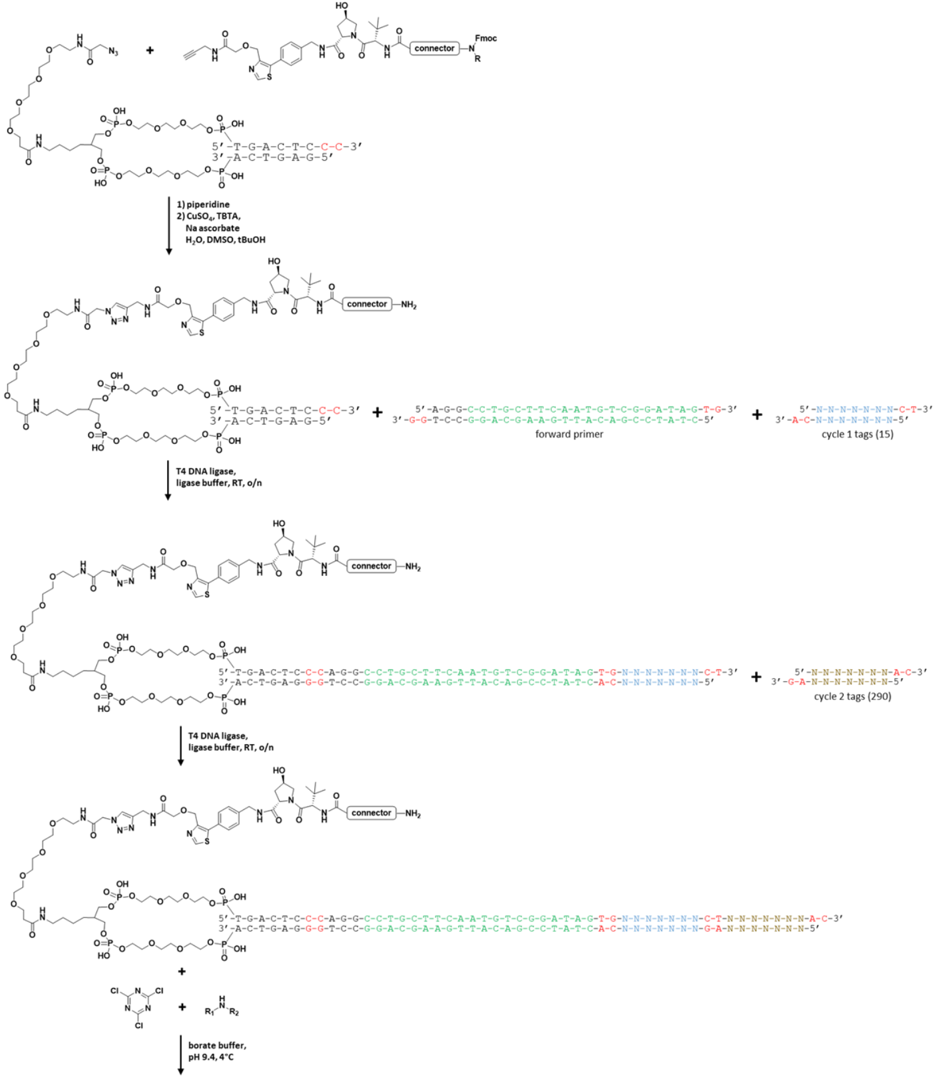
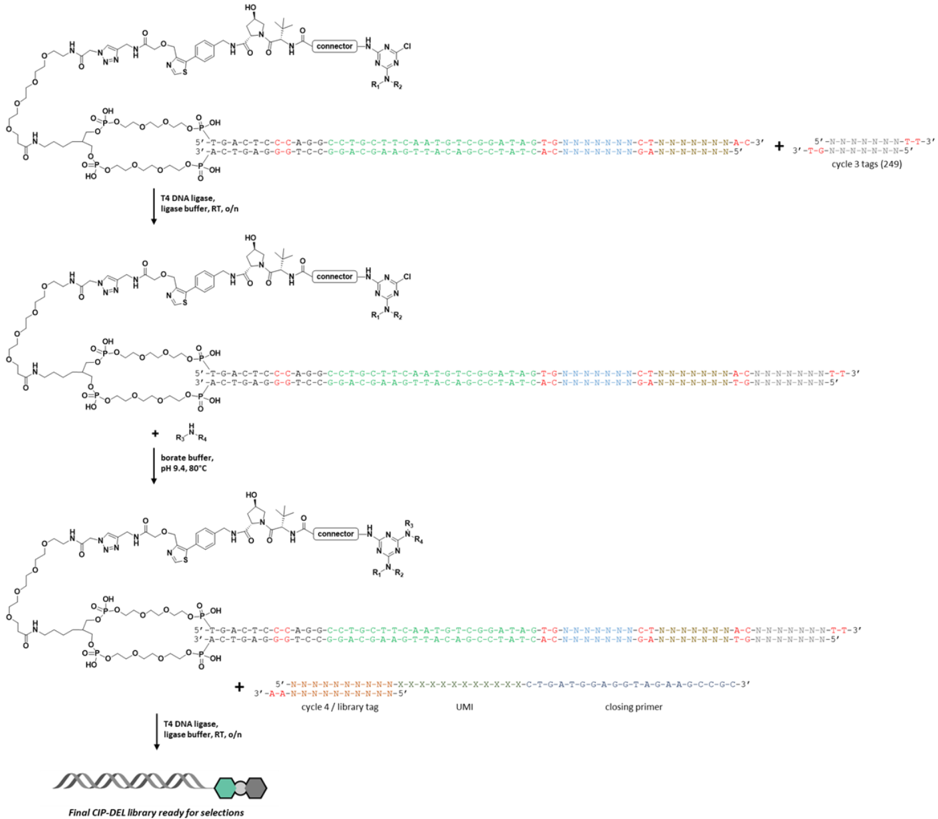
“Numerous DEL library designs could be used for functionalizing the connector amines; here we selected the well-established triazine-library concept for our initial experiments given the large diversity that can be generated with sequential S N Ar reactions on the triazine core 30 .”
Structural basis of lenalidomide-induced CK1α degradation by the CRL4CRBN ubiquitin ligase
Petzold, G., Fischer, E. S., & Thomä, N. H. (2016) · Nature · doi:10.1038/nature16979 · Cited by 620
Gandhi, A. K., Kang, J., Havens, C. G., Conklin, T., Ning, Y., Wu, L., Ito, T., Ando, H., Waldman, M. F., Thakurta, A., et al. (2014) · British Journal of Haematology · doi:10.1111/bjh.12708 · Cited by 619
Schreiber, S. L. (2021) · Cell · doi:10.1016/j.cell.2020.12.020 · Cited by 598
Self-citationBAF complex vulnerabilities in cancer demonstrated via structure-based PROTAC design
Farnaby, W., Koegl, M., Roy, M. J., Whitworth, C., Diers, E., Trainor, N., Zollman, D., Steurer, S., Karolyi-Oezguer, J., Riedmueller, C., et al. (2019) · Nature Chemical Biology · doi:10.1038/s41589-019-0294-6 · Cited by 562 · cited 1×
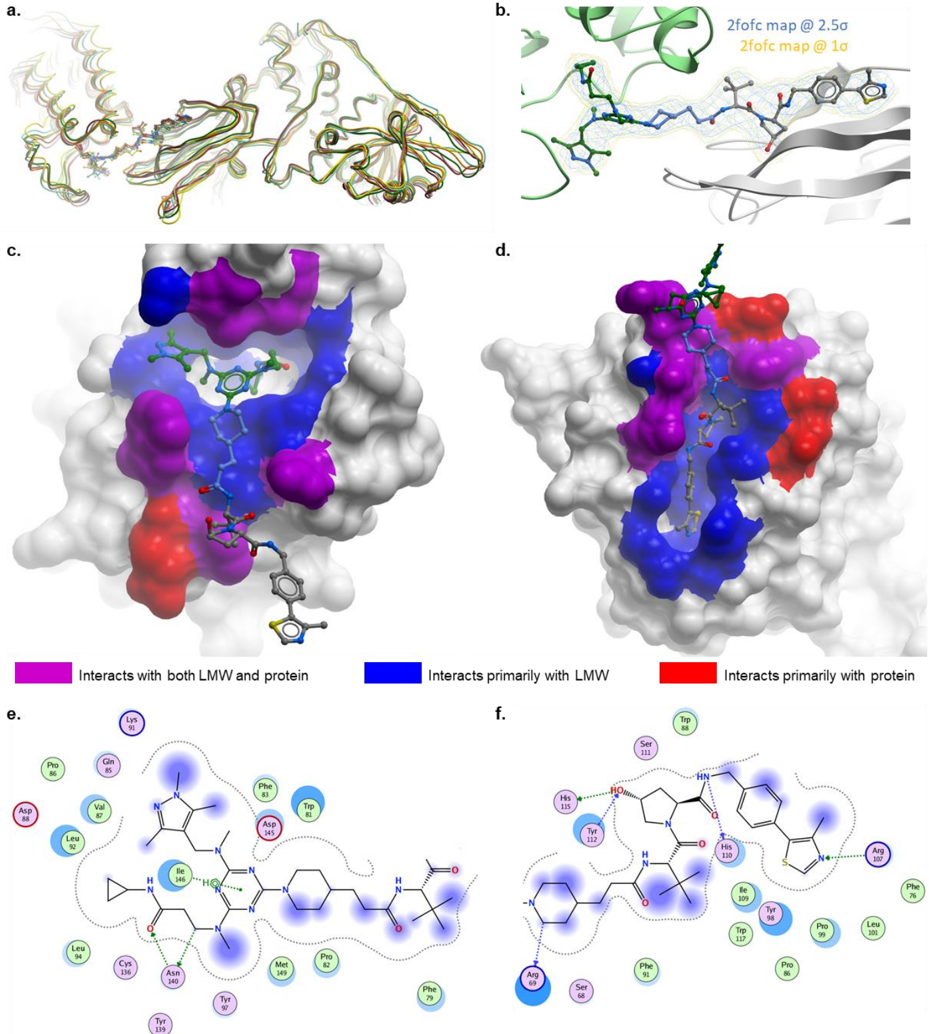
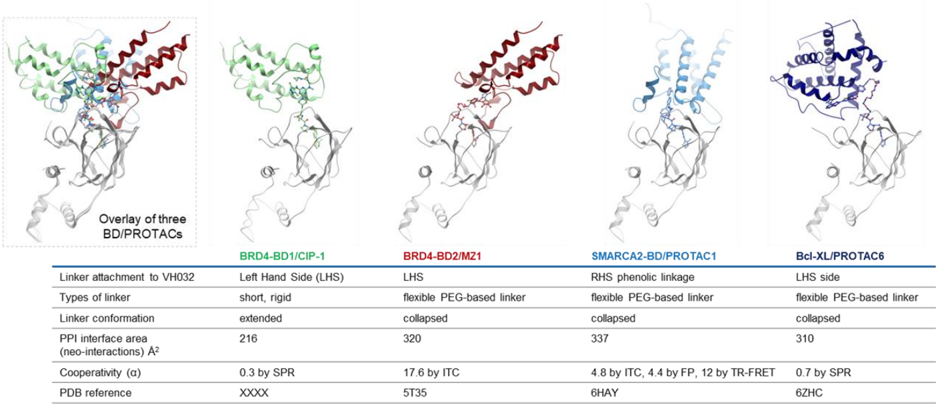
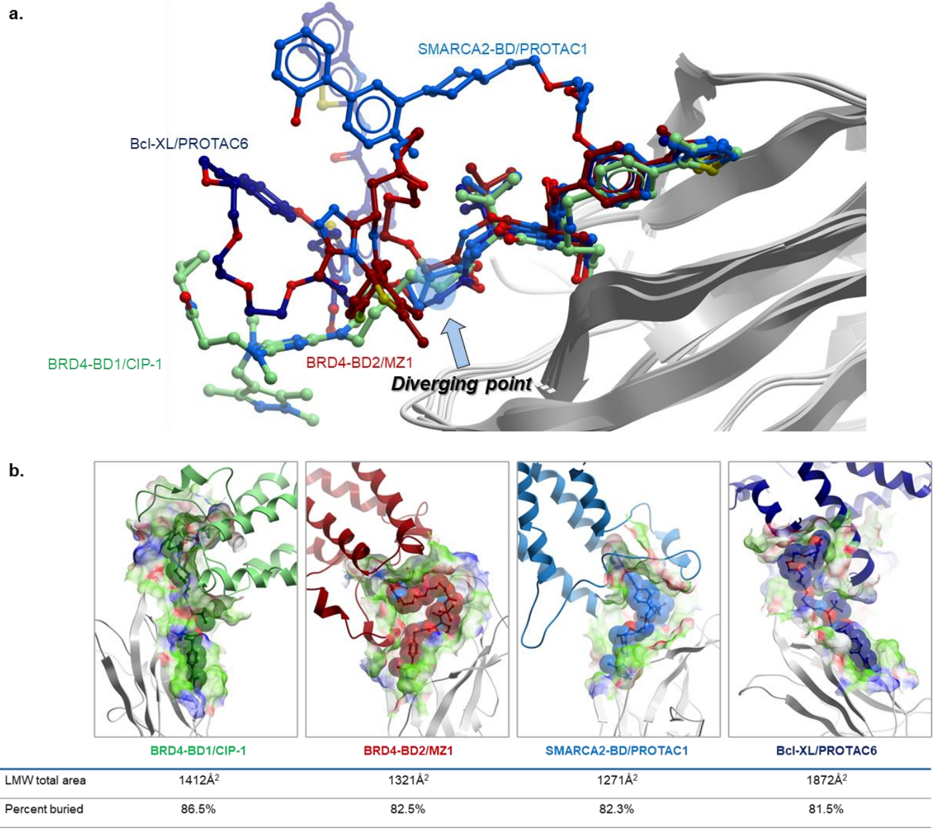
“We compared the orientations of additional VHL-containing ternary complexes and found substantial variability in the approach of the target proteins, highlighting the incredible influence the bifunctional small molecule has on ternary complex geometry 40,41 .”
Donovan, K. A., An, J., Nowak, R. P., Yuan, J. C., Fink, E. C., Berry, B. C., Ebert, B. L., & Fischer, E. S. (2018) · eLife · doi:10.7554/elife.38430 · Cited by 509
Chemically induced proximity in biology and medicine
Stanton, B. Z., Chory, E. J., & Crabtree, G. R. (2018) · Science · doi:10.1126/science.aao5902 · Cited by 475
CRISPR-Mediated Tagging of Endogenous Proteins with a Luminescent Peptide
Schwinn, M. K., Machleidt, T., Zimmerman, K., Eggers, C. T., Dixon, A. S., Hurst, R., Hall, M. P., Encell, L. P., Binkowski, B. F., & Wood, K. V. (2018) · ACS Chemical Biology · doi:10.1021/acschembio.7b00549 · Cited by 434 · cited 1×
“To establish this, we profiled our DNA-free compounds in a HiBiT assay using HEK293T cells transfected with a HiBiT-tagged BRD4 BD1 plasmid 33 .”
Galdeano, C., Gadd, M. S., Soares, P., Scaffidi, S., Van Molle, I., Birced, I., Hewitt, S., Dias, D. M., & Ciulli, A. (2014) · Journal of Medicinal Chemistry · doi:10.1021/jm5011258 · Cited by 399
Selective degradation of splicing factor CAPERα by anticancer sulfonamides
Uehara, T., Minoshima, Y., Sagane, K., Sugi, N. H., Mitsuhashi, K. O., Yamamoto, N., Kamiyama, H., Takahashi, K., Kotake, Y., Uesugi, M., et al. (2017) · Nature Chemical Biology · doi:10.1038/nchembio.2363 · Cited by 396 · cited 1×
“Contin-ued identification of simpler synthetic CIPs, such as tool compounds synstab A 5 and indisulam 6–10 , and drugs thalidomide and lenalidomide (Revlimid) 11–17 , have ignited widespread interest in the development of proximity-inducing molecules.”
SPR-measured dissociation kinetics of PROTAC ternary complexes influence target degradation rate
Roy, M. J., Winkler, S., Hughes, S. J., Whitworth, C., Galant, M., Farnaby, W., Rumpel, K., & Ciulli, A. (2019) · ACS Chemical Biology · doi:10.1021/acschembio.9b00092 · Cited by 386 · cited 1×
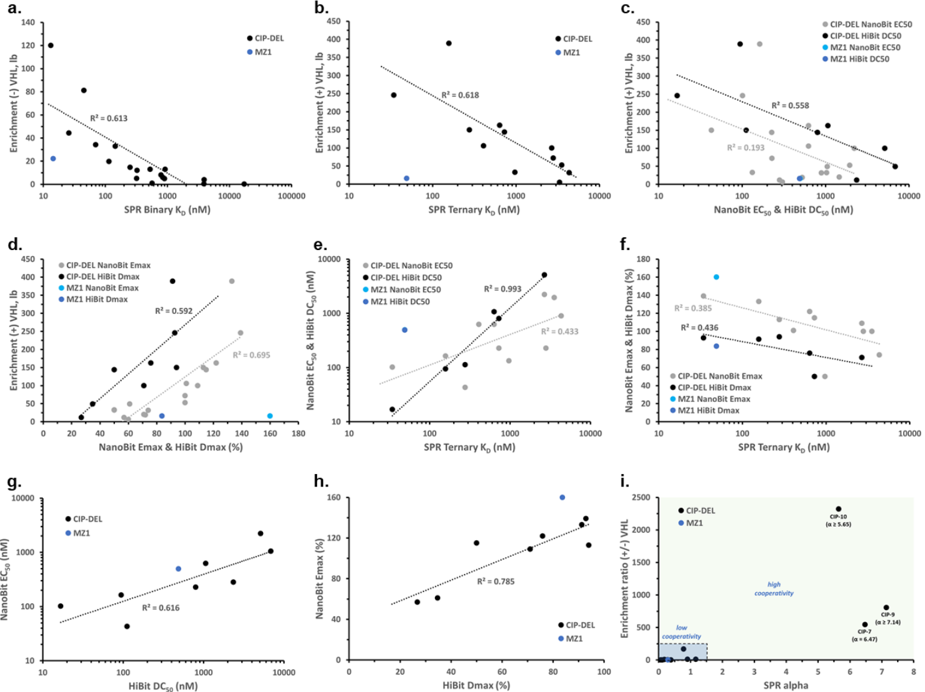
“From the binary and ternary K D values, the cooperativity factor α (defined as α = K D binary / K D ternary ) 31 was calculated to be 0.29 for CIP-1, indicating negative cooperativity despite remaining a potent CIP.”
InfluentialDeubiquitinase-targeting chimeras for targeted protein stabilization
Henning, N. J., Boike, L., Spradlin, J. N., Ward, C. C., Liu, G., Zhang, E., Belcher, B. P., Brittain, S. M., Hesse, M. J., Dovala, D., et al. (2022) · Nature Chemical Biology · doi:10.1038/s41589-022-00971-2 · Cited by 344 · cited 1×
“The weaker CIP-23 did not induce endogenous BRD2 degradation up to 10 µM, consistent with the weaker degradation observed by HiBiT and the right shift in potency seen for endogenous BRD2 degradation with CIP-22.”
Structural basis of indisulam-mediated RBM39 recruitment to DCAF15 E3 ligase complex
Bussiere, D. E., Xie, L., Srinivas, H., Shu, W., Burke, A., Be, C., Zhao, J., Godbole, A., King, D., Karki, R. G., et al. (2020) · Nature Chemical Biology · doi:10.1038/s41589-019-0411-6 · Cited by 257
Self-citationHaggarty, S. J., Mayer, T. U., Miyamoto, D. T., Fathi, R., King, R. W., Mitchison, T. J., & Schreiber, S. L. (2000) · Chemistry & Biology · doi:10.1016/s1074-5521(00)00101-0 · Cited by 251
Self-citationBifunctional small molecules that mediate the degradation of extracellular proteins
Caianiello, D. F., Zhang, M., Ray, J. D., Howell, R. A., Swartzel, J. C., Branham, E. M. J., Chirkin, E., Sabbasani, V. R., Gong, A. Z., McDonald, D. M., et al. (2021) · Nature Chemical Biology · doi:10.1038/s41589-021-00851-1 · Cited by 244
Development of Triantennary N-Acetylgalactosamine Conjugates as Degraders for Extracellular Proteins
Zhou, Y., Teng, P., Montgomery, N. T., Li, X., & Tang, W. (2021) · ACS Central Science · doi:10.1021/acscentsci.1c00146 · Cited by 221
Structural complementarity facilitates E7820-mediated degradation of RBM39 by DCAF15
Faust, T. B., Yoon, H., Nowak, R. P., Donovan, K. A., Li, Z., Cai, Q., Eleuteri, N. A., Zhang, T., Gray, N. S., & Fischer, E. S. (2020) · Nature Chemical Biology · doi:10.1038/s41589-019-0378-3 · Cited by 218 · cited 1×
“Contin-ued identification of simpler synthetic CIPs, such as tool compounds synstab A 5 and indisulam 6–10 , and drugs thalidomide and lenalidomide (Revlimid) 11–17 , have ignited widespread interest in the development of proximity-inducing molecules.”
Phosphorylation-Inducing Chimeric Small Molecules
Siriwardena, S. U., Munkanatta Godage, D. N. P., Shoba, V. M., Lai, S., Shi, M., Wu, P., Chaudhary, S. K., Schreiber, S. L., & Choudhary, A. (2020) · Journal of the American Chemical Society · doi:10.1021/jacs.0c05537 · Cited by 190
Self-citationDu, X., Volkov, O. A., Czerwinski, R. M., Tan, H., Huerta, C., Morton, E. R., Rizzi, J. P., Wehn, P. M., Xu, R., Nijhawan, D., et al. (2019) · Structure · doi:10.1016/j.str.2019.10.005 · Cited by 181
Heterobifunctional Molecules Induce Dephosphorylation of Kinases–A Proof of Concept Study
Yamazoe, S., Tom, J., Fu, Y., Wu, W., Zeng, L., Sun, C., Liu, Q., Lin, J., Lin, K., Fairbrother, W. J., et al. (2020) · Journal of Medicinal Chemistry · doi:10.1021/acs.jmedchem.9b01167 · Cited by 142
Modulation of Phosphoprotein Activity by Phosphorylation Targeting Chimeras (PhosTACs)
Chen, P.-H., Hu, Z., An, E., Okeke, I., Zheng, S., Luo, X., Gong, A., Jaime-Figueroa, S., & Crews, C. M. (2021) · ACS Chemical Biology · doi:10.1021/acschembio.1c00693 · Cited by 130 · cited 1×
“While the potential applications of CIPs continue to expand 18–25 , the available tools for identifying them remain limited.”
Aryl Sulfonamides Degrade RBM39 and RBM23 by Recruitment to CRL4-DCAF15
Ting, T. C., Goralski, M., Klein, K., Wang, B., Kim, J., Xie, Y., & Nijhawan, D. (2019) · Cell Reports · doi:10.1016/j.celrep.2019.09.079 · Cited by 123
A widely-applicable high-throughput cellular thermal shift assay (CETSA) using split Nano Luciferase
Martinez, N. J., Asawa, R. R., Cyr, M. G., Zakharov, A., Urban, D. J., Roth, J. S., Wallgren, E., Klumpp-Thomas, C., Coussens, N. P., Rai, G., et al. (2018) · Scientific Reports · doi:10.1038/s41598-018-27834-y · Cited by 118 · cited 1×
“These data suggest that BRD4 BD1 binding promotes ligand-induced stabilization of the protein, a phenomenon recently exploited in the development of a HiBiT-based cellular thermal shift assay (CETSA) 35 .”
Targeted protein acetylation in cells using heterobifunctional molecules
Wang, W. W., Chen, L.-Y., Wozniak, J. M., Jadhav, A. M., Anderson, H., Malone, T. E., & Parker, C. G. (2021) · Journal of the American Chemical Society · doi:10.1021/jacs.1c07850 · Cited by 114
Testing the Ratio of Two Poisson Rates
Gu, K., Ng, H. K. T., Tang, M. L., & Schucany, W. R. (2008) · Biometrical Journal · doi:10.1002/bimj.200710403 · Cited by 113
Crystal structure of the SALL4-pomalidomide-cereblon-DDB1 complex
Matyskiela, M. E., Clayton, T., Zheng, X., Mayne, C., Tran, E., Carpenter, A., Pagarigan, B., McDonald, J., Rolfe, M., Hamann, L. G., et al. (2020) · Nature Structural & Molecular Biology · doi:10.1038/s41594-020-0405-9 · Cited by 103 · cited 1×
“Contin-ued identification of simpler synthetic CIPs, such as tool compounds synstab A 5 and indisulam 6–10 , and drugs thalidomide and lenalidomide (Revlimid) 11–17 , have ignited widespread interest in the development of proximity-inducing molecules.”
Structural Insights into PROTAC-Mediated Degradation of Bcl-xL
Chung, C.-W., Dai, H., Fernandez, E., Tinworth, C. P., Churcher, I., Cryan, J., Denyer, J., Harling, J. D., Konopacka, A., Queisser, M. A., et al. (2020) · ACS Chemical Biology · doi:10.1021/acschembio.0c00266 · Cited by 84
Lim, K. S., Reidenbach, A. G., Hua, B. K., Mason, J. W., Gerry, C. J., Clemons, P. A., & Coley, C. W. (2022) · Journal of Chemical Information and Modeling · doi:10.1021/acs.jcim.2c00041 · Cited by 55 · cited 1×
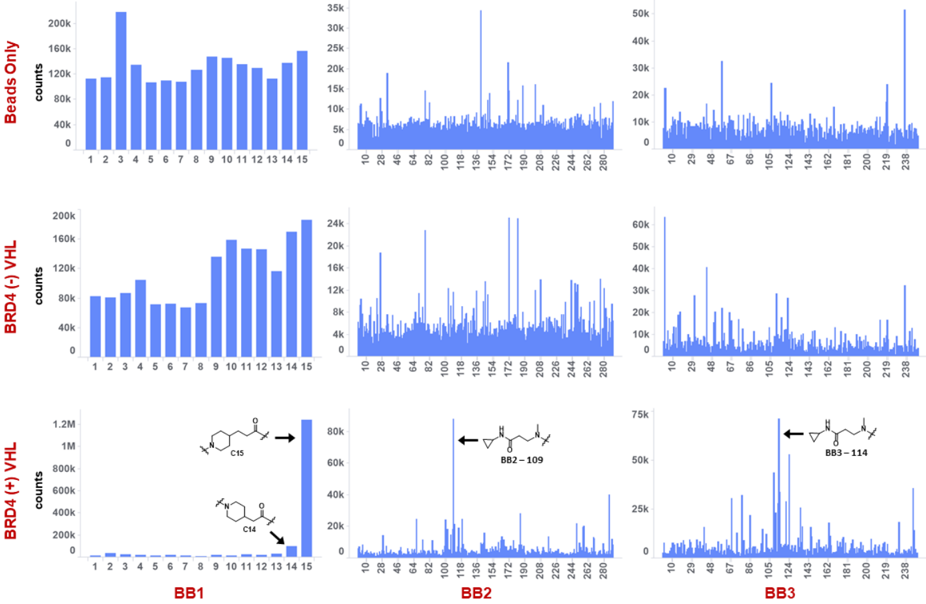
“Enrichment values were estimated by comparing count values across two distinct experimental conditions (that is, a protein-containing selection versus the beads-only control), using a recently proposed Poisson enrichment metric 43 .”
Self-citationOptimization of PROTAC Ternary Complex Using DNA Encoded Library Approach
Chen, Q., Liu, C., Wang, W., Meng, X., Cheng, X., Li, X., Cai, L., Luo, L., He, X., Qu, H., et al. (2023) · ACS Chemical Biology · doi:10.1021/acschembio.2c00797 · Cited by 55 · cited 1×
“For these ligands, a modified library design might be adapted where other components, such as the connectors, provide the requisite barcode attachment sites as reported recently 39 .”
Cited by
Protein degraders enter the clinic — a new approach to cancer therapy
Chirnomas, D., Hornberger, K. R., & Crews, C. M. (2023) · Nature Reviews Clinical Oncology · doi:10.1038/s41571-023-00736-3 · Cited by 658
Targeted protein degradation: from mechanisms to clinic
Tsai, J. M., Nowak, R. P., Ebert, B. L., & Fischer, E. S. (2024) · Nature Reviews Molecular Cell Biology · doi:10.1038/s41580-024-00729-9 · Cited by 438
“…screening approaches have been devised and tested on established systems such as the use of isogenic cell lines lacking a key component of the UPS together with phenotypic screening 103,108 , using large-scale, small-molecule and genetic dependency data 100 , or DNA-encoded libraries 109 .”
Targeted protein degradation: advances in drug discovery and clinical practice
Zhong, G., Chang, X., Xie, W., & Zhou, X. (2024) · Signal Transduction and Targeted Therapy · doi:10.1038/s41392-024-02004-x · Cited by 326
Small-molecule discovery through DNA-encoded libraries
Peterson, A. A., & Liu, D. R. (2023) · Nature Reviews Drug Discovery · doi:10.1038/s41573-023-00713-6 · Cited by 247
Targeted protein degradation for cancer therapy
Hinterndorfer, M., Spiteri, V. A., Ciulli, A., & Winter, G. E. (2025) · Nature Reviews Cancer · doi:10.1038/s41568-025-00817-8 · Cited by 210
“Nevertheless, DELs massively expand the throughput and chemical space covered in unbiased chemical screens and have been successfully adopted for the identification of proximity-inducing small molecules 265,266 .”
Metadata
- Authors
- Mason, J. W., Chow, Y. T., Hudson, L., Tutter, A., Michaud, G., Westphal, M. V., Shu, W., Ma, X., Tan, Z. Y., Coley, C. W., Clemons, P. A., Bonazzi, S., Berst, F., Briner, K., Liu, S., Zécri, F. J., & Schreiber, S. L.
- Affiliations
- Broad Institute (US)
- Novartis Institutes for BioMedical Research (CH)
- Novartis (Switzerland) (CH)
- Corresponding author
- Liu, Shuang
- Zécri, Frédéric J.
- Schreiber, Stuart L.
- ORCID
- Venue
- Nature Chemical Biology
- Published
- 2023-11-02
- Volume
- 20
- Issue
- 2
- Pages
- 170-179
- ISSN
- 1552-4450 (ISSN-L)
- 1552-4469
- PMC
- PMC10917151
- OpenAlex
- W4388213141
- Cited by
- 83
- References
- 56
- Citations by year
- 2026: 15 · 2025: 36 · 2024: 23 · 2023: 9
- FWCI
- 7.66
- Type
- journal article
- Language
- en
- Open access
- green
- doi.org
- Licence
- cc-by-nc-nd
- www.springernature.com/gp/researchers/text-and-data-mining (tdm)
- www.springernature.com/gp/researchers/text-and-data-mining (vor)
- Locations
- Nature Chemical Biology (publishedVersion)
- bioRxiv (Cold Spring Harbor Laboratory) (acceptedVersion, cc-by-nc-nd)
- PubMed (publishedVersion)
- PubMed Central (acceptedVersion)
- Discovery Research Portal (University of Dundee) (submittedVersion)
- Funders
- U.S. Department of Health & Human Services | NIH | National Institute of General Medical Sciences (R35GM127045)
- Topics
- Life Sciences › Biochemistry, Genetics and Molecular Biology › Molecular Biology › Protein Degradation and Inhibitors
- Physical Sciences › Chemistry › Organic Chemistry › Chemical Synthesis and Analysis
- Life Sciences › Pharmacology, Toxicology and Pharmaceutics › Drug Discovery › Computational Drug Discovery Methods
- Keywords
- DNA-encoded libraries, protein-protein interaction, BRD4, ternary complex formation, high-throughput screening, crystal structure
- MeSH terms
- DNA, Nuclear Proteins, Transcription Factors, Ubiquitin-Protein Ligases, Von Hippel-Lindau Tumor Suppressor Protein
About these checks
Registry, retraction, Cites and statistics results are computed, not judged, with one exception: a printed reference that no index lists is read once by a model before it counts as a citation error. Claims are extracted by a model and kept only when their quote appears verbatim in the text; each cited source is then checked, with a model’s help, for whether it says what the claim relies on. Those verdicts can be wrong — read the claim’s quote and the cited source before relying on one.
Statistics and arithmetic are recomputed, not judged.
Confidence bands are shown only for fields calibrated on our annotated test set. None is calibrated yet, so no band is shown.
What counts as a claim ›How we measure confidence ›How we check this ›
Are you an author, or do you see a problem with this page? Request a review
Data sources
Bibliographic data: Semantic Scholar, OpenAlex, Crossref.
Contains information from the Semantic Scholar Academic Graph Datasets, made available under the ODC Attribution License (ODC-BY 1.0).
Semantic Scholar’s data is described in: Kinney, R., et al. (2023). The Semantic Scholar Open Data Platform. arXiv:2301.10140.
