

SCENIC+: single-cell multiomic inference of enhancers and gene regulatory networks
Open accessPublished version of a preprint
The DOI matches its Crossref record; 175 of the 175 references it cites were found in a registry or an index.
Abstract
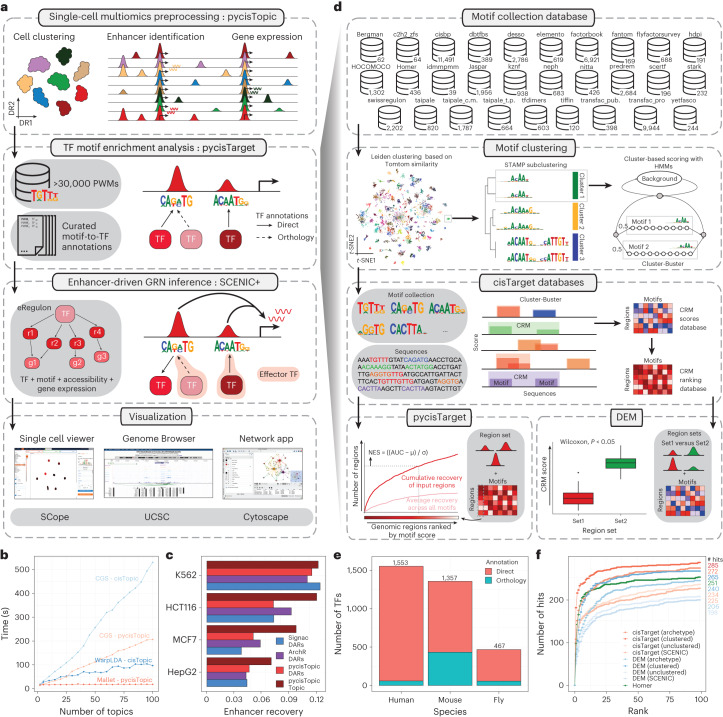
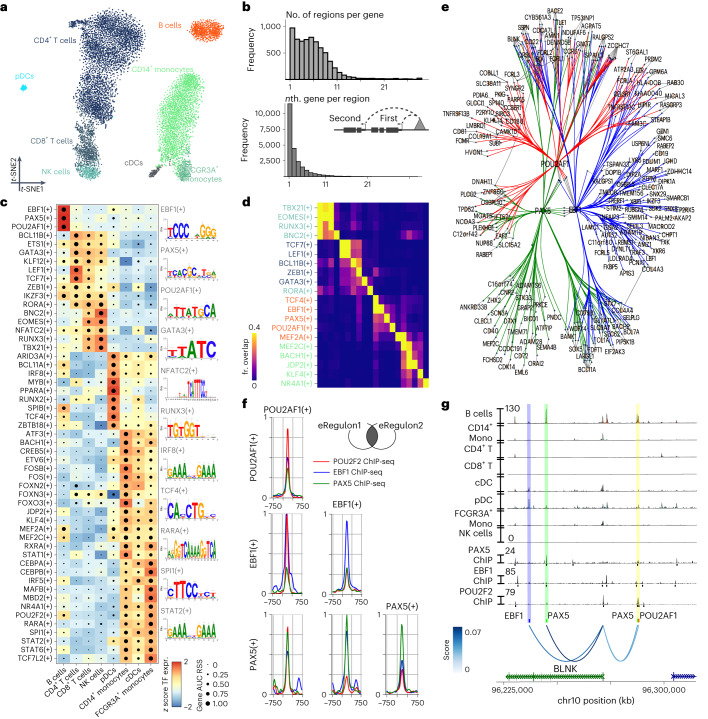
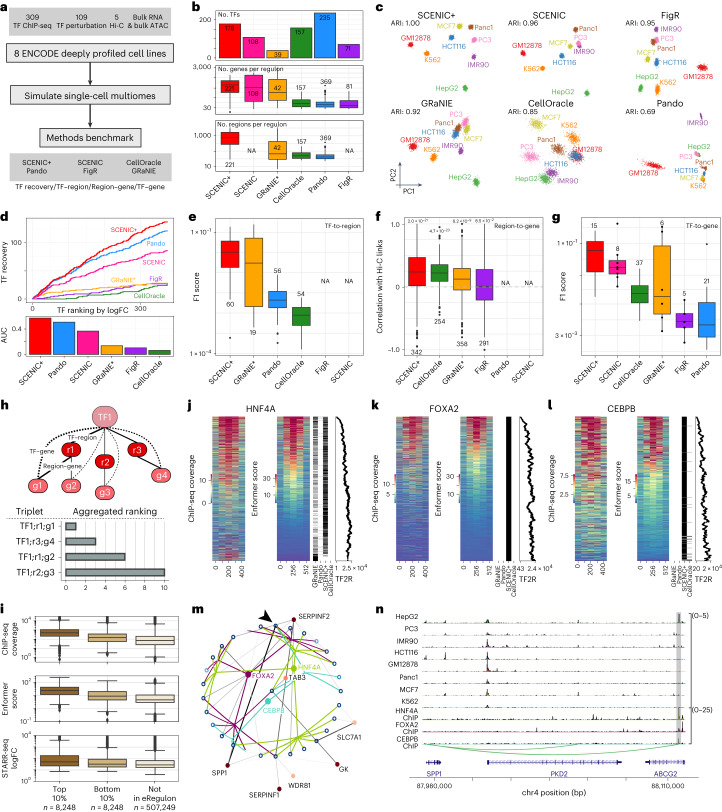
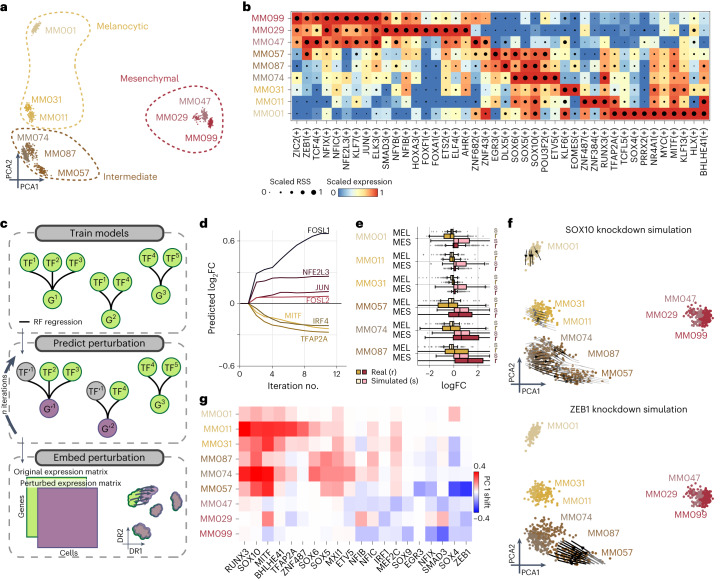
Joint profiling of chromatin accessibility and gene expression in individual cells provides an opportunity to decipher enhancer-driven gene regulatory networks (GRNs). Here we present a method for the inference of enhancer-driven GRNs, called SCENIC+. SCENIC+ predicts genomic enhancers along with candidate upstream transcription factors (TFs) and links these enhancers to candidate target genes. To improve both recall and precision of TF identification, we curated and clustered a motif collection with more than 30,000 motifs. We benchmarked SCENIC+ on diverse datasets from different species, including human peripheral blood mononuclear cells, ENCODE cell lines, melanoma cell states and Drosophila retinal development. Next, we exploit SCENIC+ predictions to study conserved TFs, enhancers and GRNs between human and mouse cell types in the cerebral cortex. Finally, we use SCENIC+ to study the dynamics of gene regulation along differentiation trajectories and the effect of TF perturbations on cell state. SCENIC+ is available at scenicplus.readthedocs.io .
Overview
The claims and statistics of this paper haven’t been checked yet.
Free: it reads the open-access text and checks the first 5 claims that cite a source we can check. Create a free account to check every claim.
Integrity signals
Registry
Cites
Statistics
Figures
Verification
Claims the paper makes
The claims and statistics of this paper haven’t been checked yet.
Free: it reads the open-access text and checks the first 5 claims that cite a source we can check. Create a free account to check every claim.
Claims other papers make about this one
Each is checked against this paper’s own text: does it say what the citing paper says it does?
The source backs part of the claim, not all of it — or backs it for a different population, condition or comparison.
In the citing paper
“SCENIC+ demonstrated superior performance compared to its original version, as well as ppcor, GRNBOOST2, PIDC, GRaNIE, FigR, and Pando, as evidenced by the AUC and F1 score metrics [48].”
From A mini-review on perturbation modelling across single-cell omic modalities (2024) · cites this paper as [48]
Experimental — accuracy not yet measuredThe source backs part of the claim, not all of it — or backs it for a different population, condition or comparison.
In the citing paper
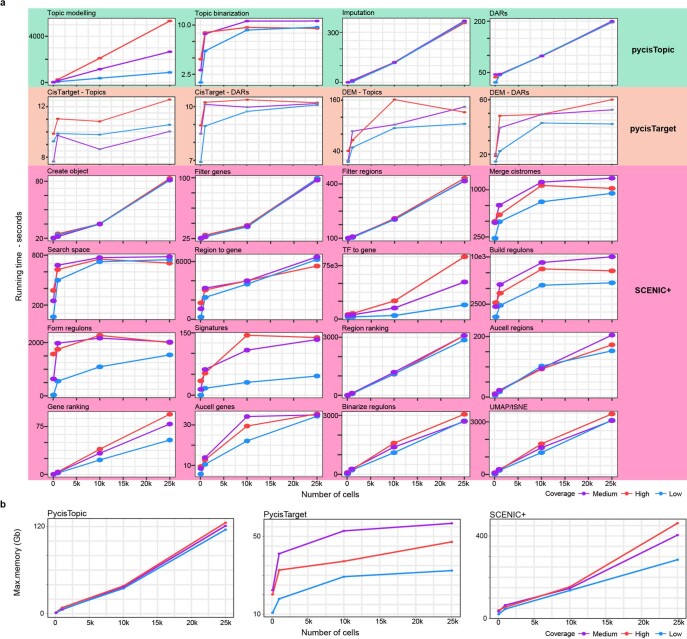
“pycisTarget (v.1.0.1.dev42+gb6707ee) was run using a custom database with the consensus regions on DARs, binarized topics (with Otsu thresholding), curated DARs and topics and MACS2 (v.2.2.7.1) bdgdiff regions, with and without promoters, and using pycisTarget and DEM7.”
From Single-cell spatial multi-omics and deep learning dissect enhancer-driven gene regulatory networks in liver zonation (2024) · cites this paper as [7]
Experimental — accuracy not yet measuredThe cited source says what the claim attributes to it.
In the citing paper
“Notably, SCENIC+ anticipates genomic enhancers and identifies potential upstream transcription factors (TFs) and establishes connections between these enhancers and their relevant target genes.”
From A mini-review on perturbation modelling across single-cell omic modalities (2024) · cites this paper as [48]
The cited source says what the claim attributes to it.
In the citing paper
“Cell-cell similarity graphs in single cell omics [ 47 ], gene regulatory networks [ 48 ] and protein-protein interaction networks [ 49 ] are fundamental tools to rationalize the complexity of biological systems such as the human body.”
From igraph 1.0 enables fast and robust network analysis across programming languages (2026) · cites this paper as [48]
The cited source says what the claim attributes to it.
In the citing paper
“SCENIC+ was run with the default parameters on the complete dataset and using only hepatocytes, using http://nov2020.archive.ensembl.org/ as Biomart host.”
From Single-cell spatial multi-omics and deep learning dissect enhancer-driven gene regulatory networks in liver zonation (2024) · cites this paper as [7]
1 more claim about this paper
Create a free account to see every claim other papers make about this one.
Self-check
Percentages, sums and reported differences re-computed from the paper’s own numbers.
The self-check needs the paper’s full text.
Citations
Cites
Moderated estimation of fold change and dispersion for RNA-seq data with DESeq2
Love, M. I., Huber, W., & Anders, S. (2014) · Genome Biology · doi:10.1186/s13059-014-0550-8 · Cited by 95,106
A Threshold Selection Method from Gray-Level Histograms
Otsu, N. (1979) · IEEE Transactions on Systems, Man, and Cybernetics · doi:10.1109/tsmc.1979.4310076 · Cited by 43,398 · cited 1×
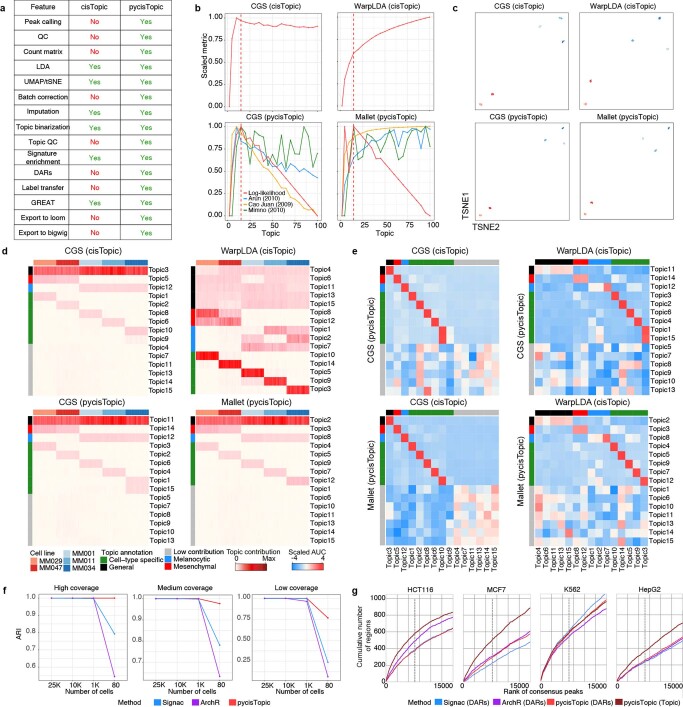
“We have included several binarization methods (applicable for topic-region and cell-topic distributions): ’otsu’ (Otsu, 1979)107, ’yen’ (Yen et al., 1995)108, ’li’ (Li & Lee, 1993)109, ’aucell’ (Van de Sande et al., 2020)20 or ’ntop’ (Taking the top n regions per topic).”
MethodModel-based Analysis of ChIP-Seq (MACS)
Zhang, Y., Liu, T., Meyer, C. A., Eeckhoute, J., Johnson, D. S., Bernstein, B. E., Nusbaum, C., Myers, R. M., Brown, M., Li, W., et al. (2008) · Genome Biology · doi:10.1186/gb-2008-9-9-r137 · Cited by 18,386
An integrated encyclopedia of DNA elements in the human genome
The ENCODE Project Consortium (2012) · Nature · doi:10.1038/nature11247 · Cited by 18,072
Comprehensive Integration of Single-Cell Data
Stuart, T., Butler, A., Hoffman, P., Hafemeister, C., Papalexi, E., Mauck, W. M., Hao, Y., Stoeckius, M., Smibert, P., & Satija, R. (2019) · Cell · doi:10.1016/j.cell.2019.05.031 · Cited by 15,453
Heinz, S., Benner, C., Spann, N., Bertolino, E., Lin, Y. C., Laslo, P., Cheng, J. X., Murre, C., Singh, H., & Glass, C. K. (2010) · Molecular Cell · doi:10.1016/j.molcel.2010.05.004 · Cited by 13,382
Fast, sensitive and accurate integration of single-cell data with Harmony
Korsunsky, I., Millard, N., Fan, J., Slowikowski, K., Zhang, F., Wei, K., Baglaenko, Y., Brenner, M., Loh, P.-R., & Raychaudhuri, S. (2019) · Nature Methods · doi:10.1038/s41592-019-0619-0 · Cited by 10,488
SCANPY: large-scale single-cell gene expression data analysis
Wolf, F. A., Angerer, P., & Theis, F. J. (2018) · Genome Biology · doi:10.1186/s13059-017-1382-0 · Cited by 8,881
Scenic: single-cell regulatory network inference and clustering.
Aibar, S., González-Blas, C. B., Moerman, T., Huynh-Thu, V. A., Imrichova, H., Hulselmans, G., Rambow, F., Marine, J.-C., Geurts, P., Aerts, J., et al. (2017) · Nature Methods · doi:10.1038/nmeth.4463 · Cited by 6,520
Self-citationGriffiths, T. L., & Steyvers, M. (2004) · Proceedings of the National Academy of Sciences · doi:10.1073/pnas.0307752101 · Cited by 6,049 · cited 1×
“- Log-likelihood: Uses the log-likelihood in the last iteration as calculated by Griffiths and Steyvers (2004)104, as used in cisTopic.”
Method
Research works printed but not linked: 1
- Mimno, D., Wallach, H. M., Talley, E., Leenders, M. & McCallum, A. Optimizing semantic coherence in topic models. In Proc. 2011 Conference on Empirical Methods in Natural Language Processing 262–272 (Association for Computational Linguistics, 2011).
Cited by
Items 101–200 of 779
CREsted: modeling genomic and synthetic cell-type-specific enhancers across tissues and species
Kempynck, N., Winter, S. D., Blaauw, C. H., Konstantakos, V., Ekşi, E. C., Dieltiens, S., Abaffyová, D., Bercier, V., Taskiran, I. I., Hulselmans, G. J., et al. (2026) · Nature Methods · doi:10.1038/s41592-026-03057-2 · Cited by 34
“We provide a motif database 34 , which is matched to the found motifs in a report.”
InfluentialSelf-citationMICA: a multi-omics method to predict gene regulatory networks in early human embryos
Alanis‐Lobato, G., Bartlett, T. E., Huang, Q., Simon, C., McCarthy, A., Elder, K. T., Snell, P., Christie, L., & Niakan, K. K. (2023) · Life Science Alliance · doi:10.26508/lsa.202302415 · Cited by 25
“Alternative methods incorporate epigenomic data after inference of the mRNA transcript co-expression network (Gonz´alez-Blas et al, 2022 Preprint ) and this has been applied successfully to infer GRNs in the fl y brain (Janssens et al, 2022).”
MethodOsorio, D., Capasso, A., Eckhardt, S. G., Giri, U. P., Somma, A. J., Pitts, T. M., Lieu, C. H., Messersmith, W. A., Bagby, S. M., Singh, H., et al. (2024) · Nature Computational Science · doi:10.1038/s43588-024-00597-5 · Cited by 27
Zhang, H., Qian, Y., Zhang, Y., Zhou, X., Shen, S., Li, J., Sun, Z., & Wang, W. (2024) · npj Precision Oncology · doi:10.1038/s41698-024-00764-x · Cited by 26
“Initially,weusedpySCENICtoestablishtheGRNofOSCCsingle cells 23,24 .”
Li, J., Ma, Y., Cao, Y., Zheng, G., Ren, Q., Cheng Ann, C. H. E. N., Zhu, Q., Zhou, Y., Lu, Y., Zhang, Y., et al. (2025) · Nature Microbiology · doi:10.1038/s41564-025-01978-w · Cited by 27
“The cut-off of BPS AUC was determined by an outlier-based threshold-estimation procedure 36,39 (Extended Data Fig.”
Evaluating methods for the prediction of cell-type-specific enhancers in the mammalian cortex
Johansen, N., Kempynck, N., Zemke, N. R., Somasundaram, S., Winter, S. D., Hooper, M. J., Dwivedi, D., Lohia, R., Wehbe, F., Li, B., et al. (2025) · Cell Genomics · doi:10.1016/j.xgen.2025.100879 · Cited by 23
Self-citationWang, J., Fu, C., Chang, S., Stephens, C., Li, H., Wang, D., Fu, Y. C., Green, K. J., Yan, J., & Yi, R. (2025) · Science Advances · doi:10.1126/sciadv.adt2771 · Cited by 26
Human neuron subtype programming via single-cell transcriptome-coupled patterning screens
Lin, H., Janssens, J., Eisinger, B., Hornauer, P., Kroell, A.-S. H., Santel, M., Pascual-Garcia, M., Okamoto, R., Karava, K., He, Z., et al. (2025) · Science · doi:10.1126/science.adn6121 · Cited by 28
Single-cell and spatial multiomic inference of gene regulatory networks using SCRIPro
Chang, Z., Xu, Y., Dong, X., Gao, Y., & Wang, C. (2024) · Bioinformatics · doi:10.1093/bioinformatics/btae466 · Cited by 22
Pan, Q., Ding, L., Hladyshau, S., Yao, X., Zhou, J., Yan, L., Dhungana, Y., Shi, H., Qian, C., Dong, X., et al. (2025) · Nature Communications · doi:10.1038/s41467-025-59620-6 · Cited by 29
Li, J., Zhang, Y., You, Y., Huang, Z., Wu, L., Liang, C., Weng, B., Pan, L., Huang, Y., Huang, Y., et al. (2024) · Frontiers in Immunology · doi:10.3389/fimmu.2024.1360687 · Cited by 28
Building and analyzing metacells in single-cell genomics data
Bilous, M., Hérault, L., Gabriel, A. A., Teleman, M., & Gfeller, D. (2024) · Molecular Systems Biology · doi:10.1038/s44320-024-00045-6 · Cited by 24
“…novel cell types (Kotliarov et al, 2020), better characterize known cell types (Ackermann et al, 2016), identify gene regulatory interactions (Bravo González-Blas et al, 2023) and biomarkers (Wu et al, 2020; Ackermann et al, 2016), and recover comprehensive immune repertoires (Park et al,…”
Enhancer-driven gene regulatory networks inference from single-cell RNA-seq and ATAC-seq data
Li, Y., Ma, A., Wang, Y., Guo, Q., Wang, C., Chen, S., Fu, H., Liu, B., & Ma, Q. (2024) · Briefings in Bioinformatics · doi:10.1093/bib/bbae369 · Cited by 22
“…for fast TF, GRN, and cell type deduction from scRNA-seq [2]; ( ii ) SCENIC + v.1.0.1 for constructing eGRNs from scRNA-seq and scATAC-seq datasets [16]; ( iii ) GLUE v.0.3.2, a deep learning framework for regulatory interaction inference from scRNA-seq and scATAC-seq [4]; ( iv ) DIRECT-NET…”
MethodInfluentialTay, T., Bommakanti, G., Jaensch, E. S., Gorthi, A., Reddy, I. K., Hu, Y., Zhang, R., Doshi, A. S., Tan, S. L., Brucklacher-Waldert, V., et al. (2024) · Cell Reports Medicine · doi:10.1016/j.xcrm.2024.101804 · Cited by 30
Single-cell panleukemia signatures of HSPC-like blasts predict drug response and clinical outcome
Chen, C., Xu, J. Z., Sussman, J., Vincent, T. L., Tumulty, J. S., Yoshimura, S., Alikarami, F., Yu, W., Ding, Y., Chen, C.-H., et al. (2025) · Blood · doi:10.1182/blood.2024027270 · Cited by 20
Cephalopod-omics: Emerging Fields and Technologies in Cephalopod Biology
Baden, T., Briseño, J., Coffing, G. C., Cohen-Bodénès, S., Courtney, A., Dickerson, D., Dölen, G., Fiorito, G., Gestal, C., Gustafson, T., et al. (2023) · Integrative and Comparative Biology · doi:10.1093/icb/icad087 · Cited by 21
Best practices for differential accessibility analysis in single-cell epigenomics
Teo, A. Y. Y., Squair, J. W., Courtine, G., & Skinnider, M. A. (2024) · Nature Communications · doi:10.1038/s41467-024-53089-5 · Cited by 22
“For instance, we excluded SCENIC, which performs topic modeling of peak matrices to simultaneously cluster peaks and cells 69,70 .”
Single-cell technologies: current and near future
Wang, C., Liu, Q., Fan, X., & Shi, T. (2024) · Science China Life Sciences · doi:10.1007/s11427-024-2813-y · Cited by 19
“For example, SCENIC+ (Bravo González-Blas et al., 2023) integrates chromatin accessibility and gene expression data with motif discovery to infer enhancer-driven gene regulatory networks.”
Zeppilli, S., Gurrola, A. O., Demetçi, P., Brann, D. H., Pham, T. M., Attey, R., Zilkha, N., Kimchi, T., Datta, S. R., Singh, R., et al. (2025) · Nature Neuroscience · doi:10.1038/s41593-025-01924-3 · Cited by 19
“To understand the misalignment between the transcriptome and chromatin accessibility data, we inferred enhancer-driven gene regulatory networks (e-GRNs) using SCENIC+, a prediction framework that combines RNA and ATAC data 18 .”
InfluentialMoinfar, A. A., & Theis, F. J. (2024) · bioRxiv (Cold Spring Harbor Laboratory) · doi:10.1101/2024.11.06.622266 · Cited by 24
Multiomic single-cell profiling identifies critical regulators of postnatal brain
Clarence, T., Bendl, J. M., Cao, X. D., Wang, X., Zheng, S., Hoffman, G. E., Kozlenkov, A., Hong, A., Iskhakova, M., Jaiswal, M. K., et al. (2025) · Nature Genetics · doi:10.1038/s41588-025-02083-8 · Cited by 25
“To further utilize the power of our multimodal dataset and identify regulatory programs governing cell-type specificity, we inferred eGRNs by integrating enhancer regions with candidate upstream TFs and linking them downstream to target genes, utilizing the SCENIC+ framework 23 .”
Zhao, S., Zhang, Y., Meng, X., Wang, Y., Li, Y., Li, H., Zhao, X., Yang, P., Liu, S., & Yang, C. (2025) · BMC Cancer · doi:10.1186/s12885-025-14261-2 · Cited by 19
“The transcriptomic factors (TFs) were predicted using single-cell regulatory network inference and clustering (SCENIC) by performed SCENIC R package [20].”
Decoding sex differences in human immunity through systems immunology
Escrivà-Font, J., Cao, T., & Consiglio, C. R. (2025) · Oxford Open Immunology · doi:10.1093/oxfimm/iqaf006 · Cited by 20
Modeling the vertebrate regulatory sequence landscape by UUATAC-seq and deep learning
Han, X., Wu, H., Wang, X., Liu, D., Fu, Y., Yang, L. X., Wang, R., Zhang, P., Wang, J., Ma, L., et al. (2025) · Cell · doi:10.1016/j.cell.2025.06.020 · Cited by 20
Fodoulian, L., Boillat, M., Moulinier, M., Carleton, A., & Rodríguez, I. (2025) · Nature Communications · doi:10.1038/s41467-025-63138-2 · Cited by 22
BACH2 regulates T cell lineage state to enhance CAR T cell function
Chang, T.-C., Heard, A. D., Lattin, J., Warrington, J. M., Barrett, A., Landmann, J. H., Tenzin, Y., Ganesh, V., Thompson, B., Afrin, S. A., et al. (2026) · Nature Immunology · doi:10.1038/s41590-025-02391-5 · Cited by 21
“Measurement of BACH2 target gene expression (BACH2 regulon 33 ) in these 114,789 cells demonstrated significantly greater BACH2 activity in T CM cells compared to T EM cells (Fig.”
Spatially Resolved Multiomics: Data Analysis from Monoomics to Multiomics
Huan, C., Li, J., Li, Y., Zhao, S., Yang, Q., Zhang, Z., Li, C., Li, S., Guo, Z., Yao, J., et al. (2024) · BME Frontiers · doi:10.34133/bmef.0084 · Cited by 21
“SCENIC + enables the integration of Spatial-ATAC-seq, scATAC-seq, and scRNA-seq data, which can be used to predict genomic enhancers and candidate upstream transcription factors and connect these enhancers with candidate target genes [ 106 ].”
spVelo: RNA velocity inference for multi-batch spatial transcriptomics data
Long, W., Liu, T., Xue, L., & Zhao, H. (2025) · Genome biology · doi:10.1186/s13059-025-03701-8 · Cited by 15
“Inspired by [34], we employed an in-silico gene deletion approach.”
Gene regulatory networks: from correlative models to causal explanations
Maizels, R. J., & Briscoe, J. (2026) · Nature Reviews Genetics · doi:10.1038/s41576-026-00939-1 · Cited by 32
Neural cell diversity in the light of single-cell transcriptomics
Moya, S. M. F., Ganesh, A. J., & Plass, M. (2023) · Transcription · doi:10.1080/21541264.2023.2295044 · Cited by 14
“Working with these data, we can directly use software to infer GRNs combining transcriptomic readouts and open chromatin regions [106,117–120] without having to infer gene expression or active regulatory elements.”
MethodDecoding the principle of cell-fate determination for its reverse control
Lee, J., Kim, N., & Cho, K. (2024) · npj Systems Biology and Applications · doi:10.1038/s41540-024-00372-2 · Cited by 18
“Furthermore, by integrating different single-cell data modalities (e.g., gene expression, chromatin accessibility), SCENIC + 37 , Pando 38 , Dictys 39 , and CellOracle 40 can estimate the regulatory effect of each transcription factor (TF) on each gene mediated by speci fi c regions of DNA, and then…”
Holman, A. R., Tran, S., Destici, E., Farah, E. N., Li, T., Nelson, A. C., Engler, A. J., & Neil, C. (2024) · Cell Genomics · doi:10.1016/j.xgen.2024.100680 · Cited by 19
Xi, X., Li, J., Jia, J., Meng, Q., Li, C., Wang, X., Wei, L., & Zhang, X. (2025) · Nature Communications · doi:10.1038/s41467-025-56475-9 · Cited by 17
“There are already some methods for identifying key TFs of a certain cell type or condition (e.g., disease) 18,19,59 , but our major goal is to identify potentialdriver TFs that direct cellular transitions from one state to another.”
The differential transpiration response of plants to stress
Sinha, R., Peláez‐Vico, M. Á., Pascual, L. S., Thibivilliers, S., Libault, M., Huang, S. C., Fritschi, F., Zandalinas, S. I., & Mittler, R. (2025) · Philosophical Transactions of the Royal Society B Biological Sciences · doi:10.1098/rstb.2024.0241 · Cited by 20
Krauter, D., Kupari, J., Usoskin, D., Su, J., Hu, Y., Zhang, M., & Ernfors, P. (2025) · Communications Biology · doi:10.1038/s42003-025-08315-1 · Cited by 25
Bersier, L., Lorenzo‐Martín, L. F., Chiang, Y.-H., Durot, S., Czauderna, A., Yarahmadov, T., Wyss, T., Roçi, I., Kim, J., Zamboni, N., et al. (2025) · Nature Communications · doi:10.1038/s41467-025-67169-7 · Cited by 19
“To determine underlying gene regulatory networks responding to IPA treatment, we used the SCENIC algorithm adapted to bulk RNAseq analysis 58,59 .”
Williams, E. C., Franzén, L., Lindvall, M. O., Hamm, G. R., Oag, S., Majumder, M. M., Denholm, J., Hamidinekoo, A., Morlanes, J. E., Vicari, M., et al. (2026) · Nature Communications · doi:10.1038/s41467-025-68003-w · Cited by 21
“This could be achieved through inference of gene regulatory networks using computationally combined observations across modalities, by adapting single-cell methods 67 – 69 or using novel spatially resolved methods as the analysis landscape continues to develop.”
Highly sensitive spatial transcriptomics using FISHnCHIPs of multiple co-expressed genes
Zhou, X., Seow, W. Y., Ha, N., Cheng, T. H., Jiang, L., Boonruangkan, J., Goh, J. J. L., Prabhakar, S., Chou, N., & Chen, K. H. (2024) · Nature Communications · doi:10.1038/s41467-024-46669-y · Cited by 16
Single-cell transcriptomics dissecting the development and evolution of nervous system in insects
Liu, W., & Li, Q. (2024) · Current Opinion in Insect Science · doi:10.1016/j.cois.2024.101201 · Cited by 15
Inferring gene regulatory networks from single-cell transcriptomics based on graph embedding
Gan, Y., Yu, J., Xu, G., Yan, C., & Zou, G. (2024) · Bioinformatics · doi:10.1093/bioinformatics/btae291 · Cited by 19
Deep Learning in Gene Regulatory Network Inference: A Survey
Dong, J., Li, J., & Wang, F. (2024) · IEEE Transactions on Computational Biology and Bioinformatics · doi:10.1109/tcbb.2024.3442536 · Cited by 19
MorPhiC Consortium: towards functional characterization of all human genes
Adli, M., Przybyla, L., Burdett, T., Burridge, P. W., Cacheiro, P., Chang, H. Y., Engreitz, J., Gilbert, L. A., Greenleaf, W. J., Hsu, L.-I., et al. (2025) · Nature · doi:10.1038/s41586-024-08243-w · Cited by 22
“…to infer how genes act together in regulatory networks and pathways—including, for example, approaches leveraging inference of gene-expression programs 33,81–83 , gene regulatory networks linking transcription factors to target genes 47–49, 84, 85 , and RNA velocity and trajectory analyses”
Perspective on recent developments and challenges in regulatory and systems genomics
Zeitlinger, J., Roy, S., Ay, F., Mathelier, A., Medina-Rivera, A., Mahony, S., Sinha, S. K., & Ernst, J. (2024) · Bioinformatics Advances · doi:10.1093/bioadv/vbaf106 · Cited by 22
Zebrahub-Multiome: Uncovering Gene Regulatory Network Dynamics During Zebrafish EmbryogenesisPreprint
Kim, Y. J., VijayKumar, S., Iovino, B. G., Granados, A. A., Ancheta, S., Frank, M., Zhao, X., Awayan, K., Seng, A., Borja, M., et al. (2024) · bioRxiv (Cold Spring Harbor Laboratory) · doi:10.1101/2024.10.18.618987 · Cited by 19
Badia-i-Mompel, P., Casals-Franch, R., Wessels, L., Müller‐Dott, S., Trimbour, R., Yang, Y., Flores, R. O. R., & Sáez-Rodríguez, J. (2024) · bioRxiv (Cold Spring Harbor Laboratory) · doi:10.1101/2024.12.20.629764 · Cited by 15
Vuong, C. K., Weber, A., Seong, P., Matoba, N., Chen, Y.-J., Peyer, J., Younesi, S., Salinda, A., Gomez, D., Rivas, G., et al. (2026) · Science · doi:10.1126/science.aea1259 · Cited by 20
Włodarczyk, T., Lun, A. T. L., Wu, D. H., Shi, M., Ye, X., Menon, S., Toneyan, S., Seidel, K., Wang, L., Tan, J., et al. (2025) · Nature Communications · doi:10.1038/s41467-025-62252-5 · Cited by 22
“Inaddition, SCENIC+ utilizesrandomforestregression to model the regulatory relationships between TFs, regulatory elements and target genes 12 .”
Transcription factor expression is the main determinant of variability in gene co‐activity
van Duin, L., Krautz, R., Rennie, S., & Andersson, R. (2023) · Molecular Systems Biology · doi:10.15252/msb.202211392 · Cited by 20
Historical perspective and future directions: computational science in immuno-oncology
Ricker, C. A., Meli, K., & Allen, E. M. V. (2024) · Journal for ImmunoTherapy of Cancer · doi:10.1136/jitc-2023-008306 · Cited by 15
“Furthermore, Spectra, 60 Vision, 61 CytoSig, 62 and SCENIC+ 63 can be employed to infer gene expression programs associated with biological processes within cells , while differential expression analysis of cellular subpopulations can aid in discriminating between clusters of cells or identifying cell-specific markers.”
A dynamical perspective: moving towards mechanism in single-cell transcriptomics
Maizels, R. J. (2024) · Philosophical Transactions of the Royal Society B Biological Sciences · doi:10.1098/rstb.2023.0049 · Cited by 18
Molecular mechanisms reconstruction from single-cell multi-omics data with HuMMuS
Trimbour, R., Deutschmann, I. M., & Cantini, L. (2024) · Bioinformatics · doi:10.1093/bioinformatics/btae143 · Cited by 13
Ye, F., Zhang, S., Fu, Y., Yang, L. X., Zhang, G., Wu, Y., Pan, J., Chen, H., Wang, X., Ma, L., et al. (2024) · Cell Discovery · doi:10.1038/s41421-023-00642-z · Cited by 14
Ding, Y., Sussman, J., Madden, K., Loftus, J. P., Chen, R. K., Falkenstein, C. D., Bárcenas-López, D. A., Hottman, D. A., Mathier, B., Yu, W., et al. (2025) · Blood · doi:10.1182/blood.2024026482 · Cited by 16
Nolbrant, S., Wallace, J. L., Ding, J., Zhu, T., Sevetson, J. L., Kajtez, J., Baldacci, I. A., Corrigan, E. K., Hoglin, K., McMullen, R., et al. (2024) · bioRxiv (Cold Spring Harbor Laboratory) · doi:10.1101/2024.11.14.623592 · Cited by 14
Molecular and cellular processes disrupted in the early postnatal Down syndrome prefrontal cortex
Risgaard, R. D., Hanthanan Arachchilage, K., Knaack, S. A., Hosseini, M., Chen, R. J., Kumarage, P., Schmidt, D. K., Huang, X., Sheng, J., Wang, C. J., et al. (2026) · Science · doi:10.1126/science.aea1549 · Cited by 12
Redefining cellular reprogramming with advanced genomic technologies
Morris, S. A. (2025) · Nature Reviews Genetics · doi:10.1038/s41576-025-00899-y · Cited by 16
“A key approach involves GRN inference 100,102 .”
Interpretation, extrapolation and perturbation of single cells
Dimitrov, D., Schrod, S., Rohbeck, M., & Stegle, O. (2026) · Nature Reviews Genetics · doi:10.1038/s41576-025-00920-4 · Cited by 38
Single-cell epigenomics and proteomics methods integrated in multiomics
Bi, H., & Weng, X. (2024) · Fundamental Research · doi:10.1016/j.fmre.2023.11.014 · Cited by 14
“Recently developed methodologies in this category include citeFUSE [127] , to-talVI [128] , DeepMAPS [129] , SCENIC + [130] , Seurat v4 [131] , and MultiVelo [132] .”
Wang, Y., Li, J., Malcolm, A. A., William, M., Clark, S. J., Argelaguet, R., Biggins, L., Acton, R., Andrews, S., Reik, W., et al. (2025) · Science Advances · doi:10.1126/sciadv.adu3308 · Cited by 13
“We next used the lineage-resolved histone modification and transcriptome profiles together with SCENIC + ( 33 ) to predict enhancer-driven gene regulatory networks in early embryos (fig.”
Wang, F., Yi, C., Chen, J., He, R., Liu, J., & Li, Y. (2025) · Nature Communications · doi:10.1038/s41467-025-64227-y · Cited by 14
Cranley, J. J., Kanemaru, K., Bayraktar, S., Knight-Schrijver, V. R., Hulbert, R., Lana-Elola, E., Aoidi, R., Pett, J. P., Wilbrey-Clark, A., Polański, K., et al. (2024) · bioRxiv (Cold Spring Harbor Laboratory) · doi:10.1101/2024.04.29.591736 · Cited by 12
Sim, H., Park, H. J., Park, G., Kim, Y. J., Park, W., Lee, S., & Choi, M. (2024) · eLife · doi:10.7554/elife.96951 · Cited by 13
Dissecting the regulatory logic of specification and differentiation during vertebrate embryogenesisPreprint
Liu, J., Castillo-Hair, S. M., Du, L. Y., Wang, Y., Carte, A. N., Colomer-Rosell, M., Yin, C., Seelig, G., & Schier, A. F. (2024) · bioRxiv (Cold Spring Harbor Laboratory) · doi:10.1101/2024.08.27.609971 · Cited by 15
“Furthermore, the capacity to correlate changes in the epigenome with alterations in the transcriptome facilitates the construction GRNs (Badia-i-Mompel et al., 2023; Bravo González-Blas et al., 2023; Fleck et al., 2023).”
BackgroundMethodGene regulatory networks and essential transcription factors for de novo-originated genes
Peng, J., Wang, B.-J., Svetec, N., & Zhao, L. (2025) · Nature Ecology & Evolution · doi:10.1038/s41559-025-02747-y · Cited by 13
“One promising direction would be to incorporate single-cell ATAC-seq data and apply SCENIC+ 54 to build cell-specific enhancer-driven gene regulatory networks.”
From variants to mechanisms: Neurogenomics in the post-GWAS era
Margolis, M. P., Tang, M., Gagliardi, M., Wen, C. H., Wu, Y., Wray, N. R., Ziller, M. J., & Gandal, M. J. (2025) · Neuron · doi:10.1016/j.neuron.2025.10.014 · Cited by 16
Shevade, K., Yang, Y. A., Feng, K., Mader, K., Sevim, V., Parsons, J., Arora, G., Elfawy, H. A., Mace, R., Federman, S. M., et al. (2025) · Cell Reports Methods · doi:10.1016/j.crmeth.2025.101222 · Cited by 19
Liu, A., Citu, C., Enduru, N., Chen, X., Tung, C.-H., Sinha, T., Sepulveda, S. E., Manuel, A. M., Gorski, D., Fernandes, B. S., et al. (2025) · Science Advances · doi:10.1126/sciadv.adw4917 · Cited by 17
“Using the single-cell regulatory network inference and clustering + (SCENIC + ) algo-rithm, we inferred enhancer-driven regulons by linking TFs to accessible chromatin regions enriched for their motifs and to co-regulated genes via chromatin accessibility profiles ( 49 ).”
Exploring specialized metabolic pathways in medicinal plants with single-cell and spatial omics
Guo, L., Cai, M., Liao, X., Ma, G., & Fan, X. (2025) · Acta Pharmaceutica Sinica B · doi:10.1016/j.apsb.2025.12.023 · Cited by 11
“These tools have been extensively applied in the context of abiotic stress response in both model plants and crops, and a suite of computational pipelines has been developed to infer GRNs from plant single-cell data, such as SCENIC 90 , and LINGER 91 .”
Gene Regulatory Networks in Coronary Artery Disease
Cheng, J. Y., Cheng, M., Lusis, A. J., & Yang, X. (2023) · Current Atherosclerosis Reports · doi:10.1007/s11883-023-01170-7 · Cited by 13
Zhang, G., Fu, Y., Yang, L., Ye, F., Zhang, P., Zhang, S., Ma, L., Li, J., Wu, H., Han, X., et al. (2024) · Developmental Cell · doi:10.1016/j.devcel.2024.01.015 · Cited by 11
Yanushko, D., German, B., Bizri, R. E., Pervizou, D., Dolgos, R., Keime, C., Ye, T., Thibault-Carpentier, C., Magnen, C. L., Henri, S., et al. (2025) · Cell Death and Disease · doi:10.1038/s41419-025-07361-1 · Cited by 12
“To identify candidate factors driving cell-speci fi c gene expression, we performed single-cell multiomic inference of enhancers and gene regulatory networks (SCENIC + ) analyses [26] by integrating chromatin accessibility and gene expression pro fi les obtained from snATACseq (Fig.”
Chen, L., Dautle, M., Gao, R., Zhang, S., & Chen, Y. (2025) · Briefings in Bioinformatics · doi:10.1093/bib/bbaf089 · Cited by 18
“Furthermore, several GRN inference methods, such as scMEGA [40], Dicts [41], LINGER [42], and SCENIC + [43], utilize not only TF-binding motif enrichments but also other single-cell multi-omics data (e.g., scRNA-seq and scATAC-seq).”
Inferring gene regulatory networks by hypergraph generative model
Su, G., Wang, H., Zhang, Y., Coster, A. C., Wilkins, M. R., Cañete, P. F., Yu, D., Yang, Y., & Zhang, W. (2025) · Cell Reports Methods · doi:10.1016/j.crmeth.2025.101026 · Cited by 20
A map of integrated cis-regulatory elements enhances gene-regulatory analysis in maize
Staut, J., Pérez, N. M., Ferrando, A. M., Dissanayake, I. M., & Vandepoele, K. (2025) · Plant Communications · doi:10.1016/j.xplc.2025.101376 · Cited by 12
Yates, J., Mathey-Andrews, C. A., Park, J., Garza, A., Gagné, A., Hoffman, S. E., Bi, K., Titchen, B. M., Hennessey, C. J., Remland, J., et al. (2025) · Cell Reports Medicine · doi:10.1016/j.xcrm.2025.102188 · Cited by 16
“Leveraging our paired snRNA-seq/ATAC-seq data, we used SCENIC+ 36 to identify candidate master transcription factor (mTF) regulons associated with the iCAF population.”
InfluentialTemporal control of progenitor competence shapes maturation in GABAergic neuron development in mice
Bright, A. R., Kotlyarenko, Y., Neuhaus, F., Rodrigues, D., Feng, C., Peters, C., Vitali, I., Dönmez, E., Myoga, M. H., Dvoretskova, E., et al. (2025) · Nature Neuroscience · doi:10.1038/s41593-025-01999-y · Cited by 20
“26) to integrate scRNA-seq and scATAC-seq data from FT e12.”
Organ-specific features of human kidney lymphatics are disrupted in chronic transplant rejection
Jafree, D. J., Stewart, B. J., Price, K. L., Kolatsi‐Joannou, M., Laroche, C., Mohidin, B., Davis, B. M., Mitchell, H. J., Russell, L. G., del Rey, L. M., et al. (2025) · Journal of Clinical Investigation · doi:10.1172/jci168962 · Cited by 12
Leonard, R. J., Zhao, Y., Eliason, S. L., Zimmerman, K., Batz, A., Hatcher, C. J., Weiss, R. M., Sweat, M., Li, X., & Amendt, B. A. (2025) · Nature Communications · doi:10.1038/s41467-025-62208-9 · Cited by 14
“To further con fi rm that Tbx5/ Tbx5 RNA and motif are correlated in CM4 cells, we performed SCENIC+ analysis 83,84 .”
The evolution of gene regulation in mammalian cerebellum development
Sarropoulos, I., Sepp, M., Yamada, T., Schäfer, P. S. L., Trost, N., Schmidt, J., Schneider, C., Drummer, C., Mißbach, S., Taskiran, I. I., et al. (2026) · Science · doi:10.1126/science.adw9154 · Cited by 17
Self-citationComputational approaches to understand transcription regulation in development
van der Sande, M., Frölich, S., & van Heeringen, S. J. (2023) · Biochemical Society Transactions · doi:10.1042/bst20210145 · Cited by 12
Human haematopoietic stem cells remember inflammatory stress
Zeng, A. G. X., Nagree, M. S., Jakobsen, N. A., Shah, S., Varesi, A., Kang, J. R. W., Murison, A., Cheong, J.-G., Turkalj, S., Zhang, X., et al. (2026) · Nature · doi:10.1038/s41586-026-10522-7 · Cited by 10
“Finally, enhancer-driven GRNs were generated using a GSEA recovery approach from SCENIC+ using the function build_grn.”
InfluentialSchmitt, M. J., Dramaretska, Y., Serresi, M., Kertalli, S., Jiang, B., Yin, J., Aguzzi, A., Barozzi, I., & Gargiulo, G. (2024) · Nature Communications · doi:10.1038/s41467-024-45069-6 · Cited by 14
“This underscores the importance of curated TFBS inputs to advance speci fi city of the reporters, which will likely bene fi t from the recent development of CUT&RUN/ TAG for TF footprinting 46 and tools for TFBS prediction and gene regulatory network inference 47,48 .”
MethodICARUS v3, a massively scalable web server for single-cell RNA-seq analysis of millions of cells
Jiang, A., Snell, R. G., & Lehnert, K. (2024) · Bioinformatics · doi:10.1093/bioinformatics/btae167 · Cited by 11
DeepIMAGER: Deeply Analyzing Gene Regulatory Networks from scRNA-seq Data
Zhou, X., Pan, J., Chen, L., Zhang, S., & Chen, Y. (2024) · Biomolecules · doi:10.3390/biom14070766 · Cited by 13
“Its updated version, SCENIC+ [13], can further integrate scATAC-seq, scRNA-seq, and TF-binding motifs to predict GRNs. SINCERITIES [11] and SINGE [14] utilize correlation ensemble methods in conjunction with pseudo-time ordering of cells.”
MethodInfluentialSmela, M. P., Adams, J., Ma, C., Breimann, L., Widocki, U., Dobre, B., Shioda, T., & Church, G. M. (2025) · Science Advances · doi:10.1126/sciadv.adu0384 · Cited by 19
“To characterize potential regulatory circuits in our in vitro–derived meiotic cells, we used SCENIC + , an inference framework which integrates chromatin accessibility with gene expression to detect enriched TF motifs and link them to target genes ( 25 ).”
Zoccheddu, M., Suga, K., Seng, A., Svensson, M. N. D., Dutta, P., Panahandeh, S., Makinde, H. M., Ro, M., Wang, Y., Kim, H., et al. (2025) · Science Immunology · doi:10.1126/sciimmunol.adm7800 · Cited by 10
Decoding Human Biology and Disease Using Single-Cell Omics Technologies
Shi, Q., Chen, X., & Zhang, Z. (2023) · Genomics Proteomics & Bioinformatics · doi:10.1016/j.gpb.2023.06.003 · Cited by 13
“Alternatively, methods leveraging two modalities, transcriptome and epigenome, have been invented to perform integrated regulatory analysis with improved accuracy and reproducibility, including SCENIC+ [214], GRaNIE [215], Pando [216], FigR [217], and MIRA [218].”
MethodZhang, Z., Han, J., Song, L., & Zhang, X. (2026) · Bioinformatics · doi:10.1093/bioinformatics/btag324 · Cited by 15
Human Body Single-Cell Atlas of 3D Genome Organization and DNA MethylationPreprint
Zhou, J., Wu, Y., Liu, H., Tian, W., Castanon, R., Bartlett, A., Zhang, Z., Yao, G., Shi, D., Clock, B., et al. (2025) · bioRxiv (Cold Spring Harbor Laboratory) · doi:10.1101/2025.03.23.644697 · Cited by 10
Chromatin priming elements direct tissue-specific gene activity before hematopoietic specification
Maytum, A., Edginton‐White, B., Keane, P., Cockerill, P. N., Cazier, J., & Bonifer, C. (2023) · Life Science Alliance · doi:10.26508/lsa.202302363 · Cited by 11
“Importantly, a GRN can be inferred from multi-omics data including chromatin immunoprecipitation (ChIP) assays, global gene expression, and chromatin accessibility which together reveal the TF motifs underlying gene regulation (Goode et al, 2016; Assi et al, 2019; Bravo Gonzalez-Blas et al, 2023).”
BackgroundSingle cell multiomics systems biology for molecular toxicity
Diamante, G., Ha, S. M., Wijaya, D., & Yang, X. (2024) · Current Opinion in Toxicology · doi:10.1016/j.cotox.2024.100477 · Cited by 11
Untangling the genetics of beta cell dysfunction and death in type 1 diabetes
Robertson, C. C., Elgamal, R. M., Henry-Kanarek, B. A., Arvan, P., Chen, S., Dhawan, S., Eizirik, D. L., Kaddis, J. S., Vahedi, G., Parker, S. C. J., et al. (2024) · Molecular Metabolism · doi:10.1016/j.molmet.2024.101973 · Cited by 13
Saelens, W., Pushkarev, O., & Deplancke, B. (2025) · Nature Communications · doi:10.1038/s41467-024-55447-9 · Cited by 9
“4), means that summarization at the CRE level induces an undesirable bias that can negatively affect the prioritization of regions for gene regulation, the identi fi cation of relevant TF binding sites and the fi ne mapping of relevant genetic variants.”
InfluentialChromatin accessibility provides a window into the genetic etiology of human brain disease
Bendl, J. M., Fullard, J. F., Girdhar, K., Dong, P., Kosoy, R., Zeng, B., Hoffman, G. E., & Roussos, P. (2025) · Trends in Genetics · doi:10.1016/j.tig.2025.01.001 · Cited by 10
Su, C., Lee, D., Jin, P., & Zhang, J. (2025) · Nature Communications · doi:10.1038/s41467-025-59306-z · Cited by 12
“1c shows that the computational costs vary signi fi cantly across methods, with SCENT taking 1.47 days, Signac taking 1.46 hours, and scMultiMap taking only 8.35 seconds.”
InfluentialLong, Q., Song, S., Xue, J., Yu, W., Zheng, Y., Li, J., Wu, J., Hu, X., Jiang, M., Ye, H., et al. (2025) · Frontiers in Immunology · doi:10.3389/fimmu.2025.1577803 · Cited by 12
Optimal transport reveals dynamic gene regulatory networks via gene velocity estimation
Zhao, W., Larschan, E., Sandstede, B., & Singh, R. (2025) · PLoS Computational Biology · doi:10.1371/journal.pcbi.1012476 · Cited by 14
“Similar to SCENIC+ [48], this information could be used to determine which gene can be transcribed at a certain time point and could aid in feature selection as the number of genes in real datasets is often too high to be directly used in any algorithm.”
Dorans, E., Jagadeesh, K. A., Dey, K. K., & Price, A. L. (2025) · Nature Genetics · doi:10.1038/s41588-025-02220-3 · Cited by 18
Wang, J., Zheng, A., Liu, N., Tan, Z. Y., Shi, Y., Ma, T., Luo, S., Zhu, L., Zhou, Z., Yuan, F., et al. (2025) · Annals of the Rheumatic Diseases · doi:10.1016/j.ard.2025.08.015 · Cited by 12
Single-nucleus multi-omics identifies shared and distinct pathways in Pick’s and Alzheimer’s disease
Shi, Z., Das, S., Morabito, S., Stocksdale, J. T., Miyoshi, E., Srinivasan, S. S., Emerson, N., Shahin, A., Rahimzadeh, N., Cao, Z., et al. (2025) · Science Advances · doi:10.1126/sciadv.ads7973 · Cited by 9
Metadata
- Authors
- Bravo González-Blas, C., De Winter, S., Hulselmans, G., Hecker, N., Matetovici, I., Christiaens, V., Poovathingal, S., Wouters, J., Aibar, S., & Aerts, S.
- Affiliations
- VIB-KU Leuven Center for Brain & Disease Research (BE)
- Vlaams Instituut voor Biotechnologie (BE)
- Corresponding author
- Aerts, Stein
- ORCID
- Venue
- Nature Methods
- Published
- 2023-07-13
- Volume
- 20
- Issue
- 9
- Pages
- 1355-1367
- ISSN
- 1548-7091 (ISSN-L)
- 1548-7105
- PMC
- PMC10482700
- OpenAlex
- W4384198561
- Cited by
- 778
- References
- 169
- Citations by year
- 2026: 279 · 2025: 280 · 2024: 153 · 2023: 59
- FWCI
- 68.58
- Type
- journal article
- Language
- en
- Open access
- hybrid
- doi.org
- Licence
- cc-by
- creativecommons.org/licenses/by/4.0 (tdm)
- creativecommons.org/licenses/by/4.0 (vor)
- Locations
- Nature Methods (publishedVersion, cc-by)
- bioRxiv (Cold Spring Harbor Laboratory) (acceptedVersion)
- PubMed Central (publishedVersion, cc-by)
- PubMed (publishedVersion)
- Lirias (submittedVersion, cc-by)
- Funders
- Fonds Wetenschappelijk Onderzoek (G094121N, 11F1519N)
- KU Leuven
- Fondation contre le Cancer
- Bijzonder Onderzoeksfonds UGent
- Topics
- Life Sciences › Biochemistry, Genetics and Molecular Biology › Molecular Biology › Genomics and Chromatin Dynamics
- Life Sciences › Biochemistry, Genetics and Molecular Biology › Molecular Biology › Single-cell and spatial transcriptomics
- Life Sciences › Biochemistry, Genetics and Molecular Biology › Molecular Biology › Gene Regulatory Network Analysis
- Keywords
- SCENIC, gene regulatory networks, chromatin accessibility, single-cell multi-omics, transcription factor identification, transcription factor binding motifs, cross-species conservation, differentiation trajectories, transcription factor perturbation
- MeSH terms
- Multiomics, Animals, Chromatin, Drosophila, Enhancer Elements, Genetic, Gene Expression Regulation, Humans, Leukocytes, Mononuclear, Mice, Gene Regulatory Networks
About these checks
Registry, retraction, Cites and statistics results are computed, not judged, with one exception: a printed reference that no index lists is read once by a model before it counts as a citation error. Claims are extracted by a model and kept only when their quote appears verbatim in the text; each cited source is then checked, with a model’s help, for whether it says what the claim relies on. Those verdicts can be wrong — read the claim’s quote and the cited source before relying on one.
Statistics and arithmetic are recomputed, not judged.
Confidence bands are shown only for fields calibrated on our annotated test set. None is calibrated yet, so no band is shown.
What counts as a claim ›How we measure confidence ›How we check this ›
Are you an author, or do you see a problem with this page? Request a review
Data sources
Bibliographic data: Semantic Scholar, OpenAlex, Crossref.
Contains information from the Semantic Scholar Academic Graph Datasets, made available under the ODC Attribution License (ODC-BY 1.0).
Semantic Scholar’s data is described in: Kinney, R., et al. (2023). The Semantic Scholar Open Data Platform. arXiv:2301.10140.
