

The DOI matches its Crossref record; 7 of the 7 references it cites were found in a registry or an index.
Deciphering spatial domains from spatial multi-omics with SpatialGlue
Open accessPublished version of a preprint
Abstract
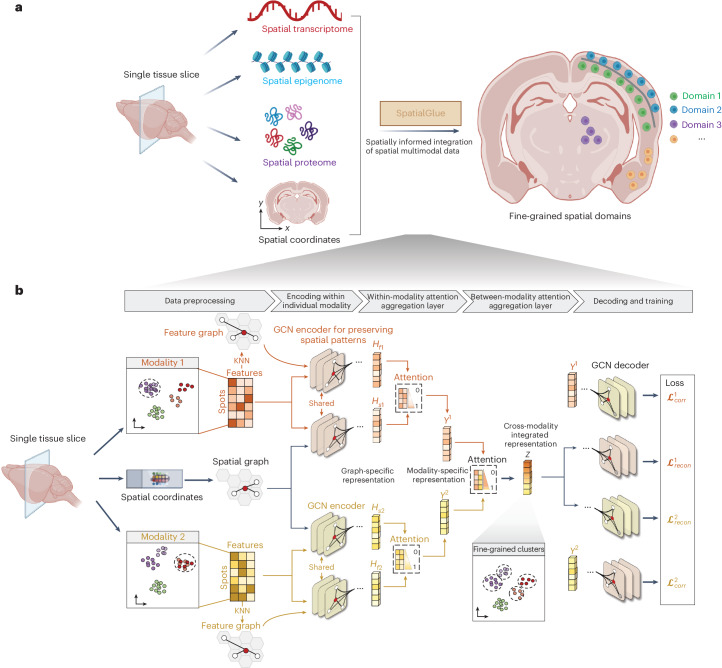
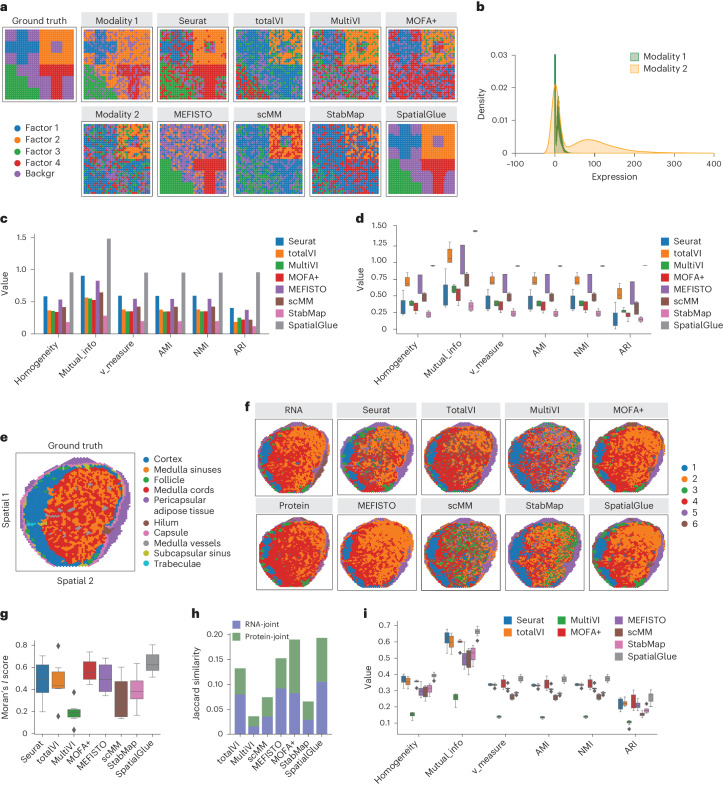
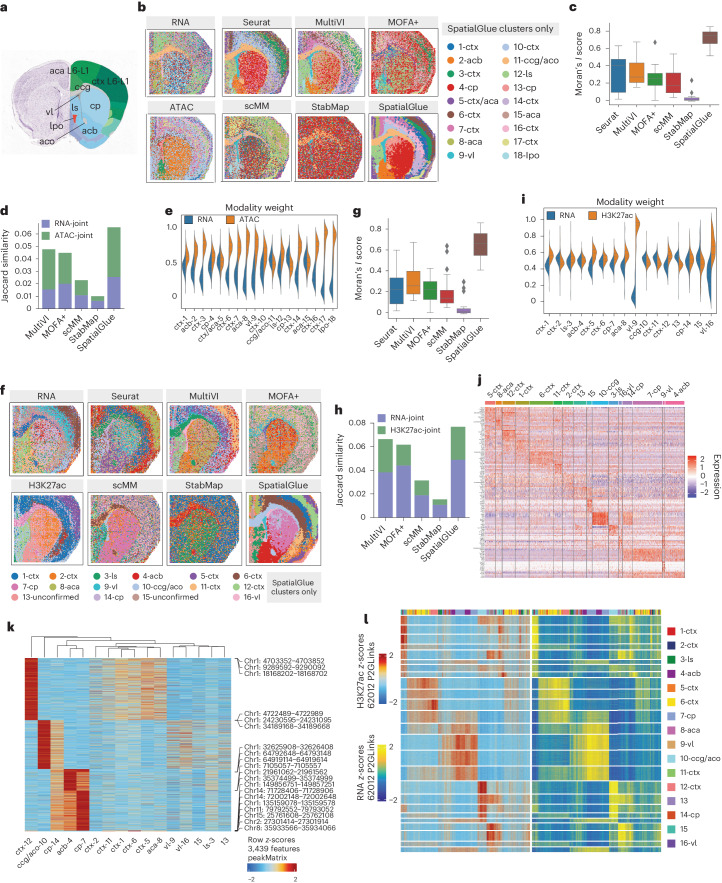
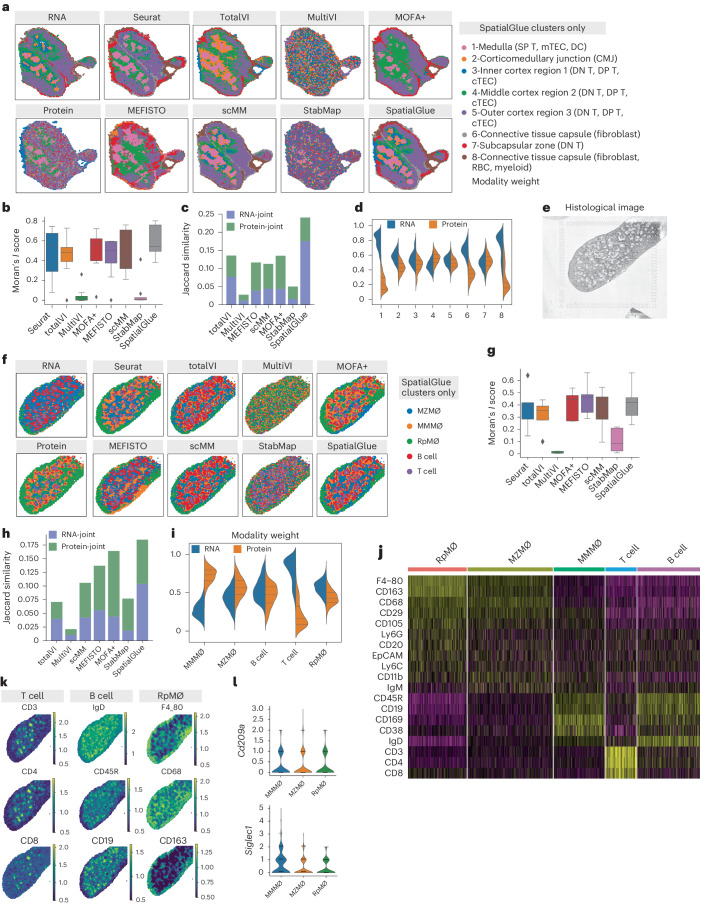
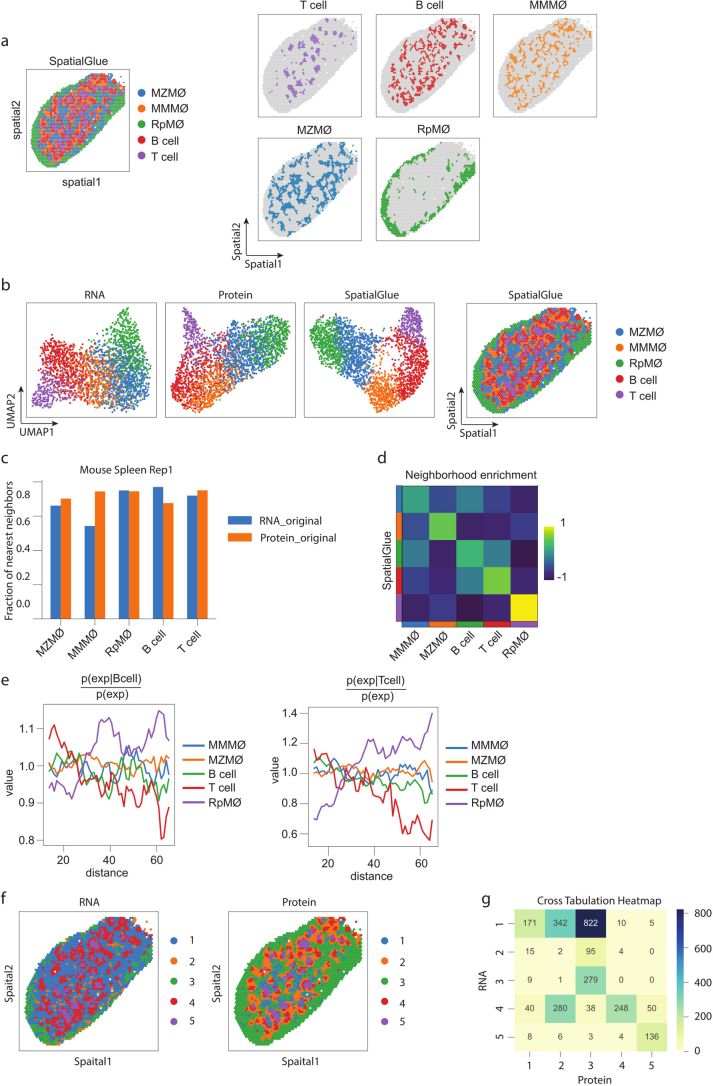
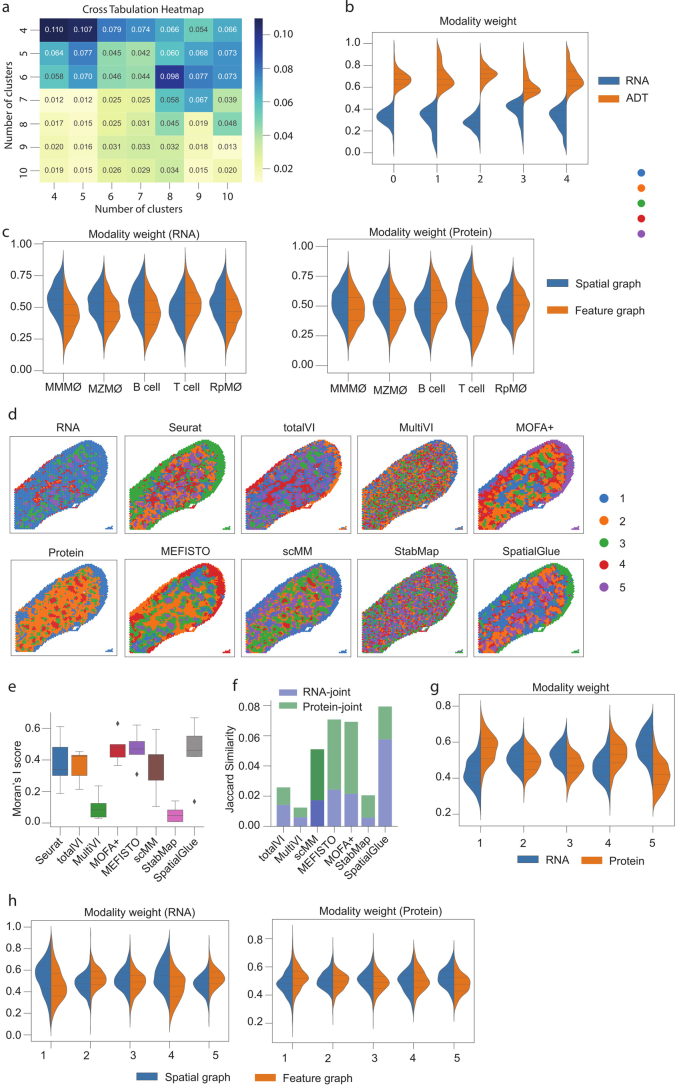
Advances in spatial omics technologies now allow multiple types of data to be acquired from the same tissue slice. To realize the full potential of such data, we need spatially informed methods for data integration. Here, we introduce SpatialGlue, a graph neural network model with a dual-attention mechanism that deciphers spatial domains by intra-omics integration of spatial location and omics measurement followed by cross-omics integration. We demonstrated SpatialGlue on data acquired from different tissue types using different technologies, including spatial epigenome-transcriptome and transcriptome-proteome modalities. Compared to other methods, SpatialGlue captured more anatomical details and more accurately resolved spatial domains such as the cortex layers of the brain. Our method also identified cell types like spleen macrophage subsets located at three different zones that were not available in the original data annotations. SpatialGlue scales well with data size and can be used to integrate three modalities. Our spatial multi-omics analysis tool combines the information from complementary omics modalities to obtain a holistic view of cellular and tissue properties.
Overview
The claims and statistics of this paper haven’t been checked yet.
Run the check — free, no account needed. It reads the open-access text and checks the sources it cites.
Integrity signals
Registry
Cites
Statistics
Figures
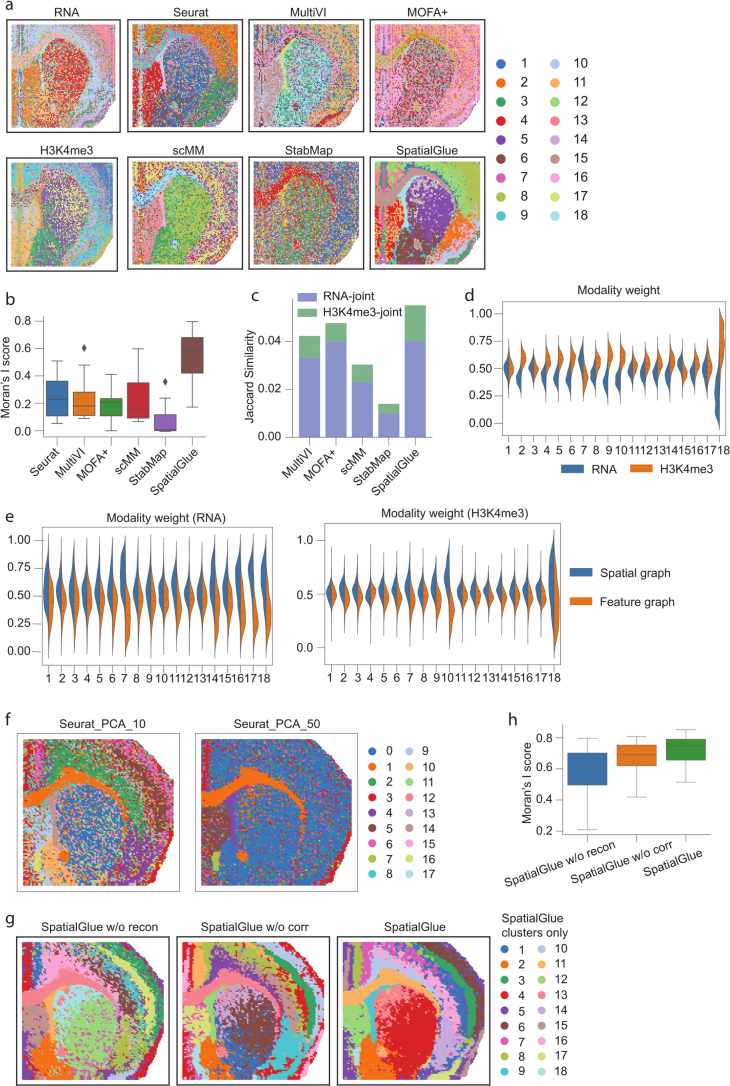
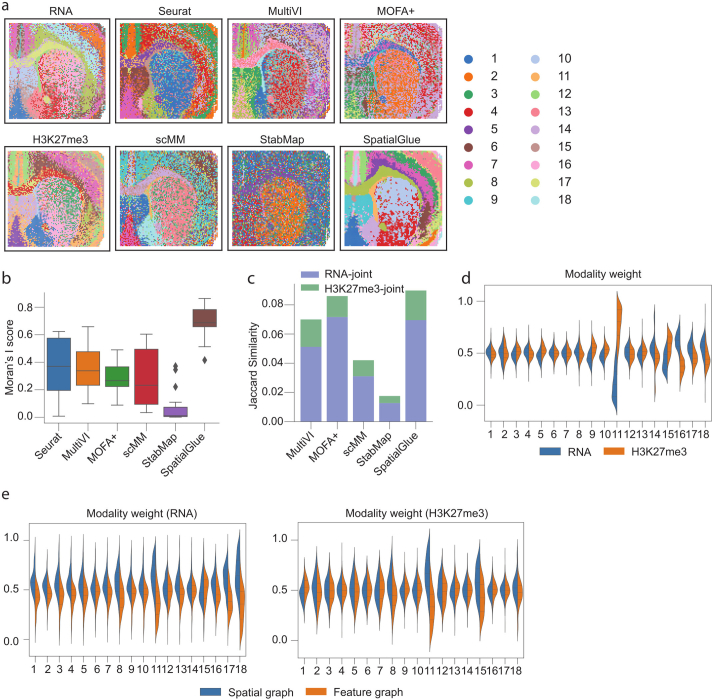
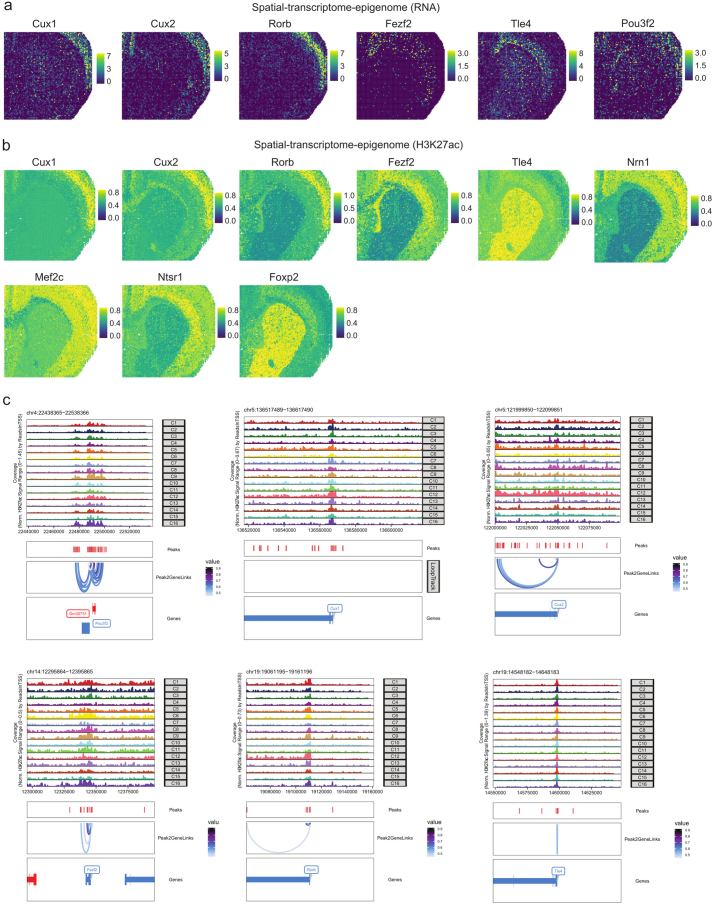
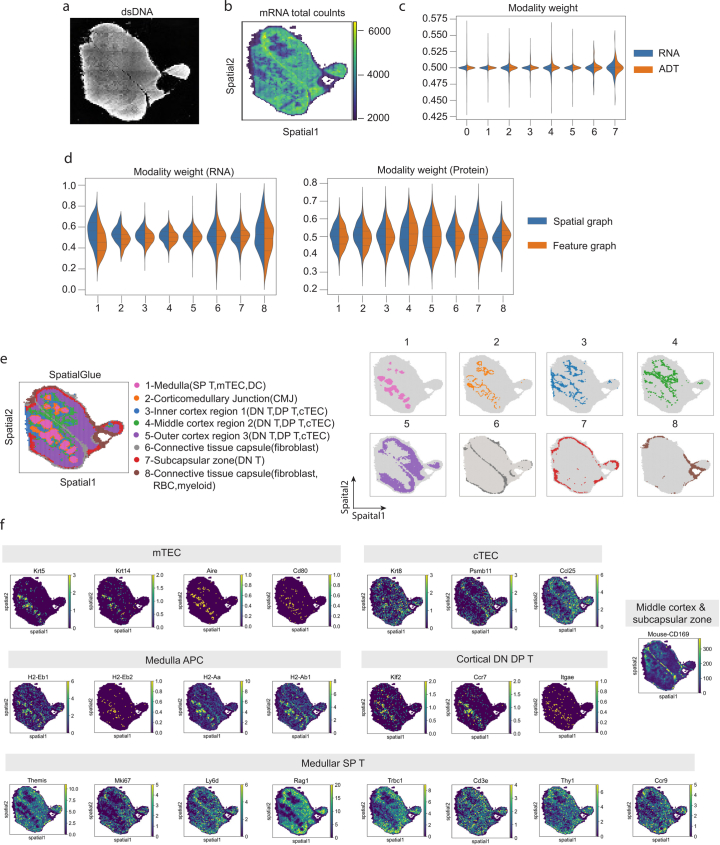
Verification
Claims the paper makes
The claims and statistics of this paper haven’t been checked yet.
Run the check — free, no account needed. It reads the open-access text and checks the sources it cites.
Claims other papers make about this one
Each is checked against this paper’s own text: does it say what the citing paper says it does?
The cited source says what the claim attributes to it.
In the citing paper
“Additionally, SpatialGLUE applied a GNN to integrate spatial multi-omics data [130], which captured more anatomical details including undiscovered cell types, and provided more accurate information on spatial domains.”
From Challenges in AI-driven Biomedical Multimodal Data Fusion and Analysis (2025) · cites this paper as [130]
Self-check
Percentages, sums and reported differences re-computed from the paper’s own numbers.
The self-check needs the paper’s full text.
Citations
Cites
Integrated analysis of multimodal single-cell data
Hao, Y., Hao, S., Andersen-Nissen, E., Mauck, W. M., Zheng, S., Butler, A., Lee, M. J., Wilk, A. J., Darby, C., Zagar, M., et al. (2020) · doi:10.1101/2020.10.12.335331 · Cited by 15,508
SCANPY: large-scale single-cell gene expression data analysis
Wolf, F. A., Angerer, P., & Theis, F. J. (2018) · Genome Biology · doi:10.1186/s13059-017-1382-0 · Cited by 8,881
Hu, J., Li, X., Coleman, K., Schroeder, A., Ma, N., Irwin, D. J., Lee, E. B., Shinohara, R. T., & Li, M. (2021) · Nature Methods · doi:10.1038/s41592-021-01255-8 · Cited by 1,113
Long, Y., Ang, K. S., Li, M., Chong, K. L. K., Sethi, R., Zhong, C., Xu, H., Ong, Z., Sachaphibulkij, K., Chen, A., et al. (2023) · Nature Communications · doi:10.1038/s41467-023-36796-3 · Cited by 700
Self-citationSpatial epigenome–transcriptome co-profiling of mammalian tissues
Zhang, D., Deng, Y., Kukanja, P., Agirre, E., Bartosovic, M., Dong, M., Ma, C., Ma, S., Su, G., Bao, S., et al. (2023) · Nature · doi:10.1038/s41586-023-05795-1 · Cited by 483 · cited 2×
“Notably, Spatial-Glue was able to differentiate more ctx layers than all other methods including the original analysis by Zhang et al. 3 .”
MethodSelf-citationMultiVI: deep generative model for the integration of multi-modal data
Ashuach, T., Gabitto, M. I., Jordan, M. I., & Yosef, N. (2021) · doi:10.1101/2021.08.20.457057 · Cited by 385
Chen, T., Wang, Z., Li, L., Li, D., Li, Z., Chang, X., Bian, P., Liang, G., Wang, Q., & Xie, T. (2025) · Schloss Dagstuhl – Leibniz-Zentrum für Informatik · doi:10.4230/lipics.ecoop.2025.6
Research works printed but not linked: 20
- Liu, Y. et al. High-spatial-resolution multi-omics sequencing via deterministic barcoding in tissue. Cell 183, 1665–1681 (2020). · DOI · Paper page
- Liu, Y. et al. High-plex protein and whole transcriptome co-mapping at cellular resolution with spatial CITE-seq. Nat. Biotechnol. 41, 1405–1409 (2023). · DOI · Paper page
- Ben-Chetrit, N. et al. Integration of whole transcriptome spatial profiling with protein markers. Nat. Biotechnol. 41, 788–793 (2023). · DOI
- Vickovic, S. et al. SM-Omics is an automated platform for high-throughput spatial multi-omics. Nat. Commun. 13, 795 (2022). · DOI
- Liao, S. et al. Integrated spatial transcriptomic and proteomic analysis of fresh frozen tissue based on Stereo-seq. Preprint at bioRxiv https://doi.org/10.1101/2023.04.28.538364 (2023). · DOI
- Hudson, W. H. & Sudmeier, L. J. Localization of T cell clonotypes using the Visium spatial transcriptomics platform. STAR Protoc. 3, 101391 (2022). · DOI
- Janesick, A. et al. High resolution mapping of the tumor microenvironment using integrated single-cell, spatial and in situ analysis. Nat. Commun. 14, 8353 (2023). · DOI
- Takei, Y. et al. Integrated spatial genomics reveals global architecture of single nuclei. Nature 590, 344–350 (2021). · DOI
- Su, J. -H., Zheng, P., Kinrot, S. S., Bintu, B. & Zhuang, X. Genome-scale imaging of the 3D organization and transcriptional activity of chromatin. Cell 182, 1641–1659 (2020). · DOI · Paper page
- Liu, J. et al. Concordance of MERFISH spatial transcriptomics with bulk and single-cell RNA sequencing. Life Sci. Alliance 6, e202201701 (2023). · DOI
- He, S. et al. High-plex imaging of RNA and proteins at subcellular resolution in fixed tissue by spatial molecular imaging. Nat. Biotechnol. 40, 1794–1806 (2022). · DOI · Paper page
- Argelaguet, R. et al. MOFA+: a statistical framework for comprehensive integration of multi-modal single-cell data. Genome Biol. https://doi.org/10.1186/s13059-020-02015-1 (2020). · DOI · Paper page
- Ghazanfar, S., Guibentif, C. & Marioni, J. C. Stabilized mosaic single-cell data integration using unshared features. Nat. Biotechnol. 42, 284–292 (2024). · DOI
- Gayoso, A. et al. Joint probabilistic modeling of single-cell multi-omic data with totalVI. Nat. Methods 18, 272–282 (2021). · DOI · Paper page
- Minoura, K., Abe, K., Nam, H., Nishikawa, H. & Shimamura, T. A mixture-of-experts deep generative model for integrated analysis of single-cell multiomics data. Cell Rep. Methods 1, 100071 (2021). · DOI
- Dong, K. & Zhang, S. Deciphering spatial domains from spatially resolved transcriptomics with an adaptive graph attention auto-encoder. Nat. Commun. 13, 1739 (2022). · DOI · Paper page
- Alexandre, Y. O. & Mueller, S. N. Splenic stromal niches in homeostasis and immunity. Nat. Rev. Immunol. 23, 705–719 (2023). · DOI
- Borges da Silva, H. et al. Splenic macrophage subsets and their function during blood-borne infections. Front. Immunol. 6, 480 (2015). · DOI
- Backer, R. et al. Effective collaboration between marginal metallophilic macrophages and CD8+ dendritic cells in the generation of cytotoxic T cells. Proc. Natl Acad. Sci. USA 107, 216–221 (2010). · DOI
- Kipf, T. N. & Welling, M. Semi-supervised classification with graph convolutional networks. In 5th International Conference on Learning Representations (ICLR, 2017).
Cited by
Sorted by citations
Items 101–200 of 219
Spatial transcriptomics in Alzheimer's disease: technologies, challenges and discoveries
Shi, C. H., Piña-Crespo, J., Yip, K. Y., & Huang, T. Y. (2026) · Molecular Neurodegeneration Advances · doi:10.1186/s44477-026-00036-x · Cited by 3
“Realizing this potential will require the development of computational frameworks capable of jointly modeling heterogeneous spatial data types [192, 193], genetic profiles, pathology features, and regulatory hierarchies within complex brain tissue.”
Zhang, Q., Cao, Z., Yan, S., Chen, B., Huang, B., Liu, Z., & Zhao, Y. (2026) · Cancer Letters · doi:10.1016/j.canlet.2026.218585 · Cited by 3
SpaceBender: Denoising Spatial Transcriptomics Data to Enhance Biological Signals
Chen, D. G., Ribas, A., & Campbell, K. M. (2026) · bioRxiv · doi:10.64898/2026.04.20.719715 · Cited by 2
“The increasing availability of ST datasets, at increasingly larger scales, raises the enticing possibility of atlas-scale integration of ST data 30–33 .”
Dissecting spatial patterning and signaling with directional diffusion in spatial multi-omics
Wang, H., Yuan, Z., Su, Y., Zheng, C., & Sun, X. (2026) · Proceedings of the National Academy of Sciences · doi:10.1073/pnas.2517283123 · Cited by 3
“We used COMMOT (9) to infer spatial communication based on 24 LR pairs with spatial distance limits of 25.”
InfluentialNuanpirom, J., & Charoensawan, V. (2026) · Briefings in Bioinformatics · doi:10.1093/bib/bbag152 · Cited by 3
“In contrast to earlier multimodal SRT integration methods that were originally developed for single-cell multimodal data integration [169], or incapable of inferring regulatory links [170], MultiGATE represents a dedicated multimodal spatial GRN inference method.”
MultiSP deciphers tissue structure and multicellular communication from spatial multi-omics data
Mo, C., Zou, X., & Jin, S. (2026) · Cell Genomics · doi:10.1016/j.xgen.2026.101141 · Cited by 2
“We demonstrated the performance of MultiSP using the human tonsil dataset from 10 × Genomics, which included spatial gene expression, protein, and histology image data (Figures S6A and S6B).”
InfluentialSpaBalance: Balanced Learning for Efficient Spatial Multi‐Omics Decoding
Cui, Y., Zhao, Y. T., Yang, C., Tang, T., Liao, X., Zhang, H., Zhao, H., Wang, Z., & Zeng, Y. (2025) · Advanced Science · doi:10.1002/advs.202512973 · Cited by 5
DGAT: a dual-graph attention network for inferring spatial protein landscapes from transcriptomics
Wang, H., Cody, B., Saavedra, M., Faccioli, L. A. P., Florentino, R. M., Soto-Gutierrez, A., & Osmanbeyoglu, H. U. (2026) · Nature Communications · doi:10.1038/s41467-026-73114-z · Cited by 5
“…liver samples 35 (ALD_Liver_1/2 and N-ALD_Liver_1/2; GSE278662); dental pulp samples (Dentalpulp_1 – 4; Zaky et al. 36 ); and normal lymph node samples 37 (LymphNode_A1 and LymphNode_D1; GSE263617) and high-plex Spatial-CITE-seq samples 8 (tonsil, spleen, thymus, skin, and glioblastoma; GSE213264).”
Advances in spatial multi-omics technologies
Zhang, W., Huang, X., He, L., & Zhao, X. (2025) · Chinese Science Bulletin (Chinese Version) · doi:10.1360/tb-2024-1403 · Cited by 3
Zhou, W., Fan, X., Li, L., Zheng, J., Liu, X., Jin, W., & Tian, L. (2026) · Briefings in Bioinformatics · doi:10.1093/bib/bbag432 · Cited by 2
“This approach has demonstrated exceptional performance in representation learning, as highlighted in the previous study [ 57].”
Advancing AI Research Assistants with Expert-Involved LearningPreprint
Liu, T., Han, S., Wang, H., Luo, X., Lu, P., Zhu, B., Wang, Y., Li, K., Chen, J., Qu, R., et al. (2025) · arXiv (Cornell University) · doi:10.48550/arxiv.2505.04638 · Cited by 6
“Regarding the second part of the evaluation dataset, we collected ten scientific figures from published manuscripts in top-tier journals focusing on genomics and proteomics research (23, 68, 69).”
Self-citationMulti‐omics–driven precision medicine
Li, H., Zhao, Z., Zhang, Y., Ma, Y., Hu, G., Zeng, M., Yang, Z., Zhao, Z., Zhou, X., Hu, W., et al. (2026) · iMeta · doi:10.1002/imt2.70165 · Cited by 1
Self-citationComputational analysis in spatial transcriptomics: methods and perspectives
Zhou, Q., Jiang, Y., Ruan, P., Xiao, G., & Xie, Y. (2026) · Briefings in Bioinformatics · doi:10.1093/bib/bbag417 · Cited by 1
“Methods such as stLearn [ 110], DeepST [ 111], STAGATE [ 112], GraphST [ 113], SEDR [ 114], stCluster [ 115], SpatialGlue [ 116], and SpaGCN [ 117] have also been proposed.”
SpaMFG: a spatial multi-omics integration method based on feature grouping
Li, Z.-L., Ma, L.-T., Liu, J., Sun, W., Li, Y., Zhao, C.-G., & Yu, L. (2026) · Bioinform. · doi:10.1093/bioinformatics/btag457 · Cited by 1
“The spatial domain results provided manually by SpatialGlue (Long et al. 2024) were used as reference annotations to evaluate the accuracy of each method in spatial domain identification.”
ARISE: RNA-anchored shared-edge topology and hierarchical fusion for spatial multi-omics integration
Wang, X., Su, Y., Hao, G., Wang, M., Wang, Y., & Li, X. (2026) · Bioinformatics · doi:10.1093/bioinformatics/btag465 · Cited by 1
“We compared ARISE with representative baseline methods, including TotalVI (Gayoso et al. 2021), MISO (Coleman et al. 2025), STAGATE (Dong and Zhang 2022), PAST (Li et al. 2023), SpatialGlue (Long et al. 2024), and PRAGA (Huang et al. 2024).”
Influential3D multi-omics tumour atlases: from technology to biology and clinical translation
Liu, M., Villazon, J. I., Forjaz, A., Tian, X., Fan, R., Wang, S., Shi, L., Wirtz, D., & Kiemen, A. L. (2026) · Nature reviews. Cancer · doi:10.1038/s41568-026-00940-0 · Cited by 3
Self-citationLi, X., Xu, J., Du, G., Jia, X., Zhao, D., Zhou, C., Xiao, K., Gu, J., Zhu, J., & Shang, X. (2026) · Advanced Science · doi:10.1002/advs.75969
“Concurrently, spatial multi-omics modeling frameworks like SpatialGlue [ 12 ], COSMOS [ 13 ], SpaMV [ 14 ], and soFusion [ 15 ] have demonstrated efficacy by leveraging Graph Neural Networks (GNNs).”
A Tutorial on Best Practices and Pitfalls in Applying Machine Learning to Environmental Research
Yan, Z., Li, J., Zhang, W., Wen, H., Yu, H., Yu, M., Liu, Q. S., & Jiang, G. (2026) · ACS Environmental Au · doi:10.1021/acsenvironau.6c00025 · Cited by 2
Zhao, J., Wan, J., & Min, W. (2026) · Pattern Recognition · doi:10.1016/j.patcog.2026.114316
BaySC: Uncovering Tissue Architecture in Spatial Multi-Omics via Probabilistic Spatial ClusteringPreprint
Li, X., Dong, X.-F., Duan, Z.-K., Shang, L.-L., Wang, X., Song, X.-Y., Ning, H.-W., & Hu, G.-Y. (2026) · arXiv (Cornell University) · doi:10.48550/arxiv.2605.15291 · Cited by 1
“For multimodal integration, SpatialGlue [Long et al., 2024], SpaMI [Gao et al., 2025], soFusion [Yu et al., 2025], INSTINCT [Liu et al., 2025], and SMOPCA [Chen et al., 2025] rely on deep attention mechanisms, contrastive learning, or representation fusion.”
Transferable spatial omics deconvolution with SpaRankPreprint
Yan, X., Zheng, R., Chen, J., Li, M., & Lan, W. (2026) · bioRxiv (Cold Spring Harbor Laboratory) · doi:10.64898/2026.05.09.723936
Self-citationLu, Y., Qiao, R., LI, Y., Li, J., Yue, N., Ge, J., Wang, J., Chen, L., & Li, P. (2026) · Advanced Science · doi:10.1002/advs.75533
“To evaluate the performance of SOTMGF in spatial domain identification, we employed simulated spatial multi-omics datasets generated by SpatialGlue using non-negative spatial factorization [ 15 ].”
InfluentialZheng, X., Huang, X., Zhou, X., Meng, D., Qiao, Z., Yuan, Z., & Cheng, L. (2026) · Advanced Science · doi:10.1002/advs.75478 · Cited by 1
Wang, Y., He, Z., & Yan, Y. (2026) · Briefings in Bioinformatics · doi:10.1093/bib/bbag331
“To assess whether improved alignment results in improved down-stream multiomic integration, integrative analysis was performed on the aligned tri-omic dataset using an integration approach Spatial-GLUE [ 30].”
scKAN: Integration of multi-modal single-cell data via adaptive Kolmogorov–Arnold networks
Zheng, L., Zhang, Y., Tian, S., Ding, B., Wang, S., Wang, X., Gu, A., Yang, L., Wang, M., & Zhang, H. (2026) · Pattern Recognition · doi:10.1016/j.patcog.2026.113807 · Cited by 1
Deng, H., Ning, X., Lin, X., Zong, L., Zheng, S., Zhao, Y., Wang, J., Chen, L.-Y., Zi, J., & Mei, Z.-L. (2026) · GigaScience · doi:10.1093/gigascience/giag033 · Cited by 1
“First, modality compatibility is limited: platforms such as SpatialGlue [ 7 ] and Giotto [ 8 ] mainly address transcriptomics– proteomics, and SpaTrio [ 9 ] links single-cell multi-omics with spatial transcriptomics.”
SpaMOAL: A spatial multi-omics graph contrastive learning method for spatial domains identificationPreprint
Wang, J.-X., Huo, Y.-Y., Zhao, R., Pan, Y., Wang, H., & Li, X.-Y. (2026) · bioRxiv · doi:10.64898/2026.02.23.707433 · Cited by 1
Huang, X., Dai, W., Qin, Z., Yu, X., Wang, D., Liu, Y., Cheng, L., & Zheng, X. (2026) · ACM SIGKDD Conference on Knowledge Discovery and Data Mining (KDD) · doi:10.1145/3770855.3818973 · Cited by 1
“We used 20 datasets across different tissue samples from humans and mice, containing 54 slides from 7 major spatial transcriptome sequencing platforms [27–41].”
Qin, X., Liu, C., Gu, F., & Lan, X. (2025) · Briefings in Bioinformatics · doi:10.1093/bib/bbaf674 · Cited by 1
“6c), even for the multi-modality computational method SpatialGlue [58].”
Wang, D.-Y., Gao, L., Chen, W.-L., Liang, C., & Guo, F. (2025) · International Joint Conference on Artificial Intelligence · doi:10.24963/ijcai.2025/864 · Cited by 1
“Many strategies have been developed to analyze spatial transcriptomics data [Yuan et al. , 2024; Ma and Zhou, 2022; Long et al. , 2024].”
Residual Feature Integration is Sufficient to Prevent Negative Transfer
Xu, Y.-C., Nakada, R., Zhang, L., & Li, L.-X. (2025) · arXiv.org · doi:10.48550/arxiv.2505.11771 · Cited by 1
“In the SpatialGlue human lymph node dataset [30], cells come with both transcriptomes and spatial coordinates, and the major anatomical domains cortex, medulla cords, follicles, capsule, pericapsular adipose tissue, and others form well structured spatial patterns.”
Yao, D., Zhang, B., Zhan, X., Zhang, B., & Li, X. (2024) · ACS Omega · doi:10.1021/acsomega.4c05365 · Cited by 2
Dong, M., Wang, C., Chen, Z., Ding, S., Peng, L., & Jiang, H. F. (2026) · Neuroscience Bulletin · doi:10.1007/s12264-026-01726-y
SubPoE: a subgraph-induced Product-of-Experts framework for spatial multi-omics integration
Li, Y., Gao, W., Ren, J., Wei, Q., Wang, X., Zhang, L., Li, R., Wang, Y., & Zhang, X. (2026) · Frontiers in Genetics · doi:10.3389/fgene.2026.1977260
“SpatialGlue employs modality-specific graph encoders and an attention-based fusion mechanism to learn joint representations from heterogeneous molecular profiles (Long et al., 2024).”
Artificial intelligence assisted genomic profiling of ovarian cancer liver metastases
Louxun, S., Li, Z., & Chen, S. (2026) · Frontiers in Genetics · doi:10.3389/fgene.2026.2004540
Deciphering Spatial Cellular Organization through RNA-Anchored Multi-Omics DeconvolutionPreprint
Bai, Y., Guan, X., Xiong, S., Guo, X., Wang, X., Yi, S., Ju, W., Ma, S., Zhou, D., Dong, Q., et al. (2026) · bioRxiv (Cold Spring Harbor Laboratory) · doi:10.64898/2026.10.09.757940
“However, because each spatial measurement aggregates multiple cells, epigenomic signals are inherently confounded by cell-type composition, making it difficult to disentangle regulatory variation from mixture effects in conventional spot-level or symmetric integration analyses [23].”
Barzani, H. A. H., Omer, R. A., Barzani, K. I. S., Othman, H. O., Noaman, A. S., & Sulaiman, S. H. (2026) · Critical Reviews in Analytical Chemistry · doi:10.1080/10408347.2026.2742470
Flexible Integration of Structurally Diverse Spatial Multi‐Omics With AgaeSMO
Liu, K., Su, J., Zhou, H., Shen, Y., Qin, M., Luo, Y., Wang, T., Chen, Z., Wang, Y., & Ma, X. (2026) · Advanced Science · doi:10.1002/advs.78141
“Currently, there are tools designed for integrating multi-omics acquired from the same slice, such as SpatialGlue [ 9 ], SpaMV [ 10 ], 3D-OT [ 11 ], soFusion [ 12 ], COSMOS [ 13 ], TotalVI [ 14 ], MultiVI [ 15 ], MOFA + [ 16 ].”
InfluentialSpaMOCA: Spatial multi-omics integration with local cross-attention and contrastive learning
Han, Y., Shang, J., Fan, A., Su, W., Qiu, D., & Wang, H. (2026) · Knowledge-Based Systems · doi:10.1016/j.knosys.2026.116938 · Cited by 1
Deciphering the gene-centric spatial dynamics across tissue and time with GeneSPOTPreprint
Zou, Q., Wang, Z., Li, S., Lin, S., Han, C., Cui, Y., Li, S., Wang, L., Zhang, D., Zhang, W., et al. (2026) · bioRxiv (Cold Spring Harbor Laboratory) · doi:10.64898/2026.09.24.753111
“One challenge in spatial omics is deciphering relationships between molecular features across omics layers, such as genes and metabolites, to achieve a holistic understanding of tissue organization 4, 65, 66 .”
Self-citationTrustworthy super-resolution reconstruction across spatial omics modalitiesPreprint
Li, M.-H., Wang, X.-T., Xu, S.-S.-G.-H.-J.-B.-S.-W.-Z.-C.-X.-L., Yin, Y.-X., Chen, D., Guo, X.-C., & Song, D.-Y. (2026) · bioRxiv · doi:10.64898/2026.09.25.754471
“Within a representative subregion, we compared the pathologist-defined annotations with modality-specific clustering of the original spot-level measurements, clus-261 tering after enhancement with spEnhance, and joint RNA-protein integration using SpatialGlue [31] (Fig.”
Li, W., Jiang, Y.-X., Zhao, Q., Xu, Y., Dai, D.-L., Rong, Y., Zhao, X., & Zhang, H. (2026) · Nature Cell Biology · doi:10.1038/s41556-026-02067-8
“We benchmarked DePass against three spatial multi-omics integration methods (SpatialGlue 24 , COS-MOS 25 and MISO 26 ) and five single-cell integration methods (MOFA+ 21 , Seurat v4 22 , totalVI 23 , MOJITOO 28 and JAMIE 29 ).”
InfluentialMass spectrometry imaging in plants: Methods and applications.
Dong, Y.-H., Lu, Y.-W., & Aharoni, A. (2026) · Current opinion in plant biology · doi:10.1016/j.pbi.2026.102962
Spatial multiomics in biomedical research: advances beyond transcriptomics
Mao, X., Chen, Z., Hwang, E. J., Liu, J., Huang, J., & Li, H. (2026) · JCI Insight · doi:10.1172/jci.insight.206951
Li, X., Zhang, K., Li, Y., Yan, F., Li, B., & Ding, Q. (2026) · Briefings in Bioinformatics · doi:10.1093/bib/bbag517
“For the first simulated dataset, which contains both unique and complementary information across modalities [ 5], we compared SpaHDSRL with other competing methods in terms of spatial domain identification accuracy ( Fig.”
InfluentialGBFlow: Grouping Belief-Guided Dual Normalizing Flows for Accurate Spatial Domain Delineation
Zhou, F.-Y., Wang, D.-Y., Chen, W.-L., Liang, C., & Guo, F. (2026) · Proceedings of the Thirty-Fifth International Joint Conference on Artificial Intelligence · doi:10.24963/ijcai.2026/603
“In this study, we utilize eight datasets: human breast cancer[Long et al. , 2024], mouse brain[Long et al. , 2024; Dong and Zhang, 2022], human lymph node[Long et al. , 2024 ] , and mouse embryo [ Jiang et al. , 2023 ] .”
ILR-SMO: Iterative Latent Refinement for Robust Spatial Multi-Omics Integration
Yu, A.-Q., Xu, X.-D., Lu, J.-Z., Sun, Y., Chen, B.-G., Ma, C.-X., Tan, W.-M., & Yan, B. (2026) · Proceedings of the Thirty-Fifth International Joint Conference on Artificial Intelligence · doi:10.24963/ijcai.2026/582
“More recently, SpatialGlue [ Long et al. , 2024 ] and its extensions such as PRAGA [ Huang et al. , 2025 ] , COS-MOS [Zhou et al. , 2025], SWITCH [Li et al. , 2025], and MultiGATE [Miao et al. , 2025], incorporate spatial adjacency through neighborhood graphs or graph neural networks, enabling…”
Self-citationde Souza, C. (2026) · Veterinary Immunology and Immunopathology · doi:10.1016/j.vetimm.2026.111195
Malignant Transition in Three Dimensions.
Jing, Z., & Li, M.-Y. (2026) · Cancer Discovery · doi:10.1158/2159-8290.cd-26-1266
Xu, M., Dong, Z., & Xia, B. (2026) · Briefings in Bioinformatics · doi:10.1093/bib/bbag480
Wang, J., Huo, Y., Zhao, R., Pan, Y., Wu, J., Wang, H., & Li, X. (2026) · PLoS Biology · doi:10.1371/journal.pbio.3003690 · Cited by 1
“Most recent methods like SpatialGlue [19] and MISO [20] aim to learn unified low-dimensional representations from spatial multi-omics data.”
Single-cell and spatial profiling of histone modifications: technologies and emerging frontiers
Zhu, M., Zha, Z., Xuan, J., & Zhang, H. (2026) · Scientia Sinica Chimica · doi:10.1360/ssc-2026-0122
Zhang, Z., Chen, B., Bai, J., Wang, J., Ren, J., Liu, C., Liu, Z., Cao, Y., & Liu, Y. (2026) · Bioinformatics · doi:10.1093/bioinformatics/btag676
“Spatial tools such as STAGATE (Dong and Zhang 2022), SpaGCN (Hu et al. 2021), and GraphST ( Long et al. 2023) build graph-based representations for a single modality, while SpatialGlue (Long et al. 2024) uses dual graphs for spatial multi-omics.”
DiST: disentangling structure via self-supervised tensors for heterophilous spatial transcriptomics
Liu, Y., Hu, Y., Liu, J., Tan, S., Li, X., Huang, G., Chen, M., Lei, L., & Du, J. (2026) · Briefings in Bioinformatics · doi:10.1093/bib/bbag600
“The data are characterized by high dimensionality and inherent noise, often suffering from low capture efficiency known as dropouts [ 3].”
Unified representation learning for spatial multi-omics
Li, H., Wan, S., Zhang, H., Wang, Z., & Zeng, Y. (2026) · Bioinformatics · doi:10.1093/bioinformatics/btag629
“…MISO (Coleman et al. 2025), MultiVI (Ashuach et al. 2023), PAST (Li et al. 2023), MUSE (Bao et al. 2022), PRAGA (Huang et al. 2025), SpatialGlue (Long et al. 2024), STAGATE (Dong and Zhang 2022), GraphST (Long et al. 2023), GLUE (Cao and Gao 2022) and totalVI (Gayoso et al. 2021), each applied…”
Liu, Z., Zhen, P., Wang, B., Shu, H., Zhao, Y., Zhang, K., Wang, Y., Hu, J., Wang, T., & Chen, J. (2026) · bioRxiv (Cold Spring Harbor Laboratory) · doi:10.64898/2026.08.10.743892
“SpatialGlue [21] and dependency-aware spatial generative models exploit spa-60 tial neighborhoods and cross-omics dependencies to improve representation learning and spatial domain identification.”
Self-citationRandrianjatovo, F., Saleh, M., Girard, S., & Barry, A. (2026) · doi:10.48550/arxiv.2608.11269
“…heterogeneity [4], compare biological samples across individuals or experimental conditions [5], and integrate complementary omics modalities [6], there is a need for unsupervised dimensionality-reduction (DR) methods that transform high-dimensional data into compact embeddings while…”
Zhang, Y., Wang, M., Jing, L., Wang, S., Yin, N., Yang, K., & Zhang, H. (2026) · ACM SIGKDD Conference on Knowledge Discovery and Data Mining (KDD) · doi:10.1145/3770855.3818837
Hao, N.-H., Yan, B.-S., Li, D., Wu, X.-T., Zhao, C., & Wan, G.-H. (2026) · Proceedings of the 32nd ACM SIGKDD Conference on Knowledge Discovery and Data Mining V.2 · doi:10.1145/3770855.3816454
“(1) Introduction (20 minutes) • Overview of spatial omics [16, 31] • Histopathologic H&E imaging as the anchor [8, 17, 18, 52] • Evolution of algorithms and architecture design [11] • Significance [7, 9, 14, 24, 30, 43, 58] (2) Spatial Data Modalities: H&E Images and Omics Data (20 minutes) • H&E data availability and…”
Computational Mass Spectrometry Imaging in the Era of AI
Trinklein, T. J., Anandakumar, M., Chao, H., Asadian, M., Parmar, D. S., Sweedler, J. V., & Lam, F. (2026) · Chemical Reviews · doi:10.1021/acs.chemrev.6c00098
Image-guided spatial omics enhancement reveals hidden spatial microstructures
Liu, J., Luo, G., Liu, Q.-M., Dong, S., Wang, G., & Zhao, Y.-M. (2026) · Bioinform. · doi:10.1093/bioinformatics/btag596
“…coupled with systematic biases and batch effects introduced by joint detection workflows, together with the inherent heterogeneity of biological tissues, further exacerbate the challenges associated with data quality control and robust analytical interpretation (Long et al. 2024, Ge et al. 2025).”
Liu, Z.-Z., Hu, X., Zhang, Y., Li, S., & Zhang, G. (2026) · IEEE Transactions on Medical Robotics and Bionics · doi:10.1109/tmrb.2026.3699230
“Notably, as the gold standard for preoperative assessment of intracranial lesions, CT imaging not only provides critical evidence for disease diagnosis but also encodes rich anatomical structural information through its radiomic features [16].”
Dual-graph attention autoencoder for spatial domain identification in ischemic stroke
Chen, Y., Hu, W.-T., Zhang, G., Rao, X., & Jiang, T. (2026) · Frontiers in Neuroscience · doi:10.3389/fnins.2026.1881087
“Multi-modal extensions then incorporate histology or multi-omics through richer fusion modules (Long et al., 2024; Xiao et al., 2025; Huang et al., 2025).”
InfluentialContinual integration of single-cell multimodal data with MIRACLE
Zhou, J., Wang, J., Hu, S., Kan, T., Feng, C., Qiang, X., Dong, G., Shi, J., Liu, R., Bo, X., et al. (2026) · Nature Computational Science · doi:10.1038/s43588-026-01030-9
“A key future direction is to use MIRACLE as a universal online wrapper for offline integration models, extending continual learning to established multi-omic models 7,9,12,13,15,35 and to those incorporating spatial context 43–47 .”
Zhang, Z., Zhang, Y.-Y., Li, X.-T., Bian, J., Shen, J., & Liu, Y. (2026) · bioRxiv · doi:10.64898/2026.07.21.739865
“Existing meth-ods typically encode each modality using its own feature or mixed neighborhood graph together with spatial structure [9, 18, 19], but do not jointly construct semantically distinct consensus and modality-specific graphs.”
InfluentialHawinkel, S., Hu, W., Velten, B., & Maere, S. (2026) · bioRxiv · doi:10.64898/2026.06.19.732250
“Therefore, different spatial omics technologies are increasingly being applied to the same tissue, either on consecutive slices [3,4], or by measuring the different molecule types or modalities consecutively on the same slice (co-assaying) [5–9].”
Wang, H., Zhu, Y. L., Fang, M., Zhang, X., Peng, S., Liang, H., Dong, D., Li, L., & Wang, K. (2026) · Molecular Cancer · doi:10.1186/s12943-026-02740-4
“[91].”
SHINE: Decoding transcriptional-metabolic microenvironments through higher-order spatial integration
Du, B.-X., Wong, J., & Huang, Y.-H. (2026) · bioRxiv · doi:10.64898/2026.07.10.737648
“Graph-based methods such as SpatialGlue [13] leverage spatial adjacency and feature similarity to align modalities, whereas recent approaches, including MISO [14] and SpatialMETA [15], employ latent variable and variational modeling strategies to integrate spatial metabolomics and transcriptomics…”
Wang, Z., Yang, C., Tang, X., Yin, E., Yao, Y., Luo, Y., He, J., & Sun, N. (2026) · Genome Medicine · doi:10.1186/s13073-026-01713-y
NicheTrans: spatial-aware cross-omics translation
Wang, Z., Zou, Q., Lin, S., Li, S., Cui, Y., Zhang, D., Han, C., Li, Y., Li, J., Zhao, Y. C., et al. (2026) · Nature Methods · doi:10.1038/s41592-026-03153-3 · Cited by 9
“…(AD) (transcriptomics to proteomics) 33 , breast cancer (transcriptomics to proteomics) 34 , lymph node tissues (transcriptomics to proteomics) 27 and embryonic mouse brain tissues (transposase-accessible chromatin (ATAC) to transcriptomics and transcriptomics to ATAC) 35 (Supplementary Note).”
InfluentialSelf-citationAI-driven advances in vascular aging research: From mechanisms to precision medicine
Dai, Z.-L., Ma, C.-G., Chen, Y., Fu, L. Y., Jiang, H.-J., & Tai, S. (2026) · Ageing Research Reviews · doi:10.1016/j.arr.2026.103247
Jiang, P., Chen, S.-S., Wu, X., Liu, J., & Tian, T. (2026) · Bioinformatics · doi:10.1093/bioinformatics/btag247
“More recently, several methods have been proposed for the integration of spatial multi-omics data, including SpatialGlue (Long et al .”
Li, Y., Yu, X., Zhang, H., Lin, H., Liu, B., & Long, H. (2026) · Briefings in Bioinformatics · doi:10.1093/bib/bbag385
“For spatial multi-omics data, methods such as SpatialGlue [ 37], COSMOS [ 38], and SMOPCA [ 39] incorporate spatial information into the integration process, but they rely on predefined graph structures and cannot adaptively learn cell-specific neighborhoods.”
Hao, N., Yang, X., Yan, B., Li, D., Huang, J., Wu, X., Ruiz, E. S., de Luzuriaga, A. R., Zhao, C., & Wan, G. (2026) · Briefings in Bioinformatics · doi:10.1093/bib/bbag387 · Cited by 1
“Subsequently, sophisticated architectures were adopted to handle complex integrations, including variational autoencoders (VAE) (spaVAE [ 32]), attention mechanisms (SpatialGlue [ 33]), contrastive discriminators (COSMOS [ 34]), and conditional diffusion models (CAN-DIES [ 35]).”
SPINE: Context-guided iterative protein inference from spatial transcriptomes
Lu, X., Xu, J. L., Wang, J., 范娜娣, Wan, S., Mao, J., Fu, Y., & Zeng, Y. (2026) · Expert Systems with Applications · doi:10.1016/j.eswa.2026.133652 · Cited by 1
Foundation models in omics research: a comprehensive survey
Liu, H., Cai, W., Sun, Y., Liu, H., Zou, Z., Zhao, Q., Georgaka, S., Zhou, H., & Sun, J. (2026) · Briefings in Bioinformatics · doi:10.1093/bib/bbag439 · Cited by 2
“…and spatial multi-omics field, GLUE [ 108] employs adversarial generative learning to align heterogeneous single-cell omics; SpatialGlue [ 109] introduces a dual-attention graph model to jointly analyze spatial multi-omics data generated from the same tissue section; and MultiGATE [ 110]…”
Lu, Q.-Q., Feng, Q., Zeng, S.-Q., & Cheng, S.-H. (2026) · arXiv.org · doi:10.48550/arxiv.2606.29883
“Convolutional neural networks and vision transformers 95,96 are the most commonly used architectures in histology to learn spatial feature representations, while graph neural networks are more widely used in spatial omics to model relationships between cells and across modalities 42,97–99 .”
Gao, Q., Shang, J., Yuan, S., Li, F., & Wang, J. (2026) · Interdisciplinary Sciences Computational Life Sciences · doi:10.1007/s12539-026-00832-9 · Cited by 1
“SpatialGlue [22] applies spatial proteome and spatial epigenome to decode spatial domains across omics layers.”
Zhou, X., Dong, K., Xiao, J. N., Chen, L., & Zhang, S. L. (2026) · bioRxiv (Cold Spring Harbor Laboratory) · doi:10.64898/2026.06.09.730286
“To systematically evaluate the applicability of STAMO in this setting, we conducted benchmarking experiments on four paired mouse brain coronal spatial epigenome-transcriptome datasets, comparing against representative paired-data integration methods: SpatialGlue, SpaMosaic 23 , and MultiGATE 85 .”
Wang, S., Zhou, Q., Zhou, Y., Quan, P., Xiao, X., Gu, Z., Guo, L., Xu, Y., Luo, D., Rong, R., et al. (2026) · Genome biology · doi:10.1186/s13059-026-04090-2
“…showed that MicNet outperformed a broad set of state-of-the-art methods, including BayesSpace [17], SpaGCN [18], GraphST [23], SiGra [24], STCluster [25], xSiGra [26], MISO [27], SpatialGlue [28], STAGATE [29], and SpatialPCA [30], in detecting spatial domains and visualizing spatial organization.”
Decoding Hierarchical Cell–Cell Communication in Spatial Multi-Omics with CellSTICPreprint
Wang, S., Wang, J., Wang, J., Yuan, Z., & Xu, Y. (2026) · bioRxiv (Cold Spring Harbor Laboratory) · doi:10.64898/2026.05.27.728114
“This dataset follows the SpatialGlue[18] evaluation setting and, according to Townes et al.[22], constructs spatial structure using ggblocks and non-negative spatial factorization; it simulates three modalities (RNA for gene expression, ADT for protein abundance, and ATAC for chromatin…”
InfluentialstMixer for Scalable Mosaic Integration and Label Transfer in Spatial Histology and Multi‐Omics
Yang, Q., Wang, Y., Chen, L., & Zuo, C. (2026) · Advanced Science · doi:10.1002/advs.75905
“Specifically, (i) Human lymph node: a spatial RNA–protein dataset derived from a formalin-fixed, paraffin-embedded (FFPE) human lymph node, profiled using the 10X Genomics platform [ 16 ].”
InfluentialMulticellular ecosystems: Linking cellular diversity to tissue function and disease
Shi, Q., Tang, F., Chen, Y., & Zhang, Z. (2026) · Trends in Cell Biology · doi:10.1016/j.tcb.2026.06.005 · Cited by 1
Yang, J., & Jin, X. (2026) · International Conference on Biomedical Engineering and Medical Devices · doi:10.1117/12.3112260
“…emerging methods such as SpatialGlue infer spatial domains by integrating transcriptomic, chromatin-accessibility, and spatial proximity cues into a graph-based manifold, enabling precise delineation of microenvironmental niches and cell–cell interaction networks within diseased brain tissue [69].”
From unsupervised clustering to atlas-guided annotation in cohort-scale spatial omics with HiCATPreprint
Huang, J., Shen, X., Smith, Y., Harik, L., Wang, L.-H., Yu, J.-D., Epstein, M. P., & Hu, J. (2026) · bioRxiv · doi:10.64898/2026.05.27.728266
TopOmics: Topic Modelling for All OmicsPreprint
Caretti, F., Kazwini, N. E., & Sanguinetti, G. (2026) · bioRxiv (Cold Spring Harbor Laboratory) · doi:10.64898/2026.05.26.727810
“On this dataset, we benchmark TopOmics against four competing methods: SpatialGlue[8] and COSMOS[21], which are designed for spatial multi-omic data, MultiVI[20] and MOFA+[9] that neglect the spatial information.”
InfluentialZhang, H.-R., Quinn, J., & Tansey, W. (2026) · bioRxiv · doi:10.64898/2026.05.25.727736
“Recent methods have been developed that leverage reference-based mapping 13,14,11 , pairwise matching of shared biomarkers 15,16 , and graph-based integration 17,18 .”
Spatially multimodal and multiscale network for representation learning from spatial multi-omics
Zhang, F., & Peng, C. (2026) · BMC Genomics · doi:10.1186/s12864-026-12945-y
“Four multimodal methods: pyWNN ( h t t p s : / / g i t h u b . c o m / d y l k o t / p y W N N ) , MultiVI [11], MISO [12], and Spa-tialGlue [13] were selected to perform comparison on the latent representation derived from SpaMM-Net.”
Cell Type-informed Characterization of Spatial Niches from Spatial Multimodal and Multi-omics DataPreprint
Du, G., Xu, J., Wei, X., Liu, C., Zhao, D., Jia, X., Li, X., & Shang, X. (2026) · bioRxiv (Cold Spring Harbor Laboratory) · doi:10.64898/2026.05.09.722417
“Concurrently, spatial multi-omics integration methods[32–35], such as SpatialGlue[36], have advanced the joint modeling of multiple spatial molecular modalities and enabled integrated representations for resolving tissue architecture and molecular programs.”
Decoding Spatial Heterogeneity and Multi‐Omics Regulation with Hierarchical Graph Learning
Chen, J., Xie, J., Liao, Y., Li, J. J., Liu, L., Gao, X., & Cai, H. (2026) · Advanced Science · doi:10.1002/advs.75574
Self-citationGraph designs for deep learning–based multi-omics integration
Alif, M. N., Ahmed, K. T., Baul, S., & Zhang, W. (2026) · Briefings in Bioinformatics · doi:10.1093/bib/bbag410
“This includes patient–patient networks in bulk multi-omics approaches (e.g. MOGONET [ 64], MoGCN [ 69]), cell–cell networks in single-cell integration methods (e.g. GCN-SC [ 94], scGCN [ 91]), as well as spatial graphs in spatial omics frameworks (e.g. SpatialGLUE [ 111], SSGATE [ 112]).”
InfluentialSCONE: a subset-contrastive method for multi-omics network embedding
Avelar, P., Cardoso‐Silva, J., Wu, M., & Tsoka, S. (2026) · Briefings in Bioinformatics · doi:10.1093/bib/bbag381
“Recent graph neural network-based frameworks have also been proposed for spatial multi-omics integration, including SpatialGlue [ 31] and PRAGA [ 32], which leverage spatial neighbourhood information to align multiple molecular modalities across tissue sections.”
Tan, K., Yu, G., Li, T., Chen, H., Liu, J., Wang, M., & So, H.-S. (2026) · IEEE International Conference on Acoustics Speech and Signal Processing · doi:10.1109/icassp55912.2026.11461685
Sehra, V., Ruf, B., Duval, G., Babaei, S., & Claassen, M. (2026) · Patterns · doi:10.1016/j.patter.2026.101562
“Unlike SpatialGlue, 20 which uses graph encoders to align multi-omics data with spatial measurements without explicitly quantifying cell-cell interactions, SHIELD directly assesses these interactions, capturing biologically relevant mechanisms.”
InfluentialTowards digital biology: Recent advances in spatial biology for organogenesis and regeneration
Wang, H., Wenjia, W., Chu, L., Ye, K., He, L., Zhang, W., Shen, J., Qi, P., Huang, Y., & Zhao, X. (2026) · TrAC Trends in Analytical Chemistry · doi:10.1016/j.trac.2026.118901
Spatial multi-omics imputation and embedding with SpaMIE
Liu, W., Xiang, D.-W., Jiang, X., Bai, Y.-H., Li, S., Li, W., Lv, S.-X., Li, Q., Jiang, J.-K., & Liu, J. (2026) · Cell Reports Methods · doi:10.1016/j.crmeth.2026.101456
“To deal with the issue, similar to Long et al., 9 we construct a correspondence loss function.”
Discovering proteo-transcriptomic networks via biologically informed heterogeneous graph learning
Duan, J.-X., Liu, Y.-O., Pei, D.-L., Zhou, Z.-J., Zhao, Y.-S., Deng, J.-R., Ma, H.-F., Zhao, H., Ma, Z., Wang, Z.-L., et al. (2026) · Nucleic Acids Research · doi:10.1093/nar/gkag386
“Multi-omics graph models have demonstrated success in learning relation-aware structures [ 21–23 ].”
Concordia: Spatial Domain Detection via Augmented Graphs for Population-Level Spatial ProteomicsPreprint
Liu, S., Hsu, L., & Sun, W. (2026) · bioRxiv (Cold Spring Harbor Laboratory) · doi:10.64898/2026.04.19.719422
Chang, S., Fleischmann, A., & Ma, Y. (2026) · Nature Genetics · doi:10.1038/s41588-026-02706-8
Do, V. H., Tran, T. P. L., & Canzar, S. (2026) · bioRxiv (Cold Spring Harbor Laboratory) · doi:10.64898/2026.03.28.715026
“We next benchmarked GraphBG-MM and SpatialGlue on a real human lymph node dataset generated with 10x Genomics Visium spatial transcriptomics and proteomics co-profiling, using hematoxylin and eosin (H&E) annotations from the original study as ground truth [22].”
Influential
Metadata
- Authors
- Long, Y., Ang, K. S., Sethi, R., Liao, S., Heng, Y., van Olst, L., Ye, S., Zhong, C., Xu, H., Zhang, D., Kwok, I., Husna, N., Jian, M., Ng, L. G., Chen, A., Gascoigne, N. R. J., Gate, D., Fan, R., Xu, X., & Chen, J.
- Affiliations
- Agency for Science, Technology and Research (SG)
- BGI Group (China) (CN)
- Northwestern University (US)
- Yale University (US)
- Shanghai Jiao Tong University (CN)
- National University of Singapore (SG)
- Corresponding author
- Chen, Ao
- Chen, Jinmiao
- ORCID
- Venue
- Nature Methods
- Published
- 2024-06-21
- Volume
- 21
- Issue
- 9
- Pages
- 1658-1667
- ISSN
- 1548-7091 (ISSN-L)
- 1548-7105
- PMC
- PMC11399094
- OpenAlex
- W4399892951
- Cited by
- 223
- References
- 28
- Citations by year
- 2026: 131 · 2025: 78 · 2024: 13
- FWCI
- 30.22
- Type
- journal article
- Language
- en
- Open access
- hybrid
- doi.org
- Locations
- Nature Methods (publishedVersion, cc-by)
- Research Square (acceptedVersion, cc-by)
- PubMed Central (publishedVersion, cc-by)
- PubMed (publishedVersion)
- Funders
- National Research Foundation (NRF-CRP26-2021-0001)
- National Research Foundation Singapore (NRF-CRP26-2021-0001, MOH-OFLCG18May-0003)
- Medical Research Council
- National Medical Research Council (MOH-OFLCG18May-0003, NMRC /OFLCG/003/2018)
- Biomedical Research Council
- Topics
- Life Sciences › Biochemistry, Genetics and Molecular Biology › Molecular Biology › Single-cell and spatial transcriptomics
- Life Sciences › Biochemistry, Genetics and Molecular Biology › Molecular Biology › Bioinformatics and Genomic Networks
- Social Sciences › Economics, Econometrics and Finance › Economics and Econometrics › Spatial and Panel Data Analysis
- Keywords
- spatial multi-omics, spatial domain identification, graph neural networks, dual attention mechanism, transcriptome-proteome integration, spatial data integration
- MeSH terms
- Epigenome, Multiomics, Animals, Brain, Humans, Spleen, Neural Networks, Computer, Computational Biology, Proteome, Genomics, Proteomics, Mice, Transcriptome
About these checks
Registry, retraction, Cites and statistics results are computed, not judged, with one exception: a printed reference that no index lists is read once by a model before it counts as a citation error. Claims are extracted by a model and kept only when their quote appears verbatim in the text; each cited source is then checked, with a model’s help, for whether it says what the claim relies on. Those verdicts can be wrong — read the claim’s quote and the cited source before relying on one.
Statistics and arithmetic are recomputed, not judged.
Confidence bands are shown only for fields calibrated on our annotated test set. None is calibrated yet, so no band is shown.
What counts as a claim ›How we measure confidence ›How we check this ›
Are you an author, or do you see a problem with this page? Request a review
