

Psychedelics promote plasticity by directly binding to BDNF receptor TrkB
Open accessThe DOI matches its Crossref record; 94 of the 94 references it cites were found in a registry or an index.
Abstract
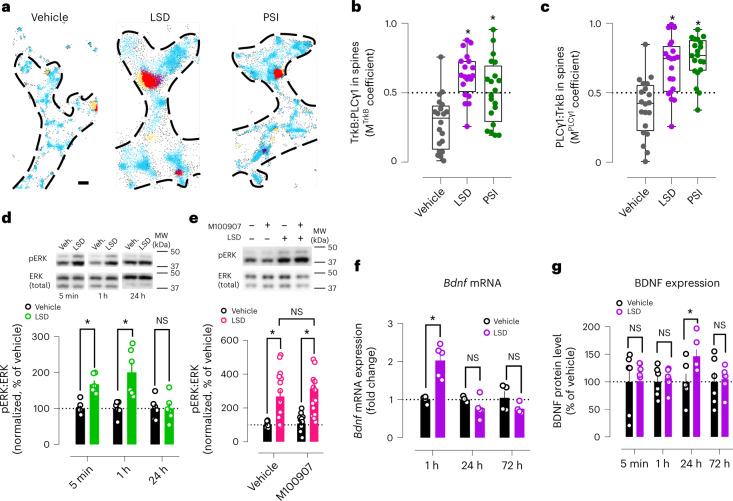
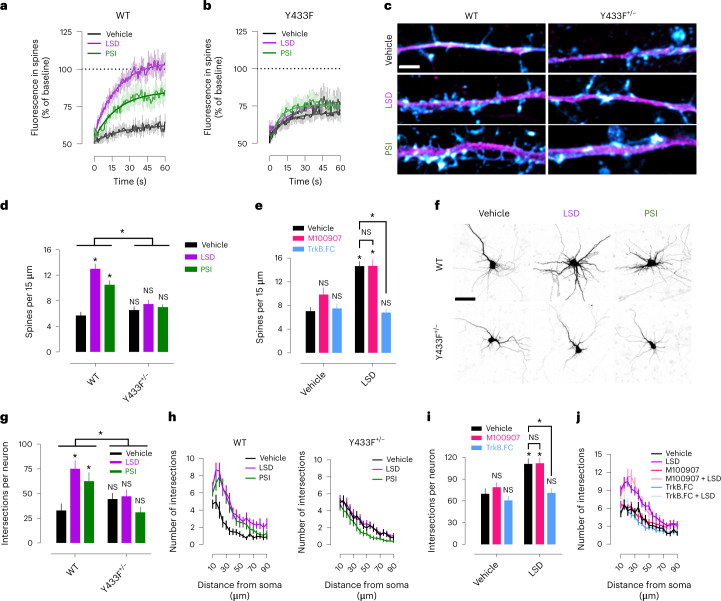
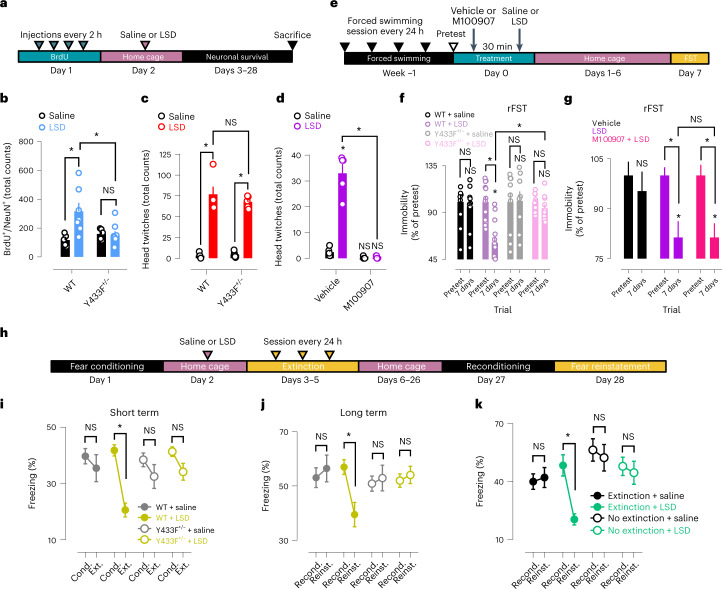
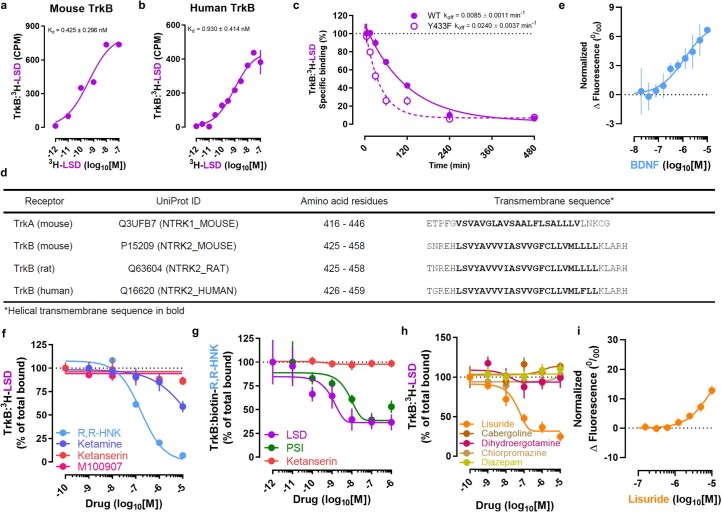
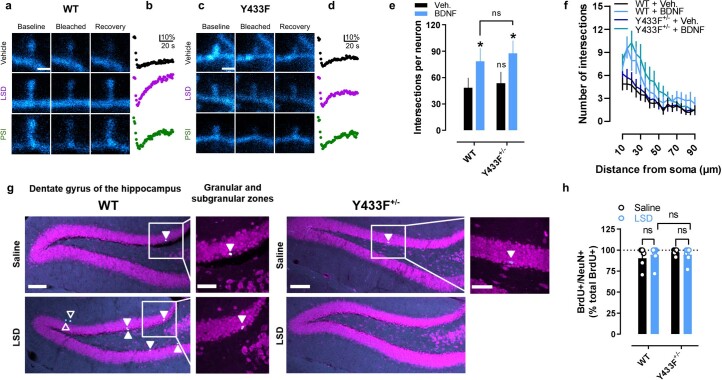
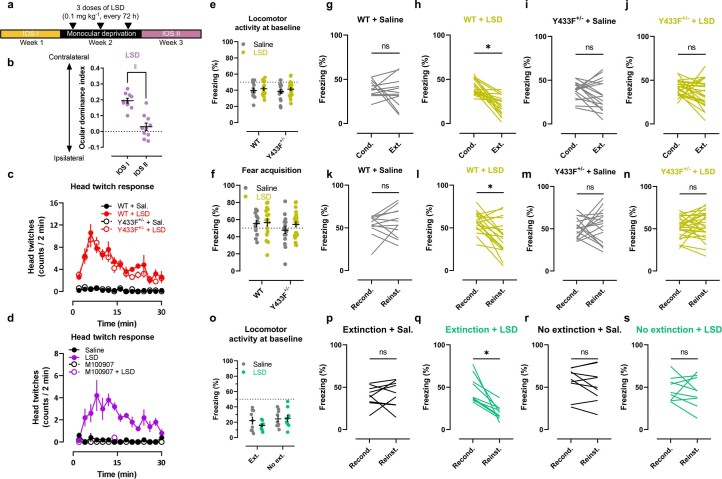
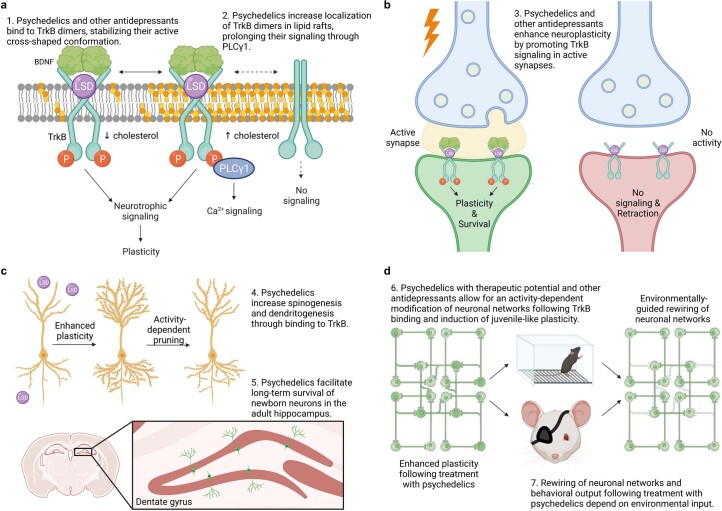
Psychedelics produce fast and persistent antidepressant effects and induce neuroplasticity resembling the effects of clinically approved antidepressants. We recently reported that pharmacologically diverse antidepressants, including fluoxetine and ketamine, act by binding to TrkB, the receptor for BDNF. Here we show that lysergic acid diethylamide (LSD) and psilocin directly bind to TrkB with affinities 1,000-fold higher than those for other antidepressants, and that psychedelics and antidepressants bind to distinct but partially overlapping sites within the transmembrane domain of TrkB dimers. The effects of psychedelics on neurotrophic signaling, plasticity and antidepressant-like behavior in mice depend on TrkB binding and promotion of endogenous BDNF signaling but are independent of serotonin 2A receptor (5-HT 2A ) activation, whereas LSD-induced head twitching is dependent on 5-HT 2A and independent of TrkB binding. Our data confirm TrkB as a common primary target for antidepressants and suggest that high-affinity TrkB positive allosteric modulators lacking 5-HT 2A activity may retain the antidepressant potential of psychedelics without hallucinogenic effects.
Overview
The claims and statistics of this paper haven’t been checked yet.
Free: it reads the open-access text and checks the first 5 claims that cite a source we can check. Create a free account to check every claim.
Integrity signals
Registry
Cites
Statistics
Figures
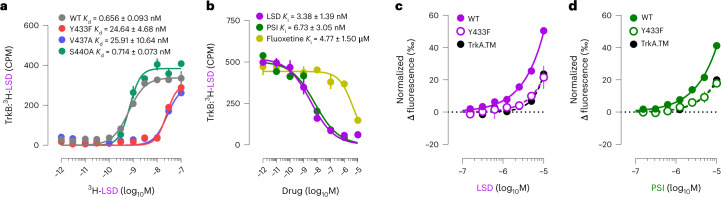
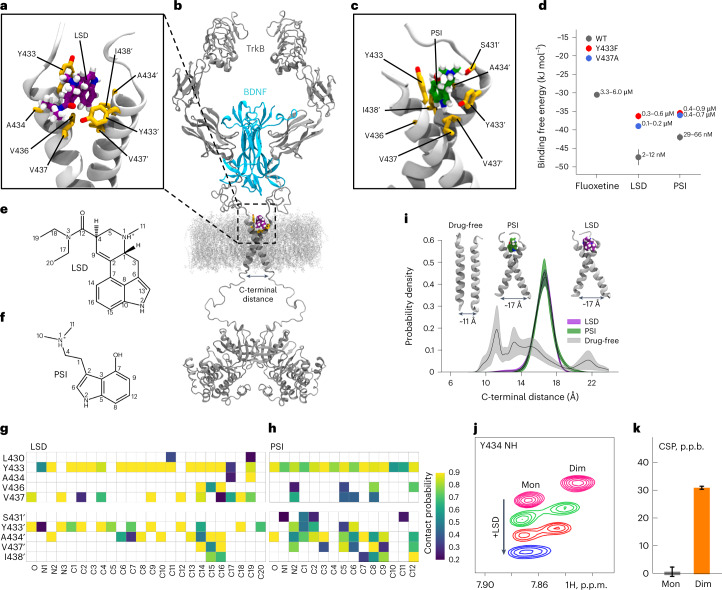
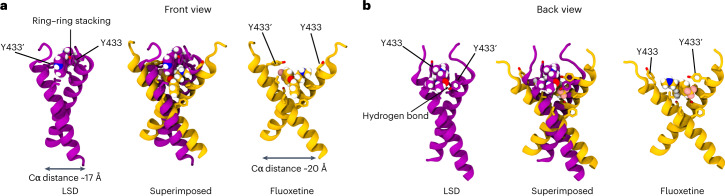
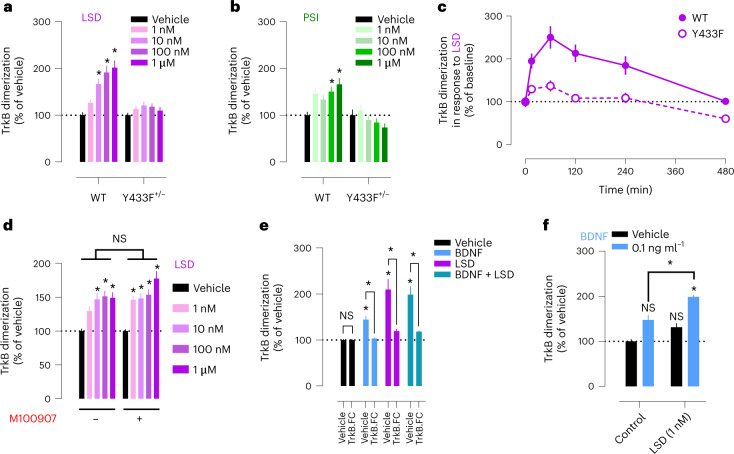
Verification
Claims the paper makes
The claims and statistics of this paper haven’t been checked yet.
Free: it reads the open-access text and checks the first 5 claims that cite a source we can check. Create a free account to check every claim.
Claims other papers make about this one
Each is checked against this paper’s own text: does it say what the citing paper says it does?
The cited source doesn’t support the claim as written.
In the citing paper
“it is possible that the psychedelic experience is necessary to produce the therapeutic benefits”
From The revival of psilocybin between scientific excitement, evidence of efficacy, and real-world challenges (2024) · cites this paper as [110]
Checked by a reasoning model — may be wrong.
Experimental — accuracy not yet measuredThe source backs part of the claim, not all of it — or backs it for a different population, condition or comparison.
In the citing paper
“Another study reports that the combination of lysergic acid diethylamide (LSD) and psilocybin may exert long-term antidepressant effects by promoting neural plasticity, which dose not involve in the hallucinogenic effects. 384”
From Major depressive disorder: hypothesis, mechanism, prevention and treatment (2024) · cites this paper as [384]
Experimental — accuracy not yet measuredThe source backs part of the claim, not all of it — or backs it for a different population, condition or comparison.
In the citing paper
“Across disease models, TrkB-positive allosteric modulators (PAMs) rescue spine density and preserve mature spine morphology, supporting a model in which TrkB modulation extends antidepressant like plasticity through sustained structural and proteomic reinforcement [33,116,118].”
From Synaptic Plasticity—Intrinsic Excitability and Antidepressant Discovery (2026) · cites this paper as [116]
Experimental — accuracy not yet measuredThe cited source says what the claim attributes to it.
In the citing paper
“According to rodent research, psychedelics may promote synaptic connections by enhancing BDNF-TrkB signaling similar to typical antidepressants [138].”
From Beyond the serotonin deficit hypothesis: Communicating a neuroplasticity framework of major depressive disorder (2024) · cites this paper as [138]
The cited source says what the claim attributes to it.
In the citing paper
“It has recently been demonstrated that conventional antidepressants such as fluoxetine and imipramine, as well as the rapid-acting glutamatergic agent ketamine, directly bind to TrkB and allosterically potentiate BDNF signaling [52,54].”
From Pharmacotherapies Targeting GABA-Glutamate Neurotransmission for Treatment-Resistant Depression (2023) · cites this paper as [54]
2 more claims about this paper
Create a free account to see every claim other papers make about this one.
Self-check
Percentages, sums and reported differences re-computed from the paper’s own numbers.
The self-check needs the paper’s full text.
Citations
Cites
VMD: visual molecular dynamics
Humphrey, W., Dalke, A., & Schulten, K. (1996) · Journal of Molecular Graphics · doi:10.1016/0263-7855(96)00018-5 · Cited by 66,952
Comparison of simple potential functions for simulating liquid water
Jorgensen, W. L., Chandrasekhar, J., Madura, J. D., Impey, R. W., & Klein, M. L. (1983) · The Journal of Chemical Physics · doi:10.1063/1.445869 · Cited by 41,298
Matplotlib: a 2D graphics environment
Hunter, J. D. (2007) · Computing in Science & Engineering · doi:10.1109/mcse.2007.55 · Cited by 39,249
SciPy 1.0: fundamental algorithms for scientific computing in Python
Virtanen, P., Gommers, R., Oliphant, T. E., Haberland, M., Reddy, T., Cournapeau, D., Burovski, E., Peterson, P., Weckesser, W., Bright, J., et al. (2020) · Nature Methods · doi:10.1038/s41592-019-0686-2 · Cited by 38,430
Abraham, M. J., Murtola, T., Schulz, R., Páll, S., Smith, J. C., Hess, B., & Lindahl, E. (2015) · SoftwareX · doi:10.1016/j.softx.2015.06.001 · Cited by 27,190
Cox, J., & Mann, M. (2008) · Nature Biotechnology · doi:10.1038/nbt.1511 · Cited by 14,855
SciPy 1.0: fundamental algorithms for scientific computing in Python
Virtanen, P., Gommers, R., Oliphant, T. E., Haberland, M., Reddy, T., Cournapeau, D., Burovski, E., Peterson, P., Weckesser, W., Bright, J., et al. (2019) · Apollo - University of Cambridge Repository · doi:10.17863/cam.64134 · Cited by 10,460
LigPlot+: Multiple Ligand–Protein Interaction Diagrams for Drug Discovery
Laskowski, R. A., & Swindells, M. B. (2011) · Journal of Chemical Information and Modeling · doi:10.1021/ci200227u · Cited by 6,471
Andromeda: A Peptide Search Engine Integrated into the MaxQuant Environment
Cox, J., Neuhauser, N., Michalski, A., Scheltema, R. A., Olsen, J. V., & Mann, M. (2011) · Journal of Proteome Research · doi:10.1021/pr101065j · Cited by 5,500
Update of the CHARMM All-Atom Additive Force Field for Lipids: Validation on Six Lipid Types
Klauda, J. B., Venable, R. M., Freites, J. A., O’Connor, J. W., Tobias, D. J., Mondragon-Ramirez, C., Vorobyov, I., MacKerell, A. D., & Pastor, R. W. (2010) · The Journal of Physical Chemistry B · doi:10.1021/jp101759q · Cited by 4,501
Research works printed but not linked: 1
- PubChem. PubChem https://pubchem.ncbi.nlm.nih.gov/ (2023).
Cited by
Major depressive disorder: hypothesis, mechanism, prevention and treatment
Cui, L., Li, S., Wang, S., Wu, X., Liu, Y., Yu, W., Wang, Y., Tang, Y., Xia, M., & Li, B. (2024) · Signal Transduction and Targeted Therapy · doi:10.1038/s41392-024-01738-y · Cited by 1,244
“384 Psilocybin, a classical psychedelic, can play its antidepressant roles by activating 5-HT 2A receptors (5-HT 2A R).”
BackgroundTargeting synapse function and loss for treatment of neurodegenerative diseases
Dejanovic, B., Sheng, M., & Hanson, J. E. (2023) · Nature Reviews Drug Discovery · doi:10.1038/s41573-023-00823-1 · Cited by 193
Correia, A. S., Cardoso, A., & Vale, N. (2023) · Pharmaceutics · doi:10.3390/pharmaceutics15082081 · Cited by 155
The neuroplastic brain: current breakthroughs and emerging frontiers
Gazerani, P. (2025) · Brain Research · doi:10.1016/j.brainres.2025.149643 · Cited by 175
“Psychedelics such as psilocybin, ketamine, and LSD have demonstrated rapid and sustained effects on synaptic remodeling.”
Beyond the 5-HT2AReceptor: Classic and Nonclassic Targets in Psychedelic Drug Action
Cameron, L. P., Benetatos, J., Lewis, V., Bonniwell, E. M., Jaster, A. M., Moliner, R., Castrén, E., McCorvy, J. D., Palner, M., & Aguilar-Valles, A. (2023) · The Journal of Neuroscience · doi:10.1523/jneurosci.1384-23.2023 · Cited by 93
Self-citationDuan, W., Cao, D., Wang, S., & Cheng, J. (2023) · Chemical Reviews · doi:10.1021/acs.chemrev.3c00375 · Cited by 85
Weiss, F., Magnesa, A., Gambini, M., Gurrieri, R., Annuzzi, E., Elefante, C., Perugi, G., & Marazziti, D. (2025) · Brain Sciences · doi:10.3390/brainsci15020117 · Cited by 74
“However, psilo-cybin/psilocin and LSD might also induce antidepressant and psychoplastogenic effects bypassing 5-HT2A signaling, perhaps through a direct TrkB-mediated mechanism, as was recently described [94].”
The polypharmacology of psychedelics reveals multiple targets for potential therapeutics
Jain, M. K., Gumpper, R. H., Slocum, S. T., Schmitz, G. P., Madsen, J. S., Tummino, T. A., Suomivuori, C., Huang, X.-P., Shub, L., DiBerto, J. F., et al. (2025) · Neuron · doi:10.1016/j.neuron.2025.06.012 · Cited by 89
Page, C. E., Epperson, C. N., Novick, A. M., Duffy, K. A., & Thompson, S. M. (2024) · Molecular Psychiatry · doi:10.1038/s41380-024-02625-2 · Cited by 80
Cardiovascular safety of psychedelic medicine: current status and future directions
Wsół, A. (2023) · Pharmacological Reports · doi:10.1007/s43440-023-00539-4 · Cited by 76
“…have confirmed the hypothesis of psychedelics as so-called ‘psychoplastogens’ as they were shown to enhance neurogenesis, neuroplasticity, and synaptic plasticity by increasing the expression of markers of neuroplastic processes ( c-fos Arc ) and brain-derived neurotrophic factor (BDNF) [33–36].”
BackgroundMechanisms and molecular targets surrounding the potential therapeutic effects of psychedelics
Jaster, A. M., & González‐Maeso, J. (2023) · Molecular Psychiatry · doi:10.1038/s41380-023-02274-x · Cited by 61
Holze, F., Singh, N., Liechti, M. E., & D’Souza, D. C. (2024) · Biological Psychiatry Cognitive Neuroscience and Neuroimaging · doi:10.1016/j.bpsc.2024.01.007 · Cited by 78
Levinstein, M. R., Budinich, R. C., Bonaventura, J., Schatzberg, A. F., Zarate, C. A., & Michaelides, M. (2025) · American Journal of Psychiatry · doi:10.1176/appi.ajp.20240378 · Cited by 61
Hashimoto, K. (2024) · European Archives of Psychiatry and Clinical Neuroscience · doi:10.1007/s00406-024-01770-7 · Cited by 61
“A recent study demonstrated that LSD and psilocin, the primary metabolite of psilocybin, bind directly to TrkB (a receptor for brain-derived neurotrophic factor [BDNF]), exhibiting affinities that are 1,000-fold higher than those of other antidepressants [97].”
Sabé, M., Sulstarova, A., Glangetas, A., Pieri, M. D., Mallet, L., Curtis, L., Richard-Lepouriel, H., Penzenstadler, L. E., Seragnoli, F., Thorens, G., et al. (2024) · Molecular Psychiatry · doi:10.1038/s41380-024-02800-5 · Cited by 71
Exploring DMT: Endogenous role and therapeutic potential
Schimmelpfennig, J., & Jankowiak-Siuda, K. (2025) · Neuropharmacology · doi:10.1016/j.neuropharm.2025.110314 · Cited by 58
Neurotrophin signalling in the human nervous system
Ateaque, S., Merkouris, S., & Barde, Y. (2023) · Frontiers in Molecular Neuroscience · doi:10.3389/fnmol.2023.1225373 · Cited by 49
Pharmacotherapies Targeting GABA-Glutamate Neurotransmission for Treatment-Resistant Depression
Vecera, C. M., C. Courtes, A., Jones, G., Soares, J. C., & Machado-Vieira, R. (2023) · Pharmaceuticals · doi:10.3390/ph16111572 · Cited by 48
“It has recently been demonstrated that conventional antidepressants such as fluoxetine and imipramine, as well as the rapid-acting glutamatergic agent ketamine, directly bind to TrkB and allosterically potentiate BDNF signaling [52,54].”
BackgroundRoméo, B., Kervadec, E., Fauvel, B., Strika-Bruneau, L., Amirouche, A., Bezo, A., Piolino, P., & Benyamina, A. (2025) · Neuroscience & Biobehavioral Reviews · doi:10.1016/j.neubiorev.2025.106086 · Cited by 68
Agnorelli, C., Spriggs, M. J., Godfrey, K., Sawicka, G., Bohl, B., Douglass, H. M., Fagiolini, A. M., Hashemi, P., Carhart-Harris, R. L., Nutt, D. J., et al. (2025) · Neuroscience & Biobehavioral Reviews · doi:10.1016/j.neubiorev.2025.106132 · Cited by 68
The role of neurotrophic factors in novel, rapid psychiatric treatments
Kim, J., He, M. J., Widmann, A. K., & Lee, F. S. (2023) · Neuropsychopharmacology · doi:10.1038/s41386-023-01717-x · Cited by 51
“…can directly bind and potentiate TrkB [160], a recent study found that both LSD and psilocin can also directly bind TrkB at much higher af fi nities than other antidepressants, leading to sensitization of TrkB to very low concentrations of BDNF (0.1 ng/ mL) and potentiate downstream signaling [198].”
BackgroundInfluentialTrkB transmembrane domain: bridging structural understanding with therapeutic strategy
Enkavi, G., Girych, M., Moliner, R., Vattulainen, I., & Castrén, E. (2024) · Trends in Biochemical Sciences · doi:10.1016/j.tibs.2024.02.001 · Cited by 44
Self-citationMechanisms of SSRI Therapy and Discontinuation
Sharp, T., & Collins, H. (2023) · Current Topics in Behavioral Neurosciences · doi:10.1007/7854_2023_452 · Cited by 55
Neuroimaging in psychedelic drug development: past, present, and future
Wall, M. B., Harding, R., Zafar, R. R., Rabiner, E. A., Nutt, D. J., & Erritzøe, D. (2023) · Molecular Psychiatry · doi:10.1038/s41380-023-02271-0 · Cited by 46
Shahar, O., Botvinnik, A., Shwartz, A., Lerer, E., Golding, P., Buko, A., Hamid, E., Kahn, D., Guralnick, M., Blakolmer, K., et al. (2024) · Molecular Psychiatry · doi:10.1038/s41380-024-02477-w · Cited by 40
Greater subjective effects of a low dose of LSD in participants with depressed mood
Molla, H. M., Lee, R., Tare, I., & de Wit, H. (2023) · Neuropsychopharmacology · doi:10.1038/s41386-023-01772-4 · Cited by 47
Psychedelics for acquired brain injury: a review of molecular mechanisms and therapeutic potential
Allen, J., Dames, S., Foldi, C. J., & Shultz, S. R. (2024) · Molecular Psychiatry · doi:10.1038/s41380-023-02360-0 · Cited by 47
Murray, C. H., Frohlich, J., Haggarty, C. J., Tare, I., Lee, R., & de Wit, H. (2024) · Neuropsychopharmacology · doi:10.1038/s41386-024-01809-2 · Cited by 39
Beyond the psychedelic hype: Exploring the persistence of the neoliberal paradigm
Davies, J., Pace, B. A., & Devenot, N. (2023) · Journal of Psychedelic Studies · doi:10.1556/2054.2023.00273 · Cited by 40
Psychedelics in neuroinflammation: Mechanisms and therapeutic potential
de Deus, J. L., Maia, J. M., Soriano, R. N., Amorim, M. R., & Branco, L. G. S. (2025) · Progress in Neuro-Psychopharmacology and Biological Psychiatry · doi:10.1016/j.pnpbp.2025.111278 · Cited by 40
Takaba, R., Ibi, D., Yoshida, K., Hosomi, E., Kawase, R., Kitagawa, H., Goto, H., Achiwa, M., Mizutani, K., Maeda, K., et al. (2023) · Naunyn-Schmiedeberg s Archives of Pharmacology · doi:10.1007/s00210-023-02778-x · Cited by 39
“…effect was supported by another study to demonstrate that psilo-cybin firmly binds to TrkB, the receptor for brain-derived neurotrophic factor (BDNF), a key player for antidepressants effect (Castren and Antila 2017), leading to antidepressant effects of psychedelics (Moliner et al. 2023).”
The Effects of Psychedelics on Neuronal Physiology
Hatzipantelis, C. J., & Olson, D. E. (2023) · Annual Review of Physiology · doi:10.1146/annurev-physiol-042022-020923 · Cited by 44
“In addition to 5-HT 2A R activation, the psychoplastogenic effects of psychedelics also require TrkB, mammalian target of rapamycin (mTOR), and AMPA receptor signaling (84, 90).”
InfluentialMcIntyre, R. S., Kwan, A. T. H., Mansur, R. B., Oliveira-Maia, A. J., Teopiz, K. M., Maletic, V., Suppes, T. M., Stahl, S. M., & Rosenblat, J. D. (2025) · American Journal of Psychiatry · doi:10.1176/appi.ajp.20230902 · Cited by 37
Rethinking the role of TRKB in the action of antidepressants and psychedelics
Brunello, C. A., Cannarozzo, C., & Castrén, E. (2024) · Trends in Neurosciences · doi:10.1016/j.tins.2024.08.011 · Cited by 31
Self-citationAarrestad, I. K., Cameron, L. P., Fenton, E. M., Casey, A. B., Rijsketic, D. R., Patel, S. D., Sambyal, R., Johnson, S. B., Ly, C., Viswanathan, J., et al. (2025) · Nature Neuroscience · doi:10.1038/s41593-025-02021-1 · Cited by 43
“In two in vivo studies, the 5-HT 2A R antagonist ketanserin could not completely block the psy-choplastogenic and antidepressant-like effects of psychedelics 12,31 (although it is unclear whether the ketanserin doses used in those studies were sufficiently high to occupy the receptor fully), and one study showed that…”
InfluentialLe, G. H., Wong, S., Badulescu, S., Au, H., Di Vincenzo, J. D., Gill, H., Phan, L., Rhee, T. G., Ho, R., Teopiz, K. M., et al. (2024) · Journal of Affective Disorders · doi:10.1016/j.jad.2024.03.165 · Cited by 30
Psychedelic control of neuroimmune interactions governing fear
Chung, E. N., Lee, J., Polonio, C. M., Choi, J., Akl, C. F., Kilian, M., Weiß, W. M., Gunner, G., Ye, M., Heo, T. H., et al. (2025) · Nature · doi:10.1038/s41586-025-08880-9 · Cited by 41
Avram, M., Fortea, L., Wollner, L., Coenen, R., Korda, A. I., Rogg, H. V., Holze, F., Vizeli, P., Ley, L., Raduà, J., et al. (2024) · Molecular Psychiatry · doi:10.1038/s41380-024-02734-y · Cited by 35
“Notably, these effects have mostly been reported in acute states (for exceptions see [41, 47, 48]) and it is unclear how they relate to presumably slower-acting neuroplastic processes, previously reported for psychedelics [49, 50].”
Human brain changes after first psilocybin use
Lyons, T., Spriggs, M. J., Kerkelä, L., Rosas, F. E., Roseman, L., Mediano, P. A. M., Timmermann, C., Oestreich, L., Pagni, B. A., Zeifman, R. J., et al. (2026) · Nature Communications · doi:10.1038/s41467-026-71962-3 · Cited by 41
A Comprehensive Review of the Current Status of the Cellular Neurobiology of Psychedelics
Banushi, B., & Polito, V. (2023) · Biology · doi:10.3390/biology12111380 · Cited by 37
“…several studies have shown that the “head twitch response” in rodents, which is used as a proxy for the hallucinogenic effects of psychedelics in humans [95], relies on 5-HT2AR activation [51,134,135], but that blocking the 5-HT2AR in mice did not prevent induced structural plasticity changes [51].”
BackgroundInfluentialFloris, G., Dabrowski, K. R., Zanda, M. T., & Daws, S. E. (2024) · Molecular Psychiatry · doi:10.1038/s41380-024-02788-y · Cited by 40
Rosas-Sánchez, G. U., Germán-Ponciano, L. J., Guillén-Ruiz, G., Cueto‐Escobedo, J., Limón-Vázquez, A. K., Rodríguez‐Landa, J. F., & Soria-Fregozo, C. (2024) · Biomedicines · doi:10.3390/biomedicines12122744 · Cited by 43
“These plastic changes appear to be related to the higher affinity of these psychedelics to the TrkB receptors for BDNF [143].”
Rosas-Sánchez, G. U., German-Ponciano, L. J., Guillén-Ruiz, G., Cueto-Escobedo, J., Limón-Vázquez, A. K., Rodríguez-Landa, J. F., & Soria-Fregozo, C. (2024) · doi:10.20944/preprints202410.2591.v1 · Cited by 28
Psilocybin for the treatment of Alzheimer’s disease
Zheng, S., Ma, R., Yang, Y., & Li, G. (2024) · Frontiers in Neuroscience · doi:10.3389/fnins.2024.1420601 · Cited by 28
Epigenetic Mechanisms of Rapid-Acting Antidepressants
Inserra, A., Campanale, A., Rezai, T., Romualdi, P., & Rubino, T. (2024) · Translational Psychiatry · doi:10.1038/s41398-024-03055-y · Cited by 27
“Activation of TRKB signaling results in the activation of other cascades such as the CaMKII, RAS/MAPK and phosphoinositide 3 kinase pathways [14, 17, 186 – 188].”
BackgroundPei, Z., Guo, X., Zheng, F., Yang, Z., Li, T., Yu, Z., Li, X., Guo, X., Chen, Q., Fu, C., et al. (2024) · Phytomedicine · doi:10.1016/j.phymed.2024.155566 · Cited by 27
Glennon, R. A., & Dukat, M. (2024) · ACS Pharmacology & Translational Science · doi:10.1021/acsptsci.4c00157 · Cited by 29
Hsu, T., Tsai, C., Kao, Y., Thompson, T., Carvalho, A. F., Yang, F., Tseng, P., Hsu, C.-W., Yu, C., Tu, Y., et al. (2024) · BMJ · doi:10.1136/bmj-2023-078607 · Cited by 38
The mechanistic divide in psychedelic neuroscience: An unbridgeable gap?
Barksdale, B. R., Doss, M. K., Fonzo, G. A., & Nemeroff, C. B. (2024) · Neurotherapeutics · doi:10.1016/j.neurot.2024.e00322 · Cited by 28
“…these IEGs, psychedelics may directly bind to the tropomyosin receptor kinase B (TrkB) as a positive allosteric modulator, prompting the enhanced signaling ef fi cacy of neurotrophic factors such as BDNF, which results in mTOR activation and further production of plasticity-related proteins [42].”
BackgroundWerle, I., Nascimento, L. M. M., dos Santos, A. L. A., Soares, L. A., SANTOS, R. G. D., Hallak, J. E. C., & Bertoglio, L. J. (2024) · British Journal of Pharmacology · doi:10.1111/bph.16315 · Cited by 34
“The latter drugs also facilitate aversive memory extinction in rodents (Catlow et al., 2013; Moliner et al., 2023).”
BackgroundA multi-institutional investigation of psilocybin’s effects on mouse behavior
Lu, O., White, K., Raymond, K. B., Liu, C. J., Klein, A. S., Green, N., Vaillancourt, S., Gallagher, A. J., Shindy, L., Li, A., et al. (2026) · Nature Neuroscience · doi:10.1101/2025.04.08.647810 · Cited by 34
“…that there will continue to be an increase in efforts devoted to elucidating the mechanisms of psychedelics in experimentally tractable species such as mice 47,55,63,64,67,68 and that the results from these studies will be used to interpret the therapeutic actions of psychedelics in human subjects.”
Larrea, A., Sánchez-Sánchez, L., Díez-Martín, E., Elexpe, A., Torrecilla, M., Astigarraga, E., & Barreda‐Gómez, G. (2024) · Journal of Clinical Medicine · doi:10.3390/jcm13061727 · Cited by 34
“BDNF: brain-derived neurotrophic factor; DLPFC”
BackgroundPharmacological and behavioural effects of tryptamines present in psilocybin‐containing mushrooms
Rakoczy, R. J., Runge, G. N., Sen, A. K., Sandoval, O., Wells, H. G., Nguyen, Q., Roberts, B., Sciortino, J. H., Gibbons, W. J., Friedberg, L. M., et al. (2024) · British Journal of Pharmacology · doi:10.1111/bph.16466 · Cited by 28
“An alternative explanation may also lie in recent studies showing that psi-locin can directly activate TrkB receptors (Moliner et al., 2023), causing antidepressant effects that are separable from 5-HT 2A receptor activation.”
Szpręgiel, I., & Bysiek, A. (2024) · Pharmacological Reports · doi:10.1007/s43440-024-00660-y · Cited by 32
“The increased BDNF expression and GLU release by psilocybin most likely leads to the activation of postsynaptic AMPA receptors in the prefrontal cortex and, consequently, to increased neuroplasticity [2 , 48 ].”
Lan, Y., Wang, X., Yan, F., Zhang, W., Zhao, S., Song, Y., Wang, S., Zhu, Z., Wang, Y., & Liu, X. (2025) · Journal of Agricultural and Food Chemistry · doi:10.1021/acs.jafc.5c00296 · Cited by 28
Padawer-Curry, J. A., Krentzman, O. J., Kuo, C., Wang, X., Bice, A. R., Nicol, G. E., Snyder, A. Z., Siegel, J. S., McCall, J. G., & Bauer, A. Q. (2025) · Nature Neuroscience · doi:10.1038/s41593-025-02069-z · Cited by 36
Do the therapeutic effects of psilocybin involve actions in the gut?
Reed, F. M., & Foldi, C. J. (2024) · Trends in Pharmacological Sciences · doi:10.1016/j.tips.2023.12.007 · Cited by 28
Psilocybin-enhanced fear extinction linked to bidirectional modulation of cortical ensembles
Rogers, S. A., Heller, E. A., & Corder, G. F. (2025) · Nature Neuroscience · doi:10.1038/s41593-025-01964-9 · Cited by 30
“Acute activation of cortical neurons by psyche-delics induces synaptic AMPA receptor insertion, BDNF signaling, and consequent dendritic growth 40,43,45,46 .”
Novel rapid treatment options for adolescent depression
Ledesma‐Corvi, S., Jornet-Plaza, J., Gálvez‐Melero, L., & García-Fuster, M. J. (2024) · Pharmacological Research · doi:10.1016/j.phrs.2024.107085 · Cited by 25
Madsen, C. A., Navarro, M. L., Elfving, B., Kessing, L. V., Ċastrén, E., Mikkelsen, J. D., & Knudsen, G. M. (2024) · European Neuropsychopharmacology · doi:10.1016/j.euroneuro.2024.06.008 · Cited by 28
Converging circuits between pain and depression: the ventral tegmental area as a therapeutic hub
Flores-García, M., Rizzo, A., Garçon-Poca, M. Z., Fernández‐Dueñas, V., & Bonaventura, J. (2023) · Frontiers in Pharmacology · doi:10.3389/fphar.2023.1278023 · Cited by 29
“Of note, while their efficacy and safety are still a matter of debate, the role of the serotonergic system in their antidepressant action is also questioned (Hesselgrave et al., 2021; Moncrieff et al., 2022; Moliner et al., 2023).”
BackgroundTrends in research on novel antidepressant treatments
Zelek-Molik, A., & Litwa, E. (2025) · Frontiers in Pharmacology · doi:10.3389/fphar.2025.1544795 · Cited by 35
“These neuroplasticity-driven processes signi fi cantly reduce depressive symptoms by promoting synaptic remodelling and enhanced connectivity (Page et al., 2024; Moliner et al., 2023; Casarotto et al., 2021; Saarelainen et al., 2003).”
Gattuso, J. J., Wilson, C., Hannan, A. J., & Renoir, T. (2023) · Journal of Neurochemistry · doi:10.1111/jnc.16017 · Cited by 28
“Molecular changes are indicated by alterations to gene expression and molecular signalling cascades (Davoudian et al., 2023; Fadahunsi et al., 2022; Moliner et al., 2023).”
InfluentialWong, S., Kwan, A. T. H., Teopiz, K. M., Le, G. H., Meshkat, S., Ho, R., d’Andrea, G., Cao, B., Vincenzo, J. D. D., Rosenblat, J. D., et al. (2024) · Journal of Affective Disorders · doi:10.1016/j.jad.2024.01.142 · Cited by 26
Shafiee, A., Bahri, R. A., Rafiei, M. A., Abianeh, F. E., Razmara, P., Jafarabady, K., & Amini, M. J. (2024) · Journal of Psychopharmacology · doi:10.1177/02698811241234247 · Cited by 24
“However, this study suggests that the activation of the 5-HT2A receptor does not play a significant role in promoting neuroplasticity, despite psychedelics like LSD binding to 5-HT2A (Moliner et al., 2023).”
BackgroundRetractedKot, E. F., Goncharuk, S. A., Franco, M. L., McKenzie, D. M., Arseniev, A. S., Benito-Martínez, A., Costa, M., Cattaneo, A., Hristova, K. A., Vilar, M., et al. (2024) · Nature Communications · doi:10.1038/s41467-024-53710-7 · Cited by 26
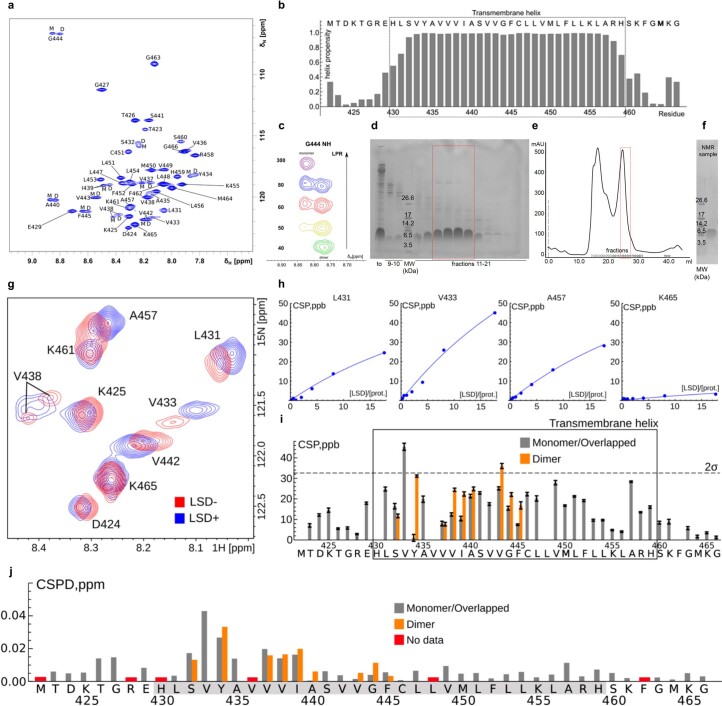
“For this purpose, in the current work, we synthesized the transmembrane domain of human TrkB (TrkBtm, residues 423-466, UniProt ID Q16620) and reconstituted it in the classic lipid-containing environment of DMPC/DHPC bicelles as described 24 .”
InfluentialSelf-citationKolasa, M., Nikiforuk, A., Korlatowicz, A., Solich, J., Potasiewicz, A., Dziedzicka‐Wasylewska, M., Bugno, R., Hogendorf, A. S., Bojarski, A. J., & Faron‐Górecka, A. (2024) · Psychopharmacology · doi:10.1007/s00213-024-06644-3 · Cited by 29
Humphreys, K. N., Korthuis, P. T., Stjepanović, D., & Hall, W. (2024) · Annual Review of Psychology · doi:10.1146/annurev-psych-020124-023532 · Cited by 32
Ketamine alleviates NMDA receptor hypofunction through synaptic trapping
Villega, F., Fernandes, A., Jézéquel, J., Uyttersprot, F., Bénac, N., Zenagui, S., Bastardo, L., Gréa, H., Bouchet, D., Villetelle, L., et al. (2024) · Neuron · doi:10.1016/j.neuron.2024.06.028 · Cited by 25
The science of psychedelic medicine
Siegel, J. S., Liston, C. M., Nicol, G. E., Carhart-Harris, R. L., & Bogenschutz, M. P. (2026) · Nature Medicine · doi:10.1038/s41591-025-04194-5 · Cited by 28
The psychedelic effects of cannabis: A review of the literature
Wolinsky, D., Barrett, F. S., & Vandrey, R. G. (2023) · Journal of Psychopharmacology · doi:10.1177/02698811231209194 · Cited by 28
“Although it is accepted that classic psychedelic drugs are agonists at serotonin 2A (5HT 2A ) receptors, their binding to this receptor does not, in and of itself, explain their therapeutic effects (Hesselgrave et al., 2021; Moliner et al., 2023; Nardou et al., 2023).”
BackgroundŠabanović, M., Lazari, A., Blanco-Pozo, M., Tisca, C., Tachrount, M., Martins-Bach, A. B., Lerch, J. P., Walton, M. E., & Bannerman, D. M. (2024) · Molecular Psychiatry · doi:10.1038/s41380-024-02439-2 · Cited by 28
“…are widely believed to result from the enhancement of neural plasticity processes [2] which are presumed to be ramping up over the fi rst week following single treatment [18, 19, 21], so the time between drug treatment and any novel reversal are potentially critical for the observed effects.”
InfluentialHaniff, Z. R., Bocharova, M., Mantingh, T., Rucker, J., Velayudhan, L., Taylor, D. M., Young, A. H., Aarsland, D., Vernon, A. C., & Thuret, S. (2024) · Pharmacology & Therapeutics · doi:10.1016/j.pharmthera.2024.108641 · Cited by 22
“…of BDNF by binding to the extracellular transmembrane domain of TrkB leading to a conformational change to enable favourable binding by BDNF, the concentration of which is already increased; thereby enhancing BDNF signalling and downstream effects of TrkB activation (Moliner et al., 2023).”
InfluentialHarari, R., Chatterjee, I., Getselter, D., & Elliott, E. (2024) · iScience · doi:10.1016/j.isci.2024.109686 · Cited by 21
Werle, I., & Bertoglio, L. J. (2024) · Neuroscience & Biobehavioral Reviews · doi:10.1016/j.neubiorev.2024.105899 · Cited by 26
Singh, N., Hazari, P. P., Mittal, P., Yadav, S. K., Kumar, N., Mishra, G., Dahiya, S., & Mishra, A. K. (2025) · European Journal of Pharmacology · doi:10.1016/j.ejphar.2025.177737 · Cited by 24
Laabi, S., LeMmon, C., Vogel, C., Chacon, M., & Jimenez, V. M. (2025) · International Immunopharmacology · doi:10.1016/j.intimp.2025.114940 · Cited by 23
Preclinical models of treatment-resistant depression: challenges and perspectives
Kolasa, M., & Faron‐Górecka, A. (2023) · Pharmacological Reports · doi:10.1007/s43440-023-00542-9 · Cited by 27
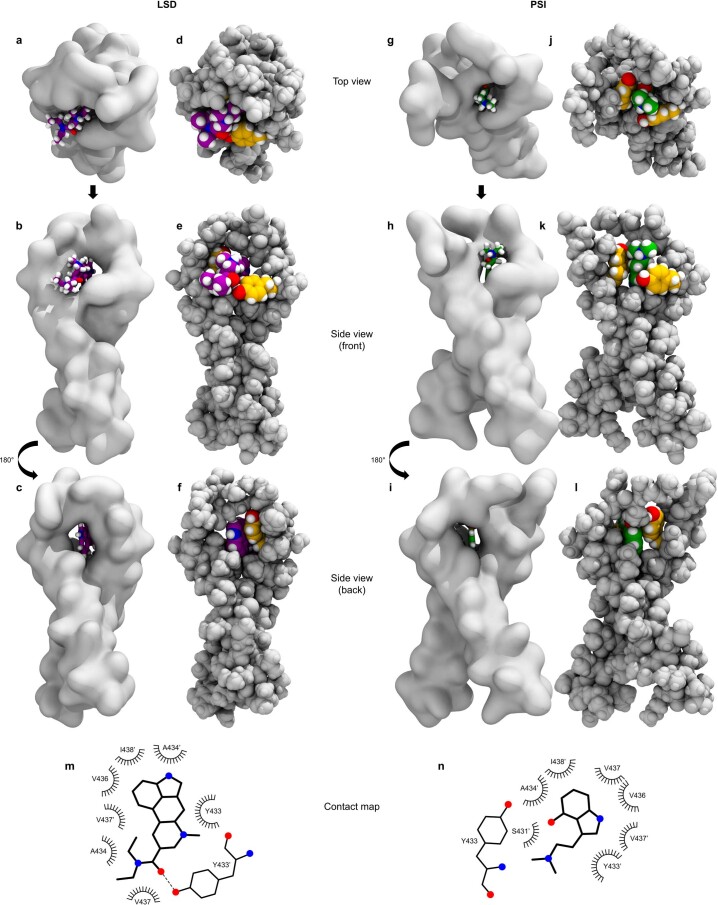
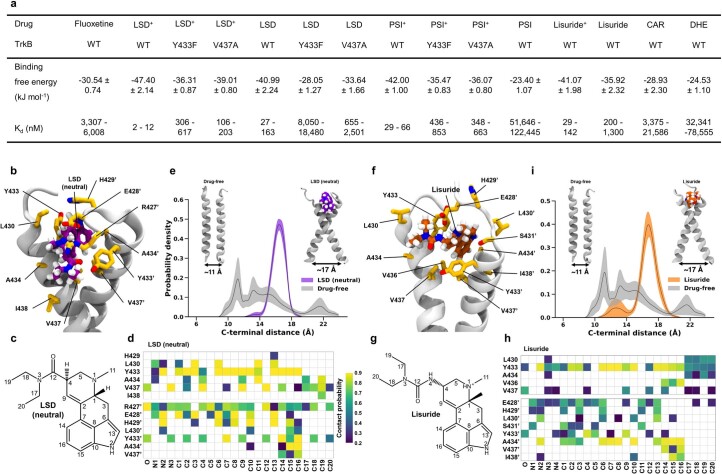
“Furthermore, the study reveals that the binding sites of psychedelics and antidepressants on Trkβ are distinct, albeit partially overlapping within the receptor’s transmembrane domain [98].”
BackgroundPsychedelics action and schizophrenia
Maćkowiak, M. (2023) · Pharmacological Reports · doi:10.1007/s43440-023-00546-5 · Cited by 31
“They increase neurotrophic factor levels, i.e., brain-derived neurotrophic factor (BDNF) and activate its receptor TrkB [115, 119–122].”
BackgroundNogueira, M., Golbert, D. C. F., de Menezes, R. S. T., de Almeida, R. N., Coelho, N. L. G., Siroky, A. N., Lima, T. Z., Maia, H., Leão, K. E., & Leão, R. N. (2024) · Molecular Psychiatry · doi:10.1038/s41380-024-02655-w · Cited by 26
Targeting TrkB–PSD-95 coupling to mitigate neurological disorders
Yang, X., Huang, Y. A., & Marshall, J. J. (2024) · Neural Regeneration Research · doi:10.4103/nrr.nrr-d-23-02000 · Cited by 21
Erkizia-Santamaría, I., Horrillo, I., Martínez-Álvarez, N., Pérez-Martínez, D., Rivero, G., Erdozain, A. M., Meana, J. J., & Ortega, J. E. (2025) · Translational Psychiatry · doi:10.1038/s41398-025-03421-4 · Cited by 26
“It has been reported that psilocybin/ psilocin can exert their effects through the activation of several serotonergic receptors [14] and also through high-af fi nity binding to tropomyosin receptor kinase B receptors (TrkB), the receptor for brain-derived neurotrophic factor (BDNF) [15].”
McIntyre, R. S. (2023) · Expert Opinion on Drug Safety · doi:10.1080/14740338.2023.2253144 · Cited by 20
“The binding of LSD and psilocybin to TrkB is approximately 1000 times greater than fluoxetine or ketamine [28].”
Astrocyte-mediated regulation of BLAWFS1 neurons alleviates risk-assessment deficits in DISC1-N mice
Zhou, X., Xiao, Q., Liu, Y., Chen, S., Xu, X., Zhang, Z., Hong, Y., Shao, J., Chen, Y., Chen, Y., et al. (2024) · Neuron · doi:10.1016/j.neuron.2024.03.028 · Cited by 20
Emerging mechanisms of psilocybin-induced neuroplasticity
Sonda, S., Pendin, D., Comai, S., Martin, S. D., Manfredi, P., & Mattarei, A. (2025) · Trends in Pharmacological Sciences · doi:10.1016/j.tips.2025.08.012 · Cited by 24
Liu, G., Ma, L., Qu, Y., Wan, X., Xu, D., Zhao, M., Murayama, R., & Hashimoto, K. (2023) · Pharmacology Biochemistry and Behavior · doi:10.1016/j.pbb.2023.173659 · Cited by 19
Neural Geometrodynamics, Complexity, and Plasticity: A Psychedelics Perspective
Ruffini, G., Lopez-Sola, E., Vohryzek, J., & Sanchez-Todo, R. (2024) · Entropy · doi:10.3390/e26010090 · Cited by 21
“…role of psychedelics in inducing neuroplasticity with antidepressant effects, revealing mechanisms at molecular, synaptic, and dendritic levels [8,9], and with significant potential for treating neuropsychiatric disorders [10,11], although the duration and permanence of these effects remain to…”
BackgroundConcurrent stress modulates the acute and post-acute effects of psilocybin in a sex-dependent manner
Farinha‐Ferreira, M., Miranda‐Lourenço, C., Galipeau, C., Lenkei, Z., & Sebastião, A. M. (2024) · Neuropharmacology · doi:10.1016/j.neuropharm.2024.110280 · Cited by 20
Uncovering psychedelics: from neural circuits to therapeutic applications
Melani, A., Bonaso, M., Biso, L., Zucchini, B., Conversano, C., & Scarselli, M. (2025) · Pharmaceuticals · doi:10.3390/ph18010130 · Cited by 17
The emergence of antidepressant drugs targeting GABAA receptors: A concise review
Gonda, X., Tarazi, F. I., & Döme, P. (2024) · Biochemical Pharmacology · doi:10.1016/j.bcp.2024.116481 · Cited by 19
Wang, Z., Robbins, B., Zhuang, R., Sandini, T. M., van Bruggen, R., Li, X., & Zhang, Y. (2025) · Progress in Neuro-Psychopharmacology and Biological Psychiatry · doi:10.1016/j.pnpbp.2024.111243 · Cited by 18
Kittur, M. E., M, L. A. B., Jones, B. D. M., Blumberger, D. M., Mulsant, B. H., Rosenblat, J. D., & Husain, M. I. (2025) · Journal of Affective Disorders · doi:10.1016/j.jad.2025.119952 · Cited by 19
Tap, S. C. (2024) · Addiction Biology · doi:10.1111/adb.13386 · Cited by 17
“62,63 Recently, preclinical findings with classical serotonergic psychedelics (i.e., psilocybin, LSD, DMT, and DOI) indicate that neuroplasticity primarily involves TrkB and mTor receptors 191 – 193 and that TrkB-signalling with psilocybin and LSD is independent of 5-HT 2A activation.”
BackgroundWang, X., Zhou, J., Jiang, T., & Xu, J. L. (2024) · Phytomedicine · doi:10.1016/j.phymed.2024.155584 · Cited by 19
Calder, A. E., Hase, A., & Hasler, G. (2024) · Molecular Psychiatry · doi:10.1038/s41380-024-02830-z · Cited by 25
Armstrong, M., Castellanos, J. P., & Christie, D. (2024) · Frontiers in Pain Research · doi:10.3389/fpain.2024.1346053 · Cited by 24
Psilocybin as a novel treatment for chronic pain
Askey, T., Lasrado, R., Maiarù, M., & Stephens, G. J. (2024) · British Journal of Pharmacology · doi:10.1111/bph.17420 · Cited by 22
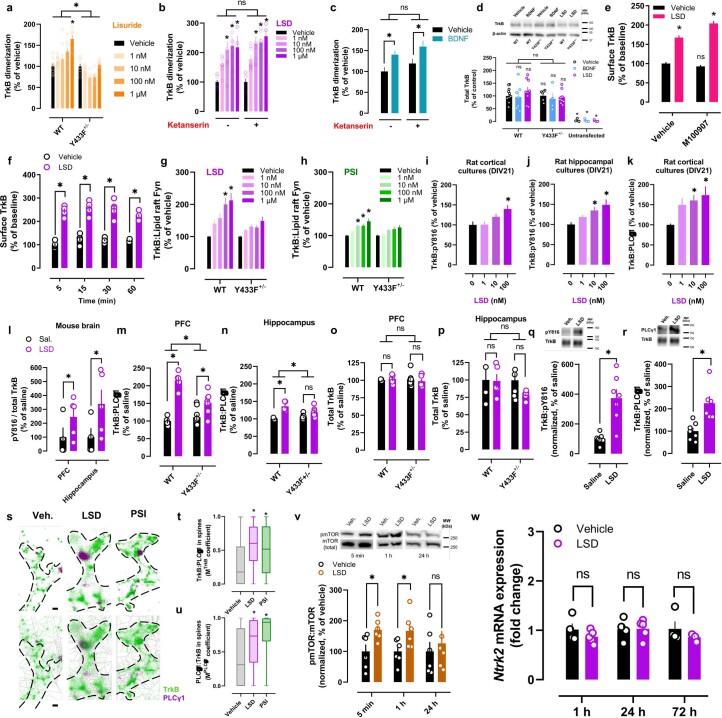
“A recent study by Moliner et al. (2023) showed that psilocin (100 nM) upregulates cell surface levels of TrkB via endogenous BDNF release at active synapses; this action being independent of 5-HT 2A receptors.”
Ippolito, A., Vasudevan, S. R., Hurley, S., Gilmour, G., Westhorpe, F. G., Churchill, G. C., & Sharp, T. (2025) · British Journal of Pharmacology · doi:10.1111/bph.70109 · Cited by 25
“A further complication is recent evidence that some behavioural and neuroplastic effects of psychedelic drugs are not mediated by 5-HT 2A receptors alone but that the neurotrophic factor receptor TrkB also may play a role (Moliner et al., 2023).”
Yu, X., Fan, Z., Yang, T., Li, H., Shi, Y., Ye, L., & Huang, R. (2023) · Clinica Chimica Acta · doi:10.1016/j.cca.2023.117694 · Cited by 17
Synthetic surprise as the foundation of the psychedelic experience
Filippo, R. D., & Schmitz, D. (2024) · Neuroscience & Biobehavioral Reviews · doi:10.1016/j.neubiorev.2024.105538 · Cited by 19
Metadata
- Authors
- Moliner, R., Girych, M., Brunello, C. A., Kovaleva, V., Biojone, C., Enkavi, G., Antenucci, L., Kot, E. F., Goncharuk, S. A., Kaurinkoski, K., Kuutti, M., Fred, S. M., Elsilä, L. V., Sakson, S., Cannarozzo, C., Diniz, C. R. A. F., Seiffert, N., Rubiolo, A., Haapaniemi, H., Meshi, E., Nagaeva, E., Öhman, T., Róg, T., Kankuri, E., Vilar, M., Varjosalo, M., Korpi, E. R., Permi, P., Mineev, K. S., Saarma, M., Vattulainen, I., Casarotto, P. C., & Castrén, E.
- Affiliations
- University of Helsinki (FI)
- University of Jyväskylä (FI)
- Moscow Institute of Physics and Technology (RU)
- Universidade de São Paulo (BR)
- University of Trieste (IT)
- Instituto de Biomedicina de Valencia (ES)
- Goethe University Frankfurt (DE)
- Corresponding author
- Vattulainen, Ilpo
- Casarotto, Plinio C.
- ORCID
- Moliner, Rafael
- Girych, Mykhailo
- Brunello, Cecilia A.
- Kovaleva, Vera
- Biojone, Caroline
- Enkavi, Giray
- Antenucci, Lina
- Kot, Erik F.
- Goncharuk, Sergey A.
- Kaurinkoski, Katja
- Kuutti, Mirjami
- Fred, Senem M.
- Elsilä, Lauri V.
- Sakson, Sven
- Cannarozzo, Cecilia
- Diniz, Cassiano R. A. F.
- Seiffert, Nina
- Rubiolo, Anna
- Haapaniemi, Hele
- Meshi, Elsa
- Nagaeva, Elina
- Öhman, Tiina
- Róg, Tomasz
- Kankuri, Esko
- Vilar, Marçal
- Varjosalo, Markku
- Korpi, Esa R.
- Permi, Perttu
- Mineev, Konstantin S.
- Saarma, Mart
- Vattulainen, Ilpo
- Casarotto, Plinio C.
- Castrén, Eero
- Venue
- Nature Neuroscience
- Published
- 2023-06
- Volume
- 26
- Issue
- 6
- Pages
- 1032-1041
- ISSN
- 1097-6256 (ISSN-L)
- 1546-1726
- PMC
- PMC10244169
- OpenAlex
- W4379469019
- Cited by
- 478
- References
- 91
- Citations by year
- 2026: 141 · 2025: 157 · 2024: 127 · 2023: 53
- FWCI
- 139.35
- Type
- journal article
- Language
- en
- Open access
- hybrid
- doi.org
- Licence
- cc-by
- creativecommons.org/licenses/by/4.0 (tdm)
- creativecommons.org/licenses/by/4.0 (vor, 4 d)
- Locations
- Nature Neuroscience (publishedVersion, cc-by)
- PubMed Central (publishedVersion, cc-by)
- PubMed (publishedVersion)
- Jyväskylä University Digital Archive (University of Jyväskylä) (submittedVersion, cc-by)
- DIGITAL.CSIC (Spanish National Research Council (CSIC)) (submittedVersion, cc-by)
- Työväentutkimus Vuosikirja (submittedVersion)
- Funders
- Academy of Finland (294710, 303124, 307416, 327192)
- Topics
- Social Sciences › Psychology › Clinical Psychology › Psychedelics and Drug Studies
- Health Sciences › Medicine › Pharmacology (medical) › Treatment of Major Depression
- Life Sciences › Neuroscience › Cellular and Molecular Neuroscience › Neurotransmitter Receptor Influence on Behavior
- Keywords
- psychedelics, TrkB receptor, brain-derived neurotrophic factor, neuroplasticity, antidepressant effects, LSD, psilocin, 5-HT2A receptor, neurotrophic signaling, positive allosteric modulators, fluoxetine, ketamine
- MeSH terms
- Allosteric Regulation, Animals, Antidepressive Agents, Binding Sites, Embryo, Mammalian, Female, Hallucinogens, Humans, Lysergic Acid Diethylamide, Male, Membrane Glycoproteins, Mice, Inbred C57BL, Neuronal Plasticity, Neurons, Psilocybin, Signal Transduction, Brain-Derived Neurotrophic Factor, Receptor, trkB, Mice, Molecular Dynamics Simulation, HEK293 Cells
About these checks
Registry, retraction, Cites and statistics results are computed, not judged, with one exception: a printed reference that no index lists is read once by a model before it counts as a citation error. Claims are extracted by a model and kept only when their quote appears verbatim in the text; each cited source is then checked, with a model’s help, for whether it says what the claim relies on. Those verdicts can be wrong — read the claim’s quote and the cited source before relying on one.
Statistics and arithmetic are recomputed, not judged.
Confidence bands are shown only for fields calibrated on our annotated test set. None is calibrated yet, so no band is shown.
What counts as a claim ›How we measure confidence ›How we check this ›
Are you an author, or do you see a problem with this page? Request a review
Data sources
Bibliographic data: Semantic Scholar, OpenAlex, Crossref.
Contains information from the Semantic Scholar Academic Graph Datasets, made available under the ODC Attribution License (ODC-BY 1.0).
Semantic Scholar’s data is described in: Kinney, R., et al. (2023). The Semantic Scholar Open Data Platform. arXiv:2301.10140.
