

Psychedelics promote plasticity by directly binding to BDNF receptor TrkB
Open accessThe DOI matches its Crossref record; 94 of the 94 references it cites were found in a registry or an index.
Abstract
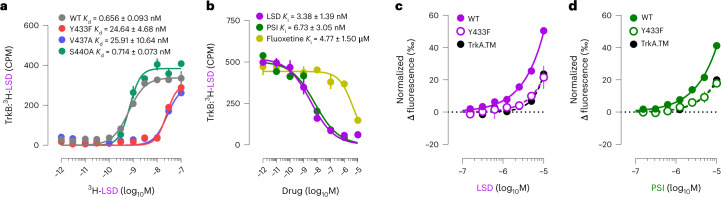
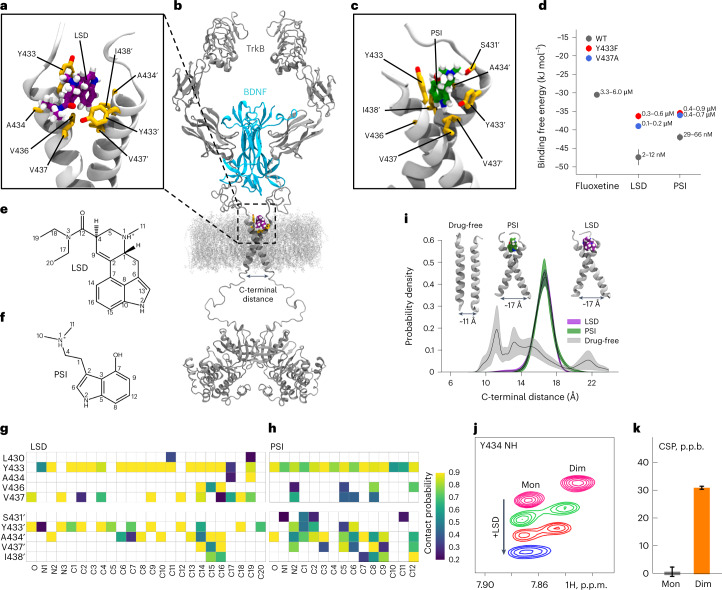
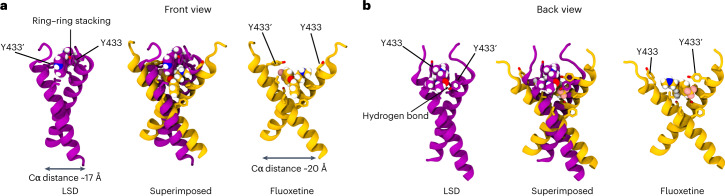
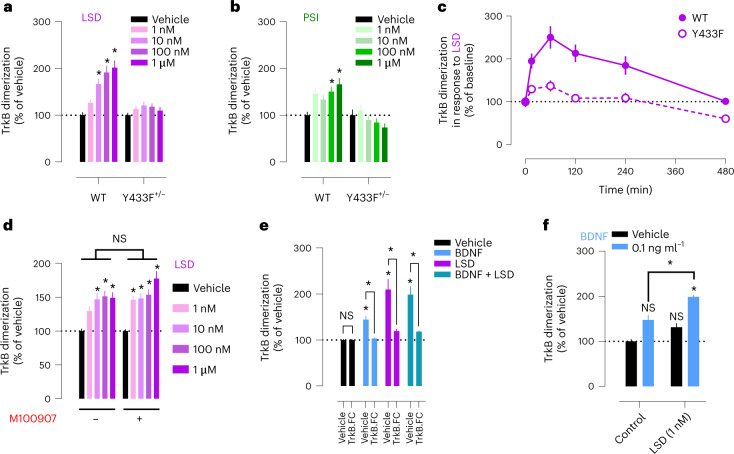
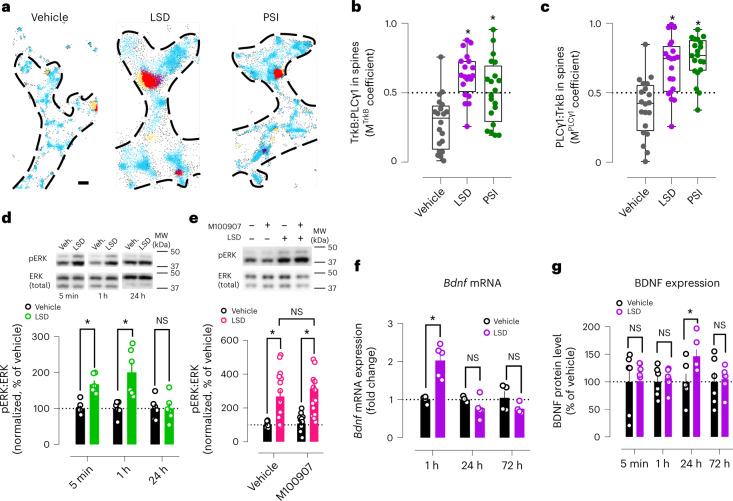
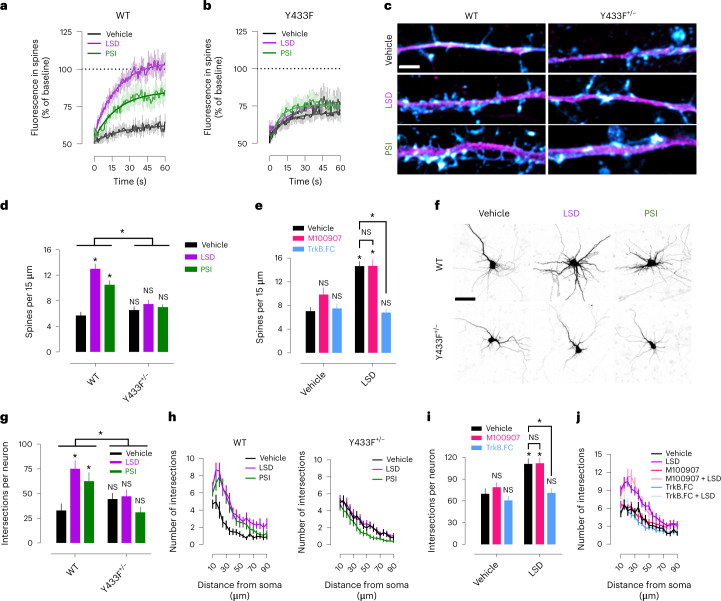
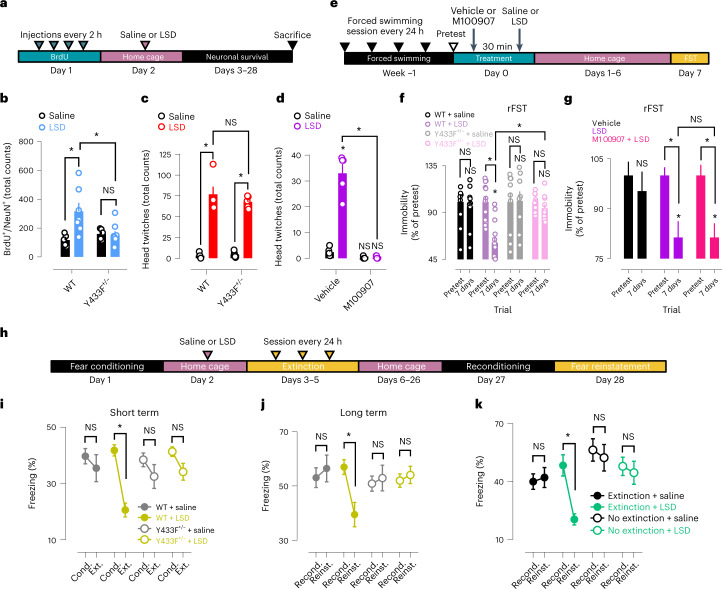
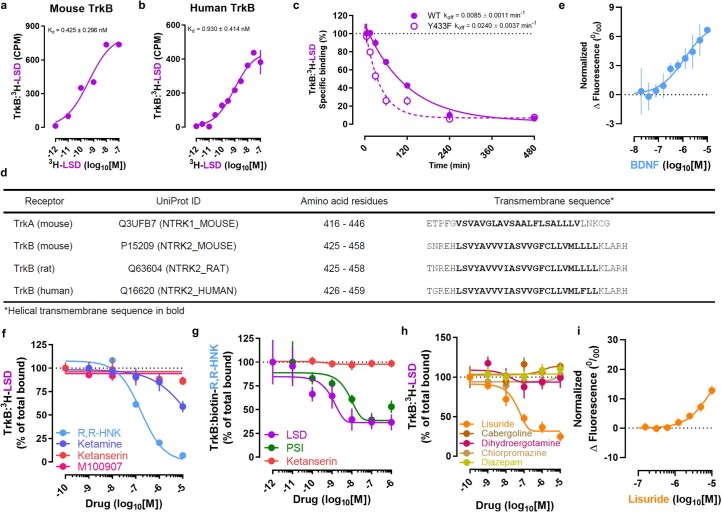
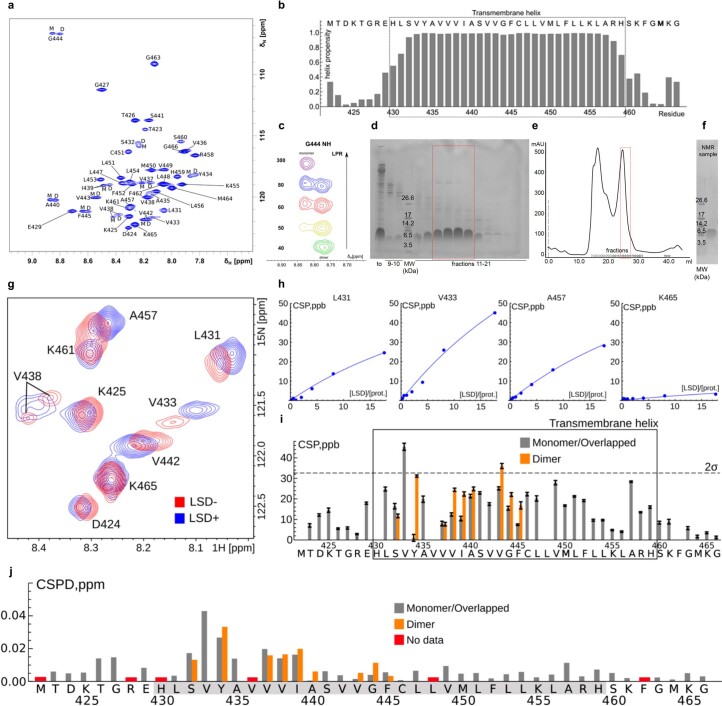
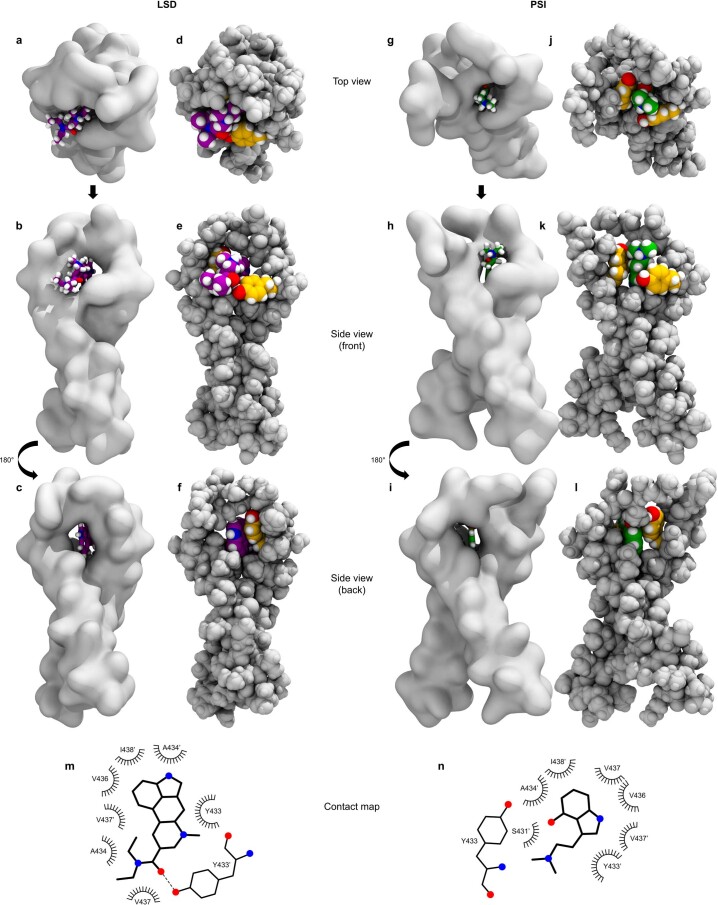
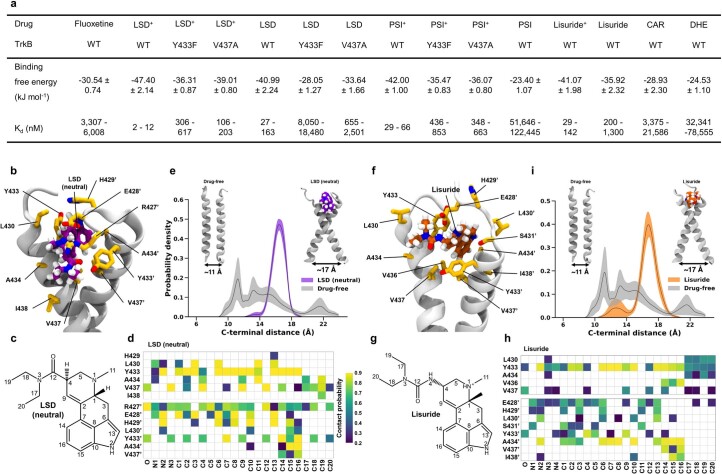
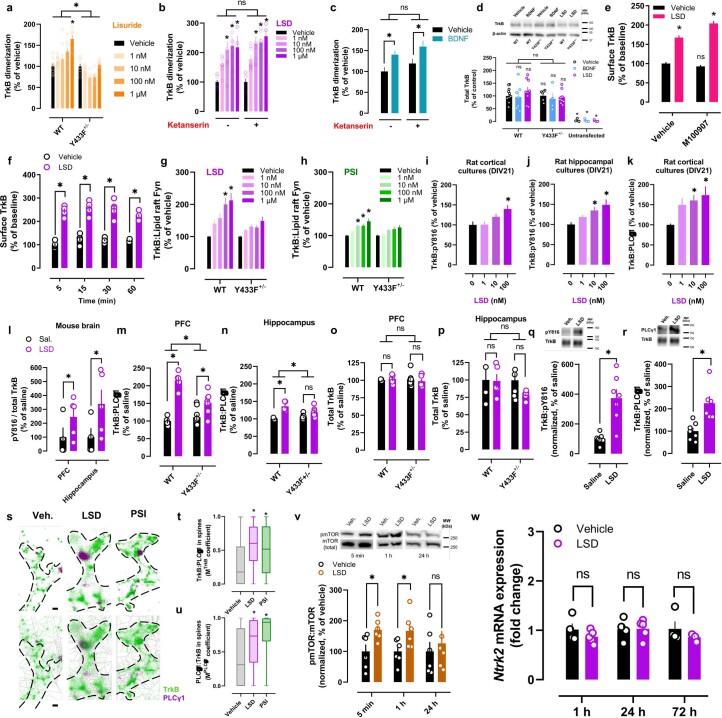
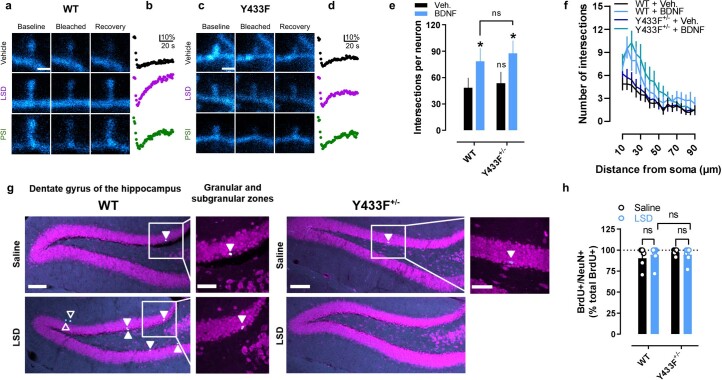
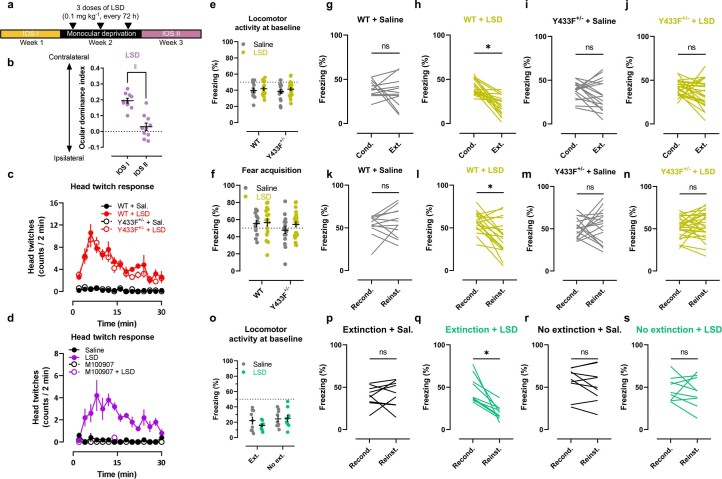
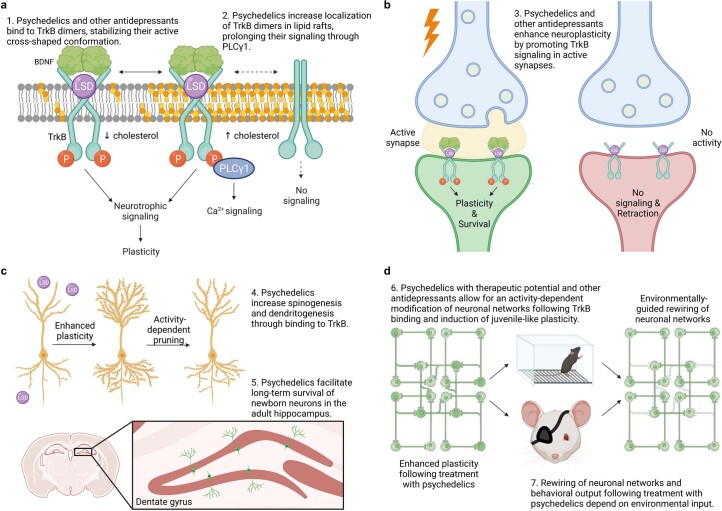
Psychedelics produce fast and persistent antidepressant effects and induce neuroplasticity resembling the effects of clinically approved antidepressants. We recently reported that pharmacologically diverse antidepressants, including fluoxetine and ketamine, act by binding to TrkB, the receptor for BDNF. Here we show that lysergic acid diethylamide (LSD) and psilocin directly bind to TrkB with affinities 1,000-fold higher than those for other antidepressants, and that psychedelics and antidepressants bind to distinct but partially overlapping sites within the transmembrane domain of TrkB dimers. The effects of psychedelics on neurotrophic signaling, plasticity and antidepressant-like behavior in mice depend on TrkB binding and promotion of endogenous BDNF signaling but are independent of serotonin 2A receptor (5-HT 2A ) activation, whereas LSD-induced head twitching is dependent on 5-HT 2A and independent of TrkB binding. Our data confirm TrkB as a common primary target for antidepressants and suggest that high-affinity TrkB positive allosteric modulators lacking 5-HT 2A activity may retain the antidepressant potential of psychedelics without hallucinogenic effects.
Overview
The claims and statistics of this paper haven’t been checked yet.
Free: it reads the open-access text and checks the first 5 claims that cite a source we can check. Create a free account to check every claim.
Integrity signals
Registry
Cites
Statistics
Figures
Verification
Claims the paper makes
The claims and statistics of this paper haven’t been checked yet.
Free: it reads the open-access text and checks the first 5 claims that cite a source we can check. Create a free account to check every claim.
Claims other papers make about this one
Each is checked against this paper’s own text: does it say what the citing paper says it does?
The cited source doesn’t support the claim as written.
In the citing paper
“it is possible that the psychedelic experience is necessary to produce the therapeutic benefits”
From The revival of psilocybin between scientific excitement, evidence of efficacy, and real-world challenges (2024) · cites this paper as [110]
Checked by a reasoning model — may be wrong.
Experimental — accuracy not yet measuredThe source backs part of the claim, not all of it — or backs it for a different population, condition or comparison.
In the citing paper
“Another study reports that the combination of lysergic acid diethylamide (LSD) and psilocybin may exert long-term antidepressant effects by promoting neural plasticity, which dose not involve in the hallucinogenic effects. 384”
From Major depressive disorder: hypothesis, mechanism, prevention and treatment (2024) · cites this paper as [384]
Experimental — accuracy not yet measuredThe source backs part of the claim, not all of it — or backs it for a different population, condition or comparison.
In the citing paper
“Across disease models, TrkB-positive allosteric modulators (PAMs) rescue spine density and preserve mature spine morphology, supporting a model in which TrkB modulation extends antidepressant like plasticity through sustained structural and proteomic reinforcement [33,116,118].”
From Synaptic Plasticity—Intrinsic Excitability and Antidepressant Discovery (2026) · cites this paper as [116]
Experimental — accuracy not yet measuredThe cited source says what the claim attributes to it.
In the citing paper
“According to rodent research, psychedelics may promote synaptic connections by enhancing BDNF-TrkB signaling similar to typical antidepressants [138].”
From Beyond the serotonin deficit hypothesis: Communicating a neuroplasticity framework of major depressive disorder (2024) · cites this paper as [138]
The cited source says what the claim attributes to it.
In the citing paper
“It has recently been demonstrated that conventional antidepressants such as fluoxetine and imipramine, as well as the rapid-acting glutamatergic agent ketamine, directly bind to TrkB and allosterically potentiate BDNF signaling [52,54].”
From Pharmacotherapies Targeting GABA-Glutamate Neurotransmission for Treatment-Resistant Depression (2023) · cites this paper as [54]
2 more claims about this paper
Create a free account to see every claim other papers make about this one.
Self-check
Percentages, sums and reported differences re-computed from the paper’s own numbers.
The self-check needs the paper’s full text.
Citations
Cites
VMD: visual molecular dynamics
Humphrey, W., Dalke, A., & Schulten, K. (1996) · Journal of Molecular Graphics · doi:10.1016/0263-7855(96)00018-5 · Cited by 66,952
Comparison of simple potential functions for simulating liquid water
Jorgensen, W. L., Chandrasekhar, J., Madura, J. D., Impey, R. W., & Klein, M. L. (1983) · The Journal of Chemical Physics · doi:10.1063/1.445869 · Cited by 41,298
Matplotlib: a 2D graphics environment
Hunter, J. D. (2007) · Computing in Science & Engineering · doi:10.1109/mcse.2007.55 · Cited by 39,249
SciPy 1.0: fundamental algorithms for scientific computing in Python
Virtanen, P., Gommers, R., Oliphant, T. E., Haberland, M., Reddy, T., Cournapeau, D., Burovski, E., Peterson, P., Weckesser, W., Bright, J., et al. (2020) · Nature Methods · doi:10.1038/s41592-019-0686-2 · Cited by 38,430
Abraham, M. J., Murtola, T., Schulz, R., Páll, S., Smith, J. C., Hess, B., & Lindahl, E. (2015) · SoftwareX · doi:10.1016/j.softx.2015.06.001 · Cited by 27,190
Cox, J., & Mann, M. (2008) · Nature Biotechnology · doi:10.1038/nbt.1511 · Cited by 14,855
SciPy 1.0: fundamental algorithms for scientific computing in Python
Virtanen, P., Gommers, R., Oliphant, T. E., Haberland, M., Reddy, T., Cournapeau, D., Burovski, E., Peterson, P., Weckesser, W., Bright, J., et al. (2019) · Apollo - University of Cambridge Repository · doi:10.17863/cam.64134 · Cited by 10,460
LigPlot+: Multiple Ligand–Protein Interaction Diagrams for Drug Discovery
Laskowski, R. A., & Swindells, M. B. (2011) · Journal of Chemical Information and Modeling · doi:10.1021/ci200227u · Cited by 6,471
Andromeda: A Peptide Search Engine Integrated into the MaxQuant Environment
Cox, J., Neuhauser, N., Michalski, A., Scheltema, R. A., Olsen, J. V., & Mann, M. (2011) · Journal of Proteome Research · doi:10.1021/pr101065j · Cited by 5,500
Update of the CHARMM All-Atom Additive Force Field for Lipids: Validation on Six Lipid Types
Klauda, J. B., Venable, R. M., Freites, J. A., O’Connor, J. W., Tobias, D. J., Mondragon-Ramirez, C., Vorobyov, I., MacKerell, A. D., & Pastor, R. W. (2010) · The Journal of Physical Chemistry B · doi:10.1021/jp101759q · Cited by 4,501
Research works printed but not linked: 1
- PubChem. PubChem https://pubchem.ncbi.nlm.nih.gov/ (2023).
Cited by
Items 401–478 of 478
Psilocibina en depresión: mecanismos neurobiológicos y cambios cognitivos
Arias, A. V., Ramírez, M. C., López, A. H., & Becerra-Hernández, L. V. (2026) · Acta neurológica colombiana · doi:10.22379/anc.v42i1.1926
Predictors of the Effectiveness of Psychedelics in Treating Depression—A Scoping Review
Chmiel, J., & Rybakowski, F. (2026) · International Journal of Molecular Sciences · doi:10.3390/ijms27052202 · Cited by 2
“Psilocin can also directly bind to TrkB (the BDNF receptor), mimicking the pro-plasticity action of fast-acting antidepressants like ketamine [20].”
Inserra, A., VanderZwaag, J., Campanale, A., Murray, C. J., & Szabo, A. J. (2026) · Elsevier eBooks · doi:10.1016/b978-0-443-27340-7.00008-5
Fingolimod acutely facilitates the activation of TRKBPreprint
Brunello, C. A., Araújo, J. P., Seiffert, N., Kaurinkoski, K., Casarotto, P. C., Biojone, C., & Ċastrén, E. (2026) · bioRxiv (Cold Spring Harbor Laboratory) · doi:10.64898/2026.02.27.707919
Self-citationInhibition of cortico-amygdala projections underlies affective bias modification by psilocybinPreprint
Claydon, M. D. B., Hinchcliffe, J. K., Bartlett, J. M., Golden, C. T., Thomas, C. W., Gilmour, G., Mellor, J. R., Za, B., & Robinson, E. S. J. (2026) · bioRxiv (Cold Spring Harbor Laboratory) · doi:10.64898/2026.03.02.709133
“…drugs, including psilocybin, have been shown to promote the rapid and sustained growth of dendritic spines and branches [19, 27], effects commonly attributed to activation of 5HT 2A receptors[47], although the precise cellular and molecular mechanisms remain incompletely understood[48, 49].”
The combination of exercise and psychedelics for the treatment of major depressive disorder
Fabiano, N., Stubbs, B., Lawrence, D. W., Rosenblat, J. D., Teixeira, P. J., Wong, S., Zhou, C., & Carhart-Harris, R. L. (2026) · Discover Mental Health · doi:10.1007/s44192-026-00408-5
“The tropomyosin receptor kinase (TrkB) receptor is the primary receptor for BDNF. Psychedelics directly bind to TrkB and enhance BDNF signaling, independent of serotonin 2 A receptor (5-HT 2A ) activation [24].”
Zhang, C., Li, M., Ma, J., Wang, Y., Song, Z., & Wang, X. (2026) · The Journal of Physical Chemistry B · doi:10.1021/acs.jpcb.6c03569 · Cited by 1
Skalski, P., Pękacka‐Falkowska, K., Pluto-Prądzyńska, A., & Owecki, M. K. (2026) · Brain Sciences · doi:10.3390/brainsci16040358
“Furthermore, recent findings suggest that psilocybin’s neuroplastic effects may, at least partially, be independent of 5-HT2A receptor activation, as ketanserin failed to inhibit these effects in experimental models [79].”
Psilocybin Attenuates Cortical Representations of Aversion in the Mouse Auditory CortexPreprint
Johnson, J. D., Tian, R., Etemadi, Y., & Li, Z. (2026) · bioRxiv (Cold Spring Harbor Laboratory) · doi:10.64898/2026.03.26.714498
Role of 5-HT and BDNF in Premature Ejaculation With Anxiety or Depression
Wei, Y., Ning, B., Wang, S., Chen, W., Zhang, L., Chen, C., Qiu, J., & Hong, Z. (2026) · Journal of Integrative Neuroscience · doi:10.31083/jin45471
Athéa, H. (2024) · theses.fr (ABES) · doi:10.70675/d1402550z7fe9z4237z90d2z4845d24c1bde · Cited by 1
Exploring the molecular determinants of behavioral changes induced by ketamine at the nanoscale
Uyttersprot, F. (2024) · theses.fr (ABES) · doi:10.70675/df438baaz92d0z488aza38cz4227b46c9acb
Le LSD revisité : mécanismes d’action et potentiel en santé mentale
Bouloufa, A., Delcourte, S., Delannay, T., & Haddjeri, N. (2026) · L Encéphale · doi:10.1016/j.encep.2026.02.008
Activity of Nonhallucinogenic Ibogalogs on Chemotherapy-Induced Peripheral Neuropathic Pain in Mice
Younkin, J., Köşeli, E., Buzzi, B., Choi, E., Honaker, T., Davis, R. L., Manetti, D., Romanelli, M. N., Cetinkaya‐Fisgin, A., Arias, H. R., et al. (2026) · ACS Chemical Neuroscience · doi:10.1021/acschemneuro.5c01002 · Cited by 1
Jóźwiak-Bębenista, M., Stasiak, A., Sienkiewicz, M., Kwiatkowski, P. A., & Kowalczyk, E. (2026) · International Journal of Molecular Sciences · doi:10.3390/ijms27104229 · Cited by 1
Breit, S. (2026) · Journal of Psychiatry and Brain Science · doi:10.20900/jpbs.20260006
“They modulate microglial activity, regulate the production of pro-inflammatory cytokines, and enhance neuroplasticity by interacting with 5-HT2A receptors [158,159].”
Ascone, F., Giangiacomo, D., & Trezza, V. (2026) · Neuroscience & Biobehavioral Reviews · doi:10.1016/j.neubiorev.2026.106761
Lysergic acid diethylamide pretreatment prolongs brain-stimulation induced neural activity changes
Dwiel, L. L., Prina, M. L., Bragg, E. M., Drucker, L. L., Reduron, L. R., Luikart, B. W., & Doucette, W. T. (2026) · Brain stimulation · doi:10.1016/j.brs.2026.103130 · Cited by 1
Emerging therapeutic opportunities for psychedelic and related drugs
Wonnacott, S., Stephens, G. J., & Sharp, T. (2026) · British Journal of Pharmacology · doi:10.1111/bph.70485
“By contrast, evidence for a quite different mechanism in which psychedelic drugs evoke direct positive allosteric modulation of the neurotrophin receptor TrkB has been reported (Moliner et al., 2023; Ascone et al., 2026).”
Bertollo, A. G., Wippel, V. A., Mingoti, M. E. D., Prediger, R. D., & Ignácio, Z. M. (2026) · European Journal of Pharmacology · doi:10.1016/j.ejphar.2026.179036
A trip through the psychiatric use of psychedelics in Brazil: A scoping review
Kami, V. R., Salle, B. B. B., Porto, G., Cavalari, V. C., & Roza, T. H. (2026) · Psychedelics · doi:10.1016/j.psyche.2026.100024
Boehnke, K. F., Pouyan, N., & Aday, J. S. (2026) · Drugs · doi:10.1007/s40265-026-02339-5 · Cited by 2
“Furthermore, psychedelics have been shown to upregulate brain-derived neurotrophic factor (BDNF), a key modulator of neuronal survival and plasticity [36, 37], although recent reviews have found these effects to be inconsistent across studies in humans [38].”
Ahmadian-Moghadam, S., Roshan‐Milani, S., & Saboory, E. (2026) · Translational Psychiatry · doi:10.1038/s41398-026-04151-x
“Psilocybin, a serotonergic psychedelic compound, has been shown in preclinical models to induce synaptogenesis, dendritic remodeling, and upregulation of brain-derived neurotrophic factor (BDNF), processes associated with experience-dependent plasticity [62, 63].”
Liu, W., Li, W., Zhang, M., Wang, M., An, J., Zhang, C., Liu, X., & Li, H. (2026) · Food Bioscience · doi:10.1016/j.fbio.2026.109258 · Cited by 1
THE PSYCHEDELIC AND KETAMINE RENAISSANCE IN THE FACE OF THE CRISIS IN MODERN PSYCHIATRY
Osipowska, J., Kwolek, M., Judzińska, A., Piech, B., Sobczyńska, K., Ignarska, J., Terbosh, M., `Mzabi, S. K., Trojanowska, E., & Dubaj, M. (2026) · International Journal of Innovative Technologies in Social Science · doi:10.31435/ijitss.2(50).2026.5605
Brar, P. S., Price, R. B., Ross, S., Tofighi, B., & Sarpal, D. K. (2026) · Journal of Psychopharmacology · doi:10.1177/02698811261456191
“Broadly, psychedelic compounds have a wide range of molecular effects, from interactions with major neurotransmitter systems to the release of neuropeptides such as BDNF and oxytocin (Holze et al., 2022; Kirkpatrick et al., 2014; Moliner et al., 2023).”
Sjöström, D. K., Rybäck, O. S., Claesdotter‐Knutsson, E., Kajonius, P., Sondén, O. J., Carlbring, P., Björkstrand, J., & Movahed, P. (2026) · PLoS ONE · doi:10.1371/journal.pone.0352246
“Through agonism at the 5-HT2A receptor, psilocybin has been shown to promote dendritic spine growth, synaptogenesis, and increased expression of plasticity-associated genes, including BDNF [50,89,90].”
Enriquez‐Geppert, S., Bevers, L., Rosander, A., Fodran, P., & Polito, V. (2026) · Biomolecules · doi:10.3390/biom16070983
“By binding to the transmembrane domain of the TrkB dimer, psilocin maintains a receptor conformation that is optimal for receptor activation [134,135].”
Lodetti, G., de Bitencourt, R. M., Inserra, A., Redivo, H., Teixeira, A. G., de Farias, A. C. S., Pickler, K. D. P., Rohling, J. P. V., Endler, A. T., Zampronio, E. P., et al. (2026) · Progress in Neuro-Psychopharmacology and Biological Psychiatry · doi:10.1016/j.pnpbp.2026.111817
Lin, C. T., & Wang, X. (2026) · Molecular Psychiatry · doi:10.1038/s41380-026-03744-8
Targeting RIPK1 for the treatment of depression: From neuroinflammation to synaptic plasticity
Chen, X. L., Zhuang, Y.-C., & Guan, W. (2026) · Biochemical Pharmacology · doi:10.1016/j.bcp.2026.118230
Integrated 5-HT2A–TrkB and G protein signaling in serotonergic psychedelic responses
Taddei-Tardon, M., Medina-Rodríguez, L., Maltman, J. L., Hudson, S., Potukanuma, S., Jiménez, J. H., Martin-Guerrero, S. M., González‐Maeso, J., & López‐Giménez, J. F. (2026) · Molecular Psychiatry · doi:10.1038/s41380-026-03746-6 · Cited by 4
“…for the potentiation of neuroplasticity induced by serotonergic psychedelics, ketamine and TrkB agonists, consistent with previous studies employing TrkB antagonists or mutant receptor forms that established a central role for TrkB signalling in psychedelic-induced structural plasticity [4, 16].”
InfluentialLevy‐Cooperman, N., Sellers, E. M., Glue, P., Szeto, I., Brown, D., Jarecki-Smith, J., Tyler, W. J., & McDonnell, M. B. (2026) · medRxiv · doi:10.64898/2026.07.16.26358273
Younkin, J., Bansode, A. H., Saha, S., Paymode, A., Maltman, J. L., Jones, C. B., Silverman, J. M., Buzzi, B., Jaster, A. M., Fiorillo, M., et al. (2026) · Science Signaling · doi:10.1126/scisignal.adw6055 · Cited by 1
Cellular mechanisms of serotonergic psychedelics - apical hypercontextualisation
Kaup, K., Jiménez, J. H., & Aru, J. (2026) · Neuroscience & Biobehavioral Reviews · doi:10.1016/j.neubiorev.2026.106876 · Cited by 3
Bailey, N. W., Webb, S. L., Fitzgibbon, B. M., Denning, N. C., Dowie, T.-I., Schweickle, M. M., Modak, A., Chan, G., Knight, J., Waldron, M., et al. (2026) · Journal of Psychopharmacology · doi:10.1177/02698811261464991
Classic Psychedelics for Treating Chronic Pain: Mechanism and Clinical Translation
Chen, H., Ke, B., & Jiang, R. (2026) · Molecules · doi:10.3390/molecules31152611
Wilkowska, A., Nizgorska-Ohler, J., & Cubała, W. J. (2026) · Molecular Neurobiology · doi:10.1007/s12035-026-06086-2
Wawrzczak‐Bargieła, A., Jelonek-Kozioł, M., Kumorek, W., Bilecki, W., & Maćkowiak, M. (2026) · Psychopharmacology · doi:10.1007/s00213-026-07132-6
Retreat from racism: A psychedelic group experience for racial stress and trauma
Rosal, S. P., Faber, S., MacIntyre, M. M., & Williams, M. (2026) · Psychedelics · doi:10.1016/j.psyche.2026.100031
Molecules, meaning, and physiology: disentangling the active ingredients of psychedelic therapeutics
Kuypers, K. P. C. (2026) · Frontiers in Neuroscience · doi:10.3389/fnins.2026.1892474
“Although psychedelics reliably induce plasticity-related molecular changes in animal models (De Vos et al., 2021; Moliner et al., 2023), human evidence for peripheral BDNF changes remains inconsistent (Calder et al., 2025); VNS modulates neuromodulatory pathways that support cortical plasticity…”
Neurobiologie der Psychedelika
Schmitz, C., & Adolphi, H. (2026) · Elsevier eBooks · doi:10.1016/b978-3-437-21293-2.00004-6
O'Shea, A., Mason, N. L., Schreiber, R., Verheijen, M. C. T., Ramaekers, J. G., Briedé, J. J., & Krauskopf, J. (2026) · bioRxiv (Cold Spring Harbor Laboratory) · doi:10.64898/2026.08.04.742716
“The aforementioned processes align with preclinical evidence of psychedelic-induced plasticity, including TrkB-and BDNF-dependent signalling that have been implicated in structural remodelling and activity-dependent synaptic strengthening 35,36,38,39 .”
Shahar, O., Botvinnik, A., Chaykin, M., Shwartz, A., Lerer, E., Golding, P., Ari, M. B., Shalev, O., Lifschytz, T., & Lerer, B. (2026) · bioRxiv (Cold Spring Harbor Laboratory) · doi:10.64898/2026.08.06.743248
“Importantly, the plasticity-promoting effects of psychedelics (TrkB dimerization, spinogenesis, dendritogenesis, and antidepressant-like behaviors) persist in the presence of 5-HT2A antagonists and are abolished by TrkB-binding-site mutations or BDNF sequestration, whereas the head-twitch response (HTR) (a well-valida…”
InfluentialAllosteric Inhibition of TrkB Activation as Related to Neuroblastoma by Triazole Bridged Compounds
Rasmussen, S. V., Chauhan, S., Lashyro, E., Lian, X., Maris, J. M., Farrel, A., Doebele, R. C., Hoshino, T., & Keller, C. (2026) · ACS Chemical Biology · doi:10.1021/acschembio.6c00423
The Timing of Plasticity: Beyond Synapses in Psychedelic Therapeutics
Christoffel, D. J., & Walsh, J. J. (2026) · Biological Psychiatry · doi:10.1016/j.biopsych.2026.07.001
Kandilakis, C. L., & Papatheodoropoulos, C. (2026) · Progress in Neuro-Psychopharmacology and Biological Psychiatry · doi:10.1016/j.pnpbp.2026.111898
高宮, 明., Ryo, U. E. D. A., Kamiya, K., 田島, 美., Kyuragi, Y., Suwa, T., Noda, T., Kodaka, F., Murai, T., Nakagome, K., et al. (2026) · American Journal of Psychiatry · doi:10.1176/appi.ajp.20251330 · Cited by 2
Wang, Y., Karaca, S. C., Rasmussen, M. D., Kristensen, J. L., & Kohlmeier, K. A. (2026) · Neuroscience · doi:10.1016/j.neuroscience.2026.08.049
Psilocibina e neuroplasticidade: novas perspectivas terapêuticas para depressão resistente
Castro, L. A., Júnior, A. L. A. S., Simões, G. G. C., de Souza, V. R. S., Pereira, L. L. M. D., Lacerda, A. L. D. S., & da Silva, C. L. (2026) · Vértices · doi:10.19180/1809-2667.v28n22026.23658
Psilocybin-induced changes in electroencephalography link acute and long-term effects
Nikolič, M., Froese, T., Mediano, P. A. M., Koudelka, V., Horáček, J., Tylš, F., & Páleníček, T. (2026) · Journal of Psychopharmacology · doi:10.1177/02698811261473445
Shinozuka, K., Dumanis, S. B., & Williams, N. (2026) · Springer eBooks · doi:10.1007/978-3-032-31497-0_6
Zhang, X., Zhang, X., Zhang, H., & Wei, S. (2026) · International Journal of Molecular Sciences · doi:10.3390/ijms27188052
“Specifically, psilocin binds to tropomyosin receptor kinase B (TrkB), increasing dendritic spine density and promoting endogenous brain-derived neurotrophic factor (BDNF) signaling to exert antidepressant effects [9,12].”
Neves, M. S. S. E., Gusmão, C. T. P., Chiyo, R., Manuel, A. A. J., Ulundo, A. H., Jacinto, I., Catumbela, A., João, V. C. C., Manuel, J. A., Pascoal, C., et al. (2026) · Anesthesia Research · doi:10.3390/anesthres3030026
“Although these findings are not pain-specific, they strengthen the biological rationale for investigating whether similar mechanisms contribute to the reorganization of maladaptive neural circuits underlying chronic pain [16,18].”
Pobihuszka, D. (2026) · ACS Pharmacology & Translational Science · doi:10.1021/acsptsci.6c00489
Next-Generation Psychedelic Drug Development
Cameron, L. P., Johnson, M. W., Murnane, K. S., Rasenick, M. M., & Nichols, C. D. (2026) · ACS Chemical Neuroscience · doi:10.1021/acschemneuro.6c00492
Civardi, S. C., Besana, F., Durbano, F., Toscano, M. O. M., Raffone, F., Dell’Osso, B. M., & Olivola, M. (2026) · Frontiers in Psychiatry · doi:10.3389/fpsyt.2026.1858319
“Psychedelics have a unique mechanism of action that goes beyond the classic monoaminergic theory of conventional antidepressants and encompasses either glutamatergic, opioidergic, dopaminergic and serotoninergic systems eventually resulting in an increased brain plasticity (27).”
Psychedelics and suicidality: A double-edged sword - risks, mechanisms, and moving forward
Mallevays, M., & Berkovitch, L. (2026) · European Neuropsychopharmacology · doi:10.1016/j.euroneuro.2026.113878
Lodetti, G., Redivo, H., Teixeira, A. G., de Farias, A. C. S., Pacagnan, L. D. O., Rohling, J. P. V., Endler, A. T., Zampronio, E. P., de Souza, D. D. P., Assis, V. F., et al. (2026) · Journal of Neural Transmission · doi:10.1007/s00702-026-03287-w · Cited by 1
Levy‐Cooperman, N., Sellers, E., Glue, P., Szeto, I., Brown, D., Jarecki-Smith, J., Tyler, W. J., & McDonnell, M. B. (2026) · Pharmaceuticals · doi:10.3390/ph19091496 · Cited by 1
“…plausibly support BDNF-dependent signaling without engaging the surface 5-HT2A activity associated with hallucinogenic effects at higher exposures [20] and is consistent with reported increases in presynaptic vesicle glycoprotein density in prefrontal and hippocampal regions following single-dose…”
Prior trauma shapes the effects of psilocybin on stress sensitization in mice
Ottofaro, S. R., Maltman, J. L., & González‐Maeso, J. (2026) · Neuroscience Letters · doi:10.1016/j.neulet.2026.138735
Targeting the serotonin 1B receptor for the treatment of depression and anxiety
Fleury, S., & Nautiyal, K. M. (2026) · Expert Opinion on Therapeutic Targets · doi:10.1080/14728222.2026.2738183
Hogg, D. E., Romanos, J., Albiez, J., Hofer, C., Wicki, S., Argunşah, A. Ö., Sigrist, H., Thomann, J., Luethi, D., Vollenweider, F. X., et al. (2026) · Frontiers in Pharmacology · doi:10.3389/fphar.2026.1918182
“Given the current findings, future studies should investigate for sustained effects of PSY and ETH on spinogenesis, synaptogenesis and neurotrophic markers in glutamatergic and other types of neurons (Moliner et al., 2023).”
Väyrynen, H., Strid, N., Ylönen, E., Tuominen, J., Sikka, P., & Jylkkä, J. (2026) · Neuroscience of Consciousness · doi:10.1093/nc/niag062 · Cited by 1
“Classical psychedelics, ketamine, and MDMA increase brain-derived neurotrophic factor (BDNF) signalling and are proposed to open a phase of plasticity resembling childhood critical learning periods ( Moliner et al. 2023, Aboharb et al. 2025, Agnorelli et al. 2025).”
Moving beyond 5-HT2A: language models map neurotransmitter receptors to experiential semantics
Suresh, P., Kins, J., Levkovskyy, L., Thieme, A., Wren, P. B., Ray, T., Barrett, F. S., Carhart-Harris, R. L., & Bzdok, D. (2026) · Psychopharmacology · doi:10.1007/s00213-026-07170-0
Psychedelics and disorders of consciousness: a new frontier in neurotherapeutics
Du, X., Peng, F., & Wang, X. (2026) · Molecular Psychiatry · doi:10.1038/s41380-026-03918-4
Mariano, A., Rozov, A. V., Phillips, G., Singleton, S., Baptista-Hon, D., Valiullina, F., Sprengel, R., Langston, R. F., Martin, S. J., Hales, T. G., et al. (2026) · Proceedings of the National Academy of Sciences · doi:10.1073/pnas.2521987123 · Cited by 1
“Studies with WT (C57BL/6J), µ-and δ-receptor knockout mice (p18 - 26), were performed in accordance with UK Home Office guidelines and regulations using approved procedures (Home Office License number PP4945903).”
Direct Quantitation of Psilocybin and Psilocin by 1H and 31P qNMR in Wild Psilocybe from Greece
Dadiotis, E., Antonopoulos, R. K., Cheilari, A., Kortsinoglou, A. M., Melliou, E., Mitsis, V., Ioannidis, K., Thankappan, B. M., Delgoda, R., Gonou‐Zagou, Z., et al. (2026) · ACS Omega · doi:10.1021/acsomega.5c13069
Baker, J., Kogan, E., Ma, S., Lu, J., & Zuo, Y. (2026) · Nature Neuroscience · doi:10.1038/s41593-026-02490-y · Cited by 3
Fleury, S., Shang, Y., & Nautiyal, K. M. (2026) · Psychopharmacology · doi:10.1007/s00213-026-07184-8
James, F. E., Ahamed, S. K., Yang, C., Wilson, R., Canales, J. J., Vicario, C. M., Johnson, L. R., & Caruso, V. (2026) · Progress in Neuro-Psychopharmacology and Biological Psychiatry · doi:10.1016/j.pnpbp.2026.111979
Vergara, M., Galleguillos, F., & Becerra, J. (2026) · Frontiers in Nanotechnology · doi:10.3389/fnano.2026.1939102
Szarpak, Ł., Pruc, M., Jablonska-Moczulo, D., Niewiadomska, I., Rybczynski, B., & Cubała, W. J. (2026) · Therapeutics · doi:10.3390/therapeutics3040021
AbouEich, H. K., Izadi, A., Lifshitz, J., Olson, D. E., & Gurkoff, G. G. (2026) · Journal of Neurotrauma · doi:10.1177/08977151261495030
Sulej, Z., & Zielińska, M. (2026) · Frontiers in Molecular Neuroscience · doi:10.3389/fnmol.2026.1950244
Dépression : le bout du tunnel ?
Berkovitch, L., & Clavere, A. (2026) · Cerveau & Psycho · doi:10.3917/cerpsy.192.0020
Metadata
- Authors
- Moliner, R., Girych, M., Brunello, C. A., Kovaleva, V., Biojone, C., Enkavi, G., Antenucci, L., Kot, E. F., Goncharuk, S. A., Kaurinkoski, K., Kuutti, M., Fred, S. M., Elsilä, L. V., Sakson, S., Cannarozzo, C., Diniz, C. R. A. F., Seiffert, N., Rubiolo, A., Haapaniemi, H., Meshi, E., Nagaeva, E., Öhman, T., Róg, T., Kankuri, E., Vilar, M., Varjosalo, M., Korpi, E. R., Permi, P., Mineev, K. S., Saarma, M., Vattulainen, I., Casarotto, P. C., & Castrén, E.
- Affiliations
- University of Helsinki (FI)
- University of Jyväskylä (FI)
- Moscow Institute of Physics and Technology (RU)
- Universidade de São Paulo (BR)
- University of Trieste (IT)
- Instituto de Biomedicina de Valencia (ES)
- Goethe University Frankfurt (DE)
- Corresponding author
- Vattulainen, Ilpo
- Casarotto, Plinio C.
- ORCID
- Moliner, Rafael
- Girych, Mykhailo
- Brunello, Cecilia A.
- Kovaleva, Vera
- Biojone, Caroline
- Enkavi, Giray
- Antenucci, Lina
- Kot, Erik F.
- Goncharuk, Sergey A.
- Kaurinkoski, Katja
- Kuutti, Mirjami
- Fred, Senem M.
- Elsilä, Lauri V.
- Sakson, Sven
- Cannarozzo, Cecilia
- Diniz, Cassiano R. A. F.
- Seiffert, Nina
- Rubiolo, Anna
- Haapaniemi, Hele
- Meshi, Elsa
- Nagaeva, Elina
- Öhman, Tiina
- Róg, Tomasz
- Kankuri, Esko
- Vilar, Marçal
- Varjosalo, Markku
- Korpi, Esa R.
- Permi, Perttu
- Mineev, Konstantin S.
- Saarma, Mart
- Vattulainen, Ilpo
- Casarotto, Plinio C.
- Castrén, Eero
- Venue
- Nature Neuroscience
- Published
- 2023-06
- Volume
- 26
- Issue
- 6
- Pages
- 1032-1041
- ISSN
- 1097-6256 (ISSN-L)
- 1546-1726
- PMC
- PMC10244169
- OpenAlex
- W4379469019
- Semantic Scholar
- 441c98113ffe23c80b7976b6ae2592985ce21def
- Cited by
- 478
- References
- 91
- Citations by year
- 2026: 141 · 2025: 157 · 2024: 127 · 2023: 53
- FWCI
- 139.35
- Type
- journal article
- Language
- en
- Open access
- hybrid
- doi.org
- Licence
- cc-by
- creativecommons.org/licenses/by/4.0 (tdm)
- creativecommons.org/licenses/by/4.0 (vor, 4 d)
- Locations
- Nature Neuroscience (publishedVersion, cc-by)
- PubMed Central (publishedVersion, cc-by)
- PubMed (publishedVersion)
- Jyväskylä University Digital Archive (University of Jyväskylä) (submittedVersion, cc-by)
- DIGITAL.CSIC (Spanish National Research Council (CSIC)) (submittedVersion, cc-by)
- Työväentutkimus Vuosikirja (submittedVersion)
- Funders
- Academy of Finland (294710, 303124, 307416, 327192)
- Topics
- Social Sciences › Psychology › Clinical Psychology › Psychedelics and Drug Studies
- Health Sciences › Medicine › Pharmacology (medical) › Treatment of Major Depression
- Life Sciences › Neuroscience › Cellular and Molecular Neuroscience › Neurotransmitter Receptor Influence on Behavior
- Keywords
- psychedelics, TrkB receptor, brain-derived neurotrophic factor, neuroplasticity, antidepressant effects, LSD, psilocin, 5-HT2A receptor, neurotrophic signaling, positive allosteric modulators, fluoxetine, ketamine
- MeSH terms
- Allosteric Regulation, Animals, Antidepressive Agents, Binding Sites, Embryo, Mammalian, Female, Hallucinogens, Humans, Lysergic Acid Diethylamide, Male, Membrane Glycoproteins, Mice, Inbred C57BL, Neuronal Plasticity, Neurons, Psilocybin, Signal Transduction, Brain-Derived Neurotrophic Factor, Receptor, trkB, Mice, Molecular Dynamics Simulation, HEK293 Cells
About these checks
Registry, retraction, Cites and statistics results are computed, not judged, with one exception: a printed reference that no index lists is read once by a model before it counts as a citation error. Claims are extracted by a model and kept only when their quote appears verbatim in the text; each cited source is then checked, with a model’s help, for whether it says what the claim relies on. Those verdicts can be wrong — read the claim’s quote and the cited source before relying on one.
Statistics and arithmetic are recomputed, not judged.
Confidence bands are shown only for fields calibrated on our annotated test set. None is calibrated yet, so no band is shown.
What counts as a claim ›How we measure confidence ›How we check this ›
Are you an author, or do you see a problem with this page? Request a review
Data sources
Bibliographic data: Semantic Scholar, OpenAlex, Crossref.
Contains information from the Semantic Scholar Academic Graph Datasets, made available under the ODC Attribution License (ODC-BY 1.0).
Semantic Scholar’s data is described in: Kinney, R., et al. (2023). The Semantic Scholar Open Data Platform. arXiv:2301.10140.
