

Psychedelics promote plasticity by directly binding to BDNF receptor TrkB
Open accessThe DOI matches its Crossref record; 94 of the 94 references it cites were found in a registry or an index.
Abstract
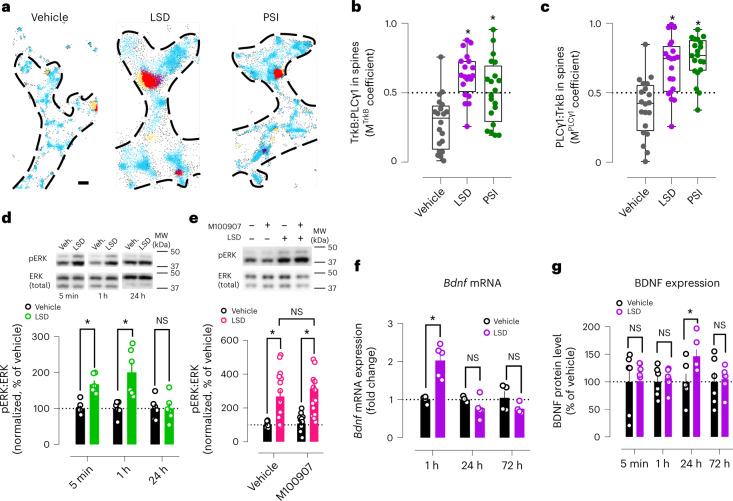
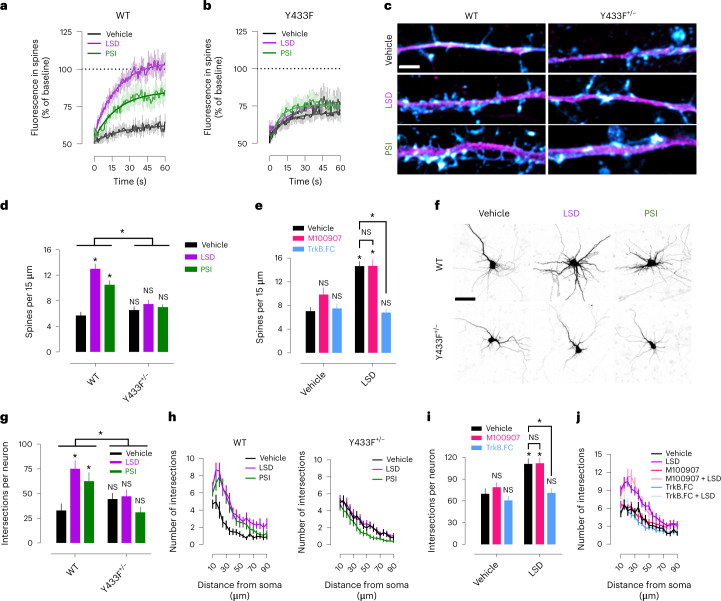
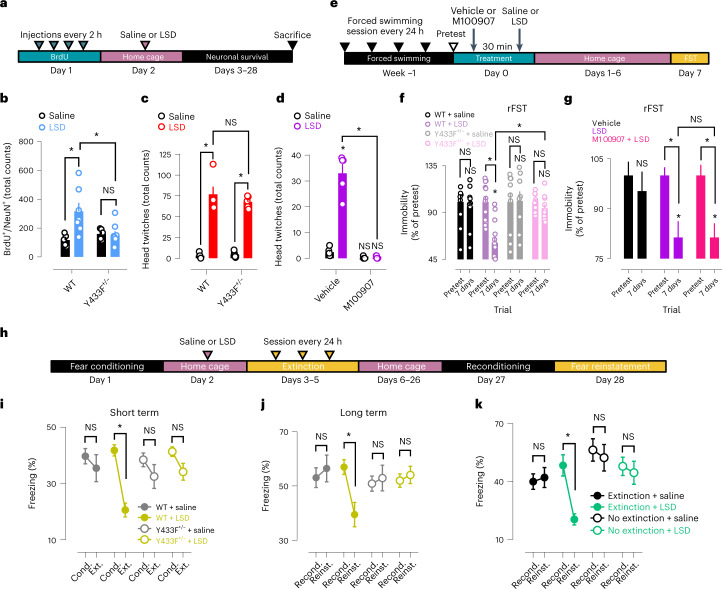
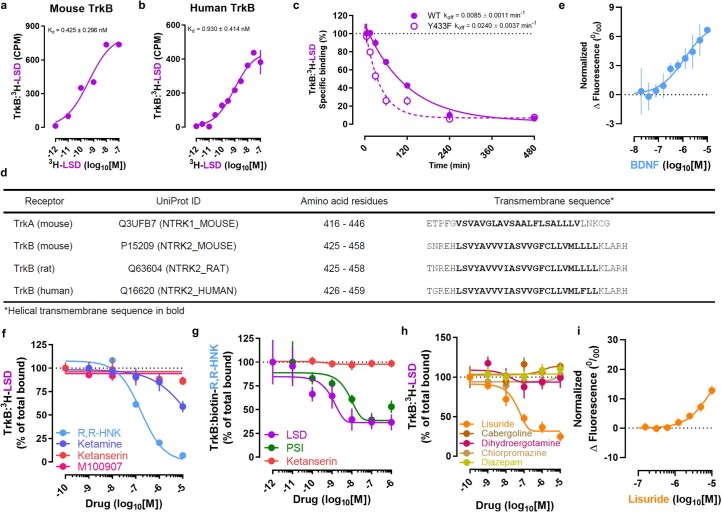
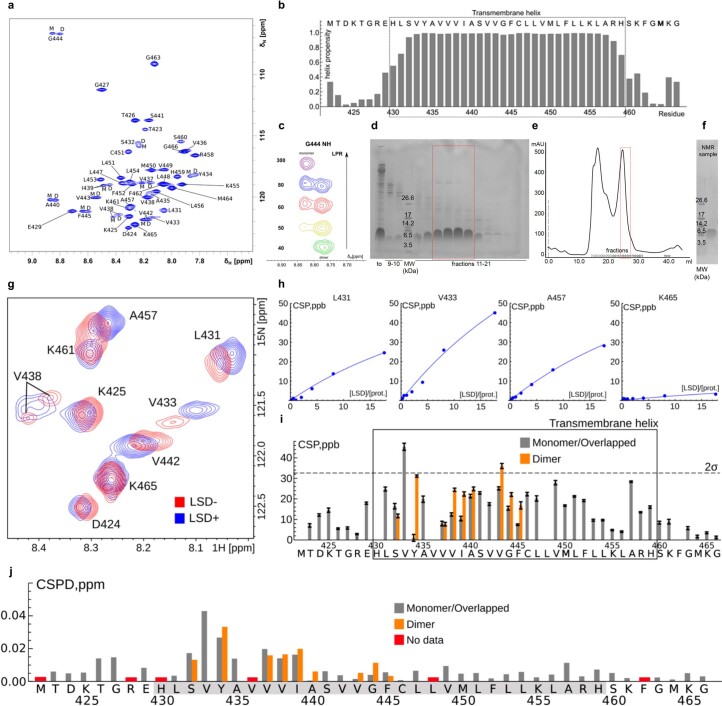
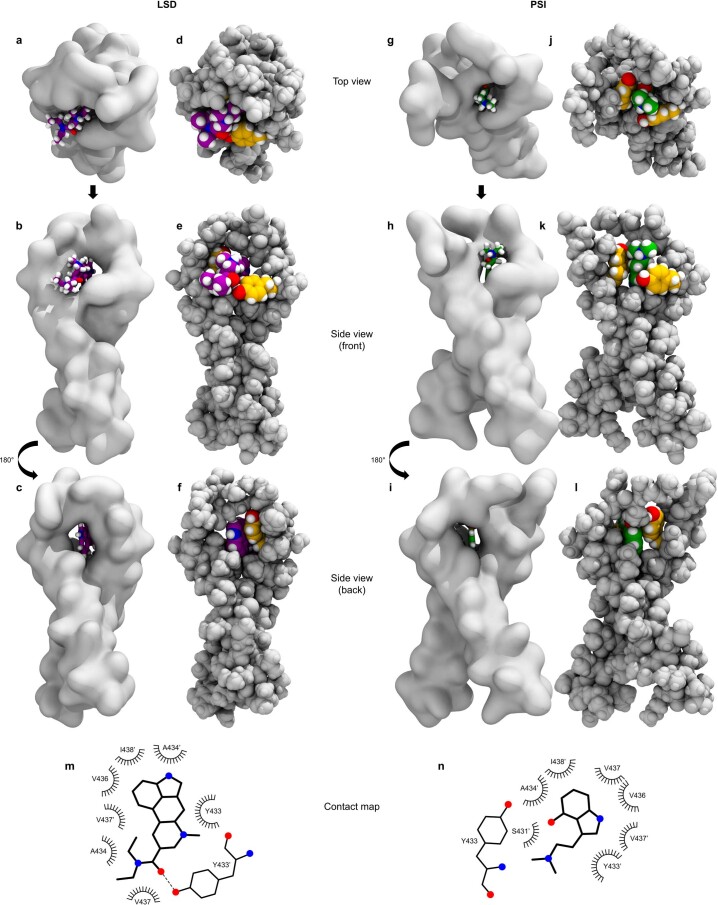
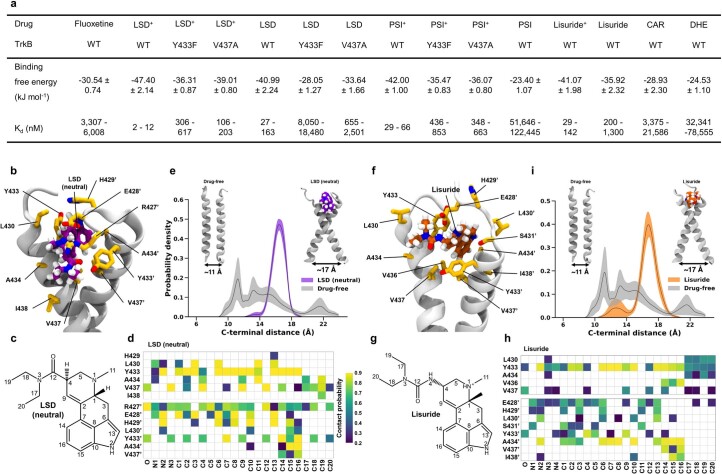
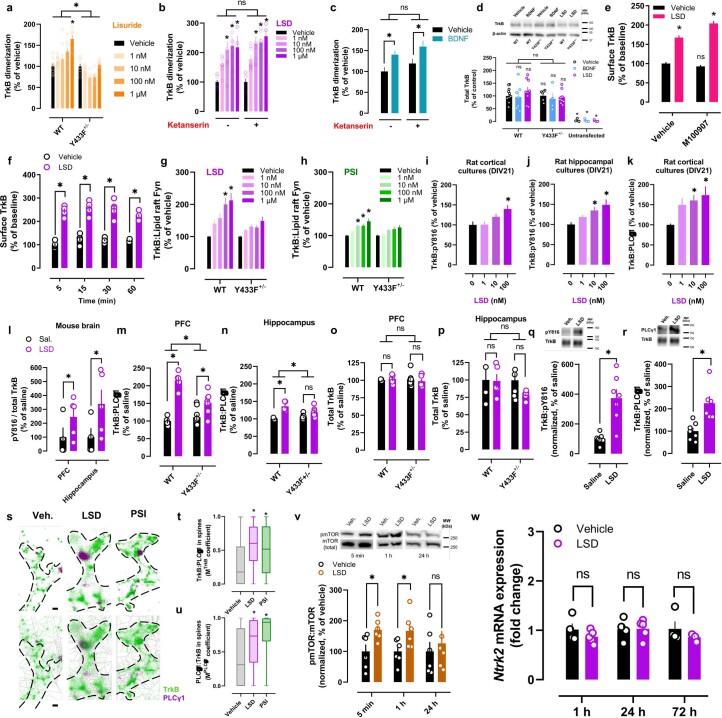
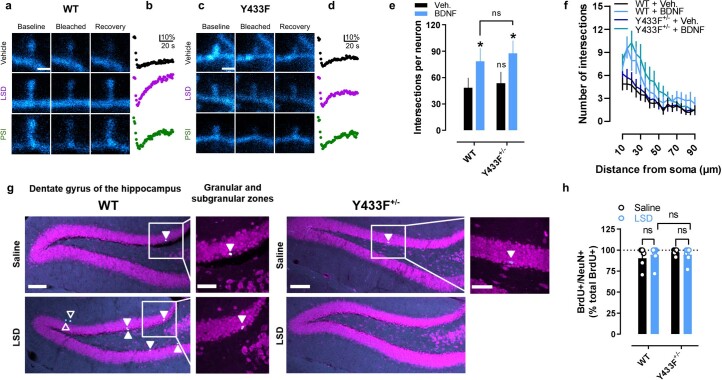
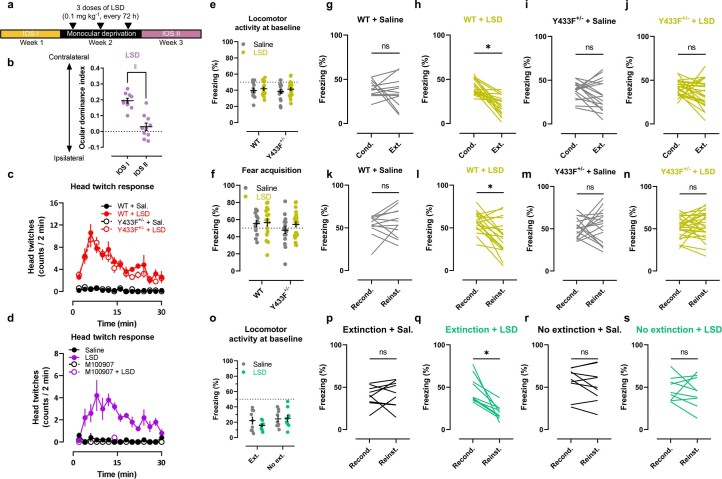
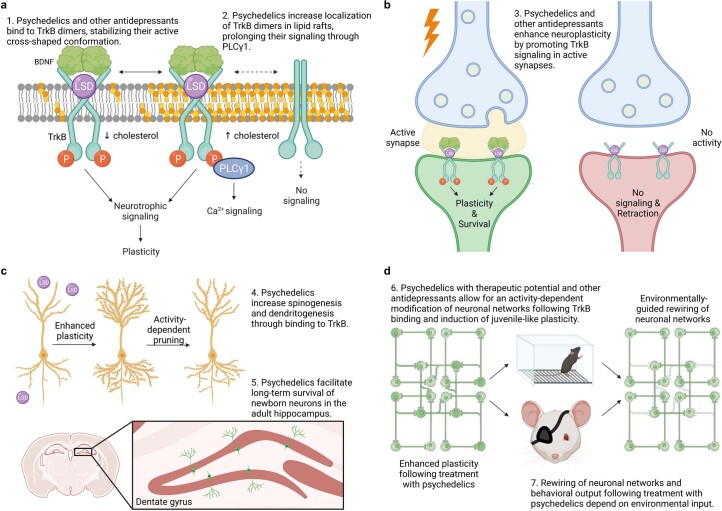
Psychedelics produce fast and persistent antidepressant effects and induce neuroplasticity resembling the effects of clinically approved antidepressants. We recently reported that pharmacologically diverse antidepressants, including fluoxetine and ketamine, act by binding to TrkB, the receptor for BDNF. Here we show that lysergic acid diethylamide (LSD) and psilocin directly bind to TrkB with affinities 1,000-fold higher than those for other antidepressants, and that psychedelics and antidepressants bind to distinct but partially overlapping sites within the transmembrane domain of TrkB dimers. The effects of psychedelics on neurotrophic signaling, plasticity and antidepressant-like behavior in mice depend on TrkB binding and promotion of endogenous BDNF signaling but are independent of serotonin 2A receptor (5-HT 2A ) activation, whereas LSD-induced head twitching is dependent on 5-HT 2A and independent of TrkB binding. Our data confirm TrkB as a common primary target for antidepressants and suggest that high-affinity TrkB positive allosteric modulators lacking 5-HT 2A activity may retain the antidepressant potential of psychedelics without hallucinogenic effects.
Overview
The claims and statistics of this paper haven’t been checked yet.
Free: it reads the open-access text and checks the first 5 claims that cite a source we can check. Create a free account to check every claim.
Integrity signals
Registry
Cites
Statistics
Figures
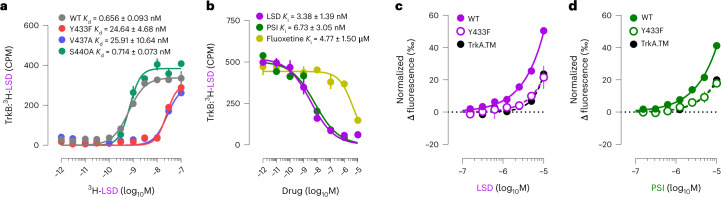
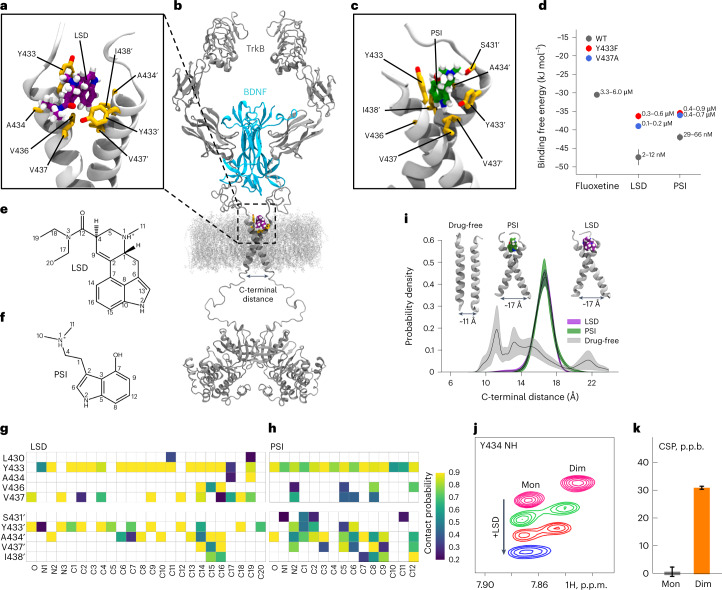
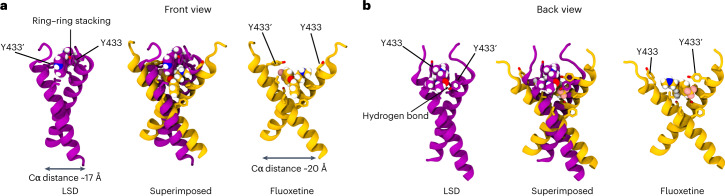
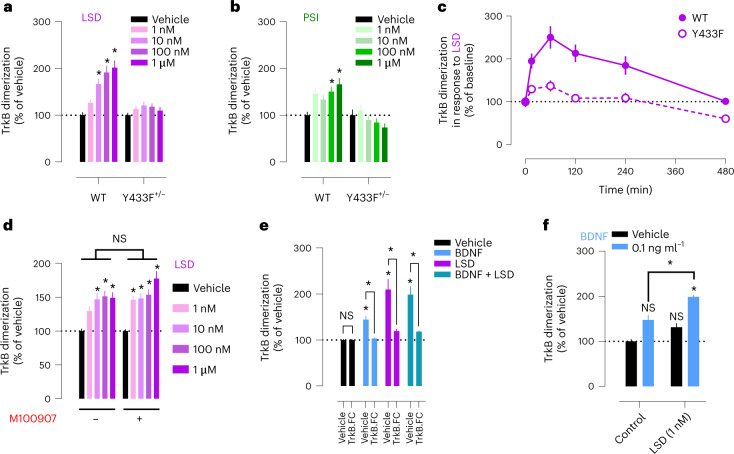
Verification
Claims the paper makes
The claims and statistics of this paper haven’t been checked yet.
Free: it reads the open-access text and checks the first 5 claims that cite a source we can check. Create a free account to check every claim.
Claims other papers make about this one
Each is checked against this paper’s own text: does it say what the citing paper says it does?
The cited source doesn’t support the claim as written.
In the citing paper
“it is possible that the psychedelic experience is necessary to produce the therapeutic benefits”
From The revival of psilocybin between scientific excitement, evidence of efficacy, and real-world challenges (2024) · cites this paper as [110]
Checked by a reasoning model — may be wrong.
Experimental — accuracy not yet measuredThe source backs part of the claim, not all of it — or backs it for a different population, condition or comparison.
In the citing paper
“Another study reports that the combination of lysergic acid diethylamide (LSD) and psilocybin may exert long-term antidepressant effects by promoting neural plasticity, which dose not involve in the hallucinogenic effects. 384”
From Major depressive disorder: hypothesis, mechanism, prevention and treatment (2024) · cites this paper as [384]
Experimental — accuracy not yet measuredThe source backs part of the claim, not all of it — or backs it for a different population, condition or comparison.
In the citing paper
“Across disease models, TrkB-positive allosteric modulators (PAMs) rescue spine density and preserve mature spine morphology, supporting a model in which TrkB modulation extends antidepressant like plasticity through sustained structural and proteomic reinforcement [33,116,118].”
From Synaptic Plasticity—Intrinsic Excitability and Antidepressant Discovery (2026) · cites this paper as [116]
Experimental — accuracy not yet measuredThe cited source says what the claim attributes to it.
In the citing paper
“According to rodent research, psychedelics may promote synaptic connections by enhancing BDNF-TrkB signaling similar to typical antidepressants [138].”
From Beyond the serotonin deficit hypothesis: Communicating a neuroplasticity framework of major depressive disorder (2024) · cites this paper as [138]
The cited source says what the claim attributes to it.
In the citing paper
“It has recently been demonstrated that conventional antidepressants such as fluoxetine and imipramine, as well as the rapid-acting glutamatergic agent ketamine, directly bind to TrkB and allosterically potentiate BDNF signaling [52,54].”
From Pharmacotherapies Targeting GABA-Glutamate Neurotransmission for Treatment-Resistant Depression (2023) · cites this paper as [54]
2 more claims about this paper
Create a free account to see every claim other papers make about this one.
Self-check
Percentages, sums and reported differences re-computed from the paper’s own numbers.
The self-check needs the paper’s full text.
Citations
Cites
VMD: visual molecular dynamics
Humphrey, W., Dalke, A., & Schulten, K. (1996) · Journal of Molecular Graphics · doi:10.1016/0263-7855(96)00018-5 · Cited by 66,952
Comparison of simple potential functions for simulating liquid water
Jorgensen, W. L., Chandrasekhar, J., Madura, J. D., Impey, R. W., & Klein, M. L. (1983) · The Journal of Chemical Physics · doi:10.1063/1.445869 · Cited by 41,298
Matplotlib: a 2D graphics environment
Hunter, J. D. (2007) · Computing in Science & Engineering · doi:10.1109/mcse.2007.55 · Cited by 39,249
SciPy 1.0: fundamental algorithms for scientific computing in Python
Virtanen, P., Gommers, R., Oliphant, T. E., Haberland, M., Reddy, T., Cournapeau, D., Burovski, E., Peterson, P., Weckesser, W., Bright, J., et al. (2020) · Nature Methods · doi:10.1038/s41592-019-0686-2 · Cited by 38,430
Abraham, M. J., Murtola, T., Schulz, R., Páll, S., Smith, J. C., Hess, B., & Lindahl, E. (2015) · SoftwareX · doi:10.1016/j.softx.2015.06.001 · Cited by 27,190
Cox, J., & Mann, M. (2008) · Nature Biotechnology · doi:10.1038/nbt.1511 · Cited by 14,855
SciPy 1.0: fundamental algorithms for scientific computing in Python
Virtanen, P., Gommers, R., Oliphant, T. E., Haberland, M., Reddy, T., Cournapeau, D., Burovski, E., Peterson, P., Weckesser, W., Bright, J., et al. (2019) · Apollo - University of Cambridge Repository · doi:10.17863/cam.64134 · Cited by 10,460
LigPlot+: Multiple Ligand–Protein Interaction Diagrams for Drug Discovery
Laskowski, R. A., & Swindells, M. B. (2011) · Journal of Chemical Information and Modeling · doi:10.1021/ci200227u · Cited by 6,471
Andromeda: A Peptide Search Engine Integrated into the MaxQuant Environment
Cox, J., Neuhauser, N., Michalski, A., Scheltema, R. A., Olsen, J. V., & Mann, M. (2011) · Journal of Proteome Research · doi:10.1021/pr101065j · Cited by 5,500
Update of the CHARMM All-Atom Additive Force Field for Lipids: Validation on Six Lipid Types
Klauda, J. B., Venable, R. M., Freites, J. A., O’Connor, J. W., Tobias, D. J., Mondragon-Ramirez, C., Vorobyov, I., MacKerell, A. D., & Pastor, R. W. (2010) · The Journal of Physical Chemistry B · doi:10.1021/jp101759q · Cited by 4,501
Research works printed but not linked: 1
- PubChem. PubChem https://pubchem.ncbi.nlm.nih.gov/ (2023).
Cited by
Items 101–200 of 478
Salvetti, G., Saccenti, D., Moro, A. S., Lamanna, J., & Ferro, M. (2024) · Brain Sciences · doi:10.3390/brainsci14080829 · Cited by 18
“…binds with high affinity to tropomyosin receptor kinase B (TrkB) receptors for brain-derived neurotrophic factor (BDNF), and its effects on synaptic plasticity as well as antidepressant-like behavior in mice depended on TrkB-BDNF signaling but were independent of 5-HT2A receptor activation [27].”
BackgroundPsilocybin: From Psychiatric Pariah to Perceived Panacea
Fonzo, G. A., Wolfgang, A. S., Barksdale, B. R., Krystal, J. H., Carpenter, L. L., Kraguljac, N. V., Grzenda, A. L., McDonald, W. M., Widge, A. S., Rodríguez, C. I., et al. (2025) · American Journal of Psychiatry · doi:10.1176/appi.ajp.20230682 · Cited by 20
Berkovitch, L., Fauvel, B., Preller, K. H., & Gaillard, R. (2025) · Neuroscience & Biobehavioral Reviews · doi:10.1016/j.neubiorev.2025.106239 · Cited by 17
Microglial BDNF modulates arketamine’s antidepressant-like effects through cortico-accumbal pathways
He, L., Wang, X., Luo, S., Jiang, N., Yan, Y., Xie, M., Chen, Y., Yang, C., Yao, W., Hashimoto, K., et al. (2025) · Science Advances · doi:10.1126/sciadv.adv5986 · Cited by 18
“Recent studies ( 67 , 68 ) showed that antidepressants, including ( R,S )- ketamine and classic psychedelics, directly bind to TrkB.”
Flynn, L. T., & Gao, W. (2023) · Molecular Psychiatry · doi:10.1038/s41380-023-02235-4 · Cited by 19
“…and colleagues found that both LSD and psilocin, the active ingredient in psilocybin, bind to TrkB with greater af fi nity than non-psychedelic antidepressant compounds and that this TrkB binding is necessary for the synaptic plasticity effects seen following psychedelic administration [182].”
Synergistic psychedelic - NMDAR modulator treatment for neuropsychiatric disorders
Heresco‐Levy, U., & Lerer, B. (2023) · Molecular Psychiatry · doi:10.1038/s41380-023-02312-8 · Cited by 15
Psychedelic Therapy: A Primer for Primary Care Clinicians—Psilocybin
Tabaac, B. J., Shinozuka, K., Arenas, A., Beutler, B. D., Cherian, K. N., Evans, V. D., Fasano, C., & Muir, O. S. (2024) · American Journal of Therapeutics · doi:10.1097/mjt.0000000000001724 · Cited by 17
“24 TrkB is the receptor for brain-derived neurotrophic factor (BDNF), which plays a crucial role in neuroplasticity and is thought to be dysregulated in depression.”
BackgroundRuffini, G., Castaldo, F., Lopez-Sola, E., Sanchez-Todo, R., & Vohryzek, J. (2024) · Entropy · doi:10.3390/e26110953 · Cited by 28
Ge, H., Si, L., Li, C., Huang, J., Sun, L., Wu, L., Xie, Y., Xiao, L., & Wang, G. (2025) · International Journal of Molecular Sciences · doi:10.3390/ijms26031113 · Cited by 17
Kinderlehrer, D. A. (2025) · Neuropsychiatric Disease and Treatment · doi:10.2147/ndt.s500337 · Cited by 18
“99,109,110 This action has implications for emotional regulation and the ability to adapt to new cognitive and emotional experiences, and is also dependent on stimulation of the 5-HT 2A pathway.”
Positive Allosteric Modulators of Trk Receptors for the Treatment of Alzheimer’s Disease
Forsell, P., Parrado Fernández, C., Nilsson, B., Sandin, J., Nordvall, G., & Segerdahl, M. (2024) · Pharmaceuticals · doi:10.3390/ph17080997 · Cited by 14
“Both E2511 and ACD856 have been described as having no or very low agonistic effect on receptor function, but rather exert their action by modulating signaling [137,138,143,144].”
Backgroundμ-opioid receptor agonists and psychedelics: pharmacological opportunities and challenges
Salinsky, L. M., Merritt, C. R., Zamora, J. C., Giacomini, J. L., Anastasio, N. C., & Cunningham, K. A. (2023) · Frontiers in Pharmacology · doi:10.3389/fphar.2023.1239159 · Cited by 16
“Further, the recent discovery that LSD and psilocybin bind to the tropomyosin receptor kinase B receptor for brain-derived neurotrophic factor suggests new complexity to the actions of these intriguing compounds (Moliner et al., 2023).”
BackgroundPromising new pharmacological targets for depression: The search for efficacy
Tsugiyama, L. E., de Moraes, R. C. M., Moraes, Y. A. C., & de Oliveira, J. F. (2023) · Drug Discovery Today · doi:10.1016/j.drudis.2023.103804 · Cited by 17
Roussel-Gervais, A., Sgroi, S., Cambet, Y., Lemeille, S., Seredenina, T. S., Krause, K., & Jaquet, V. (2023) · Frontiers in Cellular Neuroscience · doi:10.3389/fncel.2023.1289966 · Cited by 18
Effinger, D. P., Hoffman, J. L., Mott, S., Magee, S. N., Quadir, S. G., Rollison, C. S., Toedt, D., Sanchez, M. E., High, M. W., Hodge, C. W., et al. (2024) · Nature Communications · doi:10.1038/s41467-024-49741-9 · Cited by 17
Psilocybin reduces grooming in the SAPAP3 knockout mouse model of compulsive behaviour
Gattuso, J. J., Wilson, C., Hannan, A. J., & Renoir, T. (2024) · Neuropharmacology · doi:10.1016/j.neuropharm.2024.110202 · Cited by 18
Peck, S. K., Brewerton, T. D., Fisher, H., Trim, J., Shao, S., Modlin, N. L., Kim, J., Finn, D. M., & Kaye, W. H. (2025) · Journal of Eating Disorders · doi:10.1186/s40337-025-01274-2 · Cited by 17
Small-Molecule Trk Agonists: Where Do We Go from Here?
Thompson, T. S., Sefiani, A., & Burgess, K. (2025) · Journal of Medicinal Chemistry · doi:10.1021/acs.jmedchem.4c02365 · Cited by 13
Psychedelics, entactogens and psychoplastogens for depression and related disorders
Hoyer, D. (2025) · British Journal of Pharmacology · doi:10.1111/bph.70088 · Cited by 18
“The LSD and fluoxetine binding pockets are different and both drugs stabilise different conformations of the TrkB homodimer (Cameron, Benatatos, et al., 2023; Casarotto et al., 2021; Castrén & Moliner, 2023; Enkavi et al., 2024; Fred et al., 2019, 2023; Moliner et al., 2023).”
Adebo, M., Bonnet, M., Laouej, O., Defaix, C., McGowan, J. C., Butlen‐Ducuing, F., David, D. J. P., Poupon, E., Tritschler, L., & Gardier, A. M. (2025) · Fundamental and Clinical Pharmacology · doi:10.1111/fcp.70038 · Cited by 14
Neuropsychopharmacology of hallucinogenic and non‐hallucinogenic 5‐HT 2A receptor agonists
Sharp, T., & Ippolito, A. (2025) · British Journal of Pharmacology · doi:10.1111/bph.70050 · Cited by 17
“Interestingly, it was recently reported that the rapid antidepressant effect of LSD in the forced swim test was attenuated in mice expressing a mutated neurotrophin receptor, trkB (Moliner et al., 2023).”
InfluentialClassic Psychedelics in Pain Modulation: Mechanisms, Clinical Evidence, and Future Perspectives
Czopek, A., Jończyk, J., Fryc, M., Kluzik, D., & Zagórska, A. (2025) · ACS Chemical Neuroscience · doi:10.1021/acschemneuro.5c00152 · Cited by 15
Sakai, K., Bradley, E., Zamaria, J. A., Agin-Liebes, G., Kelley, D. P., Fish, A., Martini, V., Ferris, M. C., Morton, E. E., Michalak, E. E., et al. (2024) · Psychopharmacology · doi:10.1007/s00213-024-06585-x · Cited by 17
“Recent preclinical work has raised the possibility that psilocybin’s therapeutic effects may not depend on the acute subjective experience (Hibicke et al. 2020) or 5-HT 2A receptor mechanisms (Hesselgrave et al. 2021; Moliner et al. 2023; Shao et al. 2021).”
Psychedelics and Consciousness: Expanding the Horizons of Mind and Therapy
Zhang, M., Wang, Y., Gao, T., & Wang, X. (2024) · Research · doi:10.34133/research.0495 · Cited by 17
“For instance, psychedelics were demonstrated to promote neuro-plasticity by activating intracellular signaling pathways associated with particular receptors, which enhances structural and functional neural plasticity [ 4 – 6 ].”
BackgroundPreclinical models for evaluating psychedelics in the treatment of major depressive disorder
Alexander, L., Anderson, D., Baxter, L., Claydon, M. D. B., Rucker, J., & Robinson, E. S. J. (2024) · British Journal of Pharmacology · doi:10.1111/bph.17370 · Cited by 16
“Most serotonergic psychedelics also have potent 5-HT2B and 5-HT 2C binding (Nelson et al., 1999), and binding to trkB receptors within clinically relevant dose ranges (Moliner et al., 2023).”
The serotonin 1B receptor is required for some of the behavioral effects of psilocybin in mice
Fleury, S., & Nautiyal, K. M. (2025) · Molecular Psychiatry · doi:10.1038/s41380-025-03387-1 · Cited by 16
“Recent studies also implicate the neurotrophin receptor TrkB and brain-derived neurotrophic factor (BDNF) signaling in mediating psilocybin-induced synaptic plasticity, independent of 5-HT2ARs [30].”
Assessing potential of psilocybin for depressive disorders
Kozak, Z., Johnson, M. W., & Aaronson, S. T. (2023) · Expert Opinion on Investigational Drugs · doi:10.1080/13543784.2023.2273493 · Cited by 11
“Preclinical data suggest neuroplastic effects may be related to psilocy-bin’s strong affinity for TrkB (the receptor for BDNF), as well as mTOR and serotonergic signaling [23,24], though this has only been studied in animal models and has not been demonstrated in humans.”
BackgroundMicroglia–Neuron Crosstalk: An Intimate Molecular Conversation in Neurodegeneration
Wang, S., Wang, S., Hongzhuan, C. H. E. N., & Xu, J. (2026) · International Journal of Molecular Sciences · doi:10.3390/ijms27042011 · Cited by 13
Varty, G. B., Canal, C. E., Mueller, T. A., Hartsel, J. A., Tyagi, R., Avery, K., Morgan, M. E., Reichelt, A. C., Pathare, P., Stang, E. M., et al. (2024) · Journal of Medicinal Chemistry · doi:10.1021/acs.jmedchem.3c01961 · Cited by 12
Jiang, Y., Dong, Y., & Hu, H. (2024) · Philosophical Transactions of the Royal Society B Biological Sciences · doi:10.1098/rstb.2023.0225 · Cited by 16
Evaluating the potential for psilocybin as a treatment for post-traumatic stress disorder
Miller, C., & Zoladz, P. R. (2024) · Journal of Pharmacology and Experimental Therapeutics · doi:10.1124/jpet.124.002237 · Cited by 13
Echeverry, C., Pazos, M., Torres‐Pérez, M., & Prunell, G. (2024) · Neuroscience · doi:10.1016/j.neuroscience.2024.12.039 · Cited by 14
Clinical Pharmacokinetics of N,N-Dimethyltryptamine (DMT): A Systematic Review and Post-hoc Analysis
van der Heijden, K. V., Otto, M. E., Schoones, J. W., van Esdonk, M. J., Borghans, L. G. J. M., van Hasselt, J. G. C., van Gerven, J., & Jacobs, G. (2025) · Clinical Pharmacokinetics · doi:10.1007/s40262-024-01450-8 · Cited by 13
“Additionally, 5-HT 2A activation is believed to result in the facilitation of neuroplasticity, although the exact mechanism of action is not yet fully understood and potentially involves additional mechanisms such as TrKb and sigma receptor activation [4–6].”
The possible place for psychedelics in pharmacotherapy of mental disorders
Wojtas, A. (2023) · Pharmacological Reports · doi:10.1007/s43440-023-00550-9 · Cited by 14
“…of both preclinical and clinical studies suggest that psychedelics may share some similarities with ketamine, either by stimulating a surge of glutamate in the cortex [71, 72] or directly acting upon the TrkB receptor [73, 74], stimulating the mechanisms responsible for synaptic plasticity [75].”
BackgroundAntidepressants enter cells, organelles, and membranes
Blumenfeld, Z., Bera, K., Ċastrén, E., & Lester, H. A. (2023) · Neuropsychopharmacology · doi:10.1038/s41386-023-01725-x · Cited by 15
“Two recent studies showed that while the 5HT 2A receptors on the plasma membrane mediate the hallucinogenic effects of psychedelic compounds, their plasticity-promoting effects are mediated by other receptors [6, 7].”
BackgroundResultInfluentialAnderson, T. L., Keady, J. V., Songrady, J. C., Tavakoli, N. S., Asadipooya, A., Neeley, R. E., Turner, J. R., & Ortinski, P. I. (2024) · Progress in Neurobiology · doi:10.1016/j.pneurobio.2024.102660 · Cited by 16
Alitalo, O., Kohtala, S., Rosenholm, M., Saarreharju, R., González-Hernández, G., Sarparanta, M. P., Rozov, S. V., & Rantamäki, T. (2024) · Neuropharmacology · doi:10.1016/j.neuropharm.2024.110172 · Cited by 11
Lashgari, N., Khalaji, M., Rana, P., Badrabadi, F., Rahnama, M., Nasoori, H., Roudsari, N. M., Nia, M. M. K., & Shafaroodi, H. (2025) · Molecular Neurobiology · doi:10.1007/s12035-025-05097-9 · Cited by 10
“These findings support the view that the therapeutic actions of psychedelics are mediated through TrkB-dependent neuroplasticity rather than hallucinogenic effects [28].”
Cultivation, chemistry, and genome of Psilocybe zapotecorum
Miller, D. R., Jacobs, J., Rockefeller, A., Singer, H., B., I. M., Conway, J., Slot, J. C., & Cliffel, D. E. (2024) · Journal of Psychedelic Studies · doi:10.1556/2054.2023.00332 · Cited by 12
“New research into lysergic acid and psilocybin suggests that there may be avenues for healing outside of serotonergic pathways, such as activation of brain derived growth factor (Moliner et al., 2023).”
Scala, M., Fabbri, C., Fusar-Poli, P., Di Lorenzo, G., Ferrara, M., Amerio, A., Fusar-Poli, L., Pichiecchio, A., Asteggiano, C., Menchetti, M., et al. (2024) · CNS Spectrums · doi:10.1017/s1092852924002268 · Cited by 13
Ligand-Free Signaling of G-Protein-Coupled Receptors: Physiology, Pharmacology, and Genetics
Sadée, W. (2023) · Molecules · doi:10.3390/molecules28176375 · Cited by 15
Colosimo, F. A., Borsellino, P., Krider, R. I., Márquez, R., & Vida, T. A. (2024) · Psychoactives · doi:10.3390/psychoactives3010007 · Cited by 11
“In support of this idea, the treatment of mice with a TrkB receptor antagonist, ANA-12, leads to the extinction of both the neurogenic effects of BDNF and DOI [56,88].”
BackgroundChen, M., Cheng, S.-L., Kao, Y., Tseng, P., Hsu, C., Yu, C., Yang, F., Thompson, T., Hsu, T., & Liang, C. (2024) · Frontiers in Psychiatry · doi:10.3389/fpsyt.2024.1439347 · Cited by 11
Psychoactive substances for the treatment of neuropsychiatric disorders
Zhen, Z., Sun, X., Yuan, S., & Zhang, J. (2024) · Asian Journal of Psychiatry · doi:10.1016/j.ajp.2024.104193 · Cited by 12
Classical psychedelics’ action on brain monoaminergic systems
Butler, J. J., Ricci, D., Aman, C., Beyeler, A., & Deurwaerdère, P. D. (2024) · The International Journal of Biochemistry & Cell Biology · doi:10.1016/j.biocel.2024.106669 · Cited by 12
Clinical and preclinical evidence of psilocybin as antidepressant. A narrative review
Erkizia-Santamaría, I., Horrillo, I., Meana, J. J., & Ortega, J. E. (2025) · Progress in Neuro-Psychopharmacology and Biological Psychiatry · doi:10.1016/j.pnpbp.2025.111249 · Cited by 13
Viohl, N., Zanjani, A. A. H., & Khandelia, H. (2025) · FEBS Letters · doi:10.1002/1873-3468.15099 · Cited by 10
Serotonergic Psychedelics Rapidly Modulate Evoked Glutamate Release in Cultured Cortical Neurons
Petrušková, A., Guhathakurta, D., Akdaş, E. Y., Perelló‐Amorós, B., Frischknecht, R., Weiss, E., Páleníček, T., & Fejtová, A. (2025) · Journal of Neurochemistry · doi:10.1111/jnc.70020 · Cited by 11
Sun, S., Zhao, J.-N., Bi, P.-W., Zhang, H., Li, G.-X., Yan, J., Li, Y., Yin, Y., & Cheng, H. (2025) · Metabolic Brain Disease · doi:10.1007/s11011-025-01583-0 · Cited by 15
“…anti - depressants (typical and fast-acting), including fluoxetine and ketamine, directly bind to TrkB, thereby facilitating syn - aptic localization of TrkB and its activation by BDNF, and promoting neuronal plasticity and antidepressant responses (Casarotto et al. 2021 ; Moliner et al. 2023 ).”
Castanheira, S., Gomes, C. V., Bicker, J., & Fortuna, A. C. (2025) · Drug Discovery Today · doi:10.1016/j.drudis.2025.104371 · Cited by 11
Non-hallucinogenic psychedelics for mood and anxiety disorders: A systematic review
Chen, M. J. Q., Chen-Li, D. C. J., Chisamore, N., Husain, M. I., Vincenzo, J. D. D., Mansur, R. B., Phan, L., Johnson, D. E., McIntyre, R. S., & Rosenblat, J. D. (2025) · Psychiatry Research · doi:10.1016/j.psychres.2025.116532 · Cited by 11
van der Heijden, K. V., Zuiker, R. G. J. A., Otto, M. E., Bryan, C. F., Stewart, N., Stillwell, C., de Kam, M. L., van Leuken, M. B., van Gerven, J., & Jacobs, G. E. (2025) · Clinical and Translational Science · doi:10.1111/cts.70234 · Cited by 9
“Moreover, recent studies have suggested that compounds with putative neuroplastic effects engage the BDNF tropomyosin receptor kinase B (TrkB)- receptor and not necessarily BDNF release induced by 5-HT2A interaction [49].”
BDNF biosensors for neurodegenerative disease
Saeed, T. N., Al‐Hussainy, A. F., Sanghvi, G. V., Ballal, S., Singh, A., Sabarivani, A., Mishra, S., Rizaev, J. A., Taher, S. G., Alwan, M., et al. (2025) · Clinica Chimica Acta · doi:10.1016/j.cca.2025.120412 · Cited by 9
Fryc, M., Kluzik, D., Czopek, A., Jończyk, J., & Zagórska, A. (2025) · Neuropharmacology · doi:10.1016/j.neuropharm.2025.110622 · Cited by 10
Synaptic priming: A framework for pharmacotherapy in depression
Brown, K. A., Ajibola, M. I., Medeiros, G. C., & Gould, T. D. (2025) · Neuron · doi:10.1016/j.neuron.2025.09.010 · Cited by 13
Targeting Neurodegeneration with SGLT2is: From Molecular Mechanisms to Clinical Implications
Asadinejad, H., Taherkhani, S., Golboos, S. M., Azizi, Y., & Mohammadkhanizadeh, A. (2025) · Molecular Neurobiology · doi:10.1007/s12035-025-05457-5 · Cited by 11
Psychedelic medicine: mechanisms, evidence, and translation to practice
Jacobs, E., Zahid, Z., Hinkle, J. T., Nayak, S. M., & Yaden, D. B. (2026) · BMJ · doi:10.1136/bmj-2024-081723 · Cited by 10
“27 Direct evidence in humans remains methodo-logically challenging to obtain.”
Neurobiology of the Antidepressant Effects of Serotonergic Psychedelics: A Narrative Review
Chisamore, N., Kaczmarek, E. S., Le, G. H., Wong, S., Orsini, D. K., Mansur, R. B., McIntyre, R. S., & Rosenblat, J. D. (2024) · Current Treatment Options in Psychiatry · doi:10.1007/s40501-024-00319-8 · Cited by 9
“Activation of TrkB induces neuroplasticity, neurotrophic signaling, and antidepressant-like effects in mice but does not produce an HTR [53].”
InfluentialCohen, J., Sulimani, L., Procaccia, S., Lerenthal, Y., Milay, L., Taran, I., Shapira, A., & Meiri, D. (2025) · Scientific Reports · doi:10.1038/s41598-025-97710-z · Cited by 8
“Fungal secondary metabolites have shown promising efficacy not only in mental health disorders 17,18 , but also in inflammation 19,20 , neuroplasticity 8,21 and have been suggested to modulate the brain-gut axis 22,23 .”
Clarkson, R. D. O., Jabbour, M., Pelayo, D. A., Lara, D., Croix, S. L., Mumman, M., Stukas, S., Anderson, R., Meraz, D., Bangura, A., et al. (2024) · Progress in Neuro-Psychopharmacology and Biological Psychiatry · doi:10.1016/j.pnpbp.2024.111155 · Cited by 8
Hippocampal Zkscan4 confers resilience to chronic stress–induced depression-like behaviors
Gao, K., Yang, Y., Sun, X., Wang, J., Sun, X., Lu, T., Wang, L., Li, M., Yue, W., Liu, H., et al. (2025) · Science Advances · doi:10.1126/sciadv.adr2291 · Cited by 10
“Third, recent studies have indicated that psychedelics exert an antidepressant effect and enhance synaptic strength, which is not dependent on Htr2a activation, suggesting that Htr2a activation may not be required for an antidepressant response to psychedelics ( 62 , 63 ).”
The role of hydroxyindoles in protecting neuronal cultures from ferroptosis
Jakaria, M., & Cannon, J. R. (2025) · Cell Death Discovery · doi:10.1038/s41420-025-02608-4 · Cited by 8
“Studies have shown that psilocin binds directly to the TrkB receptor with af fi nities 1,000 times greater than those of other antidepressants, promoting neuroplasticity in mice [25].”
Concomitant use of antidepressants and classic psychedelics: A scoping review
Tap, S. C., Thomas, K. L. H., Páleníček, T., Stenbæk, D. S., Oliveira-Maia, A. J., van Dalfsen, J. H., & Schoevers, R. A. (2025) · Journal of Psychopharmacology · doi:10.1177/02698811251368360 · Cited by 16
“This therapeutic response can be explained by increases in neuroplasticity and brain-derived neurotrophic factor (BDNF) as demonstrated in rodent research involving classic psychedelics (Cameron et al., 2023; Ly et al., 2018; Moliner et al., 2023; Vargas et al., 2023).”
Palhas, M. L. C., Corne, R., & Mongeau, R. (2025) · Progress in Neuro-Psychopharmacology and Biological Psychiatry · doi:10.1016/j.pnpbp.2025.111533 · Cited by 12
Teng, S.-W., Chen, X.-L., & Chen, Z.-Y. (2026) · Molecular Psychiatry · doi:10.1038/s41380-026-03552-0 · Cited by 9
Hilal, F. F., Jeanblanc, J., Deschamps, C., Naassïla, M., Pierrefiche, O., & Hamida, S. B. (2024) · Journal of Neural Transmission · doi:10.1007/s00702-024-02757-3 · Cited by 9
“Very interestingly, a recent study showed that both psilocybin and LSD can interact with the TrkB receptor of BDNF (rodent and human receptors) and this property may explain why these psychedelics may be effective in both depression and addiction (Moliner et al. 2023).”
Experience-dependent serotonergic signaling in glia regulates targeted synapse elimination
Miller, V. K., & Broadie, K. S. (2024) · PLoS Biology · doi:10.1371/journal.pbio.3002822 · Cited by 10
“Similarly, 5-HT 2A R agonists (e.g., LSD, psilocin) increase cultured adult mouse neuron plasticity [33,39,89], although the focus in these studies has been exclusively on growth factor pathways (e.g., BDNF and downstream TrkB signaling) that induce growth [40,76,91].”
BackgroundLin, C., Du, X., & Wang, X. (2024) · Molecular Neurodegeneration · doi:10.1186/s13024-024-00761-5 · Cited by 12
“Research indicates that these substances enhance neuroplasticity by promoting the growth of dendritic spines and synapses, and by elevating levels of brain-derived neurotrophic factor (BDNF) [10].”
BackgroundMatsuzaka, Y., & Yashiro, R. (2025) · Biologics · doi:10.3390/biologics5010007 · Cited by 11
“Among the mechanisms mediated by apoptosis inhibition, a novel mechanism that promotes neurogenesis through increased BDNF expression is attracting attention [71].”
Psilocybin as a disease-modifying drug—a salutogenic approach in psychiatry
Spangemacher, M., Mertens, L. J., Färber, L. V., Jungaberle, A., Jungaberle, H., & Gründer, G. (2024) · Deutsches Ärzteblatt international · doi:10.3238/arztebl.m2024.0224 · Cited by 12
Constantino, J. L., van Dalfsen, J. H., Massetti, S., Kamphuis, J., & Schoevers, R. A. (2025) · Progress in Neuro-Psychopharmacology and Biological Psychiatry · doi:10.1016/j.pnpbp.2025.111251 · Cited by 10
The therapeutic potential of psilocybin beyond psychedelia through shared mechanisms with ketamine
Park, D., Lee, G., Lee, W.-G., Kim, B. S., Lee, Y., & Kim, J. (2025) · Molecular Psychiatry · doi:10.1038/s41380-025-03100-2 · Cited by 14
Wittenkeller, L. M., Gudelsky, G. A., Winhusen, T. M., & Amato, D. (2025) · British Journal of Pharmacology · doi:10.1111/bph.70181 · Cited by 10
“Apart from 5-HT 2A agonism, psychedelics can induce neuroplasticity through allosteric binding to Trk β receptors that prolong dimeri-sation for brain-derived neurotrophic factor ( BDNF ) binding (Moliner et al., 2023).”
Askey, T., Allen-Ross, D., Luzyanin, D., Lasrado, R., Gilmour, G., Hunt, S. P., Tamagnini, F., Ahmed, M., Stephens, G. J., & Maiarù, M. (2026) · Communications Biology · doi:10.1038/s42003-026-10065-7 · Cited by 10
“In this regard, a signi fi cant body of evidence points to BDNF release being an important downstream consequence of psilocybin administration 38,39 .”
Psilocybin in late-life mental health: Addressing depression, loneliness, and existential anxiety
Konstantinou, G., Rosenblat, J. D., Hales, S., Husain, M. I., & Blumberger, D. M. (2025) · General Hospital Psychiatry · doi:10.1016/j.genhosppsych.2025.12.005 · Cited by 7
O’Regan, G., Plummer, Z., Christie, B. R., Shultz, S. R., & Allen, J. (2026) · Journal of Neuroinflammation · doi:10.1186/s12974-026-03717-2 · Cited by 15
“In addition to potential effects on KP metabolism, psychedelics, including ketamine, enhance neuroplasticity and synaptic strength by engaging AMPARs and NMDARs, and stimulate the release of BDNF – a key mediator of synaptic remodeling and neuronal growth [12, 225–228].”
Kovacevich, A., Weleff, J., Claytor, B., & Barnett, B. S. (2023) · Journal of Psychoactive Drugs · doi:10.1080/02791072.2023.2253538 · Cited by 8
“Though the mechanism of psychedelic-mediated neuroplasticity is still under investigation, recent work suggests these effects may be mediated through activation of intracellular 5-HT2A receptors (Vargas et al. 2023), through direct binding to TrkB (Moliner et al. 2023), or through alterations in gene expression relate…”
BackgroundPsychedelics, With a Focus on Psilocybin: Issues for the Clinician
Garakani, A., Alexander, J. L., Sumner, C. R., Pine, J. H., Gross, L. S., Raison, C. L., Aaronson, S. T., & Baron, D. A. (2023) · Journal of Psychiatric Practice · doi:10.1097/pra.0000000000000729 · Cited by 7
Tyagi, R., Saraf, T. S., & Canal, C. E. (2023) · ACS Pharmacology & Translational Science · doi:10.1021/acsptsci.3c00137 · Cited by 8
Zhai, H., Wang, Y., & Wang, X. (2024) · Neuroscience Bulletin · doi:10.1007/s12264-024-01341-9 · Cited by 7
“For example, LSD and psilocin have been found to interact with the brain-derived neurotrophic factor (BDNF) receptor TrkB [8].”
Psychedelic treatments are speeding towards approval — but no one knows how they work
Reardon, S. (2023) · Nature · doi:10.1038/d41586-023-03334-6 · Cited by 8
Tsybko, A. S., Eremin, D. V., Ilchibaeva, T. V., Хоцкин, Н. В., & Naumenko, V. S. (2024) · International Journal of Molecular Sciences · doi:10.3390/ijms251910343 · Cited by 8
“BDNF tropomyosin receptor kinase B (TrkB) is a target for antidepressants [4–6].”
BackgroundRoméo, B., Kervadec, E., Fauvel, B., Strika-Bruneau, L., Amirouche, A., Verroust, V., Piolino, P., & Benyamina, A. (2025) · Progress in Neuro-Psychopharmacology and Biological Psychiatry · doi:10.1016/j.pnpbp.2025.111300 · Cited by 10
Wang, Y., Kristensen, J. L., & Kohlmeier, K. A. (2025) · Synapse · doi:10.1002/syn.70014 · Cited by 6
Wang, Z., Robbins, B., Zhuang, R., van Bruggen, R., Sandini, T. M., Li, X., & Zhang, Y. (2025) · Scientific Reports · doi:10.1038/s41598-025-03383-z · Cited by 10
“…to the SIS-Sham group, though modest in the PFC and HYP, suggesting a potential promotive effect of psilocybin on neurotrophic TrkB signaling 78,79 . mTOR, a serine/threonine protein kinase vital for neural development and synaptic plasticity 80,81 , is activated downstream of the…”
Thuery, G., Sheridan, C., Iusan, P., Brar, G., Ledden, K., Freyne, A., Kelly, J. R., & Harkin, A. (2025) · Acta Neuropsychiatrica · doi:10.1017/neu.2025.10030 · Cited by 8
“Animal models and in vitro studies have also suggested enduring neuroplastic effects, including enhanced synaptogenesis (Ly et al ., 2018; Raval et al ., 2021; Moliner et al ., 2023; Purple et al ., 2024; Schmidt et al ., 2024; Duque et al ., 2024).”
InfluentialDrewko, A. J., Habets, R. L. P., & Brunt, T. M. (2025) · Molecular Psychiatry · doi:10.1038/s41380-025-03169-9 · Cited by 19
Estrada-Medina, R., Briones-Llamoctanta, B. E., & Turpo-Chaparro, J. E. (2026) · Frontiers in Molecular Neuroscience · doi:10.3389/fnmol.2026.1760387 · Cited by 11
“…and the non-hallucinogenic compound tabernanthalog—supports the view that sustained TrkB activation can rapidly restore spine density and normalize cortical dynamics even under chronic stress conditions (Aarrestad et al., 2025; Lu et al., 2021; Moliner et al., 2023; Peters and Olson, 2021).”
InfluentialKarabulut, S., Kaur, H., & Gauld, J. W. (2024) · ACS Chemical Neuroscience · doi:10.1021/acschemneuro.3c00677 · Cited by 6
Human pluripotent stem cells as a translational toolkit in psychedelic research in vitro
Salerno, J. A., & Rehen, S. K. (2024) · iScience · doi:10.1016/j.isci.2024.109631 · Cited by 7
Roméo, B., Kervadec, E., Fauvel, B., Strika-Bruneau, L., Amirouche, A., Verroust, V., Piolino, P., & Benyamina, A. (2024) · Journal of Psychoactive Drugs · doi:10.1080/02791072.2024.2375720 · Cited by 7
“…levels, serotonergic psychedelics promote synap-togenesis, dendritic growth, and neural plasticity (Aleksandrova and Phillips 2021; Ly et al. 2018; Moliner et al. 2023; Olson 2022), and also deeply modify global cerebral integration (Lebedev et al. 2016) and cerebral entropy (Carhart-Harris,…”
Jones, J. L. (2025) · Frontiers in Psychiatry · doi:10.3389/fpsyt.2025.1565852 · Cited by 10
Relationship between BDNF and oxytocin
Marazziti, D., Baroni, S., Mucci, F., Palego, L., Arone, A., Betti, L., Palermo, S., Giannaccini, G., Carbone, M. G., & Dell’Osso, L. (2023) · Comprehensive Psychoneuroendocrinology · doi:10.1016/j.cpnec.2023.100207 · Cited by 7
Enriquez‐Geppert, S., Krc, J., O'Higgins, F., & Lietz, M. P. (2024) · Philosophical Transactions of the Royal Society B Biological Sciences · doi:10.1098/rstb.2023.0095 · Cited by 6
Psychedelics for treating psychiatric disorders: from circuit mechanisms to applications
Li, J., Jiang, Y., Cheng, D., Cheng, J., Ji, H., Wang, X., & Yuan, T. (2024) · 中国科学通报:英文版 · doi:10.1016/j.scib.2024.11.033 · Cited by 5
Can the gut-brain axis provide insight into psilocybin's therapeutic value in reducing stress?
Kit, A., Conway, K., Makarowski, S., O'Regan, G., Allen, J., Shultz, S. R., Bodnar, T. S., & Christie, B. R. (2025) · Neurobiology of Stress · doi:10.1016/j.ynstr.2025.100732 · Cited by 6
“In recent years, the concept of “ microdosing ” , which entails the repeated consumption of a very low concentration of a psychedelic compound, such as lysergic acid diethylamide (LSD) or psilocybin-containing mushrooms, has gained popularity in research and personal use (Rootman et al., 2021, 2022a).”
The Potential Role of Psilocybin in Traumatic Brain Injury Recovery: A Narrative Review
Palmer, C., Ferber, A. T., & Greenwald, B. D. (2025) · Brain Sciences · doi:10.3390/brainsci15060572 · Cited by 6
“This pathway could eventually be targeted to promote psilocybin’s neuroprotective effects, independent of serotonin 2A receptor activation, removing the hallucinogenic side effects [37].”
Examining the potential of psilocybin and 5-MeO-DMT as therapeutics for traumatic brain injury
Plummer, Z., Allen, J., Brand, J., Mayo, L. M., Shultz, S. R., & Christie, B. R. (2025) · Progress in Neuro-Psychopharmacology and Biological Psychiatry · doi:10.1016/j.pnpbp.2025.111448 · Cited by 6
Navarro, M. L., Breum, A. W., Ozenne, B., Nasser, A., Aripaka, S. S., Armand, S., Jørgensen, M. B., Frøkjær, V. G., & Knudsen, G. M. (2025) · Progress in Neuro-Psychopharmacology and Biological Psychiatry · doi:10.1016/j.pnpbp.2025.111470 · Cited by 6
“These effects may occur through various mechanisms, such as binding to the TrkB receptor(Casarotto et al., 2021; Moliner et al., 2023), enhancing serotonergic activity, or altering platelet degranulation(Atar et al., 2007; Flöck et al., 2010; Lopez-Vilchez et al., 2017), which is a major source of…”
d’Andrea, G., Chiappini, S., Ciavoni, L., Tucci, R., Martino, F., Semeraro, F. M., Battista, D. D., Mosca, A., Miuli, A., Carlo, F. D., et al. (2025) · Translational Psychiatry · doi:10.1038/s41398-025-03654-3 · Cited by 11
Metadata
- Authors
- Moliner, R., Girych, M., Brunello, C. A., Kovaleva, V., Biojone, C., Enkavi, G., Antenucci, L., Kot, E. F., Goncharuk, S. A., Kaurinkoski, K., Kuutti, M., Fred, S. M., Elsilä, L. V., Sakson, S., Cannarozzo, C., Diniz, C. R. A. F., Seiffert, N., Rubiolo, A., Haapaniemi, H., Meshi, E., Nagaeva, E., Öhman, T., Róg, T., Kankuri, E., Vilar, M., Varjosalo, M., Korpi, E. R., Permi, P., Mineev, K. S., Saarma, M., Vattulainen, I., Casarotto, P. C., & Castrén, E.
- Affiliations
- University of Helsinki (FI)
- University of Jyväskylä (FI)
- Moscow Institute of Physics and Technology (RU)
- Universidade de São Paulo (BR)
- University of Trieste (IT)
- Instituto de Biomedicina de Valencia (ES)
- Goethe University Frankfurt (DE)
- Corresponding author
- Vattulainen, Ilpo
- Casarotto, Plinio C.
- ORCID
- Moliner, Rafael
- Girych, Mykhailo
- Brunello, Cecilia A.
- Kovaleva, Vera
- Biojone, Caroline
- Enkavi, Giray
- Antenucci, Lina
- Kot, Erik F.
- Goncharuk, Sergey A.
- Kaurinkoski, Katja
- Kuutti, Mirjami
- Fred, Senem M.
- Elsilä, Lauri V.
- Sakson, Sven
- Cannarozzo, Cecilia
- Diniz, Cassiano R. A. F.
- Seiffert, Nina
- Rubiolo, Anna
- Haapaniemi, Hele
- Meshi, Elsa
- Nagaeva, Elina
- Öhman, Tiina
- Róg, Tomasz
- Kankuri, Esko
- Vilar, Marçal
- Varjosalo, Markku
- Korpi, Esa R.
- Permi, Perttu
- Mineev, Konstantin S.
- Saarma, Mart
- Vattulainen, Ilpo
- Casarotto, Plinio C.
- Castrén, Eero
- Venue
- Nature Neuroscience
- Published
- 2023-06
- Volume
- 26
- Issue
- 6
- Pages
- 1032-1041
- ISSN
- 1097-6256 (ISSN-L)
- 1546-1726
- PMC
- PMC10244169
- OpenAlex
- W4379469019
- Semantic Scholar
- 441c98113ffe23c80b7976b6ae2592985ce21def
- Cited by
- 478
- References
- 91
- Citations by year
- 2026: 141 · 2025: 157 · 2024: 127 · 2023: 53
- FWCI
- 139.35
- Type
- journal article
- Language
- en
- Open access
- hybrid
- doi.org
- Licence
- cc-by
- creativecommons.org/licenses/by/4.0 (tdm)
- creativecommons.org/licenses/by/4.0 (vor, 4 d)
- Locations
- Nature Neuroscience (publishedVersion, cc-by)
- PubMed Central (publishedVersion, cc-by)
- PubMed (publishedVersion)
- Jyväskylä University Digital Archive (University of Jyväskylä) (submittedVersion, cc-by)
- DIGITAL.CSIC (Spanish National Research Council (CSIC)) (submittedVersion, cc-by)
- Työväentutkimus Vuosikirja (submittedVersion)
- Funders
- Academy of Finland (294710, 303124, 307416, 327192)
- Topics
- Social Sciences › Psychology › Clinical Psychology › Psychedelics and Drug Studies
- Health Sciences › Medicine › Pharmacology (medical) › Treatment of Major Depression
- Life Sciences › Neuroscience › Cellular and Molecular Neuroscience › Neurotransmitter Receptor Influence on Behavior
- Keywords
- psychedelics, TrkB receptor, brain-derived neurotrophic factor, neuroplasticity, antidepressant effects, LSD, psilocin, 5-HT2A receptor, neurotrophic signaling, positive allosteric modulators, fluoxetine, ketamine
- MeSH terms
- Allosteric Regulation, Animals, Antidepressive Agents, Binding Sites, Embryo, Mammalian, Female, Hallucinogens, Humans, Lysergic Acid Diethylamide, Male, Membrane Glycoproteins, Mice, Inbred C57BL, Neuronal Plasticity, Neurons, Psilocybin, Signal Transduction, Brain-Derived Neurotrophic Factor, Receptor, trkB, Mice, Molecular Dynamics Simulation, HEK293 Cells
About these checks
Registry, retraction, Cites and statistics results are computed, not judged, with one exception: a printed reference that no index lists is read once by a model before it counts as a citation error. Claims are extracted by a model and kept only when their quote appears verbatim in the text; each cited source is then checked, with a model’s help, for whether it says what the claim relies on. Those verdicts can be wrong — read the claim’s quote and the cited source before relying on one.
Statistics and arithmetic are recomputed, not judged.
Confidence bands are shown only for fields calibrated on our annotated test set. None is calibrated yet, so no band is shown.
What counts as a claim ›How we measure confidence ›How we check this ›
Are you an author, or do you see a problem with this page? Request a review
Data sources
Bibliographic data: Semantic Scholar, OpenAlex, Crossref.
Contains information from the Semantic Scholar Academic Graph Datasets, made available under the ODC Attribution License (ODC-BY 1.0).
Semantic Scholar’s data is described in: Kinney, R., et al. (2023). The Semantic Scholar Open Data Platform. arXiv:2301.10140.
