

The Effect of Time, Roasting Temperature, and Grind Size on Caffeine and Chlorogenic Acid Concentrations in Cold Brew Coffee
Open accessThe DOI matches its Crossref record; 41 of the 41 references it cites were found in a registry or an index; 4 of the 20 sources its claims cite were checked for support.
Abstract
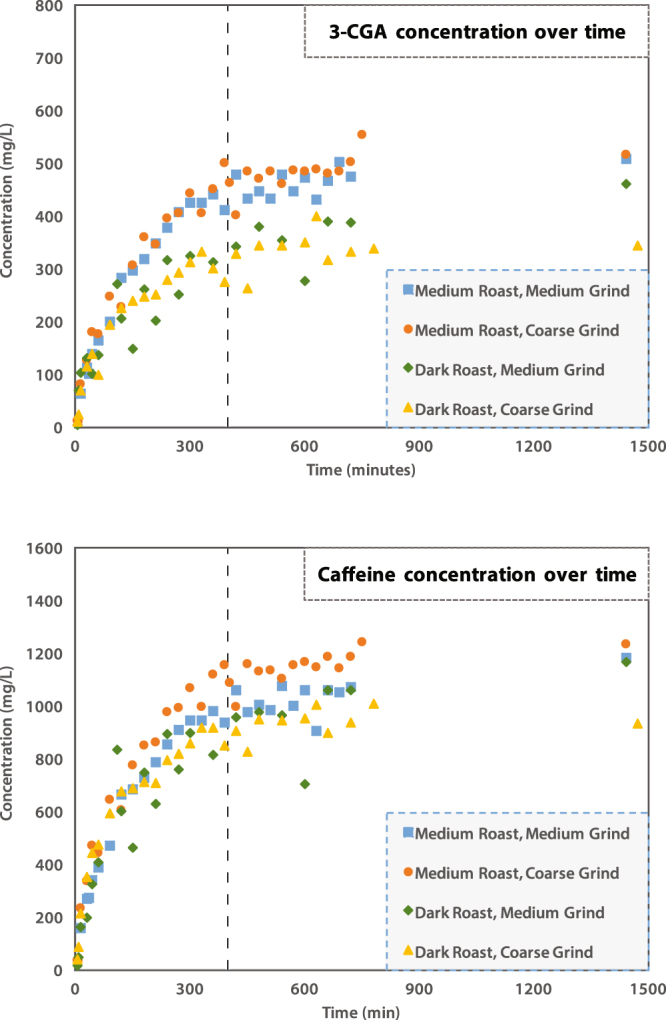
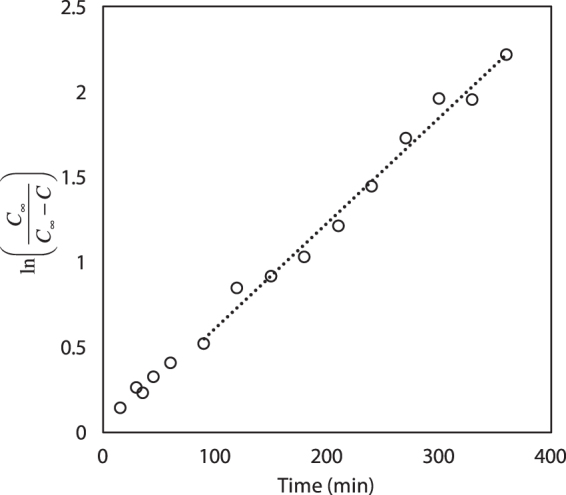
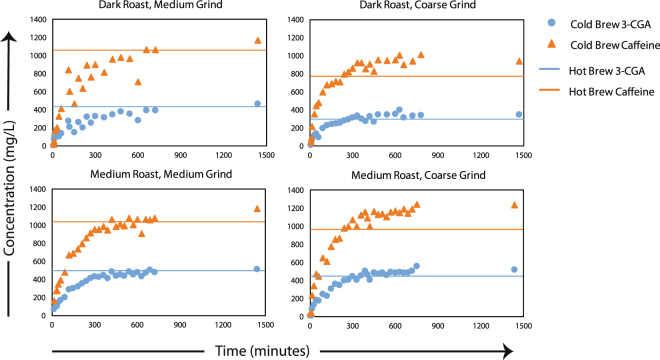
The extraction kinetics and equilibrium concentrations of caffeine and 3-chlorogenic acid (3-CGA) in cold brew coffee were investigated by brewing four coffee samples (dark roast/medium grind, dark roast/coarse grind, medium roast/medium grind, medium roast/coarse grind) using cold and hot methods. 3-CGA and caffeine were found at higher concentrations in cold brew coffee made with medium roast coffees, rather than dark roast. The grind size did not impact 3-CGA and caffeine concentrations of cold brew samples significantly, indicating that the rate determining step in extraction for these compounds did not depend on surface area. Caffeine concentrations in cold brew coarse grind samples were substantially higher than their hot brew counterparts. 3-CGA concentrations and pH were comparable between cold and hot brews. This work suggests that the difference in acidity of cold brew coffee is likely not due to 3-CGA or caffeine concentrations considering that most acids in coffee are highly soluble and extract quickly. It was determined that caffeine and 3-CGA concentrations reached equilibrium according to first order kinetics between 6 and 7 hours in all cold brew samples instead of 10 to 24 hours outlined in typical cold brew methods.
Overview
CoChat Summary
## TL;DR
This study compared cold and hot brewing of Kona Arabica coffee to see how roast level, grind size, and time affect caffeine, 3-chlorogenic acid (3-CGA), and pH. It found that both caffeine and 3-CGA reached equilibrium in cold brew by about 400 minutes (6.7 hours), medium roasts had higher concentrations than dark roasts, and grind size had little effect on equilibrium concentrations.
## Key findings
- In all cold brew samples, caffeine and 3-CGA followed first-order kinetics and reached nearly steady-state concentrations after about 400 minutes; the abstract says equilibrium was reached between 6 and 7 hours.
- Medium roast coffees had higher 3-CGA and caffeine concentrations than dark roast coffees.
- Grind size did not significantly impact 3-CGA or caffeine concentrations in cold brew; the paper says this suggests the rate-determining step did not depend on surface area.
- For coarse grind samples, caffeine concentrations were substantially higher in cold brew than hot brew, while 3-CGA concentrations and pH were comparable between cold and hot brews.
- The measured pH ranged from 5.40 to 5.63, and the paper says this was not enough evidence to support a link between high 3-CGA and low pH.
## Methods
- Experimental comparison of four coffee conditions: dark roast/medium grind, dark roast/coarse grind, medium roast/medium grind, and medium roast/coarse grind; each was brewed by both cold and hot methods.
- Coffee source and setup: single-origin Arabica (Kona Typica) from Kona Joe Coffee; brewed at a 35.0 g coffee / 350 mL water ratio for cold brew, with hot brew at 98 °C for 6 minutes.
- Main analyses: HPLC measurement of caffeine and 3-CGA, pH measurement, sieve analysis for particle size distribution, and two-tailed t-tests and ANOVA for equilibrium comparisons.
## Limitations
- The paper states that grind size was not well controlled because it used commercially available coffee “without any size separation prior to extraction.”
- The authors note that high standard deviations were likely caused by heterogeneous grind size distributions and settling of finer particles during handling.
- Evidence from the text suggests limited generalizability beyond this setup: the study used one single-origin coffee and brewing conditions intended to mimic home brewing (this is evident from the text).
Model-written summary. Check it against the paper before relying on it.
Integrity signals
Registry
Cites
Statistics
Figures
Verification
Claims the paper makes
4 Valid · 0 Not valid · 9 Not checked · 47 Own results and interpretations
A result the paper reports from its own data — it cites no other source for it, so there is none to check. The quote shows it is in the paper.
In the paper
“The grind size did not impact 3-CGA and caffeine concentrations of cold brew samples significantly, indicating that the rate determining step in extraction for these compounds did not depend on surface area.”
- Also stated in: § Discussion and Conclusional Remarks · hedged
“Furthermore, our analysis indicates that the grind size does not have significant impact the observed equilibrium concentrations for both CGA and caffeine.”
§ The Effect of Time, Roasting Temperature, and Grind Size on Caffeine and Chlorogenic Acid Concentrations in Cold Brew Coffee > Abstract
hedgedn = 4- Asserted: passes — The authors put it forward as true.
- Checkable: passes — It can be checked against evidence.
- Load-bearing: passes — The paper’s conclusions depend on it.
- Based: passes — The paper gives a reason why it holds.
- Also stated in: § Discussion and Conclusional Remarks · hedged
A result the paper reports from its own data — it cites no other source for it, so there is none to check. The quote shows it is in the paper.
In the paper
“It was determined that caffeine and 3-CGA concentrations reached equilibrium according to first order kinetics between 6 and 7 hours in all cold brew samples instead of 10 to 24 hours outlined in typical cold brew methods.”
- Also stated in: § Kinetics of cold brew coffee extraction · plain
“Initial 3-CGA concentration increased rapidly over the first 180 minutes and slowed until reaching equilibrium at approximately 400 minutes for all coffee roasts and grinds (see Fig. 1).”
- Also stated in: § Kinetics of cold brew coffee extraction · hedged
“Similar to 3-CGA, caffeine also reaches nearly steady-state concentrations after 400 minutes (see Fig. 1).”
§ The Effect of Time, Roasting Temperature, and Grind Size on Caffeine and Chlorogenic Acid Concentrations in Cold Brew Coffee > Abstract
plainstates a causen = 4- Asserted: passes — The authors put it forward as true.
- Checkable: passes — It can be checked against evidence.
- Load-bearing: passes — The paper’s conclusions depend on it.
- Based: passes — The paper gives a reason why it holds.
- Also stated in: § Kinetics of cold brew coffee extraction · plain
A result the paper reports from its own data — it cites no other source for it, so there is none to check. The quote shows it is in the paper.
In the paper
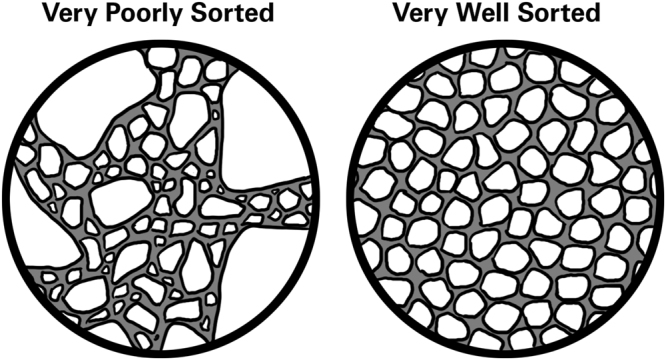
“The grain size distributions of the four samples show that the “medium” grind coffees had wider particle distributions, both containing about 5% of particles, by mass, that are larger than 3350 µm.”
§ The Effect of Time, Roasting Temperature, and Grind Size on Caffeine and Chlorogenic Acid Concentrations in Cold Brew Coffee > Results > Kinetics of cold brew coffee extraction
plainn = 4- Asserted: passes — The authors put it forward as true.
- Checkable: passes — It can be checked against evidence.
- Load-bearing: unclear — It is unclear whether the paper’s conclusions depend on it.
- Based: passes — The paper gives a reason why it holds.
A result the paper reports from its own data — it cites no other source for it, so there is none to check. The quote shows it is in the paper.
In the paper
“3-CGA concentrations and pH were comparable between cold and hot brews.”
- Also stated in: § Comparison of hot brew and cold brew coffee · plain
“In both hot and cold brew extractions, all samples show comparable average 3-CGA concentrations and pH, regardless of water temperature.”
- Also stated in: § Discussion and Conclusional Remarks · plain
“No significant differences were seen in CGA concentrations between cold and hot brews.”
§ The Effect of Time, Roasting Temperature, and Grind Size on Caffeine and Chlorogenic Acid Concentrations in Cold Brew Coffee > Abstract
plainn = 4- Asserted: passes — The authors put it forward as true.
- Checkable: passes — It can be checked against evidence.
- Load-bearing: passes — The paper’s conclusions depend on it.
- Based: passes — The paper gives a reason why it holds.
- Also stated in: § Comparison of hot brew and cold brew coffee · plain
A result the paper reports from its own data — it cites no other source for it, so there is none to check. The quote shows it is in the paper.
In the paper
“Caffeine concentrations in cold brew coarse grind samples were substantially higher than their hot brew counterparts.”
- Also stated in: § Caffeine · plain
“Coarse grain samples, both medium and dark roast, showed a considerable deviation in caffeine concentrations between hot and cold brew extractions (Table 3). In both samples, the cold brew coffee was found to have the higher concentration of caffeine.”
- Also stated in: § Discussion and Conclusional Remarks · plain
“Moreover, coarse grain samples, both medium and dark roast, showed a substantial increase in caffeine concentrations than their hot brew counterparts.”
§ The Effect of Time, Roasting Temperature, and Grind Size on Caffeine and Chlorogenic Acid Concentrations in Cold Brew Coffee > Abstract
plainstates an association- Asserted: passes — The authors put it forward as true.
- Checkable: passes — It can be checked against evidence.
- Load-bearing: passes — The paper’s conclusions depend on it.
- Based: passes — The paper gives a reason why it holds.
- Also stated in: § Caffeine · plain
31 more claims
Create a free account to see all 60 claims and every source verdict.
- Probably not a substantial claim. 12
- It may state two separate claims as one. 14
Claims other papers make about this one
Each is checked against this paper’s own text: does it say what the citing paper says it does?
The source backs part of the claim, not all of it — or backs it for a different population, condition or comparison.
In the citing paper
“The current general practice of cold brew falls between 12 to 24 h12,28,32,33.”
From Sensory analysis of the flavor profile of full immersion hot, room temperature, and cold brewed coffee over time (2024) · cites this paper as [33]
Experimental — accuracy not yet measuredThe source backs part of the claim, not all of it — or backs it for a different population, condition or comparison.
In the citing paper
“An exhaustive literature search returned only four peer-reviewed studies related to cold brew coffee29–32.”
From Acidity and Antioxidant Activity of Cold Brew Coffee (2018) · cites this paper as [32]
Experimental — accuracy not yet measured
Citations
Cites
Chlorogenic acid (CGA): A pharmacological review and call for further research
Naveed, M., Hejazi, V., Abbas, M., Kamboh, A. A., Khan, G. J., Shumzaid, M., Ahmad, F., Babazadeh, D., FangFang, X., Modarresi-Ghazani, F., et al. (2018) · Biomedicine & Pharmacotherapy · doi:10.1016/j.biopha.2017.10.064 · Cited by 1,586
In vitro and in vivo antioxidant properties of chlorogenic acid and caffeic acid
Sato, Y., Itagaki, S., Kurokawa, T., Ogura, J., Kobayashi, M., Hirano, T., Sugawara, M., & Iseki, K. (2011) · International Journal of Pharmaceutics · doi:10.1016/j.ijpharm.2010.09.035 · Cited by 965
Engineering plants with increased levels of the antioxidant chlorogenic acid
Niggeweg, R., Michael, A. J., & Martin, C. (2004) · Nature Biotechnology · doi:10.1038/nbt966 · Cited by 814
Effect of Roasting on the Formation of Chlorogenic Acid Lactones in Coffee
Farah, A., de Paulis, T., Trugo, L. C., & Martin, P. R. (2005) · Journal of Agricultural and Food Chemistry · doi:10.1021/jf048701t · Cited by 540
Effect of Roasting on the Antioxidant Activity of Coffee Brews
del Castillo, M. D., Ames, J. M., & Gordon, M. H. (2002) · Journal of Agricultural and Food Chemistry · doi:10.1021/jf011702q · Cited by 372
Coffee in Health and Disease Prevention
(2015) · Elsevier eBooks · doi:10.1016/c2012-0-06959-1 · Cited by 338
Hečimović, I., Belščak-Cvitanović, A., Horžić, D., & Komes, D. (2011) · Food Chemistry · doi:10.1016/j.foodchem.2011.05.059 · Cited by 334
Comparison of nine common coffee extraction methods: Instrumental and sensory analysis
Gloess, A. N., Schönbächler, B., Klopprogge, B., D`Ambrosio, L., Chatelain, K., Bongartz, A., Strittmatter, A., Rast, M., & Yeretzian, C. (2013) · European Food Research and Technology · doi:10.1007/s00217-013-1917-x · Cited by 311
Potent odorants of the roasted powder and brew of Arabica coffee
Blank, I., Sen, A., & Grosch, W. (1992) · Zeitschrift f�r Lebensmittel-Untersuchung und -Forschung · doi:10.1007/bf01202802 · Cited by 280
Chlorogenic acid and caffeine contents in various commercial brewed coffees
Fujioka, K., & Shibamoto, T. (2008) · Food Chemistry · doi:10.1016/j.foodchem.2007.05.091 · Cited by 258
Moon, J.-K., Yoo, H. S., & Shibamoto, T. (2009) · Journal of Agricultural and Food Chemistry · doi:10.1021/jf900012b · Cited by 254
A study of the effect of roasting on the chlorogenic acid composition of coffee using HPLC
Trugo, L. C., & Macrae, R. (1984) · Food Chemistry · doi:10.1016/0308-8146(84)90006-2 · Cited by 194
Coffee and caffeine consumption and depression: a meta-analysis of observational studies
Wang, L., Shen, X., Wu, Y., & Zhang, D. (2016) · Australian & New Zealand Journal of Psychiatry · doi:10.1177/0004867415603131 · Cited by 180
Loftfield, E., Freedman, N. D., Dodd, K. W., Vogtmann, E., Xiao, Q., Sinha, R., & Graubard, B. I. (2016) · The Journal of Nutrition · doi:10.3945/jn.116.233940 · Cited by 160
Casal, S., Oliveira, M. B. P. P., Alves, M. R., & Ferreira, M. A. (2000) · Journal of Agricultural and Food Chemistry · doi:10.1021/jf990702b · Cited by 132
Casal, S. I. P., Oliveira, M. B. P. P., & Ferreira, M. A. (2000) · Food Chemistry · doi:10.1016/s0308-8146(99)00228-9 · Cited by 123
Coffee consumption and risk of the metabolic syndrome: A meta-analysis
Shang, F., Li, X., & Jiang, X. (2015) · Diabetes & Metabolism · doi:10.1016/j.diabet.2015.09.001 · Cited by 122
Malerba, S., Turati, F., Galeone, C., Pelucchi, C., Verga, F., La Vecchia, C., & Tavani, A. (2013) · European Journal of Epidemiology · doi:10.1007/s10654-013-9834-7 · Cited by 119
The kinetics and mechanism of caffeine infusion from coffee: The effect of particle size
Spiro, M., & Selwood, R. M. (1984) · Journal of the Science of Food and Agriculture · doi:10.1002/jsfa.2740350817 · Cited by 115
Blumberg, S., Frank, O., & Hofmann, T. (2010) · Journal of Agricultural and Food Chemistry · doi:10.1021/jf9044606 · Cited by 111
Consumption of coffee associated with reduced risk of liver cancer: a meta-analysis
Sang, L.-X., Chang, B., Li, X.-H., & Jiang, M. (2013) · BMC Gastroenterology · doi:10.1186/1471-230x-13-34 · Cited by 107
Influence of coffee/water ratio on the final quality of espresso coffee
Andueza, S., Vila, M. A., Paz de Peña, M., & Cid, C. (2007) · Journal of the Science of Food and Agriculture · doi:10.1002/jsfa.2720 · Cited by 94
Coffee Consumption and Risk of Colorectal Cancer: A Meta-Analysis of Observational Studies
Li, G., Ma, D., Zhang, Y., Zheng, W., & Wang, P. (2013) · Public Health Nutrition · doi:10.1017/s1368980012002601 · Cited by 91
Caffeine content in coffee as influenced by grinding and brewing techniques
Bell, L. N., Wetzel, C. R., & Grand, A. N. (1996) · Food Research International · doi:10.1016/s0963-9969(97)00002-1 · Cited by 88
Bakuradze, T., Lang, R., Hofmann, T., Stiebitz, H., Bytof, G., Lantz, I., Baum, M., Eisenbrand, G., & Janzowski, C. (2010) · Molecular Nutrition & Food Research · doi:10.1002/mnfr.201000147 · Cited by 87
Coffee consumption and risk of endometrial cancer: Findings from a large up‐to‐date meta‐analysis
Je, Y., & Giovannucci, E. (2012) · International Journal of Cancer · doi:10.1002/ijc.27408 · Cited by 84
Nordestgaard, A. T., & Nordestgaard, B. G. (2016) · International Journal of Epidemiology · doi:10.1093/ije/dyw325 · Cited by 79
Moroney, K. M., Lee, W. T., O׳Brien, S. B. G., Suijver, F., & Marra, J. (2015) · Chemical Engineering Science · doi:10.1016/j.ces.2015.06.003 · Cited by 78
The impact of coffee consumption on blood pressure, cardiovascular disease and diabetes mellitus
Chrysant, S. G. (2017) · Expert Review of Cardiovascular Therapy · doi:10.1080/14779072.2017.1287563 · Cited by 70
The effect of bean origin and temperature on grinding roasted coffee
Uman, E., Colonna-Dashwood, M., Colonna-Dashwood, L., Perger, M., Klatt, C., Leighton, S., Miller, B., Butler, K. T., Melot, B. C., Speirs, R. W., et al. (2016) · Scientific Reports · doi:10.1038/srep24483 · Cited by 58
(2012) · Wiley eBooks · doi:10.1002/9781119949893 · Cited by 58
Quantitative Studies on Roast Kinetics for Bioactives in Coffee
Lang, R., Yagar, E. F., Wahl, A., Beusch, A., Dunkel, A., Dieminger, N., Eggers, R., Bytof, G., Stiebitz, H., Lantz, I., et al. (2013) · Journal of Agricultural and Food Chemistry · doi:10.1021/jf403846g · Cited by 45
Coffee extraction kinetics in a well mixed system
Moroney, K. M., Lee, W. T., O’Brien, S. B., Suijver, F., & Marra, J. (2016) · Journal of Mathematics in Industry · doi:10.1186/s13362-016-0024-6 · Cited by 44
Kouli, G.-M., Panagiotakos, D. B., Georgousopoulou, E. N., Mellor, D. D., Chrysohoou, C. A., Zana, A., Tsigos, C., Tousoulis, D. M., Stefanadis, C., & Pitsavos, C. E. (2017) · European Journal of Nutrition · doi:10.1007/s00394-017-1455-6 · Cited by 33
Lane, S., Palmer, J., Christie, B., Ehlting, J., & Le, C. (2017) · The Arbutus Review · doi:10.18357/tar81201716816 · Cited by 26
APPLICATION OF HPLC FOR EVALUATION OF COFFEE FLAVOR QUALITY
Shibamoto, T., Harada, K., Mihara, S., Nishimura, O., Yamaguchi, K., Aitoku, A., & Fukada, T. (1981) · Elsevier eBooks · doi:10.1016/b978-0-12-169102-8.50028-3 · Cited by 23
The Kinetics and Mechanism of Caffeine Infusion from Coffee: The Effect of Roasting
Spiro, M., & Hunter, J. E. (1985) · Journal of the Science of Food and Agriculture · doi:10.1002/jsfa.2740360917 · Cited by 21
(2017) · PubMed Central · doi:10.3746/pnf.2017.22.2.100 · Cited by 13
Functional Foods and Cardiovascular Disease
Moghadasian, M. H., & Eskin, N. A. M. (2012) · CRC Press eBooks · doi:10.1201/b11562 · Cited by 11
Kouli, G.-M., Panagiotakos, D. B., Georgousopoulou, E. N., Mellor, D. D., Chrysohoou, C. A., Zana, A., Tsigos, C., Tousoulis, D. M., Stefanadis, C., & Pitsavos, C. E. (2017) · European Journal of Nutrition · doi:10.1007/s00394-017-1487-y · Cited by 2
Kouli, G., Panagiotakos, D. B., Chrysohoou, C. A., Tsigos, C., Tousoulis, D., & Pitsavos, C. E. (2018) · Clinical Nutrition ESPEN · doi:10.1016/j.clnesp.2018.01.040 · Cited by 2
Research works printed but not linked: 4
- Chu, Y.-F. Coffee: Emerging Health Effects and Disease Prevention. (John Wiley & Sons, 2012).
- Kim AR Kim JS Flavor Contributing Nonvolatile Chemical and Sensory Characterization of Cold Water Extraction-based Coffee by Different ExtractionMethods (Dripping vs Steeping) and Time Journal of The Korea Society for Coffee Industry 2014 3 1 9
- Budavari, S., O’Neil, M., Smith, A., Heckelman, P. & Obenchain, J. The Merck Index, Print Version, Twelfth Edition. (CRC Press, 1996).
- Spiro M Selwood RM The kinetics and mechanism of caffeine infusion from coffee: The effect of particle size J. Sci. Food Agric. 1984 35 915 924 10.1002/jsfa.2740350817 · DOI · Paper page
Cited by
Cordoba, N., Fernandez-Alduenda, M., Moreno, F. L., & Ruiz, Y. (2020) · Trends in Food Science & Technology · doi:10.1016/j.tifs.2019.12.004 · Cited by 271
Caffeine Consumption through Coffee: Content in the Beverage, Metabolism, Health Benefits and Risks
dePaula, J., & Farah, A. (2019) · Beverages · doi:10.3390/beverages5020037 · Cited by 222
Consumption of Chlorogenic Acids through Coffee and Health Implications
Farah, A., & de Paula Lima, J. (2019) · Beverages · doi:10.3390/beverages5010011 · Cited by 175
“0 [43] Arabica Hawaii 2 D 10 25 ◦C 24 hr Nr 36.”
BackgroundInfluentialAcids in coffee: A review of sensory measurements and meta-analysis of chemical composition
Yeager, S. E., Batali, M. E., Guinard, J.-X., & Ristenpart, W. D. (2023) · Critical Reviews in Food Science and Nutrition · doi:10.1080/10408398.2021.1957767 · Cited by 173
Seninde, D. R., & Chambers, E. (2020) · Beverages · doi:10.3390/beverages6030044 · Cited by 173
Metadata
- Authors
- Fuller, M., & Rao, N. Z.
- Affiliations
- Thomas Jefferson University (US)
- Corresponding author
- Fuller, Megan
- Venue
- Scientific Reports
- Published
- 2017-12-21
- Volume
- 7
- Issue
- 1
- Pages
- 17979-17979
- ISSN
- 2045-2322 (ISSN-L)
- PMC
- PMC5740146
- OpenAlex
- W2771234797
- Semantic Scholar
- bcdb59ef1cd2c90ddde3179087b7f38bc751ddba
- Cited by
- 180
- References
- 41
- Citations by year
- 2026: 15 · 2025: 23 · 2024: 25 · 2023: 21 · 2022: 29 · 2021: 30 · 2020: 21 · 2019: 13 · 2018: 2 · 2017: 1
- FWCI
- 7.07
- Type
- journal article
- Language
- en
- Open access
- gold
- doi.org
- Licence
- cc-by
- creativecommons.org/licenses/by/4.0 (tdm)
- creativecommons.org/licenses/by/4.0 (vor)
- Locations
- Scientific Reports (publishedVersion, cc-by)
- Europe PMC (PubMed Central) (publishedVersion, cc-by)
- PubMed Central (publishedVersion, cc-by)
- PubMed (publishedVersion)
- The Medicine Forum (submittedVersion, cc-by)
- DOAJ (DOAJ: Directory of Open Access Journals) (submittedVersion)
- Funders
- Thomas Jefferson University
- Topics
- Health Sciences › Medicine › Pharmacology (medical) › Coffee research and impacts
- Life Sciences › Agricultural and Biological Sciences › Food Science › Food Chemistry and Fat Analysis
- Life Sciences › Agricultural and Biological Sciences › Food Science › Fermentation and Sensory Analysis
- Keywords
- cold brew coffee, caffeine, coffee roasting, grind size, extraction kinetics, equilibrium concentration, coffee acidity, brewing temperature, first-order kinetics
About these checks
Registry, retraction, Cites and statistics results are computed, not judged, with one exception: a printed reference that no index lists is read once by a model before it counts as a citation error. Claims are extracted by a model and kept only when their quote appears verbatim in the text; each cited source is then checked, with a model’s help, for whether it says what the claim relies on. Those verdicts can be wrong — read the claim’s quote and the cited source before relying on one.
The claim verdicts this report counts are experimental: their accuracy is not yet measured.
A language model drew the claims from the paper on 2026-10-10, under version 3 of the claim definition (model deepseek-v4.1-flash, prompt extract-v3).
A second model labelled each claim on 2026-10-10 (model jev-1.13-20260917, definition revision gold-guideline-v0.2).
Statistics and arithmetic are recomputed, not judged.
Confidence bands are shown only for fields calibrated on our annotated test set. None is calibrated yet, so no band is shown.
What counts as a claim ›How we measure confidence ›How we check this ›
Are you an author, or do you see a problem with this page? Request a review
Data sources
Bibliographic data: Semantic Scholar, OpenAlex, Crossref.
Contains information from the Semantic Scholar Academic Graph Datasets, made available under the ODC Attribution License (ODC-BY 1.0).
Semantic Scholar’s data is described in: Kinney, R., et al. (2023). The Semantic Scholar Open Data Platform. arXiv:2301.10140.
