

The Fungal Histone Acetyl Transferase Gcn5 Controls Virulence of the Human Pathogen Candida albicans through Multiple Pathways
Open accessThe DOI matches its Crossref record; 138 of the 138 references it cites were found in a registry or an index.
Abstract
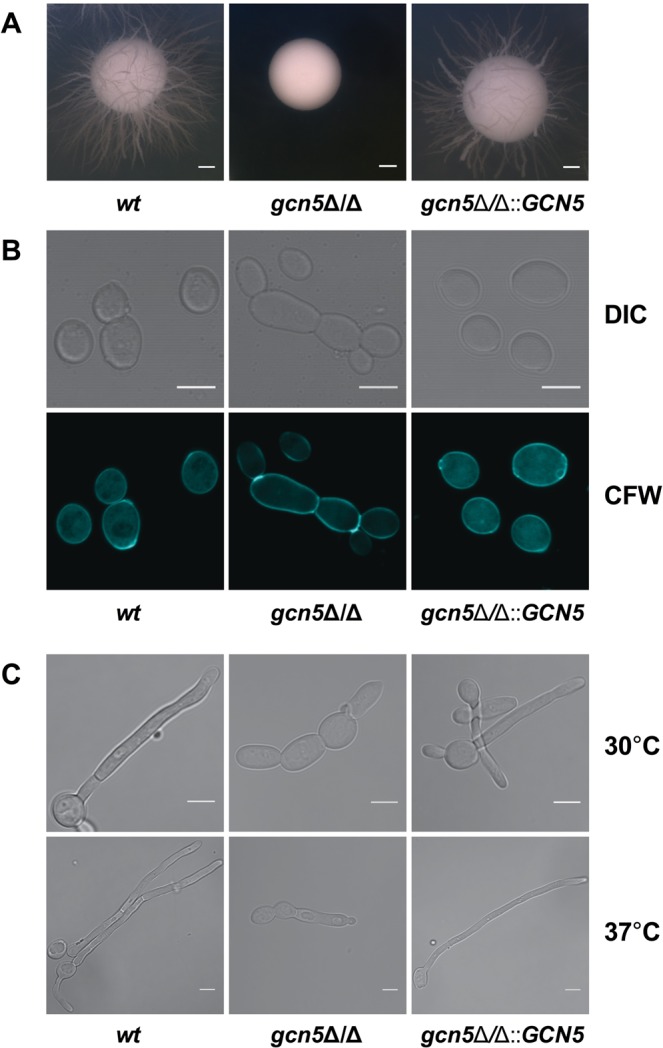
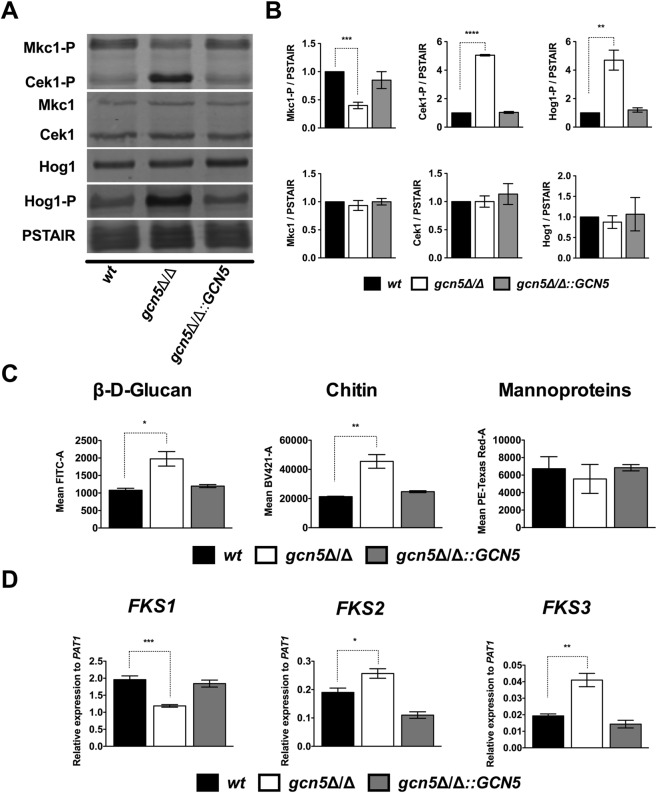
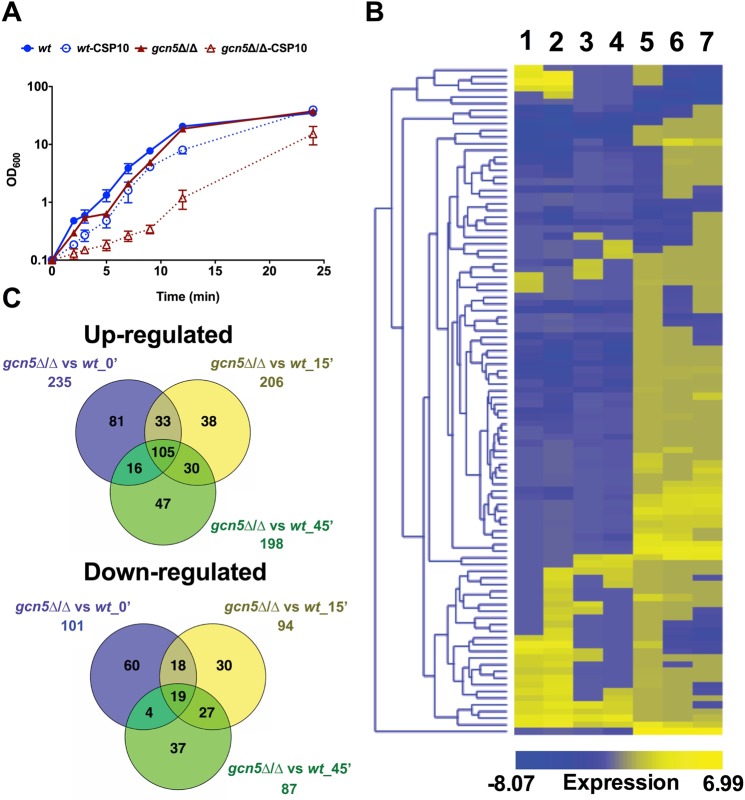
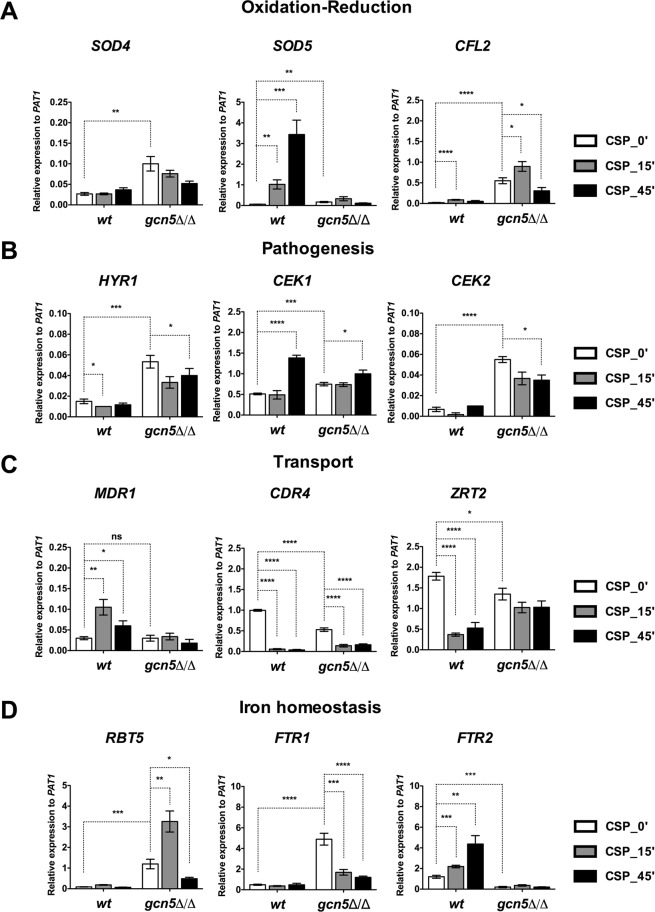
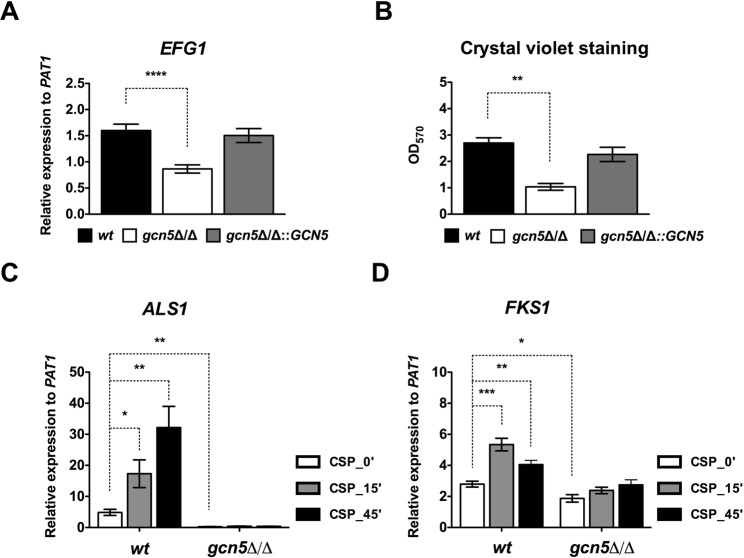
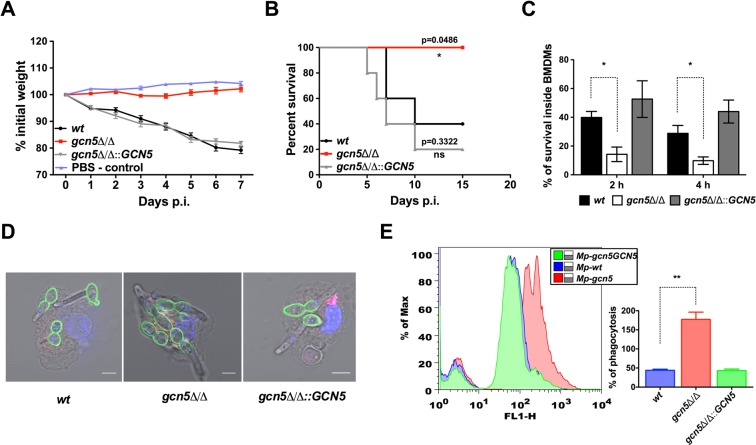
Fungal virulence is regulated by a tight interplay of transcriptional control and chromatin remodelling. Despite compelling evidence that lysine acetylation modulates virulence of pathogenic fungi such as Candida albicans, the underlying mechanisms have remained largely unexplored. We report here that Gcn5, a paradigm lysyl-acetyl transferase (KAT) modifying both histone and non-histone targets, controls fungal morphogenesis – a key virulence factor of C. albicans. Our data show that genetic removal of GCN5 abrogates fungal virulence in mice, suggesting strongly diminished fungal fitness in vivo. This may at least in part arise from increased susceptibility to killing by macrophages, as well as by other phagocytes such as neutrophils or monocytes. Loss of GCN5 also causes hypersensitivity to the fungicidal drug caspofungin. Caspofungin hypersusceptibility requires the master regulator Efg1, working in concert with Gcn5. Moreover, Gcn5 regulates multiple independent pathways, including adhesion, cell wall-mediated MAP kinase signaling, hypersensitivity to host-derived oxidative stress, and regulation of the Fks1 glucan synthase, all of which play critical roles in virulence and antifungal susceptibility. Hence, Gcn5 regulates fungal virulence through multiple mechanisms, suggesting that specific inhibition of Gcn5 could offer new therapeutic strategies to combat invasive fungal infections.
Overview
The claims and statistics of this paper haven’t been checked yet.
Free: it reads the open-access text and checks the first 5 claims that cite a source we can check. Create a free account to check every claim.
Integrity signals
Registry
Cites
Statistics
Figures
Verification
Claims the paper makes
The claims and statistics of this paper haven’t been checked yet.
Free: it reads the open-access text and checks the first 5 claims that cite a source we can check. Create a free account to check every claim.
Claims other papers make about this one
Each is checked against this paper’s own text: does it say what the citing paper says it does?
The source backs part of the claim, not all of it — or backs it for a different population, condition or comparison.
In the citing paper
“Lysine acetyltransferases, such as Gcn5, also mediate antifungal tolerance and resistance in Candida species93–95.”
From Molecular mechanisms governing antifungal drug resistance (2023) · cites this paper as [94]
Experimental — accuracy not yet measuredThe source backs part of the claim, not all of it — or backs it for a different population, condition or comparison.
In the citing paper
“Disrupting the gene encoding the acetyltransferase catalytic subunit Gcn5 results in significant defects in the pathogenicity and drug resistance of C. albicans and N. glabratus, as well as reduced pathogenicity in C. neoformans and multiple virulence-related phenotypes in A. fumigatus.”
From Targeting epigenetic regulators to overcome drug resistance in the emerging human fungal pathogen Candida auris (2025) · cites this paper as [25]
Experimental — accuracy not yet measuredThe source backs part of the claim, not all of it — or backs it for a different population, condition or comparison.
In the citing paper
“Recent studies have demonstrated the critical role of histone H3 PTMs, such as methylation and acetylation, in driving both drug resistance and pathogenicity in human fungal pathogens.”
From Targeting epigenetic regulators to overcome drug resistance in the emerging human fungal pathogen Candida auris (2025) · cites this paper as [25]
Experimental — accuracy not yet measuredThe cited source says what the claim attributes to it.
In the citing paper
“Previous reports indicate that in C. albicans and N. glabratus, knockout of Gcn5 or the Spt7 or Spt8 subunits of the SAGA complex results in increased sensitivity to phagocytosis and enhanced killing by macrophages25,66,71.”
From Targeting epigenetic regulators to overcome drug resistance in the emerging human fungal pathogen Candida auris (2025) · cites this paper as [25]
The cited source says what the claim attributes to it.
In the citing paper
“Previous studies in human fungal pathogens such as C. albicans and C. neoformans have established a strong correlation between Gcn5 activity and fungal virulence25,53,55”
From Targeting epigenetic regulators to overcome drug resistance in the emerging human fungal pathogen Candida auris (2025) · cites this paper as [25]
Self-check
Percentages, sums and reported differences re-computed from the paper’s own numbers.
The self-check needs the paper’s full text.
Citations
Cites
Moderated estimation of fold change and dispersion for RNA-seq data with DESeq2
Love, M. I., Huber, W., & Anders, S. (2014) · Genome Biology · doi:10.1186/s13059-014-0550-8 · Cited by 95,106
A new mathematical model for relative quantification in real-time RT-PCR
Pfaffl, M. W. (2001) · Nucleic Acids Research · doi:10.1093/nar/29.9.e45 · Cited by 34,610
HTSeq—a Python framework to work with high-throughput sequencing data
Anders, S., Pyl, P. T., & Huber, W. (2015) · Bioinformatics · doi:10.1093/bioinformatics/btu638 · Cited by 21,464
TopHat: discovering splice junctions with RNA-Seq
Trapnell, C., Pachter, L., & Salzberg, S. L. (2009) · Bioinformatics · doi:10.1093/bioinformatics/btp120 · Cited by 11,617
Hidden Killers: Human Fungal Infections
Brown, G. D., Denning, D. W., Gow, N. A. R., Levitz, S. M., Netea, M. G., & White, T. C. (2012) · Science Translational Medicine · doi:10.1126/scitranslmed.3004404 · Cited by 4,284
Epidemiology of Invasive Candidiasis: a Persistent Public Health Problem
Pfaller, M. A., & Diekema, D. J. (2007) · Clinical Microbiology Reviews · doi:10.1128/cmr.00029-06 · Cited by 4,174
Global and Multi-National Prevalence of Fungal Diseases-Estimate Precision
Bongomin, F., Gago, S., Oladele, R., & Denning, D. (2017) · Journal of Fungi · doi:10.3390/jof3040057 · Cited by 2,953
Orange: data mining toolbox in python
Demšar, J., Curk, T., Erjavec, A., Gorup, Č., Hočevar, T., Milutinovič, M., Možina, M., Polajnar, M., Toplak, M., Starič, A., et al. (2013) · Journal of Machine Learning Research · Cited by 2,811
The molecular hallmarks of epigenetic control
Allis, C. D., & Jenuwein, T. (2016) · Nature Reviews Genetics · doi:10.1038/nrg.2016.59 · Cited by 2,809
Brownell, J. E., Zhou, J., Ranalli, T., Kobayashi, R., Edmondson, D. G., Roth, S. Y., & Allis, C. D. (1996) · Cell · doi:10.1016/s0092-8674(00)81063-6 · Cited by 1,640
Pappas, P. G., Lionakis, M. S., Arendrup, M. C., Ostrosky-Zeichner, L., & Kullberg, B. J. (2018) · Nature Reviews Disease Primers · doi:10.1038/nrdp.2018.26 · Cited by 1,636
The Fungal Cell Wall: Structure, Biosynthesis, and Function
Gow, N. A. R., Latge, J.-P., & Munro, C. A. (2017) · Microbiology Spectrum · doi:10.1128/microbiolspec.funk-0035-2016 · Cited by 1,423
Growth of Candida albicans hyphae
Sudbery, P. E. (2011) · Nature Reviews Microbiology · doi:10.1038/nrmicro2636 · Cited by 1,110
Histone acetyltransferase complexes: one size doesn't fit all
Lee, K. K., & Workman, J. L. (2007) · Nature Reviews Molecular Cell Biology · doi:10.1038/nrm2145 · Cited by 1,087
Grant, P. A., Duggan, L., Côté, J., Roberts, S. M., Brownell, J. E., Candau, R., Ohba, R., Owen-Hughes, T., Allis, C. D., Winston, F., et al. (1997) · Genes & Development · doi:10.1101/gad.11.13.1640 · Cited by 1,085
The global problem of antifungal resistance: prevalence, mechanisms, and management
Perlin, D. S., Rautemaa-Richardson, R., & Alastruey-Izquierdo, A. (2017) · The Lancet Infectious Diseases · doi:10.1016/s1473-3099(17)30316-x · Cited by 1,055
Candida albicans morphogenesis and host defence: discriminating invasion from colonization
Gow, N. A. R., van de Veerdonk, F. L., Brown, A. J. P., & Netea, M. G. (2012) · Nature Reviews Microbiology · doi:10.1038/nrmicro2711 · Cited by 888
Sanglard, D., Kuchler, K., Ischer, F., Pagani, J. L., Monod, M., & Bille, J. (1995) · Antimicrobial Agents and Chemotherapy · doi:10.1128/aac.39.11.2378 · Cited by 815
Self-citationChowdhary, A., Sharma, C., & Meis, J. F. (2017) · PLOS Pathogens · doi:10.1371/journal.ppat.1006290 · Cited by 750
The SAT1 flipper, an optimized tool for gene disruption in Candida albicans
Reuß, O., Vik, Å., Kolter, R., & Morschhäuser, J. (2004) · Gene · doi:10.1016/j.gene.2004.06.021 · Cited by 742
Nosocomial fungal infections: epidemiology, diagnosis, and treatment
Perlroth, J., Choi, B., & Spellberg, B. (2007) · Medical Mycology · doi:10.1080/13693780701218689 · Cited by 738
Multidrug-Resistant Candida: Epidemiology, Molecular Mechanisms, and Treatment
Arendrup, M. C., & Patterson, T. F. (2017) · The Journal of Infectious Diseases · doi:10.1093/infdis/jix131 · Cited by 707
Development and regulation of single- and multi-species Candida albicans biofilms
Lohse, M. B., Gulati, M., Johnson, A. D., & Nobile, C. J. (2018) · Nature Reviews Microbiology · doi:10.1038/nrmicro.2017.107 · Cited by 643
Epidemiology and risk factors for invasive candidiasis
Yapar, N. (2014) · Therapeutics and Clinical Risk Management · doi:10.2147/tcrm.s40160 · Cited by 610
Candida auris: a Review of the Literature
Jeffery-Smith, A., Taori, S. K., Schelenz, S., Jeffery, K., Johnson, E. M., Borman, A., Candida auris Incident Management Team, Manuel, R., & Brown, C. S. (2018) · Clinical Microbiology Reviews · doi:10.1128/cmr.00029-17 · Cited by 595
Regulatory circuitry governing fungal development, drug resistance, and disease.
Shapiro, R. S., Robbins, N., & Cowen, L. E. (2011) · Microbiology and Molecular Biology Reviews · doi:10.1128/mmbr.00045-10 · Cited by 576
Candida albicans cell-type switching and functional plasticity in the mammalian host
Noble, S. M., Gianetti, B. A., & Witchley, J. N. (2017) · Nature Reviews Microbiology · doi:10.1038/nrmicro.2016.157 · Cited by 521
Biswas, S., Van Dijck, P., & Datta, A. (2007) · Microbiology and Molecular Biology Reviews · doi:10.1128/mmbr.00009-06 · Cited by 516
Antifungal resistance: current trends and future strategies to combat
Wiederhold, N. (2017) · Infection and Drug Resistance · doi:10.2147/idr.s124918 · Cited by 468
Regulation of Cell-Surface Genes and Biofilm Formation by the C. albicans Transcription Factor Bcr1p
Nobile, C. J., & Mitchell, A. P. (2005) · Current Biology · doi:10.1016/j.cub.2005.05.047 · Cited by 464
Molecular Evolution of Antifungal Drug Resistance
Robbins, N., Caplan, T., & Cowen, L. E. (2017) · Annual Review of Microbiology · doi:10.1146/annurev-micro-030117-020345 · Cited by 441
Spampinato, C., & Leonardi, D. (2013) · BioMed Research International · doi:10.1155/2013/204237 · Cited by 411
Fungal dysbiosis: immunity and interactions at mucosal barriers
Iliev, I. D., & Leonardi, I. (2017) · Nature Reviews Immunology · doi:10.1038/nri.2017.55 · Cited by 393
Candida auris: an Emerging Fungal Pathogen
Spivak, E. S., & Hanson, K. E. (2018) · Journal of Clinical Microbiology · doi:10.1128/jcm.01588-17 · Cited by 393
Epidemiology, clinical characteristics, resistance, and treatment of infections by Candida auris
Cortegiani, A., Misseri, G., Fasciana, T., Giammanco, A., Giarratano, A., & Chowdhary, A. (2018) · Journal of Intensive Care · doi:10.1186/s40560-018-0342-4 · Cited by 329
Csank, C., Schröppel, K., Leberer, E., Harcus, D., Mohamed, O., Meloche, S., Thomas, D. Y., & Whiteway, M. (1998) · Infection and Immunity · doi:10.1128/iai.66.6.2713-2721.1998 · Cited by 328
Adhesins in human fungal pathogens: glue with plenty of stick.
de Groot, P. W. J., Bader, O., de Boer, A. D., Weig, M., & Chauhan, N. (2013) · Eukaryotic Cell · doi:10.1128/ec.00364-12 · Cited by 319
Self-citationMechanisms of echinocandin antifungal drug resistance
Perlin, D. S. (2015) · Annals of the New York Academy of Sciences · doi:10.1111/nyas.12831 · Cited by 313
Liu, T. T., Lee, R. E. B., Barker, K. S., Lee, R. E., Wei, L., Homayouni, R., & Rogers, P. D. (2005) · Antimicrobial Agents and Chemotherapy · doi:10.1128/aac.49.6.2226-2236.2005 · Cited by 313
Georgakopoulos, T., & Thireos, G. (1992) · The EMBO Journal · doi:10.1002/j.1460-2075.1992.tb05507.x · Cited by 307
Zordan, R. E., Galgoczy, D. J., & Johnson, A. D. (2006) · Proceedings of the National Academy of Sciences · doi:10.1073/pnas.0605138103 · Cited by 304
Stress adaptation in a pathogenic fungus
Brown, A. J. P., Budge, S., Kaloriti, D., Tillmann, A., Jacobsen, M. D., Yin, Z., Ene, I. V., Bohovych, I., Sandai, D., Kastora, S., et al. (2014) · Journal of Experimental Biology · doi:10.1242/jeb.088930 · Cited by 299
de Nobel, H., Ruiz, C., Martin, H., Morris, W., Brul, S., Molina, M., & Klis, F. M. (2000) · Microbiology · doi:10.1099/00221287-146-9-2121 · Cited by 269
Frohner, I. E., Bourgeois, C., Yatsyk, K., Majer, O., & Kuchler, K. (2009) · Molecular Microbiology · doi:10.1111/j.1365-2958.2008.06528.x · Cited by 266
Self-citationThe MAP kinase signal transduction network in Candida albicans
Monge, R. A., Román, E., Nombela, C., & Pla, J. (2006) · Microbiology · doi:10.1099/mic.0.28616-0 · Cited by 263
TUP1, CPH1 and EFG1 Make Independent Contributions to Filamentation in Candida albicans
Braun, B. R., & Johnson, A. D. (2000) · Genetics · doi:10.1093/genetics/155.1.57 · Cited by 257
Cell Wall Remodeling Enzymes Modulate Fungal Cell Wall Elasticity and Osmotic Stress Resistance
Ene, I. V., Walker, L. A., Schiavone, M., Lee, K. K., Martin-Yken, H., Dague, E., Gow, N. A. R., Munro, C. A., & Brown, A. J. P. (2015) · mBio · doi:10.1128/mbio.00986-15 · Cited by 254
Breeuwer, P., Drocourt, J. L., Bunschoten, N., Zwietering, M. H., Rombouts, F. M., & Abee, T. (1995) · Applied and Environmental Microbiology · doi:10.1128/aem.61.4.1614-1619.1995 · Cited by 243
Bailey, D. A., Feldmann, P. J., Bovey, M., Gow, N. A., & Brown, A. J. (1996) · Journal of Bacteriology · doi:10.1128/jb.178.18.5353-5360.1996 · Cited by 238
Höfs, S., Mogavero, S., & Hube, B. (2016) · Journal of Microbiology · doi:10.1007/s12275-016-5514-0 · Cited by 238
The Novel SLIK Histone Acetyltransferase Complex Functions in the Yeast Retrograde Response Pathway
Pray-Grant, M. G., Schieltz, D., McMahon, S. J., Wood, J. M., Kennedy, E. L., Cook, R. G., Workman, J. L., Yates, J. R., & Grant, P. A. (2002) · Molecular and Cellular Biology · doi:10.1128/mcb.22.24.8774-8786.2002 · Cited by 237
Dunkel, N., Liu, T. T., Barker, K. S., Homayouni, R., Morschhäuser, J., & Rogers, P. D. (2008) · Eukaryotic Cell · doi:10.1128/ec.00103-08 · Cited by 236
Dynamic Fungal Cell Wall Architecture in Stress Adaptation and Immune Evasion
Hopke, A., Brown, A. J. P., Hall, R. A., & Wheeler, R. T. (2018) · Trends in Microbiology · doi:10.1016/j.tim.2018.01.007 · Cited by 228
FungiFun2: a comprehensive online resource for systematic analysis of gene lists from fungal species
Priebe, S., Kreisel, C., Horn, F., Guthke, R., & Linde, J. (2015) · Bioinformatics · doi:10.1093/bioinformatics/btu627 · Cited by 224
Role of Candida albicans Transcription Factor Upc2p in Drug Resistance and Sterol Metabolism
Silver, P. M., Oliver, B. G., & White, T. C. (2004) · Eukaryotic Cell · doi:10.1128/ec.3.6.1391-1397.2004 · Cited by 216
Adaptive immune responses to Candida albicans infection
Richardson, J. P., & Moyes, D. L. (2015) · Virulence · doi:10.1080/21505594.2015.1004977 · Cited by 204
An Extensive Circuitry for Cell Wall Regulation in Candida albicans
Blankenship, J. R., Fanning, S., Hamaker, J. J., & Mitchell, A. P. (2010) · PLoS Pathogens · doi:10.1371/journal.ppat.1000752 · Cited by 201
The Mechanistic Targets of Antifungal Agents: An Overview
K. Mazu, T., A. Bricker, B., Flores-Rozas, H., & Y. Ablordeppey, S. (2016) · Mini-Reviews in Medicinal Chemistry · doi:10.2174/1389557516666160118112103 · Cited by 199
Katiyar, S., Pfaller, M., & Edlind, T. (2006) · Antimicrobial Agents and Chemotherapy · doi:10.1128/aac.00349-06 · Cited by 189
The Ras/cAMP/PKA signaling pathway and virulence in Candida albicans
Hogan, D. A., & Sundstrom, P. (2009) · Future Microbiology · doi:10.2217/fmb.09.106 · Cited by 186
Helmlinger, D., & Tora, L. (2017) · Trends in Biochemical Sciences · doi:10.1016/j.tibs.2017.09.001 · Cited by 173
Bockmühl, D. P., & Ernst, J. F. (2001) · Genetics · doi:10.1093/genetics/157.4.1523 · Cited by 170
Novel Agents and Drug Targets to Meet the Challenges of Resistant Fungi
McCarthy, M. W., Kontoyiannis, D. P., Cornely, O. A., Perfect, J. R., & Walsh, T. J. (2017) · The Journal of Infectious Diseases · doi:10.1093/infdis/jix130 · Cited by 169
Wang, L., Mizzen, C., Ying, C., Candau, R., Barlev, N., Brownell, J., Allis, C. D., & Berger, S. L. (1997) · Molecular and Cellular Biology · doi:10.1128/mcb.17.1.519 · Cited by 168
Interaction of Candida Species with the Skin
Kühbacher, A., Burger-Kentischer, A., & Rupp, S. (2017) · Microorganisms · doi:10.3390/microorganisms5020032 · Cited by 161
Functional analysis of the MAPK pathways in fungi
Martínez‐Soto, D., & Ruíz-Herrera, J. (2017) · Revista Iberoamericana de Micología · doi:10.1016/j.riam.2017.02.006 · Cited by 158
A Role for Gcn5 in Replication-Coupled Nucleosome Assembly
Burgess, R. J., Zhou, H., Han, J., & Zhang, Z. (2010) · Molecular Cell · doi:10.1016/j.molcel.2010.01.020 · Cited by 157
Modulation of histone H3 lysine 56 acetylation as an antifungal therapeutic strategy
Wurtele, H., Tsao, S., Lépine, G., Mullick, A., Tremblay, J., Drogaris, P., Lee, E.-H., Thibault, P., Verreault, A., & Raymond, M. (2010) · Nature Medicine · doi:10.1038/nm.2175 · Cited by 157
Majer, O., Bourgeois, C., Zwolanek, F., Lassnig, C., Kerjaschki, D., Mack, M., Müller, M., & Kuchler, K. (2012) · PLoS Pathogens · doi:10.1371/journal.ppat.1002811 · Cited by 156
Self-citationCharacterisation of a Tip60 Specific Inhibitor, NU9056, in Prostate Cancer
Coffey, K., Blackburn, T. J., Cook, S., Golding, B. T., Griffin, R. J., Hardcastle, I. R., Hewitt, L., Huberman, K., McNeill, H. V., Newell, D. R., et al. (2012) · PLoS ONE · doi:10.1371/journal.pone.0045539 · Cited by 153
The antifungal arsenal: alternative drugs and future targets
Wiederhold, N. P. (2018) · International Journal of Antimicrobial Agents · doi:10.1016/j.ijantimicag.2017.09.002 · Cited by 149
Pfaller, M. A., Messer, S. A., Georgopapadakou, N., Martell, L. A., Besterman, J. M., & Diekema, D. J. (2009) · Journal of Clinical Microbiology · doi:10.1128/jcm.00618-09 · Cited by 143
The MAP kinase Mkc1p is activated under different stress conditions in Candida albicans
Navarro-García, F., Eisman, B., Fiuza, S. M., Nombela, C., & Pla, J. (2005) · Microbiology · doi:10.1099/mic.0.28038-0 · Cited by 134
Histone acetyltransferase Rtt109 is required for Candida albicans pathogenesis
Lopes da Rosa, J., Boyartchuk, V. L., Zhu, L. J., & Kaufman, P. D. (2010) · Proceedings of the National Academy of Sciences · doi:10.1073/pnas.0912427107 · Cited by 132
Hnisz, D., Majer, O., Frohner, I. E., Komnenovic, V., & Kuchler, K. (2010) · PLoS Pathogens · doi:10.1371/journal.ppat.1000889 · Cited by 124
Self-citationKuznets, G., Vigonsky, E., Weissman, Z., Lalli, D., Gildor, T., Kauffman, S. J., Turano, P., Becker, J., Lewinson, O., & Kornitzer, D. (2014) · PLoS Pathogens · doi:10.1371/journal.ppat.1004407 · Cited by 118
Rai, M. N., Balusu, S., Gorityala, N., Dandu, L., & Kaur, R. (2012) · PLoS Pathogens · doi:10.1371/journal.ppat.1002863 · Cited by 117
Fungal pathogens—a sweet and sour treat for toll-like receptors
Bourgeois, C., & Kuchler, K. (2012) · Frontiers in Cellular and Infection Microbiology · doi:10.3389/fcimb.2012.00142 · Cited by 114
Self-citationMulti-tasking on chromatin with the SAGA coactivator complexes.
Daniel, J. A., & Grant, P. A. (2007) · Mutation Research - Fundamental and Molecular Mechanisms of Mutagenesis · doi:10.1016/j.mrfmmm.2006.09.008 · Cited by 111
Dwivedi, P., Thompson, A., Xie, Z., Kashleva, H., Ganguly, S., Mitchell, A. P., & Dongari-Bagtzoglou, A. (2011) · PLoS ONE · doi:10.1371/journal.pone.0016218 · Cited by 110
Timmers, H. T. M., & Tora, L. (2004) · Trends in Biochemical Sciences · doi:10.1016/j.tibs.2004.11.007 · Cited by 108
Dühring, S., Germerodt, S., Skerka, C., Zipfel, P. F., Dandekar, T., & Schuster, S. (2015) · Frontiers in Microbiology · doi:10.3389/fmicb.2015.00625 · Cited by 102
Hnisz, D., Bardet, A. F., Nobile, C. J., Petryshyn, A., Glaser, W., Schöck, U., Stark, A., & Kuchler, K. (2012) · PLoS Genetics · doi:10.1371/journal.pgen.1003118 · Cited by 100
Self-citationBerkow, E. L., Manigaba, K., Parker, J. E., Barker, K. S., Kelly, S. L., & Rogers, P. D. (2015) · Antimicrobial Agents and Chemotherapy · doi:10.1128/aac.01358-15 · Cited by 95
Live Candida albicans Suppresses Production of Reactive Oxygen Species in Phagocytes
Wellington, M., Dolan, K., & Krysan, D. J. (2009) · Infection and Immunity · doi:10.1128/iai.00860-08 · Cited by 89
Cryptococcus neoformans Histone Acetyltransferase Gcn5 Regulates Fungal Adaptation to the Host
O'Meara, T. R., Hay, C., Price, M. S., Giles, S., & Alspaugh, J. A. (2010) · Eukaryotic Cell · doi:10.1128/ec.00098-10 · Cited by 88
Teng, Y., Yu, Y., & Waters, R. (2002) · Journal of Molecular Biology · doi:10.1006/jmbi.2001.5383 · Cited by 85
Lohberger, A., Coste, A. T., & Sanglard, D. (2014) · Eukaryotic Cell · doi:10.1128/ec.00245-13 · Cited by 85
Lu, Y., Su, C., Mao, X., Raniga, P. P., Liu, H., & Chen, J. (2008) · Molecular Biology of the Cell · doi:10.1091/mbc.e08-02-0173 · Cited by 82
Histone Deacetylases and Their Inhibition in Candida Species
Garnaud, C., Champleboux, M., Maubon, D., Cornet, M., & Govin, J. (2016) · Frontiers in Microbiology · doi:10.3389/fmicb.2016.01238 · Cited by 81
Efg1, a Morphogenetic Regulator in Candida albicans , Is a Sequence-Specific DNA Binding Protein
Leng, P., Lee, P. R., Wu, H., & Brown, A. J. P. (2001) · Journal of Bacteriology · doi:10.1128/jb.183.13.4090-4093.2001 · Cited by 80
The Bromodomain of Gcn5 Regulates Site Specificity of Lysine Acetylation on Histone H3
Cieniewicz, A. M., Moreland, L., Ringel, A. E., Mackintosh, S. G., Raman, A., Gilbert, T. M., Wolberger, C., Tackett, A. J., & Taverna, S. D. (2014) · Molecular & Cellular Proteomics · doi:10.1074/mcp.m114.038174 · Cited by 80
Cánovas, D., Marcos, A. T., Gacek, A., Ramos, M. S., Gutiérrez, G., Reyes-Domínguez, Y., & Strauss, J. (2014) · Genetics · doi:10.1534/genetics.114.165688 · Cited by 75
Using Combination Therapy to Thwart Drug Resistance
Hill, J. A., & Cowen, L. E. (2015) · Future Microbiology · doi:10.2217/fmb.15.68 · Cited by 75
Fungi sensing environmental stress
Alonso‐Monge, R., Román, E., Arana, D. M., Plá, J., & Nombela, C. (2009) · Clinical Microbiology and Infection · doi:10.1111/j.1469-0691.2008.02690.x · Cited by 74
Function and subcellular localization of Gcn5, a histone acetyltransferase in Candida albicans.
Chang, P., Fan, X., & Chen, J. (2015) · Fungal Genetics and Biology · doi:10.1016/j.fgb.2015.01.011 · Cited by 73
UPC2 Is Universally Essential for Azole Antifungal Resistance in Candida albicans
Vasicek, E. M., Berkow, E. L., Flowers, S. A., Barker, K. S., & Rogers, P. D. (2014) · Eukaryotic Cell · doi:10.1128/ec.00221-13 · Cited by 71
Mamnun, Y. M., Schüller, C., & Kuchler, K. (2004) · FEBS Letters · doi:10.1016/s0014-5793(04)00046-8 · Cited by 70
Self-citationPfaller, M. A., Rhomberg, P. R., Messer, S. A., & Castanheira, M. (2015) · Diagnostic Microbiology and Infectious Disease · doi:10.1016/j.diagmicrobio.2014.11.008 · Cited by 67
Su, C., Lu, Y., & Liu, H. (2016) · Nature Communications · doi:10.1038/ncomms12916 · Cited by 64
Jagunal homolog 1 is a critical regulator of neutrophil function in fungal host defense
Wirnsberger, G., Zwolanek, F., Stadlmann, J., Tortola, L., Liu, S. W., Perlot, T., Järvinen, P., Dürnberger, G., Kozieradzki, I., Sarao, R., et al. (2014) · Nature Genetics · doi:10.1038/ng.3070 · Cited by 62
Self-citationHistone deacetylase inhibition as an alternative strategy against invasive aspergillosis
Lamoth, F., Juvvadi, P. R., & Steinbach, W. J. (2015) · Frontiers in Microbiology · doi:10.3389/fmicb.2015.00096 · Cited by 61
González-Prieto, J. M., Rosas‐Quijano, R., Domínguez, Á., & Ruíz-Herrera, J. (2014) · Fungal Genetics and Biology · doi:10.1016/j.fgb.2014.09.002 · Cited by 60
Bench-to-bedside review: Therapeutic management of invasive candidiasis in the intensive care unit
Bassetti, M., Mikulska, M., & Viscoli, C. (2010) · Critical Care · doi:10.1186/cc9239 · Cited by 57
Tscherner, M., Zwolanek, F., Jenull, S., Sedlazeck, F. J., Petryshyn, A., Frohner, I. E., Mavrianos, J., Chauhan, N., von Haeseler, A., & Kuchler, K. (2015) · PLOS Pathogens · doi:10.1371/journal.ppat.1005218 · Cited by 57
Self-citationCrystal violet staining to quantify Candida adhesion to epithelial cells
Negri, M., Gonçalves, V., Silva, S. M., Henriques, M., Azeredo, J., & de Oliveira, R. P. S. (2010) · British Journal of Biomedical Science · doi:10.1080/09674845.2010.11730308 · Cited by 56
Herrero de Dios, C., Roman, E., Alonso Monge, R., & Pla, J. (2010) · Current Protein & Peptide Science · doi:10.2174/138920310794557655 · Cited by 55
Tscherner, M., Stappler, E., Hnisz, D., & Kuchler, K. (2012) · Molecular Microbiology · doi:10.1111/mmi.12051 · Cited by 53
Self-citationSuwunnakorn, S., Wakabayashi, H., Kordalewska, M., Perlin, D. S., & Rustchenko, E. (2018) · Antimicrobial Agents and Chemotherapy · doi:10.1128/aac.02299-17 · Cited by 53
UPC2A Is Required for High-Level Azole Antifungal Resistance in Candida glabrata
Whaley, S. G., Caudle, K. E., Vermitsky, J.-P., Chadwick, S. G., Toner, G., Barker, K. S., Gygax, S. E., & Rogers, P. D. (2014) · Antimicrobial Agents and Chemotherapy · doi:10.1128/aac.02217-13 · Cited by 52
Regulation of white and opaque cell‐type formation in Candida albicans by Rtt109 and Hst3
Stevenson, J. S., & Liu, H. (2011) · Molecular Microbiology · doi:10.1111/j.1365-2958.2011.07754.x · Cited by 49
Xue‐Franzén, Y., Henriksson, J., Bürglin, T. R., & Wright, A. P. H. (2013) · BMC Genomics · doi:10.1186/1471-2164-14-479 · Cited by 49
A Class 1 Histone Deacetylase with Potential as an Antifungal Target
Bauer, I., Varadarajan, D., Pidroni, A., Gross, S., Vergeiner, S., Faber, B., Hermann, M., Tribus, M., Brosch, G., & Graessle, S. (2016) · mBio · doi:10.1128/mbio.00831-16 · Cited by 49
Wang, X., Chang, P., Ding, J., & Chen, J. (2013) · Eukaryotic Cell · doi:10.1128/ec.00275-12 · Cited by 45
Pérez, A., Ramage, G., Blanes, R., Murgui, A., Casanova, M., & Martínez, J. P. (2011) · FEMS Yeast Research · doi:10.1111/j.1567-1364.2010.00714.x · Cited by 43
Zwolanek, F., Riedelberger, M., Stolz, V., Jenull, S., Istel, F., Köprülü, A. D., Ellmeier, W., & Kuchler, K. (2014) · PLoS Pathogens · doi:10.1371/journal.ppat.1004525 · Cited by 43
Self-citationLi, X., Robbins, N., O'Meara, T. R., & Cowen, L. E. (2017) · Molecular Microbiology · doi:10.1111/mmi.13578 · Cited by 43
Iron restriction-induced adaptations in the wall proteome of Candida albicans
Sorgo, A. G., Brul, S., de Koster, C. G., de Koning, L. J., & Klis, F. M. (2013) · Microbiology · doi:10.1099/mic.0.065599-0 · Cited by 40
Fungal KATs/KDACs: A New Highway to Better Antifungal Drugs?
Kuchler, K., Jenull, S., Shivarathri, R., & Chauhan, N. (2016) · PLOS Pathogens · doi:10.1371/journal.ppat.1005938 · Cited by 40
Self-citationCai, Q., Wang, J., Fu, B., Ying, S., & Feng, M. (2018) · Environmental Microbiology · doi:10.1111/1462-2920.14066 · Cited by 40
Efg1 Controls Caspofungin-Induced Cell Aggregation of Candida albicans through the Adhesin Als1
Gregori, C., Glaser, W., Frohner, I. E., Reinoso-Martín, C., Rupp, S., Schüller, C., & Kuchler, K. (2011) · Eukaryotic Cell · doi:10.1128/ec.05187-11 · Cited by 39
Self-citationNetelenbos, T., Massey, E., de Wreede, L. C., Harding, K., Hamblin, A. D., Sekhar, M., Li, A., Ypma, P. F., Ball, L., Zwaginga, J. J., et al. (2018) · Transfusion · doi:10.1111/trf.14994 · Cited by 38
Chromatin-mediated Candida albicans virulence
Lopes da Rosa, J., & Kaufman, P. D. (2012) · Biochimica et Biophysica Acta (BBA) - Gene Regulatory Mechanisms · doi:10.1016/j.bbagrm.2011.08.007 · Cited by 37
Herrero-de-Dios, C. M., Alonso‐Monge, R., & Plá, J. (2014) · Fungal Genetics and Biology · doi:10.1016/j.fgb.2014.05.010 · Cited by 35
Gcn5 Modulates the Cellular Response to Oxidative Stress and Histone Deacetylase Inhibition
Gaupel, A., Begley, T. J., & Tenniswood, M. (2015) · Journal of Cellular Biochemistry · doi:10.1002/jcb.25153 · Cited by 34
Xue‐Franzén, Y., Johnsson, A., Brodin, D., Henriksson, J., Bürglin, T. R., & Wright, A. P. H. (2010) · BMC Genomics · doi:10.1186/1471-2164-11-200 · Cited by 28
Xie, J., Jenull, S., Tscherner, M., & Kuchler, K. (2016) · mBio · doi:10.1128/mbio.01807-16 · Cited by 26
Self-citationRamírez-Zavala, B., Mogavero, S., Schöller, E., Sasse, C., Rogers, P. D., & Morschhäuser, J. (2014) · Antimicrobial Agents and Chemotherapy · doi:10.1128/aac.03065-14 · Cited by 25
Martínez‐Soto, D., González-Prieto, J. M., & Ruíz-Herrera, J. (2015) · FEMS Yeast Research · doi:10.1093/femsyr/fov055 · Cited by 25
Chakravarti, A., Camp, K., McNabb, D. S., & Pinto, I. (2017) · PLOS ONE · doi:10.1371/journal.pone.0170649 · Cited by 24
Epigenetic Control of Oxidative Stresses by Histone Acetyltransferases in Candida albicans
Kim, J.-E., Park, S., & Lee, J. (2018) · Journal of Microbiology and Biotechnology · doi:10.4014/jmb.1707.07029 · Cited by 22
Gao, T., Zheng, Z., Hou, Y., & Zhou, M. (2013) · FEMS Microbiology Letters · doi:10.1111/1574-6968.12350 · Cited by 16
MF, N., F, I., S, J., LA, W., NA, G., & T, L. (2017) · Journal of Microbiology and Modern Techniques · doi:10.15744/2575-5498.2.101 · Cited by 16
Hnisz, D., Tscherner, M., & Kuchler, K. (2011) · Epigenomics · doi:10.2217/epi.11.7 · Cited by 14
Self-citationUnmasking fungal pathogens by studying MAPK-dependent cell wall regulation in Candida albicans
Cullen, P. J., & Edgerton, M. (2016) · Virulence · doi:10.1080/21505594.2016.1177695 · Cited by 11
Li, D.-D., Fuchs, B. B., Wang, Y., Huang, X.-W., Hu, D.-D., Sun, Y., Chai, D., Jiang, Y.-Y., & Mylonakis, E. (2017) · Future Microbiology · doi:10.2217/fmb-2017-0084 · Cited by 11
Koch, K. A., Allard, S., Santoro, N., Côté, J., & Thiele, D. J. (2001) · Molecular Microbiology · doi:10.1046/j.1365-2958.2001.02458.x · Cited by 10
Moran, G. P. (2012) · FEMS Yeast Research · doi:10.1111/j.1567-1364.2012.00841.x · Cited by 9
Cited by
Molecular mechanisms governing antifungal drug resistance
Lee, Y., Robbins, N., & Cowen, L. E. (2023) · npj Antimicrobials and Resistance · doi:10.1038/s44259-023-00007-2 · Cited by 304
Resistance to Antifungal Drugs
Ben‐Ami, R., & Kontoyiannis, D. P. (2021) · Infectious Disease Clinics of North America · doi:10.1016/j.idc.2021.03.003 · Cited by 122
McCrory, C., Lenardon, M. D., & Traven, A. (2024) · Trends in Microbiology · doi:10.1016/j.tim.2024.04.004 · Cited by 77
Shivarathri, R., Jenull, S., Stoiber, A., Chauhan, M., Mazumdar, R., Singh, A., Nogueira, F., Kuchler, K., Chowdhary, A., & Chauhan, N. (2020) · mSphere · doi:10.1128/msphere.00973-20 · Cited by 59
“After that, cultures were washed once with ice-cold water and whole-cell extracts were prepared by the trichloroacetic acid (TCA) method as described previously (50).”
MethodInfluentialSelf-citationAustermeier, S., Kasper, L., Westman, J., & Gresnigt, M. S. (2020) · Current Opinion in Microbiology · doi:10.1016/j.mib.2020.05.007 · Cited by 55
Metadata
- Authors
- Shivarathri, R., Tscherner, M., Zwolanek, F., Singh, N. K., Chauhan, N., & Kuchler, K.
- Affiliations
- Max Perutz Labs (AT)
- Université Libre de Bruxelles (BE)
- Rutgers, The State University of New Jersey (US)
- Corresponding author
- Chauhan, Neeraj
- Kuchler, Karl
- Venue
- Scientific Reports
- Published
- 2019-07-01
- Volume
- 9
- Issue
- 1
- Pages
- 9445-9445
- ISSN
- 2045-2322 (ISSN-L)
- PMC
- PMC6603162
- OpenAlex
- W2955208745
- Cited by
- 58
- References
- 138
- Citations by year
- 2026: 9 · 2025: 9 · 2024: 8 · 2023: 6 · 2022: 7 · 2021: 8 · 2020: 10 · 2019: 1
- FWCI
- 2.15
- Type
- journal article
- Language
- en
- Open access
- gold
- doi.org
- Licence
- cc-by
- creativecommons.org/licenses/by/4.0 (tdm)
- creativecommons.org/licenses/by/4.0 (vor)
- Locations
- Scientific Reports (publishedVersion, cc-by)
- Europe PMC (PubMed Central) (publishedVersion, cc-by)
- PubMed Central (publishedVersion, cc-by)
- PubMed (publishedVersion)
- Rutgers University Community Repository (Rutgers University) (submittedVersion)
- DOAJ (DOAJ: Directory of Open Access Journals) (submittedVersion)
- Funders
- Austrian Science Fund (FWF-P25333-B22, P25333, J 3835)
- National Institutes of Health
- National Institute of Allergy and Infectious Diseases (R01AI124499)
- Topics
- Life Sciences › Biochemistry, Genetics and Molecular Biology › Molecular Biology › Fungal and yeast genetics research
- Health Sciences › Medicine › Infectious Diseases › Antifungal resistance and susceptibility
- Health Sciences › Medicine › Infectious Diseases › Fungal Infections and Studies
- Keywords
- GCN5, histone acetyltransferase, Candida albicans, fungal virulence, histone acetylation, fungal morphogenesis, EFG1, adhesion, MAPK signaling, oxidative stress, antifungal resistance, macrophage susceptibility, invasive fungal infections, chromatin remodeling
- MeSH terms
- Caspofungin, Animals, Antifungal Agents, Candida albicans, Candidiasis, Cell Adhesion, Cell Wall, DNA-Binding Proteins, Fungal Proteins, Glucosyltransferases, Humans, Macrophages, Mice, Inbred C57BL, Phagocytosis, Transcription Factors, Virulence, Gene Expression Regulation, Fungal, Oxidative Stress, MAP Kinase Signaling System, Mice, Histone Acetyltransferases
About these checks
Registry, retraction, Cites and statistics results are computed, not judged, with one exception: a printed reference that no index lists is read once by a model before it counts as a citation error. Claims are extracted by a model and kept only when their quote appears verbatim in the text; each cited source is then checked, with a model’s help, for whether it says what the claim relies on. Those verdicts can be wrong — read the claim’s quote and the cited source before relying on one.
Statistics and arithmetic are recomputed, not judged.
Confidence bands are shown only for fields calibrated on our annotated test set. None is calibrated yet, so no band is shown.
What counts as a claim ›How we measure confidence ›How we check this ›
Are you an author, or do you see a problem with this page? Request a review
Data sources
Bibliographic data: Semantic Scholar, OpenAlex, Crossref.
Contains information from the Semantic Scholar Academic Graph Datasets, made available under the ODC Attribution License (ODC-BY 1.0).
Semantic Scholar’s data is described in: Kinney, R., et al. (2023). The Semantic Scholar Open Data Platform. arXiv:2301.10140.
