

Naturalistic fNIRS assessment reveals decline in executive function and altered prefrontal activation following social media use in college students
Open accessPublished version of a preprint
The DOI matches its Crossref record; 76 of the 76 references it cites were found in a registry or an index; none of the 55 sources its claims cite is checked for support yet.
Abstract
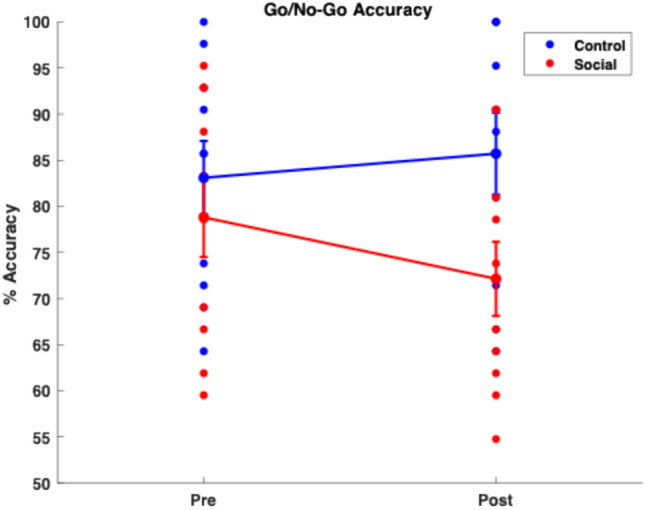
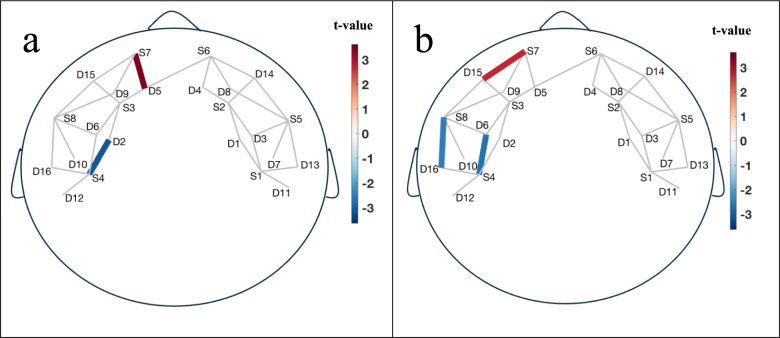
As of 2023, 69% of adults and 81% of teens in the U.S. use social media regularly. This study investigates the immediate impact of social media consumption on executive functioning (EF) and emotion in college students using a wearable, naturalistic functional near-infrared spectroscopy (fNIRS) system. Twenty participants completed EF tasks and self-report questionnaires both before and after a brief social media exposure. Over half (55%) met criteria for social media addiction, with an average Instagram usage of five hours per week. Behaviorally, social media exposure led to reduced accuracy in EF tasks, including n-back and Go/No-Go paradigms. Neurally, increased medial prefrontal cortex (mPFC) activation suggested greater cognitive effort and performance monitoring, while decreased dorsolateral (dlPFC) and ventrolateral prefrontal cortex (vlPFC) activation reflected impairments in working memory and inhibition. Reduced inferior frontal gyrus (IFG) activity was also linked to difficulties suppressing motor responses. Emotional changes were modest, with the control group reporting slightly lower happiness post-intervention. These findings demonstrate the cognitive cost of social media use and underscore the potential of wearable fNIRS for real-world brain monitoring. This approach may inform future interventions and support precision mental health strategies targeting digital behavior.
Overview
CoChat Summary
## TL;DR
This study found that 15 minutes of passive Instagram scrolling in college students was followed by worse inhibitory-control performance and altered prefrontal fNIRS activity compared with a neutral control condition. The strongest behavioral effect was poorer Go/No-Go correct rejection change scores in the social media group, alongside increased mPFC and decreased dlPFC/vlPFC/IFG activation during executive-function tasks.
## Key findings
- The sample included 20 undergraduate students (11 women, 9 men; mean age 20.75 ± 1.164), with 10 assigned to the control group and 10 to the social media group.
- On the Social Media Addiction Scale, 55% of participants were classified as addicted (score > 90), and participants reported using Instagram for an average of 5 h/week.
- After the intervention, the social media group showed significantly poorer change scores in Go/No-Go correct rejection performance than controls (Mann–Whitney U = 6.125, adjusted p = 0.012, rank-biserial r = -0.66).
- On the 2-back + 3-back vs. 0-back contrast, the social media group showed no statistically significant behavioral difference from controls (adjusted p = 0.17), though the paper reports a large negative effect size (r = -0.55).
- fNIRS showed a significant group-by-session interaction in executive-function tasks, with increased mPFC activity during both the n-back task (t = 3.32, p < 0.05, Cohen’s d = 1.1) and Go/No-Go task (t = 3.13, p < 0.05, Cohen’s d = 1.4), plus decreased dlPFC (t = -3.3, d = 0.8), decreased vlPFC (t = -2.5, d = 1.3), and decreased IFG activity during Go/No-Go-related contrasts.
- The paper states that no significant group × session interaction effects were found for the additional task-specific pairwise contrasts, and no significant correlations emerged between behavioral performance and fNIRS activity in mPFC, dlPFC, IFG, and vlPFC.
## Methods
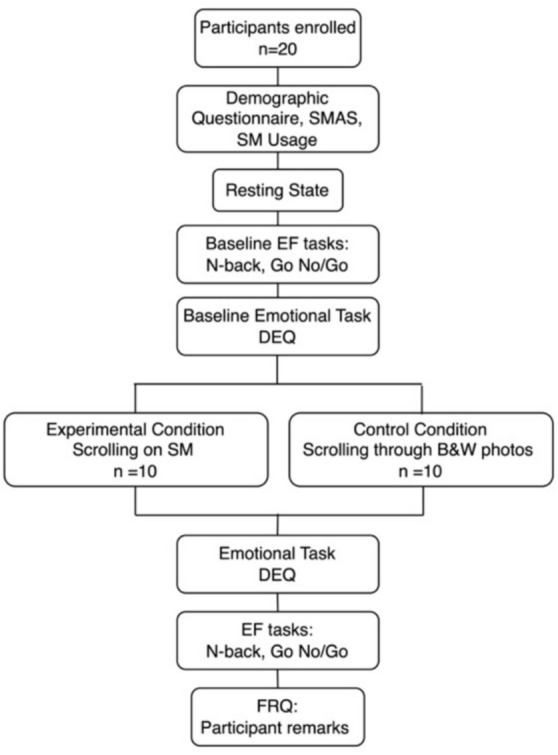
- Design: Randomized two-group pre/post intervention study in a naturalistic setting; participants completed executive-function and emotion measures before and after either passive Instagram use or a neutral control feed.
- Sample/data: 20 undergraduate students recruited from campus in February 2024; social media group used their personal Instagram accounts, while the control group scrolled a neutral Instagram account with black-and-white nature images and silent videos.
- Main analysis: Behavioral outcomes were analyzed with Mann–Whitney U tests and multiple-comparison correction via Holm–Bonferroni; fNIRS data were processed with quality control, wavelet filtering, modified Beer–Lambert conversion, AR-IRLS regression, and general linear mixed regression models with Benjamini–Hochberg FDR correction.
## Limitations
- The paper explicitly states that the small sample size limits statistical power and generalizability.
- The paper states that fNIRS does not measure deeper brain structures involved in executive function.
- The paper notes the lack of standardized assessments for mood, well-being, and neuropsychiatric symptoms, and that undiagnosed stress, anxiety, depression, ADHD, or ADD could have influenced performance.
- Evident from the text: the intervention was brief (15 minutes) and limited to passive Instagram scrolling, so the findings may not generalize to other platforms, active use, or longer-term social media exposure.
Model-written summary. Check it against the paper before relying on it.
Integrity signals
Registry
Cites
Statistics
Figures
Verification
Claims the paper makes
0 Valid · 0 Not valid · 32 Not checked · 69 Own results and interpretations
A result the paper reports from its own data — it cites no other source for it, so there is none to check. The quote shows it is in the paper.
In the paper
“Significant interaction effect between group and session were found in the fNIRS activation patterns during two EF tasks (n-back and Go/No-Go tasks).”
plainstates an association- Asserted: passes — The authors put it forward as true.
- Checkable: passes — It can be checked against evidence.
- Load-bearing: passes — The paper’s conclusions depend on it.
- Based: passes — The paper gives a reason why it holds.
A result the paper reports from its own data — it cites no other source for it, so there is none to check. The quote shows it is in the paper.
In the paper
“No significant group × session interaction effects were found for any of the above contrasts.”
plain- Asserted: passes — The authors put it forward as true.
- Checkable: passes — It can be checked against evidence.
- Load-bearing: unclear — It is unclear whether the paper’s conclusions depend on it.
- Based: passes — The paper gives a reason why it holds.
A result the paper reports from its own data — it cites no other source for it, so there is none to check. The quote shows it is in the paper.
In the paper
“no significant activation was observed in the go and no-go trials when analyzed separately.”
plain- Asserted: passes — The authors put it forward as true.
- Checkable: passes — It can be checked against evidence.
- Load-bearing: unclear — It is unclear whether the paper’s conclusions depend on it.
- Based: passes — The paper gives a reason why it holds.
A result the paper reports from its own data — it cites no other source for it, so there is none to check. The quote shows it is in the paper.
In the paper
“Decreased activity in the IFG during the Go/No-Go task”
plain- Asserted: passes — The authors put it forward as true.
- Checkable: passes — It can be checked against evidence.
- Load-bearing: passes — The paper’s conclusions depend on it.
- Based: passes — The paper gives a reason why it holds.
A result the paper reports from its own data — it cites no other source for it, so there is none to check. The quote shows it is in the paper.
In the paper
“Decreased activity in the vlPFC”
plain- Asserted: passes — The authors put it forward as true.
- Checkable: passes — It can be checked against evidence.
- Load-bearing: passes — The paper’s conclusions depend on it.
- Based: passes — The paper gives a reason why it holds.
17 more claims
Create a free account to see all 101 claims and to verify the 55 references still open.
- It may state two separate claims as one. 34
- The quote only partly states this claim. 15
- Probably not a substantial claim. 53
Self-check
Percentages, sums and reported differences re-computed from the paper’s own numbers.
Each contradiction between two passages listed here was confirmed by an independent check.
Rated minor: it would not touch a result — a value no result rests on, a p-value that stays on the same side of the significance level, or a conflict that is clerical, resolved elsewhere in the paper, or outside its own findings.
In the paper
“the tasks used in our study, which involved visually presented letters in both the n-back and Go/No-Go paradigms.”
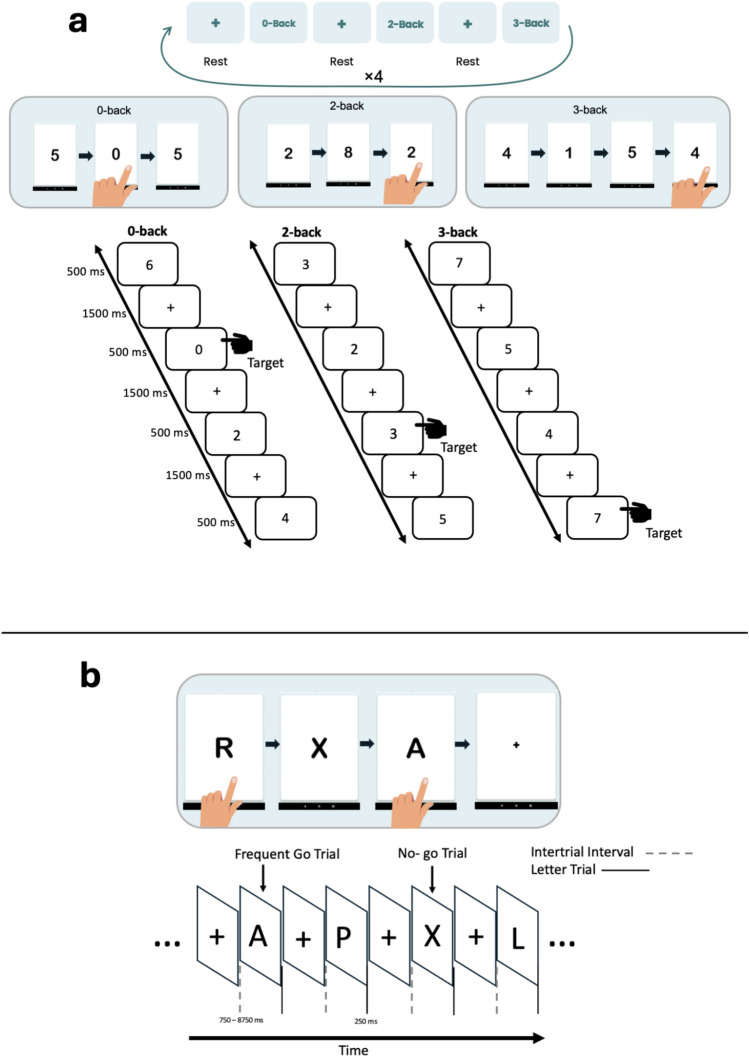
“Participants monitored a series of numeric stimuli (digits 0–9) and indicated whether the current number matched the one presented n steps back in the sequence (Fig. 4 a).”
Citations
Cites
Diamond, A. (2013) · Annual Review of Psychology · doi:10.1146/annurev-psych-113011-143750 · Cited by 13,268 · cited 4×
“Second, working memory, essential for reasoning and understanding language, requires individuals to actively hold and manipulate information 7 .”
InfluentialAn Integrative Theory of Prefrontal Cortex Function
Miller, E. K., & Cohen, J. D. (2001) · Annual Review of Neuroscience · doi:10.1146/annurev.neuro.24.1.167 · Cited by 12,803 · cited 3×
“The dlPFC is also engaged in maintaining task rules and exerting top-down control to inhibit inappropriate responses 23,24 .”
An argument for basic emotions
Ekman, P. (1992) · Cognition and Emotion · doi:10.1080/02699939208411068 · Cited by 9,646
Miyake, A., & Friedman, N. P. (2012) · Current Directions in Psychological Science · doi:10.1177/0963721411429458 · Cited by 3,944
N-back working memory paradigm: a meta-analysis of normative functional neuroimaging studies.
Owen, A. M., McMillan, K. M., Laird, A. R., & Bullmore, E. (2005) · Human Brain Mapping · doi:10.1002/hbm.20131 · Cited by 3,560
A “components” model of addiction within a biopsychosocial framework
Griffiths, M. (2005) · Journal of Substance Use · doi:10.1080/14659890500114359 · Cited by 3,088
The role of the medial frontal cortex in cognitive control
Ridderinkhof, K. R., Ullsperger, M., Crone, E. A., & Nieuwenhuis, S. (2004) · Science · doi:10.1126/science.1100301 · Cited by 2,974 · cited 2×
“5b for the corresponding source-detector pairs layout) is often related to the monitoring of ongoing performance and high regulation of cognitive effort in social media usage comparing to control group 20 .”
Kardefelt-Winther, D. (2014) · Computers in Human Behavior · doi:10.1016/j.chb.2013.10.059 · Cited by 2,519 · cited 1×
“Social media is often used to downregulate stress or boost mood 30,31 , yet our data suggest that this regulatory intent might incur a cognitive cost, particularly during concurrent task demands.”
Ferrari, M., & Quaresima, V. (2012) · NeuroImage · doi:10.1016/j.neuroimage.2012.03.049 · Cited by 2,274
Self-discipline outdoes IQ in predicting academic performance of adolescents.
Duckworth, A. L., & Seligman, M. E. P. (2005) · Psychological Science · doi:10.1111/j.1467-9280.2005.01641.x · Cited by 2,253 · cited 1×
“Diminished EF following social media use may negatively affect academic achievement, reduce productivity, and limit long-term career development—potentially influencing both personal and societal progress 41 .”
Inhibition and the right inferior frontal cortex: one decade on
Aron, A. R., Robbins, T. W., & Poldrack, R. A. (2014) · Trends in Cognitive Sciences · doi:10.1016/j.tics.2013.12.003 · Cited by 2,166
Individual Differences in Inhibitory Control and Children's Theory of Mind
Carlson, S. M., & Moses, L. J. (2001) · Child Development · doi:10.1111/1467-8624.00333 · Cited by 2,072 · cited 1×
“Skills such as empathy, impulse control, and perspective-taking are essential for successful social interaction 42 .”
Persistent activity in the prefrontal cortex during working memory
Curtis, C. E., & D'Esposito, M. (2003) · Trends in Cognitive Sciences · doi:10.1016/s1364-6613(03)00197-9 · Cited by 2,001 · cited 2×
“The reduction in activity in these areas indicates a diminished capacity to effectively manage working memory and inhibit inappropriate responses, reinforcing the idea that social media use can disrupt normal EF 23–28 .”
Executive functions and self-regulation
Hofmann, W., Schmeichel, B. J., & Baddeley, A. D. (2012) · Trends in Cognitive Sciences · doi:10.1016/j.tics.2012.01.006 · Cited by 1,965
Neuroimaging studies of working memory:
Wager, T. D., & Smith, E. E. (2003) · Cognitive, Affective, & Behavioral Neuroscience · doi:10.3758/cabn.3.4.255 · Cited by 1,889 · cited 1×
“…in naturalistic settings. fNIRS findings in this study were predominantly left-lateralized, consistent with the left prefrontal cortex’s dominant role in verbal working memory, language-related executive processes, and cognitive control—as supported by prior neuroimaging literature 32,33 .”
Meta-analyzing left hemisphere language areas: phonology, semantics, and sentence processing.
Vigneau, M., Beaucousin, V., Hervé, P. Y., Duffau, H., Crivello, F., Houdé, O., Mazoyer, B., & Tzourio-Mazoyer, N. (2006) · NeuroImage · doi:10.1016/j.neuroimage.2005.11.002 · Cited by 1,851 · cited 1×
“Previous research has shown that such verbal stimuli further engage left-lateralized prefrontal regions involved in symbolic processing and active manipulation of information 34,35 .”
The role of medial prefrontal cortex in memory and decision making
Euston, D. R., Gruber, A. J., & McNaughton, B. L. (2012) · Neuron · doi:10.1016/j.neuron.2012.12.002 · Cited by 1,541 · cited 3×
“Increased mPFC activity is associated with high effort to inhibit responses and performance monitoring influenced by social media 21 .”
Top-down modulation: bridging selective attention and working memory
Gazzaley, A., & Nobre, A. C. (2012) · Trends in Cognitive Sciences · doi:10.1016/j.tics.2011.11.014 · Cited by 1,404
Preschool emotional competence: Pathway to social competence?
Denham, S. A., Blair, K. A., DeMulder, E., Levitas, J., Sawyer, K., Auerbach–Major, S., & Queenan, P. (2003) · Child Development · doi:10.1111/1467-8624.00533 · Cited by 1,359 · cited 1×
“A decline in these domains may impair emotional regulation, hinder communication, and degrade relationship quality—especially among youth immersed in social media 43,44 .”
Pinti, P., Tachtsidis, I., Hamilton, A., Hirsch, J., Aichelburg, C., Gilbert, S., & Burgess, P. W. (2020) · Annals of the New York Academy of Sciences · doi:10.1111/nyas.13948 · Cited by 1,336
Do social network sites enhance or undermine subjective well-being? A critical review
Verduyn, P., Ybarra, O., Résibois, M., Jonides, J., & Kross, E. (2017) · Social Issues and Policy Review · doi:10.1111/sipr.12033 · Cited by 1,209 · cited 1×
“Social media is often used to downregulate stress or boost mood 30,31 , yet our data suggest that this regulatory intent might incur a cognitive cost, particularly during concurrent task demands.”
Age differences in the frontal lateralization of verbal and spatial working memory revealed by PET
Reuter-Lorenz, P. A., Jonides, J., Smith, E. E., Hartley, A., Miller, A., Marshuetz, C., & Koeppe, R. A. (2000) · Journal of Cognitive Neuroscience · doi:10.1162/089892900561814 · Cited by 998 · cited 1×
“Previous research has shown that such verbal stimuli further engage left-lateralized prefrontal regions involved in symbolic processing and active manipulation of information 34,35 .”
Basic emotions, relations among emotions, and emotion-cognition relations.
Izard, C. E. (1992) · Psychological Review · doi:10.1037/0033-295x.99.3.561 · Cited by 972
Dorsolateral prefrontal contributions to human working memory
Barbey, A. K., Koenigs, M., & Grafman, J. (2013) · Cortex · doi:10.1016/j.cortex.2012.05.022 · Cited by 940 · cited 1×
“The dlPFC is crucial for maintaining and manipulating information in working memory 22–24 .”
Emotion-Related Regulation: Sharpening the Definition
Eisenberg, N., & Spinrad, T. L. (2004) · Child Development · doi:10.1111/j.1467-8624.2004.00674.x · Cited by 915 · cited 1×
“A decline in these domains may impair emotional regulation, hinder communication, and degrade relationship quality—especially among youth immersed in social media 43,44 .”
Social media use and its impact on adolescent mental health: An umbrella review of the evidence.
Valkenburg, P. M., Meier, A., & Beyens, I. (2022) · Current opinion in psychology · doi:10.1016/j.copsyc.2021.08.017 · Cited by 767
Lench, H. C., Flores, S. A., & Bench, S. W. (2011) · Psychological Bulletin · doi:10.1037/a0024244 · Cited by 672 · cited 1×
“Our results align with Lench et al. 39 , who found that emotional states such as happiness can influence cognition 39 .”
Emotional bias and inhibitory control processes in mania and depression
MURPHY, F. C., SAHAKIAN, B. J., RUBINSZTEIN, J. S., MICHAEL, A., ROGERS, R. D., ROBBINS, T. W., & PAYKEL, E. S. (1999) · Psychological Medicine · doi:10.1017/s0033291799001233 · Cited by 659
Swick, D., Ashley, V., & Turken, U. (2011) · NeuroImage · doi:10.1016/j.neuroimage.2011.02.070 · Cited by 638 · cited 3×
“Decreased activity in the IFG during the Go/No-Go task is strongly associated with the failure to suppress motor responses and withhold actions in response to No-Go stimuli 28 resulted from social media.”
Levy, B. J., & Wagner, A. D. (2011) · Annals of the New York Academy of Sciences · doi:10.1111/j.1749-6632.2011.05958.x · Cited by 625 · cited 2×
“3) during the Go/No-Go task reflects low cognitive effort to inhibit responses and a failure to resolve conflicts between Go and No-Go signals 27 .”
Rethinking Executive Function and Its Development
Doebel, S. (2020) · Perspectives on Psychological Science · doi:10.1177/1745691620904771 · Cited by 517
Logue, S. F., & Gould, T. J. (2014) · Pharmacology Biochemistry and Behavior · doi:10.1016/j.pbb.2013.08.007 · Cited by 477 · cited 3×
“The right inferior frontal gyrus (IFG) is considered a key node for the inhibition of motor responses, which is a core aspect of impulse control 11,17 .”
The Discrete Emotions Questionnaire: a new tool for measuring state self-reported emotions
Harmon-Jones, C., Bastian, B., & Harmon-Jones, E. (2016) · PLOS ONE · doi:10.1371/journal.pone.0159915 · Cited by 473 · cited 1×
“The DEQ was selected due to its established use in studies assessing emotional responses to short-term experimental stimuli 49 .”
Exploration of the neural substrates of executive functioning by functional neuroimaging
Collette, F., Hogge, M., Salmon, E., & Van der Linden, M. (2006) · Neuroscience · doi:10.1016/j.neuroscience.2005.05.035 · Cited by 464 · cited 1×
“Previous neuroimaging studies using tools like EEG and fMRI have provided valuable insights into executive functioning (EF) 14 .”
The NIRS Brain AnalyzIR Toolbox
Santosa, H., Zhai, X., Fishburn, F., & Huppert, T. (2018) · Algorithms · doi:10.3390/a11050073 · Cited by 440
Mitchell, R. L. C., & Phillips, L. H. (2007) · Neuropsychologia · doi:10.1016/j.neuropsychologia.2006.06.030 · Cited by 397
Wang, Z., & Tchernev, J. M. (2012) · Journal of Communication · doi:10.1111/j.1460-2466.2012.01641.x · Cited by 372 · cited 1×
“First, a decline in EF may impair individuals’ ability to plan, focus, and make effective decisions, with downstream effects on mental well-being 40 .”
Short separation channel location impacts the performance of short channel regression in NIRS
Gagnon, L., Cooper, R. J., Yücel, M. A., Perdue, K. L., Greve, D. N., & Boas, D. A. (2012) · NeuroImage · doi:10.1016/j.neuroimage.2011.08.095 · Cited by 312
Are Social Media Ruining Our Lives? A Review of Meta-Analytic Evidence
Appel, M., Marker, C., & Gnambs, T. (2020) · Review of General Psychology · doi:10.1177/1089268019880891 · Cited by 290 · cited 1×
“Impairments in EF can reduce attention span, decrease cognitive abilities, and lower overall productivity 13 .”
Developmental science and executive function
Blair, C. (2016) · Current Directions in Psychological Science · doi:10.1177/0963721415622634 · Cited by 271 · cited 4×
“These PFC areas are intricately connected to various brain regions, including other cortical areas and structures associated with emotional reactivity, attention control, and stress response 9,16 .”
InfluentialDigital Media, Anxiety, and Depression in Children
Hoge, E., Bickham, D., & Cantor, J. (2017) · Pediatrics · doi:10.1542/peds.2016-1758g · Cited by 237
fNIRS in the developmental sciences
Wilcox, T., & Biondi, M. (2015) · WIREs Cognitive Science · doi:10.1002/wcs.1343 · Cited by 214
The relationship between media multitasking and executive function in early adolescents
Baumgartner, S. E., Weeda, W. D., van der Heijden, L. L., & Huizinga, M. (2014) · The Journal of Early Adolescence · doi:10.1177/0272431614523133 · Cited by 212
Beyens, I., Pouwels, J. L., van Driel, I. I., Keijsers, L., & Valkenburg, P. M. (2024) · Communication Research · doi:10.1177/00936502211038196 · Cited by 208 · cited 2×
“When used in moderation, social media may offer psychological benefits that complement, rather than hinder, well-being 6 .”
Moisala, M., Salmela, V., Hietajärvi, L., Salo, E., Carlson, S., Salonen, O., Lonka, K., Hakkarainen, K., Salmela-Aro, K., & Alho, K. (2016) · NeuroImage · doi:10.1016/j.neuroimage.2016.04.011 · Cited by 200
Memory failure predicted by attention lapsing and media multitasking
Madore, K. P., Khazenzon, A. M., Backes, C. W., Jiang, J., Uncapher, M. R., Norcia, A. M., & Wagner, A. D. (2020) · Nature · doi:10.1038/s41586-020-2870-z · Cited by 184 · cited 1×
“Prior studies suggest that strong executive function may serve as a protective buffer against addictive behaviors, whereas impaired inhibitory control may reinforce problematic social media use 38 .”
Santosa, H., Zhai, X., Fishburn, F. A., Sparto, P. J., & Huppert, T. J. (2020) · Neurophotonics · doi:10.1117/1.nph.7.3.035009 · Cited by 160
Wegmann, E., Müller, S. M., Turel, O., & Brand, M. (2020) · Scientific Reports · doi:10.1038/s41598-020-60819-4 · Cited by 145
Cognitive effects of social media use: A case of older adults
Quinn, K. (2018) · Social Media + Society · doi:10.1177/2056305118787203 · Cited by 120
A RESEARCH ON SOCIAL MEDIA ADDICTION AND DOPAMINE DRIVEN FEEDBACK
MACİT, H. B., MACİT, G., & Güngör, O. (2018) · Mehmet Akif Ersoy Üniversitesi İktisadi ve İdari Bilimler Fakültesi Dergisi · doi:10.30798/makuiibf.435845 · Cited by 105
ADHD and Academic Success in University Students: The Important Role of Impaired Attention
Henning, C., Summerfeldt, L. J., & Parker, J. D. A. (2022) · Journal of Attention Disorders · doi:10.1177/10870547211036758 · Cited by 94
Egner, T. (2011) · Journal of Cognitive Neuroscience · doi:10.1162/jocn_a_00064 · Cited by 88
Bettis, A. H., Coiro, M. J., England, J., Murphy, L. K., Zelkowitz, R. L., Dejardins, L., Eskridge, R., Adery, L. H., Yarboi, J., Pardo, D., et al. (2017) · Journal of American College Health · doi:10.1080/07448481.2017.1312411 · Cited by 81
A low-cost, wearable, do-it-yourself functional near-infrared spectroscopy (DIY-fNIRS) headband
Tsow, F., Kumar, A., Hosseini, S. M. H., & Bowden, A. K. (2021) · HardwareX · doi:10.1016/j.ohx.2021.e00204 · Cited by 70 · cited 3×
“We aimed to pioneer the use of our wearable fNIRS system 19 to examine the immediate effects of social media consumption and its implications for EF and emotion.”
Self-citationSuárez-Perdomo, A., Ruiz-Alfonso, Z., & Garcés-Delgado, Y. (2022) · Computers & Education · doi:10.1016/j.compedu.2022.104459 · Cited by 66
Psychometric Properties of the Bergen Social Media Addiction Scale in Korean Young Adults
Shin, N. Y. (2022) · Psychiatry Investigation · doi:10.30773/pi.2021.0294 · Cited by 65
Fernández-Castillo, A., & Caurcel, M. J. (2015) · International Journal of Psychology · doi:10.1002/ijop.12092 · Cited by 64
Neural, physiological, and behavioral correlates of visuomotor cognitive load
Hosseini, S. M. H., Bruno, J. L., Baker, J. M., Gundran, A., Harbott, L. K., Gerdes, J. C., & Reiss, A. L. (2017) · Scientific Reports · doi:10.1038/s41598-017-07897-z · Cited by 55 · cited 1×
“Motion artifacts were tackled using wavelet filtering 52 with a sym8 wavelet, discarding data points that deviated by more than five standard deviations from the mean, primarily focusing on motion and very low-frequency disturbances.”
Self-citationZhang, K., Li, P., Zhao, Y., Griffiths, M. D., Wang, J., & Zhang, M. X. (2023) · Psychology Research and Behavior Management · doi:10.2147/prbm.s414625 · Cited by 46 · cited 1×
“As of 2023, an estimated 6.92 billion people—approximately 86% of the global population—use smartphones, with platforms like Instagram, Twitter, TikTok, and Facebook dominating digital engagement 29 .”
InfluentialSocial Media TestDrive: Real-World Social Media Education for the Next Generation
DiFranzo, D., Choi, Y. H., Purington, A., Taft, J. G., Whitlock, J., & Bazarova, N. N. (2019) · Proceedings of the 2019 CHI Conference on Human Factors in Computing Systems · doi:10.1145/3290605.3300533 · Cited by 44 · cited 1×
“Programs like the Truman Platform 45 and TestDrive 46 provide controlled environments for promoting healthy digital behavior.”
Inhibitory Control and the Structural Parcelation of the Right Inferior Frontal Gyrus
Bøen, R., Raud, L., & Huster, R. J. (2022) · Frontiers in Human Neuroscience · doi:10.3389/fnhum.2022.787079 · Cited by 41 · cited 1×
“The right inferior frontal gyrus (IFG) is considered a key node for the inhibition of motor responses, which is a core aspect of impulse control 11,17 .”
Executive functions scale for university students: UEF-1
Ramos-Galarza, C., Rámos, V., Valle, M. D., Lepe-Martínez, N. F., Cruz‐Cárdenas, J., Acosta-Rodas, P., & Bolaños-Pasquel, M. (2023) · Frontiers in Psychology · doi:10.3389/fpsyg.2023.1192555 · Cited by 40 · cited 1×
“EFs are critical for academic success, influencing areas such as problem-solving, learning, planning, and impulse inhibition 7,9–12 , but they also play a pivotal role in daily life tasks such as time management, decision-making, and regulating emotions.”
Li, H., Wu, D., Yang, J., Luo, J., Xie, S., & Chang, C. (2021) · Brain Sciences · doi:10.3390/brainsci11050567 · Cited by 36 · cited 1×
“The device revealed distinctive patterns in the PFC between heavy tablet users and non-users 18 .”
Lautenbach, F. (2023) · Cognition & Emotion · doi:10.1080/02699931.2023.2279173 · Cited by 30
Mayshak, R., Sharman, S. J., & Zinkiewicz, L. (2016) · Computers in Human Behavior · doi:10.1016/j.chb.2016.09.002 · Cited by 29
Attention level quantification during a modified stroop color word experiment: an fNIRS based study
Jahani, S., Berivanlou, N. H., Jounghani, A. R., & Setarehdan, S. K. (2015) · National and International Iranian Conference on Biomedical Engineering (ICBME) · doi:10.1109/icbme.2015.7404124 · Cited by 27 · cited 2×
“These PFC areas are intricately connected to various brain regions, including other cortical areas and structures associated with emotional reactivity, attention control, and stress response 9,16 .”
InfluentialRelationship between media multitasking and functional connectivity in the dorsal attention network
Kobayashi, K., Oishi, N., Yoshimura, S., Ueno, T., Miyagi, T., Murai, T., & Fujiwara, H. (2020) · Scientific Reports · doi:10.1038/s41598-020-75091-9 · Cited by 27
Li, S., & Fan, L. (2022) · Frontiers in Psychiatry · doi:10.3389/fpsyt.2022.989201 · Cited by 27
Jounghani, A. R., Pollonini, L., Comstock, D. C., Balasubramaniam, R., & Bortfeld, H. (2020) · Journal of Neuroscience Methods · doi:10.1016/j.jneumeth.2020.108790 · Cited by 25 · cited 1×
“Our study aims to address this gap by leveraging a wearable functional near-infrared spectroscopy (fNIRS) device 15 .”
Wearable fNIRS platform for dense sampling and precision functional neuroimaging
Jounghani, A. R., Kumar, A., Carbonell, L. M., Aguilar, E. P. L., Picardi, T. B., Crawford, S., Bowden, A. K., & Hosseini, S. M. H. (2025) · npj Digital Medicine · doi:10.1038/s41746-025-01690-3 · Cited by 16 · cited 1×
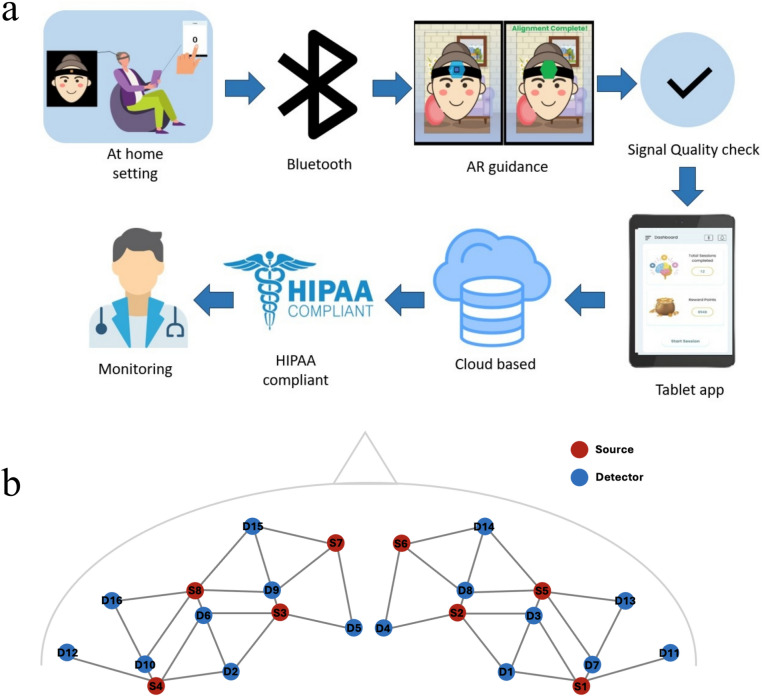
“The study used a recently validated, custom-built fNIRS platform 19,50 , developed collaboratively by the Bowden Biomedical Optics Laboratory (BBOL) at Vanderbilt and Stanford University C-BRAIN Laboratory.”
Self-citationNeuromonitoring-guided working memory intervention in children with ADHD
Jounghani, A. R., Gozdas, E., Dacorro, L., Avelar‐Pereira, B., Reitmaier, S., Fingerhut, H., Hong, D. S., Elliott, G. R., Hardan, A. Y., Hinshaw, S. P., et al. (2024) · iScience · doi:10.1016/j.isci.2024.111087 · Cited by 13 · cited 2×
“We also performed post hoc contrast analyses between conditions within each task to further explore specific activation patterns 48 .”
Self-citationAutonomous Regulation of Social Media Use: Implications for Self-control, Well-Being, and UX
Bennett, D., Feng, F., & Mekler, E. D. (2025) · CHI Conference on Human Factors in Computing Systems · doi:10.1145/3706598.3713094 · Cited by 13 · cited 1×
“Research from ACM SIGCHI has further explored how design features and feedback can support self-regulation in online spaces 47 .”
Are We All in a Truman Show? Spotting Instagram Crowdturfing through Self-Training
Tricomi, P. P., Tarahomi, S., Cattai, C., Martini, F., & Conti, M. (2023) · International Conference on Computer Communications and Networks (ICCCN) · doi:10.1109/icccn58024.2023.10230134 · Cited by 10 · cited 1×
“Programs like the Truman Platform 45 and TestDrive 46 provide controlled environments for promoting healthy digital behavior.”
Text-Message Dependency, Executive Function, and Impulsivity in College Students: A Cluster Analysis
Hayashi, Y., & Washio, Y. (2020) · Cyberpsychology Behavior and Social Networking · doi:10.1089/cyber.2019.0743 · Cited by 10
Multiple levels of contextual influence on action-based timing behavior and cortical activation
Jounghani, A. R., Lanka, P., Pollonini, L., Proksch, S., Balasubramaniam, R., & Bortfeld, H. (2023) · Scientific Reports · doi:10.1038/s41598-023-33780-1 · Cited by 7 · cited 1×
“Baseline corrections were made to the raw intensity signals to address issues like direct current shifts, concatenation effects, and global signals 51 .”
Self-citationExamination of college student health behaviors and self-reported executive functions
McGrath, A. B., Weinstock, J., Cloutier, R. M., Christensen, M. R., Taylor, D. J., & Henderson, C. E. (2021) · Journal of American College Health · doi:10.1080/07448481.2021.1904951 · Cited by 5
Cited by
Modern Day High: The Neurocognitive Impact of Social Media Usage
Satani, A., Satani, K. K., Barodia, P., & Joshi, H. (2025) · Cureus · doi:10.7759/cureus.87496 · Cited by 16
Xiong, Y., & Zhou, Y. (2025) · Scientific Reports · doi:10.1038/s41598-025-18957-0 · Cited by 21
The binge scrolling scale measures excessive scrolling through a validated three-factor structure
Savci, M., Savci, H., Ugur, E., Zincirli, M., & Elhai, J. D. (2025) · Scientific Reports · doi:10.1038/s41598-025-31861-x · Cited by 5
“This distinction is essential for explaining different functional forms of compulsive digital media use, as demonstrated by Aitken et al. 55 .”
Guerrero-Gutiérrez, N., Rojas-Cadena, S. J., Casadiegos, E. M. I., Rozo-Sánchez, A., Cepeda-Pineda, D., Carrillo-Sierra, S.-M., Bermudez, V., Contreras-Velásquez, J., Gómez-Charris, Y., & Rivera-Porras, D. (2026) · BMC Psychology · doi:10.1186/s40359-026-04109-0 · Cited by 4
Méndez, M. D. C. L., Wegmann, E., Müller, S. M., Padrón, I., Marrero, R. J., & Brand, M. (2026) · International Journal of Mental Health and Addiction · doi:10.1007/s11469-026-01695-3 · Cited by 2
Metadata
- Authors
- Aitken, A., Jounghani, A. R., Carbonell, L. M., Tadeo, D., Kumar, A., Crawford, S., Bowden, A. K., & Hosseini, S. M. H.
- Affiliations
- Stanford Medicine (US)
- Vanderbilt University (US)
- Corresponding author
- Jounghani, Ali Rahimpour
- Venue
- Scientific Reports
- Published
- 2025-10-22
- Volume
- 15
- Issue
- 1
- Pages
- 36960-36960
- ISSN
- 2045-2322 (ISSN-L)
- PMC
- PMC12546605
- OpenAlex
- W4415427276
- Cited by
- 24
- References
- 76
- Citations by year
- 2026: 20 · 2025: 4
- FWCI
- 41.14
- Type
- journal article
- Language
- en
- Open access
- gold
- doi.org
- Licence
- cc-by
- creativecommons.org/licenses/by/4.0 (tdm)
- creativecommons.org/licenses/by/4.0 (vor)
- Locations
- Scientific Reports (publishedVersion, cc-by)
- Research Square (acceptedVersion, cc-by)
- Europe PMC (PubMed Central) (publishedVersion, cc-by)
- PubMed (publishedVersion)
- PubMed Central (submittedVersion, cc-by)
- DOAJ (DOAJ: Directory of Open Access Journals) (submittedVersion, cc-by-sa)
- Funders
- National Institute of Mental Health (R61MH119289)
- National Institute on Aging (R01AG073362)
- Topics
- Social Sciences › Sociology and Political Science › Impact of Technology on Adolescents
- Life Sciences › Neuroscience › Cognitive Neuroscience › Neural and Behavioral Psychology Studies
- Social Sciences › Psychology › Clinical Psychology › Historical and Modern Theater Studies
- Keywords
- social media use, executive function, social media addiction, university students, medial prefrontal cortex, dorsolateral prefrontal cortex, ventrolateral prefrontal cortex, inferior frontal gyrus, working memory, inhibition, n-back task, go/no-go task, emotions, Instagram, cognitive effort, precision mental health
About these checks
Registry, retraction, Cites and statistics results are computed, not judged, with one exception: a printed reference that no index lists is read once by a model before it counts as a citation error. Claims are extracted by a model and kept only when their quote appears verbatim in the text; each cited source is then checked, with a model’s help, for whether it says what the claim relies on. Those verdicts can be wrong — read the claim’s quote and the cited source before relying on one.
A language model drew the claims from the paper on 2026-10-11, under version 3 of the claim definition (model deepseek-v4.1-flash, prompt extract-v3).
A second model labelled each claim on 2026-10-11 (model jev-1.13-20260917, definition revision gold-guideline-v0.2).
Statistics and arithmetic are recomputed, not judged.
Confidence bands are shown only for fields calibrated on our annotated test set. None is calibrated yet, so no band is shown.
What counts as a claim ›How we measure confidence ›How we check this ›
Are you an author, or do you see a problem with this page? Request a review
Data sources
Bibliographic data: Semantic Scholar, OpenAlex, Crossref.
Contains information from the Semantic Scholar Academic Graph Datasets, made available under the ODC Attribution License (ODC-BY 1.0).
Semantic Scholar’s data is described in: Kinney, R., et al. (2023). The Semantic Scholar Open Data Platform. arXiv:2301.10140.
