

Membrane recruitment of the polarity protein Scribble by the cell adhesion receptor TMIGD1
Open accessThe DOI matches its Crossref record; 98 of the 100 references it cites were found in a registry or an index; 56 of the 82 sources its claims cite were checked for support.
Abstract
Abstract Scribble (Scrib) is a multidomain polarity protein and member of the leucine-rich repeat and PDZ domain (LAP) protein family. A loss of Scrib expression is associated with disturbed apical-basal polarity and tumor formation. The tumor-suppressive activity of Scrib correlates with its membrane localization. Despite the identification of numerous Scrib-interacting proteins, the mechanisms regulating its membrane recruitment are not fully understood. Here, we identify the cell adhesion receptor TMIGD1 as a membrane anchor of Scrib. TMIGD1 directly interacts with Scrib through a PDZ domain-mediated interaction and recruits Scrib to the lateral membrane domain in epithelial cells. We characterize the association of TMIGD1 with each Scrib PDZ domain and describe the crystal structure of the TMIGD1 C-terminal peptide complexed with PDZ domain 1 of Scrib. Our findings describe a mechanism of Scrib membrane localization and contribute to the understanding of the tumor-suppressive activity of Scrib.
Overview
CoChat Summary
TL;DR
TMIGD1 directly binds Scrib through a PDZ domain-mediated interaction involving the TMIGD1 C-terminal PBM and recruits Scrib to lateral/cell-cell contacts. Structural and functional data identify TMIGD1 as a membrane anchor for Scrib and suggest a role in apical-basal polarity and cystogenesis.
Key findings
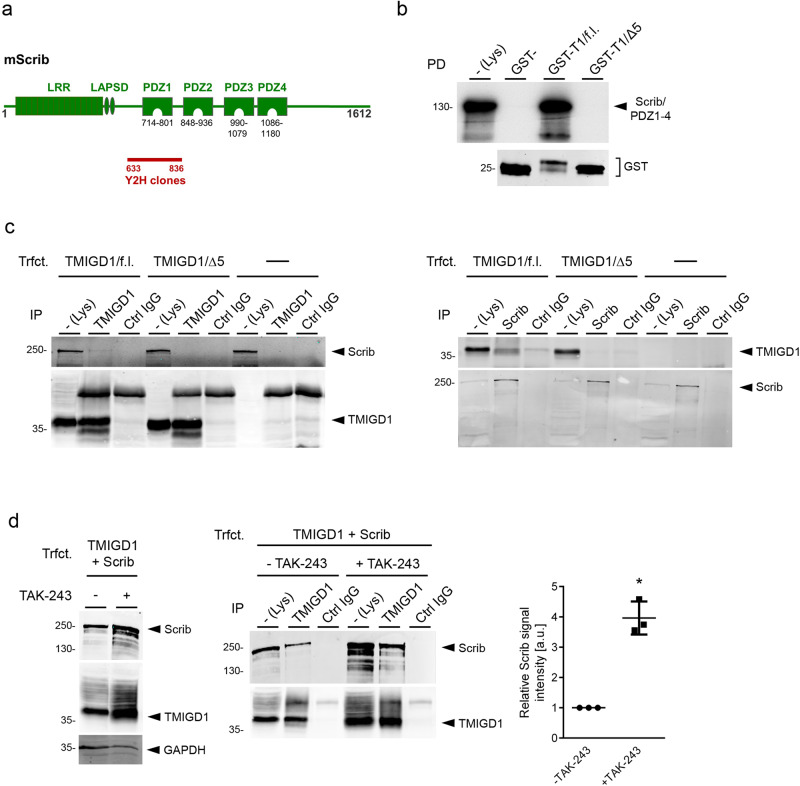
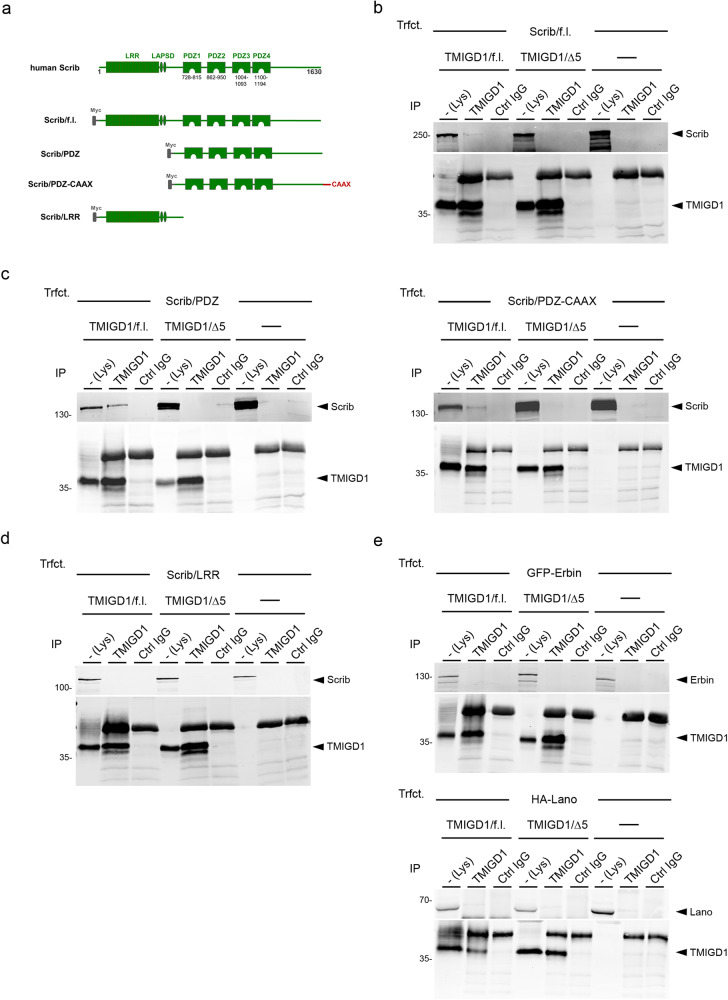
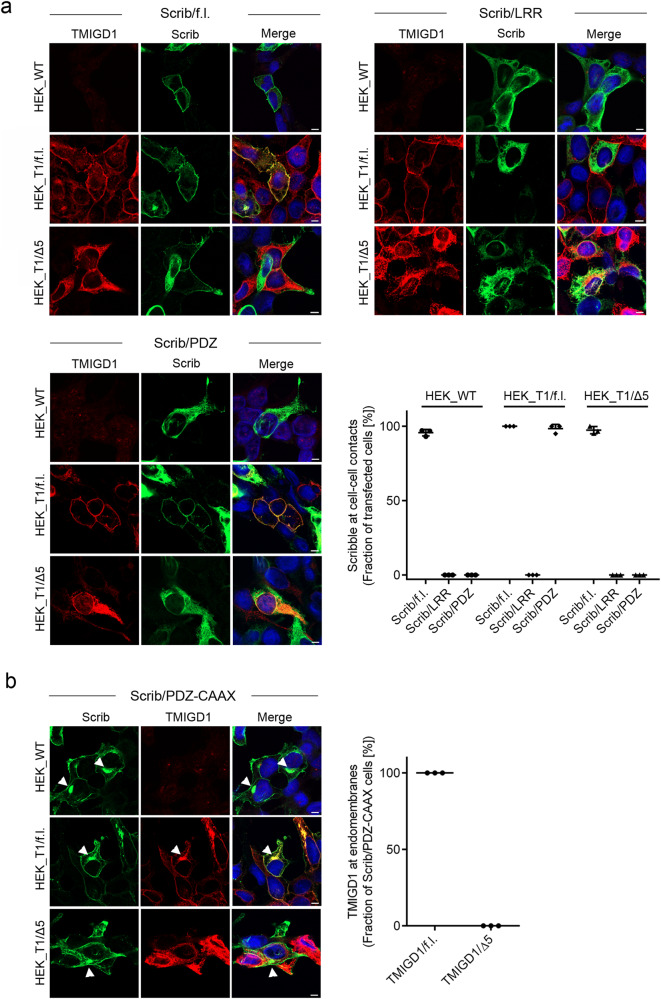
- TMIGD1 interacts directly with Scrib via its C-terminal PBM and Scrib PDZ domains; the interaction is lost with TMIGD1/Δ5 lacking the PBM and with Scrib/LRR, while Scrib/PDZ and Scrib/PDZ-CAAX interact with TMIGD1/f.l. but not TMIGD1/Δ5.
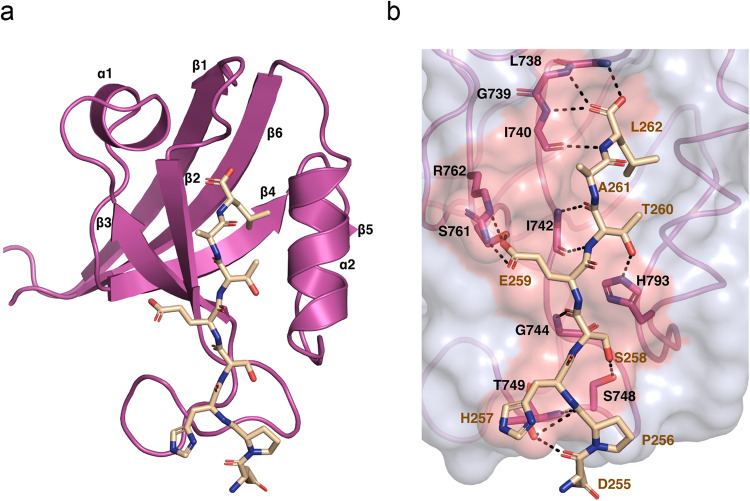
- The crystal structure of Scrib PDZ1 bound to the TMIGD1 C-terminal peptide was refined to 1.9 Å with Rfree 0.222; binding uses the canonical PDZ ligand-binding groove and recapitulates known Scrib PDZ1–PBM interactions.
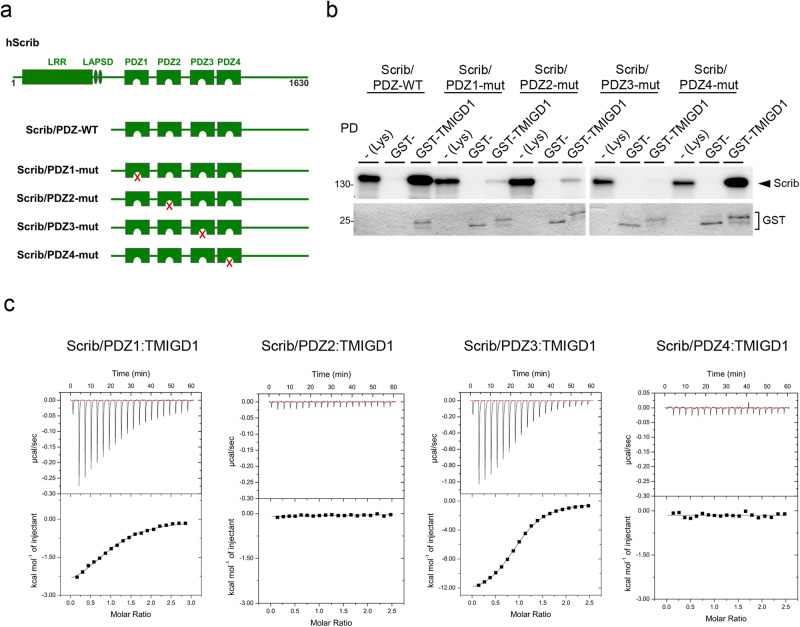
- ITC showed TMIGD1 peptide binding to Scrib PDZ1 with KD = 18.17 ± 1.80 µM and to Scrib PDZ3 with KD = 9.12 ± 0.67 µM; PDZ2 and PDZ4 showed no binding, and the mutant peptide DPHSEAAA did not bind any PDZ domain.
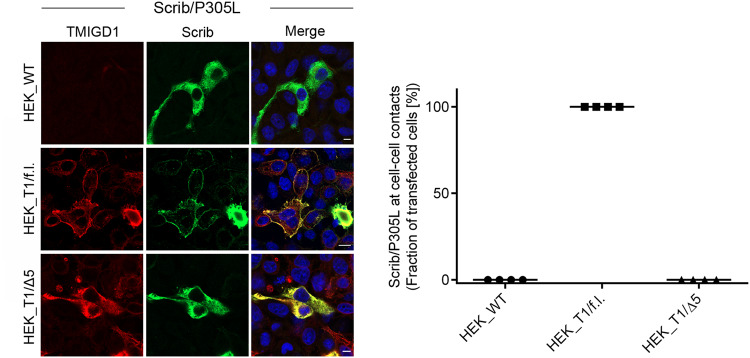
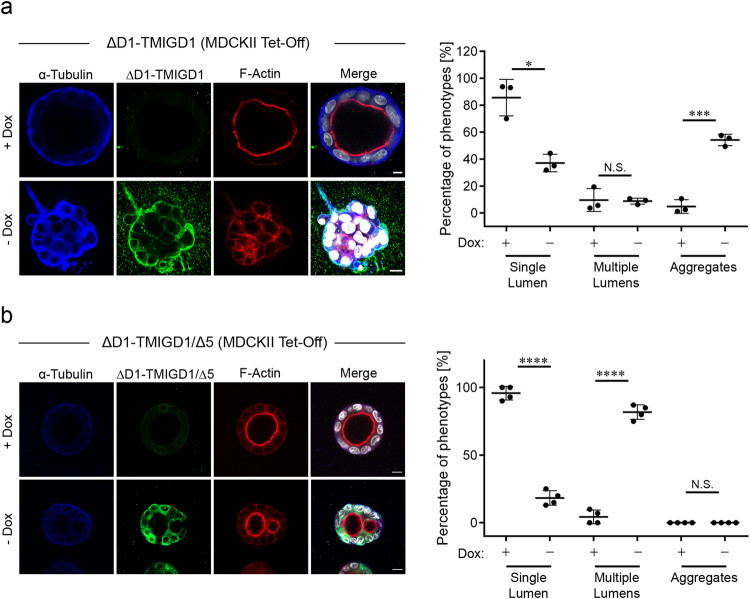
- TMIGD1 recruited Scrib/PDZ and Scrib/P305L to cell-cell contacts in HEK293 cells, and ΔD1-TMIGD1 expression in MDCKII cysts caused multicellular aggregates without lumen, whereas ΔD1-TMIGD1/Δ5 produced multiple-lumen spheroids.
Methods
- Binding and interaction assays: yeast two-hybrid screen with the TMIGD1 cytoplasmic tail as bait, GST pulldowns with recombinant TMIGD1 and in vitro translated Scrib constructs, and co-immunoprecipitations from HEK293 cells expressing TMIGD1 and Scrib constructs.
- Structural and affinity analyses: crystallization and X-ray structure determination of human Scrib PDZ1 with an 8-mer TMIGD1 C-terminal peptide, plus isothermal titration calorimetry of TMIGD1 wild-type and mutant peptides against Scrib PDZ1–PDZ4.
- Cell and cyst assays: HEK293 and MDCKII cell lines, immunofluorescence/confocal microscopy for Scrib recruitment, and three-dimensional MDCKII cyst assays in collagen I with quantification of single-lumen, multiple-lumen, and aggregate phenotypes; statistics used unpaired Student’s t tests.
Limitations
- The paper states that the interaction between full-length TMIGD1 and Scrib in cells was relatively weak despite strong recombinant binding, and suggests competition by other Scrib PDZ-domain partners or unfavorable Scrib conformation as possible explanations.
- The paper states that it has no clear-cut explanation for why isolated Scrib PDZ2 did not bind TMIGD1 while PDZ2 mutation in the Scrib/PDZ1-4 context reduced binding, and proposes possible adjacent-region or allosteric effects.
- The paper states that a cause-and-effect relationship between loss of TMIGD1 expression and Scrib mislocalization during cancer development remains to be studied; evident from the text, many experiments rely on ectopic expression in HEK293 or MDCKII cells rather than endogenous TMIGD1–Scrib complexes in native epithelial tissues.
Model-written summary. Check it against the paper before relying on it.
Integrity signals
Registry
Cites
Statistics
Figures
Verification
Claims the paper makes
35 Valid · 1 Not valid · 8 Not checked · 72 Own results and interpretations
The cited sources support only part of this claim — read each source’s verdict below.
In the paper
“The tumor-suppressive activity of Scrib correlates with its membrane localization.”
- Also stated in: § Introduction · hedged
“mislocalization transforms Scrib from a membrane-associated tumor suppressor to a cytosolic driver of tumor formation18,19, suggesting that membrane localization is key to its tumor-suppressing activity.”
§ Membrane recruitment of the polarity protein Scribble by the cell adhesion receptor TMIGD1 > Abstract
What the sources say
- Supportedcites [18] 18. Feigin ME Mislocalization of the cell polarity protein scribble promotes mammary tumorigenesis and is associated with Basal breast cancer Cancer Res. 2014 74 3180 3194 10.1158/0008-5472.CAN-13-3415 24662921 PMC4096808 sourceExperimental — accuracy not yet measured
Feigin et al. (2014) directly support the paraphrase. A paper-scoped snippet (score 0.735) says mislocalized SCRIB fails to rescue a loss-of-function phenotype and may mimic complete loss of function. Another passage states that basolateral membrane localization is required for normal SCRIB function; the paper also reports tumors in mice expressing a SCRIB mutant that fails to localize to cell junctions. The prior ‘disputed’ verdict reflects different wording, not a contrary finding. (LLM, conf=0.91)
- Could not verifycites [19] 19. Zhao D Yin Z Soellner MB Martin BR Scribble sub-cellular localization modulates recruitment of YES1 to regulate YAP1 phosphorylation Cell Chem. Biol. 2021 28 1235 1241 e1235 10.1016/j.chembiol.2021.02.019 33730553 sourceExperimental — accuracy not yet measured
Two searches of Zhao et al. (2021) returned no full-text snippets, so its support for this claim could not be checked directly. The sentence appears verbatim in the Semantic Scholar result for “Membrane recruitment of the polarity protein Scribble by the cell adhesion receptor TMIGD1” (score 0.606), and related results support the general relationship. That is not enough to establish that Zhao et al. makes the claim, or to call it misattributed: the cited paper lacks searchable full text, and the matching paper may be restating earlier work. (LLM, conf=0.66)
plainstates a cause- Asserted: passes — The authors put it forward as true.
- Checkable: passes — It can be checked against evidence.
- Load-bearing: passes — The paper’s conclusions depend on it.
- Based: passes — The paper gives a reason why it holds.
- Also stated in: § Introduction · hedged
Every source the paper cites for this claim was checked and supports it.
In the paper
“Despite the identification of numerous Scrib-interacting proteins, the mechanisms regulating its membrane recruitment are not fully understood.”
- Also stated in: § Introduction · plain
“Despite this critical role of membrane localization, the mechanisms of membrane recruitment are not fully understood17.”
§ Membrane recruitment of the polarity protein Scribble by the cell adhesion receptor TMIGD1 > Abstract
What the sources say
- Supportedcites [17] 17. Bonello TT Peifer M Scribble: A master scaffold in polarity, adhesion, synaptogenesis, and proliferation J. Cell Biol. 2019 218 742 756 10.1083/jcb.201810103 30598480 PMC6400555 sourceExperimental — accuracy not yet measured
Bonello and Peifer’s review directly addresses Scribble membrane localization. A cited-paper snippet (score 0.493) says the LRR region can target Scribble to the membrane, yet relatively few binding partners for that region are known; another identifies how those partners contribute to localization as a subject for future work. Together, these support the paraphrase that membrane-recruitment mechanisms are not fully understood. The prior weak match is not evidence of a contrary claim. (LLM, conf=0.85)
plain- Asserted: passes — The authors put it forward as true.
- Checkable: passes — It can be checked against evidence.
- Load-bearing: passes — The paper’s conclusions depend on it.
- Based: passes — The paper gives a reason why it holds.
- Also stated in: § Introduction · plain
The sources with a verdict support this claim; the rest weren’t checked yet, have no full text we could read, or their verdicts aren’t rated yet.
In the paper
“both TMIGD1 and Scrib were described to be subject to proteasomal degradation through the ubiquitin-proteasome pathway23,29”
§ Membrane recruitment of the polarity protein Scribble by the cell adhesion receptor TMIGD1 > Results > Scribble interacts with the cell adhesion receptor TMIGD1
What the sources say
- Supportedcites [23] 23. Arafa E TMIGD1 is a novel adhesion molecule that protects epithelial cells from oxidative cell injury Am. J. Pathol. 2015 185 2757 2767 10.1016/j.ajpath.2015.06.006 26342724 PMC4607757 source
The Results section reports that hydrogen peroxide induced TMIGD1 ubiquitination and that the proteasome inhibitor bortezomib rescued its down-regulation. This supports the TMIGD1 portion of the sentence; a separate citation accompanies the Scrib portion. (LLM, conf=0.90)
- Not checked — no full text of the sourcecites [29] 29. Phua DC Humbert PO Hunziker W Vimentin regulates scribble activity by protecting it from proteasomal degradation Mol. Biol. Cell 2009 20 2841 2855 10.1091/mbc.e08-02-0199 19386766 PMC2695792 source
plainstates a cause- Asserted: passes — The authors put it forward as true.
- Checkable: passes — It can be checked against evidence.
- Load-bearing: passes — The paper’s conclusions depend on it.
- Based: passes — The paper gives a reason why it holds.
- Supported
The sources with a verdict support this claim; the rest weren’t checked yet, have no full text we could read, or their verdicts aren’t rated yet.
In the paper
“Anchoring at the lateral membrane domain of epithelial cells depends on the LRR-region64–66.”
§ Membrane recruitment of the polarity protein Scribble by the cell adhesion receptor TMIGD1 > Discussion
What the sources say
- Supportedcites [64] 64. Legouis R Basolateral targeting by leucine-rich repeat domains in epithelial cells EMBO Rep. 2003 4 1096 1102 10.1038/sj.embor.7400006 14578922 PMC1326376 source
The Introduction states that the LRRs of LET-413 and Erbin are essential for their basolateral localization in epithelial cells. The Results and Discussion further report that deleting Erbin’s LRR domain or mutating a conserved LRR residue abolished membrane localization. (LLM, conf=0.92)
- Supportedcites [65] 65. Zeitler J Hsu CP Dionne H Bilder D Domains controlling cell polarity and proliferation in the Drosophila tumor suppressor Scribble J. Cell Biol. 2004 167 1137 1146 10.1083/jcb.200407158 15611336 PMC2172630 source
The Discussion (Role of the LRR) states that the LRR is sufficient for Scrib membrane localization and that Scrib lacking it remains in the cytoplasm. The Discussion (Role of the PDZ domains) distinguishes this initial LRR-dependent membrane association from PDZ-dependent enrichment at the septate junction; the claim concerns anchoring, not that finer localization. (LLM, conf=0.91)
- Not checked — no full text of the sourcecites [66] 66. Navarro C Junctional recruitment of mammalian Scribble relies on E-cadherin engagement Oncogene 2005 24 4330 4339 10.1038/sj.onc.1208632 15806148 source
plainstates a cause- Asserted: passes — The authors put it forward as true.
- Checkable: passes — It can be checked against evidence.
- Load-bearing: passes — The paper’s conclusions depend on it.
- Based: passes — The paper gives a reason why it holds.
- Supported
The sources with a verdict support this claim; the rest weren’t checked yet, have no full text we could read, or their verdicts aren’t rated yet.
In the paper
“Importantly, ectopic expression of Scrib/P305L in cell lines disrupts cell polarity, suppresses c-myc-induced apoptosis, enhances Akt signaling, and fails to suppress Ras-MAPK-induced EMT18,47,56,68.”
§ Membrane recruitment of the polarity protein Scribble by the cell adhesion receptor TMIGD1 > Discussion
What the sources say
- Could not verifycites [18] 18. Feigin ME Mislocalization of the cell polarity protein scribble promotes mammary tumorigenesis and is associated with Basal breast cancer Cancer Res. 2014 74 3180 3194 10.1158/0008-5472.CAN-13-3415 24662921 PMC4096808 sourceExperimental — accuracy not yet measured
The Results section on SCRIB mislocalization and Akt reports experiments in MCF-10A cells expressing hSCRIBP305L, but does not report c-Myc-induced apoptosis. The Discussion mentions cell death in connection with prior work on SCRIB loss, not a test of whether ectopic hSCRIBP305L suppresses c-Myc-induced apoptosis. Searches for c-Myc, Myc-induced cell death, and apoptosis did not locate that finding in our copy; page numbers were unavailable. (LLM, conf=0.76)
- Not checked — no full text of the sourcecites [47] 47. Elsum IA Humbert PO Localization, not important in all tumor-suppressing properties: a lesson learnt from scribble Cells Tissues Organs 2013 198 1 11 10.1159/000348423 23774808 source
- Supportedcites [56] 56. Zhan L Deregulation of scribble promotes mammary tumorigenesis and reveals a role for cell polarity in carcinoma Cell 2008 135 865 878 10.1016/j.cell.2008.09.045 19041750 PMC3015046 source
In the Results section, the authors report that they overexpressed Scribble/P305L in Myc.ER mammary epithelial cells. Myc induced apoptosis in control and wild-type Scribble acini but not in P305L-expressing acini, supporting the attributed claim. (LLM, conf=0.94)
plainstates a cause- Asserted: passes — The authors put it forward as true.
- Checkable: passes — It can be checked against evidence.
- Load-bearing: passes — The paper’s conclusions depend on it.
- Based: passes — The paper gives a reason why it holds.
- Could not verify
70 more claims · 9 with their cited sources checked
Create a free account to see all 116 claims and to verify the 1 reference still open.
- Probably not a substantial claim. 26
- It may state two separate claims as one. 18
- The quote only partly states this claim. 1
Self-check
Percentages, sums and reported differences re-computed from the paper’s own numbers.
Each contradiction between two passages listed here was confirmed by an independent check.
Rated minor: it would not touch a result — a value no result rests on, a p-value that stays on the same side of the significance level, or a conflict that is clerical, resolved elsewhere in the paper, or outside its own findings.
In the paper
§ Membrane recruitment of the polarity protein Scribble by the cell adhesion receptor TMIGD1 > Results > Scribble PDZ1 interacts with TMIGD1 through a canonical PDZ interaction
“All hydrogen bonds observed in previously characterized Scrib:PBM interactions are recapitulated in the Scrib/PDZ1 – TMIGD1 PBM structure.”
§ Membrane recruitment of the polarity protein Scribble by the cell adhesion receptor TMIGD1 > Results > Scribble PDZ1 interacts with TMIGD1 through a canonical PDZ interaction
“| -1 | A261 ••• | ••• I742 | S2842 | – | N645 --- | --- S741 | S520 | – |”
Rated minor: it would not touch a result — a value no result rests on, a p-value that stays on the same side of the significance level, or a conflict that is clerical, resolved elsewhere in the paper, or outside its own findings.
In the paper
§ Membrane recruitment of the polarity protein Scribble by the cell adhesion receptor TMIGD1 > Methods > Immunocytochemistry and immunofluorescence microscopy
“For quantification of Scrib recruitment to the lateral membrane domain by TMIGD1, at least 60 and maximally 90 cells per condition (derived from 3 independent experiments) were analyzed.”
§ Membrane recruitment of the polarity protein Scribble by the cell adhesion receptor TMIGD1 > Results > TMIGD1 recruits Scribble to cell-cell contacts
“Scrib/f.l.: n = 94 (HEK_WT), n = 81 (HEK_T1/f.l.), n = 76 (HEK_T1/Δ5); Scrib/LRR: n = 99 (HEK_WT)”
Rated minor: it would not touch a result — a value no result rests on, a p-value that stays on the same side of the significance level, or a conflict that is clerical, resolved elsewhere in the paper, or outside its own findings.
In the paper
§ Membrane recruitment of the polarity protein Scribble by the cell adhesion receptor TMIGD1 > Methods > Expression vectors
“hTMIGD1 full length (AA 1-262), hTMIGD1 lacking the PDZ domain binding motif (hTMIGD1/Δ5, AA 1-258).”
§ Membrane recruitment of the polarity protein Scribble by the cell adhesion receptor TMIGD1 > Results > Scribble interacts with the cell adhesion receptor TMIGD1
“TMIGD1/Δ5 TMIGD1 lacking the five C-terminal AA”
Citations
Cites
Features and development of Coot
Emsley, P., Lohkamp, B., Scott, W. G., & Cowtan, K. (2010) · Acta Crystallographica Section D Biological Crystallography · doi:10.1107/s0907444910007493 · Cited by 29,915
Overview of the CCP 4 suite and current developments
Winn, M. D., Ballard, C. C., Cowtan, K. D., Dodson, E. J., Emsley, P., Evans, P. R., Keegan, R. M., Krissinel, E. B., Leslie, A. G. W., McCoy, A., et al. (2011) · Acta Crystallographica Section D Biological Crystallography · doi:10.1107/s0907444910045749 · Cited by 12,353
Towards automated crystallographic structure refinement with phenix.refine
Afonine, P. V., Grosse-Kunstleve, R. W., Echols, N., Headd, J. J., Moriarty, N. W., Mustyakimov, M., Terwilliger, T. C., Urzhumtsev, A., Zwart, P. H., & Adams, P. D. (2012) · Acta Crystallographica Section D Biological Crystallography · doi:10.1107/s0907444912001308 · Cited by 5,511
Complex networks orchestrate epithelial–mesenchymal transitions
Thiery, J. P., & Sleeman, J. P. (2006) · Nature Reviews Molecular Cell Biology · doi:10.1038/nrm1835 · Cited by 3,958
Transitions between epithelial and mesenchymal states: acquisition of malignant and stem cell traits
Polyak, K., & Weinberg, R. A. (2009) · Nature Reviews Cancer · doi:10.1038/nrc2620 · Cited by 3,302
Schiestl, R. H., & Gietz, R. D. (1989) · Current Genetics · doi:10.1007/bf00340712 · Cited by 2,131
Solving structures of protein complexes by molecular replacement with Phaser
McCoy, A. J. (2007) · Acta Crystallographica Section D Biological Crystallography · doi:10.1107/s0907444906045975 · Cited by 1,595
Recognition of Unique Carboxyl-Terminal Motifs by Distinct PDZ Domains
Songyang, Z., Fanning, A. S., Fu, C., Xu, J., Marfatia, S. M., Chishti, A. H., Crompton, A., Chan, A. C., Anderson, J. M., & Cantley, L. C. (1997) · Science · doi:10.1126/science.275.5296.73 · Cited by 1,385
Doyle, D. A., Lee, A., Lewis, J., Kim, E., Sheng, M., & MacKinnon, R. (1996) · Cell · doi:10.1016/s0092-8674(00)81307-0 · Cited by 1,142
Collaboration gets the most out of software
Morin, A., Eisenbraun, B., Key, J., Sanschagrin, P. C., Timony, M. A., Ottaviano, M., & Sliz, P. (2013) · eLife · doi:10.7554/elife.01456 · Cited by 1,081
Isolation of Monoclonal Antibodies Specific for Human c-myc Proto-Oncogene Product
Evan, G. I., Lewis, G. K., Ramsay, G., & Bishop, J. M. (1985) · Molecular and Cellular Biology · doi:10.1128/mcb.5.12.3610-3616.1985 · Cited by 794
Measurement of protein by spectrophotometry at 205 nm
Scopes, R. K. (1974) · Analytical Biochemistry · doi:10.1016/0003-2697(74)90034-7 · Cited by 760
A structural basis of the interactions between leucine-rich repeats and protein ligands
Kobe, B., & Deisenhofer, J. (1995) · Nature · doi:10.1038/374183a0 · Cited by 727
Endomembrane Trafficking of Ras
Choy, E., Chiu, V. K., Silletti, J., Feoktistov, M., Morimoto, T., Michaelson, D., Ivanov, I. E., & Philips, M. R. (1999) · Cell · doi:10.1016/s0092-8674(00)80607-8 · Cited by 697
Hollenberg, S. M., Sternglanz, R., Cheng, P. F., & Weintraub, H. (1995) · Molecular and Cellular Biology · doi:10.1128/mcb.15.7.3813 · Cited by 647
Building epithelial architecture: insights from three-dimensional culture models
O'Brien, L. E., Zegers, M. M. P., & Mostov, K. E. (2002) · Nature Reviews Molecular Cell Biology · doi:10.1038/nrm859 · Cited by 596
Winter, G., Lobley, C. M. C., & Prince, S. M. (2013) · Acta Crystallographica Section D Biological Crystallography · doi:10.1107/s0907444913015308 · Cited by 559
Linking EMT programmes to normal and neoplastic epithelial stem cells
Lambert, A. W., & Weinberg, R. A. (2021) · Nature Reviews Cancer · doi:10.1038/s41568-021-00332-6 · Cited by 534
A small-molecule inhibitor of the ubiquitin activating enzyme for cancer treatment
Hyer, M. L., Milhollen, M. A., Ciavarri, J., Fleming, P., Traore, T., Sappal, D., Huck, J., Shi, J., Gavin, J., Brownell, J., et al. (2018) · Nature Medicine · doi:10.1038/nm.4474 · Cited by 447
Junctional Adhesion Molecule Interacts with the PDZ Domain-containing Proteins AF-6 and ZO-1
Ebnet, K., Schulz, C. U., Meyer zu Brickwedde, M.-K., Pendl, G. G., & Vestweber, D. (2000) · Journal of Biological Chemistry · doi:10.1074/jbc.m002363200 · Cited by 438
Self-citationZhan, L., Rosenberg, A., Bergami, K. C., Yu, M., Xuan, Z., Jaffe, A. B., Allred, C., & Muthuswamy, S. K. (2008) · Cell · doi:10.1016/j.cell.2008.09.045 · Cited by 436
Benton, R., & Johnston, D. S. (2003) · Cell · doi:10.1016/s0092-8674(03)00938-3 · Cited by 410
Cancer cell survival during detachment from the ECM: multiple barriers to tumour progression
Buchheit, C. L., Weigel, K. J., & Schafer, Z. T. (2014) · Nature Reviews Cancer · doi:10.1038/nrc3789 · Cited by 367
Targeting cancer-promoting inflammation — have anti-inflammatory therapies come of age?
Hou, J., Karin, M., & Sun, B. (2021) · Nature Reviews Clinical Oncology · doi:10.1038/s41571-020-00459-9 · Cited by 366
Wright, L. P., & Philips, M. R. (2006) · Journal of Lipid Research · doi:10.1194/jlr.r600004-jlr200 · Cited by 343
Macara, I. G. (2004) · Nature Reviews Molecular Cell Biology · doi:10.1038/nrm1332 · Cited by 341
Mesenchymal–epithelial transition in development and reprogramming
Pei, D., Shu, X., Gassama-Diagne, A., & Thiery, J. P. (2019) · Nature Cell Biology · doi:10.1038/s41556-018-0195-z · Cited by 304
Apical–basal polarity and the control of epithelial form and function
Buckley, C. E., & St Johnston, D. (2022) · Nature Reviews Molecular Cell Biology · doi:10.1038/s41580-022-00465-y · Cited by 295
aPKC Phosphorylation of Bazooka Defines the Apical/Lateral Border in Drosophila Epithelial Cells
Morais-de-Sá, E., Mirouse, V., & St Johnston, D. (2010) · Cell · doi:10.1016/j.cell.2010.02.040 · Cited by 282
The MDCK variety pack: choosing the right strain
Dukes, J. D., Whitley, P., & Chalmers, A. D. (2011) · BMC Cell Biology · doi:10.1186/1471-2121-12-43 · Cited by 239
Junctional recruitment of mammalian Scribble relies on E-cadherin engagement
Navarro, C., Nola, S., Audebert, S., Santoni, M.-J., Arsanto, J.-P., Ginestier, C., Marchetto, S., Jacquemier, J., Isnardon, D., Le Bivic, A., et al. (2005) · Oncogene · doi:10.1038/sj.onc.1208632 · Cited by 237
Roh, M. H., Fan, S., Liu, C.-J., & Margolis, B. (2003) · Journal of Cell Science · doi:10.1242/jcs.00500 · Cited by 220
PATJ regulates tight junction formation and polarity in mammalian epithelial cells
Shin, K., Straight, S., & Margolis, B. (2005) · The Journal of Cell Biology · doi:10.1083/jcb.200408064 · Cited by 214
Horikoshi, Y., Suzuki, A., Yamanaka, T., Sasaki, K., Mizuno, K., Sawada, H., Yonemura, S., & Ohno, S. (2009) · Journal of Cell Science · doi:10.1242/jcs.043174 · Cited by 176
Hurd, T. W., Fan, S., Liu, C.-J., Kweon, H. K., Håkansson, K., & Margolis, B. L. (2003) · Current Biology · doi:10.1016/j.cub.2003.11.020 · Cited by 176
Rewiring cell polarity signaling in cancer
Halaoui, R., & McCaffrey, L. (2015) · Oncogene · doi:10.1038/onc.2014.59 · Cited by 174
Beilsten-Edmands, J., Winter, G., Gildea, R., Parkhurst, J., Waterman, D., & Evans, G. (2020) · Acta Crystallographica Section D Structural Biology · doi:10.1107/s2059798320003198 · Cited by 159
Basolateral targeting by leucine‐rich repeat domains in epithelial cells
Legouis, R., Jaulin‐Bastard, F., Schott, S., Navarro, C., Borg, J., & Labouesse, M. (2003) · The EMBO Reports · doi:10.1038/sj.embor.7400006 · Cited by 153
Albertson, R., Chabu, C., Sheehan, A., & Doe, C. Q. (2004) · Journal of Cell Science · doi:10.1242/jcs.01525 · Cited by 135
Domains controlling cell polarity and proliferation in the Drosophila tumor suppressor Scribble
Zeitler, J., Hsu, C. P., Dionne, H., & Bilder, D. (2004) · The Journal of Cell Biology · doi:10.1083/jcb.200407158 · Cited by 135
Feigin, M. E., Akshinthala, S. D., Araki, K., Rosenberg, A. Z., Muthuswamy, L. B., Martin, B., Lehmann, B. D., Berman, H. K., Pietenpol, J. A., Cardiff, R. D., et al. (2014) · Cancer Research · doi:10.1158/0008-5472.can-13-3415 · Cited by 135
Stephens, R., Lim, K., Portela, M., Kvansakul, M., Humbert, P. O., & Richardson, H. E. (2018) · Journal of Molecular Biology · doi:10.1016/j.jmb.2018.01.011 · Cited by 132
Self-citationPar6B and Atypical PKC Regulate Mitotic Spindle Orientation during Epithelial Morphogenesis
Durgan, J., Kaji, N., Jin, D., & Hall, A. (2011) · Journal of Biological Chemistry · doi:10.1074/jbc.m110.174235 · Cited by 132
Scribble: A master scaffold in polarity, adhesion, synaptogenesis, and proliferation
Bonello, T. T., & Peifer, M. (2019) · Journal of Cell Biology · doi:10.1083/jcb.201810103 · Cited by 127
Data publication with the structural biology data grid supports live analysis
Meyer, P. A., Socias, S., Key, J., Ransey, E., Tjon, E. C., Buschiazzo, A., Lei, M., Botka, C., Withrow, J., Neau, D., et al. (2016) · Nature Communications · doi:10.1038/ncomms10882 · Cited by 122
Self-citationZDHHC7-mediated S-palmitoylation of Scribble regulates cell polarity
Chen, B., Zheng, B., DeRan, M., Jarugumilli, G. K., Fu, J., Brooks, Y. S., & Wu, X. (2016) · Nature Chemical Biology · doi:10.1038/nchembio.2119 · Cited by 119
aPKC phosphorylates JAM-A at Ser285 to promote cell contact maturation and tight junction formation
Iden, S., Misselwitz, S., Peddibhotla, S. S. D., Tuncay, H., Rehder, D., Gerke, V., Robenek, H., Suzuki, A., & Ebnet, K. (2012) · Journal of Cell Biology · doi:10.1083/jcb.201104143 · Cited by 111
Self-citationZhang, Y., Yeh, S., Appleton, B. A., Held, H. A., Kausalya, P. J., Phua, D. C. Y., Lee Wong, W., Lasky, L. A., Wiesmann, C., Hunziker, W., et al. (2006) · Journal of Biological Chemistry · doi:10.1074/jbc.m602902200 · Cited by 107
Monomer−Dimer Equilibrium in Glutathione Transferases: A Critical Re-Examination
Fabrini, R., De Luca, A., Stella, L., Mei, G., Orioni, B., Ciccone, S., Federici, G., Lo Bello, M., & Ricci, G. (2009) · Biochemistry · doi:10.1021/bi901238t · Cited by 105
Petit, M. M., Meulemans, S. M., Alen, P., Ayoubi, T. A., Jansen, E., & Van de Ven, W. J. (2005) · BMC Cell Biology · doi:10.1186/1471-2121-6-1 · Cited by 99
The Mammalian Crumbs Complex Defines a Distinct Polarity Domain Apical of Epithelial Tight Junctions
Tan, B., Yatim, S. M. J. M., Peng, S., Gunaratne, J., Hunziker, W., & Ludwig, A. (2020) · Current Biology · doi:10.1016/j.cub.2020.05.032 · Cited by 98
Keegan, K. S., & Cooper, J. A. (1996) · PubMed · Cited by 96
Polarity proteins PAR6 and aPKC regulate cell death through GSK-3β in 3D epithelial morphogenesis
Kim, M., Datta, A., Brakeman, P., Yu, W., & Mostov, K. E. (2007) · Journal of Cell Science · doi:10.1242/jcs.007443 · Cited by 93
The LAP family: a phylogenetic point of view
Santoni, M.-J., Pontarotti, P., Birnbaum, D., & Borg, J.-P. (2002) · Trends in Genetics · doi:10.1016/s0168-9525(02)02738-5 · Cited by 88
Rehder, D., Iden, S., Nasdala, I., Wegener, J., zu Brickwedde, M.-K. M., Vestweber, D., & Ebnet, K. (2006) · Experimental Cell Research · doi:10.1016/j.yexcr.2006.07.004 · Cited by 87
Self-citationCollective nomenclature for LAP proteins
Bilder, D., Birnbaum, D., Borg, J.-P., Bryant, P., Huigbretse, J., Jansen, E., Kennedy, M. B., Labouesse, M., Legouis, R., Mechler, B., et al. (2000) · Nature Cell Biology · doi:10.1038/35017119 · Cited by 81
Wan, S., Meyer, A., Weiler, S. M. E., Rupp, C., Tóth, M., Sticht, C., Singer, S., Thomann, S., Roessler, S., Schorpp‐Kistner, M., et al. (2018) · Hepatology · doi:10.1002/hep.29669 · Cited by 79
Yates, L. L., Schnatwinkel, C., Hazelwood, L., Chessum, L., Paudyal, A., Hilton, H., Romero, M. R., Wilde, J., Bogani, D., Sanderson, J., et al. (2013) · Developmental Biology · doi:10.1016/j.ydbio.2012.11.012 · Cited by 78
Rautureau, G. J. P., Yabal, M., Yang, H., Huang, D. C. S., Kvansakul, M., & Hinds, M. G. (2012) · Cell Death & Disease · doi:10.1038/cddis.2012.178 · Cited by 69
Self-citationVimentin Regulates Scribble Activity by Protecting It from Proteasomal Degradation
Phua, D. C. Y., Humbert, P. O., & Hunziker, W. (2009) · Molecular Biology of the Cell · doi:10.1091/mbc.e08-02-0199 · Cited by 68
Self-citationZihni, C., Munro, P., Elbediwy, A., Keep, N. H., Terry, S. J., Harris, J., Balda, M. S., & Matter, K. (2013) · The Journal of Cell Biology · doi:10.1083/jcb.201304064 · Cited by 64
The Scribble family in cancer: twentieth anniversary
Santoni, M.-J., Kashyap, R., Camoin, L., & Borg, J.-P. (2020) · Oncogene · doi:10.1038/s41388-020-01478-7 · Cited by 62
Cohen, D., Fernandez, D., Lázaro-Diéguez, F., & Müsch, A. (2011) · Journal of Cell Biology · doi:10.1083/jcb.201007002 · Cited by 61
Brady, D. C., Alan, J. K., Madigan, J. P., Fanning, A. S., & Cox, A. D. (2009) · Molecular and Cellular Biology · doi:10.1128/mcb.00336-08 · Cited by 60
Empowering statistical methods for cellular and molecular biologists
Pollard, D. A., Pollard, T. D., & Pollard, K. S. (2019) · Molecular Biology of the Cell · doi:10.1091/mbc.e15-02-0076 · Cited by 59
Tuncay, H., Brinkmann, B. F., Steinbacher, T., Schürmann, A., Gerke, V., Iden, S., & Ebnet, K. (2015) · Nature Communications · doi:10.1038/ncomms9128 · Cited by 56
Self-citationScribble, Erbin, and Lano redundantly regulate epithelial polarity and apical adhesion complex
Choi, J., Troyanovsky, R. B., Indra, I., Mitchell, B. J., & Troyanovsky, S. M. (2019) · Journal of Cell Biology · doi:10.1083/jcb.201804201 · Cited by 53
Regulation of cell polarity by cell adhesion receptors
Ebnet, K., Kummer, D., Steinbacher, T., Singh, A., Nakayama, M., & Matis, M. (2018) · Seminars in Cell & Developmental Biology · doi:10.1016/j.semcdb.2017.07.032 · Cited by 52
Self-citationProfiles of microRNA networks in intestinal epithelial cells in a mouse model of colitis
Lee, J., Park, E. J., Yuki, Y., Ahmad, S., Mizuguchi, K., Ishii, K. J., Shimaoka, M., & Kiyono, H. (2015) · Scientific Reports · doi:10.1038/srep18174 · Cited by 52
Cattaneo, E., Laczko, E., Buffoli, F., Zorzi, F., Bianco, M. A., Menigatti, M., Bartosova, Z., Haider, R., Helmchen, B., Sabates‐Bellver, J., et al. (2011) · EMBO Molecular Medicine · doi:10.1002/emmm.201100141 · Cited by 44
Mojica, W., & Hawthorn, L. (2010) · BMC Genomics · doi:10.1186/1471-2164-11-5 · Cited by 43
Roberts, D. L., O’Dwyer, S. T., Stern, P. L., & Renehan, A. G. (2015) · Oncotarget · doi:10.18632/oncotarget.3198 · Cited by 42
TMIGD1 Is a Novel Adhesion Molecule That Protects Epithelial Cells from Oxidative Cell Injury
Arafa, E., Bondzie, P. A., Rezazadeh, K., Meyer, R. D., Hartsough, E., Henderson, J. M., Schwartz, J. H., Chitalia, V., & Rahimi, N. (2015) · The American Journal of Pathology · doi:10.1016/j.ajpath.2015.06.006 · Cited by 40
Supertertiary protein structure affects an allosteric network
Laursen, L. V., Kliche, J., Gianni, S., & Jemth, P. (2020) · Proceedings of the National Academy of Sciences · doi:10.1073/pnas.2007201117 · Cited by 39
Intramolecular domain dynamics regulate synaptic MAGUK protein interactions
Rademacher, N., Kuropka, B., Kunde, S., Wahl, M. C., Freund, C., & Shoichet, S. A. (2019) · eLife · doi:10.7554/elife.41299 · Cited by 37
Basolateral targeting by leucine-rich repeat domains in epithelial cells
Legouis, R., Jaulin‐Bastard, F., Schott, S., et al. (2003) · EMBO Reports · doi:10.1038/sj.embor.embor7400006 · Cited by 37
Lim, K. Y. B., Gödde, N. J., Humbert, P. O., & Kvansakul, M. (2017) · Journal of Biological Chemistry · doi:10.1074/jbc.m117.799452 · Cited by 34
Self-citationHartmann, C., Schwietzer, Y. A., Kummer, D., Kirschnick, N., Hoppe, E., Thüring, E.-M., Glaesner-Ebnet, M., Brinkmann, F., Gerke, V., Reuter, S., et al. (2020) · BMC Molecular and Cell Biology · doi:10.1186/s12860-020-00274-1 · Cited by 32
Self-citationPolarity proteins in oncogenesis
Fomicheva, M., Tross, E. M., & Macara, I. G. (2019) · Current Opinion in Cell Biology · doi:10.1016/j.ceb.2019.07.016 · Cited by 32
Localization, Not Important in All Tumor-Suppressing Properties: A Lesson Learnt from Scribble
Elsum, I. A., & Humbert, P. O. (2013) · Cells Tissues Organs · doi:10.1159/000348423 · Cited by 27
Self-citationTMIGD1 acts as a tumor suppressor through regulation of p21Cip1/p27Kip1 in renal cancer
Meyer, R. D., Zou, X., Ali, M., Ersoy, E., Bondzie, P. A., Lavaei, M., Alexandrov, I., Henderson, J., & Rahimi, N. (2018) · Oncotarget · doi:10.18632/oncotarget.23822 · Cited by 24
Zabana, Y., Lorén, V., Domènech, E., Aterido, A., Garcia-Jaraquemada, A., Julià, A., Vicario, M., Pedrosa, E., Ferreiro, M., Troya, J., et al. (2020) · American Journal of Physiology-Gastrointestinal and Liver Physiology · doi:10.1152/ajpgi.00027.2020 · Cited by 24
De La Cena, K. O. C., Ho, R. X.-Y., Amraei, R., Woolf, N., Tashjian, J. Y., Zhao, Q., Richards, S., Walker, J., Huang, J., Chitalia, V. C., et al. (2021) · The American Journal of Pathology · doi:10.1016/j.ajpath.2020.09.015 · Cited by 23
Thrombospondin-1 in a Murine Model of Colorectal Carcinogenesis
Lopez-Dee, Z. P., Chittur, S. V., Patel, H., Chinikaylo, A., Lippert, B., Patel, B., Lawler, J., & Gutierrez, L. S. (2015) · PLOS ONE · doi:10.1371/journal.pone.0139918 · Cited by 23
Scribble sub-cellular localization modulates recruitment of YES1 to regulate YAP1 phosphorylation
Zhao, D., Yin, Z., Soellner, M. B., & Martin, B. R. (2021) · Cell Chemical Biology · doi:10.1016/j.chembiol.2021.02.019 · Cited by 22
Interdomain interface-mediated target recognition by the Scribble PDZ34 supramodule
Ren, J., Feng, L., Bai, Y., Pei, H., Yuan, Z., & Feng, W. (2015) · Biochemical Journal · doi:10.1042/bj20141473 · Cited by 21
Rho and Rab Family Small GTPases in the Regulation of Membrane Polarity in Epithelial Cells
Ebnet, K., & Gerke, V. (2022) · Frontiers in Cell and Developmental Biology · doi:10.3389/fcell.2022.948013 · Cited by 20
Self-citationCaria, S., Stewart, B. Z., Jin, R., Smith, B. J., Humbert, P. O., & Kvansakul, M. (2019) · FEBS Journal · doi:10.1111/febs.15002 · Cited by 19
Self-citationIntestinal brush border formation requires a TMIGD1-based intermicrovillar adhesion complex
Hartmann, C., Thüring, E.-M., Greune, L., Michels, B. E., Pajonczyk, D., Leußink, S., Brinkmann, F., Glaesner-Ebnet, M., Wardelmann, E., Zobel, T., et al. (2022) · Science Signaling · doi:10.1126/scisignal.abm2449 · Cited by 19
Self-citationCrystal structure of the human Scribble PDZ 1 domain bound to the PDZ ‐binding motif of APC
How, J. Y., Caria, S., Humbert, P. O., & Kvansakul, M. (2019) · FEBS Letters · doi:10.1002/1873-3468.13329 · Cited by 19
Self-citationDistinguishing colorectal adenoma from hyperplastic polyp by WNT2 expression
Wang, B., Wang, X., Tseng, Y., Huang, M., Luo, F., Zhang, J., & Liu, J. (2021) · Journal of Clinical Laboratory Analysis · doi:10.1002/jcla.23961 · Cited by 18
Structural basis of the human Scribble–Vangl2 association in health and disease
How, J. Y., Stephens, R. K., Lim, K. Y. B., Humbert, P. O., & Kvansakul, M. (2021) · Biochemical Journal · doi:10.1042/bcj20200816 · Cited by 17
Self-citationScribble co-operatively binds multiple α1D-adrenergic receptor C-terminal PDZ ligands
Janezic, E. M., Harris, D.-A., Dinh, D., Lee, K.-S., Stewart, A., Hinds, T. R., Hsu, P. L., Zheng, N., & Hague, C. (2019) · Scientific Reports · doi:10.1038/s41598-019-50671-6 · Cited by 15
Javorsky, A., Maddumage, J. C., Mackie, E. R. R., da Costa, T. P. S., Humbert, P. O., & Kvansakul, M. (2022) · FEBS Journal · doi:10.1111/febs.16607 · Cited by 14
Self-citationTMIGD1: Emerging functions of a tumor supressor and adhesion receptor
Thüring, E.-M., Hartmann, C., Schwietzer, Y. A., & Ebnet, K. (2023) · Oncogene · doi:10.1038/s41388-023-02696-5 · Cited by 11
Self-citationTroyanovsky, R. B., Indra, I., Kato, R., Mitchell, B. J., & Troyanovsky, S. M. (2021) · Journal of Biological Chemistry · doi:10.1016/j.jbc.2021.101289 · Cited by 10
Identification of four novel hub genes as monitoring biomarkers for colorectal cancer
Luo, D., Yang, J., Liu, J., Yong, X., & Wang, Z. (2022) · Hereditas · doi:10.1186/s41065-021-00216-7 · Cited by 10
Crystallographic Studies of PDZ Domain–Peptide Interactions of the Scribble Polarity Module
Maddumage, J. C., Stewart, B. Z., Humbert, P. O., & Kvansakul, M. (2021) · Methods in molecular biology · doi:10.1007/978-1-0716-1166-1_7 · Cited by 6
Self-citation
Cited by
Integrated profiling reveals polarity protein dysregulation during oral cancer progression
Ghose, S., Chaudry, U. R., Chakravarty, S., Sarangi, S., Biswas, N. K., Baral, R., & Ray, D. (2025) · Scientific Reports · doi:10.1038/s41598-025-27447-2 · Cited by 2
“Oral squamous cell carcinoma (OSCC), which often arises from the potentially malignant disorder oral leukoplakia, provides a clinically relevant model to investigate polarity dysregulation 8–10 .”
Taraz, T., Asri, N., Mojarad, E. N., Forouzesh, F., Rezaei–Tavirani, M., & Rostami‐Nejad, M. (2024) · Immunity Inflammation and Disease · doi:10.1002/iid3.1186 · Cited by 1
Nuclear activities and interactome of the NS5 protein of tick-borne encephalitis virus
Chazal, M., Sow, A. A., Seac’h, E. L., Hawasheen, D., Bonifacio, M., Feracci, M., Gracias, S., Sogues, A., Molho, M., Pan, H., et al. (2026) · Journal of Virology · doi:10.1128/jvi.00810-26 · Cited by 2
“SMN1 localizes to both the cytoplasm and the nucleus, where it is found in Gems and Cajal bodies (33), whereas SCRIB is primarily found at the cell surface (34).”
A direct interaction of JAM-C with the tight junction scaffold protein ZO-2
Schulte, A., Schwietzer, M. F., Brinkmann, F., Teuber, V., Citi, S., Furuse, M., Aurrand‐Lions, M., & Ebnet, K. (2026) · Scientific Reports · doi:10.1038/s41598-026-56546-x · Cited by 1
“For example, the JAM-related IgSF member TMIGD1 associates with PDZ1 and PDZ3 of the polarity protein Scribble 56 .”
Self-citationSCRIB inhibits PP1 phosphatase activity without blocking or structurally altering its active site
Alharbi, S., Kumawat, A., Huntington, B., Momin, A. A., Alfaiyz, S., Florio, V. D., Rigoli, M., Cardona‐Londoño, K. J., Rocchia, W., Sandholu, A., et al. (2026) · Journal of Biological Chemistry · doi:10.1016/j.jbc.2026.113599
Metadata
- Authors
- Thüring, E.-M., Hartmann, C., Maddumage, J. C., Javorsky, A., Michels, B. E., Gerke, V., Banks, L., Humbert, P. O., Kvansakul, M., & Ebnet, K.
- Affiliations
- University of Münster (DE)
- La Trobe University (AU)
- International Centre for Genetic Engineering and Biotechnology (IT)
- Corresponding author
- Kvansakul, Marc
- Ebnet, Klaus
- ORCID
- Venue
- Communications Biology
- Published
- 2023-07-10
- Volume
- 6
- Issue
- 1
- Pages
- 702-702
- ISSN
- 2399-3642 (ISSN-L)
- PMC
- PMC10333293
- OpenAlex
- W4383723507
- Semantic Scholar
- e05fa06d49c64cb6694a2e410462c2076eb20d23
- Cited by
- 7
- References
- 100
- Citations by year
- 2026: 4 · 2025: 1 · 2024: 2
- FWCI
- 1.41
- Type
- journal article
- Language
- en
- Open access
- gold
- doi.org
- Licence
- cc-by
- creativecommons.org/licenses/by/4.0 (tdm)
- creativecommons.org/licenses/by/4.0 (vor)
- Locations
- Communications Biology (publishedVersion, cc-by)
- PubMed Central (publishedVersion, cc-by)
- PubMed (publishedVersion)
- URN:NBN Resolver for Germany & Switzerland (German National Library) (submittedVersion, cc-by)
- DOAJ (DOAJ: Directory of Open Access Journals) (submittedVersion, cc-by-sa)
- Universitäts- und Landesbibliothek Münster (cc-by)
- Funders
- Deutsche Forschungsgemeinschaft (EB 160/8-1, EXC 1003-CiMIC)
- Department of Health | National Health and Medical Research Council (APP1079133)
- Topics
- Health Sciences › Medicine › Immunology and Allergy › Cell Adhesion Molecules Research
- Life Sciences › Biochemistry, Genetics and Molecular Biology › Cell Biology › Hippo pathway signaling and YAP/TAZ
- Life Sciences › Biochemistry, Genetics and Molecular Biology › Molecular Biology › Developmental Biology and Gene Regulation
- Keywords
- Scribble, PDZ domain, membrane recruitment, cell polarity, apical-basal polarity, tumor suppression, cell adhesion receptors, epithelial cells, protein-protein interaction, crystal structure
- MeSH terms
- Cell Adhesion, Epithelial Cells, Membranes, Platelet Glycoprotein GPIb-IX Complex
About these checks
Registry, retraction, Cites and statistics results are computed, not judged, with one exception: a printed reference that no index lists is read once by a model before it counts as a citation error. Claims are extracted by a model and kept only when their quote appears verbatim in the text; each cited source is then checked, with a model’s help, for whether it says what the claim relies on. Those verdicts can be wrong — read the claim’s quote and the cited source before relying on one.
The claim verdicts this report counts are experimental: their accuracy is not yet measured.
A language model drew the claims from the paper on 2026-09-30, under version 3 of the claim definition (model deepseek-v4.1-flash, prompt extract-v3).
A second model labelled each claim on 2026-09-30 (model jev-1.13-20260917, definition revision gold-guideline-v0.2).
Cited sources are checked with a language model’s help (gpt-6-sol).
Statistics and arithmetic are recomputed, not judged.
Confidence bands are shown only for fields calibrated on our annotated test set. None is calibrated yet, so no band is shown.
What counts as a claim ›How we measure confidence ›How we check this ›
Are you an author, or do you see a problem with this page? Request a review
Data sources
Bibliographic data: Semantic Scholar, OpenAlex, Crossref.
Contains information from the Semantic Scholar Academic Graph Datasets, made available under the ODC Attribution License (ODC-BY 1.0).
Semantic Scholar’s data is described in: Kinney, R., et al. (2023). The Semantic Scholar Open Data Platform. arXiv:2301.10140.
