

Long-lasting geroprotection from brief rapamycin treatment in early adulthood by persistently increased intestinal autophagy
Open accessPublished version of a preprint
The DOI matches its Crossref record; 57 of the 57 references it cites were found in a registry or an index.
Abstract
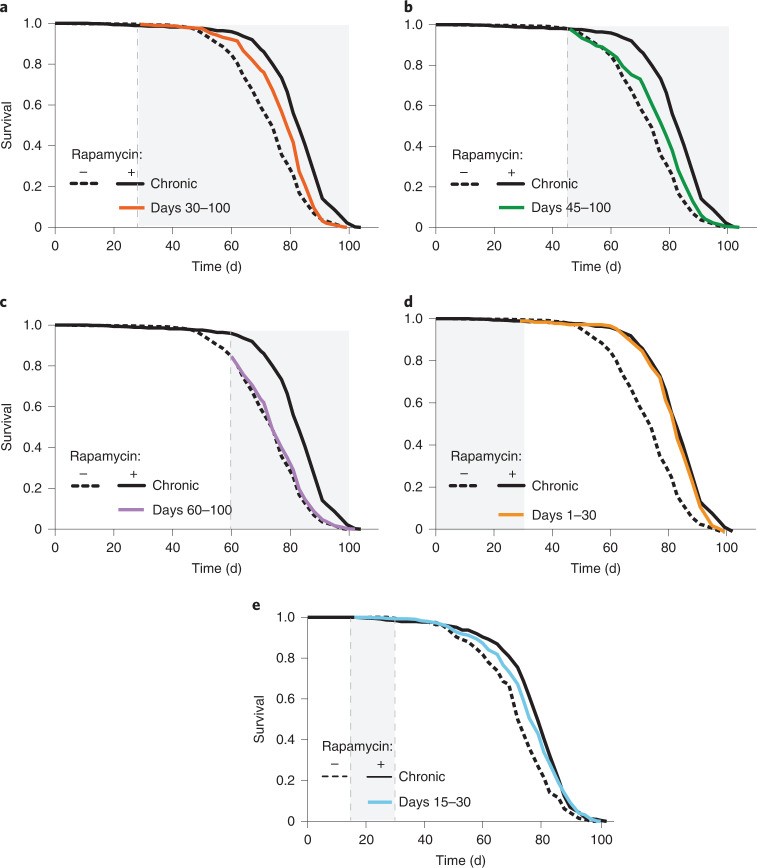
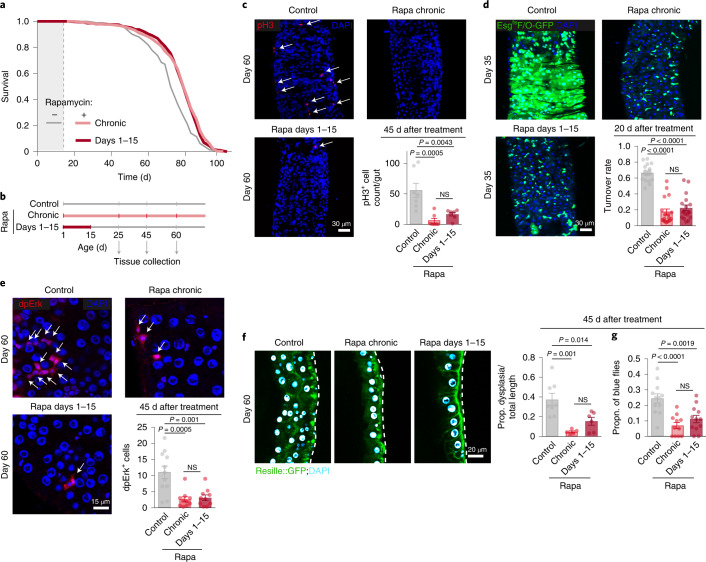
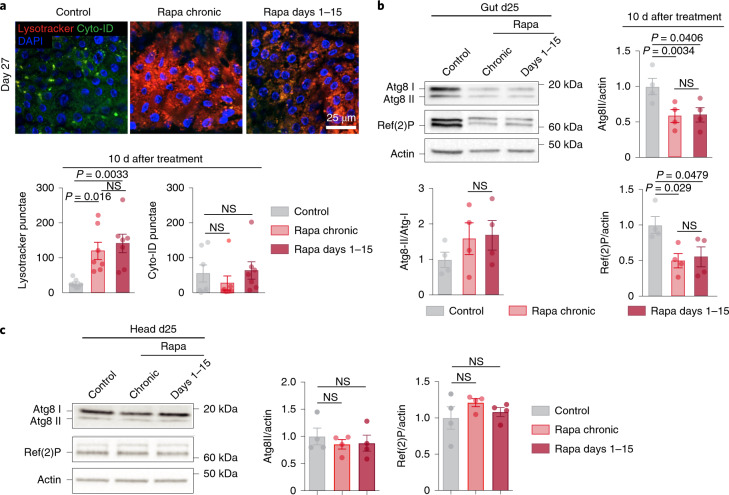
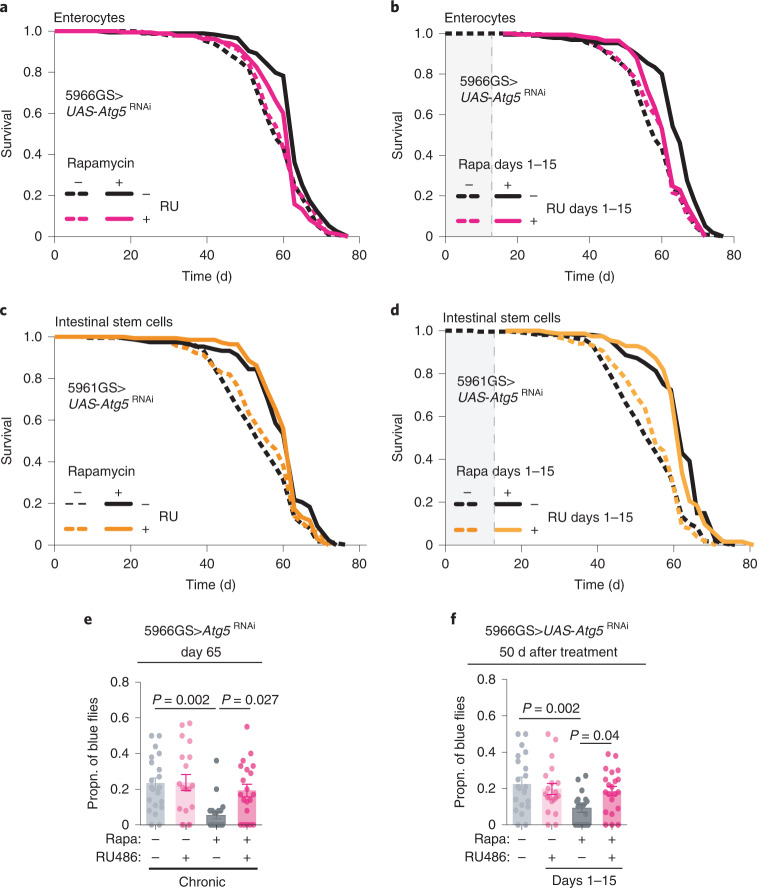
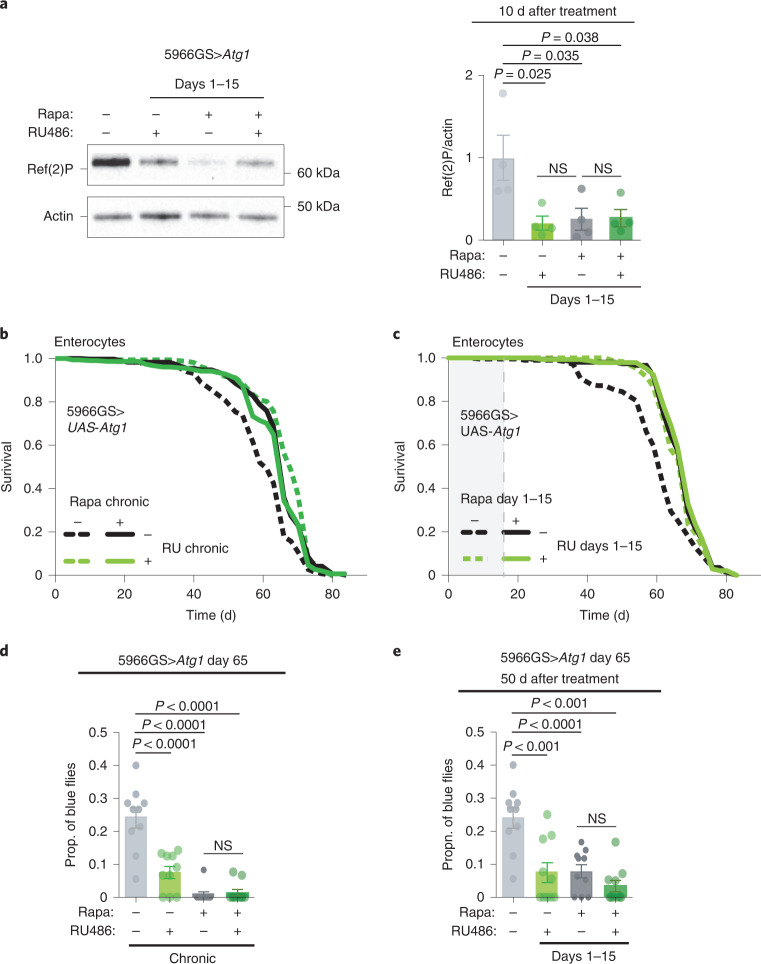
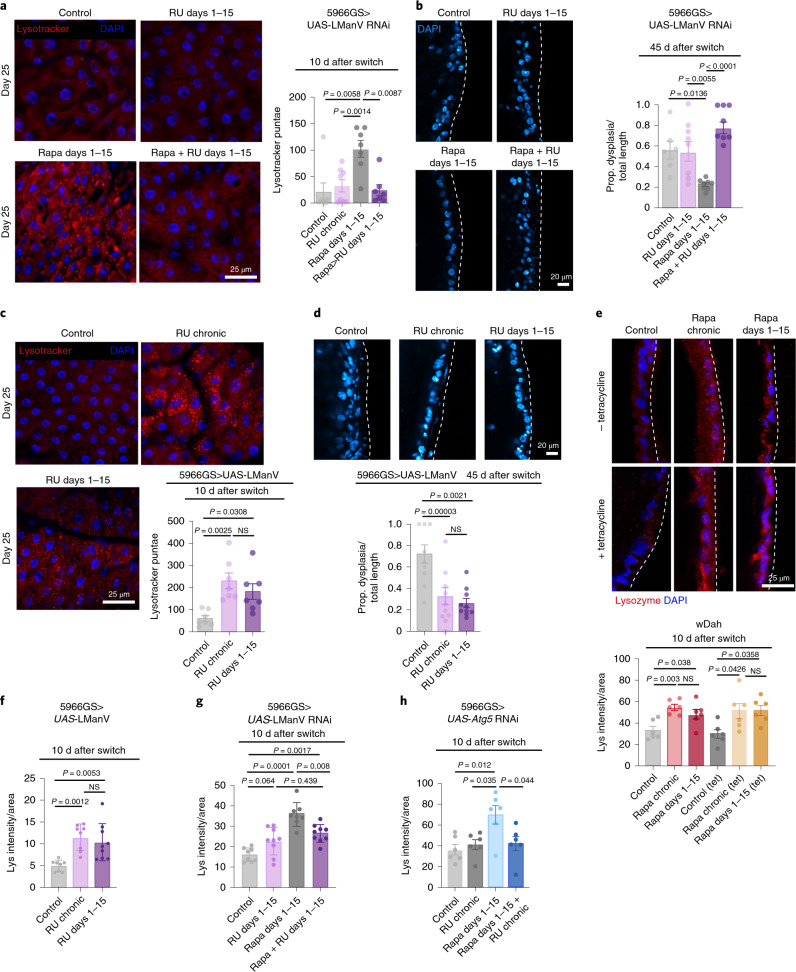
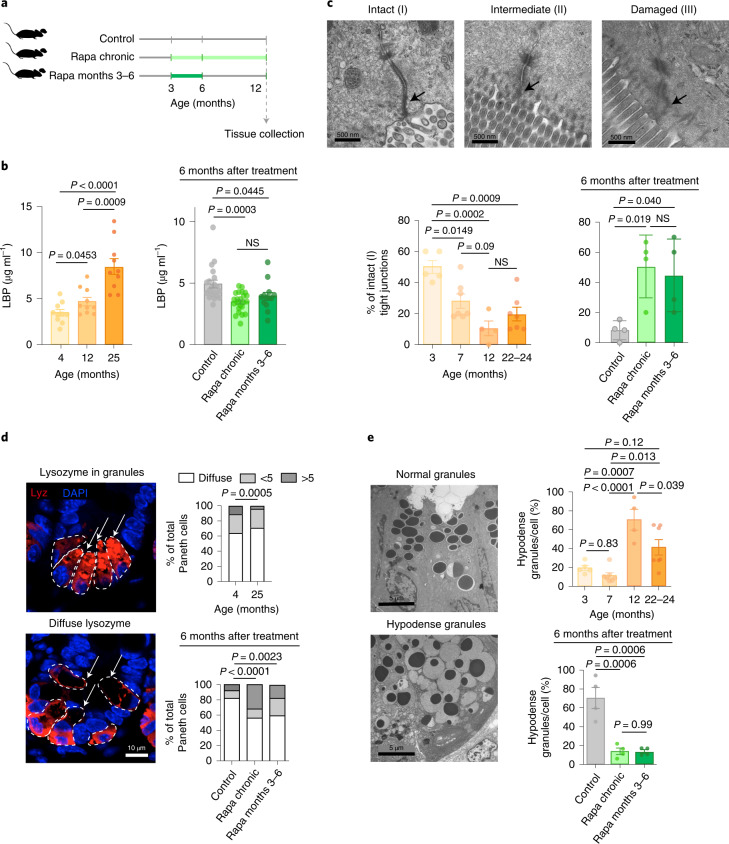
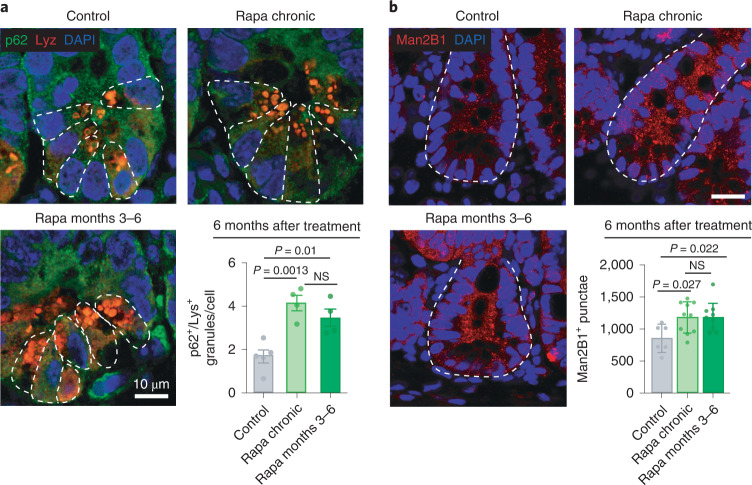
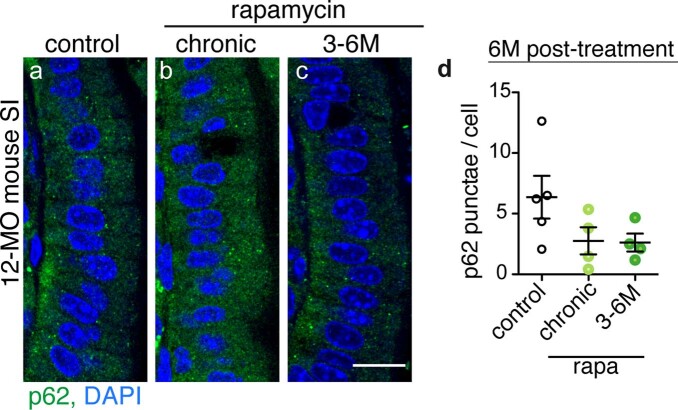
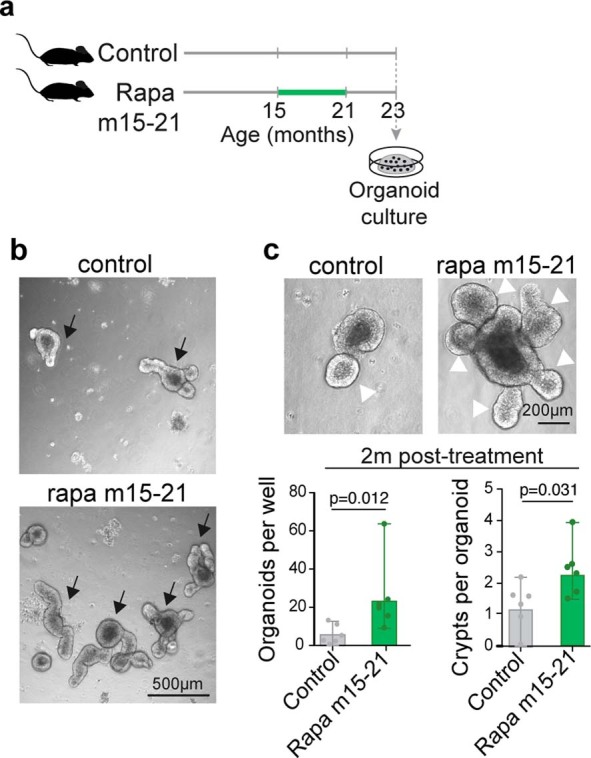
The licensed drug rapamycin has potential to be repurposed for geroprotection. A key challenge is to avoid adverse side effects from continuous dosing. Here we show that geroprotective effects of chronic rapamycin treatment can be obtained with a brief pulse of the drug in early adulthood in female Drosophila and mice. In Drosophila , a brief, early rapamycin treatment of adults extended lifespan and attenuated age-related decline in the intestine to the same degree as lifelong dosing. Lasting memory of earlier treatment was mediated by elevated autophagy in intestinal enterocytes, accompanied by increased levels of intestinal LManV and lysozyme. Brief elevation of autophagy in early adulthood itself induced a long-term increase in autophagy. In mice, a 3-month, early treatment also induced a memory effect, with maintenance similar to chronic treatment, of lysozyme distribution, Man2B1 level in intestinal crypts, Paneth cell architecture and gut barrier function, even 6 months after rapamycin was withdrawn.
Overview
The claims and statistics of this paper haven’t been checked yet.
Free: it reads the open-access text and checks the first 5 claims that cite a source we can check. Create a free account to check every claim.
Integrity signals
Registry
Cites
Statistics
Figures
Verification
Claims the paper makes
The claims and statistics of this paper haven’t been checked yet.
Free: it reads the open-access text and checks the first 5 claims that cite a source we can check. Create a free account to check every claim.
Claims other papers make about this one
Each is checked against this paper’s own text: does it say what the citing paper says it does?
In the citing paper
“AMPK activators and the mTOR signalling pathway inhibitor rapamycin have considerable ramifications for longevity and managing age-related illnesses.58,402–404”
From Antiageing strategy for neurodegenerative diseases: from mechanisms to clinical advances (2025) · cites this paper as [402]
Self-check
Percentages, sums and reported differences re-computed from the paper’s own numbers.
The self-check needs the paper’s full text.
Citations
Cites
Cox, J., & Mann, M. (2008) · Nature Biotechnology · doi:10.1038/nbt.1511 · Cited by 14,855
Andromeda: A Peptide Search Engine Integrated into the MaxQuant Environment
Cox, J., Neuhauser, N., Michalski, A., Scheltema, R. A., Olsen, J. V., & Mann, M. (2011) · Journal of Proteome Research · doi:10.1021/pr101065j · Cited by 5,500
Cani, P. D., Bibiloni, R., Knauf, C., Waget, A., Neyrinck, A. M., Delzenne, N. M., & Burcelin, R. (2008) · Diabetes · doi:10.2337/db07-1403 · Cited by 4,819
Autophagy and Viruses: Adversaries or Allies?
Dong, X., & Levine, B. (2013) · Journal of Innate Immunity · doi:10.1159/000346388 · Cited by 4,430
Suppression of basal autophagy in neural cells causes neurodegenerative disease in mice
Hara, T., Nakamura, K., Matsui, M., Yamamoto, A., Nakahara, Y., Suzuki-Migishima, R., Yokoyama, M., Mishima, K., Saito, I., Okano, H., et al. (2006) · Nature · doi:10.1038/nature04724 · Cited by 3,882 · cited 1×
“These findings are intriguing in light of the key role of autophagy in an array of age-related diseases, including cancer 37 , immune system dysfunction 8 and neurodegenerative diseases 38 .”
Rapamycin fed late in life extends lifespan in genetically heterogeneous mice
Harrison, D. E., Strong, R., Sharp, Z. D., Nelson, J. F., Astle, C. M., Flurkey, K., Nadon, N. L., Wilkinson, J. E., Frenkel, K., Carter, C. S., et al. (2009) · Nature · doi:10.1038/nature08221 · Cited by 3,766 · cited 2×
“Short-term treatment in late life can extend lifespan in mice 3,11,12 and enhance immune response in older people 13,14 .”
Antimicrobial Autophagy: A Conserved Innate Immune Response in Drosophila
Moy, R. H., & Cherry, S. (2013) · Journal of Innate Immunity · doi:10.1159/000350326 · Cited by 3,539
Paneth cells constitute the niche for Lgr5 stem cells in intestinal crypts
Sato, T., van Es, J. H., Snippert, H. J., Stange, D. E., Vries, R. G., van den Born, M., Barker, N., Shroyer, N. F., van de Wetering, M., & Clevers, H. (2011) · Nature · doi:10.1038/nature09637 · Cited by 2,510
Improved scoring of functional groups from gene expression data by decorrelating GO graph structure
Alexa, A., Rahnenführer, J., & Lengauer, T. (2006) · Bioinformatics · doi:10.1093/bioinformatics/btl140 · Cited by 2,188
A key role for autophagy and the autophagy gene Atg16l1 in mouse and human intestinal Paneth cells
Cadwell, K., Liu, J. Y., Brown, S. L., Miyoshi, H., Loh, J., Lennerz, J. K., Kishi, C., Kc, W., Carrero, J. A., Hunt, S., et al. (2008) · Nature · doi:10.1038/nature07416 · Cited by 1,542 · cited 5×
“Lysozyme is normally efficiently packed in Paneth cell granules 24 .”
InfluentialRapamycin-Induced Insulin Resistance Is Mediated by mTORC2 Loss and Uncoupled from Longevity
Lamming, D. W., Ye, L., Katajisto, P., Goncalves, M. D., Saitoh, M., Stevens, D. M., Davis, J. G., Salmon, A. B., Richardson, A., Ahima, R. S., et al. (2012) · Science · doi:10.1126/science.1215135 · Cited by 1,199
Evolution in Age-Structured Populations
Charlesworth, B. (1994) · doi:10.1017/cbo9780511525711 · Cited by 1,077
Mechanisms of Life Span Extension by Rapamycin in the Fruit Fly Drosophila Melanogaster
Bjedov, I., Toivonen, J. M., Kerr, F., Slack, C., Jacobson, J., Foley, A., & Partridge, L. (2010) · Cell Metabolism · doi:10.1016/j.cmet.2009.11.010 · Cited by 1,057
Self-citationRole and Regulation of Starvation-Induced Autophagy in the Drosophila Fat Body
Scott, R. C., Schuldiner, O., & Neufeld, T. P. (2004) · Developmental Cell · doi:10.1016/j.devcel.2004.07.009 · Cited by 963
Phipson, B., Lee, S., Majewski, I. J., Alexander, W. S., & Smyth, G. K. (2016) · The Annals of Applied Statistics · doi:10.1214/16-aoas920 · Cited by 917
Colonic epithelial cell diversity in health and inflammatory bowel disease
Parikh, K., Antanaviciute, A., Fawkner-Corbett, D., Jagielowicz, M., Aulicino, A., Lagerholm, C., Davis, S., Kinchen, J., Chen, H. H., Alham, N. K., et al. (2019) · Nature · doi:10.1038/s41586-019-0992-y · Cited by 860
mTOR inhibition improves immune function in the elderly
Mannick, J. B., Del Giudice, G., Lattanzi, M., Valiante, N. M., Praestgaard, J., Huang, B., Lonetto, M. A., Maecker, H. T., Kovarik, J., Carson, S., et al. (2014) · Science Translational Medicine · doi:10.1126/scitranslmed.3009892 · Cited by 786 · cited 1×
“Short-term treatment in late life can extend lifespan in mice 3,11,12 and enhance immune response in older people 13,14 .”
mTORC1 in the Paneth cell niche couples intestinal stem-cell function to calorie intake
Yilmaz, Ö. H., Katajisto, P., Lamming, D. W., Gültekin, Y., Bauer-Rowe, K. E., Sengupta, S., Birsoy, K., Dursun, A., Yilmaz, V. O., Selig, M., et al. (2012) · Nature · doi:10.1038/nature11163 · Cited by 753
Paneth cells as a site of origin for intestinal inflammation
Adolph, T. E., Tomczak, M. F., Niederreiter, L., Ko, H.-J., Böck, J., Martinez-Naves, E., Glickman, J. N., Tschurtschenthaler, M., Hartwig, J., Hosomi, S., et al. (2013) · Nature · doi:10.1038/nature12599 · Cited by 732 · cited 1×
“As autophagy is essential for proper Paneth cell function and secretion 24 , and upon autophagy activation autophagy-related proteins colocalize with Paneth cell granules 34 , we measured the number of granules positive for both lysozyme and p62.”
Paneth Cells: Maestros of the Small Intestinal Crypts
Clevers, H. C., & Bevins, C. L. (2013) · Annual Review of Physiology · doi:10.1146/annurev-physiol-030212-183744 · Cited by 699
mTOR Regulation and Therapeutic Rejuvenation of Aging Hematopoietic Stem Cells
Chen, C., Liu, Y., Liu, Y., & Zheng, P. (2009) · Science Signaling · doi:10.1126/scisignal.2000559 · Cited by 680
TOR Signaling and Rapamycin Influence Longevity by Regulating SKN-1/Nrf and DAF-16/FoxO
Robida-Stubbs, S., Glover-Cutter, K., Lamming, D. W., Mizunuma, M., Narasimhan, S. D., Neumann-Haefelin, E., Sabatini, D. M., & Blackwell, T. K. (2012) · Cell Metabolism · doi:10.1016/j.cmet.2012.04.007 · Cited by 648
Miller, R. A., Harrison, D. E., Astle, C. M., Fernandez, E., Flurkey, K., Han, M., Javors, M. A., Li, X., Nadon, N. L., Nelson, J. F., et al. (2014) · Aging Cell · doi:10.1111/acel.12194 · Cited by 621
Wilkinson, J. E., Burmeister, L., Brooks, S. V., Chan, C., Friedline, S., Harrison, D. E., Hejtmancik, J. F., Nadon, N., Strong, R., Wood, L. K., et al. (2012) · Aging Cell · doi:10.1111/j.1474-9726.2012.00832.x · Cited by 619
Histone H3 phosphorylation and cell division
Hans, F., & Dimitrov, S. (2001) · Oncogene · doi:10.1038/sj.onc.1204326 · Cited by 518
TORC1 inhibition enhances immune function and reduces infections in the elderly
Mannick, J. B., Morris, M., Hockey, H.-U. P., Roma, G., Beibel, M., Kulmatycki, K., Watkins, M., Shavlakadze, T., Zhou, W., Quinn, D., et al. (2018) · Science Translational Medicine · doi:10.1126/scitranslmed.aaq1564 · Cited by 496 · cited 1×
“Short-term treatment in late life can extend lifespan in mice 3,11,12 and enhance immune response in older people 13,14 .”
Transient rapamycin treatment can increase lifespan and healthspan in middle-aged mice
Bitto, A., Ito, T. K., Pineda, V. V., LeTexier, N. J., Huang, H. Z., Sutlief, E., Tung, H., Vizzini, N., Chen, B., Smith, K., et al. (2016) · eLife · doi:10.7554/elife.16351 · Cited by 474 · cited 3×
“Short-term treatment in late life can extend lifespan in mice 3,11,12 and enhance immune response in older people 13,14 .”
EGFR/Ras/MAPK Signaling Mediates Adult Midgut Epithelial Homeostasis and Regeneration in Drosophila
Jiang, H., Grenley, M. O., Bravo, M.-J., Blumhagen, R. Z., & Edgar, B. A. (2011) · Cell Stem Cell · doi:10.1016/j.stem.2010.11.026 · Cited by 467
PGRP-SC2 Promotes Gut Immune Homeostasis to Limit Commensal Dysbiosis and Extend Lifespan
Guo, L., Karpac, J., Tran, S. L., & Jasper, H. (2014) · Cell · doi:10.1016/j.cell.2013.12.018 · Cited by 462
Age-related changes in behavior in C57BL/6J mice from young adulthood to middle age
Shoji, H., Takao, K., Hattori, S., & Miyakawa, T. (2016) · Molecular Brain · doi:10.1186/s13041-016-0191-9 · Cited by 451
Paneth cells secrete lysozyme via secretory autophagy during bacterial infection of the intestine
Bel, S., Pendse, M., Wang, Y., Li, Y., Ruhn, K. A., Hassell, B., Leal, T., Winter, S. E., Xavier, R. J., & Hooper, L. V. (2017) · Science · doi:10.1126/science.aal4677 · Cited by 396 · cited 1×
“Recent studies showed that lysozyme-associated secretory autophagy plays a key role in gut health and pathogenesis in mammalian small intestine 24,25 .”
Lifespan Extension by Preserving Proliferative Homeostasis in Drosophila
Biteau, B., Karpac, J., Supoyo, S., DeGennaro, M., Lehmann, R., & Jasper, H. (2010) · PLoS Genetics · doi:10.1371/journal.pgen.1001159 · Cited by 351
Dai, D., Karunadharma, P. P., Chiao, Y. A., Basisty, N., Crispin, D., Hsieh, E. J., Chen, T., Gu, H., Djukovic, D., Raftery, D., et al. (2014) · Aging Cell · doi:10.1111/acel.12203 · Cited by 328
Optimization of Dietary Restriction Protocols in Drosophila
Bass, T. M., Grandison, R. C., Wong, R., Martinez, P., Partridge, L., & Piper, M. D. W. (2007) · The Journals of Gerontology: Series A · doi:10.1093/gerona/62.10.1071 · Cited by 325
Self-citationHuang, J., & Klionsky, D. J. (2007) · Cell Cycle · doi:10.4161/cc.6.15.4511 · Cited by 315
Late-life rapamycin treatment reverses age-related heart dysfunction
Flynn, J. M., O'Leary, M. N., Zambataro, C. A., Academia, E. C., Presley, M. P., Garrett, B. J., Zykovich, A., Mooney, S. D., Strong, R., Rosen, C. J., et al. (2013) · Aging Cell · doi:10.1111/acel.12109 · Cited by 311
AMPK Modulates Tissue and Organismal Aging in a Non-Cell-Autonomous Manner
Ulgherait, M., Rana, A., Rera, M., Graniel, J., & Walker, D. W. (2014) · Cell Reports · doi:10.1016/j.celrep.2014.08.006 · Cited by 306
Rapamycin increases lifespan and inhibits spontaneous tumorigenesis in inbred female mice
Anisimov, V. N., Zabezhinski, M. A., Popovich, I. G., Piskunova, T. S., Semenchenko, A. V., Tyndyk, M. L., Yurova, M. N., Rosenfeld, S. V., & Blagosklonny, M. V. (2011) · Cell Cycle · doi:10.4161/cc.10.24.18486 · Cited by 299
Söderholm, J. D., Olaison, G., Peterson, K. H., Franzén, L. E., Lindmark, T., Wirén, M., Tagesson, C., & Sjödahl, R. (2002) · Gut · doi:10.1136/gut.50.3.307 · Cited by 289
Regan, J. C., Khericha, M., Dobson, A. J., Bolukbasi, E., Rattanavirotkul, N., & Partridge, L. (2016) · eLife · doi:10.7554/elife.10956 · Cited by 263
Self-citationThe Paneth Cell: The Curator and Defender of the Immature Small Intestine
Lueschow, S. R., & McElroy, S. J. (2020) · Frontiers in Immunology · doi:10.3389/fimmu.2020.00587 · Cited by 251
The Ras-Erk-ETS-signaling pathway is a drug target for longevity
Slack, C., Alic, N., Foley, A., Cabecinha, M., Hoddinott, M. P., & Partridge, L. (2015) · Cell · doi:10.1016/j.cell.2015.06.023 · Cited by 224
Self-citationHalloran, J., Hussong, S. A., Burbank, R., Podlutskaya, N., Fischer, K. E., Sloane, L. B., Austad, S. N., Strong, R., Richardson, A., Hart, M. J., et al. (2012) · Neuroscience · doi:10.1016/j.neuroscience.2012.06.054 · Cited by 221
A Transient Niche Regulates the Specification of Drosophila Intestinal Stem Cells
Mathur, D., Bost, A., Driver, I., & Ohlstein, B. (2010) · Science · doi:10.1126/science.1181958 · Cited by 181
Yanai, S., & Endo, S. (2021) · Frontiers in Aging Neuroscience · doi:10.3389/fnagi.2021.697621 · Cited by 171 · cited 1×
“However, aging phenotypes already appear in middle-aged mice 39,40 and, indeed, evolutionary analysis indicates that aging is expected to commence with the onset of reproduction and adulthood 41 .”
Ott, B., Skurk, T., Hastreiter, L., Lagkouvardos, I., Fischer, S., Büttner, J., Kellerer, T., Clavel, T., Rychlik, M., Haller, D., et al. (2017) · Scientific Reports · doi:10.1038/s41598-017-12109-9 · Cited by 170 · cited 1×
“7a), by measuring plasma lipopolysaccharide-binding protein (LBP) levels, a marker of bacterial translocation from intestine into circulation 26,27 .”
Feedback regulation of steady-state epithelial turnover and organ size
Liang, J., Balachandra, S., Ngo, S., & O’Brien, L. E. (2017) · Nature · doi:10.1038/nature23678 · Cited by 162
Intermittent Administration of Rapamycin Extends the Life Span of Female C57BL/6J Mice
Arriola Apelo, S. I., Pumper, C. P., Baar, E. L., Cummings, N. E., & Lamming, D. W. (2016) · The Journals of Gerontology Series A: Biological Sciences and Medical Sciences · doi:10.1093/gerona/glw064 · Cited by 138
How and why to study autophagy in Drosophila: It’s more than just a garbage chute
Nagy, P., Varga, Á., Kovács, A. L., Takáts, S., & Juhász, G. (2015) · Methods · doi:10.1016/j.ymeth.2014.11.016 · Cited by 115
Ren, C., Finkel, S. E., & Tower, J. (2009) · Experimental Gerontology · doi:10.1016/j.exger.2008.10.002 · Cited by 86
Rapamycin preserves gut homeostasis during Drosophila aging
Fan, X., Liang, Q., Lian, T., Wu, Q., Gaur, U., Li, D., Yang, D., Mao, X., Jin, Z., Li, Y., et al. (2015) · Oncotarget · doi:10.18632/oncotarget.5895 · Cited by 82
Effect of aging and caloric restriction on intestinal permeability
Ma, T. Y., Hollander, D., Dadufalza, V., & Krugliak, P. (1992) · Experimental Gerontology · doi:10.1016/0531-5565(92)90059-9 · Cited by 76 · cited 2×
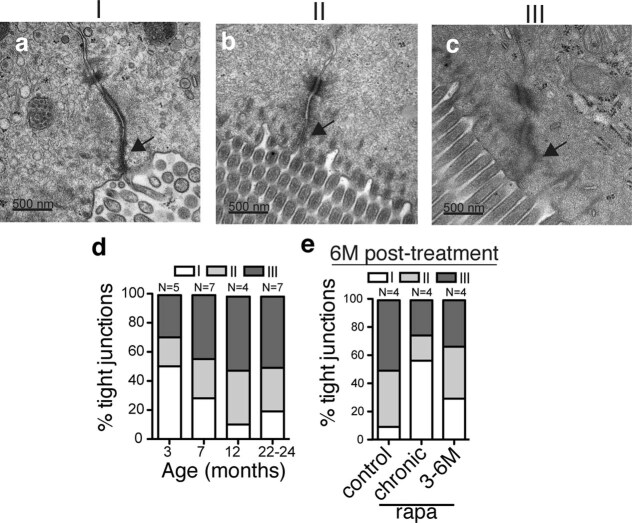
“In line with previously published data on gut permeability 28 , TJ quality declined during aging, with 7-month-old mice already showing a reduced proportion of intact TJs compared to 3-month-old mice (Fig.”
Lu, Y.-X., Regan, J. C., Eßer, J., Drews, L. F., Weinseis, T., Stinn, J., Hahn, O., Miller, R. A., Grönke, S., & Partridge, L. (2021) · eLife · doi:10.7554/elife.62233 · Cited by 76
Self-citationDeficiency in intestinal epithelial O‐GlcNAcylation predisposes to gut inflammation
Zhao, M., Xiong, X., Ren, K., Xu, B., Cheng, M., Sahu, C., Wu, K., Nie, Y., Huang, Z., Blumberg, R. S., et al. (2018) · EMBO Molecular Medicine · doi:10.15252/emmm.201708736 · Cited by 70
Intestinal Snakeskin Limits Microbial Dysbiosis during Aging and Promotes Longevity
Salazar, A. M., Resnik-Docampo, M., Ulgherait, M., Clark, R. I., Shirasu‐Hiza, M., Jones, D. L., & Walker, D. W. (2018) · iScience · doi:10.1016/j.isci.2018.10.022 · Cited by 61
Tain, L. S., Sehlke, R., Meilenbrock, R. L., Leech, T., Paulitz, J., Chokkalingam, M., Nagaraj, N., Grönke, S., Fröhlich, J., Atanassov, I., et al. (2021) · eLife · doi:10.7554/elife.67275 · Cited by 16
Self-citationRegan, J. C., Lu, Y., Ureña, E., Meilenbrock, R. L., Catterson, J. H., Kißler, D., & Partridge, L. (2021) · bioRxiv (Cold Spring Harbor Laboratory) · doi:10.1101/2021.10.22.465415 · Cited by 4
Self-citation
Cited by
Casanova-Maldonado, I., Arancibia, D., Lois, P., Peña‐Villalobos, I., & Palma, V. (2023) · Biological Research · doi:10.1186/s40659-023-00444-3 · Cited by 188
Antiageing strategy for neurodegenerative diseases: from mechanisms to clinical advances
Jiang, Q., Liu, J., Huang, S., Wang, X.-Y., Chen, X., Liu, G.-H., Ye, K., Song, W., Masters, C. L., Wang, J., et al. (2025) · Signal Transduction and Targeted Therapy · doi:10.1038/s41392-025-02145-7 · Cited by 165
Vascular dementia: From pathobiology to emerging perspectives
Morgan, A. E., & Auley, M. T. M. (2024) · Ageing Research Reviews · doi:10.1016/j.arr.2024.102278 · Cited by 116
Regan, J. C., Lu, Y., Ureña, E., Meilenbrock, R. L., Catterson, J. H., Kißler, D., Fröhlich, J., Funk, E., & Partridge, L. (2022) · Nature Aging · doi:10.1038/s43587-022-00308-7 · Cited by 103
Self-citationmTOR signaling and Alzheimer's disease: What we know and where we are?
Davoody, S., Asgari Taei, A., Khodabakhsh, P., & Dargahi, L. (2024) · CNS Neuroscience & Therapeutics · doi:10.1111/cns.14463 · Cited by 96
Metadata
- Authors
- Juricic, P., Lu, Y.-X., Leech, T., Drews, L. F., Paulitz, J., Lu, J., Nespital, T., Azami, S., Regan, J. C., Funk, E., Fröhlich, J., Grönke, S., & Partridge, L.
- Affiliations
- Max Planck Institute for Biology of Ageing (DE)
- University College London (GB)
- Corresponding author
- Partridge, Linda
- ORCID
- Venue
- Nature Aging
- Published
- 2022-08-29
- Volume
- 2
- Issue
- 9
- Pages
- 824-836
- ISSN
- 2662-8465 (ISSN-L)
- PMC
- PMC10154223
- OpenAlex
- W4293475801
- Cited by
- 118
- References
- 57
- Citations by year
- 2026: 15 · 2025: 29 · 2024: 38 · 2023: 30 · 2022: 6
- FWCI
- 8.63
- Type
- journal article
- Language
- en
- Open access
- hybrid
- doi.org
- Licence
- cc-by
- creativecommons.org/licenses/by/4.0 (tdm)
- creativecommons.org/licenses/by/4.0 (vor)
- Locations
- Nature Aging (publishedVersion, cc-by)
- bioRxiv (Cold Spring Harbor Laboratory) (acceptedVersion, cc-by-nc-nd)
- PubMed Central (publishedVersion, cc-by)
- PubMed (publishedVersion)
- Edinburgh Research Explorer (University of Edinburgh) (submittedVersion, cc-by)
- UCL Discovery (University College London) (submittedVersion)
- Funders
- European Commission (2007–2013, 741989, FP7 2007-2013, HORIZON2020, FP7/2007)
- Max-Planck-Gesellschaft
- Eötvös Loránd Tudományegyetem
- FP7 Ideas: European Research Council (268739)
- Topics
- Life Sciences › Biochemistry, Genetics and Molecular Biology › Aging › Genetics, Aging, and Longevity in Model Organisms
- Life Sciences › Biochemistry, Genetics and Molecular Biology › Cell Biology › Autophagy in Disease and Therapy
- Life Sciences › Biochemistry, Genetics and Molecular Biology › Molecular Biology › Metabolism, Diabetes, and Cancer
- Keywords
- rapamycin, lifespan extension, drug repurposing, memory effects, Paneth cells, lysozyme, intestinal barrier, aging, Drosophila, mice
- MeSH terms
- Animals, Autophagy, Drosophila, Female, Muramidase, Paneth Cells, Sirolimus, Mice
About these checks
Registry, retraction, Cites and statistics results are computed, not judged, with one exception: a printed reference that no index lists is read once by a model before it counts as a citation error. Claims are extracted by a model and kept only when their quote appears verbatim in the text; each cited source is then checked, with a model’s help, for whether it says what the claim relies on. Those verdicts can be wrong — read the claim’s quote and the cited source before relying on one.
Statistics and arithmetic are recomputed, not judged.
Confidence bands are shown only for fields calibrated on our annotated test set. None is calibrated yet, so no band is shown.
What counts as a claim ›How we measure confidence ›How we check this ›
Are you an author, or do you see a problem with this page? Request a review
Data sources
Bibliographic data: Semantic Scholar, OpenAlex, Crossref.
Contains information from the Semantic Scholar Academic Graph Datasets, made available under the ODC Attribution License (ODC-BY 1.0).
Semantic Scholar’s data is described in: Kinney, R., et al. (2023). The Semantic Scholar Open Data Platform. arXiv:2301.10140.
