

A high-coverage Neandertal genome from Chagyrskaya Cave
Open accessPublished version of a preprint
The DOI matches its Crossref record; 41 of the 41 references it cites were found in a registry or an index.
Abstract
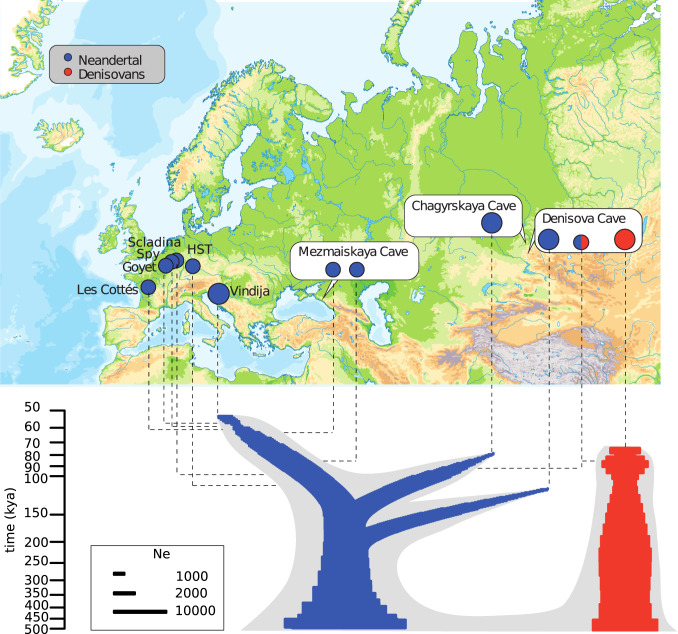
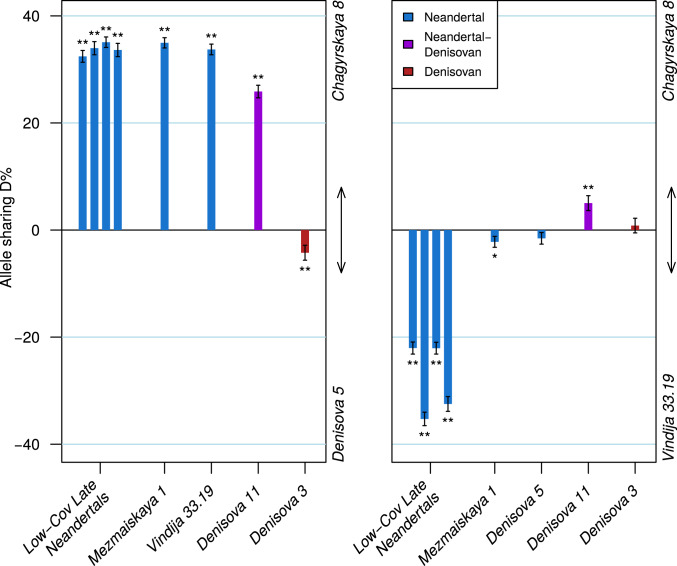
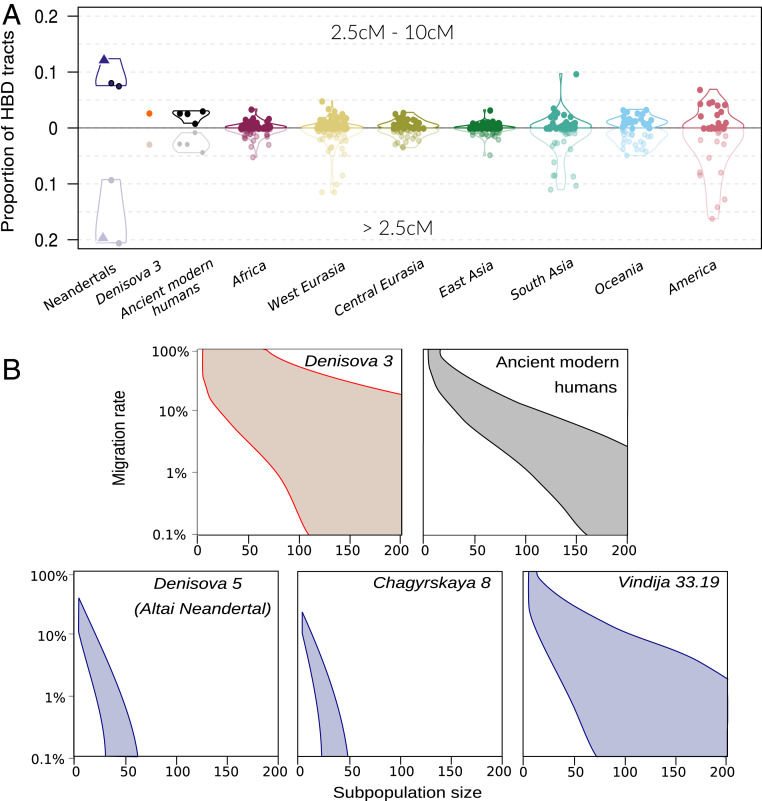
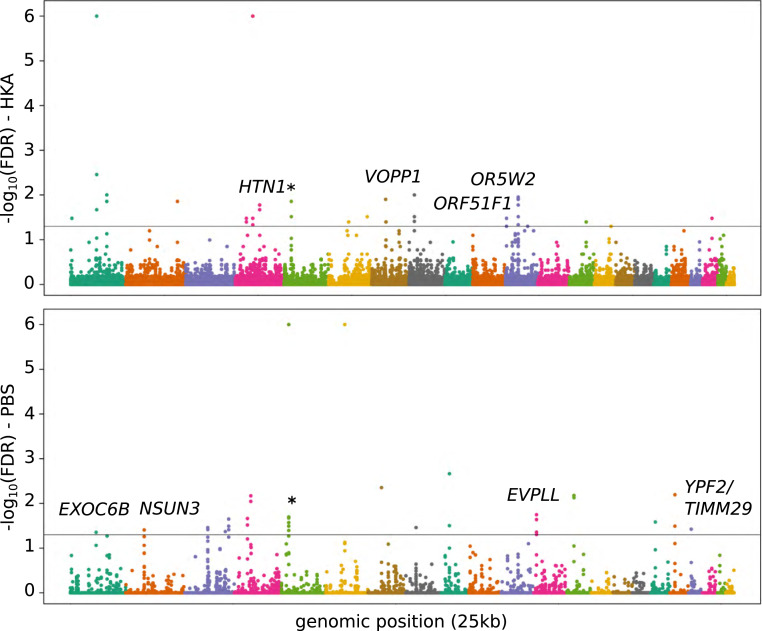
We sequenced the genome of a Neandertal from Chagyrskaya Cave in the Altai Mountains, Russia, to 27-fold genomic coverage. We show that this Neandertal was a female and that she was more related to Neandertals in western Eurasia [Prüfer et al., Science 358, 655–658 (2017); Hajdinjak et al., Nature 555, 652–656 (2018)] than to Neandertals who lived earlier in Denisova Cave [Prüfer et al., Nature 505, 43–49 (2014)], which is located about 100 km away. About 12.9% of the Chagyrskaya genome is spanned by homozygous regions that are between 2.5 and 10 centiMorgans (cM) long. This is consistent with the fact that Siberian Neandertals lived in relatively isolated populations of less than 60 individuals. In contrast, a Neandertal from Europe, a Denisovan from the Altai Mountains, and ancient modern humans seem to have lived in populations of larger sizes. The availability of three Neandertal genomes of high quality allows a view of genetic features that were unique to Neandertals and that are likely to have been at high frequency among them. We find that genes highly expressed in the striatum in the basal ganglia of the brain carry more amino-acid-changing substitutions than genes expressed elsewhere in the brain, suggesting that the striatum may have evolved unique functions in Neandertals.
Overview
The claims and statistics of this paper haven’t been checked yet.
Free: it reads the open-access text and checks the first 5 claims that cite a source we can check. Create a free account to check every claim.
Integrity signals
Registry
Cites
Statistics
Figures
Verification
Claims the paper makes
The claims and statistics of this paper haven’t been checked yet.
Free: it reads the open-access text and checks the first 5 claims that cite a source we can check. Create a free account to check every claim.
Claims other papers make about this one
Each is checked against this paper’s own text: does it say what the citing paper says it does?
The source backs part of the claim, not all of it — or backs it for a different population, condition or comparison.
In the citing paper
“The introgressing Neanderthal population diverged from the Altai Neanderthal population more than 100 kya, while the Vindija was much closer genetically and geographically1,53.”
From Quantifying the contribution of Neanderthal introgression to the heritability of complex traits (2021) · cites this paper as [53]
Experimental — accuracy not yet measuredThe source backs part of the claim, not all of it — or backs it for a different population, condition or comparison.
In the citing paper
“These observations suggest that the population-specific haplotype blocks may be the result of more recent population-specific Neanderthal admixture, as has recently been suggested (26–28, 30).”
From An ancestral recombination graph of human, Neanderthal, and Denisovan genomes (2021) · cites this paper as [28]
Experimental — accuracy not yet measuredThe source backs part of the claim, not all of it — or backs it for a different population, condition or comparison.
In the citing paper
“This value is consistent with published estimates of Neanderthal admixture times and the phylogenetic distance between the Vindija33.19 Neanderthal and the introgressing Neanderthal calculated by a recent study (28).”
From An ancestral recombination graph of human, Neanderthal, and Denisovan genomes (2021) · cites this paper as [28]
Experimental — accuracy not yet measuredThe source backs part of the claim, not all of it — or backs it for a different population, condition or comparison.
In the citing paper
“The Altai-matching set contains alleles that originated in the Neanderthal lineage and were likely common among diverse Neanderthal groups given the substantial genetic, geographical, and temporal divergence of the Altai Neanderthal from the introgressing population1,53.”
From Quantifying the contribution of Neanderthal introgression to the heritability of complex traits (2021) · cites this paper as [53]
Experimental — accuracy not yet measuredThe source backs part of the claim, not all of it — or backs it for a different population, condition or comparison.
In the citing paper
“This approach has revealed that archaic hominin populations survived extinction over long periods of time despite highly reduced effective population sizes [8][9][10] .”
From Ancient DNA analysis (2021) · cites this paper as [10]
Experimental — accuracy not yet measured
2 more claims about this paper
Create a free account to see every claim other papers make about this one.
Self-check
Percentages, sums and reported differences re-computed from the paper’s own numbers.
The self-check needs the paper’s full text.
Citations
Cites
A draft sequence of the Neandertal genome
Green, R. E., Krause, J., Briggs, A. W., Maricic, T., Stenzel, U., Kircher, M., Patterson, N., Li, H., Zhai, W., Fritz, M. H.-Y., et al. (2010) · Science · doi:10.1126/science.1188021 · Cited by 4,318 · cited 1×
“19 ) comes from an individual found in Vindija Cave in Croatia (3), whereas the other Neandertal genome ( Denisova 5 or the “ Altai Neandertal ” ) (4) and the Denisovan genome ( Denisova 3 ) (5) both come from specimens discovered in Denisova Cave, in the Altai mountains in Siberia.”
BackgroundSelf-citationAdaptive protein evolution at the Adh locus in Drosophila
McDonald, J. H., & Kreitman, M. (1991) · Nature · doi:10.1038/351652a0 · Cited by 3,283
An anatomically comprehensive atlas of the adult human brain transcriptome
Hawrylycz, M. J., Lein, E. S., Guillozet-Bongaarts, A. L., Shen, E. H., Ng, L., Miller, J. A., van de Lagemaat, L. N., Smith, K. A., Ebbert, A., Riley, Z. L., et al. (2012) · Nature · doi:10.1038/nature11405 · Cited by 3,083 · cited 1×
“However, when analyzing genes preferentially expressed in different brain regions according to the Allen Brain Atlas (29, 30), we find that genes expressed in the striatum in individuals 12 – 19 y of age show a higher MacDonald-Kreitman ratio (1.02, family-wise error rate = 0.029) than genes…”
BackgroundInfluentialInference of human population history from individual whole-genome sequences
Li, H., & Durbin, R. (2011) · Nature · doi:10.1038/nature10231 · Cited by 2,590
The complete genome sequence of a Neanderthal from the Altai Mountains
Prüfer, K., Racimo, F., Patterson, N., Jay, F., Sankararaman, S., Sawyer, S., Heinze, A., Renaud, G., Sudmant, P. H., de Filippo, C., et al. (2014) · Nature · doi:10.1038/nature12886 · Cited by 2,254 · cited 2×
“In this regard, it is interesting that the Chagyrskaya 8 and Denisova 5 Neandertals lived in smaller populations than the Vindija 33.19 Neandertal in Croatia, the Denisovan Denisova 3, and modern humans (24) (Fig.”
BackgroundInfluentialSelf-citationGenetic history of an archaic hominin group from Denisova Cave in Siberia
Reich, D., Green, R. E., Kircher, M., Krause, J., Patterson, N., Durand, E. Y., Viola, B., Briggs, A. W., Stenzel, U., Johnson, P. L. F., et al. (2010) · Nature · doi:10.1038/nature09710 · Cited by 1,991 · cited 1×
“19 ) comes from an individual found in Vindija Cave in Croatia (3), whereas the other Neandertal genome ( Denisova 5 or the “ Altai Neandertal ” ) (4) and the Denisovan genome ( Denisova 3 ) (5) both come from specimens discovered in Denisova Cave, in the Altai mountains in Siberia.”
BackgroundSelf-citationA high-coverage genome sequence from an archaic denisovan individual
Meyer, M., Kircher, M., Gansauge, M.-T., Li, H., Racimo, F., Mallick, S., Schraiber, J. G., Jay, F., Prüfer, K., de Filippo, C., et al. (2012) · Science · doi:10.1126/science.1224344 · Cited by 1,967 · cited 1×
“For example, genome sequences from five late Neandertals from Europe have shown that they carried little ge-netic variation (6, 7) and were more closely related to the Vindija 33.19 than to the Denisova 5 Neandertal.”
BackgroundInfluentialSelf-citationA Test of Neutral Molecular Evolution Based on Nucleotide Data
Hudson, R. R., Kreitman, M., & Aguadé, M. (1987) · Genetics · doi:10.1093/genetics/116.1.153 · Cited by 1,767
Sequencing of 50 Human Exomes Reveals Adaptation to High Altitude
Yi, X., Liang, Y., Huerta-Sanchez, E., Jin, X., Cuo, Z. X. P., Pool, J. E., Xu, X., Jiang, H., Vinckenbosch, N., Korneliussen, T. S., et al. (2010) · Science · doi:10.1126/science.1190371 · Cited by 1,611
The Simons Genome Diversity Project: 300 genomes from 142 diverse populations
Mallick, S., Li, H., Lipson, M., Mathieson, I., Gymrek, M., Racimo, F., Zhao, M., Chennagiri, N., Nordenfelt, S., Tandon, A., et al. (2016) · Nature · doi:10.1038/nature18964 · Cited by 1,584 · cited 2×
“Among 300 genomes from the Simons Genome Diversity Panel (19) and 89 Papuan genomes (20, 21), the proportions of alleles shared with Chagyrskaya 8 and with Vindija 33.19 are similar ( SI Appendix 7 ), giving no indication that Neandertals closer related to Chagyrskaya 8 than to Vindija 33.19 contributed to the populat…”
BackgroundInfluentialSelf-citation
Research works printed but not linked: 1
- Kolobova K. A.., The significance of bifacial technologies in Altai Middle Paleolithic. Anthropologie 123, 276– 288 (2019).
Cited by
The major genetic risk factor for severe COVID-19 is inherited from Neanderthals
Zeberg, H., & Pääbo, S. (2020) · Nature · doi:10.1038/s41586-020-2818-3 · Cited by 636
Self-citationOrigins of modern human ancestry
Bergström, A., Stringer, C., Hajdinjak, M., Scerri, E. M. L., & Skoglund, P. (2021) · Nature · doi:10.1038/s41586-021-03244-5 · Cited by 415
Self-citationOrlando, L., Allaby, R., Skoglund, P., Der Sarkissian, C., Stockhammer, P. W., Ávila-Arcos, M. C., Fu, Q., Krause, J., Willerslev, E., Stone, A. C., et al. (2021) · Nature Reviews Methods Primers · doi:10.1038/s43586-020-00011-0 · Cited by 411
Self-citationThe Allen Ancient DNA Resource (AADR) a curated compendium of ancient human genomes
Mallick, S., Micco, A., Mah, M., Ringbauer, H., Lazaridis, I., Olalde, I., Patterson, N., & Reich, D. (2024) · Scientific Data · doi:10.1038/s41597-024-03031-7 · Cited by 368
The structure, function and evolution of a complete human chromosome 8
Logsdon, G. A., Vollger, M. R., Hsieh, P., Mao, Y., Liskovykh, M. A., Koren, S., Nurk, S., Mercuri, L., Dishuck, P. C., Rhie, A., et al. (2021) · Nature · doi:10.1038/s41586-021-03420-7 · Cited by 341
Parental relatedness through time revealed by runs of homozygosity in ancient DNA
Ringbauer, H., Novembre, J., & Steinrücken, M. (2021) · Nature Communications · doi:10.1038/s41467-021-25289-w · Cited by 245
A genomic region associated with protection against severe COVID-19 is inherited from Neandertals
Zeberg, H., & Pääbo, S. (2021) · Proceedings of the National Academy of Sciences · doi:10.1073/pnas.2026309118 · Cited by 233
“To do this, we used the haplotypes seen more than 10 times among the individuals in the 1000 Genomes Project (23) and the genome sequences of a ∼ 70,000-y-old Ne-andertal from Chagyrskaya Cave in southern Siberia (26), a ∼ 50,000-y-old Neandertal from Vindija Cave in Croatia (27), a ∼ 120,000-y-old Neandertal from Den…”
Self-citationInitial Upper Palaeolithic humans in Europe had recent Neanderthal ancestry
Hajdinjak, M., Mafessoni, F., Skov, L., Vernot, B., Hübner, A., Fu, Q., Essel, E., Nagel, S., Nickel, B., Richter, J., et al. (2021) · Nature · doi:10.1038/s41586-021-03335-3 · Cited by 217
“Data from the 2240k panel include published genetic data of ancient modern humans obtained through hybridization captures 7,13,29 and a range of present-day 9,31 and ancient modern humans 8,30,32–37, 55–60 , as well as the archaics 9,10,42,43,61 , for which whole-genome shotgun data of”
Self-citationGansauge, M.-T., Aximu-Petri, A., Nagel, S., & Meyer, M. (2020) · Nature Protocols · doi:10.1038/s41596-020-0338-0 · Cited by 228
Self-citationA global catalog of whole-genome diversity from 233 primate species
Kuderna, L. F. K., Gao, H., Janiak, M. C., Kuhlwilm, M., Orkin, J. D., Bataillon, T., Manu, S., Valenzuela, A., Bergman, J., Rousselle, M., et al. (2023) · Science · doi:10.1126/science.abn7829 · Cited by 211
A unified genealogy of modern and ancient genomes
Wohns, A. W., Wong, Y., Jeffery, B., Akbari, A., Mallick, S., Pinhasi, R., Patterson, N., Reich, D., Kelleher, J., & McVean, G. (2022) · Science · doi:10.1126/science.abi8264 · Cited by 179
“In addition, we included data from three high-coverage sequenced Neanderthal genomes 26–28 , the single Denisovan genome 29 , and newly reported high coverage whole genome data from a nuclear family of four (a mother, a father, and their two sons with average coverage of 21.2x, 25.3x, 10.8x, and…”
MethodUnearthing Neanderthal population history using nuclear and mitochondrial DNA from cave sediments
Vernot, B., Zavala, E. I., Gómez-Olivencia, A., Jacobs, Z., Slon, V., Mafessoni, F., Romagné, F., Pearson, A., Petr, M., Sala, N., et al. (2021) · Science · doi:10.1126/science.abf1667 · Cited by 169
“The mtDNA genomes from Estatuas pit II/layer 2 (79 ± 5 ka ago) and pit I/ layer 3 (107 ± 8 ka ago) group with mtDNA from the 60 to 70 ka old Mezmaiskaya 1 individual from the northern Caucasus (7, 20), whereas the sequence for Chagyrskaya subunit 6c groups with themtDNA from Chagyrskaya 8 (9).”
BackgroundSelf-citationA disease-associated gene desert directs macrophage inflammation through ETS2
Stankey, C. T., Bourges, C., Haag, L. M., Turner-Stokes, T., Piedade, A. P., Palmer-Jones, C., Papa, I., Silva dos Santos, M., Zhang, Q., Cameron, A. J., et al. (2024) · Nature · doi:10.1038/s41586-024-07501-1 · Cited by 158
“Using publicly available genomes from seven Neanderthal individuals 100–103 , one Denisovan individual 104 , and one Neanderthal and Den-isovan F1 individual 105 , genotypes were called at the disease-associated chr21q22 candidate SNPs from the respective BAM files using bcftools mpileup with base…”
MethodSelf-citationInsights into human history from the first decade of ancient human genomics
Liu, Y., Mao, X., Krause, J., & Fu, Q. (2021) · Science · doi:10.1126/science.abi8202 · Cited by 161
Evolution of genetic networks for human creativity
Zwir, I. J. S., del Val, C., Hintsanen, M., Cloninger, K. M., Romero‐Zaliz, R., Mesa, A., Arnedo, J., Salas, R., Poblete, G. F., Raitoharju, E., et al. (2021) · Molecular Psychiatry · doi:10.1038/s41380-021-01097-y · Cited by 186
“the Chagyrskaya cave [90] (http://cdna.”
KIN: a method to infer relatedness from low-coverage ancient DNA
Popli, D., Peyrégne, S., & Peter, B. M. (2023) · Genome Biology · doi:10.1186/s13059-023-02847-7 · Cited by 124
“All simulations are performed in a scenario mimicking the analysis of a Nean466 dertal population contaminated by modern humans [26].”
MethodSelf-citationMiddle Pleistocene fire use: The first signal of widespread cultural diffusion in human evolution
MacDonald, K., Scherjon, F., van Veen, E., Vaesen, K., & Roebroeks, W. (2021) · Proceedings of the National Academy of Sciences · doi:10.1073/pnas.2101108118 · Cited by 117
An ancestral recombination graph of human, Neanderthal, and Denisovan genomes
Schaefer, N. K., Shapiro, B., & Green, R. E. (2021) · Science Advances · doi:10.1126/sciadv.abc0776 · Cited by 106
Genetic insights into the social organization of Neanderthals
Skov, L., Peyrégne, S., Popli, D., Iasi, L. N. M., Devièse, T., Slon, V., Zavala, E. I., Hajdinjak, M., Sümer, A. P., Grote, S., et al. (2022) · Nature · doi:10.1038/s41586-022-05283-y · Cited by 106
“Previous estimates of Neanderthal community sizes range from 3 to 60 individuals 5,16,17,19 and, in this range, the best fitting scenarios include female migration (Supplementary Fig.”
InfluentialSelf-citationDenisovan ancestry and population history of early East Asians
Massilani, D., Skov, L., Hajdinjak, M., Gunchinsuren, B., Tseveendorj, D., Yi, S., Lee, J., Nagel, S., Nickel, B., Devièse, T., et al. (2020) · Science · doi:10.1126/science.abc1166 · Cited by 96
Self-citationRecurrent gene flow between Neanderthals and modern humans over the past 200,000 years
Li, L., Comi, T. J., Bierman, R., & Akey, J. M. (2024) · Science · doi:10.1126/science.adi1768 · Cited by 104
“First, our framework takes advantage of the well-known differences in N e between modern humans and Neanderthals (3–5).”
InfluentialThe contribution of Neanderthal introgression to modern human traits
Reilly, P. F., Tjahjadi, A., Miller, S. L., Akey, J. M., & Tucci, S. (2022) · Current Biology · doi:10.1016/j.cub.2022.08.027 · Cited by 101
Recurrent evolution and selection shape structural diversity at the amylase locus
Bolognini, D., Halgren, A. S., Lou, R. N., Raveane, A., Rocha, J. L., Guarracino, A., Soranzo, N., Chin, C.-S., Garrison, E. P., & Sudmant, P. H. (2024) · Nature · doi:10.1038/s41586-024-07911-1 · Cited by 98
“Finally, four archaic genomes were assessed including three high-coverage Neanderthal genomes and the high-coverage Denisova genome 27,51–53 .”
BackgroundZwyns, N. (2021) · Journal of Paleolithic Archaeology · doi:10.1007/s41982-021-00085-6 · Cited by 89
“Morphological, genetic and archaeological data convincingly show that Neanderthals moved from Europe to as far as the Altai several times during the Late Pleistocene (Kolobova et al. 2020; Mafessoni et al. 2020; Viola et al. 2012).”
BackgroundTwenty‐first century bioarchaeology: Taking stock and moving forward
Buikstra, J. E., DeWitte, S. N., Agarwal, S. C., Baker, B. J., Bartelink, E. J., Berger, E., Blevins, K. E., Bolhofner, K. L., Boutin, A. T., Brickley, M. B., et al. (2022) · American Journal of Biological Anthropology · doi:10.1002/ajpa.24494 · Cited by 90
More than a decade of genetic research on the Denisovans
Peyrégne, S., Slon, V., & Kelso, J. F. (2023) · Nature Reviews Genetics · doi:10.1038/s41576-023-00643-4 · Cited by 81
“…frequent homozygous by descent segments in Neandertal genomes suggest that they were subdivided into small subpopulations of 60 or fewer individuals 28,29 , assuming limited contact between groups (1% or fewer migrations per generations), Denisovans, as well as past modern human populations, seem…”
InfluentialSelf-citationNeanderthal ancestry through time: Insights from genomes of ancient and present-day humans
Iasi, L. N. M., Chintalapati, M., Skov, L., Mesa, A. B., Hajdinjak, M., Peter, B. M., & Moorjani, P. (2024) · Science · doi:10.1126/science.adq3010 · Cited by 79
Self-citationMolecular features driving cellular complexity of human brain evolution
Caglayan, E., Ayhan, F., Liu, Y., Vollmer, R. M., Oh, E., Sherwood, C. C., Preuss, T. M., Yi, S. V., & Konopka, G. (2023) · Nature · doi:10.1038/s41586-023-06338-4 · Cited by 77
Quantifying the contribution of Neanderthal introgression to the heritability of complex traits
McArthur, E., Rinker, D. C., & Capra, J. A. (2021) · Nature Communications · doi:10.1038/s41467-021-24582-y · Cited by 71
A male Denisovan mandible from Pleistocene Taiwan
Tsutaya, T., Sawafuji, R., Taurozzi, A. J., Fagernäs, Z., Patramanis, I., Troché, G., Mackie, M., Gakuhari, T., Oota, H., Tsai, C., et al. (2025) · Science · doi:10.1126/science.ads3888 · Cited by 78
The cis-regulatory effects of modern human-specific variants
Weiss, C. V., Harshman, L., Inoue, F., Fraser, H. B., Petrov, D. A., Ahituv, N., & Gokhman, D. (2021) · eLife · doi:10.7554/elife.63713 · Cited by 70
The genetic changes that shaped Neandertals, Denisovans, and modern humans
Zeberg, H., Jakobsson, M., & Pääbo, S. (2024) · Cell · doi:10.1016/j.cell.2023.12.029 · Cited by 77
“For example, an approximately 40,000-year-old individual from Romania had a Neandertal ancestor 4–6 generations back in her family tree, 26 and three 45,000-year-old individuals found at a site in Bulgaria also had close Neandertal relatives.”
Self-citationSelection against admixture and gene regulatory divergence in a long-term primate field study
Vilgalys, T. P., Fogel, A. S., Mututua, R. S., Warutere, J. K., Siodi, L. I., Anderson, J. A., Kim, S. Y., Voyles, T., Robinson, J. A., Wall, J. D., et al. (2022) · Science · doi:10.1126/science.abm4917 · Cited by 75
Johansson, P. A., Brattås, P. L., Douse, C. H., Hsieh, P., Adami, A., Pontis, J., Grassi, D., Garza, R., Sozzi, E., Cataldo, R., et al. (2022) · Cell Stem Cell · doi:10.1016/j.stem.2021.09.008 · Cited by 60
“…a read-depth based copy number genotyper (Sudmant et al., 2010) to a collection of 1,112 high-coverage genomes from several publicly-available resources (Bergström et al., 2020; Mafessoni et al., 2020; Mallick et al., 2016; Meyer et al., 2012; Prado-Martinez et al., 2013; Pr€ufer et al., 2017).”
BackgroundEarliest modern human genomes constrain timing of Neanderthal admixture
Sümer, A. P., Rougier, H., Villalba-Mouco, V., Huang, Y., Iasi, L. N. M., Essel, E., Bossoms Mesa, A., Furtwaengler, A., Peyrégne, S., de Filippo, C., et al. (2025) · Nature · doi:10.1038/s41586-024-08420-x · Cited by 58
“7a), and (2) an estimate based on the shift in demographic histories estimated by PSMC from genomes of different ages 32 (Extended Data Fig.”
InfluentialSelf-citationThe earliest Denisovans and their cultural adaptation
Brown, S., Massilani, D., Kozlikin, M. B., Shunkov, M. V., Derevianko, A. P., Stoessel, A., Jope-Street, B., Meyer, M., Kelso, J. F., Pääbo, S., et al. (2021) · Nature Ecology & Evolution · doi:10.1038/s41559-021-01581-2 · Cited by 64
“3b), is discontinuous in the Altai region 36 and may reflect occasional eastward migration of Neanderthal groups across large tracts of Eurasia.”
Self-citationLong genetic and social isolation in Neanderthals before their extinction
Slimak, L., Vimala, T., Seguin‐Orlando, A., Metz, L., Zanolli, C., Joannes‐Boyau, R., Frouin, M., Arnold, L. J., Demuro, M., Devièse, T., et al. (2024) · Cell Genomics · doi:10.1016/j.xgen.2024.100593 · Cited by 66
A genetic analysis of the Gibraltar Neanderthals
Bokelmann, L., Hajdinjak, M., Peyrégne, S., Brace, S., Essel, E., de Filippo, C., Glocke, I., Grote, S., Mafessoni, F., Nagel, S., et al. (2019) · Proceedings of the National Academy of Sciences · doi:10.1073/pnas.1903984116 · Cited by 48
Self-citationEnamel proteins reveal biological sex and genetic variability in southern African Paranthropus
Madupe, P. P., Koenig, C., Patramanis, I., Rüther, P. L., Hlazo, N., Mackie, M., Tawane, M., Krueger, J., Taurozzi, A. J., Troché, G., et al. (2025) · Science · doi:10.1126/science.adt9539 · Cited by 51
Local adaptation and archaic introgression shape global diversity at human structural variant loci
Yan, S. M., Sherman, R. M., Taylor, D. J., Nair, D. R., Bortvin, A. N., Schatz, M. C., & McCoy, R. C. (2021) · eLife · doi:10.7554/elife.67615 · Cited by 50
Diverse African genomes reveal selection on ancient modern human introgressions in Neanderthals
Harris, D., Platt, A., Hansen, M. E. B., Fan, S., McQuillan, M. A., Nyambo, T., Mpoloka, S. W., Mokone, G. G., Belay, G., Fokunang, C., et al. (2023) · Current Biology · doi:10.1016/j.cub.2023.09.066 · Cited by 48
Archaic humans have contributed to large-scale variation in modern human T cell receptor genes
Corcoran, M., Chernyshev, M., Mandolesi, M., Narang, S., Kaduk, M., Ye, K., Sundling, C., Färnert, A., Kreslavsky, T., Bernhardsson, C., et al. (2023) · Immunity · doi:10.1016/j.immuni.2023.01.026 · Cited by 45
Salazar‐García, D. C., Power, R. C., Rudaya, N. A., Kolobova, K. A., Маркин, С. В., Krivoshapkin, A., Henry, A. G., Richards, M. P., & Viola, B. (2021) · Journal of Human Evolution · doi:10.1016/j.jhevol.2021.102985 · Cited by 46
Self-citationThe Persian plateau served as hub for Homo sapiens after the main out of Africa dispersal
Vallini, L., Zampieri, C., Shoaee, M. J., Bortolini, E., Marciani, G., Aneli, S., Pievani, T., Benazzi, S., Barausse, A., Mezzavilla, M., et al. (2024) · Nature Communications · doi:10.1038/s41467-024-46161-7 · Cited by 47
“We used a custom script to identify the derived allele of archaic humans (Neanderthals: Vindija 33 , Altai 110 , and Chagyrskaya 111 ; Denisovans: Altai Denisova 35 and the genome of a fi rst-generation hybrid between the two species 113 ) and removed them from the data-set.”
New perspectives on Neanderthal dispersal and turnover from Stajnia Cave (Poland)
Picin, A., Hajdinjak, M., Nowaczewska, W., Benazzi, S., Urbanowski, M., Marciszak, A., Fewlass, H., Bosch, M. D., Socha, P., Stefaniak, K., et al. (2020) · Scientific Reports · doi:10.1038/s41598-020-71504-x · Cited by 47
A history of multiple Denisovan introgression events in modern humans
Ongaro, L., & Huerta‐Sánchez, E. (2024) · Nature Genetics · doi:10.1038/s41588-024-01960-y · Cited by 42
“While Neanderthals have an extensive fossil record and several Neanderthal genomes have now been generated 1,3–6 , only a single Denisovan genome is available 3 , and Denisovans thus remain a more mysterious hominin group.”
Андреева, Т. В., Manakhov, A. D., Gusev, F. E., Patrikeev, A. D., Golovanova, L. V., Doronichev, V. B., Shirobokov, I. G., & Rogaev, E. I. (2022) · Scientific Reports · doi:10.1038/s41598-022-16164-9 · Cited by 41
A global view of human centromere variation and evolution
Gao, S., Oshima, K. K., Chuang, S.-C., Loftus, M. G., Potapova, T., Montanari, A., Gordon, D., Yang, Z., Ashraf, H., Audano, P. A., et al. (2026) · Nature · doi:10.1038/s41586-026-10841-9 · Cited by 43
New insights into human immunity from ancient genomics
Kerner, G., Patin, É., & Quintana‐Murci, L. (2021) · Current Opinion in Immunology · doi:10.1016/j.coi.2021.04.006 · Cited by 38
50,000 years of evolutionary history of India: Impact on health and disease variation
Kerdoncuff, E., Skov, L., Patterson, N., Banerjee, J., Khobragade, P., Chakrabarti, S. S., Chakrawarty, A., Chatterjee, P., Dhar, M., Gupta, M., et al. (2025) · Cell · doi:10.1016/j.cell.2025.04.027 · Cited by 36
Self-citationOur Tangled Family Tree: New Genomic Methods Offer Insight into the Legacy of Archaic Admixture
Ahlquist, K. D., Bañuelos, M. M., Funk, A., Lai, J., Rong, S., Villanea, F. A., & Witt, K. E. (2021) · Genome Biology and Evolution · doi:10.1093/gbe/evab115 · Cited by 38
Ancient DNA from the Green Sahara reveals ancestral North African lineage
Salem, N., van de Loosdrecht, M. S., Sümer, A. P., Vai, S., Hübner, A., Peter, B., Bianco, R. A., Lari, M., Modi, A., Al-Faloos, M. F. M., et al. (2025) · Nature · doi:10.1038/s41586-025-08793-7 · Cited by 25
“The reference panel included three high-coverage Neanderthals 79–81 , one high-coverage Denisovan 33 and the chimpanzee genome (panTro4) as the ancestral allele, along with Sub-Saharan African 1000 Genomes sequences 82 for the African state.”
Self-citationHeydari‐Guran, S., Benazzi, S., Talamo, S., Ghasidian, E., Hariri, N., Oxilia, G., Asiabani, S., Azizi, F., Naderi, R., Safaierad, R., et al. (2021) · PLoS ONE · doi:10.1371/journal.pone.0253708 · Cited by 39
“different population of Neanderthals in the Altai between 59,000 and 49,000 BP [11, 12] that may overlap with the local disappearance of a Neanderthal population in the Crimea [50]; third, the disappearance of Neanderthals from the Levant by 48,000–49,000 BP [20], followed by a final event of the approximately synchro…”
BackgroundZilhão, J., d’Errico, F., Banks, W. E., & Teyssandier, N. (2024) · Quaternary Environments and Humans · doi:10.1016/j.qeh.2024.100037 · Cited by 38
The evolution of human music in light of increased prosocial behavior: a new model
Nikolsky, A., & Benítez‐Burraco, A. (2023) · Physics of Life Reviews · doi:10.1016/j.plrev.2023.11.016 · Cited by 36
The MUC19 gene: An evolutionary history of recurrent introgression and natural selection
Villanea, F. A., Peede, D., Kaufman, E. J., Añorve-Garibay, V., Chevy, E. T., Villa-Islas, V., Witt, K. E., Zeloni, R., Marnetto, D., Moorjani, P., et al. (2025) · Science · doi:10.1126/science.adl0882 · Cited by 37
Delpiano, D., & Uthmeier, T. (2020) · PLoS ONE · doi:10.1371/journal.pone.0236548 · Cited by 34
Balancing selection on genomic deletion polymorphisms in humans
Aqil, A., Speidel, L., Pavlidis, P., & Gökçümen, Ö. (2023) · eLife · doi:10.7554/elife.79111 · Cited by 33
“For the divergence times and effective population sizes of archaic hominins, we used parameters outlined elsewhere (Bergström et al., 2021; Mafessoni et al., 2020; Meyer et al., 2012; Prüfer et al., 2014).”
MethodInfluentialEvolution of Human Brain Size-Associated NOTCH2NL Genes Proceeds toward Reduced Protein Levels
Lodewijk, G. A., Fernandes, D. P., Vretzakis, I., Savage, J. E., & Jacobs, F. M. J. (2020) · Molecular Biology and Evolution · doi:10.1093/molbev/msaa104 · Cited by 30
50,000 years of Evolutionary History of India: Insights from ~2,700 Whole Genome SequencesPreprint
Kerdoncuff, É., Skov, L., Patterson, N. J., Zhao, W., Lueng, Y. Y., Schellenberg, G. D., Smith, J. A., Dey, S., Ganna, A., Dey, A., et al. (2024) · bioRxiv (Cold Spring Harbor Laboratory) · doi:10.1101/2024.02.15.580575 · Cited by 31
“Individuals in North-East and South of India, however, have evidence for two clusters of Denisovan-related sequences, one closely related to the sequenced Altai Denisovan genome (segments share on average 84% of DAV SNPs) and a more distantly related group (with 46–50% of shared DAV SNPs) (Fig S6.”
Self-citationApportioning archaic variants among modern populations
Witt, K. E., Villanea, F. A., Loughran, E., Zhang, X., & Huerta‐Sánchez, E. (2022) · Philosophical Transactions of the Royal Society B Biological Sciences · doi:10.1098/rstb.2020.0411 · Cited by 29
Rong, S., Neil, C. R., Welch, A., Duan, C., Maguire, S., Meremikwu, I. C., Meyerson, M., Evans, B. J., & Fairbrother, W. G. (2023) · Proceedings of the National Academy of Sciences · doi:10.1073/pnas.2218308120 · Cited by 27
“…variants based on comparisons between the 1000 Genomes Project (1KGP) (66); the Genome Aggregation Database (gnomAD) (67); and four high-coverage archaic genomes, the Altai Neanderthal, the Vindija Neanderthal, the Chagyrskaya Neanderthal, and the Altai Denisovan (2, 15, 34, 68) (Fig.”
Positive selection in the genomes of two Papua New Guinean populations at distinct altitude levels
André, M., Brucato, N., Hudjashov, G., Pankratov, V., Yermakovich, D., Montinaro, F., Kreevan, R., Kariwiga, J., Muke, J., Boland, A., et al. (2024) · Nature Communications · doi:10.1038/s41467-024-47735-1 · Cited by 27
The Impact of Modern Admixture on Archaic Human Ancestry in Human Populations
Witt, K. E., Funk, A., Añorve-Garibay, V., Fang, L. L., & Huerta-Sánchez, E. (2023) · Genome Biology and Evolution · doi:10.1093/gbe/evad066 · Cited by 25
What enables human language? A biocultural framework
Arnon, I., Carmel, L., Claidière, N., Fitch, W. T., Goldin-Meadow, S., Kirby, S., Okanoya, K., Raviv, L., Wolters, L., & Fisher, S. E. (2025) · Science · doi:10.1126/science.adq8303 · Cited by 30
Course, M. M., Sulovari, A., Gudsnuk, K. M., Eichler, E. E., & Valdmanis, P. N. (2021) · Genome Research · doi:10.1101/gr.275560.121 · Cited by 25
The evolutionary history of human spindle genes includes back-and-forth gene flow with Neandertals
Peyrégne, S., Kelso, J., Peter, B. M., & Pääbo, S. (2022) · eLife · doi:10.7554/elife.75464 · Cited by 24
Self-citationPaleogenomics of the prehistory of Europe: human migrations, domestication and disease
Serrano, J. G., Ordóñez, A. C., & Fregel, R. (2021) · Annals of Human Biology · doi:10.1080/03014460.2021.1942205 · Cited by 24
“At the moment, there are three high-quality Neanderthal genomes (Green et al. 2010; Pr€ufer et al. 2014; Mafessoni et al. 2020), as well as many moderate- and lowquality genomes (Meyer et al. (2016), for example).”
BackgroundInfluentialGong, J., Sun, H., Wang, K., Yanhui, Z., Huang, Y., Chen, Q., Qiao, H., Gao, Y., Zhao, J., Ling, Y., et al. (2025) · Nature Communications · doi:10.1038/s41467-025-56661-9 · Cited by 26
Predicting Archaic Hominin Phenotypes from Genomic Data
Brand, C. M., Colbran, L. L., & Capra, J. A. (2022) · Annual Review of Genomics and Human Genetics · doi:10.1146/annurev-genom-111521-121903 · Cited by 24
“The oldest known Neanderthals inhabited southern Siberia approximately 80–140 ka (32, 70, 94), although it is possible that this region was occupied as early as 193 ka (55).”
BackgroundInfluentialAccelerated Bayesian inference of population size history from recombining sequence data
Terhorst, J. (2025) · Nature Genetics · doi:10.1038/s41588-025-02323-x · Cited by 23
“The dataset contains 3,601 modern samples, as well as several archaic samples, obtained from a variety of sources 36–41 .”
Hsieh, P., Dang, V., Vollger, M. R., Mao, Y., Huang, T., Dishuck, P. C., Baker, C. A., Cantsilieris, S., Lewis, A. P., Munson, K. M., et al. (2021) · Nature Communications · doi:10.1038/s41467-021-25435-4 · Cited by 25
Human BRCA pathogenic variants were originated during recent human history
Li, J., Zhao, B., Huang, T., Qin, Z., & Wang, S. M. (2022) · Life Science Alliance · doi:10.26508/lsa.202101263 · Cited by 38
“We fi rst searched the three Neanderthal and two Denisovan genome sequences (Green et al, 2010; Meyer et al, 2012; Prufer et al, 2014, 2017; Mafessoni et al, 2020), which were diverged from the ancestors of modern humans 400 – 800 thousand year ago (kya).”
On the Quina side: A Neanderthal bone industry at Chez-Pinaud site, France
Baumann, M., Plisson, H., Maury, S., Renou, S., Coqueugniot, H., Vanderesse, N., Kolobova, K., Shnaider, S. V., Rots, V., Guérin, G., et al. (2023) · PLoS ONE · doi:10.1371/journal.pone.0284081 · Cited by 24
Self-citationMcArthur, E., Rinker, D. C., Cheng, Y., Wang, Q., Wang, J., Gilbertson, E. N., Fudenberg, G., Pittman, M., Keough, K. C., Yue, F., et al. (2022) · bioRxiv (Cold Spring Harbor Laboratory) · doi:10.1101/2022.02.07.479462 · Cited by 25
“For analyses that compared 3D genome organization between MHs and AHs, and MHs we do this masking procedure for both [3] MHs (green box) and [4] AHs (blue box) to facilitate appropriate comparisons.”
Ma, X., & Xu, S. (2022) · iScience · doi:10.1016/j.isci.2022.105614 · Cited by 25
Sequence variants affecting voice pitch in humans
Gísladóttir, R. S., Helgason, A., Halldórsson, B. V., Helgason, H., Borský, M., Chien, Y.-R., Guðnason, J., Gudjonsson, S. A., Moisik, S. R., Dediu, D., et al. (2023) · Science Advances · doi:10.1126/sciadv.abq2969 · Cited by 30
A sequence of SVA retrotransposon insertions in ASIP shaped human pigmentation
Kamitaki, N., Hujoel, M. L. A., Mukamel, R. E., Gebara, E., McCarroll, S. A., & Loh, P. (2024) · Nature Genetics · doi:10.1038/s41588-024-01841-4 · Cited by 25
“The ancient SVA F insertion—which, despite being relatively young within the SVA F family (Methods), is present in Neander-thal genomes 40–43 (Supplementary Figs.”
BackgroundFlórez-Vargas, O., Ho, M., Hogshead, M. H., Papenberg, B. W., Lee, C., Forsythe, K., Jones, K. M., Luo, W., Teshome, K., Blauwendraat, C., et al. (2025) · Nature Communications · doi:10.1038/s41467-025-56947-y · Cited by 22
A high-coverage genome from a 200,000-year-old DenisovanPreprint
Peyrégne, S., Massilani, D., Swiel, Y., Boyle, M. J., Iasi, L. N. M., Sümer, A. P., Mesa, A. B., de Filippo, C., Viola, B., Essel, E., et al. (2025) · bioRxiv (Cold Spring Harbor Laboratory) · doi:10.1101/2025.10.20.683404 · Cited by 37
Self-citationTracing the Evolution of Human Immunity Through Ancient DNA
Patin, É., & Quintana‐Murci, L. (2024) · Annual Review of Immunology · doi:10.1146/annurev-immunol-082323-024638 · Cited by 25
“…more accurate detection of selection signals ( 139, 152, 153, 215). genomes, along with the Denisovan genome, has provided more refined insights into the extent of archaic gene flow into humans, as well as the timing and number of independent admixture events (known as pulses) (59, 77, 78, 80, 81).”
Major Genetic Risk Factors for Dupuytren's Disease Are Inherited From Neandertals
Ågren, R., Patil, S. B., Zhou, X., FinnGen., Palotie, A. V., Daly, M. J., Riley-Gills, B., Jacob, H. J., Paul, D. S., Matakidou, A., et al. (2023) · Molecular Biology and Evolution · doi:10.1093/molbev/msad130 · Cited by 21
“We find that for the variants on chromosome 7 and 8, using the “Altai” or “Chagyrskaya” Neandertal genomes as the introgressing Neandertal, result in a cosegregation of r 2 > 0.95, but r 2 = 0.72 and r 2 = 0.35, respectively, using the “Vindija” genome (fig.”
InfluentialCorcoran, M., Narang, S., Kaduk, M., Chernyshev, M., Färnert, A., Sundling, C., & Hedestam, G. B. K. (2026) · Immunity · doi:10.1016/j.immuni.2026.01.026 · Cited by 23
Mobile Landscapes and Their Enduring Places
David, B., Delannoy, J., & Birkett-Rees, J. (2024) · Cambridge University Press eBooks · doi:10.1017/9781009181594
Nishiaki, Y. A., & Aripdjanov, O. (2020) · Quaternary International · doi:10.1016/j.quaint.2020.11.035 · Cited by 22
Cosnefroy, Q., Crevecoeur, I., Semal, P., Hajdinjak, M., Mesa, A. B., Krause, J., Gnecchi-Ruscone, G., Posth, C., Bocherens, H., Devièse, T., et al. (2025) · Scientific Reports · doi:10.1038/s41598-025-24460-3 · Cited by 7
“In order to assess the singular demographic composition of the Goyet assemblage while taking into account the small size of the sample, we used a resampling procedure to test the probability of randomly drawing the individual representation found at Goyet (six individuals, four adult/adolescent females and two juvenil…”
InfluentialThe timing of human adaptation from Neanderthal introgression
Yair, S., Lee, K. M., & Coop, G. (2021) · Genetics · doi:10.1093/genetics/iyab052 · Cited by 21
Saitou, M., Resendez, S. D., Pradhan, A. J., Wu, F., Lie, N. C., Hall, N. J., Zhu, Q., Reinholdt, L. G., Satta, Y., Speidel, L., et al. (2021) · Science Advances · doi:10.1126/sciadv.abi4476 · Cited by 20
Archaic Introgression Shaped Human Circadian Traits
Velazquez-Arcelay, K., Colbran, L. L., McArthur, E., Brand, C. M., Rinker, D. C., Siemann, J. K., McMahon, D. G., & Capra, J. A. (2023) · Genome Biology and Evolution · doi:10.1093/gbe/evad203 · Cited by 18
An Extended Admixture Pulse Model Reveals the Limitations to Human–Neandertal Introgression Dating
Iasi, L. N. M., Ringbauer, H., & Peter, B. M. (2021) · Molecular Biology and Evolution · doi:10.1093/molbev/msab210 · Cited by 19
Self-citationCoppo, L., Mishra, P., Siefert, N., Holmgren, A., Pääbo, S., & Zeberg, H. (2022) · Science Advances · doi:10.1126/sciadv.abm1148 · Cited by 18
Self-citationRomagnoli, F., Chabai, V. P., Gravina, B., Hérisson, D., Hovers, E., Moncel, M., Peresani, M., Uthmeier, T., Bourguignon, L., Chacón, M. G., et al. (2022) · Elsevier eBooks · doi:10.1016/b978-0-12-821428-2.00012-3 · Cited by 22
Beringia and the peopling of the Western Hemisphere
Hoffecker, J. F., Elias, S. A., Scott, G. R., O'Rourke, D. H., Hlusko, L. J., Potapova, O., Pitulko, V., Pavlova, E., Bourgeon, L., & Vachula, R. S. (2023) · Proceedings of the Royal Society B: Biological Sciences · doi:10.1098/rspb.2022.2246 · Cited by 17
The clinically relevant CYP2C8*3 and CYP2C9*2 haplotype is inherited from Neandertals
Haeggström, S., Ingelman‐Sundberg, M., Pääbo, S., & Zeberg, H. (2022) · The Pharmacogenomics Journal · doi:10.1038/s41397-022-00284-6 · Cited by 18
“The sequence with the CYP2C8*3 and CYP2C9*2 alleles is most similar to the corresponding sequence of a Neandertal from the Chagyrskaya Cave in Siberia [11].”
BackgroundSelf-citationPaleoProPhyler: a reproducible pipeline for phylogenetic inference using ancient proteins
Patramanis, I., Ramos‐Madrigal, J., Cappellini, E., & Racimo, F. (2023) · Peer Community Journal · doi:10.24072/pcjournal.344 · Cited by 20
Homo sapiens, Neanderthals and speciation complexity in palaeoanthropology
Meneganzin, A., & Stringer, C. B. (2024) · Evolutionary Journal of the Linnean Society · doi:10.1093/evolinnean/kzae033 · Cited by 17
What made us “hunter-gatherers of words”
Boeckx, C. A. (2023) · Frontiers in Neuroscience · doi:10.3389/fnins.2023.1080861 · Cited by 24
Semicircular canals shed light on bottleneck events in the evolution of the Neanderthal clade
Urciuoli, A., Martínez, I., Quam, R., Arsuaga, J. L., Keeling, B. A., Diez‐Valero, J., & Conde‐Valverde, M. (2025) · Nature Communications · doi:10.1038/s41467-025-56155-8 · Cited by 18
“…recovery at ~400 ka suggested by molecular studies 33,45 , the remarkable phenotypic disparity reported for individuals that lived during MIS 5 is in contrast with the constant and gradual decline of the genetic variation and population size, previously inferredfortheNeanderthalclade 33,38,46 .”
InfluentialBuisan, R., Moriano, J., Andirkó, A., & Boeckx, C. A. (2022) · Frontiers in Cell and Developmental Biology · doi:10.3389/fcell.2022.824740 · Cited by 20
Oxytocin and vasotocin receptor variation and the evolution of human prosociality
Theofanopoulou, C., Andirkó, A., Boeckx, C. A., & Jarvis, E. D. (2022) · Comprehensive Psychoneuroendocrinology · doi:10.1016/j.cpnec.2022.100139 · Cited by 18
“We then aligned these sites with the rest of the available Neanderthal genomes (AH: Spy [20] (2 individuals), Goyet [21], Les Cottés [22] (5 individuals), Hohlenstein-Stadel [23], Scladina [23], Chagyrskaya [80]) and additional NHP genomes, chimpanzee (Pan Troglodytes) (Pan_tro”
BackgroundInfluential
Metadata
- Authors
- Mafessoni, F., Grote, S., de Filippo, C., Slon, V., Kolobova, K. A., Viola, B., Markin, S. V., Chintalapati, M., Peyrégne, S., Skov, L., Skoglund, P., Krivoshapkin, A. I., Derevianko, A. P., Meyer, M., Kelso, J., Peter, B., Prüfer, K., & Pääbo, S.
- Affiliations
- Max Planck Institute for Evolutionary Anthropology (DE)
- Department of Evolutionary Genetics, Max Planck Institute for Evolutionary Anthropology, D-04103 Leipzig, Germany;
- Institute of Archaeology and Ethnography, Russian Academy of Sciences, 630090 Novosibirsk, Russia;
- University of Toronto (CA)
- The Francis Crick Institute (GB)
- Russian Academy of Sciences (RU)
- Okinawa Institute of Science and Technology Graduate University (JP)
- Corresponding author
- Pääbo, Svante
- ORCID
- Venue
- Proceedings of the National Academy of Sciences
- Publisher
- National Academy of Sciences
- Published
- 2020-06-16
- Volume
- 117
- Issue
- 26
- Pages
- 15132-15136
- ISSN
- 0027-8424 (ISSN-L)
- 1091-6490
- PMC
- PMC7334501
- OpenAlex
- W3035248535
- Cited by
- 309
- References
- 40
- Citations by year
- 2026: 43 · 2025: 51 · 2024: 56 · 2023: 49 · 2022: 41 · 2021: 49 · 2020: 17
- FWCI
- 147.29
- Type
- journal article
- Language
- en
- Open access
- hybrid
- doi.org
- Licence
- Locations
- Proceedings of the National Academy of Sciences (publishedVersion, cc-by-nc-nd)
- bioRxiv (Cold Spring Harbor Laboratory) (acceptedVersion, cc-by-nc-nd)
- PubMed Central (publishedVersion, cc-by-nc-nd)
- PubMed (publishedVersion)
- ArTS Archivio della ricerca di Trieste (University of Trieste https://www.units.it/) (submittedVersion)
- Institutional Repositories DataBase (IRDB) (submittedVersion, cc-by-nc-nd)
- Digital Commons - University of South Florida (University of South Florida) (submittedVersion)
- Figshare (submittedVersion, cc-by-nc-nd)
- Okinawa Institute of Science and Technology Graduate University (Okinawa Institute of Science and Technology Graduate University) (submittedVersion, cc-by-nc-nd)
- MPG.PuRe (Max Planck Society) (submittedVersion)
- MPG.PuRe (Max Planck Society) (submittedVersion, other-oa)
- Funders
- Francis Crick Institute (10595)
- Max-Planck-Gesellschaft
- Russian Science Foundation (14-50-, 19-48-04107, 14-50-00036)
- H2020 European Research Council (694707)
- Topics
- Social Sciences › Anthropology › Pleistocene-Era Hominins and Archaeology
- Life Sciences › Biochemistry, Genetics and Molecular Biology › Genetics › Forensic and Genetic Research
- Life Sciences › Biochemistry, Genetics and Molecular Biology › Molecular Biology › Genomics and Phylogenetic Studies
- Keywords
- Chagyrskaya Cave, Altai Mountains, Denisovans, homozygosity, population size, brain gene expression, striatum, amino acid substitutions
- MeSH terms
- Animals, Biological Evolution, Female, Fossils, Gene Expression Regulation, Humans, Inbreeding, Population Density, Russia, Genetic Variation, Genome, Neanderthals
About these checks
Registry, retraction, Cites and statistics results are computed, not judged, with one exception: a printed reference that no index lists is read once by a model before it counts as a citation error. Claims are extracted by a model and kept only when their quote appears verbatim in the text; each cited source is then checked, with a model’s help, for whether it says what the claim relies on. Those verdicts can be wrong — read the claim’s quote and the cited source before relying on one.
Statistics and arithmetic are recomputed, not judged.
Confidence bands are shown only for fields calibrated on our annotated test set. None is calibrated yet, so no band is shown.
What counts as a claim ›How we measure confidence ›How we check this ›
Are you an author, or do you see a problem with this page? Request a review
Data sources
Bibliographic data: Semantic Scholar, OpenAlex, Crossref.
Contains information from the Semantic Scholar Academic Graph Datasets, made available under the ODC Attribution License (ODC-BY 1.0).
Semantic Scholar’s data is described in: Kinney, R., et al. (2023). The Semantic Scholar Open Data Platform. arXiv:2301.10140.
