

Identifying airborne transmission as the dominant route for the spread of COVID-19
Open accessThe DOI matches its Crossref record; 31 of the 31 references it cites were found in a registry or an index.
Abstract
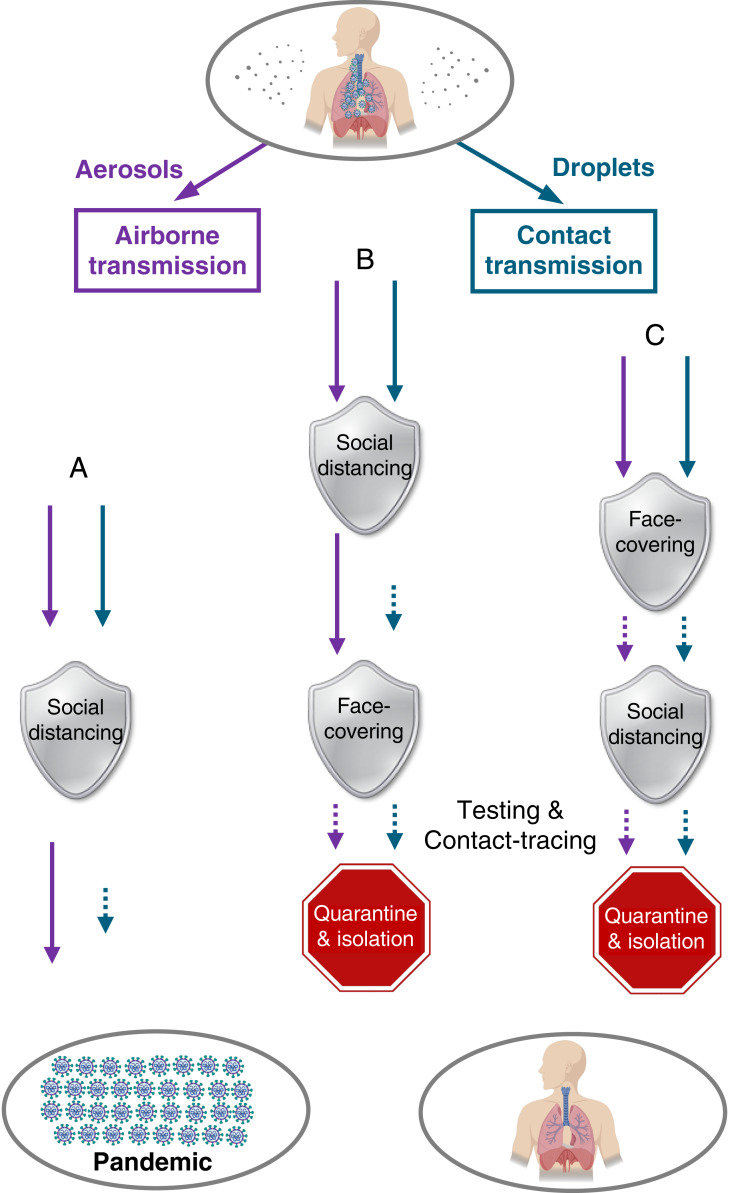
Various mitigation measures have been implemented to fight the coronavirus disease 2019 (COVID-19) pandemic, including widely adopted social distancing and mandated face covering. However, assessing the effectiveness of those intervention practices hinges on the understanding of virus transmission, which remains uncertain. Here we show that airborne transmission is highly virulent and represents the dominant route to spread the disease. By analyzing the trend and mitigation measures in Wuhan, China, Italy, and New York City, from January 23 to May 9, 2020, we illustrate that the impacts of mitigation measures are discernable from the trends of the pandemic. Our analysis reveals that the difference with and without mandated face covering represents the determinant in shaping the pandemic trends in the three epicenters. This protective measure alone significantly reduced the number of infections, that is, by over 78,000 in Italy from April 6 to May 9 and over 66,000 in New York City from April 17 to May 9. Other mitigation measures, such as social distancing implemented in the United States, are insufficient by themselves in protecting the public. We conclude that wearing of face masks in public corresponds to the most effective means to prevent interhuman transmission, and this inexpensive practice, in conjunction with simultaneous social distancing, quarantine, and contact tracing, represents the most likely fighting opportunity to stop the COVID-19 pandemic. Our work also highlights the fact that sound science is essential in decision-making for the current and future public health pandemics.
Overview
The claims and statistics of this paper haven’t been checked yet.
Free: it reads the open-access text and checks the first 5 claims that cite a source we can check. Create a free account to check every claim.
Integrity signals
Registry
Cites
Statistics
Figures
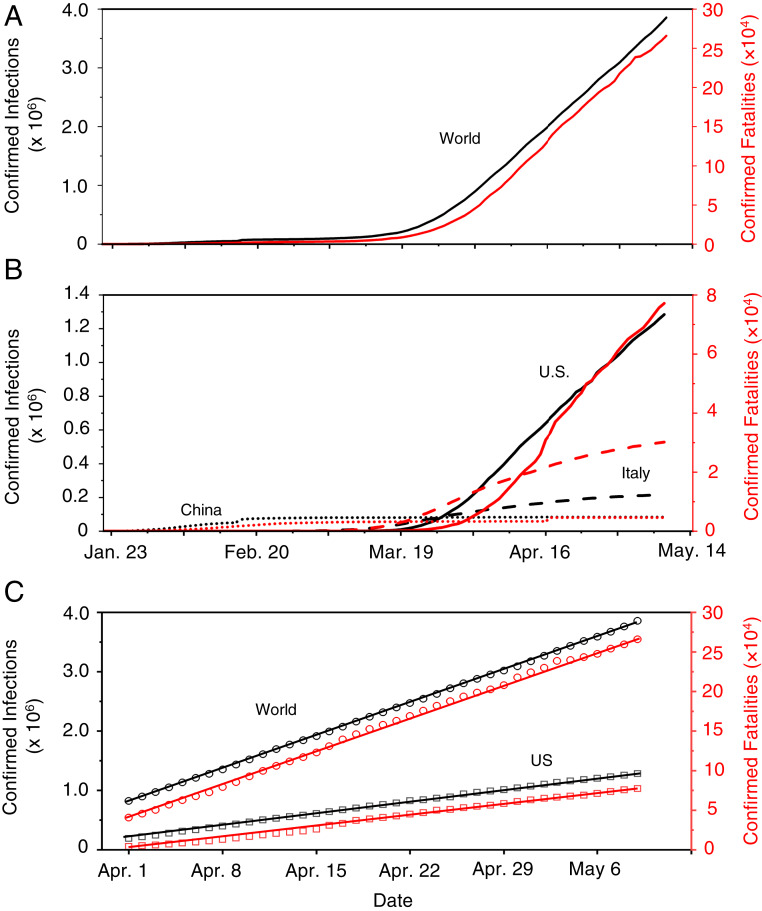
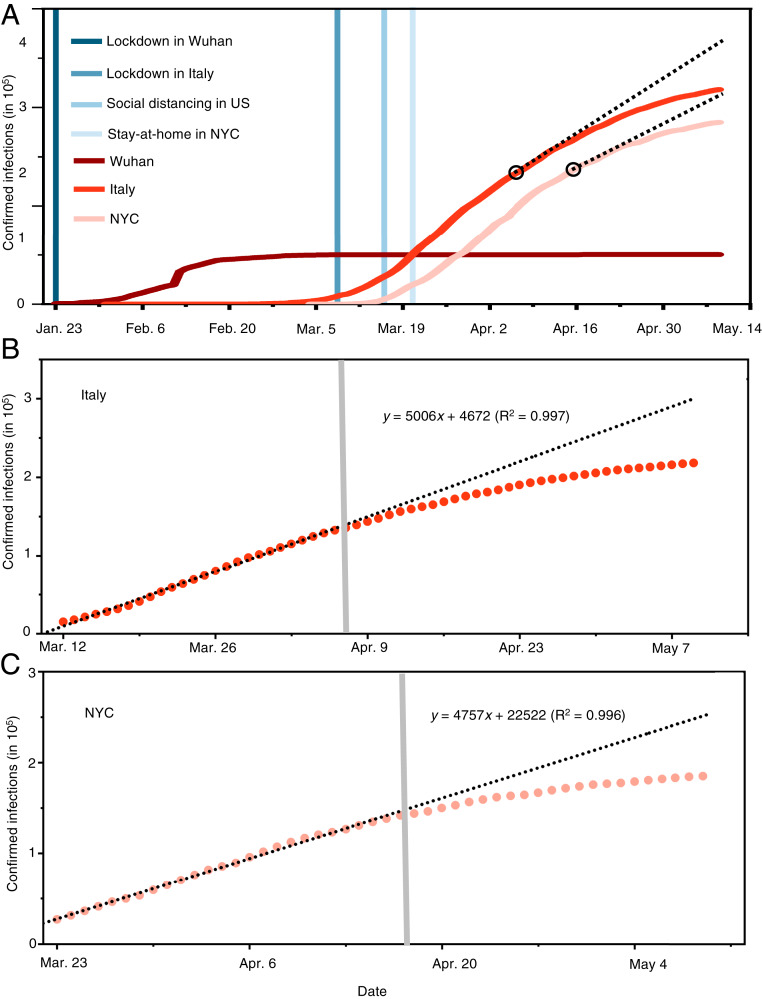
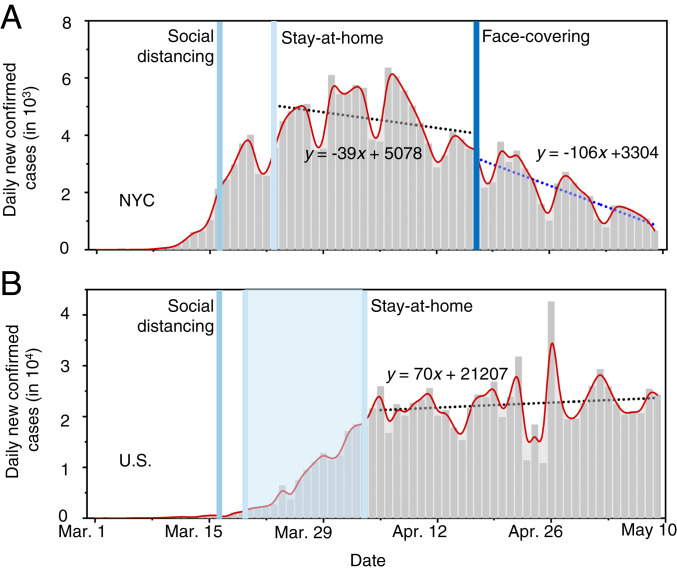
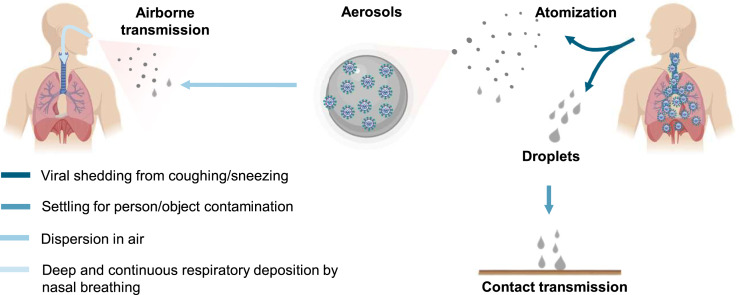
Verification
Claims the paper makes
The claims and statistics of this paper haven’t been checked yet.
Free: it reads the open-access text and checks the first 5 claims that cite a source we can check. Create a free account to check every claim.
Claims other papers make about this one
Each is checked against this paper’s own text: does it say what the citing paper says it does?
The cited source says what the claim attributes to it.
In the citing paper
“With the progression of the pandemic there is a growing body of literature that supports airborne transmission of SARS-CoV-2 playing an increasingly important role in the spread of the disease [29, 39–44].”
From The protective performance of reusable cloth face masks, disposable procedure masks, KN95 masks and N95 respirators: Filtration and total inward leakage (2021) · cites this paper as [39]
Self-check
Percentages, sums and reported differences re-computed from the paper’s own numbers.
The self-check needs the paper’s full text.
Citations
Cites
Aerosol and surface stability of SARS-CoV-2 as compared with SARS-CoV-1
van Doremalen, N., Bushmaker, T., Morris, D. H., Holbrook, M. G., Gamble, A., Williamson, B. N., Tamin, A., Harcourt, J. L., Thornburg, N. J., Gerber, S. I., et al. (2020) · New England Journal of Medicine · doi:10.1056/nejmc2004973 · Cited by 9,951 · cited 4×
“Recent experimental studies have examined the stability of SARS-CoV-2, showing that the virus remains infectious in aerosols for hours (12) and on surfaces up to days (12, 13).”
InfluentialTemporal dynamics in viral shedding and transmissibility of COVID-19
He, X., Lau, E. H. Y., Wu, P., Deng, X., Wang, J., Hao, X., Lau, Y. C., Wong, J. Y., Guan, Y., Tan, X., et al. (2020) · Nature Medicine · doi:10.1038/s41591-020-0869-5 · Cited by 4,247 · cited 2×
“In addition, nascent micrometer-size aerosols produced from coughing/sneezing of infected people have the potential of containing many viruses, particularly for asymptomatic carriers (16).”
Coronaviruses: An Overview of Their Replication and Pathogenesis
Fehr, A. R., & Perlman, S. (2015) · Methods in Molecular Biology · doi:10.1007/978-1-4939-2438-7_1 · Cited by 3,787
Quantifying SARS-CoV-2 transmission suggests epidemic control with digital contact tracing
Ferretti, L., Wymant, C., Kendall, M., Zhao, L., Nurtay, A., Abeler-Dörner, L., Parker, M., Bonsall, D., & Fraser, C. (2020) · Science · doi:10.1126/science.abb6936 · Cited by 2,512 · cited 1×
“Differentiation of the effects of those mitigation measures in China is challenging (19), since the implementation occurred almost simultaneously in January 2020.”
Respiratory virus shedding in exhaled breath and efficacy of face masks
Leung, N. H. L., Chu, D. K. W., Shiu, E. Y. C., Chan, K.-H., McDevitt, J. J., Hau, B. J. P., Yen, H.-L., Li, Y., Ip, D. K. M., Peiris, J. S. M., et al. (2020) · Nature Medicine · doi:10.1038/s41591-020-0843-2 · Cited by 2,270
Self-citationWu, X., Nethery, R. C., Sabath, M. B., Braun, D., & Dominici, F. (2020) · Science Advances · doi:10.1126/sciadv.abd4049 · Cited by 1,974
Stability of SARS-CoV-2 in different environmental conditions
Chin, A. W. H., Chu, J. T. S., Perera, M. R. A., Hui, K. P. Y., Yen, H.-L., Chan, M. C. W., Peiris, M., & Poon, L. L. M. (2020) · doi:10.1101/2020.03.15.20036673 · Cited by 1,948
Stability of SARS-CoV-2 in different environmental conditions
Chin, A. W. H., Chu, J. T. S., Perera, M. R. A., Hui, K. P. Y., Yen, H.-L., Chan, M. C. W., Peiris, M., & Poon, L. L. M. (2020) · The Lancet Microbe · doi:10.1016/s2666-5247(20)30003-3 · Cited by 1,946
Aerodynamic Analysis of SARS-CoV-2 in Two Wuhan Hospitals
Liu, Y., Ning, Z., Chen, Y., Guo, M., Liu, Y., Gali, N. K., Sun, L., Duan, Y., Cai, J., Westerdahl, D., et al. (2020) · Nature · doi:10.1038/s41586-020-2271-3 · Cited by 1,872 · cited 2×
“Available epidemiological (1) and experimental (12, 18) evidence, however, implicates airborne transmission of SARS-CoV-2 via aerosols as a potential route for the spreading of the disease.”
Elucidating severe urban haze formation in China
Guo, S., Hu, M., Zamora, M. L., Peng, J., Shang, D., Zheng, J., Du, Z., Wu, Z., Shao, M., Zeng, L., et al. (2014) · Proceedings of the National Academy of Sciences · doi:10.1073/pnas.1419604111 · Cited by 1,711 · cited 1×
“In addition, nascent virus-bearing aerosols produced from human atomization likely undergo transformation in air, including coagulation with ambient preexisting PM and/or growth on a time scale of a few hours in typical urban air (27 – 29).”
Self-citation
Cited by
Items 301–400 of 1,001
Wang, J., Chen, Z., Wang, S., Yang, L., Yang, L., Wu, X., Zhou, X., & Chen, Z. (2021) · Waste Management · doi:10.1016/j.wasman.2021.03.026 · Cited by 31
Muthusamy, J., Haq, S., Akhtar, S., Alzoubi, M. A., Shamim, T., & Alvarado, J. (2021) · Building and Environment · doi:10.1016/j.buildenv.2021.108280 · Cited by 31
“Several pathways have been identified for the spread of COVID-19, amongst which the airborne transmission was found, in particular, to be virulent, even more so than transmission due to contaminated surfaces and animal-to-human contact [2,3].”
BackgroundSharif, N., Alzahrani, K. J., Ahmed, S. N., Opu, R. R., Ahmed, N., Talukder, A., Nunia, R., Chowdhury, M. S., Nodi, I. J., Saha, T., et al. (2021) · PLoS ONE · doi:10.1371/journal.pone.0260287 · Cited by 31
Aerosol transmission in passenger car cabins: Effects of ventilation configuration and driving speed
Mathai, V., Das, A., & Breuer, K. (2022) · Physics of Fluids · doi:10.1063/5.0079555 · Cited by 31
Akinwumiju, A. S., Oluwafemi, O., Mohammed, Y. D., & Mobolaji, J. W. (2022) · Applied Geography · doi:10.1016/j.apgeog.2022.102671 · Cited by 31
Spitale, G., Germani, F., & Biller‐Andorno, N. (2023) · The American Journal of Bioethics · doi:10.1080/15265161.2023.2201191 · Cited by 31
“Later evidence suggesting the airborne nature of COVID-19 demonstrated this advice to be incompatible with a proper pandemic response (Lewis 2022; Zhang et al. 2020).”
BackgroundMethods for infection prevention in the built environment—a mini-review
Salonen, N., Ahonen, M. H., Sirén, K., Mäkinen, R., Anttila, V., Kivisaari, M., Salonen, K., Pelto-Huikko, A., & Latva, M. (2023) · Frontiers in Built Environment · doi:10.3389/fbuil.2023.1212920 · Cited by 31
Zhang, J., Lu, X., Jin, Y., & Zheng, Z. (2020) · Global Health Journal · doi:10.1016/j.glohj.2020.11.005 · Cited by 31
Current COVID-19 vaccine candidates: Implications in the Saudi population
Rajah, A. T., Alshamsan, A., & Al-Jedai, A. H. (2020) · Saudi Pharmaceutical Journal · doi:10.1016/j.jsps.2020.10.019 · Cited by 30
“( Zhang et al., 2020) (See Table 1.)”
Riediker, M., & Monn, C. (2021) · Aerosol and Air Quality Research · doi:10.4209/aaqr.2020.08.0531 · Cited by 30
“Indoors, airborne transmission seems to be very important (Zhang et al., 2020), as evidenced also by numerous "superspreading" events where one person infected many others present in the same room even when respecting distancing and hygiene rules.”
BackgroundWei, J., Guo, S., Long, E., Zhang, L., Shu, B., & Guo, L. (2021) · Epidemiology and Infection · doi:10.1017/s0950268821000108 · Cited by 31
“Study on the route of transmission of the SARS-CoV-2 shows that the airborne transmission route is highly virulent and dominant for the spread of COVID-19 [16].”
BackgroundAl‐Abadleh, H. A., Lysy, M., Neil, L., Patel, P., Mohammed, W., & Khalaf, Y. (2021) · Journal of Hazardous Materials · doi:10.1016/j.jhazmat.2021.125445 · Cited by 30
“COVID-19 (Asadi et al., 2020; Zhang et al., 2020), research that correlates PM levels in Southern Ontario and the rates of infections and deaths are worth investigating.”
BackgroundThe casual effects of COVID-19 lockdown on air quality and short-term health impacts in China
Li, Y., Li, S., Ling, H., Ziyi, L., Yonghui, Z., Li, L., Yangjun, W., & Lv, K. (2021) · Environmental Pollution · doi:10.1016/j.envpol.2021.117988 · Cited by 30
Self-citationDamette, O., & Huynh, T. L. D. (2023) · Scientific Reports · doi:10.1038/s41598-023-34776-7 · Cited by 33
Pinching Dynamics and Multiple Droplet Generation in Partial Coalescence
Dong, T., & Angeli, P. (2023) · Physical Review Letters · doi:10.1103/physrevlett.131.104001 · Cited by 30
Reimagining the peer‐review system for translational health science journals
Smith, E. M. R. (2021) · Clinical and Translational Science · doi:10.1111/cts.13050 · Cited by 30
To Mask or To Unmask, That Is the Question: Facemasks and Anti-Asian Violence During COVID-19
An, C. H., & Lee, O. E. (2021) · Journal of Human Rights and Social Work · doi:10.1007/s41134-021-00172-2 · Cited by 30
Lindhout, P., & Reniers, G. (2020) · Safety Science · doi:10.1016/j.ssci.2020.104907 · Cited by 29
Retail store customer flow and COVID-19 transmission
Shumsky, R. A., Debo, L. G., Lebeaux, R. M., Nguyen, Q. P., & Hoen, A. G. (2021) · Proceedings of the National Academy of Sciences · doi:10.1073/pnas.2019225118 · Cited by 29
“We focus on the two most important modes of transmission, respiratory droplet and aerosol (11, 12).”
BackgroundKorany, S. M., El-Hendawy, H. H., Sonbol, H. S., & Hamada, M. A. (2021) · Saudi Journal of Biological Sciences · doi:10.1016/j.sjbs.2021.08.008 · Cited by 29
“Recently, some bioactive polysaccharides have been isolated from medicinal plants (Zhang et al., 2020).”
BackgroundSzabadi, J., Meyer, J., Lehmann, M. J., & Dittler, A. (2021) · Journal of Aerosol Science · doi:10.1016/j.jaerosci.2021.105906 · Cited by 29
Lessons from SARS-CoV, MERS-CoV, and SARS-CoV-2 Infections: What We Know So Far
Alsafi, R. (2022) · Canadian Journal of Infectious Diseases and Medical Microbiology · doi:10.1155/2022/1156273 · Cited by 31
“Other animal hosts have also been speculated to be the probable origin and intermediate reservoirs for SARS-CoV-2 [31, 32].”
BackgroundSARS-CoV-2 air and surface contamination in residential settings
Correia, G., Rodrigues, L., Afonso, M., Mota, M., Oliveira, J., Soares, R., Tomás, A. L., Reichel, A., Silva, P. M., Costa, J. J., et al. (2022) · Scientific Reports · doi:10.1038/s41598-022-22679-y · Cited by 29
The effect of masks on cognitive performance
Smerdon, D. (2022) · Proceedings of the National Academy of Sciences · doi:10.1073/pnas.2206528119 · Cited by 30
“Given the established benefits of masks for containing the spread of COVID-19 (2–6), in combination with widespread social media claims about negative side effects (7), it is vital to understand whether and to what extent there are legitimate costs to mask policies.”
Xue, S., & Abhayaratne, C. (2023) · IEEE Access · doi:10.1109/access.2023.3260632 · Cited by 29
“Coronavirus disease 2019, commonly known as COVID-19, is an extremely contagious disease [1], [2] caused by severe acute respiratory syndrome coronavirus 2 (SARS-CoV-2).”
BackgroundBarthe, M., Hertereau, L., Lamghari, N., Osman‐Ponchet, H., & Braud, V. M. (2023) · International Journal of Molecular Sciences · doi:10.3390/ijms24076253 · Cited by 29
Evaluating Lubricant Performance to Reduce COVID-19 PPE-Related Skin Injury
Masen, M. A., Chung-Jukko, A., Dawczyk, J., Dunning, Z., Edwards, L., Guyott, C. C. H., Hall, T. A. G., Januszewski, R., Jiang, S., Jobanputra, R. D., et al. (2020) · PLoS ONE · doi:10.1371/journal.pone.0239363 · Cited by 29
“During the COVID-19 pandemic, the use of facial PPE is essential to limit the infection rate as the SARS-CoV-2 virus enters and infects human cells through respiratory, oral and ocular mucosal membranes via airborne transmission of contaminated droplets [1, 2].”
No Small Matter: A Perspective on Nanotechnology-Enabled Solutions to Fight COVID-19
Jones, G. W., Monopoli, M. P., Campagnolo, L., Pietroiusti, A., Tran, L., & Fadeel, B. (2020) · Nanomedicine · doi:10.2217/nnm-2020-0286 · Cited by 28
“[96] provided evidence that airborne transmission is the dominant route to spread the disease, and the authors also concluded that the wearing of face masks corresponds to the most effective means of preventing transmission between individuals.”
BackgroundExperimental Evidence for the Optimal Design of a High-Performing Cloth Mask
Bhattacharjee, S., Bahl, P., de Silva, C. M., Doolan, C. J., Chughtai, A. A., Heslop, D. J., & MacIntyre, C. R. (2021) · ACS Biomaterials Science & Engineering · doi:10.1021/acsbiomaterials.1c00368 · Cited by 29
Biala, T. A., Afolabi, Y. O., & Khaliq, A. Q. M. (2021) · Applied Mathematical Modelling · doi:10.1016/j.apm.2021.11.011 · Cited by 28
“Many studies [1, 2, 3, 4, 5, 6, 7, 8] have shown that the novel coronavirus infection spread through these means.”
BackgroundBhattacharjee, S., Bahl, P., Chughtai, A. A., Heslop, D. J., & MacIntyre, C. R. (2022) · Nano Select · doi:10.1002/nano.202200101 · Cited by 28
Salinas, J. S., Krishnaprasad, K. A., Zgheib, N., & Balachandar, S. (2022) · Physical Review Fluids · doi:10.1103/physrevfluids.7.064309 · Cited by 28
Network pharmacology reveals multitarget mechanism of action of drugs to be repurposed for COVID-19
Alegría‐Arcos, M., Barbosa, T., Sepúlveda, F., Combariza, G., González, J., Gil, C., Martínez, A., & Ramírez, D. (2022) · Frontiers in Pharmacology · doi:10.3389/fphar.2022.952192 · Cited by 28
“This infectious agent is usually spread in the respiratory system via inhalation of droplets and/or direct contact, leading to a manifestation of a respiratory dysfunction causing pneumonia in severe infections (Zhang et al., 2020).”
BackgroundIjaz, M. K., Sattar, S. A., Nims, R. W., Boone, S. A., McKinney, J., & Gerba, C. P. (2023) · PeerJ · doi:10.7717/peerj.16420 · Cited by 28
COVID-19 Reveals Vulnerabilities of the Food–Energy–Water Nexus to Viral Pandemics
Calder, R. S. D., Grady, C., Jeuland, M., Kirchhoff, C. J., Hale, R. L., & Muenich, R. L. (2021) · Environmental Science & Technology Letters · doi:10.1021/acs.estlett.1c00291 · Cited by 28
Quantifying the effect of a mask on expiratory flows
Bourrianne, P., Xue, N., Nunes, J. K., Abkarian, M., & Stone, H. A. (2021) · Physical Review Fluids · doi:10.1103/physrevfluids.6.110511 · Cited by 28
Molecular-Level Anatomy of SARS-CoV-2 for the Battle against the COVID-19 Pandemic
Komiyama, M. (2021) · Bulletin of the Chemical Society of Japan · doi:10.1246/bcsj.20210030 · Cited by 27
Schuit, M. A., Biryukov, J., Beck, K., Yolitz, J., Bohannon, J. K., Weaver, W. G., Miller, D., Holland, B., Krause, M. L., Freeburger, D., et al. (2021) · The Journal of Infectious Diseases · doi:10.1093/infdis/jiab171 · Cited by 27
“Recent evidence suggests that aerosols may contribute to the spread of severe acute respiratory syndrome coronavirus 2 (SARS-CoV-2) [1-6], with both epidemiological analyses and sampling studies in clinical settings supporting this hypothesis [7-9].”
BackgroundGivirovskaia, D., Givirovskiy, G., Haapakoski, M., Hokkanen, S., Ruuskanen, V., Salo, S., Marjomäki, V., Ahola, J., & Repo, E. (2022) · Microporous and Mesoporous Materials · doi:10.1016/j.micromeso.2022.111760 · Cited by 27
“For example, research on mask effectiveness [12] does not take into consideration that bacteria in human saliva and exhaled breath might constitute a biosafety concern [13], particularly with long-term mask usage or mask reuse without appropriate disinfection.”
BackgroundAkhtar, S., Pranay, K., & Kumari, K. (2023) · Hygiene and Environmental Health Advances · doi:10.1016/j.heha.2023.100055 · Cited by 27
Cox, N., Swaef, E. D., Corteel, M., Broeck, W. V. D., Bossier, P., Dantas-Lima, J. J., & Nauwynck, H. (2023) · Viruses · doi:10.3390/v15091824 · Cited by 27
“Moreover, studying the epidemiology of an infectious disease such as WSD can potentially reveal the primary transmission dynamics, as it did for AIDS and COVID-19 in humans [39,40].”
BackgroundLi, J., Liao, P., Wei, J. C., Hsu, S., & Yeh, C. (2023) · Frontiers in Public Health · doi:10.3389/fpubh.2023.1143650 · Cited by 28
“Wearing face masks in public is the most effective means against COVID-19 before the development of vaccines (32).”
BackgroundBarghash, R. F., Gemmati, D., Awad, A. M., Elbakry, M. M. M., Tisato, V., Awad, K., & Singh, A. V. (2024) · Molecules · doi:10.3390/molecules29235564 · Cited by 27
“SARS-CoV-2 exhibits persistent transmission from person to person via direct/indirect contact and through the environment as respiratory droplets and/or aerosols [17–19].”
da Silva, S. J. R., do Nascimento, J. C. F., Reis, W. P. M. D. S., da Silva, C. T. A., da Silva, P. G., Mendes, R. P. G., Mendonça, A. A., Santos, B. N. R., de Magalhães, J. J. F., Kohl, A., et al. (2021) · Environmental Microbiology · doi:10.1111/1462-2920.15855 · Cited by 27
Hu, N., Feng, Y., Gram, A., Yao, R., & Sadrizadeh, S. (2023) · Building and Environment · doi:10.1016/j.buildenv.2023.110994 · Cited by 26
Li, W., Thomas, R., El-Askary, H. M., Piechota, T. C., Struppa, D. C., & Ghaffar, K. A. (2020) · Earth Systems and Environment · doi:10.1007/s41748-020-00176-4 · Cited by 26
Fan, H., He, C., Yin, G., Qin, Y., Jiang, N., Lu, G., & Li, X. (2021) · Pediatric Pulmonology · doi:10.1002/ppul.25335 · Cited by 26
“These mainly included restrictions on social gatherings, including the closure of schools, entertainment businesses, and transportation as well as temperature monitoring and mandatory mask‐wearing.(1) Their influence on asthma has been debated.”
BackgroundCyDisCo production of functional recombinant SARS‐CoV ‐2 spike receptor binding domain
Prahlad, J., Struble, L. R., Lutz, W. E., Wallin, S., Khurana, S., Schnaubelt, A. T., Broadhurst, M. J., Bayles, K. W., & Borgstahl, G. E. O. (2021) · Protein Science · doi:10.1002/pro.4152 · Cited by 26
“The Coronavirus disease-2019 (COVID-19) pandemic caused by the Severe Acute Respiratory Syndrome coronavirus 2 (SARS-CoV-2) has, due to its prolific interhuman transmission, become a dire global health concern.(1) Since its discovery in Wuhan, China(2) in late 2019, there have been over 100 million cases worldwide, an…”
BackgroundHu, M., Wang, J., Lin, H., Ruktanonchai, C. W., Xu, C., Meng, B., Zhang, X., Carioli, A., Feng, Y., Yin, Q., et al. (2021) · Clinical Infectious Diseases · doi:10.1093/cid/ciab836 · Cited by 27
Shirali, G. A., Rahimi, Z., Araban, M., Mohammadi, M. J., & Cheraghian, B. (2021) · Asian Journal of Social Health and Behavior · doi:10.4103/shb.shb_74_21 · Cited by 26
Peng, N. N., Chow, K. W., & Liu, C. (2021) · Physics of Fluids · doi:10.1063/5.0068244 · Cited by 26
Development of a Hamster Natural Transmission Model of SARS-CoV-2 Infection
Dowall, S., Salguero, F. J., Wiblin, N. R., Fotheringham, S. A., Hatch, G. J., Parks, S. S., Gowan, K., Harris, D. J., Carnell, O. T., Fell, R., et al. (2021) · Viruses · doi:10.3390/v13112251 · Cited by 26
“Data from epidemiological studies provide evidence that the principal mode of SARSCoV-2 infection is via airborne transmission [4], with infectious SARS-CoV-2 particles being”
BackgroundTU Delft COVID-app: A tool to democratize CFD simulations for SARS-CoV-2 infection risk analysis
Faleiros, D. E., van den Bos, W., Botto, L., & Scarano, F. (2022) · The Science of The Total Environment · doi:10.1016/j.scitotenv.2022.154143 · Cited by 26
“droplets and aerosols of sputum or saliva of an infected person (Asadi et al., 2020; Zhang et al., 2020), expelled either orally or nasally through breathing, speaking, singing, coughing or sneezing (Bourouiba et al.”
Natural SARS-CoV-2 Infection Affects Neutralizing Activity in Saliva of Vaccinees
Garziano, M., Utyro, O., Poliseno, M., Santantonio, T. A., Saulle, I., Strizzi, S., Caputo, S. L., Clerici, M., Introini, A., & Biasin, M. (2022) · Frontiers in Immunology · doi:10.3389/fimmu.2022.820250 · Cited by 26
“Viral transmission may occur by asymptomatic, pre-symptomatic, and symptomatic individuals through close exposure to infected secretions such as saliva, respiratory secretions, or respiratory droplets (2, 3).”
BackgroundMethodBalkan, B. A., Chang, Y., Sparnaaij, M., Wouda, B., Boschma, D., Liu, Y., Yuan, Y., Daamen, W., de Jong, M. C. M., Teberg, C., et al. (2024) · PLoS Computational Biology · doi:10.1371/journal.pcbi.1011956 · Cited by 26
Klang, S. H., Barbara, M., Megiddo, D., Lapidot, T., & Yaakov, N. (2021) · Expert Review of Anti-infective Therapy · doi:10.1080/14787210.2021.1908127 · Cited by 26
Water-Borne Nanocoating for Rapid Inactivation of SARS-CoV-2 and Other Viruses
Bobrin, V. A., Chen, S. R., Reyes, C. F. G., Sun, B., Ng, C. K., Kim, Y., Purcell, D. F. J., Jia, Z., Gu, W., Armstrong, J. W., et al. (2021) · ACS Nano · doi:10.1021/acsnano.1c05075 · Cited by 26
Investigation on the evaporation and dispersion of human respiratory droplets with COVID-19 virus
Yin, J. H., Norvihoho, L. K., Zhou, Z., Chen, B., & Wu, W. (2021) · International Journal of Multiphase Flow · doi:10.1016/j.ijmultiphaseflow.2021.103904 · Cited by 26
“A great deal of evidence gathered from the confirmed cases of the COVID-19 (Holland et al., 2020; Somsen et al., 2020; van Doremalen et al., 2020; Vuorinen et al., 2020; Zhang et al., 2020) has proved that the primarily transmission routes of SARS-CoV-2 virus are through respiratory droplets and human-to-human contact…”
InfluentialCarvalhais, C., Querido, M. M., Pereira, C. C., & Santos, J. (2021) · Work · doi:10.3233/wor-205302 · Cited by 26
“Even without studies fully assessing the dispersion ability of particles originating from playing woodwind and brass instruments, it is still clear that the risk of generating droplets is high as playing these instruments involves deep breathing and forced exhalation, creating a strong airflow around the player [19, 2…”
BackgroundCOVID-19 severity in relation to sociodemographics and vitamin D use
Abdulateef, D. S., Rahman, H. S., Salih, J. M., Osman, S. M., Mahmood, T. A., Omer, S. H. S., & Ahmed, R. A. (2021) · Open Medicine · doi:10.1515/med-2021-0273 · Cited by 25
Effect of co-flow on fluid dynamics of a cough jet with implications in spread of COVID-19
Behera, S., Bhardwaj, R., & Agrawal, A. (2021) · Physics of Fluids · doi:10.1063/5.0064104 · Cited by 25
SARS‐CoV‐2 detection in bioaerosols using a liquid impinger collector and ddPCR
Truyols-Vives, J., Muncunill, J., Toledo-Pons, N., Baldoví, H. G., Sala, E., & Mercader, J. (2022) · Indoor Air · doi:10.1111/ina.13002 · Cited by 25
Shen, Y., Courtney, J. M., Anfinrud, P., & Bax, A. (2022) · Proceedings of the National Academy of Sciences · doi:10.1073/pnas.2203086119 · Cited by 26
Abkar, L., Zimmermann, K., Dixit, F., Kheyrandish, A., & Mohseni, M. (2022) · Journal of Hazardous Materials Advances · doi:10.1016/j.hazadv.2022.100183 · Cited by 25
Deteksi Covid-19 pada Citra Sinar-X Dada Menggunakan Deep Learning yang Efisien
Yudistira, N., Widodo, A. W., & Rahayudi, B. (2020) · Jurnal Teknologi Informasi dan Ilmu Komputer · doi:10.25126/jtiik.2020763651 · Cited by 25
What can we learn from Covid-19 pandemic’s impact on human behaviour? The case of France’s lockdown
Atkinson-Clément, C., & Pigalle, É. (2021) · Humanities and Social Sciences Communications · doi:10.1057/s41599-021-00749-2 · Cited by 25
“…of covid-19 transmission (Bi et al., 2020; Chinazzi et al., 2020; Pullano et al., 2020; Tian et al., 2020; Wells et al., 2020; C. Zhang et al., 2020; R. Zhang et al., 2020, p. 19), we reported that more than 10% of our participants changed of residence specifically in the lockdown prevision.”
BackgroundGette, J. A., Stevens, A. K., Littlefield, A. K., Hayes, K. L., WHITE, H. R., & Jackson, K. M. (2021) · International Journal of Environmental Research and Public Health · doi:10.3390/ijerph18168715 · Cited by 25
“, handwashing) that may not be directly related to COVID19 because it is airborne [38].”
BackgroundCOVID-19 Vaccines Cost-Effectiveness Analysis: A Scenario for Iran
Vaezi, A., & Meysamie, A. (2021) · Vaccines · doi:10.3390/vaccines10010037 · Cited by 26
“COVID-19 is a human-to-human transmitted disease that is transmitted via droplets and airborne particles [9].”
BackgroundComprehensive Analyses of SARS-CoV-2 Transmission in a Public Health Virology Laboratory
Zuckerman, N. S., Pando, R., Bucris, E. D., Drori, Y., Lustig, Y., Erster, O., Mor, O., Mendelson, E., & Mandelboim, M. (2020) · Viruses · doi:10.3390/v12080854 · Cited by 24
“SARS-CoV-2 airborne transmission was demonstrated to be the most efficient among all transmission routes [17,18] and contagious even in the pre-symptomatic stages [19,20], such that silent virus spread easily occurs.”
Ambrosch, A., Rockmann, F., Klawonn, F., & Lampl, B. M. J. (2020) · Journal of Infection and Public Health · doi:10.1016/j.jiph.2020.10.005 · Cited by 24
“Although the infection pathway of SARS-CoV-2 is a droplet or airborne transmissible infection [2,3], the protective effect of surgical masks is unclear.”
BackgroundClinical decision support tool for diagnosis of COVID-19 in hospitals
Saegerman, C., Gilbert, A., Donneau, A., Gangolf, M., Diep, A. N., Meex, C., Bontems, S., Hayette, M., D’Orio, V., & Ghuysen, A. (2021) · PLoS ONE · doi:10.1371/journal.pone.0247773 · Cited by 24
“Airborne transmission by droplet nuclei, which are generally considered to be particles < 5μm, is also evidenced for SARS-CoV-2 both in experimental [7] and natural [8] conditions.”
BackgroundAir quality evaluation during COVID-19 in Southern Italy: the case study of Avellino city
Cucciniello, R., Raia, L., & Vasca, E. (2021) · Environmental Research · doi:10.1016/j.envres.2021.111803 · Cited by 24
“The airborne diffusion was also reported in literature by Molina et al. as predominant route for the spread of COVID-19 (Zhang et al., 2020) and was considered in the past as crucial for the ambient * Corresponding author.”
Peran Big Data dan Deep Learning untuk Menyelesaikan Permasalahan Secara Komprehensif
Yudistira, N. (2021) · EXPERT Jurnal Manajemen Sistem Informasi dan Teknologi · doi:10.36448/expert.v11i2.2063 · Cited by 25
Kaashoek, J., Testa, C., Chen, J. T., Stolerman, L. M., Krieger, N., Hanage, W. P., & Santillana, M. (2022) · PLOS Global Public Health · doi:10.1371/journal.pgph.0000557 · Cited by 24
Stability of SARS-CoV-2 on inanimate surfaces: A review
Xu, J., Xu, C., Chen, R., Yin, Y., Wang, Z., Li, K., Shi, J., Chen, X., Huang, J., Hong, J., et al. (2023) · Microbiological Research · doi:10.1016/j.micres.2023.127388 · Cited by 24
Self-citationHost and viral determinants of airborne transmission of SARS-CoV-2 in the Syrian hamster
Port, J. R., Morris, D. H., Riopelle, J. C., Yinda, C. K., Avanzato, V. A., Holbrook, M. G., Bushmaker, T., Schulz, J. E., Saturday, T. A., Barbian, K., et al. (2024) · eLife · doi:10.7554/elife.87094 · Cited by 24
“Transmission by aerosolized virus particles has been a major contributor to the spread of SARS- CoV-2 ( Zhang et al., 2020 ; Port et al., 2022 ; Boone and Gerba, 2007 ; Goldman, 2020 ; CDC, 2021a ; Pitol and Julian, 2021 ).”
SARS-Cov-2: The Relevance and Prevention of Aerosol Transmission
van der Valk, J. P. M., & Veen, J. C. C. M. I. ’. (2021) · Journal of Occupational and Environmental Medicine · doi:10.1097/jom.0000000000002193 · Cited by 24
“Kang et al(17) demonstrated that faecal transmission may have caused the community outbreak of COVID-19 in a high-rise building.(17) The study by Döhla et al(43) showed that in 21 households under quarantine conditions, surfaces in the domestic environment as well as the wastewater from washbasins, showers and toilets…”
BackgroundMethodA retrospective cohort study of 238,000 COVID-19 hospitalizations and deaths in Brazil
Sobral, M. F. F., Roazzi, A., Sobral, A. I. G. D. P., de Oliveira, B. R. B., Duarte, G. B., da Silva, J. F., & Nogueira, R. M. T. B. L. (2022) · Scientific Reports · doi:10.1038/s41598-022-07538-0 · Cited by 24
Negera, E., Demissie, T. M., & Tafess, K. (2020) · bioRxiv (Cold Spring Harbor Laboratory) · doi:10.1101/2020.07.22.215590 · Cited by 24
Alteri, A., Pisaturo, V., Somigliana, E., & Viganò, P. (2020) · Human Reproduction · doi:10.1093/humrep/deaa210 · Cited by 23
Wang, C., Xu, J., Fu, S. C., & Chao, C. Y. H. (2022) · Travel Medicine and Infectious Disease · doi:10.1016/j.tmaid.2022.102285 · Cited by 23
Fischer, R. J., Port, J. R., Holbrook, M. G., Yinda, C. K., Creusen, M., ter Stege, J., de Samber, M., & Munster, V. J. (2022) · Environmental Science & Technology · doi:10.1021/acs.est.2c02822 · Cited by 23
Zhang, Y., He, H., Dai, K., Lin, Z., Fang, Z., & Zheng, Z. (2023) · Building and Environment · doi:10.1016/j.buildenv.2023.110058 · Cited by 23
“Medical protective masks available in the market have been proven effective in controlling the COVID-19 outbreak and preventing human-to-human virus transmission [7].”
BackgroundFerrari, S., Blázquez, T., Cardelli, R., Angelis, E. D., Puglisi, G., Escandón, R., & Suárez, R. (2023) · Heliyon · doi:10.1016/j.heliyon.2023.e19120 · Cited by 24
“…other hand, the COVID-19 pandemic has relied on building ventilation as the main measure to reduce the spread of the virus in indoor environments since its role in controlling long-distance airborne transmission -which is the dominant route of transmission [13]-, has been widely acknowledged [14].”
Ji, B., Zhao, Y., Esteve‐Núñez, A., Liu, R., Yang, Y., Nzihou, A., Tai, Y., Wei, T., Shen, C., Yang, Y. L., et al. (2020) · Chemical Engineering Journal · doi:10.1016/j.cej.2020.127522 · Cited by 23
“dominant route for the spread of COVID-19 [7,49,52,53,55,140,141].”
Self-citationHernández‐López, J., Romo, Á. S., Coronado-Molina, D. E., Álvarez-Hernández, G., Cureño, Á. B. G., Acosta, M. A., Gaxiola, C. A. A., Félix, M. J. S., & Gollas‐Galván, T. (2020) · International Journal of Infectious Diseases · doi:10.1016/j.ijid.2020.10.089 · Cited by 23
Neurological Associations of SARS-CoV-2 Infection: A Systematic Review
Javed, A. (2021) · CNS & Neurological Disorders - Drug Targets · doi:10.2174/1871527320666210216121211 · Cited by 24
Malabadi, R. B., Kolkar, K. P., Meti, N. T., & CHALANNAVAR, R. K. (2021) · International journal of research and scientific innovation · doi:10.51244/ijrsi.2021.8407 · Cited by 23
“…at Wuhan, Hubei, China where bats, snakes, raccoon dogs, palm civets, and other animals were sold, and viral disease was rapidly spread up and becomes global pandemic (Shin et al., 2020; Tang et al., 2020; Wu et al., 2020a, 2020b; Wang et al., 2020; Yang, 2021; Zhang et al., 2020a, 2020b, 2020c).”
BackgroundInfluentialChoi, S., Choi, J., Cheon, S., Song, J., Kim, S.-Y., Kim, J.-E., Nam, D.-H., Manzar, G. S., Kim, S., Kang, H., et al. (2022) · Cell Biology and Toxicology · doi:10.1007/s10565-022-09698-1 · Cited by 23
“These diseases are caused by environmental pollution, chemical exposure, smoking, and unknown factors (Daba et al. 2004; Thannickal et al. 2004; Zhang et al. 2020).”
BackgroundGalvan, D., Effting, L., Cremasco, H., & Conte‐Júnior, C. A. (2020) · International Journal of Environmental Research and Public Health · doi:10.3390/ijerph17238921 · Cited by 22
“Some factors can influence the spread of the virus, including the disregard of preventive measures adopted by the government by population [6], climatic [7–9], comorbidities [10,11], hospital structure, prepared professionals, personal protective equipment, and financial resources [4].”
BackgroundMesenchymal stromal cells to fight SARS-CoV-2: Taking advantage of a pleiotropic therapy
Barros, I., Silva, A., de Almeida, L. P., & Miranda, C. O. (2020) · Cytokine & Growth Factor Reviews · doi:10.1016/j.cytogfr.2020.12.002 · Cited by 22
“Hand disinfection, social distancing and the use of masks [27] are the recommended preventive tools so far.”
BackgroundAn evaluation of COVID-19 transmission control in Wenzhou using a modified SEIR model
Li, W., Gong, J., Zhou, J., Zhang, L., Wang, D., Li, J., Shi, C., & Fan, H. (2021) · Epidemiology and Infection · doi:10.1017/s0950268820003064 · Cited by 22
“changed with changes in the control strategy, which includes public health prevention (m), the suspected case traces and isolation rate (ε), and the number of daily contacts (r) [28].”
BackgroundGuo, L., Yang, Z., Guo, L., Chen, L., Zhu, C., Zhang, L., & Long, E. (2021) · Environmental Research · doi:10.1016/j.envres.2021.110716 · Cited by 22
Transmission Characteristics of SARS-CoV-2 That Hinder Effective Control
Bae, S., Lim, J. S., Kim, J. Y., Jung, J., & Kim, S. (2021) · Immune Network · doi:10.4110/in.2021.21.e9 · Cited by 22
“This epidemiologic observation indicates that airborne transmission is the dominant route even in community settings without aerosol-generating procedures, especially those that are under-ventilated or crowded (25).”
BackgroundYinda, C. K., Port, J. R., Bushmaker, T., Fischer, R. J., Schulz, J. E., Holbrook, M. G., Shaia, C., de Wit, E., van Doremalen, N., & Munster, V. J. (2021) · Emerging Microbes & Infections · doi:10.1080/22221751.2021.1943539 · Cited by 22
“droplet transmission, or airborne transmission [16-20].”
Effect of oral antiseptics on the viral load of SARS-CoV-2: A randomized controlled trial
Gül, S. N. S., Dilsiz, A., Sağlık, İ., & Aydın, N. N. (2022) · Dental and Medical Problems · doi:10.17219/dmp/150831 · Cited by 22
Mahmood, Z., Alrefai, H., Hetta, H. F., Kader, H. A., Munawar, N., Rahman, S. A., Elshaer, S., Batiha, G. E., & Muhammad, K. (2020) · Vaccines · doi:10.3390/vaccines8030443 · Cited by 22
“Due to its persistence in aerosol droplets, a viable and infectious form can be possible over longer periods of time [41,42].”
BackgroundSARS-CoV-2: Outline, Prevention, and Decontamination
Janik, E., Bartos, M., Niemcewicz, M., Gorniak, L., & Bijak, M. (2021) · Pathogens · doi:10.3390/pathogens10020114 · Cited by 22
“Another study has suggested that the airborne transmission route of the virus is highly virulent and dominant, so face covering is crucial in reducing the spread of COVID-19 [71].”
BackgroundGenetic and epigenetic control of ACE2 expression and its possible role in COVID ‐19
Lima, R. S., Rocha, L. P. C., & Moreira, P. R. (2021) · Cell Biochemistry and Function · doi:10.1002/cbf.3648 · Cited by 22
“Indeed, it is known that gastrointestinal, pulmonary, cardiovascular and renal symptoms are common in COVID-19 patients and the use of face masks greatly reduces transmission.(57,58) However, the scenario seems to be more nuanced, as multi-organ failure and multisystem inflammatory syndrome in children in the context…”
BackgroundUsing Network Analysis and Machine Learning to Identify Virus Spread Trends in COVID-19
Pinheiro, C. A. R., Galati, M. V., Summerville, N., & Lambrecht, M. (2021) · Big Data Research · doi:10.1016/j.bdr.2021.100242 · Cited by 22
“respiratory droplets [2] and direct or indirect contact with infected”
Metadata
- Authors
- Zhang, R., Li, Y., Zhang, A. L., Wang, Y., & Molina, M. J.
- Affiliations
- Texas A&M University (US)
- The University of Texas at Austin (US)
- California Institute of Technology (US)
- University of California San Diego (US)
- Corresponding author
- Zhang, Renyi
- Molina, Mario J.
- Venue
- Proceedings of the National Academy of Sciences
- Publisher
- National Academy of Sciences
- Published
- 2020-06-11
- Volume
- 117
- Issue
- 26
- Pages
- 14857-14863
- ISSN
- 0027-8424 (ISSN-L)
- 1091-6490
- PMC
- PMC7334447
- OpenAlex
- W3034825141
- Cited by
- 1,236
- References
- 28
- Citations by year
- 2026: 33 · 2025: 51 · 2024: 115 · 2023: 162 · 2022: 248 · 2021: 406 · 2020: 219
- FWCI
- 41.11
- Type
- journal article
- Language
- en
- Update notices
- correction (2020-10-05)
- Open access
- hybrid
- doi.org
- Licence
- Locations
- Proceedings of the National Academy of Sciences (publishedVersion, cc-by)
- PubMed Central (publishedVersion, cc-by)
- PubMed (publishedVersion)
- CaltechAUTHORS (California Institute of Technology) (submittedVersion, cc-by)
- eScholarship (California Digital Library) (submittedVersion)
- eScholarship (California Digital Library) (submittedVersion, cc-by)
- Funders
- Welch Foundation (A-1417)
- Topics
- Physical Sciences › Mathematics › Modeling and Simulation › COVID-19 epidemiological studies
- Health Sciences › Medicine › Pulmonary and Respiratory Medicine › Infection Control and Ventilation
- Social Sciences › Sociology and Political Science › COVID-19 Prevention and Impact
- Keywords
- COVID-19 pandemic, airborne transmission, face masks, social distancing, mitigation measures, epidemiological trends, Wuhan, Italy, New York City, quarantine, contact tracing, public health policy, infection control
- MeSH terms
- COVID-19, Humans, Masks, Pneumonia, Viral, Primary Prevention, Quarantine, Respiratory Protective Devices, United States, Coronavirus Infections, Disease Transmission, Infectious, Inhalation Exposure, Pandemics
About these checks
Registry, retraction, Cites and statistics results are computed, not judged, with one exception: a printed reference that no index lists is read once by a model before it counts as a citation error. Claims are extracted by a model and kept only when their quote appears verbatim in the text; each cited source is then checked, with a model’s help, for whether it says what the claim relies on. Those verdicts can be wrong — read the claim’s quote and the cited source before relying on one.
Statistics and arithmetic are recomputed, not judged.
Confidence bands are shown only for fields calibrated on our annotated test set. None is calibrated yet, so no band is shown.
What counts as a claim ›How we measure confidence ›How we check this ›
Are you an author, or do you see a problem with this page? Request a review
Data sources
Bibliographic data: Semantic Scholar, OpenAlex, Crossref.
Contains information from the Semantic Scholar Academic Graph Datasets, made available under the ODC Attribution License (ODC-BY 1.0).
Semantic Scholar’s data is described in: Kinney, R., et al. (2023). The Semantic Scholar Open Data Platform. arXiv:2301.10140.
