

Identifying airborne transmission as the dominant route for the spread of COVID-19
Open accessThe DOI matches its Crossref record; 31 of the 31 references it cites were found in a registry or an index.
Abstract
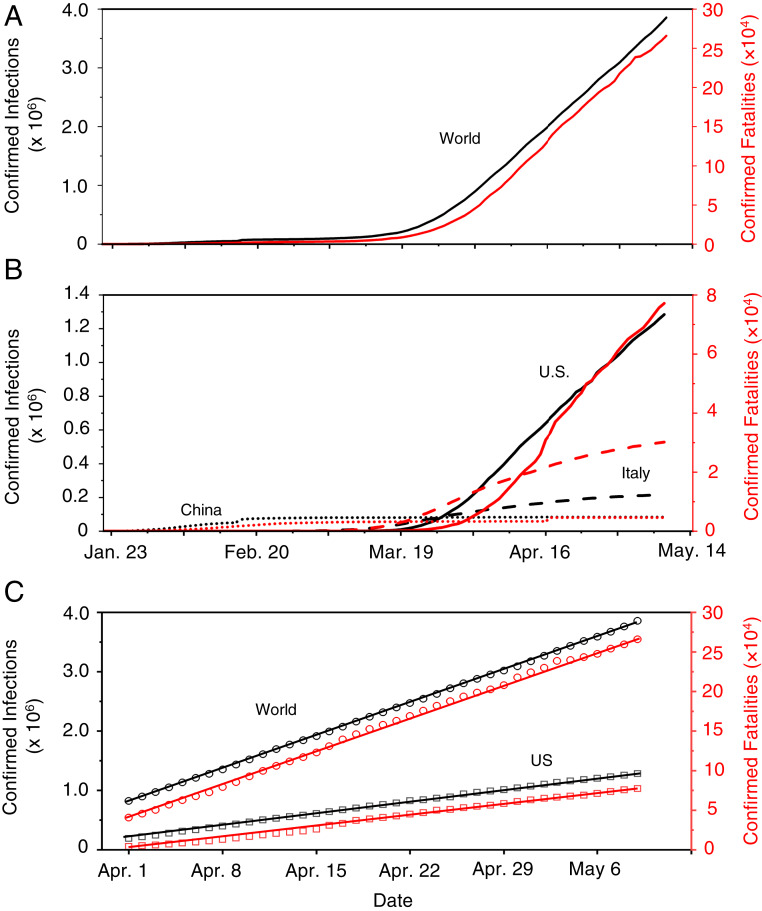
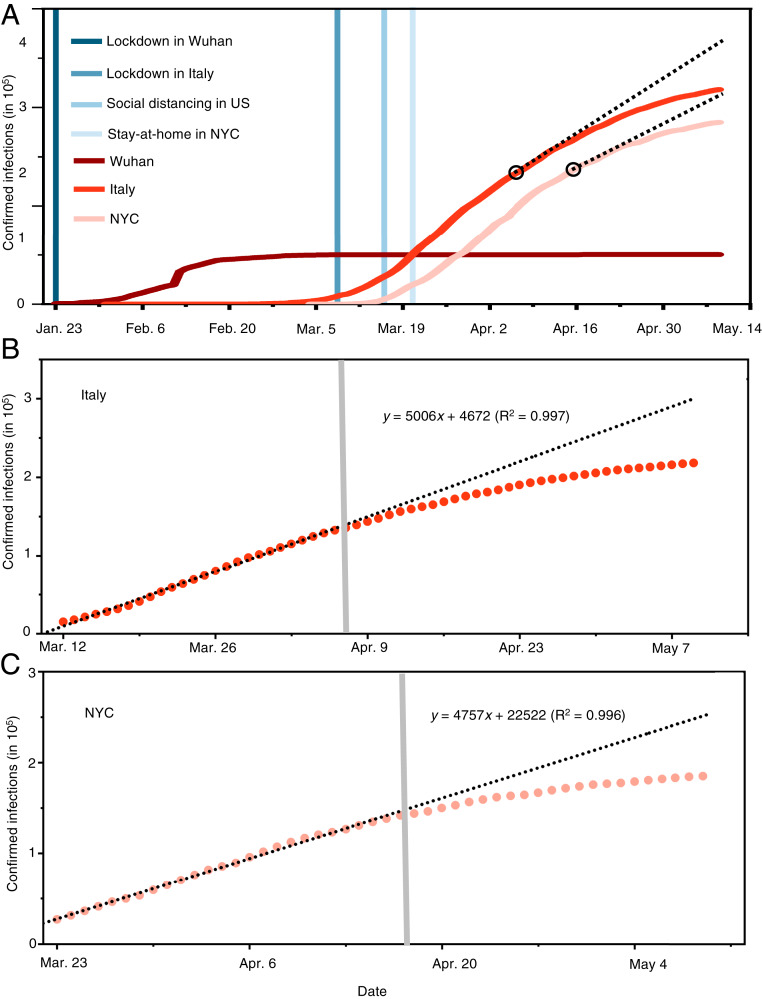
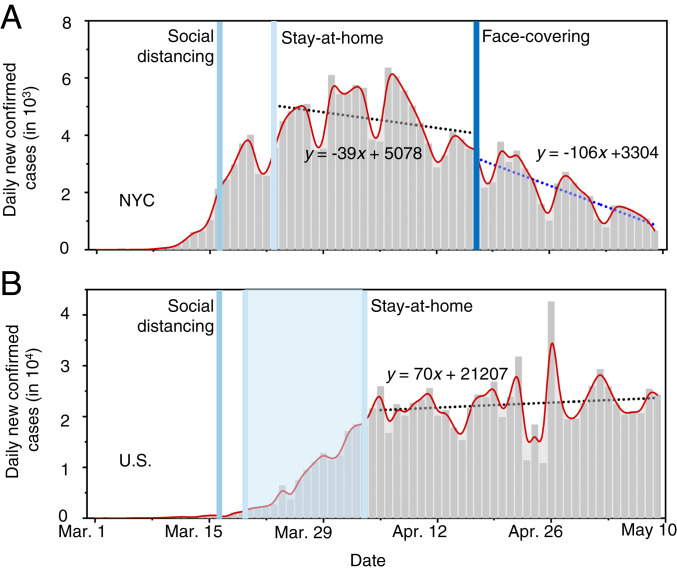
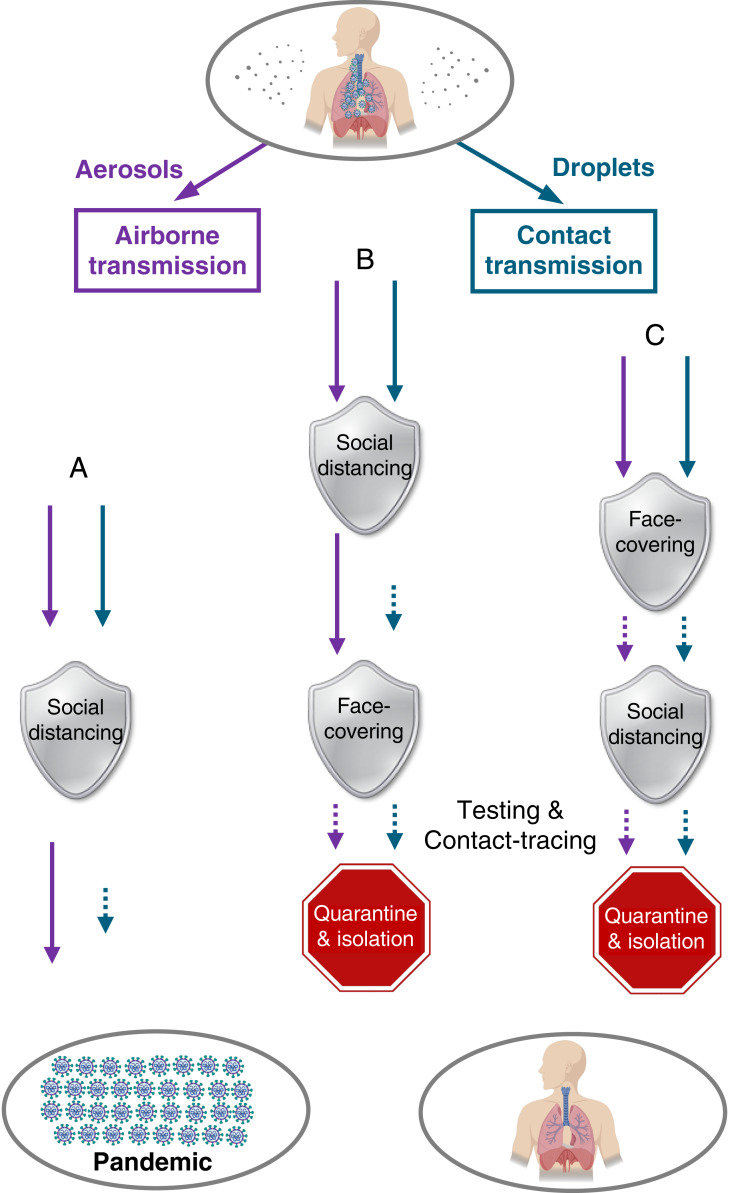
Various mitigation measures have been implemented to fight the coronavirus disease 2019 (COVID-19) pandemic, including widely adopted social distancing and mandated face covering. However, assessing the effectiveness of those intervention practices hinges on the understanding of virus transmission, which remains uncertain. Here we show that airborne transmission is highly virulent and represents the dominant route to spread the disease. By analyzing the trend and mitigation measures in Wuhan, China, Italy, and New York City, from January 23 to May 9, 2020, we illustrate that the impacts of mitigation measures are discernable from the trends of the pandemic. Our analysis reveals that the difference with and without mandated face covering represents the determinant in shaping the pandemic trends in the three epicenters. This protective measure alone significantly reduced the number of infections, that is, by over 78,000 in Italy from April 6 to May 9 and over 66,000 in New York City from April 17 to May 9. Other mitigation measures, such as social distancing implemented in the United States, are insufficient by themselves in protecting the public. We conclude that wearing of face masks in public corresponds to the most effective means to prevent interhuman transmission, and this inexpensive practice, in conjunction with simultaneous social distancing, quarantine, and contact tracing, represents the most likely fighting opportunity to stop the COVID-19 pandemic. Our work also highlights the fact that sound science is essential in decision-making for the current and future public health pandemics.
Overview
The claims and statistics of this paper haven’t been checked yet.
Free: it reads the open-access text and checks the first 5 claims that cite a source we can check. Create a free account to check every claim.
Integrity signals
Registry
Cites
Statistics
Figures
Verification
Claims the paper makes
The claims and statistics of this paper haven’t been checked yet.
Free: it reads the open-access text and checks the first 5 claims that cite a source we can check. Create a free account to check every claim.
Claims other papers make about this one
Each is checked against this paper’s own text: does it say what the citing paper says it does?
The cited source says what the claim attributes to it.
In the citing paper
“With the progression of the pandemic there is a growing body of literature that supports airborne transmission of SARS-CoV-2 playing an increasingly important role in the spread of the disease [29, 39–44].”
From The protective performance of reusable cloth face masks, disposable procedure masks, KN95 masks and N95 respirators: Filtration and total inward leakage (2021) · cites this paper as [39]
Self-check
Percentages, sums and reported differences re-computed from the paper’s own numbers.
The self-check needs the paper’s full text.
Citations
Cites
Aerosol and surface stability of SARS-CoV-2 as compared with SARS-CoV-1
van Doremalen, N., Bushmaker, T., Morris, D. H., Holbrook, M. G., Gamble, A., Williamson, B. N., Tamin, A., Harcourt, J. L., Thornburg, N. J., Gerber, S. I., et al. (2020) · New England Journal of Medicine · doi:10.1056/nejmc2004973 · Cited by 9,951 · cited 4×
“Recent experimental studies have examined the stability of SARS-CoV-2, showing that the virus remains infectious in aerosols for hours (12) and on surfaces up to days (12, 13).”
InfluentialTemporal dynamics in viral shedding and transmissibility of COVID-19
He, X., Lau, E. H. Y., Wu, P., Deng, X., Wang, J., Hao, X., Lau, Y. C., Wong, J. Y., Guan, Y., Tan, X., et al. (2020) · Nature Medicine · doi:10.1038/s41591-020-0869-5 · Cited by 4,247 · cited 2×
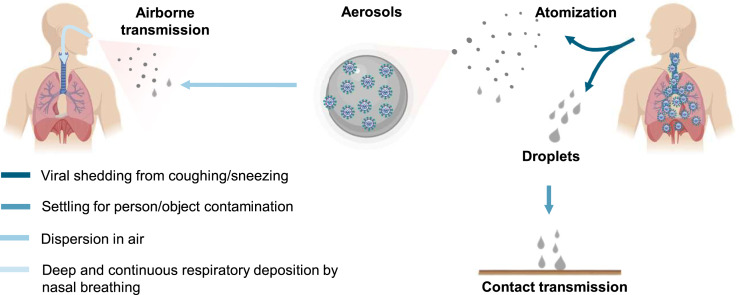
“In addition, nascent micrometer-size aerosols produced from coughing/sneezing of infected people have the potential of containing many viruses, particularly for asymptomatic carriers (16).”
Coronaviruses: An Overview of Their Replication and Pathogenesis
Fehr, A. R., & Perlman, S. (2015) · Methods in Molecular Biology · doi:10.1007/978-1-4939-2438-7_1 · Cited by 3,787
Quantifying SARS-CoV-2 transmission suggests epidemic control with digital contact tracing
Ferretti, L., Wymant, C., Kendall, M., Zhao, L., Nurtay, A., Abeler-Dörner, L., Parker, M., Bonsall, D., & Fraser, C. (2020) · Science · doi:10.1126/science.abb6936 · Cited by 2,512 · cited 1×
“Differentiation of the effects of those mitigation measures in China is challenging (19), since the implementation occurred almost simultaneously in January 2020.”
Respiratory virus shedding in exhaled breath and efficacy of face masks
Leung, N. H. L., Chu, D. K. W., Shiu, E. Y. C., Chan, K.-H., McDevitt, J. J., Hau, B. J. P., Yen, H.-L., Li, Y., Ip, D. K. M., Peiris, J. S. M., et al. (2020) · Nature Medicine · doi:10.1038/s41591-020-0843-2 · Cited by 2,270
Self-citationWu, X., Nethery, R. C., Sabath, M. B., Braun, D., & Dominici, F. (2020) · Science Advances · doi:10.1126/sciadv.abd4049 · Cited by 1,974
Stability of SARS-CoV-2 in different environmental conditions
Chin, A. W. H., Chu, J. T. S., Perera, M. R. A., Hui, K. P. Y., Yen, H.-L., Chan, M. C. W., Peiris, M., & Poon, L. L. M. (2020) · doi:10.1101/2020.03.15.20036673 · Cited by 1,948
Stability of SARS-CoV-2 in different environmental conditions
Chin, A. W. H., Chu, J. T. S., Perera, M. R. A., Hui, K. P. Y., Yen, H.-L., Chan, M. C. W., Peiris, M., & Poon, L. L. M. (2020) · The Lancet Microbe · doi:10.1016/s2666-5247(20)30003-3 · Cited by 1,946
Aerodynamic Analysis of SARS-CoV-2 in Two Wuhan Hospitals
Liu, Y., Ning, Z., Chen, Y., Guo, M., Liu, Y., Gali, N. K., Sun, L., Duan, Y., Cai, J., Westerdahl, D., et al. (2020) · Nature · doi:10.1038/s41586-020-2271-3 · Cited by 1,872 · cited 2×
“Available epidemiological (1) and experimental (12, 18) evidence, however, implicates airborne transmission of SARS-CoV-2 via aerosols as a potential route for the spreading of the disease.”
Elucidating severe urban haze formation in China
Guo, S., Hu, M., Zamora, M. L., Peng, J., Shang, D., Zheng, J., Du, Z., Wu, Z., Shao, M., Zeng, L., et al. (2014) · Proceedings of the National Academy of Sciences · doi:10.1073/pnas.1419604111 · Cited by 1,711 · cited 1×
“In addition, nascent virus-bearing aerosols produced from human atomization likely undergo transformation in air, including coagulation with ambient preexisting PM and/or growth on a time scale of a few hours in typical urban air (27 – 29).”
Self-citation
Cited by
Items 601–700 of 1,001
Maloney, L. M., Yang, A., Princi, R. A., Eichert, A. J., Hébert, D. R., Kupec, T. V., Mertz, A. E., Vasyltsiv, R., Kumar, T. V., Walker, G., et al. (2020) · Annals of Biomedical Engineering · doi:10.1007/s10439-020-02599-6 · Cited by 11
Katal, A., Albettar, M., & Wang, L. L. (2021) · medRxiv · doi:10.1101/2021.01.19.21250046 · Cited by 11
Park, S. C., Won, S. Y., Kim, N. H., Choi, H., Youk, T. M., Lee, H. J., & Jeon, H. H. (2021) · Annals of Translational Medicine · doi:10.21037/atm-20-5958 · Cited by 10
“Another study emphasized that wearing masks in public is the most effective way to prevent person-to-person transmission, in conjunction with social distancing, contact tracing, and quarantine (12).”
Emerging Therapeutics in the Fight Against EV‐D68: A Review of Current Strategies
Kalam, N., & Balasubramaniam, V. R. M. T. (2024) · Influenza and Other Respiratory Viruses · doi:10.1111/irv.70064 · Cited by 10
Saad, M. A., Hassan, A. A., Hanafy, A., Salem, M. H., & William, M. A. (2025) · Scientific Reports · doi:10.1038/s41598-025-08394-4 · Cited by 10
The Effect of the Progressive Multi-Dimensional Policies on Imported COVID-19 Curtailment in China
Chen, Z., Meng, Y., Wang, Y., & Zhou, L. (2020) · PLoS ONE · doi:10.1371/journal.pone.0252224 · Cited by 10
Self-citationZhao, Y. K., Gu, C., & Song, X. (2023) · Environmental Science and Pollution Research · doi:10.1007/s11356-023-26037-x · Cited by 10
“It is agreed that the dominant mode of transmission of airborne particles from person to person is through airborne transmission (Zhang et al. 2020; Feng et al. 2020).”
BackgroundModeling of dispersion of aerosolized airborne pathogens exhaled in indoor spaces
Sharma, P., Bahga, S. S., & Gupta, A. K. (2023) · Physics of Fluids · doi:10.1063/5.0142869 · Cited by 10
“35 Zhang et al. 36 reported that the wearing of face masks has been an effective strategy compared to social distancing in controlling the spread of the disease, implying that airborne transmission through smaller particles represents the dominant route in spread of SARS-Cov-2.”
Digital in-line holography to explore saliva aerosolization mechanisms in speech
Nord, A. L., Dosset, P., Slangen, P., & Abkarian, M. (2023) · Journal of Aerosol Science · doi:10.1016/j.jaerosci.2023.106282 · Cited by 10
“Airborne aerosols are now recognized to be the most significant transmission route for Severe Acute Respiratory Syndrome CoronaVirus 2 (SARS-CoV-2), responsible for the COVID-19 pandemic (Leung, 2021; Zhang et al., 2020).”
BackgroundSARS-CoV-2 specific sIgA in saliva increases after disease-related video stimulation
Keller, J. K., Dulovic, A., Gruber, J., Griesbaum, J., Schneiderhan‐Marra, N., Wülfing, C., Kruse, J., Hartmann, A., & Diekhof, E. K. (2023) · Scientific Reports · doi:10.1038/s41598-023-47798-y · Cited by 10
“COVID-19 is mainly a respiratory disease 2 , and airborne transmission is the dominant route of contagion 38 , which is why the present disease video, that focused on respiratory symptoms, may have specifically triggered sensations in the respiratory pathway.”
Korhonen, M., Laitinen, A., Isitman, G. E., Jimenez, J. L., & Vuorinen, V. (2024) · Journal of Computational Science · doi:10.1016/j.jocs.2024.102265 · Cited by 10
Yaqub, W., Kay, J., & Goldwater, M. B. (2024) · Proceedings of the ACM on Human-Computer Interaction · doi:10.1145/3637335 · Cited by 10
“So the SMNPs we used were based on headlines disseminated from papers: • Masks : supporting [90] and refuting retracted [6]; • Diet : supporting retracted [27]; • Movie : supporting retracted [77].”
MethodRomero, P., Amaro, V. V., Arranz, J. I., Sepúlveda, F. J., & García-Cuevas, M. T. M. (2025) · Buildings · doi:10.3390/buildings15050829 · Cited by 10
Desai, B. C. (2020) · International Database Engineering and Applications Symposium (IDEAS) · doi:10.1145/3410566.3410585 · Cited by 10
“A study published in The Lancet[95] provides a more balanced conclusion and includes face masks in the control armour along with social distancing and washing of hands[14].”
BackgroundMartinez, J. A., Miller, R. H., & Martinez, R. A. (2020) · Journal of General Internal Medicine · doi:10.1007/s11606-020-06324-w · Cited by 10
Diab, A. M., Carleton, B., & Goralski, K. B. (2021) · Canadian Journal of Physiology and Pharmacology · doi:10.1139/cjpp-2021-0038 · Cited by 11
Environmental stability of porcine respiratory coronavirus in aquatic environments
Rijcke, M. D., Shaikh, H. M., Mees, J., Nauwynck, H., & Vandegehuchte, M. (2021) · PLoS ONE · doi:10.1371/journal.pone.0254540 · Cited by 10
“fecal-oral transmission have also been described [1, 2].”
Ortega-Paredes, D., Larrea-Álvarez, C. M., Jijón, S. I., Loaiza, K., Šefcová, M. A., Molina-Cuasapaz, G., Barba, P., Vinueza-Burgos, C., Fernández-Moreira, E., Ramírez, H., et al. (2021) · International Journal of Environmental Research and Public Health · doi:10.3390/ijerph18168706 · Cited by 10
“It is important to mention that Q13 might appear problematic to some interviewees as tiny suspended particles can remain airborne for hours, thus constituting an important route of transmission [39].”
BackgroundOn the link between temperature and regional COVID‐19 severity: Evidence from Italy
Ríos, V. O., & Gianmoena, L. (2021) · Regional Science Policy & Practice · doi:10.1111/rsp3.12472 · Cited by 10
“A third indirect mechanism linking climate factors to contagions might involve aerosol transmission being a relevant route of COVID-19 transmission, as suggested by Morawska and Cao (2020), Morawska et al. (2020), and Zhang et al. (2020), among others.”
BackgroundGarg, A., Goel, N., Abhinav, N., Varma, T., Achari, A., Bhattacharjee, P., Kamal, I. M., Chakrabarti, S., Ravichandiran, V., Reddy, A. M., et al. (2022) · Journal of Biomolecular Structure and Dynamics · doi:10.1080/07391102.2022.2027271 · Cited by 10
Lu, H., Guan, R., Xia, M., Zhang, C., Miao, C., Ge, Y., & Wu, X. (2022) · Cities · doi:10.1016/j.cities.2022.103696 · Cited by 10
Huang, X., Zhang, R., Li, X., Dadashova, B., Zhu, L., Zhang, K., Li, Y., & Shen, B. (2022) · Advances in experimental medicine and biology · doi:10.1007/978-981-16-8969-7_8 · Cited by 10
Self-citationColston, J. M., Hinson, P., Nguyen, N.-L. H., Chen, Y., Badr, H. S., Kerr, G. H., Gardner, L., Martin, D. N., Quispe, A. M., Schiaffino, F., et al. (2022) · IJID Regions · doi:10.1016/j.ijregi.2022.11.007 · Cited by 11
Li, F., Qi, J., Ren, Z., Hu, X., Chen, Y., Li, B., & Fu, X. (2022) · Microchemical Journal · doi:10.1016/j.microc.2022.108304 · Cited by 10
Martínez, E., & Carvajal-Mariscal, I. (2023) · Environmental Advances · doi:10.1016/j.envadv.2023.100376 · Cited by 10
“Nowadays, many investigations suggest an aerosol-driven infection of viruses (see Table 1), and some authors presented circumstantial evidence of airborne transmission (Zhang et al., 2020; Katelaris et al., 2021).”
Physiologic effects of surgical masking in children versus adults
Brooks, J. P., Layman, J., & Willis, J. K. (2023) · PeerJ · doi:10.7717/peerj.15474 · Cited by 10
“of face masks in public one of the most effective means to prevent transmission (Zhang et al., 2020; Ju, Boisvert & Zuo, 2021).”
BackgroundPROPSED MATERIALS FOR FACE MASKS
Al-Kabbany, A. M., Ali, W. Y., & Ali, A. S. (2021) · Journal of the Egyptian Society of Tribology /Journal of the Egyptian Society of Tribology · doi:10.21608/jest.2021.189748 · Cited by 10
Baeshen, N. A., Albeshri, A. O., Baeshen, N. N., Attar, R. M. S., Karkashan, A., Abbas, B., Bouback, T. A., Aljaddawi, A. A., Refai, M. Y., Abdelkader, H. S., et al. (2022) · Scientific Reports · doi:10.1038/s41598-022-15288-2 · Cited by 10
Increased aerosol transmission for B.1.1.7 (alpha variant) over lineage A variant of SARS-CoV-2
Port, J. R., Yinda, C. K., Avanzato, V. A., Schulz, J. E., Holbrook, M. G., van Doremalen, N., Shaia, C., Fischer, R. J., & Munster, V. J. (2021) · doi:10.1101/2021.07.26.453518 · Cited by 9
USO DE METODOLOGIAS ATIVAS NAS GRADUAÇÕES DAS CIÊNCIAS DA SAÚDE
Andrade, J. V., de Souza, J. C. M., dos Santos, F. M., Leite, B. D. F., Condack, C. P. M., & da Fonseca, A. S. (2022) · Amplla Editora eBooks · doi:10.51859/amplla.pae1986-16 · Cited by 9
Zhang, H., Ding, X., Zhang, W., Zhang, W., & Xuan, Y. (2023) · Building Simulation · doi:10.1007/s12273-023-1063-8 · Cited by 9
“Standard hygiene measures and social distancing can prevent short-range and infected surface contact transmission routes (Zhang et al. 2020), while air ventilation is the primary method for controlling long-range airborne transmission—the most critical route (Morawska and Cao 2020).”
Imoto, Y., Matsui, H., Ueda, C., Nakajima, E., & Hanaki, H. (2025) · Food and Environmental Virology · doi:10.1007/s12560-024-09626-y · Cited by 9
“The modes of SARS-CoV-2 transmission include contact, droplet, and aerosol transmission (Short & Cowling, 2023; Zhang et al., 2020); the corresponding virus control measures have been implemented for each transmission route.”
Suganya, S., Divya, S., & Parani, M. (2020) · Reviews in Medical Virology · doi:10.1002/rmv.2174 · Cited by 9
“has also announced airborne and aerosol as one possible mode of transmission of SARS‐CoV‐2.(8,9) The average incubation period, which”
BackgroundInfluentialRisk of COVID-19 among Spectacles Wearing Population of Northern India
Saxena, A. K. (2021) · JOURNAL OF CLINICAL AND DIAGNOSTIC RESEARCH · doi:10.7860/jcdr/2021/48079.14899 · Cited by 9
Brener, L., Horwitz, R., Rance, J., Caruana, T., & Bryant, J. (2022) · Health & Social Care in the Community · doi:10.1111/hsc.13782 · Cited by 9
A numerical approach for preventing the dispersion of infectious disease in a meeting room
Ahmadzadeh, M., & Shams, M. (2022) · Scientific Reports · doi:10.1038/s41598-022-21161-z · Cited by 9
Marair, S. A., & Slater, N. (2023) · BMC Nursing · doi:10.1186/s12912-023-01343-4 · Cited by 9
“…experienced organisational obstacles, [2] nurses experienced different social challenges, [3] the negative emotions and thoughts related to their fear of being infected and severity of disease and [4] factors aid in managing the pandemic challenges at organisation level and the individual level.”
BackgroundInfluentialFirst Report of Alphacoronavirus Circulating in Cavernicolous Bats from Portugal
Hemnani, M., da Silva, P. G., Thompson, G., Poeta, P. A. C. Q. D., Rebelo, H., & Mesquita, J. R. (2023) · Viruses · doi:10.3390/v15071521 · Cited by 9
“Considering that SARS-CoV and MERS-CoV have been reported to be detected in air samples [27], and all the evidence supporting the airborne transmission of SARS-CoV-2 as one of the main drivers of the COVID-19 pandemic [28], studying bat CoVs presence in air might be an alternative noninvasive sampling technique to stu…”
BackgroundAvdeeva, E., Петкевич, А. В., Mikhalko, A. M., Shumskaya, A., Sychik, S. I., Дудчик, Н. В., Anisovich, M., Yarmolenko, M. A., Halinouski, N. A., Рогачев, А. А., et al. (2023) · Polymer Engineering and Science · doi:10.1002/pen.26489 · Cited by 9
Panda, S., Paul, A., Chattopadhyay, A., & Chattopadhyay, J. (2024) · The European Physical Journal Plus · doi:10.1140/epjp/s13360-024-05066-6 · Cited by 9
“Contact transmission generally happens in several diseases, viz. influenza, pox, cholera, and COVID-19 [38].”
Subramanian, P. S. G., Puthussery, J. V., Mao, Y., Salana, S., Nguyen, T. H., Newell, T. A., & Verma, V. (2024) · ACS ES&T Air · doi:10.1021/acsestair.3c00088 · Cited by 9
Ewell, N., Lee, J., Mulherin, K., & Rutledge, G. C. (2024) · ACS Applied Engineering Materials · doi:10.1021/acsaenm.4c00083 · Cited by 10
Zhu, X., Chen, J., Luo, J., Liu, X., Yan, X., Chen, L., Dong, H., Zhang, L., Yang, L., Jiang, N., et al. (2024) · Advanced Functional Materials · doi:10.1002/adfm.202407072 · Cited by 9
Self-citationDuill, F. F., Schulz, F., Jain, A., Paucke, N., Wachem, B. G. M. V., & Beyrau, F. (2024) · Building and Environment · doi:10.1016/j.buildenv.2024.112484 · Cited by 9
Qin, J.-J., Xing, Y., Ren, J., Chen, Y., Gan, Y.-F., Jiang, Y.-Q., Chen, J., & Li, X. (2021) · Frontiers in Public Health · doi:10.3389/fpubh.2021.678738 · Cited by 9
Low cost centrifugal melt spinning for distributed manufacturing of non-woven media
Molina, A., Vyas, P., Khlystov, N. A., Kumar, S., Kothari, A., Deriso, D., Liu, Z., Banavar, S. P., Flaum, E., & Prakash, M. (2022) · PLoS ONE · doi:10.1371/journal.pone.0264933 · Cited by 9
Featherstone, A. B., Brown, A. C., & Dass, S. C. (2022) · Microbiology Spectrum · doi:10.1128/spectrum.01862-22 · Cited by 9
Quasi-experimental evaluation of national border closures on COVID-19 transmission
Poirier, M. J. P., Katwyk, S. R. V., Lin, G. O., & Hoffman, S. J. (2023) · PLOS Global Public Health · doi:10.1371/journal.pgph.0000980 · Cited by 9
Gaillard, A., Lohse, D., Bonn, D., & Yigit, F. (2023) · Indoor Air · doi:10.1155/2023/3927171 · Cited by 9
Hou, G., Wang, Q., Li, N., Zhao, Y., Wang, Z., Shi, S., Liu, D., Zhang, Y., Hu, P.-T., Zhao, L., et al. (2023) · Environment International · doi:10.1016/j.envint.2023.108389 · Cited by 9
A Debate on Public Health Responses to COVID-19: Focused Protection versus Sustained Suppression
Song, J. Y., Peck, K. R., & The Korean Society of Infectious Diseases (2020) · Journal of Korean Medical Science · doi:10.3346/jkms.2020.35.e433 · Cited by 9
Jia, Y., Xiang, Y., Guo, S., Guo, L., Guo, L., Zhu, C., Zhang, Y., Zhang, L., & Long, E. (2021) · Environmental Science and Pollution Research · doi:10.1007/s11356-021-14495-0 · Cited by 9
“In a crowded confined space, the droplets exhaled by SARS-CoV-2infected patients through breathing, speaking, coughing, and other activities will form virus-containing aerosols (Morawska 2006; Zhang et al. 2020), and the virus may spread through these aerosols, a risk that should not be underestimated.”
BackgroundResultInfluentialFace Mask Usage among Young Polish People during the COVID-19 Epidemic—An Evolving Scenario
Reszke, R., Szepietowska, M., Krajewski, P. K., Matusiak, Ł., Białynicki‐Birula, R., & Szepietowski, J. C. (2021) · Healthcare · doi:10.3390/healthcare9060638 · Cited by 9
“Owing to the dominance of airborne transmission of SARS-CoV-2 between humans [3] and unavailability of a specific vaccine, prophylactic safety precautions instigated by each individual, endorsed and verified by relevant official services, constituted the crucial step to decrease the development of the pandemic in 2020.”
BackgroundMask-Ematics: Modeling the Effects of Masks in COVID-19 Transmission in High-Risk Environments
Morciglio, A., Zhang, B., Chowell, G., Hyman, J. M., & Jiang, Y. (2021) · Epidemiologia · doi:10.3390/epidemiologia2020016 · Cited by 9
“One convenient, yet controversial, non-pharmaceutical intervention is the mask [7,45,46].”
BackgroundGeneral population perceptions of risk in the Covid-19 pandemic: A Romanian case study
Popescu, L., & Vîlcea, C. (2021) · Moravian Geographical Reports · doi:10.2478/mgr-2021-0010 · Cited by 9
“Regardless of their education, most of the respondents correctly indicated the transmission routes of the virus as per the information and studies available at the respective moment (CDC, 2020; Morawska et al., 2020; Peng et al., 2020; Zhang et al., 2020).”
BackgroundMohapatra, R. K., Das, P. K., Sharun, K., Tiwari, R., Mohapatara, S. R., Mohapatra, P. K., Behera, A., Acharyya, T., Kandi, V., Zahan, K.-E., et al. (2021) · Egyptian Journal of Basic and Applied Sciences · doi:10.1080/2314808x.2021.1973182 · Cited by 9
“The air-borne transmission has also been implicated a predominant mode of virus spread [13,14].”
BackgroundSARS-CoV-2 vaccines in children and adolescents: Can immunization prevent hospitalization?
Liang, K., Hung, K.-F., Wang, M., Chang, T.-J., Cheng, Y., Chiang, S., Chen, M., Liao, Y.-T., Chiou, S., & Yang, D. (2022) · Journal of the Chinese Medical Association · doi:10.1097/jcma.0000000000000774 · Cited by 9
Modeling Behavior during a Pandemic: Using HIV as an Historical Analogy
Papageorge, N. (2021) · National Bureau of Economic Research · doi:10.3386/w28898 · Cited by 10
“…Smith et al., 2020; Rozenfeld et al., 2020; Poulson et al., 2021; Labgold et al., 2021; Ravi, 2020); and epidemiologists are focusing on how the disease will spread (Dowd et al., 2020; Zhang et al., 2020; Ray et al., 2020; Brooks et al., 2020).9 There is also a large literature related to vaccines.”
BackgroundDevelopment of Multi-Scale City Building Energy Model for Urban Climate Resilience
Katal, A. (2020) · Spectrum Research Repository (Concordia University) · Cited by 9
Ramírez-Guerrero, J. A. (2021) · Revista Mexicana de Anestesiología · doi:10.35366/99017 · Cited by 8
Zheng, Y., & Wang, Y. (2022) · International Journal of Environmental Research and Public Health · doi:10.3390/ijerph19116404 · Cited by 8
Self-citationReduced-order modeling of transport of infectious aerosols in ventilated rooms
Xiang, L., Lee, C. W., Zikanov, O. Y., Abuhegazy, M., & Poroseva, S. (2023) · Physics of Fluids · doi:10.1063/5.0158941 · Cited by 8
Duill, F. F., Schulz, F., Jain, A., Wachem, B. G. M. V., & Beyrau, F. (2023) · Atmosphere · doi:10.3390/atmos14091437 · Cited by 9
Coalescence-Induced Self-Propelled Particle Transport with Asymmetry Arrangement
Li, Y., Zhang, H., Du, J., Min, Q., Wu, X., & Sun, L. (2024) · ACS Applied Materials & Interfaces · doi:10.1021/acsami.4c01355 · Cited by 8
Self-citationShould we use ceiling fans indoors to reduce the risk of transmission of infectious aerosols?
Li, J., Sultan, Z., & Schiavon, S. (2024) · Indoor Environments · doi:10.1016/j.indenv.2024.100039 · Cited by 8
Sultan, Z., Luhung, I., Aung, N. W., Uchida, A., Natarajan, A., Santhi, P. S., Li, J., Schuster, S. C., & Schiavon, S. (2024) · Indoor Environments · doi:10.1016/j.indenv.2024.100042 · Cited by 8
Assessment of Physical and Mechanical Parameters of Spun-Bond Nonwoven Fabric
Ļašenko, I., Sanchaniya, J. V., Kanukuntla, S.-P., Viļuma-Gudmona, A., Vasilevska, S., & Vejanand, S. R. (2024) · Polymers · doi:10.3390/polym16202920 · Cited by 8
“Face masks are essential in public settings to curb virus transmission, as they effectively reduce the distance and concentration of virus-laden particles expelled Polymers 2024 , 16 , 2920 2 of 17 from infected individuals [18,19].”
BackgroundBobrin, V. A., Sharma-Brymer, S. E., & Monteiro, M. J. (2025) · ACS Nano · doi:10.1021/acsnano.4c14506 · Cited by 8
Dutkiewicz, J. K., Maćkiewicz, B., & Lemieszek, M. K. (2020) · Annals of Agricultural and Environmental Medicine · doi:10.26444/aaem/130871 · Cited by 8
“low temperature, high humidity) may also be associated with a risk of severe COVID-19 disease [3, 9].”
BackgroundInfluentialChen, S., Zhang, X., Zhou, Y., Yang, K., & Lu, X. B. (2021) · Journal of Infection · doi:10.1016/j.jinf.2021.04.018 · Cited by 8
He, W., Guo, Y., Liu, J., Yue, Y., & Wang, J. (2021) · Global Challenges · doi:10.1002/gch2.202100015 · Cited by 8
“[7] Zhang, R.”
Role of polymeric materials in preventing COVID-19 infection
Abdelwahab, S. F., Mohamed, M. K. A., Ali, W. Y., & Ali, A. S. (2021) · Archives of Virology · doi:10.1007/s00705-021-05151-6 · Cited by 8
Johansson, B. (2021) · Frontiers in Public Health · doi:10.3389/fpubh.2021.643991 · Cited by 8
Instant inactivation of aerosolized SARS-CoV-2 by dielectric filter discharge
Baek, K. H., Jang, D., Kim, T., Park, J. Y., Kim, D., Ryoo, S., & Lee, S. (2022) · PLoS ONE · doi:10.1371/journal.pone.0268049 · Cited by 8
“Viruses are atomized by coughing or sneezing of an infected person, producing droplets (> 5 μm) and aerosols (< 5 μm) containing the virus [5].”
BackgroundHuman activities and zoonotic epidemics: a two-way relationship. The case of the COVID-19 pandemic
Tounta, D. D., Nastos, P. T., & Tesseromatis, C. (2022) · Global Sustainability · doi:10.1017/sus.2022.18 · Cited by 8
PANDORA: Deep Graph Learning Based COVID-19 Infection Risk Level Forecasting
Yu, S., Xia, F., Wang, Y., Li, S., Febrinanto, F. G., & Chetty, M. (2022) · IEEE Transactions on Computational Social Systems · doi:10.1109/tcss.2022.3229671 · Cited by 9
“3) Geo-Climatic Conditions: It has been studied that different geo-climatic conditions can impact the spread of COVID-19 [51].”
BackgroundSelf-citationValdebenito-Navarrete, H., Fuentes-Barrera, V., Smith, C. T., Salas-Burgos, A., Zuñiga, F. A., Gómez, L. A., & García, A. (2023) · Biology · doi:10.3390/biology12030384 · Cited by 9
“In closed environments with inadequate ventilation SARS-CoV-2 is a highly infectious pathogen, being in potentially infectious aerosols for hours and possessing the ability to travel for tens of meters before landing on surfaces where the virus can survive for days [16,17].”
BackgroundMaternal exposure to ultrafine particles enhances influenza infection during pregnancy
Drury, N. L., Mustapha, T., Shore, R. A., Zhao, J., Wright, G. A., Hoffmann, A. R., Talcott, S., Regan, A. K., Tighe, R. M., Zhang, R., et al. (2023) · Particle and Fibre Toxicology · doi:10.1186/s12989-023-00521-1 · Cited by 8
“Several key aspects of viral respiratory infection during pregnancy remain uncertain, including synergetic effects between gestational PM exposure and respiratory viruses to exacerbate the infectivity, severity, and mortality [20, 21].”
BackgroundSelf-citationAlhaji, N. B., Aliyu, M., Adamu, A. M., Adeiza, A., Nafarnda, W. D., Usman, A., Odetokun, I. A., Hassan, A. A., Lawan, M. K., & Fasina, F. O. (2023) · Sahel Journal of Veterinary Sciences · doi:10.54058/saheljvs.v20i1.308 · Cited by 8
“Crowded environments and difficult social distancing, and the possibility of airborne fasten spread of COVID-19 in such environments (Zhang et al., 2020).”
Xia, X., Zhang, Y., Jiang, W., & Wu, C. Y. H. (2023) · Journal of Medical Internet Research · doi:10.2196/45757 · Cited by 8
“Stay-at-home orders have been shown to be effective in suppressing transmission [51,52], but they have also had side effects on mental health [9].”
Piri, A., Hyun, K., Jung, H., Nam, K. S., & Hwang, J. (2023) · Journal of Hazardous Materials · doi:10.1016/j.jhazmat.2023.133249 · Cited by 8
Anupong, S., Chadsuthi, S., Hongsing, P., Hurst, C. P., Phattharapornjaroen, P., Ali Hosseini Rad, S. M., Fernandez, S., Huang, A. T., Vatanaprasan, P., Saethang, T., et al. (2024) · iScience · doi:10.1016/j.isci.2024.109043 · Cited by 8
Urbina-Garcia, O., Fernández‐Gámiz, U., Zulueta, E., Ugarte-Anero, A., & Portal-Porras, K. (2024) · Buildings · doi:10.3390/buildings14041007 · Cited by 8
Exit only: harms from silencing employee voice
Adkins, K. (2020) · Journal of Science Communication · doi:10.22323/2.19050203 · Cited by 8
Murphy, B. D., Cahill, R. A., McCaul, C. L., & Buggy, D. J. (2020) · British Journal of Anaesthesia · doi:10.1016/j.bja.2020.11.016 · Cited by 8
“EditordThere is strong evidence that the dominant route of spread of severe acute respiratory syndrome-related coronavirus-2 (SARS-CoV-2) is the airborne route and that the disease can be spread by both presymptomatic, symptomatic, and asymptomatic people.(1,2) The virus is carried in particles of various sizes that c…”
Bai, Y., Zhao, T., Zhou, Y., Kong, S., Hu, W., Xiong, J., Liu, L., Zheng, H., & Meng, K. (2021) · Atmospheric Pollution Research · doi:10.1016/j.apr.2021.101111 · Cited by 8
Psychometric properties of the Coronavirus Anxiety Scale (CAS) in Brazil
de Medeiros, É. D., da Silva, P. G. N., Reis, L. M., Monteiro, R. P., Coelho, G. L. D. H., Guimarães, C. L. C., & de Medeiros, P. C. B. (2021) · Death Studies · doi:10.1080/07481187.2021.1961175 · Cited by 8
“…diseases, also trigger higher levels of fear and anxiety, especially due to the demands for changes in individual habits (Alyami et al., 2020), and uncertainties regarding the lethality of the virus, transmissibility, and the end of the pandemic (Zandifar & Badrfam, 2020; Zhang et al., 2020).”
BackgroundGibson, S. (2021) · Springer eBooks · doi:10.1007/978-3-030-79735-5_14 · Cited by 8
Socio-Life Science and the COVID-19 Outbreak: Public Health and Public Policy
Yano, M., Matsuda, F., Sakuntabhai, A., & Hirota, S. (2021) · Economics, law, and institutions in Asia Pacific · doi:10.1007/978-981-16-5727-6 · Cited by 8
Xiu, Z., Feng, P., Yin, J., & Zhu, Y. (2022) · International Journal of Environmental Research and Public Health · doi:10.3390/ijerph19031725 · Cited by 8
“Specifically, the advocation of hand washing [16] and face mask-wearing [17] were validated to be negatively related with the spread of COVID19, and hospital bed numbers and COVID-19 test numbers were found to be negatively related with COVID-19 mortality [9,15].”
BackgroundCapturing Time Dynamics From Speech Using Neural Networks for Surgical Mask Detection
Liu, S., Mallol-Ragolta, A., Yan, T., Qian, K., Parada‐Cabaleiro, E., Hu, B., & Schuller, B. W. (2022) · IEEE Journal of Biomedical and Health Informatics · doi:10.1109/jbhi.2022.3173128 · Cited by 8
Intranasal Xylitol for the Treatment of COVID-19 in the Outpatient Setting: A Pilot Study
Soler, E., de Mendoza, A., Cuello, V. I., Silva-Vetri, M. G., Núñez, Z. H., Ortega, R. G., Rizvi, S. A. A., Sanchez‐Gonzalez, M. A., & Ferrer, G. (2022) · Cureus · doi:10.7759/cureus.27182 · Cited by 8
“However, we are still investigating more alternatives to address this disease, particularly during the early stages of infection [6].”
BackgroundKim, M. H., Ryu, U. H., Heo, S., Kim, Y. C., & Park, Y. S. (2022) · Journal of Medical Internet Research · doi:10.2196/41395 · Cited by 8
“SARS-CoV-2 is a complicated virus to deal with, especially in the hospital setting, without sufficient data regarding its mode of transmission [9-13].”
Gama, L. M. D. P., de Souza, V. S., Lopes, S. G. R., de Arruda, G. O., Lima, H. D. P., & Baptista, C. J. (2022) · Online Brazilian Journal of Nursing · doi:10.17665/1676-4285.20226577 · Cited by 8
Uneven Recovery from the Covid-19 Pandemic: Post-Lockdown Human Mobility Across Chinese CitiesPreprint
Liu, Y., Ma, S., & Mu, R. (2021) · SSRN Electronic Journal · doi:10.2139/ssrn.3808450 · Cited by 8
Klußmann, J. P., Lehmann, C., Grosheva, M., Şahin, K., Nagy, E., Szijártó, V., Nagy, G., Konrat, R., Meiser, P., Flegel, M., et al. (2021) · Research Square · doi:10.21203/rs.3.rs-864566/v1 · Cited by 8
“It is known that the main route of infection for SARS-CoV-2 is the respiratory uptake of virus-containing particles produced by breathing, coughing, speaking, singing and sneezing (4).”
BackgroundZhang, A., Chang, Y., Li, W., Zhang, Y., Wang, Y., Xie, H., Zuo, T., Zhang, Y., Xi, J., Wu, X., et al. (2025) · Biosensors · doi:10.3390/bios15080475 · Cited by 7
“Aerosols are recognized as a primary transmission route for the severe acute respiratory syndrome coronavirus 2 (SARS-CoV-2) [1], and a study showed that the virus can remain viable and infectious in aerosols for several hours [2].”
Self-citationEstablishment and application of a dual chip digital PCR assay for detection of PDCoV and PEDV
Zhang, Y., Dong, F., Zhang, Y., Feng, Y., Hu, J., Li, Y., Xia, L., Zu, S., Lu, H., & Wei, Z. (2025) · Frontiers in Veterinary Science · doi:10.3389/fvets.2025.1655079 · Cited by 7
“The transmission of viral aerosols can lead to widespread disease epidemics (47, 48).”
Self-citationSadeghi, S., Aminossadati, S. M., & Leonardi, C. R. (2025) · Archives of Computational Methods in Engineering · doi:10.1007/s11831-025-10403-8 · Cited by 7
Repeatability and reproducibility in the breathability measurement of surgical masks
Taborri, J., Stocchi, B., Calabrò, G., & Rossi, S. (2021) · IEEE International Symposium on Medical Measurements and Applications (MeMeA) · doi:10.1109/memea52024.2021.9478732 · Cited by 7
Metadata
- Authors
- Zhang, R., Li, Y., Zhang, A. L., Wang, Y., & Molina, M. J.
- Affiliations
- Texas A&M University (US)
- The University of Texas at Austin (US)
- California Institute of Technology (US)
- University of California San Diego (US)
- Corresponding author
- Zhang, Renyi
- Molina, Mario J.
- Venue
- Proceedings of the National Academy of Sciences
- Publisher
- National Academy of Sciences
- Published
- 2020-06-11
- Volume
- 117
- Issue
- 26
- Pages
- 14857-14863
- ISSN
- 0027-8424 (ISSN-L)
- 1091-6490
- PMC
- PMC7334447
- OpenAlex
- W3034825141
- Cited by
- 1,236
- References
- 28
- Citations by year
- 2026: 33 · 2025: 51 · 2024: 115 · 2023: 162 · 2022: 248 · 2021: 406 · 2020: 219
- FWCI
- 41.11
- Type
- journal article
- Language
- en
- Update notices
- correction (2020-10-05)
- Open access
- hybrid
- doi.org
- Licence
- Locations
- Proceedings of the National Academy of Sciences (publishedVersion, cc-by)
- PubMed Central (publishedVersion, cc-by)
- PubMed (publishedVersion)
- CaltechAUTHORS (California Institute of Technology) (submittedVersion, cc-by)
- eScholarship (California Digital Library) (submittedVersion)
- eScholarship (California Digital Library) (submittedVersion, cc-by)
- Funders
- Welch Foundation (A-1417)
- Topics
- Physical Sciences › Mathematics › Modeling and Simulation › COVID-19 epidemiological studies
- Health Sciences › Medicine › Pulmonary and Respiratory Medicine › Infection Control and Ventilation
- Social Sciences › Sociology and Political Science › COVID-19 Prevention and Impact
- Keywords
- COVID-19 pandemic, airborne transmission, face masks, social distancing, mitigation measures, epidemiological trends, Wuhan, Italy, New York City, quarantine, contact tracing, public health policy, infection control
- MeSH terms
- COVID-19, Humans, Masks, Pneumonia, Viral, Primary Prevention, Quarantine, Respiratory Protective Devices, United States, Coronavirus Infections, Disease Transmission, Infectious, Inhalation Exposure, Pandemics
About these checks
Registry, retraction, Cites and statistics results are computed, not judged, with one exception: a printed reference that no index lists is read once by a model before it counts as a citation error. Claims are extracted by a model and kept only when their quote appears verbatim in the text; each cited source is then checked, with a model’s help, for whether it says what the claim relies on. Those verdicts can be wrong — read the claim’s quote and the cited source before relying on one.
Statistics and arithmetic are recomputed, not judged.
Confidence bands are shown only for fields calibrated on our annotated test set. None is calibrated yet, so no band is shown.
What counts as a claim ›How we measure confidence ›How we check this ›
Are you an author, or do you see a problem with this page? Request a review
Data sources
Bibliographic data: Semantic Scholar, OpenAlex, Crossref.
Contains information from the Semantic Scholar Academic Graph Datasets, made available under the ODC Attribution License (ODC-BY 1.0).
Semantic Scholar’s data is described in: Kinney, R., et al. (2023). The Semantic Scholar Open Data Platform. arXiv:2301.10140.
