

Identifying airborne transmission as the dominant route for the spread of COVID-19
Open accessThe DOI matches its Crossref record; 31 of the 31 references it cites were found in a registry or an index.
Abstract
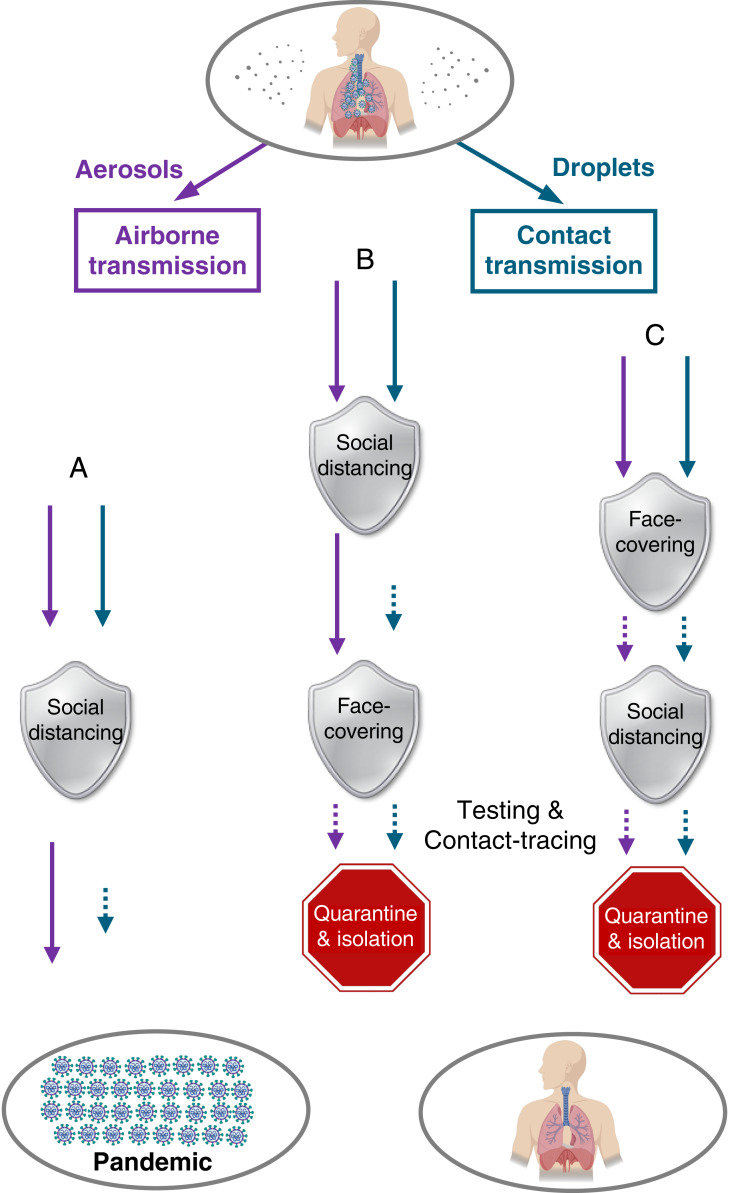
Various mitigation measures have been implemented to fight the coronavirus disease 2019 (COVID-19) pandemic, including widely adopted social distancing and mandated face covering. However, assessing the effectiveness of those intervention practices hinges on the understanding of virus transmission, which remains uncertain. Here we show that airborne transmission is highly virulent and represents the dominant route to spread the disease. By analyzing the trend and mitigation measures in Wuhan, China, Italy, and New York City, from January 23 to May 9, 2020, we illustrate that the impacts of mitigation measures are discernable from the trends of the pandemic. Our analysis reveals that the difference with and without mandated face covering represents the determinant in shaping the pandemic trends in the three epicenters. This protective measure alone significantly reduced the number of infections, that is, by over 78,000 in Italy from April 6 to May 9 and over 66,000 in New York City from April 17 to May 9. Other mitigation measures, such as social distancing implemented in the United States, are insufficient by themselves in protecting the public. We conclude that wearing of face masks in public corresponds to the most effective means to prevent interhuman transmission, and this inexpensive practice, in conjunction with simultaneous social distancing, quarantine, and contact tracing, represents the most likely fighting opportunity to stop the COVID-19 pandemic. Our work also highlights the fact that sound science is essential in decision-making for the current and future public health pandemics.
Overview
The claims and statistics of this paper haven’t been checked yet.
Free: it reads the open-access text and checks the first 5 claims that cite a source we can check. Create a free account to check every claim.
Integrity signals
Registry
Cites
Statistics
Figures
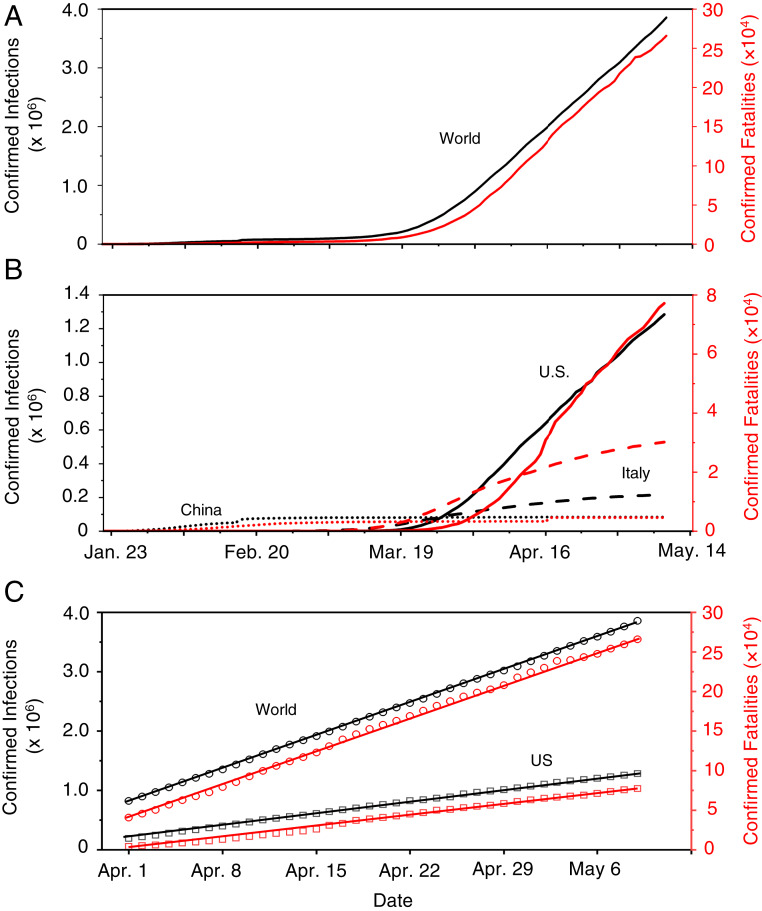
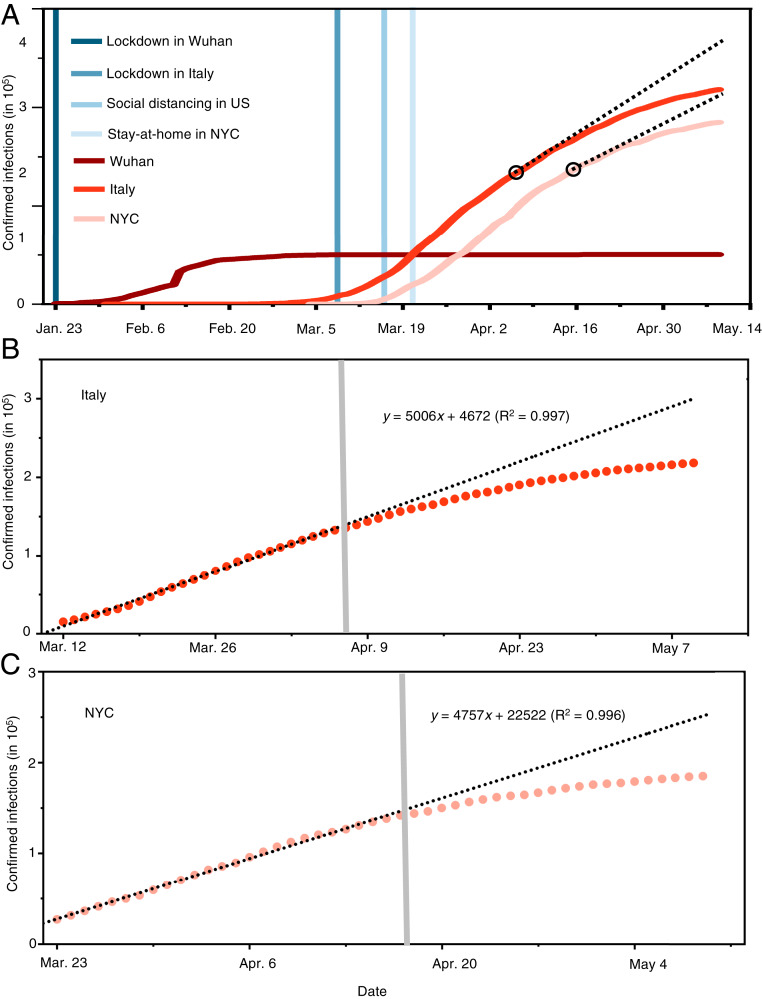
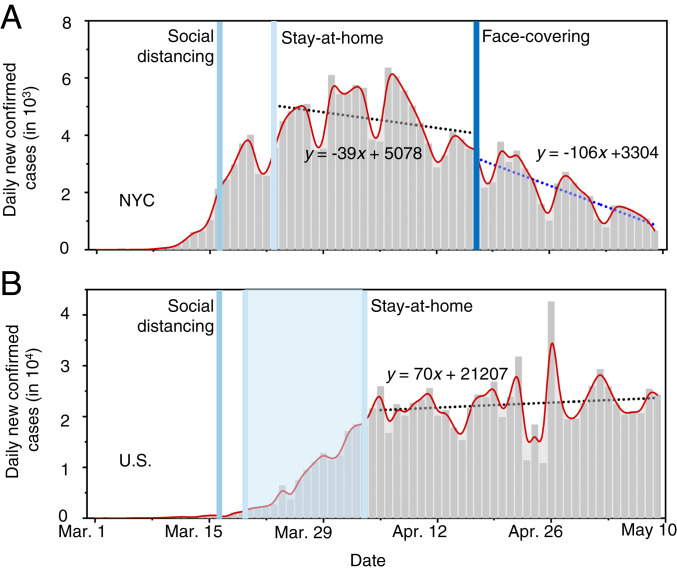
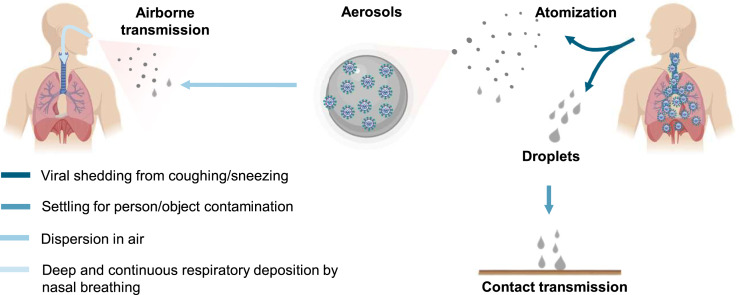
Verification
Claims the paper makes
The claims and statistics of this paper haven’t been checked yet.
Free: it reads the open-access text and checks the first 5 claims that cite a source we can check. Create a free account to check every claim.
Claims other papers make about this one
Each is checked against this paper’s own text: does it say what the citing paper says it does?
The cited source says what the claim attributes to it.
In the citing paper
“With the progression of the pandemic there is a growing body of literature that supports airborne transmission of SARS-CoV-2 playing an increasingly important role in the spread of the disease [29, 39–44].”
From The protective performance of reusable cloth face masks, disposable procedure masks, KN95 masks and N95 respirators: Filtration and total inward leakage (2021) · cites this paper as [39]
Self-check
Percentages, sums and reported differences re-computed from the paper’s own numbers.
The self-check needs the paper’s full text.
Citations
Cites
Aerosol and surface stability of SARS-CoV-2 as compared with SARS-CoV-1
van Doremalen, N., Bushmaker, T., Morris, D. H., Holbrook, M. G., Gamble, A., Williamson, B. N., Tamin, A., Harcourt, J. L., Thornburg, N. J., Gerber, S. I., et al. (2020) · New England Journal of Medicine · doi:10.1056/nejmc2004973 · Cited by 9,951 · cited 4×
“Recent experimental studies have examined the stability of SARS-CoV-2, showing that the virus remains infectious in aerosols for hours (12) and on surfaces up to days (12, 13).”
InfluentialTemporal dynamics in viral shedding and transmissibility of COVID-19
He, X., Lau, E. H. Y., Wu, P., Deng, X., Wang, J., Hao, X., Lau, Y. C., Wong, J. Y., Guan, Y., Tan, X., et al. (2020) · Nature Medicine · doi:10.1038/s41591-020-0869-5 · Cited by 4,247 · cited 2×
“In addition, nascent micrometer-size aerosols produced from coughing/sneezing of infected people have the potential of containing many viruses, particularly for asymptomatic carriers (16).”
Coronaviruses: An Overview of Their Replication and Pathogenesis
Fehr, A. R., & Perlman, S. (2015) · Methods in Molecular Biology · doi:10.1007/978-1-4939-2438-7_1 · Cited by 3,787
Quantifying SARS-CoV-2 transmission suggests epidemic control with digital contact tracing
Ferretti, L., Wymant, C., Kendall, M., Zhao, L., Nurtay, A., Abeler-Dörner, L., Parker, M., Bonsall, D., & Fraser, C. (2020) · Science · doi:10.1126/science.abb6936 · Cited by 2,512 · cited 1×
“Differentiation of the effects of those mitigation measures in China is challenging (19), since the implementation occurred almost simultaneously in January 2020.”
Respiratory virus shedding in exhaled breath and efficacy of face masks
Leung, N. H. L., Chu, D. K. W., Shiu, E. Y. C., Chan, K.-H., McDevitt, J. J., Hau, B. J. P., Yen, H.-L., Li, Y., Ip, D. K. M., Peiris, J. S. M., et al. (2020) · Nature Medicine · doi:10.1038/s41591-020-0843-2 · Cited by 2,270
Self-citationWu, X., Nethery, R. C., Sabath, M. B., Braun, D., & Dominici, F. (2020) · Science Advances · doi:10.1126/sciadv.abd4049 · Cited by 1,974
Stability of SARS-CoV-2 in different environmental conditions
Chin, A. W. H., Chu, J. T. S., Perera, M. R. A., Hui, K. P. Y., Yen, H.-L., Chan, M. C. W., Peiris, M., & Poon, L. L. M. (2020) · doi:10.1101/2020.03.15.20036673 · Cited by 1,948
Stability of SARS-CoV-2 in different environmental conditions
Chin, A. W. H., Chu, J. T. S., Perera, M. R. A., Hui, K. P. Y., Yen, H.-L., Chan, M. C. W., Peiris, M., & Poon, L. L. M. (2020) · The Lancet Microbe · doi:10.1016/s2666-5247(20)30003-3 · Cited by 1,946
Aerodynamic Analysis of SARS-CoV-2 in Two Wuhan Hospitals
Liu, Y., Ning, Z., Chen, Y., Guo, M., Liu, Y., Gali, N. K., Sun, L., Duan, Y., Cai, J., Westerdahl, D., et al. (2020) · Nature · doi:10.1038/s41586-020-2271-3 · Cited by 1,872 · cited 2×
“Available epidemiological (1) and experimental (12, 18) evidence, however, implicates airborne transmission of SARS-CoV-2 via aerosols as a potential route for the spreading of the disease.”
Elucidating severe urban haze formation in China
Guo, S., Hu, M., Zamora, M. L., Peng, J., Shang, D., Zheng, J., Du, Z., Wu, Z., Shao, M., Zeng, L., et al. (2014) · Proceedings of the National Academy of Sciences · doi:10.1073/pnas.1419604111 · Cited by 1,711 · cited 1×
“In addition, nascent virus-bearing aerosols produced from human atomization likely undergo transformation in air, including coagulation with ambient preexisting PM and/or growth on a time scale of a few hours in typical urban air (27 – 29).”
Self-citation
Cited by
Items 701–800 of 1,001
Norkaew, S., Narikawa, S., Nagashima, U., Uemura, R., & Noda, J. (2024) · Heliyon · doi:10.1016/j.heliyon.2024.e26574 · Cited by 7
“The COVID-19 pandemic highlighted the risk of airborne transmission and dangers of small airborne droplet inhalation as an infection route [1].”
BackgroundMethodShimamura, Y., Ozaki, M., Shinya, M., Oishi, R., Komuro, M., Sasaki, K., Tanaka, H., & Masuda, S. (2025) · Scientific Reports · doi:10.1038/s41598-025-09204-7 · Cited by 7
“Studies on the effectiveness of masks generally do not take into account the fact that microorganisms in human saliva and exhaled breath can form a biological safety concern, especially if masks are worn for extended periods of time, not stored properly, or reused without proper disinfection 12,26 .”
Effectiveness of Face Coverings in Mitigating the COVID-19 Pandemic in the United States
Ayodeji, O. J., & Ramkumar, S. (2021) · International Journal of Environmental Research and Public Health · doi:10.3390/ijerph18073666 · Cited by 7
“Similar analysis indicated that FC is a deter inant factor in changing the trend of infection cases during a pandemic [10].”
BackgroundResultInfluentialIbrahim, A. M. A., Kentab, O., Aljahany, M., & Aljohani, K. (2021) · Open Access Emergency Medicine · doi:10.2147/oaem.s314559 · Cited by 7
“Recently, in an analysis of COVID-19 infectious trends in three major epicenters, including Italy, Wuhan, and New York City, face covering was a major determinant of reducing the number of infections; while other measures, such as social distancing and hand sanitization, were not sufficient in all epicenters.(9) This…”
BackgroundHirota, M., Takahashi, H., Takahashi, T., Kurokawa, Y., Yamasaki, M., Eguchi, H., Doki, Y., & Nakajima, K. (2021) · Asian Journal of Endoscopic Surgery · doi:10.1111/ases.12988 · Cited by 7
Quantification of aerosol dispersal from suspected aerosol-generating procedures
Strand-Amundsen, R. J., Tronstad, C., Elvebakk, O., Martinsen, T., Dybwad, M., Lingaas, E., & Tønnessen, T. I. (2021) · ERJ Open Research · doi:10.1183/23120541.00206-2021 · Cited by 7
“Documentation for airborne transmission being a component for the spread of COVID-19 is surfacing [4, 5].”
BackgroundAllawi, N., & Abdullah, B. H. (2022) · Health Science Reports · doi:10.1002/hsr2.737 · Cited by 7
“Recent reports suggested that airborne and fecal‐oral routes, as well as direct contact and fomites are possible means of SARS‐CoV‐2 transmission.(11,12) The oral and nasal tissues are potential targets for the viral infection with symptoms ranging from mild gustatory or olfactory dysfunction to a life‐threatening tis…”
BackgroundStein, S. J., Ravnholdt, A. R., Herrera, V. L., Rivera, D. N., Williams, P. T., & Santarpia, J. L. (2023) · International Journal of Environmental Research and Public Health · doi:10.3390/ijerph20020976 · Cited by 7
“Aerosol transmission has been reported as the dominant mode of transmission for SARS-CoV-2 [4,7].”
BackgroundKoopman, G., Amacker, M., Stegmann, T., Verschoor, E. J., Verstrepen, B. E., Bhoelan, F., Bemelman, D., Böszörményi, K. P., Fagrouch, Z. C., Kiemenyi-Kayere, G., et al. (2023) · Scientific Reports · doi:10.1038/s41598-023-31818-y · Cited by 7
Nanomaterial-based smart coatings for antibacterial, antifungal, and antiviral activities
Rani, D., Singh, R., Kush, P., & Kumar, P. (2023) · Elsevier eBooks · doi:10.1016/b978-0-323-91762-9.00008-3 · Cited by 7
Airborne virus transmission: Increased spreading due to formation of hollow particles
Ozler, G., & Großhans, H. (2023) · Environmental Research · doi:10.1016/j.envres.2023.116953 · Cited by 7
Pan, Y., Zhang, H., Huang, W., Liu, W., You, R., & Chen, C. (2024) · The Science of The Total Environment · doi:10.1016/j.scitotenv.2024.172363 · Cited by 7
Manomaipiboon, A., Pupipatpab, S., Chomdee, P., Chitsomkasem, A., Apichatbutr, Y., Boonyapatkul, P., & Trakarnvanich, T. (2020) · PLoS ONE · doi:10.1371/journal.pone.0237206 · Cited by 7
“It is widely accepted that wearing face masks in public corresponds can help to prevent interhuman transmission of SARs-CoV2 [17].”
BackgroundAndrés, J. M. A., Laso, A. M., Galán, J. C., Cantón, R., Mira, J. J., & on behalf of the Team of Work COVID-19 (2021) · International Journal of Environmental Research and Public Health · doi:10.3390/ijerph18062838 · Cited by 7
Martínez-Antón, J. C., Brun, A., Vázquez, D., Moreno, S., Fernández-Balbuena, A. Á., & Alda, J. (2021) · Scientific Reports · doi:10.1038/s41598-021-94648-w · Cited by 7
Breaking Down COVID-19: A living textbook
Kriz, C., Imam, N., & Zaidi, S. (2020) · Vitae: Academia Biomédica Digital · Cited by 8
The First Random Observational Survey of Barrier Gestures against COVID-19
Renault, V., Humblet, M., Parisi, G., Donneau, A., Bureau, F., Gillet, L., Fontaine, S., & Saegerman, C. (2021) · International Journal of Environmental Research and Public Health · doi:10.3390/ijerph18199972 · Cited by 7
“Most experts (N = 27) identified ‘Mask wearing’ as being the most important barrier gesture, with a high degree of certainty (median of five), which is in line with the findings of a previous study [1].”
BackgroundResultPresence of SARS-CoV-2 Aerosol in Residences of Adults with COVID-19
Laumbach, R. J., Mainelis, G., Black, K. G., Myers, N. T., Ohman‐Strickland, P., Alimokhtari, S., Hastings, S., Legard, A., de Resende, A., Calderón, L., et al. (2021) · Annals of the American Thoracic Society · doi:10.1513/annalsats.202107-847rl · Cited by 7
Polymersomes as virus-surrogate particles for evaluating the performance of air filter materials
Wang, S., Liu, Y., Xu, M., Hu, F., Yu, Q., & Wang, L. (2022) · Giant · doi:10.1016/j.giant.2022.100104 · Cited by 7
Siqueira, A. R., Marcon, C. E. M., & Schuelter‐Trevisol, F. (2022) · Research Society and Development · doi:10.33448/rsd-v11i11.33851 · Cited by 7
Rosa, N., Jordão, M., Costa, J. J., Gaspar, A. R., Martinho, N., Lopes, A. M. G., Panão, M. R. O., & da Silva, M. G. (2022) · Indoor Air · doi:10.1111/ina.13114 · Cited by 7
Zonta, F., & Levitt, M. (2022) · Advances in Biological Regulation · doi:10.1016/j.jbior.2022.100915 · Cited by 7
“This spreading pattern gives indirect evidence that the virus can spread through asymptomatic cases (15) and is airborne (16), since no other transmission routes can explain why some individuals could infect hundreds or thousands of people in a short amount of time (17).”
A ciência como um processo: lições epistemológicas da pandemia
Guzzo, G. B., & Dall’Alba, G. (2021) · ACTIO Docência em Ciências · doi:10.3895/actio.v6n3.13133 · Cited by 7
Mizukoshi, A., Okumura, J., & Azuma, K. (2023) · Risk Analysis · doi:10.1111/risa.14249 · Cited by 7
A REVIEW PAPER ON INDUSTRIES REVOLUTION 4.0 POWERING THE FUTURE OF HEALTH CARE SECTOR
Mishra, S., Singh, S., Kreetika, Joshi, S., Tomar, R., & Alpana (2023) · International Journal of Pharma Professional’s Research (IJPPR) · doi:10.48165/ijppronline.2023.14201 · Cited by 7
Herieka, H., Babalis, D. S., Tzala, E., Budhathoki, S. S., & Johnson, N. A. (2024) · Trials · doi:10.1186/s13063-024-08054-4 · Cited by 7
“Proximity to infected individuals facilitates the droplet spread of COVID-19 [8], and overcrowded housing provides the appropriate setting for this.”
BackgroundEpidemiology of COVID-19 in Northern Ireland, 26 February 2020–26 April 2020
Pett, J., McAleavey, P., McGurnaghan, P., Spiers, R., O’Doherty, M. G., Patterson, L., & Johnston, J. (2021) · Epidemiology and Infection · doi:10.1017/s0950268821000224 · Cited by 7
Thinking Outside the Box: Utilizing Nontraditional Animal Models for COVID-19 Research
Gunasekara, S., Selvan, M. T., Miller, C., & Rudd, J. M. (2022) · International Journal of Translational Medicine · doi:10.3390/ijtm2010010 · Cited by 7
Current SARS-CoV-2 Protective Strategies for Healthcare Professionals
Ting, M., Molinari, J. A., & Suzuki, J. B. (2023) · Biomedicines · doi:10.3390/biomedicines11030808 · Cited by 7
George, C. E., Salzman, J., Inbaraj, L. R., Chandrasingh, S., Klein, C., Morawska, L., & Edwards, D. A. (2020) · Molecular Frontiers Journal · doi:10.1142/s2529732520400076 · Cited by 7
‘The petri dish and Russian roulette’: working in UK contact centres during the COVID-19 pandemic
Taylor, P. (2021) · Work in the Global Economy · doi:10.1332/273241721x16275572536921 · Cited by 7
In the Covid-19 Pandemic, How Well did Zoom Cloud Meeting and Quizizz Media Perform?
Vitarani, A., Pujiastuti, P., & Sudigdo, A. (2021) · AL-ISHLAH Jurnal Pendidikan · doi:10.35445/alishlah.v13i3.663 · Cited by 7
Srivastava, R., Dhanushkodi, N. R., Prakash, S., Coulon, P.-G. A., Vahed, H., Zayou, L., Quadiri, A., & BenMohamed, L. (2022) · bioRxiv (Cold Spring Harbor Laboratory) · doi:10.1101/2022.07.26.501655 · Cited by 7
de Moura, C. F., Ochi, D., Calais, G. B., Neto, J. B. M. R., d’Ávila, M. A., & Beppu, M. M. (2024) · International Journal of Biological Macromolecules · doi:10.1016/j.ijbiomac.2024.134861 · Cited by 6
Zhang, Q., Gong, J., He, L., Peng, H., Xiao, H., Fang, D., Lu, X., Dang, X., Deng, S., & Zeng, Z. (2024) · ACS Applied Materials & Interfaces · doi:10.1021/acsami.4c11175 · Cited by 6
Zucca, G., Perucchini, M., Vigani, B., Valentino, C., Patterlini, V., Climani, G., D’Angelo, D., Sonvico, F., Muratori, L., Civra, A., et al. (2025) · International Journal of Biological Macromolecules · doi:10.1016/j.ijbiomac.2025.140024 · Cited by 6
“Virus transmission may occur through direct (person-to-person transmission) and indirect (transmission through contaminated objects) contact or, in most cases, by aerosol or droplets routes [7,8].”
Almarshad, A. Y., Binsultan, G., Alshayban, M., Alhusseini, N. K., Alrifai, O., Alhussainan, T., Al-Rabiah, A. M., & Al-Mohrej, O. A. (2021) · Journal of Musculoskeletal Surgery and Research · doi:10.4103/jmsr.jmsr_124_20 · Cited by 6
Ren, X., Weisel, C. P., & Georgopoulos, P. G. (2021) · International Journal of Environmental Research and Public Health · doi:10.3390/ijerph182211950 · Cited by 6
“The recommendation to wear face masks in mid-April further reduced the likelihood of infection per contact, by limiting the transfer of viral droplets and aerosols [93].”
BackgroundEnvironmental assessment and eco-design of a surgical face mask
Barbanera, M., Marconi, M., Peruzzi, A., & Dinarelli, S. (2022) · Procedia CIRP · doi:10.1016/j.procir.2022.02.011 · Cited by 6
“The correct use of face masks is the most effective prevention tool because it acts like a physical barrier for droplets and filters infected subjects’ exhalations, especially in places with reduced ventilation or confined spaces [3].”
BackgroundSalonen, N., Mäkinen, R., Ahonen, M. H., Mäkitalo-Keinonen, T., Pelto-Huikko, A., & Latva, M. (2022) · Frontiers in Built Environment · doi:10.3389/fbuil.2022.1075009 · Cited by 6
Cummings, B. E., Haas, C. N., Lo, L. J., Sales, C. M., Fox, J., & Waring, M. S. (2024) · Building and Environment · doi:10.1016/j.buildenv.2024.111303 · Cited by 6
A case report of a Covid19 survivor –The Impact of the psychosocial burden on respiratory status
Islam, A., & Nasreen, S. (2020) · Bangladesh Physiotherapy Journal · doi:10.46945/bpj.10.1.03 · Cited by 6
SARS-CoV-2 / COVID-19 PANDEMIC – AN UPDATE
Shanmugam, R., Sangeetha, T., Fathah, Z., Yatoo, M. I., Tiwari, R., Pandey, M. K., Dhama, J., Chandra, R., Malik, Y. S., Dhama, K., et al. (2020) · Journal of Experimental Biology and Agricultural Sciences · doi:10.18006/2020.8(spl-1-sars-cov-2).s219.s245 · Cited by 6
“The immunogenic S protein comprises of S1 and S2 domains; the S1 contains receptorbinding domain (RBD) that has receptor binding motif (RBM) playing role as the virus ligand that binds to human angiotensin- converting enzyme 2 receptor (ACE2) for virus entry into the host cells (Ou et al., 2020; Panati & Narala, 2020).”
BackgroundInfluentialKaram, K. A., Hota, P., Mora, S. J., Lowell, A. A., McKay, K., Xian, X., Patel, B. M., & Forzani, E. (2021) · Respiratory Medicine · doi:10.1016/j.rmed.2021.106381 · Cited by 6
The influence of organizational responses to the COVID-19 pandemic on employee outcomes
Shepard, A. K., Donnelly, L. I., & Seth, T. (2021) · Industrial and Organizational Psychology · doi:10.1017/iop.2021.32 · Cited by 6
“Experts rated universities as places of high risk for COVID-19 infection (e.g., American College Health Association, 2020; Macalester Biology Department, 2020) and advised that having classes fully online was the safest way to avoid infections (Centers for Disease Control, 2020; Zhang et al., 2020).”
BackgroundInfluentialThe ability of face masks to reduce transmission of microbes
Kalaiselvan, P., Tummanapalli, S. S., Vijay, A. K., Bahl, P., MacIntyre, C. R., & Willcox, M. D. P. (2021) · Clinical and Experimental Optometry · doi:10.1080/08164622.2021.1971050 · Cited by 6
“Wearing suitable masks has been shown to reduce transmission by asymptomatic people and can affect the trends of infection within populations.(4,5) Several peak bodies, such as Optometry Australia and the American Optometric Association recommend that both clinicians and patients wear face masks.”
BackgroundPROPER SELECTION MATERIALS OF FACE SHIELDS, EYEGLASSES AND GOGGLES
Ali, A. S., Al-Kabbany, A. M., & Ali, W. Y. (2021) · Journal of the Egyptian Society of Tribology /Journal of the Egyptian Society of Tribology · doi:10.21608/jest.2021.189750 · Cited by 6
Hayashi, M. A. L., Boerger, S., Zou, K., Simon, S., Freeman, M. C., & Eisenberg, J. N. S. (2021) · PLOS Water · doi:10.1371/journal.pwat.0000011 · Cited by 6
Watts, M. (2022) · Spatial and Spatio-temporal Epidemiology · doi:10.1016/j.sste.2022.100539 · Cited by 6
“At the beginning of the pandemic, it took some time before a consensus was reached about airborne transmission [2, 8, 12, 13, 16], which had major implications for early policy and practice, like improving ventilation in workspaces and adoption of behavioral changes like mask-wearing.”
Yamazaki, Y., Thongchankaew-Seo, U., & Yamazaki, W. (2022) · Heliyon · doi:10.1016/j.heliyon.2022.e10864 · Cited by 6
“The virus can be transmitted directly from an infected person or indirectly via droplets originating from the saliva and oral cavity of an infected person (Jones et al., 2020; Zhang et al., 2020).”
Mousa, M., Abdelgaffar, H., & Marchena, L. D. Á. (2023) · Journal of Education for Business · doi:10.1080/08832323.2023.2223891 · Cited by 6
“…the extreme measures undertaken to mitigate the negative outcomes of Covid-19, the deadly virus still exists and necessitates continued collaboration between governments, public organizations, businesses and international political bodies (Mousa, 2021c; Zhang, Li, Zhang, Wang, & Molina, 2020).”
BackgroundOgbuoji, E. A., Myers, A., Haycraft, A., & Escobar, I. C. (2023) · Separation and Purification Technology · doi:10.1016/j.seppur.2023.124594 · Cited by 6
Liu, Y., Liu, Y.-R., Feng, Y., Huang, T. H., Jiang, S., Wang, Z., Cao, H., & Huang, W. (2021) · Atmospheric Environment · doi:10.1016/j.atmosenv.2021.118373 · Cited by 6
“It is reported that the transmission of global coronavirus disease 2019(COVID-19) via aerosols can spread a more extended distance and time than contact spread (Zhang et al., 2020).”
BackgroundMouth-nose masks impair the visual field of healthy eyes
Weber, A., Hohberger, B., & Bergua, A. (2021) · PLoS ONE · doi:10.1371/journal.pone.0251201 · Cited by 6
“Severe acute respiratory syndrome coronavirus-2 (SARS-CoV-2) was assigned as causing agent, transmitted from human-to-human mostly via the respiratory system [11, 12].”
BackgroundMudenda, S. (2021) · European Journal of Environment and Public Health · doi:10.21601/ejeph/11056 · Cited by 6
“Being a respiratory tract infection, COVID-19 airborne transmission is the major route of the spread of SAR-CoV-2 among different populations more especially in crowded environments (Zhang et al., 2020).”
ECO-DESIGN ACTIONS TO IMPROVE LIFE CYCLE ENVIRONMENTAL PERFORMANCE OF FACE MASKS IN THE PANDEMIC ERA
Rodríguez, N. B., Marconi, M., Favi, C., & Formentini, G. (2021) · Proceedings of the Design Society · doi:10.1017/pds.2021.133 · Cited by 6
“This is the reason why face masks, which work as physical barriers, are considered essential devices that people must wear until the virus will be completely defeated through specific medicines and vaccines (Leung et al., 2020; Zhang et al., 2020).”
BackgroundModeling SARS-CoV-2 propagation using rat coronavirus-associated shedding and transmission
Zeiss, C. J., Asher, J. L., Wyk, B. V., Allore, H. G., & Compton, S. R. (2021) · PLoS ONE · doi:10.1371/journal.pone.0260038 · Cited by 6
COVID-19 contamination of high-touch surfaces in the public domain
Hennessy, N. T., Toomey, S., Gautier, V., O’Reilly, S. R., de Barra, E., Hanrahan, E. O., & Hennessy, B. T. (2022) · Irish Journal of Medical Science (1971 -) · doi:10.1007/s11845-021-02881-z · Cited by 6
“The virus can be transmitted by airborne spread or by direct contact with contaminated surfaces [3, 4].”
BackgroundInfluence of expiratory flow pulsatility on the effectiveness of a surgical mask
Morris, S., McAtee, W., Capecelatro, J., & Raghav, V. (2022) · Journal of Exposure Science & Environmental Epidemiology · doi:10.1038/s41370-022-00416-x · Cited by 6
“INTRODUCTION It has been well established that diseases such as SARS-CoV-2 (COVID-19) are spread by airborne transmission, as respiratory expirations such as talking, coughing and sneezing produce small, virus-laden droplets [1, 2].”
BackgroundSung, Y. J., Song, S., & Sim, S. J. (2022) · Nano Letters · doi:10.1021/acs.nanolett.2c02278 · Cited by 6
Zhang, H., Li, A., Zhu, B., Niu, Y., Ruan, Z., Liu, L., Gao, X., Wang, K., Yin, L., Mao, P., et al. (2020) · Psychological Medicine · doi:10.1017/s0033291720003220 · Cited by 6
Self-citationAbdelrahim, R. K., Abdoun, H. A. E., Koppolu, P., & Swapna, L. A. (2021) · Open Access Macedonian Journal of Medical Sciences · doi:10.3889/oamjms.2021.5898 · Cited by 6
“The indirect mode of transmission through contacting or touching fomite [16], [17], [18], or through airborne transmission by inhalation of air suspended particles released during aerosol-generating procedures [17], [19].”
BackgroundCOVID-19 Candidate Genes and Pathways Potentially Share the Association with Lung Cancer
Alnajeebi, A. M., Alharbi, H. F., Alelwani, W., Babteen, N. A., Alansari, W. S., Shamlan, G. H., & Eskandrani, A. A. (2021) · Combinatorial Chemistry & High Throughput Screening · doi:10.2174/1386207324666210712092649 · Cited by 6
Urban Planning and Corona Spaces – Scales, Walls and COVID-19 Coincidences
Baganz, G. F. M., Baganz, D., Kloas, W., & Lohrberg, F. (2020) · REAL CORP Repository (University of Southampton) · doi:10.48494/realcorp2020.1240 · Cited by 6
Mori, Y., Miyatake, N., Suzuki, H., Okada, S., & Tanimoto, K. (2021) · Vaccines · doi:10.3390/vaccines9111282 · Cited by 6
Saliva-Based, COVID-19 RT-PCR Pooled Screening Strategy to Keep Schools Open
Perea, S. H., Tretina, K., O’Donnell, K. N., Love, R., Bethlendy, G., Wirtz, M. C., & Hidalgo, M. M. (2022) · Disaster Medicine and Public Health Preparedness · doi:10.1017/dmp.2021.337 · Cited by 6
Lai, J., Zhu, J., Xie, Y., Wang, P., Li, W., & Fu, L. (2022) · Transactions in GIS · doi:10.1111/tgis.12898 · Cited by 6
Treneman‐Evans, G., Ali, B., Denison‐Day, J., Clegg, T., Yardley, L., Denford, S., & Essery, R. (2022) · International Journal of Environmental Research and Public Health · doi:10.3390/ijerph19116731 · Cited by 6
Chapter 9. Conclusion and Recommendations
(2013) · Princeton University Press eBooks · doi:10.1515/9781400848645-010 · Cited by 6
Parker, A. S., & Crookston, K. (2020) · medRxiv · doi:10.1101/2020.07.31.20165837 · Cited by 6
“One reason for the interest in airborne transmission is the presumed role of asymptomatic carriers in Covid-19 outbreaks[24].”
BackgroundInfluentialDo face masks help? is not the question
Ng, Q. X., Deyn, M. L. Z. Q. D., & Yeo, W. S. (2020) · Proceedings of the National Academy of Sciences · doi:10.1073/pnas.2012241117 · Cited by 6
Baron, Y. M. (2020) · medRxiv · doi:10.1101/2020.10.04.20206383 · Cited by 6
“Wearing of masks has been estimated to have reduced the number of COVID-19 infections by more than 78,000 in Italy and over 66,000 in New York City during the months of April and May 2020 (Zhang et al 2020).”
BackgroundResultInfluentialMask Mandates, Misinformation, and Data Voids in Local News Coverage of COVID-19Preprint
Morrow, G., & Compagni, G. (2020) · doi:10.33774/apsa-2020-f3rnf · Cited by 6
Scully, J. R., Hutchison, M. L., & Santucci, R. J. (2021) · CORROSION · doi:10.5006/3827 · Cited by 6
Westmoreland, D. A., Berry, A., Zimba, R., Kulkarni, S., Parcesepe, A. M., Maroko, A., Poehlein, E., You, W., Mirzayi, C. A., Kochhar, S., et al. (2021) · medRxiv · doi:10.1101/2021.03.10.21252851 · Cited by 6
“While the current research supports aerosolized transmission (23) and that masks can prevent transmission of the virus (24), early research, at the time of this survey, was not conclusive.”
BackgroundKittel, B., Kalleitner, F., & Schiestl, D. W. (2021) · SocArXiv (OSF Preprints) · doi:10.31235/osf.io/q9b23 · Cited by 6
222 nm far-UVC to inactivate airborne bacteria in an occupied dental clinic
WELCH, D. F., Buonanno, M., Tang, Z., Shuryak, I., Hashmi, R. H., Belenky, V., Petersen, C., Erde, S. M., & Brenner, D. J. (2025) · Journal of Hospital Infection · doi:10.1016/j.jhin.2025.11.015 · Cited by 5
Manimekalai, B., Arulmozhi, R., Krishnan, M. A., & Sivanesan, S. (2022) · Environmental Progress & Sustainable Energy · doi:10.1002/ep.13937 · Cited by 5
Premenopausal and postmenopausal women during the COVID-19 pandemic
Pertyńska−Marczewska, M., & Pertyński, T. (2022) · Menopause Review/Przegląd Menopauzalny · doi:10.5114/pm.2022.118695 · Cited by 5
“The enveloped virus contains a positive-sense, single-stranded RNA genome and a nucleocapsid of helical symmetry of ∼120 nm [18].”
BackgroundInfluentialFeatherstone, A. B., Brown, A. C., & Dass, S. C. (2023) · PLoS ONE · doi:10.1371/journal.pone.0286659 · Cited by 5
Human emissions of size-resolved fluorescent bioaerosols in control situations
Xie, Y., Wang, Y., He, J., Yang, X., Duan, X., & Zhao, B. (2024) · The Science of The Total Environment · doi:10.1016/j.scitotenv.2024.171661 · Cited by 5
Self-citationAwal, Z. I., Zani, M. R., Albaruni, M. A. S. I., Rahman, T., & Islam, M. S. (2024) · Heliyon · doi:10.1016/j.heliyon.2024.e29506 · Cited by 5
“The droplets (size greater than 5 μ m) and aerosols (size less than 5 μ m) generated from the coughing and sneezing of an infected person contain the virus [4].”
Negi, S. S., Ravina, R., Sharma, N., & Priyadarshi, A. (2024) · Gene · doi:10.1016/j.gene.2024.149033 · Cited by 5
Sports balls as potential SARS-CoV-2 transmission vectors
Pelisser, M., Thompson, J., Majra, D., Youhanna, S. C., Stebbing, J., & Davies, P. (2020) · Public Health in Practice · doi:10.1016/j.puhip.2020.100029 · Cited by 5
“The transmission potential of the Severe Acute Respiratory Syndrome Coronavirus-2 (SARS-CoV-2) includes exposure duration of the virus, the number of viral particles one is exposed to and the route of exposure such as inhalation or skin contact [1,2].”
SARS-CoV-2 / COVID-19: Salient Facts and Strategies to Combat Ongoing Pandemic
Sah, R., Pokhrel, N., Fathah, Z., Ozaki, A., Bhandar, D., Kotera, Y., Shah, N. P., Sigdel, S., Vora, K. S., Natesan, S. K. A., et al. (2020) · Journal of Pure and Applied Microbiology · doi:10.22207/jpam.14.3.04 · Cited by 5
Babino, A., & Magnasco, M. O. (2021) · Scientific Reports · doi:10.1038/s41598-021-84679-8 · Cited by 5
Inegbedion, H. (2021) · foresight · doi:10.1108/fs-09-2020-0092 · Cited by 5
Towards a System to Monitor the Virus’s Aerosol-Type Spreading
Arnicāns, G., Niedrite, L., Solodovnikova, D., Virbulis, J., & Zemnickis, J. (2021) · IFIP advances in information and communication technology · doi:10.1007/978-3-030-86582-5_9 · Cited by 5
Sharma, H., Vaidya, U., & Ganapathysubramanian, B. (2021) · Energies · doi:10.3390/en14206729 · Cited by 5
Fountoulakis, K. Ν., Breda, J., Arletou, M. P., Charalampakis, A., Karypidou, M. G., Kotorli, K. S., Koutsoudi, C. G., Ladia, E. S., Mitkani, C. A., Mpouri, V. N., et al. (2022) · Annals of General Psychiatry · doi:10.1186/s12991-022-00386-2 · Cited by 5
Giannikas, C. N. (2022) · Languages · doi:10.3390/languages7020121 · Cited by 5
“Furthermore, because of the lack of planning and time, the literature has associated ERT with poor online teaching infrastructure, teachers’ inexperience, and complex home environments (Zhang et al. 2020), all of which can resemble a quarantine situation.”
BackgroundYang, Y., Lin, Y.-J., You, S., Lu, T., Chen, C., Wang, W., & Liao, C. (2022) · Environmental Science and Pollution Research · doi:10.1007/s11356-022-24815-7 · Cited by 5
An interactive national digital surveillance system to fight against COVID-19 in Bangladesh
Sarker, F., Chowdhury, M. H., Ratul, I. J., Islam, S. M. S., & Mamun, K. A. (2023) · Frontiers in Digital Health · doi:10.3389/fdgth.2023.1059446 · Cited by 5
Shen, J., & Shi, W. (2023) · Langmuir · doi:10.1021/acs.langmuir.3c01087 · Cited by 5
Xie, F., Cai, T., Jin, B., Gan, L., Cai, B., Gao, Y., Cao, S., Lei, L., & Zhou, L. (2023) · Heliyon · doi:10.1016/j.heliyon.2023.e19592 · Cited by 5
“COVID-19 refers to the disease caused by SARS-CoV-2, which is spread via respiratory droplets [7,8].”
BackgroundScirocco, C., Ferrigno, S., Andréoli, L., Fredi, M., Lomater, C., Moroni, L., Mosca, M., Raffeiner, B., Carrara, G., Landolfi, G., et al. (2023) · Lupus Science & Medicine · doi:10.1136/lupus-2023-000945 · Cited by 5
The Natural History of SARS-CoV-2-Incurred Disease: From Infection to Long COVID
Liang, K., Teng, Y., Liao, Y.-T., Yarmishyn, A. A., Chiang, S., Hung, W.-C., Hsiao, C.-Y., Tsai, E.-T., Chang, T.-J., Yang, D., et al. (2024) · International Journal of Translational Medicine · doi:10.3390/ijtm4010004 · Cited by 5
Gopinathan, U., Elgersma, I. H., Dalsbø, T. K., Bjørbæk, M., & Fretheim, A. (2025) · Health Research Policy and Systems · doi:10.1186/s12961-024-01271-y · Cited by 5
“…during the COVID-19 pandemic, when numerous quasi-experimental evaluations purported to demonstrate the impact of various public health and social measures, such as a heavily criticized study on the effects of mask mandates published in Proceedings of the National Academy of Sciences [39, 40].”
Srivastava, S., Vasavada, V. A., Vasavada, A. R., Sudhalkar, A. A., Kothari, A. R., & Vasavada, S. A. (2020) · Journal of Cataract & Refractive Surgery · doi:10.1097/j.jcrs.0000000000000538 · Cited by 5
Mathai, V. (2021) · Physics Today · doi:10.1063/pt.3.4779 · Cited by 5
Metadata
- Authors
- Zhang, R., Li, Y., Zhang, A. L., Wang, Y., & Molina, M. J.
- Affiliations
- Texas A&M University (US)
- The University of Texas at Austin (US)
- California Institute of Technology (US)
- University of California San Diego (US)
- Corresponding author
- Zhang, Renyi
- Molina, Mario J.
- Venue
- Proceedings of the National Academy of Sciences
- Publisher
- National Academy of Sciences
- Published
- 2020-06-11
- Volume
- 117
- Issue
- 26
- Pages
- 14857-14863
- ISSN
- 0027-8424 (ISSN-L)
- 1091-6490
- PMC
- PMC7334447
- OpenAlex
- W3034825141
- Cited by
- 1,236
- References
- 28
- Citations by year
- 2026: 33 · 2025: 51 · 2024: 115 · 2023: 162 · 2022: 248 · 2021: 406 · 2020: 219
- FWCI
- 41.11
- Type
- journal article
- Language
- en
- Update notices
- correction (2020-10-05)
- Open access
- hybrid
- doi.org
- Licence
- Locations
- Proceedings of the National Academy of Sciences (publishedVersion, cc-by)
- PubMed Central (publishedVersion, cc-by)
- PubMed (publishedVersion)
- CaltechAUTHORS (California Institute of Technology) (submittedVersion, cc-by)
- eScholarship (California Digital Library) (submittedVersion)
- eScholarship (California Digital Library) (submittedVersion, cc-by)
- Funders
- Welch Foundation (A-1417)
- Topics
- Physical Sciences › Mathematics › Modeling and Simulation › COVID-19 epidemiological studies
- Health Sciences › Medicine › Pulmonary and Respiratory Medicine › Infection Control and Ventilation
- Social Sciences › Sociology and Political Science › COVID-19 Prevention and Impact
- Keywords
- COVID-19 pandemic, airborne transmission, face masks, social distancing, mitigation measures, epidemiological trends, Wuhan, Italy, New York City, quarantine, contact tracing, public health policy, infection control
- MeSH terms
- COVID-19, Humans, Masks, Pneumonia, Viral, Primary Prevention, Quarantine, Respiratory Protective Devices, United States, Coronavirus Infections, Disease Transmission, Infectious, Inhalation Exposure, Pandemics
About these checks
Registry, retraction, Cites and statistics results are computed, not judged, with one exception: a printed reference that no index lists is read once by a model before it counts as a citation error. Claims are extracted by a model and kept only when their quote appears verbatim in the text; each cited source is then checked, with a model’s help, for whether it says what the claim relies on. Those verdicts can be wrong — read the claim’s quote and the cited source before relying on one.
Statistics and arithmetic are recomputed, not judged.
Confidence bands are shown only for fields calibrated on our annotated test set. None is calibrated yet, so no band is shown.
What counts as a claim ›How we measure confidence ›How we check this ›
Are you an author, or do you see a problem with this page? Request a review
Data sources
Bibliographic data: Semantic Scholar, OpenAlex, Crossref.
Contains information from the Semantic Scholar Academic Graph Datasets, made available under the ODC Attribution License (ODC-BY 1.0).
Semantic Scholar’s data is described in: Kinney, R., et al. (2023). The Semantic Scholar Open Data Platform. arXiv:2301.10140.
