

The role of short-chain fatty acids in the interplay between gut microbiota and diet in cardio-metabolic health
Open accessThe DOI matches its Crossref record; 196 of the 196 references it cites were found in a registry or an index.
Abstract
The gut microbiota plays an important role in cardio-metabolic diseases with diet being among the strongest modulators of gut microbiota composition and function. Resistant dietary carbohydrates are fermented to short-chain fatty acids (SCFAs) by the gut bacteria. Fiber and omega-3 rich diets increase SCFAs production and abundance of SCFA-producing bacteria. Likewise, SCFAs can improve gut barrier integrity, glucose, and lipid metabolism, regulate the immune system, the inflammatory response, and blood pressure. Therefore, targeting the gut microbiota with dietary strategies leading to increased SCFA production may benefit cardio-metabolic health. In this review, we provide an overview of the association between diet, SCFAs produced by the gut microbiota and cardio-metabolic diseases. We first discuss the association between the human gut microbiota and cardio-metabolic diseases, then investigate the role of SCFAs and finally explore the beneficial effects of specific dietary interventions that can improve cardio-metabolic outcomes through boosting the SCFA production.
Overview
The claims and statistics of this paper haven’t been checked yet.
Free: it reads the open-access text and checks the first 5 claims that cite a source we can check. Create a free account to check every claim.
Integrity signals
Registry
Cites
Statistics
Figures
Verification
Claims the paper makes
The claims and statistics of this paper haven’t been checked yet.
Free: it reads the open-access text and checks the first 5 claims that cite a source we can check. Create a free account to check every claim.
Self-check
Percentages, sums and reported differences re-computed from the paper’s own numbers.
The self-check needs the paper’s full text.
Citations
Cites
1 retracted
RETRACTED: Primary Prevention of Cardiovascular Disease with a Mediterranean Diet
Estruch, R., Ros, E., Salas-Salvadó, J., Covas, M.-I., Corella, D., Arós, F., Gómez-Gracia, E., Ruiz-Gutiérrez, V., Fiol, M., Lapetra, J., et al. (2013) · New England Journal of Medicine · doi:10.1056/nejmoa1200303 · Cited by 4,257 · cited 1×
“Diets rich in fiber and omega-3 exert beneficial effects in CMD(167,168) lowering the risk of CVD by about 30%, for example, in the Mediterranean diet.(168) The risk decrease is due to the capability of these diets to reduce risk factors associated with CMH, such as blood pressure, cholesterol, body weight, and system…”
BackgroundRetractedZhang, Q., Wang, C., Zheng, M., Li, Y., Li, J., Zhang, L., Shang, X., & Yan, C. (2015) · Cerebrovascular Diseases · doi:10.1159/000369778 · Cited by 11,533
Projections of Global Mortality and Burden of Disease from 2002 to 2030
Mathers, C. D., & Loncar, D. (2006) · PLoS Medicine · doi:10.1371/journal.pmed.0030442 · Cited by 11,386
Diet rapidly and reproducibly alters the human gut microbiome
David, L. A., Maurice, C. F., Carmody, R. N., Gootenberg, D. B., Button, J. E., Wolfe, B. E., Ling, A. V., Devlin, A. S., Varma, Y., Fischbach, M. A., et al. (2014) · Nature · doi:10.1038/nature12820 · Cited by 10,100
Human gut microbes associated with obesity
Ley, R. E., Turnbaugh, P. J., Klein, S., & Gordon, J. I. (2006) · Nature · doi:10.1038/4441022a · Cited by 8,785
Rudd, K. E., Johnson, S. C., Agesa, K. M., Shackelford, K. A., Tsoi, D., Kievlan, D. R., Colombara, D. V., Ikuta, K. S., Kissoon, N., Finfer, S., et al. (2020) · The Lancet · doi:10.1016/s0140-6736(19)32989-7 · Cited by 7,971
Diversity of the Human Intestinal Microbial Flora
Eckburg, P. B., Bik, E. M., Bernstein, C. N., Purdom, E., Dethlefsen, L., Sargent, M., Gill, S. R., Nelson, K. E., & Relman, D. A. (2005) · Science · doi:10.1126/science.1110591 · Cited by 7,913
Changes of Intestinal Functions in Liver Cirrhosis
Fukui, H., & Wiest, R. (2016) · Inflammatory Intestinal Diseases · doi:10.1159/000444436 · Cited by 6,808
Linking long-term dietary patterns with gut microbial enterotypes
Wu, G. D., Chen, J., Hoffmann, C., Bittinger, K., Chen, Y.-Y., Keilbaugh, S. A., Bewtra, M., Knights, D., Walters, W. A., Knight, R., et al. (2011) · Science · doi:10.1126/science.1208344 · Cited by 6,513
De Filippo, C., Cavalieri, D., Di Paola, M., Ramazzotti, M., Poullet, J. B., Massart, S., Collini, S., Pieraccini, G., & Lionetti, P. (2010) · Proceedings of the National Academy of Sciences · doi:10.1073/pnas.1005963107 · Cited by 5,579 · cited 1×
“Another study comparing the fecal microbiota between children from a rural African village with European children observed that African children, who have fiber-rich diets, presented significantly more SCFAs and bacteria belonging to the Bacteroidetes phylum.(178) More studies in which fiber-rich diets positively infl…”
Background
Research works printed but not linked: 1
- Macfarlane J. 1995. Proteolysis and amino acid fermentation. Human colonic bacteria. 75– 100.
Cited by
Items 101–200 of 1,000
In vitro and in silico assessment of probiotic and functional properties of Bacillus subtilis DE111®
Mazhar, S., Khokhlova, E. V., Colom, J., Simon, A., Deaton, J. G., & Rea, K. (2023) · Frontiers in Microbiology · doi:10.3389/fmicb.2022.1101144 · Cited by 48
Liu, Z., Liu, M., Meng, J., Wang, L., & Chen, M. (2023) · Journal of Future Foods · doi:10.1016/j.jfutfo.2023.07.004 · Cited by 48
Distinct alterations of gut microbiota between viral- and non-viral-related hepatocellular carcinoma
Jinato, T., Anuntakarun, S., Satthawiwat, N., Chuaypen, N., & Tangkijvanich, P. (2024) · Applied Microbiology and Biotechnology · doi:10.1007/s00253-023-12845-1 · Cited by 47
“SCFAs, mainly acetate, propionate, and butyrate, exert several physiological functions such as enhanced gut barrier integrity, regulated immune function and inflammatory process (Nogal et al. 2021).”
The colon targeting efficacies of mesalazine medications and their impacts on the gut microbiome
McCoubrey, L. E., Seegobin, N., Sangfuang, N., Moens, F., Duyvejonck, H., Declerck, E., Dierick, A., Marzorati, M., & Basit, A. W. (2024) · Journal of Controlled Release · doi:10.1016/j.jconrel.2024.04.016 · Cited by 46
“SCFAs are produced by colonic bacteria during polysaccharide fermentation and are generally regarded as highly beneficial for human health [52].”
Harrandah, A. M. (2025) · Diagnostics · doi:10.3390/diagnostics15212784 · Cited by 48
Precise probiotic therapy: Advances, bottlenecks, and the road to microbiome-informed nutrition
Jiang, Y., Jiang, S., Wang, Z., Zhu, P., Zhang, J., Teng, F., & Huang, S. (2026) · Gut Microbes · doi:10.1080/19490976.2026.2623359 · Cited by 46
“154 Nanobiotics, particularly nanoceria-based strategies, are also revolutionizing microbiome-based therapies.”
Gut dysbiosis and metabolic diseases
Bandopadhyay, P., & Ganguly, D. (2022) · Progress in molecular biology and translational science · doi:10.1016/bs.pmbts.2022.06.031 · Cited by 46
Microbiota-Derived Short-Chain Fatty Acids: New Road in Colorectal Cancer Therapy
Gomes, S., Baltazar, F., Silva, E., & Preto, A. (2022) · Pharmaceutics · doi:10.3390/pharmaceutics14112359 · Cited by 46
“Bioactive candidates, such as probiotics, dietary fibers, and nondigested proteins can intervene in the proliferation and/or stimulation of the metabolic activity of bacterial populations contributing to the modulation of SCFA levels [52].”
BackgroundTargeting metabolism in aortic aneurysm and dissection: from basic research to clinical applications
Wang, Q., Yesitayi, G., Liu, B., Siti, D., Ainiwan, M., Aizitiaili, A., & Ma, X. (2023) · International Journal of Biological Sciences · doi:10.7150/ijbs.85467 · Cited by 45
“Multiple studies have been conducted on the effects of ω-3 PUFAs on dominating cardiovascular diseases, such as MI, stroke, AF, coronary heart disease, heart failure (HF), and AAD[116].”
BackgroundAssociation between Dysbiosis in the Gut Microbiota of Primary Osteoporosis Patients and Bone Loss
Waldbaum, J., Xhumari, J., Akinsuyi, O., Arjmandi, B. H., Anton, S. D., & Roesch, L. F. W. (2023) · Aging and Disease · doi:10.14336/ad.2023.0425 · Cited by 45
“On the topic of diet, fiber, and omega-3-rich diets increase the total production of SCFA, and these fatty acids have directly been linked to benefit cardio-metabolic health as well as improving the gut barrier integrity, regulating the immune system, and reducing inflammation [64].”
BackgroundFactors Influencing Neonatal Gut Microbiome and Health with a Focus on Necrotizing Enterocolitis
Beharry, K. D. A., Latkowska, M., Valencia, A. M., Allana, A., Soto, J., Cai, C. L., GOLOMBEK, S. G., Hand, I. L., & Aranda, J. V. (2023) · Microorganisms · doi:10.3390/microorganisms11102528 · Cited by 45
“All three SFAs have anti-inflammatory properties [81].”
BackgroundCharoenwoodhipong, P., Zuelch, M. L., Keen, C. L., Hackman, R. M., & Holt, R. R. (2024) · Critical Reviews in Food Science and Nutrition · doi:10.1080/10408398.2024.2398634 · Cited by 44
“The bacterial fermentation of fiber and polyphenols produces secondary BA and SCFA that can regulate gut integrity, and contribute to the crosstalk between dietary components, the microbiome and host health (Pushpass et al. 2022; Nogal, Valdes, and Menni 2021; Kim et al. 2019).”
Ma, B., Barathan, M., Ng, M. H., & Law, J. X. (2025) · International Journal of Molecular Sciences · doi:10.3390/ijms26073148 · Cited by 44
“Other components of the gut microbiota, including archaea, fungi, and viruses, also contribute to this intricate ecosystem [17].”
The Role of Microbiota-Derived Vitamins in Immune Homeostasis and Enhancing Cancer Immunotherapy
Gholami, H., Chmiel, J. A., Burton, J. P., & Vareki, S. M. (2023) · Cancers · doi:10.3390/cancers15041300 · Cited by 44
Speckmann, B., Ehring, E., Hu, J., & Rodriguez‐Mateos, A. (2024) · Gut Microbes · doi:10.1080/19490976.2024.2305716 · Cited by 43
“Alterations in the butyrate-producing capacity of the gut micro-biome have consequently been linked to chronic inflammatory and malignant diseases of the gut as well as to cardiometabolic diseases (reviewed in. 29,30”
BackgroundAlswat, A. S. (2024) · Life · doi:10.3390/life14101279 · Cited by 42
Mignini, I., Galasso, L., Piccirilli, G., Calvez, V., Termite, F., Esposto, G., Borriello, R., Miele, L., Ainora, M. E., Gasbarrini, A., et al. (2024) · Antioxidants · doi:10.3390/antiox13121532 · Cited by 42
“Additionally, they stimulate the production of gut hormones like glucagon-like peptide-1, which plays a role in regulating blood glucose levels, insulin secretion, and inflammation [100,101].”
Tian, Y., Zhang, R., Li, G., Zeng, T., Chen, L., Xu, W., Gu, T., Tao, Z., Du, X., & Lu, L. (2023) · Food Chemistry · doi:10.1016/j.foodchem.2023.137008 · Cited by 42
Yang, M., Xie, Q., Wang, J., Zha, A., Chen, J., Jiang, Q., Kang, M., Deng, Q., Yin, Y., & Tan, B. (2025) · Microbiome · doi:10.1186/s40168-024-02013-6 · Cited by 42
The gut–brain connection: microbes’ influence on mental health and psychological disorders
Ataei, P., Kalantari, H., Bodnar, T. S., & Turner, R. J. (2026) · Frontiers in Microbiomes · doi:10.3389/frmbi.2025.1701608 · Cited by 41
“The consumption of fi ber-rich foods, fermented products, and essential nutrients such as omega-3 fatty acids can help maintain microbial balance and promote the production of bene fi cial metabolites (Nogal et al., 2021).”
The role of human milk nutrients in preventing necrotizing enterocolitis
Sami, A. S., Frazer, L. C., Miller, C. M., Singh, D. K., Clodfelter, L. G., Orgel, K., & Good, M. L. (2023) · Frontiers in Pediatrics · doi:10.3389/fped.2023.1188050 · Cited by 40
Freire, M. O. D. L., Neto, J. P. R. C., Lemos, D. E. D. A., de Albuquerque, T. M. R., Garcia, E. F., de Souza, E. L., & Alves, J. L. D. B. (2024) · Probiotics and Antimicrobial Proteins · doi:10.1007/s12602-024-10235-1 · Cited by 39
“…and reduced serum leptin in rats fed a high-fat diet [59], while daily administration of L. fermentum CECT5716 (1 × 10 9 CFU) for 12 weeks ameliorated IR associated with increased expression of GLUT-4 (glucose transporter 4) channels and decreased glycemic levels in diet-induced obese mice [60].”
InfluentialMłynarska, E., Wasiak, J., Gajewska, A., Bilińska, A., Steć, G., Jasińska, J., Rysz, J., & Franczyk, B. (2024) · Nutrients · doi:10.3390/nu16234079 · Cited by 41
Ravi, A., Umapathy, S., & Pan, I. (2025) · Cellular and Molecular Neurobiology · doi:10.1007/s10571-025-01609-2 · Cited by 39
“Recent studies have revealed a strong association between gut microbiota and neurodegenerative diseases, particularly PD, through the GBA.”
InfluentialJinato, T., Chayanupatkul, M., Dissayabutra, T., Chutaputti, A., Tangkijvanich, P., & Chuaypen, N. (2022) · Nutrients · doi:10.3390/nu14142921 · Cited by 39
“The SCFAs perform various physiological functions, such as promoting intestinal epithelium proliferation and enhancing gut barrier integrity [44].”
BackgroundHernández-Calderón, P., Wiedemann, L., & Benítez‐Páez, A. (2022) · Frontiers in Nutrition · doi:10.3389/fnut.2022.1006747 · Cited by 40
In vitro safety and functional characterization of the novel Bacillus coagulans strain CGI314
Mazhar, S., Simon, A., Khokhlova, E. V., Colom, J., Leeuwendaal, N., Deaton, J. G., & Rea, K. (2024) · Frontiers in Microbiology · doi:10.3389/fmicb.2023.1302480 · Cited by 38
“SCFAs have been linked with beneficial effects in the host including anti-inflammatory, immunoregulatory, anti-obesity, anti-diabetes, anticancer, cardiovascular protective, hepatoprotective, and neuroprotective activities (Mirzaei et al., 2021; Nogal et al., 2021).”
BackgroundGut microbiota and healthy longevity
Luo, J., Liang, S., & Jin, F. (2024) · Science China Life Sciences · doi:10.1007/s11427-023-2595-5 · Cited by 39
“Conversely, Gpr41 is expressed in the vascular endothelium and promotes a reduction in blood pressure (Nogal et al., 2021).”
Rethinking the classification of non‐digestible carbohydrates: Perspectives from the gut microbiome
Fan, S., Zhang, Z., Nie, Q., Ackah, M., & Nie, S. (2024) · Comprehensive Reviews in Food Science and Food Safety · doi:10.1111/1541-4337.70046 · Cited by 38
Dieck, H. T., Schön, C., Wagner, T., Pankoke, H., Fluegel, M., & Speckmann, B. (2021) · Nutrients · doi:10.3390/nu14010143 · Cited by 38
“The systemic actions of a sufficient butyrate supply can be summarized as a (beneficial) modulation of glucose and lipid metabolism leading to increased insulin sensitivity, reduced plasma glucose and cholesterol levels, as well as increased satiety and decreased blood pressure [3].”
BackgroundWortelboer, K., Koopen, A. M., Herrema, H., de Vos, W. M., Nieuwdorp, M., & Kemper, E. M. (2022) · Frontiers in Medicine · doi:10.3389/fmed.2022.1077275 · Cited by 38
“The capability to convert potentially harmful Dand L-lactate (57, 58) to the beneficial SCFA butyrate (59) confirmed that A.”
BackgroundWhole milk dairy foods and cardiometabolic health: dairy fat and beyond
Pokala, A., Kraft, J., Taormina, V. M., Michalski, M., Vors, C., Torres‐Gonzalez, M., & Bruno, R. S. (2024) · Nutrition Research · doi:10.1016/j.nutres.2024.03.010 · Cited by 37
Wang, Y.-H., Liao, J., Jan, M., Wang, M., Su, H.-H., Tsai, W.-H., Liu, P.-H., Tsuei, Y.-S., & Huang, S. (2024) · Brain Behavior and Immunity · doi:10.1016/j.bbi.2024.10.026 · Cited by 37
“Additionally, SCFAs contribute to the enhancement of intestinal motility, the reduction of inflammatory cytokines, and the regulation of adaptive immune tolerance, as well as the modulation of gut hormones and neuropeptides levels (Nogal et al., 2021).”
Muthyala, S. D. V., Shankar, S., Klemashevich, C. L., Blazier, J. C., Hillhouse, A., & Wu, C. (2022) · The Journal of Nutritional Biochemistry · doi:10.1016/j.jnutbio.2022.108999 · Cited by 38
Current Perspectives: Obesity and Neurodegeneration - Links and Risks
Kueck, P. J., Morris, J. K., & Stanford, J. A. (2024) · Degenerative Neurological and Neuromuscular Disease · doi:10.2147/dnnd.s388579 · Cited by 40
“140 GLP-1 can increase insulin levels and can to increase glucose disposal through an insulin-independent mechanism.”
BackgroundVelankanni, P., Go, S.-H., Jin, J. B., Park, J., Park, S., Lee, S., Kwon, H., Pan, C., Hyun, K., & Lee, C. (2023) · Nutrients · doi:10.3390/nu15153293 · Cited by 36
“Numerous gut-inhabiting bacteria are involved in synthesizing SCFAs by utilizing dietary fibers as the substrates [33].”
BackgroundGut microbiota: a potential new regulator of hypertension
Ge, Y., Wang, J., Wu, L., & Wu, J. (2024) · Frontiers in Cardiovascular Medicine · doi:10.3389/fcvm.2024.1333005 · Cited by 36
Brooks, C. N., Wight, M. E., Azeez, O. E., Bleich, R. M., & Zwetsloot, K. A. (2023) · Frontiers in Sports and Active Living · doi:10.3389/fspor.2023.1168731 · Cited by 38
“SCFAs result from saccharolytic fermentation of carbohydrates, such as inulin and plant cell wall polysaccharides, which otherwise would escape digestion and absorption from the small intestine (18).”
BackgroundXue, W., Jin, Q., & Wang, X. (2023) · Nutrients · doi:10.3390/nu15194214 · Cited by 37
“In contrast,ω3 fatty acids and dietary fiber are more readily utilized by microbiota to produce SCFAs, contributing to cardiovascular health [79,80].”
BackgroundMurugesan, R., Kumar, J. S., Leela, K. V., Meenakshi, S., Srivijayan, A., Thiruselvam, S., Satheesan, A., & Chaithanya, V. (2025) · Physiology & Behavior · doi:10.1016/j.physbeh.2025.114838 · Cited by 35
Zahedi, E., Sadr, S. S., Sanaeierad, A., & Roghani, M. (2023) · Biomedicine & Pharmacotherapy · doi:10.1016/j.biopha.2023.114848 · Cited by 35
Liu, C., Liu, J., Wang, W., Yang, M., Chi, K., Xu, Y., & Guo, N. (2023) · Journal of Agricultural and Food Chemistry · doi:10.1021/acs.jafc.3c04526 · Cited by 34
Dóra, D., Szőcs, E., Soós, Á., Halasy, V., Somodi, C., Mihucz, A., Rostás, M., Mógor, F., Lohinai, Z., & Nagy, N. (2024) · Frontiers in Immunology · doi:10.3389/fimmu.2024.1434804 · Cited by 35
Gut microbiota and their influence in brain cancer milieu
BharathwajChetty, B., Kumar, A., Deevi, P. I., Abbas, M., Alqahtani, A., Liang, L., Sethi, G., Liu, L., & Kunnumakkara, A. B. (2025) · Journal of Neuroinflammation · doi:10.1186/s12974-025-03434-2 · Cited by 35
“Specific dietary components, such as fibre, polyphenols, and omega-3 fatty acids, promote the growth of beneficial microbes, producing SCFAs with anti-inflammatory and anti-tumour properties [241, 137, 286].”
Personalized Nutrition Through the Gut Microbiome in Metabolic Syndrome and Related Comorbidities
Plaza-Diaz, J., Herrera‐Quintana, L., Arancibia, J. E. O., & Vázquez‐Lorente, H. (2026) · Nutrients · doi:10.3390/nu18020290 · Cited by 34
“Thus, SCFAs can contribute to ecosystem stability while simultaneously supporting host mucosal homeostasis [65].”
Molaaghaee‐Rouzbahani, S., Asri, N., Sapone, A., Baghaei, K., Yadegar, A., Amani, D., & Rostami‐Nejad, M. (2023) · Scientific Reports · doi:10.1038/s41598-023-30266-y · Cited by 34
Guan, Y., Xie, C., Zhang, R., Zhang, Z., Tian, Z., Feng, J., Shen, X., Li, H., Chang, S., Zhao, C., et al. (2023) · Food & Function · doi:10.1039/d3fo01308a · Cited by 34
Bacterial infection and microbiota in carcinogenesis and tumor development
Li, Q. (2023) · Frontiers in Cellular and Infection Microbiology · doi:10.3389/fcimb.2023.1294082 · Cited by 34
“High fi ber diet increases the microbiota diversity (Nogal et al., 2021).”
BackgroundInfluentialGu, F. T., Li, J. H., Zhao, Z. C., Zhu, Y. Y., Huang, L. X., & Wu, J. (2024) · Carbohydrate Polymers · doi:10.1016/j.carbpol.2024.123019 · Cited by 34
Molecules-mediated bidirectional interactions between microbes and human cells
Wu, S., Bu, X., Chen, D., Wu, X., Wu, H., Caiyin, Q., & Qiao, J. (2025) · npj Biofilms and Microbiomes · doi:10.1038/s41522-025-00657-2 · Cited by 33
“Short-chain fatty acids (SCFAs) -mediated interactions Speci fi cally, SCFAs are the most well-studied gut microbe-derived molecules with fewer than six carbons in the aliphatic tail 94 .”
Wang, J., Xie, J., He, F., Wu, W., Ke Cheng, X. U., Ren, Y., Chen, J., & Xie, P. (2025) · Pharmacological Research · doi:10.1016/j.phrs.2025.107938 · Cited by 35
The gut microbiome, systemic inflammation, and autoimmunity in Parkinson's disease
Fonseca, M. D. C., Zanetti, L., Fanourakis, S., Sulzer, D., & Mazmanian, S. K. (2025) · The Lancet Neurology · doi:10.1016/s1474-4422(25)00382-5 · Cited by 34
赤嶺ゆかり, Millman, J. F., Uema, T., Okamoto, S., Yonamine, M., Uehara, M., Kozuka, C., Kaname, T., Shimabukuro, M., Kinjo, K., et al. (2022) · Nutrition Research · doi:10.1016/j.nutres.2022.03.013 · Cited by 33
“Specifically, Flavonifrac-tor plautii , a flavonoid-degrading bacteria [37] , was reduced at 4 weeks in comparison to baseline levels in the WA group.”
Wang, H., Jurasinski, G., Täumer, J., Kuss, A. W., Groß, V., Kohn, D. W., Günther, A. B., & Urich, T. (2023) · Environmental Science & Technology · doi:10.1021/acs.est.2c07461 · Cited by 33
Zhang, X., Xu, J., Dong, X., Tang, J., Xie, Y., Yang, J., Zou, L., Wu, L., & Fan, J. (2024) · Food Science & Nutrition · doi:10.1002/fsn3.4279 · Cited by 32
Trisal, A., Singh, I., Garg, G., Jorwal, K., & Singh, A. K. (2024) · 3 Biotech · doi:10.1007/s13205-024-04187-0 · Cited by 32
“%) in the large intestine use metabolic pathways such as amino acid metabolism that result in the generation of acetate, propionate, and butyrate (Nogal et al. 2021).”
Yin, Y., Li, M., Gu, W., Zeng, B., Liu, W., Zhu, L., Pi, X., Primerano, D. A., Yu, H. D., Wei, H., et al. (2021) · Journal of genetics and genomics/Journal of Genetics and Genomics · doi:10.1016/j.jgg.2021.08.001 · Cited by 32
Making Sense of Quorum Sensing at the Intestinal Mucosal Interface
Uhlig, F., & Hyland, N. P. (2022) · Cells · doi:10.3390/cells11111734 · Cited by 32
“Short chain fatty acids (SCFAs) are produced by bacteria residing within the gastrointestinal tract through the metabolization of dietary starches and also proteins [81].”
BackgroundIntratumoral microbiota: new frontiers in tumor immunity
Zhang, Z., Liao, Y., & Tang, D. (2022) · Carcinogenesis · doi:10.1093/carcin/bgac063 · Cited by 32
Tiangpook, S., Nhim, S., Prangthip, P., Pason, P., Tachaapaikoon, C., Ratanakhanokchai, K., & Waeonukul, R. (2023) · Foods · doi:10.3390/foods12071499 · Cited by 32
“They have a significant effect on the balance of gut microbiota growth and functions, thereby contributing to the health of the host [56].”
BackgroundThe Role of Diet and Gut Microbiota Interactions in Metabolic Homeostasis
Guan, L., & Liu, R. (2023) · Advanced Biology · doi:10.1002/adbi.202300100 · Cited by 32
Soundararajan, S., Selvakumar, J., Joseph, Z. M. M., Gopinath, Y., Saravanan, V., & Santhanam, R. K. (2023) · Frontiers in Veterinary Science · doi:10.3389/fvets.2023.1153769 · Cited by 32
“Additionally, certain lipids, such as omega-3 fatty acids, have been shown to have anti-inflammatory (89) and anti-cancer properties (90, 91).”
BackgroundGurung, B., Stricklin, M. L., & Wang, S. (2024) · Metabolites · doi:10.3390/metabo14010074 · Cited by 32
“Short-chain fatty acids (SCFA) are another critical group of metabolites that play significant roles in CDI [48,71,72].”
BackgroundYang, B., Li, X., Mesalam, N. M., Elsadek, M. F., & Abdel‐Moneim, A. E. (2024) · Poultry Science · doi:10.1016/j.psj.2024.103675 · Cited by 32
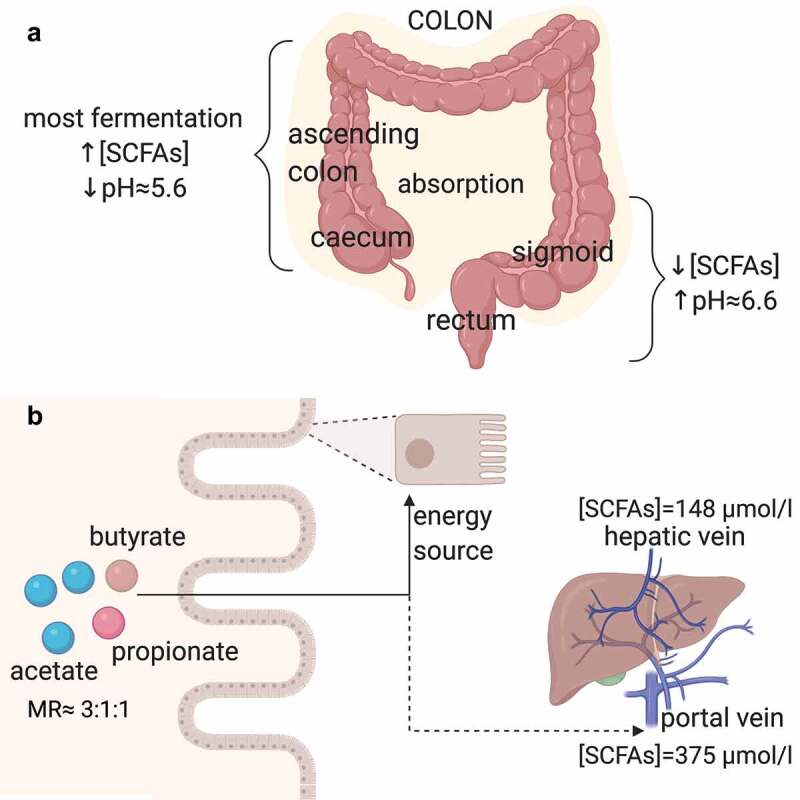
“The metabolism of SCFA leads to an acidic environment, contributing to a lowered pH in the intestines (Nogal et al., 2021).”
BackgroundZhang, S., Zhang, Y., Li, J., Wang, X., Zhang, M., Du, M., Jiang, W., & Li, C. (2024) · Diabetes Metabolic Syndrome and Obesity · doi:10.2147/dmso.s434499 · Cited by 31
Yang, B., Li, X., Badran, A. M., & Abdel‐Moneim, A. E. (2023) · Poultry Science · doi:10.1016/j.psj.2023.103150 · Cited by 31
“The increase in SCFA levels leads to an accumulation of organic acids in the gut, thereby reducing the pH (Nogal et al., 2021).”
BackgroundHuang, T., Liang, X., Bao, H., Ma, G., Tang, X., Luo, H., & Xiao, X. (2024) · mSystems · doi:10.1128/msystems.01252-23 · Cited by 31
“It plays a key role in the regulation of host functions, such as fermentation of dietary fibers (7), pathogen offense (8), metabolic function (9), and immune maturation (10).”
BackgroundAriaee, A., Wardill, H. R., Wignall, A. D., Prestidge, C. A., & Joyce, P. M. (2024) · Foods · doi:10.3390/foods13071039 · Cited by 33
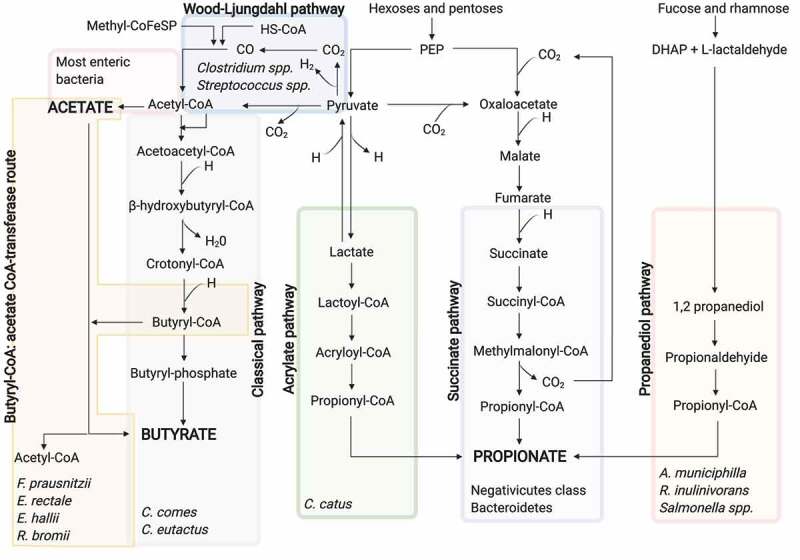
“Inulin fermentation by the microbiota produces SCFA metabolites with the major products being acetic acid, propionic acid, butyric acid, and their conjugate bases [39,40].”
BackgroundWang, J., Zang, J., Yang, Y., Liu, Y., Cao, H., Guo, R., Zhang, L., Liu, M., Zhang, Z., Li, X., et al. (2024) · Frontiers in Pharmacology · doi:10.3389/fphar.2024.1426049 · Cited by 31
“The gut microbiota mainly produces BA, short-chain fatty acids, and other metabolites (Guzior and Quinn, 2021; Nogal et al., 2021).”
BackgroundOmega-3 fatty acids and the gut microbiome: a new frontier in cardiovascular disease prevention
Kumar, V. S., Rohilla, A., & Ahire, J. J. (2025) · Discover Medicine · doi:10.1007/s44337-025-00212-0 · Cited by 29
Biohybrid Microrobot Enteric‐Coated Microcapsule for Oral Treatment of Colorectal Cancer
Kang, Y., She, Y., Zang, Y., Yuan, M., Niu, G., Tian, X., Zhang, L., Lin, J., Yang, M., Pei, Z., et al. (2025) · Advanced Materials · doi:10.1002/adma.202420586 · Cited by 31
Zhao, J., Duan, L., Li, J., Yao, C., Wang, G., Mi, J., Yu, Y., Ding, L., Zhao, Y., Yan, G., et al. (2024) · Biomedicine & Pharmacotherapy · doi:10.1016/j.biopha.2024.116807 · Cited by 29
Leão, L. L., Miri, S., & Hammami, R. (2024) · Frontiers in Neuroendocrinology · doi:10.1016/j.yfrne.2024.101173 · Cited by 29
Purwandari, F. A., Fogliano, V., & Capuano, E. (2024) · Food & Function · doi:10.1039/d3fo05379b · Cited by 29
Chen, H., Wang, S., Li, H., Zhou, X., Zhou, L.-W., Chen, C., Mansell, T., Novakovic, B., Saffery, R., Baker, P. N., et al. (2024) · The Journal of Nutritional Biochemistry · doi:10.1016/j.jnutbio.2024.109708 · Cited by 28
Torres-Maravilla, E., Méndez-Trujillo, V., Hernández-Delgado, N. C., Bermúdez‐Humarán, L. G., & Reyes-Pavón, D. (2022) · Fermentation · doi:10.3390/fermentation8030123 · Cited by 28
Effects of hawthorn seed oil on plasma cholesterol and gut microbiota
Kwek, E., Yan, C., Ding, H., Hao, W., He, Z., Liu, J., Ma, K. Y., Zhu, H., & Chen, Z. (2022) · Nutrition & Metabolism · doi:10.1186/s12986-022-00690-4 · Cited by 29
“It has been known that SCFAs could mitigate the LPS-induced inflammation and protect the gut barrier integrity [39, 53, 54].”
BackgroundAssociation Studies on Gut and Lung Microbiomes in Patients with Lung Adenocarcinoma
Guo, Y., Yuan, W., Lyu, N., Pan, Y., Cao, X., Wang, Y., Han, Y., & Zhu, B. (2023) · Microorganisms · doi:10.3390/microorganisms11030546 · Cited by 28
“Meanwhile, short-chain fatty acid-producing bacteria, such a Coprococcus, Ruminococcus, E bacterium hallii, and Roseburia intestinalis, were decreased i the LADC group [35,36].”
BackgroundMicrobiota and Thyroid Disease: An Updated Systematic Review
Stramazzo, I., Capriello, S., Filardo, S., Centanni, M., & Virili, C. (2023) · Advances in experimental medicine and biology · doi:10.1007/5584_2023_770 · Cited by 29
Louca, P., Meijnikman, A. S., Nogal, A., Asnicar, F., Attaye, I., Vijay, A., Kouraki, A., Visconti, A., Wong, K. E., Berry, S. E., et al. (2023) · Cell Reports Medicine · doi:10.1016/j.xcrm.2023.100993 · Cited by 29
“SCFAs and BAs cause opposing effects in the host health,(46) with SCFAs being able to regulate lipid metabolism, inflammatory response, and appetite.(43) Our findings provide insights into how our gut microbiota modulate our metabolism and the specificity for certain species to perform functions.”
BackgroundSelf-citationLessard‐Lord, J., Roussel, C., Guay, V., & Desjardins, Y. (2023) · Journal of Agricultural and Food Chemistry · doi:10.1021/acs.jafc.3c05491 · Cited by 28
Xylo‐oligosaccharides improve functional constipation by targeted enrichment of Bifidobacterium
Yi, W., Wang, Q., Xue, Y., Cao, H., Zhuang, R., Li, D., Yan, J., Yang, J., Xia, Y., & Zhang, F. (2023) · Food Science & Nutrition · doi:10.1002/fsn3.3827 · Cited by 29
“SCFAs, the primary metabolites produced by bacterial fermentation of dietary fiber in the gastrointestinal tract, have regulatory roles in lipid and glucose metabolism, in anti-inflammatory and immune responses, and in the maintenance of gut barrier integrity (Nogal et al., 2021).”
BackgroundChi, Z., Zhang, M., Fu, B., Wang, X., Yang, H., Fang, X., Li, Z., Teng, T., & Shi, B. (2024) · Journal of Agricultural and Food Chemistry · doi:10.1021/acs.jafc.4c04526 · Cited by 29
Dissayabutra, T., Chuaypen, N., Somnark, P., Boonkaew, B., Udomkarnjananun, S., Kittiskulnam, P., Charoenchittang, P., Prombutara, P., & Tangkijvanich, P. (2025) · Scientific Reports · doi:10.1038/s41598-025-00237-6 · Cited by 27
“Gut dysbiosis, as the reduction of beneficial bacteria and enriched potential pathogenic genera, is frequently described in cardio-metabolic disorders, including MASLD and CKD 18 .”
Razzak, M. A., Kim, H., Haque, M. A., Jang, M. J., Song, S., Talari, A., Chittepu, L. D., & Ku, S. (2026) · Comprehensive Reviews in Food Science and Food Safety · doi:10.1111/1541-4337.70406 · Cited by 28
Song, H., Yi, S., Kim, W.-H., Guk, J.-H., Ha, M., Kwak, I., Han, J., Yeon, S., & Cho, S. (2022) · Microbiology Spectrum · doi:10.1128/spectrum.01163-22 · Cited by 27
“Dietary modifications are the major factors associated with a decrease in SCFA-producing bacteria in the gut (36).”
BackgroundYu, T., Yang, W., Yao, S., Yu, Y., Wakamiya, M., Golovko, G., & Cong, Y. (2023) · Inflammatory Bowel Diseases · doi:10.1093/ibd/izac268 · Cited by 27
Baltazar-Díaz, T. A., Amador-Lara, F., Andrade-Villanueva, J. F., González-Hernández, L. A., Cabrera-Silva, R. I., Sánchez-Reyes, K., Álvarez-Zavala, M., Valenzuela-Ramírez, A., del Toro‐Arreola, S., & Bueno‐Topete, M. R. (2023) · Microorganisms · doi:10.3390/microorganisms11040951 · Cited by 27
“In addition, SCFAs participate in the metabolism of glucose and lipids through several ways, such as the decrease of hepatic gluconeogenesis, increase in insulin secretion, decrease in glucagon secretion, and fatty acid oxidation [67].”
Bica, I.-C., Pietroșel, V.-A., Salmen, T., Diaconu, C.-T., Fierbinteanu-Braticevici, C. G., Stoica, R. A., Suceveanu, A., & Stoian, A. P. (2023) · International Journal of Molecular Sciences · doi:10.3390/ijms24087184 · Cited by 27
Sleep apnoea, gut dysbiosis and cognitive dysfunction
Deyang, T., Baig, M., Dolkar, P., Hediyal, T. A., Rathipriya, A. G., Bhaskaran, M., Pandi-Perumal, S. R., Monaghan, T. M., Mahalakshmi, A. M., & Chidambaram, S. B. (2023) · FEBS Journal · doi:10.1111/febs.16960 · Cited by 27
“SCFAs are gut-microbial derived metabolites, the major products of anaerobic fermentation of partially and non-digestible polysaccharides, such as dietary fiber and resistant starch in the large intestine [113,114].”
BackgroundSivamani, R. K., Chakkalakal, M., Pan, A., Nadora, D., Min, M., Dumont, A., Burney, W. A., & Chambers, C. J. (2023) · Foods · doi:10.3390/foods13010015 · Cited by 27
“SCFA augmentation has also been associated with cardiometabolic health [28].”
BackgroundSingh, A. K., Kishore, P. S., & Khan, S. (2024) · Cureus · doi:10.7759/cureus.70877 · Cited by 28
“A decrease in SCFA-producing bacteria is often observed in individuals with cardiovascular diseases, highlighting their protective role [16].”
BackgroundTherapeutic Modulation of Gut Microbiome in Cardiovascular Disease: A Literature Review
Suresh, M. G., Mohamed, S., Yukselen, Z., Hatwal, J., Venkatakrishnan, A., Metri, A. A., Bhardwaj, A., Singh, A., Bush, N., & Batta, A. (2024) · Heart and Mind · doi:10.4103/hm.hm-d-24-00044 · Cited by 27
Pectin in gut health and beyond: A review
Kalita, P., Rahman, M. A., Haloi, P., Bora, N. S., & Pachuau, L. (2025) · International Journal of Biological Macromolecules · doi:10.1016/j.ijbiomac.2025.146954 · Cited by 27
Benefits of Biotics for Cardiovascular Diseases
Hijová, E. (2023) · International Journal of Molecular Sciences · doi:10.3390/ijms24076292 · Cited by 26
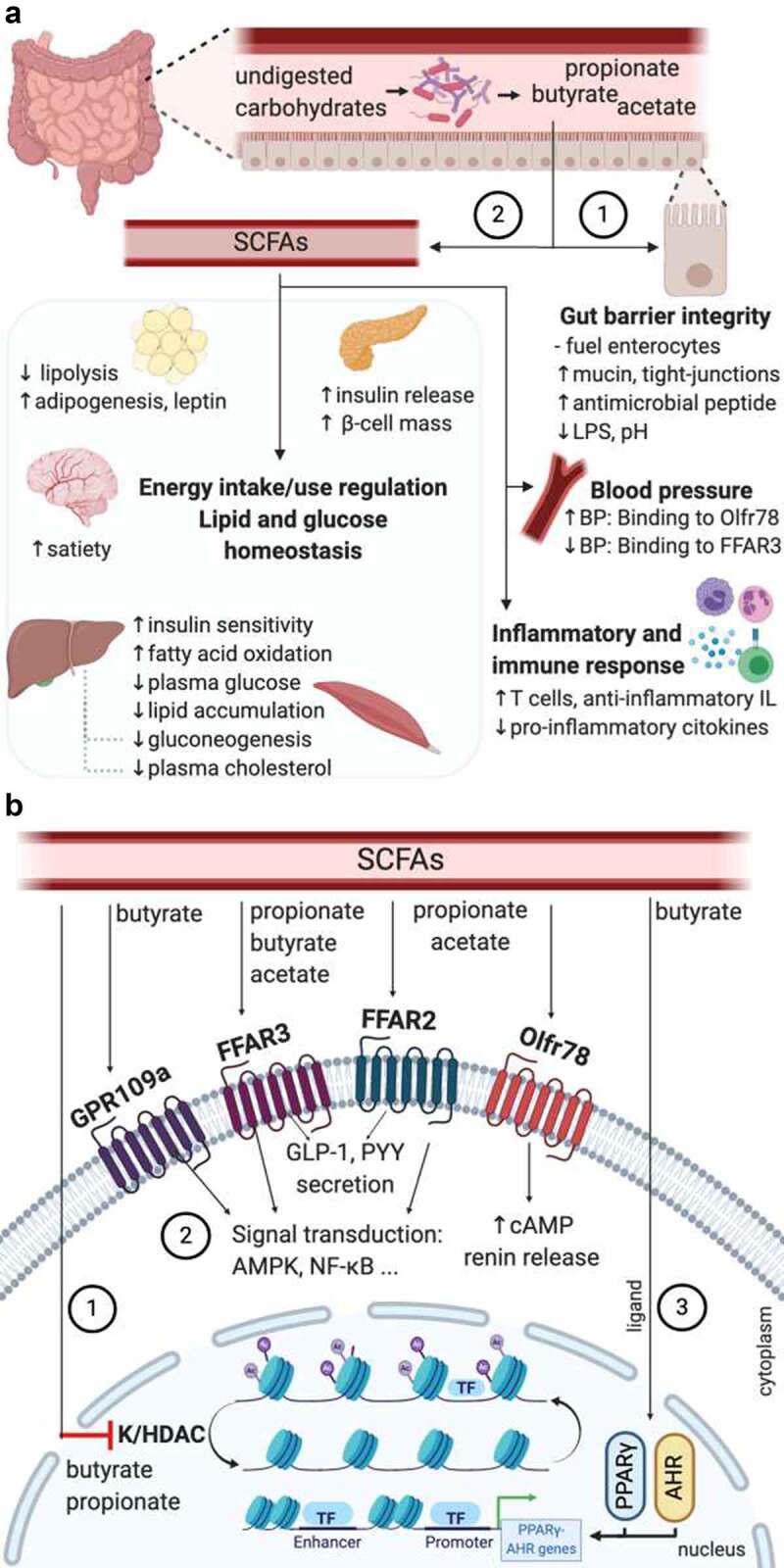
“(1) by directly acting on the enterocytes and maintaining the integrity of the intestinal barrier or (2) by indirectly regulating the inflammatory and immune response, blood pressure, energy intake and use, and lipid and glucose homeostasis, through various mechanisms: (a) the inhibition of lysine/histone deacetylase…”
BackgroundSuthar, P., Kumar, S., Kumar, V., Sharma, V., & Dhiman, A. (2023) · Critical Reviews in Food Science and Nutrition · doi:10.1080/10408398.2023.2289646 · Cited by 26
“…that the administration of SCFAs is effective in the gut barrier integrity, energy intake and energy use, regulation of blood pressure, mediate immune system and modulate glucose and lipid metabolism (Nogal, Valdes, and Menni 2021; Kaczmarczyk et al. 2021; Dagbasi et al. 2020; Parekh et al. 2014).”
Hao, L., Yan, Y., Huang, G., & Li, H. (2024) · Frontiers in Cellular and Infection Microbiology · doi:10.3389/fcimb.2024.1416739 · Cited by 26
“SCFAs, particularly acetate, propionate, and butyrate, serve as energy sources for colonocytes, modulate immune responses, and in fl uence host metabolism (Nogal et al., 2021).”
BackgroundXu, K., Motiwala, Z. Y., Corona‐Avila, I., Makhanasa, D., Alkahalifeh, L., & Khan, M. W. (2025) · Technology in Cancer Research & Treatment · doi:10.1177/15330338251331960 · Cited by 25
“7,10 11 – 13 SCFAs also modulate incretin hormones to regulate appetite.”
The aging interactome: From cellular dysregulation to therapeutic frontiers in age-related diseases
Qoura, L. A., Churov, A. V., Maltseva, O. N., Arbatskiy, M. S., & Tkacheva, O. N. (2025) · Biochimica et Biophysica Acta (BBA) - Molecular Basis of Disease · doi:10.1016/j.bbadis.2025.168060 · Cited by 26
Harlan, T. S., Gow, R. V., Kornstädt, A., Alderson, P. W., & Lustig, R. H. (2023) · Frontiers in Nutrition · doi:10.3389/fnut.2023.1098453 · Cited by 25
Metadata
- Authors
- Nogal, A., Valdes, A. M., & Menni, C.
- Affiliations
- St Thomas' Hospital (GB)
- Corresponding author
- Menni, Cristina
- Venue
- Gut Microbes
- Publisher
- Informa UK Limited
- Published
- 2021-01-01
- Volume
- 13
- Issue
- 1
- Pages
- 1-24
- ISSN
- 1949-0976 (ISSN-L)
- 1949-0984
- PMC
- PMC8007165
- OpenAlex
- W3137495763
- Cited by
- 917
- References
- 196
- Citations by year
- 2026: 221 · 2025: 257 · 2024: 221 · 2023: 142 · 2022: 63 · 2021: 13
- FWCI
- 11.52
- Type
- journal article
- Language
- en
- Open access
- gold
- doi.org
- Licence
- cc-by
- creativecommons.org/licenses/by/4.0/ (unspecified)
- doi.org/10.1080/policies-text-data-mining (tdm)
- Locations
- Gut Microbes (publishedVersion, cc-by)
- PubMed Central (publishedVersion, cc-by)
- PubMed (publishedVersion)
- Archivio Istituzionale della Ricerca (Universita Degli Studi Di Milano) (submittedVersion, other-oa)
- DOAJ (DOAJ: Directory of Open Access Journals) (submittedVersion, cc-by-sa)
- Research Portal (King's College London) (submittedVersion, other-oa)
- Funders
- Department of Twin Research is funded by the Wellcome Trust, Medical Research Council
- Chronic Disease Research Foundation (CDRF-18/2019, CDRF-19/2019, CDRF-2017)
- Medical Research Council (AIMHY; MR/M016560/1)
- National Institute for Health Research Nottingham Biomedical Research Centre (NA)
- Topics
- Life Sciences › Biochemistry, Genetics and Molecular Biology › Molecular Biology › Gut microbiota and health
- Health Sciences › Nursing › Nutrition and Dietetics › Microbial Metabolites in Food Biotechnology
- Health Sciences › Medicine › Public Health, Environmental and Occupational Health › Nutritional Studies and Diet
- Keywords
- short-chain fatty acids, gut microbiota, diet, cardiometabolic disease, dietary fiber, omega-3 fatty acids, intestinal barrier integrity, glucose metabolism, lipid metabolism, immune regulation, inflammation, blood pressure, dietary intervention
- MeSH terms
- Gastrointestinal Microbiome, Cardiometabolic Risk Factors, Bacteria, Cardiovascular Diseases, Diet, Energy Metabolism, Fatty Acids, Volatile, Humans, Metabolic Syndrome, Gastrointestinal Tract
About these checks
Registry, retraction, Cites and statistics results are computed, not judged, with one exception: a printed reference that no index lists is read once by a model before it counts as a citation error. Claims are extracted by a model and kept only when their quote appears verbatim in the text; each cited source is then checked, with a model’s help, for whether it says what the claim relies on. Those verdicts can be wrong — read the claim’s quote and the cited source before relying on one.
Statistics and arithmetic are recomputed, not judged.
Confidence bands are shown only for fields calibrated on our annotated test set. None is calibrated yet, so no band is shown.
What counts as a claim ›How we measure confidence ›How we check this ›
Are you an author, or do you see a problem with this page? Request a review
Data sources
Bibliographic data: Semantic Scholar, OpenAlex, Crossref.
Contains information from the Semantic Scholar Academic Graph Datasets, made available under the ODC Attribution License (ODC-BY 1.0).
Semantic Scholar’s data is described in: Kinney, R., et al. (2023). The Semantic Scholar Open Data Platform. arXiv:2301.10140.
