

The role of short-chain fatty acids in the interplay between gut microbiota and diet in cardio-metabolic health
Open accessThe DOI matches its Crossref record; 196 of the 196 references it cites were found in a registry or an index.
Abstract
The gut microbiota plays an important role in cardio-metabolic diseases with diet being among the strongest modulators of gut microbiota composition and function. Resistant dietary carbohydrates are fermented to short-chain fatty acids (SCFAs) by the gut bacteria. Fiber and omega-3 rich diets increase SCFAs production and abundance of SCFA-producing bacteria. Likewise, SCFAs can improve gut barrier integrity, glucose, and lipid metabolism, regulate the immune system, the inflammatory response, and blood pressure. Therefore, targeting the gut microbiota with dietary strategies leading to increased SCFA production may benefit cardio-metabolic health. In this review, we provide an overview of the association between diet, SCFAs produced by the gut microbiota and cardio-metabolic diseases. We first discuss the association between the human gut microbiota and cardio-metabolic diseases, then investigate the role of SCFAs and finally explore the beneficial effects of specific dietary interventions that can improve cardio-metabolic outcomes through boosting the SCFA production.
Overview
The claims and statistics of this paper haven’t been checked yet.
Free: it reads the open-access text and checks the first 5 claims that cite a source we can check. Create a free account to check every claim.
Integrity signals
Registry
Cites
Statistics
Figures
Verification
Claims the paper makes
The claims and statistics of this paper haven’t been checked yet.
Free: it reads the open-access text and checks the first 5 claims that cite a source we can check. Create a free account to check every claim.
Self-check
Percentages, sums and reported differences re-computed from the paper’s own numbers.
The self-check needs the paper’s full text.
Citations
Cites
1 retracted
RETRACTED: Primary Prevention of Cardiovascular Disease with a Mediterranean Diet
Estruch, R., Ros, E., Salas-Salvadó, J., Covas, M.-I., Corella, D., Arós, F., Gómez-Gracia, E., Ruiz-Gutiérrez, V., Fiol, M., Lapetra, J., et al. (2013) · New England Journal of Medicine · doi:10.1056/nejmoa1200303 · Cited by 4,257 · cited 1×
“Diets rich in fiber and omega-3 exert beneficial effects in CMD(167,168) lowering the risk of CVD by about 30%, for example, in the Mediterranean diet.(168) The risk decrease is due to the capability of these diets to reduce risk factors associated with CMH, such as blood pressure, cholesterol, body weight, and system…”
BackgroundRetractedZhang, Q., Wang, C., Zheng, M., Li, Y., Li, J., Zhang, L., Shang, X., & Yan, C. (2015) · Cerebrovascular Diseases · doi:10.1159/000369778 · Cited by 11,533
Projections of Global Mortality and Burden of Disease from 2002 to 2030
Mathers, C. D., & Loncar, D. (2006) · PLoS Medicine · doi:10.1371/journal.pmed.0030442 · Cited by 11,386
Diet rapidly and reproducibly alters the human gut microbiome
David, L. A., Maurice, C. F., Carmody, R. N., Gootenberg, D. B., Button, J. E., Wolfe, B. E., Ling, A. V., Devlin, A. S., Varma, Y., Fischbach, M. A., et al. (2014) · Nature · doi:10.1038/nature12820 · Cited by 10,100
Human gut microbes associated with obesity
Ley, R. E., Turnbaugh, P. J., Klein, S., & Gordon, J. I. (2006) · Nature · doi:10.1038/4441022a · Cited by 8,785
Rudd, K. E., Johnson, S. C., Agesa, K. M., Shackelford, K. A., Tsoi, D., Kievlan, D. R., Colombara, D. V., Ikuta, K. S., Kissoon, N., Finfer, S., et al. (2020) · The Lancet · doi:10.1016/s0140-6736(19)32989-7 · Cited by 7,971
Diversity of the Human Intestinal Microbial Flora
Eckburg, P. B., Bik, E. M., Bernstein, C. N., Purdom, E., Dethlefsen, L., Sargent, M., Gill, S. R., Nelson, K. E., & Relman, D. A. (2005) · Science · doi:10.1126/science.1110591 · Cited by 7,913
Changes of Intestinal Functions in Liver Cirrhosis
Fukui, H., & Wiest, R. (2016) · Inflammatory Intestinal Diseases · doi:10.1159/000444436 · Cited by 6,808
Linking long-term dietary patterns with gut microbial enterotypes
Wu, G. D., Chen, J., Hoffmann, C., Bittinger, K., Chen, Y.-Y., Keilbaugh, S. A., Bewtra, M., Knights, D., Walters, W. A., Knight, R., et al. (2011) · Science · doi:10.1126/science.1208344 · Cited by 6,513
De Filippo, C., Cavalieri, D., Di Paola, M., Ramazzotti, M., Poullet, J. B., Massart, S., Collini, S., Pieraccini, G., & Lionetti, P. (2010) · Proceedings of the National Academy of Sciences · doi:10.1073/pnas.1005963107 · Cited by 5,579 · cited 1×
“Another study comparing the fecal microbiota between children from a rural African village with European children observed that African children, who have fiber-rich diets, presented significantly more SCFAs and bacteria belonging to the Bacteroidetes phylum.(178) More studies in which fiber-rich diets positively infl…”
Background
Research works printed but not linked: 1
- Macfarlane J. 1995. Proteolysis and amino acid fermentation. Human colonic bacteria. 75– 100.
Cited by
Antar, S. A., Ashour, N. A., Sharaky, M., Khattab, M., Ashour, N. A., Zaid, R. T., Roh, E. J., Elkamhawy, A., & Al-Karmalawy, A. A. (2023) · Biomedicine & Pharmacotherapy · doi:10.1016/j.biopha.2023.115734 · Cited by 622
Hays, K. E., Pfaffinger, J. M., & Ryznar, R. (2024) · Gut Microbes · doi:10.1080/19490976.2024.2393270 · Cited by 453
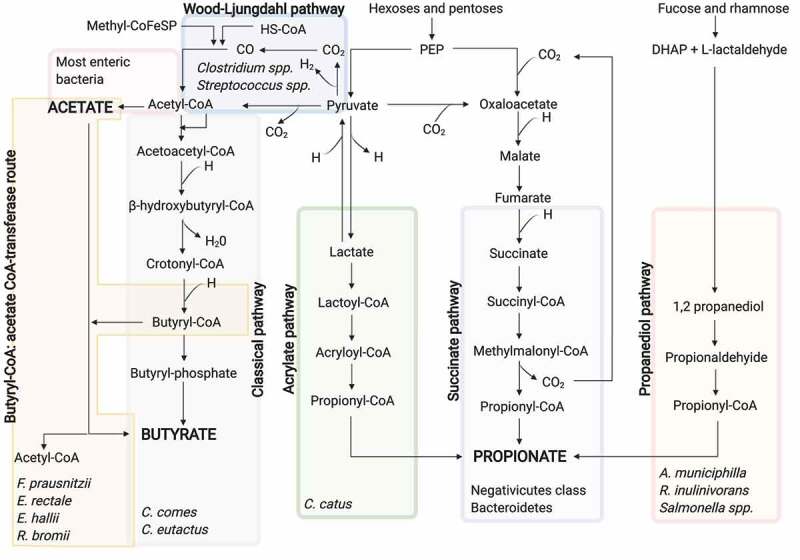
“45,46 Clostridium leptum 45 Coprococcus catus 46 Eubacterium rectale 42,43,45 Eubacterium halli 42,43,45 Faecalibacterium prausnitzii 42,43,46 Roseburia spp .”
BackgroundRETRACTED ARTICLE: Role of the gut microbiome in chronic diseases: a narrative review
Vijay, A., & Valdes, A. M. (2022) · European Journal of Clinical Nutrition · doi:10.1038/s41430-021-00991-6 · Cited by 361
Self-citationRetractedGut liver brain axis in diseases: the implications for therapeutic interventions
Yan, M., Man, S., Sun, B., Ma, L., Guo, L., Huang, L., & Gao, W. (2023) · Signal Transduction and Targeted Therapy · doi:10.1038/s41392-023-01673-4 · Cited by 287
“70 SCFAs provide energy sources, and promote hepatic lipogenesis and gluconeogenesis via acting on the G-protein coupled receptors (GPR) such as GPR41 and GPR43.”
BackgroundObianwuna, U. E., Chang, X., Oleforuh-Okoleh, V. U., Onu, P. N., Zhang, H., Qiu, K., & Wu, S. (2024) · Journal of Animal Science and Biotechnology/Journal of animal science and biotechnology · doi:10.1186/s40104-024-01101-9 · Cited by 254
“The production of butyrate, in particular, is associated with the expression of tight junction proteins like ZO-1, which are vital for maintaining gut integrity [87].”
Aziz, T., Hussain, N., Hameed, Z., & Lin, L. (2024) · Gut Microbes · doi:10.1080/19490976.2023.2297864 · Cited by 227
“33 34 Incorporating the DASH diet into a healthy life-style can have a positive impact on both blood pressure control and gut microbiota composition, leading to overall improved health.”
MethodJia, B., Zou, Y., Han, X., Bae, J.-W., & Jeon, C. O. (2023) · Trends in Microbiology · doi:10.1016/j.tim.2022.08.003 · Cited by 212
Sandireddy, R., Sakthivel, S., Gupta, P., Behari, J., Tripathi, M., & Singh, B. K. (2024) · Frontiers in Cell and Developmental Biology · doi:10.3389/fcell.2024.1433857 · Cited by 211
Unveiling the therapeutic symphony of probiotics, prebiotics, and postbiotics in gut-immune harmony
Zhou, P., Chen, C., Patil, S., & Dong, S. (2024) · Frontiers in Nutrition · doi:10.3389/fnut.2024.1355542 · Cited by 193
Interactions between polysaccharides and gut microbiota: A metabolomic and microbial review
Zhang, D., Liu, J., Cheng, H., Wang, H., Tan, Y., Feng, W., & Peng, C. (2022) · Food Research International · doi:10.1016/j.foodres.2022.111653 · Cited by 190
Resistant starch and the gut microbiome: Exploring beneficial interactions and dietary impacts
Zhao, C. X., Liang, N., Zhang, H., Li, H., Guo, J., Zhang, Y., Chen, Y., Wang, Y., & Shi, N. (2024) · Food Chemistry X · doi:10.1016/j.fochx.2024.101118 · Cited by 194
“The potential of RS to mitigate aspects of metabolic syndrome is largely attributed to its fermentation by gut microbiota into volatile fatty acids (VFAs) like acetate, propionate, and butyrate (Den Besten et al., 2013; Felizardo et al., 2019; Morrison et al., 2016; Nogal et al., 2021).”
BackgroundGut microbiota bridges dietary nutrients and host immunity
Fan, L., Xia, Y., Wang, Y., Han, D., Liu, Y., Li, J., Fu, J., Wang, L., Gan, Z., Liu, B., et al. (2023) · Science China Life Sciences · doi:10.1007/s11427-023-2346-1 · Cited by 189
“…, Clostriudium , Streptococcus contribute to the synthesis of acetate; some species from Akkermansia and Bacteroides have the ability of producing propionate; Faecelibacterium and Ru-mincoccus species are responsible for the butyrate production (Nogal et al., 2021; van der Hee and Wells, 2021).”
BackgroundLange, O., Proczko-Stepaniak, M., & Mika, A. (2023) · Current Obesity Reports · doi:10.1007/s13679-023-00503-6 · Cited by 180
The role of gut microbiota in intestinal disease: from an oxidative stress perspective
Sun, Y., Wang, X., Li, L., Zhong, C., Zhang, Y., Yang, X., Li, M., & Yang, C. (2024) · Frontiers in Microbiology · doi:10.3389/fmicb.2024.1328324 · Cited by 180
Diets intervene osteoporosis via gut-bone axis
Zhang, Y.-W., Song, P.-R., Wang, S.-C., Liu, H., Shi, Z.-M., & Su, J.-C. (2024) · Gut Microbes · doi:10.1080/19490976.2023.2295432 · Cited by 176
“149 Even bacteria of the same genus have significant differences in functional and core genes under the influence of different dietary patterns.”
BackgroundPostbiotic production: harnessing the power of microbial metabolites for health applications
Prajapati, N., Patel, J., Singh, S., Yadav, V. K., Joshi, C., Patani, A., Prajapati, D., Sahoo, D. K., & Patel, A. (2023) · Frontiers in Microbiology · doi:10.3389/fmicb.2023.1306192 · Cited by 161
Kandpal, M., Indari, O., Baral, B., Jakhmola, S., Tiwari, D., Bhandari, V., Pandey, R. K., Bala, K., Sonawane, A., & Jha, H. C. (2022) · Metabolites · doi:10.3390/metabo12111064 · Cited by 159
Yan, J., Pan, Y., Shao, W., Wang, C., Wang, R., He, Y., Zhang, M., Wang, Y., Li, T., Wang, Z., et al. (2022) · Microbiome · doi:10.1186/s40168-022-01390-0 · Cited by 160
“In fact, accumulating evidence indicates that acetate and butyrate also have anti-inflammatory and immune functions and play an important role in cardiovascular disease [11].”
BackgroundQuinn-Bohmann, N., Wilmanski, T. M., Sarmiento, K. R., Levy, L., Lampe, J. W., Gurry, T., Rappaport, N., Loss, E. O., Venturelli, O. S., Diener, C., et al. (2024) · Nature Microbiology · doi:10.1038/s41564-024-01728-4 · Cited by 143
Dietary protein and the intestinal microbiota: An understudied relationship
Bartlett, A., & Kleiner, M. (2022) · iScience · doi:10.1016/j.isci.2022.105313 · Cited by 142
“A specific group of SCFAs, namely branched short-chain fatty acids (BCFAs), is exclusively produced by microbial fermentation of the branched-chain amino acids leucine, isoleucine, and valine, and are thus often used as a marker of protein fermentation (Diether and Willing, 2019).”
InfluentialShort-chain fatty acids (SCFAs) in gut health: Implications for drug metabolism and therapeutics
Sankarganesh, P., Bhunia, A., Kumar, A. G., Babu, A. S., Gopukumar, S. T., & Elumalai, L. (2025) · Medicine in Microecology · doi:10.1016/j.medmic.2025.100139 · Cited by 144
Postbiotics as Metabolites and Their Biotherapeutic Potential
Hijová, E. (2024) · International Journal of Molecular Sciences · doi:10.3390/ijms25105441 · Cited by 137
“Some studies associate the development of metabolic diseases with an unbalanced or altered intestinal microbiota and bacterial diversity [89–91].”
BackgroundDiet, microbiota, and the mucus layer: The guardians of our health
Suriano, F., Nyström, E. E. L., Sergi, D., & Gustafsson, J. K. (2022) · Frontiers in Immunology · doi:10.3389/fimmu.2022.953196 · Cited by 136
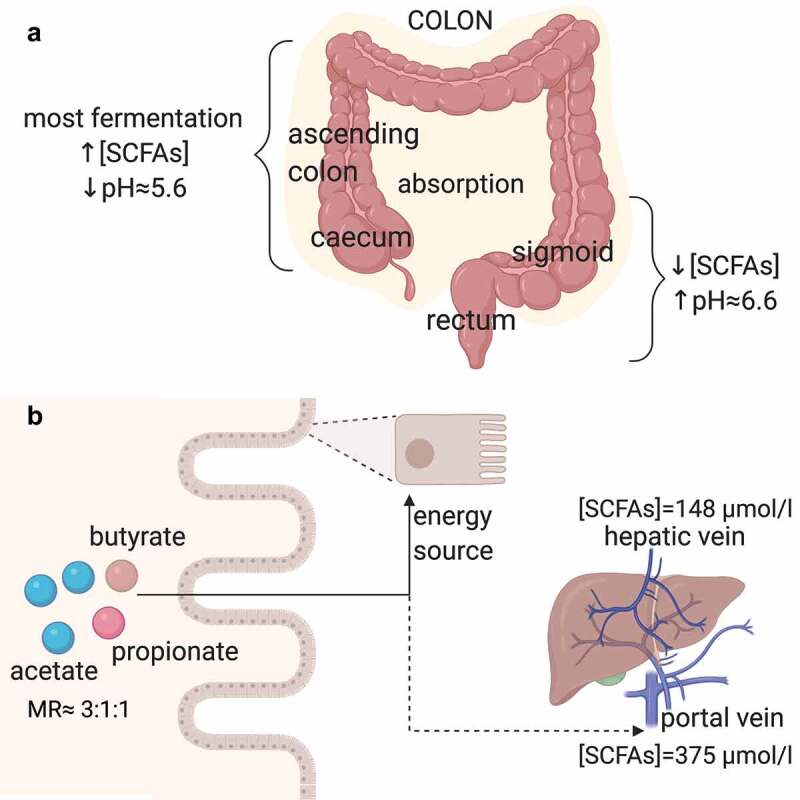
“The SCFAs in turn exert beneficial effects on cardio-metabolic (36) and gut health (37), including promoting mucus barrier function (38, 39) (Figure 1A).”
BackgroundDíez-Martín, E., Hernández-Suárez, L., Muñoz‐Villafranca, C., Martin–Souto, L., Astigarraga, E., Ramirez‐Garcia, A., & Barreda‐Gómez, G. (2024) · International Journal of Molecular Sciences · doi:10.3390/ijms25137062 · Cited by 135
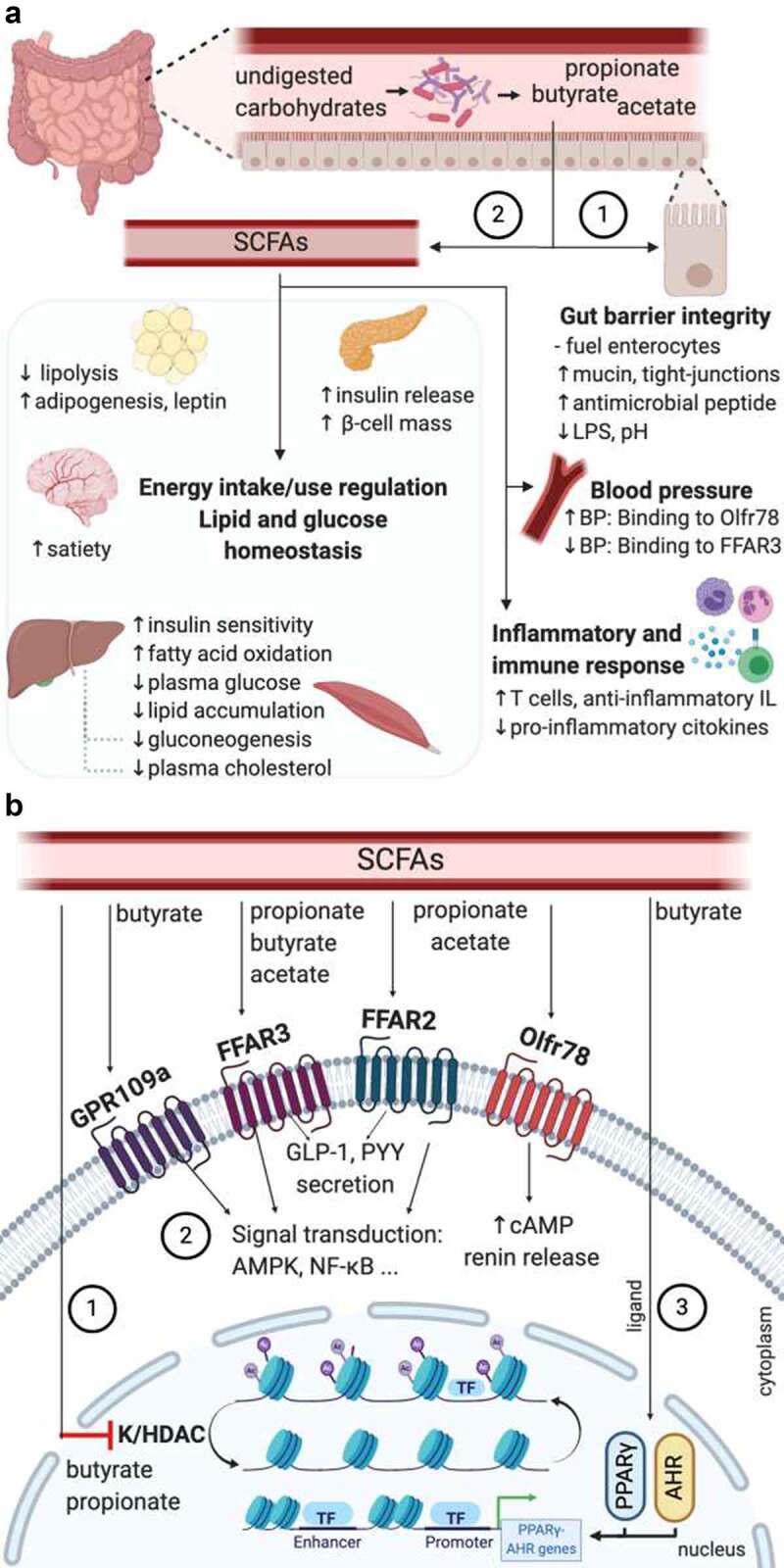
“…by harmful microorganisms, achieved through actions like pH reduction; (5) its provision of a carbon source to colonocytes; and (6) its contribution to maintaining the intestinal barrier integrity by activating G-protein-coupled receptors (GPCRs) and regulating cellular turnover [131,139,140,145].”
Nourishing the Mind: How Food Security Influences Mental Wellbeing
Ejiohuo, O., Onyeaka, H. N., Unegbu, K. C., CHIKEZIE, O. C. O., Odeyemi, O. A., Lawal, A., & Odeyemi, O. A. (2024) · Nutrients · doi:10.3390/nu16040501 · Cited by 133
The Implication of Short-Chain Fatty Acids in Obesity and Diabetes
Anachad, O., Taouil, A., Taha, W., Bennis, F., & Chegdani, F. (2023) · Microbiology Insights · doi:10.1177/11786361231162720 · Cited by 130
“10,36,37,46 The production of this latter by succinate pathway involves the conversion of succinate to methylmalonyl-CoA, then methylmalonyl-CoA to propionyl-CoA by decarboxylation.”
BackgroundInfluentialGut Microbiota Differences According to Ultra-Processed Food Consumption in a Spanish Population
Cuevas‐Sierra, A., Milagro, F. I., Aranaz, P., Martínez, J. A., & Riezu‐Boj, J. I. (2021) · Nutrients · doi:10.3390/nu13082710 · Cited by 130
“Alterations in the diversity and composition of the microbiota may lead to an imbalance in the production of short chain fatty acids and other postbiotics, which contributes to the proinflammatory characteristic of chronic metabolic diseases [58].”
BackgroundXu, J., Moore, B. N., & Pluznick, J. L. (2022) · Hypertension · doi:10.1161/hypertensionaha.122.18558 · Cited by 129
Advances in Research on Type 2 Diabetes Mellitus Targets and Therapeutic Agents
Su, J., Luo, Y., Hu, S., Tang, L., & Ouyang, S. (2023) · International Journal of Molecular Sciences · doi:10.3390/ijms241713381 · Cited by 127
“SCFAs are organic fatty acids containing two to six carbon atoms, which are metabolites produced through anaerobic bacterial fermentation of non-digestible dietary fibers for their own energy needs, with acetate, propionate, and butyrate being the main components [133].”
BackgroundSodium butyrate in both prevention and supportive treatment of colorectal cancer
Kaźmierczak-Siedlecka, K., Marano, L., Merola, E., Roviello, F., & Połom, K. (2022) · Frontiers in Cellular and Infection Microbiology · doi:10.3389/fcimb.2022.1023806 · Cited by 123
“The Mediterranean diet, which regards the consumption of food with a high content of dietary fiber, fish, olives, and olive oil (thus also omega-3 fatty acids), is associated with a high level of bacteria that produce SCFAs, and as a consequence, it contributes to the production of a high level of SCFAs and provides g…”
BackgroundMicrobiome-Driven Therapeutics: From Gut Health to Precision Medicine
Yaqub, M. O., Jain, A., Joseph, C. E., & Edison, L. K. (2025) · Gastrointestinal Disorders · doi:10.3390/gidisord7010007 · Cited by 116
“F. prausnitzii is known for producing short-chain fatty acids (SCFAs), particularly butyrate, which is crucial for maintaining intestinal barrier function and regulating immune responses [27,28].”
Preferential use of organic acids over sugars by soil microbes in simulated root exudation
Wiesenbauer, J., Gorka, S., Jenab, K., Schuster, R., Kumar, N., Rottensteiner, C., König, A., Kraemer, S. M., Inselsbacher, E., & Kaiser, C. (2025) · Soil Biology and Biochemistry · doi:10.1016/j.soilbio.2025.109738 · Cited by 115
Cardiometabolic health, diet and the gut microbiome: a meta-omics perspective
Valles-Colomer, M., Menni, C., Berry, S. E., Valdes, A. M., Spector, T. D., & Segata, N. (2023) · Nature Medicine · doi:10.1038/s41591-023-02260-4 · Cited by 114
Self-citationThe pectin metabolizing capacity of the human gut microbiota
Yüksel, E., Voragen, A. G. J., & Kort, R. (2024) · Critical Reviews in Food Science and Nutrition · doi:10.1080/10408398.2024.2400235 · Cited by 108
“For example, several bacterial species can utilize lactate for SCFA formation (Gómez et al. 2014; Nogal, Valdes, and Menni 2021).”
Diet-gut microbiota interactions on cardiovascular disease
Zhang, X., & Gérard, P. (2022) · Computational and Structural Biotechnology Journal · doi:10.1016/j.csbj.2022.03.028 · Cited by 106
“Specific members of the gut microbiota participate in particular fermenting pathways for SCFAs synthesis [133,134].”
BackgroundGut Microbial-Derived Short Chain Fatty Acids: Impact on Adipose Tissue Physiology
May, K. S., & den Hartigh, L. J. (2023) · Nutrients · doi:10.3390/nu15020272 · Cited by 95
Beneficial Effects of Anti-Inflammatory Diet in Modulating Gut Microbiota and Controlling Obesity
Bagheri, S., Zolghadri, S., & Stanek, A. (2022) · Nutrients · doi:10.3390/nu14193985 · Cited by 103
“It has also been proved that these molecules can affect appetite, immune system, and blood pressure regulation, as well as lipid and glucose metabolism [73,75].”
BackgroundMunteanu, C., & Schwartz, B. (2024) · International Journal of Molecular Sciences · doi:10.3390/ijms25158250 · Cited by 104
“Predominantly present in the cecum and proximal colon, SCFAs serve as energy substrates for colonocytes, particularly butyrate, and also exert systemic effects by entering the portal circulation and influencing hepatocytes and peripheral tissues [125].”
BackgroundInfluentialForry, S. P., Servetas, S. L., Kralj, J. G., Soh, K., Hadjithomas, M., Cano, R. J., Carlin, M. R., de Amorim, M. G., Auch, B., Bakker, M. G., et al. (2024) · Scientific Reports · doi:10.1038/s41598-024-57981-4 · Cited by 100
Vegan diet: nutritional components, implementation, and effects on adults’ health
Łuszczki, E., Boakye, F., Zielińska, M., Dereń, K., Bartosiewicz, A., Oleksy, Ł., & Stolarczyk, A. (2023) · Frontiers in Nutrition · doi:10.3389/fnut.2023.1294497 · Cited by 99
“These bacteria thrive on SCFAs and utilize saccharide metabolism to compete effectively with harmful bacteria for resources (18).”
Chenghan, M., Li, W., Zhao, B., He, Y., Li, Q., Zhang, T., Xiaojie, L., Zhang, K., Yingqian, Z., & Zhong, Z. (2025) · Annals of the New York Academy of Sciences · doi:10.1111/nyas.15299 · Cited by 98
“53 The changes observed in the gut microbiota are associated with decreased levels of acetic acid, propionic acid, and butyric acid in fecal samples after oral antibiotic treatment.”
Guo, B., Zhang, J., Zhang, W., Chen, F., & Liu, B. (2023) · Critical Reviews in Food Science and Nutrition · doi:10.1080/10408398.2023.2272769 · Cited by 96
“Several valeric acid producers have been identified, but the underlying pathways still need to be clarified (Nogal, Valdes, and Menni 2021).”
Epigenetic effects of short-chain fatty acids from the large intestine on host cells
Stein, R. A., & Riber, L. (2023) · microLife · doi:10.1093/femsml/uqad032 · Cited by 95
“SCFAs in the large intestine Based on their carbon chain length, fatty acids are classified as short- ( < 6C), medium- (6–12C), and long-chain ( > 12C) (Nogal et al. 2021 ).”
BackgroundTettamanzi, F., Bagnardi, V., Louca, P., Nogal, A., Monti, G. S., Mambrini, S. P., Lucchetti, E., Maestrini, S., Mazza, S., Rodriguez-Mateos, A., et al. (2021) · Nutrients · doi:10.3390/nu13124380 · Cited by 77
“Several studies have reported the benefits of SCFA in glucose homeostasis by regulating the blood glucose levels and glucose uptake [46].”
BackgroundSelf-citationMajumdar, A., Venkatesh, I. P. S., & Basu, A. (2023) · ACS Chemical Neuroscience · doi:10.1021/acschemneuro.2c00803 · Cited by 92
The brain-gut-microbiota interplay in depression: A key to design innovative therapeutic approaches
Varesi, A., Campagnoli, L. I. M., Chirumbolo, S., Candiano, B., Carrara, A., Ricevuti, G., Esposito, C., & Pascale, A. (2023) · Pharmacological Research · doi:10.1016/j.phrs.2023.106799 · Cited by 94
The impact of gut microbial short-chain fatty acids on colorectal cancer development and prevention
Thulasinathan, B., Suvilesh, K. N., Maram, S., Grossmann, E. M., Ghouri, Y. A., Teixeiro, E., Chan, J., Kaifi, J. T., & Rachagani, S. (2025) · Gut Microbes · doi:10.1080/19490976.2025.2483780 · Cited by 93
“13 Propionate production occurs through three main pathways, succinate pathway, acrylate pathway, and propanediol pathway.”
Phelps, C. M., Willis, N. B., Duan, T., Lee, A. H., Zhang, Y., Rodriguez J, D. M., Pandey, S. P., Laughlin, C. R., Rosen, A. B. I., McPherson, A. C., et al. (2025) · Cell · doi:10.1016/j.cell.2025.06.018 · Cited by 91
Guern, R. L., Grandjean, T., Stabler, S., Bauduin, M., Gosset, P., Kipnis, É., & Dessein, R. (2023) · Nature Communications · doi:10.1038/s41467-022-35767-4 · Cited by 90
Metabolic Syndrome, Cognitive Impairment and the Role of Diet: A Narrative Review
Kouvari, M., D'Cunha, N. M., Travica, N., Sergi, D., Zec, M. M., Marx, W., & Naumovski, N. (2022) · Nutrients · doi:10.3390/nu14020333 · Cited by 88
“This is predominately due to the action of specific bacteria in the gut on the production of several metabolites, such as short-chain fatty acids [112], that may influence the beneficial health patterns observed in the microbiotagut-brain axis.”
BackgroundHost metabolic benefits of prebiotic exopolysaccharides produced by Leuconostoc mesenteroides
Miyamoto, J., Shimizu, H., Hisa, K., Matsuzaki, C., Inuki, S., Ando, Y., Nishida, A., Izumi, A., Yamano, M., Ushiroda, C., et al. (2023) · Gut Microbes · doi:10.1080/19490976.2022.2161271 · Cited by 87
Autoimmune Diseases: Molecular Pathogenesis and Therapeutic Targets
Song, X., Liang, H., Nan, F., Chen, W., Li, J., Liu, H., Cun, Y., Li, Z., Zhang, W., & Zhang, D. (2025) · MedComm · doi:10.1002/mco2.70262 · Cited by 87
“Short chain fatty acids, such as butyric acid, regulate Treg differentiation and alleviate inflammatory responses in EAE and RA by inhibiting histone deacetylase activity [258, 259].”
Facchin, S., Calgaro, M., & Savarino, E. V. (2025) · Cells · doi:10.3390/cells14151130 · Cited by 82
“This pathway has been identified in the Proteobacterium Salmonella enterica Typhimurium , as well as in members of the Lachnospiraceae family, including Blautia spp., Ruminococcus obeum , and Roseburia inulinivorans [31,32].”
The Gut-Heart Axis: Updated Review for The Roles of Microbiome in Cardiovascular Health
Bui, T. V. A., Hwangbo, H., Lai, Y., Hong, S. B., Choi, Y.-J., Park, H., & Ban, K. (2023) · Korean Circulation Journal · doi:10.4070/kcj.2023.0048 · Cited by 80
Deng, F., Lin, Z., Sun, Q., Min, Y., Zhang, Y., Chen, Y., Chen, W., Hu, J., & Liu, K. (2022) · International Journal of Biological Sciences · doi:10.7150/ijbs.71491 · Cited by 76
Probiotics and Prebiotics: Any Role in Menopause-Related Diseases?
Barrea, L., Verde, L., Auriemma, R. S., Vetrani, C., Cataldi, M., Frías-Toral, E., Pugliese, G., Camajani, E., Savastano, S., Colao, A., et al. (2023) · Current Nutrition Reports · doi:10.1007/s13668-023-00462-3 · Cited by 73
Mao, Z., Gao, Z., Liu, D., Liu, Z., & Wu, P. (2023) · Frontiers in Immunology · doi:10.3389/fimmu.2023.1124704 · Cited by 73
“SCFAs have been shown to inhibit the activity of histone deacetylase (HDAC) and involve in G protein-coupled receptors (GPRs) mediated signaling pathway (26, 27).”
BackgroundPaternal and induced gut microbiota seeding complement mother-to-infant transmission
Dubois, L., Valles‐Colomer, M., Ponsero, A. J., Helve, O., Andersson, S., Kolho, K.-L., Asnicar, F., Korpela, K., Salonen, A., Segata, N., et al. (2024) · Cell Host & Microbe · doi:10.1016/j.chom.2024.05.004 · Cited by 72
A Link between Chronic Kidney Disease and Gut Microbiota in Immunological and Nutritional Aspects
Mertowska, P., Mertowski, S., Wojnicka, J., Korona‐Głowniak, I., Grywalska, E., Błażewicz, A., & Załuska, W. (2021) · Nutrients · doi:10.3390/nu13103637 · Cited by 71
“This applies to two aspects: the first is the inhibition of histone deacetylase (HDAC) activity, and the second is the participation in signaling by the complex of free fatty acid receptors coupled with G proteins (GPRs) [34,35].”
BackgroundPalepu, M. S. K., Gajula, S. N. R., Malleshwari, K., Sonti, R., & Dandekar, M. P. (2024) · ACS Chemical Neuroscience · doi:10.1021/acschemneuro.3c00727 · Cited by 71
Deng, F., Zhang, L.-Q., Wu, H., Chen, Y., Yu, W., Han, R., Han, Y., Zhang, X., Sun, Q., Lin, Z., et al. (2022) · International Journal of Biological Sciences · doi:10.7150/ijbs.67724 · Cited by 69
“Short-chain fatty acids (SCFAs) are a major class of bacterial metabolites and are mainly produced in the colon by bacterial fermentation of otherwise indigestible polysaccharides (fibers) [29].”
BackgroundGut microbiota-derived short chain fatty acids act as mediators of the gut-liver-brain axis
Li, C., Yao, J., Yang, C., Yu, S., Yang, Z., Wang, L., Li, S., & He, N. (2025) · Metabolic Brain Disease · doi:10.1007/s11011-025-01554-5 · Cited by 69
“According to the number of carbon atoms, they are divided into short chain (2 C ~ 4 C), medium chain (6 C ~ 12 C) and long chain (14 C ~ 24 C) fatty acids (Gustafson et al. 2020; Nogal et al. 2021).”
Wang, J., Li, M., Gao, Y., Li, H., Li, F., Liu, C., Liu, X., & Min, W. (2022) · Journal of Agricultural and Food Chemistry · doi:10.1021/acs.jafc.1c06502 · Cited by 68
Liu, X., Su, S., Yao, J., Zhang, X., Wu, Z., Jia, L., Liu, L., Hou, R., Farag, M. A., & Liu, L. (2024) · Food Bioscience · doi:10.1016/j.fbio.2024.103831 · Cited by 68
Gut microbiota predicts severity and reveals novel metabolic signatures in acute pancreatitis
Ammer-Herrmenau, C., Antweiler, K. L., Asendorf, T., Beyer, G., Buchholz, S. M., Cameron, S., Capurso, G., Damm, M., Dang, L., Frost, F., et al. (2024) · Gut · doi:10.1136/gutjnl-2023-330987 · Cited by 67
Lin, B., Zhao, F., Liu, Y., Wu, X. F., Feng, J., Jin, X., Yan, W. P., Guo, X., Shi, S., Li, Z., et al. (2022) · Frontiers in Endocrinology · doi:10.3389/fendo.2022.834674 · Cited by 67
“One study has shown that SCFAs could regulate plasma lipid metabolism (29).”
BackgroundMechanisms of probiotic Bacillus against enteric bacterial infections
Zhu, J., Chen, Y., Imre, K., Arslan‐Acaröz, D., İstanbullugil, F. R., Fang, Y., Ros, G., Zhu, K., & Acaröz, U. (2023) · One Health Advances · doi:10.1186/s44280-023-00020-0 · Cited by 69
“In the context of normal GI environment in mice and humans, acetate, propionate, and butyrate with a molar ratio of 60: 20: 20 comprise the majority of SCFAs pool in gut [142].”
BackgroundDiet-Related Changes of Short-Chain Fatty Acids in Blood and Feces in Obesity and Metabolic Syndrome
Ilyés, T., Silaghi, C. N., & Craciun, A. M. (2022) · Biology · doi:10.3390/biology11111556 · Cited by 66
Sex differences in a mouse model of diet-induced obesity: the role of the gut microbiome
Stapleton, S., Welch, G., DiBerardo, L., & Freeman, L. R. (2024) · Biology of Sex Differences · doi:10.1186/s13293-023-00580-1 · Cited by 65
“Bacteroides spp., Bifidobacterium spp., Prevotella spp., Ruminococcus spp., Clostridium spp., and Streptococcus spp. are major producers of acetate via an acetyl-coA hydrolase [49].”
BackgroundInfluentialWhite rice, brown rice and the risk of type 2 diabetes: a systematic review and meta-analysis
Yu, J., Bhavadharini, B., Tinajero, M., Jarvis, S., Khan, T. A., Sudha, V., Ranawana, V., Poobalan, A. S., Bhupathiraju, S. N., Sun, Q., et al. (2022) · BMJ Open · doi:10.1136/bmjopen-2022-065426 · Cited by 64
Application of herbs and their derivatives in broiler chickens: a review
Rafeeq, M., Bilal, R. M., Batool, F., Yameen, K., Farag, M. R., Madkour, M., Elnesr, S. S., El-Shall, N. A., Dhama, K., & Alagawany, M. M. (2023) · World s Poultry Science Journal · doi:10.1080/00439339.2022.2151395 · Cited by 65
“Moreover, undissociated SCVFAs enter bacterial envelop and interrupt the usual physiology of certain bacteria types (Nogal et al. 2021).”
BackgroundAng, W.-S., Law, J. W., Letchumanan, V., Hong, K., Wong, S. H., Mutalib, N. A., Chan, K., Lee, L., & Tan, L. T. (2023) · Foods · doi:10.3390/foods12132485 · Cited by 63
“The most abundant metabolic products of anaerobic intestinal microbiota from the fermentation of dietary undigested carbohydrates and amino acids are short-chain fatty acids (SCFAs), primarily acetate, butyrate, and propionate, along with other fermentative gases, including carbon dioxide, methane, and hydrogen [43,44…”
BackgroundNogal, A., Asnicar, F., Vijay, A., Kouraki, A., Visconti, A., Louca, P., Wong, K. E., Baleanu, A.-F., Giordano, F., Wolf, J., et al. (2023) · Gut Microbes · doi:10.1080/19490976.2023.2240050 · Cited by 62
“This can be explained by the distinct substrate used to produce SCFAs.”
InfluentialSelf-citationBarathan, M., & Hanafiah, A. (2025) · International Journal of Molecular Sciences · doi:10.3390/ijms26094264 · Cited by 63
“…of inflammation, the maintenance of the intestinal barrier, and the regulation of lipid metabolism, specifically by tightening the gut lining, and SCFAs also prevent the translocation of harmful microbial components (LPS) into the circulatory system, thus reducing systemic inflammation [121].”
Fan, Y., Liu, Y., Shao, C., Jiang, C., Wu, L., Xiao, J., & Tang, L. (2025) · International Journal of Molecular Sciences · doi:10.3390/ijms26125486 · Cited by 62
“Dysregulation of gut microbiota exacerbates insulin resistance and glycolipid metabolic diseases by mechanisms including diminished production of SCFAs, compromised intestinal barrier integrity, and disruption of bile acid metabolism [27].”
Lipotoxicity as a therapeutic target in obesity and diabetic cardiomyopathy
Nakamura, M. (2024) · Journal of Pharmacy & Pharmaceutical Sciences · doi:10.3389/jpps.2024.12568 · Cited by 61
Edo, G. I., Mafe, A. N., Ali, A. B. M., Akpoghelie, P. O., Yousif, E., Apameio, J. I., Isoje, E. F., Igbuku, U. A., Garba, Y., Essaghah, A. E. A., et al. (2024) · International Journal of Biological Macromolecules · doi:10.1016/j.ijbiomac.2024.138633 · Cited by 61
Średnicka, P., Roszko, M. Ł., Popowski, D., Kowalczyk, M., Wójcicki, M., Emanowicz, P., Szczepańska, M., Kotyrba, D., & Juszczuk‐Kubiak, E. (2023) · Scientific Reports · doi:10.1038/s41598-023-29637-2 · Cited by 60
Crosstalk between gut microbiotas and fatty acid metabolism in colorectal cancer
Zhang, H., Tian, Y., Xu, C., Chen, M., Xiang, Z., Gu, L., Xue, H., & Xu, Q. R. (2025) · Cell Death Discovery · doi:10.1038/s41420-025-02364-5 · Cited by 60
“The optimal ratio of these SCFAs is 3:1:1, respectively, with butyrate being the most extensively studied SCFA [183].”
Depletion of Gut Microbiota Inhibits Hepatic Lipid Accumulation in High-Fat Diet-Fed Mice
Han, H. L., Wang, M., Zhong, R., Yi, B., Schroyen, M., & Zhang, H. (2022) · International Journal of Molecular Sciences · doi:10.3390/ijms23169350 · Cited by 58
“For example, SCFAs, the main metabolites produced by microbial fermentation of dietary carbohydrate, can act as signaling molecules to regulate the expression of genes related to lipogenesis, fatty acid oxidation, and adipogenesis [18].”
BackgroundGut microbiota dependant trimethylamine N-oxide and hypertension
Mutengo, K. H., Masenga, S. K., Mweemba, A., Mutale, W., & Kirabo, A. (2023) · Frontiers in Physiology · doi:10.3389/fphys.2023.1075641 · Cited by 57
“Some gut microbiota associated metabolites have antidiabetic, antiatherogenic, obesity and lipid lowering and immunomodulatory properties (Jandhyala et al., 2015; Chia et al., 2020; Nogal et al., 2021).”
BackgroundThe Gut–Heart Axis: Molecular Perspectives and Implications for Myocardial Infarction
Rivera, K., González, L., Bravo, L., Manjarres, L., & Andía, M. E. (2024) · International Journal of Molecular Sciences · doi:10.3390/ijms252212465 · Cited by 58
“Similarly, dietary interventions that enhance SCFA production emphasize their potential as therapeutic targets to reduce ischemic injury and systemic inflammation [92,93].”
Short-chain fatty acids—a key link between the gut microbiome and T-lymphocytes in neonates?
Bui, T., Paul, A., Guleria, S., O'Sullivan, J. M., & Toldi, G. (2025) · Pediatric Research · doi:10.1038/s41390-025-04075-0 · Cited by 58
The human microbiome in clinical translation: from bench to bedside
Bautista, J., Echeverría, C. E., Maldonado-Noboa, I., Ojeda-Mosquera, S., Hidalgo-Tinoco, C., & López-Cortés, A. (2025) · Frontiers in Microbiology · doi:10.3389/fmicb.2025.1632435 · Cited by 55
Microbiota modulation by dietary oat beta-glucan prevents steatotic liver disease progression
Jaeger, J. W., Brandt, A., Gui, W., Yergaliyev, T., Hernández-Arriaga, A. M., Muthu, M. M., Edlund, K., Elashy, A., Molinaro, A., Möckel, D., et al. (2024) · JHEP Reports · doi:10.1016/j.jhepr.2023.100987 · Cited by 56
“45 To assess whether treatment with beta-glucan leads to a subsequent increase in SCFAs, we measured the levels of buty-rate, propionate, and acetate in stool.”
BackgroundMacrophages in graft-versus-host disease (GVHD): dual roles as therapeutic tools and targets
Raoufi, A., Samarkhazan, H. S., Nouri, S., Khaksari, M. N., Sourki, P. A., Sargazi-Aval, O., Baradaran, B., & Aghaei, M. (2025) · Clinical and Experimental Medicine · doi:10.1007/s10238-025-01588-0 · Cited by 54
Zhang, S. Q., Tian, D., Hu, C. Y., & Meng, Y. (2022) · Journal of Agricultural and Food Chemistry · doi:10.1021/acs.jafc.1c07479 · Cited by 54
Deng, F., Hu, J., Yang, X. Y., Sun, Q., Lin, Z., Zhao, B.-C., Yao, Z., Luo, S.-D., Chen, Z.-L., Liu, Y., et al. (2021) · Frontiers in Immunology · doi:10.3389/fimmu.2021.704836 · Cited by 53
“2 antibody on days −5 and −2 before I/R surgery and 50 mg/kg rmIL−33, 2 h before I/R; Supplementary Figure 4A).”
BackgroundMethodInfluentialDietary fibre and health: the story so far
Mathers, J. C. (2023) · Proceedings of The Nutrition Society · doi:10.1017/s0029665123002215 · Cited by 53
Short-chain fatty acids as a link between diet and cardiometabolic risk: a narrative review
Birkeland, E., Gharagozlian, S., Valeur, J., & Aas, A. (2023) · Lipids in Health and Disease · doi:10.1186/s12944-023-01803-5 · Cited by 52
Yadav, H., Jaldhi, Bhardwaj, R., Anamika, A., Bakshi, A., Gupta, S., & Maurya, S. K. (2023) · Life Sciences · doi:10.1016/j.lfs.2023.122022 · Cited by 52
Rewiring the Brain Through the Gut: Insights into Microbiota–Nervous System Interactions
Săvulescu-Fiedler, I., Benea, S. N., Căruntu, C., Nancoff, A.-S., Homentcovschi, C., & Bucurica, S. (2025) · Current Issues in Molecular Biology · doi:10.3390/cimb47070489 · Cited by 52
“Additionally, higher levels of SCFAs are correlated with higher choline levels in the ACC [236,258].”
The relationships between high-fat diet and metabolic syndrome: Potential mechanisms
Tang, C., Wang, Y., Xu, Z., Chen, D., Xu, J., Yang, D., Zhang, L., Liu, J., & Kan, J. (2024) · Food Bioscience · doi:10.1016/j.fbio.2024.104261 · Cited by 52
Potential of postbiotics for the treatment of metabolic disorders
Mishra, N., Garg, A., Ashique, S., & Bhatt, S. (2024) · Drug Discovery Today · doi:10.1016/j.drudis.2024.103921 · Cited by 50
Health Benefits of Vegetarian Diets: An Insight into the Main Topics
Baroni, L., Rizzo, G., Galchenko, A. V., Zavoli, M., Serventi, L., & Battino, M. A. (2024) · Foods · doi:10.3390/foods13152398 · Cited by 50
Gut microbial metabolites: Shaping future diagnosis and treatment against gastrointestinal cancer
Gou, H., Zeng, R., Lau, H. C.-H., & Yu, J. Q. (2024) · Pharmacological Research · doi:10.1016/j.phrs.2024.107373 · Cited by 51
Liu, H., Lu, H., Wang, Y., yu, C., He, Z., & Dong, H. (2024) · Frontiers in Cellular and Infection Microbiology · doi:10.3389/fcimb.2024.1449030 · Cited by 51
Association of Gut Microbiota With Intestinal Ischemia/Reperfusion Injury
Chen, J., Wang, Y., Shi, Y., Liu, Y., Wu, C., & Luo, Y. (2022) · Frontiers in Cellular and Infection Microbiology · doi:10.3389/fcimb.2022.962782 · Cited by 49
Acharya, A., Shetty, S. S., & Kumari, S. (2024) · Human Nutrition & Metabolism · doi:10.1016/j.hnm.2024.200256 · Cited by 49
Zhu, Y., Cai, P.-J., Dai, H.-C., Xiao, Y., Jia, C., & Sun, A. (2023) · Food & Function · doi:10.1039/d3fo02177g · Cited by 48
Metadata
- Authors
- Nogal, A., Valdes, A. M., & Menni, C.
- Affiliations
- St Thomas' Hospital (GB)
- Corresponding author
- Menni, Cristina
- Venue
- Gut Microbes
- Publisher
- Informa UK Limited
- Published
- 2021-01-01
- Volume
- 13
- Issue
- 1
- Pages
- 1-24
- ISSN
- 1949-0976 (ISSN-L)
- 1949-0984
- PMC
- PMC8007165
- OpenAlex
- W3137495763
- Cited by
- 917
- References
- 196
- Citations by year
- 2026: 221 · 2025: 257 · 2024: 221 · 2023: 142 · 2022: 63 · 2021: 13
- FWCI
- 11.52
- Type
- journal article
- Language
- en
- Open access
- gold
- doi.org
- Licence
- cc-by
- creativecommons.org/licenses/by/4.0/ (unspecified)
- doi.org/10.1080/policies-text-data-mining (tdm)
- Locations
- Gut Microbes (publishedVersion, cc-by)
- PubMed Central (publishedVersion, cc-by)
- PubMed (publishedVersion)
- Archivio Istituzionale della Ricerca (Universita Degli Studi Di Milano) (submittedVersion, other-oa)
- DOAJ (DOAJ: Directory of Open Access Journals) (submittedVersion, cc-by-sa)
- Research Portal (King's College London) (submittedVersion, other-oa)
- Funders
- Department of Twin Research is funded by the Wellcome Trust, Medical Research Council
- Chronic Disease Research Foundation (CDRF-18/2019, CDRF-19/2019, CDRF-2017)
- Medical Research Council (AIMHY; MR/M016560/1)
- National Institute for Health Research Nottingham Biomedical Research Centre (NA)
- Topics
- Life Sciences › Biochemistry, Genetics and Molecular Biology › Molecular Biology › Gut microbiota and health
- Health Sciences › Nursing › Nutrition and Dietetics › Microbial Metabolites in Food Biotechnology
- Health Sciences › Medicine › Public Health, Environmental and Occupational Health › Nutritional Studies and Diet
- Keywords
- short-chain fatty acids, gut microbiota, diet, cardiometabolic disease, dietary fiber, omega-3 fatty acids, intestinal barrier integrity, glucose metabolism, lipid metabolism, immune regulation, inflammation, blood pressure, dietary intervention
- MeSH terms
- Gastrointestinal Microbiome, Cardiometabolic Risk Factors, Bacteria, Cardiovascular Diseases, Diet, Energy Metabolism, Fatty Acids, Volatile, Humans, Metabolic Syndrome, Gastrointestinal Tract
About these checks
Registry, retraction, Cites and statistics results are computed, not judged, with one exception: a printed reference that no index lists is read once by a model before it counts as a citation error. Claims are extracted by a model and kept only when their quote appears verbatim in the text; each cited source is then checked, with a model’s help, for whether it says what the claim relies on. Those verdicts can be wrong — read the claim’s quote and the cited source before relying on one.
Statistics and arithmetic are recomputed, not judged.
Confidence bands are shown only for fields calibrated on our annotated test set. None is calibrated yet, so no band is shown.
What counts as a claim ›How we measure confidence ›How we check this ›
Are you an author, or do you see a problem with this page? Request a review
Data sources
Bibliographic data: Semantic Scholar, OpenAlex, Crossref.
Contains information from the Semantic Scholar Academic Graph Datasets, made available under the ODC Attribution License (ODC-BY 1.0).
Semantic Scholar’s data is described in: Kinney, R., et al. (2023). The Semantic Scholar Open Data Platform. arXiv:2301.10140.
