

The role of short-chain fatty acids in the interplay between gut microbiota and diet in cardio-metabolic health
Open accessThe DOI matches its Crossref record; 196 of the 196 references it cites were found in a registry or an index.
Abstract
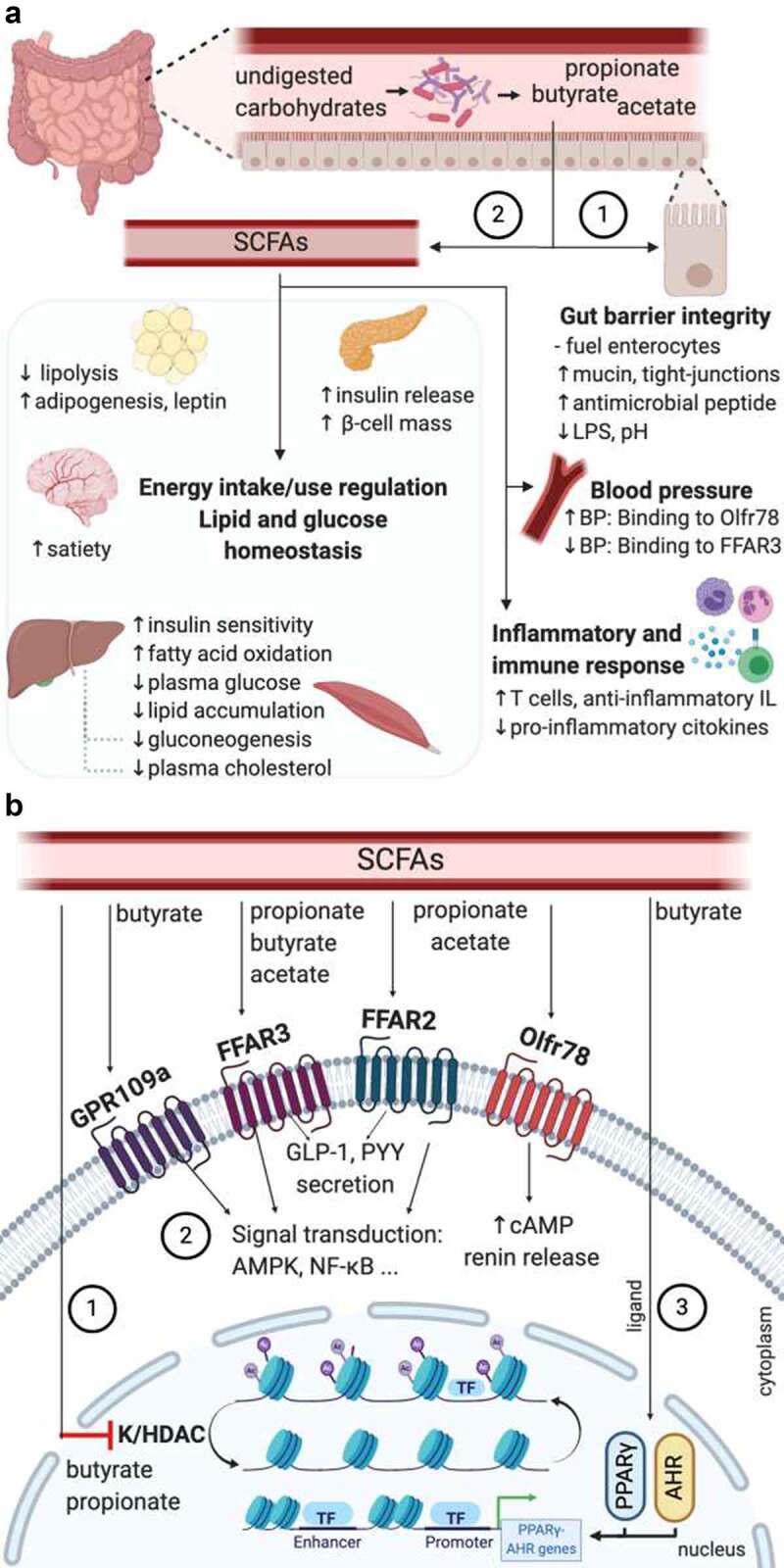
The gut microbiota plays an important role in cardio-metabolic diseases with diet being among the strongest modulators of gut microbiota composition and function. Resistant dietary carbohydrates are fermented to short-chain fatty acids (SCFAs) by the gut bacteria. Fiber and omega-3 rich diets increase SCFAs production and abundance of SCFA-producing bacteria. Likewise, SCFAs can improve gut barrier integrity, glucose, and lipid metabolism, regulate the immune system, the inflammatory response, and blood pressure. Therefore, targeting the gut microbiota with dietary strategies leading to increased SCFA production may benefit cardio-metabolic health. In this review, we provide an overview of the association between diet, SCFAs produced by the gut microbiota and cardio-metabolic diseases. We first discuss the association between the human gut microbiota and cardio-metabolic diseases, then investigate the role of SCFAs and finally explore the beneficial effects of specific dietary interventions that can improve cardio-metabolic outcomes through boosting the SCFA production.
Overview
The claims and statistics of this paper haven’t been checked yet.
Free: it reads the open-access text and checks the first 5 claims that cite a source we can check. Create a free account to check every claim.
Integrity signals
Registry
Cites
Statistics
Figures
Verification
Claims the paper makes
The claims and statistics of this paper haven’t been checked yet.
Free: it reads the open-access text and checks the first 5 claims that cite a source we can check. Create a free account to check every claim.
Self-check
Percentages, sums and reported differences re-computed from the paper’s own numbers.
The self-check needs the paper’s full text.
Citations
Cites
1 retracted
RETRACTED: Primary Prevention of Cardiovascular Disease with a Mediterranean Diet
Estruch, R., Ros, E., Salas-Salvadó, J., Covas, M.-I., Corella, D., Arós, F., Gómez-Gracia, E., Ruiz-Gutiérrez, V., Fiol, M., Lapetra, J., et al. (2013) · New England Journal of Medicine · doi:10.1056/nejmoa1200303 · Cited by 4,257 · cited 1×
“Diets rich in fiber and omega-3 exert beneficial effects in CMD(167,168) lowering the risk of CVD by about 30%, for example, in the Mediterranean diet.(168) The risk decrease is due to the capability of these diets to reduce risk factors associated with CMH, such as blood pressure, cholesterol, body weight, and system…”
BackgroundRetractedZhang, Q., Wang, C., Zheng, M., Li, Y., Li, J., Zhang, L., Shang, X., & Yan, C. (2015) · Cerebrovascular Diseases · doi:10.1159/000369778 · Cited by 11,533
Projections of Global Mortality and Burden of Disease from 2002 to 2030
Mathers, C. D., & Loncar, D. (2006) · PLoS Medicine · doi:10.1371/journal.pmed.0030442 · Cited by 11,386
Diet rapidly and reproducibly alters the human gut microbiome
David, L. A., Maurice, C. F., Carmody, R. N., Gootenberg, D. B., Button, J. E., Wolfe, B. E., Ling, A. V., Devlin, A. S., Varma, Y., Fischbach, M. A., et al. (2014) · Nature · doi:10.1038/nature12820 · Cited by 10,100
Human gut microbes associated with obesity
Ley, R. E., Turnbaugh, P. J., Klein, S., & Gordon, J. I. (2006) · Nature · doi:10.1038/4441022a · Cited by 8,785
Rudd, K. E., Johnson, S. C., Agesa, K. M., Shackelford, K. A., Tsoi, D., Kievlan, D. R., Colombara, D. V., Ikuta, K. S., Kissoon, N., Finfer, S., et al. (2020) · The Lancet · doi:10.1016/s0140-6736(19)32989-7 · Cited by 7,971
Diversity of the Human Intestinal Microbial Flora
Eckburg, P. B., Bik, E. M., Bernstein, C. N., Purdom, E., Dethlefsen, L., Sargent, M., Gill, S. R., Nelson, K. E., & Relman, D. A. (2005) · Science · doi:10.1126/science.1110591 · Cited by 7,913
Changes of Intestinal Functions in Liver Cirrhosis
Fukui, H., & Wiest, R. (2016) · Inflammatory Intestinal Diseases · doi:10.1159/000444436 · Cited by 6,808
Linking long-term dietary patterns with gut microbial enterotypes
Wu, G. D., Chen, J., Hoffmann, C., Bittinger, K., Chen, Y.-Y., Keilbaugh, S. A., Bewtra, M., Knights, D., Walters, W. A., Knight, R., et al. (2011) · Science · doi:10.1126/science.1208344 · Cited by 6,513
De Filippo, C., Cavalieri, D., Di Paola, M., Ramazzotti, M., Poullet, J. B., Massart, S., Collini, S., Pieraccini, G., & Lionetti, P. (2010) · Proceedings of the National Academy of Sciences · doi:10.1073/pnas.1005963107 · Cited by 5,579 · cited 1×
“Another study comparing the fecal microbiota between children from a rural African village with European children observed that African children, who have fiber-rich diets, presented significantly more SCFAs and bacteria belonging to the Bacteroidetes phylum.(178) More studies in which fiber-rich diets positively infl…”
Background
Research works printed but not linked: 1
- Macfarlane J. 1995. Proteolysis and amino acid fermentation. Human colonic bacteria. 75– 100.
Cited by
Items 401–500 of 1,000
Probiotics and functional foods in metabolic disease: emerging solutions for obesity and diabetes
Maqsood, S., Asif, M., Alvi, T., Shakoor, S., & Zahir, A. (2025) · Journal of Diabetes & Metabolic Disorders · doi:10.1007/s40200-025-01694-6 · Cited by 11
“Glucose homeostasis and energy balance [88] are meaningfully regulated by these SCFAs.”
Long, Y., Yu, W., Yang, P., Xu, M., Ling, J., Wu, Y., Liu, X., Ouyang, L., Xiong, Y., Liu, J., et al. (2025) · Food Frontiers · doi:10.1002/fft2.70122 · Cited by 11
Gut Microbiome in Obesity: A Narrative Review of Mechanisms, Interventions, and Future Directions
Vishwakarma, R. K., Gautam, P., Sahu, M., Nath, G., & Yadav, B. S. (2025) · Probiotics and Antimicrobial Proteins · doi:10.1007/s12602-025-10855-1 · Cited by 11
Ni, W., Sun, Y., Qiu, T., Liu, J., Cao, Y., Zang, T., Fan, X., Bai, J., Huang, J. Z., & Liu, Y. (2023) · The Science of The Total Environment · doi:10.1016/j.scitotenv.2023.168292 · Cited by 11
Siddiqui, S. H., & Rossi, N. F. (2024) · Nutrients · doi:10.3390/nu16020219 · Cited by 11
Metagenomics analysis of mice gut microbiome to unravel the role of metal exposure and piperine
Kaur, R., Singh, D. P., & Rawal, R. (2024) · Access Microbiology · doi:10.1099/acmi.0.000653.v3 · Cited by 11
“Clostridia as a group have been demonstrated to induce beneficial immune responses, in part via their ability to produce short-chain fatty acids that can attenuate gut inflammation [24].”
BackgroundMachine Learning Metabolomics Profiling of Dietary Interventions from a Six-Week Randomised Trial
Kouraki, A., Nogal, A., Nocun, W., Louca, P., Vijay, A., Wong, K. E., Michelotti, G. A., Menni, C., & Valdes, A. M. (2024) · Metabolites · doi:10.3390/metabo14060311 · Cited by 11
“Any additional information required to reanalyze the data reported in this paper is available from the corresponding author upon request.”
MethodSelf-citationCurrent understanding of free fatty acids and their receptors in colorectal cancer treatment
Binienda, A., & Fichna, J. (2024) · Nutrition Research · doi:10.1016/j.nutres.2024.05.007 · Cited by 11
Faubel, N., Blanco-Morales, V., Sentandreu, V., Barberá, R., & García‐Llatas, G. (2024) · Food Research International · doi:10.1016/j.foodres.2024.115570 · Cited by 11
The promise of the gut metabolite propionate for a novel and personalized lipid-lowering treatment
Osto, E. (2021) · European Heart Journal · doi:10.1093/eurheartj/ehab723 · Cited by 11
“Under physiological conditions, SCFA levels in the peripheral blood are in the micromolar range, with acetate being the most abundant.(4) Consumption of a high-fibre diet raises total SCFA concentrations in the blood, and the CV beneficial effects of”
BackgroundMagnesium and LongevityPreprint
Chambers, P. W. (2024) · Qeios · doi:10.32388/n1scbr.3 · Cited by 11
Vandecruys, M., Smet, S. D., Beir, J. D., Renier, M., Leunis, S., Criekinge, H. V., Glorieux, G., Raes, J., Wyngaert, K. V., Nagler, E., et al. (2024) · Toxins · doi:10.3390/toxins16060242 · Cited by 10
“Through preserving intestinal barrier cohesion, SCFAs contribute to the inhibition of an inflammatory response caused by the release of endotoxins such as lipopolysaccharide (LPS) in the circulation [12].”
BackgroundReddy, N., Chiwhane, A. A., Acharya, S., Kumar, S., Parepalli, A., & Nelakuditi, M. (2024) · Cureus · doi:10.7759/cureus.69682 · Cited by 10
“Dietary fibers [25] Increase SCFA production, improve gut barrier function, and regulate blood glucose and lipid metabolism.”
BackgroundWang, J., Yun, Y., Dong, X., Wang, X., Ma, H., Fang, Q., Xia, J., Tao, P., & Zhang, D. (2024) · Discovery Medicine · doi:10.24976/discov.med.202436189.181 · Cited by 10
Meng, D., Kong, W., Cheng, S., Liu, H., & Huang, C. (2025) · Frontiers in Public Health · doi:10.3389/fpubh.2025.1541654 · Cited by 10
Jia, X., Yang, Z., Lu, J., Yang, Y., Li, L., Hu, D., Li, Y. Y., Man, T., Zhang, X., Li, S., et al. (2025) · Advanced Functional Materials · doi:10.1002/adfm.202524160 · Cited by 10
“…produced by commensal bacteria like Bifidobacterium and Bacteroides through dietary fiber fermentation, demonstrate potent anti-inflammatory effects in DSS-induced colitis—significantly suppressing pro-inflammatory cytokines (IL-6, TNF-α ) while enhancing anti-inflammatory IL-10 production [41–43].”
The Impact of Microbiome on Breast Cancer and Regulatory Strategies
Wang, J., Xu, D., Hu, S., Zheng, B., Chen, Y., & Pan, T. (2025) · Microorganisms · doi:10.3390/microorganisms14010075 · Cited by 10
“Studies have found a significant increase in the abundance of Lactobacilli and Bifidobacterium content in the breast among populations following the Mediterranean diet [172], demonstrating the diet’s ability to modulate the breast microbiota community.”
The complex immunological role of Helicobacter in modulating cancer
Hand, T. W., & Overacre-Delgoffe, A. E. (2022) · Trends in Immunology · doi:10.1016/j.it.2022.08.002 · Cited by 10
Łoniewski, I., Szulińska, M., Kaczmarczyk, M., Podsiadło, K., Styburski, D., Skonieczna‐Żydecka, K., & Bogdański, P. (2023) · Nutrition · doi:10.1016/j.nut.2023.112109 · Cited by 10
Differential Gut Microbiota, Dietary Intakes in Constipation Patients with or without Hypertension
Li, J., Ma, G., Xie, J., Xu, K., Lai, H., Li, Y., He, Y., Yu, H., Liao, X., Wang, X., et al. (2023) · Molecular Nutrition & Food Research · doi:10.1002/mnfr.202300208 · Cited by 10
Gallardo, P., Izquierdo, M., Viver, T., Bustos-Caparros, E., Piras, D., Vidal, R. M., HARMSEN, H., & Farfán, M. J. (2024) · Microbial Cell · doi:10.15698/mic2024.04.820 · Cited by 10
“The dry weight of the pellets was used to normalize the levels of SCFAs, as reported [24], and results were expressed as μmol of SCFAs per gram of stool.”
Salsinha, A. S., Cima, A., Araújo-Rodrigues, H., Viana, S., Reis, F., Coscueta, E. R., Rodríguez-Alcalá, L. M., Relvas, J. B., & Pintado, M. (2024) · Food & Function · doi:10.1039/d4fo00727a · Cited by 10
Chaudhary, A., Prajapati, N., Prajapati, A., Singh, S., Joshi, M. N., Prajapati, D., Patani, A., Sahoo, D. K., & Patel, A. (2024) · International Journal of Food Science & Technology · doi:10.1111/ijfs.17431 · Cited by 10
Jin, Y., Li, W., Rasool, H. M. H., Ning, X., Ba, X., Gao, Y., Guo, X., Ran, T., & Zhou, J. (2025) · Food Chemistry · doi:10.1016/j.foodchem.2025.142833 · Cited by 10
Herzog, M. K.-M., Peters, A., Shayya, N. W., Cazzaniga, M., Kakabra, K., Arora, T., Barthel, M., Gül, E., Maurer, L., Kiefer, P., et al. (2025) · Gut Microbes · doi:10.1080/19490976.2024.2447832 · Cited by 10
“76 In OligoMM 12 mice infected with either of the four pathogens we observed an overall increase in most of the metabolites in the feces and cecum content compared to mock (PBS) infected OligoMM 12 mice (Figure 5, S22).”
Gurung, B., Courreges, M. C., Pollak, J., Malgor, R., Jiang, L., Wang, B., & Wang, S. (2025) · Frontiers in Microbiology · doi:10.3389/fmicb.2025.1555220 · Cited by 10
Liu, A.-X., Wang, B., Wang, M., Tang, R., Xu, W., & Xiao, W. (2025) · Food and Chemical Toxicology · doi:10.1016/j.fct.2025.115497 · Cited by 10
Yoshikawa, S., Taniguchi, K., Sawamura, H., Ikeda, Y., Tsuji, A., & Matsuda, S. (2022) · Oxygen · doi:10.3390/oxygen2030022 · Cited by 10
Föh, B., Buhre, J. S., Sina, C., & Ehlers, M. (2022) · Frontiers in Immunology · doi:10.3389/fimmu.2022.1004644 · Cited by 10
“Since the levels of different SCFAs depend on the gut bacterial composition (107), these results suggest that the microbiota composition might affect PC differentiation and IL-10 induction via the production of different SCFAs making the gut bacterial compos i t ion an in te r e s t ing targe t to man ipu la te inflam…”
BackgroundDiet, inflammation, and cardiovascular disease
Vahid, F., Chiriboga, D. E., Bohn, T., & Hébert, J. R. (2022) · Elsevier eBooks · doi:10.1016/b978-0-12-822130-3.00015-6 · Cited by 10
Ericson, U., Hellstrand, S., Larsson, A. H., Miari, M., Sayols-Baixeras, S., Dekkers, K. F., Bergström, G. M. L., Malinovschi, A., Engström, G., Ärnlöv, J., et al. (2024) · Food & Nutrition Research · doi:10.29219/fnr.v68.10547 · Cited by 9
Huang, S., He, W., Yang, H., Yan, C., Ding, H., Chen, Z., Zhu, H., Hu, K., & Chen, Z. (2025) · Chemical Engineering Journal · doi:10.1016/j.cej.2025.164178 · Cited by 9
Propionate suppresses colitis-associated colorectal cancer in mice by Or51e2
Kim, J. S., Jeong, M.-Y., Yoon, Y. E., Kim, Y., Lee, I., Choi, J., Lee, H. L., Shin, M., Hong, S., Chi, S., et al. (2025) · Biomedicine & Pharmacotherapy · doi:10.1016/j.biopha.2025.118268 · Cited by 9
Zhang, Z., Zhang, Y., Wu, A., Xu, C., & Li, Z. (2025) · mBio · doi:10.1128/mbio.00509-25 · Cited by 9
“…the abundance of Anaerococcus (involved in short-chain fatty acid production [53]), Negativicoccus (linked to short-chain fatty acid metabolic processes [54, 55]), and Megasphaera micronuciformis was higher, whereas the abundance of Massiliprevotella massiliensis was higher in the failure group.”
Han, D., Zhang, Y., Liu, W., Wan, R., Hu, J., Pan, F., Pan, X., Weng, W., Wang, Y., Ma, Z., et al. (2025) · BMC Microbiology · doi:10.1186/s12866-025-04048-7 · Cited by 9
“The regulation of neural function by gut microbes primarily occurs through their products, with SCFAs playing a crucial role in mediating the microbiota-gut-brain axis (mGBA) [36].”
Food as Medicine for Hypertension: Microbiota as Mediators
Kret, Z. S., Akinola, O. M., Ahlidja, W., & Joe, B. (2025) · Hypertension · doi:10.1161/hypertensionaha.125.17950 · Cited by 9
“118 Dietary fats and oils directly shape gut microbiota composition, influencing hypertension through metabolites such as SCFAs.”
InfluentialFakhriRavari, A., & Nguyen, M. H. (2025) · Gastrointestinal Disorders · doi:10.3390/gidisord7040072 · Cited by 9
Shanmukha, K. D., Pasupuleti, V., Yadav, K., Baviskar, S. M., Pradhan, M., Vora, L. K., & Khatri, D. K. (2025) · Probiotics and Antimicrobial Proteins · doi:10.1007/s12602-025-10796-9 · Cited by 9
“Moreover, SCFA also impacts energy balance, lipid metabolism, and immune function [173, 188].”
Pharmacology and therapeutics of bile acid synthesis and modification enzymes in metabolic diseases
Ding, L., Jin, L., & Huang, W. (2026) · Pharmacological Reviews · doi:10.1016/j.pharmr.2026.100115 · Cited by 9
Liao, J., Zhou, Z., Lv, Y., Zhang, Y., Liu, S., Tang, H., Qv, F., Wang, S., Yang, L., Lu, Y., et al. (2026) · Frontiers in Immunology · doi:10.3389/fimmu.2026.1667180 · Cited by 9
“A reduced ability of hepatocyte CDCA to activate FXR leads to a failure of CYP7A1 negative feedback inhibition, triggering abnormal CA accumulation and inducing apoptosis through a mitochondrial cytochrome P450 family 2 subfamily E member 1 (CYP2E1)-dependent ROS burst (172).”
From nutrients to health outcomes: integrating diet, disease risk, and lifelong wellness
Kaushik, M., Vanangamudi, M., Sharma, S., Guptha, P. M., Surendran, V., Abubakar, M., & Nand, S. (2026) · 3 Biotech · doi:10.1007/s13205-026-04837-5 · Cited by 10
“Pollutants, medicines, and agricultural chemicals in the food supply can disrupt metabolic processes or affect the gut flora (Chen et al. 2018, Zwicker and Agellon 2013, Nogal et al. 2021, Shay et al. 2015, Taguer and Mau-rice 2016).”
Yu, J., Li, W., Xu, Y. M., & Tang, J. (2026) · Clinical Microbiology Reviews · doi:10.1128/cmr.00368-25 · Cited by 10
“In a randomized trial, sup plementing omega-3 polyunsaturated fatty acids (PUFA) for 2 months increased the abundance of Roseburia and Lactobacillus in the gut of healthy people (39).”
InfluentialBäcklund, R. T., Drake, I., Bergström, U., Compagno, M., Sonestedt, E., & Turesson, C. (2023) · Rheumatology · doi:10.1093/rheumatology/kead216 · Cited by 9
“SCFAs improve gut health through a number of local effects on the intestinal barrier [45].”
BackgroundKirby, T. O., Townsend, J. R., Sapp, P. A., Govaert, M., Duysburgh, C., Marshall, T. M., Marzorati, M., & Esposito, R. (2023) · Nutraceuticals · doi:10.3390/nutraceuticals3040035 · Cited by 9
Monticelli, G., Bisesi, J. H., Magnuson, J. T., Schlenk, D., Zarza, C., Peggs, D., & Pampanin, D. M. (2023) · Aquaculture · doi:10.1016/j.aquaculture.2023.740310 · Cited by 9
Salmonella manipulates the host to drive pathogenicity via induction of interleukin 1β
Zigdon, M., Sawaed, J., Zelik, L., Binyamin, D., Ben-Simon, S., Asulin, N., Levin, R., Modilevsky, S., Naama, M., Telpaz, S., et al. (2024) · PLoS Biology · doi:10.1371/journal.pbio.3002486 · Cited by 9
Genotype and ripening method affect carotenoid content and bio-accessibility in banana
Munoz, B., Hayes, M., Perkins-Veazie, P. M., Gillitt, N. D., Muñoz, M., Kay, C. D., Lila, M. A., Ferruzzi, M. G., & Iorizzo, M. (2024) · Food & Function · doi:10.1039/d3fo04632j · Cited by 9
Peng, M., Wang, C., Gao, Z., Fu, F., Li, G., Su, D., Huang, L., Guo, J., & Shan, Y. (2024) · Food Bioscience · doi:10.1016/j.fbio.2024.104713 · Cited by 9
The right educational environment: Oral tolerance in early life
Cheifetz, T. R., & Knoop, K. A. (2024) · Immunological Reviews · doi:10.1111/imr.13366 · Cited by 9
Fan, S., Xue, B., & Ma, J. (2024) · Medicine · doi:10.1097/md.0000000000039013 · Cited by 9
“[33] However, Gastranaerophilales can lead to a decrease on SCFAs in the feces, [31] which are associated with the physiological function of the lungs.”
BackgroundKanika, N. H., Hou, X., Liu, H., Dong, Y., Wang, J., & Wang, C. (2024) · Journal of Applied Microbiology · doi:10.1093/jambio/lxae226 · Cited by 9
Wang, Z., Zhang, H., & Shao, Z. (2024) · Scientific Reports · doi:10.1038/s41598-024-83971-7 · Cited by 9
Zhang, D., He, X., Wang, Y., Wang, X., Han, X., Liu, H., Xing, Y., Jiang, B., Xiu, Z., Bao, Y., et al. (2025) · International Journal of Molecular Sciences · doi:10.3390/ijms26051923 · Cited by 9
“Recently, SCFAs have been identified as pivotal components mediating the microbiota–gut–brain axis [50].”
Kovynev, A., Charchuta, M. M., Begtašević, A., Ducarmon, Q. R., Rensen, P. C. N., & Schönke, M. (2025) · American Journal of Physiology-Gastrointestinal and Liver Physiology · doi:10.1152/ajpgi.00317.2024 · Cited by 9
Mo, X., Shen, L., Wang, X., Ni, W., Li, L., Xia, L., Liu, H., Cheng, R., Lin, W. Y., Xu, J., et al. (2025) · Journal of Cachexia Sarcopenia and Muscle · doi:10.1002/jcsm.13869 · Cited by 9
Lima, T., Costa, V., Nunes, C., Silva, G., & Domingues, S. (2025) · Applied Sciences · doi:10.3390/app15137084 · Cited by 9
Gut microbiome signatures during acute infection are associated with long COVID
Comba, I. Y., Mars, R. A. T., Yang, L., Dumais, M. G., Chen, J., Gorp, T. M. V., Harrington, J. J., Sinnwell, J. P., Johnson, S., Holland, L. A., et al. (2026) · Gut Microbes · doi:10.1080/19490976.2026.2718581 · Cited by 9
“47,48 Long COVID may be conceptually viewed as part of a broader spectrum of chronic post-infectious sequelae, similar to post-infectious functional bowel disorders such as post-infectious irritable bowel syndrome.”
Development of a New Biomarker Model for Predicting Preterm Birth in Cervicovaginal Fluid
Lee, J.-Y., Seo, S., Shin, B., Hong, S. H., Kwon, E., Park, S., Hur, Y. M., Lee, D., Kim, Y. J., & Han, S. B. (2022) · Metabolites · doi:10.3390/metabo12080734 · Cited by 9
Ang, M. E., Cowley, J. M., Yap, K., Hahn, M. G., Mikkelsen, D., Tucker, M. R., Williams, B. A., & Burton, R. A. (2023) · Food & Function · doi:10.1039/d2fo03002k · Cited by 8
Flegiel, E., Piotrowska, M., Ptasznik, M., Baran, A., Lenart, J., Podrażka, M., Mazurek, J., Stachowicz, H., Bartos, W., & Adamczyk, M. (2024) · Prospects in Pharmaceutical Sciences · doi:10.56782/pps.229 · Cited by 8
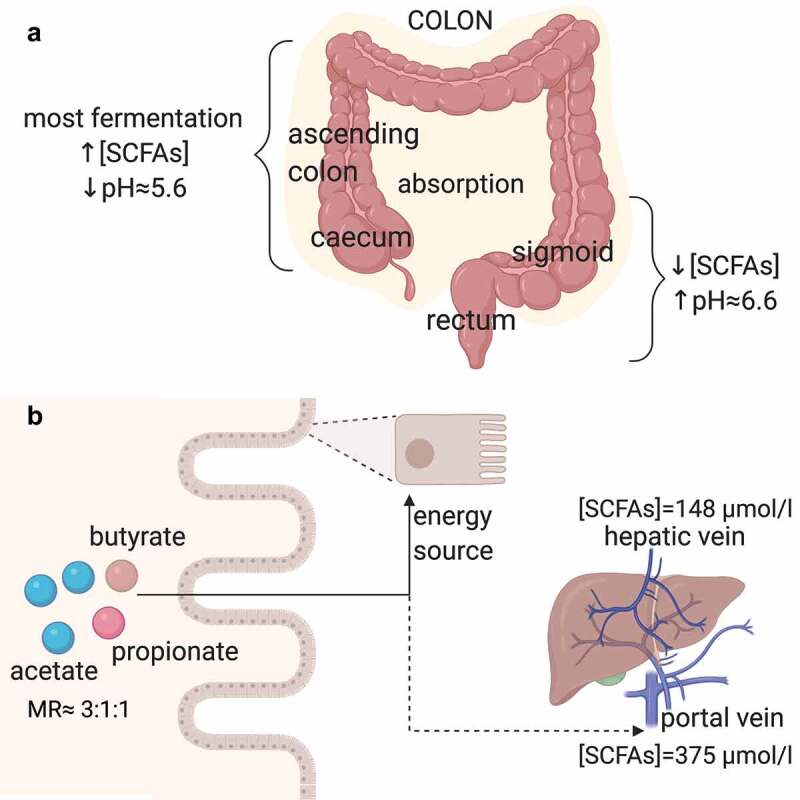
“The ratio of acetate to propionate and butyrate is 3:1:1 [4].”
BackgroundMetabolic control of epigenetic rearrangements in B cell pathophysiology
Calciolari, B., Scarpinello, G., Tubi, L. Q., Piazza, F., & Carrer, A. (2022) · Open Biology · doi:10.1098/rsob.220038 · Cited by 8
Bifidobacterium’s Influential Role in the Battle Against Obesity: Going Beyond Probiotics
Daneshpour, N., Rajabi, M., & Zafari, N. (2025) · Probiotics and Antimicrobial Proteins · doi:10.1007/s12602-025-10645-9 · Cited by 8
Shukla, A. K., Jha, R. K., Choudhary, P., Panwar, S., Maithani, D., & Kumar, A. (2025) · In Silico Research in Biomedicine · doi:10.1016/j.insi.2025.100055 · Cited by 8
Liu, M., Pang, Y., Xu, L., Ji, T., Yang, J., Huang, D., Cheng, M., Chen, M. H., Huang, B., Xu, S., et al. (2025) · Journal of Neurotrauma · doi:10.1177/08977151251367404 · Cited by 8
New insights into anti-thrombotic effects of dietary bioactive components
Randeni, N., Luo, J., & Xu, B. (2025) · Food & Function · doi:10.1039/d5fo01827g · Cited by 8
Liu, L., Liu, X., Feng, J., Sun, H., Yang, L., Lu, Q., Li, R., Liu, Y., & Jingsong, Z. (2026) · Food Hydrocolloids · doi:10.1016/j.foodhyd.2026.112542 · Cited by 8
Wu, M., Liao, Z., Zeng, K., & Jiang, Q. (2024) · Frontiers in Immunology · doi:10.3389/fimmu.2023.1280249 · Cited by 8
“SCFAs, especially butyrate, have anti-in fl ammatory properties and play a role in maintaining gut barrier integrity (56).”
BackgroundWang, L., Zhang, G., Li, Q., Lu, F., Yang, K., & Dai, X. (2024) · The FASEB Journal · doi:10.1096/fj.202301218r · Cited by 8
“13 Subtly, intestinal immune system can neither make excessive contact with the antigens to trigger an uncontrolled immune response nor completely isolate the intestinal mucosal immune system from the intestinal microbes, otherwise it will lead to the overgrowth of microorganisms.”
BackgroundPhimister, F. D., Anderson, R. C., Thomas, D. G., Farquhar, M. J., Maclean, P. H., Jáuregui, R., Young, W., Butowski, C. F., & Bermingham, E. N. (2024) · MicrobiologyOpen · doi:10.1002/mbo3.1404 · Cited by 8
“Bacteroides are saccharolytic bacteria that are also producers of acetate and propionate (Nogal et al., 2021; Rios ‐ Covian et al., 2015).”
BackgroundKleijn, A. F., Mutter, M., Akingbasote, J. A., Meetro, J., Simon, R. R., Muntendam, P., Frommhagen, M., & Schols, H. A. (2024) · Toxicology Research · doi:10.1093/toxres/tfae004 · Cited by 8
“65 This and other possible mechanism by which SCFAs can reduce total cholesterol have been reviewed by Nogal et al. 66 Consequently,human clinical trials, such as those reported by Haghikia et al., 67 indicate a reduction of LDL and non-HDL.”
BackgroundSalvador, P. B. U., Altavas, P. J. D. R., del Rosario, M. A. S., Ornos, E. D. B., & Dalmacio, L. M. M. (2024) · Clinics and Practice · doi:10.3390/clinpract14030066 · Cited by 8
Lykkebo, C. A., Mortensen, M. S., Davidsen, N., Bahl, M. I., Ramhøj, L., Granby, K., Svingen, T., & Licht, T. R. (2023) · Environmental Pollution · doi:10.1016/j.envpol.2023.122179 · Cited by 8
Zhang, Y., Bai, B., Huang, K., Li, S., Cao, H., & Guan, X. (2024) · Food Science and Human Wellness · doi:10.26599/fshw.2024.9250239 · Cited by 7
Incorporating Postbiotics into Intervention for Managing Obesity
Hijová, E., Bertková, I., & Štofilová, J. (2025) · International Journal of Molecular Sciences · doi:10.3390/ijms26115362 · Cited by 7
“Furthermore, propionate itself is a potent inhibitor of cholesterol synthesis [33,69].”
InfluentialIslam, K., Kongsomboonchoke, P., Chayanupatkul, M., Tumkosit, M., Chattranukulchai, P., Prombutara, P., & Tangkijvanich, P. (2025) · Nutrients · doi:10.3390/nu17172759 · Cited by 7
“SCFAs are implicated in mediating various physiological functions, including intestinal epithelial proliferation, gut barrier permeability, energy modulation, and immune response [45].”
Interplay between gut microbiota and intestinal lipid metabolism: mechanisms and implications
Hang, B., & Wang, Y. (2025) · Journal of Zhejiang University SCIENCE B · doi:10.1631/jzus.b2500102 · Cited by 7
Chiou, Y., Chiu, T.-Y., & Chen, M.-J. (2025) · Microorganisms · doi:10.3390/microorganisms13102303 · Cited by 7
“Furthermore, probiotics produce short-chain fatty acids (SCFAs) like acetate, propionate, and butyrate, which play a crucial role in mitigating cardiometabolic risk and strengthening intestinal barriers [3,7].”
The Role of the Gut Microbiome Dysbiosis in Metabolic Dysfunction: A Mini Review
Shafik, A. N., Fahim, V. F., Iskander, F. A., Elsayegh, H. A., Serag, H., & Sallam, H. S. (2025) · Healthcare · doi:10.3390/healthcare13233029 · Cited by 7
“SCFAs have been linked to various physiological processes, including neuroplasticity, gene expression, dietary intake, and immune system modulation [24,70].”
Age-driven dysbiosis: gut microbiota in the pathogenesis and treatment of aging disorders
Kopalli, S. R., Wankhede, N. L., Rahangdale, S. R., Sammeta, S. S., Aglawe, M. M., Koppula, S., Taksande, B. G., Upaganlawar, A., Umekar, M. J., & Kale, M. B. (2026) · Biogerontology · doi:10.1007/s10522-026-10389-1 · Cited by 7
“These age-related alterations in gut microbiota composition can exacerbate inflammatory responses, disrupt metabolic homeostasis, and impair gut barrier integrity, all of which contribute to the pathophysiology of age-related neurological disorders (Boehme et al. 2023; Ghosh et al. 2022; Hou et al.…”
Immunonutrients and intestinal microbiota: a gap in the literature
Nascimento, M. D. A., Pimenta, N. D. M. A., Polastri, V. A. D. M. P., Chamon, R. C., & Figueiredo, M. S. (2023) · Critical Reviews in Food Science and Nutrition · doi:10.1080/10408398.2023.2260468 · Cited by 7
“According to Nogal, Valdes, and Menni (2021), resistant carbohydrate presented in daily diet are fermented to short-chain fatty acids (SCFA) by gut microbiota.”
Water thermodynamics and lipid oxidation in stored whey butter
Cais‐Sokolińska, D., Bielska, P., Rudzińska, M., & Grygier, A. (2023) · Journal of Dairy Science · doi:10.3168/jds.2023-24032 · Cited by 7
“Short-chain fatty acids have been reported to exert anticancer (Balkwill and Mantovani, 2012) and anti-inflammatory effects (Nogal et al., 2021).”
BackgroundMorin-Bernier, J., de Toro‐Martín, J., Barbe, V., San-Cristóbal, R., Lemieux, S., Rudkowska, I., Couture, P., Barbier, O., & Vohl, M. (2024) · Frontiers in Nutrition · doi:10.3389/fnut.2024.1327863 · Cited by 7
“SCFAs appear to be promising metabolites in the modulation of cardiometabolic diseases, as they can improve different risk factors associated to plasma lipids, insulin resistance, hyperglycemia and inflammation (15).”
BackgroundSáez‐Fuertes, L., Kapravelou, G., Grases-Pintó, B., Bernabeu, M., Knipping, K., Garssen, J., Bourdet‐Sicard, R., Castell, M., Collado, M. C., Pérez-Cano, F. J., et al. (2024) · Nutrients · doi:10.3390/nu16121890 · Cited by 7
“Nevertheless, further research is necessary to assess the long-term implications of maternal synbiotic supplementation during pregnancy and lactation on both mothers and offspring.”
BackgroundMicrobiome interactions: Acinetobacter baumannii biofilms as a co-factor in oral cancer progression
Pathoor, N. N., Ganesh, P. S., & Gopal, R. K. (2024) · World Journal of Microbiology and Biotechnology · doi:10.1007/s11274-024-04208-3 · Cited by 7
“For example, the synthesis of trimethylamine N-oxide (TMAO) by gut bacteria has been connected to a higher risk of heart disease (Nogal et al. 2021).”
Tian, C., Yang, Q., Lv, H., & Yue, F. (2024) · Microbial Pathogenesis · doi:10.1016/j.micpath.2024.107228 · Cited by 7
A Plant-Based Food Guide Adapted for Low-Fat Diets: The VegPlate Low-Fat (VP_LF)
Baroni, L., Rizzo, G., Zavoli, M., & Battino, M. A. (2024) · Foods · doi:10.3390/foods13244050 · Cited by 7
Gül, E. T., Adabi, S. G., Çufadar, Y., & Mızrak, C. (2025) · Italian Journal of Animal Science · doi:10.1080/1828051x.2024.2449459 · Cited by 7
“Consequently, the incorporation of dietary SFM as a source of dietary crude fibre has been evidenced to optimise the GIT environment and promote villus formation (Jiang et al. 2017; Nogal et al. 2021).”
Yang, J., Wu, Y. Z., Jiang, Z., Jiao, L., & Wang, Y. (2025) · Journal of Food Science · doi:10.1111/1750-3841.70015 · Cited by 7
Zali, F., Absalan, A., Bahramali, G., Nasab, S. D. M., Esmaeili, F., Ejtahed, H., Nasli‐Esfahani, E., Siadat, S. D., Pasalar, P., Emamgholipour, S., et al. (2025) · Journal of Diabetes & Metabolic Disorders · doi:10.1007/s40200-025-01579-8 · Cited by 7
“Therefore, the depletion of the above-mentioned butyrate-producing bacteria and the subsequent reduction in butyrate levels may contribute to the pathogenesis of DN [27, 28].”
Beyond the gut: Unraveling the multifaceted influence of microbiome on cardiovascular health
Okunlola, F. O., Okunlola, A. R., Adetuyi, B. O., Soliman, M. E. S., Alexiou, A. T., Papadakis, M., Fawzy, M. N., & Batiha, G. E. (2025) · Clinical Nutrition ESPEN · doi:10.1016/j.clnesp.2025.03.002 · Cited by 7
Gianotti, A., Marin, V., Cardone, G., Bordoni, A., Mancini, E., Magni, M., Pichler, A., Ciani, S., Polenghi, O., Cerne, V. L., et al. (2025) · Food Research International · doi:10.1016/j.foodres.2025.116197 · Cited by 7
Zong, J., Wu, X., Huang, X., Yuan, L., Yuan, K., Zhang, Z., Jiang, M., Ping, Z., Cheong, L. Y., Xu, A., et al. (2025) · Molecular Metabolism · doi:10.1016/j.molmet.2025.102133 · Cited by 7
“Short-chain fatty acids (SCFAs) have been associated with improved glucose homeostasis, blood lipid pro fi les, and enhanced energy expenditure [37 e 39].”
Barkhidarian, B., Soveid, N., Samadi, M., Lesani, A., Aghakhani, A., Yekaninejad, M. S., Saedisomeolia, A., Karbasian, M., Siadat, S. D., & Mirzaei, K. (2025) · European Journal of Nutrition · doi:10.1007/s00394-025-03671-4 · Cited by 7
“Prevotella , contributes to SCFAs production, which plays a key role in metabolic health and appetite regulation [34, 60].”
Xiao, P., Li, Q., Wang, L., Sun, G., Hou, H., Han, X., Feng, J. C., & Min, Y. (2025) · Poultry Science · doi:10.1016/j.psj.2025.105286 · Cited by 8
“…action may include the secretion of effector molecules, such as bile salt hydrolases, extracellular polysaccharides, and Short-chain fatty acids ( SCFA ), which regulate bile acid metabolism, lipid synthesis, and lipolysis (Hor ´ a ˇ ckov ´ a et al., 2018; Nogal et al., 2021; Yilmaz et al., 2024).”
Gillespie, K. M., Kemps, E., White, M. J., & Bartlett, S. E. (2025) · Frontiers in Nutrition · doi:10.3389/fnut.2025.1546564 · Cited by 7
Nasal-gut microbiome axis in health and disease
Alao, J. O., & Bamigboye, F. O. (2025) · Medicine in Microecology · doi:10.1016/j.medmic.2025.100153 · Cited by 7
Rizzello, F., Viciani, E., Gionchetti, P., Filippone, E., Imbesi, V., Melotti, L., Dussias, N. K., Salice, M., Santacroce, B., Padella, A., et al. (2024) · Frontiers in Cellular and Infection Microbiology · doi:10.3389/fcimb.2024.1352202 · Cited by 7
Elshafy, M. B. A., Elmonem, A. I. A., Khattab, I. M., Abdo, S. E., Fadl, S. E., & Khadiga, G. A. (2024) · Aquaculture International · doi:10.1007/s10499-024-01448-w · Cited by 7
“The gut hormones (GLP-1) led to decrease oxidative stress and aggregation of platelet (Nogal et al. 2021).”
Utilizing Fermented Foods in Traditional Therapies for Addressing Metabolic Disorders
Gaur, S. S. (2024) · Springer eBooks · doi:10.1007/978-3-031-72757-3_19 · Cited by 7
Discovering a new paradigm: Gut microbiota as a central modulator of sexual health
Marano, G., Anesini, M. B., Milintenda, M., Acanfora, M., d’Abate, C., Lisci, F. M., Pirona, I., Traversi, G., Pola, R., Gaetani, E., et al. (2025) · World Journal of Gastrointestinal Pathophysiology · doi:10.4291/wjgp.v16.i3.107823 · Cited by 7
“SCFAs interact with specific receptors [G-protein-coupled receptor (GPR) 41, GPR43] on intestinal epithelium and immune cells, enhancing barrier integrity, reducing inflammation, and improved vascular function[202].”
Metadata
- Authors
- Nogal, A., Valdes, A. M., & Menni, C.
- Affiliations
- St Thomas' Hospital (GB)
- Corresponding author
- Menni, Cristina
- Venue
- Gut Microbes
- Publisher
- Informa UK Limited
- Published
- 2021-01-01
- Volume
- 13
- Issue
- 1
- Pages
- 1-24
- ISSN
- 1949-0976 (ISSN-L)
- 1949-0984
- PMC
- PMC8007165
- OpenAlex
- W3137495763
- Semantic Scholar
- a27da66278fee146f5d8feac192a2118138fd791
- Cited by
- 917
- References
- 196
- Citations by year
- 2026: 221 · 2025: 257 · 2024: 221 · 2023: 142 · 2022: 63 · 2021: 13
- FWCI
- 11.52
- Type
- journal article
- Language
- en
- Open access
- gold
- doi.org
- Licence
- cc-by
- creativecommons.org/licenses/by/4.0/ (unspecified)
- doi.org/10.1080/policies-text-data-mining (tdm)
- Locations
- Gut Microbes (publishedVersion, cc-by)
- PubMed Central (publishedVersion, cc-by)
- PubMed (publishedVersion)
- Archivio Istituzionale della Ricerca (Universita Degli Studi Di Milano) (submittedVersion, other-oa)
- DOAJ (DOAJ: Directory of Open Access Journals) (submittedVersion, cc-by-sa)
- Research Portal (King's College London) (submittedVersion, other-oa)
- Funders
- Department of Twin Research is funded by the Wellcome Trust, Medical Research Council
- Chronic Disease Research Foundation (CDRF-18/2019, CDRF-19/2019, CDRF-2017)
- Medical Research Council (AIMHY; MR/M016560/1)
- National Institute for Health Research Nottingham Biomedical Research Centre (NA)
- Topics
- Life Sciences › Biochemistry, Genetics and Molecular Biology › Molecular Biology › Gut microbiota and health
- Health Sciences › Nursing › Nutrition and Dietetics › Microbial Metabolites in Food Biotechnology
- Health Sciences › Medicine › Public Health, Environmental and Occupational Health › Nutritional Studies and Diet
- Keywords
- short-chain fatty acids, gut microbiota, diet, cardiometabolic disease, dietary fiber, omega-3 fatty acids, intestinal barrier integrity, glucose metabolism, lipid metabolism, immune regulation, inflammation, blood pressure, dietary intervention
- MeSH terms
- Gastrointestinal Microbiome, Cardiometabolic Risk Factors, Bacteria, Cardiovascular Diseases, Diet, Energy Metabolism, Fatty Acids, Volatile, Humans, Metabolic Syndrome, Gastrointestinal Tract
About these checks
Registry, retraction, Cites and statistics results are computed, not judged, with one exception: a printed reference that no index lists is read once by a model before it counts as a citation error. Claims are extracted by a model and kept only when their quote appears verbatim in the text; each cited source is then checked, with a model’s help, for whether it says what the claim relies on. Those verdicts can be wrong — read the claim’s quote and the cited source before relying on one.
Statistics and arithmetic are recomputed, not judged.
Confidence bands are shown only for fields calibrated on our annotated test set. None is calibrated yet, so no band is shown.
What counts as a claim ›How we measure confidence ›How we check this ›
Are you an author, or do you see a problem with this page? Request a review
Data sources
Bibliographic data: Semantic Scholar, OpenAlex, Crossref.
Contains information from the Semantic Scholar Academic Graph Datasets, made available under the ODC Attribution License (ODC-BY 1.0).
Semantic Scholar’s data is described in: Kinney, R., et al. (2023). The Semantic Scholar Open Data Platform. arXiv:2301.10140.
