

The role of short-chain fatty acids in the interplay between gut microbiota and diet in cardio-metabolic health
Open accessThe DOI matches its Crossref record; 196 of the 196 references it cites were found in a registry or an index.
Abstract
The gut microbiota plays an important role in cardio-metabolic diseases with diet being among the strongest modulators of gut microbiota composition and function. Resistant dietary carbohydrates are fermented to short-chain fatty acids (SCFAs) by the gut bacteria. Fiber and omega-3 rich diets increase SCFAs production and abundance of SCFA-producing bacteria. Likewise, SCFAs can improve gut barrier integrity, glucose, and lipid metabolism, regulate the immune system, the inflammatory response, and blood pressure. Therefore, targeting the gut microbiota with dietary strategies leading to increased SCFA production may benefit cardio-metabolic health. In this review, we provide an overview of the association between diet, SCFAs produced by the gut microbiota and cardio-metabolic diseases. We first discuss the association between the human gut microbiota and cardio-metabolic diseases, then investigate the role of SCFAs and finally explore the beneficial effects of specific dietary interventions that can improve cardio-metabolic outcomes through boosting the SCFA production.
Overview
The claims and statistics of this paper haven’t been checked yet.
Free: it reads the open-access text and checks the first 5 claims that cite a source we can check. Create a free account to check every claim.
Integrity signals
Registry
Cites
Statistics
Figures
Verification
Claims the paper makes
The claims and statistics of this paper haven’t been checked yet.
Free: it reads the open-access text and checks the first 5 claims that cite a source we can check. Create a free account to check every claim.
Self-check
Percentages, sums and reported differences re-computed from the paper’s own numbers.
The self-check needs the paper’s full text.
Citations
Cites
1 retracted
RETRACTED: Primary Prevention of Cardiovascular Disease with a Mediterranean Diet
Estruch, R., Ros, E., Salas-Salvadó, J., Covas, M.-I., Corella, D., Arós, F., Gómez-Gracia, E., Ruiz-Gutiérrez, V., Fiol, M., Lapetra, J., et al. (2013) · New England Journal of Medicine · doi:10.1056/nejmoa1200303 · Cited by 4,257 · cited 1×
“Diets rich in fiber and omega-3 exert beneficial effects in CMD(167,168) lowering the risk of CVD by about 30%, for example, in the Mediterranean diet.(168) The risk decrease is due to the capability of these diets to reduce risk factors associated with CMH, such as blood pressure, cholesterol, body weight, and system…”
BackgroundRetractedZhang, Q., Wang, C., Zheng, M., Li, Y., Li, J., Zhang, L., Shang, X., & Yan, C. (2015) · Cerebrovascular Diseases · doi:10.1159/000369778 · Cited by 11,533
Projections of Global Mortality and Burden of Disease from 2002 to 2030
Mathers, C. D., & Loncar, D. (2006) · PLoS Medicine · doi:10.1371/journal.pmed.0030442 · Cited by 11,386
Diet rapidly and reproducibly alters the human gut microbiome
David, L. A., Maurice, C. F., Carmody, R. N., Gootenberg, D. B., Button, J. E., Wolfe, B. E., Ling, A. V., Devlin, A. S., Varma, Y., Fischbach, M. A., et al. (2014) · Nature · doi:10.1038/nature12820 · Cited by 10,100
Human gut microbes associated with obesity
Ley, R. E., Turnbaugh, P. J., Klein, S., & Gordon, J. I. (2006) · Nature · doi:10.1038/4441022a · Cited by 8,785
Rudd, K. E., Johnson, S. C., Agesa, K. M., Shackelford, K. A., Tsoi, D., Kievlan, D. R., Colombara, D. V., Ikuta, K. S., Kissoon, N., Finfer, S., et al. (2020) · The Lancet · doi:10.1016/s0140-6736(19)32989-7 · Cited by 7,971
Diversity of the Human Intestinal Microbial Flora
Eckburg, P. B., Bik, E. M., Bernstein, C. N., Purdom, E., Dethlefsen, L., Sargent, M., Gill, S. R., Nelson, K. E., & Relman, D. A. (2005) · Science · doi:10.1126/science.1110591 · Cited by 7,913
Changes of Intestinal Functions in Liver Cirrhosis
Fukui, H., & Wiest, R. (2016) · Inflammatory Intestinal Diseases · doi:10.1159/000444436 · Cited by 6,808
Linking long-term dietary patterns with gut microbial enterotypes
Wu, G. D., Chen, J., Hoffmann, C., Bittinger, K., Chen, Y.-Y., Keilbaugh, S. A., Bewtra, M., Knights, D., Walters, W. A., Knight, R., et al. (2011) · Science · doi:10.1126/science.1208344 · Cited by 6,513
De Filippo, C., Cavalieri, D., Di Paola, M., Ramazzotti, M., Poullet, J. B., Massart, S., Collini, S., Pieraccini, G., & Lionetti, P. (2010) · Proceedings of the National Academy of Sciences · doi:10.1073/pnas.1005963107 · Cited by 5,579 · cited 1×
“Another study comparing the fecal microbiota between children from a rural African village with European children observed that African children, who have fiber-rich diets, presented significantly more SCFAs and bacteria belonging to the Bacteroidetes phylum.(178) More studies in which fiber-rich diets positively infl…”
BackgroundCommensal microbe-derived butyrate induces the differentiation of colonic regulatory T cells
Furusawa, Y., Obata, Y., Fukuda, S., Endo, T. A., Nakato, G., Takahashi, D., Nakanishi, Y., Uetake, C., Kato, K., Kato, T., et al. (2013) · Nature · doi:10.1038/nature12721 · Cited by 5,549 · cited 1×
“Lastly, SCFAs, specifically butyrate, can contribute to host defense by inducing the antimicrobial protein cathelicidin IL-37(154,155) and increase the levels of T regulatory cells in the gut.(156) Taking all this together, we can deduce that SCFAs can exert benefits in CMD, which are characterized by a deregulation o…”
Backgroundden Besten, G., van Eunen, K., Groen, A. K., Venema, K., Reijngoud, D.-J., & Bakker, B. M. (2013) · Journal of Lipid Research · doi:10.1194/jlr.r036012 · Cited by 5,048 · cited 1×
“SCFAs might protect against CMD as they are able, for instance, to decrease plasma cholesterol and glucose levels and increase fatty acid oxidation.(17) Likewise, the type of diet can modulate SCFA production and/or abundance of SCFA-producing bacteria.”
BackgroundGut microbiota in human metabolic health and disease
Fan, Y., & Pedersen, O. (2021) · Nature Reviews Microbiology · doi:10.1038/s41579-020-0433-9 · Cited by 4,724
Recognition of Commensal Microflora by Toll-Like Receptors Is Required for Intestinal Homeostasis
Rakoff-Nahoum, S., Paglino, J., Eslami-Varzaneh, F., Edberg, S., & Medzhitov, R. (2004) · Cell · doi:10.1016/j.cell.2004.07.002 · Cited by 4,251
Gut microbiota in health and disease
Sekirov, I., Russell, S. L., Antunes, L. C. M., & Finlay, B. B. (2010) · Physiological Reviews · doi:10.1152/physrev.00045.2009 · Cited by 4,182
Formation of short chain fatty acids by the gut microbiota and their impact on human metabolism
Morrison, D. J., & Preston, T. (2016) · Gut Microbes · doi:10.1080/19490976.2015.1134082 · Cited by 3,781 · cited 4×
“Indeed, most of the previous reviews do not discuss in detail SCFAs23 nor their beneficial role in cardiometabolic health,20 nor how different types of diet can increase SCFAs production to improve the health of patients suffering from CMDs.21,22,24,25 In the present review, on the contrary, we specifically focus on t…”
BackgroundInfluentialThe role of short-chain fatty acids in microbiota–gut–brain communication
Dalile, B., Van Oudenhove, L., Vervliet, B., & Verbeke, K. (2019) · Nature Reviews Gastroenterology & Hepatology · doi:10.1038/s41575-019-0157-3 · Cited by 3,357 · cited 1×
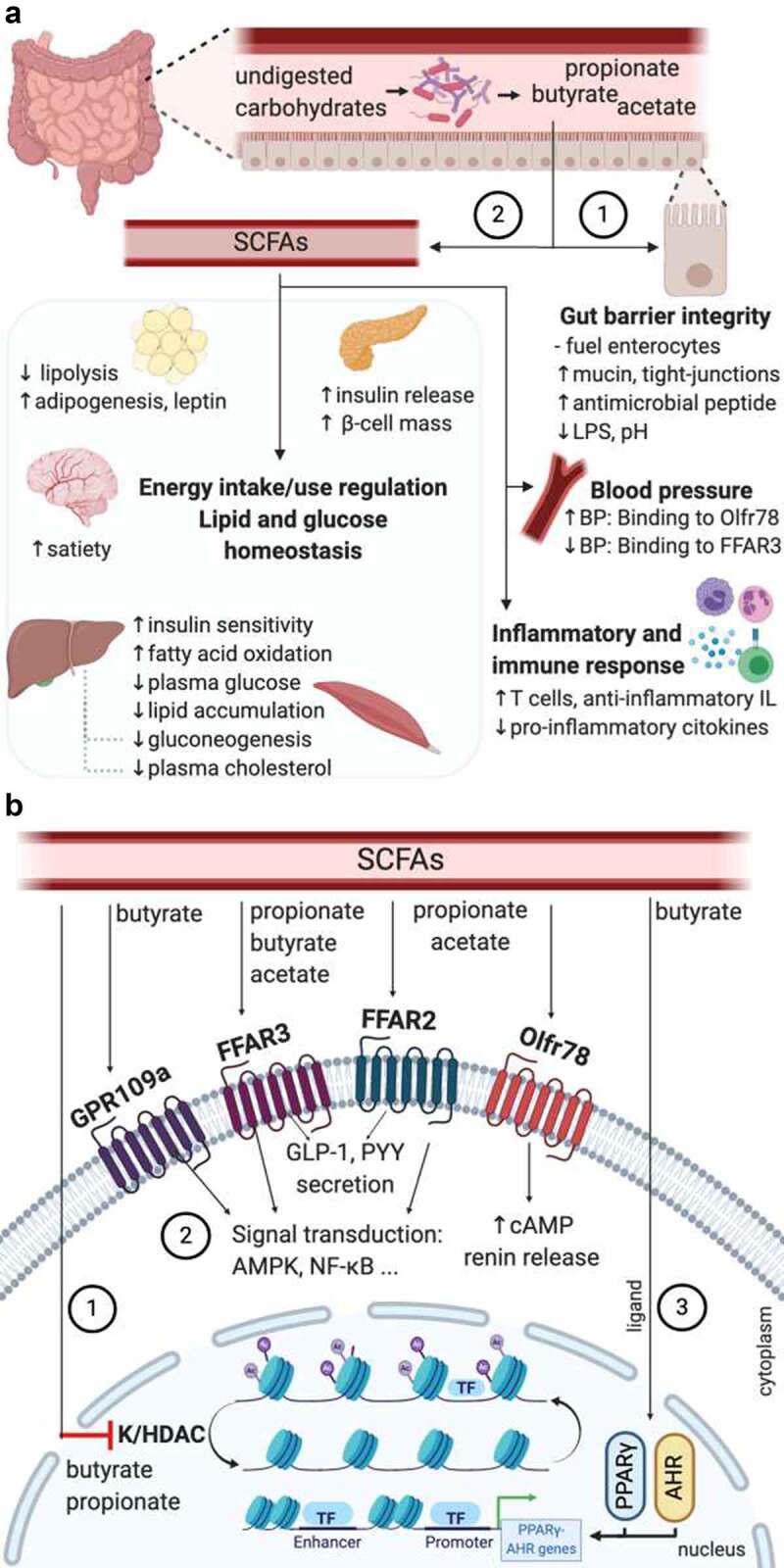
“FFAR3, FFAR2, and GPR109a are expressed by different organs and cells: small intestine, colon, liver, spleen, heart, skeletal muscle, neurons, immune cells, and adipose tissues.(98) Additionally, depending on the length of their aliphatic tails, the receptors present different affinities for SCFAs.”
BackgroundHuman Genetics Shape the Gut Microbiome
Goodrich, J. K., Waters, J. L., Poole, A. C., Sutter, J. L., Koren, O., Blekhman, R., Beaumont, M., Van Treuren, W., Knight, R., Bell, J. T., et al. (2014) · Cell · doi:10.1016/j.cell.2014.09.053 · Cited by 3,164
Short chain fatty acids in human large intestine, portal, hepatic and venous blood
Cummings, J. H., Pomare, E. W., Branch, W. J., Naylor, C. P., & Macfarlane, G. T. (1987) · Gut · doi:10.1136/gut.28.10.1221 · Cited by 3,119 · cited 1×
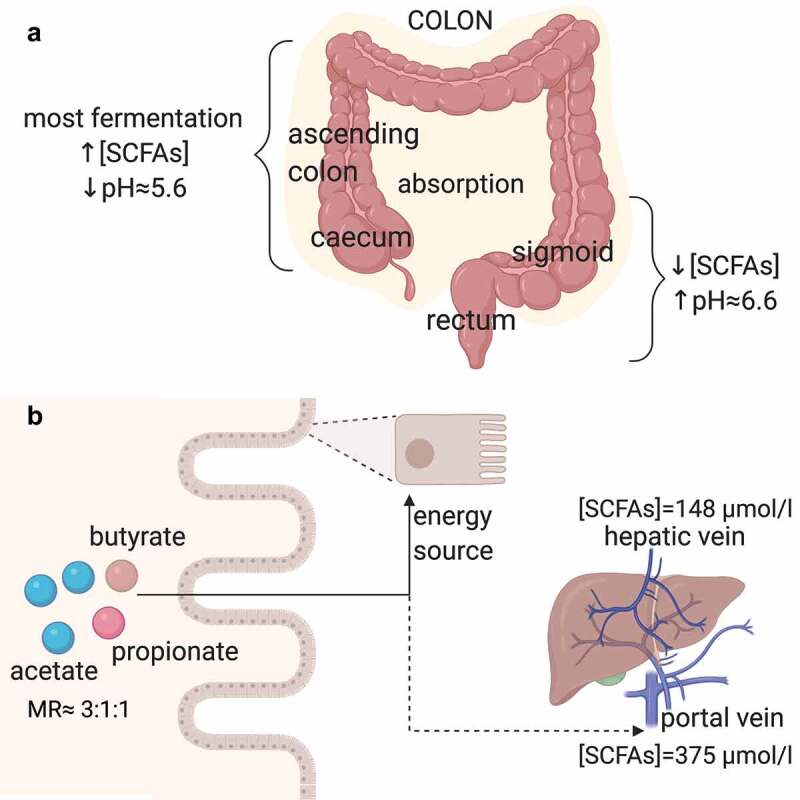
“Acetate, propionate, and butyrate concentrations in portal blood (375 μmol/l) are almost 5 times greater than peripheral venous blood (79 μmol/l), suggesting that the gut is a principal SCFA source, whereas SCFA concentrations in the hepatic vein SCFA (148 μmol/ l) are 39% of those found in portal blood.(76) GUT MICRO…”
BackgroundTopping, D. L., & Clifton, P. M. (2001) · Physiological Reviews · doi:10.1152/physrev.2001.81.3.1031 · Cited by 3,091
Treg induction by a rationally selected mixture of Clostridia strains from the human microbiota
Atarashi, K., Tanoue, T., Oshima, K., Suda, W., Nagano, Y., Nishikawa, H., Fukuda, S., Saito, T., Narushima, S., Hase, K., et al. (2013) · Nature · doi:10.1038/nature12331 · Cited by 2,872
Intestinal Crosstalk between Bile Acids and Microbiota and Its Impact on Host Metabolism
Wahlström, A., Sayin, S. I., Marschall, H.-U., & Bäckhed, F. (2016) · Cell Metabolism · doi:10.1016/j.cmet.2016.05.005 · Cited by 2,851
Energy contributions of volatile fatty acids from the gastrointestinal tract in various species
Bergman, E. N. (1990) · Physiological Reviews · doi:10.1152/physrev.1990.70.2.567 · Cited by 2,750 · cited 2×
“Most SCFAs are utilized by colonocytes as an energy source.(71) The SCFAs that are not used by these cells can be transported toward the hepatic portal vein.”
BackgroundReview article: the role of butyrate on colonic function
HAMER, H. M., JONKERS, D., VENEMA, K., VANHOUTVIN, S., TROOST, F. J., & BRUMMER, R. ‐. (2008) · Alimentary Pharmacology & Therapeutics · doi:10.1111/j.1365-2036.2007.03562.x · Cited by 2,721 · cited 1×
“Butyrate can increase the production of MUC2, a predominant mucin glycoprotein secreted by goblet cells.(121,122) Finally, SCFAs can promote the antimicrobial peptide secretion by the IEC.”
BackgroundMICROBIAL ECOLOGY OF THE GASTROINTESTINAL TRACT
Savage, D. C. (1977) · Annual Review of Microbiology · doi:10.1146/annurev.mi.31.100177.000543 · Cited by 2,436 · cited 1×
“The human intestine contains approximately 10(14) microorganisms, collectively known as the gut microbiota.(26) The gene repertoire present in these microbes is 100-fold higher than the number of genes present in the human genome.”
BackgroundPopulation-level analysis of gut microbiome variation
Falony, G., Joossens, M., Vieira-Silva, S., Wang, J., Darzi, Y., Faust, K., Kurilshikov, A., Bonder, M. J., Valles-Colomer, M., Vandeputte, D., et al. (2016) · Science · doi:10.1126/science.aad3503 · Cited by 2,400 · cited 1×
“Gut microbiota diversity, richness, and composition vary depending on multiple determinants, either endogenous such as sex, microbial interactions, and host genotype,(26,29) or exogenous, such as diet, age, usage of antibiotics, exercise, smoking, and stress.(30) Over the last years, advances in bioinformatics tools a…”
BackgroundCommensal Host-Bacterial Relationships in the Gut
Hooper, L. V., & Gordon, J. I. (2001) · Science · doi:10.1126/science.1058709 · Cited by 2,362 · cited 1×
“The gene repertoire present in these microbes is 100-fold higher than the number of genes present in the human genome.(27) In a healthy gut microbiota, the most predominant phyla are Firmicutes and Bacteroidetes (90% of the population), followed by Actinobacteria and Verrucomicrobia,(28) although inter-variability bet…”
BackgroundFiber and prebiotics: Mechanisms and health benefits
Slavin, J. (2013) · Nutrients · doi:10.3390/nu5041417 · Cited by 2,340 · cited 1×
“Apart from the cytokine production regulation, the luminal pH reduction by SCFA inhibits the growth of pathogenic bacteria.(153) Lastly, SCFAs, specifically butyrate, can contribute to host defense by inducing the antimicrobial protein cathelicidin IL-37(154,155) and increase the levels of T regulatory cells in the gu…”
BackgroundGut bacteria selectively promoted by dietary fibers alleviate type 2 diabetes
Zhao, L., Zhang, F., Ding, X., Wu, G., Lam, Y. Y., Wang, X., Fu, H., Xue, X., Lu, C., Ma, J., et al. (2018) · Science · doi:10.1126/science.aao5774 · Cited by 2,304
Short-chain fatty acids in control of body weight and insulin sensitivity
Canfora, E. E., Jocken, J. W., & Blaak, E. E. (2015) · Nature Reviews Endocrinology · doi:10.1038/nrendo.2015.128 · Cited by 2,298 · cited 2×
“Several studies have suggested that SCFAs can improve glucose homeostasis in vivo by controlling blood glucose levels and increasing glucose uptake mediated by FFAR2 and FFAR3 activation.(111,112,134) Although the mechanisms are not completely clear, such effects might happen directly via an AMPactivated protein kinas…”
BackgroundButyrate improves insulin sensitivity and increases energy expenditure in mice
Gao, Z., Yin, J., Zhang, J., Ward, R. E., Martin, R. J., Lefevre, M., Cefalu, W. T., & Ye, J. (2009) · Diabetes · doi:10.2337/db08-1637 · Cited by 2,204
Louis, P., & Flint, H. J. (2009) · FEMS Microbiology Letters · doi:10.1111/j.1574-6968.2009.01514.x · Cited by 2,179 · cited 1×
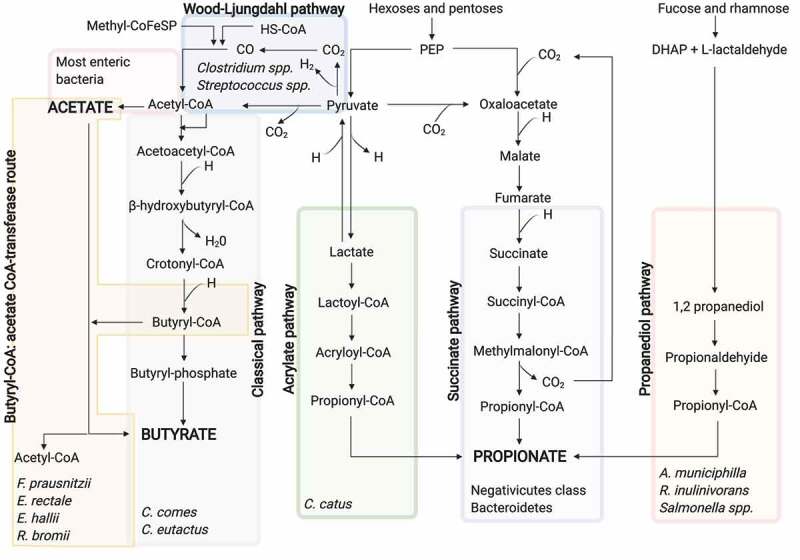
“In the pathway referred to as classical, phosphotransbutyrylase and butyrate kinase enzymes are responsible for such a conversion.(93) In the second pathway, butyryl-CoA: acetate CoAtransferase converts butyryl-CoA into butyrate and acetyl-CoA using exogenously derived acetate.”
BackgroundIntestinal Short Chain Fatty Acids and their Link with Diet and Human Health
Ríos-Covián, D., Ruas-Madiedo, P., Margolles, A., Gueimonde, M., de los Reyes-Gavilán, C. G., & Salazar, N. (2016) · Frontiers in Microbiology · doi:10.3389/fmicb.2016.00185 · Cited by 2,179
Gut Microbial Metabolite TMAO Enhances Platelet Hyperreactivity and Thrombosis Risk
Zhu, W., Gregory, J. C., Org, E., Buffa, J. A., Gupta, N., Wang, Z., Li, L., Fu, X., Wu, Y., Mehrabian, M., et al. (2016) · Cell · doi:10.1016/j.cell.2016.02.011 · Cited by 1,968
Regulation of short-chain fatty acid production
Macfarlane, S., & Macfarlane, G. T. (2003) · Proceedings of the Nutrition Society · doi:10.1079/pns2002207 · Cited by 1,939 · cited 1×
“In the colon and stool, butyrate, propionate, and acetate are found in an approximate molar ratio of 20:20:60, respectively,(76) although these values vary depending on the microbiota composition, SCFA substrates, and gut transit time.(77) Additionally, a strong gradient from the gut lumen to the periphery exists, lea…”
BackgroundDao, M. C., Everard, A., Aron-Wisnewsky, J., Sokolovska, N., Prifti, E., Verger, E. O., Kayser, B. D., Levenez, F., Chilloux, J., Hoyles, L., et al. (2016) · Gut · doi:10.1136/gutjnl-2014-308778 · Cited by 1,931
Cani, P. D., Neyrinck, A. M., Fava, F., Knauf, C., Burcelin, R. G., Tuohy, K. M., Gibson, G. R., & Delzenne, N. M. (2007) · Diabetologia · doi:10.1007/s00125-007-0791-0 · Cited by 1,774
The short-chain fatty acid acetate reduces appetite via a central homeostatic mechanism
Frost, G., Sleeth, M. L., Sahuri-Arisoylu, M., Lizarbe, B., Cerdan, S., Brody, L., Anastasovska, J., Ghourab, S., Hankir, M., Zhang, S., et al. (2014) · Nature Communications · doi:10.1038/ncomms4611 · Cited by 1,771 · cited 1×
“Besides, a study using in vivo(11)C-acetate and PET-CT acetate demonstrated that acetate can cross the blood-brain barrier and is taken up by the hypothalamus, causing an appetite decrease and increase of γ-aminobutyric acid and lactate.(130) The secretion of leptin, which is often referred to as the “satiety hormone”…”
BackgroundKelly, C. J., Zheng, L., Campbell, E. L., Saeedi, B., Scholz, C. C., Bayless, A. J., Wilson, K. E., Glover, L. E., Kominsky, D. J., Magnuson, A., et al. (2015) · Cell Host & Microbe · doi:10.1016/j.chom.2015.03.005 · Cited by 1,716 · cited 1×
“Butyrate also influences the epithelial O2 consumption, contributing to the stabilization of transcription factor hypoxia-inducible factor (HIF), which coordinates the gut barrier protection.(117) A proper gut barrier integrity is essential to avoid some pathogenic bacteria (e.”
BackgroundCausal relationships among the gut microbiome, short-chain fatty acids and metabolic diseases
Sanna, S., van Zuydam, N. R., Mahajan, A., Kurilshikov, A., Vich Vila, A., Võsa, U., Mujagic, Z., Masclee, A. A. M., Jonkers, D. M. A. E., Oosting, M., et al. (2019) · Nature Genetics · doi:10.1038/s41588-019-0350-x · Cited by 1,539 · cited 1×
“SCFAs are the most well-studied gut bacteriaderived metabolites and they have been suggested as potential disease-mitigating factors and/or disease preventing in CMD, including T2D, obesity, and CVD, among others.(14,64) SCFAs will be explained in detail in the below sections.”
BackgroundKimura, I., Ozawa, K., Inoue, D., Imamura, T., Kimura, K., Maeda, T., Terasawa, K., Kashihara, D., Hirano, K., Tani, T., et al. (2013) · Nature Communications · doi:10.1038/ncomms2852 · Cited by 1,512
SCFA: mechanisms and functional importance in the gut
Martin-Gallausiaux, C., Marinelli, L., Blottière, H. M., Larraufie, P., & Lapaque, N. (2021) · Proceedings of the Nutrition Society · doi:10.1017/s0029665120006916 · Cited by 1,480 · cited 3×
“This is possible due to six receptors to which SCFAs can bind, triggering intracellular signaling cascades: free fatty acid receptor 3 (FFAR3 or GPR41), FFAR2 (also known as GRP43), G-protein coupled receptor 109a (GPR109a or HCAR2), olfactory receptor-78 (Olfr78 in mice or OR51E2 in humans), GPR42 and OR51E1, being t…”
BackgroundMacia, L., Tan, J., Vieira, A. T., Leach, K., Stanley, D., Luong, S., Maruya, M., Ian McKenzie, C., Hijikata, A., Wong, C., et al. (2015) · Nature Communications · doi:10.1038/ncomms7734 · Cited by 1,439 · cited 1×
“homeostasis.(148,149) Increased protein acetylation and production of TGFβ1 in IEC by butyrate lead to a decrease of IL-8 production in IEC(150) and a promotion of anti-inflammatory regulatory T cells (Treg),(151) respectively.”
BackgroundA gut bacterial pathway metabolizes aromatic amino acids into nine circulating metabolites
Dodd, D., Spitzer, M. H., Van Treuren, W., Merrill, B. D., Hryckowian, A. J., Higginbottom, S. K., Le, A., Cowan, T. M., Nolan, G. P., Fischbach, M. A., et al. (2017) · Nature · doi:10.1038/nature24661 · Cited by 1,425 · cited 1×
“Indoleproprionic acid is a compound synthetized from tryptophan by a reduced number of bacterial strains.(62) Circulating levels of indoleproprionic acid are negatively correlated with different metabolic syndrome parameters,(51) and higher levels of this compound have been also associated with a lower risk of develop…”
BackgroundChambers, E. S., Viardot, A., Psichas, A., Morrison, D. J., Murphy, K. G., Zac-Varghese, S. E. K., MacDougall, K., Preston, T., Tedford, C., Finlayson, G. S., et al. (2015) · Gut · doi:10.1136/gutjnl-2014-307913 · Cited by 1,424 · cited 1×
“Furthermore, apart from the previously commented functions of PYY and GLP1, PYY can also contribute to the glucose clearance in adipose tissue and muscle, and GLP-1 can increase insulin secretion and decrease glucagon secretion by the pancreas, regulating blood glucose levels.(137) At the same time, it seems that SCFA…”
BackgroundLin, H. V., Frassetto, A., Kowalik Jr, E. J., Nawrocki, A. R., Lu, M. M., Kosinski, J. R., Hubert, J. A., Szeto, D., Yao, X., Forrest, G., et al. (2012) · PLoS ONE · doi:10.1371/journal.pone.0035240 · Cited by 1,378
Acetogenesis and the Wood–Ljungdahl pathway of CO2 fixation
Ragsdale, S. W., & Pierce, E. (2008) · Biochimica et Biophysica Acta (BBA) - Proteins and Proteomics · doi:10.1016/j.bbapap.2008.08.012 · Cited by 1,330 · cited 1×
“At the same time, acetyl-CoA is the substrate to obtain acetate.(82)”
BackgroundWang, Z., Roberts, A. B., Buffa, J. A., Levison, B. S., Zhu, W., Org, E., Gu, X., Huang, Y., Zamanian-Daryoush, M., Culley, M. K., et al. (2015) · Cell · doi:10.1016/j.cell.2015.11.055 · Cited by 1,317
Reichardt, N., Duncan, S. H., Young, P., Belenguer, A., McWilliam Leitch, C., Scott, K. P., Flint, H. J., & Louis, P. (2014) · The ISME Journal · doi:10.1038/ismej.2014.14 · Cited by 1,289 · cited 4×
“Although propionate-producers are distributed across several phyla, only a few bacterial genera are able to form propionate, and unlike acetate, the utilized propionate pathways are more conserved and substrate specific.(83) Propionate can be synthesized through three different biochemical pathways, namely succinate,…”
BackgroundInfluentialTang, W. H. W., Wang, Z., Kennedy, D. J., Wu, Y., Buffa, J. A., Agatisa-Boyle, B., Li, X. S., Levison, B. S., & Hazen, S. L. (2015) · Circulation Research · doi:10.1161/circresaha.116.305360 · Cited by 1,223 · cited 4×
“TMAO pathway has been associated with atherosclerosis and thrombosis promotion in mouse, and with CMD in humans such as obesity, chronic kidney disease, and T2D.(44,45,54) Detailed e1897212-2 A.”
BackgroundInfluentialHuman oral, gut, and plaque microbiota in patients with atherosclerosis
Koren, O., Spor, A., Felin, J., Fåk, F., Stombaugh, J., Tremaroli, V., Behre, C. J., Knight, R., Fagerberg, B., Ley, R. E., et al. (2011) · Proceedings of the National Academy of Sciences · doi:10.1073/pnas.1011383107 · Cited by 1,196
Pluznick, J. L., Protzko, R. J., Gevorgyan, H., Peterlin, Z., Sipos, A., Han, J., Brunet, I., Wan, L.-X., Rey, F., Wang, T., et al. (2013) · Proceedings of the National Academy of Sciences · doi:10.1073/pnas.1215927110 · Cited by 1,191 · cited 4×
“Taken together, the SCFA receptors Olfr78 and FFAR3 might play an opposing role in the regulation of blood pressure, balancing each other to have a healthy blood pressure.(97) Moreover, using a Mendelian Randomization approach, Sun and coworkers(110) reported T2D may causally affect hypertension and particularly highe…”
BackgroundMethodInfluentialMoss, G. P., Smith, P. A. S., & Tavernier, D. (1995) · Pure and Applied Chemistry · doi:10.1351/pac199567081307 · Cited by 1,172
Duncan, S. H., Louis, P., & Flint, H. J. (2004) · Applied and Environmental Microbiology · doi:10.1128/aem.70.10.5810-5817.2004 · Cited by 1,129 · cited 1×
“In the case of lactate-utilizing bacteria, acetyl-CoA can be produced from lactate.(92) From butyryl-CoA, butyrate can be synthesized following two different pathways.”
BackgroundMarques, F. Z., Nelson, E., Chu, P.-Y., Horlock, D., Fiedler, A., Ziemann, M., Tan, J. K., Kuruppu, S., Rajapakse, N. W., El-Osta, A., et al. (2017) · Circulation · doi:10.1161/circulationaha.116.024545 · Cited by 1,065 · cited 2×
“The results seem contradictory, as some studies have reported that SCFAs can cause hypertension,(105,106) and others have shown that SCFAs can decrease blood pressure.(107,108) For instance, studies with Olfr78 e1897212-6 A.”
BackgroundResultLinks between diet, gut microbiota composition and gut metabolism
Flint, H. J., Duncan, S. H., Scott, K. P., & Louis, P. (2015) · Proceedings of the Nutrition Society · doi:10.1017/s0029665114001463 · Cited by 1,020
Donohoe, D. R., Collins, L. B., Wali, A., Bigler, R., Sun, W., & Bultman, S. J. (2012) · Molecular Cell · doi:10.1016/j.molcel.2012.08.033 · Cited by 993 · cited 2×
“This dual role is known as the “butyrate paradox” or “Warburg effect”.(101,114) Additionally, intestinal epithelial cells (IEC) are connected by transmembrane proteins, namely, tight-junctions, adherent junctions, and desmosomes.”
BackgroundZaki, M. H., Boyd, K. L., Vogel, P., Kastan, M. B., Lamkanfi, M., & Kanneganti, T.-D. (2010) · Immunity · doi:10.1016/j.immuni.2010.03.003 · Cited by 989 · cited 1×
“homeostasis.(148,149) Increased protein acetylation and production of TGFβ1 in IEC by butyrate lead to a decrease of IL-8 production in IEC(150) and a promotion of anti-inflammatory regulatory T cells (Treg),(151) respectively.”
BackgroundShort-Chain Fatty Acid Propionate Protects From Hypertensive Cardiovascular Damage
Bartolomaeus, H., Balogh, A., Yakoub, M., Homann, S., Markó, L., Höges, S., Tsvetkov, D., Krannich, A., Wundersitz, S., Avery, E. G., et al. (2019) · Circulation · doi:10.1161/circulationaha.118.036652 · Cited by 815
Thangaraju, M., Cresci, G. A., Liu, K., Ananth, S., Gnanaprakasam, J. P., Browning, D. D., Mellinger, J. D., Smith, S. B., Digby, G. J., Lambert, N. A., et al. (2009) · Cancer Research · doi:10.1158/0008-5472.can-08-4466 · Cited by 789 · cited 1×
“FFAR2 prefers binding to acetate and propionate, whereas FFAR3 binds propionate, butyrate, and acetate with a lower affinity,(99) and GPR109a mainly binds butyrate.(100) Moreover, butyrate and propionate play an important role in transcriptional regulations and post-translational modifications, as they appear to stron…”
BackgroundLouis, P., Young, P., Holtrop, G., & Flint, H. J. (2010) · Environmental Microbiology · doi:10.1111/j.1462-2920.2009.02066.x · Cited by 774 · cited 1×
“bromii present this pathway and appear to be the major butyrate producers.(95)”
BackgroundDuncan, S. H., Barcenilla, A., Stewart, C. S., Pryde, S. E., & Flint, H. J. (2002) · Applied and Environmental Microbiology · doi:10.1128/aem.68.10.5186-5190.2002 · Cited by 743
Impact of Omega-3 Fatty Acids on the Gut Microbiota
Costantini, L., Molinari, R., Farinon, B., & Merendino, N. (2017) · International Journal of Molecular Sciences · doi:10.3390/ijms18122645 · Cited by 741 · cited 1×
“consumption of fiber-rich food, or omega-3-rich diets, has been correlated with higher levels of SCFAs and SCFA-producing bacteria.(18,19) Previous reviews addressed SCFAs, CMD or, diet and their links to gut microbiome composition, however none of them has yet simultaneously covered the role of SCFAs in the interplay…”
BackgroundBile acids as regulatory molecules
Hylemon, P. B., Zhou, H., Pandak, W. M., Ren, S., Gil, G., & Dent, P. (2009) · Journal of Lipid Research · doi:10.1194/jlr.r900007-jlr200 · Cited by 694
Role of gut microbiota-generated short-chain fatty acids in metabolic and cardiovascular health
Chambers, E. S., Preston, T., Frost, G., & Morrison, D. J. (2018) · Current Nutrition Reports · doi:10.1007/s13668-018-0248-8 · Cited by 691 · cited 4×
“Indeed, most of the previous reviews do not discuss in detail SCFAs23 nor their beneficial role in cardiometabolic health,20 nor how different types of diet can increase SCFAs production to improve the health of patients suffering from CMDs.21,22,24,25 In the present review, on the contrary, we specifically focus on t…”
BackgroundInfluentialNOD proteins: regulators of inflammation in health and disease
Philpott, D. J., Sorbara, M. T., Robertson, S. J., Croitoru, K., & Girardin, S. E. (2014) · Nature Reviews Immunology · doi:10.1038/nri3565 · Cited by 668 · cited 1×
“Another example is the lipopolysaccharides (LPS) present in the Gram-negative bacteria cell wall, which can trigger the immune system response and potentiate cardiovascular diseases (CVD) pathogenesis.(39,40) Our body can functionally interact with bacteria metabolic products,(16) and cardio-metabolic health (CMH) is…”
BackgroundComparison of fermentation reactions in different regions of the human colon
Macfarlane, G. T., Gibson, G. R., & Cummings, J. H. (1992) · Journal of Applied Bacteriology · doi:10.1111/j.1365-2672.1992.tb04882.x · Cited by 649 · cited 1×
“Additionally, a strong gradient from the gut lumen to the periphery exists, leading to different cell SCFA exposure.(78) Most SCFAs are utilized by colonocytes as an energy source.”
BackgroundAcetate and Propionate Short Chain Fatty Acids Stimulate Adipogenesis via GPCR43
Hong, Y.-H., Nishimura, Y., Hishikawa, D., Tsuzuki, H., Miyahara, H., Gotoh, C., Choi, K.-C., Feng, D. D., Chen, C., Lee, H.-G., et al. (2005) · Endocrinology · doi:10.1210/en.2005-0545 · Cited by 612 · cited 2×
“Indeed, preadipocytes treated with propionate, and acetate promoted adipocyte differentiation, via an overexpression of FFAR2 and PPARγ.140,141 Finally, acetate, propionate, and butyrate seem to enhance hepatic uptake of cholesterol from the blood, decreasing plasma cholesterol in model animal studies.142,143 Besides,…”
BackgroundBlood : journal of the American Society of Hematology
(n.d.) · RWTH Publications (RWTH Aachen) · Cited by 587
Garcia-Mantrana, I., Selma-Royo, M., Alcantara, C., & Collado, M. C. (2018) · Frontiers in Microbiology · doi:10.3389/fmicb.2018.00890 · Cited by 574 · cited 1×
“consumption of fiber-rich food, or omega-3-rich diets, has been correlated with higher levels of SCFAs and SCFA-producing bacteria.(18,19) Previous reviews addressed SCFAs, CMD or, diet and their links to gut microbiome composition, however none of them has yet simultaneously covered the role of SCFAs in the interplay…”
BackgroundHeianza, Y., Ma, W., Manson, J. E., Rexrode, K. M., & Qi, L. (2017) · Journal of the American Heart Association · doi:10.1161/jaha.116.004947 · Cited by 544
Bile Acid-Activated Receptors, Intestinal Microbiota, and the Treatment of Metabolic Disorders
Fiorucci, S., & Distrutti, E. (2015) · Trends in Molecular Medicine · doi:10.1016/j.molmed.2015.09.001 · Cited by 539 · cited 1×
“The role of bile acids in metabolic disorders and CVD has been reviewed by.(59,60) Anthocyanins are glycosyl-anthocyanidins present in plant vacuoles.”
BackgroundInteractions between Roseburia intestinalis and diet modulate atherogenesis in a murine model
Kasahara, K., Krautkramer, K. A., Org, E., Romano, K. A., Kerby, R. L., Vivas, E. I., Mehrabian, M., Denu, J. M., Bäckhed, F., Lusis, A. J., et al. (2018) · Nature Microbiology · doi:10.1038/s41564-018-0272-x · Cited by 538 · cited 1×
“Finally, a murine model study showed that Roseburia (butyrate-producing bacterial genus) can interact with dietary plant polysaccharides, promoting fatty acid utilization and reducing systematic inflammation, which turns in the amelioration of atherosclerosis development.(174)”
BackgroundNature Reviews Gastroenterology & Hepatology
范馨月, & 黄亚明 (2017) · doi:10.3760/cma.j.issn.0578-1426.2017.08.103 · Cited by 527
Zhao, Y., Chen, F., Wu, W., Sun, M., Bilotta, A. J., Yao, S., Xiao, Y., Huang, X., Eaves-Pyles, T. D., Golovko, G., et al. (2018) · Mucosal Immunology · doi:10.1038/mi.2017.118 · Cited by 515 · cited 1×
“For instance, SCFAs promote the RegIIIγ and defensins production by activating mTOR and STAT3, and thus regulating the epithelial barrier functions.(123) L-cells) caused by the binding of SCFAs to the G protein-coupled receptors, and increase of cAMP levels by the binding of propionate”
BackgroundWatson, H., Mitra, S., Croden, F. C., Taylor, M., Wood, H. M., Perry, S. L., Spencer, J. A., Quirke, P., Toogood, G. J., Lawton, C. L., et al. (2018) · Gut · doi:10.1136/gutjnl-2017-314968 · Cited by 506 · cited 1×
“Indeed, in a randomized trial, 2-month of treatment with omega-3 polyunsaturated fatty acids (PUFA) capsules or drinks was given to 22 healthy middle-aged subjects to analyze the effect of omega-3 PUFA on the human gut microbiota.(66) An increased abundance of SCFA-producing bacteria belonging to the Lachnospira, Rose…”
BackgroundPathways of acetate, propionate, and butyrate formation by the human fecal microbial flora
Miller, T. L., & Wolin, M. J. (1996) · Applied and Environmental Microbiology · doi:10.1128/aem.62.5.1589-1592.1996 · Cited by 481
Butyrate Inhibits NF-κB Activation in Lamina Propria Macrophages of Patients with Ulcerative Colitis
Lührs, H., Gerke, T., Müller, J. G., Melcher, R., Schauber, J., Boxberger, F., Scheppach, W., & Menzel, T. (2002) · Scandinavian Journal of Gastroenterology · doi:10.1080/003655202317316105 · Cited by 464 · cited 1×
“Of note, it has been shown that butyrate can inhibit HDAC and the activation of nuclear factor kappa β (NF-κB) in macrophages.(145,146) Both, HDAC and NF-κB, contribute to the immune and inflammatory response.”
BackgroundIn vitro metabolism of anthocyanins by human gut microflora
Aura, A.-M., Martin-Lopez, P., O’Leary, K. A., Williamson, G., Oksman-Caldentey, K.-M., Poutanen, K., & Santos-Buelga, C. (2005) · European Journal of Nutrition · doi:10.1007/s00394-004-0502-2 · Cited by 459 · cited 1×
“Gut bacteria can degrade anthocyanins, generating protocatechuic acid and free anthocyanidins.(61) Protocatechuic acid can influence positively atherosclerosis and CVD, thanks to its anti-inflammatory and antioxidant properties.”
BackgroundShort chain fatty acid absorption by the human large intestine.
McNeil, N. I., Cummings, J. H., & James, W. P. (1978) · Gut · doi:10.1136/gut.19.9.819 · Cited by 454 · cited 1×
“Fermentation takes place in the large intestine, mainly at the right side, and the SCFA absorption occurs rapidly from the human colon.(74) Changes in pH vary depending on the SCFA concentration.”
BackgroundSCFAs strongly stimulate PYY production in human enteroendocrine cells
Larraufie, P., Martin-Gallausiaux, C., Lapaque, N., Dore, J., Gribble, F. M., Reimann, F., & Blottiere, H. M. (2018) · Scientific Reports · doi:10.1038/s41598-017-18259-0 · Cited by 450 · cited 2×
“Indeed, the inhibitory activity of HDAC by butyrate leads to an increased PYY expression in human L-cells.(129) Besides, a study using in vivo(11)C-acetate and PET-CT acetate demonstrated that acetate can cross the blood-brain barrier and is taken up by the hypothalamus, causing an appetite decrease and increase of γ-…”
BackgroundNatarajan, N., Hori, D., Flavahan, S., Steppan, J., Flavahan, N. A., Berkowitz, D. E., & Pluznick, J. L. (2016) · Physiological Genomics · doi:10.1152/physiolgenomics.00089.2016 · Cited by 441
Microbial modulation of cardiovascular disease
Brown, J. M., & Hazen, S. L. (2018) · Nature Reviews Microbiology · doi:10.1038/nrmicro.2017.149 · Cited by 440 · cited 8×
“This is an Open Access article distributed under the terms of the Creative Commons Attribution License (http://creativecommons.org/licenses/by/4.0/), which permits unrestricted use, distribution, and reproduction in any medium, provided the original work is properly cited. consumption of fiber-rich food, or omega-3-ri…”
BackgroundInfluentialThe Gut Microbial Endocrine Organ: Bacterially Derived Signals Driving Cardiometabolic Diseases
Brown, J. M., & Hazen, S. L. (2015) · Annual Review of Medicine · doi:10.1146/annurev-med-060513-093205 · Cited by 438
Belzer, C., Chia, L. W., Aalvink, S., Chamlagain, B., Piironen, V., Knol, J., & de Vos, W. M. (2017) · mBio · doi:10.1128/mbio.00770-17 · Cited by 436
CODEX-aligned dietary fiber definitions help to bridge the ‘fiber gap’
Jones, J. M. (2014) · Nutrition Journal · doi:10.1186/1475-2891-13-34 · Cited by 422 · cited 2×
“Inulin, resistant starch, fructo-oligosaccharides, and polysaccharides, among others, present the food label of fiber in the US.187 It has been suggested that fiber-rich diets, such as the Mediterranean and vegetarian diets, can protect against the development of CMD, including CVD, obesity, and T2D, by modulating the…”
BackgroundDissecting the in Vivo Metabolic Potential of Two Human Gut Acetogens
Rey, F. E., Faith, J. J., Bain, J., Muehlbauer, M. J., Stevens, R. D., Newgard, C. B., & Gordon, J. I. (2010) · Journal of Biological Chemistry · doi:10.1074/jbc.m110.117713 · Cited by 421 · cited 1×
“hydrogenotrophica, using this pathway.(81) Secondly, the Wood-Ljungdahl pathway can be also used by acetogenic bacteria to form acetate from acetyl-CoA.”
MethodThe effect of short-chain fatty acids on human monocyte-derived dendritic cells
Nastasi, C., Candela, M., Bonefeld, C. M., Geisler, C., Hansen, M., Krejsgaard, T., Biagi, E., Andersen, M. H., Brigidi, P., Ødum, N., et al. (2015) · Scientific Reports · doi:10.1038/srep16148 · Cited by 414 · cited 2×
“In human mature dendritic cells, butyrate and propionate appear to reduce the release of pro-inflammatory chemokines, such as CXCL11, CXCL10, CXCL9, CCL5, CCL4, and CCL3, just as inhibiting the expression of LPS-induced cytokines, including IL-6 and IL12p40.”
BackgroundHuman duodenal enteroendocrine cells: source of both incretin peptides, GLP-1 and GIP
Theodorakis, M. J., Carlson, O., Michopoulos, S., Doyle, M. E., Juhaszova, M., Petraki, K., & Egan, J. M. (2006) · American Journal of Physiology-Endocrinology and Metabolism · doi:10.1152/ajpendo.00326.2004 · Cited by 396
de Mello, V. D., Paananen, J., Lindström, J., Lankinen, M. A., Shi, L., Kuusisto, J., Pihlajamäki, J., Auriola, S., Lehtonen, M., Rolandsson, O., et al. (2017) · Scientific Reports · doi:10.1038/srep46337 · Cited by 379 · cited 4×
“Circulating levels of indoleproprionic acid are negatively correlated with different metabolic syndrome parameters,(51) and higher levels of this compound have been also associated with a lower risk of developing T2D.(63) SCFAs are the most well-studied gut bacteriaderived metabolites and they have been suggested as p…”
BackgroundInfluentialGut Hormones and Appetite Control: A Focus on PYY and GLP-1 as Therapeutic Targets in Obesity
Silva, A. D., & Bloom, S. R. (2012) · Gut and Liver · doi:10.5009/gnl.2012.6.1.10 · Cited by 373
Gaudier, E., Jarry, A., Blottière, H. M., de Coppet, P., Buisine, M. P., Aubert, J. P., Laboisse, C., Cherbut, C., & Hoebler, C. (2004) · American Journal of Physiology-Gastrointestinal and Liver Physiology · doi:10.1152/ajpgi.00219.2004 · Cited by 365 · cited 1×
“Butyrate can increase the production of MUC2, a predominant mucin glycoprotein secreted by goblet cells.(121,122) Finally, SCFAs can promote the antimicrobial peptide secretion by the IEC.”
BackgroundShort chain fatty acids and their receptors: new metabolic targets
Layden, B. T., Angueira, A. R., Brodsky, M., Durai, V., & Lowe, W. L. (2013) · Translational Research · doi:10.1016/j.trsl.2012.10.007 · Cited by 357 · cited 1×
“SCFAs include formate (C1), acetate (C2), propionate (C3), butyrate (C4), and valerate (C5), and their chemical properties depend on the number of carbons.(68) SCFAs are produced by anaerobic gut bacteria through saccharolytic fermentation of complex resistant carbohydrates (e.”
BackgroundBobik, T. A., Havemann, G. D., Busch, R. J., Williams, D. S., & Aldrich, H. C. (1999) · Journal of Bacteriology · doi:10.1128/jb.181.19.5967-5975.1999 · Cited by 351
Li, M., van Esch, B. C. A. M., Henricks, P. A. J., Folkerts, G., & Garssen, J. (2018) · Frontiers in Pharmacology · doi:10.3389/fphar.2018.00533 · Cited by 351
Malla, M. A., Dubey, A., Kumar, A., Yadav, S., Hashem, A., & Abd_Allah, E. F. (2019) · Frontiers in Immunology · doi:10.3389/fimmu.2018.02868 · Cited by 345
Yang, S., Li, X., Yang, F., Zhao, R., Pan, X., Liang, J., Tian, L., Li, X., Liu, L., Xing, Y., et al. (2019) · Frontiers in Pharmacology · doi:10.3389/fphar.2019.01360 · Cited by 345
Microbial Degradation Products Influence Colon Cancer Risk: the Butyrate Controversy
Lupton, J. R. (2004) · The Journal of Nutrition · doi:10.1093/jn/134.2.479 · Cited by 343 · cited 1×
“This dual role is known as the “butyrate paradox” or “Warburg effect”.(101,114) Additionally, intestinal epithelial cells (IEC) are connected by transmembrane proteins, namely, tight-junctions, adherent junctions, and desmosomes.”
BackgroundPuddu, A., Sanguineti, R., Montecucco, F., & Viviani, G. L. (2014) · Mediators of Inflammation · doi:10.1155/2014/162021 · Cited by 342
Demigné, C., Morand, C., Levrat, M.-A., Besson, C., Moundras, C., & Rémésy, C. (1995) · British Journal of Nutrition · doi:10.1079/bjn19950124 · Cited by 340 · cited 1×
“Besides, propionate is a potent inhibitor of cholesterol synthesis.(144)”
BackgroundSavage, A. P., Adrian, T. E., Carolan, G., Chatterjee, V. K., & Bloom, S. R. (1987) · Gut · doi:10.1136/gut.28.2.166 · Cited by 334
(2019) · Nature Reviews Microbiology · doi:10.1038/41579.1740-1534 · Cited by 328
Microbial Short-Chain Fatty Acids and Blood Pressure Regulation
Pluznick, J. L. (2017) · Current Hypertension Reports · doi:10.1007/s11906-017-0722-5 · Cited by 301 · cited 1×
“null mice present lower blood pressure compared with the wild-type mice.(106) On the other hand, FFAR3 KO mice are hypertensive.”
BackgroundAlex, S., Lange, K., Amolo, T., Grinstead, J. S., Haakonsson, A. K., Szalowska, E., Koppen, A., Mudde, K., Haenen, D., Al-Lahham, S., et al. (2013) · Molecular and Cellular Biology · doi:10.1128/mcb.00858-12 · Cited by 296
Relationship of Serum Trimethylamine N-Oxide (TMAO) Levels with early Atherosclerosis in Humans
Randrianarisoa, E., Lehn-Stefan, A., Wang, X., Hoene, M., Peter, A., Heinzmann, S. S., Zhao, X., Königsrainer, I., Königsrainer, A., Balletshofer, B., et al. (2016) · Scientific Reports · doi:10.1038/srep26745 · Cited by 296
Schugar, R. C., Shih, D. M., Warrier, M., Helsley, R. N., Burrows, A., Ferguson, D., Brown, A. L., Gromovsky, A. D., Heine, M., Chatterjee, A., et al. (2017) · Cell Reports · doi:10.1016/j.celrep.2017.05.077 · Cited by 291 · cited 4×
“TMAO pathway has been associated with atherosclerosis and thrombosis promotion in mouse, and with CMD in humans such as obesity, chronic kidney disease, and T2D.(44,45,54) Detailed e1897212-2 A.”
BackgroundInfluential(2016) · PubMed · Cited by 287
GLP-1 slows solid gastric emptying and inhibits insulin, glucagon, and PYY release in humans
Näslund, E., Bogefors, J., Skogar, S., Grybäck, P., Jacobsson, H., Holst, J. J., & Hellström, P. M. (1999) · American Journal of Physiology-Regulatory, Integrative and Comparative Physiology · doi:10.1152/ajpregu.1999.277.3.r910 · Cited by 284
The Intestinal Microbiota in Metabolic Disease
Woting, A., & Blaut, M. (2016) · Nutrients · doi:10.3390/nu8040202 · Cited by 284
Scott, K. P., Martin, J. C., Campbell, G., Mayer, C.-D., & Flint, H. J. (2006) · Journal of Bacteriology · doi:10.1128/jb.00137-06 · Cited by 280
Histone deacetylase inhibitor (HDACI) mechanisms of action: Emerging insights
Bose, P., Dai, Y., & Grant, S. (2014) · Pharmacology & Therapeutics · doi:10.1016/j.pharmthera.2014.04.004 · Cited by 280 · cited 1×
“Such an inhibition leads to histone hyperacetylation, which turns in a higher accessibility of transcription factors to the promoter regions of different genes.(102) Likewise, butyrate is a ligand of two transcription factors: peroxisome proliferator-activated receptor γ (PPARγ)(103) and aryl hydrocarbon receptor.”
BackgroundPingitore, A., Chambers, E. S., Hill, T., Maldonado, I. R., Liu, B., Bewick, G., Morrison, D. J., Preston, T., Wallis, G. A., Tedford, C., et al. (2017) · Diabetes, Obesity and Metabolism · doi:10.1111/dom.12811 · Cited by 278 · cited 2×
“Several studies have suggested that SCFAs can improve glucose homeostasis in vivo by controlling blood glucose levels and increasing glucose uptake mediated by FFAR2 and FFAR3 activation.(111,112,134) Although the mechanisms are not completely clear, such effects might happen directly via an AMPactivated protein kinas…”
BackgroundKang, C., Wang, B., Kaliannan, K., Wang, X., Lang, H., Hui, S., Huang, L., Zhang, Y., Zhou, M., Chen, M., et al. (2017) · mBio · doi:10.1128/mbio.00470-17 · Cited by 272
The Global Burden of Cardiovascular Disease
Deaton, C., Froelicher, E. S., Wu, L. H., Ho, C., Shishani, K., & Jaarsma, T. (2011) · European Journal of Cardiovascular Nursing · doi:10.1016/s1474-5151(11)00111-3 · Cited by 266
Schauber, J., Dorschner, R. A., Yamasaki, K., Brouha, B., & Gallo, R. L. (2006) · Immunology · doi:10.1111/j.1365-2567.2006.02399.x · Cited by 264
Acetic Acid Activates Hepatic AMPK and Reduces Hyperglycemia in Diabetic KK-A (y) Mice
Sakakibara, S., Yamauchi, T., Oshima, Y., Tsukamoto, Y., & Kadowaki, T. (2006) · Biochemical and Biophysical Research Communications · doi:10.1016/j.bbrc.2006.03.176 · Cited by 263
Pathway of Succinate and Propionate Formation in Bacteroides fragilis
Macy, J. M., Ljungdahl, L. G., & Gottschalk, G. (1978) · Journal of Bacteriology · doi:10.1128/jb.134.1.84-91.1978 · Cited by 260 · cited 1×
“In the succinate pathway, the primitive electron transfer chain using phosphoenolpyruvate (PEP) can be utilized to generate propionate.(84) Specifically, PEP is carboxylated to oxalacetate, and then oxalacetate is sequentially converted into malate and fumarate.”
MethodChanges of the human gut microbiome induced by a fermented milk product
Veiga, P., Pons, N., Agrawal, A., Oozeer, R., Guyonnet, D., Brazeilles, R., Faurie, J.-M., van Hylckama Vlieg, J. E. T., Houghton, L. A., Whorwell, P. J., et al. (2014) · Scientific Reports · doi:10.1038/srep06328 · Cited by 259
Butyrate and the Colonocyte: Production, Absorption, Metabolism, and Therapeutic Implications
Velázquez, O. C., Lederer, H. M., & Rombeau, J. L. (1997) · Advances in Experimental Medicine and Biology · doi:10.1007/978-1-4615-5967-2_14 · Cited by 258
Type 2 Diabetes and Hypertension: A Study on Bidirectional Causality
Sun, D., Zhou, T., Heianza, Y., Li, X., Fan, M., Fonseca, V. A., & Qi, L. (2019) · Circulation Research · doi:10.1161/circresaha.118.314487 · Cited by 252
Dysbiotic Events in Gut Microbiota: Impact on Human Health
Schippa, S., & Conte, M. (2014) · Nutrients · doi:10.3390/nu6125786 · Cited by 246 · cited 1×
“On the other hand, the imbalance of the gut microbiota, known as dysbiosis, and reduction of bacterial diversity can lead to a variety of metabolic abnormalities, such as inflammation and oxidative stress, impacting negatively on the host pathophysiologic and physiology conditions.(34)”
BackgroundImplication of inflammatory signaling pathways in obesity-induced insulin resistance
Tanti, J.-F., Ceppo, F., Jager, J., & Berthou, F. (2013) · Frontiers in Endocrinology · doi:10.3389/fendo.2012.00181 · Cited by 239 · cited 4×
“Gut bacteria can degrade anthocyanins, generating protocatechuic acid and free anthocyanidins.61 Protocatechuic acid can influence positively atherosclerosis and CVD, thanks to its anti-inflammatory and antioxidant properties.50 Indoleproprionic acid is a compound synthetized from tryptophan by a reduced number of bac…”
BackgroundInfluentialMenni, C., Zierer, J., Pallister, T., Jackson, M. A., Long, T., Mohney, R. P., Steves, C. J., Spector, T. D., & Valdes, A. M. (2017) · Scientific Reports · doi:10.1038/s41598-017-10382-2 · Cited by 237
Self-citationPropionic acid affects immune status and metabolism in adipose tissue from overweight subjects
Al‐Lahham, S., Roelofsen, H., Rezaee, F., Weening, D., Hoek, A., Vonk, R., & Venema, K. (2012) · European Journal of Clinical Investigation · doi:10.1111/j.1365-2362.2011.02590.x · Cited by 234 · cited 1×
“Acetate and propionate may inhibit endogenous lipolysis, whereas propionate can regulate extracellular lipolysis mediated by an increase of lipoprotein lipase expression, both cases resulting in a decrease of the circulating lipid plasma levels and body weight.(132,139) As well, SCFAs might play an important role in a…”
BackgroundDiabetes is Associated with Higher Trimethylamine N-oxide Plasma Levels
Dambrova, M., Latkovskis, G., Kuka, J., Strele, I., Konrade, I., Grinberga, S., Hartmane, D., Pugovics, O., Erglis, A., & Liepinsh, E. (2016) · Experimental and Clinical Endocrinology & Diabetes · doi:10.1055/s-0035-1569330 · Cited by 229 · cited 4×
“TMAO pathway has been associated with atherosclerosis and thrombosis promotion in mouse, and with CMD in humans such as obesity, chronic kidney disease, and T2D.(44,45,54) Detailed e1897212-2 A.”
BackgroundInfluentialEmerging role of Toll-like receptors in atherosclerosis
Curtiss, L. K., & Tobias, P. S. (2009) · Journal of Lipid Research · doi:10.1194/jlr.r800056-jlr200 · Cited by 225 · cited 1×
“Another example is the lipopolysaccharides (LPS) present in the Gram-negative bacteria cell wall, which can trigger the immune system response and potentiate cardiovascular diseases (CVD) pathogenesis.(39,40) Our body can functionally interact with bacteria metabolic products,(16) and cardio-metabolic health (CMH) is…”
BackgroundRegulation of adipokine production in human adipose tissue by propionic acid
Al‐Lahham, S. H., Roelofsen, H., Priebe, M., Weening, D., Dijkstra, M., Hoek, A., Rezaee, F., Venema, K., & Vonk, R. J. (2010) · European Journal of Clinical Investigation · doi:10.1111/j.1365-2362.2010.02278.x · Cited by 222 · cited 1×
“For instance, human adipocytes incubated with a high concentration of propionate appeared to increase the leptin mRNA expression and leptin secretion.(133)”
BackgroundVeiga, P., Gallini, C. A., Beal, C., Michaud, M., Delaney, M. L., DuBois, A., Khlebnikov, A., van Hylckama Vlieg, J. E. T., Punit, S., Glickman, J. N., et al. (2010) · Proceedings of the National Academy of Sciences · doi:10.1073/pnas.1011737107 · Cited by 221 · cited 1×
“lactis fermented milk product resulted in an increase of butyrateproducing bacteria and cecal SCFA in a mouse model, and an inflammation reduction.(183) This statement was further validated in humans, where the same fermented milk product potentiated colonic SCFA production and increased two previously uncharacterized…”
BackgroundKim, M., Hwang, S., Park, E., & Bae, J. (2013) · Environmental Microbiology Reports · doi:10.1111/1758-2229.12079 · Cited by 220
Endotoxemia—menace, marker, or mistake?
Munford, R. S. (2016) · Journal of Leukocyte Biology · doi:10.1189/jlb.3ru0316-151r · Cited by 219
Protocatechuic Acid and Human Disease Prevention: Biological Activities and Molecular Mechanisms
Masella, R., Santangelo, C., D’Archivio, M., LiVolti, G., Giovannini, C., & Galvano, F. (2012) · Current Medicinal Chemistry · doi:10.2174/092986712800672102 · Cited by 209 · cited 1×
“Protocatechuic acid can influence positively atherosclerosis and CVD, thanks to its anti-inflammatory and antioxidant properties.(50) Indoleproprionic acid is a compound synthetized from tryptophan by a reduced number of bacterial strains.”
BackgroundMaeda, T., Towatari, M., Kosugi, H., & Saito, H. (2000) · Blood · doi:10.1182/blood.v96.12.3847 · Cited by 207
Weitkunat, K., Schumann, S., Petzke, K. J., Blaut, M., Loh, G., & Klaus, S. (2015) · The Journal of Nutritional Biochemistry · doi:10.1016/j.jnutbio.2015.03.010 · Cited by 205
The exogenous origin of trimethylamine in the mouse
Al-Waiz, M., Mikov, M., Mitchell, S. C., & Smith, R. L. (1992) · Metabolism · doi:10.1016/0026-0495(92)90140-6 · Cited by 196 · cited 1×
“, choline, betaine, and L-carnitine) present in human diet by the gut microbiota.(52) Then, TMA enters to the portal circulation, where is oxidized by liver enzymes to produce trimethylamine-N-oxide (TMAO).”
BackgroundPropionate suppresses hepatic gluconeogenesis via GPR43/AMPK signaling pathway
Yoshida, H., Ishii, M., & Akagawa, M. (2019) · Archives of Biochemistry and Biophysics · doi:10.1016/j.abb.2019.07.022 · Cited by 194 · cited 1×
“Another study has shown that propionate declines hepatic gluconeogenesis via the same mechanism.(136) Furthermore, apart from the previously commented functions of PYY and GLP1, PYY can also contribute to the glucose clearance in adipose tissue and muscle, and GLP-1 can increase insulin secretion and decrease glucagon…”
BackgroundRoshanravan, N., Mahdavi, R., Alizadeh, E., Jafarabadi, M., Hedayati, M., Ghavami, A., Alipour, S., Alamdari, N., Barati, M., & Ostadrahimi, A. (2017) · Hormone and Metabolic Research · doi:10.1055/s-0043-119089 · Cited by 185
Identification of the novel role of butyrate as AhR ligand in human intestinal epithelial cells
Marinelli, L., Martin-Gallausiaux, C., Bourhis, J.-M., Béguet-Crespel, F., Blottière, H. M., & Lapaque, N. (2019) · Scientific Reports · doi:10.1038/s41598-018-37019-2 · Cited by 181 · cited 1×
“Likewise, butyrate is a ligand of two transcription factors: peroxisome proliferator-activated receptor γ (PPARγ)(103) and aryl hydrocarbon receptor.(104) Thanks to these and direct mechanisms, SCFAs can play beneficial roles in human health, such as improvement of gut barrier integrity, regulation of the blood pressu…”
BackgroundMedina-Vera, I., Sanchez-Tapia, M., Noriega-López, L., Granados-Portillo, O., Guevara-Cruz, M., Flores-López, A., Avila-Nava, A., Fernández, M. L., Tovar, A. R., & Torres, N. (2019) · Diabetes & Metabolism · doi:10.1016/j.diabet.2018.09.004 · Cited by 179 · cited 1×
“The risk decrease is due to the capability of these diets to reduce risk factors associated with CMH, such as blood pressure, cholesterol, body weight, and systematic inflammation.(65,108,169,170) Moreover, short- and long-term diets can induce shifts in gut microbiota activity and composition, and thus, in the SCFA s…”
BackgroundMediterranean diet and faecal microbiota: a transversal study
Gutiérrez-Díaz, I., Fernández-Navarro, T., Sánchez, B., Margolles, A., & González, S. (2016) · Food & Function · doi:10.1039/c6fo00105j · Cited by 176 · cited 1×
“Indeed, a transversal study with 31 healthy individuals showed that the individuals following a 6-month Mediterranean diet presented higher propionate and butyrate concentration in feces, and higher levels of Bifidobacterium and Faecalibacterium compared to those having a lower fiber intake.(179) Another study compari…”
BackgroundDjekic, D., Shi, L. S., Brolin, H., Carlsson, F., Särnqvist, C., Savolainen, O. I., Cao, Y., Bäckhed, F., Tremaroli, V., Landberg, R., et al. (2020) · Journal of the American Heart Association · doi:10.1161/jaha.120.016518 · Cited by 175 · cited 2×
“diet assigned to patients with ischemic heart disease caused an increase of the families Ruminococcaceae, Lachnospiraceae, and Akkermansiaceae, and a decrease of LDL and total cholesterol and body weight compared to the patients following a meat diet.(169) Therefore, it was suggested that the improvement of these card…”
BackgroundMicrobial production and applications of 1,2-propanediol
Saxena, R. K., Anand, P., Saran, S., Isar, J., & Agarwal, L. (2010) · Indian Journal of Microbiology · doi:10.1007/s12088-010-0017-x · Cited by 174 · cited 1×
“Likewise, 1,2-propanediol is sequentially converted into propionaldehyde and propionyl-CoA, which leads to the propionate formation.(87) Salmonella enterica serovar Typhimurium(88) and R.”
BackgroundZhao, Y., Liu, J., Hao, W., Zhu, H., Liang, N. N., He, Z., Ma, K. Y., & Chen, Z. (2017) · Journal of Agricultural and Food Chemistry · doi:10.1021/acs.jafc.7b04666 · Cited by 164 · cited 1×
“Finally, acetate, propionate, and butyrate seem to enhance hepatic uptake of cholesterol from the blood, decreasing plasma cholesterol in model animal studies.(142,143) Besides, propionate is a potent inhibitor of cholesterol synthesis.”
BackgroundZhu, W., Buffa, J. A., Wang, Z., Warrier, M., Schugar, R., Shih, D. M., Gupta, N., Gregory, J. C., Org, E., Fu, X., et al. (2018) · Journal of Thrombosis and Haemostasis · doi:10.1111/jth.14234 · Cited by 161 · cited 1×
“Then, TMA enters to the portal circulation, where is oxidized by liver enzymes to produce trimethylamine-N-oxide (TMAO).(53) TMAO pathway has been associated with atherosclerosis and thrombosis promotion in mouse, and with CMD in humans such as obesity, chronic kidney disease, and T2D.”
BackgroundUnderstanding the Impact of Omega-3 Rich Diet on the Gut Microbiota
Noriega, B. S., Sanchez-Gonzalez, M. A., Salyakina, D., & Coffman, J. (2016) · Case Reports in Medicine · doi:10.1155/2016/3089303 · Cited by 160
Microbiome, trimethylamine N-oxide, and cardiometabolic disease
Tang, W. H. W., & Hazen, S. L. (2017) · Translational Research · doi:10.1016/j.trsl.2016.07.007 · Cited by 160 · cited 7×
“This is an Open Access article distributed under the terms of the Creative Commons Attribution License (http://creativecommons.org/licenses/by/4.0/), which permits unrestricted use, distribution, and reproduction in any medium, provided the original work is properly cited. consumption of fiber-rich food, or omega-3-ri…”
BackgroundInfluentialThe Biology of Gastrointestinal Bacteroides
Macy, J. M., & Probst, I. (1979) · Annual Review of Microbiology · doi:10.1146/annurev.mi.33.100179.003021 · Cited by 158
Huart, J., Leenders, J., Taminiau, B., Descy, J., Saint‐Remy, A., Daube, G., Krzesinski, J.-M., Melin, P., Tullio, P. D., & Jouret, F. (2019) · Hypertension · doi:10.1161/hypertensionaha.118.12588 · Cited by 158
Ze, X., Le Mougen, F., Duncan, S. H., Louis, P., & Flint, H. J. (2013) · Gut Microbes · doi:10.4161/gmic.23998 · Cited by 156
Marchandin, H., Teyssier, C., Campos, J., Jean-Pierre, H., Roger, F., Gay, B., Carlier, J.-P., & Jumas-Bilak, E. (2010) · International Journal of Systematic and Evolutionary Microbiology · doi:10.1099/ijs.0.013102-0 · Cited by 153
Bile Acids Regulate Cardiovascular Function
Khurana, S., Raufman, J., & Pallone, T. L. (2011) · Clinical and Translational Science · doi:10.1111/j.1752-8062.2011.00272.x · Cited by 151 · cited 1×
“The role of bile acids in metabolic disorders and CVD has been reviewed by.(59,60) Anthocyanins are glycosyl-anthocyanidins present in plant vacuoles.”
BackgroundHenningsson, Å. M., Björck, I., & NYMAN, M. E. (2002) · Journal of Nutrition · doi:10.1093/jn/131.10.3098 · Cited by 151 · cited 1×
“As a result of the fermentative reactions, some gases, including hydrogen, methane, and carbon dioxide are generated.(70) It is estimated that the fermentation of 50–60 g carbohydrates per day yields to the approximated production of 500–600 mmol of SCFAs in the gut.”
BackgroundGut microbiota in renal physiology: focus on short-chain fatty acids and their receptors
Pluznick, J. L. (2016) · Kidney International · doi:10.1016/j.kint.2016.06.033 · Cited by 148
Intestinal microbiota and its functions
Montalto, M., D'onofrio, F., Gallo, A., Cazzato, A., & Gasbarrini, A. (2009) · Digestive and Liver Disease Supplements · doi:10.1016/s1594-5804(09)60016-4 · Cited by 146
Balfegó, M., Canivell, S., Hanzu, F. A., Sala-Vila, A., Martínez-Medina, M., Murillo, S., Mur, T., Ruano, E. G., Linares, F., Porras, N., et al. (2016) · Lipids in Health and Disease · doi:10.1186/s12944-016-0245-0 · Cited by 142
Dietary fiber: Classification, chemical analyses, and food sources
Slavin, J. L. (1987) · Journal of the American Dietetic Association · doi:10.1016/s0002-8223(21)03293-4 · Cited by 139 · cited 1×
“It has been suggested that fiber-rich diets, such as the Mediterranean and vegetarian diets, can protect against the development of CMD, including CVD, obesity, and T2D, by modulating the gut microbiota.(188) Many studies have shown that SCFA concentrations and/or SCFA producing-bacteria can be enhanced by fiber-rich…”
BackgroundThe role of short-chain fatty acid on blood pressure regulation
Miyamoto, J., Kasubuchi, M., Nakajima, A., Irie, J., Itoh, H., & Kimura, I. (2016) · Current Opinion in Nephrology & Hypertension · doi:10.1097/mnh.0000000000000246 · Cited by 137 · cited 3×
“A potential mechanism might be the stimulation of secretion of gut-derived satiety hormones, such as peptide YY (PYY) and glucagon-like peptide 1 (GLP-1), by SCFAs binding to the free fatty acid receptor FFAR2 and FFAR3.”
BackgroundInfluentialMenni, C., Matey-Hernandez, M. L., Vital, M., Mohney, R. P., Spector, T. D., & Valdes, A. M. (2019) · Gut Microbes · doi:10.1080/19490976.2019.1586038 · Cited by 134
Self-citationEndocrine and paracrine role of bile acids
Keitel, V., Kubitz, R., & Häussinger, D. (2008) · World Journal of Gastroenterology · doi:10.3748/wjg.14.5620 · Cited by 122 · cited 1×
“Gut microbiota is responsible for the generation of unconjugated free bile acids and secondary bile acids through deconjugation and dihydroxylation reactions.(58) Bile acids can act as signaling molecules involved in inflammation, host metabolism, and energy expenditure, and thus, they might play a role in CMD.”
BackgroundThe gut microbiome in cardio-metabolic health
Hansen, T. H., Gøbel, R. J., Hansen, T., & Pedersen, O. (2015) · Genome Medicine · doi:10.1186/s13073-015-0157-z · Cited by 122 · cited 4×
“Indeed, most of the previous reviews do not discuss in detail SCFAs23 nor their beneficial role in cardiometabolic health,20 nor how different types of diet can increase SCFAs production to improve the health of patients suffering from CMDs.21,22,24,25 In the present review, on the contrary, we specifically focus on t…”
BackgroundInfluentialDisease-Associated Changes in Bile Acid Profiles and Links to Altered Gut Microbiota
Joyce, S. A., & Gahan, C. G. M. (2017) · Digestive Diseases · doi:10.1159/000450907 · Cited by 122
Vijay, A., Astbury, S., Le Roy, C., Spector, T. D., & Valdes, A. M. (2021) · Gut Microbes · doi:10.1080/19490976.2020.1863133 · Cited by 121 · cited 2×
“Likewise, Coprococcus was positively associated with the branched-chain fatty acid isobutyric acid and negatively associated with the triglyceride-rich lipoproteins VLDL and VLDL-TG, suggesting that dietary omega-3 influences the gut microbiota composition and its benefits in CVD might be mediated by gut fermentation…”
BackgroundSelf-citationLi, G., Yao, W., & Jiang, H. (2014) · Journal of Nutrition · doi:10.3945/jn.114.198531 · Cited by 120 · cited 2×
“Indeed, preadipocytes treated with propionate, and acetate promoted adipocyte differentiation, via an overexpression of FFAR2 and PPARγ.140,141 Finally, acetate, propionate, and butyrate seem to enhance hepatic uptake of cholesterol from the blood, decreasing plasma cholesterol in model animal studies.142,143 Besides,…”
BackgroundYang, Y., Wang, Z., Peng, Y., Ding, J., & Zhou, W. (2019) · Frontiers in Pharmacology · doi:10.3389/fphar.2019.00010 · Cited by 116
Huang, N., Katz, J. P., Martin, D. R., & Wu, G. D. (1997) · Cytokine · doi:10.1006/cyto.1996.0132 · Cited by 115
Brüssow, H., & Parkinson, S. J. (2014) · Nature Biotechnology · doi:10.1038/nbt.2845 · Cited by 110
Do SCFA have a role in appetite regulation?
Darzi, J., Frost, G. S., & Robertson, M. D. (2011) · Proceedings of the Nutrition Society · doi:10.1017/s0029665110004039 · Cited by 94 · cited 1×
“Although SCFAs are dependent on diet and bacteria present in the gut, there are specific foods containing SCFAs, for instance, vinegar, sourdough bread, and some dairy products such as crème fraiche, butter, and cheese.(73) The major SCFAs formed by the gut bacteria are acetate, propionate, and butyrate which account…”
BackgroundLi, Q., Chen, H., Zhang, M., Wu, T., & Liu, R. (2019) · Food & Function · doi:10.1039/c9fo01465a · Cited by 86 · cited 1×
“Indeed, Li et al. (2019)135 have reported that butanoate can affect glucose metabolism through the up-regulation of AMPK-dependent gene expression.”
BackgroundObstructive Sleep Apnea and Systemic Hypertension: Gut Dysbiosis as the Mediator?
Mashaqi, S., & Gozal, D. (2019) · Journal of Clinical Sleep Medicine · doi:10.5664/jcsm.7990 · Cited by 86
Wong, J. M. (2014) · The American Journal of Clinical Nutrition · doi:10.3945/ajcn.113.071639 · Cited by 84
The effects of short-chain fatty acids on the cardiovascular system
Richards, L. B., Li, M., van Esch, B. C. A. M., Garssen, J., & Folkerts, G. (2016) · PharmaNutrition · doi:10.1016/j.phanu.2016.02.001 · Cited by 82 · cited 1×
“, fructo-oligosaccharides, sugar alcohols, resistant starch, inulin, and polysaccharides from plant cell walls), which escape digestion and absorption in the small intestine.(69) As a result of the fermentative reactions, some gases, including hydrogen, methane, and carbon dioxide are generated.”
BackgroundHung, T. V., & Suzuki, T. (2018) · Journal of Nutrition · doi:10.1093/jn/nxy008 · Cited by 82
Cobo, E. R., Kissoon-Singh, V., Moreau, F., Holani, R., & Chadee, K. (2017) · Infection and Immunity · doi:10.1128/iai.00905-16 · Cited by 81
Global burden of cardiovascular disease
Lim, G. B. (2013) · Nature Reviews Cardiology · doi:10.1038/nrcardio.2012.194 · Cited by 79
Inhibition of Histone Deacetylases in Inflammatory Bowel Diseases
Glauben, R., & Siegmund, B. (2011) · Molecular Medicine · doi:10.2119/molmed.2011.00069 · Cited by 77 · cited 1×
“Both, HDAC and NF-κB, contribute to the immune and inflammatory response.(147) SCFAs are also involved in antiinflammatory response by up-regulating antiinflammatory cytokines and downregulating proinflammatory ones.”
BackgroundThe gut microbiome: scourge, sentinel or spectator?
Korecka, A., & Arulampalam, V. (2012) · Journal of Oral Microbiology · doi:10.3402/jom.v4i0.9367 · Cited by 77 · cited 2×
“, glucose circulation in the pancreas, lipid metabolism in the liver, and cognitive functions in the brain).(13) When there is an intestinal microbial ecosystem balance (eubiosis), the gut microbiota plays important immunological, homeostatic, and metabolic functions that maintain the human host health.”
BackgroundThe Colon in Carbohydrate Malabsorption: Short-Chain Fatty Acids, pH, and Osmotic Diarrhoea
Holtug, K., Clausen, M. R., Hove, H., Christiansen, J., & Mortensen, P. B. (1992) · Scandinavian Journal of Gastroenterology · doi:10.3109/00365529209000118 · Cited by 77 · cited 1×
“Changes in pH vary depending on the SCFA concentration.(75) In the cecum, the pH is more acidic and the SCFA concentrations are higher than in the sigmoid/rectum, where the pH is higher.”
BackgroundSoliman, M. M., Kimura, K., Ahmed, M. M., Yamaji, D., Matsushita, Y., Okamatsu‐Ogura, Y., Makondo, K. J., & Saito, M. (2006) · Domestic Animal Endocrinology · doi:10.1016/j.domaniend.2006.08.005 · Cited by 71 · cited 1×
“The secretion of leptin, which is often referred to as the “satiety hormone”, might be also stimulated by SCFAs, resulting in a decreased appetite.(131,132) For instance, human adipocytes incubated with a high concentration of propionate appeared to increase the leptin mRNA expression and leptin secretion.”
BackgroundWang, H., Shi, P., Zuo, L., Dong, J., Zhao, J., Liu, Q., & Zhu, W. (2016) · Journal of Crohn's and Colitis · doi:10.1093/ecco-jcc/jjw065 · Cited by 70 · cited 1×
“A study using differentiated IEC observed that butyrate improved the gut barrier integrity through the expression increase of the tight-junctions claudin-1.(115) An increased expression of other tight-junctions, including claudin-7, ZO-1, ZO-2, occluding and junctional adhesion molecule A (JAMA), was associated with S…”
BackgroundYang, L., Lin, H., Lin, W., & Xu, X. (2020) · Biology · doi:10.3390/biology9080203 · Cited by 70 · cited 1×
“Besides, the binding of SCFAs to the FFAR2 receptor might ameliorate insulin resistance by promoting autophagy of skeletal muscle cells.(138)”
BackgroundAgonism and allosterism: the pharmacology of the free fatty acid receptors FFA2 and FFA3
Milligan, G., Stoddart, L. A., & Smith, N. J. (2009) · British Journal of Pharmacology · doi:10.1111/j.1476-5381.2009.00421.x · Cited by 68
Coordinate regulation of ovine adipose tissue gene expression by propionate
Lee, S. H., & Hossner, K. L. (2002) · Journal of Animal Science · doi:10.2527/2002.80112840x · Cited by 65 · cited 2×
“Acetate and propionate may inhibit endogenous lipolysis, whereas propionate can regulate extracellular lipolysis mediated by an increase of lipoprotein lipase expression, both cases resulting in a decrease of the circulating lipid plasma levels and body weight.(132,139) As well, SCFAs might play an important role in a…”
BackgroundThe intestinal microbiota and cardiovascular disease
Katsimichas, T., Antonopoulos, A. S., Katsimichas, A., Ohtani, T., Sakata, Y., & Tousoulis, D. (2019) · Cardiovascular Research · doi:10.1093/cvr/cvz135 · Cited by 62 · cited 7×
“This is an Open Access article distributed under the terms of the Creative Commons Attribution License (http://creativecommons.org/licenses/by/4.0/), which permits unrestricted use, distribution, and reproduction in any medium, provided the original work is properly cited. consumption of fiber-rich food, or omega-3-ri…”
BackgroundInfluentialChlamydia pneumoniae‐Mediated Inflammation in Atherosclerosis: A Meta‐Analysis
Filardo, S., Di Pietro, M., Farcomeni, A., Schiavoni, G., & Sessa, R. (2015) · Mediators of Inflammation · doi:10.1155/2015/378658 · Cited by 57
Deficiency of essential dietary n-3 PUFA disrupts the caecal microbiome and metabolome in mice
Robertson, R. C., Seira Oriach, C., Murphy, K., Moloney, G. M., Cryan, J. F., Dinan, T. G., Ross, R. P., & Stanton, C. (2017) · British Journal of Nutrition · doi:10.1017/s0007114517002999 · Cited by 54 · cited 2×
“The risk decrease is due to the capability of these diets to reduce risk factors associated with CMH, such as blood pressure, cholesterol, body weight, and systematic inflammation.(65,108,169,170) Moreover, short- and long-term diets can induce shifts in gut microbiota activity and composition, and thus, in the SCFA s…”
BackgroundMethodZadeh-Tahmasebi, M., Duca, F. A., Rasmussen, B. A., Bauer, P. V., Côté, C. D., Filippi, B. M., & Lam, T. K. T. (2016) · Journal of Biological Chemistry · doi:10.1074/jbc.m116.718460 · Cited by 53 · cited 2×
“Several studies have suggested that SCFAs can improve glucose homeostasis in vivo by controlling blood glucose levels and increasing glucose uptake mediated by FFAR2 and FFAR3 activation.(111,112,134) Although the mechanisms are not completely clear, such effects might happen directly via an AMPactivated protein kinas…”
BackgroundKo, C., Fan, J., Hu, A., Su, H., Yang, J., Huang, L., Yan, F., Zhang, H., & Zeng, Y. (2019) · Brain and Behavior · doi:10.1002/brb3.1287 · Cited by 52 · cited 1×
“Moreover, the gut-brain axis has been implicated in neurogenic hypertension,(8) which is particularly relevant for people suffering from obstructive sleep apnea,(9) and gut microbiome composition has been linked to sleep architecture in these patients.(10) Given the strong link between inflammation and sleep apnea, it…”
BackgroundLiu, S.-H., Chiu, C.-Y., Wang, L.-P., & Chiang, M.-T. (2019) · Marine Drugs · doi:10.3390/md17060380 · Cited by 47
Nguyen, T. D., Prykhodko, O., Hållenius, F. F., & NYMAN, M. E. (2019) · Nutrients · doi:10.3390/nu11020308 · Cited by 46 · cited 1×
“Finally, acetate, propionate, and butyrate seem to enhance hepatic uptake of cholesterol from the blood, decreasing plasma cholesterol in model animal studies.(142,143) Besides, propionate is a potent inhibitor of cholesterol synthesis.”
BackgroundProcoagulant State of Sleep Apnea Depends on Systemic Inflammation and Endothelial Damage
Fernandez-Bello, I., Manzano, E. M., Rio, F. G., Sanz, R. J., Cubillos‐Zapata, C., Casitas, R., Sánchez-Sánchez, B., Oriol, A. J., Acuña, P., Alonso‐Fernández, A., et al. (2020) · Archivos de Bronconeumología · doi:10.1016/j.arbres.2020.11.017 · Cited by 45 · cited 1×
“Given the strong link between inflammation and sleep apnea, it is likely that SCFAs/gut microbiome links relating to hypertension may also link to sleep apnea and other disorders.(11) Gut microbiota can exert beneficial or detrimental effects in human health(12) through the production of metabolic products and signali…”
BackgroundDiet and Gut Microbial Function in Metabolic and Cardiovascular Disease Risk
Meyer, K. A., & Bennett, B. J. (2016) · Current Diabetes Reports · doi:10.1007/s11892-016-0791-x · Cited by 38
A critical review on diet-induced microbiota changes and cardiovascular diseases
Jayachandran, M., Chung, S. S. M., & Xu, B. (2019) · Critical Reviews in Food Science and Nutrition · doi:10.1080/10408398.2019.1666792 · Cited by 37
Wan, Y., Tang, J., Li, J., Li, J., Yuan, J., Wang, F., & Li, D. (2020) · Gut Microbes · doi:10.1080/19490976.2019.1697149 · Cited by 35 · cited 4×
“Indeed, most of the previous reviews do not discuss in detail SCFAs23 nor their beneficial role in cardiometabolic health,20 nor how different types of diet can increase SCFAs production to improve the health of patients suffering from CMDs.21,22,24,25 In the present review, on the contrary, we specifically focus on t…”
BackgroundInfluentialZhang, H., Sun, J., Liu, X., Hong, C., Zhu, Y., Liu, A., Li, S., Guo, H., & Ren, F. (2013) · Journal of Microbiology · doi:10.1007/s12275-013-3279-2 · Cited by 33 · cited 1×
“Paracasei caused in healthy young adults a significant increase in Lactobacillus, Bifidobacterium, and Roseburia and in the acetic acid and butyrate acid levels, compared with the control (only skimmed milk).(185) However, more research is required in the CMD field as no study has focused on investigating the effect o…”
BackgroundBile Acids in the Treatment of Cardiometabolic Diseases
Vítek, L. (2017) · Annals of Hepatology · doi:10.5604/01.3001.0010.5496 · Cited by 32
Zubcevic, J. A., Baker, A., & Martyniuk, C. J. (2017) · Physiological Genomics · doi:10.1152/physiolgenomics.00010.2017 · Cited by 11
Connection Between Fiber, Colonic Microbiota, and Health Across the Human Life Cycle
Dreher, M. L. (2017) · Springer eBooks · doi:10.1007/978-3-319-50557-2_4 · Cited by 5
Research works printed but not linked: 1
- Macfarlane J. 1995. Proteolysis and amino acid fermentation. Human colonic bacteria. 75– 100.
Cited by
Antar, S. A., Ashour, N. A., Sharaky, M., Khattab, M., Ashour, N. A., Zaid, R. T., Roh, E. J., Elkamhawy, A., & Al-Karmalawy, A. A. (2023) · Biomedicine & Pharmacotherapy · doi:10.1016/j.biopha.2023.115734 · Cited by 622
Hays, K. E., Pfaffinger, J. M., & Ryznar, R. (2024) · Gut Microbes · doi:10.1080/19490976.2024.2393270 · Cited by 453
“45,46 Clostridium leptum 45 Coprococcus catus 46 Eubacterium rectale 42,43,45 Eubacterium halli 42,43,45 Faecalibacterium prausnitzii 42,43,46 Roseburia spp .”
BackgroundRETRACTED ARTICLE: Role of the gut microbiome in chronic diseases: a narrative review
Vijay, A., & Valdes, A. M. (2022) · European Journal of Clinical Nutrition · doi:10.1038/s41430-021-00991-6 · Cited by 361
Self-citationRetractedGut liver brain axis in diseases: the implications for therapeutic interventions
Yan, M., Man, S., Sun, B., Ma, L., Guo, L., Huang, L., & Gao, W. (2023) · Signal Transduction and Targeted Therapy · doi:10.1038/s41392-023-01673-4 · Cited by 287
“70 SCFAs provide energy sources, and promote hepatic lipogenesis and gluconeogenesis via acting on the G-protein coupled receptors (GPR) such as GPR41 and GPR43.”
BackgroundObianwuna, U. E., Chang, X., Oleforuh-Okoleh, V. U., Onu, P. N., Zhang, H., Qiu, K., & Wu, S. (2024) · Journal of Animal Science and Biotechnology/Journal of animal science and biotechnology · doi:10.1186/s40104-024-01101-9 · Cited by 254
“The production of butyrate, in particular, is associated with the expression of tight junction proteins like ZO-1, which are vital for maintaining gut integrity [87].”
Metadata
- Authors
- Nogal, A., Valdes, A. M., & Menni, C.
- Affiliations
- St Thomas' Hospital (GB)
- Corresponding author
- Menni, Cristina
- Venue
- Gut Microbes
- Publisher
- Informa UK Limited
- Published
- 2021-01-01
- Volume
- 13
- Issue
- 1
- Pages
- 1-24
- ISSN
- 1949-0976 (ISSN-L)
- 1949-0984
- PMC
- PMC8007165
- OpenAlex
- W3137495763
- Cited by
- 917
- References
- 196
- Citations by year
- 2026: 221 · 2025: 257 · 2024: 221 · 2023: 142 · 2022: 63 · 2021: 13
- FWCI
- 11.52
- Type
- journal article
- Language
- en
- Open access
- gold
- doi.org
- Licence
- cc-by
- creativecommons.org/licenses/by/4.0/ (unspecified)
- doi.org/10.1080/policies-text-data-mining (tdm)
- Locations
- Gut Microbes (publishedVersion, cc-by)
- PubMed Central (publishedVersion, cc-by)
- PubMed (publishedVersion)
- Archivio Istituzionale della Ricerca (Universita Degli Studi Di Milano) (submittedVersion, other-oa)
- DOAJ (DOAJ: Directory of Open Access Journals) (submittedVersion, cc-by-sa)
- Research Portal (King's College London) (submittedVersion, other-oa)
- Funders
- Department of Twin Research is funded by the Wellcome Trust, Medical Research Council
- Chronic Disease Research Foundation (CDRF-18/2019, CDRF-19/2019, CDRF-2017)
- Medical Research Council (AIMHY; MR/M016560/1)
- National Institute for Health Research Nottingham Biomedical Research Centre (NA)
- Topics
- Life Sciences › Biochemistry, Genetics and Molecular Biology › Molecular Biology › Gut microbiota and health
- Health Sciences › Nursing › Nutrition and Dietetics › Microbial Metabolites in Food Biotechnology
- Health Sciences › Medicine › Public Health, Environmental and Occupational Health › Nutritional Studies and Diet
- Keywords
- short-chain fatty acids, gut microbiota, diet, cardiometabolic disease, dietary fiber, omega-3 fatty acids, intestinal barrier integrity, glucose metabolism, lipid metabolism, immune regulation, inflammation, blood pressure, dietary intervention
- MeSH terms
- Gastrointestinal Microbiome, Cardiometabolic Risk Factors, Bacteria, Cardiovascular Diseases, Diet, Energy Metabolism, Fatty Acids, Volatile, Humans, Metabolic Syndrome, Gastrointestinal Tract
About these checks
Registry, retraction, Cites and statistics results are computed, not judged, with one exception: a printed reference that no index lists is read once by a model before it counts as a citation error. Claims are extracted by a model and kept only when their quote appears verbatim in the text; each cited source is then checked, with a model’s help, for whether it says what the claim relies on. Those verdicts can be wrong — read the claim’s quote and the cited source before relying on one.
Statistics and arithmetic are recomputed, not judged.
Confidence bands are shown only for fields calibrated on our annotated test set. None is calibrated yet, so no band is shown.
What counts as a claim ›How we measure confidence ›How we check this ›
Are you an author, or do you see a problem with this page? Request a review
Data sources
Bibliographic data: Semantic Scholar, OpenAlex, Crossref.
Contains information from the Semantic Scholar Academic Graph Datasets, made available under the ODC Attribution License (ODC-BY 1.0).
Semantic Scholar’s data is described in: Kinney, R., et al. (2023). The Semantic Scholar Open Data Platform. arXiv:2301.10140.
