

The role of short-chain fatty acids in the interplay between gut microbiota and diet in cardio-metabolic health
Open accessThe DOI matches its Crossref record; 196 of the 196 references it cites were found in a registry or an index.
Abstract
The gut microbiota plays an important role in cardio-metabolic diseases with diet being among the strongest modulators of gut microbiota composition and function. Resistant dietary carbohydrates are fermented to short-chain fatty acids (SCFAs) by the gut bacteria. Fiber and omega-3 rich diets increase SCFAs production and abundance of SCFA-producing bacteria. Likewise, SCFAs can improve gut barrier integrity, glucose, and lipid metabolism, regulate the immune system, the inflammatory response, and blood pressure. Therefore, targeting the gut microbiota with dietary strategies leading to increased SCFA production may benefit cardio-metabolic health. In this review, we provide an overview of the association between diet, SCFAs produced by the gut microbiota and cardio-metabolic diseases. We first discuss the association between the human gut microbiota and cardio-metabolic diseases, then investigate the role of SCFAs and finally explore the beneficial effects of specific dietary interventions that can improve cardio-metabolic outcomes through boosting the SCFA production.
Overview
The claims and statistics of this paper haven’t been checked yet.
Free: it reads the open-access text and checks the first 5 claims that cite a source we can check. Create a free account to check every claim.
Integrity signals
Registry
Cites
Statistics
Figures
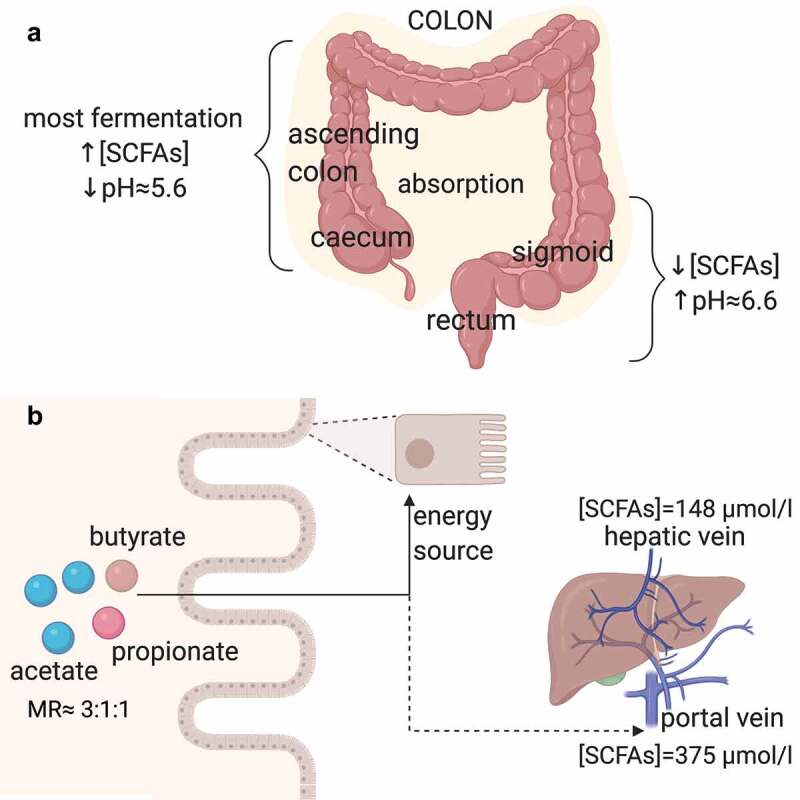
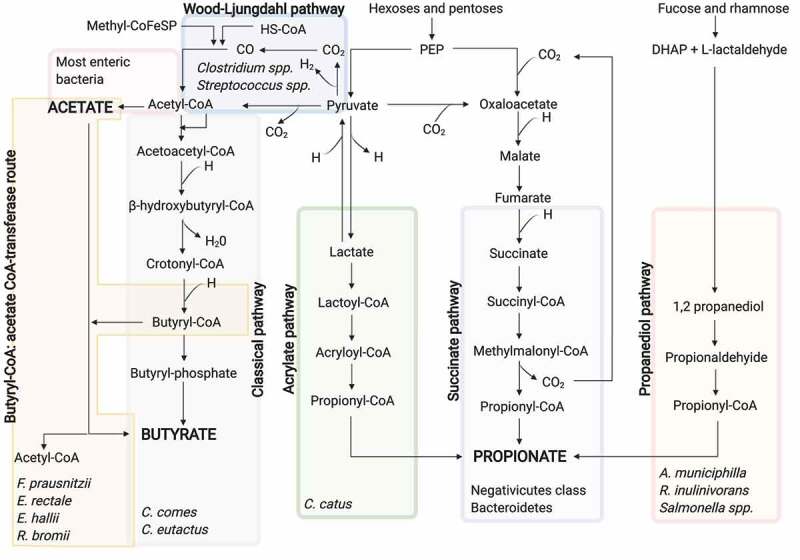
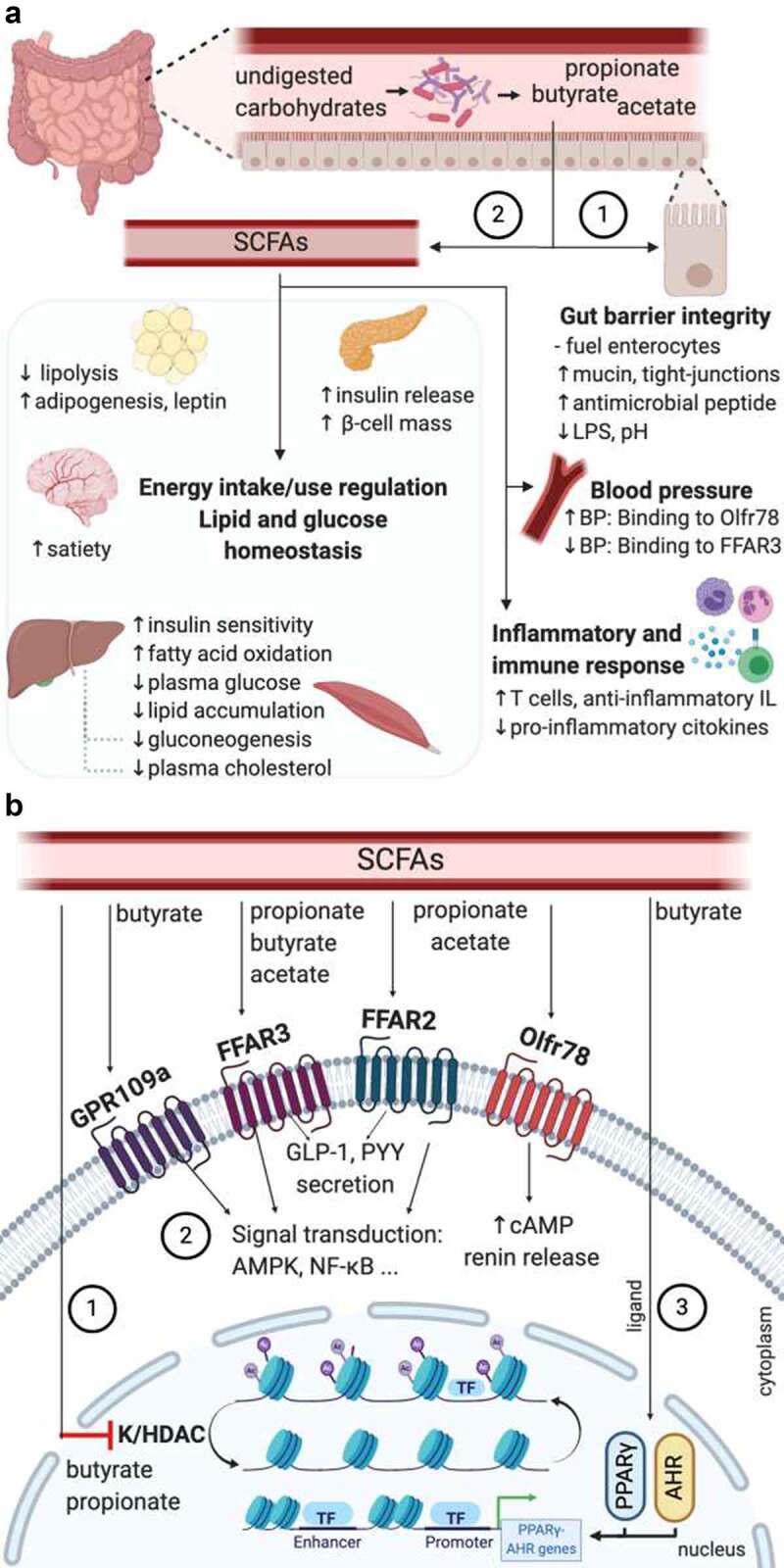
Verification
Claims the paper makes
The claims and statistics of this paper haven’t been checked yet.
Free: it reads the open-access text and checks the first 5 claims that cite a source we can check. Create a free account to check every claim.
Self-check
Percentages, sums and reported differences re-computed from the paper’s own numbers.
The self-check needs the paper’s full text.
Citations
Cites
1 retracted
RETRACTED: Primary Prevention of Cardiovascular Disease with a Mediterranean Diet
Estruch, R., Ros, E., Salas-Salvadó, J., Covas, M.-I., Corella, D., Arós, F., Gómez-Gracia, E., Ruiz-Gutiérrez, V., Fiol, M., Lapetra, J., et al. (2013) · New England Journal of Medicine · doi:10.1056/nejmoa1200303 · Cited by 4,257 · cited 1×
“Diets rich in fiber and omega-3 exert beneficial effects in CMD(167,168) lowering the risk of CVD by about 30%, for example, in the Mediterranean diet.(168) The risk decrease is due to the capability of these diets to reduce risk factors associated with CMH, such as blood pressure, cholesterol, body weight, and system…”
BackgroundRetractedZhang, Q., Wang, C., Zheng, M., Li, Y., Li, J., Zhang, L., Shang, X., & Yan, C. (2015) · Cerebrovascular Diseases · doi:10.1159/000369778 · Cited by 11,533
Projections of Global Mortality and Burden of Disease from 2002 to 2030
Mathers, C. D., & Loncar, D. (2006) · PLoS Medicine · doi:10.1371/journal.pmed.0030442 · Cited by 11,386
Diet rapidly and reproducibly alters the human gut microbiome
David, L. A., Maurice, C. F., Carmody, R. N., Gootenberg, D. B., Button, J. E., Wolfe, B. E., Ling, A. V., Devlin, A. S., Varma, Y., Fischbach, M. A., et al. (2014) · Nature · doi:10.1038/nature12820 · Cited by 10,100
Human gut microbes associated with obesity
Ley, R. E., Turnbaugh, P. J., Klein, S., & Gordon, J. I. (2006) · Nature · doi:10.1038/4441022a · Cited by 8,785
Rudd, K. E., Johnson, S. C., Agesa, K. M., Shackelford, K. A., Tsoi, D., Kievlan, D. R., Colombara, D. V., Ikuta, K. S., Kissoon, N., Finfer, S., et al. (2020) · The Lancet · doi:10.1016/s0140-6736(19)32989-7 · Cited by 7,971
Diversity of the Human Intestinal Microbial Flora
Eckburg, P. B., Bik, E. M., Bernstein, C. N., Purdom, E., Dethlefsen, L., Sargent, M., Gill, S. R., Nelson, K. E., & Relman, D. A. (2005) · Science · doi:10.1126/science.1110591 · Cited by 7,913
Changes of Intestinal Functions in Liver Cirrhosis
Fukui, H., & Wiest, R. (2016) · Inflammatory Intestinal Diseases · doi:10.1159/000444436 · Cited by 6,808
Linking long-term dietary patterns with gut microbial enterotypes
Wu, G. D., Chen, J., Hoffmann, C., Bittinger, K., Chen, Y.-Y., Keilbaugh, S. A., Bewtra, M., Knights, D., Walters, W. A., Knight, R., et al. (2011) · Science · doi:10.1126/science.1208344 · Cited by 6,513
De Filippo, C., Cavalieri, D., Di Paola, M., Ramazzotti, M., Poullet, J. B., Massart, S., Collini, S., Pieraccini, G., & Lionetti, P. (2010) · Proceedings of the National Academy of Sciences · doi:10.1073/pnas.1005963107 · Cited by 5,579 · cited 1×
“Another study comparing the fecal microbiota between children from a rural African village with European children observed that African children, who have fiber-rich diets, presented significantly more SCFAs and bacteria belonging to the Bacteroidetes phylum.(178) More studies in which fiber-rich diets positively infl…”
Background
Research works printed but not linked: 1
- Macfarlane J. 1995. Proteolysis and amino acid fermentation. Human colonic bacteria. 75– 100.
Cited by
Items 201–300 of 1,000
Zißler, J., Rothhammer, V., & Linnerbauer, M. (2024) · Cells · doi:10.3390/cells13060497 · Cited by 25
“These metabolic pathways yield essential amino acids and metabolites, e.g., through the fermentation of nondigestible dietary fibers to short-chain fatty acids such as acetate, propionate, and butyrate [25].”
BackgroundLv, J., Zhao, H., Yu, Y., Wang, J.-H., Zhang, X., Guo, Z.-Q., Jiang, W., Wang, K., & Guo, L. (2025) · World Journal of Gastroenterology · doi:10.3748/wjg.v31.i30.108680 · Cited by 24
“The regulatory effects of SCFAs on lipid metabolism are particularly noteworthy[95].”
Targeting gut–liver–kidney axis: microbiota-derived metabolites and therapeutic implications
Zhang, Y., Sun, C., Wang, Y., Zhang, H., Fan, Y., Zhao, H., & Li, P. (2026) · Cell Communication and Signaling · doi:10.1186/s12964-025-02625-x · Cited by 27
“Several studies have shown that restricting protein intake to 0.6–0.8 g/kg/day significantly reduces serum urea nitrogen and levels of protein-bound uremic toxins such as IS and PCS, thereby slowing renal function decline [181, 199].”
InfluentialLi, X., An, S., Luo, Z., Zhou, P., Wang, L., & Feng, R. (2023) · Food Chemistry · doi:10.1016/j.foodchem.2023.135592 · Cited by 24
Sun, C. L., Qiu, C., Zhang, Y., Yan, M., Tan, J., He, J., Yang, D., Wang, D., & Wu, L. (2023) · Molecules · doi:10.3390/molecules28104042 · Cited by 24
“SCFAs also inhibit the activity of NF-κB by inhibiting histone deacetylase (HDAC) activity, thereby affecting the composition and function of T cells and maintaining immune homeostasis [49].”
BackgroundProtein modification by short-chain fatty acid metabolites in sepsis: a comprehensive review
Zhang, L., Shi, X., Qiu, H., Liu, S., Yang, T., Li, X., & Liu, X. (2023) · Frontiers in Immunology · doi:10.3389/fimmu.2023.1171834 · Cited by 25
Han, Y. Z., Zheng, H., Du, B. X., Zhang, Y., Zhu, X. Y., Li, J., Wang, Y., & Liu, W. J. (2023) · Journal of Diabetes Research · doi:10.1155/2023/8871677 · Cited by 25
“SCFAs inhibit in fl ammation through their interaction with free fatty acid receptors and GPR complex signal transduction [96 – 99].”
BackgroundChuaypen, N., Asumpinawong, A., Sawangsri, P., Khamjerm, J., Iadsee, N., Jinato, T., Sutheeworapong, S., Udomsawaengsup, S., & Tangkijvanich, P. (2024) · International Journal of Molecular Sciences · doi:10.3390/ijms25031807 · Cited by 25
“All participants provided informed consent for this study.”
BackgroundHo, K. L., Karwi, Q. G., Wang, F., Wagg, C. S., Zhang, L., Panidarapu, S., Chen, B., Pherwani, S., Greenwell, A. A., Oudit, G. Y., et al. (2024) · Cardiovascular Research · doi:10.1093/cvr/cvae092 · Cited by 25
The new science of sleep: From cells to large-scale societies
Sharon, O., Simon, E. B., Shah, V. D., Desel, T., & Walker, M. P. (2024) · PLoS Biology · doi:10.1371/journal.pbio.3002684 · Cited by 25
“After applying the thermal cooling manipulation throughout the night, the number decreased to less than 5% likelihood, and deep NREM sleep also increased.”
MethodCruz, C. S., Huerta, A. R., Barrientos, J. L., Rodriguez, C., Devani, A., Boosahda, V., Mareddy, N. S. R., Silva, G. B., Miranda, J. C. D. C., Gochi, K. A. R., et al. (2024) · Cureus · doi:10.7759/cureus.65136 · Cited by 24
“In contrast, normal intestinal flora produces beneficial short-chain fatty acids (SCFA), such as butyrate and propionate, which exhibit anti-inflammatory properties and may confer protection against cardiovascular disease [27] (Figure 1 ).”
BackgroundShe, J., Sun, L., Yu, Y., Fan, H., Li, X., Zhang, X., Zhuo, X., Guo, M., Liu, J., Liu, P., et al. (2024) · Gut Microbes · doi:10.1080/19490976.2024.2415487 · Cited by 24
“16 On the other hand, the intestinal flora disorder is associated with many diseases such as cardiovascular diseases, diabetes, obesity, cancer and so on.”
BackgroundInfluentialBeyond the Hayflick limit: How microbes influence cellular aging
Abavisani, M., Faraji, S., Ebadpour, N., Karav, S., & Sahebkar, A. (2025) · Ageing Research Reviews · doi:10.1016/j.arr.2025.102657 · Cited by 24
Cheng, X., Hu, Y., Yu, X., Chen, J., Guo, X., Cao, H., Hu, G., & Zhuang, Y. (2024) · Antioxidants · doi:10.3390/antiox13020140 · Cited by 23
“Butyrate, traditionally recognized as an energy substrate, is a short-chain fatty acid generated by the condensation of two acetyl-CoA molecules, forming acetoacetyl-CoA, which is then reduced to butyryl-CoA [28].”
BackgroundSørum, M. E., Boulund, U., Pietri, S. D., Weischendorff, S., Enevold, C., Rathe, M., Als-Nielsen, B. E. T., Hasle, H., Pamp, S. J., Stokholm, J., et al. (2025) · Blood Advances · doi:10.1182/bloodadvances.2024013986 · Cited by 23
Effect of Gut Dysbiosis on Onset of GI Cancers
Kumari, S., Srilatha, M., & Nagaraju, G. P. (2024) · Cancers · doi:10.3390/cancers17010090 · Cited by 23
“On the contrary, formate—an on-cometabolite generated from the gut—is released by Fusobacterium nucleatum , and promotes the invasion of colorectal cancer by stimulating the Aryl hydrocarbon receptor and enhancing cancer stemness [39].”
Liu, X., Guan, B., Hu, Z., Hu, X., Liu, S., Yang, K., Zhou, L., Yu, L. C., Yang, J., Chen, S., et al. (2025) · Food Research International · doi:10.1016/j.foodres.2025.116064 · Cited by 23
Luo, Y., Tang, R., & Huang, Y. (2025) · Food Research International · doi:10.1016/j.foodres.2025.116474 · Cited by 23
Gut Microbiome and Cardiovascular Health: Mechanisms, Therapeutic Potential and Future Directions
Edpuganti, S., Subhash, S., Subrahmaniyan, S. L., Latheef, S., & Albarari, S. S. A. (2025) · Heart International · doi:10.17925/hi.2025.19.2.3 · Cited by 23
Lahariya, R., Anand, G., Kumari, B., & Priyadarshi, K. (2026) · Journal of Neuroimmunology · doi:10.1016/j.jneuroim.2026.578870 · Cited by 24
Schönke, M., Ying, Z., Kovynev, A., Panhuis, W. I. H., Binnendijk, A., van der Poel, S., Pronk, A. C. M., Streefland, T. C. M., Hoekstra, M., Kooijman, S., et al. (2022) · The FASEB Journal · doi:10.1096/fj.202201304r · Cited by 23
“43,44 Indeed, it was confirmed recently that the exercise-induced enrichment of SCFA-producing bacteria ameliorated vascular inflammation and atherosclerosis development in ApoE knockout mice.”
Sun, Y., Ho, C., & Zhang, X. (2023) · Journal of Agricultural and Food Chemistry · doi:10.1021/acs.jafc.2c07742 · Cited by 23
The Roles and Mechanisms of Gut Microbiota in Food Allergy
Cheng, Y., Liu, X., Chen, F., Rolnik, B. M., Chleilat, F., Ling, Z., Snyder, M. P., & Zhou, X. (2023) · Advanced Gut & Microbiome Research · doi:10.1155/2023/9575410 · Cited by 23
Zhao, R., Zhang, C., Yu, L., Zhang, C., Zhao, J., Narbad, A., Zhai, Q., & Tian, F. (2023) · Polymers · doi:10.3390/polym15092103 · Cited by 23
“SCFAs are produced by the anaerobic intestinal microbiota by saccharolytic fermentation of complex carbohydrates (for example, dietary fiber, resistant starch, and inulin) that cannot be digested and absorbed by the small intestine [23].”
BackgroundBioactive Components in Fruit Interact with Gut Microbes
Jin, Y., Chen, L., Yu, Y., Hussain, M., & Zhong, H. (2023) · Biology · doi:10.3390/biology12101333 · Cited by 24
“…studies support that SCFAs play a beneficial role in the prevention and treatment of human diseases, such as regulation of cardio-metabolic outcomes [130], improvement of gut barrier integrity [138], regulating cardiac function [139], modulation of glucose and lipid metabolism [140], and mediation…”
BackgroundGut Microbiota Dysbiosis and Sleep Disorders: Culprit in Cardiovascular Diseases
Pala, B., Pennazzi, L., Nardoianni, G., Fogacci, F., Cicero, A. F. G., Renzo, L. D., Barbato, E., & Tocci, G. (2024) · Journal of Clinical Medicine · doi:10.3390/jcm13113254 · Cited by 23
“High levels of TMAO are associated with an increased risk of cardiovascular diseases, including arrhythmias [53].”
BackgroundThe Gut and Skin Microbiome and Its Association with Aging Clocks
Min, M., Egli, C., & Sivamani, R. K. (2024) · International Journal of Molecular Sciences · doi:10.3390/ijms25137471 · Cited by 23
“SCFA-producing bacteria, such as A. muciniphila , have been shown to improve gut barrier integrity and modulate metabolism, inflammation, and immune function [24].”
BackgroundFurukawa, N., Kobayashi, M., Ito, M., Matsui, H., Ohashi, K., Murohara, T., Takeda, J., Ueyama, J., Hirayama, M., & Ohno, K. (2024) · Clinical Nutrition · doi:10.1016/j.clnu.2024.09.045 · Cited by 23
Sleep deprivation-induced shifts in gut microbiota: Implications for neurological disorders
Wankhede, N. L., Kale, M. B., Kyada, A., Rekha, M. M., Chaudhary, K., Naidu, K. S., Rahangdale, S. R., Shende, P. V., Taksande, B. G., Khalid, M., et al. (2024) · Neuroscience · doi:10.1016/j.neuroscience.2024.11.070 · Cited by 24
Postbiotics: Multifunctional Microbial Products Transforming Animal Health and Performance
Prasad, S., Patel, B. B., Kumar, P., & Lall, R. (2025) · Veterinary Sciences · doi:10.3390/vetsci12121191 · Cited by 22
“Thus, SCFAs play diverse roles in maintaining physiological functions such as gut health and immune function [19].”
Song, W., Sheng, Q., Bai, Y., Li, L., Ning, X., Liu, Y., Song, C., Wang, T., Dong, X., Luo, Y., et al. (2023) · npj Science of Food · doi:10.1038/s41538-023-00190-6 · Cited by 22
The Interplay between Microbiota and Chemotherapy-Derived Metabolites in Breast Cancer
Plaza‐Díaz, J., & Álvarez‐Mercado, A. I. (2023) · Metabolites · doi:10.3390/metabo13060703 · Cited by 22
Wang, R., Zhao, Y., Fang, X., Miao, C., Ren, N., Chen, Y., Cheng, W., & Zhang, Q. (2023) · Nutrition · doi:10.1016/j.nut.2023.112127 · Cited by 22
Insights into the associations between the gut microbiome, its metabolites, and heart failure
Ahmad, A. F., Caparros-Martin, J. A., Gray, N., Lodge, S., Wist, J., Lee, S., O’Gara, F., Shah, A. S., Ward, N. C., & Dwivedi, G. (2023) · American Journal of Physiology-Heart and Circulatory Physiology · doi:10.1152/ajpheart.00436.2023 · Cited by 22
Zhao, T., Lv, J., Peng, M., Mi, J., Zhang, S., Liu, J., Chen, T., Sun, Z., & Niu, R. (2023) · Chemico-Biological Interactions · doi:10.1016/j.cbi.2023.110786 · Cited by 22
Wu, J., Lu, P., Zhang, H., Fan, Q., & Liu, X. (2023) · Food Bioscience · doi:10.1016/j.fbio.2023.103397 · Cited by 22
Keivanlou, M., Amini‐Salehi, E., Hassanipour, S., Zare, R., Mohammadi‐Vajari, E., Hashemi, M., Salari, A., & Porteghali, P. (2024) · Current Diabetes Reviews · doi:10.2174/0115733998284844240102110559 · Cited by 22
Along the microbiota–gut–brain axis: Use of plant polysaccharides to improve mental disorders
Gao, J., Liang, Y., & Liu, P. (2024) · International Journal of Biological Macromolecules · doi:10.1016/j.ijbiomac.2024.130903 · Cited by 23
Psychobiotic Properties of Lactiplantibacillus plantarum in Neurodegenerative Diseases
Chiano, M. D., Sallustio, F., Fiocco, D., Rocchetti, M. T., Spano, G., Pontrelli, P., Moschetta, A., Gesualdo, L., Gadaleta, R. M., & Gallone, A. (2024) · International Journal of Molecular Sciences · doi:10.3390/ijms25179489 · Cited by 22
Effects of chitosan guanidine on blood glucose regulation and gut microbiota in T2DM
Liu, Y., Miao, Q., Liu, Y., & Jiang, M. (2024) · International Journal of Biological Macromolecules · doi:10.1016/j.ijbiomac.2024.135422 · Cited by 22
Wang, L. J., Sun, J., Chen, S., Sun, Y., Zheng, Y., & Feng, J. C. (2025) · Frontiers in Medicine · doi:10.3389/fmed.2024.1490929 · Cited by 22
Palanivelu, L., Chang, C.-W., Li, S., Liang, Y., Lo, Y., & Chen, Y. (2025) · ACS Chemical Neuroscience · doi:10.1021/acschemneuro.5c00063 · Cited by 21
“79 80 − 82 The imbalance between these phyla in the AD group may drive systemic inflammation, further compromising the BBB and promoting neuroinflammation.”
Seifishahpar, M., Kalupahana, N. S., Kim, J. H., & Moustaïd‐Moussa, N. (2025) · Annual Review of Nutrition · doi:10.1146/annurev-nutr-111224-024937 · Cited by 21
Wang, B., Yang, J., Tao, L., Zhou, X., & Ding, X. (2026) · Frontiers in Immunology · doi:10.3389/fimmu.2026.1730418 · Cited by 21
Ahmad, S., Ali, S., Rehman, A. U., Haq, I. U., Liaqat, I., Aftab, M. N., & Shume, T. (2026) · Journal of Medical Microbiology · doi:10.1099/jmm.0.002117 · Cited by 22
“These SCFAs also stimulate the production of antimicrobial peptides and chemicals, including REGIII γ , α , β - defensins and cathelicidin LL-37, that defend against potential pathogens and associated inflammatory conditions [25, 194, 195].”
Wu, S., Chen, W.-J., Chang, J. P., Guu, T., Hsin, M.-C., Huang, C., Mischoulon, D., Capuron, L., & Su, K. (2023) · Journal of Personalized Medicine · doi:10.3390/jpm13061003 · Cited by 21
“These anaerobic bacteria ferment fiber and produce short-chain fatty acids (SCFA), which are essential metabolites for maintaining intestinal homeostasis, regulating immune function, and having systemic effects on metabolism and cardiovascular health [87].”
BackgroundHan, Y., Qu, X., Geng, H., Wang, L., Zhu, Z., Zhang, Y., Cui, X., Lu, H., Wang, X. D., Chen, P., et al. (2023) · Analytical Chemistry · doi:10.1021/acs.analchem.3c03308 · Cited by 21
Saleem, M., Masenga, S. K., Ishimwe, J., Demirci, M., Ahmad, T., Jamison, S., Albritton, C. F., Mwesigwa, N., Haynes, A. P., White, J., et al. (2024) · Hypertension · doi:10.1161/hypertensionaha.123.22031 · Cited by 22
“109 High-salt affects the levels of SCFAs in humans and mice.”
BackgroundGupta, N., El-Gawaad, N. S. A., Mallasiy, L. O., Gupta, H., Yadav, V. K., Alghamdi, S. A., & Qusty, N. F. (2024) · Frontiers in Microbiology · doi:10.3389/fmicb.2024.1260793 · Cited by 23
“Induced SCFA levels facilitate gut-organ crosstalk, which helps to relocate various essential factors to distant host cells, in order to control cell-damaging factors such as inflammatory responses (Nogal et al., 2021).”
BackgroundJakha, K. H., Goyal, C., Dhyani, P., Rai, D. C., Saharan, B. S., Dhull, S. B., & Duhan, J. S. (2024) · Journal of Food Biochemistry · doi:10.1155/2024/9026617 · Cited by 21
“After reaching the colon, some DF may be fermented by gut microbiota and form short-chain fatty acids (SCFA) like butyrate, acetate, and propionate [19, 20].”
BackgroundVerma, M., Tripathi, M., & Singh, B. K. (2024) · IntechOpen eBooks · doi:10.5772/intechopen.114832 · Cited by 24
Isokääntä, H., da Silva, L. P., Karu, N., Kallonen, T., Aatsinki, A., Hankemeier, T., Schimmel, L., Diaz, E., Hyötyläinen, T., Dorrestein, P. C., et al. (2024) · Analytical Chemistry · doi:10.1021/acs.analchem.3c04436 · Cited by 21
Ahmad, F., Ahmed, S. H., Choucair, F., Chouliaras, S., Awwad, J. T., & Terranegra, A. (2025) · Journal of Translational Medicine · doi:10.1186/s12967-025-06117-x · Cited by 21
Liu, N., Dai, S., Fan, X. M., Li, B., Chen, M., Gong, P., & Chen, X. (2025) · International Journal of Biological Macromolecules · doi:10.1016/j.ijbiomac.2025.141714 · Cited by 21
Fueling the fire: colonocyte metabolism and its effect on the colonic epithelia
Martínez-Ruiz, M., Robeson, M. S., & Piccolo, B. D. (2025) · Critical Reviews in Food Science and Nutrition · doi:10.1080/10408398.2025.2507701 · Cited by 20
“…health, and childhood nutrition, describing SCFA production by the gut microbiota, its uptake by the host, and effects on host metabolism, can be found summarized in the work of den Besten et al. 2013, Lange, et al. 2013; Nogal, Valdes, and Menni 2021; Pekmez, Dragsted, and Brahe 2019.”
Unraveling the complexities of diet induced obesity and glucolipid dysfunction in metabolic syndrome
Dutta, B., Tripathy, A., Archana, P. R., & Kamath, S. U. (2025) · Diabetology & Metabolic Syndrome · doi:10.1186/s13098-025-01837-y · Cited by 21
Marcharla, E., Vishnuprasadh, A., Gnanasekaran, L., Vinayagam, S., Sundaram, T., & Ganesan, S. (2025) · Probiotics and Antimicrobial Proteins · doi:10.1007/s12602-025-10660-w · Cited by 20
Trebucq, L. L., Lamberti, M. L., Rota, R. P., Aiello, I., Borio, C. S., Bilen, M. F., Golombek, D. A., Plano, S. A., & Chiesa, J. J. (2023) · Frontiers in Nutrition · doi:10.3389/fnut.2023.1154647 · Cited by 20
“This so-called incretin effect supplies additional circadian controls for blood glucose and lipid homeostasis (56, 57).”
BackgroundKumar, H. S., Wisner, A. S., Refsnider, J. M., Martyniuk, C. J., & Zubcevic, J. A. (2023) · Frontiers in Physiology · doi:10.3389/fphys.2023.1186645 · Cited by 20
Ortiz, J. A., Lorente-Ros, Á., Briones-Figueroa, A., Morán‐Álvarez, P., Fernández, A. G., Garrote-Corral, S., Amil-Casas, I., Carrasco-Sayalero, Á., Velarde, A. T., Camino-López, A., et al. (2023) · Heliyon · doi:10.1016/j.heliyon.2023.e20854 · Cited by 20
“Fiber and omega-3-rich diets change the abundance of some gut microbial genera and decrease total and LDL cholesterol [52 – 55], which could lead to increased SCFAs production [56].”
BackgroundWang, H., & Wang, Y. (2024) · Canadian Journal of Infectious Diseases and Medical Microbiology · doi:10.1155/2024/8640014 · Cited by 20
Satthawiwat, N., Jinato, T., Sutheeworapong, S., Tanpowpong, N., Chuaypen, N., & Tangkijvanich, P. (2024) · Nutrients · doi:10.3390/nu16121800 · Cited by 20
“Similarly, the distributions of HSD17B13 AG + GG were not different between the studied groups (OR = 1.08; 95%CI: 0.45–2.59; p = 0.863).”
BackgroundInfluentialOlejnik, P., & Golenia, A. (2024) · Cells · doi:10.3390/cells13231962 · Cited by 20
“Diets rich in fiber and omega-3 fatty acids increase SCFA production and the amount of SCFA-producing bacteria, subsequently exerting an anti-inflammatory effect [93].”
Navigating mental health in space: gut–brain axis and microbiome dynamics
Yang, J., Kim, H.-D., Barrila, J., Lee, S. M., Nickerson, C. A., Ott, C. M., Israel, S., Choukèr, A., & Yang, J. (2025) · Experimental & Molecular Medicine · doi:10.1038/s12276-025-01488-z · Cited by 20
Rao, S. C., Esvaran, M., Chen, L., Keil, A. D., Gollow, I., Simmer, K. N., Wemheuer, B., Conway, P. L., & Patole, S. (2022) · Pediatric Research · doi:10.1038/s41390-021-01884-x · Cited by 20
“The major SCFAs (80–95%) in the gut are acetate, propionate, and butyrate.(18,19)”
BackgroundEffect of Cordyceps militaris on formation of short-chain fatty acids as postbiotic metabolites
Omak, G., & Yilmaz‐Ersan, L. (2022) · Preparative Biochemistry & Biotechnology · doi:10.1080/10826068.2022.2033992 · Cited by 21
Phenolic compounds in hypertension: Targeting gut-brain interactions and endothelial dysfunction
Alves, J. L. D. B., Brasil, J. M. A., Maia, L. A., Lima, M. D. C., Sampaio, K. B., & de Souza, E. L. (2023) · Journal of Functional Foods · doi:10.1016/j.jff.2023.105531 · Cited by 21
Pope, R., Visconti, A., Zhang, X., Louca, P., Baleanu, A.-F., Lin, Y., Asnicar, F., Bermingham, K. M., Wong, K. E., Michelotti, G. A., et al. (2025) · Nature Communications · doi:10.1038/s41467-025-66046-7 · Cited by 21
“Below the Bonferroni threshold ( p 6.67 ×10 − 5 ), 2620 of these associations were signi fi cant, including established correlations between microbial metabolites such as SCFAs and secondary bile acids, with their corresponding bacterial producers (Supplementary Data 12).”
InfluentialSelf-citationMicrobial vitamin production mediates dietary effects on diabetic risk
Wang, D., Pham, V. T., Steinert, R. E., Zhernakova, A., & Fu, J. (2022) · Gut Microbes · doi:10.1080/19490976.2022.2154550 · Cited by 19
“SCFAs have been shown to protect against cardiometabolic diseases and have been implicated in diabetes care.(32) We found that fecal levels of five SCFAs (propionate, butyrate, acetate, valerate, and caproate) were associated with 30 bacterial vitamin pathway variables (FDR < 0.”
BackgroundJørgensen, S. F., Macpherson, M. E., Skarpengland, T., Berge, R. K., Fevang, B., Halvorsen, B. L., & Aukrust, P. (2023) · Frontiers in Immunology · doi:10.3389/fimmu.2023.1199727 · Cited by 19
Pang, J., Beyi, A. F., Looft, T. P., Zhang, Q., & Şahin, O. (2023) · Antibiotics · doi:10.3390/antibiotics12101503 · Cited by 19
“SCFAs are known to contribute to gut health by promoting the growth of beneficial microorganisms and creating an environment less hospitable to pathogens [55].”
BackgroundThe central role of mitochondrial metabolism in hepatic steatosis
Win, S., Than, T. A., Kaplowitz, N., Wong, N., Arya, A., Win, Z. T., Win, S. H., Phyu, E., Kuemerle, C., Suh, J., et al. (2024) · Exploration of Digestive Diseases · doi:10.37349/edd.2024.00039 · Cited by 19
Mannan-oligosaccharides promote gut microecological recovery after antibiotic disturbance
Chen, J., Yin, J., Xie, H., Lu, W., Wang, H., Zhao, J., & Zhu, J. (2024) · Food & Function · doi:10.1039/d4fo00332b · Cited by 19
Tsai, C., Chiu, M., Kek, H.-P., Yang, M., Su, Y., Liu, H.-K., Wu, M., & Yeh, Y. (2024) · International Journal of Molecular Sciences · doi:10.3390/ijms25073640 · Cited by 19
“Similarly, Faecalibacterium prausnitzii has a protective effect against MAFLD [22–24].”
BackgroundAlam, K., Nair, L. S., Mukherjee, S., Kaur, K., Singh, M., Kaity, S., Ravichandiran, V., Banerjee, S., & Roy, S. (2024) · Bio-Design and Manufacturing · doi:10.1007/s42242-024-00282-6 · Cited by 19
“…generated by most gut microbiomes, such as Akkermansia muciniphila , Faecalibacterium prausnitzii ( F. prausnitzii ), Eubacterium hallii , Bacteroides spp., Bifidobacterium spp., and Clostridium spp., result in epigenetically regulated gene expression because of HDAC inhibition by SCFAs [93, 94].”
Sex differences in gut microbiota, hypertension, and cardiovascular risk
Sharma, A., Kapur, S. K., Kancharla, P., & Yang, T. (2024) · European Journal of Pharmacology · doi:10.1016/j.ejphar.2024.177183 · Cited by 19
Lu, Y., Sun, W., Zhang, Z., Yu, J. H., Zhang, J., & Guo, Q. (2025) · Food Bioscience · doi:10.1016/j.fbio.2025.105848 · Cited by 19
Clementino, J. R., de Oliveira, L. I. G., Salgaço, M. K., de Oliveira, F. L., Mesa, V., Tavares, J. F., Silva-Pereira, L., Raimundo, B. V. B., Oliveira, K. C., de Medeiros, A. I., et al. (2025) · Probiotics and Antimicrobial Proteins · doi:10.1007/s12602-025-10491-9 · Cited by 19
“A balanced gut micro-biome plays a vital role in intestinal permeability, metabolic regulation, glucose and lipid metabolism, insulin sensitivity, and the modulation of inflammation and the immune system [6].”
Gan, H.-J., Chen, S., Yao, K., Lin, X.-Y., Juhasz, A. L., Zhou, D., & Li, H. (2025) · Environmental Health Perspectives · doi:10.1289/ehp15472 · Cited by 20
Harmonizing gut microbiota dysbiosis: Unveiling the influence of diet and lifestyle interventions
Pandit, S. S., Meganathan, P., & Vedagiri, H. (2025) · Metabolism Open · doi:10.1016/j.metop.2025.100384 · Cited by 20
“SCFAs have the potential to influence resident macrophages and hepatocytes, albeit with potential functional specificity for each SCFA [9].”
Yun, L., Li, W., Wu, T., & Zhang, M. (2022) · Food & Function · doi:10.1039/d2fo00536k · Cited by 20
Hormonal drugs: Influence on growth, biofilm formation, and adherence of selected gut microbiota
Hammouda, Z. K., Wasfi, R., & Abdeltawab, N. F. (2023) · Frontiers in Cellular and Infection Microbiology · doi:10.3389/fcimb.2023.1147585 · Cited by 19
“Strict anaerobic bacteria are known for their ability to produce short-chain fatty acids by the saccharolytic fermentation of complex polysaccharides (Nogal et al., 2021), therefore the effect of hormonal drugs on production of SCFA by B.”
BackgroundChettri, B., Mondal, S., Jha, S., & Dey, N. (2023) · ChemistrySelect · doi:10.1002/slct.202301856 · Cited by 18
Ameliorative Effects of Korean-Red-Ginseng-Derived Polysaccharide on Antibiotic-Associated Diarrhea
Min, S. J., Kim, H., Yambe, N., & Shin, M. (2024) · Polymers · doi:10.3390/polym16020231 · Cited by 18
“Acetate is the primary substrate for cholesterol synthesis in the colon; butyrate is used as an energy resource in the colonic epithelium, and proportionally reduces the amount of cholesterol [9].”
BackgroundCascade Microbial Metabolism of Ferulic Acid In Vitro Fermented by the Human Fecal Inoculum
Lu, S., Cheng, D., Yao, H. L., Wen, Y., Yu, Y., Li, H., Wang, J., & Sun, B. (2024) · Journal of Agricultural and Food Chemistry · doi:10.1021/acs.jafc.3c09782 · Cited by 18
Role of short chain fatty acids on astrocytes and microglia in Alzheimer's disease brain
Wtpsk, S., Burton, M., Fernando, W. M. K. T., Jayasena, V., Brennan, C. S., & Fernando, W. M. A. D. B. (2024) · International Journal of Food Science & Technology · doi:10.1111/ijfs.17380 · Cited by 18
Chen, X., Xie, X., Sun, N., Liu, X., Liu, J., Zhang, W., & Cao, Y. (2024) · mBio · doi:10.1128/mbio.01906-24 · Cited by 19
“The intestinal SCFAs are mainly acetate, propionate, and butyrate (34), which are produced by anaerobic fermentation in the intestinal tract.”
BackgroundLow-Molecular-Weight Compounds Produced by the Intestinal Microbiota and Cardiovascular Disease
Cuervo, L., McAlpine, P. L., Olano, C., Fernández, J., & Lombó, F. (2024) · International Journal of Molecular Sciences · doi:10.3390/ijms251910397 · Cited by 18
Adipose tissue–gut microbiome crosstalk in inflammation and thermogenesis
Mauney, E. E., Wibowo, M. C., Tseng, Y., & Kostic, A. D. (2024) · Trends in Endocrinology and Metabolism · doi:10.1016/j.tem.2024.10.004 · Cited by 18
Decoding the impact of gut microbiota on heart failure
Zhao, S., Dan, L.-X., Huang, R. S., Shen, Z., Huang, D., Wu, P., & Ma, Z. (2025) · Genes & Diseases · doi:10.1016/j.gendis.2025.101592 · Cited by 18
“108 The primary bacterial genera responsible for producing SCFAs include Bacteroides , Bifi-dobacterium , Firmicutes , Ruminococcus , Lactobacillus , Clostridium , and Streptococcus .”
Gautam, P., Yadav, R., Vishwakarma, R. K., Shekhar, S., Pathak, A., & Singh, C. (2025) · ACS Chemical Neuroscience · doi:10.1021/acschemneuro.5c00254 · Cited by 18
Odun-Ayo, F., & Reddy, L. (2022) · Gastroenterology Insights · doi:10.3390/gastroent13010006 · Cited by 18
“One important function of GI microbiota is the ability to catabolize complex polysaccharides into short-chain fatty acids (SCFAs), such as butyrate, lactic acids, acetic acid, and propionate, which are major energy sources for the epithelium cells of the colon [164–166].”
Cui, J., Sachaphibulkij, K., Teo, W. S., Lim, H. M., Zou, L., Ong, C. N., Alberts, R., Chen, J., & Lim, L. H. K. (2022) · Theranostics · doi:10.7150/thno.68611 · Cited by 18
“Short-chain fatty acids (SCFAs) are known to play crucial roles in immune regulation and inflammatory diseases [64-66].”
BackgroundTang, M.-G., Xiong, L., Huang, J.-A., Hara, Y., Zhang, S., Liu, Z., & Liu, A. (2025) · The Journal of Nutritional Biochemistry · doi:10.1016/j.jnutbio.2025.110031 · Cited by 18
Gut Microbiota: An Ally in the Mechanisms and Interventions of Healthy Aging
Chatterjee, S. S., Hebbani, A. V., & Syed, K. (2025) · Gastrointestinal Disorders · doi:10.3390/gidisord7040068 · Cited by 17
Dargenio, V. N., Sgarro, N., Grasta, G. L., Begucci, M., Castellaneta, S. P., Dargenio, C., Paulucci, L., Francavilla, R., & Cristofori, F. (2025) · Nutrients · doi:10.3390/nu17223601 · Cited by 17
“Metabolically, microbial activity centers on SCFAs, which increase energy yield from indigestible substrates [178] and regulate host thermogenesis via PPARG and UCP2, enhancing lipid oxidation [179].”
Fan, S., Tu, Z., Zhang, Z., Fu, L. H., Shen, N., & Xiao, X. (2026) · Journal of Agricultural and Food Chemistry · doi:10.1021/acs.jafc.5c12022 · Cited by 17
Subproductos de interés nutricional y funcional de Agave salmiana
Huezcas-Garrido, L., Alanís‐García, E., Ariza‐Ortega, J. A., & Zafra‐Rojas, Q. Y. (2022) · Revista chilena de nutrición · doi:10.4067/s0717-75182022000200250 · Cited by 17
Patumcharoenpol, P., Kingkaw, A., Nakphaichit, M., Chatchatee, P., Suratannon, N., Panagiotou, G., & Vongsangnak, W. (2023) · Biology · doi:10.3390/biology12091262 · Cited by 17
Gai, W., Lin, L., Wang, Y., Bian, J., & Tao, Y. (2024) · Journal of Nephrology · doi:10.1007/s40620-023-01808-4 · Cited by 17
“Finally, dietary fiber influences cardiovascular and metabolic problems by increasing the formation of short-chain fatty acids, in addition to modifying lipid and glucose metabolism, thereby affecting CKD development and risk [46, 47].”
Background
Metadata
- Authors
- Nogal, A., Valdes, A. M., & Menni, C.
- Affiliations
- St Thomas' Hospital (GB)
- Corresponding author
- Menni, Cristina
- Venue
- Gut Microbes
- Publisher
- Informa UK Limited
- Published
- 2021-01-01
- Volume
- 13
- Issue
- 1
- Pages
- 1-24
- ISSN
- 1949-0976 (ISSN-L)
- 1949-0984
- PMC
- PMC8007165
- OpenAlex
- W3137495763
- Semantic Scholar
- a27da66278fee146f5d8feac192a2118138fd791
- Cited by
- 917
- References
- 196
- Citations by year
- 2026: 221 · 2025: 257 · 2024: 221 · 2023: 142 · 2022: 63 · 2021: 13
- FWCI
- 11.52
- Type
- journal article
- Language
- en
- Open access
- gold
- doi.org
- Licence
- cc-by
- creativecommons.org/licenses/by/4.0/ (unspecified)
- doi.org/10.1080/policies-text-data-mining (tdm)
- Locations
- Gut Microbes (publishedVersion, cc-by)
- PubMed Central (publishedVersion, cc-by)
- PubMed (publishedVersion)
- Archivio Istituzionale della Ricerca (Universita Degli Studi Di Milano) (submittedVersion, other-oa)
- DOAJ (DOAJ: Directory of Open Access Journals) (submittedVersion, cc-by-sa)
- Research Portal (King's College London) (submittedVersion, other-oa)
- Funders
- Department of Twin Research is funded by the Wellcome Trust, Medical Research Council
- Chronic Disease Research Foundation (CDRF-18/2019, CDRF-19/2019, CDRF-2017)
- Medical Research Council (AIMHY; MR/M016560/1)
- National Institute for Health Research Nottingham Biomedical Research Centre (NA)
- Topics
- Life Sciences › Biochemistry, Genetics and Molecular Biology › Molecular Biology › Gut microbiota and health
- Health Sciences › Nursing › Nutrition and Dietetics › Microbial Metabolites in Food Biotechnology
- Health Sciences › Medicine › Public Health, Environmental and Occupational Health › Nutritional Studies and Diet
- Keywords
- short-chain fatty acids, gut microbiota, diet, cardiometabolic disease, dietary fiber, omega-3 fatty acids, intestinal barrier integrity, glucose metabolism, lipid metabolism, immune regulation, inflammation, blood pressure, dietary intervention
- MeSH terms
- Gastrointestinal Microbiome, Cardiometabolic Risk Factors, Bacteria, Cardiovascular Diseases, Diet, Energy Metabolism, Fatty Acids, Volatile, Humans, Metabolic Syndrome, Gastrointestinal Tract
About these checks
Registry, retraction, Cites and statistics results are computed, not judged, with one exception: a printed reference that no index lists is read once by a model before it counts as a citation error. Claims are extracted by a model and kept only when their quote appears verbatim in the text; each cited source is then checked, with a model’s help, for whether it says what the claim relies on. Those verdicts can be wrong — read the claim’s quote and the cited source before relying on one.
Statistics and arithmetic are recomputed, not judged.
Confidence bands are shown only for fields calibrated on our annotated test set. None is calibrated yet, so no band is shown.
What counts as a claim ›How we measure confidence ›How we check this ›
Are you an author, or do you see a problem with this page? Request a review
Data sources
Bibliographic data: Semantic Scholar, OpenAlex, Crossref.
Contains information from the Semantic Scholar Academic Graph Datasets, made available under the ODC Attribution License (ODC-BY 1.0).
Semantic Scholar’s data is described in: Kinney, R., et al. (2023). The Semantic Scholar Open Data Platform. arXiv:2301.10140.
