

The role of short-chain fatty acids in the interplay between gut microbiota and diet in cardio-metabolic health
Open accessThe DOI matches its Crossref record; 196 of the 196 references it cites were found in a registry or an index.
Abstract
The gut microbiota plays an important role in cardio-metabolic diseases with diet being among the strongest modulators of gut microbiota composition and function. Resistant dietary carbohydrates are fermented to short-chain fatty acids (SCFAs) by the gut bacteria. Fiber and omega-3 rich diets increase SCFAs production and abundance of SCFA-producing bacteria. Likewise, SCFAs can improve gut barrier integrity, glucose, and lipid metabolism, regulate the immune system, the inflammatory response, and blood pressure. Therefore, targeting the gut microbiota with dietary strategies leading to increased SCFA production may benefit cardio-metabolic health. In this review, we provide an overview of the association between diet, SCFAs produced by the gut microbiota and cardio-metabolic diseases. We first discuss the association between the human gut microbiota and cardio-metabolic diseases, then investigate the role of SCFAs and finally explore the beneficial effects of specific dietary interventions that can improve cardio-metabolic outcomes through boosting the SCFA production.
Overview
The claims and statistics of this paper haven’t been checked yet.
Free: it reads the open-access text and checks the first 5 claims that cite a source we can check. Create a free account to check every claim.
Integrity signals
Registry
Cites
Statistics
Figures
Verification
Claims the paper makes
The claims and statistics of this paper haven’t been checked yet.
Free: it reads the open-access text and checks the first 5 claims that cite a source we can check. Create a free account to check every claim.
Self-check
Percentages, sums and reported differences re-computed from the paper’s own numbers.
The self-check needs the paper’s full text.
Citations
Cites
1 retracted
RETRACTED: Primary Prevention of Cardiovascular Disease with a Mediterranean Diet
Estruch, R., Ros, E., Salas-Salvadó, J., Covas, M.-I., Corella, D., Arós, F., Gómez-Gracia, E., Ruiz-Gutiérrez, V., Fiol, M., Lapetra, J., et al. (2013) · New England Journal of Medicine · doi:10.1056/nejmoa1200303 · Cited by 4,257 · cited 1×
“Diets rich in fiber and omega-3 exert beneficial effects in CMD(167,168) lowering the risk of CVD by about 30%, for example, in the Mediterranean diet.(168) The risk decrease is due to the capability of these diets to reduce risk factors associated with CMH, such as blood pressure, cholesterol, body weight, and system…”
BackgroundRetractedZhang, Q., Wang, C., Zheng, M., Li, Y., Li, J., Zhang, L., Shang, X., & Yan, C. (2015) · Cerebrovascular Diseases · doi:10.1159/000369778 · Cited by 11,533
Projections of Global Mortality and Burden of Disease from 2002 to 2030
Mathers, C. D., & Loncar, D. (2006) · PLoS Medicine · doi:10.1371/journal.pmed.0030442 · Cited by 11,386
Diet rapidly and reproducibly alters the human gut microbiome
David, L. A., Maurice, C. F., Carmody, R. N., Gootenberg, D. B., Button, J. E., Wolfe, B. E., Ling, A. V., Devlin, A. S., Varma, Y., Fischbach, M. A., et al. (2014) · Nature · doi:10.1038/nature12820 · Cited by 10,100
Human gut microbes associated with obesity
Ley, R. E., Turnbaugh, P. J., Klein, S., & Gordon, J. I. (2006) · Nature · doi:10.1038/4441022a · Cited by 8,785
Rudd, K. E., Johnson, S. C., Agesa, K. M., Shackelford, K. A., Tsoi, D., Kievlan, D. R., Colombara, D. V., Ikuta, K. S., Kissoon, N., Finfer, S., et al. (2020) · The Lancet · doi:10.1016/s0140-6736(19)32989-7 · Cited by 7,971
Diversity of the Human Intestinal Microbial Flora
Eckburg, P. B., Bik, E. M., Bernstein, C. N., Purdom, E., Dethlefsen, L., Sargent, M., Gill, S. R., Nelson, K. E., & Relman, D. A. (2005) · Science · doi:10.1126/science.1110591 · Cited by 7,913
Changes of Intestinal Functions in Liver Cirrhosis
Fukui, H., & Wiest, R. (2016) · Inflammatory Intestinal Diseases · doi:10.1159/000444436 · Cited by 6,808
Linking long-term dietary patterns with gut microbial enterotypes
Wu, G. D., Chen, J., Hoffmann, C., Bittinger, K., Chen, Y.-Y., Keilbaugh, S. A., Bewtra, M., Knights, D., Walters, W. A., Knight, R., et al. (2011) · Science · doi:10.1126/science.1208344 · Cited by 6,513
De Filippo, C., Cavalieri, D., Di Paola, M., Ramazzotti, M., Poullet, J. B., Massart, S., Collini, S., Pieraccini, G., & Lionetti, P. (2010) · Proceedings of the National Academy of Sciences · doi:10.1073/pnas.1005963107 · Cited by 5,579 · cited 1×
“Another study comparing the fecal microbiota between children from a rural African village with European children observed that African children, who have fiber-rich diets, presented significantly more SCFAs and bacteria belonging to the Bacteroidetes phylum.(178) More studies in which fiber-rich diets positively infl…”
Background
Research works printed but not linked: 1
- Macfarlane J. 1995. Proteolysis and amino acid fermentation. Human colonic bacteria. 75– 100.
Cited by
Items 601–700 of 1,000
Biomaterials as kinetic translators of microbial metabolite signaling in cardiovascular disease
Maboudi, A., Ashabi, A., & Tavakolifar, M. (2026) · Materials Today Communications · doi:10.1016/j.mtcomm.2026.114815 · Cited by 3
Cattero, V., Mayer, T., Veilleux, A., Roussel, C., & Desjardins, Y. (2026) · Scientific Reports · doi:10.1038/s41598-026-39008-2 · Cited by 3
“…in the gut intestinal barrier function, for example through the increase production of glucagon-like peptide-2 (GLP-2) that promotes the integrity of the intestinal barrier by increasing division of intestinal epithelial cells, expression of tight-junction proteins and blood flow 77–80 .”
Cuevas‐Sierra, A., Higuera‐Gómez, A., de Cuevillas, B., Amigó, N., Martínez‐Urbistondo, M., Castejón, R., Vargas, J. A., & Martinez, J. A. (2026) · Scientific Reports · doi:10.1038/s41598-026-36024-0 · Cited by 4
Benefits of Sea Cucumber Viscera on Gut Microbiota and Their Implications for Health
Zhong, H., Zhang, H., Liu, W., Hussain, M. M., Chen, H., & Cui, P. (2026) · Biology · doi:10.3390/biology15040365 · Cited by 3
“The gut microbiota, an intricate community primarily consisting of bacteria from the phyla Firmicutes and Bacteroidetes , is essential for host health by facilitating the metabolism of complex carbohydrate molecules and the generation of short-chain fatty acids (SC-FAs) [10].”
Understanding the Role of Gut Microbial Enzyme in CMD
Zhuo, Y., Yu, L., Jiang, C., & Wang, K. (2026) · Circulation Research · doi:10.1161/circresaha.125.326979 · Cited by 3
The lipid–inflammation axis in rosacea: mechanistic insights and therapeutic implications
Zhang, X., Ning, T., & Feng, Y. (2026) · Frontiers in Immunology · doi:10.3389/fimmu.2026.1820173 · Cited by 3
Gut microbiota and their role in male reproductive health
Shi, X., Hu, Y., Wang, C., Hua, G., & Liu, S. (2026) · npj Science of Food · doi:10.1038/s41538-026-00845-0 · Cited by 3
Foods to Prevent Cardiometabolic Disease: Moving from “Saturated Fat” to “Whole Foods”
Astrup, A., Abodi, M., Mazzocchi, A., Agostoni, C., Brenna, J. T., Krauss, R. M., Hill, J. O., & Eckel, R. H. (2026) · Current Developments in Nutrition · doi:10.1016/j.cdnut.2026.107717 · Cited by 4
“There is accumulating evidence to support that these FAs possess positive effects on peripheral metabolism and may contribute to reduced risk of T2D and CMD and exert positive effects on brain metabolism, that is, satiety and cognition [15,19 – 22].”
Wastewater Microbiome Analysis for Population Alcohol Abuse
Wu, J., Chen, Y., Zhao, J., Prosun, T. A., O'Brien, J. W., Coin, L., Hai, F. I., Sanderson‐Smith, M. L., & Jiang, G. (2024) · Water · doi:10.3390/w16152149 · Cited by 3
Digestive health: functional foods for a happy gut
Pathak, V. A., Deokar, G. S., Kshirsagar, S. J., Kulkarni, K. S., Sultanbawa, Y. F., & Nirmal, N. P. (2025) · Elsevier eBooks · doi:10.1016/b978-0-443-28862-3.00004-2 · Cited by 3
de Almeida, T. C., Sabino, Y. N. V., Brasiel, P. G. D. A., Rocha, B. M. D. O., Alpino, G. D. C. Á., Rocha, V. N., Dias, V. C., Diniz, C. G., Paiva, A. D., da Silva, V. L., et al. (2025) · International Journal of Food Sciences and Nutrition · doi:10.1080/09637486.2025.2461142 · Cited by 3
“It is known that GM produces SCFA in the colon, mainly acetic, propionic, and butyric acids (Topping and Clifton 2001; Jiang et al. 2020; Machate et al. 2020; Nogal et al. 2021; Łoniewski et al. 2022; Schwab 2022).”
Liu, Z., Wang, P., Wei, J., Li, J., Luo, X., Zhang, X., Zhang, X., Li, W., & Qin, Q. (2025) · Fish & Shellfish Immunology · doi:10.1016/j.fsi.2025.110165 · Cited by 3
Vanderpeet, C. L., Dorey, E. S., Neal, E. S., MULLINS, T. P., McIntyre, D. H., Callaway, L. K., Barrett, H. L., Nitert, M. D., & Cuffe, J. S. M. (2025) · Nutrients · doi:10.3390/nu17071234 · Cited by 3
“While there is a large body of evidence demonstrating that the abundance of SCFA-producing bacteria correlates with plasma SCFA levels and overall health [48], there is less evidence for a direct role of these SCFAs on peripheral tissues.”
Liu, Q., Liuchen, X., Yuan, Y., Xiaopeng, D., Jie, W., Moye, T., Yuxin, L., Hongfeng, G. U., & Xuejiao, X. (2025) · Europe PMC (PubMed Central) · doi:10.19852/j.cnki.jtcm.2025.03.008 · Cited by 3
Selected Protective Mechanisms of Human Milk Against Intestinal Protozoal Infections in Infants
Wróblewska, J., Długosz, A., Wróblewski, M., Nuszkiewicz, J., Sutkowy, P., & Woźniak, A. (2025) · Current Issues in Molecular Biology · doi:10.3390/cimb47080674 · Cited by 3
“Although direct human studies measuring mucin levels in breast milk post maternal fiber intake are limited, recent research establishes that higher maternal dietary fiber correlates with increased diversity of milk microbiota and favorable functional profiles [94].”
Vitamin D and exercise in obesity: a neurovascular–muscle axis
Zheng, X., & Zhang, C. (2026) · Frontiers in Nutrition · doi:10.3389/fnut.2026.1750915 · Cited by 3
Early life gut microbiome in children following spontaneous preterm birth and maternal preeclampsia
Shadid, I. L. C., Lee‐Sarwar, K. A., Lü, Z., Yadama, A., Laranjo, N., Carey, V. J., O’Connor, G. T., Zeiger, R. S., Bacharier, L. B., Guchelaar, H., et al. (2023) · iScience · doi:10.1016/j.isci.2023.108311 · Cited by 3
Misha, M. S., Destrumelle, S., Jan, D. L., Mansour, N. M., Fizanne, L., Ouguerram, K., Desfontis, J., & Mallem, Y. (2024) · PLoS ONE · doi:10.1371/journal.pone.0306783 · Cited by 3
Dutta, P. K., Mohapatra, L., Mishra, D. K., Singh, A., Tripathi, A. S., & Parida, S. K. (2024) · Advances in medical diagnosis, treatment, and care (AMDTC) book series · doi:10.4018/979-8-3693-5528-2.ch014 · Cited by 3
Bohn, B., Tilves, C., Chen, Y., Doyon, M., Bouchard, L., Perron, P., Guérin, R., Massé, É., Hivert, M., & Mueller, N. T. (2024) · BMJ Open Gastroenterology · doi:10.1136/bmjgast-2024-001470 · Cited by 3
Meng, Y., Xian, T., Kang, G., Wang, H., & Feng, T. (2025) · Frontiers in Veterinary Science · doi:10.3389/fvets.2024.1525783 · Cited by 3
Shao, Y., Sun, Z., Yin, K., Xu, M., Zhao, J., Zhang, Z., & Yang, W. (2025) · European Journal of Nutrition · doi:10.1007/s00394-025-03637-6 · Cited by 3
“Furthermore, cereal fiber serves as the substrate for gut microbiota to produce short-chain fatty acids (SCFAs) and other metabolites that may link gut microbiota with improved cardiometabolic health [6, 7].”
Hammouda, Z. K., Wasfi, R., & Abdeltawab, N. F. (2025) · BMC Microbiology · doi:10.1186/s12866-025-04130-0 · Cited by 3
“These two species are known for their ability to ferment complex carbohydrates into SCFAs [20, 35].”
Exploring the significance of gut microbiota in cardiovascular health
Akter, S., Choubey, M., Rahman, M. M., Arbee, S., Mohib, M. M., Tirumalasetty, M. B., Minhaz, N., Akhtar, A., Bismee, N. N., & Mohiuddin, M. S. (2025) · Acta cardiologica. Supplementum · doi:10.1080/00015385.2025.2576444 · Cited by 3
“SCFAs are crucial for maintaining gut health, regulating inflammation, and providing an energy source for the cells lining the colon [28].”
Gut microbiome-derived metabolites in host health and diseases
Sangokunle, O. O., Singh, P. R., & Nagpal, R. (2022) · Elsevier eBooks · doi:10.1016/b978-0-323-91313-3.00008-8 · Cited by 3
Lili, L., Meydan, C., Rickard, N., & Zhang, B. (2023) · Heliyon · doi:10.1016/j.heliyon.2023.e23159 · Cited by 3
“For instance, there was an elevation in short chain fatty acid levels of butyrate, lactate, propionate and valerate [20] (Phase 1, Supplemental Fig.”
BackgroundWang, D., Russel, W. A., Macdonald, K. M., Leon, V. M. D., Ay, A. A., & Belanger, K. D. (2024) · Frontiers in Veterinary Science · doi:10.3389/fvets.2024.1272711 · Cited by 3
“S. intestinalis was sequenced and found to include genes involved in SCFA production (103), which is involved in gut barrier integrity, metabolism, immune system regulation, and regulation of inflammatory response (104).”
BackgroundZahara, I., Mahati, E., Sulchan, M., Pramono, A., & Juniarto, A. Z. (2024) · Journal of Advanced Biotechnology and Experimental Therapeutics · doi:10.5455/jabet.2024.d15 · Cited by 2
Yyldyrym, E. A., Il'ina, L. A., Андреевна, К. К., & Dubrovin, A. V. (2024) · Agrarian Bulletin of the · doi:10.32417/1997-4868-2024-24-01-46-58 · Cited by 2
Organismal mucosal immunology: A perspective through the eyes of game theory
Villablanca, E. J. (2024) · Mucosal Immunology · doi:10.1016/j.mucimm.2024.12.003 · Cited by 2
Site-Specific Gut Microbial Signatures in Non-Celiac Gluten Sensitivity
Dixit, K. K., Ahmed, A., Singh, A., Inamdar, M., Chavan, S., Bodkhe, R., Mehtab, W., Chauhan, A. K., Saroj, S. D., Ahuja, V., et al. (2024) · Gut Microbes Reports · doi:10.1080/29933935.2024.2438621 · Cited by 2
Endocrine Properties of Microbiota
Sobol, K. V. (2024) · Journal of Evolutionary Biochemistry and Physiology · doi:10.1134/s0022093024070019 · Cited by 2
“…numerous: the acids increase gut [49] and BBB [27] integrity, stimulate GIT peristalsis, modulate inflammatory and immune responses [3, 49, 50], influence glucose and lipid metabolism [3, 13, 50, 60], and exert neuroprotective and epigenetic effects by influencing gene expression [3, 32, 49, 50].”
Sahran, N., Chong, C. W., Ismail, I. H., Taib, F., Hoo, P. S., Palanisamy, U. D., Sundralingam, U., Teh, C. S. J., Kong, Z.-X., Ayub, Q., et al. (2025) · Beneficial Microbes · doi:10.1163/18762891-bja00074 · Cited by 2
Unveiling the Gut Microbiome’s Role in Obesity and Insulin Resistance
Kumar, R., Shukla, S. K., Gupta, A., & Vibhuti, A. (2025) · Springer eBooks · doi:10.1007/978-981-96-6246-3_8 · Cited by 2
Li, Z., Ma, Q., Li, H., Lü, L., Chen, L., Guo, W., Feng, K., Huang, T., & Cai, Y. (2025) · Current Gene Therapy · doi:10.2174/0115665232367064250630202337 · Cited by 2
One mechanism of spleen-kidney yang deficiency IBS-D: intestinal microbiota affect ATPase
Long, Q., Li, L., Deng, N., & Tan, Z. (2025) · Frontiers in Microbiology · doi:10.3389/fmicb.2025.1595418 · Cited by 2
The intestinal metabolome as a distinct marker for the development of cardiovascular pathologies
Uspenskiy, Y. P., Fominykh, Y. A., Вавилова, Т. В., & Egay, Y. V. (2025) · Экспериментальная и клиническая гастроэнтерология · doi:10.31146/1682-8658-ecg-234-2-207-215 · Cited by 2
McCullough, F. S. W., Cheung, J., & Miller, L. J. (2025) · Nutrients · doi:10.3390/nu17182973 · Cited by 2
Rodrigues, M. M., de Sá, L. F. R., Carvalho, D. D. O., Mérida, L. A. D., & de Oliveira, C. P. (2025) · Revista Remecs - Revista Multidisciplinar de Estudos Científicos em Saúde · doi:10.24281/rremecs2025.10.16.217 · Cited by 2
Yu, Q., Li, N., Bao, P., Huang, C., Zheng, Q., Wang, T., Ma, C., Deng, J., Jiang, F., Jia, J., et al. (2025) · Animals · doi:10.3390/ani15192929 · Cited by 2
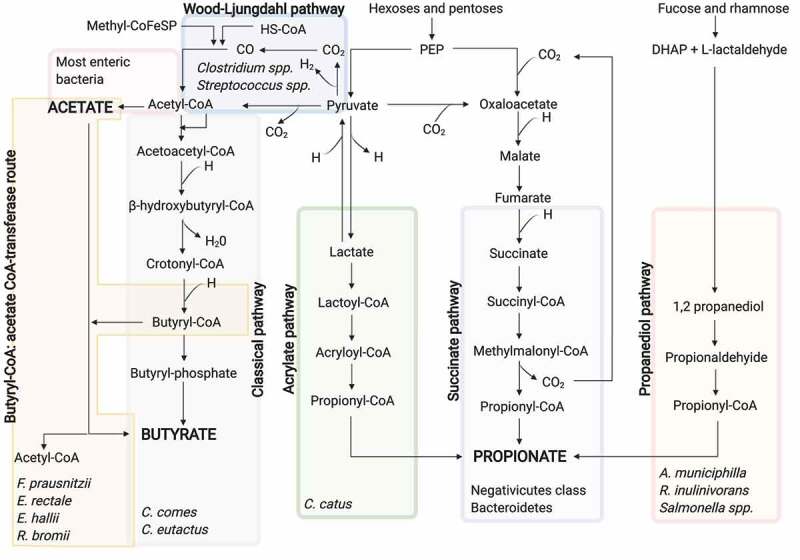
“…the host may rely more on the efficient utilization of pyruvate to maintain basal metabolism, while the gut microbiota compensates for the host’s insufficient energy supply to some extent by regulating the metabolic direction of pyruvate towards Lactic acid, Acetic acid, or Propanoic acid [66].”
Carlino, B., Guerrero-Flores, G. N., Niclis, C., Segovia‐Siapco, G., & Mayta, M. L. (2025) · Metabolites · doi:10.3390/metabo15110705 · Cited by 2
“For instance, short-chain fatty acids (SCFAs), such as butyrate, produced by microbial fermentation of dietary fiber, have been shown to reduce inflammation, strengthen the gut barrier, and positively modulate the immune response [43–45].”
Wei, W.-Y., Zhou, X.-P., Yang, X., Zong, Y., Shi, K., Li, J., Diao, N.-C., Du, R., & Zeng, F.-L. (2025) · Frontiers in Veterinary Science · doi:10.3389/fvets.2025.1643620 · Cited by 2
“SCFAs, including acetic acid, pentanoic acid, and butyric acid as major components, are microbial metabolites derived from carbohydrate fermentation in the cecum (60).”
Liu, Y., Peng, P., Hung, W., Wu, P., Kao, C., Wu, P.-Y., Huang, J., Chen, S., & Kuo, C. (2025) · Nutrition Metabolism and Cardiovascular Diseases · doi:10.1016/j.numecd.2025.104465 · Cited by 2
Karisola, P., Sinkko, H., Nieminen, A. I., Laatikainen, T., Yang, Y., Paalanen, L., Jousilahti, P., Vartiainen, E. A., Mäkelä, M. J., Fyhrquist, N., et al. (2025) · Environment International · doi:10.1016/j.envint.2025.109911 · Cited by 2
Rivera, D. S., Beltrán, V., Hoepfner, C., Fernández, M. D. P., Oliva, C. A., Vera, M. J., Farías, C., Valenzuela, R., Pérez, I., Correa, L. A., et al. (2025) · Scientific Reports · doi:10.1038/s41598-025-26991-1 · Cited by 2
Mushtaq, B. S., Nikoloudaki, O., Ben, M., Arora, K., Tlais, A. Z. A., Polo, A., Cagno, R. D., & Gobbetti, M. (2025) · Future Foods · doi:10.1016/j.fufo.2025.100874 · Cited by 2
Seo, Y., Jung, J. E., Oh, S. Y., Kwon, I. G., & Park, J. S. (2025) · Journal of Ginseng Research · doi:10.1016/j.jgr.2025.100932 · Cited by 2
Sriwichian, O., Teanpaisan, R., Pahumunto, N., Praparatana, R., & Thananimit, S. (2025) · Biotechnology and Applied Biochemistry · doi:10.1002/bab.70114 · Cited by 2
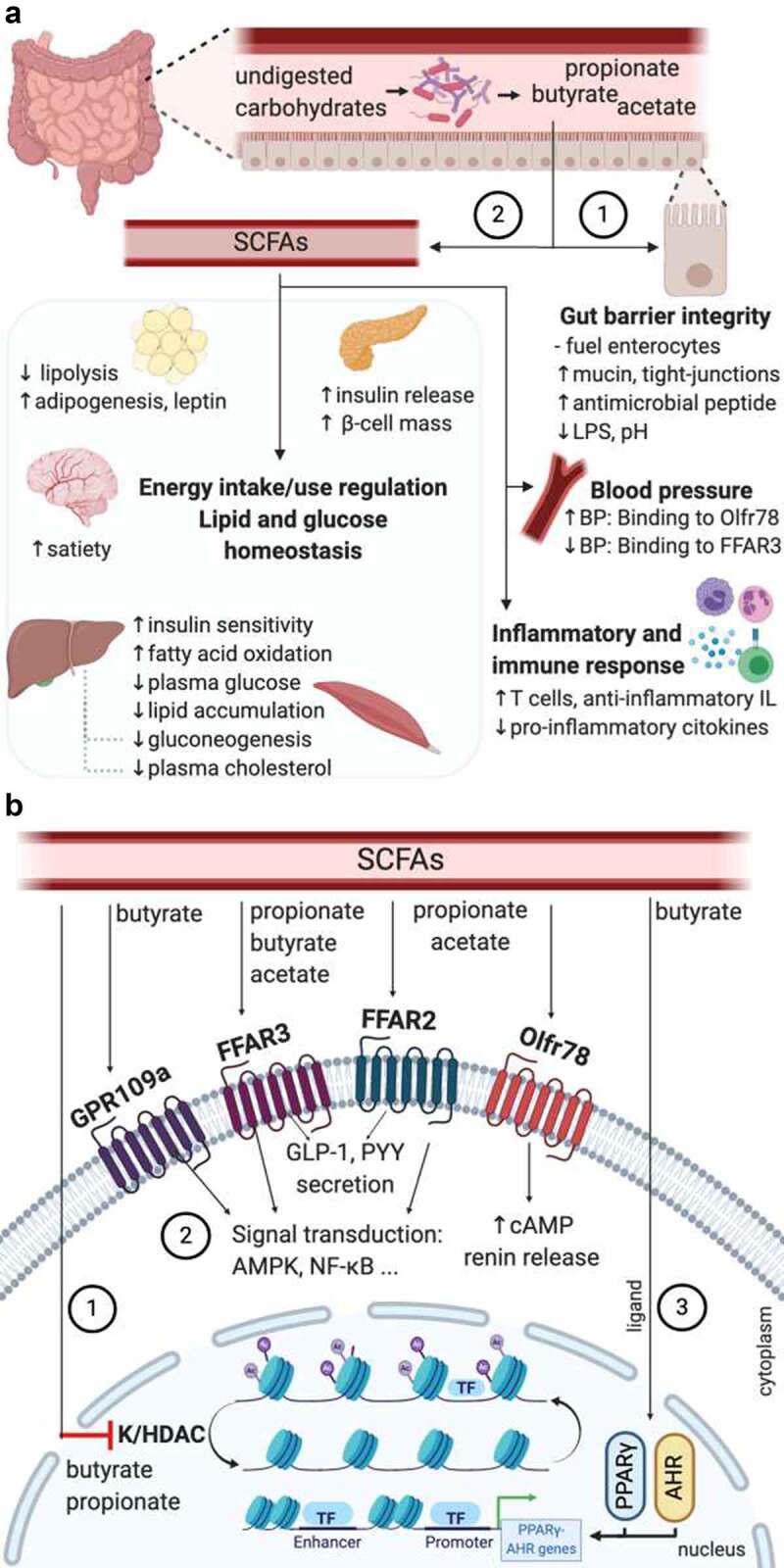
“…of SCFAs in the gut microbiota and their impact on human metabolic health is remarkably involved in the anti-obesity effect, especially adipogenesis and lipogenesis through the activation of FFAR2/3 or PPAR-γ , acetate and propionate promote the conversion of preadipocytes to adipocytes [ 29, 30 ].”
Cho, S., Lee, S., Lee, H. J., Yum, J., Ha, W., Kim, K. M., & Chu, M. K. (2026) · The Journal of Headache and Pain · doi:10.1186/s10194-026-02268-4 · Cited by 2
“Acetate, propionate, and butyrate—the three principal SCFAs in the human gut—account for approximately 80% of the total SCFA content [17].”
Kang, H., Feng, Y., Wang, B., Chen, Z., Li, J., & Chen, Z. (2026) · Pharmacological Research · doi:10.1016/j.phrs.2026.108108 · Cited by 2
Metabolic syndrome and a broken heart: trust your gut or risk your heart
Salomon, J., Karl, A., Ahmad, R., Bastola, D. K., Singh, A. B., & Mishra, P. K. (2026) · American Journal of Physiology-Heart and Circulatory Physiology · doi:10.1152/ajpheart.00482.2025 · Cited by 2
Hou, X., Guan, X., Qin, X., & Guo, H.-D. (2026) · Chinese Medicine · doi:10.1186/s13020-026-01336-w · Cited by 2
Wu, J., Lin, Y., Huang, H., Wang, L., Zhang, Y., Wang, J., & Pan, L. (2026) · Food Research International · doi:10.1016/j.foodres.2026.118756 · Cited by 2
Mandell, J., Wang, T., Mathad, J. S., Shafiq, M., Naik, S., Alexander, M., Kulkarni, V., Deshpande, P., Humphrys, M. S., Ma, B., et al. (2026) · Nature Communications · doi:10.1038/s41467-026-69912-0 · Cited by 2
“Further, lower levels of SCFA-producing Lach-nospiraceae , among those with disease conditions like HIV, are linked to poor gut health and immune function, in fl ammation, and disease progression 17 .”
Hayat, S., Ahmad, J., Naeem, S., Yaseen, F., Aamir, S., Guida, F., Luongo, L., & Maione, S. (2026) · Nutrients · doi:10.3390/nu18060881 · Cited by 3
“One of these, butyrate, serves in colon cancer as a histone deacetylase (HDAC) inhibitor causing apoptosis and proliferation to be lowered; thus, cancer cells are inhibited in the colon [111].”
Gut–liver axis molecular mechanisms in alcohol-associated liver disease
Jiang, Y., & Llorente, C. (2026) · Alcohol · doi:10.1016/j.alcohol.2026.04.001 · Cited by 2
Senousy, M. A., Abo-Elmaaty, R. M., Omar, N. N., & Abdelgawad, H. M. (2026) · Cell & Bioscience · doi:10.1186/s13578-026-01557-4 · Cited by 2
“Indeed, SCFAs modulate appetite-regulating peptides via binding to free fatty acid receptors, including G-protein-coupled receptor 41 (GPR41), GPR109a, and GPR43 [26, 27].”
Li, Z., & Zhang, G. Q. (2026) · European journal of medical research · doi:10.1186/s40001-026-04401-0 · Cited by 2
“Importantly, the heart appears particularly vulnerable to these systemic consequences of gut barrier failure [18].”
Swain, M. P., Mehta, C. H., Padya, B. S., Sharma, S., Velagacherla, V., Mitra, A., Mohanty, S., & Mukherjee, T. (2026) · Inflammopharmacology · doi:10.1007/s10787-026-02187-5 · Cited by 2
Ravi, A., & Pan, I. (2026) · Food Bioscience · doi:10.1016/j.fbio.2026.108989 · Cited by 2
Wang, B., Hao, L., Zuo, K., Liu, X., Yao, H., Liu, W., Zhao, F., Pan, L., & Wu, B. (2026) · Carbohydrate Polymers · doi:10.1016/j.carbpol.2026.125414 · Cited by 2
The Role of Postbiotics in Improving Food Safety by Detoxification of Heavy Metals
Najafi-Oskouei, F., Rad, A. H., Mahmoudzadeh, M., Hamidi, S., Homayouni-Rad, H., Khani, N., & Zare-Oskouei, M. (2026) · Probiotics and Antimicrobial Proteins · doi:10.1007/s12602-026-11056-0 · Cited by 2
From dysbiosis to precision medicine: targeting the microbial–metabolic axis in IBD management
Giju, J. K., John, S., Sivadas, A., Prabhakar, M., Krishnakripa, K., Sunilkumar, D., Nair, B. G., Pal, S., & Prakash, V. (2026) · Frontiers in Cellular and Infection Microbiology · doi:10.3389/fcimb.2026.1826972 · Cited by 2
“This microbial dysbiosis correlates with signi fi cantly reduced luminal SCFA concentrations when compared to healthy controls (Parada Venegas et al., 2019; Nogal et al., 2021).”
Biomarkers of Intestinal Permeability in Metabolic Disease
Cătană, C.-S., Marta, M. M., Popa, D., Crăciun Elena, C., & Dumitraşcu, D. I. (2026) · Journal of Gastrointestinal and Liver Diseases · doi:10.15403/jgld-6727 · Cited by 2
Dietary fiber intake and gallstones: The mediating role of serum lipids
Jiang, W. K., Wang, F., Lin, Y., Luo, X. F., Zheng, Y. A., Yan, J., Yang, W., & Hu, Z. (2026) · Journal of International Medical Research · doi:10.1177/03000605261451085 · Cited by 2
“31 Moreover, butyrate improves lipid metabolism through a dual mechanism; it activates uncoupling proteins (UCPs) to stimulate mitochondrial thermogenesis, thereby increasing energy expenditure and lipid oxidation.”
Gut Microbiota–Host Crosstalk: Decoding Mechanisms and Therapeutic Opportunities
Zhang, M. M., Chen, Z. F., Zhao, X., Liu, S., Jiao, P., Guo, Y., Wang, C., Zhang, H., Chen, R., Li, Y. P., et al. (2026) · Engineering · doi:10.1016/j.eng.2026.06.005 · Cited by 2
Ruple, H. K., Schintgen, L., Haasis, E., Bubeck, A. M., Schlaudt, S., Ewertz, A., Dobeleit, C.-S., Soltow, Y., Lorentz, A., & Fricke, W. F. (2026) · Cell Reports · doi:10.1016/j.celrep.2026.117624 · Cited by 2
Chemistry, biology, surface properties and detection of H2S
Rossi, D., Uruci, R., Rossi, T., & Dolmella, A. (2026) · Balneo and PRM Research Journal · doi:10.12680/balneo.2026.1020 · Cited by 2
Tang, J., Sung, H. K., Lei, Y., Teerawongsuwan, S., Rungsiwiwut, R., Wannaiampikul, S., Chen, J., Ridany, I., Richard, V. R., Borchers, C. H., et al. (2026) · Pharmacological Research · doi:10.1016/j.phrs.2026.108359 · Cited by 2
Ghosh, T., & Mittal, P. (2026) · Molecular Biology Reports · doi:10.1007/s11033-026-12634-9 · Cited by 2
“This concept-SCFAs as metabolic and epigenetic media-tors-points to a possible therapeutic direction [28].”
Signaling Metabolites in the Gut Microbiota–Organ Axes
Beyoğlu, D., & Idle, J. R. (2026) · Cells · doi:10.3390/cells15171558 · Cited by 2
“…increase 5-HT synthesis by upregulation of tryptophan hydroxylase (TPH1) in response to the SCFAs acetate and butyrate [128,129] produced by Bacteroides , Prevotella , and Bifidobacterium spp., various Streptococcus , Clostridium , and Ruminococcus spp., together with Akkermansia muciniphila [130].”
Microbiome therapeutics for the cancer management
Punetha, A., & Punetha, A. K. (2023) · Elsevier eBooks · doi:10.1016/b978-0-323-99336-4.00012-4 · Cited by 2
Miroshnikov, S. A., Duskaev, G. K., Atlanderova, K. N., & Matyushchenko, N. S. (2023) · Siberian Herald of Agricultural Science · doi:10.26898/0370-8799-2023-5-7 · Cited by 2
Metabolic Syndrome - Lifestyle and Biological Risk Factors
Monyeki, K. D., Kemper, H. C. G., & Modjadji, P. (2024) · IntechOpen eBooks · doi:10.5772/intechopen.114629 · Cited by 2
Duong, V., Enkhbayar, A., Bhasin, N., Senavirathna, L. K., Preisner, E. C., Hoffman, K. L., Shukla, R., Jenq, R. R., Cheng, K., Bronner, M. P., et al. (2024) · PROTEOMICS · doi:10.1002/pmic.202400078 · Cited by 2
Равильевна, Б. Г., Livzan, M. A., Турчанинов, Д. В., Сергеевна, Л. Н., Евгеньевна, Р. А., & Mashnin, M. Y. (2025) · Russian Journal of Evidence-Based Gastroenterology · doi:10.17116/dokgastro20251401139 · Cited by 2
Xiao, N., Wang, X., Wang, J., Cai, H., Feng, F., & Zhao, M. (2025) · Animal nutrition · doi:10.1016/j.aninu.2025.09.005 · Cited by 2
Executive Review of the Stevia Food System
Wibbens, K. (2023) · University of Minnesota Digital Conservancy (University of Minnesota) · Cited by 2
Interactions of Food With the Microbiota of the Digestive Tract
Tomás-Barberán, F. A., & Rodríguez, J. M. (2021) · Elsevier eBooks · doi:10.1016/b978-0-12-819265-8.00084-x · Cited by 2
Circulating expression patterns of TL1A and FFAR2 in patients with stable and unstable angina
Kamel, A. A., Taha, S., & Mosa, A. A. (2023) · Egyptian Journal of Medical Human Genetics · doi:10.1186/s43042-023-00386-1 · Cited by 2
Targeting gut microbiome is the way forward in personalized medicine for obstructive sleep apnea
Mohit, M., Sandhu, S., Shrivastava, A., & Chand, P. (2023) · Sleep Medicine X · doi:10.1016/j.sleepx.2023.100077 · Cited by 2
Berberine interacts with gut microbiota and its potential therapy for polycystic ovary syndrome
Zhu, T., & Li, X. (2023) · Clinical and Experimental Pharmacology and Physiology · doi:10.1111/1440-1681.13814 · Cited by 2
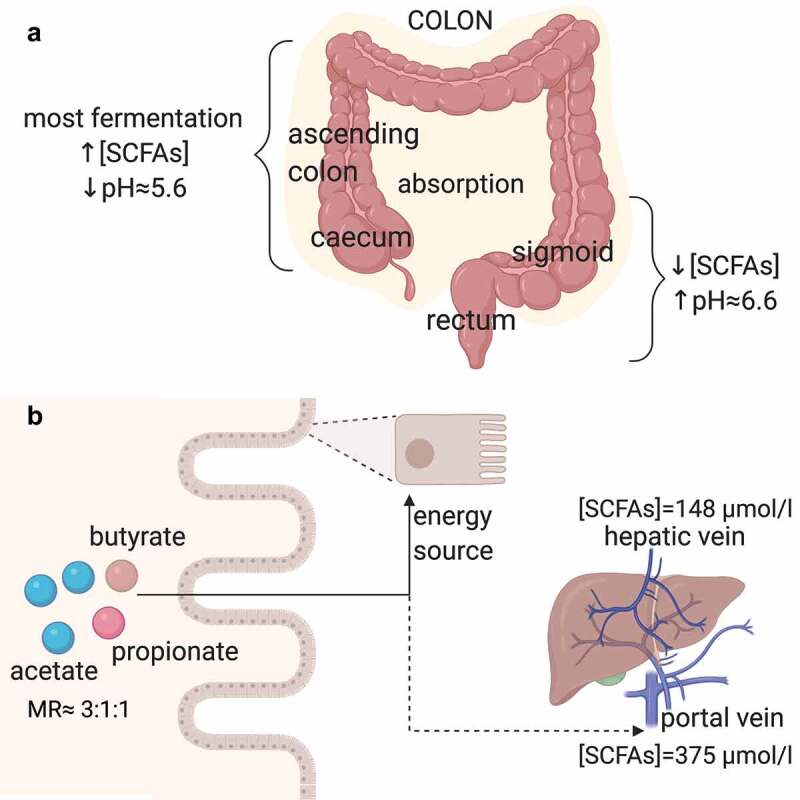
“are the main SCFA-producing groups in enteric bacteria.(72) Most of these groups, including Bacteroidetes and”
BackgroundLuo, Z., Song, X., Li, M., Li, J., & Hou, C. (2024) · Food Science and Human Wellness · doi:10.26599/fshw.2024.9250038 · Cited by 2
Усачова, О. В., Vorobiova, N. V., Silina, E. A., & Matvieieva, T. B. (2024) · Zaporozhye Medical Journal · doi:10.14739/2310-1210.2024.4.302524 · Cited by 2
“Fer-mentation of 50–60 g of carbohydrates per day produces 500–600 mmol of dietary fiber in the intestinum [55].”
BackgroundBeauty from within: A comprehensive review on interplay between gut health and skin
Thangamuni, A. S., Harshiba, H. F., Rafi, N. M., Nitol, A. F., Mohan, J., & Korrapati, N. H. (2024) · Cosmoderma · doi:10.25259/csdm_73_2024 · Cited by 2
Diet Impacts on Gene Expression in Healthy Colon Tissue: Insights from the BarcUVa-Seq Study
Obón‐Santacana, M., Moratalla-Navarro, F., Guinó, E., Carreras‐Torres, R., Díez‐Obrero, V., Bars‐Cortina, D., Ibáñez‐Sanz, G., Alonso, L. R., Mata, A., García‐Rodríguez, A., et al. (2024) · Nutrients · doi:10.3390/nu16183131 · Cited by 2
“A diet high in fiber, for instance, promotes the growth of beneficial bacteria that produce short-chain fatty acids (SCFAs), which are known to support gut barrier function and reduce inflammation [24–26].”
BackgroundBelnap, N., Ramsey, K. M., Carvalho, S. T., Nearman, L., Haas, H., Huentelman, M. J., & Lee, K. (2024) · Brain Sciences · doi:10.3390/brainsci14111051 · Cited by 2
Peng, L., Liu, Y., Deng, Y., Jing, J., Chen, G., Liu, Y., Wu, M., Lin, J., & Yin, W. (2025) · Lipids in Health and Disease · doi:10.1186/s12944-025-02507-8 · Cited by 2
“PYY can regulate appetite and food intake and indirectly affect insulin sensitivity [34, 35].”
Huang, X., Hu, L., Li, J., Xie, X., Meng, C., Liu, Y., & Wei, X. (2025) · Journal of Health Population and Nutrition · doi:10.1186/s41043-025-00861-y · Cited by 2
The Impact of Gut Microbiota in the Development and Management of Diabetes
Upadhye, K. S., Tayade, P., Hariom, P., & Narendra, Y. (2025) · Journal of Diabetology · doi:10.4103/jod.jod_143_24 · Cited by 2
Impact of Diet Quality and Functional Food (Honey) on Gut Microbiota and Metabolic Health in Obesity
Eaton, S. M. (2025) · Lincoln (University of Nebraska) · Cited by 2
Marami, M., Nobakht, A., Mazlum, F., & Mahdavi, S. (2022) · Journal of the Hellenic Veterinary Medical Society · doi:10.12681/jhvms.27060 · Cited by 2
“…end of the digestive system, which can lower the pH of the intestine and even the gills and increase the villi of the small intestine and con - sequently increase the level of intestinal absorption (Scholz-Ahrens et al., 2007; González-Alvarado et al., 2008; Jiang et al., 2017; Nogal et al., 2021).”
GUT MICROBIOME IN ACUTE CORONARY SYNDROME
Yusko, L., Chendey, T., Lohoida, V., Meleshko, T., Rishko, M. V., Konić‐Ristić, A., & Boyko, N. (2023) · Proceedings of the Shevchenko Scientific Society Medical Sciences · doi:10.25040/ntsh2023.02.16 · Cited by 2
“…of patients with ACS include the deleterious effects of microbiota metabolites and toxins on the endothelial wall and immune cells (e.g., trimethylamine, TMA and lipopolysaccharide, LPS) primarily [23] coupled with the lack of beneficial metabolites (e.g., short-chain fatty acids, SCFA) [24].”
BackgroundSun, W., Wan, K., Gui, J., Jin, G., & Shuai, L. (2024) · Frontiers in Microbiology · doi:10.3389/fmicb.2024.1361439 · Cited by 2
Khanna, D., Gopalan, H. S., Abirami, K., Sudha, V., Gayatri, R., Reddy, K. J., Bhatt, J., Jeevan, R. G., Parkavi, K., Deepika, V., et al. (2024) · Food and Nutrition Sciences · doi:10.4236/fns.2024.158054 · Cited by 2
“The SCFAs can improve gut barrier integrity, glucose, and lipid metabolism, and regulate the immune system, the inflammatory response, and blood pressure which may thereby benefit cardio-metabolic health [15].”
Afriani, F. R., Mashudi, S., Putri, D. R., Putra, B. A., Sari, A. P., & Sansuwito, T. B. (2024) · Jurnal Penelitian Kesehatan "SUARA FORIKES" (Journal of Health Research "Forikes Voice") · doi:10.33846/sf15109 · Cited by 2
The Role of the Gut-Brain Axis in Alzheimer's Disease: A Narrative Review
Karout, L. (2022) · PDXScholar (Portland State University) · doi:10.15760/honors.1271 · Cited by 2
“They are metabolites of anaerobic gut bacteria through fermentation of complex carbohydrates (Nogal et al., 2021) and can affect the brain by influencing emotional levels, improving attention, memory, and motivation, as well as improving sleep (Megur et al., 2021).”
BackgroundBarcenilla, C. (2024) · Buleria (Universidad de León) · doi:10.18002/10612/21863 · Cited by 2
Castillo-González, J., Mousavi, M., Ruiz, J. L., Carre, R., Bressoud, V., Buscemi, L., Price, M., Vigne, S., Pot, C., & Hirt, L. (2025) · bioRxiv (Cold Spring Harbor Laboratory) · doi:10.1101/2025.11.03.686233 · Cited by 2
Perry, F. (2023) · Library, Museums and Press - UDSpace (University of Delaware) · doi:10.58088/y8s0-re11 · Cited by 2
Metadata
- Authors
- Nogal, A., Valdes, A. M., & Menni, C.
- Affiliations
- St Thomas' Hospital (GB)
- Corresponding author
- Menni, Cristina
- Venue
- Gut Microbes
- Publisher
- Informa UK Limited
- Published
- 2021-01-01
- Volume
- 13
- Issue
- 1
- Pages
- 1-24
- ISSN
- 1949-0976 (ISSN-L)
- 1949-0984
- PMC
- PMC8007165
- OpenAlex
- W3137495763
- Semantic Scholar
- a27da66278fee146f5d8feac192a2118138fd791
- Cited by
- 917
- References
- 196
- Citations by year
- 2026: 221 · 2025: 257 · 2024: 221 · 2023: 142 · 2022: 63 · 2021: 13
- FWCI
- 11.52
- Type
- journal article
- Language
- en
- Open access
- gold
- doi.org
- Licence
- cc-by
- creativecommons.org/licenses/by/4.0/ (unspecified)
- doi.org/10.1080/policies-text-data-mining (tdm)
- Locations
- Gut Microbes (publishedVersion, cc-by)
- PubMed Central (publishedVersion, cc-by)
- PubMed (publishedVersion)
- Archivio Istituzionale della Ricerca (Universita Degli Studi Di Milano) (submittedVersion, other-oa)
- DOAJ (DOAJ: Directory of Open Access Journals) (submittedVersion, cc-by-sa)
- Research Portal (King's College London) (submittedVersion, other-oa)
- Funders
- Department of Twin Research is funded by the Wellcome Trust, Medical Research Council
- Chronic Disease Research Foundation (CDRF-18/2019, CDRF-19/2019, CDRF-2017)
- Medical Research Council (AIMHY; MR/M016560/1)
- National Institute for Health Research Nottingham Biomedical Research Centre (NA)
- Topics
- Life Sciences › Biochemistry, Genetics and Molecular Biology › Molecular Biology › Gut microbiota and health
- Health Sciences › Nursing › Nutrition and Dietetics › Microbial Metabolites in Food Biotechnology
- Health Sciences › Medicine › Public Health, Environmental and Occupational Health › Nutritional Studies and Diet
- Keywords
- short-chain fatty acids, gut microbiota, diet, cardiometabolic disease, dietary fiber, omega-3 fatty acids, intestinal barrier integrity, glucose metabolism, lipid metabolism, immune regulation, inflammation, blood pressure, dietary intervention
- MeSH terms
- Gastrointestinal Microbiome, Cardiometabolic Risk Factors, Bacteria, Cardiovascular Diseases, Diet, Energy Metabolism, Fatty Acids, Volatile, Humans, Metabolic Syndrome, Gastrointestinal Tract
About these checks
Registry, retraction, Cites and statistics results are computed, not judged, with one exception: a printed reference that no index lists is read once by a model before it counts as a citation error. Claims are extracted by a model and kept only when their quote appears verbatim in the text; each cited source is then checked, with a model’s help, for whether it says what the claim relies on. Those verdicts can be wrong — read the claim’s quote and the cited source before relying on one.
Statistics and arithmetic are recomputed, not judged.
Confidence bands are shown only for fields calibrated on our annotated test set. None is calibrated yet, so no band is shown.
What counts as a claim ›How we measure confidence ›How we check this ›
Are you an author, or do you see a problem with this page? Request a review
Data sources
Bibliographic data: Semantic Scholar, OpenAlex, Crossref.
Contains information from the Semantic Scholar Academic Graph Datasets, made available under the ODC Attribution License (ODC-BY 1.0).
Semantic Scholar’s data is described in: Kinney, R., et al. (2023). The Semantic Scholar Open Data Platform. arXiv:2301.10140.
