

Statin-associated muscle symptoms: impact on statin therapy—European Atherosclerosis Society Consensus Panel Statement on Assessment, Aetiology and Management
Open accessThe DOI matches its Crossref record; 120 of the 124 references it cites were found in a registry or an index; 24 of the 148 sources its claims cite were checked for support.
Abstract
Statin-associated muscle symptoms (SAMS) are one of the principal reasons for statin non-adherence and/or discontinuation, contributing to adverse cardiovascular outcomes. This European Atherosclerosis Society (EAS) Consensus Panel overviews current understanding of the pathophysiology of statin-associated myopathy, and provides guidance for diagnosis and management of SAMS. Statin-associated myopathy, with significant elevation of serum creatine kinase (CK), is a rare but serious side effect of statins, affecting 1 per 1000 to 1 per 10 000 people on standard statin doses. Statin-associated muscle symptoms cover a broader range of clinical presentations, usually with normal or minimally elevated CK levels, with a prevalence of 7-29% in registries and observational studies. Preclinical studies show that statins decrease mitochondrial function, attenuate energy production, and alter muscle protein degradation, thereby providing a potential link between statins and muscle symptoms; controlled mechanistic and genetic studies in humans are necessary to further understanding. The Panel proposes to identify SAMS by symptoms typical of statin myalgia (i.e. muscle pain or aching) and their temporal association with discontinuation and response to repetitive statin re-challenge. In people with SAMS, the Panel recommends the use of a maximally tolerated statin dose combined with non-statin lipid-lowering therapies to attain recommended low-density lipoprotein cholesterol targets. The Panel recommends a structured work-up to identify individuals with clinically relevant SAMS generally to at least three different statins, so that they can be offered therapeutic regimens to satisfactorily address their cardiovascular risk. Further research into the underlying pathophysiological mechanisms may offer future therapeutic potential.
Overview
CoChat Summary
TL;DR
This European Atherosclerosis Society Consensus Panel statement reviews statin-associated muscle symptoms (SAMS), their assessment, aetiology, and management. It proposes a clinical definition based on symptoms and temporal association with statin discontinuation/re-challenge, and recommends maximally tolerated statin doses plus non-statin lipid-lowering therapies to achieve LDL-C targets.
Key findings
- Statin-associated myopathy with significant CK elevation is rare, affecting 1 per 1000 to 1 per 10 000 people on standard statin doses; myopathy with CK >10× ULN occurs in approximately 1 per 10 000 per year, and rhabdomyolysis in ∼1 in 100 000 per year.
- SAMS are much more common in registries and observational studies, with a prevalence of 7–29%, usually with normal or minimally elevated CK; they contribute to statin discontinuation, which can be up to 75% within 2 years, and in 65% of former statin users the main reason for non-adherence/discontinuation was side effects, predominantly muscle-related.
- In the STOMP randomized trial of 420 statin-naïve subjects, 9.4% of atorvastatin 80 mg-treated and 4.6% of placebo subjects met the study definition of myalgia (P = 0.054), with no differences in muscle strength or exercise performance.
- Management recommendations include using a maximally tolerated statin dose, switching statins, alternate-day or twice-weekly dosing (which reduced LDL-C by 12–38% and was tolerated by ∼70% of previously intolerant patients), and adding non-statin therapies such as ezetimibe (LDL-C reduction 15–20%).
Methods
- Design: European Atherosclerosis Society Consensus Panel statement providing an overview of pathophysiology and guidance for diagnosis and management of SAMS.
- Data/sample: Narrative synthesis of randomized controlled trials, patient registries, observational studies, preclinical studies, and genetic studies; no new primary patient sample was collected.
- Analysis: Expert consensus; the Panel proposes SAMS definitions by CK categories and a therapeutic flow-chart based on symptoms, CK levels, and temporal association with statin initiation, discontinuation, and re-challenge.
Limitations
- The paper states that a definitive diagnosis of SAMS is difficult because symptoms are subjective, there is no gold standard diagnostic test, and there is no validated muscle symptom questionnaire.
- The paper notes that observational studies lack a placebo comparator, so causality cannot be established, while RCTs may underrepresent patients with comorbidities predisposing to musculoskeletal symptoms and do not always incorporate dedicated muscle-complaint questionnaires.
- Evident from the text: this is a consensus statement rather than a systematic review or meta-analysis, and several recommendations rely on expert opinion and limited or conflicting evidence, including insufficient evidence to recommend genetic testing as part of routine SAMS work-up.
Model-written summary. Check it against the paper before relying on it.
Integrity signals
Registry
Cites
Statistics
Figures
Verification
Claims the paper makes
13 Valid · 4 Not valid · 72 Not checked · 29 Own results and interpretations
The sources with a verdict support this claim; the rest weren’t checked yet, have no full text we could read, or their verdicts aren’t rated yet.
In the paper
“Muscle complaints in other clinical trials have been similar in statin-treated and placebo subjects.4,20,23,24”
§ Statin-associated muscle symptoms: impact on statin therapy—European Atherosclerosis Society Consensus Panel Statement on Assessment, Aetiology and Management > Introduction
What the sources say
- Supportedcites [4] Kashani A Phillips CO Foody JM Wang Y Mangalmurti S Ko DT Krumholz HM Risks associated with statin therapy: a systematic overview of randomized clinical trials. Circulation 2006; 114: 2788– 2797. 17159064 source
The Results section (p. 1 of our copy, 'Myalgias'/overall results) states that myalgias, reported in 21 studies including 48 138 patients, were not significantly more common with statins, with a pooled RR of 0.99 (95% CI 0.96-1.03) versus placebo — i.e. muscle complaints were essentially similar between arms. The Abstract and Discussion repeat this: excluding cerivastatin, statin therapy produced no significant absolute increase in myalgia risk (RD 2.7; 95% CI -3.2 to 8.7), with a nonsignificant trend toward fewer myalgia reports on statins across 35 randomized placebo-controlled trials. The only qualifier is that atorvastatin alone showed a significantly higher myalgia RD, which the citing sentence's general 'other clinical trials' framing does not carry, but the aggregate statement attributed here is what the paper reports. (LLM, conf=0.88)
- Not checked yetcites [20] Ganga HV Slim HB Thompson PD A systematic review of statin-induced muscle problems in clinical trials. Am Heart J 2014; 168: 6– 15. 24952854 source
- Not checked yetcites [23] Keech A Collins S MacMahon S Armitage J Lawson A Wallendszus K Fatemian M Kearney E Lyon V Mindell J Mount J Painter R Parish S Slavin B Sleight P Youngman L Peto R Three-year follow-up of the Oxford Cholesterol Study: assessment of the efficacy and safety of simvastatin in preparation for a large mortality study. Eur Heart J 1994; 15: 255– 269. 8005129 source
- Supportedcites [24] MRC/BHF Heart Protection Study Collaborative Group. Effects of simvastatin 40 mg daily on muscle and liver adverse effects in a 5-year randomized placebo-controlled trial in 20,536 high-risk people. BMC Clin Pharmacol 2009; 9: 6. 19442259 PMC2676245 source
The Results section 'Effects on muscle' of the HPS report states that muscle pain or weakness was reported at each visit by about 6% of those allocated simvastatin and about 6% of those allocated placebo, with 33% in each group reporting muscle symptoms at least once, and no significant between-group differences; the Discussion ('Effects on muscle') repeats that approximately one third reported muscle symptoms with no significant differences at any time or in any subgroup. So this randomized placebo-controlled statin trial is exactly an example of muscle complaints being similar in statin-treated and placebo subjects. The plural framing 'other clinical trials' is carried by the sentence's several citations (4,20,23,24), of which this source supplies one trial; note HPS does describe a small, non-significant excess of true myopathy (0.10% vs 0.04%), but that is distinct from the muscle symptoms/complaints the claim addresses. (LLM, conf=0.85)
plain- Asserted: passes — The authors put it forward as true.
- Checkable: passes — It can be checked against evidence.
- Load-bearing: passes — The paper’s conclusions depend on it.
- Based: passes — The paper gives a reason why it holds.
- Supported
The cited sources support only part of this claim — read each source’s verdict below.
In the paper
“with a prevalence of 7–29% in registries and observational studies.”
§ Statin-associated muscle symptoms: impact on statin therapy—European Atherosclerosis Society Consensus Panel Statement on Assessment, Aetiology and Management > Abstract
What the sources say
- Not checked yetcites [11] Bruckert E Hayem G Dejager S Yau C Begaud B Mild to moderate muscular symptoms with high-dosage statin therapy in hyperlipidemic patients—the PRIMO study. Cardiovasc Drugs Ther 2005; 19: 403– 414. 16453090 source
- Could not verifycites [12] Buettner C Rippberger MJ Smith JK Leveille SG Davis RB Mittleman MA Statin use and musculoskeletal pain among adults with and without arthritis. Am J Med 2012; 125: 176– 182. 22269621 PMC3266514 sourceExperimental — accuracy not yet measured
The Results (page unavailable) report musculoskeletal pain in 30% of statin users overall and 23% of statin users without arthritis. The paper measures self-reported pain, not confirmed statin-associated muscle symptoms (SAMS), and the searched passages do not report a 7–29% prevalence range from registries or observational studies. (LLM, conf=0.76)
- Not checked yetcites [13] Cohen JD Brinton EA Ito MK Jacobson TA Understanding statin use in America and gaps in patient education (USAGE): an internet-based survey of 10,138 current and former statin users. J Clin Lipidol 2012; 6: 208– 215. 22658145 source
- Partly supportedcites [14] Zhang H Plutzky J Skentzos S Morrison F Mar P Shubina M Turchin A Discontinuation of statins in routine care settings: a cohort study. Ann Int Med 2013; 158: 526– 534. 23546564 PMC3692286 sourceExperimental — accuracy not yet measured
The Results (Statin-related events; page unavailable) report myalgia or myopathy in 4.7% of all patients, while the Discussion says musculoskeletal symptoms accounted for 40% of reported statin-related events. This routine-care observational study supports the general point that statin-associated muscle symptoms occur, but it does not establish a 7–29% prevalence range across registries and observational studies. (LLM, conf=0.84)
- Not checked yetcites [15] El-Salem K Ababeneh B Rudnicki S Malkawi A Alrefai A Khader Y Saadeh R Saydam M Prevalence and risk factors of muscle complications secondary to statins. Muscle Nerve 2011; 44: 877– 881. 22102457 source
plain- Asserted: passes — The authors put it forward as true.
- Checkable: passes — It can be checked against evidence.
- Load-bearing: unclear — It is unclear whether the paper’s conclusions depend on it.
- Based: passes — The paper gives a reason why it holds.
The cited sources support only part of this claim — read each source’s verdict below.
In the paper
“From a treatment viewpoint, Zhang et al.14 showed that 90% of patients reporting SAMS to one statin were able to tolerate an alternative statin with continued use after 12 months”
§ Statin-associated muscle symptoms: impact on statin therapy—European Atherosclerosis Society Consensus Panel Statement on Assessment, Aetiology and Management > Introduction
What the sources say
- Partly supportedcites [14] Zhang H Plutzky J Skentzos S Morrison F Mar P Shubina M Turchin A Discontinuation of statins in routine care settings: a cohort study. Ann Int Med 2013; 158: 526– 534. 23546564 PMC3692286 sourceExperimental — accuracy not yet measured
The Results section reports that over 90% of patients rechallenged after a documented statin-related event were taking a statin 12 months later. That figure covers all documented statin-related events and rechallenges with either the same or a different statin; it does not establish a 90% rate specifically for patients with statin-associated muscle symptoms who switched to an alternative statin. (LLM, conf=0.90)
plain- Asserted: passes — The authors put it forward as true.
- Checkable: passes — It can be checked against evidence.
- Load-bearing: passes — The paper’s conclusions depend on it.
- Based: passes — The paper gives a reason why it holds.
- Partly supported
Every source the paper cites for this claim was checked and supports it.
In the paper
“The STOMP study also found no differences in the measures of muscle strength or exercise performance between statin-treated and placebo subjects.”
§ Statin-associated muscle symptoms: impact on statin therapy—European Atherosclerosis Society Consensus Panel Statement on Assessment, Aetiology and Management > Introduction
What the sources say
- Supportedcites [22] Parker BA Capizzi JA Grimaldi AS Clarkson PM Cole SM Keadle J Chipkin S Pescatello LS Simpson K White CM Thompson PD Effect of statins on skeletal muscle function. Circulation 2013; 127: 96– 103. 23183941 PMC4450764 source
The Results section (‘Effects of Atorvastatin on Muscle and Exercise Performance’) reports no differential effects on muscle strength, endurance, or aerobic performance compared with placebo. The finding applies to healthy subjects treated with atorvastatin 80 mg daily for six months; the citing sentence does not claim otherwise. (LLM, conf=0.94)
plain- Asserted: passes — The authors put it forward as true.
- Checkable: passes — It can be checked against evidence.
- Load-bearing: passes — The paper’s conclusions depend on it.
- Based: passes — The paper gives a reason why it holds.
- Supported
The sources with a verdict support this claim; the rest weren’t checked yet, have no full text we could read, or their verdicts aren’t rated yet.
In the paper
“Studies have consistently shown large LDL-C reductions of 50–60% in a variety of patient groups,64,65 including those identified as statin intolerant,66–68”
§ Statin-associated muscle symptoms: impact on statin therapy—European Atherosclerosis Society Consensus Panel Statement on Assessment, Aetiology and Management > Future low-density lipoprotein-lowering therapies for patients with statin-associated muscle symptoms > PSCK9 inhibitors
What the sources say
- Supportedcites [64] Stein EA Raal F Reduction of low-density lipoprotein cholesterol by monoclonal antibody inhibition of PCSK9. Annu Rev Med 2014; 65: 417– 431. 24422577 source
The Abstract reports large, consistent LDL-C reductions across the studied groups, including people intolerant to statins. The phase II discussion (page not available in our copy) reports reductions approaching 55% with evolocumab alone in statin-intolerant patients, supporting the stated 50–60% range. (LLM, conf=0.92)
- Supportedcites [65] Norata GD Tibolla G Catapano AL Targeting PCSK9 for hypercholesterolemia. Annu Rev Pharmacol Toxicol 2014; 54: 273– 293. 24160703 source
The Phase II studies section reports a further LDL-C reduction of 50–60%. Its Table 1 shows reductions across several patient groups, including a range of 41–63% in statin-intolerant patients. The reported ranges vary by trial, but support the citing sentence’s broad summary. (LLM, conf=0.91)
- Supportedcites [66] Stroes E Colquhoun D Sullivan D Civeira F Rosenson RS Watts GF Bruckert E Cho L Dent R Knusel B Xue A Scott R Wasserman SM Rocco M; GAUSS-2 Investigators. Anti-PCSK9 antibody effectively lowers cholesterol in patients with statin intolerance: the GAUSS-2 randomized, placebo-controlled phase 3 clinical trial of evolocumab. J Am Coll Cardiol 2014; 63: 2541– 2548. 24694531 source
The GAUSS-2 Efficacy outcomes section reports LDL-C reductions of 55.3% and 56.1% with evolocumab in statin-intolerant patients. This supports the portion of the citing sentence about 50–60% reductions in that patient group; the broader variety of groups is cited to other studies. The indexed passage does not specify a page. (LLM, conf=0.93)
- Not checked yetcites [67] Sullivan D Olsson AG Scott R Kim JB Xue A Gebski V Wasserman SM Stein EA Effect of a monoclonal antibody to PCSK9 on low-density lipoprotein cholesterol levels in statin-intolerant patients: the GAUSS randomized trial. JAMA 2012; 308: 2497– 2506. 23128163 source
- Not checked yetcites [68] Moriarty PM Thompson PD Cannon CP Guyton JR Bergeron J Zıeve FJ Bruckert E Jacobson TA Baccara-Dinet MT Zhao J Du Y Pordy R Gipe D ODYSSEY ALTERNATIVE: efficacy and safety of alirocumab versus ezetimibe, in patients with statin intolerance as defined by a placebo run-in and statin rechallenge arm. http://my.americanheart.org/idc/groups/ahamah-public/@wcm/@sop/@scon/documents/downloadable/ucm_469684.pdf (22 November 2014).
boostedstates a cause- Asserted: passes — The authors put it forward as true.
- Checkable: passes — It can be checked against evidence.
- Load-bearing: passes — The paper’s conclusions depend on it.
- Based: passes — The paper gives a reason why it holds.
- Supported
72 more claims · 6 with their cited sources checked
Create a free account to see all 118 claims and to verify the 124 references still open.
- It may state two separate claims as one. 35
- Probably not a substantial claim. 9
Claims other papers make about this one
Each is checked against this paper’s own text: does it say what the citing paper says it does?
The cited source doesn’t support the claim as written.
In the citing paper
“There was no reduction of plasma CK after CoQ10 supplementation, suggesting that the effect of CoQ10 on statin‐induced myopathy might be attributed to maintaining mitochondrial function rather than protecting the membrane of muscle cells.3”
From Effects of Coenzyme Q10 on Statin‐Induced Myopathy: An Updated Meta‐Analysis of Randomized Controlled Trials (2018) · cites this paper as [3]
Checked by a reasoning model — may be wrong.
Experimental — accuracy not yet measuredThe source backs part of the claim, not all of it — or backs it for a different population, condition or comparison.
In the citing paper
“7-29% of statin treated patients and cover a spectrum from myalgia without biomarker elevations to rhabdomyolysis [1].”
From Effect of Coenzyme Q10 on statin-associated myalgia and adherence to statin therapy: A systematic review and meta-analysis (2020) · cites this paper as [1]
Experimental — accuracy not yet measuredThe source backs part of the claim, not all of it — or backs it for a different population, condition or comparison.
In the citing paper
“The 2015 European Atherosclerosis Society Consensus Panel Statement recommended multiple strategies to optimize statin tolerance in patients with previous SAMS based on expert opinion due to lack of sufficient data [14,15].”
From Safety outcomes of statin vs non-statin lipid-lowering interventions in patients with prior statin-associated muscle symptoms: A systematic review and meta-analysis (2025) · cites this paper as [14]
Experimental — accuracy not yet measuredThe source backs part of the claim, not all of it — or backs it for a different population, condition or comparison.
In the citing paper
“SAMS usually occur 4–6 weeks after statin introduction and can last for up weeks to months after statin therapy discontinuation [14,54].”
From Safety outcomes of statin vs non-statin lipid-lowering interventions in patients with prior statin-associated muscle symptoms: A systematic review and meta-analysis (2025) · cites this paper as [14]
Experimental — accuracy not yet measuredThe cited source says what the claim attributes to it.
In the citing paper
“While current guidelines do not recommend CoQ10 [1,27], updated versions may base their recommendations on the work by Qu et al., the limitations of which are detailed above.”
From Effect of Coenzyme Q10 on statin-associated myalgia and adherence to statin therapy: A systematic review and meta-analysis (2020) · cites this paper as [1]
7 more claims about this paper
Create a free account to see every claim other papers make about this one.
Citations
Cites
Goodman & Gilman's The Pharmacological Basis of Therapeutics
Brunton, L. L. (1985) · Cited by 7,321
Rosuvastatin to Prevent Vascular Events in Men and Women with Elevated C-Reactive Protein
Ridker, P. M., Danielson, E., Fonseca, F. A. H., Genest, J., Gotto, A. M., Kastelein, J. J. P., Koenig, W., Libby, P., Lorenzatti, A. J., MacFadyen, J. G., et al. (2008) · New England Journal of Medicine · doi:10.1056/nejmoa0807646 · Cited by 6,674
Self-citationDahlöf, B., Devereux, R. B., Kjeldsen, S. E., Julius, S., Beevers, G., de Faire, U., Fyhrquist, F., Ibsen, H., Kristiansson, K., Lederballe-Pedersen, O., et al. (2002) · The Lancet · doi:10.1016/s0140-6736(02)08089-3 · Cited by 5,407
Rosuvastatin to Prevent Vascular Events in Men and Women With Elevated C-Reactive Protein
Ridker, P. M., Danielson, E., Fonseca, F. A. H., Genest, J., Gotto, A. M., Kastelein, J. J. P., Koenig, W., Libby, P., Lorenzatti, A. J., MacFadyen, J. G., et al. (2009) · Obstetrical & Gynecological Survey · doi:10.1097/01.ogx.0000344393.60303.0a · Cited by 3,641
Self-citationESC/EAS Guidelines for the management of dyslipidaemias
Reiner, Ž., Catapano, A. L., De Backer, G., Graham, I., Taskinen, M.-R., Wiklund, O., Agewall, S., Alegria, E., Chapman, M. J., Durrington, P., et al. (2011) · European Heart Journal · doi:10.1093/eurheartj/ehr158 · Cited by 3,549
Self-citationNiacin in Patients with Low HDL Cholesterol Levels Receiving Intensive Statin Therapy
The AIM-HIGH Investigators (2011) · New England Journal of Medicine · doi:10.1056/nejmoa1107579 · Cited by 2,911
Effects of Combination Lipid Therapy in Type 2 Diabetes Mellitus
(2010) · New England Journal of Medicine · doi:10.1056/nejmoa1001282 · Cited by 2,837
(2000) · PubMed · Cited by 2,095
SLCO1B1 Variants and Statin-Induced Myopathy — A Genomewide Study
(2008) · New England Journal of Medicine · doi:10.1056/nejmoa0801936 · Cited by 2,043
Rhabdomyolysis and Acute Kidney Injury
Bosch, X., Poch, E., & Grau, J. M. (2009) · New England Journal of Medicine · doi:10.1056/nejmra0801327 · Cited by 1,488
ACC/AHA 2007 Guidelines on Perioperative Cardiovascular Evaluation and Care for Noncardiac Surgery
Fleisher, L. A., Beckman, J. A., Brown, K. A., Calkins, H., Chaikof, E. L., Fleischmann, K. E., Freeman, W. K., Froehlich, J. B., Kasper, E. K., Kersten, J. R., et al. (2007) · Journal of the American College of Cardiology · doi:10.1016/j.jacc.2007.09.003 · Cited by 1,428
Bruckert, E., Hayem, G., Dejager, S., Yau, C., & Bégaud, B. (2005) · Cardiovascular Drugs and Therapy · doi:10.1007/s10557-005-5686-z · Cited by 1,226 · cited 2×
“The symptoms appear to be more frequent in physically active individuals.(11) Statin-associated muscle symptoms often appear more promptly when patients are re-exposed to the same statin.”
ACC/AHA/NHLBI Clinical Advisory on the Use and Safety of Statins
Writing Committee Members:, Pasternak, R. C., Smith, S. C., Bairey-Merz, C. N., Grundy, S. M., Cleeman, J. I., & Lenfant, C. (2002) · Circulation · doi:10.1161/01.cir.0000032466.44170.44 · Cited by 1,088
Adherence with statin therapy in elderly patients with and without acute coronary syndromes
Jackevicius, C. A. (2002) · JAMA · doi:10.1001/jama.288.4.462 · Cited by 1,077
Statin use and reduced cancer-related mortality
Nielsen, S. F., Nordestgaard, B. G., & Bojesen, S. E. (2012) · New England Journal of Medicine · doi:10.1056/nejmoa1201735 · Cited by 1,030 · cited 1×
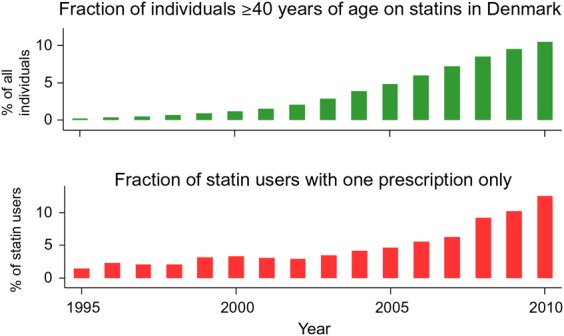
“Furthermore, increased prescription of statins itself appears to be associated with increased non-adherence or discontinuation, as illustrated for Denmark over the period 1995–2010 (Figure 1).(26,27) Different factors may have contributed to this finding.”
Self-citationAdherence to cardiovascular therapy: a meta-analysis of prevalence and clinical consequences
Chowdhury, R., Khan, H., Heydon, E., Shroufi, A., Fahimi, S., Moore, C., Stricker, B., Mendis, S., Hofman, A., Mant, J., et al. (2013) · European Heart Journal · doi:10.1093/eurheartj/eht295 · Cited by 931 · cited 1×
“risk in patients who were adherent to statins compared with those with low adherence.(18)”
Biochemical Functions of Coenzyme Q 10
Crane, F. L. (2001) · Journal of the American College of Nutrition · doi:10.1080/07315724.2001.10719063 · Cited by 869
The safety of statins in clinical practice
Armitage, J. (2007) · The Lancet · doi:10.1016/s0140-6736(07)60716-8 · Cited by 833 · cited 1×
“genetic factors, ethnicity, interacting drugs, and patient characteristics) (see Box 1).(30) Rhabdomyolysis is a”
Statin Safety: A Systematic Review
Law, M., & Rudnicka, A. R. (2006) · The American Journal of Cardiology · doi:10.1016/j.amjcard.2005.12.010 · Cited by 808 · cited 1×
“The incidence of rhabdomyolysis in association with statin therapy is 1 in 100 000 per year.(7) In view of the rarity of CK elevations during statin therapy, it is not recommended”
Statin Use and Reduced Cancer-Related Mortality
(2013) · New England Journal of Medicine · doi:10.1056/nejmc1214827 · Cited by 720
Self-citationHPS2-THRIVE Collaborative Group, Haynes, R., Jiang, L., Hopewell, J. C., Li, J., Chen, F., Parish, S., Landray, M. J., Collins, R., Armitage, J., et al. (2013) · European Heart Journal · doi:10.1093/eurheartj/eht055 · Cited by 676
Fleisher, L. A., Beckman, J. A., Brown, K. A., Calkins, H., Chaikof, E. L., Fleischmann, K. E., Freeman, W. K., Froehlich, J. B., Kasper, E. K., Kersten, J. R., et al. (2007) · Circulation · doi:10.1161/circulationaha.107.185700 · Cited by 633
The role of mitochondria in insulin resistance and type 2 diabetes mellitus
Szendroedi, J., Phielix, E., & Roden, M. (2012) · Nature Reviews Endocrinology · doi:10.1038/nrendo.2011.138 · Cited by 600 · cited 1×
“exhibit reduction in both muscle ATP turnover and oxidative capacity.(97,98) The effects of statins on muscle mitochondria have been”
Self-citationStatin-associated myopathy with normal creatine kinase levels
Phillips, P. S., Haas, R. H., Bannykh, S., Hathaway, S., Gray, N. L., Kimura, B. J., Vladutiu, G. D., England, J. D. F., & and the Scripps Mercy Clinical Research Center* (2002) · Annals of Internal Medicine · doi:10.7326/0003-4819-137-7-200210010-00009 · Cited by 565 · cited 3×
“80,81 Conversely, other studies in patients with statin-induced SAMS with CK elevations were unable to demonstrate structural abnormalities in muscle cells.”
Self-citationDiscontinuation of Statins in Routine Care Settings: A Cohort Study
Zhang, H., Plutzky, J., Skentzos, S., Morrison, F., Mar, P., Shubina, M., & Turchin, A. (2013) · Annals of Internal Medicine · doi:10.7326/0003-4819-158-7-201304020-00004 · Cited by 548
The Role of Coenzyme Q10 in Statin-Associated Myopathy
Marcoff, L., & Thompson, P. D. (2007) · Journal of the American College of Cardiology · doi:10.1016/j.jacc.2007.02.049 · Cited by 537
Self-citationGylling, H., Plat, J., Turley, S., Ginsberg, H. N., Ellegård, L., Jessup, W., Jones, P. J., Lütjohann, D., Maerz, W., Masana, L., et al. (2014) · Atherosclerosis · doi:10.1016/j.atherosclerosis.2013.11.043 · Cited by 529
Self-citationAnti-PCSK9 Antibody Effectively Lowers Cholesterol in Patients With Statin Intolerance
Stroes, E., Colquhoun, D., Sullivan, D., Civeira, F., Rosenson, R. S., Watts, G. F., Bruckert, E., Cho, L., Dent, R., Knusel, B., et al. (2014) · Journal of the American College of Cardiology · doi:10.1016/j.jacc.2014.03.019 · Cited by 526
Self-citationPfeifer, M., Begerow, B., & Minne, H. W. (2002) · Osteoporosis International · doi:10.1007/s001980200012 · Cited by 521
Effect of statins on skeletal muscle function
Parker, B. A., Capizzi, J. A., Grimaldi, A. S., Clarkson, P. M., Cole, S. M., Keadle, J., Chipkin, S., Pescatello, L. S., Simpson, K., White, C. M., et al. (2013) · Circulation · doi:10.1161/circulationaha.112.136101 · Cited by 500 · cited 1×
“blind, placebo-controlled study specifically designed to examine the effect of statins on skeletal muscle symptoms and performance.(22)”
Self-citationCohen, J. D., Brinton, E. A., Ito, M. K., & Jacobson, T. A. (2012) · Journal of Clinical Lipidology · doi:10.1016/j.jacl.2012.03.003 · Cited by 486 · cited 1×
“Indeed, in 65% of former statin users, the main reason for statin non-adherence or discontinuation was the onset of side effects, predominantly muscle-related effects.(13) Such non-adherence/discontinuation from treatment may have a marked”
Self-citationAn assessment by the statin muscle safety task force: 2014 update
Rosenson, R. S., Baker, S. K., Jacobson, T. A., Kopecky, S. L., & Parker, B. A. (2014) · Journal of Clinical Lipidology · doi:10.1016/j.jacl.2014.03.004 · Cited by 485 · cited 5×
“Importantly, there is also no validated muscle symptom questionnaire, although the National Lipid Association has proposed a symptom scoring system based on the STOMP trial and the PRIMO survey (see Supplementary material online, Table S2 ).”
InfluentialSelf-citationRisks Associated With Statin Therapy: A Systematic Overview of Randomized Clinical Trials
Kashani, A., Phillips, C. O., Foody, J. M., Wang, Y., Mangalmurti, S., Ko, D. T., & Krumholz, H. M. (2006) · Circulation · doi:10.1161/circulationaha.106.624890 · Cited by 474
Narrative review: statin-related myopathy
Joy, T. R., & Hegele, R. A. (2009) · Annals of Internal Medicine · doi:10.7326/0003-4819-150-12-200906160-00009 · Cited by 453
Self-citationLambert (2012) · doi:10.1194/jlr.r026658 · Cited by 448
Sullivan, D., Olsson, A. G., Scott, R., Kim, J. B., Xue, A., Gebski, V., Wasserman, S. M., & Stein, E. A. (2012) · JAMA · doi:10.1001/jama.2012.25790 · Cited by 447
Self-citationNicholls, S. J., Brewer, H. B., Kastelein, J. J. P., Krueger, K. A., Wang, M.-D., Shao, M., Hu, B., McErlean, E., & Nissen, S. E. (2011) · JAMA · doi:10.1001/jama.2011.1649 · Cited by 410 · cited 1×
“of CETP can markedly increase high-density lipoprotein cholesterol, and two members of this class in advanced development, anacetrapib and evacetrapib, equally lower LDL-C by 25–40%.(75,76) The mechan-”
Risk of incident diabetes among patients treated with statins: population based study
Carter, A. A., Gomes, T., Camacho, X., Juurlink, D. N., Shah, B. R., & Mamdani, M. M. (2013) · BMJ · doi:10.1136/bmj.f2610 · Cited by 404
Fleisher, L. A., Beckman, J. A., Brown, K. A., Calkins, H., Chaikof, E., Fleischmann, K. E., Freeman, W. K., Froehlich, J. B., Kasper, E. K., Kersten, J. R., et al. (2008) · Anesthesia & Analgesia · doi:10.1213/01/ane.0000309024.28586.70 · Cited by 350
High-dose statins and skeletal muscle metabolism in humans: a randomized, controlled trial
PAIVA, H., THELEN, K., COSTER, R., SMET, J., PAEPE, B., MATTILA, K., LAAKSO, J., LEHTIMAKI, T., VONBERGMANN, K., & LUTJOHANN, D. (2005) · Clinical Pharmacology & Therapeutics · doi:10.1016/j.clpt.2005.03.006 · Cited by 308
Davidson, M. H., Dillon, M. A., Gordon, B., Jones, P., Samuels, J., Weiss, S., Isaacsohn, J., Toth, P., & Burke, S. K. (1999) · Archives of Internal Medicine · doi:10.1001/archinte.159.16.1893 · Cited by 307
Impact of statin adherence on cardiovascular disease and mortality outcomes: a systematic review
De Vera, M. A., Bhole, V., Burns, L. C., & Lacaille, D. (2014) · British Journal of Clinical Pharmacology · doi:10.1111/bcp.12339 · Cited by 289
Effect of Coenzyme Q10 on myopathic symptoms in patients treated with statins
Caso, G., Kelly, P., McNurlan, M. A., & Lawson, W. E. (2007) · The American Journal of Cardiology · doi:10.1016/j.amjcard.2006.12.063 · Cited by 286
The muscle-specific ubiquitin ligase atrogin-1/MAFbx mediates statin-induced muscle toxicity
Hanai, J.-I., Cao, P., Tanksale, P., Imamura, S., Koshimizu, E., Zhao, J., Kishi, S., Yamashita, M., Phillips, P. S., Sukhatme, V. P., et al. (2007) · Journal of Clinical Investigation · doi:10.1172/jci32741 · Cited by 281
Efficacy and safety of an extended-release niacin (Niaspan): a long-term study
Capuzzi, D. M., Guyton, J. R., Morgan, J. M., Goldberg, A. C., Kreisberg, R. A., Brusco, O. A., & Brody, J. (1998) · The American Journal of Cardiology · doi:10.1016/s0002-9149(98)00731-0 · Cited by 254
Genetic risk factors associated with lipid-lowering drug-induced myopathies
Vladutiu, G. D., Simmons, Z., Isackson, P. J., Tarnopolsky, M., Peltier, W. L., Barboi, A. C., Sripathi, N., Wortmann, R. L., & Phillips, P. S. (2006) · Muscle & Nerve · doi:10.1002/mus.20567 · Cited by 253
Self-citationA systematic review of statin-induced muscle problems in clinical trials
Ganga, H. V., Slim, H. B., & Thompson, P. D. (2014) · American Heart Journal · doi:10.1016/j.ahj.2014.03.019 · Cited by 253 · cited 2×
“Few other RCTs have queried for muscle complaints among participants.(20) Muscle complaints in other clinical trials have been similar in statin-treated and placebo subjects.”
Self-citationStatins and Cognitive Function: A Systematic Review
Richardson, K., Schoen, M., French, B., Umscheid, C. A., Mitchell, M. D., Arnold, S. E., Heidenreich, P. A., Rader, D. J., & deGoma, E. M. (2013) · Annals of Internal Medicine · doi:10.7326/0003-4819-159-10-201311190-00007 · Cited by 250
Muscle Mitochondrial ATP Synthesis and Glucose Transport/Phosphorylation in Type 2 Diabetes
Szendroedi, J., Schmid, A. I., Chmelik, M., Toth, C., Brehm, A., Krssak, M., Nowotny, P., Wolzt, M., Waldhausl, W., & Roden, M. (2007) · PLoS Medicine · doi:10.1371/journal.pmed.0040154 · Cited by 243
Self-citationSimvastatin Impairs Exercise Training Adaptations
Mikus, C. R., Boyle, L. J., Borengasser, S. J., Oberlin, D. J., Naples, S. P., Fletcher, J., Meers, G. M., Ruebel, M., Laughlin, M. H., Dellsperger, K. C., et al. (2013) · Journal of the American College of Cardiology · doi:10.1016/j.jacc.2013.02.074 · Cited by 243
A statin-dependent QTL for GATM expression is associated with statin-induced myopathy
Mangravite, L. M., Engelhardt, B. E., Medina, M. W., Smith, J. D., Brown, C. D., Chasman, D. I., Mecham, B. H., Howie, B., Shim, H., Naidoo, D., et al. (2013) · Nature · doi:10.1038/nature12508 · Cited by 224 · cited 1×
“ing GATM were associated with protection from statin-induced myopathy.(116) Other investigators, however, were unable to replicate the associationbetween thers9806699GATMSNPandstatinmyopathy.”
Self-citationHuman skeletal muscle drug transporters determine local exposure and toxicity of statins
Knauer, M. J., Urquhart, B. L., Meyer zu Schwabedissen, H. E., Schwarz, U. I., Lemke, C. J., Leake, B. F., Kim, R. B., & Tirona, R. G. (2010) · Circulation Research · doi:10.1161/circresaha.109.203596 · Cited by 222 · cited 1×
“106–109 The most significant associations have been single-nucleotide polymorphisms (SNPs) in SLCO1B1 , encoding OATP1B1.”
Phenotype standardization for statin-induced myotoxicity
Alfirevic, A., Neely, D., Armitage, J., Chinoy, H., Cooper, R. G., Laaksonen, R., Carr, D. F., Bloch, K. M., Fahy, J., Hanson, A., et al. (2014) · Clinical Pharmacology & Therapeutics · doi:10.1038/clpt.2014.121 · Cited by 220 · cited 1×
“Thus, statins increase the risk for development of anti-HMG-CoA-reductase antibodies, dependent upon statin exposure, male gender, diabetes, and genetic background.”
Jenkins, D. J. A., Jones, P. J. H., Lamarche, B., Kendall, C. W. C., Faulkner, D., Cermakova, L., Gigleux, I., Ramprasath, V., de Souza, R., Ireland, C., et al. (2011) · JAMA · doi:10.1001/jama.2011.1202 · Cited by 218
Self-citationFinegold, J. A., Manisty, C. H., Goldacre, B., Barron, A. J., & Francis, D. P. (2014) · European Journal of Preventive Cardiology · doi:10.1177/2047487314525531 · Cited by 214
A randomized trial of Coenzyme Q10 in patients with confirmed statin myopathy
Taylor, B. A., Lorson, L., White, C. M., & Thompson, P. D. (2015) · Atherosclerosis · doi:10.1016/j.atherosclerosis.2014.12.016 · Cited by 200
Self-citationEffects of Coenzyme Q10 on Statin-Induced Myopathy
Banach, M., Serban, C., Sahebkar, A., Ursoniu, S., Rysz, J., Muntner, P., Toth, P. P., Jones, S. R., Rizzo, M., Glasser, S. P., et al. (2015) · Mayo Clinic Proceedings · doi:10.1016/j.mayocp.2014.08.021 · Cited by 198 · cited 1×
“A double-blind RCT and a meta-analysis, 55,56 however, failed to substantiate that CoQ10, even at high doses, reduced symptoms in patients with SAMS.”
DeGorter, M. K., Tirona, R. G., Schwarz, U. I., Choi, Y.-H., Dresser, G. K., Suskin, N., Myers, K., Zou, G., Iwuchukwu, O., Wei, W.-Q., et al. (2013) · Circulation: Cardiovascular Genetics · doi:10.1161/circgenetics.113.000099 · Cited by 195
Self-citationMuscle coenzyme Q10 level in statin-related myopathy
Lamperti, C., Naini, A. B., Lucchini, V., Prelle, A., Bresolin, N., Moggio, M., Sciacco, M., Kaufmann, P., & DiMauro, S. (2005) · Archives of Neurology · doi:10.1001/archneur.62.11.1709 · Cited by 178 · cited 3×
“Conversely, other studies in patients with statin-induced SAMS with CK elevations were unable to demonstrate structural abnormalities in muscle cells.(82) Although rare, it has also been suggested that statins may trigger idiopathic inflammatory myositis or immune-mediated necrotizing myopathy.”
Drug Therapy for Hypercholesterolemia and Dyslipidemia
de Ferranti, S. D. (2008) · Handbook of Pediatric Cardiovascular Drugs · doi:10.1007/978-1-84628-953-8_13 · Cited by 175
Mancini, G. B. J., Tashakkor, A. Y., Baker, S., Bergeron, J., Fitchett, D., Frohlich, J., Genest, J., Gupta, M., Hegele, R. A., Ng, D. S., et al. (2013) · Canadian Journal of Cardiology · doi:10.1016/j.cjca.2013.09.023 · Cited by 173
Self-citationTreatment strategies in patients with statin intolerance: the Cleveland Clinic experience
Mampuya, W. M., Frid, D., Rocco, M., Huang, J., Brennan, D. M., Hazen, S. L., & Cho, L. (2013) · American Heart Journal · doi:10.1016/j.ahj.2013.06.004 · Cited by 173 · cited 1×
“Similar results were reported by Mampuya et al.(25) Furthermore, increased prescription of statins itself appears to be associated with increased non-adherence or discontinuation, as illustrated for Denmark over the period 1995–2010 (Figure 1).”
Anderson, J. W., Davidson, M. H., Blonde, L., Brown, W. V., Howard, W. J., Ginsberg, H., Allgood, L. D., & Weingand, K. W. (2000) · The American Journal of Clinical Nutrition · doi:10.1093/ajcn/71.6.1433 · Cited by 172 · cited 1×
“trans fats, consumption of viscous fibre (mainly psyllium, 10 g daily) and foods with added plant sterols or stanols (2 g daily) has also been shown to reduce LDL-C by 7% and 10%, respectively.(52,53) The Portfolio diet, incorporating plant sterols, soya protein, viscous fibres, and nuts, has the potential to reduce L…”
Self-citationLaaksonen, R., Jokelainen, K., Laakso, J., Sahi, T., Härkönen, M., Tikkanen, M. J., & Himberg, J.-J. (1996) · The American Journal of Cardiology · doi:10.1016/s0002-9149(97)89180-1 · Cited by 171 · cited 1×
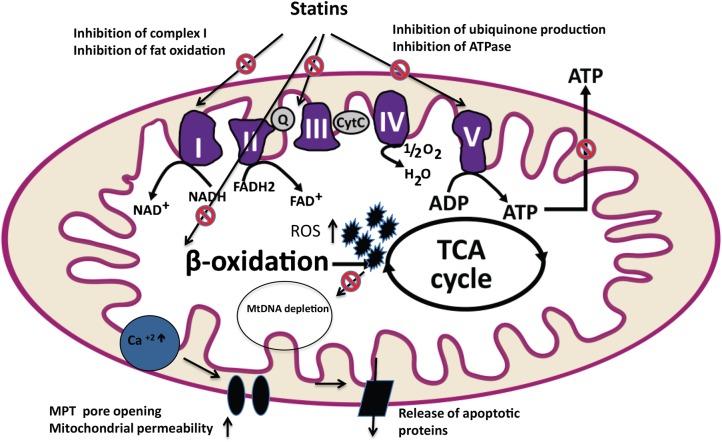
“† Activity of complex III of the mitochondrial respiratory chain: activity of this complex and concentrations of high-energy phosphates were found to be unchanged in statin-treated patients, suggesting that mitochondrial function was not compromised.(82,85) Another study reported lower expression of complex I, II, III…”
Michalska-Kasiczak, M., Sahebkar, A., Mikhailidis, D. P., Rysz, J., Muntner, P., Toth, P. P., Jones, S. R., Rizzo, M., Kees Hovingh, G., Farnier, M., et al. (2015) · International Journal of Cardiology · doi:10.1016/j.ijcard.2014.10.118 · Cited by 171
Self-citationLipin-1 regulates autophagy clearance and intersects with statin drug effects in skeletal muscle
Zhang, P., Verity, M. A., & Reue, K. (2014) · Cell Metabolism · doi:10.1016/j.cmet.2014.05.003 · Cited by 166 · cited 1×
“100–103 Only recently, mice with genetically induced deficiency of lipin-1, a phosphatidic acid phosphatase, were showntodevelopmyopathy/myositisthatwasassociatedwithimpaired autophagyandthepresenceofabnormalmitochondria.”
Association between statin-associated myopathy and skeletal muscle damage
Mohaupt, M. G., Karas, R. H., Babiychuk, E. B., Sanchez-Freire, V., Monastyrskaya, K., Iyer, L., Hoppeler, H., Breil, F., & Draeger, A. (2009) · Canadian Medical Association Journal · doi:10.1503/cmaj.081785 · Cited by 166
Genetic determinants of statin intolerance
Oh, J., Ban, M. R., Miskie, B. A., Pollex, R. L., & Hegele, R. A. (2007) · Lipids in Health and Disease · doi:10.1186/1476-511x-6-7 · Cited by 152
Self-citationChodick, G., Shalev, V., Gerber, Y., Heymann, A. D., Silber, H., Simah, V., & Kokia, E. (2008) · Clinical Therapeutics · doi:10.1016/j.clinthera.2008.11.012 · Cited by 145 · cited 1×
“16 Indeed, in 65% of former statin users, the main reason for statin non-adherence or discontinuation was the onset of side effects, predominantly muscle-related effects.”
Limaye, V. S., Bundell, C., Hollingsworth, P., Rojana-udomsart, A., Mastaglia, F. L., Blumbergs, P. C., & Lester, S. (2014) · Muscle & Nerve · doi:10.1002/mus.24541 · Cited by 143
Downs, J. R., Clearfield, M., Tyroler, H. A., Whitney, E. J., Kruyer, W., Langendorfer, A., Zagrebelsky, V., Weis, S., Shapiro, D. R., Beere, P. A., et al. (2001) · The American Journal of Cardiology · doi:10.1016/s0002-9149(01)01464-3 · Cited by 138
Impact of genetic variation in OATP transporters to drug disposition and response
Gong, I. Y., & Kim, R. B. (2013) · Drug Metabolism and Pharmacokinetics · doi:10.2133/dmpk.dmpk-12-rv-099 · Cited by 137 · cited 2×
“106–109 The most significant associations have been single-nucleotide polymorphisms (SNPs) in SLCO1B1 , encoding OATP1B1.”
Stein, E. A., Giugliano, R. P., Koren, M. J., Raal, F. J., Roth, E. M., Weiss, R., Sullivan, D., Wasserman, S. M., Somaratne, R., Kim, J. B., et al. (2014) · European Heart Journal · doi:10.1093/eurheartj/ehu085 · Cited by 130 · cited 1×
“In clinical trials including over 6000 patients treated for 3 to 12 months, the tolerability of these subcutaneously administered drugs has been very good, with few injection site reactions and no significant liver functionabnormalitiesorCKelevations.(69,70) Four large CVD outcomes trials are ongoing and initial resul…”
BackgroundSelf-citationTargeting PCSK9 for hypercholesterolemia
Norata, G. D., Tibolla, G., & Catapano, A. L. (2014) · Annual Review of Pharmacology and Toxicology · doi:10.1146/annurev-pharmtox-011613-140025 · Cited by 127 · cited 1×
“First identified in 2003 and shown to be related to autosomal-dominant hypercholesterolaemia, PCSK9 has become a therapeutic target for potently reducing LDL-C in humans.(64,65) Clinical development of human monoclonal antibodies has progressed very rapidly, with the most advanced being evolocumab, alirocumab, and boc…”
Self-citationThe genetics of statin-induced myopathy
Ghatak, A., Faheem, O., & Thompson, P. D. (2009) · Atherosclerosis · doi:10.1016/j.atherosclerosis.2009.11.033 · Cited by 126
Self-citationNielsen, S. F., & Nordestgaard, B. G. (2014) · The Lancet Diabetes & Endocrinology · doi:10.1016/s2213-8587(14)70173-1 · Cited by 125
Self-citationLi, Y., Jiang, L., Jia, Z., Xin, W., Yang, S., Yang, Q., & Wang, L. (2014) · PLoS ONE · doi:10.1371/journal.pone.0098611 · Cited by 124
Mallinson, J. E., Constantin‐Teodosiu, D., Sidaway, J., Westwood, F. R., & Greenhaff, P. L. (2009) · The Journal of Physiology · doi:10.1113/jphysiol.2008.164699 · Cited by 120
Ahmad, Z. (2014) · The American Journal of Cardiology · doi:10.1016/j.amjcard.2014.02.033 · Cited by 110
Statin myotoxicity: a review of genetic susceptibility factors
Needham, M., & Mastaglia, F. L. (2014) · Neuromuscular Disorders · doi:10.1016/j.nmd.2013.09.011 · Cited by 108
Decreased skeletal muscle mitochondrial DNA in patients treated with high-dose simvastatin
Schick, B. A., Laaksonen, R., Frohlich, J. J., Päivä, H., Lehtimäki, T., Humphries, K. H., & Côté, H. C. F. (2007) · Clinical Pharmacology & Therapeutics · doi:10.1038/sj.clpt.6100124 · Cited by 103
Stein, E. A., Ballantyne, C. M., Windler, E., Sirnes, P. A., Sussekov, A., Yigit, Z., Seper, C., & Gimpelewicz, C. R. (2008) · The American Journal of Cardiology · doi:10.1016/j.amjcard.2007.09.099 · Cited by 102
Self-citationStatin use and musculoskeletal pain among adults with and without arthritis
Buettner, C., Rippberger, M. J., Smith, J. K., Leveille, S. G., Davis, R. B., & Mittleman, M. A. (2012) · The American Journal of Medicine · doi:10.1016/j.amjmed.2011.08.007 · Cited by 102
New therapeutic principles in dyslipidaemia: focus on LDL and Lp(a) lowering drugs
Norata, G. D., Ballantyne, C. M., & Catapano, A. L. (2013) · European Heart Journal · doi:10.1093/eurheartj/eht088 · Cited by 99 · cited 1×
“38,39 Ezetimibe reduces LDL-C by 15–20%, is easy to take with few side effects, 40 and has been shown to reduce CVD events.”
Self-citationCurran, J. W., Tang, L., Roof, S. R., Velmurugan, S., Millard, A., Shonts, S., Wang, H., Santiago, D. J., Ahmad, U., Perryman, M. J., et al. (2014) · PLoS ONE · doi:10.1371/journal.pone.0087495 · Cited by 93
Nutraceuticals for the treatment of hypercholesterolemia
Mannarino, M. R., Ministrini, S., & Pirro, M. (2014) · European Journal of Internal Medicine · doi:10.1016/j.ejim.2014.06.008 · Cited by 92
KEECH, A., COLLINS, R., MACMAHON, S., ARMITAGE, J., LAWSON, A., WALLENDSZUS, K., FATEMIAN, M., KEARNEY, E., LYON, V., MINDELL, J., et al. (1994) · European Heart Journal · doi:10.1093/oxfordjournals.eurheartj.a060485 · Cited by 90
Effect of Coenzyme Q10 supplementation on statin-induced myalgias
Bookstaver, D. A., Burkhalter, N. A., & Hatzigeorgiou, C. (2012) · The American Journal of Cardiology · doi:10.1016/j.amjcard.2012.04.026 · Cited by 89
Reduction of low-density lipoprotein cholesterol by monoclonal antibody inhibition of PCSK9
Stein, E. A., & Raal, F. (2014) · Annual Review of Medicine · doi:10.1146/annurev-med-022613-090402 · Cited by 89 · cited 1×
“First identified in 2003 and shown to be related to autosomal-dominant hypercholesterolaemia, PCSK9 has become a therapeutic target for potently reducing LDL-C in humans.(64,65) Clinical development of human monoclonal antibodies has progressed very rapidly, with the most advanced being evolocumab, alirocumab, and boc…”
Self-citationPrevalence and risk factors of muscle complications secondary to statins
El‐Salem, K., Ababneh, B., Rudnicki, S., Malkawi, A., Alrefai, A., Khader, Y., Saadeh, R., & Saydam, M. (2011) · Muscle & Nerve · doi:10.1002/mus.22205 · Cited by 83
The safety of HMG-CoA reductase inhibitors in special populations at high cardiovascular risk
Corsini, A. (2003) · Cardiovascular Drugs and Therapy · doi:10.1023/a:1026132412074 · Cited by 82 · cited 1×
“9,30,32–34 Additionally, pharmacokinetic drug–drug interactions (DDIs) that increase statin exposure increase the risk of statin-associated myop-athy (Box 2).”
Self-citationRm, H. (1985) · PubMed · Cited by 82
Decreased skeletal muscle mitochondrial DNA in patients with statin-induced myopathy
Stringer, H. A. J., Sohi, G. K., Maguire, J. A., & Côté, H. C. F. (2013) · Journal of the Neurological Sciences · doi:10.1016/j.jns.2012.12.023 · Cited by 79
Intermittent nondaily dosing strategies in patients with previous statin-induced myopathy
Keating, A. J., Campbell, K. B., & Guyton, J. R. (2013) · Annals of Pharmacotherapy · doi:10.1345/aph.1r509 · Cited by 74 · cited 1×
“itations (small size, retrospective, open label, or non-randomized design), studies have shown that either alternate day or twice-weekly dosing strategies can reduce LDL-Cby12–38%, and, importantly, are tolerated by 70% of previously intolerant patients.(37) Generally, lower doses of a high intensity statin with a lon…”
Athyros, V. G., Τζιόμαλος, Κ., Kakafika, A. I., Koumaras, H., Karagiannis, A. I., & Mikhailidis, D. P. (2007) · The American Journal of Cardiology · doi:10.1016/j.amjcard.2007.09.096 · Cited by 71
MRC/BHF Heart Protection Study Collaborative Group (2009) · BMC Clinical Pharmacology · doi:10.1186/1472-6904-9-6 · Cited by 70
Araki, M., Maeda, M., & Motojima, K. (2011) · European Journal of Pharmacology · doi:10.1016/j.ejphar.2011.10.044 · Cited by 69
Mechanisms of statin-induced myalgia assessed by physiogenomic associations
Ruaño, G., Windemuth, A., Wu, A. H. B., Kane, J. P., Malloy, M. J., Pullinger, C. R., Kocherla, M., Bogaard, K., Gordon, B. R., Holford, T. R., et al. (2011) · Atherosclerosis · doi:10.1016/j.atherosclerosis.2011.07.007 · Cited by 66
Self-citationEffects of fenofibrate on plasma lipoproteins in hypercholesterolemia and combined hyperlipidemia
Knopp, R. H., Brown, W. V., Dujovne, C. A., Farquhar, J. W., Feldman, E. B., Goldberg, A. C., Grundy, S. M., Lasser, N. L., Mellies, M. J., Palmer, R. H., et al. (1987) · The American Journal of Medicine · doi:10.1016/0002-9343(87)90871-0 · Cited by 65 · cited 1×
“baseline levels who do not have concomitant hypertriglyceridaemia.(45) This fibrate is easy to take, and has shown an excellent safety record in the Action to Control Cardiovascular Risk in Diabetes”
Efflux and uptake transporters as determinants of statin response
Rodrigues, A. C. (2010) · Expert Opinion on Drug Metabolism & Toxicology · doi:10.1517/17425251003713519 · Cited by 64
Genetic risk for malignant hyperthermia in non-anesthesia-induced myopathies
Vladutiu, G. D., Isackson, P. J., Kaufman, K., Harley, J. B., Cobb, B., Christopher-Stine, L., & Wortmann, R. L. (2011) · Molecular Genetics and Metabolism · doi:10.1016/j.ymgme.2011.07.001 · Cited by 63 · cited 3×
“111 An increased frequency of pathogenic variants in muscle-disease-associated genes has been reported, 96,112–114 with a 13-to 20-fold higher incidence in subjects with severe myopathy compared Box4 Statin-induced myopathy mediated byabnormal mitochondrial function: what is the evidence?”
InfluentialSelf-citationWu, J. S., Buettner, C., Smithline, H., Ngo, L. H., & Greenman, R. L. (2011) · Muscle & Nerve · doi:10.1002/mus.21847 · Cited by 61
Measurement of LDL-C after treatment with the CETP inhibitor anacetrapib
Davidson, M., Liu, S. X., Barter, P., Brinton, E. A., Cannon, C. P., Gotto, A. M., Leary, E. T., Shah, S., Stepanavage, M., Mitchel, Y., et al. (2013) · Journal of Lipid Research · doi:10.1194/jlr.m032615 · Cited by 56 · cited 1×
“of CETP can markedly increase high-density lipoprotein cholesterol, and two members of this class in advanced development, anacetrapib and evacetrapib, equally lower LDL-C by 25–40%.(75,76) The mechan-”
Guo, J., Meng, F., Ma, N., Li, C., Ding, Z., Wang, H., Hou, R., & Qin, Y. (2012) · The American Journal of Cardiology · doi:10.1016/j.amjcard.2012.06.050 · Cited by 53 · cited 1×
“when fenofibrate is added to a statin.(48) Niacin also lowers LDL-C levels by 15–20%,(49) but recent large randomized trials showed a sig-”
Heel (1980) · doi:10.2165/00003495-198019030-00001 · Cited by 46 · cited 1×
“Bile acid sequestrants can reduce LDL-C levels by 15–25% depending on the type and dose used, and may also improve glycaemia in patients with diabetes.(43,44) Colesevelam is easier to take and better tolerated than earlier formulations.”
Mallinson, J. E., Constantin‐Teodosiu, D., Glaves, P. D., Martin, E. A., Davies, W. J., Westwood, F. R., Sidaway, J. E., & Greenhaff, P. L. (2012) · The Journal of Physiology · doi:10.1113/jphysiol.2012.238022 · Cited by 44
GATM gene variants and statin myopathy risk
Carr, D. F., Alfirevic, A., Johnson, R., Chinoy, H., van Staa, T., & Pirmohamed, M. (2014) · Nature · doi:10.1038/nature13628 · Cited by 35 · cited 1×
“117 Clearly, further studies will be required to determine a mechanistic basis for a contribution of genetic variation in GATM to the risk of SAMS.”
The guinea pig as a preclinical model for demonstrating the efficacy and safety of statins
Madsen, C. S., Janovitz, E., Zhang, R., Nguyen-Tran, V., Ryan, C. S., Yin, X., Monshizadegan, H., Chang, M., D’Arienzo, C., Scheer, S., et al. (2008) · The Journal of Pharmacology and Experimental Therapeutics · doi:10.1124/jpet.107.131615 · Cited by 33
Metabolic myopathies discovered during investigations of statin myopathy
Baker, S. K., Vladutiu, G. D., Peltier, W. L., Isackson, P. J., & Tarnopolsky, M. A. (2008) · Canadian Journal of Neurological Sciences / Journal Canadien des Sciences Neurologiques · doi:10.1017/s0317167100007630 · Cited by 31
Self-citationSidaway, J., Wang, Y., Marsden, A. M., Orton, T. C., Westwood, F. R., Azuma, C. T., & Scott, R. C. (2009) · Xenobiotica · doi:10.1080/00498250802585539 · Cited by 28
Obayashi, H., Nezu, Y., Yokota, H., Kiyosawa, N., Mori, K., Maeda, N., Tani, Y., Manabe, S., & Sanbuissho, A. (2011) · The Journal of Toxicological Sciences · doi:10.2131/jts.36.445 · Cited by 26
Nabumetone in the treatment of active adult rheumatoid arthritis
Brobyn, R. D. (1987) · The American Journal of Medicine · doi:10.1016/0002-9343(87)90594-8 · Cited by 22
Alirocumab: PCSK9 inhibitor for LDL cholesterol reduction
Tavori, H., Melone, M., & Rashid, S. (2014) · Expert Review of Cardiovascular Therapy · doi:10.1586/14779072.2014.954551 · Cited by 21 · cited 1×
“In clinical trials including over 6000 patients treated for 3 to 12 months, the tolerability of these subcutaneously administered drugs has been very good, with few injection site reactions and no significant liver functionabnormalities orCKelevations.(69,70) Four large CVD outcomes trials are ongoing and initial resu…”
REVEAL: Randomized EValuation of the Effects of Anacetrapib through Lipid-modification
Bowman, L. J. (2012) · doi:10.1186/isrctn48678192 · Cited by 19
Reddy, K. J., Singh, M., Batsell, R. R., Bangit, J. R., Zaheer, M. S., John, S., Varghese, S., & Molinella, R. (2009) · Journal of Clinical Hypertension · doi:10.1111/j.1559-4572.2009.00055.x · Cited by 13
Naba, H., Kakinuma, C., Ohnishi, S., & Ogihara, T. (2006) · Biochemical and Biophysical Research Communications · doi:10.1016/j.bbrc.2005.11.179 · Cited by 10 · cited 1×
“100–103 Only recently, mice with genetically induced deficiency of lipin-1, a phosphatidic acid phosphatase, were showntodevelopmyopathy/myositisthatwasassociatedwithimpaired autophagyandthepresenceofabnormalmitochondria.”
Misrepresentation of statin safety evidence
Armitage, J., Baigent, C., & Collins, R. (2014) · The Lancet · doi:10.1016/s0140-6736(14)61765-7 · Cited by 10
Research works printed but not linked: 1
- Vladutiu GD Tarnopolsky M Baker S Christopher-Stine L Peltier W Weisman M Isackson PJ Inborn errors of muscle metabolism implicated in risk for statin-induced myopathy. Molec Genet Metab 2014; 111: 264– 265.
Cited by
Mach, F., Baigent, C., Catapano, A. L., Koskinas, K. C., Casula, M., Badimon, L., Chapman, M. J., De Backer, G. G., Delgado, V., Ference, B. A., et al. (2020) · European Heart Journal · doi:10.1093/eurheartj/ehz455 · Cited by 8,961
Self-citation2016 European Guidelines on cardiovascular disease prevention in clinical practice
Piepoli, M. F., Hoes, A. W., Agewall, S., Albus, C., Brotons, C., Catapano, A. L., Cooney, M.-T., Corrà, U., Cosyns, B., Deaton, C., et al. (2016) · European Heart Journal · doi:10.1093/eurheartj/ehw106 · Cited by 6,457
Self-citationGrundy, S. M., Stone, N. J., Bailey, A. L., Beam, C., Birtcher, K. K., Blumenthal, R. S., Braun, L. T., de Ferranti, S., Faiella-Tommasino, J., Forman, D. E., et al. (2019) · Circulation · doi:10.1161/cir.0000000000000625 · Cited by 6,185
Mach, F., Baigent, C., Catapano, A. L., Koskinas, K. C., Casula, M., Badimon, L., Chapman, M. J., De Backer, G. G., Delgado, V., Ference, B. A., et al. (2019) · Atherosclerosis · doi:10.1016/j.atherosclerosis.2019.08.014 · Cited by 4,854
“In rhabdomyolysis, creatine kinase (CK) levels are elevated by >_10 times, and often >_40 times, the upper limit of normal (ULN).(234) The frequency of rhabdomyolysis has been estimated to represent 1 3 cases/100 000 patient-years.”
Self-citationLibby, P., Buring, J. E., Badimon, L., Hansson, G. K., Deanfield, J., Bittencourt, M. S., Tokgözoğlu, L., & Lewis, E. F. (2019) · Nature Reviews Disease Primers · doi:10.1038/s41572-019-0106-z · Cited by 3,211
Self-citation
Metadata
- Authors
- Stroes, E. S., Thompson, P. D., Corsini, A., Vladutiu, G. D., Raal, F. J., Ray, K. K., Roden, M., Stein, E., Tokgözoğlu, L., Nordestgaard, B. G., Bruckert, E., De Backer, G., Krauss, R. M., Laufs, U., Santos, R. D., Hegele, R. A., Hovingh, G. K., Leiter, L. A., Mach, F., März, W., Newman, C. B., Wiklund, O., Jacobson, T. A., Catapano, A. L., Chapman, M. J., Ginsberg, H. N., European Atherosclerosis Society Consensus Panel, Stroes, E., Thompson, P. D., Corsini, A., Vladutiu, G. D., Raal, F. J., Ray, K. K., Roden, M., Stein, E., Tokgözoğlu, L., Nordestgaard, B. G., Bruckert, E., Krauss, R. M., Laufs, U., Santos, R. D., März, W., Newman, C. B., John Chapman, M., Ginsberg, H. N., John Chapman, M., Ginsberg, H. N., de Backer, G., Catapano, A. L., Hegele, R. A., Kees Hovingh, G., Jacobson, T. A., Leiter, L., Mach, F., & Wiklund, O.
- Affiliations
- Department of Vascular Medicine, Academic Medical Center, Amsterdam, The Netherlands
- Academic Medical Center, University of Amsterdam, The Netherlands
- Li Ka Shing Knowledge Institute and Keenan Research Centre for Biomedical Science, St. Michael's Hospital, University of Toronto, Canada
- INSERM, Pitié-Salpetriere University Hospital, Paris, France
- Amsterdam UMC Location University of Amsterdam (NL)
- Venue
- European Heart Journal
- Publisher
- Oxford University Press (OUP)
- Published
- 2015-02-18
- Volume
- 36
- Issue
- 17
- Pages
- 1012-1022
- ISSN
- 0195-668X (ISSN-L)
- 1522-9645
- PMC
- PMC4416140
- OpenAlex
- W2134159541
- Cited by
- 1,443
- References
- 124
- Citations by year
- 2026: 103 · 2025: 109 · 2024: 112 · 2023: 103 · 2022: 118 · 2021: 152 · 2020: 122 · 2019: 134 · 2018: 127 · 2017: 143 · 2016: 161 · 2015: 54
- FWCI
- 162.77
- Type
- journal article
- Language
- en
- Open access
- hybrid
- doi.org
- Licence
- Locations
- European Heart Journal (publishedVersion, cc-by-nc)
- Europe PMC (PubMed Central) (publishedVersion, cc-by-nc)
- PubMed Central (publishedVersion, cc-by-nc)
- PubMed (publishedVersion)
- Research at the University of Copenhagen (University of Copenhagen) (publishedVersion, other-oa)
- Data Archiving and Networked Services (DANS) (submittedVersion)
- Archivio Istituzionale della Ricerca (Universita Degli Studi Di Milano) (submittedVersion, other-oa)
- eScholarship (California Digital Library) (submittedVersion)
- eScholarship (California Digital Library) (submittedVersion, cc-by-nc)
- Hacettepe University Institutional Repository (hacettepe.edu.tr) (submittedVersion, other-oa)
- Pure Amsterdam UMC (submittedVersion, other-oa)
- Spiral (Imperial College London) (submittedVersion, other-oa)
- Funders
- Amgen
- Eli Lilly and Company
- Pfizer
- AstraZeneca
- GlaxoSmithKline
- Sanofi
- F. Hoffmann-La Roche
- Danone
- Regeneron Pharmaceuticals
- Valeant Pharmaceuticals International
- Quest Diagnostics
- Kowa Company
- European Atherosclerosis Society
- Servier
- Esperion Therapeutics
- Genentech
- Topics
- Health Sciences › Medicine › Cardiology and Cardiovascular Medicine › Lipoproteins and Cardiovascular Health
- Life Sciences › Biochemistry, Genetics and Molecular Biology › Cancer Research › Cancer, Lipids, and Metabolism
- Life Sciences › Pharmacology, Toxicology and Pharmaceutics › Toxicology › Pharmacovigilance and Adverse Drug Reactions
- Keywords
- statin-associated muscle symptoms, statin-induced myopathy, statin intolerance, statin rechallenge, statin discontinuation, creatine kinase elevation, mitochondrial dysfunction, muscle protein degradation, statin dose reduction, non-statin lipid-lowering therapy, LDL cholesterol targets, cardiovascular risk
- MeSH terms
- Proprotein Convertase 9, Complementary Therapies, Hypolipidemic Agents, Creatine Kinase, Diet, Humans, Mitochondria, Muscle, Muscular Diseases, Risk Factors, Serine Endopeptidases, Hydroxymethylglutaryl-CoA Reductase Inhibitors, Genetic Predisposition to Disease, Mitochondrial Diseases, Consensus, Proprotein Convertases, Cholesterol Ester Transfer Proteins
About these checks
Registry, retraction, Cites and statistics results are computed, not judged, with one exception: a printed reference that no index lists is read once by a model before it counts as a citation error. Claims are extracted by a model and kept only when their quote appears verbatim in the text; each cited source is then checked, with a model’s help, for whether it says what the claim relies on. Those verdicts can be wrong — read the claim’s quote and the cited source before relying on one.
The claim verdicts this report counts are experimental: their accuracy is not yet measured.
A language model drew the claims from the paper on 2026-10-04, under version 3 of the claim definition (model deepseek-v4.1-flash, prompt extract-v3).
A second model labelled each claim on 2026-10-04 (model jev-1.13-20260917, definition revision gold-guideline-v0.2).
Cited sources are checked with a language model’s help (qwen3.8-omni-flash and gpt-6-sol).
Statistics and arithmetic are recomputed, not judged.
Confidence bands are shown only for fields calibrated on our annotated test set. None is calibrated yet, so no band is shown.
What counts as a claim ›How we measure confidence ›How we check this ›
Are you an author, or do you see a problem with this page? Request a review
Data sources
Bibliographic data: Semantic Scholar, OpenAlex, Crossref.
Contains information from the Semantic Scholar Academic Graph Datasets, made available under the ODC Attribution License (ODC-BY 1.0).
Semantic Scholar’s data is described in: Kinney, R., et al. (2023). The Semantic Scholar Open Data Platform. arXiv:2301.10140.
