

Low-density lipoproteins cause atherosclerotic cardiovascular disease: pathophysiological, genetic, and therapeutic insights: a consensus statement from the European Atherosclerosis Society Consensus Panel
Open accessThe DOI matches its Crossref record; 348 of the 351 references it cites were found in a registry or an index.
Abstract
apoB100 is altered, LDL receptor binding affinity is attenuated, resulting in a prolonged residence time in plasma (Box 2).
Overview
The claims and statistics of this paper haven’t been checked yet.
Free: it reads the open-access text and checks the first 5 claims that cite a source we can check. Create a free account to check every claim.
Integrity signals
Registry
Cites
Statistics
Figures
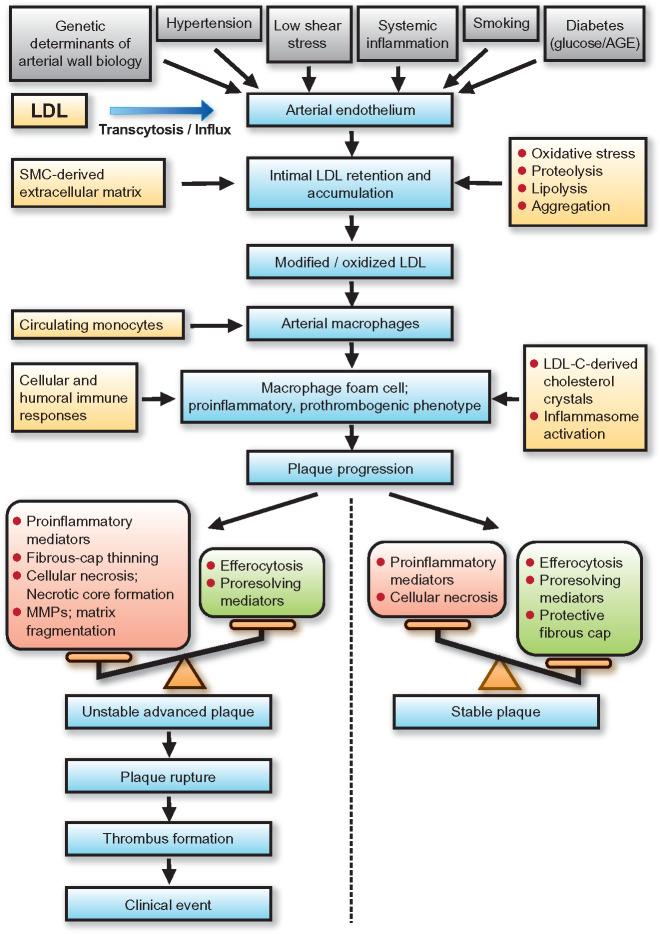
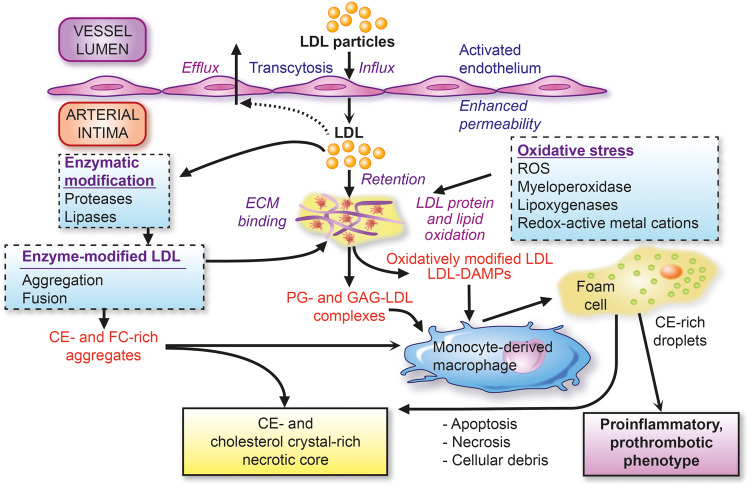
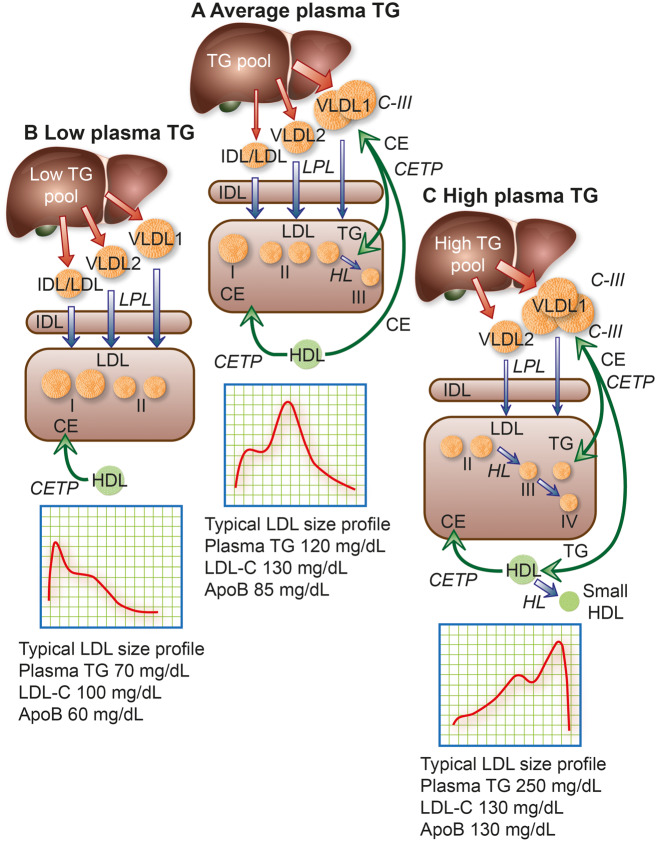
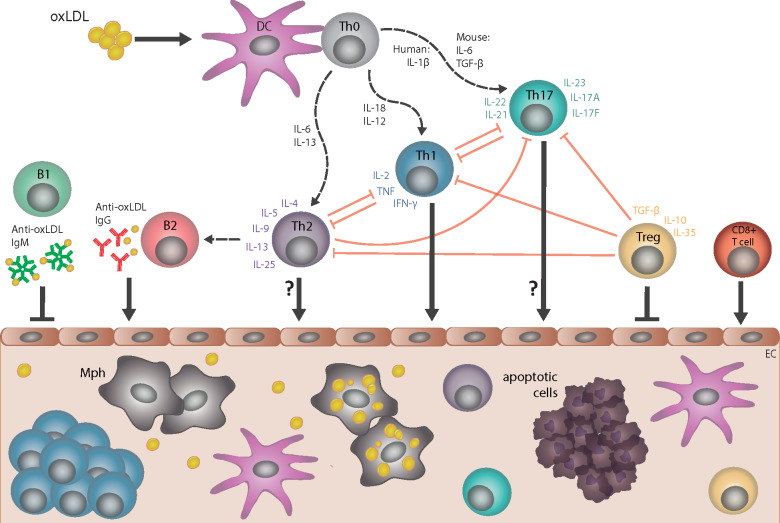
Verification
Claims the paper makes
The claims and statistics of this paper haven’t been checked yet.
Free: it reads the open-access text and checks the first 5 claims that cite a source we can check. Create a free account to check every claim.
Claims other papers make about this one
Each is checked against this paper’s own text: does it say what the citing paper says it does?
The source backs part of the claim, not all of it — or backs it for a different population, condition or comparison.
In the citing paper
“any proatherogenic effects of TRL and remnants will be synergistic to those of other apoB-containing lipoproteins, particularly LDL and lipoprotein(a).17,25,93,104,206”
From Triglyceride-rich lipoproteins and their remnants: metabolic insights, role in atherosclerotic cardiovascular disease, and emerging therapeutic strategies—a consensus statement from the European Atherosclerosis Society (2021) · cites this paper as [93]
Experimental — accuracy not yet measuredThe source backs part of the claim, not all of it — or backs it for a different population, condition or comparison.
In the citing paper
“On a per particle basis, cholesterol-rich remnant particles are more potent inducers of macrophage foam cells than LDL and do not need structural modification to trigger uptake.36,93,141”
From Triglyceride-rich lipoproteins and their remnants: metabolic insights, role in atherosclerotic cardiovascular disease, and emerging therapeutic strategies—a consensus statement from the European Atherosclerosis Society (2021) · cites this paper as [93]
Experimental — accuracy not yet measuredThe cited source says what the claim attributes to it.
In the citing paper
“While LDL-C is an established major causal factor for ASCVD,93,103,104 the causality of TG, TRL, or TRL remnants for ASCVD is contentious.17,36,105–107”
The cited source says what the claim attributes to it.
In the citing paper
“Consequently, reducing LDL cholesterol levels stands as one of the most common approaches in clinical practice for treating and preventing ASCVD [6].”
From Residual Cardiovascular Risk: Role of Remnants Cholesterol, Monocyte/HDL Ratio and Lipoprotein Ratios on Personalized Cardiovascular Prevention (2024) · cites this paper as [6]
The cited source says what the claim attributes to it.
In the citing paper
“The observed trends in lipid content are consistent with slight increases in LDL particle numbers, which could confer increased risk for atherosclerotic cardiovascular disease [85].”
From Evaluation of exploratory fluid biomarkers from a phase 1 senolytic trial in mild Alzheimer's disease (2025) · cites this paper as [85]
5 more claims about this paper
Create a free account to see every claim other papers make about this one.
Self-check
Percentages, sums and reported differences re-computed from the paper’s own numbers.
The self-check needs the paper’s full text.
Citations
Cites
Antiinflammatory Therapy with Canakinumab for Atherosclerotic Disease
Ridker, P. M., Everett, B. M., Thuren, T., MacFadyen, J. G., Chang, W. H., Ballantyne, C., Fonseca, F., Nicolau, J., Koenig, W., Anker, S. D., et al. (2017) · New England Journal of Medicine · doi:10.1056/nejmoa1707914 · Cited by 9,482 · cited 1×
“in a secondary prevention trial in which patients were treated with a statin in combination with the anti-IL-1b antibody canakinumab.(154)”
BackgroundMach, F., Baigent, C., Catapano, A. L., Koskinas, K. C., Casula, M., Badimon, L., Chapman, M. J., De Backer, G. G., Delgado, V., Ference, B. A., et al. (2020) · European Heart Journal · doi:10.1093/eurheartj/ehz455 · Cited by 8,961
Self-citationInflammation, Atherosclerosis, and Coronary Artery Disease
Hansson, G. K. (2005) · New England Journal of Medicine · doi:10.1056/nejmra043430 · Cited by 8,773 · cited 1×
“to the oxidative modification of LDL and thus to the pathogenesis of accelerated atherosclerosis.(285,286) Furthermore, recent data suggest”
BackgroundInflammation in atherosclerosis
Libby, P. (2002) · Nature · doi:10.1038/nature01323 · Cited by 8,315
Epstein, F. H., Steinberg, D., Parthasarathy, S., Carew, T. E., Khoo, J. C., & Witztum, J. L. (1989) · New England Journal of Medicine · doi:10.1056/nejm198904063201407 · Cited by 6,427
Grundy, S. M., Stone, N. J., Bailey, A. L., Beam, C., Birtcher, K. K., Blumenthal, R. S., Braun, L. T., de Ferranti, S., Faiella-Tommasino, J., Forman, D. E., et al. (2019) · Circulation · doi:10.1161/cir.0000000000000625 · Cited by 6,185
Evolocumab and Clinical Outcomes in Patients with Cardiovascular Disease
Sabatine, M. S., Giugliano, R. P., Keech, A. C., Honarpour, N., Wiviott, S. D., Murphy, S. A., Kuder, J. F., Wang, H., Liu, T., Wasserman, S. M., et al. (2017) · New England Journal of Medicine · doi:10.1056/nejmoa1615664 · Cited by 6,138
Mach, F., Baigent, C., Catapano, A. L., Koskinas, K. C., Casula, M., Badimon, L., Chapman, M. J., De Backer, G. G., Delgado, V., Ference, B. A., et al. (2019) · Atherosclerosis · doi:10.1016/j.atherosclerosis.2019.08.014 · Cited by 4,854
Self-citationVirmani, R., Kolodgie, F. D., Burke, A. P., Farb, A., & Schwartz, S. M. (2000) · Arteriosclerosis, Thrombosis, and Vascular Biology · doi:10.1161/01.atv.20.5.1262 · Cited by 4,084 · cited 1×
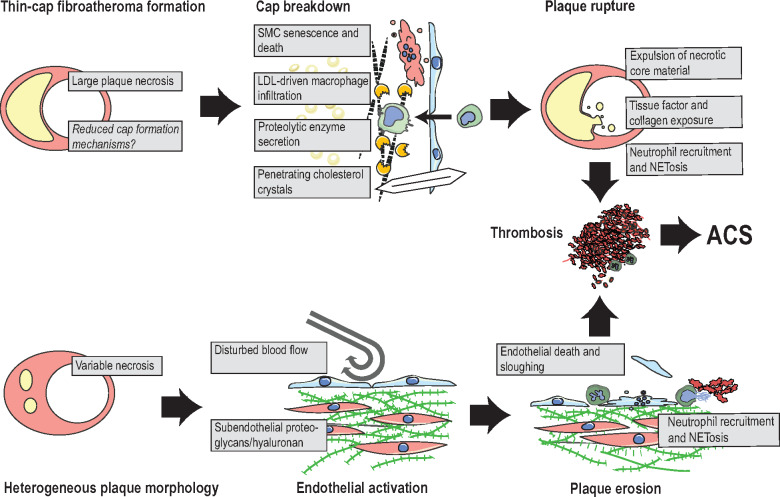
“brous cap, a large necrotic core, pronounced inflammation, and low vascular SMC density.(246) Both biomechanical and haemodynamic factors contribute to plaque rupture,(247) and the exposure of the blood”
BackgroundBerenson, G. S., Srinivasan, S. R., Bao, W., Newman, W. P., Tracy, R. E., & Wattigney, W. A. (1998) · New England Journal of Medicine · doi:10.1056/nejm199806043382302 · Cited by 4,032
Cited by
Items 901–1,000 of 1,002
Fu, L., Liu, Q., Cheng, H., Zhao, X., Xiong, J., & Mi, J. (2025) · Journal of the American Heart Association · doi:10.1161/jaha.124.038857 · Cited by 6
Targeting Lysophosphatidic Acid Ameliorates Dyslipidemia in Familial Hypercholesterolemia
Du, Z., Wang, Y., Li, F., Sun, X., Du, Y., Li, L., Yu, H., Hu, C., Sun, H., Gao, X., et al. (2025) · Research · doi:10.34133/research.0629 · Cited by 5
The next chapter of prevention: from LDL-cholesterol to lipoprotein(a) and triglycerides
Lüscher, T. F. (2020) · European Heart Journal · doi:10.1093/eurheartj/ehaa552 · Cited by 4
Yelnik, C., & Bruckert, É. (2020) · La Revue de Médecine Interne · doi:10.1016/j.revmed.2020.11.007 · Cited by 5
An update on emerging drugs for the treatment of hypercholesterolemia
Nelson, A. J., Bubb, K. J., & Nicholls, S. J. (2021) · Expert Opinion on Emerging Drugs · doi:10.1080/14728214.2021.2009801 · Cited by 5
“Biologic studies have demonstrated the impact of oxidized LDL in the generation of endothelial dysfunction, foam cell formation and orchestration of inflammatory and thrombotic factors implicated in all stages of atherosclerosis [4].”
BackgroundSelf-citationThe Role of Statins in Prevention of Cardiovascular Diseases in Real Clinical Practice
IuA, K., & Moscow, R. F. (2021) · Doctor Ru · doi:10.31550/1727-2378-2021-20-11-17-27 · Cited by 4
Fasano, T., Trenti, C., Negri, E. A., Guiducci, V., Foracchia, M., Bonelli, E., Canovi, S., Besutti, G., Bertolini, S., & Calandra, S. (2022) · Nutrition Metabolism and Cardiovascular Diseases · doi:10.1016/j.numecd.2021.12.024 · Cited by 4
Statin therapy for primary prevention in women: What is the role for coronary artery calcium?
Grundy, S. M., & Vega, G. L. (2022) · Journal of clinical lipidology · doi:10.1016/j.jacl.2022.05.001 · Cited by 4
Lipoprotein(a)—When to Screen and How to Treat
Patel, N., Mittal, N., Choubdar, P. A., & Taub, P. R. (2022) · Current Cardiovascular Risk Reports · doi:10.1007/s12170-022-00698-8 · Cited by 4
Casula, E., Contu, M. P., Demontis, C., Coghe, F., Steri, G. C., Scano, A., Ferrando, M. L., & Orrù, G. (2022) · Scientific Reports · doi:10.1038/s41598-022-20193-9 · Cited by 4
Velilla, T. A., Guijarro, C., Ruíz, R. C., Piñero, M. R., Marcos, J. F. V., Pérez, A., López, M. A. B., López, A. M., Donaire, J. A. G., Obaya, J. C., et al. (2023) · Advances in Laboratory Medicine / Avances en Medicina de Laboratorio · doi:10.1515/almed-2023-0010 · Cited by 6
Valoy, A., Alarcón, G., Roco, J., Zampini, C., Isla, M. I., & Jerez, S. J. (2023) · International Journal of Plant Based Pharmaceuticals · doi:10.29228/ijpbp.28 · Cited by 4
“Flavonoids are antioxidants and reduce the oxidation of LDL-C, therefore suggesting their role in preventing hyperlipidemic damage in cardiovascular diseases (Simonen et al., 2002).”
BackgroundInfluentialFactors associated with the presence of tendon xanthomas in familial hypercholesterolemia
Corredoira, P. M. F., Marco-Benedí, V., Cenarro, A., Belanche, S. P., Olmos, S. C., & Civeira, F. (2024) · Revista Española de Cardiología (English Edition) · doi:10.1016/j.rec.2023.12.003 · Cited by 5
Reiber, I., Márk, L., Együd, F., Mező, I., & Császár, A. (2023) · Cardiologia Hungarica · doi:10.26430/chungarica.2023.53.6.633 · Cited by 5
What Guidelines Say About Risk Reduction: Major Data on the Link Between Lipid Lowering and Outcomes
Thanassoulis, G., Welsh, R. C., & Hegele, R. A. (2024) · Canadian Journal of Cardiology · doi:10.1016/j.cjca.2024.04.023 · Cited by 5
Self-citationTowards individualized lifetime risk: combining classical and non-classical factors
Lüscher, T. F. (2020) · European Heart Journal · doi:10.1093/eurheartj/ehaa155 · Cited by 4
Blauw, L. L., & Rensen, P. C. N. (2020) · European Heart Journal · doi:10.1093/eurheartj/ehaa178 · Cited by 4
Cholesterol binding to VCAM-1 promotes vascular inflammationPreprint
Kennelly, J. P., Xu, X., Gao, Y., Kim, S. M., Hong, S., Villanueva, M., Ferrari, A., Vanharanta, L., Nguyen, A., Nagari, R. T., et al. (2024) · bioRxiv (Cold Spring Harbor Laboratory) · doi:10.1101/2024.09.17.613543 · Cited by 4
Rubi, D. S., Pramana, A. A. C., & Sunarti, S. (2020) · Acta Biochimica Indonesiana · doi:10.32889/actabioina.v3i2.53 · Cited by 3
“[24] Enhancing of circulated ox-LDL levels may contribute to the risk of cardiovascular diseases through promoting inflammatory response[25], conversely reducing in circulated ox-LDL levels may reduce risk of cardiovascular diseases.”
BackgroundОсипенко, А. Н. (2021) · Бюллетень Восточно-Сибирского научного центра Сибирского отделения Российской академии медицинских наук · doi:10.29413/abs.2021-6.2.8 · Cited by 3
Exploring high-protein diets in the context of cardiac rehabilitation
Davies, I. G. (2023) · Proceedings of The Nutrition Society · doi:10.1017/s0029665123004779 · Cited by 3
He, W. B., Jape, D., Nanayakkara, S., & Shaw, J. A. (2024) · Heart Lung and Circulation · doi:10.1016/j.hlc.2024.07.012 · Cited by 3
Zhai, Q., Shang, S., Zhang, Z., Sun, L., Huang, Y., Feng, S., Wu, Q., Cui, H., & Shi, X. (2025) · Frontiers in Pharmacology · doi:10.3389/fphar.2025.1501846 · Cited by 3
Wu, T., Chou, C., Liu, C.-C., Chen, C.-F., Cheng, C.-F., & Wang, L. (2025) · Nutrition Metabolism and Cardiovascular Diseases · doi:10.1016/j.numecd.2025.104023 · Cited by 3
Melnes, T., Bogsrud, M. P., Christensen, J. J., Rundblad, A., Retterstøl, K., Narverud, I., Aukrust, P., Halvorsen, B. L., Ulven, S. M., & Holven, K. B. (2025) · American Journal of Preventive Cardiology · doi:10.1016/j.ajpc.2025.100986 · Cited by 4
“Low-density lipoprotein cholesterol (LDL-C) is one of the main drivers of atherosclerosis and a causal risk factor for atherosclerotic cardiovascular disease (ASCVD) [1,2], thus lowering of LDL-C remains the main focus in ASCVD prevention [3,4].”
Pan, Q., Huang, X., Liu, C., Pan, Q., & Huang, S. (2025) · Frontiers in Immunology · doi:10.3389/fimmu.2025.1492726 · Cited by 6
Gim, D. H., Choi, I. Y., Ki, Y.-J., Kim, H. K., Kim, S. S., Park, K. H., Song, H., & Choi, D.-H. (2025) · The Korean Journal of Internal Medicine · doi:10.3904/kjim.2024.363 · Cited by 7
Kumari, N., Shamkuwar, C. A., Motghare, V. M., & Dakhale, G. N. (2025) · Cureus · doi:10.7759/cureus.85457 · Cited by 3
“Evidence for the causal role of other Apo-B containing lipoproteins in ASCVD is emerging [19-21].”
Kolios, N.-G., Barkas, F., Ntaios, G., & Milionis, H. J. (2025) · Thrombosis and Haemostasis · doi:10.1055/a-2675-0551 · Cited by 5
Huang, J., Yu, Z., Wu, Y., Chen, C., Chen, Z., Zhao, J., He, J., Dong, Y., Li, B., Liu, C., et al. (2025) · JACC Advances · doi:10.1016/j.jacadv.2025.102184 · Cited by 3
Quan, K.-J., Huang, Z., Nie, S., & Li, X. (2025) · Frontiers in Medicine · doi:10.3389/fmed.2025.1643218 · Cited by 3
Ternhamar, T., Johansen, M. Ø., Nordestgaard, B. G., & Afzal, S. (2025) · The Lancet Regional Health - Europe · doi:10.1016/j.lanepe.2025.101490 · Cited by 4
“While the main pathway by which statins lower the risk of ASCVD is well understood through LDL cholesterol reduction, 22,23 the underlying mechanism by which cardioprotective glucose-lowering drugs reduce the risk of ASCVD is unclear.”
Self-citationThe New Modern Medicine: Disease, Evidence, and Epidemiological Medicine
Fuller, J. (2025) · doi:10.1093/9780190066178.001.0001 · Cited by 7
Chen, Y., Zhou, Z., Che, H., & Ding, L. (2025) · Frontiers in Physiology · doi:10.3389/fphys.2025.1642153 · Cited by 4
Versatile Functions of Hepatic Lipase in Lipoprotein Metabolism
Dijk, W., Rimbert, A., Sotin, T., May, C. L., & Cariou, B. (2025) · Arteriosclerosis Thrombosis and Vascular Biology · doi:10.1161/atvbaha.125.323051 · Cited by 4
Bubnova, M. G., Ezhov, M. N., Aronov, D. M., Galyavich, A. S., Gurevich, V. S., Duplyakov, D. V., Zafiraki, V. K., Karamnova, N. S., Kashtalap, V. V., Konovalov, G. A., et al. (2025) · Russian Journal of Cardiology · doi:10.15829/1560-4071-2025-6364 · Cited by 6
Orct, T., Kovačić, J., Peremin, I., Kljaković‐Gašpić, Z., Pašalić, D., Sekovanić, A., Dorotić, A., Lovaković, B. T., Jurič, A., Pizent, A., et al. (2026) · Frontiers in Nutrition · doi:10.3389/fnut.2025.1710613 · Cited by 4
Hu, X., Zhao, Y., Guan, Q., Zhong, H., Yang, Y., Chen, Y., Fan, W., Ye, X., Qiu, X., Huang, S., et al. (2026) · Journal of clinical lipidology · doi:10.1016/j.jacl.2026.01.006 · Cited by 3
Yang, C.-J., Kim, Y.-S., Choi, J. Y., Choy, C. Y., Lu, P., Tsai, H., Ryu, J., Harrison, R. J., Chang, J., Mo, B., et al. (2026) · Medicine · doi:10.1097/md.0000000000047358 · Cited by 3
“[55,56] Some small but statistically significant changes were also observed in total cholesterol and triglycerides, as well as changes in total cholesterol to HDL cholesterol ratios.”
Zheng, H., Chen, G., Huo, Z., Lan, Y., Wang, Y., Fu, P., Wu, W., Zheng, H., Wu, K., Huang, Z., et al. (2026) · Journal of the American Heart Association · doi:10.1161/jaha.125.045376 · Cited by 5
Lu, F., & Yang, F. (2026) · Diabetes Research and Clinical Practice · doi:10.1016/j.diabres.2026.113190 · Cited by 4
Djukanovic, L., Skiljevic, D. S., Nikolic, M. M., Malinić, M., Popadić, S., Radmili, O., Cvetić, V., Rajović, N., Milic, N. M., Savić, L., et al. (2026) · International Journal of Molecular Sciences · doi:10.3390/ijms27052353 · Cited by 3
Wang, W., Sun, R., Liu, W. X., He, M., Wang, R., Wang, L., Gao, C., Zhang, D. H., Zhou, W., Quan, Y., et al. (2026) · ACS Nano · doi:10.1021/acsnano.5c20688 · Cited by 3
Liu, Y., Li, J., Hu, L., Zhu, J., An, Q., & Guo, Y. (2026) · Frontiers in Molecular Biosciences · doi:10.3389/fmolb.2026.1785666 · Cited by 3
ASCVD risk stratification using apolipoprotein B and the LDL-C to total cholesterol ratio
Wang, B., Nurmohamed, N. S., Kraaijenhof, J. M., & Li, D. (2026) · European Journal of Preventive Cardiology · doi:10.1093/eurjpc/zwag260 · Cited by 4
Prevalence of LDL-C Above 2026 Dyslipidemia Guideline Goals Among US Adults
Abohashem, S., Martin, S. S., Hassan, I., Mora, S., Taub, P. R., & Kalra, D. K. (2026) · JAMA · doi:10.1001/jama.2026.10529 · Cited by 3
Buonerba, C., Montuori, P., Esposito, E., Triassi, M., & Cerino, P. (2026) · Toxics · doi:10.3390/toxics14090824 · Cited by 4
Hu, D., Mao, L., Tang, X., Jin, C., Guo, X., Luo, Q., Kuang, J., Zhang, T., Liu, R., Yuan, S., et al. (2020) · Clinica Chimica Acta · doi:10.1016/j.cca.2020.12.013 · Cited by 5
Atherogenic index of plasma as an additional marker of adverse cardiovascular outcomes
Grinshtein, Y. I., Шабалин, В. В., Ruf, R. R., Shalnova, S. A., & Drapkina, O. M. (2022) · CARDIOVASCULAR THERAPY AND PREVENTION · doi:10.15829/1728-8800-2022-3176 · Cited by 3
Actualités dans la physiopathologie de l'athérosclérose
Tedgui, A. (2022) · Revue Francophone des Laboratoires · doi:10.1016/s1773-035x(22)00212-x · Cited by 4
Opposing View: A Blind Faith in Meta-Analyses in Academia Could Be a Threat to Public Health
Bae, J. H. (2022) · Journal of Lipid and Atherosclerosis · doi:10.12997/jla.2022.11.3.308 · Cited by 3
Akçan, B., Örem, A., Kural, B. V., Altınkaynak, Y., Yücesan, F. B., & Örem, C. (2023) · Food and Health · doi:10.3153/fh23019 · Cited by 3
A Century of Milestones and Breakthroughs Related to Low- and High-Density Lipoproteins
Sorci‐Thomas, M. G., Hegele, R. A., & Remaley, A. T. (2023) · Arteriosclerosis Thrombosis and Vascular Biology · doi:10.1161/atvbaha.123.319482 · Cited by 3
Self-citationDiévart, F., Bruckert, É., Aboyans, V., Bekka, S., Boccara, F., Munoz, B. B. B., Emmerich, J., Farnier, M., Gallo, A., Lemesle, G., et al. (2024) · Archives of cardiovascular diseases · doi:10.1016/j.acvd.2024.02.004 · Cited by 4
Overview of Atherosclerotic Plaque: From Formation to Complication
Poznyak, A. V., Orekhova, V. A., Sukhorukov, V. N., Melnichenko, A. A., Popov, M. A., & Orekhov, A. N. (2024) · OnLine Journal of Biological Sciences · doi:10.3844/ojbsci.2024.382.394 · Cited by 3
“Since there is a direct correlation between the concentration of serum LDL and the number of lipoproteins retained in the lesion, its level in the blood is considered an indicator of atherogenesis (Boren et al ., 2020).”
BackgroundSygitowicz, G., Sitkiewicz, D., Wrzosek, K., & Dłużniewski, M. (2024) · International Journal of Molecular Sciences · doi:10.3390/ijms252011264 · Cited by 4
“Due to their smaller size or greater propensity for oxidation, the cholesterol contained in sdLDLs may be more proatherogenic than that in other lipoproteins containing apoB [7,8].”
BackgroundDai, L., Lyu, L., Zhan, W.-Y., Jiang, S., & Zhou, P. (2025) · World Neurosurgery · doi:10.1016/j.wneu.2024.123649 · Cited by 3
Eor, J., Lee, Y., Lee, Y.-C., Kwon, Y., & Lee, J. (2025) · Korean Journal of Family Medicine · doi:10.4082/kjfm.24.0202 · Cited by 3
“Smaller LDL-C particles penetrate arterial walls, bind to proteoglycans, oxidize rapidly, and release pro-inflammatory cytokines, contributing to atherosclerosis and elevated ischemic heart disease risk [14].”
Prabhakar, A. P., Vedamurthy, D., & Kalra, D. K. (2025) · Current Cardiovascular Risk Reports · doi:10.1007/s12170-025-00764-x · Cited by 4
“This accumulation of LDL triggers several complex events that result in the formation of lipid-laden macrophages, activation of the NOD-like receptor protein 3 (NLRP3) inflammasome, and a persistent inflammatory response that promotes atherosclerosis [ 12].”
Gomes, L. L. A., Faden, D. F., Xie, L., Chambers, S., Stone, C. J., Werth, V. P., & Williams, K. J. (2025) · Lupus Science & Medicine · doi:10.1136/lupus-2024-001160 · Cited by 3
Atherosclerosis and inflammation – from pathogenesis to treatment: current state of affairs (Part I)
Арманович, А. А., Kakturskiy, L., Urazova, O. I., Трофименко, А. И., Sukiasyan, L. M., Коган, Е. А., Демура, Т. А., & Вачиковна, П. Н. (2025) · Bulletin of Siberian Medicine · doi:10.20538/1682-0363-2025-1-141-153 · Cited by 3
Ormiston, C. K., Pazargadi, A., Rosander, A. M., Ceballos, G. M., Villarreal, F. J., & Taub, P. R. (2025) · Clinical and Translational Science · doi:10.1111/cts.70236 · Cited by 3
Chronic complications among patients with type 2 diabetes in Southern Ethiopia
Demisse, B., Haftu, D., Degualem, S. M., Bezie, H. E., Wondmagegn, H., Habtegiorgis, Y., Sorrie, M. B., & Chisha, Y. (2025) · PLoS ONE · doi:10.1371/journal.pone.0336666 · Cited by 3
“Elevated triglyceride levels promote the accumulation of small, dense low-density lipoprotein (LDL) particles, which are more readily oxidized and can penetrate arterial walls, triggering atherogenesis [53].”
Inflammation in Cardiovascular Disease: From Basic Concepts to Clinical Application
Waters, D. D. (2020) · International Journal of Cardiovascular Sciences · doi:10.36660/ijcs.20200048 · Cited by 4
Галимова, Л. Ф., Sadykova, D. I., Leontyeva, I. V., Сластникова, Е. С., & KURMAEVA, N. S. (2020) · Rossiyskiy Vestnik Perinatologii i Pediatrii (Russian Bulletin of Perinatology and Pediatrics) · doi:10.21508/1027-4065-2020-65-5-169-175 · Cited by 3
Crea, F. (2021) · European Heart Journal · doi:10.1093/eurheartj/ehab224 · Cited by 3
Alsaweed, M. (2021) · Journal of Pharmaceutical Research International · doi:10.9734/jpri/2021/v33i47a32997 · Cited by 3
Canclini, L., Malvandi, A. M., Uboldi, P., Jabnati, N., Grigore, L., Zambon, A., Baragetti, A., & Catapano, A. L. (2021) · Metabolites · doi:10.3390/metabo11120861 · Cited by 3
Self-citationPreparation of LDL, Oxidation, Methods of Detection, and Applications in Atherosclerosis Research
Narasimhulu, C. A., & Parthasarathy, S. (2022) · Methods in molecular biology · doi:10.1007/978-1-0716-1924-7_13 · Cited by 3
Intracranial atherosclerosis in pseudoxanthoma elasticum: A case-control study
Lucci, C., van den Beukel, T. C., Bartstra, J. W., Zwanenburg, J. J. M., van der Kolk, A. G., Takx, R. A. P., Hendrikse, J., Geerlings, M. I., Bos, D., Spiering, W., et al. (2022) · Atherosclerosis · doi:10.1016/j.atherosclerosis.2022.04.014 · Cited by 3
Efficacy of oats for dyslipidaemia: protocol for a systematic review and meta-analysis
Li, A., Li, M., Guo, J., Yun, W., & He, Q. (2022) · BMJ Open · doi:10.1136/bmjopen-2021-058291 · Cited by 3
Khan, H. U., Khan, I., Khan, A. A., Rahman, A. U., Khan, Z., & Khan, R. U. (2022) · Gomal Journal of Medical Sciences · doi:10.46903/gjms/20.01.1015 · Cited by 3
The pharmacology of cholesterol-lowering drugs: The pharmacology of cholesterol-lowering drugs
Ballantyne, C. M., & Catapano, A. L. (2022) · European Atherosclerosis Journal · doi:10.56095/eaj.v1i1.7 · Cited by 4
Self-citationCihan, M., Tsukamoto, H., Serdar, M. A., & Erbil, M. K. (2022) · Turkish Journal of Biochemistry · doi:10.1515/tjb-2021-0298 · Cited by 3
“Small-sized LDL particles can cross the endothelial barrier, enter the subendothelial space of the arterial wall, and contribute to the development of atherosclerotic diseases [10].”
BackgroundNguyen, S. D., Maaninka, K., Mäyränpää, M. I., Baumann, M., Soliymani, R., Lee‐Rueckert, M., Jauhiainen, M., Kovanen, P. T., & Öörni, K. (2022) · Biochimica et Biophysica Acta (BBA) - Molecular and Cell Biology of Lipids · doi:10.1016/j.bbalip.2022.159225 · Cited by 3
Stroke and dyslipidaemia in Africa: a meta-analysis of case-control studies
Azeez, T. A., Yaria, J. O., & Adetunji, T. A. (2023) · Journal of Thrombosis and Thrombolysis · doi:10.1007/s11239-023-02823-9 · Cited by 3
Statinunverträglichkeit – Statinverträglichkeit
Vogt, A. (2023) · Die Innere Medizin · doi:10.1007/s00108-023-01535-9 · Cited by 4
He, L., Yi, B., Zhang, D., Hu, S., Zhao, C., Sun, R., Ma, J., Hou, J., Jia, H., Ma, L., et al. (2023) · Frontiers in Cardiovascular Medicine · doi:10.3389/fcvm.2023.1181074 · Cited by 4
AL‐Saffar, A. M., Al‐Qattan, N. Y., & Al-Sughayer, M. (2023) · Food Science & Nutrition · doi:10.1002/fsn3.3672 · Cited by 3
“The deficiency of lipoprotein lipase (LPL) activity is known to contribute to the elevation of TAG in humans and animals with diabetes (Borén et al., 2020; Ejtahed et al., 2015; Park & Haenlein, 2021).”
BackgroundWang, Z., & Li, J. (2023) · Lipids in Health and Disease · doi:10.1186/s12944-023-01926-9 · Cited by 4
“Evidence suggesting causal roles of additional apoB-containing lipoproteins in ASCVD is increasing [14].”
BackgroundPamporis, K., Karakasis, P., Simantiris, S., Sagris, Μ., Bougioukas, K. I., Fragakis, N., & Tousoulis, D. M. (2023) · Clínica e Investigación en Arteriosclerosis · doi:10.1016/j.arteri.2023.11.003 · Cited by 4
Association of GAL-8 promoter methylation levels with coronary plaque inflammation
Xia, B., Lu, Y., Liang, J., Li, F., Peng, J., Wang, J., Wan, C., Ding, J., Le, C., Dai, J., et al. (2024) · International Journal of Cardiology · doi:10.1016/j.ijcard.2024.131782 · Cited by 3
Managing hypercholesterolaemia
Nelson, A. J., & Nicholls, S. J. (2024) · Australian Prescriber · doi:10.18773/austprescr.2024.006 · Cited by 4
Self-citationYachida, J., Fujihara, K., Yamada, M. H., Kobayashi, A., KHIN, L. M., TAKIZAWA, H., Yamamoto, M., Kitazawa, M., Matsubayashi, Y., Yamada, T., et al. (2024) · Diabetes Obesity and Metabolism · doi:10.1111/dom.15956 · Cited by 3
“37 The interaction between HDL-C and LDL-C levels in individuals treated with statins suggests that high HDL-C levels may attenuate the risk of cardiovascular events associated with elevated LDL-C levels.”
Dushenko, N., & Vysochyn, M. (2024) · Cureus · doi:10.7759/cureus.71239 · Cited by 4
Machline-Carrion, M. J., Girotto, A. N., Raupp, P., Pereira, P. M., Monfardini, F., Santos, R. D., Santo, K., Ray, K. K., Cannon, C. P., & Berwanger, O. B. (2025) · American Heart Journal · doi:10.1016/j.ahj.2025.01.019 · Cited by 3
Self-citationMehilli, J., Eckardt, L., Laufs, U., Boer, J., Birkemeyer, R., Frantz, S., Schächinger, V., Mahfoud, F., Perings, C., Ghanem, A., et al. (2025) · Die Kardiologie · doi:10.1007/s12181-025-00744-w · Cited by 3
Self-citationDistinct lipoprotein contributions to valvular heart disease: Insights from genetic analysis
Luo, D., Björnson, E., Wang, X., Zhang, B., Xu, C., Guan, Y., Xiang, S., Borén, J., Hao, X., & Chen, J. (2025) · International Journal of Cardiology · doi:10.1016/j.ijcard.2025.133218 · Cited by 3
Self-citationZhang, Y., Li, K., Bo, X., Zhang, Y., Xiao, T., Liu, H., Villamil, O. I. R. C., Chen, K., & Ding, J. (2025) · Lipids in Health and Disease · doi:10.1186/s12944-025-02537-2 · Cited by 3
“…and clinical investigations has unequivocally established LDL-C as a causative factor in the development of atherosclerosis, and robust data have conclusively demonstrated that cholesterol-lowering interventions significantly mitigate cardiovascular end-points in ASCVD patients [16–19].”
Liu, Y., Sequeira, I. R., Ko, J., Shamaitijiang, X., Skudder‐Hill, L., & Petrov, M. S. (2025) · Diabetes Obesity and Metabolism · doi:10.1111/dom.70077 · Cited by 4
Ye, J., Xie, Y., & Gong, Y. (2025) · Scientific Reports · doi:10.1038/s41598-025-19177-2 · Cited by 3
“…TG, reduced HDL-C, and excessive circulating very-low-density lipoprotein cholesterol (VLDL-C), VLDL-C is considered the central factor in the dysregulation of TG and HDL-C, and can further lead to other lipid abnormalities, such as elevated LDL-C, which accelerate atherosclerotic changes 53,54 .”
Cholesterol transport in blood, lipoproteins, and cholesterol metabolism
Auley, M. T. M., & Morgan, A. E. (2022) · Elsevier eBooks · doi:10.1016/b978-0-323-85857-1.00025-0 · Cited by 3
Agha, A. M., & Ballantyne, C. M. (2022) · Contemporary cardiology · doi:10.1007/978-3-030-98824-1_4 · Cited by 3
Weighing Evidence of the Role of Saturated and Unsaturated Fats and Human Health
Belury, M. A., Ros, E., & Kris‐Etherton, P. M. (2021) · Advances in Nutrition · doi:10.1093/advances/nmab160 · Cited by 3
Editorial: Clinical prospective of SGLT2 inhibitors in atherosclerosis
Capuano, A., Clementi, E., & Paolisso, G. (2022) · Frontiers in Cardiovascular Medicine · doi:10.3389/fcvm.2022.1040649 · Cited by 4
Viscous fiber from oats and barley: keep them in your cholesterol-lowering portfolio
Guarneiri, L. L., Kirkpatrick, C. F., & Maki, K. C. (2024) · Annals of Translational Medicine · doi:10.21037/atm-23-1816 · Cited by 3
“However, LDL-C is a surrogate for the level of circulating atherogenic lipoprotein particles that contain apolipoprotein B (2,3).”
BackgroundResidual lipidic risk and atherosclerosis: not that residual
García–Moll, X. (2024) · European Journal of Preventive Cardiology · doi:10.1093/eurjpc/zwae134 · Cited by 4
Ference, B. A., Ference, T. B., Catapano, A. L., Nicholls, S. J., & Ray, K. K. (2024) · medRxiv · doi:10.1101/2024.06.30.24309740 · Cited by 4
Self-citationYang, B., Manifold, B., Han, W., DeSousa, C., Zhu, W., Streets, A., & Titov, D. V. (2025) · bioRxiv (Cold Spring Harbor Laboratory) · doi:10.1101/2025.01.31.636008 · Cited by 3
Optimal timing for genetic verification of familial hypercholesterolaemia in children
Nielsen, S. T., & Frikke‐Schmidt, R. (2025) · European Heart Journal · doi:10.1093/eurheartj/ehaf773 · Cited by 3
Metadata
- Authors
- Borén, J., Chapman, M. J., Krauss, R. M., Packard, C. J., Bentzon, J. F., Binder, C. J., Daemen, M. J., Demer, L. L., Hegele, R. A., Nicholls, S. J., Nordestgaard, B. G., Watts, G. F., Bruckert, E., Fazio, S., Ference, B. A., Graham, I., Horton, J. D., Landmesser, U., Laufs, U., Masana, L., Pasterkamp, G., Raal, F. J., Ray, K. K., Schunkert, H., Taskinen, M.-R., van de Sluis, B., Wiklund, O., Tokgozoglu, L., Catapano, A. L., & Ginsberg, H. N.
- Affiliations
- Sahlgrenska University Hospital (SE)
- Inserm (FR)
- University of California, San Francisco (US)
- University of Glasgow (GB)
- Aarhus University (DK)
- Austrian Academy of Sciences (AT)
- Amsterdam University Medical Centers (NL)
- University of California, Los Angeles (US)
- Western University (CA)
- Monash University (AU)
- University of Copenhagen (DK)
- The University of Western Australia (AU)
- INSERM UMRS1166, Department of Endocrinology-Metabolism, ICAN - Institute of CardioMetabolism and Nutrition, AP-HP, Hopital de la Pitie , Paris, France
- Oregon Health & Science University (US)
- University of Cambridge (GB)
- Trinity College Dublin (IE)
- The University of Texas Southwestern Medical Center (US)
- Berlin Institute of Health at Charité - Universitätsmedizin Berlin (DE)
- University Hospital Leipzig (DE)
- Centro de Investigación Biomédica en Red Diabetes y Enfermedades Metabólicas Asociadas (ES)
- University Medical Center Utrecht (NL)
- University of the Witwatersrand (ZA)
- Imperial College London (GB)
- German Centre for Cardiovascular Research (DE)
- University of Helsinki (FI)
- Department of Pediatrics, University of Groningen, University Medical Center Groningen , Groningen, The Netherlands
- Department of Cardiology, Hacettepe University Faculty of Medicine , Ankara, Turkey
- University of Milan (IT)
- Columbia University (US)
- Corresponding author
- Chapman, M John
- ORCID
- Borén, Jan
- Chapman, M John
- Krauss, Ronald M
- Packard, Chris J
- Bentzon, Jacob F
- Binder, Christoph J
- Daemen, Mat J
- Demer, Linda L
- Hegele, Robert A
- Nicholls, Stephen J
- Nordestgaard, Børge G
- Watts, Gerald F
- Fazio, Sergio
- Graham, Ian
- Horton, Jay D
- Landmesser, Ulf
- Laufs, Ulrich
- Masana, Luis
- Pasterkamp, Gerard
- Raal, Frederick J
- Ray, Kausik K
- Schunkert, Heribert
- Taskinen, Marja-Riitta
- Wiklund, Olov
- Tokgozoglu, Lale
- Catapano, Alberico L
- Ginsberg, Henry N
- Venue
- European Heart Journal
- Publisher
- Oxford University Press (OUP)
- Published
- 2020-02-13
- Volume
- 41
- Issue
- 24
- Pages
- 2313-2330
- ISSN
- 0195-668X (ISSN-L)
- 1522-9645
- PMC
- PMC7308544
- OpenAlex
- W3006116566
- Semantic Scholar
- 3ff51a04cbb6dbd4f9301cb36755d45d0bc71096
- Cited by
- 1,601
- References
- 351
- Citations by year
- 2026: 250 · 2025: 294 · 2024: 255 · 2023: 265 · 2022: 231 · 2021: 204 · 2020: 96
- FWCI
- 181.87
- Type
- journal article
- Language
- en
- Open access
- hybrid
- doi.org
- Licence
- Locations
- European Heart Journal (publishedVersion, cc-by-nc)
- PubMed Central (publishedVersion, cc-by-nc)
- PubMed (publishedVersion)
- Pure Amsterdam UMC (publishedVersion, cc-by)
- Research at the University of Copenhagen (University of Copenhagen) (publishedVersion, cc-by-nc)
- University of Groningen research database (University of Groningen / Centre for Information Technology) (publishedVersion, cc-by-nc)
- ENLIGHTEN (Jurnal Bimbingan dan Konseling Islam) (acceptedVersion, cc-by-sa)
- Työväentutkimus Vuosikirja (submittedVersion, other-oa)
- Rovira & Virgili repository (submittedVersion, cc-by)
- Data Archiving and Networked Services (DANS) (submittedVersion, other-oa)
- HAL (submittedVersion, other-oa)
- LA Referencia (Red Federada de Repositorios Institucionales de Publicaciones Científicas) (submittedVersion, cc-by-nc)
- Utrecht University Repository (Utrecht University) (submittedVersion, other-oa)
- mediaTUM (Technical University of Munich) (submittedVersion, other-oa)
- mediaTUM – the media and publications repository of the Technical University Munich (Technical University Munich) (submittedVersion)
- UWA Profiles and Research Repository (UWA) (submittedVersion, cc-by-nc)
- Spiral (Imperial College London) (submittedVersion, cc-by-nc)
- Lenus, The Irish Health Repository (Dr Steevens Hospital Library) (submittedVersion)
- University of Groningen research database (University of Groningen / Centre for Information Technology) (submittedVersion, cc-by-nc)
- Funders
- The European Atherosclerosis Society
- Topics
- Health Sciences › Medicine › Cardiology and Cardiovascular Medicine › Lipoproteins and Cardiovascular Health
- Life Sciences › Immunology and Microbiology › Immunology › Atherosclerosis and Cardiovascular Diseases
- Life Sciences › Biochemistry, Genetics and Molecular Biology › Biochemistry › Cholesterol and Lipid Metabolism
- Keywords
- low-density lipoprotein, atherosclerotic cardiovascular disease, pathophysiology, genetic risk factors, lipid-lowering therapy, dyslipidemia, cardiovascular risk
- MeSH terms
- Cardiovascular Diseases, Humans, Cholesterol, LDL, Consensus, Atherosclerosis
About these checks
Registry, retraction, Cites and statistics results are computed, not judged, with one exception: a printed reference that no index lists is read once by a model before it counts as a citation error. Claims are extracted by a model and kept only when their quote appears verbatim in the text; each cited source is then checked, with a model’s help, for whether it says what the claim relies on. Those verdicts can be wrong — read the claim’s quote and the cited source before relying on one.
Statistics and arithmetic are recomputed, not judged.
Confidence bands are shown only for fields calibrated on our annotated test set. None is calibrated yet, so no band is shown.
What counts as a claim ›How we measure confidence ›How we check this ›
Are you an author, or do you see a problem with this page? Request a review
Data sources
Bibliographic data: Semantic Scholar, OpenAlex, Crossref.
Contains information from the Semantic Scholar Academic Graph Datasets, made available under the ODC Attribution License (ODC-BY 1.0).
Semantic Scholar’s data is described in: Kinney, R., et al. (2023). The Semantic Scholar Open Data Platform. arXiv:2301.10140.
