

Low-density lipoproteins cause atherosclerotic cardiovascular disease: pathophysiological, genetic, and therapeutic insights: a consensus statement from the European Atherosclerosis Society Consensus Panel
Open accessThe DOI matches its Crossref record; 348 of the 351 references it cites were found in a registry or an index.
Abstract
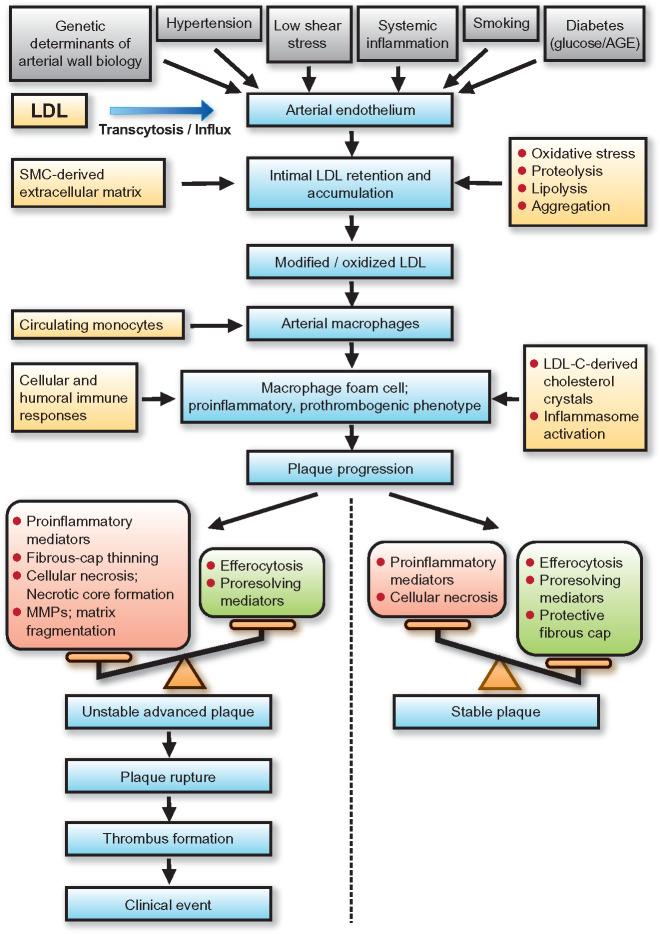
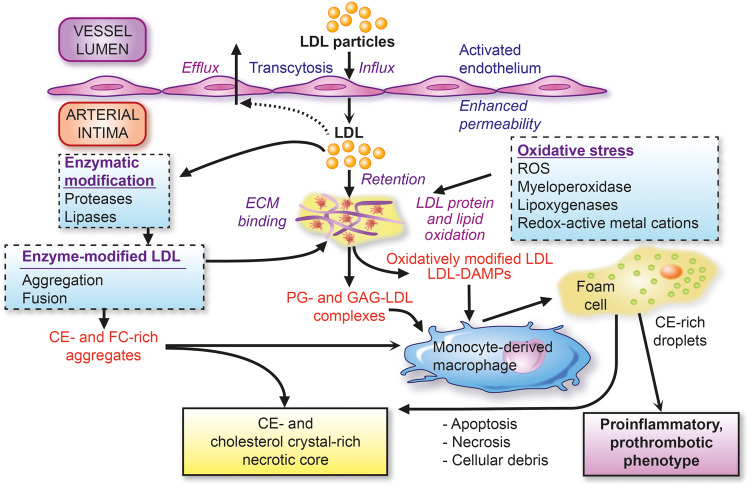
apoB100 is altered, LDL receptor binding affinity is attenuated, resulting in a prolonged residence time in plasma (Box 2).
Overview
The claims and statistics of this paper haven’t been checked yet.
Free: it reads the open-access text and checks the first 5 claims that cite a source we can check. Create a free account to check every claim.
Integrity signals
Registry
Cites
Statistics
Figures
Verification
Claims the paper makes
The claims and statistics of this paper haven’t been checked yet.
Free: it reads the open-access text and checks the first 5 claims that cite a source we can check. Create a free account to check every claim.
Claims other papers make about this one
Each is checked against this paper’s own text: does it say what the citing paper says it does?
The source backs part of the claim, not all of it — or backs it for a different population, condition or comparison.
In the citing paper
“any proatherogenic effects of TRL and remnants will be synergistic to those of other apoB-containing lipoproteins, particularly LDL and lipoprotein(a).17,25,93,104,206”
From Triglyceride-rich lipoproteins and their remnants: metabolic insights, role in atherosclerotic cardiovascular disease, and emerging therapeutic strategies—a consensus statement from the European Atherosclerosis Society (2021) · cites this paper as [93]
Experimental — accuracy not yet measuredThe source backs part of the claim, not all of it — or backs it for a different population, condition or comparison.
In the citing paper
“On a per particle basis, cholesterol-rich remnant particles are more potent inducers of macrophage foam cells than LDL and do not need structural modification to trigger uptake.36,93,141”
From Triglyceride-rich lipoproteins and their remnants: metabolic insights, role in atherosclerotic cardiovascular disease, and emerging therapeutic strategies—a consensus statement from the European Atherosclerosis Society (2021) · cites this paper as [93]
Experimental — accuracy not yet measuredThe cited source says what the claim attributes to it.
In the citing paper
“While LDL-C is an established major causal factor for ASCVD,93,103,104 the causality of TG, TRL, or TRL remnants for ASCVD is contentious.17,36,105–107”
The cited source says what the claim attributes to it.
In the citing paper
“Consequently, reducing LDL cholesterol levels stands as one of the most common approaches in clinical practice for treating and preventing ASCVD [6].”
From Residual Cardiovascular Risk: Role of Remnants Cholesterol, Monocyte/HDL Ratio and Lipoprotein Ratios on Personalized Cardiovascular Prevention (2024) · cites this paper as [6]
The cited source says what the claim attributes to it.
In the citing paper
“The observed trends in lipid content are consistent with slight increases in LDL particle numbers, which could confer increased risk for atherosclerotic cardiovascular disease [85].”
From Evaluation of exploratory fluid biomarkers from a phase 1 senolytic trial in mild Alzheimer's disease (2025) · cites this paper as [85]
5 more claims about this paper
Create a free account to see every claim other papers make about this one.
Self-check
Percentages, sums and reported differences re-computed from the paper’s own numbers.
The self-check needs the paper’s full text.
Citations
Cites
Antiinflammatory Therapy with Canakinumab for Atherosclerotic Disease
Ridker, P. M., Everett, B. M., Thuren, T., MacFadyen, J. G., Chang, W. H., Ballantyne, C., Fonseca, F., Nicolau, J., Koenig, W., Anker, S. D., et al. (2017) · New England Journal of Medicine · doi:10.1056/nejmoa1707914 · Cited by 9,482 · cited 1×
“in a secondary prevention trial in which patients were treated with a statin in combination with the anti-IL-1b antibody canakinumab.(154)”
BackgroundMach, F., Baigent, C., Catapano, A. L., Koskinas, K. C., Casula, M., Badimon, L., Chapman, M. J., De Backer, G. G., Delgado, V., Ference, B. A., et al. (2020) · European Heart Journal · doi:10.1093/eurheartj/ehz455 · Cited by 8,961
Self-citationInflammation, Atherosclerosis, and Coronary Artery Disease
Hansson, G. K. (2005) · New England Journal of Medicine · doi:10.1056/nejmra043430 · Cited by 8,773 · cited 1×
“to the oxidative modification of LDL and thus to the pathogenesis of accelerated atherosclerosis.(285,286) Furthermore, recent data suggest”
BackgroundInflammation in atherosclerosis
Libby, P. (2002) · Nature · doi:10.1038/nature01323 · Cited by 8,315
Epstein, F. H., Steinberg, D., Parthasarathy, S., Carew, T. E., Khoo, J. C., & Witztum, J. L. (1989) · New England Journal of Medicine · doi:10.1056/nejm198904063201407 · Cited by 6,427
Grundy, S. M., Stone, N. J., Bailey, A. L., Beam, C., Birtcher, K. K., Blumenthal, R. S., Braun, L. T., de Ferranti, S., Faiella-Tommasino, J., Forman, D. E., et al. (2019) · Circulation · doi:10.1161/cir.0000000000000625 · Cited by 6,185
Evolocumab and Clinical Outcomes in Patients with Cardiovascular Disease
Sabatine, M. S., Giugliano, R. P., Keech, A. C., Honarpour, N., Wiviott, S. D., Murphy, S. A., Kuder, J. F., Wang, H., Liu, T., Wasserman, S. M., et al. (2017) · New England Journal of Medicine · doi:10.1056/nejmoa1615664 · Cited by 6,138
Mach, F., Baigent, C., Catapano, A. L., Koskinas, K. C., Casula, M., Badimon, L., Chapman, M. J., De Backer, G. G., Delgado, V., Ference, B. A., et al. (2019) · Atherosclerosis · doi:10.1016/j.atherosclerosis.2019.08.014 · Cited by 4,854
Self-citationVirmani, R., Kolodgie, F. D., Burke, A. P., Farb, A., & Schwartz, S. M. (2000) · Arteriosclerosis, Thrombosis, and Vascular Biology · doi:10.1161/01.atv.20.5.1262 · Cited by 4,084 · cited 1×
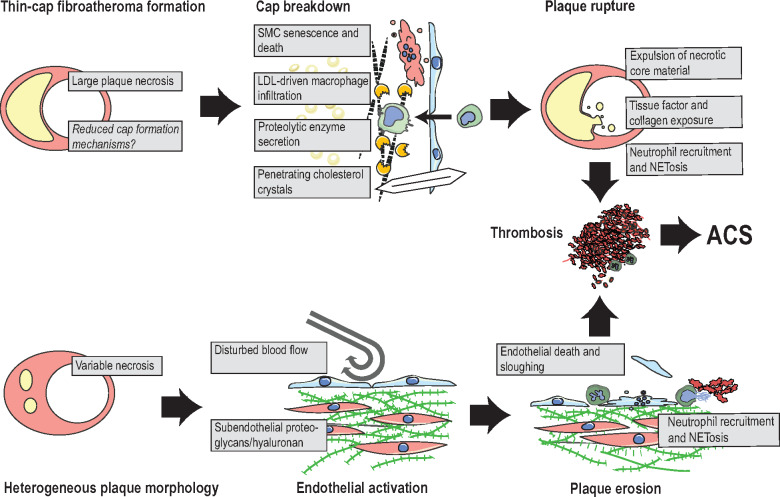
“brous cap, a large necrotic core, pronounced inflammation, and low vascular SMC density.(246) Both biomechanical and haemodynamic factors contribute to plaque rupture,(247) and the exposure of the blood”
BackgroundBerenson, G. S., Srinivasan, S. R., Bao, W., Newman, W. P., Tracy, R. E., & Wattigney, W. A. (1998) · New England Journal of Medicine · doi:10.1056/nejm199806043382302 · Cited by 4,032
Cited by
Items 601–700 of 1,002
Gallinat, A., Vilahur, G., Padró, T., & Badimón, L. (2023) · Antioxidants · doi:10.3390/antiox12051096 · Cited by 11
Velilla, T. A., Guijarro, C., Ruíz, R. C., Piñero, M. R., Marcos, J. F. V., López, A. M. B., López, A. M., Donaire, J. A. G., Obaya, J. C., Guerra, L. C., et al. (2023) · Nefrología (English Edition) · doi:10.1016/j.nefroe.2023.08.002 · Cited by 16
Xu, M., Lu, C. C., Hu, Y., Zhang, M., Shen, J., Liu, C., Lü, Q., & Liu, R. (2023) · Food Science and Human Wellness · doi:10.26599/fshw.2022.9250230 · Cited by 10
Rajtar-Salwa, R., Bobrowska, B., Socha, S., Dziewierz, A., Siudak, Z., Batko, J., Bartuś, S., & Krawczyk‐Ożóg, A. (2024) · Medicina · doi:10.3390/medicina60071124 · Cited by 18
Hong, S., Kim, K., Han, K., & Park, C. (2024) · Cardiovascular Diabetology · doi:10.1186/s12933-024-02353-5 · Cited by 11
“LDL-C is a known causal factor for ASCVD, [17, 18] whereas the role of TG in ASCVD causation remains debated [19].”
BackgroundEl colesterol LDL como agente causal de la aterosclerosis
Pedro‐Botet, J., Climent, E., & Benaiges, D. (2024) · Clínica e Investigación en Arteriosclerosis · doi:10.1016/j.arteri.2024.07.001 · Cited by 16
Liu, F., Wang, Z., Cao, X., Pan, Y., Zhang, E., Zhou, J., & Zheng, L. (2021) · BMC Cardiovascular Disorders · doi:10.1186/s12872-021-02023-4 · Cited by 11
“Low–density lipoprotein cholesterol (LDL-C) is a wellstudied risk factor of CVD [7, 8].”
BackgroundShi, M., Leng, X., Li, Y., Chen, Z., Cao, Y., Chung, T., Ip, B. Y. M., Ip, V. H. L., Soo, Y. O. Y., Fan, F. S., et al. (2021) · Stroke and Vascular Neurology · doi:10.1136/svn-2021-001157 · Cited by 11
Abacıoğlu, Ö. Ö., Adana-Turkey, Yıldırım, A., Koyunsever, N. Y., Karadeniz, M., & Kılıç, S. (2022) · The Anatolian Journal of Cardiology · doi:10.5152/anatoljcardiol.2021.193 · Cited by 10
“LDL-C, which is known to have an important role in the pathogenesis of coronary artery disease (CAD) and is called bad cholesterol, has also been one of the main drivers of treatment (18-21).”
BackgroundŠabović, E. K. M., Zorko, M. S., & Janić, M. (2022) · International Journal of Molecular Sciences · doi:10.3390/ijms23126648 · Cited by 12
Shi, R., Gao, Y., Shen, L.-L., Shi, K., Wang, J., Li, J., Li, Y., & Yang, Z.-G. (2022) · Cardiovascular Diabetology · doi:10.1186/s12933-022-01556-y · Cited by 11
“Low-density lipoprotein cholesterol (LDL-C) deposition in arterial walls is an important part of coronary atherosclerosis formation [2].”
BackgroundArai, T., Sekimoto, T., Koba, S., Mori, H., Matsukawa, N., Sakai, R., Yokota, Y., Sato, S., Tanaka, H., Masaki, R., et al. (2022) · Journal of clinical lipidology · doi:10.1016/j.jacl.2022.07.012 · Cited by 10
Richter, P., Cardoneanu, A., Rezuș, C., Burlui, A., & Rezuş, E. (2022) · International Journal of Molecular Sciences · doi:10.3390/ijms232012604 · Cited by 11
Lechner, K., Böck, M., von Schacky, C., Scherr, J., Lorenz, E., Lechner, B., Haller, B., Krannich, A., Halle, M., Wachter, R., et al. (2023) · Clinical Research in Cardiology · doi:10.1007/s00392-022-02143-7 · Cited by 10
“…of trans oleic acid C18:1n9t and the trans linoleic acid isomer C18:2n6tc were associated with higher non-HDL-C and LDL-C at baseline, which are both established cardiovascular risk factors, the former being a better predictor for cardiovascular endpoints in individuals with MetS and T2D [33].”
BackgroundTokgözoğlu, L. S., Casula, M., Pirillo, A., & Catapano, A. L. (2020) · Atherosclerosis Supplements · doi:10.1016/j.atherosclerosissup.2021.01.001 · Cited by 10
Self-citationMasana, L., Ibarretxe, D., Andreychuk, N., Royuela, M., Rodríguez-Borjabad, C., & Plana, N. (2022) · European Atherosclerosis Journal · doi:10.56095/eaj.v1i1.10 · Cited by 10
Self-citationZheng, X., Yuan, W., Li, L., Ma, H., Zhu, M., Li, X., & Feng, X. (2025) · European Journal of Medical Research · doi:10.1186/s40001-025-02937-1 · Cited by 9
“…of AS gained attention, such as disturbed sleep [2], physical inactivity [3], the microbiome [4], air pollution [5], environmental stress [6], blood pressure [7], smoking [8] and triglyceride-rich lipoproteins [9, 10], particularly high levels of low-density lipoprotein cholesterol (LDL-C) [11].”
Hypercholesterolaemia control in Spain: The same situation with different regional realities
Pedro‐Botet, J., Plana, N., Mostaza, J. M., Gómez‐Doblas, J. J., Olmo, M. R. F., Cervantes, C. E., Díaz-Díaz, J. L., Ruíz, R. C., Valdivielso, P., & Cosín-Sales, J. (2023) · Clínica e Investigación en Arteriosclerosis (English Edition) · doi:10.1016/j.artere.2023.09.001 · Cited by 13
Inflammation in atherosclerosis: a Big Idea that has underperformed so far
Williams, K. J. (2025) · Current Opinion in Lipidology · doi:10.1097/mol.0000000000000973 · Cited by 9
Pan, Y., Yuan, Y., Yang, J., Zhu, F., Tang, X. Y., Jiang, Y., Hu, G. M., & Dong, J. C. (2025) · Frontiers in Nutrition · doi:10.3389/fnut.2025.1596432 · Cited by 10
Mei, Z., Liu, Q., Liu, G., Zhang, M., Fang, J., He, X., He, X., Qin, Z., Liu, R., Chuang, L. I. U., et al. (2025) · Advanced Science · doi:10.1002/advs.202417493 · Cited by 10
Gao, S., Huang, S., Liu, X., Yu, M., & Li, W. (2025) · Journal of Inflammation Research · doi:10.2147/jir.s547594 · Cited by 11
Therapeutic Inertia in Lipid-Lowering Treatment: A Narrative Review
Vatri, M., Faggiano, A., Angelino, E., Ambrosetti, M., Faggiano, P. M., & Fattirolli, F. (2026) · Journal of Clinical Medicine · doi:10.3390/jcm15031075 · Cited by 10
“As highlighted in recent reviews, cholesterol is often perceived https://doi.org/10.3390/jcm15031075 as one among many risk factors, rather than as the primary driver of the atherosclerotic process, resulting in a failure to intensify LLT even in high-risk patients [30].”
InfluentialHigh Density Lipoproteins: Is There a Comeback as a Therapeutic Target?
von Eckardstein, A. (2021) · Handbook of experimental pharmacology · doi:10.1007/164_2021_536 · Cited by 13
Arnaboldi, L., CORSINI, A., & Bellosta, S. (2022) · Minerva Medica · doi:10.23736/s0026-4806.21.07950-7 · Cited by 10
Current causes of death in familial hypercholesterolemia
Marco-Benedí, V., Bea, A. M., Cenarro, A., Jarauta, E., Laclaustra, M., & Civeira, F. (2022) · Lipids in Health and Disease · doi:10.1186/s12944-022-01671-5 · Cited by 9
“HeFH is a singular model used to study the effect of hypercholesterolemia on mortality due to an increase in LDLc levels and their relationship with CVD events [17].”
BackgroundVancheri, C., Morini, E., Prandi, F. R., Barillà, F., Romeo, F., Novelli, G., & Amati, F. (2023) · International Journal of Molecular Sciences · doi:10.3390/ijms24021112 · Cited by 9
Toplak, H., Bilitou, A., Alber, H. F., Auer, J., Clodi, M., Ebenbichler, C. F., Fließer-Görzer, E., Gelsinger, C., Hanusch, U., Ludvik, B. H., et al. (2023) · Wiener klinische Wochenschrift · doi:10.1007/s00508-023-02221-4 · Cited by 9
Self-citationLanghi, C., Vallier, M., Otero, Y. F., Maura, M., Joubioux, F. L., Groult, H., Achour, O., Pebriana, R. B., Giera, M. A., Guigas, B., et al. (2023) · Nutrients · doi:10.3390/nu15245056 · Cited by 10
“It is well-established that an increased plasma low-density lipoprotein cholesterol (LDL-C) level is the primary risk factor for the development of coronary heart disease and atherosclerosis [3,4].”
BackgroundCholesterol-lowering effects of rhubarb free anthraquinones and their mechanism of action
Wang, L., Wang, H., Niu, J., Chen, H., Wang, M., Yang, Z., Wang, S., Sun, X., & Shi, Y. (2024) · European Journal of Pharmacology · doi:10.1016/j.ejphar.2024.176348 · Cited by 9
Atherosclerosis Residual Lipid Risk-Overview of Existing and Future Pharmacotherapies
Omari, M., & Alkhalil, M. (2024) · Journal of Cardiovascular Development and Disease · doi:10.3390/jcdd11040126 · Cited by 12
“Retention and accumulation of apoB lipoproteins (>90% are LDL particles) in the arterial wall initiate atherosclerotic plaque formation [19].”
BackgroundZhang, Y., Wu, S., Tian, X., Xu, Q., Xia, X., Zhang, X., Li, J., Chen, S., Liu, F., & Wang, A. (2024) · Hellenic Journal of Cardiology · doi:10.1016/j.hjc.2024.05.002 · Cited by 9
Bersch-Ferreira, Â. C., Stein, E., Waclawovsky, G., da Silva, L. R., Machado, R. H. V., Weschenfelder, C., Figueiró, M. F., Suzumura, É. A., Santos, R. H. N., Duarte, G. B. S., et al. (2024) · European Journal of Nutrition · doi:10.1007/s00394-024-03455-2 · Cited by 9
“Changes in the lipid profile are traditionally recognized as risk factors related to ischemic heart diseases [ 3 ], while inflammation, in part accompanied by an increase in athero - genic lipid particles [ 4 ], is a risk factor related to the patho - physiology of atherosclerosis [ 5 ].”
Wolska, A. T., Sampson, M. L., Zubirán, R., Meeusen, J. W., Donato, L. J., Jaffe, A. S., & Remaley, A. T. (2024) · Frontiers in Cardiovascular Medicine · doi:10.3389/fcvm.2024.1452869 · Cited by 11
MAFLD as a predictor of adverse cardiovascular events among CHD patients with LDL-C<1.8 mmol/L
Song, J., Liu, Y., Liu, Y., Liu, Y., Zhou, Q., Chen, J., Meng, X., Wang, W., & Tang, Y. (2024) · Nutrition Metabolism and Cardiovascular Diseases · doi:10.1016/j.numecd.2024.103798 · Cited by 9
Lipid-Lowering Therapy in Patients with Coronary Heart Disease and Prior Stroke: Mission Impossible?
Temporelli, P. L., Arca, M., D’Erasmo, L., & Caterina, R. D. (2021) · Journal of Clinical Medicine · doi:10.3390/jcm10040886 · Cited by 10
Cinnamon as Dietary Supplement Caused Hyperlipidemia in Healthy Rats
Huang, X., Cai, H., Han, L., Su, Y., Li, H., Li, W., Yi, C., Oliver, B. G. G., & Chen, H. (2021) · Evidence-based Complementary and Alternative Medicine · doi:10.1155/2021/9892088 · Cited by 9
“LDL is rich in cholesterol, and when increased, it is associated with the development of atherosclerosis and cardiovascular and cerebrovascular diseases [24].”
BackgroundRöhrl, C., Steinbauer, S., Bauer, R., Roitinger, E., Otteneder, K., Wallner, M., Neuhauser, C., Schwarzinger, B., Schwarzinger, C., Stangl, H., et al. (2021) · Food & Function · doi:10.1039/d1fo01169c · Cited by 14
Wu, Y., Xin, J., Loehrer, E. A., Jiang, X., Yuan, Q., Christiani, D. C., Shi, H., Liu, L., Li, S., Wang, M., et al. (2022) · European Journal of Clinical Nutrition · doi:10.1038/s41430-022-01078-6 · Cited by 10
Pitavastatin: Coronary Atherosclerotic Plaques Changes and Cardiovascular Prevention
Fıcı, F., Faikoğlu, G., Tarım, B. A., Robles, N. R., Tsioufis, K., Grassi, G. M., & Güngör, B. (2022) · High Blood Pressure & Cardiovascular Prevention · doi:10.1007/s40292-021-00496-0 · Cited by 9
Ying, Q., Ronca, A., Chan, D. C., Pang, J., Favari, E., & Watts, G. F. (2022) · European Journal of Clinical Investigation · doi:10.1111/eci.13766 · Cited by 11
Self-citationAssociation between Lipoprotein Subfractions, Hemostatic Potentials, and Coronary Atherosclerosis
Flerin, T. P., Mijovski, M. B., & Jug, B. (2022) · Disease Markers · doi:10.1155/2022/2993309 · Cited by 9
“, especially high low-density lipoprotein cholesterol (LDL-C) levels—have been identified as the most important independent marker of high atherosclerotic vascular risk [1, 3].”
BackgroundScreening, diagnosis, and treatment of familial hypercholesterolaemia: a call to action
Crea, F. (2022) · European Heart Journal · doi:10.1093/eurheartj/ehac479 · Cited by 11
Altay, E., Kıztanır, H., Köşger, P., Çetin, N., Sülü, A., Tufan, A. K., Özen, H., & Uçar, B. (2022) · Pediatric Cardiology · doi:10.1007/s00246-022-03012-w · Cited by 10
Alén, J. C., Lavín, B. A., Aurrecoechea, E., Guerra-Ruiz, A. R., Taboada, V. M. M., & Gerique, J. G. (2022) · Biologics · doi:10.2147/btt.s364191 · Cited by 9
Estimating the correlation between TYG and CIMT in non-diabetic adult patients
Gothwal, S., Goyal, K., Barjatya, H. C., Bhakar, B., Dahiya, R., Singh, Y. P., Saini, T. K., Agrawal, M., Subramaniyan, V., & Gupta, G. (2022) · Obesity Medicine · doi:10.1016/j.obmed.2022.100460 · Cited by 9
Ramírez-Moreno, J. M., Rebollo, B., Macías-Sedas, P., Valverde, N., Parejo, A., Félix-Redondo, F. J., Roa-Montero, A. M., Constantino-Silva, A. B., Baquero, M., Ceberino, D., et al. (2022) · Neurología (English Edition) · doi:10.1016/j.nrleng.2022.07.006 · Cited by 11
Siurana, J. M., Sabaté-Rotés, A., Amigó, N., Martínez-Micaelo, N., Arciniegas, L., Riaza, L., Mogas, E., Rosés‐Noguer, F., Ventura, P. S., & Yeste, D. (2022) · Frontiers in Pediatrics · doi:10.3389/fped.2022.887771 · Cited by 9
Development of stem cell therapy for atherosclerosis
Ma, Y., Gu, T., He, S., He, S., & Jiang, Z. (2023) · Molecular and Cellular Biochemistry · doi:10.1007/s11010-023-04762-8 · Cited by 9
Jarauta, E., Bea, A. M., Marco-Benedí, V., & Lamíquiz-Moneo, I. (2020) · Frontiers in Genetics · doi:10.3389/fgene.2020.554931 · Cited by 9
“Some of the mechanisms implied as vascular inflammation is related to the pathological internalization of apoB-containing particles by macrophages, especially when LDL particles become oxidized or are otherwise modified (Borén et al., 2020).”
BackgroundEffects of colchicine on tissue factor in oxLDL-activated T-lymphocytes
Cirillo, P. L., Conte, S., Pellegrino, G., Barra, G., Palma, R. D., Sugraliyev, A., Golino, P., & Cimmino, G. (2021) · Journal of Thrombosis and Thrombolysis · doi:10.1007/s11239-021-02585-2 · Cited by 9
“Atherosclerosis is the leading cause of cardiovascular diseases [1].”
BackgroundMetzner, T., Leitner, D. R., Mellitzer, K., Beck, A., Sourij, H., Stojaković, T., Reishofer, G., März, W., Landmesser, U., Scharnagl, H., et al. (2022) · Biomedicines · doi:10.3390/biomedicines10010193 · Cited by 10
Self-citationMultiparametric platform for profiling lipid trafficking in human leukocytes
Pfisterer, S. G., Brock, I., Kanerva, K., Hlushchenko, I., Paavolainen, L., Ripatti, P., Islam, M. M., Kyttälä, A., Taranto, M. D. D., di Frega, A. S., et al. (2022) · Cell Reports Methods · doi:10.1016/j.crmeth.2022.100166 · Cited by 10
“Our results suggest that, besides VLDL overproduction and defective lipolysis of triglyceride (TG)-rich lipoproteins (Borén et al., 2020), reduced LDL clearance may contribute to dyslipidemia in overweight individuals.”
BackgroundMethodResultLi, J. (2023) · JACC Asia · doi:10.1016/j.jacasi.2023.06.002 · Cited by 9
“More importantly, there are a mass of studies demonstrating that reduction in LDL-C is among the most powerful tools available to decrease adverse events including cardiovascular morbidity and mortality.(1) Although statins and ezetimibe are currently available in clinical practice for cholesterol management around th…”
BackgroundProprotein Convertase Subtilisin/Kexin 9 as a Modifier of Lipid Metabolism in Atherosclerosis
Poznyak, A. V., Sukhorukov, V. N., Eremin, I. I., Nadelyaeva, I. I., Gutyrchik, N. A., & Orekhov, A. N. (2023) · Biomedicines · doi:10.3390/biomedicines11020503 · Cited by 8
Bound Phospholipids Assist Cholesteryl Ester Transfer in the Cholesteryl Ester Transfer Protein
Keshavamurthy, A., Revanasiddappa, P. D., Dixit, S. M., & Priyanka, G. R. (2023) · Journal of Chemical Information and Modeling · doi:10.1021/acs.jcim.2c01340 · Cited by 9
Tian, Y., Kong, Y., Liu, X., Chen, L., Wang, L., Zhou, L., Wang, G., & Zhang, Q. (2024) · Carbohydrate Polymers · doi:10.1016/j.carbpol.2024.122848 · Cited by 8
Akram, M. A., Khodja, A., Dalibalta, S., & Majdalawieh, A. F. (2025) · Current Medicinal Chemistry · doi:10.2174/0109298673348217241119063941 · Cited by 11
Advancing atherosclerosis research: The Power of lipid imaging with MALDI-MSI
Bookmeyer, C., Correig, F. X., Masana, L., Magni, P., Yanes, Ó., & Vinaixa, M. (2025) · Atherosclerosis · doi:10.1016/j.atherosclerosis.2025.119130 · Cited by 8
Self-citationResearch Progress on Anti-Hyperlipidemia Peptides Derived from Foods
Zhao, M., Qiao, K., Zhang, L., Li, L., Chen, S., Chen, L., & Zhang, Y. (2025) · Nutrients · doi:10.3390/nu17071181 · Cited by 11
“However, incorrect variants can lead to ADH [16].”
Campuzano, R., Mostaza, J. M., Barrios, V., Cabello, I. E., Gómez-Cerezo, J. F., Pallarés‐Carratalá, V., Martínez‐López, I., Castellanos, M., Hernández-Subirá, I., Talamante, N. M., et al. (2025) · Journal of Clinical Medicine · doi:10.3390/jcm14072340 · Cited by 8
“Extensive evidence from epidemiologic, genetic, and clinical intervention studies has shown that low-density lipoprotein (LDL) is causal in this process [9].”
Valcovici, M. D., Iacob, M. S., Sharma, A., Pah, A.-M., Marin-Bancila, L., Berceanu-Văduva, M. M., Velimirovici, M. D., Dinu, A. R., Dragan, S. R., & Kundnani, N. R. (2025) · Life · doi:10.3390/life15060964 · Cited by 12
“Low-density lipoproteins (LDLs) are particularly instrumental in the initiation and advancement of atherosclerosis [2].”
Asparagus polysaccharide attenuates atherosclerosis by modulating gut microbiota and metabolites
Zhu, F., Xi, T., Liu, Q., Yu, N., Wang, F., Wen, Y., & Wang, W. (2025) · International Journal of Biological Macromolecules · doi:10.1016/j.ijbiomac.2025.145492 · Cited by 8
Gene Therapy Approaches for Atherosclerosis Focusing on Targeting Lipid Metabolism and Inflammation
Bezsonov, E. E., Chernyi, N., Saruhanyan, M., Shimchenko, D., Bondar, N., Gavrilova, D., Baig, M. S., & Malogolovkin, A. S. (2025) · International Journal of Molecular Sciences · doi:10.3390/ijms26146950 · Cited by 11
“The damaged endothelium becomes more permeable to low-density lipoproteins (LDL), including different modified atherogenic LDL [121,122], which could enter the arterial wall and undergo oxidation [123].”
Ma, Y., Zhai, X., Mu, D., Gao, Y., Li, Y., Qiu, L., Li, K., & Cheng, X. (2025) · Lipids in Health and Disease · doi:10.1186/s12944-025-02717-0 · Cited by 8
“These findings align with previous evidence indicating that sdLDL particles are more atherogenic due to their small size, prolonged circulation time in the bloodstream, heightened susceptibility to oxidation and glycation, and enhanced arterial wall penetration [38, 39].”
Lai, T.-C., Hung, S.-C., Chan, H., Chu, C., Marathe, G. K., Schwarz, G., & Ke, L. (2026) · Biomedicine & Pharmacotherapy · doi:10.1016/j.biopha.2026.119069 · Cited by 9
Marquina, C., Morton, J. I., Zomer, E., Talic, S., Lybrand, S., Thomson, D., Liew, D., & Ademi, Z. (2022) · Value in Health · doi:10.1016/j.jval.2022.11.013 · Cited by 10
We are what we eat: The role of lipids in metabolic diseases
Berná, G., López-Bermudo, L., Escudero‐López, B., & Martín, F. (2023) · Advances in food and nutrition research · doi:10.1016/bs.afnr.2022.11.004 · Cited by 10
Deng, T., Liu, X., He, W., Chen, J., Yao, X., Liu, L.-S., Zhang, T., & Lu, H. (2023) · European journal of medical research · doi:10.1186/s40001-023-01115-5 · Cited by 9
“Increased levels of low-density lipoprotein cholesterol (LDL-C) and non-high-density lipoprotein cholesterol (non-HDL-C) in circulation are the root cause of arterial atherosclerosis and central to the occurrence of ASCVD events [24, 25].”
BackgroundZhu, K., Hou, Z., Huang, C., Xu, M., Mu, L., Yu, G., Kaufman, J. D., Wang, M., & Lü, B. (2023) · Environmental Research · doi:10.1016/j.envres.2023.116334 · Cited by 9
Iside, C., Affinito, O., Punzo, B., Salvatore, M., Mirabelli, P., Cavaliere, C., & Franzese, M. (2023) · Journal of Clinical Medicine · doi:10.3390/jcm12206649 · Cited by 8
Drug screen identifies verteporfin as a regulator of lipid metabolism in macrophage foam cells
Hoeffner, N., Paul, A., & Goo, Y. (2023) · Scientific Reports · doi:10.1038/s41598-023-46467-4 · Cited by 8
“In atherosclerotic plaque, aggregated LDLs (agLDLs) are also abundantly found, and they are readily taken up by macrophages in contrast to native LDLs (LDLs) 32,33 .”
Yu, Z., Wu, Q., & Guo, Y. (2023) · International Journal of Molecular Medicine · doi:10.3892/ijmm.2023.5341 · Cited by 10
“LDL accumulation during atherosclerosis initiates distinct pathological processes, including endothelial damage, foam cell formation and inflammation (33).”
BackgroundKriemler, L. F., Rudin, S., Gawinecka, J., Gross, F., Arnold, M., Schweizer, J., Westphal, L. P., Inauen, C., Pokorny, T., Dittrich, T. D., et al. (2024) · European Stroke Journal · doi:10.1177/23969873231221619 · Cited by 10
Diamond, D. M., Mason, P., & Bikman, B. T. (2024) · Frontiers in Nutrition · doi:10.3389/fnut.2024.1394610 · Cited by 8
Metabolomics Profiling of Stages of Coronary Artery Disease Progression
Anlar, G. G., Anwardeen, N. R., Ashmar, S. A., Pedersen, S., Elrayess, M. A., & Zeidan, A. (2024) · Metabolites · doi:10.3390/metabo14060292 · Cited by 13
“HC, characterized by elevated levels of lipids in the bloodstream, is a well-established risk Metabolites 2024 , 14 , 292 2 of 16 factor for both CAD and atherosclerosis [4].”
BackgroundŞen, T., Asarcıklı, L. D., Güven, S., Kocabaş, U., Özgeyik, M., Demir, M. A., Oskay, T., Durmuş, H. İ., Kalaycı, B., Çelik, M. C., et al. (2024) · The Anatolian Journal of Cardiology · doi:10.14744/anatoljcardiol.2024.4218 · Cited by 11
Long-Term Evaluation of Lipid Profile Changes in Olympic Athletes
Gioia, G. D., Buzzelli, L., Maestrini, V., Squeo, M. R., Lemme, E., Monosilio, S., Serdoz, A., Fiore, R., Zampaglione, D., Segreti, A., et al. (2024) · International Journal of Sport Nutrition and Exercise Metabolism · doi:10.1123/ijsnem.2023-0266 · Cited by 10
Aron, A., Landrum, E., Schneider, A. D., Via, M., Evans, L., & Rawson, E. S. (2024) · Clinical Nutrition ESPEN · doi:10.1016/j.clnesp.2024.07.008 · Cited by 10
Targeting the adaptive immune continuum in atherosclerosis and post-MI injury
Juhász, V., Charlier, F., Zhao, T. X., & Tsiantoulas, D. (2024) · Atherosclerosis · doi:10.1016/j.atherosclerosis.2024.118616 · Cited by 9
“…accepted that the successful therapeutic management of ACVD would require a double-layered strategy, with one part being LDL cholesterol lowering therapies, which are currently the main pharmacological intervention in patients with ACVD [14], and the second part being immunomodulatory treatments.”
Kenkre, J. S., Mazaheri, T., Neely, R. D. G., Soran, H., Datta, D. B. N., Penson, P. E., Downie, P., Yates, A. M., Hayden, K., Patel, M., et al. (2025) · Annals of Clinical Biochemistry International Journal of Laboratory Medicine · doi:10.1177/00045632251315303 · Cited by 10
Saturated fat in an evolutionary context
Garnås, E. (2025) · Lipids in Health and Disease · doi:10.1186/s12944-024-02399-0 · Cited by 13
“A causal relationship between LDL-C and cardiovascular disease is appreciable from several lines of evidence [132, 133], making population lipoprotein data relevant to health and risk assessments.”
Cardiovascular Manifestations of Patients with Non-Alcoholic Fatty Liver Disease
Pădureanu, V., Forțofoiu, M.-C., Pîrșcoveanu, M., Pădureanu, R., Rădulescu, D., Donoiu, I., & Pîrșcoveanu, D. F. V. (2025) · Metabolites · doi:10.3390/metabo15030149 · Cited by 9
Dabravolski, S. A., Popov, M. A., Utkina, A. S., Babayeva, G. A., Maksaeva, A. O., Sukhorukov, V. N., & Orekhov, A. N. (2025) · Molecular and Cellular Biochemistry · doi:10.1007/s11010-025-05285-0 · Cited by 9
“Elevated levels of LDL cholesterol (LDL-C) in the bloodstream trigger immune responses in arterial walls, promoting monocyte differentiation into pro-inflammatory M1 macrophages [20].”
Safety and Efficacy of Achieving Very Low LDL Cholesterol Concentrations with PCSK9 Inhibitors
Balakrishna, A. M., Kaushik, S., Tandalam, S., Monther, N., Ponamgi, S., Alla, V. M., & Patil, S. M. (2025) · Journal of Clinical Medicine · doi:10.3390/jcm14134562 · Cited by 10
Atherosclerotic Plaque Regression: Experimental Approaches and Therapeutic Advances
Yu, H. (2021) · Trends in Cell Biology · doi:10.1016/j.tcb.2021.03.003 · Cited by 8
Ye, W., Tang, Q., Wang, L., Fang, C., Xie, L., He, Q., & Peng, K. (2022) · Functional & Integrative Genomics · doi:10.1007/s10142-022-00850-y · Cited by 8
“Mounting evidence suggested CYP * Qizhu Tang qztang@whu.edu.cn 1 Department of Neonatology, Renmin Hospital of Wuhan University, Wuhan 430060, Hubei Province, People’s Republic of China 2 Central Laboratory, Renmin Hospital of Wuhan University, Wuhan 430060, Hubei Province, People’s Republic of China 3 Department of C…”
BackgroundInfluentialMyeloid TM6SF2 Deficiency Inhibits Atherosclerosis
Zhu, W., Liang, W., Lu, H., Chang, L., Zhang, J., Chen, Y. E., & Guo, Y. (2022) · Cells · doi:10.3390/cells11182877 · Cited by 9
Liu, Y. (2022) · Biomedical Signal Processing and Control · doi:10.1016/j.bspc.2022.104266 · Cited by 9
Arrobas, T., Guijarro, C., Campuzano, R., Piñero, M. R., Marcos, J. F. V., López, A. M. B., López, M. A. B., López, A. M., Donaire, J. A. G., Obaya, J. C., et al. (2023) · REC CardioClinics · doi:10.55783/rcmf.160106 · Cited by 8
Moholdt, T. T., Parr, E. B., Devlin, B. L., Giskeødegård, G. F., & Hawley, J. A. (2023) · Scientific Reports · doi:10.1038/s41598-023-31082-0 · Cited by 10
Meng, Q., Yang, J., Wang, F., Cheng, L., Sang, G., Liu, H., Shen, D., Zhang, J., Jiang, S., Yusufu, A., et al. (2023) · Diabetes Metabolic Syndrome and Obesity · doi:10.2147/dmso.s404683 · Cited by 8
“fragments after oxidation, extracellular lipid deposition, and immune response.(42) Kawashiri et al discovered that coronary atherosclerosis in CHD patients declined as LDL-C was reduced to 74.”
BackgroundRay, K. K., Gunn, L. H., Conde, L. G., Raal, F. J., Wright, R. S., Gosselin, N. H., Leiter, L. A., Köenig, W., Schwartz, G. G., & Landmesser, U. (2024) · Atherosclerosis · doi:10.1016/j.atherosclerosis.2024.117472 · Cited by 10
Self-citationHe, Y., Guan, X., Zhang, Y., Zhu, Z., Zhang, Y., Feng, Y., & Li, X. (2024) · Expert Opinion on Drug Safety · doi:10.1080/14740338.2024.2348562 · Cited by 8
“A large amount of epidemiological data and clinical studies have shown that high levels of low-density lipoprotein cholesterol (LDL-C) are associated with increased arterial plaque buildup [8,9].”
Intestinal cholesterol and phytosterol absorption and the risk of coronary artery disease
Plat, J., Strandberg, T. E., & Gylling, H. (2020) · European Heart Journal · doi:10.1093/eurheartj/ehaa881 · Cited by 8
Sundararaman, S. S., Peters, L. J. F., Jansen, Y. J. F. M., Gencer, S., Yan, Y., Nazir, S., Márquez, A. B., Kahles, F., Lehrke, M., Biessen, E. A. L., et al. (2021) · Scientific Reports · doi:10.1038/s41598-021-89893-y · Cited by 8
A Less than Provocative Approach for the Primary Prevention of CAD
Roberts, R., & Fair, J. (2021) · Journal of Cardiovascular Translational Research · doi:10.1007/s12265-021-10144-6 · Cited by 8
Promoting athero-protective immunity by vaccination with low density lipoprotein-derived antigens
Nilsson, J. Å., & Shah, P. K. (2021) · Atherosclerosis · doi:10.1016/j.atherosclerosis.2021.08.033 · Cited by 8
Coremans, C., Delporte, C., COTTON, F. J., van de Borne, P., Boudjeltia, K. Z., & Antwerpen, P. V. (2021) · Molecules · doi:10.3390/molecules26175264 · Cited by 8
The power of lipid registries for cardiovascular disease prevention
Nishikido, T., & Ray, K. K. (2021) · Current Opinion in Lipidology · doi:10.1097/mol.0000000000000783 · Cited by 8
“Additionally, there is a correlation between absolute LDL-C levels and cardiovascular event risk, regardless of other risk factors [1,2].”
BackgroundSelf-citation
Metadata
- Authors
- Borén, J., Chapman, M. J., Krauss, R. M., Packard, C. J., Bentzon, J. F., Binder, C. J., Daemen, M. J., Demer, L. L., Hegele, R. A., Nicholls, S. J., Nordestgaard, B. G., Watts, G. F., Bruckert, E., Fazio, S., Ference, B. A., Graham, I., Horton, J. D., Landmesser, U., Laufs, U., Masana, L., Pasterkamp, G., Raal, F. J., Ray, K. K., Schunkert, H., Taskinen, M.-R., van de Sluis, B., Wiklund, O., Tokgozoglu, L., Catapano, A. L., & Ginsberg, H. N.
- Affiliations
- Sahlgrenska University Hospital (SE)
- Inserm (FR)
- University of California, San Francisco (US)
- University of Glasgow (GB)
- Aarhus University (DK)
- Austrian Academy of Sciences (AT)
- Amsterdam University Medical Centers (NL)
- University of California, Los Angeles (US)
- Western University (CA)
- Monash University (AU)
- University of Copenhagen (DK)
- The University of Western Australia (AU)
- INSERM UMRS1166, Department of Endocrinology-Metabolism, ICAN - Institute of CardioMetabolism and Nutrition, AP-HP, Hopital de la Pitie , Paris, France
- Oregon Health & Science University (US)
- University of Cambridge (GB)
- Trinity College Dublin (IE)
- The University of Texas Southwestern Medical Center (US)
- Berlin Institute of Health at Charité - Universitätsmedizin Berlin (DE)
- University Hospital Leipzig (DE)
- Centro de Investigación Biomédica en Red Diabetes y Enfermedades Metabólicas Asociadas (ES)
- University Medical Center Utrecht (NL)
- University of the Witwatersrand (ZA)
- Imperial College London (GB)
- German Centre for Cardiovascular Research (DE)
- University of Helsinki (FI)
- Department of Pediatrics, University of Groningen, University Medical Center Groningen , Groningen, The Netherlands
- Department of Cardiology, Hacettepe University Faculty of Medicine , Ankara, Turkey
- University of Milan (IT)
- Columbia University (US)
- Corresponding author
- Chapman, M John
- ORCID
- Borén, Jan
- Chapman, M John
- Krauss, Ronald M
- Packard, Chris J
- Bentzon, Jacob F
- Binder, Christoph J
- Daemen, Mat J
- Demer, Linda L
- Hegele, Robert A
- Nicholls, Stephen J
- Nordestgaard, Børge G
- Watts, Gerald F
- Fazio, Sergio
- Graham, Ian
- Horton, Jay D
- Landmesser, Ulf
- Laufs, Ulrich
- Masana, Luis
- Pasterkamp, Gerard
- Raal, Frederick J
- Ray, Kausik K
- Schunkert, Heribert
- Taskinen, Marja-Riitta
- Wiklund, Olov
- Tokgozoglu, Lale
- Catapano, Alberico L
- Ginsberg, Henry N
- Venue
- European Heart Journal
- Publisher
- Oxford University Press (OUP)
- Published
- 2020-02-13
- Volume
- 41
- Issue
- 24
- Pages
- 2313-2330
- ISSN
- 0195-668X (ISSN-L)
- 1522-9645
- PMC
- PMC7308544
- OpenAlex
- W3006116566
- Semantic Scholar
- 3ff51a04cbb6dbd4f9301cb36755d45d0bc71096
- Cited by
- 1,601
- References
- 351
- Citations by year
- 2026: 250 · 2025: 294 · 2024: 255 · 2023: 265 · 2022: 231 · 2021: 204 · 2020: 96
- FWCI
- 181.87
- Type
- journal article
- Language
- en
- Open access
- hybrid
- doi.org
- Licence
- Locations
- European Heart Journal (publishedVersion, cc-by-nc)
- PubMed Central (publishedVersion, cc-by-nc)
- PubMed (publishedVersion)
- Pure Amsterdam UMC (publishedVersion, cc-by)
- Research at the University of Copenhagen (University of Copenhagen) (publishedVersion, cc-by-nc)
- University of Groningen research database (University of Groningen / Centre for Information Technology) (publishedVersion, cc-by-nc)
- ENLIGHTEN (Jurnal Bimbingan dan Konseling Islam) (acceptedVersion, cc-by-sa)
- Työväentutkimus Vuosikirja (submittedVersion, other-oa)
- Rovira & Virgili repository (submittedVersion, cc-by)
- Data Archiving and Networked Services (DANS) (submittedVersion, other-oa)
- HAL (submittedVersion, other-oa)
- LA Referencia (Red Federada de Repositorios Institucionales de Publicaciones Científicas) (submittedVersion, cc-by-nc)
- Utrecht University Repository (Utrecht University) (submittedVersion, other-oa)
- mediaTUM (Technical University of Munich) (submittedVersion, other-oa)
- mediaTUM – the media and publications repository of the Technical University Munich (Technical University Munich) (submittedVersion)
- UWA Profiles and Research Repository (UWA) (submittedVersion, cc-by-nc)
- Spiral (Imperial College London) (submittedVersion, cc-by-nc)
- Lenus, The Irish Health Repository (Dr Steevens Hospital Library) (submittedVersion)
- University of Groningen research database (University of Groningen / Centre for Information Technology) (submittedVersion, cc-by-nc)
- Funders
- The European Atherosclerosis Society
- Topics
- Health Sciences › Medicine › Cardiology and Cardiovascular Medicine › Lipoproteins and Cardiovascular Health
- Life Sciences › Immunology and Microbiology › Immunology › Atherosclerosis and Cardiovascular Diseases
- Life Sciences › Biochemistry, Genetics and Molecular Biology › Biochemistry › Cholesterol and Lipid Metabolism
- Keywords
- low-density lipoprotein, atherosclerotic cardiovascular disease, pathophysiology, genetic risk factors, lipid-lowering therapy, dyslipidemia, cardiovascular risk
- MeSH terms
- Cardiovascular Diseases, Humans, Cholesterol, LDL, Consensus, Atherosclerosis
About these checks
Registry, retraction, Cites and statistics results are computed, not judged, with one exception: a printed reference that no index lists is read once by a model before it counts as a citation error. Claims are extracted by a model and kept only when their quote appears verbatim in the text; each cited source is then checked, with a model’s help, for whether it says what the claim relies on. Those verdicts can be wrong — read the claim’s quote and the cited source before relying on one.
Statistics and arithmetic are recomputed, not judged.
Confidence bands are shown only for fields calibrated on our annotated test set. None is calibrated yet, so no band is shown.
What counts as a claim ›How we measure confidence ›How we check this ›
Are you an author, or do you see a problem with this page? Request a review
Data sources
Bibliographic data: Semantic Scholar, OpenAlex, Crossref.
Contains information from the Semantic Scholar Academic Graph Datasets, made available under the ODC Attribution License (ODC-BY 1.0).
Semantic Scholar’s data is described in: Kinney, R., et al. (2023). The Semantic Scholar Open Data Platform. arXiv:2301.10140.
