

Low-density lipoproteins cause atherosclerotic cardiovascular disease: pathophysiological, genetic, and therapeutic insights: a consensus statement from the European Atherosclerosis Society Consensus Panel
Open accessThe DOI matches its Crossref record; 348 of the 351 references it cites were found in a registry or an index.
Abstract
apoB100 is altered, LDL receptor binding affinity is attenuated, resulting in a prolonged residence time in plasma (Box 2).
Overview
The claims and statistics of this paper haven’t been checked yet.
Free: it reads the open-access text and checks the first 5 claims that cite a source we can check. Create a free account to check every claim.
Integrity signals
Registry
Cites
Statistics
Figures
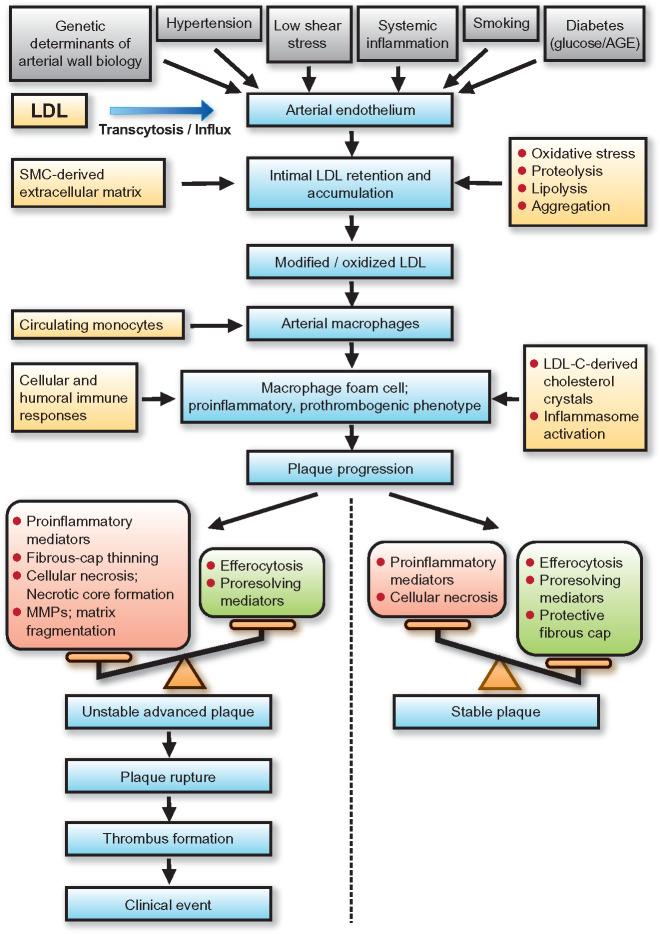
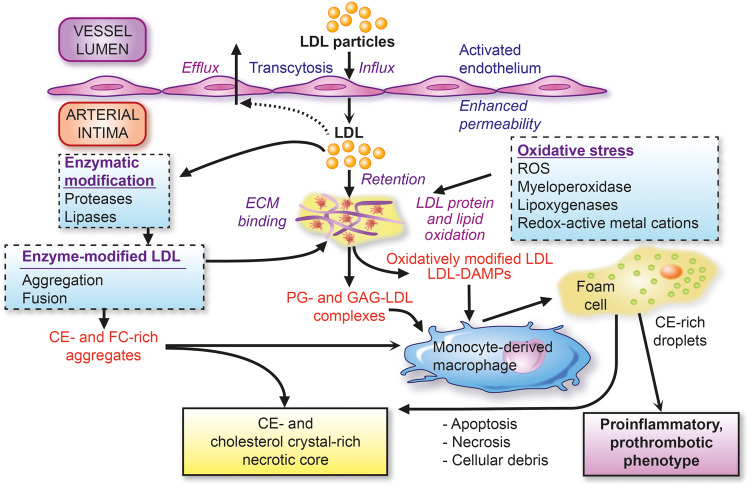
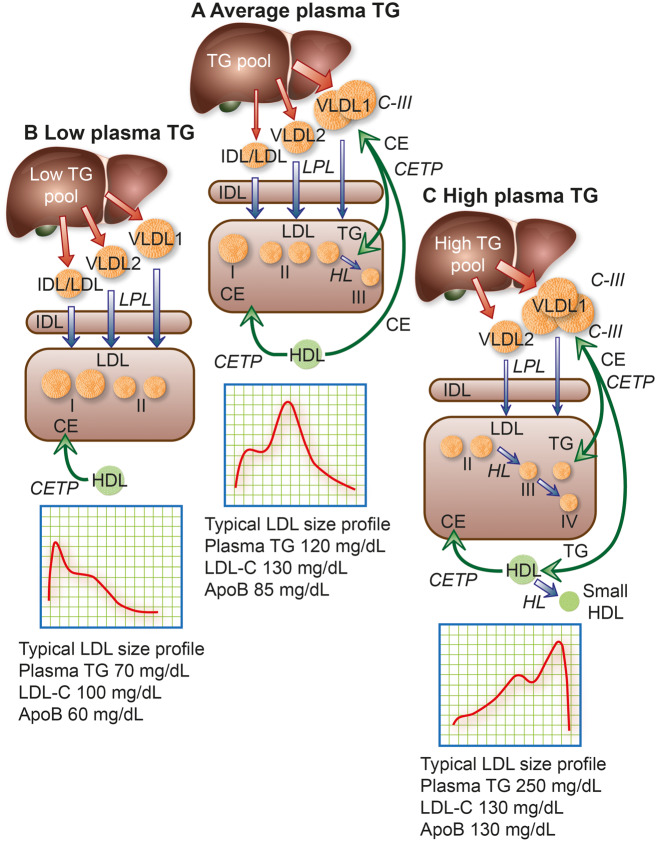
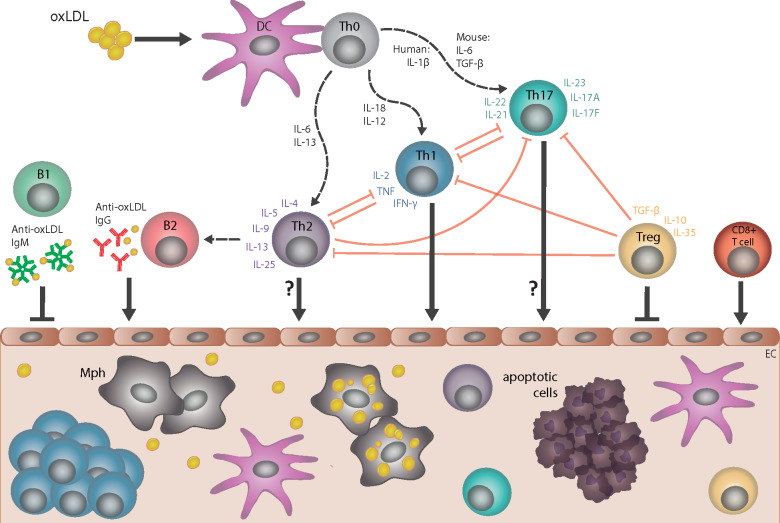
Verification
Claims the paper makes
The claims and statistics of this paper haven’t been checked yet.
Free: it reads the open-access text and checks the first 5 claims that cite a source we can check. Create a free account to check every claim.
Claims other papers make about this one
Each is checked against this paper’s own text: does it say what the citing paper says it does?
The source backs part of the claim, not all of it — or backs it for a different population, condition or comparison.
In the citing paper
“any proatherogenic effects of TRL and remnants will be synergistic to those of other apoB-containing lipoproteins, particularly LDL and lipoprotein(a).17,25,93,104,206”
From Triglyceride-rich lipoproteins and their remnants: metabolic insights, role in atherosclerotic cardiovascular disease, and emerging therapeutic strategies—a consensus statement from the European Atherosclerosis Society (2021) · cites this paper as [93]
Experimental — accuracy not yet measuredThe source backs part of the claim, not all of it — or backs it for a different population, condition or comparison.
In the citing paper
“On a per particle basis, cholesterol-rich remnant particles are more potent inducers of macrophage foam cells than LDL and do not need structural modification to trigger uptake.36,93,141”
From Triglyceride-rich lipoproteins and their remnants: metabolic insights, role in atherosclerotic cardiovascular disease, and emerging therapeutic strategies—a consensus statement from the European Atherosclerosis Society (2021) · cites this paper as [93]
Experimental — accuracy not yet measuredThe cited source says what the claim attributes to it.
In the citing paper
“While LDL-C is an established major causal factor for ASCVD,93,103,104 the causality of TG, TRL, or TRL remnants for ASCVD is contentious.17,36,105–107”
The cited source says what the claim attributes to it.
In the citing paper
“Consequently, reducing LDL cholesterol levels stands as one of the most common approaches in clinical practice for treating and preventing ASCVD [6].”
From Residual Cardiovascular Risk: Role of Remnants Cholesterol, Monocyte/HDL Ratio and Lipoprotein Ratios on Personalized Cardiovascular Prevention (2024) · cites this paper as [6]
The cited source says what the claim attributes to it.
In the citing paper
“The observed trends in lipid content are consistent with slight increases in LDL particle numbers, which could confer increased risk for atherosclerotic cardiovascular disease [85].”
From Evaluation of exploratory fluid biomarkers from a phase 1 senolytic trial in mild Alzheimer's disease (2025) · cites this paper as [85]
5 more claims about this paper
Create a free account to see every claim other papers make about this one.
Self-check
Percentages, sums and reported differences re-computed from the paper’s own numbers.
The self-check needs the paper’s full text.
Citations
Cites
Antiinflammatory Therapy with Canakinumab for Atherosclerotic Disease
Ridker, P. M., Everett, B. M., Thuren, T., MacFadyen, J. G., Chang, W. H., Ballantyne, C., Fonseca, F., Nicolau, J., Koenig, W., Anker, S. D., et al. (2017) · New England Journal of Medicine · doi:10.1056/nejmoa1707914 · Cited by 9,482 · cited 1×
“in a secondary prevention trial in which patients were treated with a statin in combination with the anti-IL-1b antibody canakinumab.(154)”
BackgroundMach, F., Baigent, C., Catapano, A. L., Koskinas, K. C., Casula, M., Badimon, L., Chapman, M. J., De Backer, G. G., Delgado, V., Ference, B. A., et al. (2020) · European Heart Journal · doi:10.1093/eurheartj/ehz455 · Cited by 8,961
Self-citationInflammation, Atherosclerosis, and Coronary Artery Disease
Hansson, G. K. (2005) · New England Journal of Medicine · doi:10.1056/nejmra043430 · Cited by 8,773 · cited 1×
“to the oxidative modification of LDL and thus to the pathogenesis of accelerated atherosclerosis.(285,286) Furthermore, recent data suggest”
BackgroundInflammation in atherosclerosis
Libby, P. (2002) · Nature · doi:10.1038/nature01323 · Cited by 8,315
Epstein, F. H., Steinberg, D., Parthasarathy, S., Carew, T. E., Khoo, J. C., & Witztum, J. L. (1989) · New England Journal of Medicine · doi:10.1056/nejm198904063201407 · Cited by 6,427
Grundy, S. M., Stone, N. J., Bailey, A. L., Beam, C., Birtcher, K. K., Blumenthal, R. S., Braun, L. T., de Ferranti, S., Faiella-Tommasino, J., Forman, D. E., et al. (2019) · Circulation · doi:10.1161/cir.0000000000000625 · Cited by 6,185
Evolocumab and Clinical Outcomes in Patients with Cardiovascular Disease
Sabatine, M. S., Giugliano, R. P., Keech, A. C., Honarpour, N., Wiviott, S. D., Murphy, S. A., Kuder, J. F., Wang, H., Liu, T., Wasserman, S. M., et al. (2017) · New England Journal of Medicine · doi:10.1056/nejmoa1615664 · Cited by 6,138
Mach, F., Baigent, C., Catapano, A. L., Koskinas, K. C., Casula, M., Badimon, L., Chapman, M. J., De Backer, G. G., Delgado, V., Ference, B. A., et al. (2019) · Atherosclerosis · doi:10.1016/j.atherosclerosis.2019.08.014 · Cited by 4,854
Self-citationVirmani, R., Kolodgie, F. D., Burke, A. P., Farb, A., & Schwartz, S. M. (2000) · Arteriosclerosis, Thrombosis, and Vascular Biology · doi:10.1161/01.atv.20.5.1262 · Cited by 4,084 · cited 1×
“brous cap, a large necrotic core, pronounced inflammation, and low vascular SMC density.(246) Both biomechanical and haemodynamic factors contribute to plaque rupture,(247) and the exposure of the blood”
BackgroundBerenson, G. S., Srinivasan, S. R., Bao, W., Newman, W. P., Tracy, R. E., & Wattigney, W. A. (1998) · New England Journal of Medicine · doi:10.1056/nejm199806043382302 · Cited by 4,032
Cited by
Items 101–200 of 1,002
Triglycerides and cardiovascular disease
Esan, O., & Wierzbicki, A. S. (2021) · Current Opinion in Cardiology · doi:10.1097/hco.0000000000000862 · Cited by 81
Petersen, K. S., Maki, K. C., Calder, P. C., Belury, M. A., Messina, M. J., Kirkpatrick, C. F., & Harris, W. S. (2024) · British Journal Of Nutrition · doi:10.1017/s0007114524002459 · Cited by 105
“Although it is well established that LDL-cholesterol has a causal role in the development of CVD (71,72) , a point of debate among scientists and clinicians is whether diet-related reductions in LDL-cholesterol translate to CVD risk reduction (73 – 75) .”
Xu, M., Lv, C., Wang, H., Lu, Q., Ye, M., Zhu, X., & Liu, R. (2022) · Food Research International · doi:10.1016/j.foodres.2022.111014 · Cited by 86
Nutrition and Lifestyle Interventions in Managing Dyslipidemia and Cardiometabolic Risk
Berisha, H., Hattab, R., Comi, L., Giglione, C., Migliaccio, S., & Magni, P. (2025) · Nutrients · doi:10.3390/nu17050776 · Cited by 96
Modified Lipoproteins Induce Arterial Wall Inflammation During Atherogenesis
Lorey, M. B., Öörni, K., & Kovanen, P. T. (2022) · Frontiers in Cardiovascular Medicine · doi:10.3389/fcvm.2022.841545 · Cited by 97
Nidorf, S. M., Fiolet, A. T. L., & Abela, G. S. (2020) · Journal of clinical lipidology · doi:10.1016/j.jacl.2020.07.003 · Cited by 79
From Mitochondria to Atherosclerosis: The Inflammation Path
Suarez-Rivero, J. M., Pastor‐Maldonado, C. J., Povea-Cabello, S., Álvarez-Córdoba, M., Villalón-García, I., Talaverón-Rey, M., Suárez-Carrillo, A., Munuera-Cabeza, M., & Sánchez-Alcázar, J. A. (2021) · Biomedicines · doi:10.3390/biomedicines9030258 · Cited by 83
“Specifically, elevated levels of LDL cholesterol (LDL-C) have been related to atherosclerosis progression [34].”
BackgroundEndothelial Cell Dysfunction: Onset, Progression, and Consequences
Naderi‐Meshkin, H., & Setyaningsih, W. A. W. (2024) · Frontiers in Bioscience-Landmark · doi:10.31083/j.fbl2906223 · Cited by 88
“Furthermore, modLDL contributes to the calcification of the vessel wall by inhibiting osteoclastic macrophage activity while simultaneously stimulating osteogenic differentiation of VSMCs within the plaque core [118,119].”
BackgroundBanach, M., Reiner, Ž., Surma, S., Bajraktari, G., Bielecka-Dabrowa, A., Bunc, M., Bytyçi, I., Ceska, R., Cicero, A. F. G., Dudek, D., et al. (2024) · Drugs · doi:10.1007/s40265-024-02105-5 · Cited by 56
“Multiple sources of evidence demonstrate that an individual’s lifetime exposure to LDL-C determines their risk of ASCVD [6, 13].”
Cyclodextrins: Potential therapeutics against atherosclerosis
Mahjoubin‐Tehran, M., Kovanen, P. T., Xu, S., Jamialahmadi, T., & Sahebkar, A. (2020) · Pharmacology & Therapeutics · doi:10.1016/j.pharmthera.2020.107620 · Cited by 76
HDL Cholesterol and Non-Cardiovascular Disease: A Narrative Review
Kjeldsen, E. W., Nordestgaard, L. T., & Frikke‐Schmidt, R. (2021) · International Journal of Molecular Sciences · doi:10.3390/ijms22094547 · Cited by 81
The burden of hypercholesterolemia and ischemic heart disease in an ageing world
Pirillo, A., & Norata, G. D. (2023) · Pharmacological Research · doi:10.1016/j.phrs.2023.106814 · Cited by 75
“Genetic, epidemiologic, and clinical studies have established a causal association between elevated levels of LDL-C and an increased risk of atherosclerotic CVD (ASCVD) [3,5].”
Mitochondrial Dysfunction: The Hidden Player in the Pathogenesis of Atherosclerosis?
Ciccarelli, G., Conte, S., Cimmino, G., Maiorano, P., Morrione, A., & Giordano, A. (2023) · International Journal of Molecular Sciences · doi:10.3390/ijms24021086 · Cited by 83
“Modified lipoproteins, mainly oxidized low-density lipoproteins (oxLDL), are considered the major contributors to the genesis, progression, and immunological response occurring during the atherosclerotic process [10,11].”
BackgroundBay, B., Tanner, R., Gao, M., Oliva, A., Sartori, S., Vogel, B., Gitto, M., Smith, K. F., Muro, F. M. D., Hooda, A., et al. (2025) · European Heart Journal · doi:10.1093/eurheartj/ehaf196 · Cited by 82
Phase 1 Trial of CRISPR-Cas9 Gene Editing Targeting ANGPTL3
Laffin, L. J., Nicholls, S. J., Scott, R. S., Clifton, P. M., Baker, J., Sarraju, A., Singh, S., Wang, Q., Wolski, K., Xu, H., et al. (2025) · New England Journal of Medicine · doi:10.1056/nejmoa2511778 · Cited by 73
Self-citationTriglyceride-rich lipoproteins and cardiovascular diseases
Xu, D., Xie, L., Cheng, C., Xue, F., & Sun, C. (2024) · Frontiers in Endocrinology · doi:10.3389/fendo.2024.1409653 · Cited by 73
Lipid Lowering Drugs: Present Status and Future Developments
Ruscica, M., Ferri, N., Santos, R. D., Sirtori, C. R., & Corsini, A. (2021) · Current Atherosclerosis Reports · doi:10.1007/s11883-021-00918-3 · Cited by 73
“Fibrates, the most effective activators of the PPARα system, generally have a mixed PPARα, β activity [77]. PPARs belong to the nuclear hormone receptor superfamily and, by binding to PPAR-response regulatory elements (PPRE) heterodimerize with the retinoid X receptor (RXR) thus modulating genes involved in adipogenes…”
BackgroundKatzmann, J. L., Sorio-Vilela, F., Dornstauder, E., Fraas, U., Smieszek, T., Zappacosta, S., & Laufs, U. (2022) · Clinical Research in Cardiology · doi:10.1007/s00392-020-01740-8 · Cited by 63
Self-citationAthinarayanan, S. J., Hallberg, S. J., McKenzie, A. L., Lechner, K., King, S., McCarter, J. P., Volek, J. S., Phinney, S. D., & Krauss, R. M. (2020) · Cardiovascular Diabetology · doi:10.1186/s12933-020-01178-2 · Cited by 68
Self-citationModification of lipoprotein metabolism and function driving atherogenesis in diabetes
Luciani, L., Pedrelli, M., & Parini, P. (2024) · Atherosclerosis · doi:10.1016/j.atherosclerosis.2024.117545 · Cited by 72
Pleiotropic genetic architecture and novel loci for C-reactive protein levels
Koskeridis, F., Εvangelou, Ε., Said, S., Boyle, J. J., Elliott, P., Dehghan, A., & Tzoulaki, I. (2022) · Nature Communications · doi:10.1038/s41467-022-34688-6 · Cited by 85
Novel Insights into the Molecular Mechanisms of Atherosclerosis
Wojtasińska, A., Frąk, W., Lisińska, W., Sapeda, N., Młynarska, E., Rysz, J., & Franczyk, B. (2023) · International Journal of Molecular Sciences · doi:10.3390/ijms241713434 · Cited by 76
Kjeldsen, E. W., Thomassen, J. Q., & Frikke‐Schmidt, R. (2021) · Biochimica et Biophysica Acta (BBA) - Molecular and Cell Biology of Lipids · doi:10.1016/j.bbalip.2021.159063 · Cited by 77
Chapman, M. J., Zamorano, J. L., & Parhofer, K. G. (2022) · Pharmacology & Therapeutics · doi:10.1016/j.pharmthera.2022.108172 · Cited by 67
Self-citationWang, S., Zhang, J., Li, W., Chen, D., Tu, J., Sun, C., & Du, Y. (2022) · Carbohydrate Polymers · doi:10.1016/j.carbpol.2022.119940 · Cited by 72
Lipidome‐ and Genome‐Wide Study to Understand Sex Differences in Circulatory Lipids
Tabassum, R., Ruotsalainen, S., Ottensmann, L., Gerl, M. J., Klose, C. D., Tukiainen, T., Pirinen, M., Simons, K., Widén, E., & Ripatti, S. (2022) · Journal of the American Heart Association · doi:10.1161/jaha.122.027103 · Cited by 75
Triglyceride-Rich Lipoprotein Metabolism: Key Regulators of Their Flux
Gugliucci, A. (2023) · Journal of Clinical Medicine · doi:10.3390/jcm12134399 · Cited by 74
The why and how of adaptive immune responses in ischemic cardiovascular disease
Mallat, Z., & Binder, C. J. (2022) · Nature Cardiovascular Research · doi:10.1038/s44161-022-00049-1 · Cited by 72
Self-citationWhere the Action Is—Leukocyte Recruitment in Atherosclerosis
Mauersberger, C., Hinterdobler, J., Schunkert, H., Kessler, T., & Sager, H. B. (2022) · Frontiers in Cardiovascular Medicine · doi:10.3389/fcvm.2021.813984 · Cited by 78
“In this context, Abbreviations: AGE, advanced glycosylation end product; ApoB-100, apolipoprotein B 100; Apoe−/−, apolipoprotein E knockout; CAD, coronary artery disease; CCL, C-C motif chemokine ligand; CCR, C-C motif chemokine receptor; CD, cluster of differentiation; cGMP, cyclic guanosine monophosphate; CICADA, Co…”
BackgroundInfluentialSelf-citationComparison of Current International Guidelines for the Management of Dyslipidemia
Aygun, S., & Tokgozoglu, L. (2022) · Journal of Clinical Medicine · doi:10.3390/jcm11237249 · Cited by 64
Schubert, J., Leosdottir, M., Lindahl, B., Westerbergh, J., Melhus, H., Modica, A., Cater, N., Brinck, J., Ray, K. K., & Hagström, E. (2024) · European Heart Journal · doi:10.1093/eurheartj/ehae576 · Cited by 57
Self-citationToma, L., Stancu, C. S., & Sima, A. V. (2020) · Biomedicines · doi:10.3390/biomedicines9010018 · Cited by 70
The Role of Macrophages in Atherosclerosis: Pathophysiologic Mechanisms and Treatment Considerations
Theofilis, P., Oikonomou, E. K., Tsioufis, K. P., & Tousoulis, D. (2023) · International Journal of Molecular Sciences · doi:10.3390/ijms24119568 · Cited by 76
Cardiovascular Statistics in the United States, 2026
Wadhera, R. K., Dhruva, S. S., Bikdeli, B., Bonaca, M. P., Kittleson, M. M., Ko, D. T., Lu, Y., Pagidipati, N. J., Sawano, M., Spatz, E. S., et al. (2026) · Journal of the American College of Cardiology · doi:10.1016/j.jacc.2025.12.027 · Cited by 72
Cardiovascular and Metabolic Protection by Vitamin E: A Matter of Treatment Strategy?
Ziegler, M., Wallert, M., Lorkowski, S., & Peter, K. (2020) · Antioxidants · doi:10.3390/antiox9100935 · Cited by 70
Chapman, M. J., Orsoni, A., Tan, R., Mellett, N. A., Nguyen, A., Robillard, P., Giral, P., Thérond, P., & Meikle, P. J. (2020) · Journal of Lipid Research · doi:10.1194/jlr.p119000543 · Cited by 65
Self-citationExploring apolipoprotein C-III: pathophysiological and pharmacological relevance
Packard, C. J., Pirillo, A., Tsimikas, S., Ference, B. A., & Catapano, A. L. (2024) · Cardiovascular Research · doi:10.1093/cvr/cvad177 · Cited by 61
Self-citationSmall dense low-density lipoprotein particles: clinically relevant?
Krauss, R. M. (2022) · Current Opinion in Lipidology · doi:10.1097/mol.0000000000000824 · Cited by 71
Self-citationExtracellular vesicle signalling in atherosclerosis
Charla, E., Mercer, J. R., Maffia, P., & Nicklin, S. A. (2020) · Cellular Signalling · doi:10.1016/j.cellsig.2020.109751 · Cited by 70
Structure of apolipoprotein B100 bound to the low-density lipoprotein receptor
Reimund, M., Dearborn, A. D., Graziano, G., Lei, H., Ciancone, A. M., Kumar, A., Holewinski, R., Neufeld, E. B., O’Reilly, F. J., Remaley, A. T., et al. (2025) · Nature · doi:10.1038/s41586-024-08223-0 · Cited by 63
Global Trends in the Epidemiology and Management of Dyslipidemia
Liu, T., Zhao, D., & Qi, Y. (2022) · Journal of Clinical Medicine · doi:10.3390/jcm11216377 · Cited by 62
The Knowns and Unknowns of Contemporary Statin Therapy for Familial Hypercholesterolemia
Pang, J., Chan, D. C., & Watts, G. F. (2020) · Current Atherosclerosis Reports · doi:10.1007/s11883-020-00884-2 · Cited by 67
“Children who are heterozygous for FH should be initiated at the lowest recommended dose (such as pravastatin 20 mg, atorvastatin 10 mg, and rosuvastatin 5 mg) and up-titrated according to the LDL cholesterol–lowering response and tolerability from 8 to 10 years of age (Table 1) [4•, 6, 32•, 33]. In the CHARON study, r…”
BackgroundMethodResultInfluentialSelf-citationRichardson, T. G., Wang, Q., Sanderson, E., Mahajan, A., McCarthy, M. I., Frayling, T. M., Ala-Korpela, M., Sniderman, A., Davey Smith, G., & Holmes, M. V. (2021) · The Lancet Healthy Longevity · doi:10.1016/s2666-7568(21)00086-6 · Cited by 61
Islam, M. M., Hlushchenko, I., & Pfisterer, S. G. (2022) · Frontiers in Cell and Developmental Biology · doi:10.3389/fcell.2022.826379 · Cited by 54
“Accumulation of cholesterol-enriched low-density lipoprotein (LDL) is a hallmark of hypercholesterolemia, the main risk factor for cardiovascular disease (CVD), one of the most common causes of death worldwide (Mach et al., 2019; Borén et al., 2020).”
BackgroundThe impact of type 2 immunity and allergic diseases in atherosclerosis
Fernández‐Gallego, N., Castillo‐González, R., Méndez‐Barbero, N., López‐Sanz, C., Obeso, D., Villaseñor, A., Escribese, M. M., López‐Melgar, B., Salamanca, J., Benedicto‐Buendía, A., et al. (2022) · Allergy · doi:10.1111/all.15426 · Cited by 65
Advancements in risk stratification and management strategies in primary cardiovascular prevention
Barkas, F., Şener, Y. Z., Golforoush, P. A., Kheirkhah, A., Rodríguez‐Sánchez, E., Novák, J., Apellániz-Ruiz, M., Akyea, R. K., Bianconi, V., Ceasovschih, A., et al. (2024) · Atherosclerosis · doi:10.1016/j.atherosclerosis.2024.117579 · Cited by 65
Sorting through the extensive and confusing roles of sortilin in metabolic disease
Mitok, K. A., Keller, M. P., & Attie, A. (2022) · Journal of Lipid Research · doi:10.1016/j.jlr.2022.100243 · Cited by 72
Kopp, W. (2022) · Frontiers in Physiology · doi:10.3389/fphys.2022.1037750 · Cited by 46
Wang, D., Zhang, L., Huang, J., Himabindu, K., Tewari, D., Horbańczuk, J. O., Xu, S., Chen, Z., & Atanasov, A. G. (2020) · Trends in Food Science & Technology · doi:10.1016/j.tifs.2020.11.024 · Cited by 69
Triglyceride-Rich Lipoproteins and Remnant Cholesterol in Cardiovascular Disease
Heo, J. H., & Jo, S.-H. (2023) · Journal of Korean Medical Science · doi:10.3346/jkms.2023.38.e295 · Cited by 58
Gencer, B., Bonomi, M., Adorni, M. P., Sirtori, C. R., Mach, F., & Ruscica, M. (2021) · Reviews in Endocrine and Metabolic Disorders · doi:10.1007/s11154-021-09628-2 · Cited by 83
“Beyond the well-known role of LDL lipids in in atheroma development [66], data from the proof-of-concept Canakinumab Anti-Inflammatory Thrombosis Outcome Study (CANTOS) [67] clearly identified inflammation as a”
BackgroundThe Reciprocal Relationship between LDL Metabolism and Type 2 Diabetes Mellitus
Bonilha, I., Hajduch, É., Luchiari, B., Nadruz, W., Goff, W. L., & Sposito, A. C. (2021) · Metabolites · doi:10.3390/metabo11120807 · Cited by 63
PCSK9 Induces Tissue Factor Expression by Activation of TLR4/NFkB Signaling
Scalise, V., Sanguinetti, C., Neri, T., Cianchetti, S., Lai, M., Carnicelli, V., Celi, A., & Pedrinelli, R. (2021) · International Journal of Molecular Sciences · doi:10.3390/ijms222312640 · Cited by 54
Baumgartner, S., Bruckert, É., Gallo, A., & Plat, J. (2020) · Atherosclerosis · doi:10.1016/j.atherosclerosis.2020.07.019 · Cited by 66
High cholesterol absorption: A risk factor of atherosclerotic cardiovascular diseases?
Simonen, P. P., Öörni, K., Sinisalo, J. P., Strandberg, T. E., Wester, I., & Gylling, H. (2023) · Atherosclerosis · doi:10.1016/j.atherosclerosis.2023.06.003 · Cited by 63
Effect of biological sex on human circulating lipidome: An overview of the literature
Tabassum, R., Widén, E., & Ripatti, S. (2023) · Atherosclerosis · doi:10.1016/j.atherosclerosis.2023.117274 · Cited by 59
Masana, L., Ibarretxe, D., & Plana, N. (2020) · Current Cardiology Reports · doi:10.1007/s11886-020-01326-w · Cited by 54
Self-citationPietro, N. D., BALDASSARRE, M. P. A., Cichelli, A., Pandolfi, A., Formoso, G., & Pipino, C. (2020) · Oxidative Medicine and Cellular Longevity · doi:10.1155/2020/6381380 · Cited by 71
“more harmful and able of damaging the endothelium and triggering the inflammatory process [33, 34].”
BackgroundSaturated fats, dairy foods and cardiovascular health: No longer a curious paradox?
Givens, D. I. (2022) · Nutrition Bulletin · doi:10.1111/nbu.12585 · Cited by 62
Potential Benefits of Antioxidant Phytochemicals in Type 2 Diabetes
Arabshomali, A., Bazzazzadehgan, S., Mahdi, F., & Shariat‐Madar, Z. (2023) · Molecules · doi:10.3390/molecules28207209 · Cited by 69
“…in a wide variety of vascular physiological mechanisms such as endothelial activation, the loss of the endothelial monolayer due to thrombus formation and neointimal thickening [59], increased oxidative stress [57], reduced endothelial trophic effect, and disrupted blood vessel function [57,60].”
BackgroundGerman, C. A., Baum, S. J., Ferdinand, K. C., Gulati, M., Polonsky, T. S., Toth, P. P., & Shapiro, M. D. (2022) · American Journal of Preventive Cardiology · doi:10.1016/j.ajpc.2022.100432 · Cited by 60
“causal relationship between LDL-C and atherosclerotic CVD [114], though a variety of adjunctive lipid lowering therapies are also available.”
BackgroundFu, Y., Feng, H., Ding, X., Meng, Q.-H., Zhang, S.-R., Li, J., Chao, Y., Ji, T., Bi, Y., Zhang, W., et al. (2022) · Phytomedicine · doi:10.1016/j.phymed.2022.154120 · Cited by 58
Hao, Y., Yang, Y., Wang, Y.-C., & Li, J. (2022) · International Heart Journal · doi:10.1536/ihj.22-052 · Cited by 59
In Vivo Base Editing of PCSK9 with VERVE-102 for Hypercholesterolemia
Vafai, S. B., Täubel, J., Ashdown, T., Patel, R. S., Diamondali, S., Cegla, J., Soran, H., Bashir, B., Abitbol, A., Gaudet, D., et al. (2026) · New England Journal of Medicine · doi:10.1056/nejmoa2601283 · Cited by 72
Self-citationPackard, C. J. (2022) · Current Atherosclerosis Reports · doi:10.1007/s11883-022-00994-z · Cited by 52
Self-citationPublic health guidelines should recommend reducing saturated fat consumption as much as possible: NO
Krauss, R. M., & Kris‐Etherton, P. M. (2020) · American Journal of Clinical Nutrition · doi:10.1093/ajcn/nqaa111 · Cited by 57
Self-citationSchmelter, F., Föh, B., Mallagaray, Á., Rahmöller, J., Ehlers, M., Lehrian, S., von Kopylow, V., Künsting, I., Lixenfeld, A. S., Martin, E., et al. (2021) · Frontiers in Molecular Biosciences · doi:10.3389/fmolb.2021.737039 · Cited by 56
“…and small VLDL remnants that are increased in COVID-19 as an important, independent risk factor for cardiovascular diseases and major cardiac injuries (Nordestgaard and Tybjaerg-Hansen, 1992; Carmena et al., 2004; Joshi et al., 2016; Pastori et al., 2018; Saeed et al., 2018; Borén et al., 2020).”
Elliott, P. S., Kharaty, S. S., & Phillips, C. M. (2022) · Nutrients · doi:10.3390/nu14245371 · Cited by 64
Lipid lowering combination therapy: From prevention to atherosclerosis plaque treatment
Masana, L., Plana, N., Andreychuk, N., & Ibarretxe, D. (2023) · Pharmacological Research · doi:10.1016/j.phrs.2023.106738 · Cited by 59
Self-citationFu, C., Li, Y., Xi, H., Niu, Z., Chen, N., Wang, R., Yan, Y., Gan, X., Wang, M., Zhang, W., et al. (2022) · Frontiers in Nutrition · doi:10.3389/fnut.2022.978475 · Cited by 55
Statins and Peripheral Arterial Disease: A Narrative Review
Jansen‐Chaparro, S., Lopez-Carmona, M. D., Cobos-Palacios, L., Sanz‐Cánovas, J., Bernal-López, M. R., & Gómez‐Huelgas, R. (2021) · Frontiers in Cardiovascular Medicine · doi:10.3389/fcvm.2021.777016 · Cited by 53
“Although the causal role of LDL-C in the formation of atherosclerotic plaques is indisputable (50), atherosclerosis is a systemic disease and the pathological features of plaques are different depending on the vascular territory affected.”
BackgroundEndothelial Dysfunction in Psoriasis: An Updated Review
Anyfanti, P., Margouta, A., Goulas, K., Gavriilaki, M., Lazaridou, E., Patsatsi, A., & Gkaliagkousi, Ε. (2022) · Frontiers in Medicine · doi:10.3389/fmed.2022.864185 · Cited by 67
PCSK9 in metabolism and diseases
Ajoolabady, A., Pratico, D., Mazidi, M., Davies, I. G., Lip, G. Y. H., Seidah, N., Libby, P., Kroemer, G., & Ren, J. (2025) · Metabolism · doi:10.1016/j.metabol.2024.156064 · Cited by 49
Commentary: Statins, COVID-19, and coronary artery disease: killing two birds with one stone
Ganjali, S., Bianconi, V., Penson, P. E., Pirro, M., Banach, M., Watts, G. F., & Sahebkar, A. (2020) · Metabolism · doi:10.1016/j.metabol.2020.154375 · Cited by 51
“cholesterol (LDL-C) reduces the risk of major cardiovascular events by about one quarter for each year statin therapy is continued [13,14].”
Self-citationIannuzzi, A., Giallauria, F., Gentile, M., Rubba, P., Covetti, G., Bresciani, A., Aliberti, E., Cuomo, G., Panico, C., Tripaldella, M., et al. (2021) · Journal of Clinical Medicine · doi:10.3390/jcm11010078 · Cited by 50
Yanagisawa, R., He, C., Asai, A., Hellwig, M., Henle, T., & Toda, M. (2022) · International Journal of Molecular Sciences · doi:10.3390/ijms232012236 · Cited by 56
“Elevated LDL cholesterol levels are directly associated with the risk of atherosclerotic cardiovascular events [57].”
BackgroundThe Present and Future of Lipid Testing in Cardiovascular Risk Assessment
Habeeb, N. W.-A., Higgins, V., Wolska, A. T., Delaney, S. R., Remaley, A. T., & Beriault, D. R. (2023) · Clinical Chemistry · doi:10.1093/clinchem/hvad012 · Cited by 51
The role of immune cells in different stages of atherosclerosis
He, C., Kim, H. I., Park, J. B., Guo, J., & Huang, W. (2024) · International Journal of Medical Sciences · doi:10.7150/ijms.94570 · Cited by 50
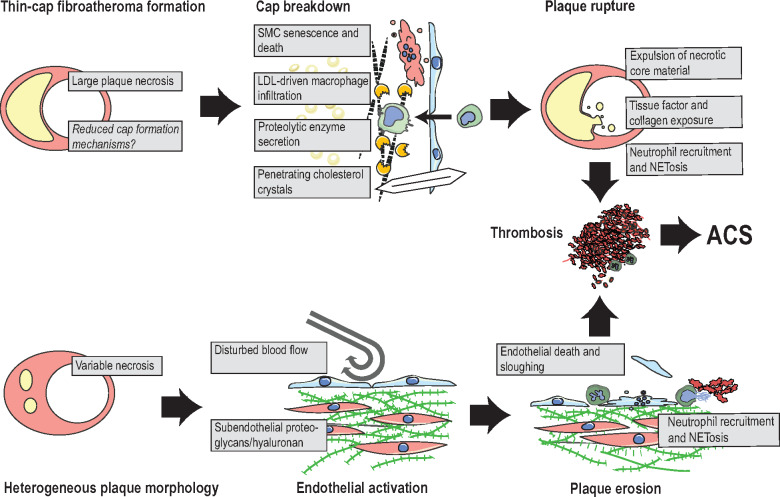
“Eroded plaques remain intact and are seen in sites of the vasculature where endothelial cells are deficient and disturbed flow occurs (71), facilitated by neutrophils and NETs that accelerate endothelial cell death and detachment (72).”
BackgroundThe clinical utility of apoB versus LDL-C/non-HDL-C
Kohli-Lynch, C. N., Thanassoulis, G., Moran, A. E., & Sniderman, A. D. (2020) · Clinica Chimica Acta · doi:10.1016/j.cca.2020.05.001 · Cited by 47
Inclisiran in lipid management: A Literature overview and future perspectives
Scicchitano, P., Milo, M., Mallamaci, R., De Palo, M., Caldarola, P., Massari, F., Gabrielli, D., Colivicchi, F., & Ciccone, M. M. (2021) · Biomedicine & Pharmacotherapy · doi:10.1016/j.biopha.2021.112227 · Cited by 44
Oehm, S., Steinke, K., Schmidt, J., Arjune, S., Todorova, P., Lindemann, C. H., Wöstmann, F., Meyer, F. I., Siedek, F., Weimbs, T., et al. (2022) · Nephrology Dialysis Transplantation · doi:10.1093/ndt/gfac311 · Cited by 50
“However, elevated LDL-C levels are a clearly defined cardiovascular risk factor in clinical practice, regardless of their subtyping, and chronic kidney disease is a state of increased cardiovascular risk in general [41].”
BackgroundMenopause modulates the circulating metabolome: evidence from a prospective cohort study
Karppinen, J. E., Törmäkangas, T., Kujala, U. M., Sipilä, S., Laukkanen, J. A., Aukee, P., Kovanen, V., & Laakkonen, E. K. (2022) · European Journal of Preventive Cardiology · doi:10.1093/eurjpc/zwac060 · Cited by 54
Lipid bands of approx. 1740 cm−1 as spectral biomarkers and image of tissue oxidative stress
Pielesz, A., Biniaś, D., Waksmańska, W., & Bobiński, R. (2022) · Spectrochimica Acta Part A Molecular and Biomolecular Spectroscopy · doi:10.1016/j.saa.2022.121926 · Cited by 48
The stress of losing sleep: Sex-specific neurobiological outcomes
Wright, C. J., Milosavljevic, S., & Pocivavsek, A. (2023) · Neurobiology of Stress · doi:10.1016/j.ynstr.2023.100543 · Cited by 48
“Excitatory cholinergic and glutamatergic neurons in the brainstem, respectively, contribute to REM sleep promotion and produce the characteristic muscle atonia (Boissard et al., 2002; Boucetta et al., 2014; Cox et al., 2016; Tsunematsu, 2021).”
BackgroundBiosynthesis and Metabolism of ApoB-Containing Lipoproteins
Borén, J., Taskinen, M., & Packard, C. J. (2024) · Annual Review of Nutrition · doi:10.1146/annurev-nutr-062222-020716 · Cited by 51
Self-citationNicholls, S. J., Nelson, A. J., Ditmarsch, M., Kastelein, J. J. P., Ballantyne, C. M., Ray, K. K., Návar, A. M., Nissen, S. E., Goldberg, A. C., Brunham, L. R., et al. (2024) · American Heart Journal · doi:10.1016/j.ahj.2024.05.002 · Cited by 48
Self-citationLamarche, B., Astrup, A. V., Eckel, R. H., Feeney, E. L., Givens, D. I., Krauss, R. M., Legrand, P., Micha, R., Michalski, M., Soedamah‐Muthu, S. S., et al. (2025) · American Journal of Clinical Nutrition · doi:10.1016/j.ajcnut.2025.03.009 · Cited by 51
Self-citationState-of-the-art wearable sensors for cardiovascular health: a review
Xie, H., Yang, L., Jiang, B., Huang, Z., & Lin, Y. (2025) · npj Cardiovascular Health · doi:10.1038/s44325-025-00090-6 · Cited by 69
“The deposition of LDL cholesterol fosters the development of plaques along arterial walls, whereas HDL cholesterol performs a protective role by facilitating the removal of these deposits, thereby mitigating the hazard of heart disease 228,229 .”
Glycation of LDL: AGEs, impact on lipoprotein function, and involvement in atherosclerosis
Poznyak, A. V., Sukhorukov, V. N., Surkova, R., Orekhov, N. A., & Orekhov, A. N. (2023) · Frontiers in Cardiovascular Medicine · doi:10.3389/fcvm.2023.1094188 · Cited by 54
“The atherogenicity of desialylated LDL can be further enhanced by oxidation (40, 41).”
BackgroundThe chylomicron saga: time to focus on postprandial metabolism
Gugliucci, A. (2024) · Frontiers in Endocrinology · doi:10.3389/fendo.2023.1322869 · Cited by 55
Nonalcoholic Fatty Liver Disease and Cardiovascular Diseases: The Heart of the Matter
Chiriac, S. A., Stanciu, C., Gîrleanu, I., Cojocariu, C., Sfarti, C. V., Sîngeap, A.-M., Cuciureanu, T., Huiban, L., Muzica, C. M., Zenovia, S., et al. (2021) · Canadian Journal of Gastroenterology and Hepatology · doi:10.1155/2021/6696857 · Cited by 56
“-e -e atherogenic dyslipidemia is characterized by high serum triglycerides, low high-density lipoprotein (HDL) cholesterol, the predominance of small dense low-density lipoprotein (LDL) particles, and increased intermediate-density lipoprotein (IDL) [14, 21].”
Nishikido, T. (2023) · Cardiovascular Diabetology · doi:10.1186/s12933-023-01752-4 · Cited by 47
“Statin therapy is the gold standard treatment worldwide for the management of dyslipidemia and prevention of ASCVD; however, there is an individual variation in LDL-C levels, even in clinical trials that enrolled patients with greater adherence to treatment than that encountered in routine clinical practice [59].”
BackgroundInfluentialAbbas, A., Raza, A., Ullah, M., Hendi, A. A., Akbar, F., Khan, S. U., Zaman, U., Saeed, S., Rehman, K. U., Sultan, S., et al. (2023) · Current Problems in Cardiology · doi:10.1016/j.cpcardiol.2023.101661 · Cited by 52
Wu, C., Mao, J., Wang, X., Yang, R., Wang, C., Li, C., & Zhou, X. (2023) · Journal of Nanobiotechnology · doi:10.1186/s12951-023-02058-z · Cited by 46
“The accumulation of ROS positively contributes to processes such as inflammation, ECs dysfunction, and macrophage infiltration, which all contribute to AS [24, 25].”
BackgroundCholesterol crystals in the pathogenesis of atherosclerosis
Baumer, Y., Irei, J. S., & Boisvert, W. A. (2024) · Nature Reviews Cardiology · doi:10.1038/s41569-024-01100-3 · Cited by 55
Drexel, H., LARCHER, B., MADER, A., Vonbank, A., Heinzle, C. F., Moser, B., Zanolin-Purin, D., & Saely, C. H. (2021) · Atherosclerosis · doi:10.1016/j.atherosclerosis.2021.05.010 · Cited by 46
Zubielienė, K., Valterytė, G., Jonaitienė, N., Žaliaduonytė, D., & Zabiela, V. (2022) · Medicina · doi:10.3390/medicina58111665 · Cited by 49
Genetic or therapeutic neutralization of ALK1 reduces LDL transcytosis and atherosclerosis in mice
Lee, S., Schleer, H., Park, H., Jang, E., Boyer, M., Tao, B., Gámez-Méndez, A. M., Singh, A., Folta‐Stogniew, E. J., Zhang, X., et al. (2023) · Nature Cardiovascular Research · doi:10.1038/s44161-023-00266-2 · Cited by 42
Mechanisms and treatment of atherosclerosis: focus on macrophages
Zhang, L., Li, J., Kou, Y., Shen, L., Wang, H., Wang, Y., Ma, R., Wu, T., Yang, X., Gu, Y., et al. (2024) · Frontiers in Immunology · doi:10.3389/fimmu.2024.1490387 · Cited by 54
Immunity in Atherosclerosis: Focusing on T and B Cells
Poznyak, A. V., Bezsonov, E. E., Попкова, Т. В., Starodubova, A. V., & Orekhov, A. N. (2021) · International Journal of Molecular Sciences · doi:10.3390/ijms22168379 · Cited by 42
Metadata
- Authors
- Borén, J., Chapman, M. J., Krauss, R. M., Packard, C. J., Bentzon, J. F., Binder, C. J., Daemen, M. J., Demer, L. L., Hegele, R. A., Nicholls, S. J., Nordestgaard, B. G., Watts, G. F., Bruckert, E., Fazio, S., Ference, B. A., Graham, I., Horton, J. D., Landmesser, U., Laufs, U., Masana, L., Pasterkamp, G., Raal, F. J., Ray, K. K., Schunkert, H., Taskinen, M.-R., van de Sluis, B., Wiklund, O., Tokgozoglu, L., Catapano, A. L., & Ginsberg, H. N.
- Affiliations
- Sahlgrenska University Hospital (SE)
- Inserm (FR)
- University of California, San Francisco (US)
- University of Glasgow (GB)
- Aarhus University (DK)
- Austrian Academy of Sciences (AT)
- Amsterdam University Medical Centers (NL)
- University of California, Los Angeles (US)
- Western University (CA)
- Monash University (AU)
- University of Copenhagen (DK)
- The University of Western Australia (AU)
- INSERM UMRS1166, Department of Endocrinology-Metabolism, ICAN - Institute of CardioMetabolism and Nutrition, AP-HP, Hopital de la Pitie , Paris, France
- Oregon Health & Science University (US)
- University of Cambridge (GB)
- Trinity College Dublin (IE)
- The University of Texas Southwestern Medical Center (US)
- Berlin Institute of Health at Charité - Universitätsmedizin Berlin (DE)
- University Hospital Leipzig (DE)
- Centro de Investigación Biomédica en Red Diabetes y Enfermedades Metabólicas Asociadas (ES)
- University Medical Center Utrecht (NL)
- University of the Witwatersrand (ZA)
- Imperial College London (GB)
- German Centre for Cardiovascular Research (DE)
- University of Helsinki (FI)
- Department of Pediatrics, University of Groningen, University Medical Center Groningen , Groningen, The Netherlands
- Department of Cardiology, Hacettepe University Faculty of Medicine , Ankara, Turkey
- University of Milan (IT)
- Columbia University (US)
- Corresponding author
- Chapman, M John
- ORCID
- Borén, Jan
- Chapman, M John
- Krauss, Ronald M
- Packard, Chris J
- Bentzon, Jacob F
- Binder, Christoph J
- Daemen, Mat J
- Demer, Linda L
- Hegele, Robert A
- Nicholls, Stephen J
- Nordestgaard, Børge G
- Watts, Gerald F
- Fazio, Sergio
- Graham, Ian
- Horton, Jay D
- Landmesser, Ulf
- Laufs, Ulrich
- Masana, Luis
- Pasterkamp, Gerard
- Raal, Frederick J
- Ray, Kausik K
- Schunkert, Heribert
- Taskinen, Marja-Riitta
- Wiklund, Olov
- Tokgozoglu, Lale
- Catapano, Alberico L
- Ginsberg, Henry N
- Venue
- European Heart Journal
- Publisher
- Oxford University Press (OUP)
- Published
- 2020-02-13
- Volume
- 41
- Issue
- 24
- Pages
- 2313-2330
- ISSN
- 0195-668X (ISSN-L)
- 1522-9645
- PMC
- PMC7308544
- OpenAlex
- W3006116566
- Semantic Scholar
- 3ff51a04cbb6dbd4f9301cb36755d45d0bc71096
- Cited by
- 1,601
- References
- 351
- Citations by year
- 2026: 250 · 2025: 294 · 2024: 255 · 2023: 265 · 2022: 231 · 2021: 204 · 2020: 96
- FWCI
- 181.87
- Type
- journal article
- Language
- en
- Open access
- hybrid
- doi.org
- Licence
- Locations
- European Heart Journal (publishedVersion, cc-by-nc)
- PubMed Central (publishedVersion, cc-by-nc)
- PubMed (publishedVersion)
- Pure Amsterdam UMC (publishedVersion, cc-by)
- Research at the University of Copenhagen (University of Copenhagen) (publishedVersion, cc-by-nc)
- University of Groningen research database (University of Groningen / Centre for Information Technology) (publishedVersion, cc-by-nc)
- ENLIGHTEN (Jurnal Bimbingan dan Konseling Islam) (acceptedVersion, cc-by-sa)
- Työväentutkimus Vuosikirja (submittedVersion, other-oa)
- Rovira & Virgili repository (submittedVersion, cc-by)
- Data Archiving and Networked Services (DANS) (submittedVersion, other-oa)
- HAL (submittedVersion, other-oa)
- LA Referencia (Red Federada de Repositorios Institucionales de Publicaciones Científicas) (submittedVersion, cc-by-nc)
- Utrecht University Repository (Utrecht University) (submittedVersion, other-oa)
- mediaTUM (Technical University of Munich) (submittedVersion, other-oa)
- mediaTUM – the media and publications repository of the Technical University Munich (Technical University Munich) (submittedVersion)
- UWA Profiles and Research Repository (UWA) (submittedVersion, cc-by-nc)
- Spiral (Imperial College London) (submittedVersion, cc-by-nc)
- Lenus, The Irish Health Repository (Dr Steevens Hospital Library) (submittedVersion)
- University of Groningen research database (University of Groningen / Centre for Information Technology) (submittedVersion, cc-by-nc)
- Funders
- The European Atherosclerosis Society
- Topics
- Health Sciences › Medicine › Cardiology and Cardiovascular Medicine › Lipoproteins and Cardiovascular Health
- Life Sciences › Immunology and Microbiology › Immunology › Atherosclerosis and Cardiovascular Diseases
- Life Sciences › Biochemistry, Genetics and Molecular Biology › Biochemistry › Cholesterol and Lipid Metabolism
- Keywords
- low-density lipoprotein, atherosclerotic cardiovascular disease, pathophysiology, genetic risk factors, lipid-lowering therapy, dyslipidemia, cardiovascular risk
- MeSH terms
- Cardiovascular Diseases, Humans, Cholesterol, LDL, Consensus, Atherosclerosis
About these checks
Registry, retraction, Cites and statistics results are computed, not judged, with one exception: a printed reference that no index lists is read once by a model before it counts as a citation error. Claims are extracted by a model and kept only when their quote appears verbatim in the text; each cited source is then checked, with a model’s help, for whether it says what the claim relies on. Those verdicts can be wrong — read the claim’s quote and the cited source before relying on one.
Statistics and arithmetic are recomputed, not judged.
Confidence bands are shown only for fields calibrated on our annotated test set. None is calibrated yet, so no band is shown.
What counts as a claim ›How we measure confidence ›How we check this ›
Are you an author, or do you see a problem with this page? Request a review
Data sources
Bibliographic data: Semantic Scholar, OpenAlex, Crossref.
Contains information from the Semantic Scholar Academic Graph Datasets, made available under the ODC Attribution License (ODC-BY 1.0).
Semantic Scholar’s data is described in: Kinney, R., et al. (2023). The Semantic Scholar Open Data Platform. arXiv:2301.10140.
