

Low-density lipoproteins cause atherosclerotic cardiovascular disease: pathophysiological, genetic, and therapeutic insights: a consensus statement from the European Atherosclerosis Society Consensus Panel
Open accessThe DOI matches its Crossref record; 348 of the 351 references it cites were found in a registry or an index.
Abstract
apoB100 is altered, LDL receptor binding affinity is attenuated, resulting in a prolonged residence time in plasma (Box 2).
Overview
The claims and statistics of this paper haven’t been checked yet.
Free: it reads the open-access text and checks the first 5 claims that cite a source we can check. Create a free account to check every claim.
Integrity signals
Registry
Cites
Statistics
Figures
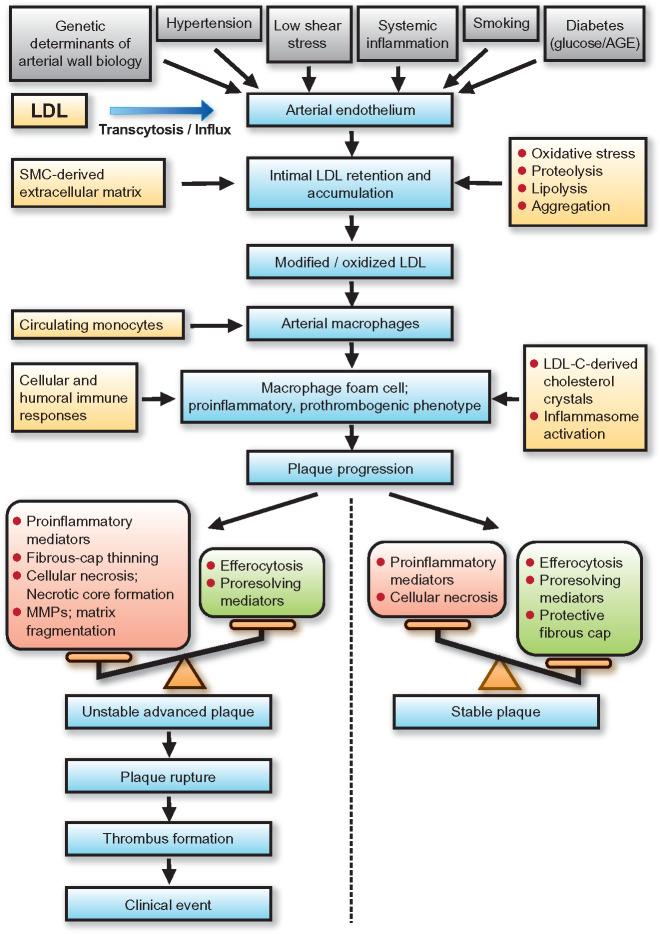
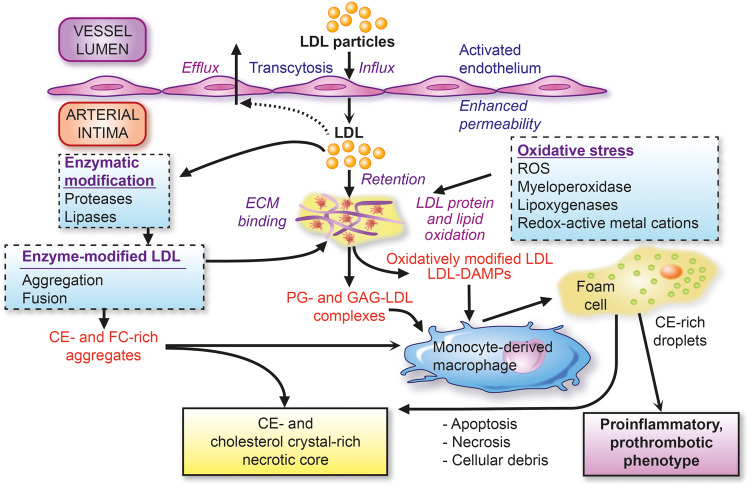
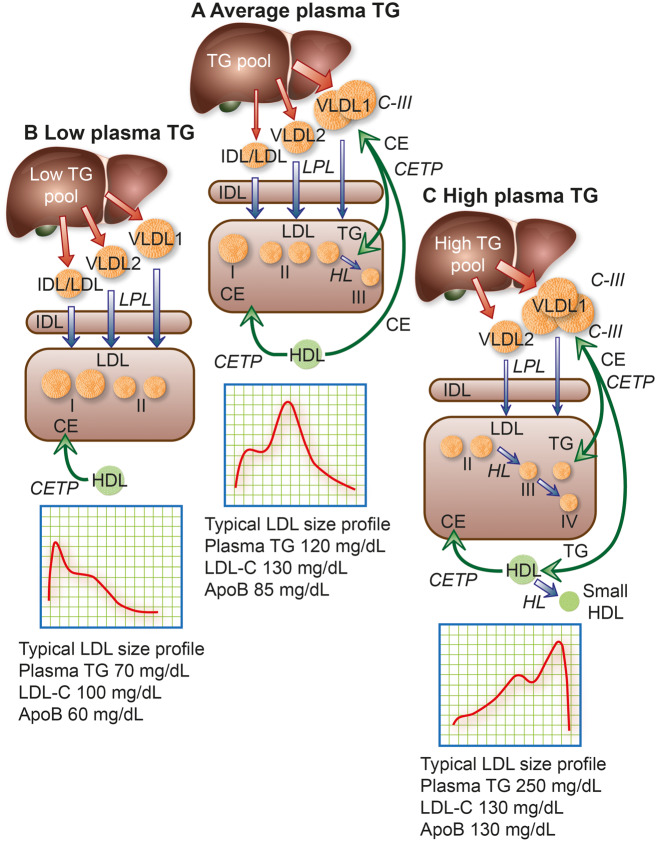
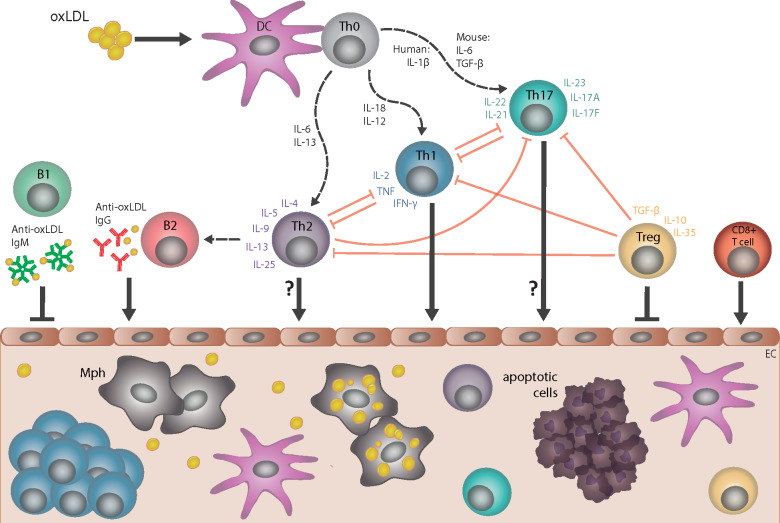
Verification
Claims the paper makes
The claims and statistics of this paper haven’t been checked yet.
Free: it reads the open-access text and checks the first 5 claims that cite a source we can check. Create a free account to check every claim.
Claims other papers make about this one
Each is checked against this paper’s own text: does it say what the citing paper says it does?
The source backs part of the claim, not all of it — or backs it for a different population, condition or comparison.
In the citing paper
“any proatherogenic effects of TRL and remnants will be synergistic to those of other apoB-containing lipoproteins, particularly LDL and lipoprotein(a).17,25,93,104,206”
From Triglyceride-rich lipoproteins and their remnants: metabolic insights, role in atherosclerotic cardiovascular disease, and emerging therapeutic strategies—a consensus statement from the European Atherosclerosis Society (2021) · cites this paper as [93]
Experimental — accuracy not yet measuredThe source backs part of the claim, not all of it — or backs it for a different population, condition or comparison.
In the citing paper
“On a per particle basis, cholesterol-rich remnant particles are more potent inducers of macrophage foam cells than LDL and do not need structural modification to trigger uptake.36,93,141”
From Triglyceride-rich lipoproteins and their remnants: metabolic insights, role in atherosclerotic cardiovascular disease, and emerging therapeutic strategies—a consensus statement from the European Atherosclerosis Society (2021) · cites this paper as [93]
Experimental — accuracy not yet measuredThe cited source says what the claim attributes to it.
In the citing paper
“While LDL-C is an established major causal factor for ASCVD,93,103,104 the causality of TG, TRL, or TRL remnants for ASCVD is contentious.17,36,105–107”
The cited source says what the claim attributes to it.
In the citing paper
“Consequently, reducing LDL cholesterol levels stands as one of the most common approaches in clinical practice for treating and preventing ASCVD [6].”
From Residual Cardiovascular Risk: Role of Remnants Cholesterol, Monocyte/HDL Ratio and Lipoprotein Ratios on Personalized Cardiovascular Prevention (2024) · cites this paper as [6]
The cited source says what the claim attributes to it.
In the citing paper
“The observed trends in lipid content are consistent with slight increases in LDL particle numbers, which could confer increased risk for atherosclerotic cardiovascular disease [85].”
From Evaluation of exploratory fluid biomarkers from a phase 1 senolytic trial in mild Alzheimer's disease (2025) · cites this paper as [85]
5 more claims about this paper
Create a free account to see every claim other papers make about this one.
Self-check
Percentages, sums and reported differences re-computed from the paper’s own numbers.
The self-check needs the paper’s full text.
Citations
Cites
Antiinflammatory Therapy with Canakinumab for Atherosclerotic Disease
Ridker, P. M., Everett, B. M., Thuren, T., MacFadyen, J. G., Chang, W. H., Ballantyne, C., Fonseca, F., Nicolau, J., Koenig, W., Anker, S. D., et al. (2017) · New England Journal of Medicine · doi:10.1056/nejmoa1707914 · Cited by 9,482 · cited 1×
“in a secondary prevention trial in which patients were treated with a statin in combination with the anti-IL-1b antibody canakinumab.(154)”
BackgroundMach, F., Baigent, C., Catapano, A. L., Koskinas, K. C., Casula, M., Badimon, L., Chapman, M. J., De Backer, G. G., Delgado, V., Ference, B. A., et al. (2020) · European Heart Journal · doi:10.1093/eurheartj/ehz455 · Cited by 8,961
Self-citationInflammation, Atherosclerosis, and Coronary Artery Disease
Hansson, G. K. (2005) · New England Journal of Medicine · doi:10.1056/nejmra043430 · Cited by 8,773 · cited 1×
“to the oxidative modification of LDL and thus to the pathogenesis of accelerated atherosclerosis.(285,286) Furthermore, recent data suggest”
BackgroundInflammation in atherosclerosis
Libby, P. (2002) · Nature · doi:10.1038/nature01323 · Cited by 8,315
Epstein, F. H., Steinberg, D., Parthasarathy, S., Carew, T. E., Khoo, J. C., & Witztum, J. L. (1989) · New England Journal of Medicine · doi:10.1056/nejm198904063201407 · Cited by 6,427
Grundy, S. M., Stone, N. J., Bailey, A. L., Beam, C., Birtcher, K. K., Blumenthal, R. S., Braun, L. T., de Ferranti, S., Faiella-Tommasino, J., Forman, D. E., et al. (2019) · Circulation · doi:10.1161/cir.0000000000000625 · Cited by 6,185
Evolocumab and Clinical Outcomes in Patients with Cardiovascular Disease
Sabatine, M. S., Giugliano, R. P., Keech, A. C., Honarpour, N., Wiviott, S. D., Murphy, S. A., Kuder, J. F., Wang, H., Liu, T., Wasserman, S. M., et al. (2017) · New England Journal of Medicine · doi:10.1056/nejmoa1615664 · Cited by 6,138
Mach, F., Baigent, C., Catapano, A. L., Koskinas, K. C., Casula, M., Badimon, L., Chapman, M. J., De Backer, G. G., Delgado, V., Ference, B. A., et al. (2019) · Atherosclerosis · doi:10.1016/j.atherosclerosis.2019.08.014 · Cited by 4,854
Self-citationVirmani, R., Kolodgie, F. D., Burke, A. P., Farb, A., & Schwartz, S. M. (2000) · Arteriosclerosis, Thrombosis, and Vascular Biology · doi:10.1161/01.atv.20.5.1262 · Cited by 4,084 · cited 1×
“brous cap, a large necrotic core, pronounced inflammation, and low vascular SMC density.(246) Both biomechanical and haemodynamic factors contribute to plaque rupture,(247) and the exposure of the blood”
BackgroundBerenson, G. S., Srinivasan, S. R., Bao, W., Newman, W. P., Tracy, R. E., & Wattigney, W. A. (1998) · New England Journal of Medicine · doi:10.1056/nejm199806043382302 · Cited by 4,032
Cited by
Items 201–300 of 1,002
Song, Y., Choi, J.-E., Kwon, Y.-J., Chang, H.-J., Kim, J. O., Park, D.-H., Park, J.-M., Kim, S.-J., Lee, J. W., & Hong, K.-W. (2021) · Journal of Translational Medicine · doi:10.1186/s12967-021-02751-3 · Cited by 41
Chapman, M. J., & Mason, R. P. (2022) · Pharmacology & Therapeutics · doi:10.1016/j.pharmthera.2022.108237 · Cited by 45
Self-citationWilliams, K. J. (2023) · Arteriosclerosis Thrombosis and Vascular Biology · doi:10.1161/atvbaha.123.320065 · Cited by 48
Omega-3 fatty acids for cardiovascular event lowering
Kaur, G., Mason, R. P., Steg, P. G., & Bhatt, D. L. (2024) · European Journal of Preventive Cardiology · doi:10.1093/eurjpc/zwae003 · Cited by 47
Bartholomew, C. L., Muhlestein, J. B., May, H. T., Le, V. T., Galenko, O., Garrett, K. D., Brunker, C. P., Hopkins, R. O., Carlquist, J. F., Knowlton, K. U., et al. (2021) · European Heart Journal Open · doi:10.1093/ehjopen/oeab026 · Cited by 43
“currently understood, is indirect through a decade-long accumulation of atherosclerosis that eventually results in coronary artery disease.(27)”
BackgroundErdmann, J., Kujaciński, M., & Wiciński, M. (2021) · Nutrients · doi:10.3390/nu13113900 · Cited by 43
Chasing LDL cholesterol to the bottom — PCSK9 in perspective
Libby, P., & Tokgözoğlu, L. S. (2022) · Nature Cardiovascular Research · doi:10.1038/s44161-022-00085-x · Cited by 47
Redefining cardiovascular risk prediction: is the crystal ball clearer now?
Tokgözoğlu, L. S., & Torp-Pedersen, C. T. (2021) · European Heart Journal · doi:10.1093/eurheartj/ehab310 · Cited by 50
“Mendelian randomization studies have helped us understand that the effect of causal risk factors on the risk of ASVD is determined by both the absolute magnitude and the cumulative duration of exposure.(14) Early initiation and maintenance of ideal risk factor levels throughout life will slow the progression of athero…”
BackgroundAtherogenic Index of Plasma in Obstructive Sleep Apnoea
Bikov, A., Mészáros, M., Kunos, L., Negru, A. G., Frent, S., & Mihaicuta, S. D. (2021) · Journal of Clinical Medicine · doi:10.3390/jcm10030417 · Cited by 42
Long-term fasting improves lipoprotein-associated atherogenic risk in humans
Grundler, F., Plonné, D., Mesnage, R., Müller, D., Sirtori, C. R., Ruscica, M., & de Toledo, F. W. (2021) · European Journal of Nutrition · doi:10.1007/s00394-021-02578-0 · Cited by 47
“TC and LDL-C have been traditionally considered as single ASCVD lipid risk factors, but nowadays the role of LDL sub-fractions has gained interest [20].”
BackgroundRuuth, M. K., Lahelma, M., Luukkonen, P. K., Lorey, M. B., Qadri, S. U., Sädevirta, S., Hyötyläinen, T., Kovanen, P. T., Hodson, L., Yki‐Järvinen, H., et al. (2021) · Arteriosclerosis Thrombosis and Vascular Biology · doi:10.1161/atvbaha.120.315766 · Cited by 42
Luo, Y., Guo, Y., Wang, H. H., Yu, M., Hong, K. W., Li, D., Li, R., Wen, B., Hu, D., Chang, L., et al. (2021) · EBioMedicine · doi:10.1016/j.ebiom.2021.103725 · Cited by 44
“Atherosclerosis is a chronic inflammatory disease initially induced by low-density lipoprotein cholesterol (LDL-C) retention in the arterial wall [3].”
BackgroundCammisotto, V., Baratta, F., Simeone, P. G., Barale, C., Lupia, E., Galardo, G., Santilli, F., Russo, I., & Pignatelli, P. (2022) · Antioxidants · doi:10.3390/antiox11030569 · Cited by 38
The Role of Polyphenol in Modulating Associated Genes in Diabetes-Induced Vascular Disorders
Nor, N. A. M., Budin, S. B., Zainalabidin, S., Jalil, J., Sapian, S., Jubaidi, F. F., & Anuar, N. N. M. (2022) · International Journal of Molecular Sciences · doi:10.3390/ijms23126396 · Cited by 45
Trends in epidemiology of dyslipidemias in India
Sharma, S., Gaur, K., & Gupta, R. (2024) · Indian Heart Journal · doi:10.1016/j.ihj.2023.11.266 · Cited by 54
“7,33,42 However, the Reduction of Cardiovascular Events with Icosapent Ethyl-Intervention Trial (REDUCE-IT) trial with icosapent ethyl (highly purified eicosa-pantenoic acid) has demonstrated its importance as a CAD risk factor.”
BackgroundGupta, M., Mancini, G. B. J., Wani, R. J., Ahooja, V., Bergeron, J., Manjoo, P., Pandey, A. S., Reiner, M. T., Beltran, J., Oliveira, T., et al. (2022) · CJC Open · doi:10.1016/j.cjco.2022.03.003 · Cited by 40
Fowler, A., Van Rompay, K. K. A., Sampson, M., Leo, J., Watanabe, J. K., Usachenko, J. L., Immareddy, R., Lovato, D. M., Schiller, J. T., Remaley, A. T., et al. (2023) · npj Vaccines · doi:10.1038/s41541-023-00743-6 · Cited by 36
“A major risk factor for atherosclerotic cardiovascular disease (ASCVD) is elevated plasma levels of low-density lipoprotein cholesterol (LDL-C) 2,3 .”
Cardiovascular Risk Estimation and Stratification Among Individuals with Hypercholesterolemia
Bosco, G., Mszar, R., Piro, S., Sabouret, P. F., & Gallo, A. (2024) · Current Atherosclerosis Reports · doi:10.1007/s11883-024-01225-3 · Cited by 43
“Exposure to elevated lipid levels during childhood and young adulthood predisposes to atherosclerotic plaque development in adulthood, influencing its severity despite the later start of treatment [32, 33].”
Genetics of hypertriglyceridemia and atherosclerosis
Gill, P. K., Dron, J. S., & Hegele, R. A. (2021) · Current Opinion in Cardiology · doi:10.1097/hco.0000000000000839 · Cited by 41
“Elevations in triglyceride are usually accompanied by reductions in high-density lipoprotein (HDL) cholesterol, which is thought to be cardioprotective [32], and sometimes by elevations in LDL cholesterol, an established causal risk factor for ASCVD [33].”
BackgroundSelf-citationLipids and Lipoproteins in Health and Disease: Focus on Targeting Atherosclerosis
Lee, C., Liao, C., Meng, S., Wu, W., Chiang, J., & Wu, M. (2021) · Biomedicines · doi:10.3390/biomedicines9080985 · Cited by 47
Macrophages in Atherosclerosis, First or Second Row Players?
Checkouri, É., Blanchard, V., & Meilhac, O. (2021) · Biomedicines · doi:10.3390/biomedicines9091214 · Cited by 43
Kauppinen, K. J., Aho, I., & Sutinen, J. (2022) · AIDS · doi:10.1097/qad.0000000000003245 · Cited by 42
“Nonetheless, LDL cholesterol is considered the main cause of ASCVD [18,19].”
BackgroundTherapeutic Potential of Hibiscus sabdariffa Linn. in Attenuating Cardiovascular Risk Factors
Sapian, S., Mze, A. A. I., Jubaidi, F. F., Nor, N. A. M., Taib, I. S., Hamid, Z. A., Zainalabidin, S., Anuar, N. N. M., Katas, H., Latip, J., et al. (2023) · Pharmaceuticals · doi:10.3390/ph16060807 · Cited by 51
Significance of lipids, lipoproteins, and apolipoproteins during the first 14–16 months of life
Nielsen, S. T., Lytsen, R. M., Strandkjær, N., Rasmussen, I. J., Sillesen, A., Vøgg, R. O. B., Raja, A. A., Nordestgaard, B. G., Kamstrup, P. R., Iversen, K. K., et al. (2023) · European Heart Journal · doi:10.1093/eurheartj/ehad547 · Cited by 42
“4,5 The severity of the lifelong atherosclerotic process is proportional to concentrations of apolipoprotein B-containing lipoproteins, hence the risk of developing ASCVD is cumulative over time.”
BackgroundSelf-citationEuropean guidelines for the treatment of dyslipidaemias: New concepts and future challenges
Pirillo, A., Casula, M., & Catapano, A. L. (2023) · Pharmacological Research · doi:10.1016/j.phrs.2023.106936 · Cited by 42
Self-citationAdvances in Clinical Imaging of Vascular Inflammation
West, H. W., Dangas, K., & Antoniades, C. A. (2023) · JACC Basic to Translational Science · doi:10.1016/j.jacbts.2023.10.007 · Cited by 55
Zeng, G., Zhang, C., Song, Y., Zhang, Z., Xu, J., Liu, Z., Tang, X., Wang, X., Chen, Y., Zhang, Y., et al. (2024) · BMC Medicine · doi:10.1186/s12916-024-03823-z · Cited by 42
Pan-vascular disease: what we have done in the past and what we can do in the future?
Wong, M., Dai, Y., & Ge, J. (2024) · Cardiology Plus · doi:10.1097/cp9.0000000000000078 · Cited by 40
2022 Taiwan lipid guidelines for primary prevention
Huang, P., Lu, Y., Tsai, Y., Wu, Y., Li, H., Chang, H.-Y., Wu, C., Yang, C., Tarng, D., Huang, C., et al. (2022) · Journal of the Formosan Medical Association · doi:10.1016/j.jfma.2022.05.010 · Cited by 44
Lipoproteins, Cholesterol, and Atherosclerotic Cardiovascular Disease in East Asians and Europeans
Doi, T., Langsted, A., & Nordestgaard, B. G. (2023) · Journal of Atherosclerosis and Thrombosis · doi:10.5551/jat.rv22013 · Cited by 42
Self-citationAl-Mashhadi, R. H., Al‐Mashhadi, A. L., Nasr, Z. P., Mortensen, M. B., Lewis, E. A., Camafeita, E., Ravlo, K., Al-Mashhadi, Z. K., Kjær, D. W., Palmfeldt, J., et al. (2021) · Journal of the American College of Cardiology · doi:10.1016/j.jacc.2020.11.059 · Cited by 38
Self-citationFalkenhain, K., Roach, L. A., McCreary, S., McArthur, E., Weiss, E. J., François, M. E., & Little, J. P. (2021) · American Journal of Clinical Nutrition · doi:10.1093/ajcn/nqab212 · Cited by 40
Jadhav, S. B., Crass, R. L., Chapel, S. H., Kerschnitzki, M., Sasiela, W. J., Emery, M. G., Amore, B. M., Barrett, P. H. R., Watts, G. F., & Catapano, A. L. (2021) · European Heart Journal - Cardiovascular Pharmacotherapy · doi:10.1093/ehjcvp/pvab064 · Cited by 41
Self-citationBanach, M., Burchardt, P., Chlebus, K., Dobrowolski, P., Dudek, D., Dyrbuś, K., Gąsior, M., Jankowski, P., Jozwiak, J. J., Kłosiewicz−Latoszek, L., et al. (2021) · Diagnostyka Laboratoryjna · doi:10.5604/01.3001.0015.4805 · Cited by 36
Vítek, L., Jirásková, A., Malíková, I., Dostálová, G., Eremiášová, L., Danzig, V., Linhart, A., & Haluzík, M. (2022) · Antioxidants · doi:10.3390/antiox11112118 · Cited by 40
New Insights Into the Treatment of Hyperlipidemia: Pharmacological Updates and Emerging Treatments
Abbasi, S., Khan, A. A., & Choudhry, M. W. (2024) · Cureus · doi:10.7759/cureus.63078 · Cited by 49
“This reduction depends on the specific drug, dosage, pharmacogenetic variables, and the patient's compliance [20-22].”
Sergi, D., Spaggiari, R., Nora, E. D., Angelini, S., Castaldo, F., Omenetto, A., Stifani, G., Sanz, J. M., & Passaro, A. (2025) · Diabetes Research and Clinical Practice · doi:10.1016/j.diabres.2025.112103 · Cited by 37
“…the discrepancy be-tween HOMA-IR and the TyG in predicting cardiovascular disease may be explained by the that that the latter exhibited a stronger positive correlation with non-HDL and particularly LDL-cholesterol which, in turn, is pivotal in promoting atherosclerotic cardiovascular disease [68].”
The Atherosclerotic Plaque Microenvironment as a Therapeutic Target
Pandit, R., & Yurdagul, A. (2025) · Current Atherosclerosis Reports · doi:10.1007/s11883-025-01294-y · Cited by 43
Griffin, B. A., Mensink, R. P., & Lovegrove, J. A. (2021) · Atherosclerosis · doi:10.1016/j.atherosclerosis.2021.03.024 · Cited by 39
Öörni, K., & Kovanen, P. T. (2021) · Journal of Clinical Medicine · doi:10.3390/jcm10081769 · Cited by 39
Triglyceride-Rich Lipoproteins: Their Role in Atherosclerosis
Castillo-Núñez, Y., Morales-Villegas, E., & Aguilar-Salinas, C. A. (2021) · Revista de investigaci�n Cl�nica · doi:10.24875/ric.21000416 · Cited by 46
Dziedzic, E. A., Gąsior, J. S., Tuzimek, A., & Kochman, W. (2023) · Journal of Clinical Medicine · doi:10.3390/jcm12041369 · Cited by 38
Su, X., Cai, X., Pan, Y., Sun, J., Jing, J., Wang, M., Meng, X., Wang, Y., Wei, T., & He, Y. (2022) · European Journal of Preventive Cardiology · doi:10.1093/eurjpc/zwac223 · Cited by 34
High‐density lipoprotein in diabetes: Structural and functional relevance
Lui, D. T. W., & Tan, K. C. B. (2024) · Journal of Diabetes Investigation · doi:10.1111/jdi.14172 · Cited by 37
“Lowering low-density lipoprotein cholesterol (LDL-C) with statin therapy effectively reduces cardiovascular risks in people with and without diabetes 2 but substantial residual risks still exist despite the documented bene fi ts of statin 3 .”
BackgroundInclisiran, Reasons for a Novel Agent in a Crowded Therapeutic Field
Barbagallo, F. D. G., Andreychuk, N., Scicali, R., González-Lleó, A. M., Piro, S., Masana, L., & Ibarretxe, D. (2025) · Current Atherosclerosis Reports · doi:10.1007/s11883-024-01271-x · Cited by 38
“This condition results from the accumulation of cholesterol in the intimal layer of arteries, triggering an inflammatory response that leads to the formation of atherosclerotic plaques [2].”
Self-citationDiamond, D. M., O’Neill, B. J., & Volek, J. S. (2020) · Current Opinion in Endocrinology Diabetes and Obesity · doi:10.1097/med.0000000000000568 · Cited by 34
Lipid management across Europe in the real-world setting: a rapid evidence review
Barrios, V., Soronen, J., Carter, A. M., & Anastassopoulou, A. (2021) · Current Medical Research and Opinion · doi:10.1080/03007995.2021.1973396 · Cited by 35
Płaczkowska, S., Sołkiewicz, K., Bednarz‐Misa, I., & Kratz, E. M. (2022) · International Journal of Molecular Sciences · doi:10.3390/ijms23095089 · Cited by 39
Bilitou, A., Were, J., Farrer, A., Rabe, A. P. J., Ming, S. W. Y., Haq, I., & Dunton, K. (2022) · ClinicoEconomics and Outcomes Research · doi:10.2147/ceor.s347085 · Cited by 37
“Increased low-density lipoprotein cholesterol (LDL-C) is recognized as a direct cause of atherosclerotic CVD (ASCVD)(5) and its major clinical sequelae.(6) Although many people with hypercholesterolemia and mixed dyslipidemia are asymptomatic, the accumulation of atherogenic lipoproteins increases the total atheroscle…”
BackgroundSerum LDL-C/HDL-C ratio and the risk of carotid plaques: a longitudinal study
Wu, Z., Li, X., Qin, W., Tao, B., Qiu, B., Zhang, Q., & Wang, J. (2022) · BMC Cardiovascular Disorders · doi:10.1186/s12872-022-02942-w · Cited by 43
“The causal relationship between high levels of LDL-C and the progression of carotid atherosclerosis has been verified [11, 12].”
BackgroundUeng, K., Chiang, C., Chao, T., Wu, Y., Lee, W.-L., Li, Y., Ting, K.-H., Su, C.-H., Lin, H., Su, T., et al. (2023) · PubMed Central · doi:10.6515/acs.202301_39(1).20221103a · Cited by 48
Jones, J. E., Tang, K. S., Barseghian, A., & Wong, N. D. (2023) · Journal of Clinical Medicine · doi:10.3390/jcm12237432 · Cited by 36
“Inflammation and atherosclerotic progression lead to the formation of intravascular plaque, which can cause myocardial ischemia and infarction [16–18].”
BackgroundLong-Term Efficacy and Tolerability of PCSK9 Targeted Therapy: A Review of the Literature
Schonck, W. A. M., Stroes, E. S. G., Hovingh, G. K., & Reeskamp, L. F. (2024) · Drugs · doi:10.1007/s40265-024-01995-9 · Cited by 38
Differentiating EPA from EPA/DHA in cardiovascular risk reduction
Toth, P. P., Chapman, M. J., Parhofer, K. G., & Nelson, J. R. (2022) · American Heart Journal Plus: Cardiology Research and Practice · doi:10.1016/j.ahjo.2022.100148 · Cited by 33
Self-citationChapman, M. J., Packard, C. J., Björnson, E., Ginsberg, H. N., & Borén, J. (2025) · Atherosclerosis · doi:10.1016/j.atherosclerosis.2025.120529 · Cited by 39
Self-citationZafrir, B., Saliba, W., & Flugelman, M. Y. (2020) · Journal of Atherosclerosis and Thrombosis · doi:10.5551/jat.57133 · Cited by 39
Role of Macrophages and RhoA Pathway in Atherosclerosis
Kloc, M., Uosef, A., Kubiak, J. Z., & Ghobrial, R. M. (2020) · International Journal of Molecular Sciences · doi:10.3390/ijms22010216 · Cited by 38
TIGAR mitigates atherosclerosis by promoting cholesterol efflux from macrophages
Zhao, Z.-W., Zhang, M., Zou, J., Wan, X.-J., Zhou, L., Wu, Y., Liu, S., Liao, L.-X., Li, H., Qin, Y., et al. (2021) · Atherosclerosis · doi:10.1016/j.atherosclerosis.2021.04.002 · Cited by 34
Diversity of Lipid Function in Atherogenesis: A Focus on Endothelial Mechanobiology
Kotlyarov, S. N. (2021) · International Journal of Molecular Sciences · doi:10.3390/ijms222111545 · Cited by 37
The angiopoietin receptor Tie2 is atheroprotective in arterial endothelium
Anisimov, A., Fang, S., Hemanthakumar, K. A., Örd, T., Avondt, K. V., Chèvre, R., Toropainen, A., Singha, P., Gilani, H., Nguyen, S. D., et al. (2023) · Nature Cardiovascular Research · doi:10.1038/s44161-023-00224-y · Cited by 35
“Atherosclerosis is characterized by lipid retention and accumulation of macrophages and T cells in the arterial wall, provoking chronic inflammation and accumulation of connective tissue components in atherosclerosis-prone sites in large-and medium-sized arteries 1,2 .”
Ibrahim, S., Reeskamp, L. F., de Goeij, J. N., Hovingh, G. K., Planken, R. N., Bax, W. A., Min, J. K., Earls, J. P., Knaapen, P., Wiegman, A., et al. (2024) · European Journal of Preventive Cardiology · doi:10.1093/eurjpc/zwae028 · Cited by 35
Neutrophil extracellular traps: a catalyst for atherosclerosis
Wang, Y., Wang, C., & Li, J. (2024) · Molecular and Cellular Biochemistry · doi:10.1007/s11010-024-04931-3 · Cited by 34
“It traverses EC to reach the artery wall via being wrapped by apolipoprotein B (ApoB) [11].”
The role of cellular senescence in cardiovascular disease
Xu, C., Qiu, Z., Guo, Q., Huang, Y., Zhao, Y., & Zhao, R. (2025) · Cell Death Discovery · doi:10.1038/s41420-025-02720-5 · Cited by 38
Ruuth, M. K., Äikäs, L., Tigistu‐Sahle, F., Käkelä, R., Lindholm, H. J., Simonen, P. P., Kovanen, P. T., Gylling, H., & Öörni, K. (2020) · Arteriosclerosis Thrombosis and Vascular Biology · doi:10.1161/atvbaha.120.314329 · Cited by 35
RNA Silencing in the Management of Dyslipidemias
Henney, N. C., Banach, M., & Penson, P. E. (2021) · Current Atherosclerosis Reports · doi:10.1007/s11883-021-00968-7 · Cited by 32
Choroszy, M., Sobieszczańska, B., Litwinowicz, K., Łaczmański, Ł., Chmielarz, M., Walczuk, U., Roleder, T., Radziejewska, J., & Wawrzyńska, M. (2022) · Nutrients · doi:10.3390/nu14030424 · Cited by 34
“Low-density lipoproteins (LDL) entering arterial intima from the blood are considered the primary driver of atherogenesis [7].”
BackgroundSu, Q., Chen, H., Du, S., Dai, Y., Chen, C., He, T., Feng, R., Tao, T., Hu, Z., Zhao, H., et al. (2022) · Arteriosclerosis Thrombosis and Vascular Biology · doi:10.1161/atvbaha.122.318086 · Cited by 32
Christensen, J. J., Arnesen, E., Rundblad, A., Telle‐Hansen, V. H., Narverud, I., Blomhoff, R., Bogsrud, M. P., Retterstøl, K., Ulven, S. M., & Holven, K. B. (2023) · Atherosclerosis · doi:10.1016/j.atherosclerosis.2023.117433 · Cited by 35
Li, K., Fan, F., Zheng, B., Jia, J., Liu, B., Liu, J., Chen, C., Zhou, J., Zhang, Y., & Huo, Y. (2021) · Lipids in Health and Disease · doi:10.1186/s12944-021-01490-0 · Cited by 34
“This raises the possibility that the TG content in TRLs may indirectly influence this process, considering greater small dense LDL generation in the presence of high VLDL-TG levels [54].”
BackgroundFriebel, J., Moritz, E., Witkowski, M., Jakobs, K., Strässler, E. T., Dörner, A., Steffens, D., Puccini, M., Lammel, S., Glauben, R., et al. (2021) · Cells · doi:10.3390/cells10123517 · Cited by 33
Self-citationMolecular Pharmacology of Inflammation Resolution in Atherosclerosis
Kotlyarov, S. N., & Котлярова, А. А. (2022) · International Journal of Molecular Sciences · doi:10.3390/ijms23094808 · Cited by 34
Ambient Air Pollution and Atherosclerosis: A Potential Mediating Role of Sphingolipids
Xu, Y., Han, Y., Wang, Y., Gong, J., Li, H., Wang, T., Chen, X., Chen, W., Fan, Y., Qiu, X., et al. (2022) · Arteriosclerosis Thrombosis and Vascular Biology · doi:10.1161/atvbaha.122.317753 · Cited by 32
“5 hours) exposure; (2)to control exposure misclassification, we further adjusted participants’ home-to-station distances, distance of residential addresses to the nearest major road for the participants (≤100 versus 100– 200 versus 200–300 versus 300–400 versus 400–500 versus >500 m), participants’ occupation (control…”
BackgroundBecker, P. H., Thérond, P., & Gaignard, P. (2023) · Pharmacology & Therapeutics · doi:10.1016/j.pharmthera.2023.108441 · Cited by 32
Norwitz, N. G., Mindrum, M. R., Giral, P., Kontush, A., Soto-Mota, A., Wood, T. R., D’Agostino, D. P., Manubolu, V. S., Budoff, M. J., & Krauss, R. M. (2022) · Journal of clinical lipidology · doi:10.1016/j.jacl.2022.10.010 · Cited by 33
Self-citationRecent Advances in Targeted Management of Inflammation In Atherosclerosis: A Narrative Review
Zubirán, R., Neufeld, E. B., Dasseux, A., Remaley, A. T., & Sorokin, A. V. (2024) · Cardiology and Therapy · doi:10.1007/s40119-024-00376-3 · Cited by 33
“The uptake of unmodified TRL in the arterial wall can induce macrophage foam cell formation [19].”
BackgroundThe clinical relevance of the reversal of coronary atherosclerotic plaque
Cesaro, A., Acerbo, V., Indolfi, C., Filardi, P. P., & Calabrò, P. (2024) · European Journal of Internal Medicine · doi:10.1016/j.ejim.2024.08.010 · Cited by 31
Cholesterol Efflux Efficiency of Reconstituted HDL Is Affected by Nanoparticle Lipid Composition
Jebari‐Benslaiman, S., Uribe, K. B., Benito‐Vicente, A., Galicia-García, U., Larrea, A., Alloza, I., Vandenbroeck, K., Ostolaza, H., & Martín, C. (2020) · Biomedicines · doi:10.3390/biomedicines8100373 · Cited by 31
An Overview on the Therapeutic Function of Foods Enriched with Plant Sterols in Diabetes Management
Jayaraman, S., Roy, A., Vengadassalapathy, S., Sekar, R., Veeraraghavan, V. P., Rajagopal, P., Rengasamy, G., Mukherjee, R., Sekar, D., & Manjunathan, R. (2021) · Antioxidants · doi:10.3390/antiox10121903 · Cited by 31
Pasterkamp, G., den Ruijter, H. M., & Giannarelli, C. (2022) · Arteriosclerosis Thrombosis and Vascular Biology · doi:10.1161/atvbaha.121.316693 · Cited by 31
Self-citationKjeldsen, E. W., Thomassen, J. Q., Rasmussen, K. L., Nordestgaard, B. G., Tybjærg‐Hansen, A., & Frikke‐Schmidt, R. (2022) · The Lancet Regional Health - Europe · doi:10.1016/j.lanepe.2022.100419 · Cited by 35
Self-citationHelgadottir, A., Thorleifsson, G., Snaebjarnarson, A., Stefansdottir, L., Sveinbjornsson, G., Tragante, V., Björnsson, E., Steinthorsdottir, V., Gretarsdottir, S., Helgason, H., et al. (2022) · European Journal of Preventive Cardiology · doi:10.1093/eurjpc/zwac219 · Cited by 30
miR-140-5p and miR-140-3p: Key Actors in Aging-Related Diseases?
Toury, L., Frankel, D., Airault, C., Magdinier, F., Roll, P., & Kaspi, É. (2022) · International Journal of Molecular Sciences · doi:10.3390/ijms231911439 · Cited by 31
Maaninka, K., Neuvonen, M., Kerkelä, E., Hyvärinen, K., Palviainen, M., Kamali‐Moghaddam, M., Federico, A., Greco, D., Laitinen, S., Öörni, K., et al. (2023) · European Journal of Cell Biology · doi:10.1016/j.ejcb.2023.151311 · Cited by 210
The Promise of PCSK9 and Lipoprotein(a) as Targets for Gene Silencing Therapies
Chan, D. C., & Watts, G. F. (2023) · Clinical Therapeutics · doi:10.1016/j.clinthera.2023.07.008 · Cited by 32
Self-citationBrandts, J., Tittel, S. R., Bramlage, P., Danne, T., Brix, J. M., Zimny, S., Heyer, C. H. J., Holl, R. W., & Müller‐Wieland, D. (2023) · Diabetes Obesity and Metabolism · doi:10.1111/dom.15264 · Cited by 31
RNA-binding proteins in vascular inflammation and atherosclerosis
Sachse, M., Tual-Chalot, S., Ciliberti, G., Amponsah-Offeh, M., Stamatelopoulos, K., Gatsiou, A., & Stellos, K. (2023) · Atherosclerosis · doi:10.1016/j.atherosclerosis.2023.01.008 · Cited by 29
Apolipoprotein C-III inhibition to lower triglycerides: one ring to rule them all?
Hegele, R. A. (2022) · European Heart Journal · doi:10.1093/eurheartj/ehab890 · Cited by 29
Self-citationCausal cardiovascular risk factors for dementia: insights from observational and genetic studies
Kjeldsen, E. W., & Frikke‐Schmidt, R. (2024) · Cardiovascular Research · doi:10.1093/cvr/cvae235 · Cited by 39
“34,35 HDL is produced in the liver by initial lipidation of apolipoprotein A1 (apoA1) from phospholipids to form a pre-β HDL particle.”
Katsi, V. K., Argyriou, N., Fragoulis, C., & Tsioufis, K. P. (2025) · Journal of Cardiovascular Development and Disease · doi:10.3390/jcdd12070256 · Cited by 39
“In the IDEAL trial, Apo B emerged as the strongest lipid predictor [23].”
Clinical Implications and Outcomes of the Orion Phase Iii Trials
Brandts, J., & Ray, K. K. (2020) · Future Cardiology · doi:10.2217/fca-2020-0150 · Cited by 31
Self-citationJebari‐Benslaiman, S., Uribe, K. B., Benito‐Vicente, A., Galicia-García, U., Larrea, A., Santín, I., Alloza, I., Vandenbroeck, K., Ostolaza, H., & Martín, C. (2022) · Small · doi:10.1002/smll.202105915 · Cited by 29
Horton, A., Martin, A. C., Srinivasan, S., Justo, R. N., Poplawski, N. K., SULLIVAN, D. R., Brett, T., Chow, C. K., Nicholls, S. J., Pang, J., et al. (2022) · Journal of Paediatrics and Child Health · doi:10.1111/jpc.16096 · Cited by 32
Self-citationKobzeva, K., Soldatova, M. O., Stetskaya, T. A., Soldatov, V. O., Deykin, A. V., Freidin, M. B., Быканова, М. А., Churnosov, M. I., Polonikov, A., & Bushueva, O. Y. (2023) · Genes · doi:10.3390/genes14061171 · Cited by 29
Gibson, C. M., Duffy, D., Bahit, M. C., Chi, G., White, H. D., Korjian, S., Alexander, J. H., Lincoff, A. M., Heise, M. A., Kingwell, B. A., et al. (2024) · European Heart Journal · doi:10.1093/eurheartj/ehae614 · Cited by 33
Self-citation[Incisional hernia after surgery for abdominal aortic aneurysm].
Augestad, K. M., Wilsgaard, T., & Solberg, S. K. (2002) · Tidsskrift for Den Norske Laegeforening · Cited by 41
Plaque Vulnerability and Cardiovascular Risk Factor Burden in Acute Coronary Syndrome
Covani, M., Niccoli, G., Fujimoto, D., Scalamera, R., Vergallo, R., Porto, I., McNulty, I. A., Lee, H., Kakuta, T., & Jang, I. (2025) · Journal of the American College of Cardiology · doi:10.1016/j.jacc.2025.04.070 · Cited by 33
Zhao, Z.-W., Zhang, M., Liao, L.-X., Zou, J., Wang, G., Wan, X.-J., Zhou, L., Li, H., Qin, Y., Yu, X.-H., et al. (2021) · Biochimica et Biophysica Acta (BBA) - Molecular and Cell Biology of Lipids · doi:10.1016/j.bbalip.2021.158904 · Cited by 30
Clinical significance of subclinical atherosclerosis in retinal vein occlusion
Lyu, M., Lee, Y., Kim, B. S., Kim, H., Hong, R., Shin, Y. U., Cho, H., & Shin, J. (2021) · Scientific Reports · doi:10.1038/s41598-021-91401-1 · Cited by 31
LDL lowering effect of PCSK9 inhibition is reduced in women
Myasoedova, V. A., Rimbert, A., Camera, M., May, C. L., Capoulade, R., Cariou, B., & Poggio, P. (2023) · European Heart Journal - Cardiovascular Pharmacotherapy · doi:10.1093/ehjcvp/pvad009 · Cited by 31
Paeonol ameliorates hyperlipidemia and autophagy in mice by regulating Nrf2 and AMPK/mTOR pathways
Shen, B., Wen, Y., Li, S., Zhou, Y., Chen, J., Yang, J., Zhao, C., & Wang, J. (2024) · Phytomedicine · doi:10.1016/j.phymed.2024.155839 · Cited by 29
Metadata
- Authors
- Borén, J., Chapman, M. J., Krauss, R. M., Packard, C. J., Bentzon, J. F., Binder, C. J., Daemen, M. J., Demer, L. L., Hegele, R. A., Nicholls, S. J., Nordestgaard, B. G., Watts, G. F., Bruckert, E., Fazio, S., Ference, B. A., Graham, I., Horton, J. D., Landmesser, U., Laufs, U., Masana, L., Pasterkamp, G., Raal, F. J., Ray, K. K., Schunkert, H., Taskinen, M.-R., van de Sluis, B., Wiklund, O., Tokgozoglu, L., Catapano, A. L., & Ginsberg, H. N.
- Affiliations
- Sahlgrenska University Hospital (SE)
- Inserm (FR)
- University of California, San Francisco (US)
- University of Glasgow (GB)
- Aarhus University (DK)
- Austrian Academy of Sciences (AT)
- Amsterdam University Medical Centers (NL)
- University of California, Los Angeles (US)
- Western University (CA)
- Monash University (AU)
- University of Copenhagen (DK)
- The University of Western Australia (AU)
- INSERM UMRS1166, Department of Endocrinology-Metabolism, ICAN - Institute of CardioMetabolism and Nutrition, AP-HP, Hopital de la Pitie , Paris, France
- Oregon Health & Science University (US)
- University of Cambridge (GB)
- Trinity College Dublin (IE)
- The University of Texas Southwestern Medical Center (US)
- Berlin Institute of Health at Charité - Universitätsmedizin Berlin (DE)
- University Hospital Leipzig (DE)
- Centro de Investigación Biomédica en Red Diabetes y Enfermedades Metabólicas Asociadas (ES)
- University Medical Center Utrecht (NL)
- University of the Witwatersrand (ZA)
- Imperial College London (GB)
- German Centre for Cardiovascular Research (DE)
- University of Helsinki (FI)
- Department of Pediatrics, University of Groningen, University Medical Center Groningen , Groningen, The Netherlands
- Department of Cardiology, Hacettepe University Faculty of Medicine , Ankara, Turkey
- University of Milan (IT)
- Columbia University (US)
- Corresponding author
- Chapman, M John
- ORCID
- Borén, Jan
- Chapman, M John
- Krauss, Ronald M
- Packard, Chris J
- Bentzon, Jacob F
- Binder, Christoph J
- Daemen, Mat J
- Demer, Linda L
- Hegele, Robert A
- Nicholls, Stephen J
- Nordestgaard, Børge G
- Watts, Gerald F
- Fazio, Sergio
- Graham, Ian
- Horton, Jay D
- Landmesser, Ulf
- Laufs, Ulrich
- Masana, Luis
- Pasterkamp, Gerard
- Raal, Frederick J
- Ray, Kausik K
- Schunkert, Heribert
- Taskinen, Marja-Riitta
- Wiklund, Olov
- Tokgozoglu, Lale
- Catapano, Alberico L
- Ginsberg, Henry N
- Venue
- European Heart Journal
- Publisher
- Oxford University Press (OUP)
- Published
- 2020-02-13
- Volume
- 41
- Issue
- 24
- Pages
- 2313-2330
- ISSN
- 0195-668X (ISSN-L)
- 1522-9645
- PMC
- PMC7308544
- OpenAlex
- W3006116566
- Semantic Scholar
- 3ff51a04cbb6dbd4f9301cb36755d45d0bc71096
- Cited by
- 1,601
- References
- 351
- Citations by year
- 2026: 250 · 2025: 294 · 2024: 255 · 2023: 265 · 2022: 231 · 2021: 204 · 2020: 96
- FWCI
- 181.87
- Type
- journal article
- Language
- en
- Open access
- hybrid
- doi.org
- Licence
- Locations
- European Heart Journal (publishedVersion, cc-by-nc)
- PubMed Central (publishedVersion, cc-by-nc)
- PubMed (publishedVersion)
- Pure Amsterdam UMC (publishedVersion, cc-by)
- Research at the University of Copenhagen (University of Copenhagen) (publishedVersion, cc-by-nc)
- University of Groningen research database (University of Groningen / Centre for Information Technology) (publishedVersion, cc-by-nc)
- ENLIGHTEN (Jurnal Bimbingan dan Konseling Islam) (acceptedVersion, cc-by-sa)
- Työväentutkimus Vuosikirja (submittedVersion, other-oa)
- Rovira & Virgili repository (submittedVersion, cc-by)
- Data Archiving and Networked Services (DANS) (submittedVersion, other-oa)
- HAL (submittedVersion, other-oa)
- LA Referencia (Red Federada de Repositorios Institucionales de Publicaciones Científicas) (submittedVersion, cc-by-nc)
- Utrecht University Repository (Utrecht University) (submittedVersion, other-oa)
- mediaTUM (Technical University of Munich) (submittedVersion, other-oa)
- mediaTUM – the media and publications repository of the Technical University Munich (Technical University Munich) (submittedVersion)
- UWA Profiles and Research Repository (UWA) (submittedVersion, cc-by-nc)
- Spiral (Imperial College London) (submittedVersion, cc-by-nc)
- Lenus, The Irish Health Repository (Dr Steevens Hospital Library) (submittedVersion)
- University of Groningen research database (University of Groningen / Centre for Information Technology) (submittedVersion, cc-by-nc)
- Funders
- The European Atherosclerosis Society
- Topics
- Health Sciences › Medicine › Cardiology and Cardiovascular Medicine › Lipoproteins and Cardiovascular Health
- Life Sciences › Immunology and Microbiology › Immunology › Atherosclerosis and Cardiovascular Diseases
- Life Sciences › Biochemistry, Genetics and Molecular Biology › Biochemistry › Cholesterol and Lipid Metabolism
- Keywords
- low-density lipoprotein, atherosclerotic cardiovascular disease, pathophysiology, genetic risk factors, lipid-lowering therapy, dyslipidemia, cardiovascular risk
- MeSH terms
- Cardiovascular Diseases, Humans, Cholesterol, LDL, Consensus, Atherosclerosis
About these checks
Registry, retraction, Cites and statistics results are computed, not judged, with one exception: a printed reference that no index lists is read once by a model before it counts as a citation error. Claims are extracted by a model and kept only when their quote appears verbatim in the text; each cited source is then checked, with a model’s help, for whether it says what the claim relies on. Those verdicts can be wrong — read the claim’s quote and the cited source before relying on one.
Statistics and arithmetic are recomputed, not judged.
Confidence bands are shown only for fields calibrated on our annotated test set. None is calibrated yet, so no band is shown.
What counts as a claim ›How we measure confidence ›How we check this ›
Are you an author, or do you see a problem with this page? Request a review
Data sources
Bibliographic data: Semantic Scholar, OpenAlex, Crossref.
Contains information from the Semantic Scholar Academic Graph Datasets, made available under the ODC Attribution License (ODC-BY 1.0).
Semantic Scholar’s data is described in: Kinney, R., et al. (2023). The Semantic Scholar Open Data Platform. arXiv:2301.10140.
