

Low-density lipoproteins cause atherosclerotic cardiovascular disease: pathophysiological, genetic, and therapeutic insights: a consensus statement from the European Atherosclerosis Society Consensus Panel
Open accessThe DOI matches its Crossref record; 348 of the 351 references it cites were found in a registry or an index.
Abstract
apoB100 is altered, LDL receptor binding affinity is attenuated, resulting in a prolonged residence time in plasma (Box 2).
Overview
The claims and statistics of this paper haven’t been checked yet.
Free: it reads the open-access text and checks the first 5 claims that cite a source we can check. Create a free account to check every claim.
Integrity signals
Registry
Cites
Statistics
Figures
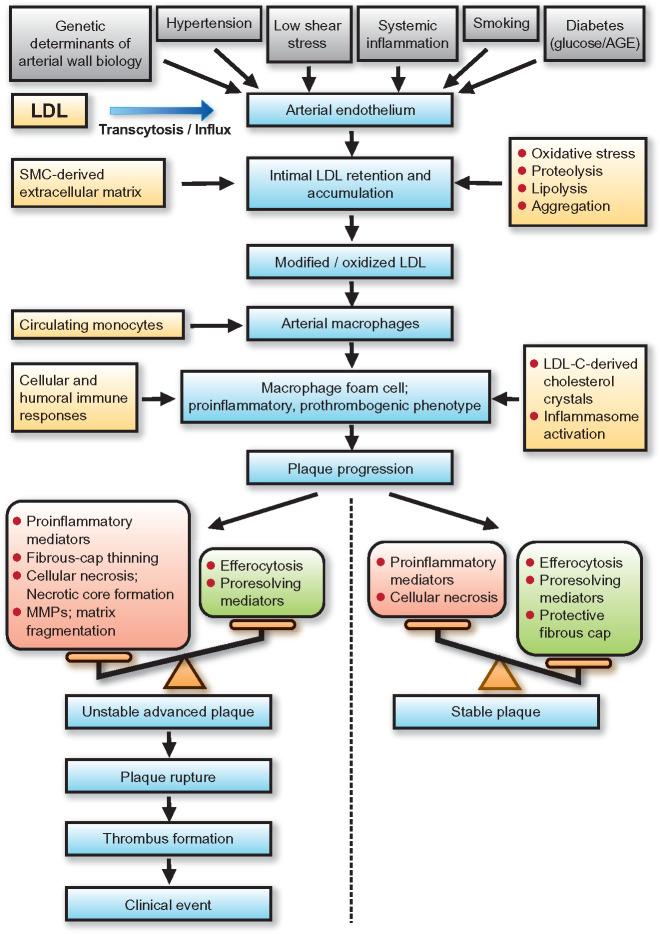
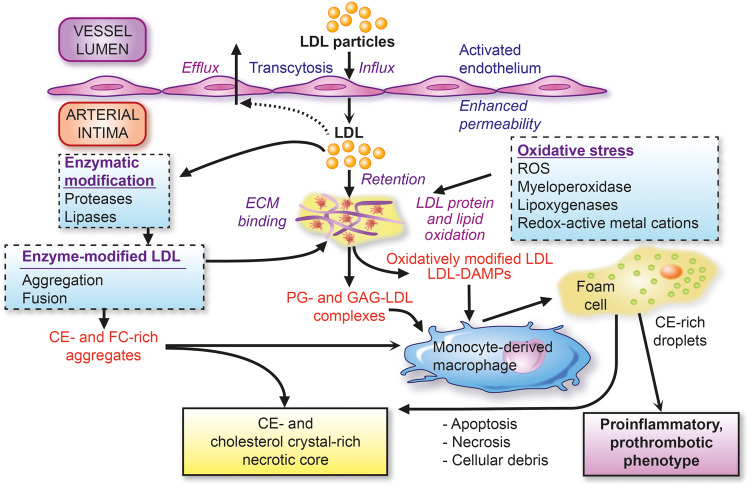
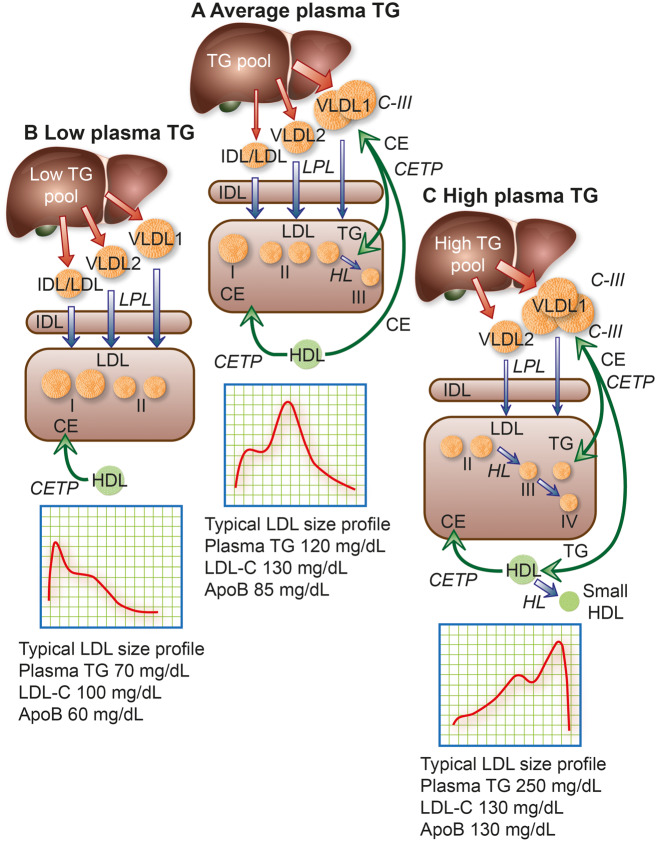
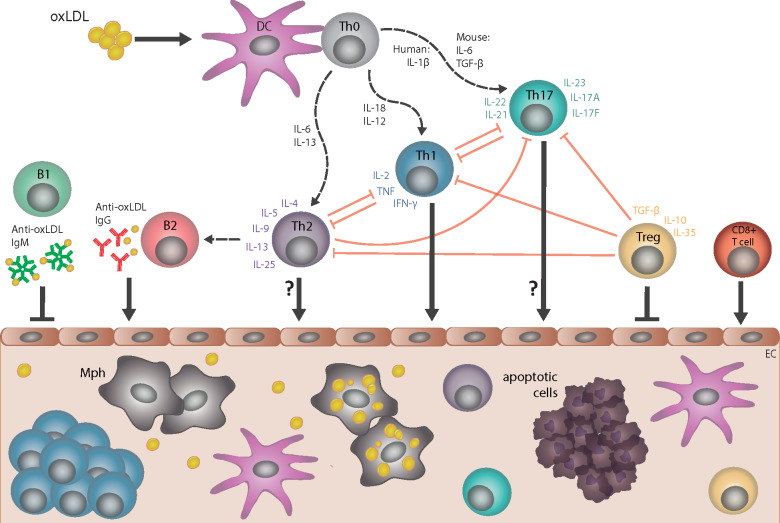
Verification
Claims the paper makes
The claims and statistics of this paper haven’t been checked yet.
Free: it reads the open-access text and checks the first 5 claims that cite a source we can check. Create a free account to check every claim.
Claims other papers make about this one
Each is checked against this paper’s own text: does it say what the citing paper says it does?
The source backs part of the claim, not all of it — or backs it for a different population, condition or comparison.
In the citing paper
“any proatherogenic effects of TRL and remnants will be synergistic to those of other apoB-containing lipoproteins, particularly LDL and lipoprotein(a).17,25,93,104,206”
From Triglyceride-rich lipoproteins and their remnants: metabolic insights, role in atherosclerotic cardiovascular disease, and emerging therapeutic strategies—a consensus statement from the European Atherosclerosis Society (2021) · cites this paper as [93]
Experimental — accuracy not yet measuredThe source backs part of the claim, not all of it — or backs it for a different population, condition or comparison.
In the citing paper
“On a per particle basis, cholesterol-rich remnant particles are more potent inducers of macrophage foam cells than LDL and do not need structural modification to trigger uptake.36,93,141”
From Triglyceride-rich lipoproteins and their remnants: metabolic insights, role in atherosclerotic cardiovascular disease, and emerging therapeutic strategies—a consensus statement from the European Atherosclerosis Society (2021) · cites this paper as [93]
Experimental — accuracy not yet measuredThe cited source says what the claim attributes to it.
In the citing paper
“While LDL-C is an established major causal factor for ASCVD,93,103,104 the causality of TG, TRL, or TRL remnants for ASCVD is contentious.17,36,105–107”
The cited source says what the claim attributes to it.
In the citing paper
“Consequently, reducing LDL cholesterol levels stands as one of the most common approaches in clinical practice for treating and preventing ASCVD [6].”
From Residual Cardiovascular Risk: Role of Remnants Cholesterol, Monocyte/HDL Ratio and Lipoprotein Ratios on Personalized Cardiovascular Prevention (2024) · cites this paper as [6]
The cited source says what the claim attributes to it.
In the citing paper
“The observed trends in lipid content are consistent with slight increases in LDL particle numbers, which could confer increased risk for atherosclerotic cardiovascular disease [85].”
From Evaluation of exploratory fluid biomarkers from a phase 1 senolytic trial in mild Alzheimer's disease (2025) · cites this paper as [85]
5 more claims about this paper
Create a free account to see every claim other papers make about this one.
Self-check
Percentages, sums and reported differences re-computed from the paper’s own numbers.
The self-check needs the paper’s full text.
Citations
Cites
Antiinflammatory Therapy with Canakinumab for Atherosclerotic Disease
Ridker, P. M., Everett, B. M., Thuren, T., MacFadyen, J. G., Chang, W. H., Ballantyne, C., Fonseca, F., Nicolau, J., Koenig, W., Anker, S. D., et al. (2017) · New England Journal of Medicine · doi:10.1056/nejmoa1707914 · Cited by 9,482 · cited 1×
“in a secondary prevention trial in which patients were treated with a statin in combination with the anti-IL-1b antibody canakinumab.(154)”
BackgroundMach, F., Baigent, C., Catapano, A. L., Koskinas, K. C., Casula, M., Badimon, L., Chapman, M. J., De Backer, G. G., Delgado, V., Ference, B. A., et al. (2020) · European Heart Journal · doi:10.1093/eurheartj/ehz455 · Cited by 8,961
Self-citationInflammation, Atherosclerosis, and Coronary Artery Disease
Hansson, G. K. (2005) · New England Journal of Medicine · doi:10.1056/nejmra043430 · Cited by 8,773 · cited 1×
“to the oxidative modification of LDL and thus to the pathogenesis of accelerated atherosclerosis.(285,286) Furthermore, recent data suggest”
BackgroundInflammation in atherosclerosis
Libby, P. (2002) · Nature · doi:10.1038/nature01323 · Cited by 8,315
Epstein, F. H., Steinberg, D., Parthasarathy, S., Carew, T. E., Khoo, J. C., & Witztum, J. L. (1989) · New England Journal of Medicine · doi:10.1056/nejm198904063201407 · Cited by 6,427
Grundy, S. M., Stone, N. J., Bailey, A. L., Beam, C., Birtcher, K. K., Blumenthal, R. S., Braun, L. T., de Ferranti, S., Faiella-Tommasino, J., Forman, D. E., et al. (2019) · Circulation · doi:10.1161/cir.0000000000000625 · Cited by 6,185
Evolocumab and Clinical Outcomes in Patients with Cardiovascular Disease
Sabatine, M. S., Giugliano, R. P., Keech, A. C., Honarpour, N., Wiviott, S. D., Murphy, S. A., Kuder, J. F., Wang, H., Liu, T., Wasserman, S. M., et al. (2017) · New England Journal of Medicine · doi:10.1056/nejmoa1615664 · Cited by 6,138
Mach, F., Baigent, C., Catapano, A. L., Koskinas, K. C., Casula, M., Badimon, L., Chapman, M. J., De Backer, G. G., Delgado, V., Ference, B. A., et al. (2019) · Atherosclerosis · doi:10.1016/j.atherosclerosis.2019.08.014 · Cited by 4,854
Self-citationVirmani, R., Kolodgie, F. D., Burke, A. P., Farb, A., & Schwartz, S. M. (2000) · Arteriosclerosis, Thrombosis, and Vascular Biology · doi:10.1161/01.atv.20.5.1262 · Cited by 4,084 · cited 1×
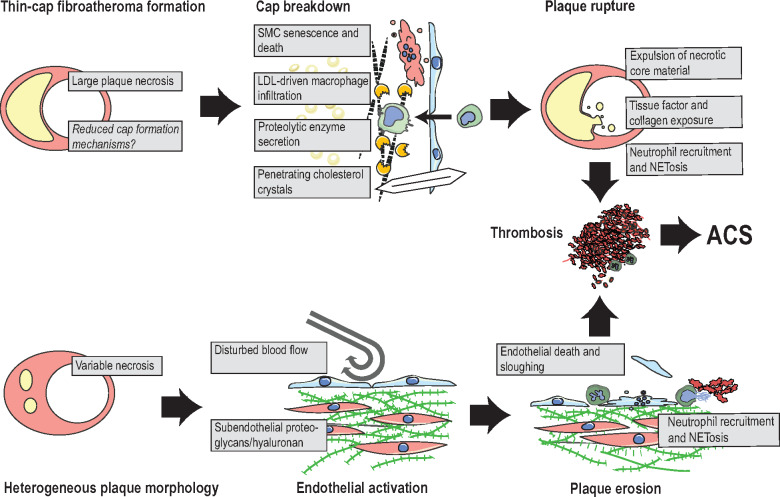
“brous cap, a large necrotic core, pronounced inflammation, and low vascular SMC density.(246) Both biomechanical and haemodynamic factors contribute to plaque rupture,(247) and the exposure of the blood”
BackgroundBerenson, G. S., Srinivasan, S. R., Bao, W., Newman, W. P., Tracy, R. E., & Wattigney, W. A. (1998) · New England Journal of Medicine · doi:10.1056/nejm199806043382302 · Cited by 4,032
Cited by
Items 501–600 of 1,002
Direct numerical simulation of a pulsatile flow in a stenotic channel using immersed boundary method
Mirfendereski, S., & Park, J. S. (2021) · Engineering Reports · doi:10.1002/eng2.12444 · Cited by 14
The role of adiposity, diet and inflammation on the discordance between LDL-C and apolipoprotein B
Webb, R. J., Mazidi, M., Lip, G. Y. H., Kengne, A. P., Banach, M., & Davies, I. G. (2021) · Nutrition Metabolism and Cardiovascular Diseases · doi:10.1016/j.numecd.2021.12.004 · Cited by 15
Causal relationship of excess body weight on cardiovascular events through risk factors
Limpijankit, T., Vathesatogkit, P., Matchariyakul, D., Wiriyatanakorn, S., Siriyotha, S., Thakkinstian, A., & Sritara, P. (2022) · Scientific Reports · doi:10.1038/s41598-022-08812-x · Cited by 18
Honig, S. C., Gittelman, M., Kaminetsky, J. C., Wang, C., Amory, J. K., Rohowsky, N., Dudley, R. E., Seo, B. W., Newmark, J., & Swerdloff, R. S. (2022) · The Journal of Sexual Medicine · doi:10.1016/j.jsxm.2022.09.002 · Cited by 15
Grytten, E., Laupsa‐Borge, J., Bohov, P., Bjørndal, B., Strand, E., Skorve, J., Nordrehaug, J. E., Berge, R. K., Rostrup, E., Mellgren, G., et al. (2021) · Clinical Nutrition · doi:10.1016/j.clnu.2021.03.040 · Cited by 15
Gaine, S. P., Quispe, R., Patel, J., & Michos, E. D. (2022) · Current Cardiovascular Risk Reports · doi:10.1007/s12170-022-00694-y · Cited by 15
Kjeldsen, E. W., Thomassen, J. Q., Rasmussen, K. L., Nordestgaard, B. G., Tybjærg-Hansen, A., & Frikke-Schmidt, R. (2022) · Epidemiology and Psychiatric Sciences · doi:10.1017/s2045796022000567 · Cited by 13
Self-citationSorond, F. A., Gorelick, P. B., Bae, H., Carmichael, S. T., Greenberg, S. M., Hinman, J. D., Iadecola, C., Iruela‐Arispe, M. L., LEONARD, A., Valdes, E., et al. (2026) · Stroke · doi:10.1161/str.0000000000000524 · Cited by 17
Dai, C., & Lin, Y. (2023) · Scientific Reports · doi:10.1038/s41598-023-35548-z · Cited by 15
Third generation PCSK9-inhibitors
Laufs, U., Blüher, M., & Isermann, B. (2023) · European Heart Journal · doi:10.1093/eurheartj/ehad566 · Cited by 13
Self-citationMartín-Campos, J. M., Cárcel‐Márquez, J., Llucià‐Carol, L., Lledós, M., Cullell, N., Muiño, E., Gallego-Fábrega, C., & Fernández‐Cadenas, I. (2023) · Atherosclerosis · doi:10.1016/j.atherosclerosis.2023.117382 · Cited by 13
Dietary management of dyslipidemia
Chopra, A. K. (2023) · Indian Heart Journal · doi:10.1016/j.ihj.2023.12.005 · Cited by 15
Griffin, B. A., & Lovegrove, J. A. (2024) · Proceedings of The Nutrition Society · doi:10.1017/s0029665124000107 · Cited by 14
From metabolic to epigenetic: Insight into trained macrophages in atherosclerosis (Review)
Li, T., Feng, W., Yan, W., & Wang, T. (2024) · Molecular Medicine Reports · doi:10.3892/mmr.2024.13269 · Cited by 13
Rossi, A., Masi, D., Zilich, R., Baccetti, F., Baronti, W., Falcetta, P., Morviducci, L., Musacchio, N., Muselli, M., Ozzello, A., et al. (2025) · Cardiovascular Diabetology · doi:10.1186/s12933-025-02648-1 · Cited by 14
“…and hypertension are critical risk factors for atherosclerotic cardiovascular disease (ASCVD) in T2DM [2] due to underlying patho-physiological mechanisms including LDL cholesterol (LDL-C) damaging effects [3], with diabetes duration representing a crucial determinant of the risk [4].”
Yang, H., Guo, M., Guan, Q., Zhang, L., Liu, M., Li, H., Qiao, G., Yang, Q., Shen, M., & Li, Y. (2025) · Journal of Nanobiotechnology · doi:10.1186/s12951-025-03232-1 · Cited by 13
“Excessive accumulation of ROS in atherosclerosis increases the production of oxidized low-density lipoprotein (ox-LDL), which stimulates plaque formation [36, 37].”
Liu, Y., Ma, S., Li, F., Ding, H., Zhang, Q., Yu, F., Zhang, H., Hao, Y., Liu, B., & Jiang, Y. (2025) · Journal of Nanobiotechnology · doi:10.1186/s12951-025-03444-5 · Cited by 15
“Dyslipidemia is a significant factor that influences the progression of AS. Previous studies have shown that Hcy induces hepatic oxidative stress, resulting in disrupted intrahepatic lipid metabolism and elevated blood LDL-C levels, thereby accelerating AS progression [35–37].”
Chochoł, P., Arturo, N., Łajczak, P. M., Ahmed, A. R., Koppanatham, A., & Varkey, T. C. (2025) · CNS Drugs · doi:10.1007/s40263-025-01231-2 · Cited by 13
“Extensive evidence from epidemiological, genetic, and clinical intervention studies undeni-ably establishes the causal role of LDL in this process [3, 4].”
Parini, P., Frikke‐Schmidt, R., Tselepis, A. D., Moulin, P., von Eckardstein, A., Binder, C. J., Catapano, A. L., Ray, K. K., & Tokgözoğlu, L. S. (2021) · Atherosclerosis · doi:10.1016/j.atherosclerosis.2021.02.007 · Cited by 13
“sights from EAS consensus papers about lipid and lipoprotein-related risk factors and their management have been translated to guidelines [12,31].”
BackgroundSelf-citationWang, X., Yu, C., Lv, J., Li, L., Hu, Y., Liu, K., Shirai, K., Iso, H., & Dong, J.-Y. (2021) · European Journal of Nutrition · doi:10.1007/s00394-021-02602-3 · Cited by 14
“Low-density lipoprotein (LDL) particles were considered as the principal driver of atherogenesis [29], which could damage vascular endothelium and promote plaque rupture, ultimately resulting in accelerated coronary artery disease and AMI [30].”
BackgroundChambers, K. L., Myerscough, M. R., & Byrne, H. M. (2023) · Mathematical Biosciences · doi:10.1016/j.mbs.2023.108971 · Cited by 15
Pérez‐Martínez, P., Ros, E., Pedro‐Botet, J., Civeira, F., Pascual, V., Garcés, C., Solà, R., Pérez‐Jiménez, F., & Mostaza, J. M. (2023) · Clínica e Investigación en Arteriosclerosis (English Edition) · doi:10.1016/j.artere.2023.09.003 · Cited by 17
Wang, Y., Zou, Y., Jiang, Q., Li, W., Chai, X., Zhao, T., Liu, S., Yuan, Z., Yu, C., & Wang, T. (2024) · American Journal of Physiology-Cell Physiology · doi:10.1152/ajpcell.00043.2024 · Cited by 14
Nazli, S. A., Rosman, A., Kasim, N. A. M., Al-Khateeb, A. M., Ul-Saufie, A. Z., Radzi, A. B. M., Ibrahim, K. S., Kassim, S. S., & Nawawi, H. M. (2024) · Scientific Reports · doi:10.1038/s41598-024-53539-6 · Cited by 15
“This is expected since LDL-c was the essential of hypercholesterol-aemia (including non-HDL cholesterol) and proven to be the cause of the formation of fatty and fibrous lesions in the arterial walls that leads to atherosclerosis 77,78 .”
BackgroundApoA-I Infusions and Burden of Ischemic Events After Acute Myocardial Infarction
Gibson, C. M., Chi, G., Duffy, D., Bahit, M. C., White, H. D., Korjian, S., Alexander, J. H., Lincoff, A. M., Anschuetz, G., Girgis, I. G., et al. (2024) · Journal of the American College of Cardiology · doi:10.1016/j.jacc.2024.08.001 · Cited by 13
Self-citationHealth Benefits of Pea Protein Isolate: A Comparative Review
Stilling, K. (2020) · SURG Journal · doi:10.21083/surg.v12i1.6111 · Cited by 17
“High VLDL levels are associated with the pathogenesis of atherosclerosis, thus, its excretion suggests a positive cardiovascular effect [33-36].”
BackgroundZambon, A., Silva, A. M. E., & Farnier, M. (2020) · European Heart Journal - Cardiovascular Pharmacotherapy · doi:10.1093/ehjcvp/pvaa123 · Cited by 14
Scicali, R., Russo, G. I., Mauro, M. D., Manuele, F., Marco, G. D., Pino, A. D., Ferrara, V., Rabuazzo, A. M., Piro, S., Morgia, G., et al. (2020) · Journal of Clinical Medicine · doi:10.3390/jcm9113597 · Cited by 14
Bempedoic Acid in the Treatment of Patients with Dyslipidemias and Statin Intolerance
Susekov, A. V., Король, Л. А., & Watts, G. F. (2021) · Cardiovascular Drugs and Therapy · doi:10.1007/s10557-020-07139-x · Cited by 14
Self-citationHyde, P. N., Sapper, T. N., LaFountain, R. A., Kackley, M. L., Buga, A., Fell, B., Crabtree, C. D., Phinney, S. D., Miller, V. J., King, S. M., et al. (2021) · Nutrients · doi:10.3390/nu13061944 · Cited by 14
Self-citationLongitudinal Changes in Circulating Metabolites and Lipoproteins After Breast Cancer Treatment
Giskeødegård, G. F., Madssen, T. S., Sangermani, M., Lundgren, S., Wethal, T., Andreassen, T., Reidunsdatter, R. J., & Bathen, T. F. (2022) · Frontiers in Oncology · doi:10.3389/fonc.2022.919522 · Cited by 15
Reed, E., Fellows, A., Lu, R., Rienks, M., Schmidt, L. E., Yin, X., Duregotti, E., Brandt, M., Krasemann, S., Hartmann, K., et al. (2022) · Matrix Biology Plus · doi:10.1016/j.mbplus.2022.100122 · Cited by 15
“Alongside deposition of lipoproteins [3], inflammation and calcification are key features of atherosclerotic vessels [4].”
BackgroundSucato, V., Comparato, F., Ortello, A., Galassi, A. R., & Novo, G. (2024) · Journal of Personalized Medicine · doi:10.3390/jpm14050460 · Cited by 12
Butcko, A. J., Putman, A. K., & Mottillo, E. P. (2024) · Antioxidants · doi:10.3390/antiox13010087 · Cited by 13
“Mutations in LDLR can vary in the extent to which they affect post-translational modification, though they all inevitably result in familial hypercholesterolemia and increased risk of developing atherosclerotic cardiovascular disease [192].”
BackgroundAnimal vs Plant-Based Meat: A Hearty Debate
Nagra, M., Tsamkiranis, F., Ward, S., & Ur, E. (2024) · Canadian Journal of Cardiology · doi:10.1016/j.cjca.2023.11.005 · Cited by 24
The biogenesis and transport of triglyceride-rich lipoproteins
Zhang, L., Wang, X., & Chen, X. (2024) · Trends in Endocrinology and Metabolism · doi:10.1016/j.tem.2024.07.015 · Cited by 12
Wadström, B. N., Wulff, A. B., Pedersen, K. M., & Nordestgaard, B. G. (2025) · Clinical Chemistry · doi:10.1093/clinchem/hvae222 · Cited by 13
Self-citationAchieving More Optimal Lipid Control with Non-Statin Lipid Lowering Therapy
Nicholls, S. J., & Nelson, A. J. (2025) · Current Atherosclerosis Reports · doi:10.1007/s11883-025-01280-4 · Cited by 13
Self-citationBorén, J., Packard, C. J., Nordestgaard, B. G., & Catapano, A. L. (2025) · European Heart Journal · doi:10.1093/eurheartj/ehaf214 · Cited by 12
Self-citationA Critical Appraisal of Lipid Management in the Post-Statin Era
Spitz, J. A., Patel, J., Agarwala, A., Sharma, G. V., Mehta, A., Natarajan, P., Nasir, K., Morris, P. B., Blumenthal, R. S., & Shapiro, M. D. (2025) · JACC Advances · doi:10.1016/j.jacadv.2025.101823 · Cited by 20
Lying increases trust in science
Hyde, B. V. E. (2025) · Theory and Society · doi:10.1007/s11186-025-09635-1 · Cited by 13
“Similarly, the consensus statement from the European Ath - erosclerosis Society Consensus Panel (Borén et al., 2020 ) has been criticized heavily on social media in the last few years, not for its scientific merits or demerits, but for the long list of conflicts of interest declared by its thirty…”
Nordestgaard, L. T., Hanson, A., Sanderson, E. C. M., Anderson, E. L., Walker, V. M., Tybjærg‐Hansen, A., Smith, G. D., & Nordestgaard, B. G. (2025) · Alzheimer s & Dementia · doi:10.1002/alz.70638 · Cited by 14
“37,38 Importantly, elevated LDL cholesterol is causally affecting not only risk of IHD but also ischemic stroke, 39,40 secondary to IHD, 41 and stroke that occurs in the brain is one of the main causes of vascular dementia.”
Self-citationWang, J., Peng, L., Wang, H., Liu, D., Yang, W., Yan, F., Zhao, D., Zhang, C., He, Z., Chen, X., et al. (2025) · Nature Communications · doi:10.1038/s41467-025-65224-x · Cited by 16
Atherogenic dyslipidaemia and residual cardiovascular risk: Understanding the link to heart disease
Girón, G. O., Otero, S., Nikolaou, P., Alcover, S., Ramos-Regalado, L., Zaragoza, C., Liberale, L., Borrell-Pagés, M., Padró, T., Suades, R., et al. (2026) · European Journal of Clinical Investigation · doi:10.1111/eci.70167 · Cited by 14
“These particles display a greater atherogenic potential as compared to larger LDL particles 26 and their overrepresentation is sometimes reflected by high non- HDL-C or apolipoprotein B (ApoB) and lipoprotein (a) (Lp[a]).”
Mattavelli, E., Catapano, A. L., & Baragetti, A. (2021) · Nutrients · doi:10.3390/nu13113768 · Cited by 16
Self-citationAhn, J. H., Ahn, Y., Jeong, M. H., Kim, J. H., Hong, Y. J., Sim, D. S., Kim, M. C., Cho, K. H., Hyun, D. Y., Lee, S. H., et al. (2021) · International Journal of Cardiology · doi:10.1016/j.ijcard.2021.12.020 · Cited by 13
Li, Z., Tang, Z., Wang, Y., Liu, Z., Wang, G., Zhang, L., Wu, Y., & Guo, J. (2022) · BMC Cardiovascular Disorders · doi:10.1186/s12872-022-02561-5 · Cited by 12
Lewis, E. A., Muñiz-Anquela, R., Redondo‐Angulo, I., González-Cintado, L., Labrador-Cantarero, V., & Bentzon, J. F. (2023) · Arteriosclerosis Thrombosis and Vascular Biology · doi:10.1161/atvbaha.122.318573 · Cited by 13
Self-citationBabadagli, H. E., Barry, A. R., Thanassoulis, G., & Pearson, G. J. (2023) · Canadian Pharmacists Journal / Revue des Pharmaciens du Canada · doi:10.1177/17151635231164989 · Cited by 12
Association between Intestinal Microecological Changes and Atherothrombosis
Zhuo, X., Luo, H., Lei, R., Lou, X., Bian, J., Guo, J., Luo, H., Zhang, X., Jiao, Q., & Gong, W. (2023) · Microorganisms · doi:10.3390/microorganisms11051223 · Cited by 13
The Anti-Thrombotic Effects of PCSK9 Inhibitors
Péč, M. J., Benko, J., Jurica, J., Péčová, M., Samec, M., Hurtová, T., Bolek, T., Galajda, P., Péč, M. J., Samoš, M., et al. (2023) · Pharmaceuticals · doi:10.3390/ph16091197 · Cited by 14
Do Triglyceride-Rich Lipoproteins Equal Low-Density Lipoproteins in Risk of ASCVD?
Wadström, B. N., Wulff, A. B., Pedersen, K. M., & Nordestgaard, B. G. (2023) · Current Atherosclerosis Reports · doi:10.1007/s11883-023-01153-8 · Cited by 13
Self-citationPreventive Therapies in Peripheral Arterial Disease
Shah, A. J., Pavlatos, N., & Kalra, D. K. (2023) · Biomedicines · doi:10.3390/biomedicines11123157 · Cited by 13
“An early step of atherogenesis is the subendothelial retention of apoB-100 containing lipoproteins such as LDL. LDL retention in the vessel wall allows the oxidation of unesterified cholesterol and surface phospholipids [19].”
BackgroundSivakumar, B., & Kurian, G. A. (2021) · Reviews on Environmental Health · doi:10.1515/reveh-2020-0127 · Cited by 12
Shear Stress and Metabolic Disorders—Two Sides of the Same Plaque
Jiang, M., Ding, H., Huang, Y., & Wang, L. (2022) · Antioxidants and Redox Signaling · doi:10.1089/ars.2021.0126 · Cited by 13
“Therefore, high triglyceride levels have been suggested to be associated with ASCVD by raising vascular in-flammation and thrombosis (135).”
Influentialde león, J. S. A. D., Glenn, H. L., Knappenberger, M., & Borges, C. R. (2021) · Journal of Cancer · doi:10.7150/jca.55526 · Cited by 12
Wu, X., Roussell, M. A., Hill, A. M., Kris‐Etherton, P. M., & Walzem, R. L. (2021) · Nutrients · doi:10.3390/nu13124328 · Cited by 12
Mao, L., Mostafa, R., Ibili, E., & Fert‐Bober, J. (2021) · Expert Review of Proteomics · doi:10.1080/14789450.2021.2018303 · Cited by 12
“undergo oxidative modification by ROS, and thus possess atherogenic properties [109,115].”
BackgroundGuo, J., Li, Y., Yuan, Y., Li, X., Li, X., Jiang, X., Bai, W., & Jiao, R. (2022) · Journal of Functional Foods · doi:10.1016/j.jff.2022.105174 · Cited by 12
Cisse, A., Desfosses, A., Stainer, S., Kandiah, E., Traoré, D. A. K., Bezault, A., Schachner-Nedherer, A.-L., Leitinger, G., Hörl, G., Hinterdorfer, P., et al. (2023) · International Journal of Biological Macromolecules · doi:10.1016/j.ijbiomac.2023.126345 · Cited by 12
Hepatic Lipoprotein Metabolism: Current and Future In Vitro Cell-Based Systems
Kiss, I., Neuwert, N., Oberle, R., Hengstschläger, M., Osmanagic-Myers, S., & Stangl, H. (2025) · Biomolecules · doi:10.3390/biom15070956 · Cited by 11
“These remnants are more prone to conversion into small, dense LDL particles (sdLDLs), a process predominantly mediated by hepatic lipase [5].”
Dalli, E., Gisbert‐Criado, R., Amigó, N., Sanz-Sevilla, N., & Cosı́n-Sales, J. (2022) · International Journal of Cardiology · doi:10.1016/j.ijcard.2022.08.017 · Cited by 11
Huang, Y., Chen, S., Pan, H., Yang, S., & Cheng, W. (2024) · BMC Cardiovascular Disorders · doi:10.1186/s12872-024-03949-1 · Cited by 12
“For a long time, low-density lipoprotein cholesterol (LDL-C) has been considered a reliable predictor of atherosclerosis and the primary target of pharmacological intervention for dyslipidemia-related parameters [11].”
BackgroundBay, B., Fuh, M. M., Rohde, J. S., Worthmann, A., Goßling, A., Arnold, N., Koester, L., Lorenz, T., Blaum, C. M., Kirchhof, P. F., et al. (2024) · Lipids in Health and Disease · doi:10.1186/s12944-024-02184-z · Cited by 12
Statin-Associated Muscle Symptoms: Identification and Recommendations for Management
Maki, K. C., Kirkpatrick, C. F., Cheeley, M. K., & Jacobson, T. A. (2024) · Current Atherosclerosis Reports · doi:10.1007/s11883-024-01246-y · Cited by 12
Huang, Y., Yan, W., Jia, Y., Xie, Q., Lei, Y., Chen, Z., Zhou, Y., & Xiao, Z. (2025) · The Journal of Headache and Pain · doi:10.1186/s10194-025-02002-6 · Cited by 12
“Atherosclerotic cardiovascular disease (ASCVD), which includes coronary heart disease (CHD), ischemic stroke (IS), and peripheral artery disease (PAD), continues to be a leading cause of global morbidity and mortality [1].”
Beyond cholesterol: linking the conformation of apolipoprotein B to atherogenesis
Öörni, K., & Lorey, M. B. (2025) · Current Opinion in Lipidology · doi:10.1097/mol.0000000000000997 · Cited by 11
Research advances in current drugs targeting hyperlipidemia (Review)
Zhao, H., Wang, Y., Li, Y., Cheng, R., & Chen, W. (2025) · Molecular Medicine Reports · doi:10.3892/mmr.2025.13623 · Cited by 15
Postprandial Glucose: A Variable in Continuum
Joshi, S., Kesavadev, J., M., P. K. K., Saboo, B., Mehta, A., Bhattacharyya, A., Sosale, A., Jabbar, P. K., Santosh, R., Deshmukh, V. C., et al. (2025) · Clinical Medicine Insights Endocrinology and Diabetes · doi:10.1177/11795514251370507 · Cited by 12
“26 An increasing volume of research has revealed a significant connection between PPG and cardiovascular risk and outcomes, as well as with factors such as oxidative stress, carotid intimal thickness, and endothelial dysfunction.”
Steen, J. P., Klatt, K. C., Chang, Y., Guyatt, G. H., Zhu, H., Świerz, M. J., Storman, D., Sun, M., Zhao, Y., Ge, L., et al. (2025) · Annals of Internal Medicine · doi:10.7326/annals-25-02229 · Cited by 14
Endothelial cells modulate immune cell responses during atherosclerosis
van Kesteren, S., Smeehuijzen, L., Stevenson, R., & Kroon, J. (2026) · Trends in Immunology · doi:10.1016/j.it.2026.03.001 · Cited by 14
Omega n-3 Supplementation: Exploring the Cardiovascular Benefits Beyond Lipoprotein Reduction
Zambon, A., Pirillo, A., Zambon, S., Norata, G. D., & Catapano, A. L. (2020) · Current Atherosclerosis Reports · doi:10.1007/s11883-020-00893-1 · Cited by 12
Self-citationØyri, L. K. L., Bogsrud, M. P., Kristiansen, A. L., Myhre, J. B., Astrup, H., Retterstøl, K., Brekke, H. K., van Lennep, J. E. R., Andersen, L. F., & Holven, K. B. (2021) · Atherosclerosis · doi:10.1016/j.atherosclerosis.2021.04.017 · Cited by 11
Latha, V. A., Mondu, S. S. D., Eshwar, M. D., Polala, A. R., Nandanavanam, S., & Dodda, S. (2023) · Cureus · doi:10.7759/cureus.35625 · Cited by 18
“Because persistent hyperglycemia promotes glycosylation of all proteins, particularly collagen and matrix proteins of the artery wall, endothelial cell dysfunction eventually leads to atherosclerotic cardiovascular disease (ASCVD), the most prevalent consequence of diabetes [8,9].”
BackgroundPérez‐Martínez, P., Ros, E., Pedro‐Botet, J., Civeira, F., Pascual, V., Garcés, C., Solà, R., Pérez‐Jiménez, F., & Mostaza, J. M. (2023) · Clínica e Investigación en Arteriosclerosis · doi:10.1016/j.arteri.2023.02.002 · Cited by 21
“El conocimiento fisiopatológico de la arteriosclerosis es cada vez más preciso y ha permitido identificar el cLDL como un agente etiológico primordial, que estimula fenó-menos inflamatorios y de proliferación celular en la pared vascular 12,13 .”
Liu, T., Zhao, D., Wang, M., Sun, J., Liu, J., Li, J., Duan, Y., Hu, P., Sun, Z., Liu, J., et al. (2023) · Journal of Atherosclerosis and Thrombosis · doi:10.5551/jat.63937 · Cited by 11
Björnson, E., Samaras, D., Adiels, M., Kullberg, J., Bäckhed, F., Bergström, G. M. L., & Gummesson, A. (2023) · Scientific Reports · doi:10.1038/s41598-023-39390-1 · Cited by 11
“In the IGT-Microbiota study, more than 5000 men and women born in Sweden were screened to obtain a cohort of 1965 subjects with a range of glucose tolerance as assessed by an oral glucose tolerance test (OGTT)10, (2) The Gothenburg SCAPIS OGTT study, which consists of 3346 participants in the Gothenburg part of the Sw…”
MethodFaggiano, P. M., Ruscica, M., Bettari, S., Cherubini, A., Carugo, S., Corsini, A., Barbati, G., & Lenarda, A. D. (2023) · Journal of Clinical Medicine · doi:10.3390/jcm12196231 · Cited by 12
“Lowering LDL-C is beneficial in primary and secondary prevention with individuals at highest risk of atherothrombotic events (e.g., myocardial infarction, stroke, revascularization, or cardiovascular death), deriving greater absolute risk reductions [5].”
BackgroundChildhood Screening for Familial Hypercholesterolemia
Gidding, S. S. (2023) · Journal of the American College of Cardiology · doi:10.1016/j.jacc.2023.07.028 · Cited by 13
The current state of apolipoprotein E in dyslipidemia
Rasmussen, K. L., & Frikke‐Schmidt, R. (2023) · Current Opinion in Lipidology · doi:10.1097/mol.0000000000000915 · Cited by 11
Mu, X., Liu, S., Zheng, L.-Y., Ouyang, C., Abdalla, A. M. E., Wang, X., Chen, K., Yang, F., & Meng, N. (2024) · Free Radical Biology and Medicine · doi:10.1016/j.freeradbiomed.2024.03.001 · Cited by 11
Zhang, Y.-F., Qiao, W., Feng, H., Jiang, K., Yang, J., Zhou, T. Y., & Zhang, Y. (2024) · Medicine · doi:10.1097/md.0000000000040020 · Cited by 16
“[7,8] Previous studies have shown that total atherosclerotic plaque burden is proportional to the cumulative exposure to LDL and other Apo-B-containing lipoproteins.”
Green Tea from the Far East to the Drug Store: Focus on the Beneficial Cardiovascular Effects
Landini, L., Rebelos, E., & Honka, M. (2020) · Current Pharmaceutical Design · doi:10.2174/1381612826666201102104902 · Cited by 15
Mills, C. E., Harding, S., Bapir, M., Mandalari, G., Salt, L. J., Gray, R., Fielding, B. A., Wilde, P. J., Hall, W. L., & Berry, S. E. (2020) · American Journal of Clinical Nutrition · doi:10.1093/ajcn/nqaa413 · Cited by 13
Christensen, J. J., Narverud, I., Ruuth, M. K., Heier, M., Jauhiainen, M., Ulven, S. M., Bogsrud, M. P., Kovanen, P. T., Halvorsen, B. L., Oda, M. N., et al. (2021) · Journal of Internal Medicine · doi:10.1111/joim.13383 · Cited by 11
“These effects add further understanding to the high risk of ASCVD in this population.”
BackgroundInfluentialRozanski, A., Han, D., Blaha, M. J., Gransar, H., Friedman, J. D., Hayes, S. W., Thomson, L., Miedema, M. D., Nasir, K., Budoff, M. J., et al. (2022) · Progress in Cardiovascular Diseases · doi:10.1016/j.pcad.2022.10.007 · Cited by 11
Li, J., Yang, M., Cao, D., Zhang, L., Zong, C., & Li, P. (2023) · Analytical Chemistry · doi:10.1021/acs.analchem.3c00121 · Cited by 11
miR-330-3p alleviates the progression of atherosclerosis by downregulating AQP9
Shan, E., Yu, Y., Tang, W., Wang, W., Wang, X., Zhou, S., & Gao, Y. (2023) · Functional & Integrative Genomics · doi:10.1007/s10142-023-01001-7 · Cited by 14
Velilla, T. A., Guijarro, C., Ruíz, R. C., Piñero, M. R., Marcos, J. F. V., Pérez, A., López, M. A. B., López, A. M., Donaire, J. A. G., Obaya, J. C., et al. (2023) · Neurology Perspectives · doi:10.1016/j.neurop.2023.100126 · Cited by 13
Arca, M., Calabrò, P., Solini, A., Pirillo, A., Gambacurta, R., Ray, K. K., Catapano, A. L., & the SANTORINI Italian Group the SANTORINI Italian Group (2023) · European Atherosclerosis Journal · doi:10.56095/eaj.v2i1.26 · Cited by 14
Self-citationEfficacy and safety of icosapent ethyl in hypertriglyceridaemia: a recap
Parhofer, K. G., Chapman, M. J., & Nordestgaard, B. G. (2020) · European Heart Journal Supplements · doi:10.1093/eurheartj/suaa116 · Cited by 12
Self-citationSong, Q., Zhang, C., Wang, W., Wang, C., & Yi, C. (2024) · Progress in Neuro-Psychopharmacology and Biological Psychiatry · doi:10.1016/j.pnpbp.2024.111172 · Cited by 11
Simonen, P. P., Nylund, L., Vartiainen, E. A., Kovanen, P. T., Strandberg, T. E., Öörni, K., Wester, I., & Gylling, H. (2024) · Lipids in Health and Disease · doi:10.1186/s12944-024-02330-7 · Cited by 13
“Of the apoprotein B100 (apoB)-containing lipoproteins, mainly LDLs cause ASCVDs [6, 7].”
BackgroundCCL11 (Eotaxin) Promotes the Advancement of Aging-Related Cardiovascular Diseases
Zhang, T., Huang, Y., Ji, X., Wu, T., & Xiao, P. (2025) · Reviews in Cardiovascular Medicine · doi:10.31083/rcm26020 · Cited by 11
“The morbidity of atherosclerosis requires elevated LDL (low-density lipoprotein) cholesterol, the most abundant atherogenic lipoprotein in plasma [75].”
Jha, M., Agrawal, S. P., Maheta, D., Bhattacharjee, P., Jain, H., Zacks, J. S., Frishman, W. H., & Aronow, W. S. (2025) · Expert Opinion on Biological Therapy · doi:10.1080/14712598.2025.2511063 · Cited by 11
“The increasing body of research demonstrates that pharmaceutical treatments that exhibit safety and lower LDL-C by upregulating the LDLR also reduce incidents of cardio-vascular disease in a manner commensurate with the reduction in LDL-C is encouraging [61,63].”
Inflammation and dyslipidaemia in combined diabetes and tuberculosis; a cohort study
Brake, J., Ajie, M., Sumpter, N. A., Koesoemadinata, R. C., Soetedjo, N. N. M., Santoso, P., Alisjahbana, B., Ruslami, R., Hill, P. C., & van Crevel, R. (2025) · iScience · doi:10.1016/j.isci.2025.112760 · Cited by 12
Владиславович, Е. М., Kukharchuk, V. V., Балахонова, Т. В., Gurevich, V. S., Сергиенко, И. В., Sokolov, A. A., Анатольевич, С. А., Иосифович, Ш. И., Ахмеджанов, Н. М., Барбараш, О. Л., et al. (2025) · Eurasian heart journal · doi:10.38109/2225-1685-2025-2-6-34 · Cited by 12
Amigó, N., Torné, P., Nordestgaard, L. T., Barbagallo, F. D. G., Merino, C., Magni, P., González-Lleó, A. M., Andreychuk, N., Catapano, A. L., Masana, L., et al. (2025) · International Journal of Molecular Sciences · doi:10.3390/ijms26178284 · Cited by 11
Self-citationCui, L., Zhou, F., Chen, Y., Liu, R., & Xing, Y. (2025) · Lipids in Health and Disease · doi:10.1186/s12944-025-02821-1 · Cited by 11
“The proportion of smokers was significantly higher in the IPN-positive group than in the IPN-negative group (57.3% [153/265] vs. 42.9% [24/56], respectively; P = 0.042).”
InfluentialXu, Y., Mo, G., Yao, Y., & Li, C. (2023) · European Journal of Clinical Nutrition · doi:10.1038/s41430-023-01283-x · Cited by 11
Metadata
- Authors
- Borén, J., Chapman, M. J., Krauss, R. M., Packard, C. J., Bentzon, J. F., Binder, C. J., Daemen, M. J., Demer, L. L., Hegele, R. A., Nicholls, S. J., Nordestgaard, B. G., Watts, G. F., Bruckert, E., Fazio, S., Ference, B. A., Graham, I., Horton, J. D., Landmesser, U., Laufs, U., Masana, L., Pasterkamp, G., Raal, F. J., Ray, K. K., Schunkert, H., Taskinen, M.-R., van de Sluis, B., Wiklund, O., Tokgozoglu, L., Catapano, A. L., & Ginsberg, H. N.
- Affiliations
- Sahlgrenska University Hospital (SE)
- Inserm (FR)
- University of California, San Francisco (US)
- University of Glasgow (GB)
- Aarhus University (DK)
- Austrian Academy of Sciences (AT)
- Amsterdam University Medical Centers (NL)
- University of California, Los Angeles (US)
- Western University (CA)
- Monash University (AU)
- University of Copenhagen (DK)
- The University of Western Australia (AU)
- INSERM UMRS1166, Department of Endocrinology-Metabolism, ICAN - Institute of CardioMetabolism and Nutrition, AP-HP, Hopital de la Pitie , Paris, France
- Oregon Health & Science University (US)
- University of Cambridge (GB)
- Trinity College Dublin (IE)
- The University of Texas Southwestern Medical Center (US)
- Berlin Institute of Health at Charité - Universitätsmedizin Berlin (DE)
- University Hospital Leipzig (DE)
- Centro de Investigación Biomédica en Red Diabetes y Enfermedades Metabólicas Asociadas (ES)
- University Medical Center Utrecht (NL)
- University of the Witwatersrand (ZA)
- Imperial College London (GB)
- German Centre for Cardiovascular Research (DE)
- University of Helsinki (FI)
- Department of Pediatrics, University of Groningen, University Medical Center Groningen , Groningen, The Netherlands
- Department of Cardiology, Hacettepe University Faculty of Medicine , Ankara, Turkey
- University of Milan (IT)
- Columbia University (US)
- Corresponding author
- Chapman, M John
- ORCID
- Borén, Jan
- Chapman, M John
- Krauss, Ronald M
- Packard, Chris J
- Bentzon, Jacob F
- Binder, Christoph J
- Daemen, Mat J
- Demer, Linda L
- Hegele, Robert A
- Nicholls, Stephen J
- Nordestgaard, Børge G
- Watts, Gerald F
- Fazio, Sergio
- Graham, Ian
- Horton, Jay D
- Landmesser, Ulf
- Laufs, Ulrich
- Masana, Luis
- Pasterkamp, Gerard
- Raal, Frederick J
- Ray, Kausik K
- Schunkert, Heribert
- Taskinen, Marja-Riitta
- Wiklund, Olov
- Tokgozoglu, Lale
- Catapano, Alberico L
- Ginsberg, Henry N
- Venue
- European Heart Journal
- Publisher
- Oxford University Press (OUP)
- Published
- 2020-02-13
- Volume
- 41
- Issue
- 24
- Pages
- 2313-2330
- ISSN
- 0195-668X (ISSN-L)
- 1522-9645
- PMC
- PMC7308544
- OpenAlex
- W3006116566
- Semantic Scholar
- 3ff51a04cbb6dbd4f9301cb36755d45d0bc71096
- Cited by
- 1,601
- References
- 351
- Citations by year
- 2026: 250 · 2025: 294 · 2024: 255 · 2023: 265 · 2022: 231 · 2021: 204 · 2020: 96
- FWCI
- 181.87
- Type
- journal article
- Language
- en
- Open access
- hybrid
- doi.org
- Licence
- Locations
- European Heart Journal (publishedVersion, cc-by-nc)
- PubMed Central (publishedVersion, cc-by-nc)
- PubMed (publishedVersion)
- Pure Amsterdam UMC (publishedVersion, cc-by)
- Research at the University of Copenhagen (University of Copenhagen) (publishedVersion, cc-by-nc)
- University of Groningen research database (University of Groningen / Centre for Information Technology) (publishedVersion, cc-by-nc)
- ENLIGHTEN (Jurnal Bimbingan dan Konseling Islam) (acceptedVersion, cc-by-sa)
- Työväentutkimus Vuosikirja (submittedVersion, other-oa)
- Rovira & Virgili repository (submittedVersion, cc-by)
- Data Archiving and Networked Services (DANS) (submittedVersion, other-oa)
- HAL (submittedVersion, other-oa)
- LA Referencia (Red Federada de Repositorios Institucionales de Publicaciones Científicas) (submittedVersion, cc-by-nc)
- Utrecht University Repository (Utrecht University) (submittedVersion, other-oa)
- mediaTUM (Technical University of Munich) (submittedVersion, other-oa)
- mediaTUM – the media and publications repository of the Technical University Munich (Technical University Munich) (submittedVersion)
- UWA Profiles and Research Repository (UWA) (submittedVersion, cc-by-nc)
- Spiral (Imperial College London) (submittedVersion, cc-by-nc)
- Lenus, The Irish Health Repository (Dr Steevens Hospital Library) (submittedVersion)
- University of Groningen research database (University of Groningen / Centre for Information Technology) (submittedVersion, cc-by-nc)
- Funders
- The European Atherosclerosis Society
- Topics
- Health Sciences › Medicine › Cardiology and Cardiovascular Medicine › Lipoproteins and Cardiovascular Health
- Life Sciences › Immunology and Microbiology › Immunology › Atherosclerosis and Cardiovascular Diseases
- Life Sciences › Biochemistry, Genetics and Molecular Biology › Biochemistry › Cholesterol and Lipid Metabolism
- Keywords
- low-density lipoprotein, atherosclerotic cardiovascular disease, pathophysiology, genetic risk factors, lipid-lowering therapy, dyslipidemia, cardiovascular risk
- MeSH terms
- Cardiovascular Diseases, Humans, Cholesterol, LDL, Consensus, Atherosclerosis
About these checks
Registry, retraction, Cites and statistics results are computed, not judged, with one exception: a printed reference that no index lists is read once by a model before it counts as a citation error. Claims are extracted by a model and kept only when their quote appears verbatim in the text; each cited source is then checked, with a model’s help, for whether it says what the claim relies on. Those verdicts can be wrong — read the claim’s quote and the cited source before relying on one.
Statistics and arithmetic are recomputed, not judged.
Confidence bands are shown only for fields calibrated on our annotated test set. None is calibrated yet, so no band is shown.
What counts as a claim ›How we measure confidence ›How we check this ›
Are you an author, or do you see a problem with this page? Request a review
Data sources
Bibliographic data: Semantic Scholar, OpenAlex, Crossref.
Contains information from the Semantic Scholar Academic Graph Datasets, made available under the ODC Attribution License (ODC-BY 1.0).
Semantic Scholar’s data is described in: Kinney, R., et al. (2023). The Semantic Scholar Open Data Platform. arXiv:2301.10140.
