

Low-density lipoproteins cause atherosclerotic cardiovascular disease: pathophysiological, genetic, and therapeutic insights: a consensus statement from the European Atherosclerosis Society Consensus Panel
Open accessThe DOI matches its Crossref record; 348 of the 351 references it cites were found in a registry or an index.
Abstract
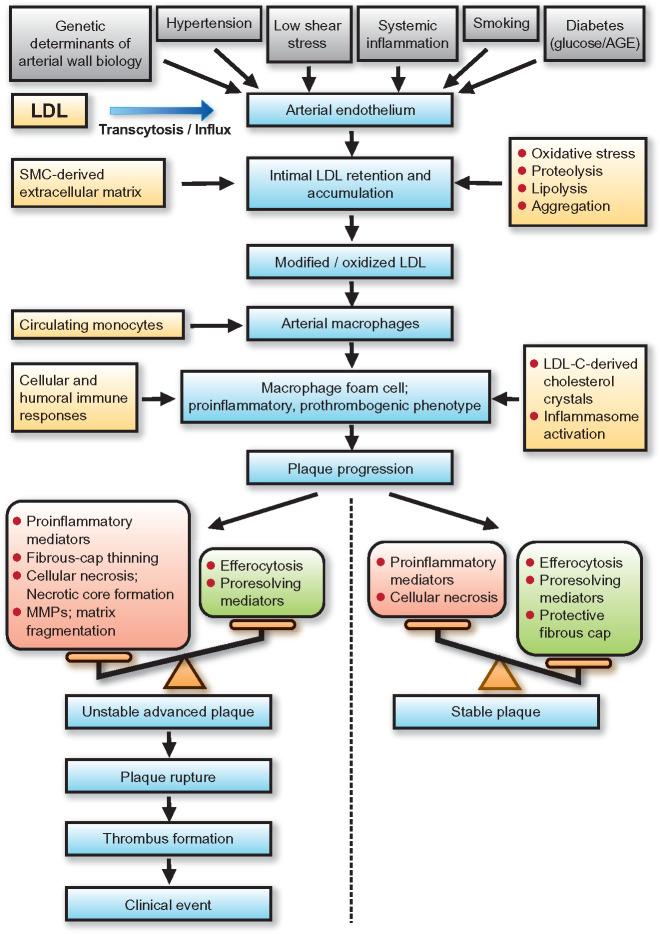
apoB100 is altered, LDL receptor binding affinity is attenuated, resulting in a prolonged residence time in plasma (Box 2).
Overview
The claims and statistics of this paper haven’t been checked yet.
Free: it reads the open-access text and checks the first 5 claims that cite a source we can check. Create a free account to check every claim.
Integrity signals
Registry
Cites
Statistics
Figures
Verification
Claims the paper makes
The claims and statistics of this paper haven’t been checked yet.
Free: it reads the open-access text and checks the first 5 claims that cite a source we can check. Create a free account to check every claim.
Claims other papers make about this one
Each is checked against this paper’s own text: does it say what the citing paper says it does?
The source backs part of the claim, not all of it — or backs it for a different population, condition or comparison.
In the citing paper
“any proatherogenic effects of TRL and remnants will be synergistic to those of other apoB-containing lipoproteins, particularly LDL and lipoprotein(a).17,25,93,104,206”
From Triglyceride-rich lipoproteins and their remnants: metabolic insights, role in atherosclerotic cardiovascular disease, and emerging therapeutic strategies—a consensus statement from the European Atherosclerosis Society (2021) · cites this paper as [93]
Experimental — accuracy not yet measuredThe source backs part of the claim, not all of it — or backs it for a different population, condition or comparison.
In the citing paper
“On a per particle basis, cholesterol-rich remnant particles are more potent inducers of macrophage foam cells than LDL and do not need structural modification to trigger uptake.36,93,141”
From Triglyceride-rich lipoproteins and their remnants: metabolic insights, role in atherosclerotic cardiovascular disease, and emerging therapeutic strategies—a consensus statement from the European Atherosclerosis Society (2021) · cites this paper as [93]
Experimental — accuracy not yet measuredThe cited source says what the claim attributes to it.
In the citing paper
“While LDL-C is an established major causal factor for ASCVD,93,103,104 the causality of TG, TRL, or TRL remnants for ASCVD is contentious.17,36,105–107”
The cited source says what the claim attributes to it.
In the citing paper
“Consequently, reducing LDL cholesterol levels stands as one of the most common approaches in clinical practice for treating and preventing ASCVD [6].”
From Residual Cardiovascular Risk: Role of Remnants Cholesterol, Monocyte/HDL Ratio and Lipoprotein Ratios on Personalized Cardiovascular Prevention (2024) · cites this paper as [6]
The cited source says what the claim attributes to it.
In the citing paper
“The observed trends in lipid content are consistent with slight increases in LDL particle numbers, which could confer increased risk for atherosclerotic cardiovascular disease [85].”
From Evaluation of exploratory fluid biomarkers from a phase 1 senolytic trial in mild Alzheimer's disease (2025) · cites this paper as [85]
5 more claims about this paper
Create a free account to see every claim other papers make about this one.
Self-check
Percentages, sums and reported differences re-computed from the paper’s own numbers.
The self-check needs the paper’s full text.
Citations
Cites
Antiinflammatory Therapy with Canakinumab for Atherosclerotic Disease
Ridker, P. M., Everett, B. M., Thuren, T., MacFadyen, J. G., Chang, W. H., Ballantyne, C., Fonseca, F., Nicolau, J., Koenig, W., Anker, S. D., et al. (2017) · New England Journal of Medicine · doi:10.1056/nejmoa1707914 · Cited by 9,482 · cited 1×
“in a secondary prevention trial in which patients were treated with a statin in combination with the anti-IL-1b antibody canakinumab.(154)”
BackgroundMach, F., Baigent, C., Catapano, A. L., Koskinas, K. C., Casula, M., Badimon, L., Chapman, M. J., De Backer, G. G., Delgado, V., Ference, B. A., et al. (2020) · European Heart Journal · doi:10.1093/eurheartj/ehz455 · Cited by 8,961
Self-citationInflammation, Atherosclerosis, and Coronary Artery Disease
Hansson, G. K. (2005) · New England Journal of Medicine · doi:10.1056/nejmra043430 · Cited by 8,773 · cited 1×
“to the oxidative modification of LDL and thus to the pathogenesis of accelerated atherosclerosis.(285,286) Furthermore, recent data suggest”
BackgroundInflammation in atherosclerosis
Libby, P. (2002) · Nature · doi:10.1038/nature01323 · Cited by 8,315
Epstein, F. H., Steinberg, D., Parthasarathy, S., Carew, T. E., Khoo, J. C., & Witztum, J. L. (1989) · New England Journal of Medicine · doi:10.1056/nejm198904063201407 · Cited by 6,427
Grundy, S. M., Stone, N. J., Bailey, A. L., Beam, C., Birtcher, K. K., Blumenthal, R. S., Braun, L. T., de Ferranti, S., Faiella-Tommasino, J., Forman, D. E., et al. (2019) · Circulation · doi:10.1161/cir.0000000000000625 · Cited by 6,185
Evolocumab and Clinical Outcomes in Patients with Cardiovascular Disease
Sabatine, M. S., Giugliano, R. P., Keech, A. C., Honarpour, N., Wiviott, S. D., Murphy, S. A., Kuder, J. F., Wang, H., Liu, T., Wasserman, S. M., et al. (2017) · New England Journal of Medicine · doi:10.1056/nejmoa1615664 · Cited by 6,138
Mach, F., Baigent, C., Catapano, A. L., Koskinas, K. C., Casula, M., Badimon, L., Chapman, M. J., De Backer, G. G., Delgado, V., Ference, B. A., et al. (2019) · Atherosclerosis · doi:10.1016/j.atherosclerosis.2019.08.014 · Cited by 4,854
Self-citationVirmani, R., Kolodgie, F. D., Burke, A. P., Farb, A., & Schwartz, S. M. (2000) · Arteriosclerosis, Thrombosis, and Vascular Biology · doi:10.1161/01.atv.20.5.1262 · Cited by 4,084 · cited 1×
“brous cap, a large necrotic core, pronounced inflammation, and low vascular SMC density.(246) Both biomechanical and haemodynamic factors contribute to plaque rupture,(247) and the exposure of the blood”
BackgroundBerenson, G. S., Srinivasan, S. R., Bao, W., Newman, W. P., Tracy, R. E., & Wattigney, W. A. (1998) · New England Journal of Medicine · doi:10.1056/nejm199806043382302 · Cited by 4,032
Cited by
Items 301–400 of 1,002
Dyńka, D., Kowalcze, K., Charuta, A., & Paziewska, A. (2023) · Nutrients · doi:10.3390/nu15204312 · Cited by 66
“We cited, among other documents, The Consensus Statement from the European Atherosclerosis Society Consensus Panel [5], information from the National Center for Chronic Disease Prevention and Health Promotion (NCCDPHP) [6], and the results of a meta-analysis in this area [7].”
MethodTherapeutic PCSK9 targeting: Inside versus outside the hepatocyte?
Corsini, A., Ginsberg, H. N., & Chapman, M. J. (2025) · Pharmacology & Therapeutics · doi:10.1016/j.pharmthera.2025.108812 · Cited by 28
Self-citationRemnant Cholesterol and Residual Risk of Atherosclerotic Cardiovascular Disease
Li, X., Li, Z.-F., & Wu, N. (2025) · Reviews in Cardiovascular Medicine · doi:10.31083/rcm25985 · Cited by 30
“This may be due to RC’s propensity for auto-oxidation and cholesterol crystal formation within the subendothelial space, which can accelerate macrophage degeneration and promote plaque instability, increasing the likelihood of stroke [14,40,41].”
Heffron, S. P., Ruuth, M. K., Xia, Y., Hernandez, G., Äikäs, L., Rodriguez, C., Öörni, K., & Berger, J. S. (2020) · Atherosclerosis · doi:10.1016/j.atherosclerosis.2020.11.016 · Cited by 32
Lipid-lowering and anti-thrombotic therapy in patients with peripheral arterial disease
Belch, J. J. F., Brodmann, M., Baumgärtner, I., Binder, C. J., Casula, M., Heiß, C., Kahan, T., Parini, P., Poredoš, P., Catapano, A. L., et al. (2021) · Atherosclerosis · doi:10.1016/j.atherosclerosis.2021.09.022 · Cited by 29
“Moreover, as LDL-C is unequivocally established as causal for ASCVD [ ], it is therefore the primary target when treating dyslipidaemia in patients with PAD [ ].”
BackgroundSelf-citationCardiovascular Effects of Chocolate and Wine—Narrative Review
Sperkowska, B., Murawska, J., Przybylska, A., Gackowski, M., Kruszewski, S. P., Durmowicz, M., & Rutkowska, D. (2021) · Nutrients · doi:10.3390/nu13124269 · Cited by 28
Inclisiran: How Widely and When Should We Use It?
Pirillo, A., & Catapano, A. L. (2022) · Current Atherosclerosis Reports · doi:10.1007/s11883-022-01056-0 · Cited by 26
Self-citationStatin therapy is not warranted for a person with high LDL-cholesterol on a low-carbohydrate diet
Diamond, D. M., Bikman, B. T., & Mason, P. (2022) · Current Opinion in Endocrinology Diabetes and Obesity · doi:10.1097/med.0000000000000764 · Cited by 27
Fang, Q., Lu, X., Zhu, Y., Lv, X., Yu, F., Ma, X., Liu, B., & Zhang, H. (2024) · Cell Reports Medicine · doi:10.1016/j.xcrm.2024.101614 · Cited by 37
Life-Course Implications of Pediatric Risk Factors for Cardiovascular Disease
Falkner, B. E., & Gidding, S. S. (2021) · Canadian Journal of Cardiology · doi:10.1016/j.cjca.2021.02.001 · Cited by 30
Garbarino, V. R., Palavicini, J. P., Melendez, J., Barthelemy, N. R., He, Y., Kautz, T. F., Lopez-Cruzan, M., Mathews, J. J., Xu, P., Zhang, B., et al. (2025) · Neurotherapeutics · doi:10.1016/j.neurot.2025.e00591 · Cited by 26
Fat and fatty acids – a scoping review for Nordic Nutrition Recommendations 2023
Retterstøl, K., & Rosqvist, F. (2024) · Food & Nutrition Research · doi:10.29219/fnr.v68.9980 · Cited by 30
“The intake of SFA and the ratio of unsaturated to SFA are considered to be important for the serum levels of LDL-C, which is causal for the process of atherosclerosis (18, 19).”
BackgroundAngoulvant, D., Granjeon-Noriot, S., Amarenco, P., Bastien, A., Béchet, E., Boccara, F., Boissel, J., Cariou, B., Courcelles, E., Diatchenko, A., et al. (2024) · European Journal of Preventive Cardiology · doi:10.1093/eurjpc/zwae254 · Cited by 28
Residual lipid risk in atherosclerotic cardiovascular disease
Nordestgaard, B. G., & Hegele, R. A. (2026) · European Heart Journal · doi:10.1093/eurheartj/ehag087 · Cited by 33
Self-citationLipid-lowering therapy and percutaneous coronary interventions
Koskinas, K. C., Mach, F., & Räber, L. (2021) · EuroIntervention · doi:10.4244/eij-d-20-00999 · Cited by 32
Li, S., Liu, H., Guo, Y., Zhu, C., Wu, N., Xu, R., Dong, Q., & Li, J. (2021) · The Lancet Regional Health - Western Pacific · doi:10.1016/j.lanwpc.2021.100286 · Cited by 30
“315 Length of hospitalization(days) 4(3-7) 5(3-7) 4(3-6) 4(3-5) < 0.”
InfluentialBelch, J. J. F., Brodmann, M., Baumgärtner, I., Binder, C. J., Casula, M., Heiß, C., Kahan, T., Parini, P., Poredoš, P., Catapano, A. L., et al. (2021) · VASA · doi:10.1024/0301-1526/a000969 · Cited by 28
“Moreover, as LDL-C is unequivocally established as causal for ASCVD [19], it is therefore the primary target when treating dyslipidaemia in patients with PAD [30].”
BackgroundSelf-citationDijk, W., Filippo, M. D., Kooijman, S., van Eenige, R., Rimbert, A., Caillaud, A., Thedrez, A., Arnaud, L., Pronk, A. C. M., Garçon, D., et al. (2022) · Circulation · doi:10.1161/circulationaha.121.057978 · Cited by 30
“10 This panel includes coding exons and intron/exon junctions of 311 genes selected from published literature: (1) genes identified in monogenic dyslipidemia, (2) genes identified in genome-wide association studies in lipid metabolism through direct or indirect effects, (3) genes associated with dyslipidemia in mice,…”
BackgroundStroes, E. S. G., Bays, H. E., Banach, M., Catapano, A. L., Duell, P. B., Laufs, U., Mancini, G. B. J., Ray, K. K., Sasiela, W. J., Zhang, Y., et al. (2023) · Atherosclerosis · doi:10.1016/j.atherosclerosis.2023.03.020 · Cited by 29
Self-citationSobczyk, M., Zheng, J., Smith, G. D., & Gaunt, T. R. (2023) · BMJ Open · doi:10.1136/bmjopen-2023-072087 · Cited by 30
“13 14 On the other hand, MR showed the beneficial effect of lifelong endogenous low-density lipoprotein cholesterol (LDL-C) levels, 15 HMG-CoA reductase inhibition (statin drug target) and PCSK9 inhibition on cardiovascular disease (CVD), 15 16 while predicting also the increased risk of type 2…”
BackgroundFunctional Roles of Furin in Cardio-Cerebrovascular Diseases
Wichaiyo, S., Koonyosying, P., & Morales, N. P. (2024) · ACS Pharmacology & Translational Science · doi:10.1021/acsptsci.3c00325 · Cited by 28
Keeping remnants in perspective
Borén, J., & Packard, C. J. (2021) · European Heart Journal · doi:10.1093/eurheartj/ehab531 · Cited by 27
“So, it is not surprising that other members of the apoB-containing lipoprotein spectrum are now emerging as possible targets for intervention.(1,4) Studies demonstrating the importance of TRL remnants in ASCVD are based mainly on genetics and epidemiology.”
BackgroundSelf-citationRole of histone deacetylase Sirt3 in the development and regression of atherosclerosis
Liu, Y. S., Shen, X., Pang, M., Sun, Z., Qian, Y., Xue, W., Wang, Z., & Li, L. (2021) · Life Sciences · doi:10.1016/j.lfs.2021.119178 · Cited by 26
Update of HDL in atherosclerotic cardiovascular disease
Schoch, L., Alcover, S., Padró, T., Ben‐Aicha, S., Mendieta, G., Badimón, L., & Vilahur, G. (2023) · Clínica e Investigación en Arteriosclerosis · doi:10.1016/j.arteri.2023.10.002 · Cited by 30
McDonald, C. M., Reid, E. K., Pohl, J. F., Yuzyuk, T. K., Padula, L., Vavrina, K., & Altman, K. (2024) · Nutrition in Clinical Practice · doi:10.1002/ncp.11122 · Cited by 32
Chen, Y., Shi, C., Deng, J., Diao, C. T. M., Maarouf, N., Rosin, M., Shrivastava, V., Hu, A., Bharadwa, S., Adijiang, A., et al. (2021) · Arteriosclerosis Thrombosis and Vascular Biology · doi:10.1161/atvbaha.121.315933 · Cited by 25
Improving detection and management of familial hypercholesterolaemia in Australian general practice
Brett, T., Chan, D. C., Radford, J. C., Heal, C. F., Gill, G., Hespe, C. M., Vargas-García, C., Condon, C. G., Sheil, B., Li, I. W., et al. (2021) · Heart · doi:10.1136/heartjnl-2020-318813 · Cited by 25
Self-citationSreekumar, P., Su, F., Spee, C., Araujo, E., Nusinowitz, S., Reddy, S., & Kannan, R. (2022) · Cells · doi:10.3390/cells12010043 · Cited by 17
Anti-inflammatory and Immunomodulatory Therapies in Atherosclerosis
Deroissart, J., Porsch, F., Köller, T., & Binder, C. J. (2021) · Handbook of experimental pharmacology · doi:10.1007/164_2021_505 · Cited by 28
“Therefore, lipid-lowering drugs such as statins are considered the treatment of choice as their reduction of circulating low-density lipoprotein (LDL) can prevent plaque formation and progression in patients (Ference et al. 2017; Borén et al. 2020).”
BackgroundSelf-citationShimizu‐Albergine, M., Basu, D., Kanter, J. E., Kramer, F., Kothari, V., Barnhart, S., Thornock, C., Mullick, A. E., Clouet-Foraison, N., Vaisar, T., et al. (2021) · Journal of Clinical Investigation · doi:10.1172/jci153285 · Cited by 31
“Because remnants of TRLs are small enough to get trapped in the artery wall and are enriched in APOE (46), we next determined the apolipoprotein content of the”
BackgroundSelf-citationQuirós-Fernández, R., Plaza, B. L., Bermejo, L. M., Milla, S. P., Zangara, A., & Candela, C. G. (2022) · Nutrients · doi:10.3390/nu14091879 · Cited by 25
Chiesa, G., Zenti, M. G., Baragetti, A., Barbagallo, C. M., Borghi, C., Colivicchi, F., Maggioni, A. P., Noto, D., Pirro, M., Rivellese, A. A., et al. (2023) · Nutrition Metabolism and Cardiovascular Diseases · doi:10.1016/j.numecd.2023.07.019 · Cited by 27
Self-citationZinöcker, M. K., Svendsen, K., & Dankel, S. N. (2020) · American Journal of Clinical Nutrition · doi:10.1093/ajcn/nqaa322 · Cited by 25
Gut Mycobiome Dysbiosis is Linked to Hypertriglyceridemia Among Home Dwelling Elderly DanesPreprint
Ahmad, H. F., Castro-Mejía, J. L., Krych, Ł., Khakimov, B., Kot, W., Bechshøft, R. L., Reitelseder, S., Højfeldt, G. W., Engelsen, S. B., Holm, L., et al. (2020) · bioRxiv (Cold Spring Harbor Laboratory) · doi:10.1101/2020.04.16.044693 · Cited by 26
“Epidemiological studies consistently demonstrate strong as390 sociations of plasma Tg levels that causing hypertriglyceridemia, with risk of atheroscle391 rotic CVD [59], [60].”
BackgroundLecis, D., Prandi, F. R., Barone, L., Belli, M., Sergi, D., Longo, S., Muscoli, S., Romeo, F., Federici, M., Lerakis, S., et al. (2023) · Biomolecules · doi:10.3390/biom13121695 · Cited by 23
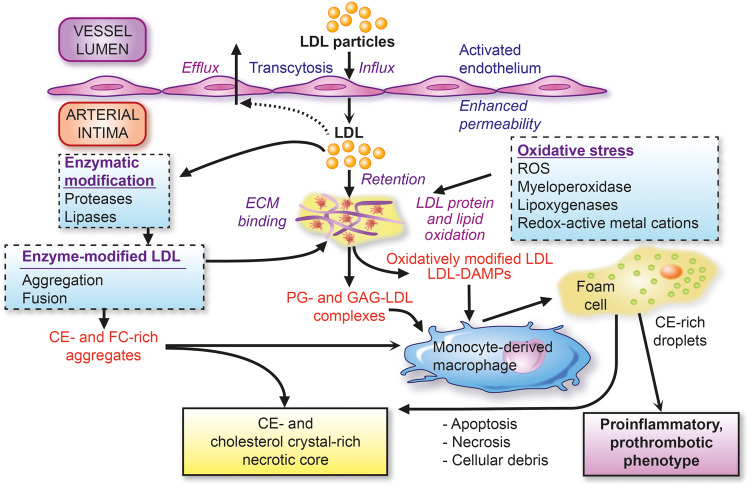
“The initial stages of human atherogenesis are characterized by LDL transcytosis and ef-flux across a compromised endothelium having high permeability, with LDL accumulation in the subendothelium [9].”
Preventive and curative medical interventions
Fuller, J. (2022) · Synthese · doi:10.1007/s11229-022-03579-0 · Cited by 23
Inhibition of Toll-like Receptors Alters Macrophage Cholesterol Efflux and Foam Cell Formation
Kim, J., Kim, J., Byeon, H.-E., Kim, J.-W., Kim, H., Suh, C., Choi, S., Linton, M. F., & Jung, J. (2024) · International Journal of Molecular Sciences · doi:10.3390/ijms25126808 · Cited by 25
“The role of elevated serum low-density lipoproteins (LDL) as a pivotal risk factor for atherosclerotic cardiovascular disease is well established [4,5].”
BackgroundMonocyte and Macrophage Lipid Accumulation Results in Down-Regulated Type-I Interferon Responses
Willemsen, L., Chen, H., van Roomen, C. P. A. A., Griffith, G. R., Siebeler, R., Neele, A. E., Kroon, J., Hoeksema, M. A., & de Winther, M. P. J. (2022) · Frontiers in Cardiovascular Medicine · doi:10.3389/fcvm.2022.829877 · Cited by 26
“In atherogenesis, LDL is modified within the arterial wall triggering endothelial and immune cell activation and subsequent recruitment of immune cells like monocytes (8).”
BackgroundCimmino, G., Serafino, L. D., & Cirillo, P. L. (2022) · Expert Review of Cardiovascular Therapy · doi:10.1080/14779072.2022.2074836 · Cited by 27
“High levels of LDL cholesterol seem to be the major determinant for this effect [14].”
BackgroundGlover, A., Hayes, H. E., Ni, H., & Raikos, V. (2022) · Nutrition and Health · doi:10.1177/02601060221105744 · Cited by 25
“SFA have been consistently demonstrated to raise serum low density lipoprotein (LDL), which are causally associated with CVD mortality (Borén et al., 2020; Clifton and Keogh, 2017; Kim et al., 2019).”
BackgroundPark, C. S., Yang, H., Han, K., Lee, H., Kang, J., Han, J., Park, K. W., Kang, H., Koo, B., & Kim, H.-S. (2023) · Journal of Advanced Research · doi:10.1016/j.jare.2023.05.003 · Cited by 26
“…proportion of participants with elevated hs-CRP levels were relatively high among individuals with LDL cholesterol levels < 70 mg/dL. LDL cholesterol contributes to the initiation and aggravation of atherosclerosis, and high LDL cholesterol levels are associated with an increased risk of ASCVD [4].”
BackgroundTaskinen, M., Matikainen, N., Björnson, E., Söderlund, S., Inkeri, J., Hakkarainen, A., Parviainen, H., Sihlbom, C., Thorsell, A., Andersson, L. K., et al. (2023) · Diabetologia · doi:10.1007/s00125-023-06008-0 · Cited by 25
Self-citationDoi, T., Langsted, A., & Nordestgaard, B. G. (2024) · Atherosclerosis · doi:10.1016/j.atherosclerosis.2024.117556 · Cited by 25
Self-citationResearch progress of Ganoderma lucidum polysaccharide in prevention and treatment of Atherosclerosis
Ma, Y., Han, J., Wang, K., Han, H., Hu, Y., Li, H., Wu, S., & Zhang, L. (2024) · Heliyon · doi:10.1016/j.heliyon.2024.e33307 · Cited by 25
“When cholesterol metabolism is disturbed, LDL-C is deposited in the vasculature, and ox-LDL induces macrophage adhesion to endothelial cells (EC), forming early atheromatous plaques [17].”
BackgroundPenson, P. E., & Banach, M. (2020) · Current Atherosclerosis Reports · doi:10.1007/s11883-020-00887-z · Cited by 28
Kauerová, S., Bartušková, H., Muffová, B., Janoušek, L., Froněk, J., Petráš, M., Poledne, R., & Lesná, I. K. (2021) · Biomedicines · doi:10.3390/biomedicines9020211 · Cited by 23
“Among all risk factors for CHD, the one with the biggest impact is decreased low-density lipoprotein (LDL) cholesterol levels [4].”
BackgroundCRISPR Gene Editing in Lipid Disorders and Atherosclerosis: Mechanisms and Opportunities
Walker, H. E., Rizzo, M., Fras, Z., Jug, B., Banach, M., & Penson, P. E. (2021) · Metabolites · doi:10.3390/metabo11120857 · Cited by 25
HDL Composition, Heart Failure, and Its Comorbidities
Diab, A., Ripoll, C. V., Guo, Z., & Javaheri, A. (2022) · Frontiers in Cardiovascular Medicine · doi:10.3389/fcvm.2022.846990 · Cited by 24
“In animal models, HDL has been shown to have a protective role against the development of atherosclerosis and CVD (122).”
BackgroundInfluentialTalic, S., Marquina, C., Zomer, E., Ofori-Asenso, R., Petrova, M., Vargas-Torres, S., Abushanab, D., Wolfe, R., Lybrand, S., Thomson, D., et al. (2022) · Current Problems in Cardiology · doi:10.1016/j.cpcardiol.2021.101068 · Cited by 22
APOE and vascular disease: Sequencing and genotyping in general population cohorts
Rasmussen, K. L., Luo, J., Nordestgaard, B. G., Tybjærg-Hansen, A., & Frikke-Schmidt, R. (2023) · Atherosclerosis · doi:10.1016/j.atherosclerosis.2023.117218 · Cited by 22
Self-citationWallerer, S., Papakonstantinou, T., Morze, J., Stadelmaier, J., Kiesswetter, E., Gorenflo, L., Barbaresko, J., Szczerba, E., Neuenschwander, M., Bell, W., et al. (2024) · EClinicalMedicine · doi:10.1016/j.eclinm.2024.102807 · Cited by 24
“86 Considering the potential mechanisms of action, reducing SFA (e.g., via replacement with PUFA/MUFA) increased the expression of LDL receptor.”
Mustafa, A., Kite, C., Lagojda, L., Dallaway, A., Chatha, K. K., Than, N. N., Kassi, E. N., Kyrou, I., & Randeva, H. S. (2025) · International Journal of Molecular Sciences · doi:10.3390/ijms262311275 · Cited by 27
“The dysregulation of lipid metabolism leads to high levels of low-density lipoprotein (LDL) cholesterol and triglycerides, with low levels of HDL cholesterol, thus promoting atherogenic dyslipidemia [154,155].”
Metabolism of Triglyceride-Rich Lipoproteins
Borén, J., & Taskinen, M. (2021) · Handbook of experimental pharmacology · doi:10.1007/164_2021_520 · Cited by 30
“Insulin stimulates the expression of LPL in endothelial cells whereas apoC-III inhibits LPL activity and thereby reduces the clearance of TRLs (Ginsberg and Brown 2011; Zheng et al. 2010; Yao 2012).”
BackgroundInfluentialSelf-citationTrafficking of Mononuclear Phagocytes in Healthy Arteries and Atherosclerosis
Tomas, L., Prica, F., & Schulz, C. (2021) · Frontiers in Immunology · doi:10.3389/fimmu.2021.718432 · Cited by 23
“Additionally, oxidized LDL contains several bioactive molecules, including oxidized phospholipids, which act as damage-associated molecular patterns (DAMPs), and together with early cholesterol crystal formation cause an activation of surrounding innate immune cells (9, 10).”
BackgroundKrauss, R. M., Remaley, A. T., & Chapman, M. J. (2022) · Journal of clinical lipidology · doi:10.1016/j.jacl.2022.02.007 · Cited by 23
Self-citationFunctional compounds of ginseng and ginseng-containing medicine for treating cardiovascular diseases
Liu, L., Hu, J. J., Mao, Q., Liu, C., He, H., Hui, X., Yang, G., Qu, P., Lian, W., Duan, L., et al. (2022) · Frontiers in Pharmacology · doi:10.3389/fphar.2022.1034870 · Cited by 22
“The pathological mechanism depends on dyslipidemia (Borén et al., 2020), inflammation of blood vessels (Ahluwalia et al.”
BackgroundGenetic Testing in Familial Hypercholesterolemia: Is It for Everyone?
Medeiros, A. M., & Bourbon, M. (2023) · Current Atherosclerosis Reports · doi:10.1007/s11883-023-01091-5 · Cited by 24
Sun, L., Wolska, A. T., Amar, M. J., Zubirán, R., & Remaley, A. T. (2023) · The Journal of Clinical Endocrinology & Metabolism · doi:10.1210/clinem/dgad153 · Cited by 27
Braga, P. G. S., Freitas, F. R., Bachi, A. L. L., Amirato, G. R., Baroni, R. V., Alves, M. J. D. N. N., Vieira, R. P., Vaisberg, M. W., Aldin, M. N., Filho, R. K., et al. (2023) · Nutrients · doi:10.3390/nu15234871 · Cited by 24
“Consequently, the shortened residence time of LDL in the plasma exposes the lipoprotein to lower levels of peroxidation or other modifying processes that lead LDL to pro-atherogenic catabolic pathways [33].”
BackgroundFularski, P., Hajdys, J., Majchrowicz, G., Stabrawa, M., Młynarska, E., Rysz, J., & Franczyk, B. (2024) · International Journal of Molecular Sciences · doi:10.3390/ijms25031637 · Cited by 28
“The ESC/EAS guidelines for the management of dyslipidemias from 2019, the ESC guidelines on cardiovascular disease prevention from 2021, and the multisociety guideline on the management of blood cholesterol from 2018 state that in most patients with FH, treatment with high-intensity statin therapy…”
BackgroundNew insights into the therapeutic options to lower lipoprotein(a)
Baragetti, A., Dalt, L. D., & Norata, G. D. (2024) · European Journal of Clinical Investigation · doi:10.1111/eci.14254 · Cited by 25
“6 Indeed, OxPLs within Lp(a), promote the activation of endothelial cells by inducing the expression of adhesion molecules and induce the secretion of inflammatory cytokines from monocytes, 7 as well as the atherogenic phenotypic switch of smooth muscle cells 8 (Figure 1).”
Efficacy and Safety of Evinacumab for the Treatment of Hypercholesterolemia: A Meta-Analysis
Jin, M., Meng, F., Yang, W., Liang, L., Wang, H., & Zhenyan, F. (2021) · Journal of Cardiovascular Pharmacology · doi:10.1097/fjc.0000000000001073 · Cited by 23
Islam, M. M., Tamlander, M., Hlushchenko, I., Ripatti, S., & Pfisterer, S. G. (2024) · JACC Basic to Translational Science · doi:10.1016/j.jacbts.2024.10.006 · Cited by 22
Johannesen, C. D. L., Mortensen, M. B., Nordestgaard, B. G., & Langsted, A. (2025) · Atherosclerosis · doi:10.1016/j.atherosclerosis.2025.119139 · Cited by 28
Self-citationUnraveling the metabolic‒epigenetic nexus: a new frontier in cardiovascular disease treatment
Ouyang, J., Wu, D.-D., Gan, Y., Tang, Y., Wang, H., & Huang, J. (2025) · Cell Death and Disease · doi:10.1038/s41419-025-07525-z · Cited by 25
“Atherosclerosis is a chronic low-grade in fl ammatory disease caused by lipoprotein deposition and the subsequent immune response, and it is also an important cause of cardio-cerebrovascular diseases such as stroke, coronary heart disease, and peripheral vascular disease [200 – 205].”
Wang, C., Fu, H., Xu, H., Yang, H., Min, X., Wu, W., Liu, Z., Li, D., Dong, Y., & Chen, J. (2025) · Frontiers in Endocrinology · doi:10.3389/fendo.2025.1576602 · Cited by 26
Russo, M., Gurgoglione, F. L., Russo, A., Rinaldi, R., Triglia, L. T., Foschi, M., Vigna, C., Vergallo, R., Montone, R. A., Benedetto, U., et al. (2025) · Life · doi:10.3390/life15081226 · Cited by 28
Keyes, E., Grinnell, M., Jacoby, D. S., Vazquez, T., Diaz, D., Werth, V. P., & Williams, K. J. (2021) · International Journal of Women’s Dermatology · doi:10.1016/j.ijwd.2021.08.015 · Cited by 21
Angiopoietin-like 3: An important protein in regulating lipoprotein levels
Burks, K. H., Basu, D., Goldberg, I. J., & Stitziel, N. O. (2022) · Best Practice & Research Clinical Endocrinology & Metabolism · doi:10.1016/j.beem.2022.101688 · Cited by 23
Pathophysiological mechanisms of cardiovascular disorders in non-alcoholic fatty liver disease.
Garbuzenko, D. V. (2022) · Gastroenterology and hepatology from bed to bench. · doi:10.22037/ghfbb.v15i3.2549 · Cited by 25
“The overproduction of VLDL particles in NAFLD causes several lipoprotein disorders that lead to atherogenic dyslipidemia, which is characterized by high serum triglycerides and low HDL cholesterol levels, an atherogenic lipoprotein phenotype including a predominance of small dense LDL particles, an accumulation of tri…”
BackgroundDairy foods and cardiometabolic diseases: an update and a reassessment of the impact of SFA
Givens, D. I. (2023) · Proceedings of The Nutrition Society · doi:10.1017/s0029665123000083 · Cited by 23
Moreno‐Vedia, J., Llop, D., Rodríguez‐Calvo, R., Plana, N., Amigó, N., Rosales, R., Esteban, Y., Girona, J., Masana, L., & Ibarretxe, D. (2023) · Cardiovascular Diabetology · doi:10.1186/s12933-023-01958-6 · Cited by 22
Self-citationRoy, G., Boucher, A., Couture, P., & Drouin‐Chartier, J. (2021) · Nutrients · doi:10.3390/nu13010235 · Cited by 23
Unravelling lipoprotein metabolism with stable isotopes: tracing the flow
Ying, Q., Chan, D. C., Barrett, P. H. R., & Watts, G. F. (2021) · Metabolism · doi:10.1016/j.metabol.2021.154887 · Cited by 21
Self-citationLDL Contributes to Reverse Cholesterol Transport
von Eckardstein, A. (2020) · Circulation Research · doi:10.1161/circresaha.120.317721 · Cited by 21
Soluble LDL-receptor is induced by TNF-α and inhibits hepatocytic clearance of LDL-cholesterol
Zegeye, M. M., Nakka, S. S., Andersson, J. S. O., Söderberg, S., Ljungberg, L. U., Kumawat, A. K., & Sirsjö, A. (2023) · Journal of Molecular Medicine · doi:10.1007/s00109-023-02379-4 · Cited by 20
Feit, T., Beals, E., Dandekar, S. C., Kadan‐Lottick, N. S., & Joffe, L. (2024) · Frontiers in Nutrition · doi:10.3389/fnut.2023.1343104 · Cited by 22
Effects of dietary approaches to prevent hypertension and enhance cardiovascular health
Vignesh, A., Amal, T. C., Shanmugam, A., Vasanth, K., & Selvakumar, S. (2025) · Discover Food · doi:10.1007/s44187-025-00278-w · Cited by 25
“Discover”
Metabolic and Immune Markers for Precise Monitoring of COVID-19 Severity and Treatment
Rendeiro, A. F., Vorkas, C. K., Krumsiek, J., Singh, H. K., Kapadia, S. N., Cappelli, L. V., Cacciapuoti, M. T., Inghirami, G., Elemento, O., & Salvatore, M. (2022) · Frontiers in Immunology · doi:10.3389/fimmu.2021.809937 · Cited by 20
Cipryan, L., Litschmannová, M., Maffetone, P. B., Plews, D. J., Dostal, T., Hofmann, P., & Laursen, P. B. (2022) · Frontiers in Nutrition · doi:10.3389/fnut.2022.867690 · Cited by 21
HMGB1 promotes Ox-LDL-induced endothelial cell damage by inhibiting PI3K/Akt signaling pathway
Huo, X., Su, B., Qin, G., & Zhao, L. (2022) · BMC Cardiovascular Disorders · doi:10.1186/s12872-022-03003-y · Cited by 20
“There are multiple risk factors for EC damage, such as oxidized low-density lipoprotein (ox-LDL) [1], high glucose [2], and angiotensin II [3].”
BackgroundLi, G., Wu, G., Yan, R., Li, X., Liang, J., Tan, M., & Zhou, Z. (2023) · Microchemical Journal · doi:10.1016/j.microc.2023.109556 · Cited by 21
Koba, S., Satoh, N., Ito, Y., Yokota, Y., Tsunoda, F., Sakai, K., Nakamura, Y., Shoji, M., Hirano, T., & Shinke, T. (2024) · Clinical Chemistry · doi:10.1093/clinchem/hvae061 · Cited by 22
Prouse, T., Majumder, S., & Majumder, R. (2024) · International Journal of Molecular Sciences · doi:10.3390/ijms252312736 · Cited by 22
Milk and dairy products – a scoping review for Nordic Nutrition Recommendations 2023
Holven, K. B., & Sonestedt, E. (2024) · Food & Nutrition Research · doi:10.29219/fnr.v68.10486 · Cited by 32
Learnings from Implementation Strategies to Improve Lipid Management
Lan, N. S. R., Chen, R. T., Dwivedi, G., Watts, G. F., Nicholls, S. J., & Nelson, A. J. (2025) · Current Cardiology Reports · doi:10.1007/s11886-024-02174-8 · Cited by 22
“Epidemiologic, genetic and Mendelian randomisation studies have demonstrated that low-density lipoprotein (LDL)-cholesterol causes ASCVD [2, 3].”
Self-citationManagement of Hypercholesterolemia Through Dietary ß-glucans–Insights From a Zebrafish Model
Gora, A. H., Rehman, S., Kiron, V., Dias, J. P., Fernandes, J. M. O., Olsvik, P. A., Siriyappagouder, P., Vatsos, I. N., Schmid‐Staiger, U., Frick, K., et al. (2022) · Frontiers in Nutrition · doi:10.3389/fnut.2021.797452 · Cited by 22
Lipidomics of triglyceride‐rich lipoproteins derived from hyperlipidemic patients on inflammation
Moreno‐Vedia, J., Llop, D., Rodríguez‐Calvo, R., Plana, N., Amigó, N., Rosales, R., Esteban, Y., Masana, L., Ibarretxe, D., & Girona, J. (2024) · European Journal of Clinical Investigation · doi:10.1111/eci.14132 · Cited by 19
“2 Particle in situ degradation during lipolysis in the artery wall re-leases free fatty acids and bioactive lipids that lead to endothelial dysfunction and inflammation.”
BackgroundSelf-citationSocial Bonds Retain Oxytocin-Mediated Brain-Liver Axis to Retard Atherosclerosis
Ko, S., Anzai, A., Liu, X., Kinouchi, K., Yamanoi, K., Torimitsu, T., Ichihara, G., Kitakata, H., Shirakawa, K., Katsumata, Y., et al. (2024) · Circulation Research · doi:10.1161/circresaha.124.324638 · Cited by 21
“Clinically, high circulating levels of LDL cholesterol are one of the established modifiable risk factors for CVD. 42,43 Recent pharmacological advances with 3-hydroxy-3-methylglutaryl coenzyme A reductase inhibitors combined with cholesterol transporter inhibitors and the anti-proprotein…”
Lipid Lowering Therapy Utilization and Lipid Goal Attainment in Women
van Oortmerssen, J. A. E., Mulder, J. W. C. M., van der Bijl, M. F., Mijnster, R. J. M., Kavousi, M., & van Lennep, J. E. R. (2025) · Current Atherosclerosis Reports · doi:10.1007/s11883-025-01275-1 · Cited by 20
Song, Y., Chen, X., Chang, Z., Bian, X., He, J., Li, B., Zheng, Z., Wang, C., Lin, Z., Zhu, C., et al. (2026) · Cardiovascular Diabetology · doi:10.1186/s12933-026-03104-4 · Cited by 22
“In the context of IR and hyperglycemia commonly seen in patients after MI, impaired lipolysis of very low-density lipoprotein (VLDL) leads to the accumulation of these highly atherogenic remnants, which are more prone to penetrate the vascular intima and induce inflammation than LDL [57, 58].”
The Association Between Hyperlipidemia and In-Hospital Outcomes in Takotsubo Cardiomyopathy
Li, P., Lu, X., Teng, C., Hadley, M. L., Cai, P., Dai, Q., & Wang, B. (2021) · Diabetes Metabolic Syndrome and Obesity · doi:10.2147/dmso.s282009 · Cited by 19
“HLD is characterized by high levels of low-density lipoprotein cholesterol (LDL-C) or high triglycerides (TG), and plays an important role in the pathogenesis of cardiovascular diseases.(10,11) Previous studies have found that HLD was prevalent in TCM patients – a study by Summers et al investigating the risk factors…”
BackgroundJamialahmadi, T., Baratzadeh, F., Reiner, Ž., Simental‐Mendía, L. E., Xu, S., Susekov, A. V., Santos, R. D., & Sahebkar, A. (2021) · Mediators of Inflammation · doi:10.1155/2021/9661752 · Cited by 20
“This is not only due to the role of ox-LDL in atherosclerotic plaque formation [24] but also because ox-LDL participate in destabilization of the existing atherosclerotic plaques by inducing matrix degradation, fi ssuring of the plaque and thrombus formation on this site thus causing clinical…”
Ahmad, P., Alvi, S. S., Iqbal, J., & Khan, M. S. (2022) · Revista Brasileira de Farmacognosia · doi:10.1007/s43450-022-00330-1 · Cited by 19
Cheng, Y., Chen, Y., Mao, M.-X., Wang, R., Zhu, J., & He, Q. (2023) · Frontiers in Immunology · doi:10.3389/fimmu.2023.1295377 · Cited by 20
Kupffer cells dictate hepatic responses to the atherogenic dyslipidemic insult
Nunzio, G. D., Hellberg, S., Zhang, Y., Osman, A., Wang, J., Zhang, X., Björck, H. M., Chizh, V., Schipper, R., Aulin, H., et al. (2024) · Nature Cardiovascular Research · doi:10.1038/s44161-024-00448-6 · Cited by 22
“Apolipoprotein-B (APOB)-containing lipoproteins, including low-density lipoprotein (LDL), are the causal agents of atherosclerosis due to their ability to be retained, modified and engulfed at susceptible sites in the vasculature 1,2 .”
Anti‐inflammatory effects of natural products from vitamin C‐rich fruits
Chan, S., Xiong, P., Zhao, M., Zhang, S., Zheng, R.-B., Ye, J., Chan, K. I., Li, C., & Zhong, Z. (2024) · Food Frontiers · doi:10.1002/fft2.433 · Cited by 21
Ray, K. K. (2021) · European Heart Journal · doi:10.1093/eurheartj/ehaa1008 · Cited by 20
“The greatest strength of real-world data is perhaps their ability to highlight at scale the shortfalls in public health/implementation, helping to shape future practice, by forcing us to ask ourselves the basic question: is what we are doing sensible and good enough? Cardiovascular risk reduction is agnostic to how LD…”
BackgroundSelf-citationOkoro, E. U. (2021) · International Journal of Molecular Sciences · doi:10.3390/ijms22126236 · Cited by 18
“In this report, I have studied the effect of TNFɑ on the pro-atherogenic lipoprotein, LDL (55,56).”
BackgroundNițu, E.-T., Jianu, N., Merlan, C., Foica, D., Sbârcea, L., Buda, V. O., Suciu, M., Lombrea, A., & Man, D. E. (2025) · Life · doi:10.3390/life15081185 · Cited by 31
“Understanding the systemic consequences of hyperlipidemia is critical for guiding early detection, risk stratification, and the implementation of effective preventive and therapeutic strategies [40–42].”
Metadata
- Authors
- Borén, J., Chapman, M. J., Krauss, R. M., Packard, C. J., Bentzon, J. F., Binder, C. J., Daemen, M. J., Demer, L. L., Hegele, R. A., Nicholls, S. J., Nordestgaard, B. G., Watts, G. F., Bruckert, E., Fazio, S., Ference, B. A., Graham, I., Horton, J. D., Landmesser, U., Laufs, U., Masana, L., Pasterkamp, G., Raal, F. J., Ray, K. K., Schunkert, H., Taskinen, M.-R., van de Sluis, B., Wiklund, O., Tokgozoglu, L., Catapano, A. L., & Ginsberg, H. N.
- Affiliations
- Sahlgrenska University Hospital (SE)
- Inserm (FR)
- University of California, San Francisco (US)
- University of Glasgow (GB)
- Aarhus University (DK)
- Austrian Academy of Sciences (AT)
- Amsterdam University Medical Centers (NL)
- University of California, Los Angeles (US)
- Western University (CA)
- Monash University (AU)
- University of Copenhagen (DK)
- The University of Western Australia (AU)
- INSERM UMRS1166, Department of Endocrinology-Metabolism, ICAN - Institute of CardioMetabolism and Nutrition, AP-HP, Hopital de la Pitie , Paris, France
- Oregon Health & Science University (US)
- University of Cambridge (GB)
- Trinity College Dublin (IE)
- The University of Texas Southwestern Medical Center (US)
- Berlin Institute of Health at Charité - Universitätsmedizin Berlin (DE)
- University Hospital Leipzig (DE)
- Centro de Investigación Biomédica en Red Diabetes y Enfermedades Metabólicas Asociadas (ES)
- University Medical Center Utrecht (NL)
- University of the Witwatersrand (ZA)
- Imperial College London (GB)
- German Centre for Cardiovascular Research (DE)
- University of Helsinki (FI)
- Department of Pediatrics, University of Groningen, University Medical Center Groningen , Groningen, The Netherlands
- Department of Cardiology, Hacettepe University Faculty of Medicine , Ankara, Turkey
- University of Milan (IT)
- Columbia University (US)
- Corresponding author
- Chapman, M John
- ORCID
- Borén, Jan
- Chapman, M John
- Krauss, Ronald M
- Packard, Chris J
- Bentzon, Jacob F
- Binder, Christoph J
- Daemen, Mat J
- Demer, Linda L
- Hegele, Robert A
- Nicholls, Stephen J
- Nordestgaard, Børge G
- Watts, Gerald F
- Fazio, Sergio
- Graham, Ian
- Horton, Jay D
- Landmesser, Ulf
- Laufs, Ulrich
- Masana, Luis
- Pasterkamp, Gerard
- Raal, Frederick J
- Ray, Kausik K
- Schunkert, Heribert
- Taskinen, Marja-Riitta
- Wiklund, Olov
- Tokgozoglu, Lale
- Catapano, Alberico L
- Ginsberg, Henry N
- Venue
- European Heart Journal
- Publisher
- Oxford University Press (OUP)
- Published
- 2020-02-13
- Volume
- 41
- Issue
- 24
- Pages
- 2313-2330
- ISSN
- 0195-668X (ISSN-L)
- 1522-9645
- PMC
- PMC7308544
- OpenAlex
- W3006116566
- Semantic Scholar
- 3ff51a04cbb6dbd4f9301cb36755d45d0bc71096
- Cited by
- 1,601
- References
- 351
- Citations by year
- 2026: 250 · 2025: 294 · 2024: 255 · 2023: 265 · 2022: 231 · 2021: 204 · 2020: 96
- FWCI
- 181.87
- Type
- journal article
- Language
- en
- Open access
- hybrid
- doi.org
- Licence
- Locations
- European Heart Journal (publishedVersion, cc-by-nc)
- PubMed Central (publishedVersion, cc-by-nc)
- PubMed (publishedVersion)
- Pure Amsterdam UMC (publishedVersion, cc-by)
- Research at the University of Copenhagen (University of Copenhagen) (publishedVersion, cc-by-nc)
- University of Groningen research database (University of Groningen / Centre for Information Technology) (publishedVersion, cc-by-nc)
- ENLIGHTEN (Jurnal Bimbingan dan Konseling Islam) (acceptedVersion, cc-by-sa)
- Työväentutkimus Vuosikirja (submittedVersion, other-oa)
- Rovira & Virgili repository (submittedVersion, cc-by)
- Data Archiving and Networked Services (DANS) (submittedVersion, other-oa)
- HAL (submittedVersion, other-oa)
- LA Referencia (Red Federada de Repositorios Institucionales de Publicaciones Científicas) (submittedVersion, cc-by-nc)
- Utrecht University Repository (Utrecht University) (submittedVersion, other-oa)
- mediaTUM (Technical University of Munich) (submittedVersion, other-oa)
- mediaTUM – the media and publications repository of the Technical University Munich (Technical University Munich) (submittedVersion)
- UWA Profiles and Research Repository (UWA) (submittedVersion, cc-by-nc)
- Spiral (Imperial College London) (submittedVersion, cc-by-nc)
- Lenus, The Irish Health Repository (Dr Steevens Hospital Library) (submittedVersion)
- University of Groningen research database (University of Groningen / Centre for Information Technology) (submittedVersion, cc-by-nc)
- Funders
- The European Atherosclerosis Society
- Topics
- Health Sciences › Medicine › Cardiology and Cardiovascular Medicine › Lipoproteins and Cardiovascular Health
- Life Sciences › Immunology and Microbiology › Immunology › Atherosclerosis and Cardiovascular Diseases
- Life Sciences › Biochemistry, Genetics and Molecular Biology › Biochemistry › Cholesterol and Lipid Metabolism
- Keywords
- low-density lipoprotein, atherosclerotic cardiovascular disease, pathophysiology, genetic risk factors, lipid-lowering therapy, dyslipidemia, cardiovascular risk
- MeSH terms
- Cardiovascular Diseases, Humans, Cholesterol, LDL, Consensus, Atherosclerosis
About these checks
Registry, retraction, Cites and statistics results are computed, not judged, with one exception: a printed reference that no index lists is read once by a model before it counts as a citation error. Claims are extracted by a model and kept only when their quote appears verbatim in the text; each cited source is then checked, with a model’s help, for whether it says what the claim relies on. Those verdicts can be wrong — read the claim’s quote and the cited source before relying on one.
Statistics and arithmetic are recomputed, not judged.
Confidence bands are shown only for fields calibrated on our annotated test set. None is calibrated yet, so no band is shown.
What counts as a claim ›How we measure confidence ›How we check this ›
Are you an author, or do you see a problem with this page? Request a review
Data sources
Bibliographic data: Semantic Scholar, OpenAlex, Crossref.
Contains information from the Semantic Scholar Academic Graph Datasets, made available under the ODC Attribution License (ODC-BY 1.0).
Semantic Scholar’s data is described in: Kinney, R., et al. (2023). The Semantic Scholar Open Data Platform. arXiv:2301.10140.
