

Low-density lipoproteins cause atherosclerotic cardiovascular disease: pathophysiological, genetic, and therapeutic insights: a consensus statement from the European Atherosclerosis Society Consensus Panel
Open accessThe DOI matches its Crossref record; 348 of the 351 references it cites were found in a registry or an index.
Abstract
apoB100 is altered, LDL receptor binding affinity is attenuated, resulting in a prolonged residence time in plasma (Box 2).
Overview
The claims and statistics of this paper haven’t been checked yet.
Free: it reads the open-access text and checks the first 5 claims that cite a source we can check. Create a free account to check every claim.
Integrity signals
Registry
Cites
Statistics
Figures
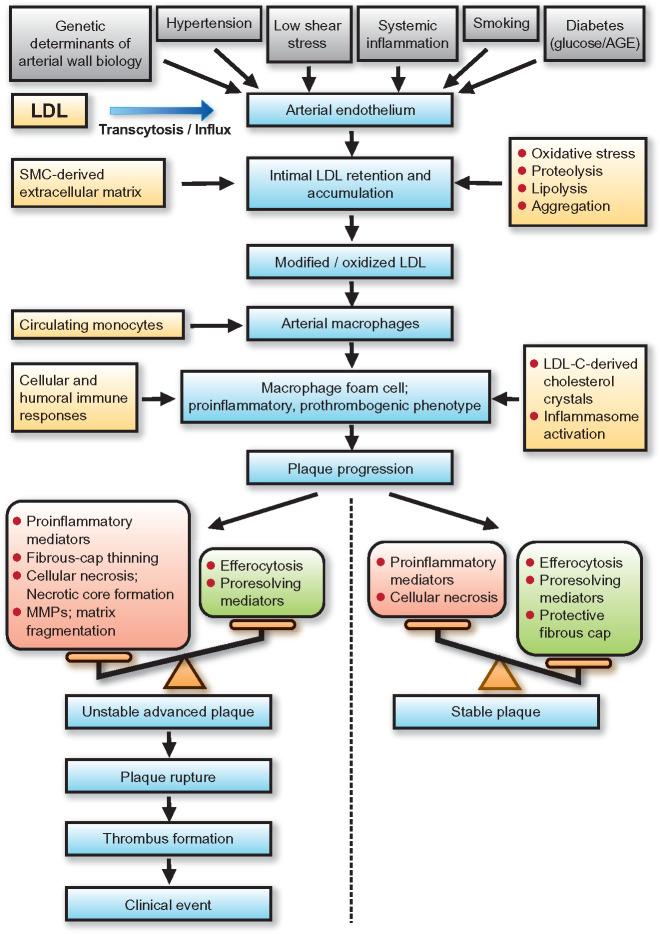
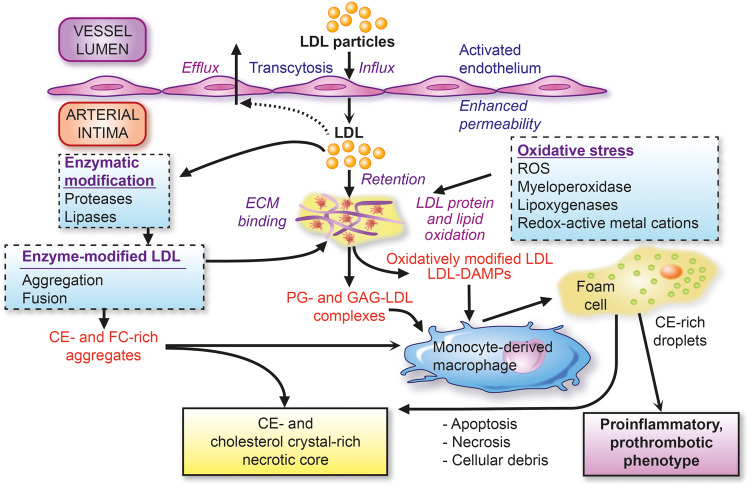
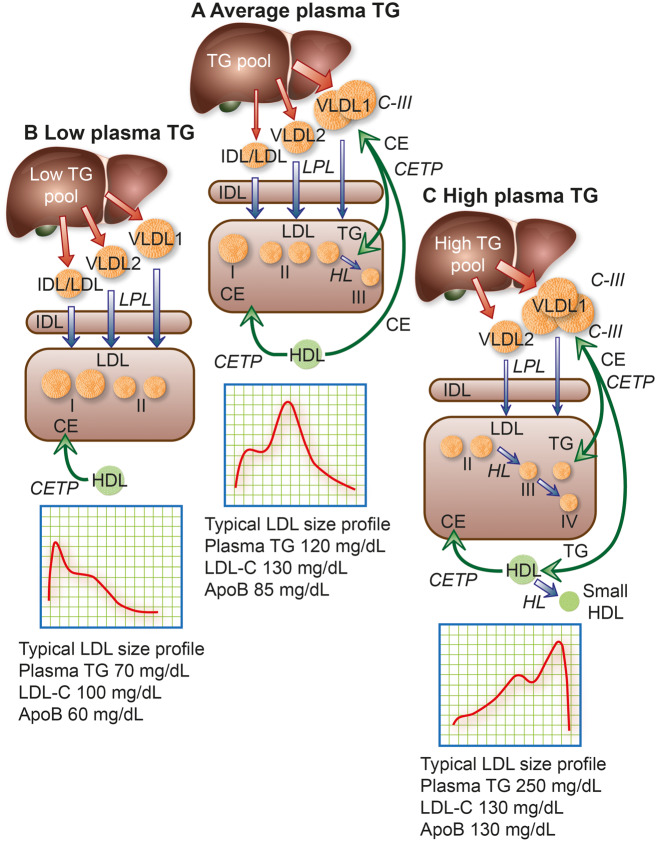
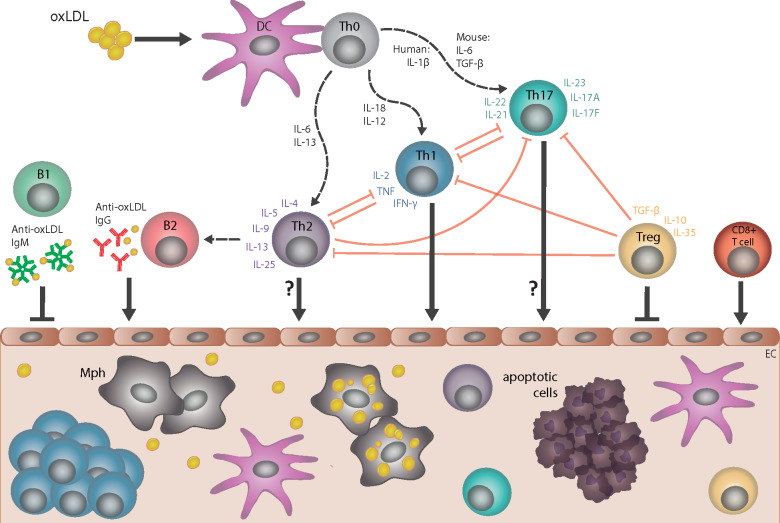
Verification
Claims the paper makes
The claims and statistics of this paper haven’t been checked yet.
Free: it reads the open-access text and checks the first 5 claims that cite a source we can check. Create a free account to check every claim.
Claims other papers make about this one
Each is checked against this paper’s own text: does it say what the citing paper says it does?
The source backs part of the claim, not all of it — or backs it for a different population, condition or comparison.
In the citing paper
“any proatherogenic effects of TRL and remnants will be synergistic to those of other apoB-containing lipoproteins, particularly LDL and lipoprotein(a).17,25,93,104,206”
From Triglyceride-rich lipoproteins and their remnants: metabolic insights, role in atherosclerotic cardiovascular disease, and emerging therapeutic strategies—a consensus statement from the European Atherosclerosis Society (2021) · cites this paper as [93]
Experimental — accuracy not yet measuredThe source backs part of the claim, not all of it — or backs it for a different population, condition or comparison.
In the citing paper
“On a per particle basis, cholesterol-rich remnant particles are more potent inducers of macrophage foam cells than LDL and do not need structural modification to trigger uptake.36,93,141”
From Triglyceride-rich lipoproteins and their remnants: metabolic insights, role in atherosclerotic cardiovascular disease, and emerging therapeutic strategies—a consensus statement from the European Atherosclerosis Society (2021) · cites this paper as [93]
Experimental — accuracy not yet measuredThe cited source says what the claim attributes to it.
In the citing paper
“While LDL-C is an established major causal factor for ASCVD,93,103,104 the causality of TG, TRL, or TRL remnants for ASCVD is contentious.17,36,105–107”
The cited source says what the claim attributes to it.
In the citing paper
“Consequently, reducing LDL cholesterol levels stands as one of the most common approaches in clinical practice for treating and preventing ASCVD [6].”
From Residual Cardiovascular Risk: Role of Remnants Cholesterol, Monocyte/HDL Ratio and Lipoprotein Ratios on Personalized Cardiovascular Prevention (2024) · cites this paper as [6]
The cited source says what the claim attributes to it.
In the citing paper
“The observed trends in lipid content are consistent with slight increases in LDL particle numbers, which could confer increased risk for atherosclerotic cardiovascular disease [85].”
From Evaluation of exploratory fluid biomarkers from a phase 1 senolytic trial in mild Alzheimer's disease (2025) · cites this paper as [85]
5 more claims about this paper
Create a free account to see every claim other papers make about this one.
Self-check
Percentages, sums and reported differences re-computed from the paper’s own numbers.
The self-check needs the paper’s full text.
Citations
Cites
Antiinflammatory Therapy with Canakinumab for Atherosclerotic Disease
Ridker, P. M., Everett, B. M., Thuren, T., MacFadyen, J. G., Chang, W. H., Ballantyne, C., Fonseca, F., Nicolau, J., Koenig, W., Anker, S. D., et al. (2017) · New England Journal of Medicine · doi:10.1056/nejmoa1707914 · Cited by 9,482 · cited 1×
“in a secondary prevention trial in which patients were treated with a statin in combination with the anti-IL-1b antibody canakinumab.(154)”
BackgroundMach, F., Baigent, C., Catapano, A. L., Koskinas, K. C., Casula, M., Badimon, L., Chapman, M. J., De Backer, G. G., Delgado, V., Ference, B. A., et al. (2020) · European Heart Journal · doi:10.1093/eurheartj/ehz455 · Cited by 8,961
Self-citationInflammation, Atherosclerosis, and Coronary Artery Disease
Hansson, G. K. (2005) · New England Journal of Medicine · doi:10.1056/nejmra043430 · Cited by 8,773 · cited 1×
“to the oxidative modification of LDL and thus to the pathogenesis of accelerated atherosclerosis.(285,286) Furthermore, recent data suggest”
BackgroundInflammation in atherosclerosis
Libby, P. (2002) · Nature · doi:10.1038/nature01323 · Cited by 8,315
Epstein, F. H., Steinberg, D., Parthasarathy, S., Carew, T. E., Khoo, J. C., & Witztum, J. L. (1989) · New England Journal of Medicine · doi:10.1056/nejm198904063201407 · Cited by 6,427
Grundy, S. M., Stone, N. J., Bailey, A. L., Beam, C., Birtcher, K. K., Blumenthal, R. S., Braun, L. T., de Ferranti, S., Faiella-Tommasino, J., Forman, D. E., et al. (2019) · Circulation · doi:10.1161/cir.0000000000000625 · Cited by 6,185
Evolocumab and Clinical Outcomes in Patients with Cardiovascular Disease
Sabatine, M. S., Giugliano, R. P., Keech, A. C., Honarpour, N., Wiviott, S. D., Murphy, S. A., Kuder, J. F., Wang, H., Liu, T., Wasserman, S. M., et al. (2017) · New England Journal of Medicine · doi:10.1056/nejmoa1615664 · Cited by 6,138
Mach, F., Baigent, C., Catapano, A. L., Koskinas, K. C., Casula, M., Badimon, L., Chapman, M. J., De Backer, G. G., Delgado, V., Ference, B. A., et al. (2019) · Atherosclerosis · doi:10.1016/j.atherosclerosis.2019.08.014 · Cited by 4,854
Self-citationVirmani, R., Kolodgie, F. D., Burke, A. P., Farb, A., & Schwartz, S. M. (2000) · Arteriosclerosis, Thrombosis, and Vascular Biology · doi:10.1161/01.atv.20.5.1262 · Cited by 4,084 · cited 1×
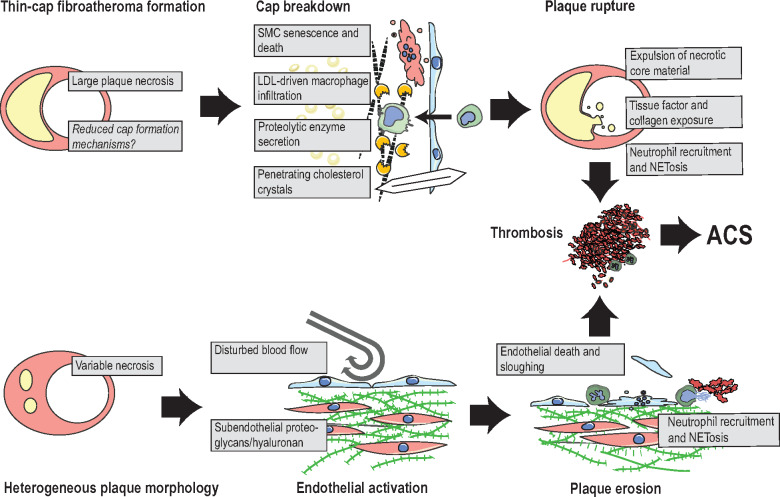
“brous cap, a large necrotic core, pronounced inflammation, and low vascular SMC density.(246) Both biomechanical and haemodynamic factors contribute to plaque rupture,(247) and the exposure of the blood”
BackgroundBerenson, G. S., Srinivasan, S. R., Bao, W., Newman, W. P., Tracy, R. E., & Wattigney, W. A. (1998) · New England Journal of Medicine · doi:10.1056/nejm199806043382302 · Cited by 4,032
Cited by
Items 801–900 of 1,002
Phimarn, W., Taengthonglang, C., & Sungthong, B. (2024) · Journal of Herbmed Pharmacology · doi:10.34172/jhp.2024.49331 · Cited by 6
“Furthermore, the increased levels of triglycerides (TG), total cholesterol (TC), and low-density lipoprotein cholesterol (LDL-C) increase the risk of CVD, but high-density lipoprotein cholesterol (HDL-C) provides protection (6,7).”
Yamamoto, T., Okuno, M., Kuwano, K., & Ogura, Y. (2025) · International Journal of Medical Microbiology · doi:10.1016/j.ijmm.2025.151646 · Cited by 5
Gaggini, M., Suman, A. F., & Vassalle, C. (2025) · Metabolites · doi:10.3390/metabo15030168 · Cited by 5
Examining the link between 179 lipid species and 7 diseases using genetic predictors
Ottensmann, L., Tabassum, R., Ruotsalainen, S., Gerl, M. J., Klose, C. D., McCartney, D. L., Widén, E., Simons, K., Ripatti, S., Vitart, V., et al. (2025) · EBioMedicine · doi:10.1016/j.ebiom.2025.105671 · Cited by 6
Wang, Y., Cheng, Y., Guo, Y., Yang, F., Zhou, R., Zhang, Q. Y., Ye, X., Feng, S., Shen, K., & Hu, W. (2025) · European Journal of Drug Metabolism and Pharmacokinetics · doi:10.1007/s13318-025-00944-5 · Cited by 5
“Evidence from genetic, epidemiologic, and clinical studies consistently demonstrate that low-density lipoprotein-cholesterol (LDL-C) is a causal factor in the pathophysiology of ASCVD [2].”
Are ultra-processed plant-based meats better than the alternative?
Greger, M. (2025) · Clinical Nutrition Open Science · doi:10.1016/j.nutos.2025.04.005 · Cited by 5
Chen, D.-L., Lin, Y., Wang, G., & Chang, K. (2025) · Scientific Reports · doi:10.1038/s41598-025-01951-x · Cited by 5
Kadhim, A. S., & Al-Karawi, A. S. (2025) · Medical Journal of Babylon · doi:10.4103/mjbl.mjbl_1195_23 · Cited by 7
PM2.5 and O3 co-exposure affecting serum LDL-C: evidence from epidemiology and animal models
Zhang, Y., Xu, J., Shi, J., Ma, Y., Yu, N., Zhou, X., Li, X., Wang, T., Jia, G., & Chen, Z. (2025) · Journal of Environmental Exposure Assessment · doi:10.20517/jeea.2025.25 · Cited by 7
Nanodelivery of Bioactive Natural Products: A Targeted Therapeutic Breakthrough for Atherosclerosis
Liu, C., Wang, P., Gu, R., Zhao, K., Gao, Y., Tang, B., Shi, M., & Li, Z. (2025) · Pharmaceutics · doi:10.3390/pharmaceutics17091102 · Cited by 7
“These macrophages take up large amounts of ox-LDL through the lectin-like oxidized low-density lipoprotein receptor-1 (LOX-1), eventually forming foam cells, which constitute the core components of AS plaques [126].”
Liang, S., Lang, X., Li, X., Zhang, H., Zhao, Y., Tao, C., & Gan, W. (2025) · Clinica Chimica Acta · doi:10.1016/j.cca.2025.120607 · Cited by 5
Dysregulated Lipid Metabolism as a Central Driver of Atherosclerotic Plaque Pathology
Steinbeck, J. E., Iannotti, R. A., & Rasheed, A. (2025) · Lipidology · doi:10.3390/lipidology2040017 · Cited by 6
“There are two forms of transcytosis, fluid-phase and receptor-mediated transcytosis [57,58].”
Nanoparticle to Nanoparticle Bioorthogonal Detection of Atherosclerosis
Muñoz-Hernando, M., Nogales, P., Pedro, A. R.-S., Ibanez-Moragues, M., Morcillo, M. Á., González-Cintado, L., Bentzon, J. F., & Herranz, F. (2025) · ACS Applied Materials & Interfaces · doi:10.1021/acsami.5c08945 · Cited by 5
Self-citationÄikäs, L., Kovanen, P. T., Lorey, M. B., Laaksonen, R., Holopainen, M., Ruhanen, H., Käkelä, R., Jauhiainen, M., Hermansson, M., & Öörni, K. (2025) · JCI Insight · doi:10.1172/jci.insight.193637 · Cited by 6
“Lipoproteins up to 70 nm in diameter can penetrate the arterial intima, where a subset becomes retained by binding to arterial proteoglycans — a key initiating event in atherogenesis (6).”
Lipid-Related Polygenic Risk Score and Its Association With Plaque Rupture Versus Erosion
Hamana, T., Gaynor, B. J., Grogan, A., Turoni-Glitz, A., Kawakami, R., Shiraki, T., Sekimoto, T., Tanaka, T., Fujiyoshi, K., Nakayama, T., et al. (2025) · Arteriosclerosis Thrombosis and Vascular Biology · doi:10.1161/atvbaha.125.323942 · Cited by 6
Xian, W., Wu, T., Zhao, X., Yang, Y., Li, X.-Y., & Wang, Y.-L. (2026) · Cardiovascular Diabetology · doi:10.1186/s12933-026-03135-x · Cited by 6
Ou, C., Liu, Z.-Q., Xiong, Y., Chen, S., Lv, T., & Lou, J. (2026) · Clinical Cardiology · doi:10.1002/clc.70297 · Cited by 5
Severe Spontaneous Atherosclerosis in two Korat Breed Cats is Comparable to Human Atherosclerosis
Karkamo, V., Airas, N., Lindén, J., Hagner, K., Mäyränpää, M. I., Kovanen, P. T., Sukura, A., & Kareinen, I. (2021) · Journal of Comparative Pathology · doi:10.1016/j.jcpa.2021.08.006 · Cited by 6
Chazarin, B., Benhaim-Delarbre, M., Brun, C., Anzeraey, A., Bertile, F., & Terrien, J. (2022) · International Journal of Molecular Sciences · doi:10.3390/ijms23084254 · Cited by 5
“LDL particles are the main drivers for atherogenic disorders [36], therefore, their lower levels in EW”
BackgroundCirculatory System (Cardiovascular and Lymphatic Systems)
Elgazzar, A. H., Alenezi, S. A., & Elfawal, M. A. (2022) · Springer eBooks · doi:10.1007/978-3-030-96252-4_9 · Cited by 6
Emelyanchik, V. S., Nikulina, S. Y., Emelyanchik, E. Y., & Protopopov, A. V. (2023) · Russian Journal of Cardiology · doi:10.15829/1560-4071-2022-5294 · Cited by 5
Velilla, T. A., Guijarro, C., Ruíz, R. C., Piñero, M. R., Marcos, J. F. V., Pérez, A., López, A. M. B., López, A. M., Donaire, J. A. G., Obaya, J. C., et al. (2023) · Advances in Laboratory Medicine / Avances en Medicina de Laboratorio · doi:10.1515/almed-2023-0047 · Cited by 6
“Among them, dislipidaemia is a well-known risk factor which control has proven to reduce cardiovascular morbimortality [3, 4].”
BackgroundOligosaccharides as Potential Therapeutics against Atherosclerosis
Dabravolski, S. A., Sukhorukov, V. N., Melnichenko, A. А., Khotina, V. A., & Orekhov, A. N. (2023) · Molecules · doi:10.3390/molecules28145452 · Cited by 6
Post-event follow-up costs in patients with atherosclerotic cardiovascular disease in Spain
López, I. M., Cerezo, J. F. G., Martínez, J. M. G., Cabello, I. E., Castellanos, M., Ruíz, R. C., Barrios, V., Pallarés‐Carratalá, V., Rodríguez, J. M., Talamante, N. M., et al. (2024) · Frontiers in Cardiovascular Medicine · doi:10.3389/fcvm.2024.1324537 · Cited by 5
Enhanced identification of familial hypercholesterolemia using central laboratory algorithms
Ibrahim, S., Nurmohamed, N. S., Nierman, M. C., de Goeij, J. N., Zuurbier, L. C., van Rooij, J., Schonck, W. A. M., de Vries, J., Hovingh, G. K., Reeskamp, L. F., et al. (2024) · Atherosclerosis · doi:10.1016/j.atherosclerosis.2024.117548 · Cited by 7
Rangwala, H. S., Fatima, H., Ali, M., Shafique, M. A., Rangwala, B. S., Virwani, V., Kumar, A., Arsal, S. A., Raja, A., Raja, S., et al. (2024) · American Journal of Cardiovascular Drugs · doi:10.1007/s40256-024-00649-1 · Cited by 7
“Extensive evidence from epidemiological, genetic, and randomized interventional clinical studies has consistently established a correlation between high low-density lipoprotein cholesterol (LDL-C) levels and an increased risk of atherosclerotic cardiovascular disease [2, 3].”
Coronary artery event-free or resilient familial hypercholesterolemia: what's in a name?
Zadeh, S. S. T., Chan, D. C., Mata, P., & Watts, G. F. (2024) · Current Opinion in Endocrinology Diabetes and Obesity · doi:10.1097/med.0000000000000874 · Cited by 6
Self-citationWang, Y.-W., Xu, J., Ma, L., Hu, H., Chen, H., Hua, J., Kong, X., Li, D., Li, L.-W., Pan, J.-Y., et al. (2024) · BMJ Open · doi:10.1136/bmjopen-2023-083730 · Cited by 5
“Therefore, the SPECIAL study aims to enrich plaque data for non-culprit coronary critical lesions and provide additional research evidence on the safety and efficacy of PCSK9 inhibitors in such patients.”
BackgroundRole of Cathelicidins in Atherosclerosis and Associated Cardiovascular Diseases
Dabravolski, S. A., Orekhov, N. A., Churov, A. V., Starodubtseva, I. A., Beloyartsev, D. F., Kovyanova, T. I., Sukhorukov, V. N., & Orekhov, A. N. (2024) · Journal of Molecular Pathology · doi:10.3390/jmp5030023 · Cited by 5
Chang, C., Li, Y., Chen, P., Chang, S.-H., & Chen, D. (2024) · Frontiers in Cardiovascular Medicine · doi:10.3389/fcvm.2024.1449219 · Cited by 5
Zhang, M., Yang, D., Wang, J., Wang, D., Xu, J., & Wang, Y. (2024) · Journal of Neurochemistry · doi:10.1111/jnc.16247 · Cited by 5
“VLDL is a lipoprotein secreted by the liver and consists of triglycerides, cholesterol, phospholipids, and differ - ent lipoproteins, of which triglycerides make up 50%–70% (Borén et al., 2020 ).”
Ye, Y., Markussen, B., Engelsen, S. B., & Khakimov, B. (2024) · Computers in Biology and Medicine · doi:10.1016/j.compbiomed.2024.109379 · Cited by 6
“Recent studies [1,4,38,39] have reported that blood plasma lipoproteins, especially LDL cholesterol subfractions play a key role in understanding pathogenesis of CVD and other chronic diseases and can be used as biomarkers.”
Li, G., Wu, G., Huang, Q., Dong, S., Zhou, Y., Lu, M., Liang, J., Zhou, X., & Zhou, Z. (2024) · Microchimica Acta · doi:10.1007/s00604-024-06909-w · Cited by 5
Liu, Y., Deng, L., Ding, F., Zhang, W., Zhang, S.-R., Zeng, B., Tong, H., & Wu, L. (2025) · Bioorganic Chemistry · doi:10.1016/j.bioorg.2025.108326 · Cited by 9
Lipid Dysregulation in Tangier Disease: A Case Series and Metabolic Characterization
Semmler, G., Baumgartner, C., Metz, M., Gensluckner, S., Habisch, H., Hofer, H., März, W., Offner, F. A., Völkerer, A., Petrenko, O., et al. (2025) · The Journal of Clinical Endocrinology & Metabolism · doi:10.1210/clinem/dgaf131 · Cited by 5
“Upon a CETP-mediated exchange of LDL-cholesteryl ester against VLDL-triglycerides (in triglyceride-rich/VLDL-rich environments), LDL particles would usually be expected to be lipo-lyzed by hepatic lipase, forming small dense LDL with their increased atherogenic potential [reviewed in (21)].”
Pamporis, K., Karakasis, P., & Tsiachris, D. (2025) · Current Opinion in Lipidology · doi:10.1097/mol.0000000000000988 · Cited by 5
Bergdal, R., Harjutsalo, V., Groop, P., Mutter, S., & on behalf of the FinnDiane Study Group (2025) · Cardiovascular Diabetology · doi:10.1186/s12933-025-02803-8 · Cited by 6
“Hyperglycaemia accelerates the development of atherosclerosis, but lipids are causal factors [22].”
LDL Cholesterol: ‘The Times They Are A-Changin’
Chapman, M. J., Giral, P., & Thérond, P. (2020) · Clinical Chemistry · doi:10.1093/clinchem/hvaa110 · Cited by 5
Self-citationWorm, N., Weingärtner, O., Schulze, P. C., & Lechner, K. (2021) · Herz · doi:10.1007/s00059-021-05067-6 · Cited by 5
“Das erweiterte Lipoproteinprofil zeigt eine relative Zunahme triglyzerid- und ApoC3-angereicherter VLDL-Partikel (VLDL1) sowie einen erhöhten Anteil an kleinen LDL-Partikeln (LDL III und LDL IV), einen erhöhten Anteil an kleinen HDL-Partikeln und ein meist erhöhtes ApoB [51].”
InfluentialPolyakova, O. A., Ostroumova, O. D., Ковалева, Г. П., & Павлеева, Е. Е. (2021) · Medical alphabet · doi:10.33667/2078-5631-2021-29-13-20 · Cited by 6
Lipoprotein(a): An update on its role in human health and disease
Koutsogianni, A.-D., Liberopoulos, E. N., & Tselepis, A. D. (2021) · Journal of Atherosclerosis Prevention and Treatment · doi:10.53590/japt.02.1028 · Cited by 5
Mazidi, M., Webb, R. J., Lip, G. Y. H., Kengne, A. P., Banach, M., & Davies, I. G. (2022) · Journal of Clinical Medicine · doi:10.3390/jcm11020313 · Cited by 6
Schekatolina, S., Lahovska, V., Bekshaev, A. Y., Контуш, С. М., Goff, W. L., & Kontush, A. (2022) · Metabolites · doi:10.3390/metabo12070623 · Cited by 5
Triglyceride-Rich Lipoproteins, Remnants, and Atherosclerotic Cardiovascular Disease Risk
Bharadiya, V. M., Rawal, S., Jain, V., Chevli, P. A., & Mehta, A. (2022) · Current Cardiovascular Risk Reports · doi:10.1007/s12170-022-00702-1 · Cited by 5
Roos, K., & Berkholz, J. (2023) · International Journal of Molecular Sciences · doi:10.3390/ijms24087306 · Cited by 5
“An excessive plasma concentration of LDL cholesterol is widely recognized as a causal factor of endothelial dysfunction and atherosclerotic vascular diseases [6,7].”
BackgroundRaal, F. J., & Cuchel, M. (2023) · Current Opinion in Lipidology · doi:10.1097/mol.0000000000000883 · Cited by 5
Self-citationKamal, Z., Al‐Amgad, Z., Zigo, F., Farkašová, Z., Zigová, M., Ahmad, A. M., Said, A. H., & Rehan, I. F. (2023) · Journal of Applied Animal Research · doi:10.1080/09712119.2023.2282518 · Cited by 5
“Oxidation of cholesterol fractions, particularly low-density lipoprotein (LDL), plays an important role in atherosclerosis (Borén et al. 2020).”
BackgroundBlood flow through a 3D stenosed artery and its constrained bypass graft design
Miguel, A. F. (2023) · Research on Biomedical Engineering · doi:10.1007/s42600-023-00330-7 · Cited by 5
miR-181d-5p ameliorates hypercholesterolemia by targeting PCSK9
Wang, Y., Li, F., Gao, X., Yu, H., Du, Z., Li, L., Yunhui, D., Hu, C., & Qin, Y. (2024) · Journal of Endocrinology · doi:10.1530/joe-23-0402 · Cited by 5
Papel de los lípidos en la ateroesclerosis
Civeira, F., Marco-Benedí, V., & Cenarro, A. (2020) · Revista Española de Cardiología Suplementos · doi:10.1016/s1131-3587(20)30023-6 · Cited by 9
Bushueva, O. Y. (2020) · Kardiologiia · doi:10.18087/cardio.2020.10.n1229 · Cited by 5
Capuano, E., Marchese, F., Capuano, R., Piramide, N., Palumbo, R., Simonis, V., Iannone, A. G., Pironti, S., & Capuano, V. (2021) · High Blood Pressure & Cardiovascular Prevention · doi:10.1007/s40292-021-00477-3 · Cited by 5
Hashimoto, T., Minami, Y., Asakura, K., Katamine, M., Kato, A., Katsura, A., Sato, T., Muramatsu, Y., Kameda, R., Meguro, K., et al. (2021) · Journal of clinical lipidology · doi:10.1016/j.jacl.2021.11.012 · Cited by 5
Cyclodextrins as promising therapeutics against cholesterol overload
Zákány, F., Kovács, T., Szente, L., & Varga, Z. (2022) · Elsevier eBooks · doi:10.1016/b978-0-323-85857-1.00028-6 · Cited by 7
OCCURRENCE OF METABOLIC SYNDROME COMPONENTS IN NORTHERNERS
Averyanova, I. V. (2022) · Russian Clinical Laboratory Diagnostics · doi:10.51620/0869-2084-2022-67-8-444-450 · Cited by 5
Di, Y., Wang, Z., Jia, C., Xie, X., Yang, S., Wang, W., Xie, X., Wang, Q., Hu, C., Xie, F., et al. (2023) · Advances in Therapy · doi:10.1007/s12325-023-02439-8 · Cited by 5
“Serum cholesterol and other lipoproteins such as low-density lipoprotein (LDL), very lowdensity lipoprotein (VLDL), and high-density lipoprotein (HDL) are known to be related to atherosclerotic cardiovascular disease (ASCVD) [4].”
BackgroundAmelia, R., Melida, D., Sjaaf, F., & Harun, H. (2023) · Jurnal Penelitian Pendidikan IPA · doi:10.29303/jppipa.v9i3.3407 · Cited by 5
Pang, J., Sanfilippo, F. M., Chan, D. C., & Watts, G. F. (2023) · Current Opinion in Endocrinology Diabetes and Obesity · doi:10.1097/med.0000000000000842 · Cited by 6
Self-citationYoo, T. K., Lee, M. Y., & Sung, K. (2024) · Journal of Atherosclerosis and Thrombosis · doi:10.5551/jat.64600 · Cited by 5
Velagapudi, S., Miranda, M. X., Adla, P., Kraler, S., Mohammed, S. A., Baki, S., Robert, J., Rohrer, L., Lee, H., Jang, H.-D., et al. (2025) · Cardiovascular Research · doi:10.1093/cvr/cvaf087 · Cited by 4
A contemporary snapshot of familial hypercholesterolemia registries
Zadeh, S. S. T., Pang, J., Chan, D. C., & Watts, G. F. (2024) · Current Opinion in Lipidology · doi:10.1097/mol.0000000000000958 · Cited by 4
Self-citationSmall dense low-density lipoprotein as biomarker in the elderly
Katajamäki, T., Koivula, M.-K., Salminen, M. J., Vahlberg, T. J., Heikkilä, E., Viljanen, A. M., Löppönen, M. K., Isoaho, R. E., Kivelä, S., Viitanen, M. H., et al. (2025) · Clinical Biochemistry · doi:10.1016/j.clinbiochem.2025.110916 · Cited by 4
Ren, B., Zeng, Z.-L., Deng, L., Hu, J.-M., Chen, M., Jiang, H.-W., Zang, C.-Z., Fang, S., Weiss, S. J., Liu, J., et al. (2025) · Acta Pharmacologica Sinica · doi:10.1038/s41401-025-01519-5 · Cited by 5
“Cholesterol-lowering drugs such as statins and proprotein convertase subtilisin/kexin-type 9 (PCSK9) inhibitors are highly effective at lowering the plasma levels of total cholesterol, LDL-C and triglycerides; however, these drugs reduce the relative cardiovascular risk by only ~40% [41, 42].”
Nonoptimal Temperature Exposure and Sphingolipid Metabolism: Implications for Cardiovascular Risk
Xu, Y., Han, Y., Wu, C., Li, H., Wang, Y., Chatzidiakou, L., Gong, J., Wang, T., Zhang, H., Yan, L., et al. (2025) · Environmental Science & Technology · doi:10.1021/acs.est.5c07999 · Cited by 4
Erbasan, E., Aliciaslan, M., Erendor, F., Şanlioğlu, A. D., & Şanlıoğlu, S. (2025) · Gene Therapy · doi:10.1038/s41434-025-00575-0 · Cited by 8
Lyu, L., Kao, C., Su, J., Yu, Y., Zhang, X., Lyu, J., Che, J., & Zhang, J. (2026) · Lipids in Health and Disease · doi:10.1186/s12944-025-02852-8 · Cited by 4
“From a pathophysiological perspective, the accumulation of apoB-containing lipoproteins in the arterial intima is a key initiating event in atherogenesis [6–8].”
Nucleic Acid–Based Therapies — The Next Frontier in Treating Dyslipidemias
Hegele, R. A. (2026) · Canadian Journal of Cardiology · doi:10.1016/j.cjca.2026.01.026 · Cited by 5
Self-citationApoA-1 versus HDL-C as markers of cardiovascular risk
BİLGİÇ, S., Pencina, K. M., Pencina, M. J., Dufresne, L., Thanassoulis, G., & Sniderman, A. D. (2026) · Journal of clinical lipidology · doi:10.1016/j.jacl.2026.02.017 · Cited by 5
Los, J., Broeders, W., Bahrar, H., Bulut, O. P., Bekkering, S., den Boeft, A., Sumpter, N. A., Cetinyurek‐Yavuz, A., Hol, I. H., Netea, M. G., et al. (2026) · Journal of the American Heart Association · doi:10.1161/jaha.125.048092 · Cited by 5
“58 In addition, low plasma triglyceride levels shift HDL particles toward larger, more cholesterol-rich subclasses.”
InfluentialSchut, Y., Bühler, D., Snaterse, M., Malekzadeh, A., Somsen, G. A., Martens, F. M. A. C., & Winter, M. M. (2026) · EClinicalMedicine · doi:10.1016/j.eclinm.2026.103886 · Cited by 4
Cardiovascular-Kidney-Metabolic Syndrome: Development of an ICD-10-CM Coding Framework
ZHAO, M., Zhang, J., Wang, H., Xu, C., Li, J., Li, C., He, X., & Zheng, X. (2026) · JMIR Diabetes · doi:10.2196/91827 · Cited by 5
“These conditions are often referred to as “the hep-atic manifestation of metabolic syndrome” and are closely linked with obesity, insulin resistance, and T2DM [67-69].”
Nagra, M., Goldman, D., Belury, M. A., & Messina, M. J. (2026) · Critical Reviews in Food Science and Nutrition · doi:10.1080/10408398.2026.2657527 · Cited by 6
Galectin-3—A Multifunctional Molecule and a Key Player in Health and Disease
Lupu, A., Negreanu–Pîrjol, T., Olariu, L., Negreanu-Pirjol, B.-S., Jurja, S., Lepădatu, A. C., BAȘA, M., & ROȘOIU, N. (2026) · Molecules · doi:10.3390/molecules31101694 · Cited by 4
Baragetti, A. (2022) · Metabolism and Target Organ Damage · doi:10.20517/mtod.2022.09 · Cited by 6
Bergmann, K., Stefańska, A., Krintus, M., & Sypniewska, G. (2023) · Nutrition Metabolism and Cardiovascular Diseases · doi:10.1016/j.numecd.2023.04.010 · Cited by 5
Sholl, J., & Raubenheimer, D. (2023) · The British Journal for the Philosophy of Science · doi:10.1086/728785 · Cited by 7
Barre, D. E., Mizier-Barre, K. A., & Griscti, O. (2024) · Endocrine Regulations · doi:10.2478/enr-2024-0026 · Cited by 5
Salman, I. N., Mohammed, N. U. G., Shaban, A., Abed, B. A., Mutar, S., & omran, H. H. (2024) · Journal of Diabetes & Metabolic Disorders · doi:10.1007/s40200-024-01547-8 · Cited by 4
“These conditions can lead to increased hepatic triglyceride lipoprotein synthesis, decreased clearance of triglyceride lipoproteins, and impaired postprandial lipoprotein metabolism [7, 8].”
Chandran, M., Rameshkumar, K. B., Jaleel, A., & Ayyappan, J. P. (2025) · Chemical Biology & Drug Design · doi:10.1111/cbdd.70055 · Cited by 4
“The current international guideline recommends intensifying the lipid lowering treatment as the key strategy for both primary and secondary prevention of ASCVDs (Borén et al. 2020).”
Yang, X., Lin, T., Luo, L., Chen, H., Dai, Y., Li, D., & Zhu, L. (2025) · Gynecological Endocrinology · doi:10.1080/09513590.2025.2487498 · Cited by 6
“Elevated serum LDL concentration is commonly regarded as a marker of dyslipidemia and a significant factor in increasing the risk of coronary artery atherosclerosis [28].”
Chen, P., Xu, Z. N., Li, C., Yu, L., Zhu, Q., Li, Z., Liu, T., Liu, D., & Mao, C. (2025) · Nutrients · doi:10.3390/nu17101742 · Cited by 4
Yang, M., Zhang, J., Feng, Z., Wang, M., Feng, Q., Zhang, R., Wu, C., Wu, T. B., Zhang, G., Niu, Y., et al. (2025) · Frontiers in Nutrition · doi:10.3389/fnut.2025.1576229 · Cited by 4
Cardiovascular complications in Diabetes: The role of NLRP3 inflammasome and targeted interventions
Jeyaraj, G. (2025) · Obesity Medicine · doi:10.1016/j.obmed.2025.100629 · Cited by 4
Kim, B. S., Kim, J., Choi, N., Kim, H., & Shin, J. (2025) · Annals of Medicine · doi:10.1080/07853890.2025.2551813 · Cited by 4
“The causal role of LDL-C in ASCVD is well established, with extensive evidence supporting its contribution to atherogenesis via endothelial dysfunction and oxidative stress [37].”
Matsumoto, I., Mukaida, K., Wada, K., Kurozumi, M., Namba, T., & Takagi, Y. (2025) · Circulation Reports · doi:10.1253/circrep.cr-25-0091 · Cited by 6
Li, C., Qiao, L., & Tang, L. (2025) · BMC Endocrine Disorders · doi:10.1186/s12902-025-02043-7 · Cited by 4
“Elevated LDL accumulation in the arterial wall, along with the complex immune-inflammatory response it triggers [42], not only initiates atherosclerotic cardiovascular disease (ASCVD) but also plays a crucial role in the eventual formation of thrombi associated with atherosclerosis [43].”
Desouky, M. A., El‐Magd, M. A., Mousa, M. A., Mallick, A. H., Khan, D., & Desouky, D. A. (2025) · Beni-Suef University Journal of Basic and Applied Sciences · doi:10.1186/s43088-025-00694-y · Cited by 5
“PCSK9 can both retain ox-LDL and initiate the release of inflammatory cytokines [98].”
Simonen, P. P., Arte, E., & Gylling, H. (2021) · Journal of Cardiovascular Development and Disease · doi:10.3390/jcdd8040036 · Cited by 5
Altschmiedová, T., Todorovová, V., Vrablík, M., & Češka, R. (2022) · Frontiers in Genetics · doi:10.3389/fgene.2022.849267 · Cited by 4
Sharma, S., Khudiwal, A., Bhardwaj, S., Chaturvedi, H., & Gupta, R. (2022) · PLoS ONE · doi:10.1371/journal.pone.0269605 · Cited by 4
“Multiple epidemiological, genome-wide and candidate-gene association, Mendelian randomization, mechanistic and experimental studies and randomized controlled clinical trials have confirmed importance of raised low-density lipoprotein (LDL) cholesterol as causal risk factor for coronary artery disease (CAD) [1, 2].”
BackgroundMethodYokoi, M., Ito, T., Kawada, Y., Mizoguchi, T., Yamamoto, J., Mori, K., Nakasuka, K., Kikuchi, S., Fujita, H., Kitada, S., et al. (2023) · Journal of Atherosclerosis and Thrombosis · doi:10.5551/jat.64091 · Cited by 5
Li, Y., Sun, M., Li, R., Dou, M., Dong, H., Xue, L., & Sun, G. (2023) · Journal of Clinical Biochemistry and Nutrition · doi:10.3164/jcbn.23-45 · Cited by 4
“(30) The 2018 AHA/ACC cholesterol management guide‐ lines require that LDL-C should be controlled below 1.8 mmol/L in very high-risk patients.”
BackgroundInfluentialUpdate of HDL in atherosclerotic cardiovascular disease
Schoch, L., Alcover, S., Padró, T., Ben‐Aicha, S., Mendieta, G., Badimón, L., & Vilahur, G. (2023) · Clínica e Investigación en Arteriosclerosis (English Edition) · doi:10.1016/j.artere.2023.11.001 · Cited by 6
Jawi, I. M., Yasa, I. W. P. S., & Widhiantara, I. G. (2024) · Journal of Applied Pharmaceutical Science · doi:10.7324/japs.2024.115259 · Cited by 5
“Interestingly, Apo-E inhibits atherosclerosis in hyperlipidemic circumstances by increasing plasma ApoA1-HDL, which is proven to reduce intracellular lipid accumulation, circulating leukocyte activation, and endothelial activation [57].”
BackgroundHypertriglyceridemia – a new and important present
Васильевна, Ц. О., Apartseva, N. E., & As, A. (2023) · Endocrinology News Opinions Training · doi:10.33029/2304-9529-2023-12-4-99-111 · Cited by 4
Borràs, C., Canyelles, M., Girona, J., Ibarretxe, D., Santos, D., Revilla, G., Llorente‐Cortés, V., Rotllán, N., Kovanen, P. T., Jauhiainen, M., et al. (2024) · JACC Basic to Translational Science · doi:10.1016/j.jacbts.2024.06.008 · Cited by 8
Self-citationHang, S., & Hegele, R. A. (2024) · Journal of International Medical Research · doi:10.1177/03000605241271876 · Cited by 4
Self-citationDeconinck, O. G., Sharman, J. E., Bishop, W., Lees, C. F., Dare, L., Hardikar, A., Fenton, C., Pointon, T., Watts, G. F., & Black, J. A. (2024) · Heart Lung and Circulation · doi:10.1016/j.hlc.2024.08.001 · Cited by 4
Self-citationLiu, J., Teng, T.-Q., Li, Z., Hu, F.-W., Sha, W., Shen, C., Xia, Y., Zhang, Y., & Li, L. (2024) · Frontiers in Cardiovascular Medicine · doi:10.3389/fcvm.2024.1471479 · Cited by 4
Arca, M., Pirillo, A., Gambacurta, R., Becker, C., Diamand, F., Ray, K. K., & Catapano, A. L. (2024) · European Atherosclerosis Journal · doi:10.56095/eaj.v3i3.76 · Cited by 4
Self-citation
Metadata
- Authors
- Borén, J., Chapman, M. J., Krauss, R. M., Packard, C. J., Bentzon, J. F., Binder, C. J., Daemen, M. J., Demer, L. L., Hegele, R. A., Nicholls, S. J., Nordestgaard, B. G., Watts, G. F., Bruckert, E., Fazio, S., Ference, B. A., Graham, I., Horton, J. D., Landmesser, U., Laufs, U., Masana, L., Pasterkamp, G., Raal, F. J., Ray, K. K., Schunkert, H., Taskinen, M.-R., van de Sluis, B., Wiklund, O., Tokgozoglu, L., Catapano, A. L., & Ginsberg, H. N.
- Affiliations
- Sahlgrenska University Hospital (SE)
- Inserm (FR)
- University of California, San Francisco (US)
- University of Glasgow (GB)
- Aarhus University (DK)
- Austrian Academy of Sciences (AT)
- Amsterdam University Medical Centers (NL)
- University of California, Los Angeles (US)
- Western University (CA)
- Monash University (AU)
- University of Copenhagen (DK)
- The University of Western Australia (AU)
- INSERM UMRS1166, Department of Endocrinology-Metabolism, ICAN - Institute of CardioMetabolism and Nutrition, AP-HP, Hopital de la Pitie , Paris, France
- Oregon Health & Science University (US)
- University of Cambridge (GB)
- Trinity College Dublin (IE)
- The University of Texas Southwestern Medical Center (US)
- Berlin Institute of Health at Charité - Universitätsmedizin Berlin (DE)
- University Hospital Leipzig (DE)
- Centro de Investigación Biomédica en Red Diabetes y Enfermedades Metabólicas Asociadas (ES)
- University Medical Center Utrecht (NL)
- University of the Witwatersrand (ZA)
- Imperial College London (GB)
- German Centre for Cardiovascular Research (DE)
- University of Helsinki (FI)
- Department of Pediatrics, University of Groningen, University Medical Center Groningen , Groningen, The Netherlands
- Department of Cardiology, Hacettepe University Faculty of Medicine , Ankara, Turkey
- University of Milan (IT)
- Columbia University (US)
- Corresponding author
- Chapman, M John
- ORCID
- Borén, Jan
- Chapman, M John
- Krauss, Ronald M
- Packard, Chris J
- Bentzon, Jacob F
- Binder, Christoph J
- Daemen, Mat J
- Demer, Linda L
- Hegele, Robert A
- Nicholls, Stephen J
- Nordestgaard, Børge G
- Watts, Gerald F
- Fazio, Sergio
- Graham, Ian
- Horton, Jay D
- Landmesser, Ulf
- Laufs, Ulrich
- Masana, Luis
- Pasterkamp, Gerard
- Raal, Frederick J
- Ray, Kausik K
- Schunkert, Heribert
- Taskinen, Marja-Riitta
- Wiklund, Olov
- Tokgozoglu, Lale
- Catapano, Alberico L
- Ginsberg, Henry N
- Venue
- European Heart Journal
- Publisher
- Oxford University Press (OUP)
- Published
- 2020-02-13
- Volume
- 41
- Issue
- 24
- Pages
- 2313-2330
- ISSN
- 0195-668X (ISSN-L)
- 1522-9645
- PMC
- PMC7308544
- OpenAlex
- W3006116566
- Semantic Scholar
- 3ff51a04cbb6dbd4f9301cb36755d45d0bc71096
- Cited by
- 1,601
- References
- 351
- Citations by year
- 2026: 250 · 2025: 294 · 2024: 255 · 2023: 265 · 2022: 231 · 2021: 204 · 2020: 96
- FWCI
- 181.87
- Type
- journal article
- Language
- en
- Open access
- hybrid
- doi.org
- Licence
- Locations
- European Heart Journal (publishedVersion, cc-by-nc)
- PubMed Central (publishedVersion, cc-by-nc)
- PubMed (publishedVersion)
- Pure Amsterdam UMC (publishedVersion, cc-by)
- Research at the University of Copenhagen (University of Copenhagen) (publishedVersion, cc-by-nc)
- University of Groningen research database (University of Groningen / Centre for Information Technology) (publishedVersion, cc-by-nc)
- ENLIGHTEN (Jurnal Bimbingan dan Konseling Islam) (acceptedVersion, cc-by-sa)
- Työväentutkimus Vuosikirja (submittedVersion, other-oa)
- Rovira & Virgili repository (submittedVersion, cc-by)
- Data Archiving and Networked Services (DANS) (submittedVersion, other-oa)
- HAL (submittedVersion, other-oa)
- LA Referencia (Red Federada de Repositorios Institucionales de Publicaciones Científicas) (submittedVersion, cc-by-nc)
- Utrecht University Repository (Utrecht University) (submittedVersion, other-oa)
- mediaTUM (Technical University of Munich) (submittedVersion, other-oa)
- mediaTUM – the media and publications repository of the Technical University Munich (Technical University Munich) (submittedVersion)
- UWA Profiles and Research Repository (UWA) (submittedVersion, cc-by-nc)
- Spiral (Imperial College London) (submittedVersion, cc-by-nc)
- Lenus, The Irish Health Repository (Dr Steevens Hospital Library) (submittedVersion)
- University of Groningen research database (University of Groningen / Centre for Information Technology) (submittedVersion, cc-by-nc)
- Funders
- The European Atherosclerosis Society
- Topics
- Health Sciences › Medicine › Cardiology and Cardiovascular Medicine › Lipoproteins and Cardiovascular Health
- Life Sciences › Immunology and Microbiology › Immunology › Atherosclerosis and Cardiovascular Diseases
- Life Sciences › Biochemistry, Genetics and Molecular Biology › Biochemistry › Cholesterol and Lipid Metabolism
- Keywords
- low-density lipoprotein, atherosclerotic cardiovascular disease, pathophysiology, genetic risk factors, lipid-lowering therapy, dyslipidemia, cardiovascular risk
- MeSH terms
- Cardiovascular Diseases, Humans, Cholesterol, LDL, Consensus, Atherosclerosis
About these checks
Registry, retraction, Cites and statistics results are computed, not judged, with one exception: a printed reference that no index lists is read once by a model before it counts as a citation error. Claims are extracted by a model and kept only when their quote appears verbatim in the text; each cited source is then checked, with a model’s help, for whether it says what the claim relies on. Those verdicts can be wrong — read the claim’s quote and the cited source before relying on one.
Statistics and arithmetic are recomputed, not judged.
Confidence bands are shown only for fields calibrated on our annotated test set. None is calibrated yet, so no band is shown.
What counts as a claim ›How we measure confidence ›How we check this ›
Are you an author, or do you see a problem with this page? Request a review
Data sources
Bibliographic data: Semantic Scholar, OpenAlex, Crossref.
Contains information from the Semantic Scholar Academic Graph Datasets, made available under the ODC Attribution License (ODC-BY 1.0).
Semantic Scholar’s data is described in: Kinney, R., et al. (2023). The Semantic Scholar Open Data Platform. arXiv:2301.10140.
