

Obesity and cardiovascular health
Open accessThe DOI matches its Crossref record; 80 of the 82 references it cites were found in a registry or an index.
Abstract
Obesity has risen to epidemic levels worldwide over the past few decades and has become a huge global health burden owing to its direct contribution to the development of some of the most prevalent chronic diseases including diabetes, hypertension, hyperlipidaemia, and other cardiovascular diseases. Obesity is a disease of positive energy balance resulting from complex interactions between abnormal neurohumoral responses and an individual’s socioeconomic, environmental, behavioural, and genetic factors leading to a state of chronic inflammation. Understanding the complex nature of the disease is crucial in determining the best approach to combat its rising numbers. Despite recent advancements in pharmacological therapy for the treatment of obesity, reversing weight gain and maintaining weight loss is challenging due to the relapsing nature of the disease. Prevention, therefore, remains the key which needs to start in utero and continued throughout life. This review summarizes the role obesity plays in the pathophysiology of various cardiovascular diseases both by directly affecting endothelial and myocyte function and indirectly by enhancing major cardiovascular risk factors like diabetes, hypertension, and hyperlipidaemia. We highlight the importance of a holistic approach needed to prevent and treat this debilitating disease. Particularly, we analyse the effects of plant-based diet, regular exercise, and non-exercise activity thermogenesis on obesity and overall cardiorespiratory fitness. Moreover, we discuss the significance of individualizing obesity management with a multimodal approach including lifestyle modifications, pharmacotherapy, and bariatric surgery to tackle this chronic disease.
Overview
The claims and statistics of this paper haven’t been checked yet.
Free: it reads the open-access text and checks the first 5 claims that cite a source we can check. Create a free account to check every claim.
Integrity signals
Registry
Cites
Statistics
Figures
Verification
Claims the paper makes
The claims and statistics of this paper haven’t been checked yet.
Free: it reads the open-access text and checks the first 5 claims that cite a source we can check. Create a free account to check every claim.
Claims other papers make about this one
Each is checked against this paper’s own text: does it say what the citing paper says it does?
The source backs part of the claim, not all of it — or backs it for a different population, condition or comparison.
In the citing paper
“Obesity is a serious worldwide health problem associated with increased risks of cardiovascular diseases, diabetes, and musculoskeletal and metabolic disorders (Welsh et al., 2024; Piche et al., 2018; Neeland, Poirier & Despres, 2018).”
From Effect of water-based aerobic training on anthropometric, biochemical, cardiovascular, and explosive strength parameters in young overweight and obese women: a randomized controlled trial (2025) · cites this paper as Welsh et al., 2024
Experimental — accuracy not yet measuredThe source backs part of the claim, not all of it — or backs it for a different population, condition or comparison.
In the citing paper
“Improvements in these parameters are directly related to reduced health risks and enhanced quality of life for overweight and obese women (Welsh et al., 2024; Oppert et al., 2021).”
From Effect of water-based aerobic training on anthropometric, biochemical, cardiovascular, and explosive strength parameters in young overweight and obese women: a randomized controlled trial (2025) · cites this paper as Welsh et al., 2024
Experimental — accuracy not yet measuredThe source backs part of the claim, not all of it — or backs it for a different population, condition or comparison.
In the citing paper
“Cardiovascular disease (CVD) remains a significant threat to people with obesity and type 2 diabetes (T2D), with a two to three times higher incidence compared to people without diabetes or obesity [1, 2].”
From Treatment with orforglipron, an oral glucagon-like peptide-1 receptor agonist, is associated with improvements of CV risk biomarkers in participants with type 2 diabetes or obesity without diabetes (2025) · cites this paper as [2]
Experimental — accuracy not yet measuredThe source backs part of the claim, not all of it — or backs it for a different population, condition or comparison.
In the citing paper
“Regular physical exercise is well-documented to have a positive effect on physical performance, and it is associated with numerous beneficial changes in anthropometrics and health markers, such as weight loss, improvement of glycemic control, changes in lipid profile, and gains in muscle strength and oxygen uptake among both overweight and obese adults (Welsh et al., 2024; Pippi et al., 2022; Cost”
From Effect of water-based aerobic training on anthropometric, biochemical, cardiovascular, and explosive strength parameters in young overweight and obese women: a randomized controlled trial (2025) · cites this paper as Welsh et al., 2024
Experimental — accuracy not yet measuredThe source backs part of the claim, not all of it — or backs it for a different population, condition or comparison.
In the citing paper
“In addition, physical activity had significant effects on glucose levels in individuals with overweight or obesity (Welsh et al., 2024).”
From Effect of water-based aerobic training on anthropometric, biochemical, cardiovascular, and explosive strength parameters in young overweight and obese women: a randomized controlled trial (2025) · cites this paper as Welsh et al., 2024
Experimental — accuracy not yet measured
9 more claims about this paper
Create a free account to see every claim other papers make about this one.
Self-check
Percentages, sums and reported differences re-computed from the paper’s own numbers.
The self-check needs the paper’s full text.
Citations
Cites
The Physical Activity Guidelines for Americans
Piercy, K. L., Troiano, R. P., Ballard, R. M., Carlson, S. A., Fulton, J. E., Galuska, D. A., George, S. M., & Olson, R. D. (2018) · JAMA · doi:10.1001/jama.2018.14854 · Cited by 9,755 · cited 4×
“32 Several studies have indicated a protective effect of breastfeeding on reducing the risk of childhood obesity.”
BackgroundInfluentialHeart Disease and Stroke Statistics—2022 Update: A Report From the American Heart Association
Tsao, C. W., Aday, A. W., Almarzooq, Z. I., Alonso, A., Beaton, A. Z., Bittencourt, M. S., Boehme, A. K., Buxton, A. E., Carson, A. P., Commodore-Mensah, Y., et al. (2022) · Circulation · doi:10.1161/cir.0000000000001052 · Cited by 5,987 · cited 1×
“64 This is likely an over-estimated based on subjective questionnaire measurements.”
BackgroundHubert, H. B., Feinleib, M., McNamara, P. M., & Castelli, W. P. (1983) · Circulation · doi:10.1161/01.cir.67.5.968 · Cited by 4,241
Kyu, H. H., Abate, D., Abate, K. H., Abay, S. M., Abbafati, C., Abbasi, N., Abbastabar, H., Abd-Allah, F., Abdela, J., Abdelalim, A., et al. (2018) · The Lancet · doi:10.1016/s0140-6736(18)32335-3 · Cited by 4,081
Obesity and cardiovascular disease: a scientific statement from the American Heart Association
Powell-Wiley, T. M., Poirier, P., Burke, L. E., Després, J.-P., Gordon-Larsen, P., Lavie, C. J., Lear, S. A., Ndumele, C. E., Neeland, I. J., Sanders, P., et al. (2021) · Circulation · doi:10.1161/cir.0000000000000973 · Cited by 3,691
Semaglutide and Cardiovascular Outcomes in Obesity without Diabetes
Lincoff, A. M., Brown-Frandsen, K., Colhoun, H. M., Deanfield, J., Emerson, S. S., Esbjerg, S., Hardt-Lindberg, S., Hovingh, G. K., Kahn, S. E., Kushner, R. F., et al. (2023) · New England Journal of Medicine · doi:10.1056/nejmoa2307563 · Cited by 3,236
Diabetes Prevention Program Research Group (2009) · The Lancet · doi:10.1016/s0140-6736(09)61457-4 · Cited by 3,020 · cited 1×
“83 Therefore, weight regain may not fully diminish benefits of weight loss on cardiometabolic health, and traditional lifestyle modifications programme likely require a greater focus on long-term weight management.”
BackgroundDONNELLY, J. E., BLAIR, S. N., JAKICIC, J. M., MANORE, M. M., RANKIN, J. W., & SMITH, B. K. (2009) · Medicine & Science in Sports & Exercise · doi:10.1249/mss.0b013e3181949333 · Cited by 2,658
(2020) · PubMed · Cited by 2,642
Weight and Type 2 Diabetes after Bariatric Surgery: Systematic Review and Meta-analysis
Buchwald, H., Estok, R., Fahrbach, K., Banel, D., Jensen, M. D., Pories, W. J., Bantle, J. P., & Sledge, I. (2009) · The American Journal of Medicine · doi:10.1016/j.amjmed.2008.09.041 · Cited by 2,551
Predicting adult obesity from childhood obesity: a systematic review and meta‐analysis
Simmonds, M., Llewellyn, A., Owen, C. G., & Woolacott, N. (2016) · Obesity Reviews · doi:10.1111/obr.12334 · Cited by 2,103
Tirzepatide versus Semaglutide Once Weekly in Patients with Type 2 Diabetes
Frías, J. P., Davies, M. J., Rosenstock, J., Pérez Manghi, F. C., Fernández Landó, L., Bergman, B. K., Liu, B., Cui, X., & Brown, K. (2021) · New England Journal of Medicine · doi:10.1056/nejmoa2107519 · Cited by 2,096 · cited 1×
“Although tirze-patide demonstrated superiority in reducing weight loss at doses of 5, 10, and 15 mg compared with semaglutide 1 mg in the SURPASS-2 trial, 73 a comparison of tirzepatide with semaglutide 2.4 mg has yet to be performed.”
BackgroundInfluentialBlundell, J. E., Baker, J. L., Boyland, E., Blaak, E., Charzewska, J., de Henauw, S., Frühbeck, G., Gonzalez-Gross, M., Hebebrand, J., Holm, L., et al. (2017) · Obesity Facts · doi:10.1159/000455952 · Cited by 1,945
Long-term weight loss maintenance
Wing, R. R., & Phelan, S. (2005) · The American Journal of Clinical Nutrition · doi:10.1093/ajcn/82.1.222s · Cited by 1,941 · cited 1×
“60 This is likely multifactorial, including neurohormonal response to weight loss such as increases in appetite hormones (e.g. ghrelin) and reductions in anorexigenic hormones [leptin, glucagon-like peptie-1 (GLP-1)] in addition to reductions in compliance with self-monitoring/weighing habits, and…”
BackgroundDeutz, N. E. P., Bauer, J. M., Barazzoni, R., Biolo, G., Boirie, Y., Bosy-Westphal, A., Cederholm, T., Cruz-Jentoft, A., Krznariç, Z., Nair, K. S., et al. (2014) · Clinical Nutrition · doi:10.1016/j.clnu.2014.04.007 · Cited by 1,738
Semaglutide in Patients with Heart Failure with Preserved Ejection Fraction and Obesity
Kosiborod, M. N., Abildstrøm, S. Z., Borlaug, B. A., Butler, J., Rasmussen, S., Davies, M., Hovingh, G. K., Kitzman, D. W., Lindegaard, M. L., Møller, D. V., et al. (2023) · New England Journal of Medicine · doi:10.1056/nejmoa2306963 · Cited by 1,669
Dyslipidemia in obesity: Mechanisms and potential targets
Klop, B., Elte, J., & Cabezas, M. (2013) · Nutrients · doi:10.3390/nu5041218 · Cited by 1,665 · cited 1×
“23 These abnormalities are driven by the combination of the greater delivery of free fatty acids and triglycerides to the liver from excess adipose tissue, insulin resistance, adipocyte dysfunction with reduced adiponectin and increased production of pro-inflammatory cytokines.”
BackgroundHamilton, M. T., Hamilton, D. G., & Zderic, T. W. (2007) · Diabetes · doi:10.2337/db07-0882 · Cited by 1,655
Physical activity from childhood to adulthood
Telama, R., Yang, X., Viikari, J., Välimäki, I., Wanne, O., & Raitakari, O. (2005) · American Journal of Preventive Medicine · doi:10.1016/j.amepre.2004.12.003 · Cited by 1,585 · cited 4×
“Although moderate amounts of physical exercise do not result in substantial weight loss, the overall health benefits of regular exercise and strong evidence to demonstrate a relationship between greater amounts of PA and attenuated weight gain in adults underscore the importance of routine exercise and PA.”
BackgroundInfluentialSarcopenic obesity in older adults: aetiology, epidemiology and treatment strategies
Batsis, J. A., & Villareal, D. T. (2018) · Nature Reviews Endocrinology · doi:10.1038/s41574-018-0062-9 · Cited by 1,382 · cited 2×
“45 However, further evidence is needed to support the effect of supplemental protein on functional outcomes in patients with sarcopenic obesity.”
BackgroundObesity-Induced Hypertension: Interaction of Neurohumoral and Renal Mechanisms
Hall, J. E., do Carmo, J. M., da Silva, A. A., Wang, Z., & Hall, M. E. (2015) · Circulation Research · doi:10.1161/circresaha.116.305697 · Cited by 1,360 · cited 2×
“20”
BackgroundHill, J. O., Wyatt, H. R., & Peters, J. C. (2012) · Circulation · doi:10.1161/circulationaha.111.087213 · Cited by 1,317
Church, T. S., Thomas, D. M., Tudor-Locke, C., Katzmarzyk, P. T., Earnest, C. P., Rodarte, R. Q., Martin, C. K., Blair, S. N., & Bouchard, C. (2011) · PLoS ONE · doi:10.1371/journal.pone.0019657 · Cited by 1,294 · cited 1×
“62 Not all movement is exercise, and ‘too little exercise’ is not equivalent to ‘too much sitting’.”
BackgroundWilding, J. P. H., Batterham, R. L., Davies, M., Van Gaal, L. F., Kandler, K., Konakli, K., Lingvay, I., McGowan, B. M., Oral, T. K., Rosenstock, J., et al. (2022) · Diabetes, Obesity and Metabolism · doi:10.1111/dom.14725 · Cited by 1,128 · cited 1×
“74 Overall, pharmacologic treatment for obesity is not as effective as bariatric surgery for weight loss and weight maintenance.”
BackgroundBlood Pressure, Systolic and Diastolic, and Cardiovascular Risks: US Population Data
Stamler, J. (1993) · Archives of Internal Medicine · doi:10.1001/archinte.1993.00410050036006 · Cited by 1,015 · cited 1×
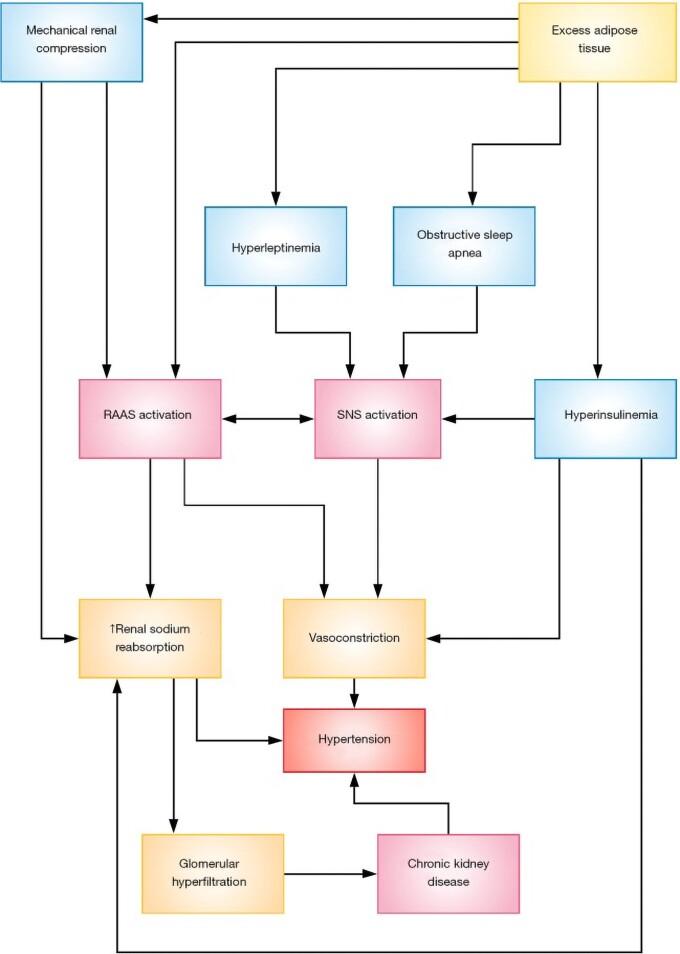
“19 The relationship between obesity and hypertension is well established with estimates that obesity accounts for 65–78% of cases of essential hypertension 9 ( Figure 1 ).”
BackgroundRubino, D. M., Greenway, F. L., Khalid, U., O’Neil, P. M., Rosenstock, J., Sørrig, R., Wadden, T. A., Wizert, A., Garvey, W. T., STEP 8 Investigators, et al. (2022) · JAMA · doi:10.1001/jama.2021.23619 · Cited by 995
Effects of Testosterone Treatment in Older Men
Snyder, P. J., Bhasin, S., Cunningham, G. R., Matsumoto, A. M., Stephens-Shields, A. J., Cauley, J. A., Gill, T. M., Barrett-Connor, E., Swerdloff, R. S., Wang, C., et al. (2016) · New England Journal of Medicine · doi:10.1056/nejmoa1506119 · Cited by 890
The Look AHEAD Study: A Description of the Lifestyle Intervention and the Evidence Supporting It
The Look AHEAD Research Group (2006) · Obesity · doi:10.1038/oby.2006.84 · Cited by 873 · cited 1×
“7,8 Undoubtedly, the key to combating the obesity pandemic is preventing people from becoming obese in the first place.”
BackgroundCourcoulas, A. P. (2013) · JAMA · doi:10.1001/jama.2013.280928 · Cited by 799 · cited 1×
“76 Furthermore, weight loss was sustained or even increased after 7 years for the RYGB and LAGB surgeries.”
BackgroundAerobic or Resistance Exercise, or Both, in Dieting Obese Older Adults
Villareal, D. T., Aguirre, L., Gurney, A. B., Waters, D. L., Sinacore, D. R., Colombo, E., Armamento-Villareal, R., & Qualls, C. (2017) · New England Journal of Medicine · doi:10.1056/nejmoa1616338 · Cited by 754
Bariatric Surgery and Long-term Durability of Weight Loss
Maciejewski, M. L., Arterburn, D. E., Van Scoyoc, L., Smith, V. A., Yancy, W. S., Weidenbacher, H. J., Livingston, E. H., & Olsen, M. K. (2016) · JAMA Surgery · doi:10.1001/jamasurg.2016.2317 · Cited by 720
Courcoulas, A. P., King, W. C., Belle, S. H., Berk, P., Flum, D. R., Garcia, L., Gourash, W., Horlick, M., Mitchell, J. E., Pomp, A., et al. (2018) · JAMA Surgery · doi:10.1001/jamasurg.2017.5025 · Cited by 699 · cited 1×
“77 Regardless of the procedure, most patients will regain some weight over time, typically around 5–10% in the first decade after surgery, and typically higher in the less invasive surgeries (LAGB) compared with the RYGB.”
BackgroundBogers, R. P. (2007) · Archives of Internal Medicine · doi:10.1001/archinte.167.16.1720 · Cited by 656
Gadde (2018) · doi:10.1016/j.jacc.2017.11.011 · Cited by 626
Apolipoprotein B Particles and Cardiovascular Disease: A Narrative Review
Sniderman, A. D., Thanassoulis, G., Glavinovic, T., Navar, A. M., Pencina, M., Catapano, A., & Ference, B. A. (2019) · JAMA Cardiology · doi:10.1001/jamacardio.2019.3780 · Cited by 593
Villareal, D. T., Apovian, C. M., Kushner, R. F., & Klein, S. (2005) · Obesity Research · doi:10.1038/oby.2005.228 · Cited by 579
The Effects of Exercise and Physical Activity on Weight Loss and Maintenance
Swift, D. L., McGee, J. E., Earnest, C. P., Carlisle, E., Nygard, M., & Johannsen, N. M. (2018) · Progress in Cardiovascular Diseases · doi:10.1016/j.pcad.2018.07.014 · Cited by 536 · cited 4×
“58 Therefore, the American College of Sports Medicine currently recommends 225–420 min/week of exercise for individuals attempting to lose weight.”
BackgroundInfluentialKelly, D. M., & Jones, T. H. (2015) · Obesity Reviews · doi:10.1111/obr.12282 · Cited by 487
Kim, H., Caulfield, L. E., Garcia‐Larsen, V., Steffen, L. M., Coresh, J., & Rebholz, C. M. (2019) · Journal of the American Heart Association · doi:10.1161/jaha.119.012865 · Cited by 437 · cited 1×
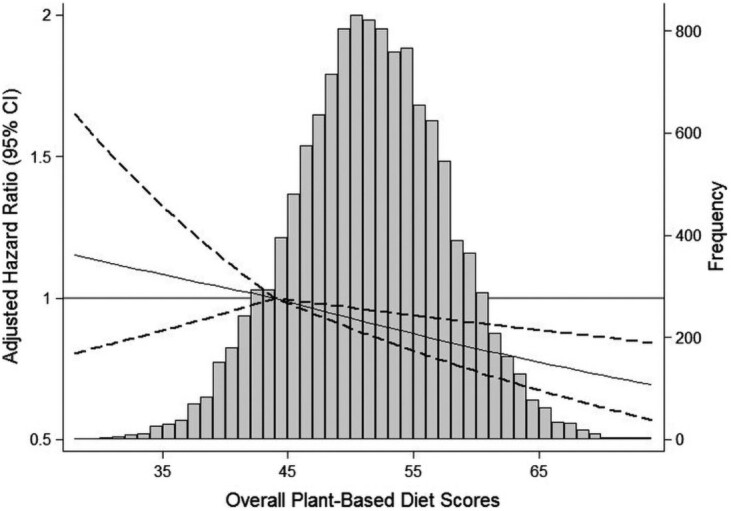
“Participants in the highest vs. lowest quintile for adherence to the overall plant-based diet index (PDI) had a 16, 31–32, and 18–25% lower risk of CVD, CVD mortality, and all-cause mortality, respectively 10 ( Figure 2 ).”
BackgroundEpidemic obesity in children and adolescents: risk factors and prevention
Lee, E. Y., & Yoon, K.-H. (2018) · Frontiers of Medicine · doi:10.1007/s11684-018-0640-1 · Cited by 405
Shariq, O. A., & McKenzie, T. J. (2020) · Gland Surgery · doi:10.21037/gs.2019.12.03 · Cited by 359
Wadden, T. A., Foster, G. D., & Letizia, K. A. (1994) · Journal of Consulting and Clinical Psychology · doi:10.1037//0022-006x.62.1.165 · Cited by 351
Bariatric surgery and cardiovascular outcomes: a systematic review
Vest, A. R., Heneghan, H. M., Agarwal, S., Schauer, P. R., & Young, J. B. (2012) · Heart · doi:10.1136/heartjnl-2012-301778 · Cited by 336
Changes in Utilization of Bariatric Surgery in the United States From 1993 to 2016
Campos, G. M., Khoraki, J., Browning, M. G., Pessoa, B. M., Mazzini, G. S., & Wolfe, L. (2020) · Annals of Surgery · doi:10.1097/sla.0000000000003554 · Cited by 326
Efficacy of Commercial Weight-Loss Programs: An Updated Systematic Review
Gudzune, K. A., Doshi, R. S., Mehta, A. K., Chaudhry, Z. W., Jacobs, D. K., Vakil, R. M., Lee, C. J., Bleich, S. N., & Clark, J. M. (2015) · Annals of Internal Medicine · doi:10.7326/m14-2238 · Cited by 325 · cited 1×
“81 Nonetheless, clinicians could consider referring overweight or obese patients to one of these commercial programmes though additional studies evaluating long-term outcomes are needed.”
BackgroundAlpert, M. A., Terry, B. E., Mulekar, M., Cohen, M. V., Massey, C. V., Fan, T. M., Panayiotou, H., & Mukerji, V. (1997) · The American Journal of Cardiology · doi:10.1016/s0002-9149(97)00505-5 · Cited by 325 · cited 1×
“18 In addition to the direct effects of obesity on cardiac structure and function, the cascade of obesity-induced metabolic dysfunction and disease states are major contributors to obesity-related heart failure.”
BackgroundLong-term weight loss maintenance for obesity: a multidisciplinary approach
Marchesini, G., Montesi, L., El Ghoch, M., Brodosi, L., Calugi, S., & Dalle Grave, R. (2016) · Diabetes, Metabolic Syndrome and Obesity: Targets and Therapy · doi:10.2147/dmso.s89836 · Cited by 320
Rito, A. I., Buoncristiano, M., Spinelli, A., Salanave, B., Kunešová, M., Hejgaard, T., García Solano, M., Fijałkowska, A., Sturua, L., Hyska, J., et al. (2019) · Obesity Facts · doi:10.1159/000500425 · Cited by 316
Obesity and subtypes of incident cardiovascular disease
Ndumele, C. E., Matsushita, K., Lazo, M., Bello, N., Blumenthal, R. S., Gerstenblith, G., Nambi, V., Ballantyne, C. M., Solomon, S. D., Selvin, E., et al. (2016) · Journal of the American Heart Association · doi:10.1161/jaha.116.003921 · Cited by 259 · cited 2×
“11 13–15 Most likely both direct vascular dysfunction and injury from excess adiposity and indirect obesity-induced metabolic risk factors significantly contribute to coronary atherosclerosis and ischaemic heart disease.”
BackgroundRosell, M., Appleby, P., Spencer, E., & Key, T. (2006) · International Journal of Obesity · doi:10.1038/sj.ijo.0803305 · Cited by 235 · cited 2×
“24”
BackgroundBody composition and cardiometabolic health across the menopause transition
Marlatt, K. L., Pitynski‐Miller, D. R., Gavin, K. M., Moreau, K. L., Melanson, E. L., Santoro, N., & Kohrt, W. M. (2022) · Obesity · doi:10.1002/oby.23289 · Cited by 223
Ozemek, C., Laddu, D. R., Lavie, C. J., Claeys, H., Kaminsky, L. A., Ross, R., Wisloff, U., Arena, R., & Blair, S. N. (2018) · Progress in Cardiovascular Diseases · doi:10.1016/j.pcad.2018.11.005 · Cited by 206
Nonexercise activity thermogenesis – liberating the life‐force
Levine, J. A. (2007) · Journal of Internal Medicine · doi:10.1111/j.1365-2796.2007.01842.x · Cited by 205 · cited 1×
“65 If the amount of PA necessary for weight loss approximates 2000–2500 calories per week—this would amount to ∼ 2.5 h of additional daily ambulation/standing (non-exercise activity) time integrated into one’s routine.”
BackgroundInfluentialKapoor, E., Collazo-Clavell, M. L., & Faubion, S. S. (2017) · Mayo Clinic Proceedings · doi:10.1016/j.mayocp.2017.08.004 · Cited by 201
Maternal gestational weight gain and offspring risk for childhood overweight or obesity
Sridhar, S. B., Darbinian, J., Ehrlich, S. F., Markman, M. A., Gunderson, E. P., Ferrara, A., & Hedderson, M. M. (2014) · American Journal of Obstetrics and Gynecology · doi:10.1016/j.ajog.2014.02.030 · Cited by 195
Nutrition in the First 1000 Days: Ten Practices to Minimize Obesity Emerging from Published Science
Pietrobelli, A., Agosti, M., & The MeNu Group (2017) · International Journal of Environmental Research and Public Health · doi:10.3390/ijerph14121491 · Cited by 175
Breastfeeding and childhood obesity: A 12‐country study
Ma, J., Qiao, Y., Zhao, P. Z., Li, W., Katzmarzyk, P. T., Chaput, J., Fogelholm, M., Kuriyan, R., Lambert, E. V., Maher, C. A., et al. (2020) · Maternal and Child Nutrition · doi:10.1111/mcn.12984 · Cited by 155
Chen, Z., Bassford, T., Green, S. B., Cauley, J. A., Jackson, R. D., LaCroix, A. Z., Leboff, M., Stefanick, M. L., & Margolis, K. L. (2005) · The American Journal of Clinical Nutrition · doi:10.1093/ajcn/82.3.651 · Cited by 154
Long-term weight loss maintenance for obesity: a multidisciplinary approach
Montesi, L., Ghoch, M. E., Brodosi, L., Calugi, S., Marchesini, G., & Dalle Grave, R. (2016) · Dove Medical Press (Taylor and Francis Group) · Cited by 154
School-Day and Overall Physical Activity Among Youth
Long, M. W., Sobol, A. M., Cradock, A. L. I., Subramanian, S. V., Blendon, R. J., & Gortmaker, S. L. (2013) · American Journal of Preventive Medicine · doi:10.1016/j.amepre.2013.03.011 · Cited by 135
On the Evolutionary Origins of Obesity: A New Hypothesis
Sellayah, D., Cagampang, F. R., & Cox, R. D. (2014) · Endocrinology · doi:10.1210/en.2013-2103 · Cited by 135
Kongnyuy, E. J., Norman, R. J., Flight, I. H., & Rees, M. C. (1999) · Cochrane Database of Systematic Reviews · doi:10.1002/14651858.cd001018 · Cited by 130
Peters, S. A. E., Yang, L., Guo, Y., Chen, Y., Bian, Z., Du, J., Yang, J., Li, S., Li, L., Woodward, M., et al. (2017) · Journal of the American Heart Association · doi:10.1161/jaha.117.006081 · Cited by 118 · cited 1×
“38 The mechanisms for these benefits have not been fully elucidated, and the observational nature of this study cannot conclude causation.”
BackgroundRole of Epicardial Adipose Tissue in Cardiovascular Diseases: A Review
Konwerski, M., Gąsecka, A., Opolski, G., Grabowski, M., & Mazurek, T. (2022) · Biology · doi:10.3390/biology11030355 · Cited by 118
The joint association of fitness and fatness on cardiovascular disease mortality: a meta-analysis.
Barry, V. W., Caputo, J. L., & Kang, M. (2018) · Progress in Cardiovascular Diseases · doi:10.1016/j.pcad.2018.07.004 · Cited by 107 · cited 1×
“57 In other words, low CRF is a stronger predictor of CVD mortality risk (more than double) than is elevated BMI.”
BackgroundThe impact of physician weight discussion on weight loss in US adults
Pool, A. C., Kraschnewski, J. L., Cover, L. A., Lehman, E. B., Stuckey, H. L., Hwang, K. O., Pollak, K. I., & Sciamanna, C. N. (2014) · Obesity Research & Clinical Practice · doi:10.1016/j.orcp.2013.03.003 · Cited by 97
Weight maintenance: challenges, tools and strategies for primary care physicians
Soleymani, T., Daniel, S., & Garvey, W. T. (2016) · Obesity Reviews · doi:10.1111/obr.12322 · Cited by 91
Kaczynski, A. T., Eberth, J. M., Stowe, E. W., Wende, M. E., Liese, A. D., McLain, A. C., Breneman, C. B., & Josey, M. J. (2020) · International Journal of Behavioral Nutrition and Physical Activity · doi:10.1186/s12966-020-00984-x · Cited by 67
Cardiac Effects of Obesity: PATHOPHYSIOLOGIC, CLINICAL, AND PROGNOSTIC CONSEQUENCES—A REVIEW
Alpert, M. A., Lavie, C. J., Agrawal, H., Kumar, A., & Kumar, S. A. (2016) · Journal of Cardiopulmonary Rehabilitation and Prevention · doi:10.1097/hcr.0000000000000147 · Cited by 64
Dong, Z., Xu, L., Liu, H., Lv, Y., Zheng, Q., & Li, L. (2017) · Obesity Reviews · doi:10.1111/obr.12606 · Cited by 57
Is gestational weight gain associated with offspring obesity at 36 months?
Diesel, J. C., Eckhardt, C. L., Day, N. L., Brooks, M. M., Arslanian, S. A., & Bodnar, L. M. (2014) · Pediatric Obesity · doi:10.1111/ijpo.262 · Cited by 54
Imai, C., Gunnarsdottir, I., Thorisdottir, B., Halldorsson, T., & Thorsdottir, I. (2014) · Nutrients · doi:10.3390/nu6041608 · Cited by 54
Obesity: an evolutionary context
Speakman, J. R., & Elmquist, J. K. (2022) · Life Metabolism · doi:10.1093/lifemeta/loac002 · Cited by 53
The impact of standing desks on cardiometabolic and vascular health
Bodker, A. M., Visotcky, A. M., Gutterman, D. D., Widlansky, M. E., & Kulinski, J. P. (2021) · Vascular Medicine · doi:10.1177/1358863x211001934 · Cited by 27
Self-citationWynder, E. L., & Lemon, F. R. (1958) · PubMed · Cited by 24
Flores‐Barrantes, P., Iguacel, I., Iglesia, I., Moreno, L. A., & Rodrı́guez, G. (2020) · Nutrients · doi:10.3390/nu12103178 · Cited by 21
Gestational Weight Gain and Offspring Longitudinal Growth in Early Life
Diesel, J., Eckhardt, C. L., Day, N. L., Brooks, M. M., Arslanian, S. A., & Bodnar, L. M. (2015) · Annals of Nutrition and Metabolism · doi:10.1159/000437149 · Cited by 18
A “NEAT” Approach to Obesity Prevention in the Modern Work Environment
Malaeb, S., Perez‐Leighton, C. E., Noble, E. E., & Billington, C. J. (2018) · Workplace Health & Safety · doi:10.1177/2165079918790980 · Cited by 18
Wickramasinghe, M., & Weaver, J. U. (2017) · Elsevier eBooks · doi:10.1016/b978-0-323-48559-3.00010-5 · Cited by 10
Kulinski, J. P. (2020) · Circulation · doi:10.1161/circulationaha.119.043657 · Cited by 6
Self-citation
Research works printed but not linked: 5
- 6. Khanna D, Welch BS, Rehman A. Pathophysiology of Obesity. [Updated 2022 Oct 20]. In: StatPearls [Internet]. Treasure Island (FL): StatPearls Publishing; 2023 Jan-. Available from: https://www.ncbi.nlm.nih.gov/books/NBK572076/
- 11. K M Gą G G M M z R E Cardiovascular Diseases: A Review. Biology (Basel). 2022 Feb 23;11(3):355.
- 18. Klop B, Elte JW, Cabezas MC. Dyslipidemia in obesity: mechanisms and potential targets. Nutrients. 2013;5(4):1218-1240.
- 31. Poston LP. Gestational Weight Gain. UpToDate.Waltham, MA. UpToDate Inc. http://www.uptodate.com (Accessed on January 10, 2023)
- von Loeffelholz, 2000, Endotext
Cited by
Ahmed, S. K., & Mohammed, R. A. (2025) · Metabolism Open · doi:10.1016/j.metop.2025.100375 · Cited by 432
“One of the most accessible and earliest cardiovascular effects of obesity is hypertension [61].”
Xu, Q., Gu, Y., Zhuo, K., Sun, Y., Ma, Y., Zhang, Y., Zhen, Y., Li, R., Zhang, L., Yao, Y., et al. (2026) · Cellular Signalling · doi:10.1016/j.cellsig.2026.112643 · Cited by 181
Hany, M., Torensma, B., Arida, R. E., Demerdash, H. M., Ibrahim, M., Shaaban, A. T. E., Hany, Z. M., & Roushdy, M. N. (2026) · Obesity Surgery · doi:10.1007/s11695-026-08538-z · Cited by 180
European Resuscitation Council Guidelines 2025 Special Circumstances in Resuscitation
Lott, C., Karageorgos, V., Abelairas‐Gómez, C., Alfonzo, A. V. M., Bierens, J. J. L. M., Cantellow, S., Debaty, G. P., Einav, S., Fischer, M. J., Salvado, V. G., et al. (2025) · Resuscitation · doi:10.1016/j.resuscitation.2025.110753 · Cited by 160
Cytokines as key players in obesity low grade inflammation and related complications
Uti, D. E., Atangwho, I. J., Omang, W. A., Alum, E. U., Obeten, U. N., Udeozor, P. A., Agada, S. A., Bawa, I., & Ogbu, C. O. (2025) · Obesity Medicine · doi:10.1016/j.obmed.2025.100585 · Cited by 129
Metadata
- Authors
- Welsh, A., Hammad, M., Piña, I. L., & Kulinski, J.
- Affiliations
- Medical College of Wisconsin (US)
- Thomas Jefferson University (US)
- Corresponding author
- Kulinski, Jacquelyn
- Venue
- European Journal of Preventive Cardiology
- Publisher
- Oxford University Press (OUP)
- Published
- 2024-01-19
- Volume
- 31
- Issue
- 8
- Pages
- 1026-1035
- ISSN
- 2047-4873 (ISSN-L)
- 2047-4881
- PMC
- PMC11144464
- OpenAlex
- W4391050623
- Cited by
- 239
- References
- 82
- Citations by year
- 2026: 105 · 2025: 116 · 2024: 18
- FWCI
- 20.99
- Type
- journal article
- Language
- en
- Open access
- hybrid
- doi.org
- Licence
- Locations
- European Journal of Preventive Cardiology (publishedVersion, cc-by-nc)
- PubMed Central (publishedVersion, cc-by-nc)
- PubMed (publishedVersion)
- eScholarship (California Digital Library) (submittedVersion, cc-by-nc)
- Funders
- National Heart, Lung, and Blood Institute (R01HL162888)
- National Institutes of Health
- Topics
- Health Sciences › Medicine › Public Health, Environmental and Occupational Health › Obesity, Physical Activity, Diet
- Health Sciences › Medicine › Endocrinology, Diabetes and Metabolism › Diabetes, Cardiovascular Risks, and Lipoproteins
- Health Sciences › Medicine › Cardiology and Cardiovascular Medicine › Cardiovascular Function and Risk Factors
- Keywords
- obesity, cardiovascular disease, positive energy balance, chronic inflammation, endothelial dysfunction, cardiomyocyte function, diabetes mellitus, hypertension, hyperlipidemia, plant-based diet, physical activity, non-exercise activity thermogenesis, cardiorespiratory fitness, bariatric surgery, obesity pharmacotherapy, lifestyle modification, obesity prevention
- MeSH terms
- Heart Disease Risk Factors, Cardiovascular Diseases, Humans, Obesity, Risk Factors, Risk Assessment, Risk Reduction Behavior
About these checks
Registry, retraction, Cites and statistics results are computed, not judged, with one exception: a printed reference that no index lists is read once by a model before it counts as a citation error. Claims are extracted by a model and kept only when their quote appears verbatim in the text; each cited source is then checked, with a model’s help, for whether it says what the claim relies on. Those verdicts can be wrong — read the claim’s quote and the cited source before relying on one.
Statistics and arithmetic are recomputed, not judged.
Confidence bands are shown only for fields calibrated on our annotated test set. None is calibrated yet, so no band is shown.
What counts as a claim ›How we measure confidence ›How we check this ›
Are you an author, or do you see a problem with this page? Request a review
Data sources
Bibliographic data: Semantic Scholar, OpenAlex, Crossref.
Contains information from the Semantic Scholar Academic Graph Datasets, made available under the ODC Attribution License (ODC-BY 1.0).
Semantic Scholar’s data is described in: Kinney, R., et al. (2023). The Semantic Scholar Open Data Platform. arXiv:2301.10140.
