

Mendelian randomization: genetic anchors for causal inference in epidemiological studies
Open accessThe DOI matches its Crossref record; 92 of the 92 references it cites were found in a registry or an index.
Abstract
Observational epidemiological studies are prone to confounding, reverse causation and various biases and have generated findings that have proved to be unreliable indicators of the causal effects of modifiable exposures on disease outcomes. Mendelian randomization (MR) is a method that utilizes genetic variants that are robustly associated with such modifiable exposures to generate more reliable evidence regarding which interventions should produce health benefits. The approach is being widely applied, and various ways to strengthen inference given the known potential limitations of MR are now available. Developments of MR, including two-sample MR, bidirectional MR, network MR, two-step MR, factorial MR and multiphenotype MR, are outlined in this review. The integration of genetic information into population-based epidemiological studies presents translational opportunities, which capitalize on the investment in genomic discovery research.
Overview
The claims and statistics of this paper haven’t been checked yet.
Free: it reads the open-access text and checks the first 5 claims that cite a source we can check. Create a free account to check every claim.
Integrity signals
Registry
Cites
Statistics
Figures
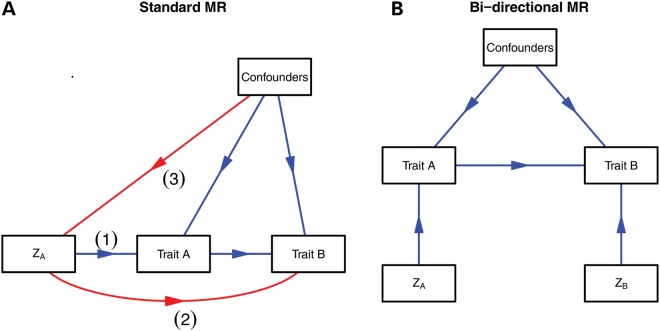
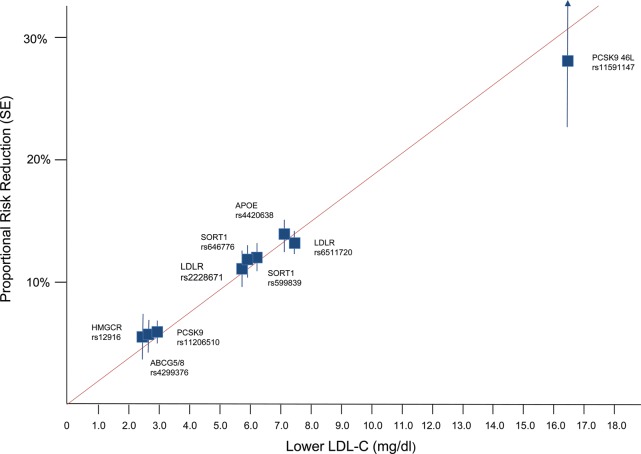
Verification
Claims the paper makes
The claims and statistics of this paper haven’t been checked yet.
Free: it reads the open-access text and checks the first 5 claims that cite a source we can check. Create a free account to check every claim.
Claims other papers make about this one
Each is checked against this paper’s own text: does it say what the citing paper says it does?
The source backs part of the claim, not all of it — or backs it for a different population, condition or comparison.
In the citing paper
“Similarly, violation of the ‘exclusion restriction criteria’33–37 could bias causal estimates in IV analyses when used to test effects of intermediates in RCTs or when used in observational data (including MR)”
From Triangulation in aetiological epidemiology (2017) · cites this paper as [35]
Experimental — accuracy not yet measuredThe cited source says what the claim attributes to it.
In the citing paper
“Discrepancies between MR findings and observational studies are frequently observed[9,17].”
From Evaluating genetic insights into ulcerative colitis and anxiety: Limitations and future directions (2024) · cites this paper as [17]
The cited source says what the claim attributes to it.
In the citing paper
“This pattern is consistent with a directional influence of disease liability on longevity27,64 and is also compatible with vertical pleiotropy65.”
From Genetic trade-offs in fertility and longevity explain the maintenance of disease-associated alleles in humans (2026) · cites this paper as [64]
The check wasn’t confident either way, so it gives no verdict — never disputed.
In the citing paper
“Varespladib (a drug targeting sPLA 2 -IIA) failed in VISTA16 41”
From Integrating genomics with biomarkers and therapeutic targets to invigorate cardiovascular drug development (2021) · cites this paper as [41]
Experimental — accuracy not yet measuredThe check wasn’t confident either way, so it gives no verdict — never disputed.
In the citing paper
“unlike the impact of weak instrument bias in one-sample MR (which biases effects towards the confounded multivariable regression result), in two-sample MR weak instrument bias is towards the null.”
From Commentary: Two-sample Mendelian randomization: opportunities and challenges (2016) · cites this paper as [3]
Experimental — accuracy not yet measured
5 more claims about this paper
Create a free account to see every claim other papers make about this one.
Self-check
Percentages, sums and reported differences re-computed from the paper’s own numbers.
The self-check needs the paper’s full text.
Citations
Cites
Genetics of Food Intake Self-Regulation in Childhood: Literature Review and Research Opportunities
Faith, M. S., Carnell, S., & Kral, T. V. E. (2013) · Human Heredity · doi:10.1159/000353879 · Cited by 7,601
Lippa, N. C., & Sanderson, S. C. (2013) · Human Heredity · doi:10.1159/000353712 · Cited by 6,078
Davey Smith, G., & Ebrahim, S. (2003) · International Journal of Epidemiology · doi:10.1093/ije/dyg070 · Cited by 5,882 · cited 1×
“A successful approach is to use genetic variants as exposure indicators that are not subject to the influences that vitiate conventional study designs, an approach known as Mendelian randomization (MR) (8,9).”
Common polygenic variation contributes to risk of schizophrenia and bipolar disorder
The International Schizophrenia Consortium (2009) · Nature · doi:10.1038/nature08185 · Cited by 4,821 · cited 1×
“significance thresholds are also included, the rationale being that these will include false-negatives owing to small effect size (56).”
BackgroundMendelian randomization: Using genes as instruments for making causal inferences in epidemiology
Lawlor, D. A., Harbord, R. M., Sterne, J. A. C., Timpson, N., & Davey Smith, G. (2008) · Statistics in Medicine · doi:10.1002/sim.3034 · Cited by 4,618
Frayling, T. M., Timpson, N. J., Weedon, M. N., Zeggini, E., Freathy, R. M., Lindgren, C. M., Perry, J. R. B., Elliott, K. S., Lango, H., Rayner, N. W., et al. (2007) · Science · doi:10.1126/science.1141634 · Cited by 4,531
Self-citationEffects of torcetrapib in patients at high risk for coronary events
Barter, P. J., Caulfield, M., Eriksson, M., Grundy, S. M., Kastelein, J. J. P., Komajda, M., Lopez-Sendon, J., Mosca, L., Tardif, J.-C., Waters, D. D., et al. (2007) · New England Journal of Medicine · doi:10.1056/nejmoa0706628 · Cited by 3,139
Willer (2013) · doi:10.1038/ng.2797 · Cited by 2,983
Inference to the Best Explanation
Lipton, P. (2003) · Routledge eBooks · doi:10.4324/9780203470855 · Cited by 2,130
Genetic variants in novel pathways influence blood pressure and cardiovascular disease risk
The International Consortium for Blood Pressure Genome-Wide Association Studies (2011) · Nature · doi:10.1038/nature10405 · Cited by 2,033
Research works printed but not linked: 17
- 2007, New England Journal of Medicine, 357, 2109, 10.1056/nejmoa0706628 · DOI · Paper page
- 2007, American Journal of Epidemiology, 166, 646, 10.1093/aje/kwm165 · DOI · Paper page
- 2013, Psychological medicine, 43, 711, 10.1017/s0033291712001274 · DOI · Paper page
- 2013, International Journal of Epidemiology, 42, 1358, 10.1093/ije/dyt172 · DOI · Paper page
- 2013, American Journal of Epidemiology, 178, 1177, 10.1093/aje/kwt084 · DOI · Paper page
- 2013, Nature reviews. Genetics, 14, 483, 10.1038/nrg3461 · DOI · Paper page
- 2012, Nephrology Dialysis Transplantation, 27, 1030, 10.1093/ndt/gfr418 · DOI
- 2013, International Journal of Epidemiology, 42, 1497, 10.1093/ije/dyt179 · DOI · Paper page
- 2013, International Journal of Epidemiology, 42, 1134, 10.1093/ije/dyt093 · DOI · Paper page
- 2012, Journal of the American College of Cardiology, 60, 2631, 10.1016/j.jacc.2012.09.017 · DOI · Paper page
- 2010, Circulation: Cardiovascular Genetics, 3, 523, 10.1161/circgenetics.109.934455 · DOI · Paper page
- 2010, The review of economics and statistics, 92, 57
- 2011, International journal of obesity, 35, 300, 10.1038/ijo.2010.137 · DOI · Paper page
- 2009, Journal of Clinical Endocrinology & Metabolism, 95, 93
- 2013, Journal of Epidemiology & Community Health, 67, 458, 10.1136/jech-2012-201813 · DOI · Paper page
- 2012, International Journal of Epidemiology, 41, 161, 10.1093/ije/dyr233 · DOI · Paper page
- 2013, Nature reviews. Genetics, 14, 585, 10.1038/nrg3405 · DOI · Paper page
Cited by
Items 901–1,000 of 1,022
Gut microbiota and acne: A Mendelian randomization study
Cao, Q., Guo, J., Chang, S., Huang, Z., & Luo, Q. (2023) · Skin Research and Technology · doi:10.1111/srt.13473 · Cited by 26
Guan, S., Bai, X., Ding, J., & Zhuang, R. (2023) · Frontiers in Immunology · doi:10.3389/fimmu.2023.1297929 · Cited by 27
Genetic architecture of cardiac dynamic flow volumes
Gomes, B., Singh, A., O’Sullivan, J. W., Schnurr, T. M., Goddard, P. C., Loong, S. S. E., Amar, D., Hughes, J. W., Kostur, M., Haddad, F., et al. (2023) · Nature Genetics · doi:10.1038/s41588-023-01587-5 · Cited by 26
Causal role of immune cells in chronic obstructive pulmonary disease: Mendelian randomization study
Ran, B., Qin, J., Wu, Y., & Wen, F. (2023) · Expert Review of Clinical Immunology · doi:10.1080/1744666x.2023.2295987 · Cited by 26
“Second, we assessed the results using a more forgiving threshold, which may introduce some false positives while providing a more thorough assessment of the substantial association between immune cells [45].”
MethodZhang, X., Yang, G., Jiang, S., Ji, B., Xie, W., Li, H., Sun, J., & Li, Y. (2024) · The Journals of Gerontology Series A · doi:10.1093/gerona/glae173 · Cited by 26
“Genetic variation is unevenly distributed across different ethnic or racial groups, which may restrict the generalizability of the study findings to specific ethnic populations (52).”
BackgroundReed, Z. E., Wootton, R. E., Khouja, J. N., Richardson, T. G., Sanderson, E. C. M., Smith, G. D., & Munafo, M. R. (2024) · Genetic Epidemiology · doi:10.1002/gepi.22583 · Cited by 26
“Scenario (a) does not invalidate MR estimates because the intermediate phenotype is on the causal path from the exposure to the outcome and the primary phenotype (exposure) is specified correctly (Davey Smith & Hemani, 2014), whereas scenarios (b–d) may invalidate the results of MR analyses.”
Gu, Y., Jiang, L., Shui, M., Luo, H., Zhou, X., Zhang, S., Jiang, C., Huang, J., Chen, H., Tang, J., et al. (2024) · Frontiers in Cellular and Infection Microbiology · doi:10.3389/fcimb.2024.1452392 · Cited by 26
Role of human plasma metabolites in prediabetes and type 2 diabetes from the IMI-DIRECT study
Sharma, S., Dong, Q., Haid, M., Adam, J., Bizzotto, R., Fernandez-Tajes, J. J., Jones, A. G., Tura, A., Artati, A., Prehn, C. P., et al. (2024) · Diabetologia · doi:10.1007/s00125-024-06282-6 · Cited by 27
Xiao, L., Li, Q., Chen, S., Huang, Y., Ma, L., Wang, Y., Chen, J., Zhang, J., Liu, A., Yuan, X., et al. (2024) · Cell Death and Disease · doi:10.1038/s41419-024-07226-z · Cited by 27
Michalek, J. E., Kepa, A., Vincent, J. B., Frissa, S., Goodwin, L., Hotopf, M. H., Hatch, S. L., Breen, G. D., & Powell, T. R. (2017) · Journal of Affective Disorders · doi:10.1016/j.jad.2017.01.017 · Cited by 26
Bernard, J. Y., Pan, H., Aris, I. M., Moreno‐Betancur, M., Soh, S., Yap, F. K. P., Tan, K. H., Shek, L. P., Chong, Y. S., Gluckman, P. D., et al. (2018) · American Journal of Clinical Nutrition · doi:10.1093/ajcn/nqy079 · Cited by 27
Chi, Y., Wang, X., Jia, J., & Huang, T. (2022) · Frontiers in Endocrinology · doi:10.3389/fendo.2022.809445 · Cited by 26
Fulfilling the promise of Mendelian randomization
Pickrell, J. K. (2015) · bioRxiv (Cold Spring Harbor Laboratory) · doi:10.1101/018150 · Cited by 21
Building a catalogue of molecular quantitative trait loci to interpret complex trait associations
Kerimov, N. (2023) · DSpace repository (University of Tartu) · Cited by 28
Harroud, A., Marrie, R. A., Fitzgerald, K. C., Salter, A. R., Lu, Y., Patel, M., & Kowalec, K. (2021) · Multiple Sclerosis Journal · doi:10.1177/1352458521993075 · Cited by 25
Mendelian randomization of circulating proteome identifies actionable targets in heart failure
Moncla, L.-H. M., Mathieu, S., Sylla, M. S., Bossé, Y., Thériault, S., Arsenault, B. J., & Mathieu, P. (2022) · BMC Genomics · doi:10.1186/s12864-022-08811-2 · Cited by 26
“The selection of cis-instruments instead of trans-instruments is known to lower the risk of pleiotropy [9, 62].”
InfluentialCausal relationship between tea intake and cardiovascular diseases: A Mendelian randomization study
Gao, N., Ni, M., Song, J., Kong, M., Wei, D., & Dong, A. (2022) · Frontiers in Nutrition · doi:10.3389/fnut.2022.938201 · Cited by 25
“In addition, other assumptions should be satisfied, including linearity and no statistical interaction (22).”
BackgroundRelationships between circulating metabolites and facial skin aging: a Mendelian randomization study
Liu, Z., Mi, J., & Wu, H. (2023) · Human Genomics · doi:10.1186/s40246-023-00470-y · Cited by 25
Causal relationship between cannabis use and cancer: a genetically informed perspective
Huang, P., Zhang, P. F., & Li, Q. (2023) · Journal of Cancer Research and Clinical Oncology · doi:10.1007/s00432-023-04807-x · Cited by 25
García‐Marín, L. M., Reyes‐Pérez, P., Díaz‐Torres, S., Medina-Rivera, A., Martin, N. G., Mitchell, B. L., & Rentería, M. E. (2023) · npj Parkinson's Disease · doi:10.1038/s41531-023-00515-y · Cited by 25
“…the effect sizes of the instrumental variables on the putative causal determinant or risk factor are compared against their effect on the outcome, which in turn may provide evidence for instrumental variables acting on the outcome via the putative risk factor (vertical pleiotropic effects) 85,88 .”
Juvinao-Quintero, D. L., Sharp, G. C., Sanderson, E. C. M., Relton, C. L., & Elliott, H. R. (2023) · Diabetologia · doi:10.1007/s00125-023-05914-7 · Cited by 25
“A method that uses genetic variants to estimate the causal direction of effect between a modifiable exposure and an outcome, while controlling for unobserved confounders, is Mendelian randomisation (MR) [15].”
MethodKobayashi, T., Hachiya, T., Ikehata, Y., & Horie, S. (2023) · Frontiers in Aging · doi:10.3389/fragi.2023.1176451 · Cited by 27
Obesity causally influencing brain cortical structure: a Mendelian randomization study
Chen, W., Feng, J., Guo, J., Dong, S., Li, R., Ngo, J. C. K., Wang, C., Ma, Y., & Dong, Z. (2023) · Cerebral Cortex · doi:10.1093/cercor/bhad214 · Cited by 25
Yew, Y. W., Mina, T. H., Ng, H. K., Lam, B. C. C., Ríboli, E., Lee, E. S., Lee, J., Ngeow, J. Y. Y., Elliott, P., Thng, S. T. G., et al. (2023) · International Journal of Obesity · doi:10.1038/s41366-023-01343-z · Cited by 26
“In this study, we therefore set out to establish the association between obesity and skin physiology measurements in a population cohort of close to 10,000 individuals, and to investigate whether there is evidence supporting a possible causal association between obesity and skin barrier dysfunction via MR approaches […”
Xia, D., Wang, J., Zhao, X., Shen, T., Ling, L., & Liang, Y. (2023) · Frontiers in Cellular and Infection Microbiology · doi:10.3389/fcimb.2023.1248381 · Cited by 25
“, 2023), and common confounding factors have no impact on the correlation between genetic variations and outcomes (Davey and Hemani, 2014).”
BackgroundDementia prevention: the Mendelian randomisation perspective
Anderson, E. L., Davies, N. M., Korologou‐Linden, R., & Kivimäki, M. (2023) · Journal of Neurology Neurosurgery & Psychiatry · doi:10.1136/jnnp-2023-332293 · Cited by 25
Zhao, J., Zeng, J., Zhu, C., Li, X., Liu, D., Zhang, J., Li, F., Targher, G., & Fan, J. (2023) · BMC Medicine · doi:10.1186/s12916-023-03185-y · Cited by 25
“Mendelian randomization (MR) is a causal inference approach using germline genetic variants as instrumental variables (IVs), which could largely minimize the risk of bias due to residual confounding or reverse causation [18, 19].”
BackgroundQiu, Y., Wei, X., Tao, Y., Song, B., Wang, M., Yin, Z., Xie, M., Duan, A., Chen, Z., & Wang, Z. (2024) · Frontiers in Public Health · doi:10.3389/fpubh.2024.1284594 · Cited by 26
Lipid levels and risk of acute pancreatitis using bidirectional Mendelian randomization
Wang, B., Dron, J. S., Wang, Y., Choi, S. H., Huffman, J. E., Cho, K., Wilson, P. W. F., Natarajan, P., & Peloso, G. M. (2024) · Scientific Reports · doi:10.1038/s41598-024-56946-x · Cited by 25
“Mendelian Randomization (MR) is a statistical genetic technique to infer causal relationships between traits 11,12 .”
BackgroundXu, Q., Li, H., & Zhu, D. (2024) · Schizophrenia · doi:10.1038/s41537-024-00471-3 · Cited by 25
“The MR-Egger intercept test and MR-PRESSSO were also used to check for the pleiotropy, after removing the potentially pleiotropic outliers, we recalculated the causal effect (Supplementary Tables 12, 13).”
InfluentialSmith, C. E., Coltell, Ó., Sorlí, J. V., Estruch, R., Martínez‐González, M. Á., Salas‐Salvadó, J., Fitó, M., Arós, F., Dashti, H. S., Lai, C., et al. (2016) · Scientific Reports · doi:10.1038/srep33188 · Cited by 25
“We used four sources of information to identify end-points: (1) direct participant contact; (2) family physicians; (3) yearly review of medical records; and (4) linkage to the National Death Index.”
MethodGenetic Determinants of Telomere Length in African American Youth
Zeiger, A. M., White, M. J., Eng, C. S., Oh, S. S., Witonsky, J. I., Goddard, P. C., Contreras, M. G., Elhawary, J. R., Hu, D., Mak, A. C. Y., et al. (2018) · Scientific Reports · doi:10.1038/s41598-018-31238-3 · Cited by 25
Ortega‐Azorín, C., Coltell, Ó., Asensio, E. M., Sorlí, J. V., González, J. I., Portolés, O., Sáiz, C., Estruch, R., Sabio, J. B. R., Fidalgo, J. A. P., et al. (2019) · Nutrients · doi:10.3390/nu11112751 · Cited by 25
“These results are relevant because they highlight the pitfalls of using SNPs or GRS, derived from the above mentioned GWAS [37], as proxies for plasma leptin concentrations for setting individual-level metrics of genetic risk in Mendelian randomization studies [75], in this, and other populations (i.”
BackgroundAssociation of blood pressure with cognitive function at midlife: a Mendelian randomization study
Sun, D., Thomas, E. A., Launer, L. J., Sidney, S., Yaffe, K. S., & Fornage, M. (2020) · BMC Medical Genomics · doi:10.1186/s12920-020-00769-y · Cited by 26
Genomics-driven drug discovery based on disease-susceptibility genes
Sonehara, K., & Okada, Y. (2021) · Inflammation and Regeneration · doi:10.1186/s41232-021-00158-7 · Cited by 25
Gurung, R. L., Dorajoo, R., Yiamunaa, M., Wang, L., Liu, S., Liu, J., Shao, Y. M., Chen, Y., Sim, X., Ang, K., et al. (2021) · Clinical Kidney Journal · doi:10.1093/ckj/sfab067 · Cited by 25
Zimmerman, S. C., Brenowitz, W. D., Calmasini, C., Ackley, S. F., Graff, R. E., Asiimwe, S. B., Staffaroni, A. M., Hoffmann, T. J., & Glymour, M. M. (2022) · JAMA Network Open · doi:10.1001/jamanetworkopen.2022.5491 · Cited by 25
Sibling Differences in Educational Polygenic Scores: How Do Parents React?
Sanz‐de‐Galdeano, A., & Terskaya, A. (2019) · The Review of Economics and Statistics · doi:10.1162/rest_a_01326 · Cited by 25
International cancer seminars: a focus on kidney cancer
Scélo, G., Hofmann, J. N., Banks, R. E., Bigot, P., Bhatt, R. S., Cancel‐Tassin, G., Chew, S. K., Creighton, C. J., Cussenot, O., Davis, I. J., et al. (2016) · Annals of Oncology · doi:10.1093/annonc/mdw186 · Cited by 25
“The ability to examine gene–environment interactions either directly or through the approach of Mendelian randomization should be a high priority for discovery of new relationships, some of which could be harnessed for detection or prevention [30].”
BackgroundNimptsch, K., Song, M., Aleksandrova, K., Katsoulis, M., Freisling, H., Jenab, M., Gunter, M. J., Tsilidis, K. K., Weiderpass, E., Bueno-de-Mesquita, H. B., et al. (2017) · European Journal of Epidemiology · doi:10.1007/s10654-017-0262-y · Cited by 25
“Furthermore, the genetic variants used as instrumental variables were restricted to the ADIPOQ gene and therefore likely act directly on the adiponectin trait, which argues also against pleiotropic effects [27].”
Sex-associated autosomal DNA methylation differences are wide-spread and stable throughout childhoodPreprint
Suderman, M. J., Simpkin, A. J., Sharp, G. C., Gaunt, T. R., Lyttleton, O., McArdle, W. L., Ring, S. M., Smith, G. D., & Relton, C. L. (2017) · bioRxiv (Cold Spring Harbor Laboratory) · doi:10.1101/118265 · Cited by 26
“327 Evidence for a causal relationship of sex hormone levels on DNA methylation was evaluated 328 within a two-sample Mendelian randomization framework (68) using SNP-sex hormone 329 associations from published genome-wide association studies (GWAS) and SNP-sex score 330 associations derived from ARIES.”
MethodDetection and interpretation of shared genetic influences on 40 human traitsPreprint
Pickrell, J. K., Berisa, T., Ségurel, L., Tung, J. Y., & Hinds, D. A. (2015) · bioRxiv (Cold Spring Harbor Laboratory) · doi:10.1101/019885 · Cited by 27
“There has also been increasing interest in the alternative, causal framework for interpreting genetic variants that influence multiple phenotypes, which has been formalized under the name “Mendelian randomization” [Davey Smith and Ebrahim, 2004; Davey Smith and Hemani, 2014; Katan, 1986].”
Obesity causes cardiovascular diseases: adding to the weight of evidence
Hingorani, A. D., Finan, C., & Schmidt, A. F. (2019) · European Heart Journal · doi:10.1093/eurheartj/ehz569 · Cited by 25
Mendelian Randomization and the Environmental Epigenetics of Health: a Systematic Review
Grau-Pérez, M., Agha, G., Pang, Y., Bermúdez, J. D., & Téllez-Plaza, M. (2019) · Current Environmental Health Reports · doi:10.1007/s40572-019-0226-3 · Cited by 24
Zhuang, Z., Yu, C., Guo, Y., Bian, Z., Yang, L., Millwood, I. Y., Walters, R. G., Chen, Y., Xu, Q., Zou, M., et al. (2021) · The Journal of Clinical Endocrinology & Metabolism · doi:10.1210/clinem/dgab097 · Cited by 24
Gao, Y., Mi, J., Liu, Z., & Song, Q. (2021) · Frontiers in Genetics · doi:10.3389/fgene.2021.763626 · Cited by 24
Evolutionary Personality Psychology
Lewis, D. M. G., Al-Shawaf, L., & Buss, D. M. (2020) · Cambridge University Press eBooks · doi:10.1017/9781108264822.022 · Cited by 24
Nunes, C. B., Huang, P., Wang, G., Lundberg, M., D’Urso, S., Wootton, R. E., Borges, M. C., Lawlor, D. A., Warrington, N. M., Evans, D. M., et al. (2022) · International Journal of Epidemiology · doi:10.1093/ije/dyac121 · Cited by 24
Wu, X., Xiao, C., Han, Z., Zhang, L., Zhao, X., Hao, Y., Xiao, J., Gallagher, C. S., Kraft, P. L., Morton, C. C., et al. (2022) · The American Journal of Human Genetics · doi:10.1016/j.ajhg.2022.05.015 · Cited by 24
Gao, X., Wei, T., Wang, H., Sui, R., Liao, J., Sun, D., & Han, D. (2022) · Sleep Medicine · doi:10.1016/j.sleep.2022.09.013 · Cited by 24
“Another strength is that the bidirectional analysis guaranteed the inference of causality between OSA and COVID-19 in both directions, avoiding misleading causal effect [45].”
Näslund‐Koch, C., Bojesen, S. E., Gluud, L. L., Skov, L., & Vedel‐Krogh, S. (2022) · Frontiers in Immunology · doi:10.3389/fimmu.2022.1022460 · Cited by 24
“This approach, described as the “natural randomized controlled trial” , is an alternative when randomized controlled trials are unethical or unfeasible and MR studies in medical science, including in the field of psoriasis (36–41), are increasing (42, 43).”
MethodZhao, Z., Zou, J., Huang, X., Fan, Y., & Wang, K. (2022) · Frontiers in Nutrition · doi:10.3389/fnut.2022.971913 · Cited by 24
“MR analysis has advantages to overcome the issue of confounding and reverse causality and thus widely applied to assess the causal relationships (13).”
BackgroundLiu, K., Wu, P., Zou, J., Fan, H., Hu, H., Cheng, Y., He, F., Liu, J., & You, Z. (2022) · Human Genetics · doi:10.1007/s00439-022-02514-0 · Cited by 25
Multisite chronic pain and the risk of autoimmune diseases: A Mendelian randomization study
Tang, Y., Liu, W., Kong, W., Zhang, S., & Zhu, T. (2023) · Frontiers in Immunology · doi:10.3389/fimmu.2023.1077088 · Cited by 24
Näslund‐Koch, C., Vedel‐Krogh, S., Bojesen, S. E., & Skov, L. (2023) · Frontiers in Immunology · doi:10.3389/fimmu.2023.1119144 · Cited by 24
“The use of MR studies in medical science is increasing (13, 36), also in the field of psoriasis (37–42).”
BackgroundZhang, X., Chen, K., Yin, S.-Y., Qian, M., & Liu, C. (2023) · Frontiers in Nutrition · doi:10.3389/fnut.2023.1158810 · Cited by 24
“However, these genetic variants are randomly assigned in deceleration division, which can reduce the influence of potential confounding factors and reverse causality and more directly prove the causal relationship between exposure and outcome (10, 11).”
BackgroundMendelian randomization indicates that atopic dermatitis contributes to the occurrence of diabetes
Lu, F., Wu, B., & Wang, Y. (2023) · BMC Medical Genomics · doi:10.1186/s12920-023-01575-y · Cited by 24
Daring to dream: Targeting lipoprotein(a) as a causal and risk-enhancing factor
Koschinsky, M. L., Stroes, E. S. G., & Kronenberg, F. (2023) · Pharmacological Research · doi:10.1016/j.phrs.2023.106843 · Cited by 25
Chen, D., Han, H., Sun, X., Zhou, G., Zhou, Q., & Li, Z. (2023) · Frontiers in Microbiology · doi:10.3389/fmicb.2023.1238800 · Cited by 24
“Compared with traditional observational studies, the MR study uses genetic variation as instrumental variables (IVs) to avoid the influence of traditional confounding factors and reverse causality, which provides robust evidence on the mechanisms of disease pathogenesis and the efficacy of treatments (Davey and Hemani…”
Quantifying the causal impact of biological risk factors on healthcare costs
Lee, J., Jukarainen, S., Karvanen, A., Dixon, P., Davies, N. M., Smith, G. D., Natarajan, P., & Ganna, A. (2023) · Nature Communications · doi:10.1038/s41467-023-41394-4 · Cited by 24
A Mendelian analysis of the relationships between immune cells and breast cancer
Wang, X., Gao, H., Zeng, Y., & Chen, J. (2024) · Frontiers in Oncology · doi:10.3389/fonc.2024.1341292 · Cited by 24
“It is crucial that the causal inference derived from MR is logically sound and substantiated (7, 8).”
LDL-C and TC Mediate the Risk of PNPLA3 Inhibition in Cardiovascular Diseases
Zhang, G., Jiang, W., He, F., Fu, J., Xu, X. S., Luo, X., & Cao, Z. (2024) · The Journal of Clinical Endocrinology & Metabolism · doi:10.1210/clinem/dgae264 · Cited by 24
Bao, J., Zhao, Z., Qin, S., Cheng, M., Wang, Y., Li, M., Jia, P., Li, J., & Yu, H. (2024) · BMC Psychiatry · doi:10.1186/s12888-024-05789-x · Cited by 24
“Mendelian randomization (MR) applies genetic variants as instrumental variables (IVs) of exposure to estimate the potential causal association between exposure and outcome [22, 23].”
BackgroundDecoding Cancer Risk: Understanding Gene-Environment Interactions in Cancer Development
Sandhu, A. P. S., Tanvir, Singh, K., Singh, S., Antaal, H., Luthra, S., Singla, A., Nijjar, G. S., Aulakh, S. K., & Kaur, Y. (2024) · Cureus · doi:10.7759/cureus.64936 · Cited by 24
“Breast cancer risk is influenced by gene-environment interactions, such as those involving folate, B vitamins, and polymorphisms in one-carbon metabolism (OCM) genes [44].”
BackgroundIdentifying novel risk genes in intracranial aneurysm by integrating human proteomes and genetics
Wu, C., Liu, H., Zuo, Q., Jiang, A., Wang, C., Lv, N., Lin, R., Wang, Y., Zong, K., Wei, Y., et al. (2024) · Brain · doi:10.1093/brain/awae111 · Cited by 25
Qiu, X., Guo, R., Wang, Y., Zheng, S., Wang, B., & Gong, Y. (2024) · Communications Biology · doi:10.1038/s42003-024-06755-9 · Cited by 24
“MR uses genetic variants 12 .”
Causality from bottom to top: a survey
Weinberg, A. I., Premebida, C., & Faria, D. R. (2025) · Machine Learning · doi:10.1007/s10994-025-06855-5 · Cited by 24
“Since causality is intuitive it holds the trustworthiness characteristics.”
Fibrinogen and α1-antitrypsin in COPD exacerbations
Ingebrigtsen, T. S., Marott, J. L., Rode, L., Vestbo, J., Lange, P., & Nordestgaard, B. G. (2015) · Thorax · doi:10.1136/thoraxjnl-2015-207561 · Cited by 24
Ala‐Korpela, M., & Smith, G. D. (2016) · International Journal of Epidemiology · doi:10.1093/ije/dyw305 · Cited by 24
The Genetic Link Between Diabetes and Atherosclerosis
Ross, S. A., Gerstein, H. C., & Paré, G. (2018) · Canadian Journal of Cardiology · doi:10.1016/j.cjca.2018.01.016 · Cited by 24
Fazia, T., Nova, A., Gentilini, D., Beecham, A. H., Piras, M., Saddi, V., Ticca, A., Bitti, P., McCauley, J. L., Berzuini, C., et al. (2020) · Frontiers in Bioengineering and Biotechnology · doi:10.3389/fbioe.2020.00397 · Cited by 24
Kim, K., Kim, S., Myung, W., Shim, I., Lee, H., Kim, B., Cho, S. K., Yoon, J., Kim, D. K., & Won, H. (2021) · Brain Sciences · doi:10.3390/brainsci11081042 · Cited by 24
“One promising approach to investigating the association is Mendelian randomization (MR) using genetic variants as the instrumental variables [14].”
BackgroundAssociation between type 2 diabetes and amyotrophic lateral sclerosis
Zhang, L., Tang, L., Huang, T., & Fan, D. (2022) · Scientific Reports · doi:10.1038/s41598-022-06463-6 · Cited by 25
Cancers and COVID-19 Risk: A Mendelian Randomization Study
Li, Z., Wei, Y., Zhu, G., Wang, M., & Zhang, L. (2022) · Cancers · doi:10.3390/cancers14092086 · Cited by 27
“Briefly, the MR method comprises two main steps: first, randomizing participants on the basis of IVs; then, assessing the causal associations between cancers and COVID-19 outcomes [14,17].”
BackgroundMethodThe False Dawn of Polygenic Risk Scores for Human Disease Prediction
Herzig, A. F., Clerget‐Darpoux, F., & Génin, E. (2022) · Journal of Personalized Medicine · doi:10.3390/jpm12081266 · Cited by 24
Cigarette smoking and personality: interrogating causality using Mendelian randomisation
Sallis, H., Smith, G. D., & Munafo, M. R. (2018) · Psychological Medicine · doi:10.1017/s0033291718003069 · Cited by 25
“However, it is not clear in which direction this pathway acts, and there are also alternative explanations such as horizontal pleiotropy (direct genetic effects on multiple traits) (Davey Smith and Hemani, 2014).”
BackgroundQi, G., & Chatterjee, N. (2021) · International Journal of Epidemiology · doi:10.1093/ije/dyaa262 · Cited by 24
Constrained instruments and their application to Mendelian randomization with pleiotropy
Jiang, L., Oualkacha, K., Didelez, V., Ciampi, A., Rosa‐Neto, P., Benedet, A. L., Mathotaarachchi, S., Richards, J. B., Greenwood, C. M. T., & Initiative, A. F. T. A. D. N. (2019) · Genetic Epidemiology · doi:10.1002/gepi.22184 · Cited by 23
“In two sample MR analysis the over-fitting of X is avoided, and then the weak instrument bias is towards the null (Davey Smith and Hemani, 2014).”
Minică, C. C., Boomsma, D. I., Dolan, C. V., de Geus, E., & Neale, M. C. (2020) · International Journal of Epidemiology · doi:10.1093/ije/dyaa013 · Cited by 23
“3,4 Specifically, MR exploits the fact that the genetic variants’ meiosis is random with respect to environmental and social confounders, 5,6 and they are not modified by disease outcomes (i.e. are not subject to reverse causality).”
Qiao, Y., Zhao, L., Cong, C., Li, Y., Tian, S., Zhu, X., Yang, J., Cao, S., Li, P., & Su, J. (2025) · Journal of Psychiatry and Neuroscience · doi:10.1503/jpn.240039 · Cited by 23
Huang, P., Zou, Y., Zhang, X., Ye, X., Wang, Y., Yu, R., & Yang, S. (2021) · Frontiers in Genetics · doi:10.3389/fgene.2021.763259 · Cited by 23
Shared components of heritability across genetically correlated traits
Ballard, J. L., & O’Connor, L. J. (2022) · The American Journal of Human Genetics · doi:10.1016/j.ajhg.2022.04.003 · Cited by 23
Vogelezang, S., Bradfield, J. P., Vogelezang, S., Bradfield, J. P., Johansson, S., Stergiakouli, E., Thiering, E., Pennell, C. E., Ahluwalia, T. S., Karhunen, V., et al. (2022) · BMC Medical Genomics · doi:10.1186/s12920-022-01281-1 · Cited by 23
“In observational studies of such associations, effect estimates may be influenced by confounding factors and reverse causation, potentially evoking spurious associations [47, 48].”
BackgroundD’Urso, S., Arumugam, P., Weider, T., Hwang, L., Bond, T. A., Kemp, J. P., Warrington, N. M., Evans, D. M., O’Mara, T. A., & Moen, G.-H. (2022) · BMC Medicine · doi:10.1186/s12916-022-02585-w · Cited by 24
Psychiatric traits and intracerebral hemorrhage: A Mendelian randomization study
Wang, Q., Qi, Y., Li, Y., Yan, Z., Wang, X., Ma, Q., Tang, C., Liu, X., Wei, M., & Zhang, H. (2023) · Frontiers in Psychiatry · doi:10.3389/fpsyt.2022.1049432 · Cited by 23
“With the development of Mendelian randomization (MR) and genome-wide association studies (GWASs), causality between exposure factors and disease outcomes can be identified (20).”
BackgroundZhou, H., Luo, Y., Zhang, W., Xie, F., Deng, C., Zheng, W., Zhu, S., & Wang, Q. (2023) · European Journal of Neurology · doi:10.1111/ene.15702 · Cited by 23
“Mendelian randomization (MR) is an epidemiological method that utilizes genetic variants to infer whether exposure and outcome are causally related [11, 12].”
Potential therapeutic targets for sarcopenia identified by Mendelian randomisation
Jiang, W., Zhan, W., Zhou, L., Dong, M., Liu, L., Xu, X. S., & Cao, Z. (2023) · Age and Ageing · doi:10.1093/ageing/afad024 · Cited by 24
“Mendelian randomisation (MR) is a genetic epidemiological study design with a great superior ability to investigate causality between traits and diseases [18] on the condition that three core assumptions are met: (i) genetic instruments are robustly associated with the exposure; (ii) genetic instruments are not associ…”
BackgroundIslam, T., Rahman, M. R., Khan, A., & Moni, M. A. (2023) · Journal of Biomedical Informatics · doi:10.1016/j.jbi.2023.104345 · Cited by 23
Tang, Y., Zhang, L., Ye, D., Zhao, A., Liu, Y., & Zhang, M. (2023) · Osteoporosis International · doi:10.1007/s00198-023-06734-6 · Cited by 24
Liu, K., Zou, J., Yuan, R., Fan, H., Hu, H., Cheng, Y., Liu, J., Zou, H., & You, Z. (2023) · Investigative Ophthalmology & Visual Science · doi:10.1167/iovs.64.7.22 · Cited by 24
Effects of gut microbiota on prostatic cancer: a two-sample Mendelian randomization study
Xie, Q., & Hu, B. (2023) · Frontiers in Microbiology · doi:10.3389/fmicb.2023.1250369 · Cited by 23
Liang, H., Mu, H.-B., Zhang, F., Li, W., Li, G., Li, W., Liang, M., & He, Z.-L. (2023) · Frontiers in Endocrinology · doi:10.3389/fendo.2023.1277153 · Cited by 23
Cohort profile: Genetic data in the German Socio-Economic Panel Innovation Sample (SOEP-G)
Koellinger, P., Okbay, A., Kweon, H., Schweinert, A., Linnér, R. K., Goebel, J., Richter, D., Reiber, L., Zweck, B. M., Belsky, D. W., et al. (2023) · PLoS ONE · doi:10.1371/journal.pone.0294896 · Cited by 25
Zheng, D., Wu, Z., Li, L., Cheng, S., & Chang, J. (2023) · European Spine Journal · doi:10.1007/s00586-023-08059-8 · Cited by 23
He, M., Xu, C., Yang, R., Liu, L., Zhou, D., & Yan, S. (2024) · Frontiers in Genetics · doi:10.3389/fgene.2024.1333454 · Cited by 23
Causal relationship between diet and knee osteoarthritis: A Mendelian randomization analysis
Lv, X., Liang, F., Liu, S., Deng, X., Lai, R., Du, J., & Luo, J. (2024) · PLoS ONE · doi:10.1371/journal.pone.0297269 · Cited by 24
Li, Y.-S., Xia, Y.-G., Liu, Y.-L., Jiang, W., Qiu, H.-N., Wu, F., Li, J., & Lin, J. (2024) · PLoS ONE · doi:10.1371/journal.pone.0297883 · Cited by 23
Xie, Y., Liu, S., Wang, X., Huang, H., Wang, M., Qu, W., Yu, Z., Wang, W., & Luo, X. (2024) · Journal of the American Heart Association · doi:10.1161/jaha.123.032409 · Cited by 24
“17 Recently, more derivative MR analyses have been developed, such as MR-based mediation analysis and drug-target MR, etc. MR-based mediation analysis combines the advantages of MR and mediation analysis, which facilitates the identification of intermediaries.”
Xv, Y., Feng, Y., & Lin, J. (2024) · Frontiers in Immunology · doi:10.3389/fimmu.2024.1425363 · Cited by 23
Qing, J., Li, Y., Soliman, K., & Cheungpasitporn, W. (2025) · Renal Failure · doi:10.1080/0886022x.2024.2445763 · Cited by 23
Metadata
- Authors
- Davey Smith, G., & Hemani, G.
- Affiliations
- University of Bristol (GB)
- ORCID
- Hemani, G.
- Venue
- Human Molecular Genetics
- Publisher
- Oxford University Press (OUP)
- Published
- 2014-07-04
- Volume
- 23
- Issue
- R1
- Pages
- R89-R98
- ISSN
- 0964-6906 (ISSN-L)
- 1460-2083
- PMC
- PMC4170722
- OpenAlex
- W2103783427
- Semantic Scholar
- e86fe9b56bac5e159a1b18d9e5003ec06cd14314
- Cited by
- 4,677
- References
- 91
- Citations by year
- 2026: 457 · 2025: 807 · 2024: 1310 · 2023: 734 · 2022: 349 · 2021: 231 · 2020: 223 · 2019: 178 · 2018: 143 · 2017: 101 · 2016: 89 · 2015: 43 · 2014: 11
- FWCI
- 10.78
- Type
- journal article
- Language
- en
- Open access
- hybrid
- doi.org
- Licence
- cc-by
- Locations
- Human Molecular Genetics (publishedVersion, cc-by)
- Europe PMC (PubMed Central) (publishedVersion, cc-by)
- PubMed Central (publishedVersion, cc-by)
- PubMed (publishedVersion)
- Explore Bristol Research (publishedVersion)
- Funders
- University of Bristol (MC_UU_12013/1, MC_UU_12013/1,9, MC_UU_12013)
- Medical Research Council (MC_UU_12013, MC_UU_12013/1‐9, MCUU12013/1)
- Topics
- Life Sciences › Biochemistry, Genetics and Molecular Biology › Genetics › Genetic Associations and Epidemiology
- Physical Sciences › Mathematics › Statistics and Probability › Advanced Causal Inference Techniques
- Physical Sciences › Mathematics › Statistics and Probability › Statistical Methods in Epidemiology
- Keywords
- Mendelian randomization, causal inference, genetic variants, confounding, reverse causality, bidirectional Mendelian randomization, two-sample Mendelian randomization
- MeSH terms
- Humans, Genetic Variation, Causality, Epidemiologic Studies, Randomized Controlled Trials as Topic, Mendelian Randomization Analysis
About these checks
Registry, retraction, Cites and statistics results are computed, not judged, with one exception: a printed reference that no index lists is read once by a model before it counts as a citation error. Claims are extracted by a model and kept only when their quote appears verbatim in the text; each cited source is then checked, with a model’s help, for whether it says what the claim relies on. Those verdicts can be wrong — read the claim’s quote and the cited source before relying on one.
Statistics and arithmetic are recomputed, not judged.
Confidence bands are shown only for fields calibrated on our annotated test set. None is calibrated yet, so no band is shown.
What counts as a claim ›How we measure confidence ›How we check this ›
Are you an author, or do you see a problem with this page? Request a review
Data sources
Bibliographic data: Semantic Scholar, OpenAlex, Crossref.
Contains information from the Semantic Scholar Academic Graph Datasets, made available under the ODC Attribution License (ODC-BY 1.0).
Semantic Scholar’s data is described in: Kinney, R., et al. (2023). The Semantic Scholar Open Data Platform. arXiv:2301.10140.
