

Mendelian randomization: genetic anchors for causal inference in epidemiological studies
Open accessThe DOI matches its Crossref record; 92 of the 92 references it cites were found in a registry or an index.
Abstract
Observational epidemiological studies are prone to confounding, reverse causation and various biases and have generated findings that have proved to be unreliable indicators of the causal effects of modifiable exposures on disease outcomes. Mendelian randomization (MR) is a method that utilizes genetic variants that are robustly associated with such modifiable exposures to generate more reliable evidence regarding which interventions should produce health benefits. The approach is being widely applied, and various ways to strengthen inference given the known potential limitations of MR are now available. Developments of MR, including two-sample MR, bidirectional MR, network MR, two-step MR, factorial MR and multiphenotype MR, are outlined in this review. The integration of genetic information into population-based epidemiological studies presents translational opportunities, which capitalize on the investment in genomic discovery research.
Overview
The claims and statistics of this paper haven’t been checked yet.
Free: it reads the open-access text and checks the first 5 claims that cite a source we can check. Create a free account to check every claim.
Integrity signals
Registry
Cites
Statistics
Figures
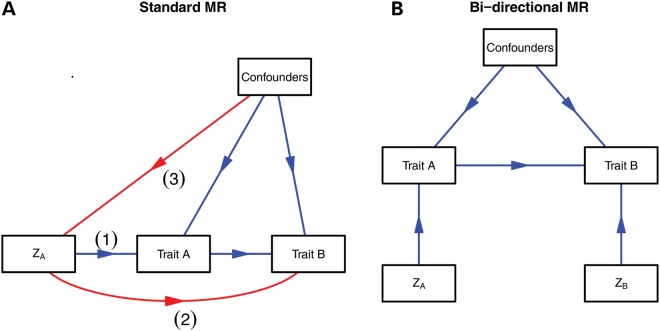
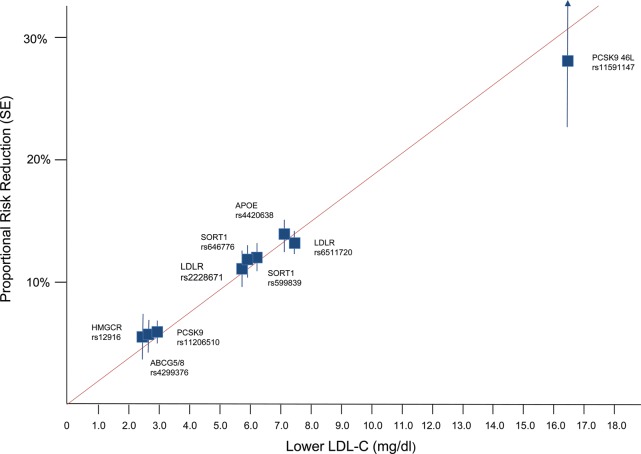
Verification
Claims the paper makes
The claims and statistics of this paper haven’t been checked yet.
Free: it reads the open-access text and checks the first 5 claims that cite a source we can check. Create a free account to check every claim.
Claims other papers make about this one
Each is checked against this paper’s own text: does it say what the citing paper says it does?
The source backs part of the claim, not all of it — or backs it for a different population, condition or comparison.
In the citing paper
“Similarly, violation of the ‘exclusion restriction criteria’33–37 could bias causal estimates in IV analyses when used to test effects of intermediates in RCTs or when used in observational data (including MR)”
From Triangulation in aetiological epidemiology (2017) · cites this paper as [35]
Experimental — accuracy not yet measuredThe cited source says what the claim attributes to it.
In the citing paper
“Discrepancies between MR findings and observational studies are frequently observed[9,17].”
From Evaluating genetic insights into ulcerative colitis and anxiety: Limitations and future directions (2024) · cites this paper as [17]
The cited source says what the claim attributes to it.
In the citing paper
“This pattern is consistent with a directional influence of disease liability on longevity27,64 and is also compatible with vertical pleiotropy65.”
From Genetic trade-offs in fertility and longevity explain the maintenance of disease-associated alleles in humans (2026) · cites this paper as [64]
The check wasn’t confident either way, so it gives no verdict — never disputed.
In the citing paper
“Varespladib (a drug targeting sPLA 2 -IIA) failed in VISTA16 41”
From Integrating genomics with biomarkers and therapeutic targets to invigorate cardiovascular drug development (2021) · cites this paper as [41]
Experimental — accuracy not yet measuredThe check wasn’t confident either way, so it gives no verdict — never disputed.
In the citing paper
“unlike the impact of weak instrument bias in one-sample MR (which biases effects towards the confounded multivariable regression result), in two-sample MR weak instrument bias is towards the null.”
From Commentary: Two-sample Mendelian randomization: opportunities and challenges (2016) · cites this paper as [3]
Experimental — accuracy not yet measured
5 more claims about this paper
Create a free account to see every claim other papers make about this one.
Self-check
Percentages, sums and reported differences re-computed from the paper’s own numbers.
The self-check needs the paper’s full text.
Citations
Cites
Genetics of Food Intake Self-Regulation in Childhood: Literature Review and Research Opportunities
Faith, M. S., Carnell, S., & Kral, T. V. E. (2013) · Human Heredity · doi:10.1159/000353879 · Cited by 7,601
Lippa, N. C., & Sanderson, S. C. (2013) · Human Heredity · doi:10.1159/000353712 · Cited by 6,078
Davey Smith, G., & Ebrahim, S. (2003) · International Journal of Epidemiology · doi:10.1093/ije/dyg070 · Cited by 5,882 · cited 1×
“A successful approach is to use genetic variants as exposure indicators that are not subject to the influences that vitiate conventional study designs, an approach known as Mendelian randomization (MR) (8,9).”
Common polygenic variation contributes to risk of schizophrenia and bipolar disorder
The International Schizophrenia Consortium (2009) · Nature · doi:10.1038/nature08185 · Cited by 4,821 · cited 1×
“significance thresholds are also included, the rationale being that these will include false-negatives owing to small effect size (56).”
BackgroundMendelian randomization: Using genes as instruments for making causal inferences in epidemiology
Lawlor, D. A., Harbord, R. M., Sterne, J. A. C., Timpson, N., & Davey Smith, G. (2008) · Statistics in Medicine · doi:10.1002/sim.3034 · Cited by 4,618
Frayling, T. M., Timpson, N. J., Weedon, M. N., Zeggini, E., Freathy, R. M., Lindgren, C. M., Perry, J. R. B., Elliott, K. S., Lango, H., Rayner, N. W., et al. (2007) · Science · doi:10.1126/science.1141634 · Cited by 4,531
Self-citationEffects of torcetrapib in patients at high risk for coronary events
Barter, P. J., Caulfield, M., Eriksson, M., Grundy, S. M., Kastelein, J. J. P., Komajda, M., Lopez-Sendon, J., Mosca, L., Tardif, J.-C., Waters, D. D., et al. (2007) · New England Journal of Medicine · doi:10.1056/nejmoa0706628 · Cited by 3,139
Willer (2013) · doi:10.1038/ng.2797 · Cited by 2,983
Inference to the Best Explanation
Lipton, P. (2003) · Routledge eBooks · doi:10.4324/9780203470855 · Cited by 2,130
Genetic variants in novel pathways influence blood pressure and cardiovascular disease risk
The International Consortium for Blood Pressure Genome-Wide Association Studies (2011) · Nature · doi:10.1038/nature10405 · Cited by 2,033
Research works printed but not linked: 17
- 2007, New England Journal of Medicine, 357, 2109, 10.1056/nejmoa0706628 · DOI · Paper page
- 2007, American Journal of Epidemiology, 166, 646, 10.1093/aje/kwm165 · DOI · Paper page
- 2013, Psychological medicine, 43, 711, 10.1017/s0033291712001274 · DOI · Paper page
- 2013, International Journal of Epidemiology, 42, 1358, 10.1093/ije/dyt172 · DOI · Paper page
- 2013, American Journal of Epidemiology, 178, 1177, 10.1093/aje/kwt084 · DOI · Paper page
- 2013, Nature reviews. Genetics, 14, 483, 10.1038/nrg3461 · DOI · Paper page
- 2012, Nephrology Dialysis Transplantation, 27, 1030, 10.1093/ndt/gfr418 · DOI
- 2013, International Journal of Epidemiology, 42, 1497, 10.1093/ije/dyt179 · DOI · Paper page
- 2013, International Journal of Epidemiology, 42, 1134, 10.1093/ije/dyt093 · DOI · Paper page
- 2012, Journal of the American College of Cardiology, 60, 2631, 10.1016/j.jacc.2012.09.017 · DOI · Paper page
- 2010, Circulation: Cardiovascular Genetics, 3, 523, 10.1161/circgenetics.109.934455 · DOI · Paper page
- 2010, The review of economics and statistics, 92, 57
- 2011, International journal of obesity, 35, 300, 10.1038/ijo.2010.137 · DOI · Paper page
- 2009, Journal of Clinical Endocrinology & Metabolism, 95, 93
- 2013, Journal of Epidemiology & Community Health, 67, 458, 10.1136/jech-2012-201813 · DOI · Paper page
- 2012, International Journal of Epidemiology, 41, 161, 10.1093/ije/dyr233 · DOI · Paper page
- 2013, Nature reviews. Genetics, 14, 585, 10.1038/nrg3405 · DOI · Paper page
Cited by
Items 101–200 of 1,022
Carreras-Torres, R., Johansson, M., Gaborieau, V., Haycock, P. C., Wade, K. H., Relton, C. L., Martin, R. M., Davey Smith, G., & Brennan, P. (2017) · JNCI: Journal of the National Cancer Institute · doi:10.1093/jnci/djx012 · Cited by 263
“Important assumptions in instrumental variable analysis are that the chosen genetic variants are associated with the exposure of interest, they are not associated with any confounders, and they are not associated with the cancer outcome via any pathway other than through the exposure of interest (known as genetic plei…”
BackgroundBreton, C. V., Marsit, C. J., Faustman, E., Nadeau, K., Goodrich, J. M., Dolinoy, D. C., Herbstman, J., Holland, N., LaSalle, J. M., Schmidt, R., et al. (2017) · Environmental Health Perspectives · doi:10.1289/ehp595 · Cited by 261
“The Mendelian randomization approach has been utilized in epidemiologic studies as another methodology for estimating causal inference (Davey Smith and Hemani 2014; Relton and Davey Smith 2012, 2015).”
MethodBowden, J., Hemani, G., & Davey Smith, G. (2018) · American Journal of Epidemiology · doi:10.1093/aje/kwy185 · Cited by 251
Self-citationKrieger, N., & Davey Smith, G. (2016) · International Journal of Epidemiology · doi:10.1093/ije/dyw114 · Cited by 250
“To improve our causal explanations, we would do best instead to opt for causal triangulation.(5,42,44,48,49,60,186,187) In practical terms, as illustrated by Textbox 3, this means systematically employing and assessing evidence in relation to diverse study designs, involving different methodological assumptions and bi…”
MethodHughes, D. A., Bacigalupe, R., Wang, J., Rühlemann, M. C., Tito, R. Y., Falony, G., Joossens, M., Vieira-Silva, S., Henckaerts, L., Rymenans, L., et al. (2020) · Nature Microbiology · doi:10.1038/s41564-020-0743-8 · Cited by 247
Tzoulaki, I., Elliott, P., Kontis, V., & Ezzati, M. (2016) · Circulation · doi:10.1161/circulationaha.115.008718 · Cited by 236
Lyall, D. M., Celis-Morales, C., Ward, J., Iliodromiti, S., Anderson, J. J., Gill, J. M. R., Smith, D. J., Ntuk, U. E., Mackay, D. F., Holmes, M. V., et al. (2017) · JAMA Cardiology · doi:10.1001/jamacardio.2016.5804 · Cited by 235
“For the instrumental variable, a genetic risk score was used of 97 genetic variants reported in the largest genome-wide association study for BMI.2 Using MR analysis, the authors report significant “causal” associations of BMI with hypertension (odds ratio, 1.64; 95% CI, 1.48-1.83), type 2 diabetes (odds ratio, 2.53;…”
InfluentialChen, X., Hong, X., Gao, W., Luo, S., Cai, J., Liu, G., & Huang, Y. (2022) · Journal of Translational Medicine · doi:10.1186/s12967-022-03407-6 · Cited by 228
An exposome perspective: Early-life events and immune development in a changing world
Renz, H., Holt, P. G., Inouye, M., Logan, A. C., Prescott, S. L., & Sly, P. D. (2017) · Journal of Allergy and Clinical Immunology · doi:10.1016/j.jaci.2017.05.015 · Cited by 226
Warrier, V., Kwong, A. S. F., Luo, M., Dalvie, S., Croft, J., Sallis, H. M., Baldwin, J., Munafò, M. R., Nievergelt, C. M., Grant, A. J., et al. (2021) · The Lancet Psychiatry · doi:10.1016/s2215-0366(20)30569-1 · Cited by 224
Epigenome-wide Association Studies and the Interpretation of Disease -Omics
Birney, E., Smith, G. D., & Greally, J. M. (2016) · PLOS Genetics · doi:10.1371/journal.pgen.1006105 · Cited by 222
“One particular approach, twostep mendelian randomization, is being applied in prospective and case/control EWAS, building on the non-modifiable nature of germline genetic variation to provide causal anchors within a causal inference setting [35,36].”
BackgroundFrom target discovery to clinical drug development with human genetics
Trajanoska, K., Bhérer, C., Taliun, D., Zhou, S., Richards, J. B., & Mooser, V. (2023) · Nature · doi:10.1038/s41586-023-06388-8 · Cited by 220
“…by minimizing the bias from confounds (the effect of a separate variable affecting both the exposure and the outcome) and reverse causation (where the outcome causally affects the risk factor), two major limitations that affect evidence from other types of observational studies in humans 87–89 .”
BackgroundNovel loci for childhood body mass index and shared heritability with adult cardiometabolic traits
Vogelezang, S., Bradfield, J. P., Ahluwalia, T. S., Curtin, J. A., Lakka, T. A., Grarup, N., Scholz, M., van der Most, P. J., Monnereau, C., Stergiakouli, E., et al. (2020) · PLOS Genetics · doi:10.1371/journal.pgen.1008718 · Cited by 217
“In observational studies, effect estimates may be influenced by confounding factors and reverse causation, potentially evoking spurious associations [59,60].”
BackgroundWalker, V. M., Davey Smith, G., Davies, N. M., & Martin, R. M. (2017) · International Journal of Epidemiology · doi:10.1093/ije/dyx207 · Cited by 217
“Horizontal pleiotropy Horizontal pleiotropy, where a genetic variant influences multiple phenotypes through distinct pathways, is a particular concern for MR analyses.(10) This can occur if you choose a genetic variant that relates to multiple biomarkers on different pathways, which could affect the outcome of interes…”
BackgroundGage, S. H., Jones, H. J., Burgess, S., Bowden, J., Davey Smith, G., Zammit, S., & Munafò, M. R. (2017) · Psychological Medicine · doi:10.1017/s0033291716003172 · Cited by 211
“It has been described in detail elsewhere (Davey Smith & Hemani, 2014; Gage et al. 2016b); briefly, if genetic variants can be identified that robustly predict an exposure of interest, these can be used as unconfounded proxies for that exposure.”
BackgroundCausality-enriched epigenetic age uncouples damage and adaptation
Ying, K., Liu, H., Tarkhov, A. E., Sadler, M. C., Lu, A. T., Moqri, M., Horvath, S., Kutalik, Z., Shen, X., & Gladyshev, V. N. (2024) · Nature Aging · doi:10.1038/s43587-023-00557-0 · Cited by 210
‘Mendelian randomization’: an approach for exploring causal relations in epidemiology
Gupta, V., Walia, G. K., & Sachdeva, M. P. (2017) · Public Health · doi:10.1016/j.puhe.2016.12.033 · Cited by 210
Qi, G., & Chatterjee, N. (2019) · Nature Communications · doi:10.1038/s41467-019-09432-2 · Cited by 207
The Metabolic Syndrome in Men study: a resource for studies of metabolic and cardiovascular diseases
Laakso, M., Kuusisto, J., Stančáková, A., Kuulasmaa, T., Pajukanta, P., Lusis, A. J., Collins, F. S., Mohlke, K. L., & Boehnke, M. (2017) · Journal of Lipid Research · doi:10.1194/jlr.o072629 · Cited by 204
“Therefore, we will apply Mendelian randomization methods by using genetic variants to estimate the causal contribution of a given risk marker to the risk of a given disease (95).”
MethodMechanisms of ovarian aging in women: a review
Wang, X., Wang, L., & Xiang, W. (2023) · Journal of Ovarian Research · doi:10.1186/s13048-023-01151-z · Cited by 204
Swanson, S. A., Tiemeier, H., Ikram, M. A., & Hernán, M. A. (2017) · Epidemiology · doi:10.1097/ede.0000000000000699 · Cited by 202
Alcohol consumption and risks of more than 200 diseases in Chinese men
Im, P. K., Wright, N., Yang, L., Chan, K. H., Chen, Y., Guo, Y., Du, H., Yang, X., Avery, D., Wang, S., et al. (2023) · Nature Medicine · doi:10.1038/s41591-023-02383-8 · Cited by 199
Richardson, T. G., Harrison, S., Hemani, G., & Davey Smith, G. (2019) · eLife · doi:10.7554/elife.43657 · Cited by 198
Self-citationEpigenetic ageing clocks: statistical methods and emerging computational challenges
Teschendorff, A. E., & Horvath, S. (2025) · Nature Reviews Genetics · doi:10.1038/s41576-024-00807-w · Cited by 197
“Hence, not unsurprisingly, most efforts to elucidate causality in epigenetic clocks have so far been based on the Mendelian randomization framework 170 , which uses genetic variants as instrumental variables for causal inference.”
Smoking, alcohol consumption, and 24 gastrointestinal diseases: Mendelian randomization analysis
Yuan, S., Chen, J., Ruan, X., Sun, Y., Zhang, K., Wang, X., Li, X., Gill, D., Burgess, S., Giovannucci, E., et al. (2023) · eLife · doi:10.7554/elife.84051 · Cited by 194
“Mendelian randomization (MR) is an epidemiological approach that utilizes genetic variants as an instrument to strengthen the causal inference in an exposure-outcome association ( Davey Smith and Hemani, 2014 ).”
Adiposity and gastrointestinal cancers: epidemiology, mechanisms and future directions
Murphy, N., Jenab, M., & Gunter, M. J. (2018) · Nature Reviews Gastroenterology & Hepatology · doi:10.1038/s41575-018-0038-1 · Cited by 194
Causal Inference in Cancer Epidemiology: What Is the Role of Mendelian Randomization?
Yarmolinsky, J., Wade, K. H., Richmond, R. C., Langdon, R. J., Bull, C. J., Tilling, K. M., Relton, C. L., Lewis, S. J., Davey Smith, G., & Martin, R. M. (2018) · Cancer Epidemiology, Biomarkers & Prevention · doi:10.1158/1055-9965.epi-17-1177 · Cited by 194
“For example, MR has suggested a likely causal role of statins on type 2 diabetes (T2D) risk 35,36; likely non-causal roles of circulating levels of high-density lipoprotein cholesterol (HDL-C) in CVD 37 and C-reactive protein (CRP) in T2D 38; pointed to the efficacy of proprotein convertase subtilisin/kexin type 2 (PC…”
BackgroundInfluentialADHD and depression: investigating a causal explanation
Riglin, L., Leppert, B., Dardani, C., Thapar, A. K., Rice, F., O'Donovan, M. C., Davey Smith, G., Stergiakouli, E., Tilling, K., & Thapar, A. (2021) · Psychological Medicine · doi:10.1017/s0033291720000665 · Cited by 149
Cole, J. B., Florez, J. C., & Hirschhorn, J. N. (2020) · Nature Communications · doi:10.1038/s41467-020-15193-0 · Cited by 191
Malaria Genomic Epidemiology Network, Band, G., Le, Q. S., Clarke, G. M., Kivinen, K., Hubbart, C., Jeffreys, A. E., Rowlands, K., Leffler, E. M., Jallow, M., et al. (2019) · Nature Communications · doi:10.1038/s41467-019-13480-z · Cited by 189
Zhao, Q., Chen, Y., Wang, J., & Small, D. S. (2019) · International Journal of Epidemiology · doi:10.1093/ije/dyz142 · Cited by 188
Blood lipids influence DNA methylation in circulating cells
BIOS Consortium, Dekkers, K. F., van Iterson, M., Slieker, R. C., Moed, M. H., Bonder, M. J., van Galen, M., Mei, H., Zhernakova, D. V., van den Berg, L. H., et al. (2016) · Genome Biology · doi:10.1186/s13059-016-1000-6 · Cited by 187
“5), a model suitable for epidemiological studies [12], was fitted per CpG followed by a meta-analysis of the results.”
MethodResultRosoff, D. B., Smith, G. D., & Lohoff, F. W. (2021) · JAMA Psychiatry · doi:10.1001/jamapsychiatry.2020.3554 · Cited by 186
Borges, M. C., Haycock, P. C., Zheng, J., Hemani, G., Holmes, M. V., Davey Smith, G., Hingorani, A. D., & Lawlor, D. A. (2022) · BMC Medicine · doi:10.1186/s12916-022-02399-w · Cited by 186
“In addition to indexing lifelong exposure to a biomarker of interest, genetic variants are subject to relatively little bias due to measurement error [18].”
BackgroundSelf-citationHolmes, M. V., Richardson, T. G., Ference, B. A., Davies, N. M., & Davey Smith, G. (2021) · Nature Reviews Cardiology · doi:10.1038/s41569-020-00493-1 · Cited by 184
Corbin, L. J., Richmond, R. C., Wade, K. H., Burgess, S., Bowden, J., Smith, G. D., & Timpson, N. J. (2016) · Diabetes · doi:10.2337/db16-0418 · Cited by 184
“One approach to circumventing these problems is to use genetic association results within a Mendelian randomization (MR) framework (3,4).”
BackgroundMethodUsing genetics for social science
Harden, K. P., & Koellinger, P. D. (2020) · Nature Human Behaviour · doi:10.1038/s41562-020-0862-5 · Cited by 180
Dand, N., Mahil, S., Capon, F., Smith, C., Simpson, M., & Barker, J. (2020) · Acta Dermato Venereologica · doi:10.2340/00015555-3384 · Cited by 178
“Relevant methods include polygenic risk scores (PRS) (74) and genetic correlation (75, 76) to assess shared genetic associations, Mendelian randomisation (77) to assess causality, and methods for deconvoluting genome-wide association signals into functionally relevant constituents (78) (Box 1).”
MethodMendelian randomisation in cardiovascular research: an introduction for clinicians
Bennett, D. A., & Holmes, M. V. (2017) · Heart · doi:10.1136/heartjnl-2016-310605 · Cited by 178
Cao, Z., Wu, Y., Li, Q., Li, Y., & Wu, J. (2022) · Annals of Medicine · doi:10.1080/07853890.2022.2085883 · Cited by 177
Impact of Gene–Environment Interactions on Cancer Development
Mbemi, A. T., Khanna, S. S., Njiki, S., Yedjou, C. G., & Tchounwou, P. B. (2020) · International Journal of Environmental Research and Public Health · doi:10.3390/ijerph17218089 · Cited by 177
Association between frailty and depression: A bidirectional Mendelian randomization study
Deng, M., Liu, F., Liang, Y., Wang, K., Nie, J., & Liu, J. (2023) · Science Advances · doi:10.1126/sciadv.adi3902 · Cited by 177
“First, we explored the bidirectional causal association of frailty and depression by using a bidirectional MR design, which was less susceptible to the effects of confounders, reverse causation, and exposures nondiffer-entially ( 37 ).”
Lv, W., Xu, L., Shen, H., Liu, H., Qiu, X., Li, B., Shen, W., Ge, C.-L., Lv, F.-Y., Shen, J., et al. (2021) · Journal of Cachexia Sarcopenia and Muscle · doi:10.1002/jcsm.12788 · Cited by 175
“Mendelian randomization (MR) offers an opportunity to distinguish between causal and non-causal effects from cross-sectional studies.(8) Recently, MR approach has been applied to investigate the relationship of gut microbiome on cardiovascular diseases.”
BackgroundCausal Inference in Developmental Origins of Health and Disease (DOHaD) Research
Gage, S. H., Munafò, M. R., & Davey Smith, G. (2016) · Annual Review of Psychology · doi:10.1146/annurev-psych-122414-033352 · Cited by 173
Chong, M., Sjaarda, J., Pigeyre, M., Mohammadi-Shemirani, P., Lali, R., Shoamanesh, A., Gerstein, H. C., & Paré, G. (2019) · Circulation · doi:10.1161/circulationaha.119.040180 · Cited by 173
Genetic loci associated with heart rate variability and their effects on cardiac disease risk
Nolte, I. M., Munoz, M. L., Tragante, V., Amare, A. T., Jansen, R., Vaez, A., von der Heyde, B., Avery, C. L., Bis, J. C., Dierckx, B., et al. (2017) · Nature Communications · doi:10.1038/ncomms15805 · Cited by 156
COVID ‐19: immunopathology, pathophysiological mechanisms, and treatment options
van Eijk, L. E., Binkhorst, M., Bourgonje, A. R., Offringa, A. K., Mulder, D. J., Bos, E. M., Kolundžić, N., Abdulle, A. E., van der Voort, P. H. J., Rikkert, M. G. M. O., et al. (2021) · The Journal of Pathology · doi:10.1002/path.5642 · Cited by 174
Depression and Inflammatory Bowel Disease: A Bidirectional Two-sample Mendelian Randomization Study
Luo, J., Xu, Z., Noordam, R., van Heemst, D., & Li-Gao, R. (2022) · Journal of Crohn's and Colitis · doi:10.1093/ecco-jcc/jjab191 · Cited by 150
Zhang, M., Chen, J., Yin, Z., Wang, L., & Peng, L. (2021) · Translational Psychiatry · doi:10.1038/s41398-021-01759-z · Cited by 172
Circulating inflammatory cytokines and risk of five cancers: a Mendelian randomization analysis
Bouras, E., Karhunen, V., Gill, D., Huang, J., Haycock, P. C., Gunter, M. J., Johansson, M., Brennan, P., Key, T., Lewis, S. J., et al. (2022) · BMC Medicine · doi:10.1186/s12916-021-02193-0 · Cited by 171
Genomics and phenomics of body mass index reveals a complex disease network
Huang, J., Huffman, J. E., Huang, Y., Do Valle, Í., Assimes, T. L., Raghavan, S., Voight, B. F., Liu, C., Barabási, A.-L., Huang, R. D. L., et al. (2022) · Nature Communications · doi:10.1038/s41467-022-35553-2 · Cited by 170
Targeting the CCL2–CCR2 axis for atheroprotection
Georgakis, M. K., Bernhagen, J., Heitman, L. H., Weber, C., & Dichgans, M. (2022) · European Heart Journal · doi:10.1093/eurheartj/ehac094 · Cited by 170
Understanding the assumptions underlying Mendelian randomization
de Leeuw, C., Savage, J., Bucur, I. G., Heskes, T., & Posthuma, D. (2022) · European Journal of Human Genetics · doi:10.1038/s41431-022-01038-5 · Cited by 170
Role of obesity in smoking behaviour: Mendelian randomisation study in UK Biobank
Carreras-Torres, R., Johansson, M., Haycock, P. C., Relton, C. L., Davey Smith, G., Brennan, P., & Martin, R. M. (2018) · BMJ · doi:10.1136/bmj.k1767 · Cited by 169
Richmond, R. C., Anderson, E. L., Dashti, H. S., Jones, S. E., Lane, J. M., Strand, L. B., Brumpton, B., Rutter, M. K., Wood, A. R., Straif, K., et al. (2019) · BMJ · doi:10.1136/bmj.l2327 · Cited by 149
UK Biobank: a globally important resource for cancer research
Conroy, M. C., Lacey, B., Bešević, J., Omiyale, W., Feng, Q., Effingham, M., Sellers, J., Sheard, S., Pancholi, M., Gregory, G., et al. (2023) · British Journal of Cancer · doi:10.1038/s41416-022-02053-5 · Cited by 168
“investigate the causality of associations between an exposure and outcome of interest [38].”
BackgroundThe Netherlands Twin Register: Longitudinal Research Based on Twin and Twin-Family Designs
Ligthart, L., van Beijsterveldt, C. E. M., Kevenaar, S. T., de Zeeuw, E., van Bergen, E., Bruins, S., Pool, R., Helmer, Q., van Dongen, J., Hottenga, J.-J., et al. (2019) · Twin Research and Human Genetics · doi:10.1017/thg.2019.93 · Cited by 167
“…based on instrumental variable analysisineconometrics thatcan be used toestimate the causaleffect of a risk factor on a behavioral or health outcome, provided that genetic variants are known that influence the risk factor (Davey Smith & Hemani, 2014; Palmer et al., 2011; Pierce et al., 2010).”
Allara, E., Morani, G., Carter, P., Gkatzionis, A., Zuber, V., Foley, C. N., Rees, J. M. B., Mason, A. M., Bell, S., Gill, D., et al. (2019) · Circulation: Genomic and Precision Medicine · doi:10.1161/circgen.119.002711 · Cited by 145
Adiposity, metabolites, and colorectal cancer risk: Mendelian randomization study
Bull, C. J., Bell, J. A., Murphy, N., Sanderson, E., Davey Smith, G., Timpson, N. J., Banbury, B. L., Albanes, D., Berndt, S. I., Bézieau, S., et al. (2020) · BMC Medicine · doi:10.1186/s12916-020-01855-9 · Cited by 166
“In two-sample MR, SNP-exposure and SNP-outcome associations are obtained from different study sources and combined as a ratio to estimate the effects of exposures on outcomes [13, 27].”
MethodPlasma ACE2 and risk of death or cardiometabolic diseases: a case-cohort analysis
Narula, S., Yusuf, S., Chong, M., Ramasundarahettige, C., Rangarajan, S., Bangdiwala, S. I., van Eikels, M., Leineweber, K., Wu, A., Pigeyre, M., et al. (2020) · The Lancet · doi:10.1016/s0140-6736(20)31964-4 · Cited by 166
Taylor, D. L., Jackson, A. U., Narisu, N., Hemani, G., Erdos, M. R., Chines, P. S., Swift, A., Idol, J., Didion, J. P., Welch, R. P., et al. (2019) · Proceedings of the National Academy of Sciences · doi:10.1073/pnas.1814263116 · Cited by 166
Self-citationNew developments in the biology of fibroblast growth factors
Ornitz, D. M., & Itoh, N. (2022) · WIREs Mechanisms of Disease · doi:10.1002/wsbm.1549 · Cited by 144
Targeting inflammation to reduce cardiovascular disease risk: A realistic clinical prospect?
Welsh, P., Grassia, G., Botha, S., Sattar, N., & Maffia, P. (2017) · British Journal of Pharmacology · doi:10.1111/bph.13818 · Cited by 164
“Mendelian randomization attempts to substantially attenuate or, in some cases, to eliminate the problems of confounding and reverse causality in classical observational epidemiology by exploiting the random allocation of genetic material at conception (Davey Smith and Hemani, 2014).”
BackgroundGut microbiota, circulating cytokines and dementia: a Mendelian randomization study
Ji, D., Chen, W.-Z., Zhang, L., Zhang, Z., & Chen, L. (2024) · Journal of Neuroinflammation · doi:10.1186/s12974-023-02999-0 · Cited by 164
Gao, C., Patel, C. J., Michailidou, K., Peters, U., Gong, J., Schildkraut, J., Schumacher, F. R., Zheng, W., Boffetta, P., Stucker, I., et al. (2016) · International Journal of Epidemiology · doi:10.1093/ije/dyw129 · Cited by 163
Polygenic Risk Scores in Clinical Psychology: Bridging Genomic Risk to Individual Differences
Bogdan, R., Baranger, D. A. A., & Agrawal, A. (2018) · Annual Review of Clinical Psychology · doi:10.1146/annurev-clinpsy-050817-084847 · Cited by 163
“Mendelian Randomization (MR): MR is an extension of epidemiological causal models (for review see: (Davey Smith and Hemani, 2014, Holmes et al., 2014)).”
Zhang, G., Bacelis, J., Lengyel, C., Teramo, K., Hallman, M., Helgeland, Ø., Johansson, S., Myhre, R., Sengpiel, V., Njølstad, P. R., et al. (2015) · PLOS Medicine · doi:10.1371/journal.pmed.1001865 · Cited by 148
“Another approach to draw causal inference is Mendelian randomization [34,35], which utilizes genetic variants associated with the parental phenotype/exposure as an instrumental variable to probe the causal effect of parental phenotype/exposure on outcomes in their offspring [26,36].”
BackgroundAnderson, E. L., Howe, L. D., Wade, K. H., Ben-Shlomo, Y., Hill, W. D., Deary, I. J., Sanderson, E. C., Zheng, J., Korologou-Linden, R., Stergiakouli, E., et al. (2020) · International Journal of Epidemiology · doi:10.1093/ije/dyz280 · Cited by 148
Self-citationZhang, Y., Hurson, A. N., Zhang, H., Choudhury, P. P., Easton, D. F., Milne, R. L., Simard, J., Hall, P., Michailidou, K., Dennis, J., et al. (2020) · Nature Communications · doi:10.1038/s41467-020-16483-3 · Cited by 161
The Cambridge Handbook of Personality Psychology
(2020) · Cambridge University Press eBooks · doi:10.1017/9781108264822 · Cited by 161
Within family Mendelian randomization studies
Davies, N. M., Howe, L. J., Brumpton, B., Havdahl, A., Evans, D. M., & Davey Smith, G. (2019) · Human Molecular Genetics · doi:10.1093/hmg/ddz204 · Cited by 158
Adiposity as a cause of cardiovascular disease: a Mendelian randomization study
Hagg, S., Fall, T., Ploner, A., Magi, R., Fischer, K., Draisma, H. H., Kals, M., de Vries, P. S., Dehghan, A., Willems, S. M., et al. (2015) · International Journal of Epidemiology · doi:10.1093/ije/dyv094 · Cited by 142
“Overweight (BMI> 25 kg/m(2)) and obesity were found to be associated with coronary heart disease (CHD), even after adjustments for traditional risk factors(2) although they should be seen as mediators rather than confounders.(3,4) The relationship between adiposity and stroke has not been as clear; however, a large co…”
BackgroundChallenges and novel approaches for investigating molecular mediation
Richmond, R. C., Hemani, G., Tilling, K., Davey Smith, G., & Relton, C. L. (2016) · Human Molecular Genetics · doi:10.1093/hmg/ddw197 · Cited by 134
“The assumptions and application of Mendelian randomization analysis were outlined in detail in a recent review (5).”
BackgroundMethodInfluentialSelf-citationGuo, J., Yu, K., Dong, S., Yao, S., Rong, Y., Wu, H., Zhang, K., Jiang, F., Chen, Y.-X., Guo, Y., et al. (2022) · Nature Neuroscience · doi:10.1038/s41593-022-01174-7 · Cited by 157
Hu, X., Zhao, J., Lin, Z., Wang, Y., Peng, H., Zhao, H., Wan, X., & Yang, C. (2022) · Proceedings of the National Academy of Sciences · doi:10.1073/pnas.2106858119 · Cited by 157
“Mendelian randomization (MR) was introduced to mimic RCTs for causal inference in 22 observational studies [3, 4].”
BackgroundMurphy, N., Carreras-Torres, R., Song, M., Chan, A. T., Martin, R. M., Papadimitriou, N., Dimou, N., Tsilidis, K. K., Banbury, B., Bradbury, K. E., et al. (2020) · Gastroenterology · doi:10.1053/j.gastro.2019.12.020 · Cited by 142
“38 Our MR analyses yielded strikingly similar estimates of effect for IGF1 and colorectal cancer to our UK Biobank serologic analyses.”
ResultCho, Y., Haycock, P. C., Sanderson, E., Gaunt, T. R., Zheng, J., Morris, A. P., Davey Smith, G., & Hemani, G. (2020) · Nature Communications · doi:10.1038/s41467-020-14452-4 · Cited by 133
Self-citationSeyedsalehi, A., Warrier, V., Bethlehem, R. A. I., Perry, B. I., Burgess, S., & Murray, G. K. (2022) · Brain · doi:10.1093/brain/awac392 · Cited by 154
“from the exposure to the outcome or vice versa) cannot be definitively established using observational methods.(34) For instance, the observational association between education and brain structure could arise as a result of longer duration of education causing a change in brain structural metrics, or alternatively, i…”
BackgroundInfluentialRosoff, D. B., Clarke, T.-K., Adams, M. J., McIntosh, A. M., Davey Smith, G., Jung, J., & Lohoff, F. W. (2021) · Molecular Psychiatry · doi:10.1038/s41380-019-0535-9 · Cited by 129
Gormley, M., Dudding, T., Sanderson, E. C. M., Martin, R. M., Thomas, S. J., Tyrrell, J., Ness, A., Brennan, P., Munafo, M. R., Pring, M., et al. (2020) · Nature Communications · doi:10.1038/s41467-020-19822-6 · Cited by 153
Hemani, G., Zheng, J., Wade, K. H., Laurin, C., Elsworth, B., Burgess, S., Bowden, J., Langdon, R., Tan, V., Yarmolinsky, J., et al. (2016) · bioRxiv (Cold Spring Harbor Laboratory) · doi:10.1101/078972 · Cited by 134
Self-citationGenetic and functional insights into the fractal structure of the heart
Meyer, H. V., Dawes, T. J. W., Serrani, M., Bai, W., Tokarczuk, P. F., Cai, J., de Marvao, A., Henry, A., Lumbers, R. T., Gierten, J., et al. (2020) · Nature · doi:10.1038/s41586-020-2635-8 · Cited by 150
The relationship between sleep duration, cognition and dementia: a Mendelian randomization study
Henry, A., Katsoulis, M., Masi, S., Fatemifar, G., Denaxas, S., Acosta, D., Garfield, V., & Dale, C. E. (2019) · International Journal of Epidemiology · doi:10.1093/ije/dyz071 · Cited by 132
“Since the GWAS from which we identified our genetic instruments was conducted in UK Biobank,(11) we used a split-sample strategy to mitigate the over-estimation of genetic effect sizes in one-sample setting (winner’s curse bias).(12,13) We split the data randomly into two sets: A and B, with NA1⁄4 197 902 and NB1⁄4 19…”
MethodLiver Function and Risk of Type 2 Diabetes: Bidirectional Mendelian Randomization Study
Silva, N. M. G. D., Borges, M. C., Hingorani, A. D., Engmann, J., Shah, T., Zhang, X., Luan, J., Langenberg, C., Wong, A., Kuh, D. J., et al. (2019) · Diabetes · doi:10.2337/db18-1048 · Cited by 150
“Mendelian randomization (MR), where genetic variants that are strongly associated with a risk factor of interest are used to test its causal effect on an outcome, can help to distinguish causal effects from associations due to confounding or reverse causality (11,12).”
BackgroundCampos, A. I., García-Marín, L. M., Byrne, E. M., Martin, N. G., Cuéllar-Partida, G., & Rentería, M. E. (2020) · Nature Communications · doi:10.1038/s41467-020-14625-1 · Cited by 135
Chen, L., Peters, J. E., Prins, B. P., Persyn, E., Traylor, M., Surendran, P., Karthikeyan, S., Yonova‐Doing, E., Angelantonio, E. D., Roberts, D. J., et al. (2022) · Nature Communications · doi:10.1038/s41467-022-33675-1 · Cited by 149
Causal effects of gut microbiota on diabetic retinopathy: A Mendelian randomization study
Liu, K., Zou, J., Fan, H., Hu, H., & You, Z. (2022) · Frontiers in Immunology · doi:10.3389/fimmu.2022.930318 · Cited by 147
“Additionally, to obtain reliable results, MR analysis satisfied the following 3 assumptions (16) (Figure 1): (1) The instrumental variables (IVs) eventually incorporated for use must be closely related to GM taxa; (2) The included IVs and confounders (affecting GM taxa and DR) were independent of each other; (3) No ho…”
MethodCostanzo, M. C., von Grotthuss, M., Massung, J., Jang, D., Caulkins, L., Koesterer, R., Gilbert, C., Welch, R., Kudtarkar, P., Hoang, Q., et al. (2023) · Cell Metabolism · doi:10.1016/j.cmet.2023.03.001 · Cited by 149
Approaches for drawing causal inferences from epidemiological birth cohorts: A review
Richmond, R. C., Al-Amin, A., Davey Smith, G., & Relton, C. L. (2014) · Early Human Development · doi:10.1016/j.earlhumdev.2014.08.023 · Cited by 134
“Methods may be implemented to address these limitations and extensions of the MR approach applied to avoid them [77,78].”
BackgroundMethodInfluentialFarmer, R. E., Mathur, R., Schmidt, A. F., Bhaskaran, K., Fatemifar, G., Eastwood, S. V., Finan, C., Denaxas, S., Smeeth, L., & Chaturvedi, N. (2019) · Journal of the American Heart Association · doi:10.1161/jaha.118.011638 · Cited by 144
On the Use of the Lasso for Instrumental Variables Estimation with Some Invalid Instruments
Windmeijer, F., Farbmacher, H., Davies, N., & Davey Smith, G. (2019) · Journal of the American Statistical Association · doi:10.1080/01621459.2018.1498346 · Cited by 144
Statistical methods to detect pleiotropy in human complex traits
Hackinger, S., & Zeggini, E. (2017) · Open Biology · doi:10.1098/rsob.170125 · Cited by 143
Genetic Obesity and the Risk of Atrial Fibrillation: Causal Estimates from Mendelian Randomization
Chatterjee, N. A., Giulianini, F., Geelhoed, B., Lunetta, K. L., Misialek, J. R., Niemeijer, M. N., Rienstra, M., Rose, L. M., Smith, A. V., Arking, D. E., et al. (2017) · Circulation · doi:10.1161/circulationaha.116.024921 · Cited by 133
Zhou, J., Mi, J., Peng, Y., Han, H., & Liu, Z. (2021) · Frontiers in Endocrinology · doi:10.3389/fendo.2021.740200 · Cited by 147
“Since genetic variants are randomly assigned, the study is protected from potential confounding factors (24).”
BackgroundMethodModifiable pathways for colorectal cancer: a mendelian randomisation analysis
Cornish, A. J., Law, P., Timofeeva, M. N., Palin, K., Farrington, S. M., Palles, C., Jenkins, M. A., Casey, G., Brenner, H., Chang-Claude, J. C., et al. (2019) · The Lancet. Gastroenterology & hepatology · doi:10.1016/s2468-1253(19)30294-8 · Cited by 141
“7 variants being associated with the disease through alternative pathways) they can provide unconfounded estimates of disease risk(8).”
BackgroundEducation leads to a more physically active lifestyle: Evidence based on Mendelian randomization
Kari, J. T., Viinikainen, J., Böckerman, P., Tammelin, T., Pitkänen, N., Lehtimäki, T. J., Pahkala, K., Hirvensalo, M. H., Raitakari, O. T., & Pehkonen, J. (2020) · Scandinavian Journal of Medicine and Science in Sports · doi:10.1111/sms.13653 · Cited by 144
The many weak instruments problem and Mendelian randomization
Davies, N. M., von Hinke Kessler Scholder, S., Farbmacher, H., Burgess, S., Windmeijer, F., & Smith, G. D. (2015) · Statistics in Medicine · doi:10.1002/sim.6358 · Cited by 140
“Mendelian randomization uses genetic variants as instrumental variables to investigate the effects of modifiable risk factors for disease such as weight, blood pressure, cholesterol, alcohol, and tobacco consumption on different outcomes of interest [1–9].”
BackgroundGenetic Association of Albuminuria with Cardiometabolic Disease and Blood Pressure
Haas, M. E., Aragam, K. G., Emdin, C. A., Bick, A. G., Hemani, G., Davey Smith, G., & Kathiresan, S. (2018) · The American Journal of Human Genetics · doi:10.1016/j.ajhg.2018.08.004 · Cited by 132
Self-citationInfluence of puberty timing on adiposity and cardiometabolic traits: A Mendelian randomisation study
Bell, J. A., Carslake, D., Wade, K. H., Richmond, R. C., Langdon, R. J., Vincent, E. E., Holmes, M. V., Timpson, N. J., & Davey Smith, G. (2018) · PLOS Medicine · doi:10.1371/journal.pmed.1002641 · Cited by 127
Yu, Z., Coresh, J., Qi, G., Grams, M., Boerwinkle, E., Snieder, H., Teumer, A., Pattaro, C., Köttgen, A., Chatterjee, N., et al. (2020) · Kidney International · doi:10.1016/j.kint.2020.04.044 · Cited by 135
Metadata
- Authors
- Davey Smith, G., & Hemani, G.
- Affiliations
- University of Bristol (GB)
- ORCID
- Hemani, G.
- Venue
- Human Molecular Genetics
- Publisher
- Oxford University Press (OUP)
- Published
- 2014-07-04
- Volume
- 23
- Issue
- R1
- Pages
- R89-R98
- ISSN
- 0964-6906 (ISSN-L)
- 1460-2083
- PMC
- PMC4170722
- OpenAlex
- W2103783427
- Semantic Scholar
- e86fe9b56bac5e159a1b18d9e5003ec06cd14314
- Cited by
- 4,677
- References
- 91
- Citations by year
- 2026: 457 · 2025: 807 · 2024: 1310 · 2023: 734 · 2022: 349 · 2021: 231 · 2020: 223 · 2019: 178 · 2018: 143 · 2017: 101 · 2016: 89 · 2015: 43 · 2014: 11
- FWCI
- 10.78
- Type
- journal article
- Language
- en
- Open access
- hybrid
- doi.org
- Licence
- cc-by
- Locations
- Human Molecular Genetics (publishedVersion, cc-by)
- Europe PMC (PubMed Central) (publishedVersion, cc-by)
- PubMed Central (publishedVersion, cc-by)
- PubMed (publishedVersion)
- Explore Bristol Research (publishedVersion)
- Funders
- University of Bristol (MC_UU_12013/1, MC_UU_12013/1,9, MC_UU_12013)
- Medical Research Council (MC_UU_12013, MC_UU_12013/1‐9, MCUU12013/1)
- Topics
- Life Sciences › Biochemistry, Genetics and Molecular Biology › Genetics › Genetic Associations and Epidemiology
- Physical Sciences › Mathematics › Statistics and Probability › Advanced Causal Inference Techniques
- Physical Sciences › Mathematics › Statistics and Probability › Statistical Methods in Epidemiology
- Keywords
- Mendelian randomization, causal inference, genetic variants, confounding, reverse causality, bidirectional Mendelian randomization, two-sample Mendelian randomization
- MeSH terms
- Humans, Genetic Variation, Causality, Epidemiologic Studies, Randomized Controlled Trials as Topic, Mendelian Randomization Analysis
About these checks
Registry, retraction, Cites and statistics results are computed, not judged, with one exception: a printed reference that no index lists is read once by a model before it counts as a citation error. Claims are extracted by a model and kept only when their quote appears verbatim in the text; each cited source is then checked, with a model’s help, for whether it says what the claim relies on. Those verdicts can be wrong — read the claim’s quote and the cited source before relying on one.
Statistics and arithmetic are recomputed, not judged.
Confidence bands are shown only for fields calibrated on our annotated test set. None is calibrated yet, so no band is shown.
What counts as a claim ›How we measure confidence ›How we check this ›
Are you an author, or do you see a problem with this page? Request a review
Data sources
Bibliographic data: Semantic Scholar, OpenAlex, Crossref.
Contains information from the Semantic Scholar Academic Graph Datasets, made available under the ODC Attribution License (ODC-BY 1.0).
Semantic Scholar’s data is described in: Kinney, R., et al. (2023). The Semantic Scholar Open Data Platform. arXiv:2301.10140.
