

Mendelian randomization: genetic anchors for causal inference in epidemiological studies
Open accessThe DOI matches its Crossref record; 92 of the 92 references it cites were found in a registry or an index.
Abstract
Observational epidemiological studies are prone to confounding, reverse causation and various biases and have generated findings that have proved to be unreliable indicators of the causal effects of modifiable exposures on disease outcomes. Mendelian randomization (MR) is a method that utilizes genetic variants that are robustly associated with such modifiable exposures to generate more reliable evidence regarding which interventions should produce health benefits. The approach is being widely applied, and various ways to strengthen inference given the known potential limitations of MR are now available. Developments of MR, including two-sample MR, bidirectional MR, network MR, two-step MR, factorial MR and multiphenotype MR, are outlined in this review. The integration of genetic information into population-based epidemiological studies presents translational opportunities, which capitalize on the investment in genomic discovery research.
Overview
The claims and statistics of this paper haven’t been checked yet.
Free: it reads the open-access text and checks the first 5 claims that cite a source we can check. Create a free account to check every claim.
Integrity signals
Registry
Cites
Statistics
Figures
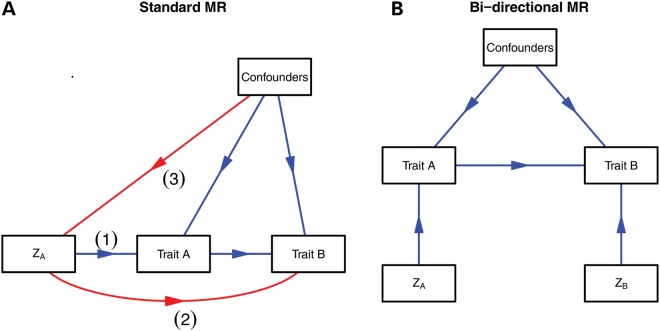
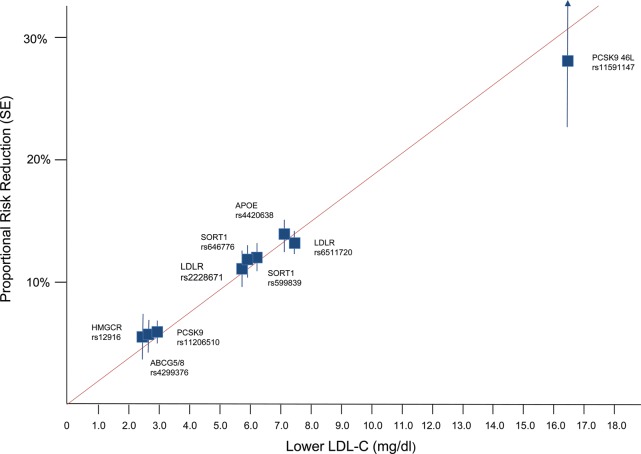
Verification
Claims the paper makes
The claims and statistics of this paper haven’t been checked yet.
Free: it reads the open-access text and checks the first 5 claims that cite a source we can check. Create a free account to check every claim.
Claims other papers make about this one
Each is checked against this paper’s own text: does it say what the citing paper says it does?
The source backs part of the claim, not all of it — or backs it for a different population, condition or comparison.
In the citing paper
“Similarly, violation of the ‘exclusion restriction criteria’33–37 could bias causal estimates in IV analyses when used to test effects of intermediates in RCTs or when used in observational data (including MR)”
From Triangulation in aetiological epidemiology (2017) · cites this paper as [35]
Experimental — accuracy not yet measuredThe cited source says what the claim attributes to it.
In the citing paper
“Discrepancies between MR findings and observational studies are frequently observed[9,17].”
From Evaluating genetic insights into ulcerative colitis and anxiety: Limitations and future directions (2024) · cites this paper as [17]
The cited source says what the claim attributes to it.
In the citing paper
“This pattern is consistent with a directional influence of disease liability on longevity27,64 and is also compatible with vertical pleiotropy65.”
From Genetic trade-offs in fertility and longevity explain the maintenance of disease-associated alleles in humans (2026) · cites this paper as [64]
The check wasn’t confident either way, so it gives no verdict — never disputed.
In the citing paper
“Varespladib (a drug targeting sPLA 2 -IIA) failed in VISTA16 41”
From Integrating genomics with biomarkers and therapeutic targets to invigorate cardiovascular drug development (2021) · cites this paper as [41]
Experimental — accuracy not yet measuredThe check wasn’t confident either way, so it gives no verdict — never disputed.
In the citing paper
“unlike the impact of weak instrument bias in one-sample MR (which biases effects towards the confounded multivariable regression result), in two-sample MR weak instrument bias is towards the null.”
From Commentary: Two-sample Mendelian randomization: opportunities and challenges (2016) · cites this paper as [3]
Experimental — accuracy not yet measured
5 more claims about this paper
Create a free account to see every claim other papers make about this one.
Self-check
Percentages, sums and reported differences re-computed from the paper’s own numbers.
The self-check needs the paper’s full text.
Citations
Cites
Genetics of Food Intake Self-Regulation in Childhood: Literature Review and Research Opportunities
Faith, M. S., Carnell, S., & Kral, T. V. E. (2013) · Human Heredity · doi:10.1159/000353879 · Cited by 7,601
Lippa, N. C., & Sanderson, S. C. (2013) · Human Heredity · doi:10.1159/000353712 · Cited by 6,078
Davey Smith, G., & Ebrahim, S. (2003) · International Journal of Epidemiology · doi:10.1093/ije/dyg070 · Cited by 5,882 · cited 1×
“A successful approach is to use genetic variants as exposure indicators that are not subject to the influences that vitiate conventional study designs, an approach known as Mendelian randomization (MR) (8,9).”
Common polygenic variation contributes to risk of schizophrenia and bipolar disorder
The International Schizophrenia Consortium (2009) · Nature · doi:10.1038/nature08185 · Cited by 4,821 · cited 1×
“significance thresholds are also included, the rationale being that these will include false-negatives owing to small effect size (56).”
BackgroundMendelian randomization: Using genes as instruments for making causal inferences in epidemiology
Lawlor, D. A., Harbord, R. M., Sterne, J. A. C., Timpson, N., & Davey Smith, G. (2008) · Statistics in Medicine · doi:10.1002/sim.3034 · Cited by 4,618
Frayling, T. M., Timpson, N. J., Weedon, M. N., Zeggini, E., Freathy, R. M., Lindgren, C. M., Perry, J. R. B., Elliott, K. S., Lango, H., Rayner, N. W., et al. (2007) · Science · doi:10.1126/science.1141634 · Cited by 4,531
Self-citationEffects of torcetrapib in patients at high risk for coronary events
Barter, P. J., Caulfield, M., Eriksson, M., Grundy, S. M., Kastelein, J. J. P., Komajda, M., Lopez-Sendon, J., Mosca, L., Tardif, J.-C., Waters, D. D., et al. (2007) · New England Journal of Medicine · doi:10.1056/nejmoa0706628 · Cited by 3,139
Willer (2013) · doi:10.1038/ng.2797 · Cited by 2,983
Inference to the Best Explanation
Lipton, P. (2003) · Routledge eBooks · doi:10.4324/9780203470855 · Cited by 2,130
Genetic variants in novel pathways influence blood pressure and cardiovascular disease risk
The International Consortium for Blood Pressure Genome-Wide Association Studies (2011) · Nature · doi:10.1038/nature10405 · Cited by 2,033
Research works printed but not linked: 17
- 2007, New England Journal of Medicine, 357, 2109, 10.1056/nejmoa0706628 · DOI · Paper page
- 2007, American Journal of Epidemiology, 166, 646, 10.1093/aje/kwm165 · DOI · Paper page
- 2013, Psychological medicine, 43, 711, 10.1017/s0033291712001274 · DOI · Paper page
- 2013, International Journal of Epidemiology, 42, 1358, 10.1093/ije/dyt172 · DOI · Paper page
- 2013, American Journal of Epidemiology, 178, 1177, 10.1093/aje/kwt084 · DOI · Paper page
- 2013, Nature reviews. Genetics, 14, 483, 10.1038/nrg3461 · DOI · Paper page
- 2012, Nephrology Dialysis Transplantation, 27, 1030, 10.1093/ndt/gfr418 · DOI
- 2013, International Journal of Epidemiology, 42, 1497, 10.1093/ije/dyt179 · DOI · Paper page
- 2013, International Journal of Epidemiology, 42, 1134, 10.1093/ije/dyt093 · DOI · Paper page
- 2012, Journal of the American College of Cardiology, 60, 2631, 10.1016/j.jacc.2012.09.017 · DOI · Paper page
- 2010, Circulation: Cardiovascular Genetics, 3, 523, 10.1161/circgenetics.109.934455 · DOI · Paper page
- 2010, The review of economics and statistics, 92, 57
- 2011, International journal of obesity, 35, 300, 10.1038/ijo.2010.137 · DOI · Paper page
- 2009, Journal of Clinical Endocrinology & Metabolism, 95, 93
- 2013, Journal of Epidemiology & Community Health, 67, 458, 10.1136/jech-2012-201813 · DOI · Paper page
- 2012, International Journal of Epidemiology, 41, 161, 10.1093/ije/dyr233 · DOI · Paper page
- 2013, Nature reviews. Genetics, 14, 585, 10.1038/nrg3405 · DOI · Paper page
Cited by
Items 701–800 of 1,022
Applying Mendelian randomization to appraise causality in relationships between nutrition and cancer
Wade, K. H., Yarmolinsky, J. W., Giovannucci, E. L., Lewis, S. J., Millwood, I. Y., Munafo, M. R., Meddens, S. F. W., Burrows, K., Bell, J. A., Davies, N. M., et al. (2022) · Cancer Causes & Control · doi:10.1007/s10552-022-01562-1 · Cited by 36
Self-citationElucidating the relationship between migraine risk and brain structure using genetic data
Mitchell, B. L., Díaz‐Torres, S., Bivol, S., Cuéllar-Partida, G., Gormley, P., Anttila, V., Winsvold, B. S., Palta, P., Esko, T., Pers, T. H., et al. (2022) · Brain · doi:10.1093/brain/awac105 · Cited by 37
Hao, Y., Xiao, J., Liang, Y., Wu, X., Zhang, H., Xiao, C., Zhang, L., Burgess, S., Wang, N., Zhao, X., et al. (2022) · International Journal of Epidemiology · doi:10.1093/ije/dyac143 · Cited by 36
“40 Although reverse causality is always a potential concern for MR, our findings from bidirectional MR indicated that the obesity–breast cancer causal effect was unlikely to be biased by reverse causation.”
Zhang, Z., Fang, T., & Lv, Y. (2022) · Frontiers in Endocrinology · doi:10.3389/fendo.2022.961717 · Cited by 36
Genetically predicted obesity and risk of hip osteoarthritis
Yuan, J., Wang, D., Zhang, Y., & Dou, Q. (2023) · Eating and Weight Disorders - Studies on Anorexia Bulimia and Obesity · doi:10.1007/s40519-023-01538-3 · Cited by 37
Xiao, L., & Fan, Y. (2023) · Frontiers in Immunology · doi:10.3389/fimmu.2023.1183378 · Cited by 36
“However, in some instances, there may exist a reverse causation scenario where the outcome variable also influences the exposure variable (32, 38).”
BackgroundPatel, A., Gill, D., Shungin, D., Mantzoros, C. S., Knudsen, L. B., Bowden, J., & Burgess, S. (2024) · Genetic Epidemiology · doi:10.1002/gepi.22551 · Cited by 36
“The principle of Mendelian randomization is that genetic variants can be used as unconfounded proxies to understand the consequences of intervening on the pathway or trait affected by the variants (Davey Smith & Hemani, 2014).”
BackgroundHelicobacter pylori colonization and obesity – a Mendelian randomization study
den Hollander, W. J., Broer, L., Schurmann, C., Meyre, D., den Hoed, C. M., Mayerle, J. V., Albert Hofman, D., Homuth, G., Uitterlinden, A. G., Lerch, M. M., et al. (2017) · Scientific Reports · doi:10.1038/s41598-017-14106-4 · Cited by 36
Tomioka, Y., Numata, S., Kinoshita, M., Umehara, H., Watanabe, S.-Y., Nakataki, M., Iwayama, Y., Toyota, T., Ikeda, M., Yamamori, H., et al. (2018) · Journal of Psychiatry and Neuroscience · doi:10.1503/jpn.170053 · Cited by 36
Strawbridge, R. J., & van Zuydam, N. R. (2018) · Current Diabetes Reports · doi:10.1007/s11892-018-1021-5 · Cited by 36
The role of DNA methylation and hydroxymethylation in immunosenescence
Johnson, N. D., & Conneely, K. N. (2019) · Ageing Research Reviews · doi:10.1016/j.arr.2019.01.011 · Cited by 37
Gormley, M., Yarmolinsky, J. W., Dudding, T., Burrows, K., Martin, R. M., Thomas, S. J., Tyrrell, J., Brennan, P., Pring, M., Boccia, S., et al. (2021) · PLoS Genetics · doi:10.1371/journal.pgen.1009525 · Cited by 36
“causal effects of potentially modifiable extrinsic exposures or intrinsic traits with disease 196 [20-22].”
BackgroundAnxiety Disorder and Cardiovascular Disease: A Two-Sample Mendelian Randomization Study
Peng, B., Meng, H., Guo, L., Zhu, J., Kong, B., Qu, Z., Shuai, W., & Huang, H. (2024) · ESC Heart Failure · doi:10.1002/ehf2.14676 · Cited by 35
Bonilla, C., Lewis, S. J., Rowlands, M., Gaunt, T. R., Smith, G. D., Gunnell, D., Palmer, T., Donovan, J., Hamdy, F. C., Neal, D. E., et al. (2016) · International Journal of Cancer · doi:10.1002/ijc.30206 · Cited by 35
Gottsäter, M., Hindy, G., Orho‐Melander, M., Nilsson, P. M., & Melander, O. (2017) · Journal of Hypertension · doi:10.1097/hjh.0000000000001646 · Cited by 35
“To estimate the causal effect of the trait on c-f PWV, we performed a two-stage least squares regression [10].”
BackgroundMethodCarter, A. R., Borges, M. C., Benn, M., Tybjærg‐Hansen, A., Smith, G. D., Nordestgaard, B. G., & Lawlor, D. A. (2019) · JAMA Network Open · doi:10.1001/jamanetworkopen.2019.0305 · Cited by 36
Bell, J. A., Bull, C. J., Gunter, M. J., Carslake, D., Mahajan, A., Smith, G. D., Timpson, N. J., & Vincent, E. E. (2020) · Diabetes Care · doi:10.2337/dc19-2348 · Cited by 36
Peters, T. M., Holmes, M. V., Richards, J. B., Palmer, T., Forgetta, V., Lindgren, C. M., Asselbergs, F. W., Nelson, C. P., Samani, N. J., McCarthy, M. I., et al. (2020) · Diabetes Care · doi:10.2337/dc20-1137 · Cited by 37
“Curr Cardiovasc Risk Rep 2015;9(7):36.”
BackgroundPower, G. M., Tyrrell, J., Frayling, T. M., Smith, G. D., & Richardson, T. G. (2021) · Journal of the American Heart Association · doi:10.1161/jaha.121.021503 · Cited by 35
“It has previously been applied to separate the independent effects of childhood and adult body size on disease risk, 9 using genetic instruments for self-reported perceived body size at age 10 and body mass index (BMI) in adulthood (average age 56.5 years).”
InfluentialAdiposity and grip strength: a Mendelian randomisation study in UK Biobank
Pereira, S. M. P., Garfield, V., Farmaki, A., Tomlinson, D. J., Norris, T., Fatemifar, G., Denaxas, S., Finan, C., & Cooper, R. (2022) · BMC Medicine · doi:10.1186/s12916-022-02393-2 · Cited by 35
Liu, Z., Suo, C., Fan, H. X., Zhang, T., Li, J., & Chen, X. (2022) · Metabolism · doi:10.1016/j.metabol.2022.155270 · Cited by 35
GENIUS-MAWII: for robust Mendelian randomization with many weak invalid instruments
Ye, T., Liu, Z., Sun, B., & Tchetgen, E. T. (2024) · Journal of the Royal Statistical Society Series B (Statistical Methodology) · doi:10.1093/jrsssb/qkae024 · Cited by 36
“…polymorphisms (SNPs) – as instrumental variables (IVs) to infer the causal effect of a modifiable exposure on an outcome in the presence of unmeasured confounding (Davey Smith and Ebrahim, 2003, 2004; Lawlor et al., 2008; Davey Smith and Hemani, 2014; Burgess et al., 2015a,b; Zheng et al., 2017).”
BackgroundHow to Make DNA Methylome Wide Association Studies More Powerful
Lin, X., Barton, S. J., & Holbrook, J. D. (2016) · Epigenomics · doi:10.2217/epi-2016-0017 · Cited by 38
Carreras‐Torres, R., Haycock, P., Relton, C. L., Martin, R. M., Smith, G. D., Kraft, P. L., Gao, C., Tworoger, S. S., Marchand, L. L., Wilkens, L. R., et al. (2016) · Scientific Reports · doi:10.1038/srep31121 · Cited by 35
Li, L., Wang, H., Zhang, S., Gao, S., Lu, X., You, P., Tang, W., Huang, R., Qiao, K., & Ning, S. (2024) · International Journal of Surgery · doi:10.1097/js9.0000000000001582 · Cited by 34
Bucur, I. G., Claassen, T., & Heskes, T. (2019) · Statistical Methods in Medical Research · doi:10.1177/0962280219851817 · Cited by 34
Rukh, G., Dang, J., Olivo, G., Ciuculete, D. M., Rask‐Andersen, M., & Schiöth, H. B. (2020) · Translational Psychiatry · doi:10.1038/s41398-020-0691-3 · Cited by 34
Ou, Y., Yang, Y., Shen, X., Ma, Y., Chen, S.-D., Dong, Q., Tan, L., & Yu, J. (2021) · Alzheimer s Research & Therapy · doi:10.1186/s13195-021-00782-y · Cited by 35
Cinelli, C., LaPierre, N., Hill, B. L., Sankararaman, S., & Eskin, E. (2022) · Nature Communications · doi:10.1038/s41467-022-28553-9 · Cited by 34
Appraising the Effect of Potential Risk Factors on Thyroid Cancer: A Mendelian Randomization Study
Huang, L., Feng, X., Yang, W., Li, X., Zhang, K., Feng, S., Wang, F., & Yang, X. (2022) · The Journal of Clinical Endocrinology & Metabolism · doi:10.1210/clinem/dgac196 · Cited by 34
Causal Associations of PM2.5 and GDM: A Two-Sample Mendelian Randomization Study
Yang, Y., Ma, X., Pang, W., & Jiang, C. (2023) · Toxics · doi:10.3390/toxics11020171 · Cited by 38
Du, Y., Li, F., Li, S., Ding, L., & Liu, M. (2023) · Frontiers in Endocrinology · doi:10.3389/fendo.2023.1120119 · Cited by 34
“Frontiers in Endocrinology 02 presumed random assortment of genes from parents to offspring, which provides unbiased detection of causal effects, since genetic variants are less susceptible to environmental factors (21).”
BackgroundWang, F., Li, N., Ni, S.-M., Yu, M., Kang, W., Sun, H., Fu, Y., Liu, Y., & Lv, D. (2023) · Nutrients · doi:10.3390/nu15102407 · Cited by 34
“Mendelian randomization (MR) [17] is based on Mendel’s second law (the law of independent assortment of genes).”
BackgroundLi, Y., Liang, X., Lyu, Y., Wang, K., Han, L., Wang, Y., Sun, J., & Chi, C. (2023) · Digestive and Liver Disease · doi:10.1016/j.dld.2023.07.014 · Cited by 34
Chen, D., Zhou, G., Han, H., Jin, J., & Li, Z. (2023) · Frontiers in Endocrinology · doi:10.3389/fendo.2023.1178831 · Cited by 34
Zhai, Q., Wu, H., Zheng, S., Zhong, T., Du, C., Yuan, J., Peng, J., Cai, C., & Li, J. (2023) · Frontiers in Cellular and Infection Microbiology · doi:10.3389/fcimb.2023.1294826 · Cited by 34
“Thanks to the fortuitous nature of genetic variants, which are randomly assigned at the time of conception, MR analysis is able to sidestep the thorny issues of confounding factors and reverse causality, which have plagued other research methods in the past (Davey Smith and Hemani, 2014).”
BackgroundCausal association of immune cells and polycystic ovarian syndrome: a Mendelian randomization study
Aru, N., Yang, C., Chen, Y., & Liu, J. (2023) · Frontiers in Endocrinology · doi:10.3389/fendo.2023.1326344 · Cited by 34
“It is essential for the causal sequence of MR to be reasonable (28, 29).”
BackgroundMendelian Randomization versus Path Models: Making Causal Inferences in Genetic Epidemiology
Ziegler, A., Mwambi, H. G., & König, I. R. (2015) · Human Heredity · doi:10.1159/000381338 · Cited by 34
Genomics of Cancer and a New Era for Cancer Prevention
Brennan, P., & Wild, C. P. (2015) · PLoS Genetics · doi:10.1371/journal.pgen.1005522 · Cited by 34
Genetics of biologically based psychological differences
Sallis, H., Smith, G. D., & Munafo, M. R. (2018) · Philosophical Transactions of the Royal Society B Biological Sciences · doi:10.1098/rstb.2017.0162 · Cited by 35
Use of Mendelian Randomization for Identifying Risk Factors for Brain Tumors
Howell, A., Zheng, J., Haycock, P., McAleenan, A., Relton, C. L., Martin, R. M., & Kurian, K. M. (2018) · Frontiers in Genetics · doi:10.3389/fgene.2018.00525 · Cited by 34
Genetic stratification of depression in UK Biobank
Howard, D. M., Folkersen, L., Coleman, J. R. I., Adams, M. J., Glanville, K. P., Werge, T. M., Hagenaars, S. P., Han, B., Porteous, D. J., Campbell, A., et al. (2020) · Translational Psychiatry · doi:10.1038/s41398-020-0848-0 · Cited by 36
Ben‐Eliyahu, A., & Zeidner, M. (2020) · Cambridge University Press eBooks · doi:10.1017/9781108264822.041 · Cited by 34
The multifaceted interplay between lipids and epigenetics
Dekkers, K. F., Slagboom, P. E., Jukema, J. W., & Heijmans, B. T. (2016) · Current Opinion in Lipidology · doi:10.1097/mol.0000000000000301 · Cited by 34
He, D., Liu, L., Shen, D., Zou, P., & Cui, L. (2022) · Frontiers in Immunology · doi:10.3389/fimmu.2022.867693 · Cited by 33
“Since genetic variants are fixed and randomly allocated at conception, Two-sample Mendelian randomization (MR) can exploit these variants as unbiased proxies to approximate the effect of an exposure on the outcome of interest while minimizing the effects of confounding and reverse causation (14, 15).”
BackgroundLu, Y., Yao, Y., Zhai, S., Ni, F., Wang, J., Chen, F., Zhang, Y., Li, H., Hu, H., Zhang, H., et al. (2024) · International Journal of Surgery · doi:10.1097/js9.0000000000001814 · Cited by 33
“Mendelian randomization (MR) is an epidemiological causal inference method based on Mendel ’ s laws of independent assortment, widely employed in investigating the etiology of various diseases [17] .”
MethodTreur, J. L., Lukas, E., Sallis, H., & Wootton, R. E. (2024) · Epidemiology and Psychiatric Sciences · doi:10.1017/s2045796024000623 · Cited by 35
“The most notable is Mendelian randomization (MR), which uses genetic variants as instrumental variables to proxy for levels of the exposure (Davey Smith and Hemani, 2014).”
Adiponectin and coronary artery disease risk: A bi-directional Mendelian randomization study
Yeung, S. L. A., & Schooling, C. M. (2018) · International Journal of Cardiology · doi:10.1016/j.ijcard.2018.03.132 · Cited by 33
Jäger, S., Cuadrat, R. R. C., Hoffmann, P., Wittenbecher, C., & Schulze, M. B. (2020) · Nutrients · doi:10.3390/nu12082261 · Cited by 34
Canoy, D., Harvey, N. C., Prieto‐Alhambra, D., Cooper, C. C., Meyer, H. E., Åsvold, B. O., Nazarzadeh, M., & Rahimi, K. (2021) · Osteoporosis International · doi:10.1007/s00198-021-06190-0 · Cited by 33
Chong, M., Narula, S., Morton, R. W., Judge, C. S., Akhabir, L., Cawte, N., Pathan, N., Lali, R., Mohammadi‐Shemirani, P., Shoamanesh, A., et al. (2021) · Neurology · doi:10.1212/wnl.0000000000013165 · Cited by 33
Genetically Predicted Causality of 28 Gut Microbiome Families and Type 2 Diabetes Mellitus Risk
Xiang, K., Zhang, J., Xu, Y., Zhong, X., Ni, J., & Pan, H. (2022) · Frontiers in Endocrinology · doi:10.3389/fendo.2022.780133 · Cited by 33
“Mendelian randomization (MR) is a commonly used approach to uncover the causal link between exposure and outcome (15), in which the genetic variations that are significantly related to exposure serve as instrumental variables (IVs).”
BackgroundHuang, S., Tian, F., Yang, X., Fang, S., Fan, Y., & Bao, J. (2022) · Frontiers in Genetics · doi:10.3389/fgene.2021.784922 · Cited by 34
Hayes, B., Robinson, T., Kar, S., Ruth, K. S., Tsilidis, K. K., Frayling, T. M., Murray, A., Martin, R. M., Lawlor, D. A., & Richmond, R. C. (2022) · PLoS Genetics · doi:10.1371/journal.pgen.1009887 · Cited by 34
“To further test the assumption of no horizontal pleiotropy, we explored between SNP heterogeneity using Cochran’s Q and leave one out analyses, as presence of heterogeneity may be due to pleiotropy of one or more SNPs [25, 48].”
MethodTarget Discovery for Drug Development Using Mendelian Randomization
Evans, D. S. (2022) · Methods in molecular biology · doi:10.1007/978-1-0716-2573-6_1 · Cited by 33
CEO Health and Corporate Governance
Keloharju, M., Knüpfer, S., & Tå̊g, J. (2020) · The Leadership Quarterly · doi:10.1016/j.leaqua.2022.101672 · Cited by 34
Mocci, E., Ward, K., Perry, J. A., Starkweather, A. R., Stone, L. S., Schabrun, S. M., Renn, C. L., Dorsey, S. G., & Ament, S. A. (2023) · PLoS Genetics · doi:10.1371/journal.pgen.1010977 · Cited by 33
Darrous, L., Hemani, G., Smith, G. D., & Kutalik, Z. (2024) · Nature Communications · doi:10.1038/s41467-024-45655-8 · Cited by 33
“39 Mendelian Randomisation[4, 5] (MR), an approach generally applied through the use of genetic 40 variants/SNPs as instrumental variables (IVs) to infer the causal relationship between an expo41 sure or a risk factor X and an outcome Y of interest, has become increasingly used thanks to 42 well-powered GWASs from whi…”
MethodSelf-citationIdentification of loci where DNA methylation potentially mediates genetic risk of type 1 diabetes
Ye, Y., Richardson, T. G., McArdle, W. L., Relton, C. L., Gillespie, K. M., Suderman, M. J., & Hemani, G. (2018) · Journal of Autoimmunity · doi:10.1016/j.jaut.2018.06.005 · Cited by 34
Self-citationVerhoef, E., Demontis, D., Burgess, S., Shapland, C. Y., Dale, P. S., Okbay, A., Neale, B. M., Faraone, S. V., Agerbo, E., Als, T. D., et al. (2019) · Translational Psychiatry · doi:10.1038/s41398-018-0324-2 · Cited by 32
Mendelian randomization studies on atherosclerotic cardiovascular disease: evidence and limitations
Hu, Q., Hao, P., Liu, Q., Dong, M., Gong, Y., Zhang, C., & Zhang, Y. (2019) · Science China Life Sciences · doi:10.1007/s11427-019-9537-4 · Cited by 32
Zhuang, Z., Yao, M., Wong, J. Y. Y., Liu, Z., & Huang, T. (2021) · BMC Medicine · doi:10.1186/s12916-021-01972-z · Cited by 33
Reed, Z. E., Wootton, R. E., & Munafo, M. R. (2021) · Addiction · doi:10.1111/add.15673 · Cited by 32
Rheumatoid Arthritis and Cardio-Cerebrovascular Disease: A Mendelian Randomization Study
Qiu, S., Li, M., Jin, S., Lu, H., & Hu, Y. (2021) · Frontiers in Genetics · doi:10.3389/fgene.2021.745224 · Cited by 34
Hernáez, Á., Wootton, R. E., Page, C. M., Skåra, K. H., Fraser, A., Rogne, T., Magnus, P. M., Njølstad, P. R., Andreassen, O. A., Burgess, S., et al. (2022) · Fertility and Sterility · doi:10.1016/j.fertnstert.2022.04.001 · Cited by 32
“The second assumption may be violated when the genetic instruments influence other risk factors for the outcome independently of the exposure of interest (horizontal pleiotropy) (30).”
BackgroundXin, J., Gu, D., Chen, S., Ben, S., Li, H., Zhang, Z., Du, M., & Wang, M. (2022) · Nucleic Acids Research · doi:10.1093/nar/gkac677 · Cited by 32
Yin, L., Yan, H., Chen, K., Ji, Z., Zhang, X., Ji, G., & Zhang, B. (2022) · Nutrients · doi:10.3390/nu14163274 · Cited by 32
Yuan, S., Wu, W., Ma, W., Huang, X., Huang, T., Peng, M., Xu, A., & Lyu, J. (2022) · Journal of Translational Medicine · doi:10.1186/s12967-022-03621-2 · Cited by 32
A Bibliometric Analysis of Cardioembolic Stroke From 2012 to 2022
Wang, L., Chen, Y., Shen, W., Fan, X., Jia, M., Fu, G.-J., Chi, X., Liang, X., & Zhang, Y. (2022) · Current Problems in Cardiology · doi:10.1016/j.cpcardiol.2022.101537 · Cited by 32
Sang, N., Li, B., Zhang, M.-Y., Wei, M., Fang, R.-X., Liu, W., Huang, L., Zhang, J., & Wu, G. (2023) · Age and Ageing · doi:10.1093/ageing/afad113 · Cited by 32
Potential causal association between gut microbiome and posttraumatic stress disorder
He, Q., Wang, W., Xu, D., Xiong, Y., Tao, C., You, C., Ma, L., & Ma, J. (2024) · Translational Psychiatry · doi:10.1038/s41398-024-02765-7 · Cited by 33
“By capitalizing on the random assortment of SNPs during embryonic development, MR can minimize confounding factors, measurement errors, and reverse causation, providing more robust and reliable causal inferences [12, 21, 22].”
Unhealthy lifestyle factors and the risk of colorectal cancer: a Mendelian randomization study
Li, X., Chang, Z., Wang, J., Ding, K., Pan, S., Hu, H., & Tang, Q. (2024) · Scientific Reports · doi:10.1038/s41598-024-64813-y · Cited by 32
“In addition, in our study, to ensure the robustness of our results, SNPs associated with the exposure must meet the GWAS threshold of p < 5 × 10 –8 , and SNPs must demonstrate a strong correlation with the exposure (F > 10) 14 .”
BackgroundMeng, X.-H., Chen, X., Greenbaum, J., Zeng, Q., You, S.-L., Xiao, H., Tan, L., & Deng, H. (2018) · Bone · doi:10.1016/j.bone.2018.05.012 · Cited by 32
“In brief, SMR applies the principles of Mendelian randomization (MR) [37,38] to jointly analyze GWAS and eQTL summary statistics in order to test for association between gene expression and a trait due to a shared variant at a locus.”
MethodMendelian randomization provides support for obesity as a risk factor for meningioma
Takahashi, H., Cornish, A. J., Sud, A., Law, P., Disney–Hogg, L., Calvocoressi, L., Lu, L., Hansen, H. M., Smirnov, I. V., Walsh, K. M., et al. (2019) · Scientific Reports · doi:10.1038/s41598-018-36186-6 · Cited by 33
A Phenome-Wide Mendelian Randomization Study of Pancreatic Cancer Using Summary Genetic Data
Langdon, R., Richmond, R. C., Hemani, G., Zheng, J., Wade, K. H., Carreras‐Torres, R., Johansson, M., Brennan, P., Wootton, R. E., Munafo, M. R., et al. (2019) · Cancer Epidemiology Biomarkers & Prevention · doi:10.1158/1055-9965.epi-19-0036 · Cited by 32
Self-citationLawn, R. B., Sallis, H., Wootton, R. E., Taylor, A. E., Demange, P., Fraser, A., Penton‐Voak, I. S., & Munafo, M. R. (2020) · PLoS ONE · doi:10.1371/journal.pone.0234488 · Cited by 32
“presence of horizontal pleiotropy: when the genetic variant has an effect on the outcome through alternative pathways, instead or in addition to, through the exposure [22,23].”
BackgroundQu, Z., Yang, F., Yan, Y., Hong, J., Wang, W. T., Li, S., Jiang, G., & Yan, S. (2021) · The Journal of Clinical Endocrinology & Metabolism · doi:10.1210/clinem/dgab085 · Cited by 32
CSF sTREM2 in neurological diseases: a two-sample Mendelian randomization study
Dong, M.-H., Zhou, L.-Q., Tang, Y., Chen, M., Xiao, J., Shang, K., Deng, G., Qin, C., & Tian, D.-S. (2022) · Journal of Neuroinflammation · doi:10.1186/s12974-022-02443-9 · Cited by 31
“Mendelian randomization (MR) appears great superiority in investigating causality between traits and diseases, utilizing genetic variants as instrumental variables, which could mimic the coin toss in the randomized trail [14, 15].”
BackgroundHypertension linked to Alzheimer’s disease via stroke: Mendelian randomization
Tang, C. K., Ma, Y., Lei, X., Ding, Y., Yang, S., & He, D. (2023) · Scientific Reports · doi:10.1038/s41598-023-49087-0 · Cited by 31
“This approach helps researchers accurately assess causality and identify mediating factors, thereby providing better guidance for disease prevention and treatment 34 .”
BackgroundZheng, Q., Wang, D., Lin, R., Chen, Y., Huang, H., Xu, Z., Zheng, C., & Xu, W. (2023) · Frontiers in Neuroscience · doi:10.3389/fnins.2023.1299122 · Cited by 32
Lee, S., & Lee, W. (2025) · Journal of Obesity & Metabolic Syndrome · doi:10.7570/jomes24031 · Cited by 31
Multimodal clocks of human aging
Li, J., Jiang, B., Zhang, W., Hao, J., Liu, Z., Ji, Q., Zheng, Y., Lu, X., Zheng, Z., Ma, S., et al. (2026) · Cell · doi:10.1016/j.cell.2026.04.025 · Cited by 35
Cecil, C. A. M., Walton, E., Pingault, J., Provençal, N., Pappa, I., Vitaro, F., Côté, S. M., Szyf, M., Tremblay, R. E., Tiemeier, H. W., et al. (2018) · American Journal of Medical Genetics Part B Neuropsychiatric Genetics · doi:10.1002/ajmg.b.32689 · Cited by 33
Translational biomarkers in the era of precision medicine
Bravo-Merodio, L., Acharjee, A., Russ, D., Bisht, V., Williams, J. A., Tsaprouni, L., & Gkoutos, G. V. (2020) · Advances in clinical chemistry · doi:10.1016/bs.acc.2020.08.002 · Cited by 31
Fasting glucose, bone area and bone mineral density: a Mendelian randomisation study
Mitchell, A. J., Larsson, S. C., Fall, T., Melhus, H., Michaëlsson, K., & Byberg, L. (2021) · Diabetologia · doi:10.1007/s00125-021-05410-w · Cited by 31
Cheng, Q., Qiu, T., Chai, X., Sun, B., Xia, Y., Shi, X., & Liu, J. (2021) · Bioinformatics · doi:10.1093/bioinformatics/btab646 · Cited by 32
Shared genetics and causality underlying epilepsy and attention-deficit hyperactivity disorder
Wu, Y., Li, Y., Zhu, J., & Long, J. (2022) · Psychiatry Research · doi:10.1016/j.psychres.2022.114794 · Cited by 31
Associations between diet and incidence risk of lung cancer: A Mendelian randomization study
Yan, H., Jin, X., Zhang, C., Zhu, C., He, Y., Du, X., & Feng, G. (2023) · Frontiers in Nutrition · doi:10.3389/fnut.2023.1149317 · Cited by 31
“Because alleles are randomly assigned to offspring during conception, the association between genetic variation and disease outcomes is not easily affected by environmental and confounding factors (11, 12).”
BackgroundInflammatory factors and risk of meningiomas: a bidirectional mendelian-randomization study
Zhang, Z., Wang, S., Ren, F., Yang, L., Xie, H., Pan, L., Li, Y., Yu, B., Yang, Y., Su, H., et al. (2023) · Frontiers in Neuroscience · doi:10.3389/fnins.2023.1186312 · Cited by 31
Dai, Z., Wu, Y., Chen, J., Huang, S.-T., & Zheng, H. (2024) · Age and Ageing · doi:10.1093/ageing/afad256 · Cited by 31
Sun, J., Wang, M., & Kan, Z. (2024) · Frontiers in Endocrinology · doi:10.3389/fendo.2024.1280983 · Cited by 31
Pingault, J.-B., Cecil, C. A. M., Murray, J., Munafò, M. R., & Viding, E. (2017) · Psychopathology Review · doi:10.5127/pr.038115 · Cited by 26
“When subgroups in the population differ both in disease rates and allele frequencies for the genetic instrument, population stratification becomes a common cause of both and generates a spurious association between the two (Brion et al., 2014; Davey Smith & Hemani, 2014; Gage et al., 2013).”
InfluentialMuhanhali, D., Zhai, T., Ling, Y., & Gao, X. (2018) · Journal of Lipid Research · doi:10.1194/jlr.p082792 · Cited by 31
Sun, Y., Richmond, R. C., Suderman, M. J., Min, J. L., Battram, T., Flatberg, A., Beisvåg, V., Nøst, T. H., Guida, F., Jiang, L., et al. (2021) · International Journal of Epidemiology · doi:10.1093/ije/dyab044 · Cited by 31
“15,16 Genetic variants at a given locus may influence methylation pattern across an extended genomic region.”
Richmond, R. C., & Smith, G. D. (2019) · International Journal of Epidemiology · doi:10.1093/ije/dyz149 · Cited by 31
“However, as GWAS increase in sample size and power, the chances of identifying genetic variants primarily associated with trait A that associate with trait B at genome-wide significance increase, and including those SNPs in the MR analysis to assess the causal effect of trait B on trait A will potentially lead to erro…”
BackgroundWu, Y., Lin, Y., Zhang, M., He, K., & Tian, G. (2024) · Frontiers in Neurology · doi:10.3389/fneur.2024.1380719 · Cited by 31
Qi, G., Chhetri, S. B., Ray, D., Dutta, D., Battle, A. J., Bhattacharjee, S., & Chatterjee, N. (2024) · Nature Communications · doi:10.1038/s41467-024-51075-5 · Cited by 30
Song, Z., Cheng, Z. J., Yuan, H., Chang, Z., Lv, Y., Huang, X., Li, H., Liang, Z., Cao, W., Chen, Y., et al. (2024) · Journal of Translational Medicine · doi:10.1186/s12967-024-05604-x · Cited by 31
Multi-omic underpinnings of heterogeneous aging across multiple organ systems
Xiong, J., Zhu, X., Guo, Y., Tang, H., Dong, C., Wang, B., Liu, M., Li, Z., & Tu, Y. (2025) · Cell Genomics · doi:10.1016/j.xgen.2025.101032 · Cited by 31
“37 Since genetic variants are randomly allocated at conception, causal effects estimated through MR help circumvent confounding by factors such as environmental exposures and lifestyle factors.”
Cao, M., & Cui, B. (2019) · The Journal of Clinical Endocrinology & Metabolism · doi:10.1210/clinem/dgz071 · Cited by 30
Metadata
- Authors
- Davey Smith, G., & Hemani, G.
- Affiliations
- University of Bristol (GB)
- ORCID
- Hemani, G.
- Venue
- Human Molecular Genetics
- Publisher
- Oxford University Press (OUP)
- Published
- 2014-07-04
- Volume
- 23
- Issue
- R1
- Pages
- R89-R98
- ISSN
- 0964-6906 (ISSN-L)
- 1460-2083
- PMC
- PMC4170722
- OpenAlex
- W2103783427
- Semantic Scholar
- e86fe9b56bac5e159a1b18d9e5003ec06cd14314
- Cited by
- 4,677
- References
- 91
- Citations by year
- 2026: 457 · 2025: 807 · 2024: 1310 · 2023: 734 · 2022: 349 · 2021: 231 · 2020: 223 · 2019: 178 · 2018: 143 · 2017: 101 · 2016: 89 · 2015: 43 · 2014: 11
- FWCI
- 10.78
- Type
- journal article
- Language
- en
- Open access
- hybrid
- doi.org
- Licence
- cc-by
- Locations
- Human Molecular Genetics (publishedVersion, cc-by)
- Europe PMC (PubMed Central) (publishedVersion, cc-by)
- PubMed Central (publishedVersion, cc-by)
- PubMed (publishedVersion)
- Explore Bristol Research (publishedVersion)
- Funders
- University of Bristol (MC_UU_12013/1, MC_UU_12013/1,9, MC_UU_12013)
- Medical Research Council (MC_UU_12013, MC_UU_12013/1‐9, MCUU12013/1)
- Topics
- Life Sciences › Biochemistry, Genetics and Molecular Biology › Genetics › Genetic Associations and Epidemiology
- Physical Sciences › Mathematics › Statistics and Probability › Advanced Causal Inference Techniques
- Physical Sciences › Mathematics › Statistics and Probability › Statistical Methods in Epidemiology
- Keywords
- Mendelian randomization, causal inference, genetic variants, confounding, reverse causality, bidirectional Mendelian randomization, two-sample Mendelian randomization
- MeSH terms
- Humans, Genetic Variation, Causality, Epidemiologic Studies, Randomized Controlled Trials as Topic, Mendelian Randomization Analysis
About these checks
Registry, retraction, Cites and statistics results are computed, not judged, with one exception: a printed reference that no index lists is read once by a model before it counts as a citation error. Claims are extracted by a model and kept only when their quote appears verbatim in the text; each cited source is then checked, with a model’s help, for whether it says what the claim relies on. Those verdicts can be wrong — read the claim’s quote and the cited source before relying on one.
Statistics and arithmetic are recomputed, not judged.
Confidence bands are shown only for fields calibrated on our annotated test set. None is calibrated yet, so no band is shown.
What counts as a claim ›How we measure confidence ›How we check this ›
Are you an author, or do you see a problem with this page? Request a review
Data sources
Bibliographic data: Semantic Scholar, OpenAlex, Crossref.
Contains information from the Semantic Scholar Academic Graph Datasets, made available under the ODC Attribution License (ODC-BY 1.0).
Semantic Scholar’s data is described in: Kinney, R., et al. (2023). The Semantic Scholar Open Data Platform. arXiv:2301.10140.
