

Mendelian randomization: genetic anchors for causal inference in epidemiological studies
Open accessThe DOI matches its Crossref record; 92 of the 92 references it cites were found in a registry or an index.
Abstract
Observational epidemiological studies are prone to confounding, reverse causation and various biases and have generated findings that have proved to be unreliable indicators of the causal effects of modifiable exposures on disease outcomes. Mendelian randomization (MR) is a method that utilizes genetic variants that are robustly associated with such modifiable exposures to generate more reliable evidence regarding which interventions should produce health benefits. The approach is being widely applied, and various ways to strengthen inference given the known potential limitations of MR are now available. Developments of MR, including two-sample MR, bidirectional MR, network MR, two-step MR, factorial MR and multiphenotype MR, are outlined in this review. The integration of genetic information into population-based epidemiological studies presents translational opportunities, which capitalize on the investment in genomic discovery research.
Overview
The claims and statistics of this paper haven’t been checked yet.
Free: it reads the open-access text and checks the first 5 claims that cite a source we can check. Create a free account to check every claim.
Integrity signals
Registry
Cites
Statistics
Figures
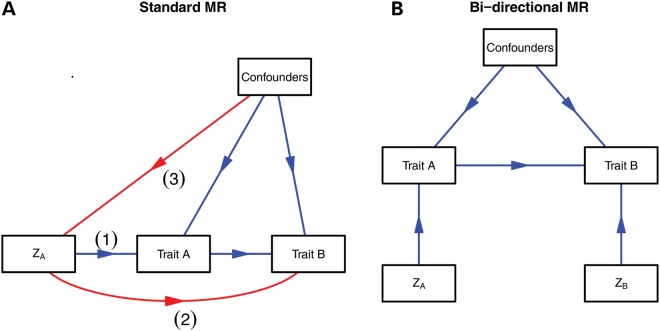
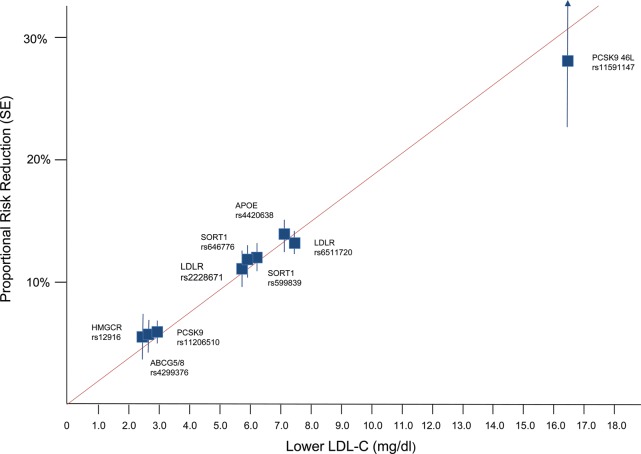
Verification
Claims the paper makes
The claims and statistics of this paper haven’t been checked yet.
Free: it reads the open-access text and checks the first 5 claims that cite a source we can check. Create a free account to check every claim.
Claims other papers make about this one
Each is checked against this paper’s own text: does it say what the citing paper says it does?
The source backs part of the claim, not all of it — or backs it for a different population, condition or comparison.
In the citing paper
“Similarly, violation of the ‘exclusion restriction criteria’33–37 could bias causal estimates in IV analyses when used to test effects of intermediates in RCTs or when used in observational data (including MR)”
From Triangulation in aetiological epidemiology (2017) · cites this paper as [35]
Experimental — accuracy not yet measuredThe cited source says what the claim attributes to it.
In the citing paper
“Discrepancies between MR findings and observational studies are frequently observed[9,17].”
From Evaluating genetic insights into ulcerative colitis and anxiety: Limitations and future directions (2024) · cites this paper as [17]
The cited source says what the claim attributes to it.
In the citing paper
“This pattern is consistent with a directional influence of disease liability on longevity27,64 and is also compatible with vertical pleiotropy65.”
From Genetic trade-offs in fertility and longevity explain the maintenance of disease-associated alleles in humans (2026) · cites this paper as [64]
The check wasn’t confident either way, so it gives no verdict — never disputed.
In the citing paper
“Varespladib (a drug targeting sPLA 2 -IIA) failed in VISTA16 41”
From Integrating genomics with biomarkers and therapeutic targets to invigorate cardiovascular drug development (2021) · cites this paper as [41]
Experimental — accuracy not yet measuredThe check wasn’t confident either way, so it gives no verdict — never disputed.
In the citing paper
“unlike the impact of weak instrument bias in one-sample MR (which biases effects towards the confounded multivariable regression result), in two-sample MR weak instrument bias is towards the null.”
From Commentary: Two-sample Mendelian randomization: opportunities and challenges (2016) · cites this paper as [3]
Experimental — accuracy not yet measured
5 more claims about this paper
Create a free account to see every claim other papers make about this one.
Self-check
Percentages, sums and reported differences re-computed from the paper’s own numbers.
The self-check needs the paper’s full text.
Citations
Cites
Genetics of Food Intake Self-Regulation in Childhood: Literature Review and Research Opportunities
Faith, M. S., Carnell, S., & Kral, T. V. E. (2013) · Human Heredity · doi:10.1159/000353879 · Cited by 7,601
Lippa, N. C., & Sanderson, S. C. (2013) · Human Heredity · doi:10.1159/000353712 · Cited by 6,078
Davey Smith, G., & Ebrahim, S. (2003) · International Journal of Epidemiology · doi:10.1093/ije/dyg070 · Cited by 5,882 · cited 1×
“A successful approach is to use genetic variants as exposure indicators that are not subject to the influences that vitiate conventional study designs, an approach known as Mendelian randomization (MR) (8,9).”
Common polygenic variation contributes to risk of schizophrenia and bipolar disorder
The International Schizophrenia Consortium (2009) · Nature · doi:10.1038/nature08185 · Cited by 4,821 · cited 1×
“significance thresholds are also included, the rationale being that these will include false-negatives owing to small effect size (56).”
BackgroundMendelian randomization: Using genes as instruments for making causal inferences in epidemiology
Lawlor, D. A., Harbord, R. M., Sterne, J. A. C., Timpson, N., & Davey Smith, G. (2008) · Statistics in Medicine · doi:10.1002/sim.3034 · Cited by 4,618
Frayling, T. M., Timpson, N. J., Weedon, M. N., Zeggini, E., Freathy, R. M., Lindgren, C. M., Perry, J. R. B., Elliott, K. S., Lango, H., Rayner, N. W., et al. (2007) · Science · doi:10.1126/science.1141634 · Cited by 4,531
Self-citationEffects of torcetrapib in patients at high risk for coronary events
Barter, P. J., Caulfield, M., Eriksson, M., Grundy, S. M., Kastelein, J. J. P., Komajda, M., Lopez-Sendon, J., Mosca, L., Tardif, J.-C., Waters, D. D., et al. (2007) · New England Journal of Medicine · doi:10.1056/nejmoa0706628 · Cited by 3,139
Willer (2013) · doi:10.1038/ng.2797 · Cited by 2,983
Inference to the Best Explanation
Lipton, P. (2003) · Routledge eBooks · doi:10.4324/9780203470855 · Cited by 2,130
Genetic variants in novel pathways influence blood pressure and cardiovascular disease risk
The International Consortium for Blood Pressure Genome-Wide Association Studies (2011) · Nature · doi:10.1038/nature10405 · Cited by 2,033
Research works printed but not linked: 17
- 2007, New England Journal of Medicine, 357, 2109, 10.1056/nejmoa0706628 · DOI · Paper page
- 2007, American Journal of Epidemiology, 166, 646, 10.1093/aje/kwm165 · DOI · Paper page
- 2013, Psychological medicine, 43, 711, 10.1017/s0033291712001274 · DOI · Paper page
- 2013, International Journal of Epidemiology, 42, 1358, 10.1093/ije/dyt172 · DOI · Paper page
- 2013, American Journal of Epidemiology, 178, 1177, 10.1093/aje/kwt084 · DOI · Paper page
- 2013, Nature reviews. Genetics, 14, 483, 10.1038/nrg3461 · DOI · Paper page
- 2012, Nephrology Dialysis Transplantation, 27, 1030, 10.1093/ndt/gfr418 · DOI
- 2013, International Journal of Epidemiology, 42, 1497, 10.1093/ije/dyt179 · DOI · Paper page
- 2013, International Journal of Epidemiology, 42, 1134, 10.1093/ije/dyt093 · DOI · Paper page
- 2012, Journal of the American College of Cardiology, 60, 2631, 10.1016/j.jacc.2012.09.017 · DOI · Paper page
- 2010, Circulation: Cardiovascular Genetics, 3, 523, 10.1161/circgenetics.109.934455 · DOI · Paper page
- 2010, The review of economics and statistics, 92, 57
- 2011, International journal of obesity, 35, 300, 10.1038/ijo.2010.137 · DOI · Paper page
- 2009, Journal of Clinical Endocrinology & Metabolism, 95, 93
- 2013, Journal of Epidemiology & Community Health, 67, 458, 10.1136/jech-2012-201813 · DOI · Paper page
- 2012, International Journal of Epidemiology, 41, 161, 10.1093/ije/dyr233 · DOI · Paper page
- 2013, Nature reviews. Genetics, 14, 585, 10.1038/nrg3405 · DOI · Paper page
Cited by
Items 201–300 of 1,022
Davies, N. M., Hill, W. D., Anderson, E. L., Sanderson, E., Deary, I. J., & Davey Smith, G. (2019) · eLife · doi:10.7554/elife.43990 · Cited by 135
Circulating Protein Signatures and Causal Candidates for Type 2 Diabetes
Gudmundsdottir, V., Zaghlool, S. B., Emilsson, V., Aspelund, T., Ilkov, M., Gudmundsson, E. F., Jonsson, S. M., Zilhão, N. R., Lamb, J. R., Suhre, K., et al. (2020) · Diabetes · doi:10.2337/db19-1070 · Cited by 117
“We therefore performed a bidirectional two-sample MR analysis (31) to identify proteins with a potentially causal role in the development of type 2 diabetes and proteins with changes that may be downstream of the disease (Supplementary Fig.”
MethodKuppa, A., Tripathi, H., Al‐Darraji, A., Tarhuni, W. M., & Abdel‐Latif, A. (2023) · International Journal of Molecular Sciences · doi:10.3390/ijms24119129 · Cited by 136
G = E: What GWAS Can Tell Us about the Environment
Gage, S. H., Davey Smith, G., Ware, J. J., Flint, J., & Munafò, M. R. (2016) · PLOS Genetics · doi:10.1371/journal.pgen.1005765 · Cited by 132
“Here, the distinction between mediated and biological pleiotropy is useful—the former refers to the genetic influence on the outcome operating via an exposure or intermediate phenotype, while the latter refers to a direct and independent genetic influence on both the exposure and the outcome [33].”
BackgroundWootton, R. E., Lawn, R. B., Millard, L. A. C., Davies, N. M., Taylor, A. E., Munafò, M. R., Timpson, N. J., Davis, O. S. P., Davey Smith, G., & Haworth, C. M. A. (2018) · BMJ · doi:10.1136/bmj.k3788 · Cited by 132
FinnGen, Sakaue, S., Kanai, M., Karjalainen, J. M., Akiyama, M., Kurki, M., Matoba, N., Takahashi, A., Hirata, M., Kubo, M., et al. (2020) · Nature Medicine · doi:10.1038/s41591-020-0785-8 · Cited by 133
Discoveries on the Genetics of ADHD in the 21st Century: New Findings and Their Implications
Thapar, A. (2018) · American Journal of Psychiatry · doi:10.1176/appi.ajp.2018.18040383 · Cited by 109
Kuo, C., Pilling, L. C., Kuchel, G. A., Ferrucci, L., & Melzer, D. (2019) · Aging Cell · doi:10.1111/acel.13017 · Cited by 107
“Mendelian randomization (MR) is a powerful sta‐ tistical method to evaluate the causal relationship between an ex‐ posure and an outcome, under certain assumptions (Davey Smith & Hemani, 2014).”
MethodMendelian Randomization Analysis as a Tool to Gain Insights into Causes of Diseases: A Primer
Tin, A., & Köttgen, A. (2021) · Journal of the American Society of Nephrology · doi:10.1681/asn.2020121760 · Cited by 137
Sharp, G. C., Lawlor, D. A., & Richardson, S. S. (2018) · Social Science & Medicine · doi:10.1016/j.socscimed.2018.07.035 · Cited by 128
Rasooly, D., & Patel, C. J. (2019) · Current Protocols in Human Genetics · doi:10.1002/cphg.82 · Cited by 128
Allele-specific open chromatin in human iPSC neurons elucidates functional disease variants
Zhang, S., Zhang, H., Zhou, Y., Qiao, M., Zhao, S., Kozlova, A., Shi, J., Sanders, A. R., Wang, G., Luo, K., et al. (2020) · Science · doi:10.1126/science.aay3983 · Cited by 127
Zhang, D., Hu, Y., Guo, W., Song, Y., Yang, L., Yang, S., Ou, T., Liu, Y., & Zhang, Y. (2022) · Frontiers in Immunology · doi:10.3389/fimmu.2022.1080980 · Cited by 127
Lawlor, D. A., Richmond, R., Warrington, N., McMahon, G., Smith, G. D., Bowden, J., & Evans, D. M. (2017) · Wellcome Open Research · doi:10.12688/wellcomeopenres.10567.1 · Cited by 129
Genetics of multiple sclerosis: lessons from polygenicity
Goris, A., Vandebergh, M., McCauley, J. L., Saarela, J., & Cotsapas, C. J. (2022) · The Lancet Neurology · doi:10.1016/s1474-4422(22)00255-1 · Cited by 130
Xiang, M., Wang, Y., Gao, Z., Wang, J., Chen, Q., Sun, Z., Liang, J., & Xu, J. (2023) · Frontiers in Immunology · doi:10.3389/fimmu.2022.985729 · Cited by 134
“Frontiers in Immunology 07 established due to the limitations of classical epidemiology (28).”
BackgroundYao, C., Zhang, Y., Lu, P., Xiao, B., Sun, P., Tao, J., Cheng, Y., Kong, L., Xu, D., & Fang, M. (2023) · The Journal of Headache and Pain · doi:10.1186/s10194-023-01612-2 · Cited by 126
“This method is advantageous because genetic variants are randomly allocated during meiosis, minimizing confounding, measurement error, and reverse causation that can afflict conventional multivariable regression approaches [14].”
MethodPleiotropy-robust Mendelian randomization.
van Kippersluis, H., & Rietveld, C. A. (2018) · International Journal of Epidemiology · doi:10.1093/ije/dyx002 · Cited by 125
Is population structure in the genetic biobank era irrelevant, a challenge, or an opportunity?
Lawson, D. J., Davies, N. M., Haworth, S., Ashraf, B., Howe, L., Crawford, A., Hemani, G., Davey Smith, G., & Timpson, N. J. (2020) · Human Genetics · doi:10.1007/s00439-019-02014-8 · Cited by 109
Self-citationDNA methylation as a marker for prenatal smoke exposure in adults
Richmond, R. C., Suderman, M., Langdon, R., Relton, C. L., & Davey Smith, G. (2018) · International Journal of Epidemiology · doi:10.1093/ije/dyy091 · Cited by 118
“However, distinguishing mediation from other association-driving mechanisms (35) warrants further evaluation with the integration of analytical techniques such as two-step Mendelian randomization (36, 37), transcriptomic analysis and the profiling of target tissues (38).”
Lu, Y., Wang, Z., Georgakis, M. K., Lin, H., & Zheng, L. (2020) · Journal of the American Heart Association · doi:10.1161/jaha.120.017986 · Cited by 127
Association between COVID‐19 and telomere length: A bidirectional Mendelian randomization study
Huang, D., Lin, S., He, J., Wang, Q., & Zhan, Y. (2022) · Journal of Medical Virology · doi:10.1002/jmv.28008 · Cited by 126
Davies, N. M., Gaunt, T. R., Lewis, S. J., Holly, J. M. P., Donovan, J., Hamdy, F. C., Kemp, J. P., Eeles, R. A., Easton, D. F., Kote‐Jarai, Z., et al. (2015) · Cancer Causes & Control · doi:10.1007/s10552-015-0654-9 · Cited by 125
“Our aim was to use genetic variation in height and body mass index (BMI) as unconfounded exposures to investigate the causal associations of obesity and stature with prostate cancer risk and outcomes (Mendelian randomization [20]).”
MethodAdult height, coronary heart disease and stroke: a multi-locus Mendelian randomization meta-analysis
Nüesch, E., Dale, C., Palmer, T. M., White, J., Keating, B. J., van Iperen, E. P., Goel, A., Padmanabhan, S., Asselbergs, F. W., EPIC-Netherland Investigators, et al. (2016) · International Journal of Epidemiology · doi:10.1093/ije/dyv074 · Cited by 126
“…able to dissect the downstream biological consequence of the intermediate trait of interest (i.e. differences in blood pressure, lung function and lipid traits as consequence of differences in adult height), known as vertical pleiotropy 32,33 and its presence does not violate the IV assumptions.”
Yeung, C. H. C., & Schooling, C. M. (2020) · International Journal of Epidemiology · doi:10.1093/ije/dyaa241 · Cited by 123
Addressing the credibility crisis in Mendelian randomization
Burgess, S., Woolf, B. A. R., Mason, A. M., Ala‐Korpela, M., & Gill, D. (2024) · BMC Medicine · doi:10.1186/s12916-024-03607-5 · Cited by 123
“Associations with variables on the causal pathway from the genetic variants to the outcome via the exposure (sometimes called “vertical pleiotropy”) are allowed; associations with variables on alternative causal pathways (sometimes called “horizon-tal pleiotropy”) are not [35] (Fig.”
BackgroundCorfield, E. C., Shadrin, A. A., Frei, O., Rahman, Z., Lin, A., Athanasiu, L., Akdeniz, B. C., Filiz, T. T., Hannigan, L. J., Wootton, R. E., et al. (2022) · bioRxiv (Cold Spring Harbor Laboratory) · doi:10.1101/2022.06.23.496289 · Cited by 124
Self-citationUsing the MR-Base platform to investigate risk factors and drug targets for thousands of phenotypes
Walker, V. M., Davies, N. M., Hemani, G., Zheng, J., Haycock, P., Gaunt, T. R., Smith, G. D., & Martin, R. M. (2019) · Wellcome Open Research · doi:10.12688/wellcomeopenres.15334.1 · Cited by 125
Self-citationAlcohol intake and cardiovascular risk factors: A Mendelian randomisation study
Cho, Y., Shin, S.-Y., Won, S., Relton, C. L., Davey Smith, G., & Shin, M.-J. (2015) · Scientific Reports · doi:10.1038/srep18422 · Cited by 106
DNA methylation links prenatal smoking exposure to later life health outcomes in offspring
Wiklund, P., Karhunen, V., Richmond, R. C., Parmar, P., Rodriguez, A., De Silva, M., Wielscher, M., Rezwan, F. I., Richardson, T. G., Veijola, J., et al. (2019) · Clinical Epigenetics · doi:10.1186/s13148-019-0683-4 · Cited by 120
Distinct DNA methylation profiles in subtypes of orofacial cleft
Sharp, G. C., Ho, K. M., Davies, A., Stergiakouli, E., Humphries, K., McArdle, W. L., Sandy, J. R., Smith, G. D., Lewis, S. J., & Relton, C. L. (2017) · Clinical Epigenetics · doi:10.1186/s13148-017-0362-2 · Cited by 121
“This means that we were not able to infer causality between OFC subtypes and blood DNA methylation using the Mendelian randomization [69, 70] or explore functionality by calculating correlations between methylation and expression.”
MethodRevealing the role of the human blood plasma proteome in obesity using genetic drivers
Zaghlool, S. B., Sharma, S., Molnar, M., Matías-García, P. R., Elhadad, M. A., Waldenberger, M., Peters, A., Rathmann, W., Graumann, J., Gieger, C., et al. (2021) · Nature Communications · doi:10.1038/s41467-021-21542-4 · Cited by 102
Depression and 24 gastrointestinal diseases: a Mendelian randomization study
Ruan, X., Chen, J., Sun, Y., Zhang, Y., Zhao, J., Wang, X., Li, X., Yuan, S., & Larsson, S. C. (2023) · Translational Psychiatry · doi:10.1038/s41398-023-02459-6 · Cited by 92
“Mendelian randomization (MR) is a method that employs genetic variants as instrumental variables for the exposure to infer the causality of an exposure-outcome association [11].”
MethodMumford, S. L., Chavarro, J. E., Zhang, C., Perkins, N. J., Sjaarda, L. A., Pollack, A. Z., Schliep, K. C., Michels, K. A., Zarek, S. M., Plowden, T. C., et al. (2016) · American Journal of Clinical Nutrition · doi:10.3945/ajcn.115.119321 · Cited by 118
“71 Low 25 (10) 9 (11) 8 (9) 8 (9) Moderate 92 (35) 31 (36) 35 (40) 26 (30) High 142 (55) 46 (53) 44 (51) 52 (60) Race, n (%) 0.”
Burgess, S. (2018) · Apollo (University of Cambridge) · doi:10.17863/cam.26250 · Cited by 102
Depression and Interleukin-6 Signaling: A Mendelian Randomization Study
Kelly, K. M., Smith, J. A., & Mezuk, B. (2021) · Brain, Behavior, and Immunity · doi:10.1016/j.bbi.2021.02.019 · Cited by 117
“…a genetic variant with a known biological effect is used as an instrumental variable to assess the causal relationship between levels of an exposure or biomarker influenced by the genetic instrumental variable and an outcome of interest, (Davey Smith and Hemani, 2014) as illustrated in Fig.”
MethodPolygenic risk score increases schizophrenia liability through cognition-relevant pathways
Toulopoulou, T., Zhang, X., Cherny, S. S., Dickinson, D., Berman, K. F., Straub, R. E., Sham, P. C., & Weinberger, D. R. (2018) · Brain · doi:10.1093/brain/awy279 · Cited by 117
Associations between smoking and caffeine consumption in two European cohorts
Treur, J. L., Taylor, A. E., Ware, J. J., McMahon, G., Hottenga, J., Baselmans, B. M. L., Willemsen, G. A. H. M., Boomsma, D. I., Munafo, M. R., & Vink, J. M. (2016) · Addiction · doi:10.1111/add.13298 · Cited by 117
“This technique utilizes genetic variants associated with a certain trait as an instrument, or proxy, for that trait, thereby minimizing effects of confounding and reverse causation [32].”
MethodDNA Methylation and BMI: Investigating Identified Methylation Sites at HIF3A in a Causal Framework
Richmond, R. C., Sharp, G. C., Ward, M. E., Fraser, A., Lyttleton, O., McArdle, W. L., Ring, S. M., Gaunt, T. R., Lawlor, D. A., Davey Smith, G., et al. (2016) · Diabetes · doi:10.2337/db15-0996 · Cited by 95
“Bidirectional Mendelian randomization may be used to elucidate the causal direction between HIF3A and adiposity by using valid IVs for each trait (21,27,28).”
BackgroundDiPrete, T. A., Burik, C. A. P., & Koellinger, P. D. (2018) · Proceedings of the National Academy of Sciences · doi:10.1073/pnas.1707388115 · Cited by 100
Phenome-wide investigation of health outcomes associated with genetic predisposition to loneliness
Abdellaoui, A., Sanchez-Roige, S., Sealock, J., Treur, J. L., Dennis, J., Fontanillas, P., Elson, S., The 23andme Research Team, Nivard, M. G., Ip, H. F., et al. (2019) · Human Molecular Genetics · doi:10.1093/hmg/ddz219 · Cited by 105
Onasanya, O., Iyer, G. S., Lucas, E. J., Lin, D. H., Singh, S., & Alexander, G. C. (2016) · The Lancet Diabetes & Endocrinology · doi:10.1016/s2213-8587(16)30215-7 · Cited by 114
Telomeres and Age-Related Diseases
Gruber, H.-J., Semeraro, M. D., Renner, W., & Herrmann, M. (2021) · Biomedicines · doi:10.3390/biomedicines9101335 · Cited by 94
“MR studies are more robust to confounding factors or reverse causation than observational studies [106].”
BackgroundSanderson, E., Richardson, T. G., Morris, T. T., Tilling, K., & Davey Smith, G. (2022) · PLOS Genetics · doi:10.1371/journal.pgen.1010290 · Cited by 103
“[3] When Steiger filtering is applied to the results given in Table 2 there is no bias in the results obtained, as the genetic variants are restricted to those which affect the exposure at either time point directly without acting via the outcome.”
MethodCorrelation = causation? Music training, psychology, and neuroscience
Schellenberg, E. G. (2020) · Psychology of Aesthetics, Creativity, and the Arts · doi:10.1037/aca0000263 · Cited by 113
A Mendelian randomization study investigating the causal role of inflammation on Parkinson’s disease
Bottigliengo, D., Foco, L., Seibler, P., Klein, C., König, I. R., & Fabiola Del Greco, M. (2022) · Brain · doi:10.1093/brain/awac193 · Cited by 114
“summary genetic data from meta-analyses of discovery and replication cohorts, to perform both the selection of instruments and retrieval of SNP-exposure association estimates, a procedure thatmight introduce the ‘winner’s curse’ bias.(53,56)We used this approach for consistency on the type of exposure datasets, and fo…”
MethodThe Human Blood Metabolome-Transcriptome Interface
Bartel, J., Krumsiek, J., Schramm, K., Adamski, J., Gieger, C., Herder, C., Carstensen, M., Peters, A., Rathmann, W., Roden, M., et al. (2015) · PLOS Genetics · doi:10.1371/journal.pgen.1005274 · Cited by 105
“To assess whether metabolite-transcript links in BMTI contain causal effects, we performed a Mendelian randomization analysis [58].”
BackgroundMethodInfluentialFactorial Mendelian randomization: using genetic variants to assess interactions
Rees, J. M. B., Foley, C. N., & Burgess, S. (2020) · International Journal of Epidemiology · doi:10.1093/ije/dyz161 · Cited by 101
Ou, Y., Yang, Y., Deng, Y., Zhang, C. M., Hu, H., Wu, B., Liu, Y., Wang, Y., Zhu, Y., Suckling, J., et al. (2021) · Molecular Psychiatry · doi:10.1038/s41380-021-01251-6 · Cited by 112
“Most of the analyzed proteins could only be instrumented using a single SNP, thus MR estimates were mainly based on the Wald ratio method.”
BackgroundInfluentialSun, X., Chen, B., Qi, Y., Wei, M., Chen, W., Wu, X., Wang, Q., Li, J., Lei, X., & Luo, G. (2024) · The Journal of Headache and Pain · doi:10.1186/s10194-024-01828-w · Cited by 113
“Finally, genes where SNPs accounted for a larger percentage of outcome variance than exposure were eliminated by Steiger filtering [26].”
BackgroundMethodWang, Q., Kangas, A. J., Soininen, P., Tiainen, M., Tynkkynen, T., Puukka, K., Ruokonen, A., Viikari, J., Kahonen, M., Lehtimaki, T., et al. (2015) · International Journal of Epidemiology · doi:10.1093/ije/dyv093 · Cited by 102
“The gene score served as an instrumental variable to estimate the causal effects of SHBG on the metabolic measures.(6,7) The causal effects for the metabolic measures were calculated via the ratio estimator, and the corresponding standard errors via the delta method (detailed formulation given in the Supplementary Met…”
BackgroundMethodResultInfluentialCausal effect of smoking on DNA methylation in peripheral blood: a twin and family study
Li, S., Wong, E. M., Bui, M., Nguyen, T. L., Joo, J.-H. E., Stone, J., Dite, G. S., Giles, G. G., Saffery, R., Southey, M. C., et al. (2018) · Clinical Epigenetics · doi:10.1186/s13148-018-0452-9 · Cited by 110
“Thus, ICE FALCON resembles a bidirectional MR approach [56].”
MethodGenetically predicted obesity and risk of deep vein thrombosis
Tan, J., Liu, N., Guo, T., Hu, S., & Hua, L. (2021) · Thrombosis Research · doi:10.1016/j.thromres.2021.08.026 · Cited by 114
Millard, L. A. C., Davies, N. M., Timpson, N. J., Tilling, K., Flach, P. A., & Smith, G. D. (2015) · Scientific Reports · doi:10.1038/srep16645 · Cited by 96
Pro-inflammatory fatty acid profile and colorectal cancer risk: A Mendelian randomisation analysis
May-Wilson, S., Sud, A., Law, P., Palin, K., Tuupanen, S., Gylfe, A. E., Hänninen, U. A., Cajuso, T., Tanskanen, T. J., Kondelin, J., et al. (2017) · European Journal of Cancer · doi:10.1016/j.ejca.2017.07.034 · Cited by 110
“Using genetically defined IVs as proxies of modifiable exposure avoids confounding by environmental factors, is not subject to reverse causality and can inform on life-long exposure [10,11].”
BackgroundCausal effects of exposure to ambient air pollution on cancer risk: Insights from genetic evidence
Li, W., & Wang, W. (2023) · The Science of The Total Environment · doi:10.1016/j.scitotenv.2023.168843 · Cited by 109
Origins of human disease: the chrono-epigenetic perspective
Oh, E. S., & Petronis, A. (2021) · Nature Reviews Genetics · doi:10.1038/s41576-021-00348-6 · Cited by 108
Polimanti, R., Peterson, R. E., Ong, J.-S., MacGregor, S., Edwards, A. C., Clarke, T.-K., Frank, J., Gerring, Z., Gillespie, N. A., Lind, P. A., et al. (2019) · Psychological Medicine · doi:10.1017/s0033291719000667 · Cited by 108
Tools for assessing quality and risk of bias in Mendelian randomization studies: a systematic review
Spiga, F., Gibson, M., Dawson, S., Tilling, K. M., Smith, G. D., Munafo, M. R., & Higgins, J. P. T. (2022) · International Journal of Epidemiology · doi:10.1093/ije/dyac149 · Cited by 108
Maternal psychological distress during pregnancy and childhood health outcomes: a narrative review
Vehmeijer, F. O. L., Guxens, M., Duijts, L., & El Marroun, H. (2019) · Journal of Developmental Origins of Health and Disease · doi:10.1017/s2040174418000557 · Cited by 107
Mulugeta, A., Zhou, A., King, C. E., & Hyppönen, E. (2019) · Molecular Psychiatry · doi:10.1038/s41380-019-0486-1 · Cited by 108
Physical activity, sedentary time and breast cancer risk: a Mendelian randomisation study
Dixon‐Suen, S. C., Lewis, S. J., Martin, R. M., English, D. R., Boyle, T., Giles, G. G., Michailidou, K., Bolla, M. K., Wang, Q., Dennis, J., et al. (2022) · British Journal of Sports Medicine · doi:10.1136/bjsports-2021-105132 · Cited by 107
Georgakis, M. K., & Gill, D. (2021) · Stroke · doi:10.1161/strokeaha.120.032617 · Cited by 107
Intimate Relationships and Depression: Searching for Causation in the Sea of Association
Whisman, M. A., Sbarra, D. A., & Beach, S. R. H. (2021) · Annual Review of Clinical Psychology · doi:10.1146/annurev-clinpsy-081219-103323 · Cited by 104
Han, X., Ong, J.-S., An, J., Hewitt, A. W., Gharahkhani, P., & MacGregor, S. (2020) · European Journal of Epidemiology · doi:10.1007/s10654-019-00598-z · Cited by 96
Osteoarthritis and bone mineral density: are strong bones bad for joints?
Hardcastle, S., Dieppe, P. A., Gregson, C. L., Smith, G. D., & Tobias, J. H. (2015) · BoneKEy Reports · doi:10.1038/bonekey.2014.119 · Cited by 103
Adult body mass index and risk of ovarian cancer by subtype: a Mendelian randomization study
Dixon‐Suen, S. C., Nagle, C. M., Thrift, A. P., Pharoah, P. D. P., Pearce, C. L., Zheng, W., Painter, J. N., AOCS Group & Australian Cancer Study (Ovarian Cancer), Chenevix‐Trench, G., Fasching, P. A., et al. (2016) · International Journal of Epidemiology · doi:10.1093/ije/dyw158 · Cited by 104
“NEC USA 1992-2003 52 (21-78) 367 243 232 24.”
InfluentialDifferential effects of PCSK9 variants on risk of coronary disease and ischaemic stroke
Hopewell, J. C., Malik, R., Valdés-Márquez, E., Worrall, B. B., Collins, R., & METASTROKE Collaboration of the ISGC (2018) · European Heart Journal · doi:10.1093/eurheartj/ehx373 · Cited by 74
“However, pleiotropy in which a single locus directly influences multiple phenotypes can complicate their interpretation.(19) The PCSK9 genetic variants that were examined in the present study have previously been shown to have potential (P < 0.”
BackgroundHannigan, L. J., Eilertsen, E. M., Gjerde, L. C., Reichborn-Kjennerud, T., Eley, T. C., Rijsdijk, F. V., Ystrom, E., & McAdams, T. A. (2018) · The Lancet Psychiatry · doi:10.1016/s2215-0366(18)30225-6 · Cited by 78
Consensus paper of the WFSBP task force on cannabis, cannabinoids and psychosis
D’Souza, D. C., Forti, M. D., Ganesh, S., George, T. P., Hall, W., Hjorthøj, C. R., Howes, O. D., Keshavan, M. S., Murray, R. M., Nguyen, T. B., et al. (2022) · The World Journal of Biological Psychiatry · doi:10.1080/15622975.2022.2038797 · Cited by 102
“MR studies cannot fully control for the effect of pleiotropy, i.e. when the same genetic variants influence more than one trait through independent pathways, leading to false positives (Davey Smith and Hemani 2014).”
BackgroundJohansson, M., Carreras-Torres, R., Scelo, G., Purdue, M. P., Mariosa, D., Muller, D. C., Timpson, N. J., Haycock, P. C., Brown, K. M., Wang, Z., et al. (2019) · PLOS Medicine · doi:10.1371/journal.pmed.1002724 · Cited by 87
Integrative analysis of the plasma proteome and polygenic risk of cardiometabolic diseases
Ritchie, S. C., Lambert, S. A., Arnold, M., Teo, S. M., Lim, S. I., Šćepanović, P., Marten, J., Zahid, S., Chaffin, M. D., Liu, Y., et al. (2021) · Nature Metabolism · doi:10.1038/s42255-021-00478-5 · Cited by 100
“Two-sample Mendelian randomization 33 was also performed as an orthogonal approach to identify proteins that may play a causal role in disease (Extended Data Fig.”
BackgroundMethodZhou, X., Wang, L., Xiao, J., Sun, J., Yu, L., Zhang, H., Meng, X., Yuan, S., Timofeeva, M. N., Law, P., et al. (2022) · International Journal of Cancer · doi:10.1002/ijc.33945 · Cited by 101
“10 Recent meta-analyses of genome-wide association studies (GWAS) identified a number of single nucleotide polymorphisms (SNPs) associated with general alcohol consumption (drinks per week), 11 and the sub-phenotypes of more severe drinking behaviors and physiological alcohol dependence (alcohol…”
Evans, D. M., Moen, G.-H., Hwang, L.-D., Lawlor, D. A., & Warrington, N. M. (2019) · International Journal of Epidemiology · doi:10.1093/ije/dyz019 · Cited by 92
“This is important because it means that very precise estimates of the causal effect can be obtained by utilizing publicly available GWAS summary-results data, often using tens or hundreds of thousands of individuals.(22) Although MR is a useful method for assessing causality, there are a number of assumptions and pote…”
BackgroundBias in Mendelian randomization due to assortative mating
Hartwig, F. P., Davies, N. M., & Davey Smith, G. (2018) · Genetic Epidemiology · doi:10.1002/gepi.22138 · Cited by 99
“Although the first assumption is empirically verifiable, bias due to “off-target” genetic effects (or, more formally, horizontal pleiotropy; Davey Smith & Hemani, 2014; Paaby & Rockman, 2013) can never be ruled out.”
BackgroundThe bidirectional association between atrial fibrillation and myocardial infarction
Frederiksen, T. C., Dahm, C. C., Preis, S. R., Lin, H., Trinquart, L., Benjamin, E. J., & Kornej, J. (2023) · Nature Reviews Cardiology · doi:10.1038/s41569-023-00857-3 · Cited by 99
Mendelian randomization: causal inference leveraging genetic data
Chen, L. G., Tubbs, J. D., Liu, Z., Thach, T., & Sham, P. C. (2024) · Psychological Medicine · doi:10.1017/s0033291724000321 · Cited by 100
“…SNPs from an exposure GWAS as GIVs and using the same GWAS to obtain GIV-exposure association estimates can lead to an upward bias of these estimates, known as the ‘ winner ’ s curse ’ (Kraft, 2008; Xiao & Boehnke, 2009), and result in biased MR estimates (Davey Smith & Hemani, 2014; Lawlor, 2016).”
BackgroundMethodTime to target uric acid to retard CKD progression
Kumagai, T., Ota, T., Tamura, Y., Chang, W., Shibata, S., & Uchida, S. (2016) · Clinical and Experimental Nephrology · doi:10.1007/s10157-016-1288-2 · Cited by 99
Temperament and brain networks of attention
Posner, M. I., & Rothbart, M. K. (2018) · Philosophical Transactions of the Royal Society B Biological Sciences · doi:10.1098/rstb.2017.0254 · Cited by 101
Mendelian Randomization Studies of Coffee and Caffeine Consumption
Cornelis, M. C., & Munafo, M. R. (2018) · Nutrients · doi:10.3390/nu10101343 · Cited by 91
“Horizontal (or biological) pleiotropy occurs when a genetic variant is associated with multiple exposures or traits and is therefore a violation of MR assumption 3 [17,58].”
BackgroundBrand, J. S., Gaillard, R., West, J., McEachan, R. R. C., Wright, J., Voerman, E., Felix, J. F., Tilling, K., & Lawlor, D. A. (2019) · PLOS Medicine · doi:10.1371/journal.pmed.1002972 · Cited by 90
“, not acting through smoking intensity or inability to quit smoking) and would suggest that our results in smokers may be biased [25].”
ResultMillwood, I. Y., Im, P. K., Bennett, D., Hariri, P., Yang, L., Du, H., Kartsonaki, C., Lin, K., Yu, C., Chen, Y., et al. (2023) · The Lancet Public Health · doi:10.1016/s2468-2667(23)00217-7 · Cited by 98
“11 An MR study of European ancestry individuals associated alcohol intake with a higher risk of all-cause mortality, but specific causes of death were not investigated, nor was the shape of the association across different levels of intake.”
BackgroundA Mendelian randomization analysis of circulating lipid traits and breast cancer risk
Beeghly-Fadiel, A. C., Khankari, N. K., Delahanty, R., Shu, X., Lu, Y., Schmidt, M. K., Bolla, M. K., Michailidou, K., Wang, Q., Dennis, J., et al. (2019) · International Journal of Epidemiology · doi:10.1093/ije/dyz242 · Cited by 97
“associated with any of the confounders of the exposureoutcome relationship.(19) To date, genome-wide association studies (GWAS) have linked circulating lipid traits to at least 157 genetic loci.”
BackgroundCausal inference for heritable phenotypic risk factors using heterogeneous genetic instruments
Wang, J., Zhao, Q., Bowden, J., Hemani, G., Davey Smith, G., Small, D. S., & Zhang, N. R. (2021) · PLOS Genetics · doi:10.1371/journal.pgen.1009575 · Cited by 88
“With the accumulation of data from 36 GWAS, there is an increasing interest in MR approaches, especially approaches that only rely on the 37 GWAS summary statistics that are readily available in the public domain [19, 46].”
MethodSelf-citationOpen problems in human trait genetics
Brandes, N., Weissbrod, O., & Linial, M. (2022) · Genome Biology · doi:10.1186/s13059-022-02697-9 · Cited by 83
How to use Mendelian randomization to anticipate the results of randomized trials
Ference, B. A. (2018) · European Heart Journal · doi:10.1093/eurheartj/ehx462 · Cited by 96
“These studies use genetic variants that are associated with the exposure of interest as a proxy for higher or lower levels of the exposure.(1) Because allocation to genetic variants is approximately random and occurs at conception, this study design should be less susceptible to confounding, reverse causation, and oth…”
BackgroundWalker, V. M., Kehoe, P. G., Martin, R. M., & Davies, N. M. (2018) · doi:10.1101/486878 · Cited by 96
Walker, V. M., Kehoe, P. G., Martin, R. M., & Davies, N. M. (2020) · International Journal of Epidemiology · doi:10.1093/ije/dyz155 · Cited by 96
Wei, Z., Yang, B., Tang, T., Xiao, Z., Ye, F., Li, X., Wu, S., Huang, J., & Jiang, S. (2023) · Cancer Medicine · doi:10.1002/cam4.5772 · Cited by 96
Georgakis, M. K., Malik, R., Anderson, C. D., Parhofer, K. G., Hopewell, J. C., & Dichgans, M. (2020) · Brain · doi:10.1093/brain/awz413 · Cited by 90
Lung function and cardiovascular disease: a two-sample Mendelian randomisation study
Higbee, D., Granell, R., Sanderson, E. C. M., Smith, G. D., & Dodd, J. W. (2021) · European Respiratory Journal · doi:10.1183/13993003.03196-2020 · Cited by 95
“[13] 55 MR allows causal inference through the use of genetic variants as proxies for modifiable risk 56 factors or health outcomes.[14] MR uses genetic data, e.”
BackgroundChen, J., Ruan, X., Fu, T., Lu, S., Gill, D., He, Z., Burgess, S., Giovannucci, E. L., Larsson, S. C., Deng, M., et al. (2024) · EBioMedicine · doi:10.1016/j.ebiom.2024.105110 · Cited by 96
“Mendelian randomization (MR) is an epidemiological approach that utilizes genetic variants as instrumental variables to strengthen causal inference (12).”
BackgroundAssociation of Lipid-Lowering Drugs With Risk of Psoriasis: A Mendelian Randomization Study
Zhao, S. S., Yiu, Z. Z. N., Barton, A. C., & Bowes, J. (2023) · JAMA Dermatology · doi:10.1001/jamadermatol.2022.6051 · Cited by 94
Assessing the Genetic Predisposition of Education on Myopia: A Mendelian Randomization Study
Cuellar‐Partida, G., Lu, Y., Kho, P. F., Hewitt, A. W., Wichmann, H. ‐., Yazar, S., Stambolian, D., Bailey‐Wilson, J. E., Wojciechowski, R., Wang, J. J., et al. (2016) · Genetic Epidemiology · doi:10.1002/gepi.21936 · Cited by 79
Lovegrove, C. E., Howles, S., Furniss, D., & Holmes, M. V. (2024) · Journal of Bone and Mineral Research · doi:10.1093/jbmr/zjae136 · Cited by 96
“11,29,44 The risk of overfitting arises because the exposure IV is used to predict the outcome in the same population it was derived from, risking chance correlations with potential confounding variables.”
BackgroundRichmond, R. C., Timpson, N. J., Felix, J. F., Palmer, T., Gaillard, R., McMahon, G., Davey Smith, G., Jaddoe, V. W., & Lawlor, D. A. (2017) · PLOS Medicine · doi:10.1371/journal.pmed.1002221 · Cited by 80
Morales, E., Vilahur, N., Salas, L. A., Motta, V., Fernandez, M. F., Murcia, M., Llop, S., Tardon, A., Fernandez-Tardon, G., Santa-Marina, L., et al. (2016) · International Journal of Epidemiology · doi:10.1093/ije/dyw196 · Cited by 85
“randomization (MR) approach to evaluate the causal effect of placenta DNA methylation changes on birthweight.(28)”
MethodLower Lymphocyte Count is Associated With Increased Risk of Parkinson's Disease
Jensen, M. P., Jacobs, B. M., Dobson, R., Bandres‐Ciga, S., Blauwendraat, C., Schrag, A., Noyce, A. J., & The International Parkinson's Disease Genomics Consortium (IPDGC) (2021) · Annals of Neurology · doi:10.1002/ana.26034 · Cited by 91
“MR is a type of instrumental variable (IV) analysis, which exploits the association between genetic variants and an exposure to predict the effect of that exposure on an outcome.(19,20) As genetic variants are randomly allocated at birth and do not change throughout the lifetime, MR can be used in some situations to e…”
BackgroundLiu, D., Gao, X., Pan, X., Zhou, T., Zhu, C., Li, F., Fan, J., Targher, G., & Zhao, J. (2023) · BMC Medicine · doi:10.1186/s12916-023-02775-0 · Cited by 94
Spiller, W., Slichter, D., Bowden, J., & Davey Smith, G. (2018) · International Journal of Epidemiology · doi:10.1093/ije/dyy204 · Cited by 90
“However, a particular concern when applying MR is horizontal pleiotropy—occurring when a genetic variant is associated with a study outcome through biological pathways additional to the exposure of interest.(2,5) This violates assumption IV3, introducing bias into effect estimates in the direction of the horizontal pl…”
Background
Metadata
- Authors
- Davey Smith, G., & Hemani, G.
- Affiliations
- University of Bristol (GB)
- ORCID
- Hemani, G.
- Venue
- Human Molecular Genetics
- Publisher
- Oxford University Press (OUP)
- Published
- 2014-07-04
- Volume
- 23
- Issue
- R1
- Pages
- R89-R98
- ISSN
- 0964-6906 (ISSN-L)
- 1460-2083
- PMC
- PMC4170722
- OpenAlex
- W2103783427
- Semantic Scholar
- e86fe9b56bac5e159a1b18d9e5003ec06cd14314
- Cited by
- 4,677
- References
- 91
- Citations by year
- 2026: 457 · 2025: 807 · 2024: 1310 · 2023: 734 · 2022: 349 · 2021: 231 · 2020: 223 · 2019: 178 · 2018: 143 · 2017: 101 · 2016: 89 · 2015: 43 · 2014: 11
- FWCI
- 10.78
- Type
- journal article
- Language
- en
- Open access
- hybrid
- doi.org
- Licence
- cc-by
- Locations
- Human Molecular Genetics (publishedVersion, cc-by)
- Europe PMC (PubMed Central) (publishedVersion, cc-by)
- PubMed Central (publishedVersion, cc-by)
- PubMed (publishedVersion)
- Explore Bristol Research (publishedVersion)
- Funders
- University of Bristol (MC_UU_12013/1, MC_UU_12013/1,9, MC_UU_12013)
- Medical Research Council (MC_UU_12013, MC_UU_12013/1‐9, MCUU12013/1)
- Topics
- Life Sciences › Biochemistry, Genetics and Molecular Biology › Genetics › Genetic Associations and Epidemiology
- Physical Sciences › Mathematics › Statistics and Probability › Advanced Causal Inference Techniques
- Physical Sciences › Mathematics › Statistics and Probability › Statistical Methods in Epidemiology
- Keywords
- Mendelian randomization, causal inference, genetic variants, confounding, reverse causality, bidirectional Mendelian randomization, two-sample Mendelian randomization
- MeSH terms
- Humans, Genetic Variation, Causality, Epidemiologic Studies, Randomized Controlled Trials as Topic, Mendelian Randomization Analysis
About these checks
Registry, retraction, Cites and statistics results are computed, not judged, with one exception: a printed reference that no index lists is read once by a model before it counts as a citation error. Claims are extracted by a model and kept only when their quote appears verbatim in the text; each cited source is then checked, with a model’s help, for whether it says what the claim relies on. Those verdicts can be wrong — read the claim’s quote and the cited source before relying on one.
Statistics and arithmetic are recomputed, not judged.
Confidence bands are shown only for fields calibrated on our annotated test set. None is calibrated yet, so no band is shown.
What counts as a claim ›How we measure confidence ›How we check this ›
Are you an author, or do you see a problem with this page? Request a review
Data sources
Bibliographic data: Semantic Scholar, OpenAlex, Crossref.
Contains information from the Semantic Scholar Academic Graph Datasets, made available under the ODC Attribution License (ODC-BY 1.0).
Semantic Scholar’s data is described in: Kinney, R., et al. (2023). The Semantic Scholar Open Data Platform. arXiv:2301.10140.
