

Mendelian randomization: genetic anchors for causal inference in epidemiological studies
Open accessThe DOI matches its Crossref record; 92 of the 92 references it cites were found in a registry or an index.
Abstract
Observational epidemiological studies are prone to confounding, reverse causation and various biases and have generated findings that have proved to be unreliable indicators of the causal effects of modifiable exposures on disease outcomes. Mendelian randomization (MR) is a method that utilizes genetic variants that are robustly associated with such modifiable exposures to generate more reliable evidence regarding which interventions should produce health benefits. The approach is being widely applied, and various ways to strengthen inference given the known potential limitations of MR are now available. Developments of MR, including two-sample MR, bidirectional MR, network MR, two-step MR, factorial MR and multiphenotype MR, are outlined in this review. The integration of genetic information into population-based epidemiological studies presents translational opportunities, which capitalize on the investment in genomic discovery research.
Overview
The claims and statistics of this paper haven’t been checked yet.
Free: it reads the open-access text and checks the first 5 claims that cite a source we can check. Create a free account to check every claim.
Integrity signals
Registry
Cites
Statistics
Figures
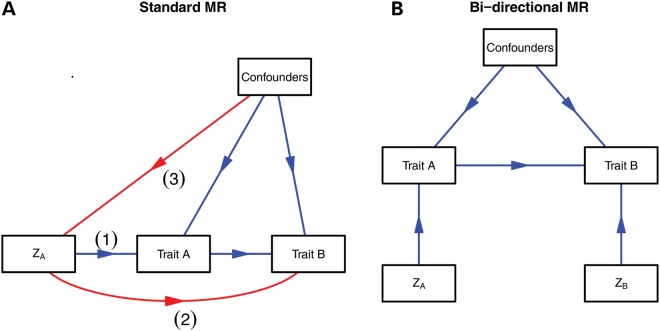
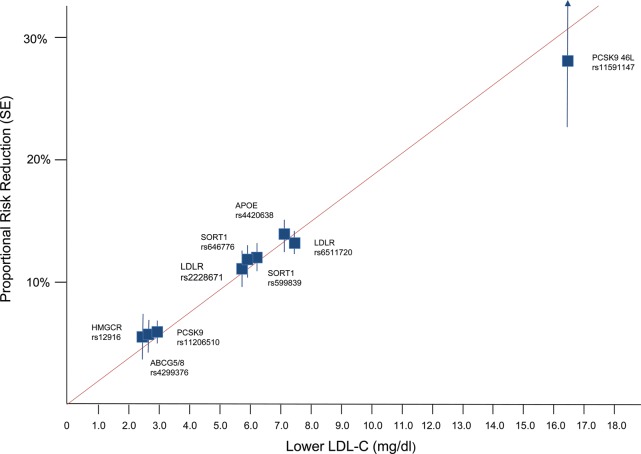
Verification
Claims the paper makes
The claims and statistics of this paper haven’t been checked yet.
Free: it reads the open-access text and checks the first 5 claims that cite a source we can check. Create a free account to check every claim.
Claims other papers make about this one
Each is checked against this paper’s own text: does it say what the citing paper says it does?
The source backs part of the claim, not all of it — or backs it for a different population, condition or comparison.
In the citing paper
“Similarly, violation of the ‘exclusion restriction criteria’33–37 could bias causal estimates in IV analyses when used to test effects of intermediates in RCTs or when used in observational data (including MR)”
From Triangulation in aetiological epidemiology (2017) · cites this paper as [35]
Experimental — accuracy not yet measuredThe cited source says what the claim attributes to it.
In the citing paper
“Discrepancies between MR findings and observational studies are frequently observed[9,17].”
From Evaluating genetic insights into ulcerative colitis and anxiety: Limitations and future directions (2024) · cites this paper as [17]
The cited source says what the claim attributes to it.
In the citing paper
“This pattern is consistent with a directional influence of disease liability on longevity27,64 and is also compatible with vertical pleiotropy65.”
From Genetic trade-offs in fertility and longevity explain the maintenance of disease-associated alleles in humans (2026) · cites this paper as [64]
The check wasn’t confident either way, so it gives no verdict — never disputed.
In the citing paper
“Varespladib (a drug targeting sPLA 2 -IIA) failed in VISTA16 41”
From Integrating genomics with biomarkers and therapeutic targets to invigorate cardiovascular drug development (2021) · cites this paper as [41]
Experimental — accuracy not yet measuredThe check wasn’t confident either way, so it gives no verdict — never disputed.
In the citing paper
“unlike the impact of weak instrument bias in one-sample MR (which biases effects towards the confounded multivariable regression result), in two-sample MR weak instrument bias is towards the null.”
From Commentary: Two-sample Mendelian randomization: opportunities and challenges (2016) · cites this paper as [3]
Experimental — accuracy not yet measured
5 more claims about this paper
Create a free account to see every claim other papers make about this one.
Self-check
Percentages, sums and reported differences re-computed from the paper’s own numbers.
The self-check needs the paper’s full text.
Citations
Cites
Genetics of Food Intake Self-Regulation in Childhood: Literature Review and Research Opportunities
Faith, M. S., Carnell, S., & Kral, T. V. E. (2013) · Human Heredity · doi:10.1159/000353879 · Cited by 7,601
Lippa, N. C., & Sanderson, S. C. (2013) · Human Heredity · doi:10.1159/000353712 · Cited by 6,078
Davey Smith, G., & Ebrahim, S. (2003) · International Journal of Epidemiology · doi:10.1093/ije/dyg070 · Cited by 5,882 · cited 1×
“A successful approach is to use genetic variants as exposure indicators that are not subject to the influences that vitiate conventional study designs, an approach known as Mendelian randomization (MR) (8,9).”
Common polygenic variation contributes to risk of schizophrenia and bipolar disorder
The International Schizophrenia Consortium (2009) · Nature · doi:10.1038/nature08185 · Cited by 4,821 · cited 1×
“significance thresholds are also included, the rationale being that these will include false-negatives owing to small effect size (56).”
BackgroundMendelian randomization: Using genes as instruments for making causal inferences in epidemiology
Lawlor, D. A., Harbord, R. M., Sterne, J. A. C., Timpson, N., & Davey Smith, G. (2008) · Statistics in Medicine · doi:10.1002/sim.3034 · Cited by 4,618
Frayling, T. M., Timpson, N. J., Weedon, M. N., Zeggini, E., Freathy, R. M., Lindgren, C. M., Perry, J. R. B., Elliott, K. S., Lango, H., Rayner, N. W., et al. (2007) · Science · doi:10.1126/science.1141634 · Cited by 4,531
Self-citationEffects of torcetrapib in patients at high risk for coronary events
Barter, P. J., Caulfield, M., Eriksson, M., Grundy, S. M., Kastelein, J. J. P., Komajda, M., Lopez-Sendon, J., Mosca, L., Tardif, J.-C., Waters, D. D., et al. (2007) · New England Journal of Medicine · doi:10.1056/nejmoa0706628 · Cited by 3,139
Willer (2013) · doi:10.1038/ng.2797 · Cited by 2,983
Inference to the Best Explanation
Lipton, P. (2003) · Routledge eBooks · doi:10.4324/9780203470855 · Cited by 2,130
Genetic variants in novel pathways influence blood pressure and cardiovascular disease risk
The International Consortium for Blood Pressure Genome-Wide Association Studies (2011) · Nature · doi:10.1038/nature10405 · Cited by 2,033
Research works printed but not linked: 17
- 2007, New England Journal of Medicine, 357, 2109, 10.1056/nejmoa0706628 · DOI · Paper page
- 2007, American Journal of Epidemiology, 166, 646, 10.1093/aje/kwm165 · DOI · Paper page
- 2013, Psychological medicine, 43, 711, 10.1017/s0033291712001274 · DOI · Paper page
- 2013, International Journal of Epidemiology, 42, 1358, 10.1093/ije/dyt172 · DOI · Paper page
- 2013, American Journal of Epidemiology, 178, 1177, 10.1093/aje/kwt084 · DOI · Paper page
- 2013, Nature reviews. Genetics, 14, 483, 10.1038/nrg3461 · DOI · Paper page
- 2012, Nephrology Dialysis Transplantation, 27, 1030, 10.1093/ndt/gfr418 · DOI
- 2013, International Journal of Epidemiology, 42, 1497, 10.1093/ije/dyt179 · DOI · Paper page
- 2013, International Journal of Epidemiology, 42, 1134, 10.1093/ije/dyt093 · DOI · Paper page
- 2012, Journal of the American College of Cardiology, 60, 2631, 10.1016/j.jacc.2012.09.017 · DOI · Paper page
- 2010, Circulation: Cardiovascular Genetics, 3, 523, 10.1161/circgenetics.109.934455 · DOI · Paper page
- 2010, The review of economics and statistics, 92, 57
- 2011, International journal of obesity, 35, 300, 10.1038/ijo.2010.137 · DOI · Paper page
- 2009, Journal of Clinical Endocrinology & Metabolism, 95, 93
- 2013, Journal of Epidemiology & Community Health, 67, 458, 10.1136/jech-2012-201813 · DOI · Paper page
- 2012, International Journal of Epidemiology, 41, 161, 10.1093/ije/dyr233 · DOI · Paper page
- 2013, Nature reviews. Genetics, 14, 585, 10.1038/nrg3405 · DOI · Paper page
Cited by
Items 401–500 of 1,022
Sadreev, I. I., Elsworth, B., Mitchell, R. E., Paternoster, L., Sanderson, E. C. M., Davies, N. M., Millard, L. A. C., Smith, G. D., Haycock, P., Bowden, J., et al. (2021) · medRxiv · doi:10.1101/2021.06.28.21259622 · Cited by 73
Self-citationWu, B.-S., Zhang, Y.-R., Li, H.-Q., Kuo, K., Chen, S.-D., Dong, Q., Liu, Y., & Yu, J.-T. (2021) · Translational Psychiatry · doi:10.1038/s41398-021-01599-x · Cited by 69
Harrison, S., Davies, A. R., Dickson, M., Tyrrell, J., Green, M. J., Katikireddi, S. V., Campbell, D., Munafo, M. R., Dixon, P., Jones, H. E., et al. (2020) · International Journal of Epidemiology · doi:10.1093/ije/dyaa114 · Cited by 69
Kalaoja, M., Corbin, L. J., Tan, V. Y., Ahola‐Olli, A., Havulinna, A. S., Santalahti, K., Pitkänen, N., Lehtimäki, T. J., Lyytikäinen, L., Raitoharju, E., et al. (2021) · Obesity · doi:10.1002/oby.23060 · Cited by 70
“In MR analyses, genetic variants act as an approximation to instrumental variables (IVs) to enable an evaluation of the causal effect of the exposure on the outcome (14).”
BackgroundInfluentialYoshikawa, M., & Asaba, K. (2021) · Frontiers in Public Health · doi:10.3389/fpubh.2021.673451 · Cited by 69
“For the exposure data set of EA, which measured the number of years of schooling that individuals had completed, the SNPs were obtained from the Social Science Genetic Association Consortium’s GWAS summary data of 766,345 participants of European ancestry (13), which was a meta-analysis of 70 discovery cohorts (exclud…”
BackgroundMethodInfluentialAssociation between Sleep Traits and Lung Cancer: A Mendelian Randomization Study
Wang, J., Tang, H., Duan, Y., Yang, S., & An, J. (2021) · Journal of Immunology Research · doi:10.1155/2021/1893882 · Cited by 69
Metabolomic epidemiology offers insights into disease aetiology
Fuller, H., Zhu, Y., Nicholas, J. C., Chatelaine, H., Drzymalla, E., Sarvestani, A. K., Julián‐Serrano, S., Tahir, U. A., Sinnott-Armstrong, N., Raffield, L. M., et al. (2023) · Nature Metabolism · doi:10.1038/s42255-023-00903-x · Cited by 69
Gao, X., Zhang, Y., Saum, K.-U., Schöttker, B., Breitling, L. P., & Brenner, H. (2017) · Epigenetics · doi:10.1080/15592294.2016.1271855 · Cited by 64
Gage, S. H., Bowden, J., Davey Smith, G., & Munafò, M. R. (2018) · International Journal of Epidemiology · doi:10.1093/ije/dyy131 · Cited by 67
Two-Sample Instrumental Variable Analyses Using Heterogeneous Samples
Zhao, Q., Wang, J., Spiller, W., Bowden, J., & Small, D. S. (2019) · Statistical Science · doi:10.1214/18-sts692 · Cited by 69
“For a more comprehensive textbook treatment of the classical IV estimators, we refer the reader to Davidson and MacKinnon (1993).”
MethodDetecting genome-wide directional effects of transcription factor binding on polygenic disease risk
Reshef, Y. A., Finucane, H. K., Kelley, D. R., Gusev, A., Kotliar, D., Ulirsch, J. C., Hormozdiari, F., Nasser, J., O’Connor, L., van de Geijn, B., et al. (2018) · Nature Genetics · doi:10.1038/s41588-018-0196-7 · Cited by 68
Qiu, C., Yu, F., Su, K., Zhao, Q., Zhang, L., Xu, C., Hu, W., Wang, Z., Zhao, L., Tian, Q., et al. (2020) · iScience · doi:10.1016/j.isci.2020.100847 · Cited by 69
Khouja, J. N., Wootton, R. E., Taylor, A. E., Smith, G. D., & Munafo, M. R. (2021) · PLoS Medicine · doi:10.1371/journal.pmed.1003555 · Cited by 68
Gerber, M., Cheval, B., Cody, R., Colledge, F., Hohberg, V., Klimentidis, Y. C., Lang, C., Looser, V. N., Ludyga, S., Stults‐Kolehmainen, M., et al. (2025) · Physiological Reviews · doi:10.1152/physrev.00021.2024 · Cited by 73
Zhou, A., Taylor, A. E., Karhunen, V., Zhan, Y., Rovio, S., Lahti, J. M. T., Sjögren, P., Byberg, L., Lyall, D. M., AUVINEN, J. P., et al. (2018) · Scientific Reports · doi:10.1038/s41598-018-25919-2 · Cited by 70
BIRTH-GENE (BIG) Study Working Group, Huang, T., Wang, T., Zheng, Y., Ellervik, C., Li, X., Gao, M. Q., Fang, Z. A., Chai, J. F., Ahluwalia, T. S., et al. (2019) · JAMA Network Open · doi:10.1001/jamanetworkopen.2019.10915 · Cited by 70
Rosoff, D. B., Kaminsky, Z. A., McIntosh, A. M., Smith, G. D., & Lohoff, F. W. (2020) · Translational Psychiatry · doi:10.1038/s41398-020-01047-2 · Cited by 68
Mendelian randomization: the challenge of unobserved environmental confounds
Koellinger, P. D., & de Vlaming, R. (2019) · International Journal of Epidemiology · doi:10.1093/ije/dyz138 · Cited by 63
Millard, L. A. C., Munafo, M. R., Tilling, K. M., Wootton, R. E., & Smith, G. D. (2019) · PLoS Genetics · doi:10.1371/journal.pgen.1008353 · Cited by 67
Chen, F., Wen, W., Long, J., Shu, X., Yang, Y., Shu, X., & Zheng, W. (2022) · International Journal of Cancer · doi:10.1002/ijc.34026 · Cited by 67
“MR analyses can provide strong evidence for causal inference when three assumptions are met: (1) the genetic variants are associated with the exposure of interest; (2) the genetic variants are not associated with any of the confounders of the exposure-outcome relationship; (3) the genetic variants affect the outcome o…”
BackgroundKemp, J. P., Sayers, A. E., Smith, G. D., Tobias, J. H., & Evans, D. M. (2016) · International Journal of Epidemiology · doi:10.1093/ije/dyw079 · Cited by 67
Mixing omics: combining genetics and metabolomics to study rheumatic diseases
Menni, C., Zierer, J., Valdes, A. M., & Spector, T. D. (2017) · Nature Reviews Rheumatology · doi:10.1038/nrrheum.2017.5 · Cited by 67
Using nature to understand nurture
Koellinger, P. D., & Harden, K. P. (2018) · Science · doi:10.1126/science.aar6429 · Cited by 59
Silverwood, R. J., Holmes, M. V., Dale, C. E., Lawlor, D. A., Whittaker, J. C., Smith, G. D., Leon, D. A., Palmer, T., Keating, B. J., Zuccolo, L., et al. (2014) · International Journal of Epidemiology · doi:10.1093/ije/dyu187 · Cited by 66
“Recent years have seen an increasing number of Mendelian randomization (MR) analyses that examine causal relationships between heritable exposures, such as levels of circulating biomarkers, and outcomes such as multifactorial diseases, for example coronary heart disease and type 2 diabetes.(1,2,3) In principle, MR red…”
BackgroundSelf-citationBody mass index and colorectal cancer risk: A Mendelian randomization study
Suzuki, S., Goto, A., Nakatochi, M., Narita, A., Yamaji, T., Sawada, N., Katagiri, R., Iwagami, M., Hanyuda, A., Hachiya, T., et al. (2021) · Cancer Science · doi:10.1111/cas.14824 · Cited by 66
AUVINEN, J. P., Tapio, J., Karhunen, V., Kettunen, J., Serpi, R., Dimova, E. Y., Gill, D., Soininen, P., Tammelin, T., Mykkänen, J., et al. (2021) · Science Advances · doi:10.1126/sciadv.abi4822 · Cited by 68
Liu, J., Cheng, Y., Li, M., Zhang, Z., Li, T., & Luo, X. (2022) · Neuropsychopharmacology · doi:10.1038/s41386-022-01456-5 · Cited by 66
Efstathiadou, A., Gill, D., McGrane, F., Quinn, T. J., & Dawson, J. (2019) · Journal of the American Heart Association · doi:10.1161/jaha.119.012738 · Cited by 65
“SNPs associated with uric acid can therefore be used as proxies for phenotypic serum uric acid levels to produce valid causal estimates when the underlying requisite assumptions of MR are met.(8) Horizontal pleiotropy represents a violation of the requisite MR assumptions and occurs when the instruments are From the D…”
MethodPagoni, P., Korologou‐Linden, R., Howe, L. D., Smith, G. D., Ben‐Shlomo, Y., Stergiakouli, E., & Anderson, E. L. (2022) · Brain Behavior and Immunity · doi:10.1016/j.bbi.2022.05.006 · Cited by 65
Gut microbiota and type 1 diabetes: a two-sample bidirectional Mendelian randomization study
Luo, M., Sun, M., Wang, T., Zhang, S., Song, X., Liu, X., Wei, J., Chen, Q., Zhong, T., & Qin, J. (2023) · Frontiers in Cellular and Infection Microbiology · doi:10.3389/fcimb.2023.1163898 · Cited by 65
Lu, J., Han, G., Liu, X., Chen, B., Peng, K., Shi, Y., Zhang, M., Yang, Y., Cui, J., Song, L., et al. (2023) · The Lancet Regional Health - Western Pacific · doi:10.1016/j.lanwpc.2023.100874 · Cited by 66
Caramaschi, D., Sharp, G. C., Nohr, E. A., Berryman, K., Lewis, S. J., Smith, G. D., & Relton, C. L. (2017) · Human Molecular Genetics · doi:10.1093/hmg/ddx164 · Cited by 67
Katikireddi, S. V., Green, M. J., Taylor, A. E., Davey Smith, G., & Munafò, M. R. (2018) · Addiction · doi:10.1111/add.14038 · Cited by 63
Impact of atopy on risk of glioma: a Mendelian randomisation study
Disney-Hogg, L., Cornish, A. J., Sud, A., Law, P. J., Kinnersley, B., Jacobs, D. I., Ostrom, Q. T., Labreche, K., Eckel-Passow, J. E., Armstrong, G. N., et al. (2018) · BMC Medicine · doi:10.1186/s12916-018-1027-5 · Cited by 64
“a gene influencing multiple traits) between the SNPs influencing the exposure and outcome disease risk [13].”
BackgroundGenetic insight into sick sinus syndrome
Þórólfsdóttir, R. B., Sveinbjörnsson, G., Aegisdottir, H. M., Benónísdóttir, S., Stefánsdóttir, L., Ivarsdottir, E. V., Halldorsson, G. H., Sigurdsson, J. K., Torp-Pedersen, C. T., Weeke, P. E., et al. (2021) · European Heart Journal · doi:10.1093/eurheartj/ehaa1108 · Cited by 65
“AF) are randomized during meiosis and this process is unaffected by the presence of the outcome (SSS) later in life.(24)”
BackgroundAssessing the genetic overlap between BMI and cognitive function
CHARGE Cognitive Working Group, Marioni, R. E., Yang, J., Dykiert, D., Mõttus, R., Campbell, A., Davies, G., Hayward, C., Porteous, D. J., Visscher, P. M., et al. (2016) · Molecular Psychiatry · doi:10.1038/mp.2015.205 · Cited by 65
Lu, Z., Gopalan, S., Dong, Y., Conti, D. V., Paşaniuc, B., Gusev, A., & Mancuso, N. (2022) · The American Journal of Human Genetics · doi:10.1016/j.ajhg.2022.07.002 · Cited by 64
Nsengiyumva, V., Fernando, M. E., Moxon, J. V., Krishna, S. M., Pinchbeck, J. L., Omer, S. M., Morris, D., Jones, R. E., Moran, C. S., Seto, S. W., et al. (2015) · Atherosclerosis · doi:10.1016/j.atherosclerosis.2015.10.011 · Cited by 65
“An approach used to examine genetic variants, known as Mendelian randomisation, might be used to further examine the causal link between PAD and 25(OH)D [31].”
Richardson, T. G., Haycock, P., Zheng, J., Timpson, N. J., Gaunt, T. R., Smith, G. D., Relton, C. L., & Hemani, G. (2018) · Human Molecular Genetics · doi:10.1093/hmg/ddy210 · Cited by 65
“This is achieved by using genetic variants known to robustly associate with the exposure as instrumental variables (9,10).”
BackgroundSelf-citationHowe, L. D., Kanayalal, R., Harrison, S., Beaumont, R. N., Davies, A. R., Frayling, T. M., Davies, N. M., Hughes, A., Jones, S. E., Sassi, F., et al. (2019) · International Journal of Epidemiology · doi:10.1093/ije/dyz240 · Cited by 66
“Mendelian randomization (MR) is an alternative approach that uses genetic variants related to an exposure of interest (here, BMI) as instrumental variables.(15) The approach exploits the natural experiment of genetic variants being randomly assigned at conception, which means they are less likely to be associated with…”
BackgroundOverview of Mendelian Randomization Analysis
Lee, Y. H. (2020) · Journal of Rheumatic Diseases · doi:10.4078/jrd.2020.27.4.241 · Cited by 64
Polygenic link between blood lipids and amyotrophic lateral sclerosis
Chen, X., Yazdani, S., Piehl, F., Magnusson, P. K. E., & Fang, F. (2018) · Neurobiology of Aging · doi:10.1016/j.neurobiolaging.2018.03.022 · Cited by 63
Genetic evidence for assortative mating on alcohol consumption in the UK Biobank
Howe, L. J., Lawson, D. J., Davies, N. M., St. Pourcain, B., Lewis, S. J., Davey Smith, G., & Hemani, G. (2019) · Nature Communications · doi:10.1038/s41467-019-12424-x · Cited by 63
Self-citationJamieson, E., Korologou‐Linden, R., Wootton, R. E., Guyatt, A. L., Battram, T., Burrows, K., Gaunt, T. R., Tobin, M. D., Munafo, M. R., Smith, G. D., et al. (2020) · The American Journal of Human Genetics · doi:10.1016/j.ajhg.2020.01.015 · Cited by 63
Sun, Y., Richmond, R. C., Chen, Y., & Mai, X. (2020) · PLoS ONE · doi:10.1371/journal.pone.0228206 · Cited by 64
“Genetic variants used as instrumental variables in an MR study may be used to infer causal effect of the exposure if they satisfy three fundamental assumptions: 1) strongly associated with the exposure; 2) independent of confounding factors of the observational association; and 3) associated with the outcome only via…”
BackgroundMethodYang, H., Liu, D., Zhao, C., Feng, B., Lu, W., Yang, X., Xu, M., Zhou, W., Jing, H., & Yang, J. (2021) · Translational Psychiatry · doi:10.1038/s41398-021-01348-0 · Cited by 64
Ten challenges for clinical translation in psychiatric genetics
Derks, E. M., Thorp, J. G., & Gerring, Z. F. (2022) · Nature Genetics · doi:10.1038/s41588-022-01174-0 · Cited by 64
Yuan, J., Xiong, X., Zhang, B., Feng, Q., Zhang, J., Wang, W., & Tang, J. (2022) · Frontiers in Endocrinology · doi:10.3389/fendo.2022.1054206 · Cited by 63
Lovegrove, C. E., Bešević, J., Wiberg, A., Lacey, B., Littlejohns, T. J., Allen, N. E., Goldsworthy, M. E., Kim, J., Hannan, F. M., Curhan, G. C., et al. (2023) · Journal of the American Society of Nephrology · doi:10.1681/asn.0000000000000238 · Cited by 63
“Furthermore, mediation MR demonstrated that 12% – 15% of the effect of WHR 38 on kidney stone disease risk is mediated through alterations in serum calcium concentration 44 (Table 4, Supplementary Tables 13 – 14, Figure 5).”
BackgroundInfluentialMukherjee, S., Walter, S., Kauwe, J. S. K., Saykin, A. J., Bennett, D. A., Larson, E. B., Crane, P. K., Glymour, M. M., Adult Changes in Thought Study Investigators, Religious Orders Study/Memory and Aging Project Investigators, et al. (2015) · Alzheimer's & Dementia · doi:10.1016/j.jalz.2015.05.015 · Cited by 54
“Caution is warranted, however, because the inference that midlife BMI is harmful is based largely on observational studies, which face well-recognized methodological difficulties for establishing causality [11].”
BackgroundGenetic studies of gestational duration and preterm birth
Zhang, G., Srivastava, A. K., Bačelis, J., Juodakis, J., Jacobsson, B., & Muglia, L. J. (2018) · Best Practice & Research Clinical Obstetrics & Gynaecology · doi:10.1016/j.bpobgyn.2018.05.003 · Cited by 64
Howey, R., Shin, S.-Y., Relton, C., Davey Smith, G., & Cordell, H. J. (2020) · PLOS Genetics · doi:10.1371/journal.pgen.1008198 · Cited by 54
“There has also been considerable interest in using MR in a “bi-directional”’ or “reciprocal” fashion to determine the direction of causation between two variables, say X and Y [15, 27].”
BackgroundMethodAlcohol use and cardiometabolic risk in the UK Biobank: A Mendelian randomization study
Lankester, J., Zanetti, D., Ingelsson, E., & Assimes, T. L. (2021) · PLoS ONE · doi:10.1371/journal.pone.0255801 · Cited by 63
Zhang, C., Qin, F., Li, X., Du, X., & Li, T. (2022) · BMC Medicine · doi:10.1186/s12916-022-02408-y · Cited by 62
“The Wald ratio calculates the log odds change in lacunar stroke risk per standard deviation change in protein biomarker in relation to the instrumenting SNP’s risk allele [27].”
MethodDeng, M., Cui, H.-T., Lan, Y., Nie, J.-Q., Liang, Y., & Chai, C. (2022) · Frontiers in Endocrinology · doi:10.3389/fendo.2022.964132 · Cited by 64
Zhou, W., Cai, J., Li, Z., & Lin, Y. (2023) · Frontiers in Immunology · doi:10.3389/fimmu.2023.1132719 · Cited by 63
“Genetic IVs for asthma (16) (56,167 cases and 352,255 controls), allergic rhinitis or hay fever (25,486 cases and 87,097 controls), and obesity (4,688 cases and 458,322 controls) were obtained from GWAS in the UK Biobank.”
BackgroundMethodInfluentialLv, X., Xu, B., Tang, X., Liu, S., Qian, J., Guo, J., & Luo, J. (2023) · Frontiers in Neurology · doi:10.3389/fneur.2023.1143060 · Cited by 62
“The weighted median gives an accurate estimate based on the assumption that the number of valid IVs is 50%.”
MethodInfluentialKia, D. A., Noyce, A. J., White, J., Speed, D., Nicolas, A., collaborators, I., Burgess, S., Lawlor, D. A., Smith, G. D., Singleton, A., et al. (2018) · Annals of Neurology · doi:10.1002/ana.25294 · Cited by 62
“The causal role of urate in gout has been previously demonstrated using Mendelian randomization (MR).(6,7) It has been suggested that high circulating urate concentration may protect against PD.”
BackgroundRice, F., Langley, K., Woodford, C., Davey Smith, G., & Thapar, A. (2018) · Development and Psychopathology · doi:10.1017/s0954579418000421 · Cited by 50
“One important such approach is Mendelian randomization, which uses genetic variants as instrumental variables to facilitate causal inference within observational data, avoiding bias due to confounding and reverse causality (Davey Smith & Ebrahim, 2003; Davey Smith & Hemani, 2014; Gage et al., 2016).”
BackgroundInfluentialIntegrative analysis revealed potential causal genetic and epigenetic factors for multiple sclerosis
Mo, X., Lei, S., Qian, Q., Guo, Y.-F., Zhang, Y., & Zhang, H. (2019) · Journal of Neurology · doi:10.1007/s00415-019-09476-w · Cited by 62
Body mass index and risk of infections: a Mendelian randomization study of 101,447 individuals
Winther‐Jensen, M., Afzal, S., Jess, T., Nordestgaard, B. G., & Allin, K. H. (2020) · European Journal of Epidemiology · doi:10.1007/s10654-020-00630-7 · Cited by 63
Hernáez, Á., Rogne, T., Skåra, K. H., Håberg, S. E., Page, C. M., Fraser, A., Burgess, S., Lawlor, D. A., & Magnus, M. C. (2021) · Human Reproduction · doi:10.1093/humrep/deab224 · Cited by 62
“…regression could be biased by residual confounding, whilst MR could be biased by unbalanced horizontal pleiotropy), but the consistency in the findings according to both approaches increases confidence that these findings may be causal (Davey Smith and Hemani, 2014; Sun et al. , 2019).”
InfluentialMendelian randomization study on the causal effects of omega-3 fatty acids on rheumatoid arthritis
Zhu, G., Zhou, S. Y., Xu, Y., Gao, R., Li, H., Zhai, B., Liu, X., He, Y., Wang, X., Han, G., et al. (2022) · Clinical Rheumatology · doi:10.1007/s10067-022-06052-y · Cited by 61
Woolf, B. A. R., Cara, N. H. D., Moreno-Stokoe, C., Skrivankova, V. W., Drax, K., Higgins, J. P. T., Hemani, G., Munafo, M. R., Smith, G. D., Yarmolinsky, J. W., et al. (2022) · International Journal of Epidemiology · doi:10.1093/ije/dyac074 · Cited by 61
“Twosample Mendelian randomization (2SMR) instead uses two studies with information on the association between the genetic instrument(s) and the exposure (Sample 1) and the genetic instrument(s) and the outcome (Sample 2), under the assumption that both samples are representative of the same underlying population, to c…”
Self-citationBody Mass Index and the Risk of Atrial Fibrillation: A Mendelian Randomization Study
Ma, M., Zhi, H., Yang, S., Yu, E. Y.-W., & Wang, L. (2022) · Nutrients · doi:10.3390/nu14091878 · Cited by 62
Liu, M., Wu, J., Gao, M., Li, Y., Xia, W., Zhang, Y., Chen, J., Chen, Z., Zhu, Z., & Chen, H. (2023) · Frontiers in Endocrinology · doi:10.3389/fendo.2023.1240171 · Cited by 61
“02 potential confounders and reverse causations as it uses genetic variants as instrumental variables (IVs) and genetic variants are randomly assigned at conception (25).”
BackgroundHepatic fat as clinical outcome and therapeutic target for nonalcoholic fatty liver disease
Pelusi, S., & Valenti, L. (2019) · Liver International · doi:10.1111/liv.13972 · Cited by 57
Sang, N., Gao, R., Zhang, M.-Y., Wu, Z., Wu, Z.-G., & Wu, G. (2022) · Frontiers in Immunology · doi:10.3389/fimmu.2022.918749 · Cited by 60
“org 2 connect analytical GWAS data with disease outcomes but lacks intermediate phenotypic data in very large datasets (21).”
BackgroundBell, J. A., Richardson, T. G., Wang, Q., Sanderson, E. C. M., Palmer, T., Walker, V. M., O’Keeffe, L. M., Timpson, N. J., Cichońska, A., Julkunen, H., et al. (2022) · The Lancet Regional Health - Europe · doi:10.1016/j.lanepe.2022.100457 · Cited by 61
Wang, Q., Shi, Q., Lu, J., Wang, Z., & Hou, J. (2022) · International Journal of Cancer · doi:10.1002/ijc.34214 · Cited by 60
“reflect life-long exposure while not being subjected to prejudicial effects of reverse causation.(13) As an extension of the MR approach,”
BackgroundMavromatis, L. A., Rosoff, D. B., Cupertino, R. B., Garavan, H., Mackey, S., & Lohoff, F. W. (2022) · JAMA Psychiatry · doi:10.1001/jamapsychiatry.2022.2196 · Cited by 60
Liu, Z., Song, C., Suo, C., Fan, H. X., Zhang, T., Li, J., & Chen, X. (2022) · BMC Medicine · doi:10.1186/s12916-022-02622-8 · Cited by 61
“Since genotypes were allocated during meiosis and were independent of environmental exposures, MR estimates were deemed to be free of confounders and widely used for causal inference in epidemiological studies [17].”
BackgroundModifiable cardiovascular risk factors and genetics for targeted prevention of dementia
Rasmussen, I. J., & Frikke‐Schmidt, R. (2023) · European Heart Journal · doi:10.1093/eurheartj/ehad293 · Cited by 62
The genetic landscape of substance use disorders
Gerring, Z. F., Thorp, J. G., Treur, J. L., Verweij, K. J. H., & Derks, E. M. (2024) · Molecular Psychiatry · doi:10.1038/s41380-024-02547-z · Cited by 64
Common pitfalls in drug target Mendelian randomization and how to avoid them
Gill, D., Dib, M., Cronjé, H. T., Karhunen, V., Woolf, B. A. R., Gagnon, É., Daghlas, I., Nyberg, M., Drakeman, D. L., & Burgess, S. (2024) · BMC Medicine · doi:10.1186/s12916-024-03700-9 · Cited by 62
Do natural experiments have an important future in the study of mental disorders?
Thapar, A., & Rutter, M. L. (2019) · Psychological Medicine · doi:10.1017/s0033291718003896 · Cited by 60
“As more genetic variants are being identified through genome-wide association studies, there is a growing interest in using MR to test causal hypotheses and many methodological extensions of this approach (Davey Smith and Hemani, 2014).”
BackgroundSurfactant protein D is a causal risk factor for COPD: results of Mendelian randomisation
Obeidat, M., Li, X., Burgess, S., Zhou, G., Fishbane, N., Hansel, N. N., Bossé, Y., Joubert, P., Hao, K., Nickle, D. C., et al. (2017) · European Respiratory Journal · doi:10.1183/13993003.00657-2017 · Cited by 59
Deep molecular phenotypes link complex disorders and physiological insult to CpG methylation
Zaghlool, S. B., Mook‐Kanamori, D. O., Kader, S. A., Stephan, N., Halama, A., Engelke, R., Sarwath, H., Al‐Dous, E., Mohamoud, Y. A., Roemisch‐Margl, W., et al. (2018) · Human Molecular Genetics · doi:10.1093/hmg/ddy006 · Cited by 59
The Association of Alcohol Consumption with Glaucoma and Related Traits
Stuart, K. V., Luben, R., Warwick, A., Madjedi, K. M., Patel, P. J., Biradar, M. I., Sun, Z., Chia, M. A., Pasquale, L. R., Wiggs, J. L., et al. (2022) · Ophthalmology Glaucoma · doi:10.1016/j.ogla.2022.11.008 · Cited by 60
Yang, F. Y., Wu, Y., Hockey, R., Doust, J. A., Mishra, G. D., Montgomery, G. W., & Mortlock, S. (2023) · Cell Reports Medicine · doi:10.1016/j.xcrm.2023.101250 · Cited by 59
“62 In this study, MR results based on two GWAS significance thresholds ( P 5e-8 and P 5e-6) were reported.”
Numata, S., Kinoshita, M., Tajima, A., Nishi, A., Imoto, I., & Ohmori, T. (2015) · BMC Medical Genetics · doi:10.1186/s12881-015-0197-7 · Cited by 59
“The second is a reintroduced confounding through pleiotropy [12, 14, 15].”
BackgroundInfluentialSanderson, E., Davey Smith, G., Bowden, J., & Munafò, M. R. (2019) · Nature Communications · doi:10.1038/s41467-019-10679-y · Cited by 58
Strengthening Causal Inference for Complex Disease Using Molecular Quantitative Trait Loci
Neumeyer, S., Hemani, G., & Zeggini, E. (2019) · Trends in Molecular Medicine · doi:10.1016/j.molmed.2019.10.004 · Cited by 60
“By contrast, ‘horizontal’ plei-otropy is a source of problems in MR, inducing bias or false causal inference if the SNP influences the outcome through a pathway other than the hypothesized exposure [59].”
Self-citationBjörnsson, E., Thorleifsson, G., Helgadóttir, A., Guðnason, T., Guðbjartsson, T., Andersen, K., Grétarsdóttir, S., Ólafsson, Í., Tragante, V., Ólafsson, Ó. H., et al. (2020) · JAMA Cardiology · doi:10.1001/jamacardio.2019.2946 · Cited by 60
Miao, L., Deng, G., Yin, R., Nie, R.-J., Yang, S., Wang, Y., & Li, H. (2019) · European Journal of Preventive Cardiology · doi:10.1177/2047487319894679 · Cited by 60
Lawford‐Smith, H. (2015) · Journal of Social Ontology · doi:10.1515/jso-2015-0008 · Cited by 60
Interpretation of mendelian randomization using one measure of an exposure that varies over time
Morris, T. T., Heron, J., Sanderson, E., Smith, G. D., & Tilling, K. (2021) · doi:10.1101/2021.11.18.21266515 · Cited by 58
“Reverse and residual confounding is reduced because the formation of the genotype occurs prior to the phenotypic development and is generally not related to environmental factors.(3,4) Three assumptions are required for MR analyses to test the null hypothesis that an exposure X does not cause an outcome Y for any indi…”
Search for multiple myeloma risk factors using Mendelian randomization
Went, M., Cornish, A. J., Law, P., Kinnersley, B., van Duin, M., Weinhold, N., Försti, A., Hansson, M., Sonneveld, P., Goldschmidt, H., et al. (2020) · Blood Advances · doi:10.1182/bloodadvances.2020001502 · Cited by 58
“The MR methodology assumes that genetic variants, used as instruments for a risk factor, are associated with the risk factor and not with confounders or alternative causal relationships (Figure 1).(18) Additionally, associations must be linear and unaffected by interactions.”
BackgroundMethodInfluentialDomínguez-Baleón, C., Ong, J., Scherzer, C. R., Rentería, M. E., & Dong, X. (2021) · Scientific Reports · doi:10.1038/s41598-021-93105-y · Cited by 58
Walker, V. M., Zheng, J., Gaunt, T. R., & Smith, G. D. (2022) · Annual Review of Biomedical Data Science · doi:10.1146/annurev-biodatasci-122120-024910 · Cited by 58
Mendelian randomization as a tool to gain insights into the mosaic causes of autoimmune diseases
Chen, C., Wang, P., Zhang, R.-D., Yang, F., Jiang, L.-Q., Fang, X., Zhao, Y., Wang, D., Ni, J., & Pan, H. (2022) · Autoimmunity Reviews · doi:10.1016/j.autrev.2022.103210 · Cited by 59
Lack of causal association between heart failure and osteoporosis: a Mendelian randomization study
Chen, H., Ye, R., & Guo, X. (2022) · BMC Medical Genomics · doi:10.1186/s12920-022-01385-8 · Cited by 58
VTE epidemiology and challenges for VTE prevention at the population level
Brækkan, S. K., & Hansen, J. (2023) · Thrombosis Update · doi:10.1016/j.tru.2023.100132 · Cited by 59
Kachuri, L., Saarela, O., Bojesen, S. E., Smith, G. D., Liu, G., Landi, M. T., Caporaso, N. E., Christiani, D. C., Johansson, M., Panico, S., et al. (2018) · International Journal of Epidemiology · doi:10.1093/ije/dyy140 · Cited by 58
“Mendelian Randomization (MR) is an approach for evaluating causality by using single-nucleotide polymorphisms (SNPs) in relevant genes as instrumental variables (IVs).(16) Genome-wide association studies (GWAS) identified a number of genetic regions involved in TL regulation, including genes encoding the catalytic sub…”
BackgroundPhysical activity and longevity: how to move closer to causal inference
Wade, K. H., Richmond, R. C., & Davey Smith, G. (2018) · British Journal of Sports Medicine · doi:10.1136/bjsports-2017-098995 · Cited by 57
Population Neuroscience: Dementia Epidemiology Serving Precision Medicine and Population Health
Ganguli, M., Albanese, E., Seshadri, S. S., Bennett, D. A., Lyketsos, C. G., Kukull, W. A., Skoog, I. G., & Hendrie, H. C. (2018) · Alzheimer Disease & Associated Disorders · doi:10.1097/wad.0000000000000237 · Cited by 57
Madley‐Dowd, P., Kalkbrenner, A. E., Heuvelman, H., Heron, J. E., Zammit, S., Rai, D., & Schendel, D. (2020) · Psychological Medicine · doi:10.1017/s0033291720003621 · Cited by 57
“Instrumental variable approaches such as Mendelian Randomisation (Davey Smith & Ebrahim, 2003; Davey Smith & Hemani, 2014; Lawlor et al., 2017) may also be informative in the exploration of the residual confounding structure as they would specifically assess the influence of the mother ’ s…”
MethodInfluentialAtrial fibrillation and left atrial size and function: a Mendelian randomization study
van de Vegte, Y. J., Siland, J. E., Rienstra, M., & van der Harst, P. (2021) · Scientific Reports · doi:10.1038/s41598-021-87859-8 · Cited by 57
Maternal and fetal genetic contribution to gestational weight gain
Warrington, N. M., Richmond, R. C., Feenstra, B., Myhre, R., Gaillard, R., Paternoster, L., Wang, C. A., Beaumont, R. N., Das, S., Murcia, M., et al. (2017) · International Journal of Obesity · doi:10.1038/ijo.2017.248 · Cited by 58
“Understanding the maternal and fetal genetic contributions to GWG could shed light on both genetic and non-genetic contributions to between woman variation in GWG.(11, 12) For example, we have recently used maternal genetic instrumental variables to determine the causal effect of maternal pregnancy adiposity and relat…”
Trégouët, D., & Morange, P. (2017) · British Journal of Haematology · doi:10.1111/bjh.15004 · Cited by 57
“Beyond the identification of SNPs contributing to VTE susceptibility, such strategy conducted in the context of a Mendelian Randomization approach (Davey Smith & Hemani, 2014) allows to determine whether a risk factor could be causal or just a disease marker.”
Metadata
- Authors
- Davey Smith, G., & Hemani, G.
- Affiliations
- University of Bristol (GB)
- ORCID
- Hemani, G.
- Venue
- Human Molecular Genetics
- Publisher
- Oxford University Press (OUP)
- Published
- 2014-07-04
- Volume
- 23
- Issue
- R1
- Pages
- R89-R98
- ISSN
- 0964-6906 (ISSN-L)
- 1460-2083
- PMC
- PMC4170722
- OpenAlex
- W2103783427
- Semantic Scholar
- e86fe9b56bac5e159a1b18d9e5003ec06cd14314
- Cited by
- 4,677
- References
- 91
- Citations by year
- 2026: 457 · 2025: 807 · 2024: 1310 · 2023: 734 · 2022: 349 · 2021: 231 · 2020: 223 · 2019: 178 · 2018: 143 · 2017: 101 · 2016: 89 · 2015: 43 · 2014: 11
- FWCI
- 10.78
- Type
- journal article
- Language
- en
- Open access
- hybrid
- doi.org
- Licence
- cc-by
- Locations
- Human Molecular Genetics (publishedVersion, cc-by)
- Europe PMC (PubMed Central) (publishedVersion, cc-by)
- PubMed Central (publishedVersion, cc-by)
- PubMed (publishedVersion)
- Explore Bristol Research (publishedVersion)
- Funders
- University of Bristol (MC_UU_12013/1, MC_UU_12013/1,9, MC_UU_12013)
- Medical Research Council (MC_UU_12013, MC_UU_12013/1‐9, MCUU12013/1)
- Topics
- Life Sciences › Biochemistry, Genetics and Molecular Biology › Genetics › Genetic Associations and Epidemiology
- Physical Sciences › Mathematics › Statistics and Probability › Advanced Causal Inference Techniques
- Physical Sciences › Mathematics › Statistics and Probability › Statistical Methods in Epidemiology
- Keywords
- Mendelian randomization, causal inference, genetic variants, confounding, reverse causality, bidirectional Mendelian randomization, two-sample Mendelian randomization
- MeSH terms
- Humans, Genetic Variation, Causality, Epidemiologic Studies, Randomized Controlled Trials as Topic, Mendelian Randomization Analysis
About these checks
Registry, retraction, Cites and statistics results are computed, not judged, with one exception: a printed reference that no index lists is read once by a model before it counts as a citation error. Claims are extracted by a model and kept only when their quote appears verbatim in the text; each cited source is then checked, with a model’s help, for whether it says what the claim relies on. Those verdicts can be wrong — read the claim’s quote and the cited source before relying on one.
Statistics and arithmetic are recomputed, not judged.
Confidence bands are shown only for fields calibrated on our annotated test set. None is calibrated yet, so no band is shown.
What counts as a claim ›How we measure confidence ›How we check this ›
Are you an author, or do you see a problem with this page? Request a review
Data sources
Bibliographic data: Semantic Scholar, OpenAlex, Crossref.
Contains information from the Semantic Scholar Academic Graph Datasets, made available under the ODC Attribution License (ODC-BY 1.0).
Semantic Scholar’s data is described in: Kinney, R., et al. (2023). The Semantic Scholar Open Data Platform. arXiv:2301.10140.
