

Mendelian randomization: genetic anchors for causal inference in epidemiological studies
Open accessThe DOI matches its Crossref record; 92 of the 92 references it cites were found in a registry or an index.
Abstract
Observational epidemiological studies are prone to confounding, reverse causation and various biases and have generated findings that have proved to be unreliable indicators of the causal effects of modifiable exposures on disease outcomes. Mendelian randomization (MR) is a method that utilizes genetic variants that are robustly associated with such modifiable exposures to generate more reliable evidence regarding which interventions should produce health benefits. The approach is being widely applied, and various ways to strengthen inference given the known potential limitations of MR are now available. Developments of MR, including two-sample MR, bidirectional MR, network MR, two-step MR, factorial MR and multiphenotype MR, are outlined in this review. The integration of genetic information into population-based epidemiological studies presents translational opportunities, which capitalize on the investment in genomic discovery research.
Overview
The claims and statistics of this paper haven’t been checked yet.
Free: it reads the open-access text and checks the first 5 claims that cite a source we can check. Create a free account to check every claim.
Integrity signals
Registry
Cites
Statistics
Figures
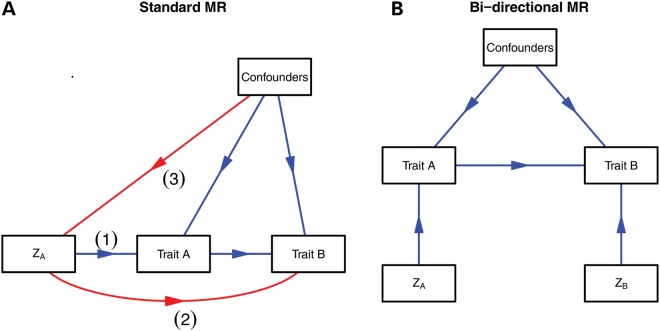
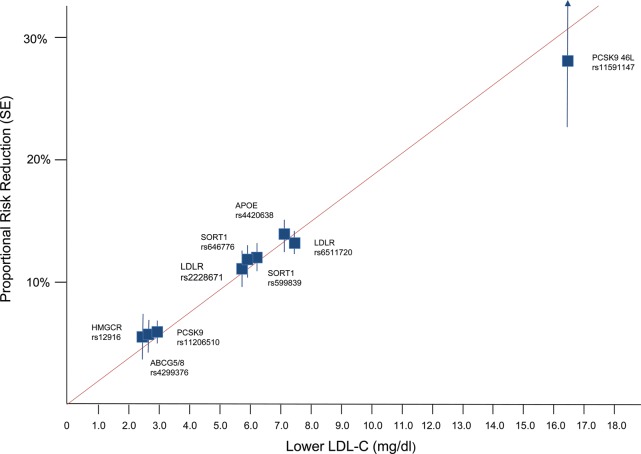
Verification
Claims the paper makes
The claims and statistics of this paper haven’t been checked yet.
Free: it reads the open-access text and checks the first 5 claims that cite a source we can check. Create a free account to check every claim.
Claims other papers make about this one
Each is checked against this paper’s own text: does it say what the citing paper says it does?
The source backs part of the claim, not all of it — or backs it for a different population, condition or comparison.
In the citing paper
“Similarly, violation of the ‘exclusion restriction criteria’33–37 could bias causal estimates in IV analyses when used to test effects of intermediates in RCTs or when used in observational data (including MR)”
From Triangulation in aetiological epidemiology (2017) · cites this paper as [35]
Experimental — accuracy not yet measuredThe cited source says what the claim attributes to it.
In the citing paper
“Discrepancies between MR findings and observational studies are frequently observed[9,17].”
From Evaluating genetic insights into ulcerative colitis and anxiety: Limitations and future directions (2024) · cites this paper as [17]
The cited source says what the claim attributes to it.
In the citing paper
“This pattern is consistent with a directional influence of disease liability on longevity27,64 and is also compatible with vertical pleiotropy65.”
From Genetic trade-offs in fertility and longevity explain the maintenance of disease-associated alleles in humans (2026) · cites this paper as [64]
The check wasn’t confident either way, so it gives no verdict — never disputed.
In the citing paper
“Varespladib (a drug targeting sPLA 2 -IIA) failed in VISTA16 41”
From Integrating genomics with biomarkers and therapeutic targets to invigorate cardiovascular drug development (2021) · cites this paper as [41]
Experimental — accuracy not yet measuredThe check wasn’t confident either way, so it gives no verdict — never disputed.
In the citing paper
“unlike the impact of weak instrument bias in one-sample MR (which biases effects towards the confounded multivariable regression result), in two-sample MR weak instrument bias is towards the null.”
From Commentary: Two-sample Mendelian randomization: opportunities and challenges (2016) · cites this paper as [3]
Experimental — accuracy not yet measured
5 more claims about this paper
Create a free account to see every claim other papers make about this one.
Self-check
Percentages, sums and reported differences re-computed from the paper’s own numbers.
The self-check needs the paper’s full text.
Citations
Cites
Genetics of Food Intake Self-Regulation in Childhood: Literature Review and Research Opportunities
Faith, M. S., Carnell, S., & Kral, T. V. E. (2013) · Human Heredity · doi:10.1159/000353879 · Cited by 7,601
Lippa, N. C., & Sanderson, S. C. (2013) · Human Heredity · doi:10.1159/000353712 · Cited by 6,078
Davey Smith, G., & Ebrahim, S. (2003) · International Journal of Epidemiology · doi:10.1093/ije/dyg070 · Cited by 5,882 · cited 1×
“A successful approach is to use genetic variants as exposure indicators that are not subject to the influences that vitiate conventional study designs, an approach known as Mendelian randomization (MR) (8,9).”
Common polygenic variation contributes to risk of schizophrenia and bipolar disorder
The International Schizophrenia Consortium (2009) · Nature · doi:10.1038/nature08185 · Cited by 4,821 · cited 1×
“significance thresholds are also included, the rationale being that these will include false-negatives owing to small effect size (56).”
BackgroundMendelian randomization: Using genes as instruments for making causal inferences in epidemiology
Lawlor, D. A., Harbord, R. M., Sterne, J. A. C., Timpson, N., & Davey Smith, G. (2008) · Statistics in Medicine · doi:10.1002/sim.3034 · Cited by 4,618
Frayling, T. M., Timpson, N. J., Weedon, M. N., Zeggini, E., Freathy, R. M., Lindgren, C. M., Perry, J. R. B., Elliott, K. S., Lango, H., Rayner, N. W., et al. (2007) · Science · doi:10.1126/science.1141634 · Cited by 4,531
Self-citationEffects of torcetrapib in patients at high risk for coronary events
Barter, P. J., Caulfield, M., Eriksson, M., Grundy, S. M., Kastelein, J. J. P., Komajda, M., Lopez-Sendon, J., Mosca, L., Tardif, J.-C., Waters, D. D., et al. (2007) · New England Journal of Medicine · doi:10.1056/nejmoa0706628 · Cited by 3,139
Willer (2013) · doi:10.1038/ng.2797 · Cited by 2,983
Inference to the Best Explanation
Lipton, P. (2003) · Routledge eBooks · doi:10.4324/9780203470855 · Cited by 2,130
Genetic variants in novel pathways influence blood pressure and cardiovascular disease risk
The International Consortium for Blood Pressure Genome-Wide Association Studies (2011) · Nature · doi:10.1038/nature10405 · Cited by 2,033
Research works printed but not linked: 17
- 2007, New England Journal of Medicine, 357, 2109, 10.1056/nejmoa0706628 · DOI · Paper page
- 2007, American Journal of Epidemiology, 166, 646, 10.1093/aje/kwm165 · DOI · Paper page
- 2013, Psychological medicine, 43, 711, 10.1017/s0033291712001274 · DOI · Paper page
- 2013, International Journal of Epidemiology, 42, 1358, 10.1093/ije/dyt172 · DOI · Paper page
- 2013, American Journal of Epidemiology, 178, 1177, 10.1093/aje/kwt084 · DOI · Paper page
- 2013, Nature reviews. Genetics, 14, 483, 10.1038/nrg3461 · DOI · Paper page
- 2012, Nephrology Dialysis Transplantation, 27, 1030, 10.1093/ndt/gfr418 · DOI
- 2013, International Journal of Epidemiology, 42, 1497, 10.1093/ije/dyt179 · DOI · Paper page
- 2013, International Journal of Epidemiology, 42, 1134, 10.1093/ije/dyt093 · DOI · Paper page
- 2012, Journal of the American College of Cardiology, 60, 2631, 10.1016/j.jacc.2012.09.017 · DOI · Paper page
- 2010, Circulation: Cardiovascular Genetics, 3, 523, 10.1161/circgenetics.109.934455 · DOI · Paper page
- 2010, The review of economics and statistics, 92, 57
- 2011, International journal of obesity, 35, 300, 10.1038/ijo.2010.137 · DOI · Paper page
- 2009, Journal of Clinical Endocrinology & Metabolism, 95, 93
- 2013, Journal of Epidemiology & Community Health, 67, 458, 10.1136/jech-2012-201813 · DOI · Paper page
- 2012, International Journal of Epidemiology, 41, 161, 10.1093/ije/dyr233 · DOI · Paper page
- 2013, Nature reviews. Genetics, 14, 585, 10.1038/nrg3405 · DOI · Paper page
Cited by
Items 601–700 of 1,022
Adiposity and asthma in adults: a bidirectional Mendelian randomisation analysis of The HUNT Study
Sun, Y., Brumpton, B. M., Langhammer, A., Chen, Y., Kvaløy, K., & Mai, X. (2019) · Thorax · doi:10.1136/thoraxjnl-2019-213678 · Cited by 45
Vincent, E. E., & Yaghootkar, H. (2020) · Diabetologia · doi:10.1007/s00125-020-05228-y · Cited by 45
“A safe, inexpensive alternative is to use a genetic approach:MR [49], essentially a genetic analogue of the RCT [3] (Fig.”
Kyo, S., & Nakayama, K. (2020) · International Journal of Molecular Sciences · doi:10.3390/ijms21176073 · Cited by 46
“Mendelian randomization utilizes genetic variants associated with a candidate risk factor as “instruments” in an instrumental variable analysis and examines the association of the risk factor without confounding factors [45].”
BackgroundXue, H., & Pan, W. (2020) · PLoS Genetics · doi:10.1371/journal.pgen.1009105 · Cited by 46
Lu, L., Wan, B., Li, L., & Sun, M. (2022) · Frontiers in Endocrinology · doi:10.3389/fendo.2022.987401 · Cited by 45
Zheng, J., Wheeler, E., Pietzner, M., Andlauer, T. F. M., Yau, M. S., Hartley, A. E., Brumpton, B. M., Rasheed, H., Kemp, J. P., Frysz, M., et al. (2023) · Arthritis & Rheumatology · doi:10.1002/art.42538 · Cited by 44
“Therefore, findings from a sclerostin GWAS are potentially subject to mis-specification of the primary phenotype(16)(17) , with genetic signals being detected which are primarily related to BMD rather than sclerostin.”
BackgroundChildhood abuse v. neglect and risk for major psychiatric disorders
Alkema, A., Marchi, M., van der Zaag, J., van der Sluis, D., Warrier, V., Genetic Risk and Outcome of Psychosis (GROUP) Investigators, Ophoff, R. A., Kahn, R. S., Cahn, W., Hovens, J. G. F. M., et al. (2023) · Psychological Medicine · doi:10.1017/s0033291723003471 · Cited by 46
“This allows exploring causal directions of the relationship between abuse and neglect on mental health outcomes, using bidirectional MR (Smith & Hemani, 2014).”
BackgroundMethodGenome-Wide Association Studies of Endometrial Cancer: Latest Developments and Future Directions
O’Mara, T. A., Glubb, D. M., Kho, P. F., Thompson, D. J., & Spurdle, A. B. (2019) · Cancer Epidemiology Biomarkers & Prevention · doi:10.1158/1055-9965.epi-18-1031 · Cited by 44
“Mendelian randomization uses genetic variants known to be associated with a putative risk factor as "instruments" in an instrumental variable analysis, thus testing the association of the risk factor in the absence of confounding (28).”
BackgroundMendelian randomisation analysis of red cell distribution width in pulmonary arterial hypertension
Ulrich, A., Wharton, J., Thayer, T. E., Świetlik, E. M., Assad, T. R., Desai, A. A., Gräf, S., Harbaum, L., Humbert, M. J. C., Morrell, N. W., et al. (2019) · European Respiratory Journal · doi:10.1183/13993003.01486-2019 · Cited by 44
Li, S., Bui, M., & Hopper, J. L. (2020) · International Journal of Epidemiology · doi:10.1093/ije/dyaa065 · Cited by 44
“The validity of an MR analysis is subject to three key assumptions.(1) Table 4 summarizes a comparison between MR and ICE FALCON for each of these assumptions, and shows that ICE FALCON could have some advantages over MR.”
MethodCarter, P. R., Vithayathil, M. K., Kar, S., Potluri, R., Mason, A. M., Larsson, S. C., & Burgess, S. (2020) · eLife · doi:10.7554/elife.57191 · Cited by 44
Zhu, X., Li, X., Xu, R., & Wang, T. (2020) · Bioinformatics · doi:10.1093/bioinformatics/btaa985 · Cited by 44
Mi, J., & Liu, Z. (2021) · Frontiers in Genetics · doi:10.3389/fgene.2021.688849 · Cited by 47
Liu, X., Li, C., Sun, X., Yu, Y., Si, S., Hou, L., Yan, R., Yu, Y., Li, M., Li, H., et al. (2021) · Journal of the American Heart Association · doi:10.1161/jaha.120.020187 · Cited by 45
Polygenic contribution to the relationship of loneliness and social isolation with schizophrenia
Andreu-Bernabeu, Á., Díaz‐Caneja, C. M., Costas, J., de Hoyos, L., Stella, C., Gurriarán, X., Alloza, C., Fañanás, L., Bobes, J., González-Pinto, A. M., et al. (2022) · Nature Communications · doi:10.1038/s41467-021-27598-6 · Cited by 44
Soremekun, O. S., Karhunen, V., He, Y., Rajasundaram, S., Liu, B., Gkatzionis, A., Soremekun, C., Udosen, B., Musa, H. S., Silva, S., et al. (2022) · EBioMedicine · doi:10.1016/j.ebiom.2022.103953 · Cited by 44
Borges, M. C., Oliveira, I. O., Freitas, D. F., Horta, B. L., Ong, K. K., Gigante, D. P., & Barros, A. J. D. (2017) · International Journal of Epidemiology · doi:10.1093/ije/dyx022 · Cited by 44
“14 A previous Mendelian randomization study has indicated that high fasting insulin decreases adiponectin concentration.”
BackgroundGut microbiota and chronic obstructive pulmonary disease: a Mendelian randomization study
Wei, Y., Lu, X., & Liu, C. (2023) · Frontiers in Microbiology · doi:10.3389/fmicb.2023.1196751 · Cited by 43
“The advantage of this approach is that genetic variants are randomly assigned at the time of conception and therefore are not subject to the same biases and confounders as in traditional observational studies (Davey Smith and Hemani, 2014).”
BackgroundChance, choice and cause in cancer aetiology: individual and population perspectives
Smith, G. D., Relton, C. L., & Brennan, P. (2016) · International Journal of Epidemiology · doi:10.1093/ije/dyw224 · Cited by 43
“The random (chance) assortment of genes at conception—which Richard Peto discusses in his letter—is one foundation of the Mendelian randomization approach which allows us to use genes as unconfounded, unbiased proxies of environmentally modifiable exposures (such as smoking, alcohol intake and various dietary factors)…”
BackgroundArathimos, R., Granell, R., Haycock, P., Richmond, R. C., Yarmolinsky, J. W., Relton, C. L., & Tilling, K. M. (2019) · Thorax · doi:10.1136/thoraxjnl-2018-212207 · Cited by 44
“16 This is because MR study design is analogous to a randomised controlled trial with genetic variants randomising individuals to a higher or lower lifetime exposure to the trait of interest.”
C-reactive protein and cardiovascular diseases: a synthesis of studies based on different designs
Liu, C., & Li, C. (2023) · European Journal of Preventive Cardiology · doi:10.1093/eurjpc/zwad116 · Cited by 42
Zhou, X., Lian, P., Liu, H., Wang, Y., Zhou, M., & Feng, Z. (2023) · Nutrients · doi:10.3390/nu15204445 · Cited by 42
“The standard inverse-variance weighted (IVW) method was employed for primary two-sample Mendelian randomization (MR) analyses, which were further enhanced by incorporating the weighted median and MR Egger methods available in the TwoSam-pleMR package [78,84].”
MethodYao, P., Iona, A., Pozarickij, A., Said, S., Wright, N., Lin, K., Millwood, I. Y., Fry, H., Kartsonaki, C., Mazidi, M., et al. (2024) · Diabetes Care · doi:10.2337/dc23-2145 · Cited by 42
Liu, H.-M., Hu, Q., Zhang, Q., Su, G.-Y., Xiao, H.-M., Li, B.-Y., Shen, W.-D., Qiu, X., Lv, W.-Q., & Deng, H.-W. (2019) · Frontiers in Genetics · doi:10.3389/fgene.2019.00415 · Cited by 36
Taylor, K., Davey Smith, G., Relton, C. L., Gaunt, T. R., & Richardson, T. G. (2019) · Genome Medicine · doi:10.1186/s13073-019-0613-2 · Cited by 40
McGowan, L. M., Davey Smith, G., Gaunt, T. R., & Richardson, T. G. (2019) · Human Molecular Genetics · doi:10.1093/hmg/ddz155 · Cited by 38
Greve, A. M., Christoffersen, M., Frikke‐Schmidt, R., Nordestgaard, B. G., & Tybjærg‐Hansen, A. (2020) · JAMA Cardiology · doi:10.1001/jamacardio.2020.5969 · Cited by 42
Insights into attention-deficit/hyperactivity disorder from recent genetic studies
Brikell, I., Burton, C. L., Mota, N. R., & Martin, J. (2021) · Psychological Medicine · doi:10.1017/s0033291721000982 · Cited by 42
“However, rapid advances in methods using measured genetic variants to evaluate causality (e.g. Mendelian randomization) (Davey Smith & Hemani, 2014) offer future research opportunities for ADHD.”
Rheumatoid arthritis and osteoporosis: a bi-directional Mendelian randomization study
Liu, Y., Liu, Y., Chen, Z., Li, H., & Xiao, T. (2021) · Aging · doi:10.18632/aging.203029 · Cited by 42
“In recent years, Mendelian randomization (MR) has been widely performed as an alternative method to assess causal relationships in observational data [17].”
Hu, C., Huang, C., Li, J., Liu, F., Huang, K., Liu, Z., Yang, X., Liu, X., Cao, J., Chen, S., et al. (2022) · American Journal of Clinical Nutrition · doi:10.1093/ajcn/nqac159 · Cited by 43
Circulating levels of cytokines and risk of cardiovascular disease: a Mendelian randomization study
Wei, T., Zhu, Z., Liu, L., Liu, B., Wu, M., Zhang, W., Cui, Q., Liu, F., & Zhang, R. (2023) · Frontiers in Immunology · doi:10.3389/fimmu.2023.1175421 · Cited by 43
Influence of obesity-related risk factors in the aetiology of glioma
Disney–Hogg, L., Sud, A., Law, P., Cornish, A. J., Kinnersley, B., Ostrom, Q. T., Labrèche, K., Eckel‐Passow, J. E., Armstrong, G., Claus, E. B., et al. (2018) · British Journal of Cancer · doi:10.1038/s41416-018-0009-x · Cited by 43
Ramsay, M., & Sankoh, O. A. (2015) · International Journal of Epidemiology · doi:10.1093/ije/dyv187 · Cited by 42
“Since we will have a wealth of phenotype and environmental exposure data on the same individuals, these data could also be used to develop and validate potential Mendelian randomisation approaches to studying various risk factors in African populations.(10)”
BackgroundChen, S., Yang, L., Yang, Y., Shi, W., Stults‐Kolehmainen, M., Qiao, Y., Wang, C., & Ye, J. (2024) · PLoS ONE · doi:10.1371/journal.pone.0300074 · Cited by 41
Orho‐Melander, M. (2015) · Journal of Internal Medicine · doi:10.1111/joim.12407 · Cited by 35
Relton, C. L., Hartwig, F. P., & Smith, G. D. (2015) · International Journal of Epidemiology · doi:10.1093/ije/dyv198 · Cited by 41
“Implications of adopting an ASC model to explain methylation stability over time extend to conceptual issues regarding Mendelian randomization.(116) This technique has been applied in different fields of epidemiology, including”
MethodPlotnikov, D., & Guggenheim, J. A. (2019) · Ophthalmic and Physiological Optics · doi:10.1111/opo.12596 · Cited by 41
“7,8 The effects on the outcome resulting from a change in the level of the exposure variable can therefore be assessed free from the influence of the confounders, and free from the effects of reverse causation.”
Identifying cross-disease components of genetic risk across hospital data in the UK Biobank
Cortés, A., Albers, P. K., Dendrou, C. A., Fugger, L. H., & McVean, G. (2019) · Nature Genetics · doi:10.1038/s41588-019-0550-4 · Cited by 42
Genetic and phenotypic analysis of the causal relationship between aging and COVID-19
Ying, K., Zhai, R., Pyrkov, T. V., Shindyapina, A. V., Mariotti, M., Fedichev, P. O., Shen, X., & Gladyshev, V. N. (2021) · Communications Medicine · doi:10.1038/s43856-021-00033-z · Cited by 41
Ellinghaus, D., Uellendahl-Werth, F., Maj, C., Borisov, O., Juzėnas, S., Wacker, E. M., Jørgensen, I. F., Steiert, T., Bej, S., International PSC Study Group, et al. (2022) · Communications Biology · doi:10.1038/s42003-022-03031-6 · Cited by 41
Li, S., Fu, Y., Liu, Y., Zhang, X., Li, H., Tian, L., Zhuo, L., Liu, M. R., & Cui, J. (2022) · The Journal of Clinical Endocrinology & Metabolism · doi:10.1210/clinem/dgac190 · Cited by 43
Su, Q., Jin, C., Bo, Z., Yang, Y., Wang, J., Wang, J., Zhou, J., Chen, Y., Zeng, H., Chen, G., et al. (2023) · Frontiers in Microbiology · doi:10.3389/fmicb.2023.1181328 · Cited by 41
Smoking and caffeine consumption: a genetic analysis of their association
Treur, J. L., Taylor, A. E., Ware, J. J., Nivard, M. G., Neale, M. C., McMahon, G., Hottenga, J., Baselmans, B. M. L., Boomsma, D. I., Munafo, M. R., et al. (2016) · Addiction Biology · doi:10.1111/adb.12391 · Cited by 41
“2012; Davey Smith & Hemani 2014).”
Viitasalo, A., Schnurr, T. M., Pitkänen, N., Hollensted, M., Nielsen, T. R. H., Pahkala, K., Atalay, M., Lind, M. V., Heikkinen, S., Frithioff‐Bøjsøe, C., et al. (2019) · American Journal of Clinical Nutrition · doi:10.1093/ajcn/nqz187 · Cited by 42
“To conduct a valid Mendelian randomization analysis, the instrumental variable must not be associated with possible confounders that could bias the relation between the exposure and the outcome, and it must relate to the outcome phenotype only through its association with the exposure and not through pleiotropy (6).”
BackgroundMethodQiu, Y., Hou, Y., Gohel, D., Zhou, Y., Xu, J., Bykova, M., Yang, Y., Leverenz, J. B., Pieper, A. A., Nussinov, R., et al. (2024) · Cell Reports · doi:10.1016/j.celrep.2024.114128 · Cited by 40
Impact of sex hormone-binding globulin on the human phenome
Arathimos, R., Millard, L. A. C., Bell, J. A., Relton, C. L., & Suderman, M. J. (2020) · Human Molecular Genetics · doi:10.1093/hmg/ddz269 · Cited by 40
“germline genetic variants at conception (17, 18), to overcome the issues of confounding and reverse causation that are inherent to observational studies and limit causal inference.”
BackgroundSex discordance in asthma and wheeze prevalence in two longitudinal cohorts
Arathimos, R., Granell, R., Henderson, J., Relton, C. L., & Tilling, K. M. (2017) · PLoS ONE · doi:10.1371/journal.pone.0176293 · Cited by 40
“Mendelian randomization is a promising method for strengthening causal inference that uses genetic variants as instrumental variables (IVs) in order to assess causality between an exposure and outcome[38, 39].”
Alharbi, O., & El‐Sohemy, A. (2017) · Journal of Nutrition · doi:10.3945/jn.116.246108 · Cited by 41
“Using an MR approach allowed us to limit potential confounding and reverse causation, which are limitations of most observational studies (23).”
MethodTaylor, A. E., Smith, G. D., & Munafo, M. R. (2017) · Addiction · doi:10.1111/add.13975 · Cited by 40
“uses genetic variants as proxies for measured exposures to strengthen causal inference [11].”
BackgroundUse of Mendelian Randomization to Examine Causal Inference in Osteoporosis
Zheng, J., Frysz, M., Kemp, J. P., Evans, D. M., Smith, G. D., & Tobias, J. H. (2019) · Frontiers in Endocrinology · doi:10.3389/fendo.2019.00807 · Cited by 40
Keerman, M., Yang, F., Hu, H., Wang, J., Wang, F., Li, Z., Yuan, J., Yao, P., Zhang, X., Guo, H., et al. (2020) · BMJ Open Diabetes Research & Care · doi:10.1136/bmjdrc-2019-000834 · Cited by 40
Bell, K., Loy, C. T., Cust, A. E., & Teixeira-Pinto, A. M. (2021) · Circulation Cardiovascular Quality and Outcomes · doi:10.1161/circoutcomes.119.005623 · Cited by 43
Zhu, A., Matoba, N., Wilson, E., Tapia, A. L., Li, Y., Ibrahim, J. G., Stein, J. L., & Love, M. I. (2021) · PLoS Genetics · doi:10.1371/journal.pgen.1009455 · Cited by 40
“…those genes involved in mediating GWAS signal have combined the approaches of colocalization and expression imputation with statistical techniques from the field of Mendelian randomization (MR) (Davey Smith & Hemani, 2014; Smith & Ebrahim, 2003), as reviewed recently (Broekema et al., 2020).”
MethodDeciphering how early life adiposity influences breast cancer risk using Mendelian randomization
Vabistsevits, M., Smith, G. D., Sanderson, E. C. M., Richardson, T. G., Lloyd‐Lewis, B., & Richmond, R. C. (2022) · Communications Biology · doi:10.1038/s42003-022-03272-5 · Cited by 40
A comparison of the genes and genesets identified by GWAS and EWAS of fifteen complex traits
Battram, T., Gaunt, T. R., Relton, C. L., Timpson, N. J., & Hemani, G. (2022) · Nature Communications · doi:10.1038/s41467-022-35037-3 · Cited by 40
“These effects are less likely to be confounded than associations estimated between observational phenotypes 37,38 .”
Self-citationXie, N., Wang, Z., Shu, Q., Liang, X., Wang, J., Wu, K., Nie, Y., Shi, Y., Fan, D., fan, D., et al. (2023) · Nutrients · doi:10.3390/nu15132937 · Cited by 40
Triozzi, J. L., Hsi, R. S., Wang, G., Akwo, E. A., Wheless, L., Chen, H., Tao, R., Ikizler, T. A., Robinson‐Cohen, C., Hung, A. M., et al. (2023) · JAMA Network Open · doi:10.1001/jamanetworkopen.2023.43290 · Cited by 42
Liu, X., Sun, X., Zhang, Y., Jiang, W., Lai, M. M., Wiggins, K. L., Raffield, L. M., Bielak, L. F., Zhao, W., Pitsillides, A., et al. (2023) · Journal of the American Heart Association · doi:10.1161/jaha.122.029090 · Cited by 39
Xu, Z., Wu, X., Xiao, C., Zhang, W., Yan, P., Yang, C., Zhang, L., Cui, H., Tang, M., Wang, Y., et al. (2023) · Journal of Affective Disorders · doi:10.1016/j.jad.2023.12.028 · Cited by 40
Askelund, A. D., Wootton, R. E., Torvik, F. A., Lawn, R. B., Ask, H., Corfield, E. C., Magnus, M. C., Reichborn‐Kjennerud, T., Magnus, P. M., Andreassen, O. A., et al. (2024) · BMC Medicine · doi:10.1186/s12916-024-03361-8 · Cited by 39
“We conducted a battery of sensitivity analyses across the one-and two-sample MR (described in Additional file 5 [79– 85]) to assess the robustness of results and the impact of horizontal pleiotropy—where the genetic variants affect the outcome through other pathways than the exposure of interest.”
MethodYao, M., Miller, G. W., Vardarajan, B. N., Baccarelli, A., Guo, Z., & Liu, Z. (2024) · Cell Genomics · doi:10.1016/j.xgen.2024.100700 · Cited by 41
Role of DNA Methylation in Type 2 Diabetes Etiology: Using Genotype as a Causal Anchor
Elliott, H. R., Shihab, H. A., Lockett, G. A., Holloway, J. W., McRae, A. F., Smith, G. D., Ring, S. M., Gaunt, T. R., & Relton, C. L. (2017) · Diabetes · doi:10.2337/db16-0874 · Cited by 40
“This adopts the principle of Mendelian randomization but without formal instrumental variables analysis (15,42).”
MethodCirculating Metabolic Biomarkers of Screen-Detected Prostate Cancer in the ProtecT Study
Adams, C. D., Richmond, R. C., Ferreira, D. L. S., Spiller, W., Tan, V. Y., Zheng, J., Würtz, P., Donovan, J., Hamdy, F. C., Neal, D. E., et al. (2019) · Cancer Epidemiology Biomarkers & Prevention · doi:10.1158/1055-9965.epi-18-0079 · Cited by 39
“Causal analysis To assess causality,weusedMR, a causal analysismethodwhich exploits the random assortment of alleles in an instrumental variable (IV) framework to address confounding and reverse causation that preclude causal inference in observational studies (27, 28).”
BackgroundMethodCardiovascular risk factors and Parkinson's disease in 500,000 Chinese adults
Kizza, J., Lewington, S., Mappin‐Kasirer, B., Turnbull, I. J., Yu, C., Bian, Z., Chen, Y., Yang, L., Chen, Z., Clarke, R., et al. (2019) · Annals of Clinical and Translational Neurology · doi:10.1002/acn3.732 · Cited by 39
“Large-scale genome-wide association studies of PD cases are also needed for Mendelian randomization analyses to assess the causal relevance of the observed associations with modifiable risk factors.(49,50) However, this study suggests that reducing Figure 2.”
BackgroundPotential roles of telomeres and telomerase in neurodegenerative diseases
Wang, J., Liu, Y., Xia, Q., Xia, Q., Wang, B., Yang, C., Liang, J., & Liu, X. (2020) · International Journal of Biological Macromolecules · doi:10.1016/j.ijbiomac.2020.07.046 · Cited by 40
Zhou, J., Liu, C., Francis, M., Sun, Y., Ryu, M., Grider, A., & Ye, K. (2020) · Nutrients · doi:10.3390/nu12103174 · Cited by 39
Dennison, C. A., Legge, S. E., Bracher‐Smith, M., Menzies, G. E., Escott‐Price, V., Smıth, D. J., Doherty, A., Owen, M. J., O’Donovan, M. C., & Walters, J. (2021) · PLoS ONE · doi:10.1371/journal.pone.0249189 · Cited by 40
“A small number of studies have applied Mendelian Randomisation (MR) methodology [18] to examine the hypothesis that low physical activity might be a risk factor for developing psychiatric disorders, particularly depression and schizophrenia [19, 20].”
Tan, J., Liu, N., Guo, T., Hu, S., & Hua, L. (2021) · Pregnancy Hypertension · doi:10.1016/j.preghy.2021.08.112 · Cited by 40
Hu, S., Xing, H., Wang, X. T., Zhang, N., & Xu, Q. (2022) · Frontiers in Immunology · doi:10.3389/fimmu.2022.887326 · Cited by 39
“Third, the current study avoided potential confounding factors because genetic variants were assigned randomly (15).”
BackgroundWalton, E., Baltramonaityte, V., Calhoun, V. D., Heijmans, B. T., Thompson, P. M., & Cecil, C. A. M. (2023) · Molecular Psychiatry · doi:10.1038/s41380-023-02067-2 · Cited by 40
“Causal inference methods such as Mendelian Randomization (MR) provide an opportunity to assess causality in human data [59, 60], but to our knowledge only one study to date has used MR to investigate causal links between DNAm and MRI phenotypes [61].”
MethodMin, Q., Geng, H., Gao, Q., & Xu, M. (2023) · Frontiers in Microbiology · doi:10.3389/fmicb.2023.1203902 · Cited by 39
Osteoarthritis and risk of type 2 diabetes: A two‐sample Mendelian randomization analysis
Xing, X., Wang, Y., Pan, F., & Cai, G. (2023) · Journal of Diabetes · doi:10.1111/1753-0407.13451 · Cited by 38
“12 Because genotypes precede disease progression and are mainly independent of postnatal lifestyle or environmental factors, this technique can minimize confounding and avoid reverse causality bias.”
BackgroundChen, G., Kuang, Z., Li, F., & Li, J. (2023) · Frontiers in Microbiology · doi:10.3389/fmicb.2023.1293333 · Cited by 38
“Additionally, MR can effectively eliminate potential biases and confounders (such as immune dysfunction, genetic factors, environmental factors, etc.), ensuring the reliability and validity of the experimental results (Davey Smith and Hemani, 2014).”
BackgroundYan, C., Bao, J., & Jin, J. (2024) · Journal of Translational Medicine · doi:10.1186/s12967-024-04996-0 · Cited by 38
Lee, Y. S., Cho, Y., Burgess, S., Smith, G. D., Relton, C. L., Shin, S., & Shin, M. (2016) · Human Molecular Genetics · doi:10.1093/hmg/ddw226 · Cited by 38
“Use of a genetic variant (which is randomly assorted at conception, independent of environment) in MR is analogous to the random allocation of subjects in a randomized controlled trial (15,16).”
BackgroundMethodMendelian Randomization—A Journey From Obscurity to Center Stage With a Few Potholes Along the Way
Bandrés‐Ciga, S., Noyce, A. J., & Traynor, B. J. (2019) · JAMA Neurology · doi:10.1001/jamaneurol.2019.3419 · Cited by 38
DeYoung, C. G., & Blain, S. D. (2020) · Cambridge University Press eBooks · doi:10.1017/9781108264822.026 · Cited by 38
Yang, W., Li, L., Feng, X., Cheng, H., Ge, X., Bao, Y., Huang, L., Wang, F., Liu, C., Chen, X., et al. (2022) · Communications Biology · doi:10.1038/s42003-022-03351-7 · Cited by 38
Guo, G., Wu, Y., Liu, Y., Wang, Z., Xu, G., Wang, X., Liang, F., Lai, W., Xiao, X., Zhu, Q., et al. (2023) · Frontiers in Microbiology · doi:10.3389/fmicb.2023.1113334 · Cited by 38
Hong, H., Chen, L., Zhong, Y., Yang, Z., Li, W., Song, C., & Leng, H. (2023) · Nutrients · doi:10.3390/nu15071636 · Cited by 39
“The Mendelian randomization (MR) approach is able to circumvent the disadvantages of the observational studies mentioned above by applying genetic variants as instrumental variables (IVs) and has been widely applied to evaluate the causal association of exposures with outcomes [13,14].”
BackgroundZhang, W., Ma, L., Zhou, Q., Gu, T., Zhang, X., & Xing, H. (2024) · Diabetes · doi:10.2337/db23-0564 · Cited by 39
Li, D., Zhou, L., Cao, Z., Wang, J., Yang, H., Lyu, M., Zhang, Y., Yang, R., Wang, J., Bian, Y., et al. (2024) · Ageing Research Reviews · doi:10.1016/j.arr.2024.102254 · Cited by 37
Li, D., Lin, J., Yang, H., Zhou, L., Li, Y., Xu, Z., Sun, L. N., Zhang, X., Xu, W., & Wang, Y. (2025) · Cardiovascular Diabetology · doi:10.1186/s12933-025-02790-w · Cited by 38
“…with CMM, T2D, CAD, and stroke under the support of potential sample overlap correction analysis in the TSMR analysis, respectively, and 13, 13, 19, and 8 modifiable factors were evaluated to have robust associations with CMM, T2D, CAD, and stroke under the filter of multiple testing,…”
Barboza, A. B. C., Winham, S. J., McElroy, S. L., Geske, J. R., Jenkins, G. D., Colby, C. L., Prieto, M. L., Ryu, E., Cunningham, J. M., Frye, M. A., et al. (2016) · Bipolar Disorders · doi:10.1111/bdi.12368 · Cited by 37
“Mendelian randomization analysis (44, 45) of crosssectional data may also provide additional insights into the interpretation of our TCF7L2 interaction findings.”
BackgroundGenomics and the Acute Respiratory Distress Syndrome: Current and Future Directions
Hernández-Beeftink, T., Guillén‐Guío, B., Villar, J., & Flores, C. (2019) · International Journal of Molecular Sciences · doi:10.3390/ijms20164004 · Cited by 37
“While they are not hypothesis free studies, their main advantage is that they are less influenced by confounding or reverse causation than conventional observational studies [68,69].”
BackgroundThe Five-Factor Model of Personality: Consensus and Controversy
McCrae, R. R. (2020) · Cambridge University Press eBooks · doi:10.1017/9781108264822.013 · Cited by 38
Khoei, N. S., Carreras‐Torres, R., Murphy, N., Gunter, M. J., Brennan, P., Smith-Byrne, K., Mariosa, D., McKay, J., O’Mara, T. A., Jarrett, R. F., et al. (2021) · Cells · doi:10.3390/cells10020394 · Cited by 37
“, by smoking), which is a major limitation of observational studies [17].”
BackgroundMethodReisenzein, R., Hildebrandt, A., & Weber, H. (2020) · Cambridge University Press eBooks · doi:10.1017/9781108264822.009 · Cited by 37
Artigas, M. S., Sánchez‐Mora, C., Rovira, P., Vilar‐Ribó, L., Ramos‐Quiroga, J. A., & Ribasés, M. (2022) · International Journal of Epidemiology · doi:10.1093/ije/dyac128 · Cited by 37
Han, X., Zhu, Z., Xiao, Q., Li, J., Hong, X., Wang, X., Hasegawa, K., Camargo, C. A., & Liang, L. (2022) · Communications Biology · doi:10.1038/s42003-022-04070-9 · Cited by 37
Gormley, M., Dudding, T., Thomas, S. J., Tyrrell, J., Ness, A., Pring, M., Legge, D., Smith, G. D., Richmond, R. C., Vincent, E. E., et al. (2023) · eLife · doi:10.7554/elife.82674 · Cited by 37
Campa, D., Gentiluomo, M., Stein, A., Aoki, M. N., Oliverius, M., Vodičková, Ľ., Jamroziak, K., Theodoropoulos, G. E., Pasquali, C., Greenhalf, W., et al. (2023) · Critical Reviews in Oncology/Hematology · doi:10.1016/j.critrevonc.2023.104020 · Cited by 37
Razavi, A. C., Mehta, A., Jain, V., Patel, P., Liu, C., Patel, N. H., Eisenberg, S. D., Vaccarino, V., Isiadinso, I., Sperling, L. S., et al. (2023) · Current Cardiology Reports · doi:10.1007/s11886-023-01987-3 · Cited by 37
Effect of age at puberty on risk of multiple sclerosis: A mendelian randomization study
Harroud, A., Morris, J. A., Forgetta, V., Mitchell, R. E., Smith, G. D., Sawcer, S. J., & Richards, J. B. (2019) · Neurology · doi:10.1212/wnl.0000000000007325 · Cited by 39
A two-sample Mendelian randomization analysis of modifiable risk factors and intracranial aneurysms
Tian, D., Zhang, L., Zhuang, Z., Huang, T., & Fan, D. (2022) · Scientific Reports · doi:10.1038/s41598-022-11720-9 · Cited by 36
The Causal Effect of Obesity on the Risk of 15 Autoimmune Diseases: A Mendelian Randomization Study
Li, X., Zhu, J., Zhao, W., Zhu, Y., Zhu, L., Shi, R. H., Wang, Z., Pan, H., & Wang, D. (2023) · Obesity Facts · doi:10.1159/000534468 · Cited by 36
“Mendelian randomization (MR) is an in fl uential epidemiological technique that enhances the strength of causal inference when examining associations between exposures and outcomes [10].”
BackgroundZou, X., Wang, L., Wang, S., Zhang, Y., Ma, J., Chen, L., Li, Y., Yao, T., Zhou, H., Wu, L., et al. (2023) · International Journal of Surgery · doi:10.1097/js9.0000000000000922 · Cited by 37
“…(such as proteomics) and outcome (IS) in a genetic context and excludes the in fl uence of confounding factors on causality with the aid of multiple sensitivity analyses [9] , and the exclusion of potential confounding factors is one of its advantages over traditional observational studies [10] .”
BackgroundThe paradox of bone mineral density and fracture risk in type 2 diabetes
Li, G., Zhao, P., Xiao, W.-J., Karasik, D., Xu, Y., & Zheng, H. (2024) · Endocrine · doi:10.1007/s12020-024-03926-w · Cited by 36
Ye, Y., Yang, H., Wang, Y., & Zhao, H. (2020) · Genetic Epidemiology · doi:10.1002/gepi.22357 · Cited by 36
“While the epidemiological analysis can provide a straightforward description of the relation between 25(OH)D and disease/trait, it is also known to be prone to unmeasured confounding and reverse causation, making it hard to be a reliable indicator for causal inference (Davey Smith & Hemani, 2014).”
BackgroundShi, J., Swanson, S. A., Kraft, P. L., ROSNER, B. A., Vivo, I. D., & Hernán, M. Á. (2021) · Epidemiology · doi:10.1097/ede.0000000000001417 · Cited by 37
“com | 91 points; and (4) both exposure time points.”
Background
Metadata
- Authors
- Davey Smith, G., & Hemani, G.
- Affiliations
- University of Bristol (GB)
- ORCID
- Hemani, G.
- Venue
- Human Molecular Genetics
- Publisher
- Oxford University Press (OUP)
- Published
- 2014-07-04
- Volume
- 23
- Issue
- R1
- Pages
- R89-R98
- ISSN
- 0964-6906 (ISSN-L)
- 1460-2083
- PMC
- PMC4170722
- OpenAlex
- W2103783427
- Semantic Scholar
- e86fe9b56bac5e159a1b18d9e5003ec06cd14314
- Cited by
- 4,677
- References
- 91
- Citations by year
- 2026: 457 · 2025: 807 · 2024: 1310 · 2023: 734 · 2022: 349 · 2021: 231 · 2020: 223 · 2019: 178 · 2018: 143 · 2017: 101 · 2016: 89 · 2015: 43 · 2014: 11
- FWCI
- 10.78
- Type
- journal article
- Language
- en
- Open access
- hybrid
- doi.org
- Licence
- cc-by
- Locations
- Human Molecular Genetics (publishedVersion, cc-by)
- Europe PMC (PubMed Central) (publishedVersion, cc-by)
- PubMed Central (publishedVersion, cc-by)
- PubMed (publishedVersion)
- Explore Bristol Research (publishedVersion)
- Funders
- University of Bristol (MC_UU_12013/1, MC_UU_12013/1,9, MC_UU_12013)
- Medical Research Council (MC_UU_12013, MC_UU_12013/1‐9, MCUU12013/1)
- Topics
- Life Sciences › Biochemistry, Genetics and Molecular Biology › Genetics › Genetic Associations and Epidemiology
- Physical Sciences › Mathematics › Statistics and Probability › Advanced Causal Inference Techniques
- Physical Sciences › Mathematics › Statistics and Probability › Statistical Methods in Epidemiology
- Keywords
- Mendelian randomization, causal inference, genetic variants, confounding, reverse causality, bidirectional Mendelian randomization, two-sample Mendelian randomization
- MeSH terms
- Humans, Genetic Variation, Causality, Epidemiologic Studies, Randomized Controlled Trials as Topic, Mendelian Randomization Analysis
About these checks
Registry, retraction, Cites and statistics results are computed, not judged, with one exception: a printed reference that no index lists is read once by a model before it counts as a citation error. Claims are extracted by a model and kept only when their quote appears verbatim in the text; each cited source is then checked, with a model’s help, for whether it says what the claim relies on. Those verdicts can be wrong — read the claim’s quote and the cited source before relying on one.
Statistics and arithmetic are recomputed, not judged.
Confidence bands are shown only for fields calibrated on our annotated test set. None is calibrated yet, so no band is shown.
What counts as a claim ›How we measure confidence ›How we check this ›
Are you an author, or do you see a problem with this page? Request a review
Data sources
Bibliographic data: Semantic Scholar, OpenAlex, Crossref.
Contains information from the Semantic Scholar Academic Graph Datasets, made available under the ODC Attribution License (ODC-BY 1.0).
Semantic Scholar’s data is described in: Kinney, R., et al. (2023). The Semantic Scholar Open Data Platform. arXiv:2301.10140.
