

Global birth prevalence of congenital heart defects 1970–2017: updated systematic review and meta-analysis of 260 studies
Open accessThe DOI matches its Crossref record; 20 of the 20 references it cites were found in a registry or an index.
Abstract
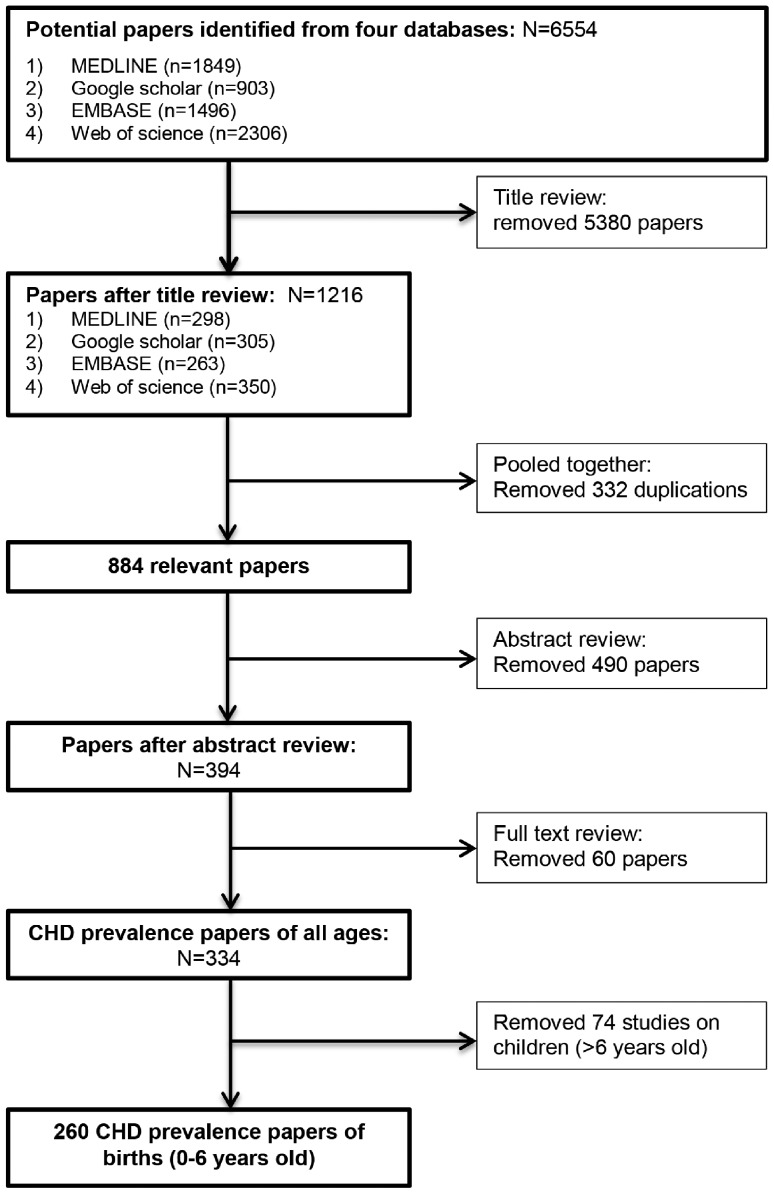
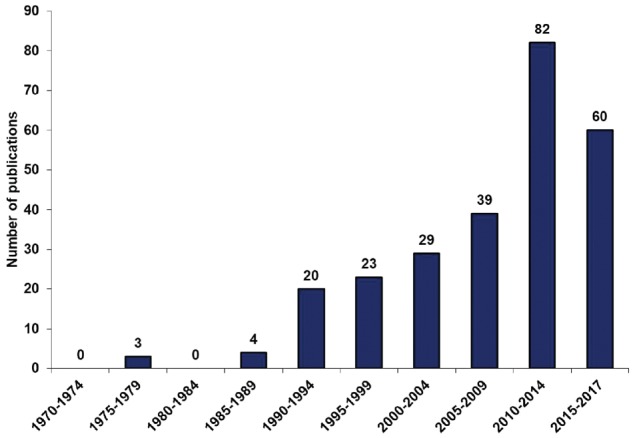
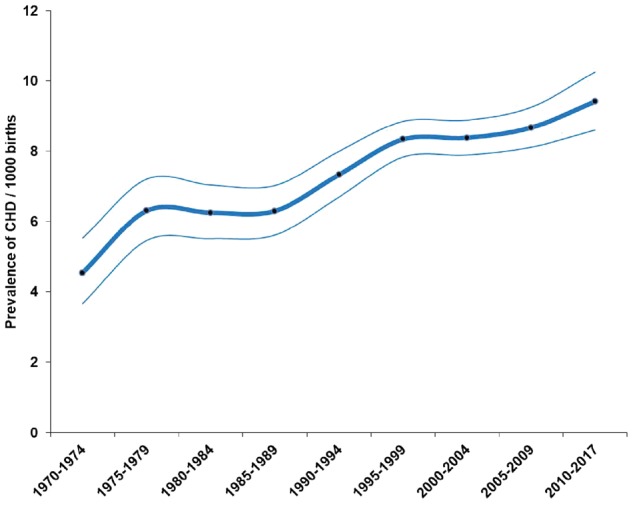
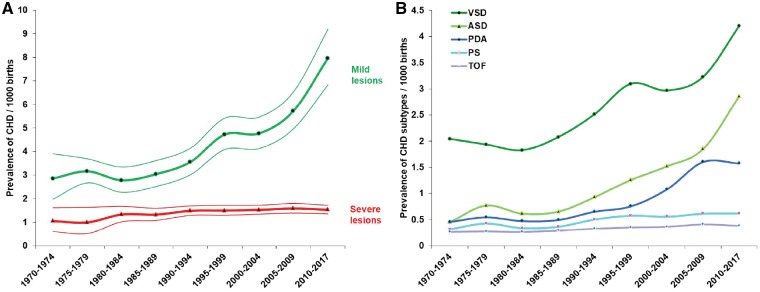
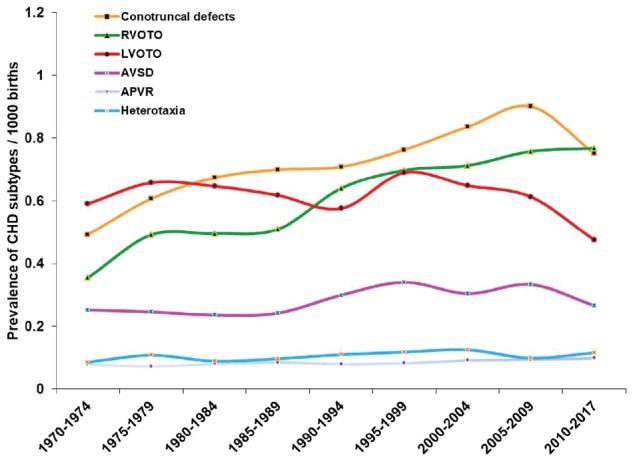
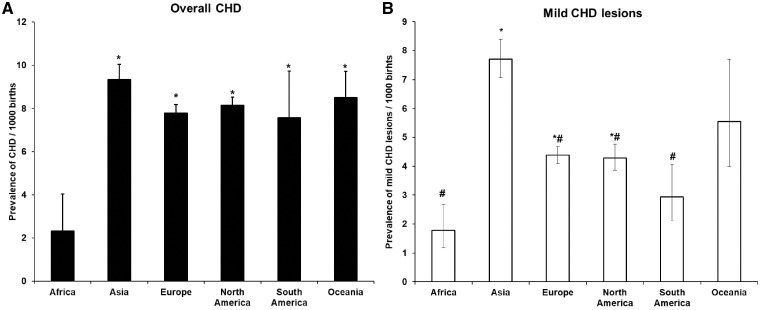
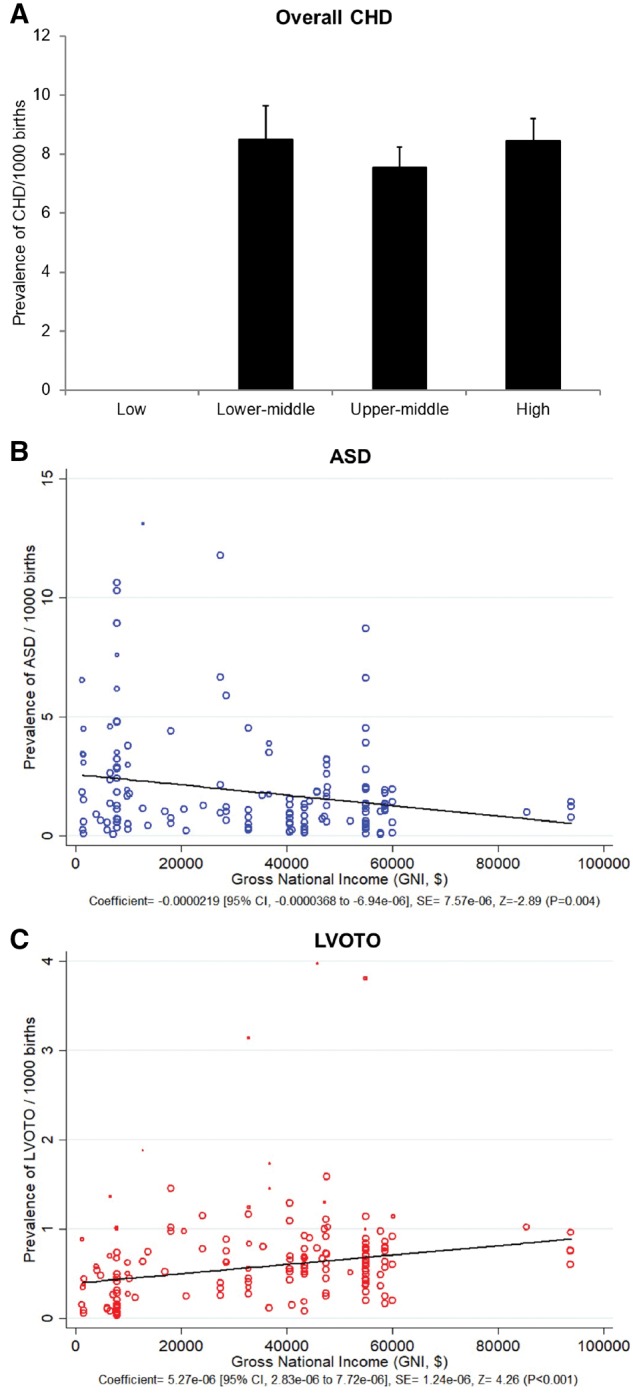
BACKGROUND: Globally, access to healthcare and diagnostic technologies are known to substantially impact the reported birth prevalence of congenital heart disease (CHD). Previous studies have shown marked heterogeneity between different regions, with a suggestion that CHD prevalence is rising globally, but the degree to which this reflects differences due to environmental or genetic risk factors, as opposed to improved detection, is uncertain. We performed an updated systematic review to address these issues. METHODS: Studies reporting the birth prevalence of CHD between the years 1970-2017 were identified from searches of PubMed, EMBASE, Web of Science and Google Scholar. Data on the prevalence of total CHD and 27 anatomical subtypes of CHD were collected. Data were combined using random-effect models. Subgroup and meta-regression analyses were conducted, focused on geographical regions and levels of national income. RESULTS: Two hundred and sixty studies met the inclusion criteria, encompassing 130 758 851 live births. The birth prevalence of CHD from 1970-2017 progressively increased to a maximum in the period 2010-17 of 9.410/1000 [95% CI (confidence interval) 8.602-10.253]. This represented a significant increase over the fifteen prior years (P = 0.031). The change in prevalence of mild CHD lesions (ventricular septal defect, atrial septal defect and patent ductus arteriosus) together explained 93.4% of the increased overall prevalence, consistent with a major role of improved postnatal detection of less severe lesions. In contrast the prevalence of lesions grouped together as left ventricular outflow tract obstruction (which includes hypoplastic left heart syndrome) decreased from 0.689/1000 (95% CI 0.607-0.776) in 1995-99, to 0.475/1000 (95% CI 0.392-0.565; P = 0.004) in 2010-17, which would be consistent with improved prenatal detection and consequent termination of pregnancy when these very severe lesions are discovered. There was marked heterogeneity among geographical regions, with Africa reporting the lowest prevalence [2.315/1000 (95% CI 0.429-5.696)] and Asia the highest [9.342/1000 (95% CI 8.072-10.704)]. CONCLUSIONS: The reported prevalence of CHD globally continues to increase, with evidence of severe unmet diagnostic need in Africa. The recent prevalence of CHD in Asia for the first time appears higher than in Europe and America, where disease ascertainment is likely to be near-complete, suggesting higher genetic or environmental susceptibility to CHD among Asian people.
Overview
The claims and statistics of this paper haven’t been checked yet.
Free: it reads the open-access text and checks the first 5 claims that cite a source we can check. Create a free account to check every claim.
Integrity signals
Registry
Cites
Statistics
Figures
Verification
Claims the paper makes
The claims and statistics of this paper haven’t been checked yet.
Free: it reads the open-access text and checks the first 5 claims that cite a source we can check. Create a free account to check every claim.
Claims other papers make about this one
Each is checked against this paper’s own text: does it say what the citing paper says it does?
The cited source doesn’t support the claim as written.
In the citing paper
“In a subgroup analysis based on the geographic region, a surprisingly high prevalence was reported across all regions of Sub-Saharan Africa.”
From Pooled prevalence and subgroup variations of Tetralogy of Fallot among children and adolescents with congenital heart defect in Sub-Saharan Africa: A systematic review and meta-analysis (2025) · cites this paper as [10]
Checked by a reasoning model — may be wrong.
Experimental — accuracy not yet measuredThe source backs part of the claim, not all of it — or backs it for a different population, condition or comparison.
In the citing paper
“Globally, it accounts for 3% to 5% of all CHD cases, with an estimated incidence of 2.8 to 3.4 per 10,000 live births [2, 10].”
From Pooled prevalence and subgroup variations of Tetralogy of Fallot among children and adolescents with congenital heart defect in Sub-Saharan Africa: A systematic review and meta-analysis (2025) · cites this paper as [10]
Experimental — accuracy not yet measuredThe source backs part of the claim, not all of it — or backs it for a different population, condition or comparison.
In the citing paper
“The prevalence of Tetralogy of Fallot observed was found considerably higher compared to global estimate and reports of developed countries.”
From Pooled prevalence and subgroup variations of Tetralogy of Fallot among children and adolescents with congenital heart defect in Sub-Saharan Africa: A systematic review and meta-analysis (2025) · cites this paper as [10]
Experimental — accuracy not yet measured
Self-check
Percentages, sums and reported differences re-computed from the paper’s own numbers.
The self-check needs the paper’s full text.
Citations
Cites
Cochrane Handbook for Systematic Reviews of Interventions: Cochrane Book Series
(2008) · doi:10.1002/9780470712184 · Cited by 25,048
The incidence of congenital heart disease.
Hoffman, J. I. E., & Kaplan, S. (2002) · Journal of the American College of Cardiology · doi:10.1016/s0735-1097(02)01886-7 · Cited by 6,099
Birth prevalence of congenital heart disease worldwide
van der Linde, D., Konings, E. E. M., Slager, M. A., Witsenburg, M., Helbing, W. A., Takkenberg, J. J. M., & Roos-Hesselink, J. W. (2011) · Journal of the American College of Cardiology · doi:10.1016/j.jacc.2011.08.025 · Cited by 3,452 · cited 6×
“A systematic review of global prevalence data since 1930 was conducted by van der Linde et al.1 in 2010, suggesting an increase in CHD prevalence from the 1930s until 1995, with stabilization between the years 1995–2009.”
BackgroundMethodInfluentialLuchini, C., Stubbs, B., Solmi, M., & Veronese, N. (2017) · World Journal of Meta-Analysis · doi:10.13105/wjma.v5.i4.80 · Cited by 977
Genetics and Genomics of Congenital Heart Disease
Zaidi, S., & Brueckner, M. (2017) · Circulation Research · doi:10.1161/circresaha.116.309140 · Cited by 565 · cited 1×
“It is known that genetic copy number variants and de novo single-nucleotide variants may account for up to 20% of CHD accompanied by extracardiac malformations and/or intellectual impairment.(21) We were unable to stratify participants in the individual studies based on these additional diagnoses.”
BackgroundDu, Y., Xu, X., Chu, M., Guo, Y., & Wang, J. (2016) · PubMed · doi:10.3978/j.issn.2072-1439.2015.11.37 · Cited by 525
Seeking causes: Classifying and evaluating congenital heart defects in etiologic studies
Botto, L. D., Lin, A. E., Riehle‐Colarusso, T., Malik, S., & Correa, A. (2007) · Birth Defects Research Part A: Clinical and Molecular Teratology · doi:10.1002/bdra.20403 · Cited by 469 · cited 2×
“In the principal analyses, CHD was classified into seven phenotypic categories, following the approach of Botto et al.(7) which groups together lesions on the basis of their anatomical/developmental similarity (Supplementary Table 2, available as Supplementary data at IJE online).”
MethodMoller, A.-B., Petzold, M., Chou, D., & Say, L. (2017) · The Lancet Global Health · doi:10.1016/s2214-109x(17)30325-x · Cited by 377
Ambient Air Pollution and Risk of Congenital Anomalies: A Systematic Review and Meta-analysis
Vrijheid, M., Martinez, D., Manzanares, S., Dadvand, P., Schembari, A., Rankin, J., & Nieuwenhuijsen, M. (2011) · Environmental Health Perspectives · doi:10.1289/ehp.1002946 · Cited by 305
Congenital heart disease: current knowledge about causes and inheritance
Blue, G. M., Kirk, E. P., Sholler, G. F., Harvey, R. P., & Winlaw, D. S. (2012) · Medical Journal of Australia · doi:10.5694/mja12.10811 · Cited by 241 · cited 3×
“The studies included in the meta-analysis showed high heterogeneity, as expected, given the unknown aetiological factors for around 80% of CHDs.2 Potentially, hospitalbased studies could have provided upwardly biased estimates of prevalence compared to national registries, both of which were included in the meta-analy…”
BackgroundResultInfluential
Research works printed but not linked: 1
- United Nations. World Economic Situation and Prospects. New York: United Nations, UN, 2014.
Cited by
Items 901–1,000 of 1,000
Breastfeeding in primiparous women with congenital heart disease − a register study
Holstad, Y., Johansson, B. H., Lindqvist, M., Westergren, A., Poromaa, I. S., Christersson, C., Dellborg, M., Trzebiatowska‐Krzynska, A., Sörensson, P., Thilén, U. J., et al. (2024) · International Breastfeeding Journal · doi:10.1186/s13006-024-00627-y · Cited by 2
“Congenital heart disease (CHD) is the most common birth malformation, seen in 1 / 100 newborns [11].”
Background(2024) · The Egyptian Journal of Hospital Medicine · doi:10.21608/ejhm.2024.349390 · Cited by 1
Salim, T. R., & Soares, G. P. (2024) · International Journal of Cardiovascular Sciences · doi:10.36660/ijcs.20240030 · Cited by 1
Presentation of Complex Congenital Cardiac Anomalies in a Newborn Pediatric Patient: A Case Report
Lytle, E., & Holladay, L. F. (2024) · Cureus · doi:10.7759/cureus.58596 · Cited by 2
“Our patient’s condition is particularly rare, as tricuspid atresia accounts for approximately 1% of all cases of CHDs [9].”
BackgroundAlghamdi, L. S. A., & Alzahrani, A. Y. B. (2024) · Cureus · doi:10.7759/cureus.60133 · Cited by 1
“Furthermore, continuous efforts are needed to address genetic and environmental factors influencing CHD comprehensively [16,17,].”
BackgroundDavies, A., & Hofmeyr, R. (2024) · Southern African Journal of Anaesthesia and Analgesia · doi:10.36303/sajaa.3121 · Cited by 1
Congenital heart defects and consanguinity: An analysis of the Sidra cardiac registry data in Qatar
Manyama, M. F., Sayegh, D. A., Al-Sulaiti, K., Almasri, M., Sharma, O., Jerbi, A. E., Al-Riyami, Z., Sarada, P., Gupta, S., Al-Saloos, H., et al. (2024) · International Journal of Cardiology Congenital Heart Disease · doi:10.1016/j.ijcchd.2024.100529 · Cited by 1
Suluba, E., Masaganya, J., Mbugi, E. V., Masala, M., Mathew, J., Mruma, H., & Shuwei, L. (2024) · Egyptian Journal of Medical Human Genetics · doi:10.1186/s43042-024-00557-8 · Cited by 1
“The prevalence of CHD is increasing globally, with unmet diagnostic needs observed in Africa [4].”
BackgroundFontos, M., Nagy, Z., Prodàn, Z., Ablonczy, L., Kozma, I., Vértesaljai, M., Kis, E., & Bálint, O. H. (2024) · Pediatric Cardiology · doi:10.1007/s00246-024-03662-y · Cited by 1
“The prevalence of d-TGA is approximately 3 per 10,000 live births [1, 2] and accounts for about 3,8% of all congenital heart defects [2].”
Early Development of a Fontan Assist Device
Khudzari, A. Z. M., Osman, K., Azis, M. H. S. A., Zahari, W. N. S. W., Kori, M. I., Yahya, A. F., Radzwan, M. A., & Sivalingam, S. (2024) · Lecture notes in bioengineering · doi:10.1007/978-981-97-1920-4_23 · Cited by 1
Hardisky, D., Satija, D., Yates, A. R., Clark, T., Alexander, R., Galantowicz, M., & Carrillo, S. A. (2024) · Cardiology in the Young · doi:10.1017/s104795112402674x · Cited by 1
Zhang, F., Qi, L., Zhao, M., Han, S., Zhang, H., & Wang, G. (2024) · Medicine · doi:10.1097/md.0000000000040261 · Cited by 2
“[3] The etiology of CHD is multifactorial, with environmental, genetic, and epigenetic factors playing a crucial role.”
Backgroundde Oliveira, F. G., Foletto, J. V. P., Medeiros, Y. C. S., Schüler‐Faccini, L., & Kowalski, T. W. (2024) · International Journal of Molecular Sciences · doi:10.3390/ijms252212052 · Cited by 1
Fostering Development in Children With Congenital Heart Disease: Birth to Three
Butler, S., Shade, C. U., Wood, L., Roseman, A., Berry, E., Walecka, E., Engstler, K., Dickinson, H., & Sadhwani, A. (2024) · Infants & Young Children · doi:10.1097/iyc.0000000000000279 · Cited by 1
Shahid, S., Khurram, H., Shehzad, M. A., & Aslam, M. (2024) · BMC Medical Informatics and Decision Making · doi:10.1186/s12911-024-02774-y · Cited by 6
“The structural abnormality of the heart and its blood vessels at the time of birth is known as CHD [3].”
Clinical Value of NT-proBNP and Lactate Parameters in Infants with Congenital Heart Defects
Azizova, N. A. (2024) · Journal of Clinical Medicine of Kazakhstan · doi:10.23950/jcmk/15603 · Cited by 1
Vecchiato, M., Duregon, F., Borasio, N., Faggian, S., Bassanello, V., Aghi, A., Palermi, S., Degano, G., Battista, F., Ermolao, A., et al. (2024) · Frontiers in Cardiovascular Medicine · doi:10.3389/fcvm.2024.1454680 · Cited by 2
Vitamin D and LC-PUFA and the Presence of Fetal Heart Defects—A Further Part of a Case-Control Study
Kolmaga, A., Trafalska, E., Gaszyńska, E., Gawron-Skarbek, A., Witkowski, S., Murlewska, J., Respondek‐Liberska, M., & Strzelecka, I. (2024) · Nutrients · doi:10.3390/nu17010018 · Cited by 2
“It is confirmed that congenital heart defects (CHD) are the most common congenital defects that affect 1 in 100 newborns worldwide [1].”
Toapanta-Pinta, P., Vasco-Toapanta, C., Almache, K. G. S., Salinas-Salinas, A. A., & Vasco-Morales, S. (2024) · Revista de la Facultad de Medicina · doi:10.15446/revfacmed.v72n3.113715 · Cited by 1
Karimov, E. Z., & Gökbay, İ. Z. (2025) · Cam and Sakura Medical Journal · doi:10.4274/csmedj.galenos.2025.2025-7-1 · Cited by 1
Biogenic Polymers for Congenital Cardiac Surgery: In Vitro Durability Testing
Hubrich, J., Grefen, L., Zorin, A., Richert, E., Simon, S., Jahren, S. E., Hagl, C. M., Carrel, T. P., Hörer, J., Herz, C., et al. (2025) · European Journal of Cardio-Thoracic Surgery · doi:10.1093/ejcts/ezaf310 · Cited by 1
Catalano, M. A., Edelson, J. B., Toubat, O., Beqaj, H., Smood, B. F., Vaikunth, S. S., Ortega, J. M., Rossano, J. W., & Mavroudis, C. D. (2025) · Journal of Thoracic and Cardiovascular Surgery · doi:10.1016/j.jtcvs.2025.10.008 · Cited by 1
Марченко, Д. С., Александрова, С. А., Ковалев, Д. В., Манолисовна, П. Д., Samsonov, V. B., Mataeva, T. V., Дорофеев, А. В., & Aslanidi, I. P. (2025) · The Bulletin of Bakoulev Center Cardiovascular Diseases · doi:10.24022/1810-0694-2025-26-3-190-199 · Cited by 1
Shirkavand, L., Karahroudy, F. A., Mohtashami, J., & Ghasemi, E. (2019) · Iran Journal of Nursing · doi:10.29252/ijn.32.119.70 · Cited by 1
Dicks, C. K., Diller, G., Wasmer, K., Paul, C., Helm, Ulrike, M., M, Bauĕr, Baumgartner, H., Orwat, S., et al. (2020) · Congenital Heart Disease · doi:10.32604/chd.2020.011520 · Cited by 1
Transesophageal imaging of cor triatriatum sinistrum
Kuiper, G. J. A. J. M., & Wąsowicz, M. (2020) · Canadian Journal of Anesthesia/Journal canadien d anesthésie · doi:10.1007/s12630-020-01800-7 · Cited by 1
Araujo, J. J. (2020) · Annals of Public Health Reports · doi:10.36959/856/505 · Cited by 1
Cardiac Septal Defects in Children: Hemodynamics, Clinical Manifestations and Detection
Nova, R., Putra, S. T., Nurmaini, S., & Partan, R. U. (2021) · Bioscientia Medicina Journal of Biomedicine and Translational Research · doi:10.32539/bsm.v5i4.393 · Cited by 1
Trung, P. N., & Sơn, P. D. H. (2021) · Tạp chí Y học Việt Nam · doi:10.51298/vmj.v503i1.737 · Cited by 1
Goo, H. W. (2021) · Cardiovascular Imaging Asia · doi:10.22468/cvia.2021.00409 · Cited by 1
How to repair a baby’s broken heart
Plackett, B. (2021) · Nature · doi:10.1038/d41586-021-03518-y · Cited by 1
Ramos, J. V. B., da Silva, M. H. A., de Sousa, T. M. M. A., de Araújo, K. D. T., & de Araújo, J. S. S. (2022) · Research Society and Development · doi:10.33448/rsd-v11i7.30233 · Cited by 2
Li, T., Wu, Y., Chen, W., Xue, X., Suo, M., Li, P., Sheng, W., & Huang, G. (2022) · Journal of Clinical Laboratory Analysis · doi:10.1002/jcla.24649 · Cited by 1
Adult Congenital Heart Disease (ACHD)
Pizarro, C., & Chowdhury, D. (2022) · Revista Médica Clínica Las Condes · doi:10.1016/j.rmclc.2022.04.002 · Cited by 2
Diagnóstico antenatal de cardiopatías congénitas por telemedicina: experiencia en CERPO, 2017-2022
Rojas-Senzano, A., de la Fuente-Gallegos, S., Enríquez-Guzmán, G., Susana Aguilera, P., Cisternas-Olguín, D. P., Narváez-Pulgar, S., & Rodríguez-Aris, J. G. (2023) · Revista chilena de obstetricia y ginecología · doi:10.24875/rechog.22000099 · Cited by 1
Chen, Q., Zhang, D.-F., Wang, Y., & Zhang, X. (2023) · Iranian Journal of Pediatrics · doi:10.5812/ijpediatr-132589 · Cited by 1
“Zhang X et investigated the birth defect monitoring system from 2014 to 2018 in Zhejiang, China, and also reported that minor CHD was the main lesion of children with CHD, and ASD was the most common type, while the average prevalence of major CHD was 1.6 per 1000 live births, which remained stable over time (9).”
BackgroundResultInfluentialEthical Considerations in Fetal and Pediatric Cardiology
Gandhi, R., Kirsch, R. E., & Patel, A. (2023) · Springer eBooks · doi:10.1007/978-3-030-42937-9_4-1 · Cited by 1
Kagiyama, Y., Kenny, D. P., & Hijazi, Z. M. (2023) · Global Cardiology Science and Practice · doi:10.21542/gcsp.2024.7 · Cited by 1
“Approximately 20% of patients with congenital heart disease (CHD) have multi-level right ventricular outflow tract (RVOT) abnormalities 1 and the incidence of these specific types of CHD has been growing over the past three decades 2 .”
BackgroundType and Shape Disentangled Generative Modeling for Congenital Heart Defects
Kong, F., & Marsden, A. L. (2024) · Lecture notes in computer science · doi:10.1007/978-3-031-52448-6_19 · Cited by 1
Outcomes Following Neonatal Cardiac Surgery in Cape Town, South Africa
du Toit, D., Swanson, L., Salie, S., Perkins, S. R., Basera, W., Lawrenson, J., Aldersley, T., Brooks, A., & Zuhlke, L. J. (2024) · World Journal for Pediatric and Congenital Heart Surgery · doi:10.1177/21501351241268559 · Cited by 1
Phoon, P. H. Y., & Hwang, N. C. (2021) · Annals of Cardiac Anaesthesia · doi:10.4103/aca.aca_156_19 · Cited by 1
“41 cases for every 1000 live births.[1] Approximately 25% of the 40,000 children born in the United States annually with CHD will require surgical intervention within the first year of life.”
BackgroundAutomated atlas-based multi-label fetal cardiac vessel segmentation in Congenital Heart DiseasePreprint
Gilliland, P. R., Uus, A. U., van Poppel, M. P. M., Grigorescu, I., Steinweg, J. K., Lloyd, D. F. A., Pushparajah, K., King, A. P., & Deprez, M. (2022) · bioRxiv (Cold Spring Harbor Laboratory) · doi:10.1101/2022.01.14.476320 · Cited by 1
“Congenital heart disease (CHD) encompasses a set of cardiac malformations present from birth, with varying degrees of severity and anatomical variability (Liu et al., 2019).”
BackgroundSigler, M. (2022) · Frontiers in Cardiovascular Medicine · doi:10.3389/fcvm.2022.871222 · Cited by 1
“They have a high prevalence in almost 1% of all newborns (1).”
BackgroundMachine Learning Can Solve the Reproducibility Crisis by Supplanting Reductionist StatisticsPreprint
Sadri, A. (2022) · MetArXiv (OSF Preprints) · doi:10.31222/osf.io/yxba5 · Cited by 1
Atrial Arrythmias in Ebstein Anomaly
Mondesert, B. A., Bessière, F., & Khairy, P. (2022) · JACC Advances · doi:10.1016/j.jacadv.2022.100076 · Cited by 1
Descripción epidemiológica de niños con cardiopatías congénitas en Quintana Roo, México
Tomás-Alvarado, E., & Ramírez-Terán, Ó. A. (2024) · Revista Mexicana de Pediatría · doi:10.35366/119128 · Cited by 1
Maternal causes of offspring congenital heart disease
Ünlütürk, S., & Roos‐Hesselink, J. W. (2025) · European Heart Journal · doi:10.1093/eurheartj/ehaf634 · Cited by 1
Hierarchical Phase-Contrast Tomography Imaging: Applicability in biomedical researchPreprint
Docter, D., Brunet, J., Sabarigirivasan, V., Lemmens, G., Tielemans, B., Sporring, J., Dejea, H., Urban, T., Purzycka, J., Gorter, R. R., et al. (2026) · bioRxiv (Cold Spring Harbor Laboratory) · doi:10.64898/2026.01.15.699614 · Cited by 1
Simulation a new frontier in training in congenital heart disease
Frigiola, A., Ferrari, R., & Vignati, G. (2025) · European Heart Journal - Imaging Methods and Practice · doi:10.1093/ehjimp/qyag024 · Cited by 1
“4,5 Earlier and more accurate prenatal diagnosis of a severe malformation contribute to further to this shift as many couples opt for termination of pregnancy.”
Congenital heart defects : familial recurrence, screening, and genetic aspects
Kazamia, K. (2026) · doi:10.69622/31263091 · Cited by 1
Lialiou, P., & Maglogiannis, I. (2026) · Research Square · doi:10.21203/rs.3.rs-9055427/v1 · Cited by 1
Dataset for studying deformation in 3D patient-specific pulmonary artery anatomies
Pérez-Cualtán, C. E., Prada-Caicedo, A. F., Rodríguez, B., Casallas-Gutierrez, I., Rueda, J. N., la Portilla, C. C.-D., Guerrero‐Chalela, C., Briceño, J. C., & Giraldo, L. F. (2026) · Scientific Data · doi:10.1038/s41597-026-07257-5 · Cited by 1
Hom, L. A., & Martin, G. R. (2026) · International Journal of Neonatal Screening · doi:10.3390/ijns12020031 · Cited by 1
“Globally, CHD occurs in approximately 8–10 per 1000 live births, with roughly a quarter of those being critical forms requiring intervention during infancy [1,3,4].”
Bønnelykke, T. H., Coulon, C., Sturny, R., Couderc, M., Cortés, C. R., Rousset, C., Saha, D., Marchese, D., Bono, C. D., Miquerol, L., et al. (2026) · bioRxiv (Cold Spring Harbor Laboratory) · doi:10.64898/2026.08.12.744354 · Cited by 1
Novel insights into the genetic landscape of congenital heart disease with systems genetics
Gabriel, G. C., & Lo, C. W. Y. (2019) · Progress in Pediatric Cardiology · doi:10.1016/j.ppedcard.2019.101128
Philippe, P. A., Eo, O., & Barasa, F. A. (2019) · Asploro Journal of Biomedical and Clinical Case Reports · doi:10.36502/2019/asjbccr.6167
“countries (LMICs) regarding congenital heart defects [1,2].”
Haponiuk, J., Chojnicki, M., Leszczyńska, K., Paczkowski, K., Steffens, M., Romanowicz-Sołtyszewska, A., Paśko-Majewska, M., Opacian-Bojanowska, M., Gierat-Haponiuk, K., Macko, P., et al. (2020) · Folia Cardiologica · doi:10.5603/fc.2020.0009
“Between 2010 and 2017, that number reached 9,410 per 10,000 births [1].”
Background孙, 树. (2020) · Medical Diagnosis · doi:10.12677/md.2020.101007
“引言 先心病是患病率最高的先天性缺损疾病,而室间隔缺损(VSD)是最常见的先心病类型。据研究[1]统 计,室间隔缺损约占先心病的 35.”
Cardiovascular disease in patients with congenital heart disease
Fedchenko, M. (2020) · Gothenburg University Publications Electronic Archive (Gothenburg University)
Liu, Y., Choy, M., Abraham, S., Tenin, G., Black, G. C. M., & Keavney, B. D. (2020) · bioRxiv (Cold Spring Harbor Laboratory) · doi:10.1101/2020.05.27.118349
Self-citationDuru, C. O., Tunde-Oremodu, I., & Kunle-Olowu, O. E. (2020) · Cardiology and Cardiovascular Research · doi:10.11648/j.ccr.20200402.17
“The diagnostic ability of the echocardiography to detect structural heart diseases postnatally coupled with the increased availability of paediatric cardiology services in Nigeria can attribute to the increased detection of these milder lesions as was postulated by Liu et al [1].”
BackgroundInfluentialCT Versus MRI in Congenital Heart Disease
Ismail, S., Reddy, D. P., Reddy, B. N., & Viswamitra, S. (2020) · Springer eBooks · doi:10.1007/978-981-15-6755-1_22
Pattern of Congenital Heart Disease among Libyan Children: A Single Centre Study
Mahmmed, R. M., Alhagamhmad, M. H., Goobae, N., Shaki, A., & Masood, M. (2020) · Cardiology and Angiology An International Journal · doi:10.9734/ca/2020/v9i430152 · Cited by 2
Utilisation and outcomes of treatment in Autism Spectrum Disorder
Houghton, R. (2021) · Research Publications (Maastricht University) · doi:10.26481/dis.20210304rh
Knöchelmann, A., & Geyer, S. (2021) · Cardiology in the Young · doi:10.1017/s1047951121001189
Qin, J., Sheng, X., Wang, T., Huang, P., Li, Y., Luo, L., Liu, Y., Diao, J., & Zhu, P. S. (2021) · PubMed · doi:10.7499/j.issn.1008-8830.2103101
Self-citationIslam, N., Mandal, S., Ahamed, F., Biswas, S., Dey, C., Khan, K., & Ghosh, T. K. (2021) · International Journal of Contemporary Pediatrics · doi:10.18203/2349-3291.ijcp20212477
“CHDs are defined as structural abnormalities of the heart and/or great vessels that are present at birth.(2) These are one of the most frequently diagnosed congenital disorders with a global prevalence of approximately 0.”
BackgroundCongenital Heart Disease - A Review of the Treatment Methods
Cynthia, W. (2021) · International Journal of Clinical Cardiology · doi:10.23937/2378-2951/1410228 · Cited by 1
Research Progress of Genes Related to Congenital Heart Disease
盛, 小. (2021) · Advances in Clinical Medicine · doi:10.12677/acm.2021.116410
Atrioventricular Valves: Tricuspid Valve
Uppu, S. C. (2021) · Springer eBooks · doi:10.1007/978-3-030-74822-7_7
Left Ventricular Outflow Tract: Hypoplastic Left Heart Syndrome
Uppu, S. C., & Patel, M. D. (2021) · Springer eBooks · doi:10.1007/978-3-030-74822-7_16
Atrioventricular Valves: Congenital Mitral Valve Abnormalities
Uppu, S. C. (2021) · Springer eBooks · doi:10.1007/978-3-030-74822-7_8
Surgical Management for Late Presentation of Interrupted Aortic Arch with Aortopulmonary Window
Nava, H. D., Perezgrovas‐Olaria, R., García-Benítez, L., Tamariz-Cruz, O. J., Balderas, K. M., & Palacios‐Macedo, A. (2021) · World Journal for Pediatric and Congenital Heart Surgery · doi:10.1177/21501351211054382
“Interrupted aortic arch (IAA) accounts for <1% of congenital heart defects (CHD).(1) Only 4.”
BackgroundLee, J., & Park, H. (2021) · Journal of the Korea Academia-Industrial cooperation Society · doi:10.5762/kais.2021.22.8.384
Li, W., Zuo, L., Ni, Y., Xiao, D., Mo, W., Wen, Z., Zhao, J., Zhang, J., & Li, Y. (2021) · The Journal of Maternal-Fetal & Neonatal Medicine · doi:10.1080/14767058.2021.2008898
“Congenital heart disease (CHD) is the most common type of congenital anomaly, accounting for nearly one-third of all major congenital anomalies [1,2].”
BackgroundBentley, M., Stirling, C., Bucher, H., Minstrell, M., Morrissey, M., & Robinson, A. (2013) · eCite Digital Repository (University of Tasmania)
Case Challenge: Nulliparous Cardiac Challenges: A Diagnostic Case
Butler, M. R., Zaletel, C. L., & Lancaster, R. J. (2021) · The Journal for Nurse Practitioners · doi:10.1016/j.nurpra.2021.11.016
Xia, Y. X., Cheng, L., Duan, J., Ma, J., Liu, J., Lu, D., & Zhang, Y. (2021) · Research Square · doi:10.21203/rs.3.rs-1203472/v1
“The inclusion criteria for the control group: (1)meet the above(2)(3); (2)The pregnant women were only older”
BackgroundBroberg, M. E., Ampuja, M., Jones, S. E., Ojala, T. H., Rahkonen, O. P., Kivelä, R., Priest, J. R., FinnGen, Ollila, H. M., & Helle, E. (2022) · medRxiv · doi:10.1101/2022.01.07.22268881
“…medRxiv preprint 3 Introduction 1 Congenital heart defects (CHD) are globally the most common birth defect, and include a wide range 2 of structural malformations of the heart and great vessels, which have their origin in the first trimester 3 of pregnancy (Huisenga et al., 2021; Liu et al., 2019).”
BackgroundCare of the patient with inherited cardiac conditions and congenital heart diseases
Ingles, J., Bueser, T. ‘., McKeown, P., Moons, P., & Fitzsimons, D. (2021) · Oxford University Press eBooks · doi:10.1093/med/9780198849315.003.0009
Identification and validation of cardiac nonconserved human-specific enhancers
Zhang, Y., Gui, Y., Chen, X., Wang, F., Wu, F., Wang, Y., Wang, X., Gui, Y., & Li, Q. (2022) · Genes & Diseases · doi:10.1016/j.gendis.2022.03.005
Mortezayian, H., Ghaemi, H., Moradian, M., Khalili, Y., Haas, N. A., & Rahimzadeh, F. (2022) · Research Square · doi:10.21203/rs.3.rs-1434571/v1
Dehvari, A., Noori, N. M., Boryri, T., Davoudi, F., & Teimouri, A. (2022) · Pakistan Heart Journal · doi:10.47144/phj.v55i1.2122
“In a systematic review study by Liu et al.(20), shown that the CHD prevalence was 9.”
BackgroundInfluentialArterial stiffness and pulsatile hemodynamics in congenital heart disease
Quail, M. A. (2022) · Elsevier eBooks · doi:10.1016/b978-0-323-91391-1.00046-7
Complex Congenital Heart Disease and Neurodevelopment. A Case Study of Fraternal Twins
Sánchez, M. P. S., Hernández, J. D. P., Pinilla-García, L. S., García, G. A. C., Rojas, M. A., & Díaz‐Martínez, L. A. (2022) · Developmental Neuropsychology · doi:10.1080/87565641.2022.2070169
“The mean prevalence of CHD between 1970 and 2017 was 8.22 per 1000 newborns (Liu et al., 2019).”
BackgroundInfluentialPuteri, A. A. A., Oktaviono, Y. H., & Prasmono, A. (2022) · Cardiovascular and Cardiometabolic Journal (CCJ) · doi:10.20473/ccj.v3i1.2022.15-21
Explore the Risk Factors That Affect the Recovery after Surgery for Ventricular Septal Defect
金, 肖. (2021) · Advances in Clinical Medicine · doi:10.12677/acm.2021.114221
Momčilović, D., Dürr, D., & Becher, M. U. (2021) · Elsevier eBooks · doi:10.1016/b978-3-437-23834-5.00016-5
Incidence and Risk Factors of Congenital Heart Disease in Qingdao: A Prospective Census StudyPreprint
Jin, X., Ni, W., Li, G., Wang, G., Wu, Q., Zhang, J., Jiao, N., Chen, W., Liu, Q., Gao, L., et al. (2020) · Research Square · doi:10.21203/rs.3.rs-74090/v1
Gnanaraj, J. P., Princy, S. A., & Anju, S. (2022) · International Journal of Cardiology Congenital Heart Disease · doi:10.1016/j.ijcchd.2022.100392
Ivander, A., Adriansyah, R., Tanjung, I. C. D., & Raynaldo, A. H. (2022) · SCRIPTA SCORE Scientific Medical Journal · doi:10.32734/scripta.v3i2.5412
“000 kelahiran hidup.([3]) PJB sendiri terdiri atas berbagai macam klasifikasi tergantung pada defek itu sendiri.”
BackgroundAl-Tae, F., Shetawi, A. Z., Ahmed, A. A., & Ahmed, M. E. (2022) · Annals of the College of Medicine Mosul/Annals of the College of Medecine · doi:10.33899/mmed.2022.133834.1146
Dziuryi, I. V., Truba, I. P., Prokopovych, L. M., Fylypchuk, V. V., & Lazoryshynets, V. V. (2022) · Ukrainian journal of cardiovascular surgery · doi:10.30702/ujcvs/22.30(02)/dt025-4430
Bulck, L. V., Kovacs, A. H., Goossens, E., Luyckx, K., Zaidi, A. N., Wang, J., Yadeta, D., Windram, J. D., Bruaene, A. V. D., Thomet, C., et al. (2022) · SSRN Electronic Journal · doi:10.2139/ssrn.4098902
The Spectrum of External Dysmorphic Features among Newborns
Sunil, O., & Gowda, M. S. T. (2022) · National Journal of Clinical Anatomy · doi:10.4103/njca.njca_141_21
The Predisposing Risk Factors for Non-syndromic Congenital Heart Disease: A Case-Control Study
Ghaffari, S., Forooghifar, S., Naghavi‐Behzad, M., Karzad, N., Dabbaghi, K. G., Piri, R., Moradian, M., Nasiri, R., Parizad, R., & Tajlil, A. (2021) · Crescent Journal of Medical and Biological Sciences · doi:10.34172/cjmb.2022.26
“Introduction The prevalence of congenital heart disease (CHD), which constitutes nearly one-third of major congenital abnormalities, has been considerably increasing in recent years (1-3).”
BackgroundHigh-sensitivity Troponin-t Level after Pediatric Congenital Heart Disease Surgery
Mahmood, N. A. (2022) · The Journal of The University of Duhok · doi:10.26682/sjuod.2022.25.2.12
Metadata
- Authors
- Liu, Y., Chen, S., Zühlke, L., Black, G. C., Choy, M.-K., Li, N., & Keavney, B. D.
- Affiliations
- University of Manchester (GB)
- Sichuan University (CN)
- Department of Paediatrics, Red Cross War Memorial Children’s Hospital, University of Cape Town, Cape Town, South Africa
- Manchester Academic Health Science Centre (GB)
- Corresponding author
- Keavney, Bernard D
- Venue
- International Journal of Epidemiology
- Publisher
- Oxford University Press (OUP)
- Published
- 2019-02-19
- Volume
- 48
- Issue
- 2
- Pages
- 455-463
- ISSN
- 0300-5771 (ISSN-L)
- 1464-3685
- PMC
- PMC6469300
- OpenAlex
- W2918094628
- Cited by
- 1,436
- References
- 20
- Citations by year
- 2026: 216 · 2025: 233 · 2024: 288 · 2023: 228 · 2022: 197 · 2021: 162 · 2020: 86 · 2019: 22
- FWCI
- 17.04
- Type
- journal article
- Language
- en
- Open access
- hybrid
- doi.org
- Licence
- Locations
- International Journal of Epidemiology (publishedVersion, cc-by)
- Europe PMC (PubMed Central) (publishedVersion, cc-by)
- PubMed Central (publishedVersion, cc-by)
- PubMed (publishedVersion)
- e-space (Manchester Metropolitan University) (acceptedVersion)
- Research Explorer (The University of Manchester) (submittedVersion, cc-by)
- Funders
- The British Heart Foundation
- The University of Manchester-Peking University Health Science Centre Alliance
- China Scholarships Council
- Medical Research Council
- South African Medical Research Council
- Topics
- Health Sciences › Medicine › Cardiology and Cardiovascular Medicine › Congenital Heart Disease Studies
- Life Sciences › Biochemistry, Genetics and Molecular Biology › Molecular Biology › Congenital heart defects research
- Health Sciences › Medicine › Surgery › Congenital Anomalies and Fetal Surgery
- Keywords
- congenital heart disease, birth prevalence, temporal trends, ventricular septal defect, atrial septal defect, patent ductus arteriosus, left ventricular outflow tract obstruction, hypoplastic left heart syndrome, prenatal diagnosis, abortion, postnatal diagnosis, regional variation, national income, Africa, South America, Asia, Europe
- MeSH terms
- Heart Defects, Congenital, Humans, Infant, Newborn, Global Health, Prevalence, Confidence Intervals
About these checks
Registry, retraction, Cites and statistics results are computed, not judged, with one exception: a printed reference that no index lists is read once by a model before it counts as a citation error. Claims are extracted by a model and kept only when their quote appears verbatim in the text; each cited source is then checked, with a model’s help, for whether it says what the claim relies on. Those verdicts can be wrong — read the claim’s quote and the cited source before relying on one.
Statistics and arithmetic are recomputed, not judged.
Confidence bands are shown only for fields calibrated on our annotated test set. None is calibrated yet, so no band is shown.
What counts as a claim ›How we measure confidence ›How we check this ›
Are you an author, or do you see a problem with this page? Request a review
Data sources
Bibliographic data: Semantic Scholar, OpenAlex, Crossref.
Contains information from the Semantic Scholar Academic Graph Datasets, made available under the ODC Attribution License (ODC-BY 1.0).
Semantic Scholar’s data is described in: Kinney, R., et al. (2023). The Semantic Scholar Open Data Platform. arXiv:2301.10140.
