

Global birth prevalence of congenital heart defects 1970–2017: updated systematic review and meta-analysis of 260 studies
Open accessThe DOI matches its Crossref record; 20 of the 20 references it cites were found in a registry or an index.
Abstract
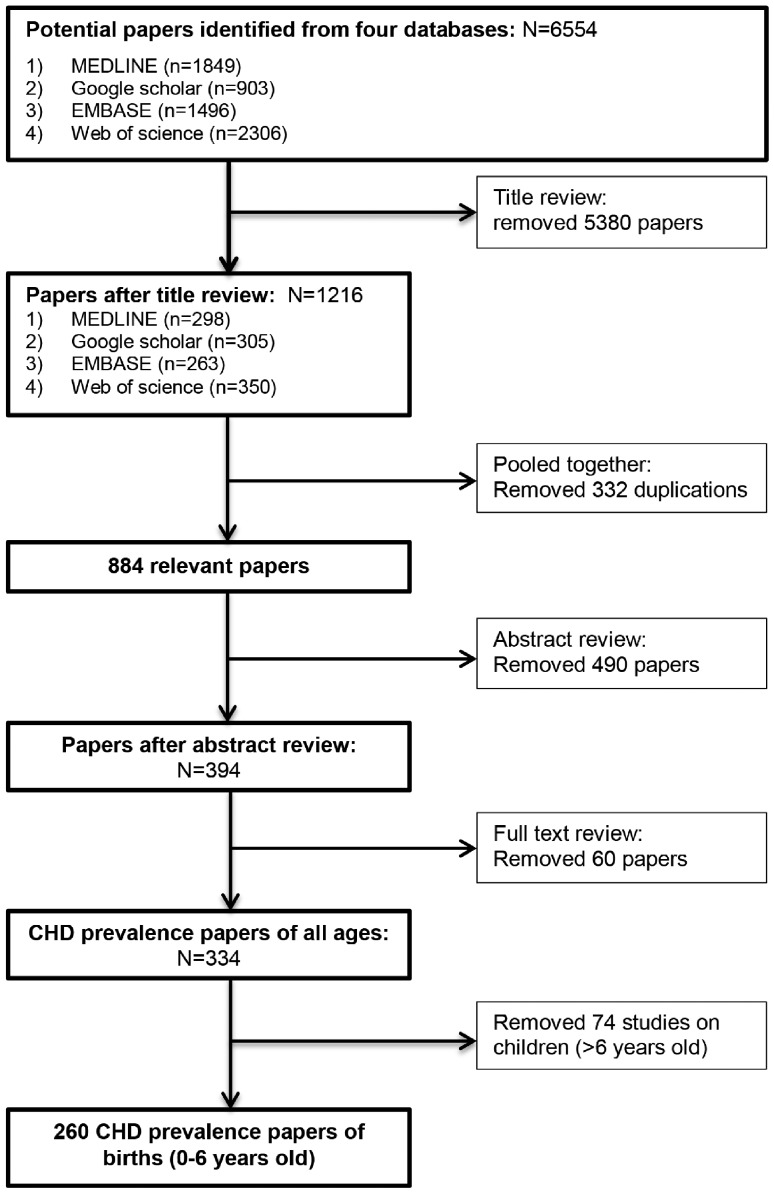
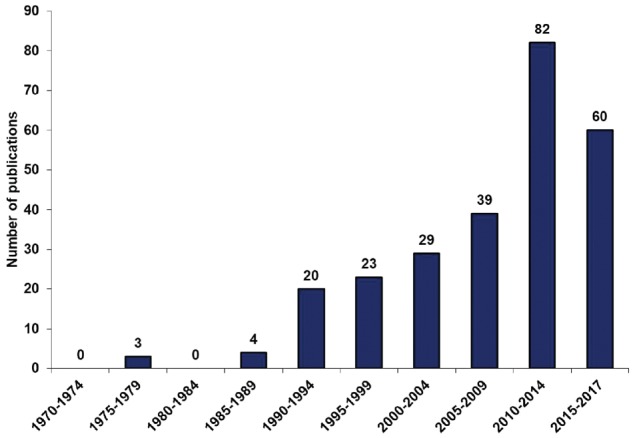
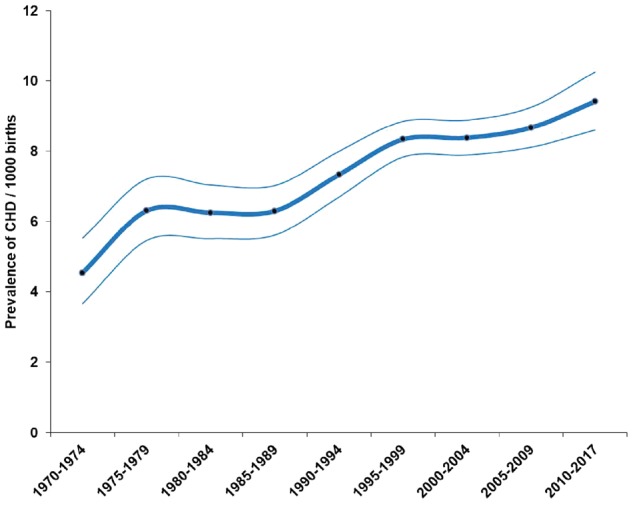
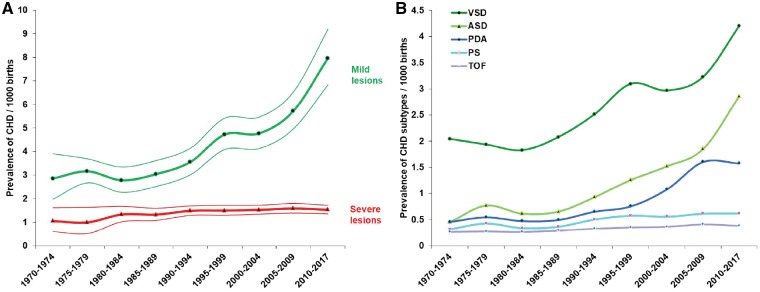
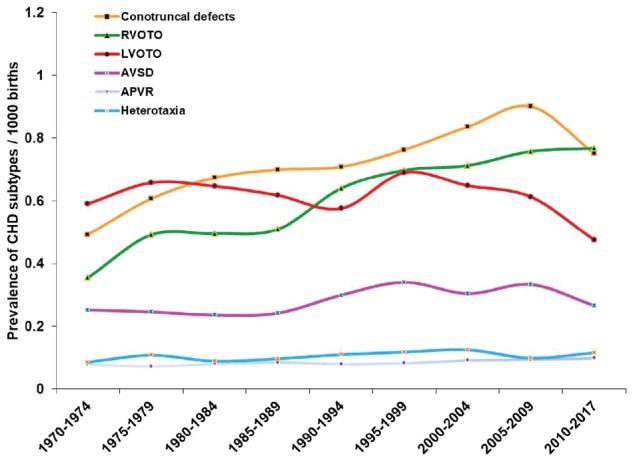
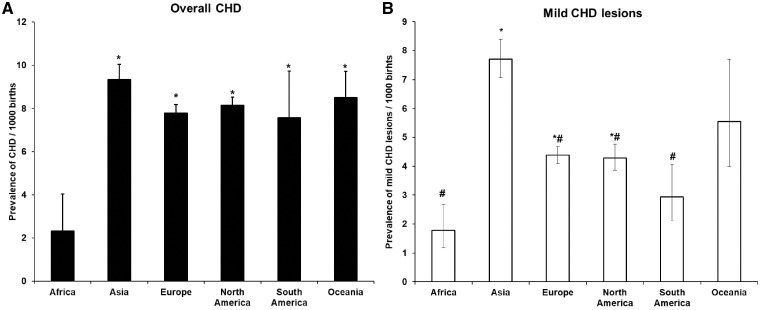
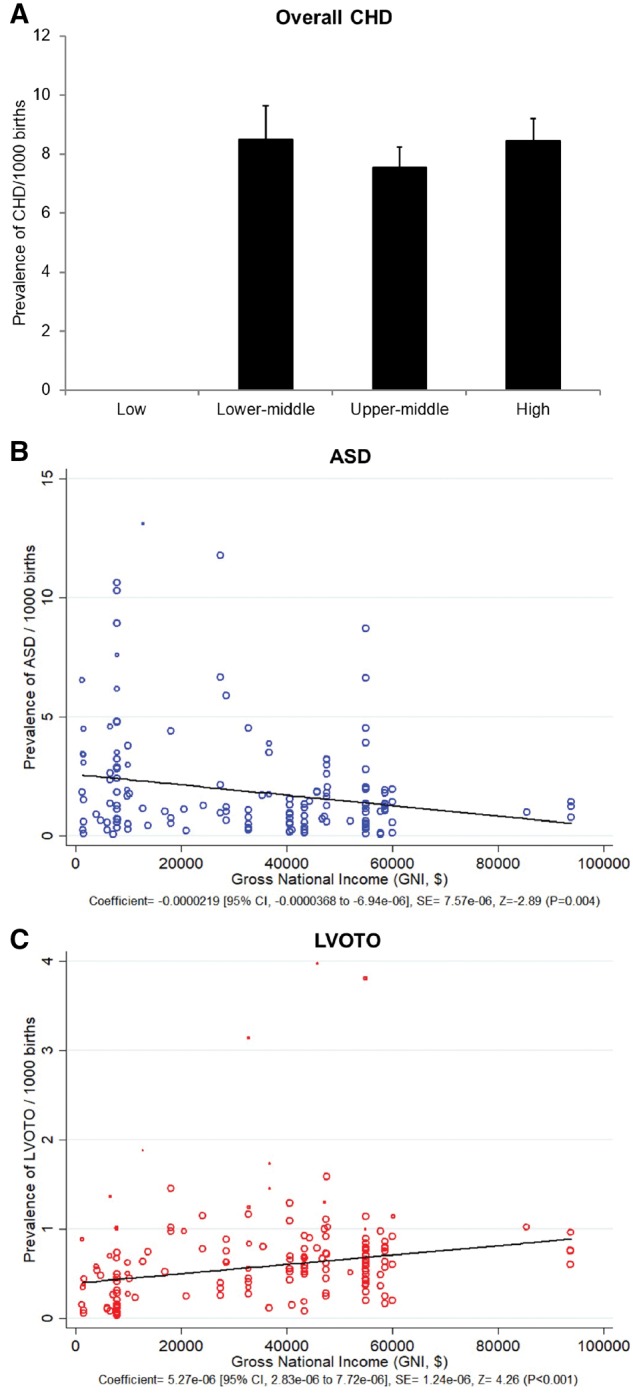
BACKGROUND: Globally, access to healthcare and diagnostic technologies are known to substantially impact the reported birth prevalence of congenital heart disease (CHD). Previous studies have shown marked heterogeneity between different regions, with a suggestion that CHD prevalence is rising globally, but the degree to which this reflects differences due to environmental or genetic risk factors, as opposed to improved detection, is uncertain. We performed an updated systematic review to address these issues. METHODS: Studies reporting the birth prevalence of CHD between the years 1970-2017 were identified from searches of PubMed, EMBASE, Web of Science and Google Scholar. Data on the prevalence of total CHD and 27 anatomical subtypes of CHD were collected. Data were combined using random-effect models. Subgroup and meta-regression analyses were conducted, focused on geographical regions and levels of national income. RESULTS: Two hundred and sixty studies met the inclusion criteria, encompassing 130 758 851 live births. The birth prevalence of CHD from 1970-2017 progressively increased to a maximum in the period 2010-17 of 9.410/1000 [95% CI (confidence interval) 8.602-10.253]. This represented a significant increase over the fifteen prior years (P = 0.031). The change in prevalence of mild CHD lesions (ventricular septal defect, atrial septal defect and patent ductus arteriosus) together explained 93.4% of the increased overall prevalence, consistent with a major role of improved postnatal detection of less severe lesions. In contrast the prevalence of lesions grouped together as left ventricular outflow tract obstruction (which includes hypoplastic left heart syndrome) decreased from 0.689/1000 (95% CI 0.607-0.776) in 1995-99, to 0.475/1000 (95% CI 0.392-0.565; P = 0.004) in 2010-17, which would be consistent with improved prenatal detection and consequent termination of pregnancy when these very severe lesions are discovered. There was marked heterogeneity among geographical regions, with Africa reporting the lowest prevalence [2.315/1000 (95% CI 0.429-5.696)] and Asia the highest [9.342/1000 (95% CI 8.072-10.704)]. CONCLUSIONS: The reported prevalence of CHD globally continues to increase, with evidence of severe unmet diagnostic need in Africa. The recent prevalence of CHD in Asia for the first time appears higher than in Europe and America, where disease ascertainment is likely to be near-complete, suggesting higher genetic or environmental susceptibility to CHD among Asian people.
Overview
The claims and statistics of this paper haven’t been checked yet.
Free: it reads the open-access text and checks the first 5 claims that cite a source we can check. Create a free account to check every claim.
Integrity signals
Registry
Cites
Statistics
Figures
Verification
Claims the paper makes
The claims and statistics of this paper haven’t been checked yet.
Free: it reads the open-access text and checks the first 5 claims that cite a source we can check. Create a free account to check every claim.
Claims other papers make about this one
Each is checked against this paper’s own text: does it say what the citing paper says it does?
The cited source doesn’t support the claim as written.
In the citing paper
“In a subgroup analysis based on the geographic region, a surprisingly high prevalence was reported across all regions of Sub-Saharan Africa.”
From Pooled prevalence and subgroup variations of Tetralogy of Fallot among children and adolescents with congenital heart defect in Sub-Saharan Africa: A systematic review and meta-analysis (2025) · cites this paper as [10]
Checked by a reasoning model — may be wrong.
Experimental — accuracy not yet measuredThe source backs part of the claim, not all of it — or backs it for a different population, condition or comparison.
In the citing paper
“Globally, it accounts for 3% to 5% of all CHD cases, with an estimated incidence of 2.8 to 3.4 per 10,000 live births [2, 10].”
From Pooled prevalence and subgroup variations of Tetralogy of Fallot among children and adolescents with congenital heart defect in Sub-Saharan Africa: A systematic review and meta-analysis (2025) · cites this paper as [10]
Experimental — accuracy not yet measuredThe source backs part of the claim, not all of it — or backs it for a different population, condition or comparison.
In the citing paper
“The prevalence of Tetralogy of Fallot observed was found considerably higher compared to global estimate and reports of developed countries.”
From Pooled prevalence and subgroup variations of Tetralogy of Fallot among children and adolescents with congenital heart defect in Sub-Saharan Africa: A systematic review and meta-analysis (2025) · cites this paper as [10]
Experimental — accuracy not yet measured
Self-check
Percentages, sums and reported differences re-computed from the paper’s own numbers.
The self-check needs the paper’s full text.
Citations
Cites
Cochrane Handbook for Systematic Reviews of Interventions: Cochrane Book Series
(2008) · doi:10.1002/9780470712184 · Cited by 25,048
The incidence of congenital heart disease.
Hoffman, J. I. E., & Kaplan, S. (2002) · Journal of the American College of Cardiology · doi:10.1016/s0735-1097(02)01886-7 · Cited by 6,099
Birth prevalence of congenital heart disease worldwide
van der Linde, D., Konings, E. E. M., Slager, M. A., Witsenburg, M., Helbing, W. A., Takkenberg, J. J. M., & Roos-Hesselink, J. W. (2011) · Journal of the American College of Cardiology · doi:10.1016/j.jacc.2011.08.025 · Cited by 3,452 · cited 6×
“A systematic review of global prevalence data since 1930 was conducted by van der Linde et al.1 in 2010, suggesting an increase in CHD prevalence from the 1930s until 1995, with stabilization between the years 1995–2009.”
BackgroundMethodInfluentialLuchini, C., Stubbs, B., Solmi, M., & Veronese, N. (2017) · World Journal of Meta-Analysis · doi:10.13105/wjma.v5.i4.80 · Cited by 977
Genetics and Genomics of Congenital Heart Disease
Zaidi, S., & Brueckner, M. (2017) · Circulation Research · doi:10.1161/circresaha.116.309140 · Cited by 565 · cited 1×
“It is known that genetic copy number variants and de novo single-nucleotide variants may account for up to 20% of CHD accompanied by extracardiac malformations and/or intellectual impairment.(21) We were unable to stratify participants in the individual studies based on these additional diagnoses.”
BackgroundDu, Y., Xu, X., Chu, M., Guo, Y., & Wang, J. (2016) · PubMed · doi:10.3978/j.issn.2072-1439.2015.11.37 · Cited by 525
Seeking causes: Classifying and evaluating congenital heart defects in etiologic studies
Botto, L. D., Lin, A. E., Riehle‐Colarusso, T., Malik, S., & Correa, A. (2007) · Birth Defects Research Part A: Clinical and Molecular Teratology · doi:10.1002/bdra.20403 · Cited by 469 · cited 2×
“In the principal analyses, CHD was classified into seven phenotypic categories, following the approach of Botto et al.(7) which groups together lesions on the basis of their anatomical/developmental similarity (Supplementary Table 2, available as Supplementary data at IJE online).”
MethodMoller, A.-B., Petzold, M., Chou, D., & Say, L. (2017) · The Lancet Global Health · doi:10.1016/s2214-109x(17)30325-x · Cited by 377
Ambient Air Pollution and Risk of Congenital Anomalies: A Systematic Review and Meta-analysis
Vrijheid, M., Martinez, D., Manzanares, S., Dadvand, P., Schembari, A., Rankin, J., & Nieuwenhuijsen, M. (2011) · Environmental Health Perspectives · doi:10.1289/ehp.1002946 · Cited by 305
Congenital heart disease: current knowledge about causes and inheritance
Blue, G. M., Kirk, E. P., Sholler, G. F., Harvey, R. P., & Winlaw, D. S. (2012) · Medical Journal of Australia · doi:10.5694/mja12.10811 · Cited by 241 · cited 3×
“The studies included in the meta-analysis showed high heterogeneity, as expected, given the unknown aetiological factors for around 80% of CHDs.2 Potentially, hospitalbased studies could have provided upwardly biased estimates of prevalence compared to national registries, both of which were included in the meta-analy…”
BackgroundResultInfluential
Research works printed but not linked: 1
- United Nations. World Economic Situation and Prospects. New York: United Nations, UN, 2014.
Cited by
Items 601–700 of 1,000
Deng, Y., Tian, R., Zhao, J., Liu, L.-Z., Sun, P., & Ping, Z. (2025) · International Journal of Cardiology · doi:10.1016/j.ijcard.2025.133925 · Cited by 4
The impact of congenital heart disease on somatic growth: a monozygotic twin study
Lee, J., Yun, T. J., Kwon, S. J., Troy, Z., Marshall, T. A., Buck, H. G., Mulder, P. J., & Daack‐Hirsch, S. (2025) · European Journal of Pediatrics · doi:10.1007/s00431-025-06635-2 · Cited by 3
“Congenital heart disease (CHD) is the most prevalent type of congenital anomaly [1].”
Kalhor, F., Tagharrobi, Z., Ghaderian, M., Taghadosi, M., Shahzeydi, A., Mah-Najafabadi, A., & Sharifi, S. (2025) · BMC Medical Ethics · doi:10.1186/s12910-025-01327-w · Cited by 5
“As the most common congenital disorders, they affect approximately 0.8 to 1.8% of live births globally [2, 3], with an estimated annual incidence of 1.35 million newborns worldwide [4].”
InfluentialXing, H., Zheng, T., Ma, Y., Zhang, Q., Liu, Y., Wang, X., Li, M., Guo, C., Wang, S., He, X., et al. (2026) · Journal of Pediatric Nursing · doi:10.1016/j.pedn.2026.01.006 · Cited by 3
Self-citationLi, Y., Zhou, Y., Zhang, Y., Peng, H., Fu, M. R., Chen, M., Xu, Y., & Luo, B. (2026) · International Journal of Nursing Studies · doi:10.1016/j.ijnurstu.2026.105370 · Cited by 5
Perinatal outcomes of pregnancies with prenatally diagnosed foetal congenital heart disease
Madazlı, R., Davutoğlu, E. A., Alpay, V., Kaymak, D., Erenel, H., & Öztunç, F. (2022) · Journal of Obstetrics and Gynaecology · doi:10.1080/01443615.2021.2000944 · Cited by 3
“Congenital heart disease (CHD) with a prevalence between 8 and 12 per 1000 live births is the most common foetal structural anomaly and is one of the leading causes of mortality and morbidity in neonates and infants (Lee 2017; Liu et al. 2019).”
BackgroundBanothu, K. K., Kumar, A., Agarwal, S., Sankar, J., Kabra, S. K., & Lodha, R. (2022) · The Indian Journal of Pediatrics · doi:10.1007/s12098-022-04083-6 · Cited by 3
“The prevalence of CHD varies widely between developing and developed nations, related to multiple factors including reporting differences [3].”
BackgroundAlkanhal, A., Ducas, R., Mackie, A. S., Seaman, C. S., Averin, K., Mah, K., & Khoury, M. (2022) · Pediatric Cardiology · doi:10.1007/s00246-022-03073-x · Cited by 3
“Ventricular septal defects (VSDs) represent one of the most common forms of congenital heart disease (CHD) in children with an estimated prevalence of isolated defects of approximately 3 per 1000 live births [1].”
BackgroundNikolovski, J., Chapman, E. E., Widmer, R. P., & Ayer, J. G. (2023) · Journal of Paediatrics and Child Health · doi:10.1111/jpc.16406 · Cited by 3
Gambacorti-Passerini, Z. M., Martínez‐Payo, C., Arribas, C. B., Larroca, S. G., García‐Honduvilla, N., Ortega, M. A., Fernández-Pachecho, R. P., & León-Luis, J. A. D. (2023) · Journal of Cardiovascular Development and Disease · doi:10.3390/jcdd10080340 · Cited by 3
“Cardiovascular anomalies are the most common birth defect worldwide, with an estimated incidence that progressively increased over the past decades from 1/200 live births [1] to almost 1/100 live births [2].”
BackgroundKim, A. Y., Woo, W., Saxena, A., Tanıdır, İ. C., Yao, A., Kurniawati, Y., Thakur, V., Shin, Y. R., Shin, J. I., Jung, J. W., et al. (2023) · Cardiology in the Young · doi:10.1017/s1047951123002986 · Cited by 5
Bolunduț, A. C., Nazarie, F. V., Lazea, C., Șufană, C., Miclea, D., Lazăr, C., & Mihu, C. M. (2024) · Genes · doi:10.3390/genes15020207 · Cited by 3
“Congenital heart defects (CHDs) are one of the most common congenital defects, with a global prevalence of 9.41 per 1000 births, increasing by approximately 10% in the last 15 years [1].”
BackgroundInfluentialKim, A. Y., Tchah, N., Lin, C.-Y., Park, J. M., Woo, W., Kim, C. S., Jung, S. Y., Choi, J. Y., & Jung, J. W. (2024) · Pediatric Cardiology · doi:10.1007/s00246-024-03434-8 · Cited by 3
Patient Reported Outcome Measures in Adults with Fontan Circulatory Failure
Agorrody, G., Begun, I., Verma, S., Mazer, C. D., Garagiola, M. L., Campos, B. A. F., Acuña, R., Kearney, K. L., Buckley, A., Dhingra, N. K., et al. (2024) · Journal of Clinical Medicine · doi:10.3390/jcm13144175 · Cited by 4
“Of all congenital defects diagnosed in the newborn, congenital heart disease (CHD) is the most common, with a global birth prevalence of up to 1% [1].”
BackgroundModestini, M., Massari, D., Huisman, S., Struys, M. M. R. F., Roofthooft, M. T. R., & Vos, J. J. (2024) · Journal of Cardiothoracic and Vascular Anesthesia · doi:10.1053/j.jvca.2024.09.141 · Cited by 3
O’Malley, B. R., Raja, N., Blue, G. M., Winlaw, D. S., Sholler, G. F., & the Congenital Heart Disease Synergy Study Group (2024) · Cardiology in the Young · doi:10.1017/s1047951124025721 · Cited by 3
Kang, Y., Guo, T., Wang, W.-X., He, S.-E., Zhang, X., Xu, J.-G., Wang, Z.-Q., Wang, F.-N., & You, T. (2024) · Nitric Oxide · doi:10.1016/j.niox.2024.11.009 · Cited by 3
Izquierdo‐Condoy, J. S., Rodríguez, F. D. A., Chamba, W. D., Noroña, D. A. M., Toaquiza, L. C., Espín-Sambache, B., Valdivieso-Andrade, E. J., Isacaz, A. G. C., García-Cañarte, S., Rubio-Niera, M., et al. (2025) · Frontiers in Public Health · doi:10.3389/fpubh.2025.1497253 · Cited by 4
Clinical Practice Guidelines for Common Congenital Heart Diseases: A Scoping Review
Torrejón, O. O. R., Chavez‐Ecos, F. A., & Taype-Rondán, Á. (2025) · Sage Open Pediatrics · doi:10.1177/30502225251315623 · Cited by 3
Shi, J., Wang, Z., Bai, Y., Li, S., Zhang, X., Liu, T., Hong, L., Cui, L., Zhang, Y., Ma, J., et al. (2025) · Congenital Heart Disease · doi:10.32604/chd.2025.064950 · Cited by 4
Denoising of Heart Sounds Using Lightweight FCNs and Spectrograms With and Without Context
Duggan, D., Temko, A., Sarana, V., Factor, A., & Popovici, E. M. (2025) · IEEE Access · doi:10.1109/access.2025.3566288 · Cited by 7
“However, people in low and middle income countries have less access to effective and equitable health care services, and the prevalence of CVDs continues to increase [6].”
Wang, J., Chen, W., Huang, X., Gao, H., Feng, Z., Tan, C., Zhuang, Q., Gao, Y. H., Min, S., Lu, Y., et al. (2025) · Frontiers in Genetics · doi:10.3389/fgene.2025.1582718 · Cited by 4
Loor-Torres, R., Chavez, M. M., Boehmer, K. R., Pardo, L. S., Connolly, H. M., Egbe, A. C., Passalacqua, K., Kosec, A. M., & Burchill, L. J. (2025) · European Journal of Cardiovascular Nursing · doi:10.1093/eurjcn/zvaf129 · Cited by 3
Hybrid approach: a prospective option for treating congenital heart defects in pediatric patients
Marassulov, S., Lookin, O. N., Nurkeyev, B., Kerimkulov, A., Murzabayeva, S., Tuyakbayev, B., Dochshanova, R., Maiorov, R., Akhmoldayeva, A., Kuandykova, E., et al. (2025) · Frontiers in Cardiovascular Medicine · doi:10.3389/fcvm.2025.1711494 · Cited by 3
Genomic Yield of Long-Read Sequencing in Congenital Heart Disease
Lesurf, R., Jain, A., Hanafi, N., Mitina, A., Yin, Y., Kolla, V. A., Bouwmeester, J., Papaz, T., Oechslin, E. N., Yuen, R. K. C., et al. (2026) · Circulation Genomic and Precision Medicine · doi:10.1161/circgen.125.005305 · Cited by 3
Echocardiographic Evaluation of Atrial Septal Defect
Azad, S. (2020) · Journal of The Indian Academy of Echocardiography & Cardiovascular Imaging · doi:10.4103/jiae.jiae_45_20 · Cited by 3
Карахалис, Н. Б., & Karakhalis, M. N. (2021) · Бюллетень Восточно-Сибирского научного центра Сибирского отделения Российской академии медицинских наук · doi:10.29413/abs.2021-6.2.9 · Cited by 3
Transition in cardiology 2: Maternal and fetal congenital heart disease
Nagata, H., Yamamura, K., Matsuoka, R., Kato, K., & Ohga, S. (2022) · Pediatrics International · doi:10.1111/ped.15098 · Cited by 3
Repilado, F. J. R., Affolter, J., Bouchardy, J., Gabriel, H., Stämpfli, S. F., Engel, R., Schwerzmann, M., Greutmann, M., & Tobler, D. (2022) · Swiss Medical Weekly · doi:10.4414/smw.2022.w30114 · Cited by 3
Remmele, J., Willinger, L., Oberhoffer, R., Ewert, P., & Müller, J. (2022) · International Journal of Cardiology Congenital Heart Disease · doi:10.1016/j.ijcchd.2022.100390 · Cited by 3
“Coarctation of the aorta (CoA) occurs in around 4 out of 10,000 live births in Germany [1] and approximately makes 3.6% of all congenital heart defects [2].”
InfluentialKelch-like protein 3 in human disease and therapy
Lin, Y., Li, Q., & Jin, X. (2022) · Molecular Biology Reports · doi:10.1007/s11033-022-07487-x · Cited by 3
Pan, Z., Zhu, T., Zhu, J. W., & Zhang, N. (2022) · Iranian Journal of Public Health · doi:10.18502/ijph.v51i10.10974 · Cited by 4
“ir 2150 The prevalence of CHDs continues to increase globally (2).”
BackgroundGenetic Analysis of Variants of the MYH6 Gene Promoter in Congenital Atrial Septal Defects
Zuo, J.-Y., Chen, H., Liu, Z.-G., Yang, Q., & He, G. (2022) · Congenital Heart Disease · doi:10.32604/chd.2022.025451 · Cited by 4
Wang, M., Li, L., Kang, H., Xu, H., Huang, Q., Li, N., Deng, Y., Yu, P., & Liu, Z. Q. (2023) · Environmental Science and Pollution Research · doi:10.1007/s11356-023-27015-z · Cited by 3
“The global prevalence of CHDs increased 10% every 5 years from 1970 to 2017 in Asia (Liu et al.”
BackgroundSelf-citationLópez, L. P., Hernández, T. C., Carnero, M., Menéndez, J. L., Fúster, R. G., & Stuart, J. R.-R. (2023) · Cirugía Cardiovascular · doi:10.1016/j.circv.2023.04.002 · Cited by 3
Zhou, Y., Yang, D., Mao, X., Zhou, H., & Wang, L. (2023) · Frontiers in Medicine · doi:10.3389/fmed.2023.1138946 · Cited by 3
“A systematic review including 260 studies has revealed that the reported prevalence of CHD globally continues to increase, and the prevalence of CHD in Asia is higher than that in Europe and America (20).”
BackgroundSmith, C., Olugbuyi, O., Kaul, P., Dover, D. C., Mackie, A. S., Islam, S., Eckersley, L., & Hornberger, L. K. (2023) · Pediatric Cardiology · doi:10.1007/s00246-023-03310-x · Cited by 4
Trujillo, D. L., García, P. A. C., Rojas, K., Moreno, K., Torres, M. D., Verano, R. D., & Reyes, N. F. S. (2024) · Journal of health economics and outcomes research · doi:10.36469/jheor.2024.116147 · Cited by 3
Sex differences in metabolic adaptation in infants with cyanotic congenital heart disease
Findley, T. O., Palei, A. C., Cho, K. S., Zhao, Z., Shi, C., Mahajan, G., Corno, A. F., Salazar, J. D., & McCullough, L. D. (2024) · Pediatric Research · doi:10.1038/s41390-024-03291-4 · Cited by 3
Maternal Oxidative Balance Score during Pregnancy and Congenital Heart Defects
Yang, J., Du, Q., Xiao, Z., Guo, R., Chang, Q., & Li, Y. (2024) · Nutrients · doi:10.3390/nu16121825 · Cited by 3
“Congenital heart defects (CHD) are the most common birth defects, affecting nearly 1 in 100 newborns both in the world [1] and in China [2].”
BackgroundRisk-prediction nomogram for congenital heart disease in offspring of Chinese pregnant women
Qu, P., Zhang, S., Chen, J., Li, X., Zhao, D., Liu, D., Shen, M., Yan, H. G., Pei, L., & Dang, S. (2024) · BMC Pregnancy and Childbirth · doi:10.1186/s12884-024-06708-4 · Cited by 5
“The prevalence of CHD in Asia was higher compared to Europe and America [3].”
BackgroundInfluentialPatterns and Complications of Congenital Heart Disease in Adolescents and Adults in Ethiopia
Eshetu, M. A., Yadeta, D., Kebede, M. A., Negate, H. M., Habtezghi, A. B., Gregory, P. M., Wirtu, A. T., & Gemechu, J. M. (2024) · Journal of Cardiovascular Development and Disease · doi:10.3390/jcdd11080253 · Cited by 3
The Kids Heart BioBank: supporting 20 years of patient care and research into CHD
Hilton, D. C. K., O’Malley, B. R., Cole, A. D., Harvey, R. P., Dunwoodie, S. L., Sholler, G. F., Winlaw, D. S., & Blue, G. M. (2024) · Cardiology in the Young · doi:10.1017/s1047951124025654 · Cited by 3
Prenatal finding of isolated ventricular septal defect: genetic association, outcomes and counseling
Chen, X., Zhang, Q., Lu, M., Feng, Q., Qin, L., & Liao, S. (2024) · Frontiers in Genetics · doi:10.3389/fgene.2024.1447216 · Cited by 3
Mauricio, D., Cárdenas-Grandez, J., Godoy, G. V. U., Mallma, M. J. R., Maculan, N., & Mascaro, P. (2024) · Journal of Clinical Medicine · doi:10.3390/jcm13226872 · Cited by 4
“These defects in the heart’s structure can alter normal blood flow [2] and, depending on the severity, may require surgical intervention immediately after birth [3].”
Nasir, M., Dejene, K., Bedru, M., & Markos, S. (2025) · Frontiers in Cardiovascular Medicine · doi:10.3389/fcvm.2025.1550693 · Cited by 3
“Nonetheless, atrial septal defects(ASDs)occur in 1.44 – 1.66 per 1,000 live births globally; 65 – 80 percent of these defects are secundum atrial septal defects (2 – 4).”
InfluentialDang, Y. M., Sun, J., Wu, Z., Mao, B., Hang, Q., Huang, J., Zhao, X., Xia, J., Chen, C., Yao, W. J., et al. (2025) · Frontiers in Public Health · doi:10.3389/fpubh.2025.1597178 · Cited by 3
Trends in Birth Prevalence of Congenital Heart Defects in Norway—A Population Study 1994–2014
Leirgul, E., Fomina, T., Greve, G., Tell, G. S., Sandberg, M., & Øyen, N. (2025) · Acta Paediatrica · doi:10.1111/apa.70235 · Cited by 3
“While minor cardiac defects have been increasingly reported globally [5], the live birth prevalence of severe CHD has declined in Europe [8] and USA [9] since the first decade of the 2000s.”
InfluentialRepaired Congenital Heart Disease in Older Children and Adults
Gadiyaram, V. K., Monti, C. B., Sahu, A., Filev, P. D., Muscogiuri, G., Secchi, F., Sardanelli, F., Stillman, A. E., & Cecco, C. N. D. (2020) · Radiologic Clinics of North America · doi:10.1016/j.rcl.2019.12.004 · Cited by 4
Qian, Z., den Eynde, J. V., Heymans, S. R. B., Mertens, L., & Morava, É. (2020) · JIMD Reports · doi:10.1002/jmd2.12160 · Cited by 4
“0% of all CHD in the general population.(20) The total prevalence of CHD of 1.”
BackgroundWadey, C. A., Weston, M. E., Dorobantu, D. M., Taylor, R. S., Pieles, G. E., BARKER, A. R., & Williams, C. A. (2020) · Journal of Congenital Cardiology · doi:10.1186/s40949-020-00035-x · Cited by 4
Risk factor analysis for congenital heart defects in children
Lastivka, I. V., Pishak, V. P., Ryznychuk, М. О., & Хмара, Т. В. (2020) · Regulatory Mechanisms in Biosystems · doi:10.15421/022080 · Cited by 4
“Although, in recent decades advances in cardiovascular medicine and surgery have dramatically reduced mortality and allowed most patients to reach adulthood, CHD remains the leading cause of death from congenital defects and is a heavy burden worldwide (Bouma & Mulder, 2017; Liu et al., 2019).”
BackgroundSalem, H. S. A., Shams, M. Y., Hassanien, A. E., & Nosair, A. M. (2021) · Studies in systems, decision and control · doi:10.1007/978-3-030-72933-2_2 · Cited by 3
Kalisch-Smith, J. I., Morris, E. C., Strevens, M. A. A., Redpath, A. N., Klaourakis, K., Szumska, D., Outhwaite, J. E., Sun, X., Vieira, J. M., Smart, N., et al. (2022) · Frontiers in Genetics · doi:10.3389/fgene.2021.806136 · Cited by 3
“This is particularly important as congenital heart disease (CHD) impacts almost 1% of births worldwide (Liu et al., 2019) and can be due to either genetic defects (Alankarage et al.”
BackgroundPaediatric Cardiac Anaesthesia Perspective in Komfo Anokye Teaching Hospital Kumasi
Singh, S., Okyere, I., & Singh, A. (2022) · Nigerian Journal of Medicine · doi:10.4103/njm.njm_12_22 · Cited by 3
Risk for first onset depression in adults with congenital heart disease
Nielsen, S. J., Dellborg, M., Wærn, M., Mandalenakis, Z., & Giang, K. W. (2022) · International Journal of Cardiology Congenital Heart Disease · doi:10.1016/j.ijcchd.2022.100410 · Cited by 4
Saad, H., Casey, F. A., Dolk, H. M., & Loane, M. A. (2022) · Cardiology in the Young · doi:10.1017/s1047951122001937 · Cited by 3
BCOR Mutations are Associated with Congenital Heart Disease in the Chinese Han Population
Suo, M., Chen, W., Xu, Z., Tian, G., Li, T., Li, P., Sheng, W., Huang, G., & Ma, X. (2022) · The Journal of Gene Medicine · doi:10.1002/jgm.3461 · Cited by 3
“Given that CHD, OFCD and microphthalmia syndrome have overlapped cardiac phenotypes, we proposed that BCOR variants may be closely related and play a vital role to the occurrence of CHD. Research conducted on BCOR functions in OFCD and Lenz syndrome has received much attention, but few studies have directly assessed B…”
BackgroundInfluentialFabian-Morales, G., Bobadilla‐Morales, L., Peña‐Padilla, C., Nieto‐García, R., Rivera‐Ramírez, P. B., Corona‐Rivera, A., Márquez‐Mora, A., Macías-Salcedo, G., Cuero‐Quezada, I., & Corona‐Rivera, J. R. (2022) · Boletín Médico del Hospital Infantil de México · doi:10.24875/bmhim.22000078 · Cited by 3
“The distribution by subtype of CHD observed in the sample studied was representative and corresponded with the frequency reported in other population-based studies 11 , in which VSD, ASD, TOF, and pulmonary stenosis are the predominant defects (Table 1), which allows us to generalize our results.”
Birthweight of children with isolated congenital heart disease—A sibling analysis study
Aliasi, M., Mastenbroek, M., Papakosta, S., van Geloven, N., & Haak, M. C. (2023) · Prenatal Diagnosis · doi:10.1002/pd.6336 · Cited by 3
“diomyopathy, cardiac tumors, restrictive/patent foramen ovale and patent ductus arteriosus; (4) hydrops fetalis or intra‐uterine fetal demise; and (5) missing BW data.”
BackgroundGu, J., Jin, Z., Wu, G., Dang, S., Yao, F., Zheng, Z., Ren, L., Yang, J., Chen, D., Zhang, L., et al. (2024) · Birth Defects Research · doi:10.1002/bdr2.2282 · Cited by 3
“Congenital heart defects (CHDs) are the most universal group of birth defects, occurring in 9 per 1000 births globally (Liu, Chen, et al., 2019).”
BackgroundChimoriya, R., Chimoriya, R., Shrestha, M., Shrestha, S., Shah, K., Lama, L., & Rana, K. (2024) · Journal of Nepal Medical Association · doi:10.31729/jnma.8557 · Cited by 3
Yuan, X., Ma, X., Zhu, J., Yang, Y., Wang, Y., Xu, J., Dai, L., Li, H., Liu, Z., Dong, J., et al. (2024) · The Lancet Regional Health - Western Pacific · doi:10.1016/j.lanwpc.2024.101121 · Cited by 3
“48,49 In contrast, we found an increased risk of cardiovascular malformations in offspring from women with HBsAg+ before pregnancy.”
BackgroundWijesekera, V. A. (2024) · Australian Journal of General Practice · doi:10.31128/ajgp-06-23-6875 · Cited by 2
Implementation of Anatomy Constrained Contrastive Learning for Heart Chamber Segmentation
Укибассов, Б. М., Rakhmetulayeva, S., Zhanabekov, Z. O., Bolshibayeva, A., & Yasar, A.-U.-H. (2024) · Procedia Computer Science · doi:10.1016/j.procs.2024.06.057 · Cited by 3
Brazilian Guideline for Exercise Testing in Children and Adolescents – 2024
de Carvalho, T., de Freitas, O. G. A., Chalela, W. A., Hossri, C. A. C., Milani, M., Buglia, S., Falcão, A. M. G. M., Costa, R. V. C., Ritt, L. E. F., Pfeiffer, M. E. T., et al. (2024) · Arquivos Brasileiros de Cardiologia · doi:10.36660/abc.20240525i · Cited by 5
Ng, J. Y., Masood, M., Kathir, S., & Cramer, H. (2025) · PLoS ONE · doi:10.1371/journal.pone.0322340 · Cited by 3
Xu, N., Huang, S.-T., Sun, K., Chen, L., Chen, Q., & Cao, H. (2020) · Journal of Cardiothoracic Surgery · doi:10.1186/s13019-020-01339-0 · Cited by 3
Odom, T. L., Zheng, Y., Kattan, G., Tumin, D., Strickland, D. M., Steed, R. D., & Sarno, L. A. (2022) · Progress in Pediatric Cardiology · doi:10.1016/j.ppedcard.2022.101490 · Cited by 3
Impact of Planned Delivery on the Perinatal Outcome of Term Fetuses with Isolated Heart Defects
Pruthi, V., Thakur, V., JAEGGI, E. T., Rowbottom, L., Naguleswaran, K., Ryan, G., & Mieghem, T. V. (2022) · Journal of Obstetrics and Gynaecology Canada · doi:10.1016/j.jogc.2022.03.022 · Cited by 3
Benavides‐Lara, A., Barboza‐Argüello, M. D. L. P., Arguedas-Arguedas, O., Jorge Faerron, A., & da Cruz, E. M. (2022) · Birth Defects Research · doi:10.1002/bdr2.2093 · Cited by 3
Lazoryshynets, V. V., Ditkivskyy, I. O., Truba, I. P., Petrov, M. S., Mazur, O. A., & Perepeka, I. A. (2021) · JOURNAL OF THE NATIONAL ACADEMY OF MEDICAL SCIENCES OF UKRAINE · doi:10.37621/jnamsu-2021-4-6 · Cited by 3
Surgical Treatment of Congenital Heart Diseases Associated with Pulmonary Hypertension in Adults
Gorbachevsky, S. V., Chazova, I. E., Martynyuk, T. V., & Shmalts, A. A. (2023) · Annals of the Russian academy of medical sciences · doi:10.15690/vramn8360 · Cited by 3
Ashiq, S., Sabar, M. F., & Hyder, S. N. (2023) · The American Journal of Cardiology · doi:10.1016/j.amjcard.2023.06.070 · Cited by 3
Super Enhancers: Enhancing Human Cardiogenesis
Cashman, T. J., & Trivedi, C. M. (2020) · Circulation Research · doi:10.1161/circresaha.120.318000 · Cited by 3
Duru, C. O., Okpokowuruk, F. S., Adesina, A. D., Worgu, G. O., Adeniji, F. O., & Aliyu, I. (2020) · Research Square · doi:10.21203/rs.3.rs-31429/v1 · Cited by 3
Drukker, L. (2024) · Ultrasound in Obstetrics and Gynecology · doi:10.1002/uog.27703 · Cited by 6
“Algorithm output consists of a diagnosis (normal or atrioventricular septal defect (AVSD)), the certainty of the algorithm’s diagnosis being correct (expressed as a percentage) and a heatmap indicating parts of the image that were salient in producing the algorithm decision (red being most important and blue being lea…”
BackgroundInfluentialKar, A. (2021) · Springer eBooks · doi:10.1007/978-981-16-1554-2_2 · Cited by 3
Hybrid stage 1 palliation for HLHS: the experience of a tertiary center in a developing country
Bitar, F., Rassi, I. E., Zareef, R. O., Jassar, Y., Abboud, J., Bulbul, Z. R., Bitar, F. F., & Arabi, M. T. (2024) · Frontiers in Cardiovascular Medicine · doi:10.3389/fcvm.2024.1355989 · Cited by 2
Congenital heart disease and comorbidities in primary care: a cross-sectional study
Ellison, S., Partington, J., Watkin, A., Buckels, C., & Jaydeokar, S. (2024) · British Journal of Cardiac Nursing · doi:10.12968/bjca.2023.0083 · Cited by 2
Identifying the critical windows of temperature extremes exposure and congenital heart diseases
Zhang, H., Yang, F., Huang, J., Zhang, F., Zhuo, S., & Liu, H. (2024) · International Journal of Biometeorology · doi:10.1007/s00484-024-02756-9 · Cited by 3
“0) (Lavigne et al. 2019 ; Liu et al. 2019).”
Padovani, P., Hauet, Q., Lefort, B., Chauviré-Drouard, A., Letellier, M., Bergé, M., Marguin, G., Titos, M., Grain, A., Babonneau, M.-L., et al. (2024) · BMC Medical Education · doi:10.1186/s12909-024-06260-x · Cited by 2
“The following secondary criteria will be analyzed using the same strategy as the primary criterion: [1] difference between initial and final scores for the other 4 dimensions of “BBN Skills” evaluated by the evaluation committee [2] self-assessment by the paediatric cardiology trainees of…”
BackgroundMethodLi, L., Ou, J., Chen, Y., Chen, Q., Luo, M., Wang, T., Zhang, Y., & Qin, J. (2024) · Journal of Health Population and Nutrition · doi:10.1186/s41043-024-00699-w · Cited by 3
Steiner, C., Ehrler, M., Hagmann, C. F., Latal, B., Rousson, V., & Wehrle, F. M. (2025) · Child Neuropsychology · doi:10.1080/09297049.2025.2454449 · Cited by 2
“Children born very preterm (VPT) and children with complex congenital heart disease (cCHD) are the two largest groups of survivors of neonatal critical illness (Blencowe et al., 2013; Liu et al., 2019).”
Impact of Lesion Severity in Fetal Cardiac Counseling
Calzada-Lozada, C. S., Chiu, J. S., Lim, C. C., Martens, A. M., Pinto, N. M., Haxel, C. S., & Ronai, C. (2025) · Pediatric Cardiology · doi:10.1007/s00246-025-03783-y · Cited by 2
“Congenital heart defects (CHD) are the most common type of birth defect worldwide [1].”
Song, X., Lu, Y., Gu, Q., Ding, H., Shen, C., Kong, X., Xie, T., Ning, W., & Lu, S. (2025) · BMC Public Health · doi:10.1186/s12889-025-21698-4 · Cited by 2
Huang, C., Chen, C., Chung, H., Lu, C., Lin, M., Wang, J., Liu, C., & Chen, C. (2025) · Journal of Advanced Nursing · doi:10.1111/jan.16867 · Cited by 2
“Congenital heart disease (CHD) is becoming more prevalent worldwide, with a rate of 9.41‰ between 2010 and 2017, and mild CHD is becoming more prevalent at a rate higher than that of severe CHD (Liu et al. 2019).”
InfluentialWalker, K. C., Specht, I. O., Hjortdal, V. E., Christesen, H. T., Heitmann, B. L., Santorelli, G., West, J., Magnus, P. M., Njølstad, P. R., Corfield, E. C., et al. (2025) · Journal of the American Heart Association · doi:10.1161/jaha.124.036273 · Cited by 2
Amarah, A., Elmakaty, I., Nadroo, I., Chhabra, M., Hoang, D., Suk, D., Nadroo, A. M., Ron, N., Dygulska, B., Gudavalli, M. B., et al. (2025) · The Italian Journal of Pediatrics/Italian journal of pediatrics · doi:10.1186/s13052-025-01945-5 · Cited by 2
“The ongoing obesity pandemic affects women of childbearing age and increases the risk of cardiovascular disease and cardiomyopathies[27].”
The Public Health Significance of Human Zinc Deficiency in the Developing World
Gadapati, S. (2025) · Advances in medical diagnosis, treatment, and care (AMDTC) book series · doi:10.4018/979-8-3693-5355-4.ch003 · Cited by 2
Hahn, S., Willette, S., Lay, A. S., Schroeder, J. W., Hazkani, I., Valika, T. S., & Ghadersohi, S. (2025) · Pediatric Cardiology · doi:10.1007/s00246-025-03953-y · Cited by 2
“Congenital heart disease (CHD) is the most common congenital abnormality, ranging from 8 to 9.5 per 1,000 live births globally [1, 2].”
InfluentialZhang, D., Zhang, Y., Feng, H., Nie, L., Yang, Y., Wang, X., & Tan, Y. (2025) · International Journal of Hygiene and Environmental Health · doi:10.1016/j.ijheh.2025.114627 · Cited by 5
Pérez-Cualtán, C. E., Castro-Paez, C. I., Guerrero‐Chalela, C., Iaizzo, P. A., Navarro, J., & Triana, J. C. B. (2025) · Progress in Biomedical Engineering · doi:10.1088/2516-1091/adfbcb · Cited by 4
“A recent global trend in the prevalence of CHDs has been observed, in which there are progressive increases in the estimated prevalences of right ventricular outflow tract (RVOT) obstructions, which approximately doubled from 0.355 to 0.767 per 1.000 live births between 1970 to 2017 [4].”
InfluentialChon, H. S., & Park, J. W. (2025) · Circulation Genomic and Precision Medicine · doi:10.1161/circgen.124.005039 · Cited by 3
Identity and Body in Emerging Adults With Congenital Heart Disease: A Qualitative Exploration
Campens, S., Vanderhaegen, J., Laere, E. V., Claes, L., Moons, P., & Luyckx, K. (2025) · Journal of Advanced Nursing · doi:10.1111/jan.70177 · Cited by 2
Polygenic and Oligogenic Risk in Congenital Heart Disease: A Systems View of Multifactorial Etiology
Sharma, P., Mishra, R., Sharma, B., Kumari, A., & Sharma, V. (2025) · IGI Global eBooks · doi:10.4018/979-8-3373-3735-7.ch006 · Cited by 4
Follow-Up of Neonatally Diagnosed Atrial Septal Defects and Patent Foramen Ovale at Preschool Age
Dannesbo, S., Dehn, A. M., Blixenkrone-Møller, E., Schytte, N., Ninh, G., Vøgg, R. O. B., Boyd, H. A., Jørgensen, F. S., Hjortdal, V. E., Sillesen, A., et al. (2025) · Journal of the American Society of Echocardiography · doi:10.1016/j.echo.2025.11.006 · Cited by 2
Lv, J., Ding, R., Chen, L., Tian, L., Liu, Z., Liu, S., Xiong, Z., Liu, R., Sun, Z., Yin, C., et al. (2025) · Journal of Advanced Research · doi:10.1016/j.jare.2025.11.022 · Cited by 2
“Congenital heart defect (CHD) is the most prevalent birth defects with an incidence of ∼ 1 % of live births, which persists to be a one of the primary causes of perinatal mortality and incurs over 200,000 annual deaths globally [3,4].”
Cen, R., Su, L. J., Ying, J., Orloff, M. S., Bolin, E. H., Lou, X., Almli, L. M., Botto, L. D., Browne, M. L., Finnell, R. H., et al. (2025) · BJOG An International Journal of Obstetrics & Gynaecology · doi:10.1111/1471-0528.70045 · Cited by 3
Dietary Choline Intake During Pregnancy and Congenital Heart Defects in a Chinese Population
Li, Y.-H., Xiao, Z., Guo, R., Rekemubieke, B., Hu, W., Liu, X., & Yang, J. (2025) · Nutrients · doi:10.3390/nu18010126 · Cited by 2
“CHD affects around 1 in 100 newborns in the world [1], and caused more than 0.26 million deaths in 2017 [2], causing great burdens on families and society [2].”
Influential
Metadata
- Authors
- Liu, Y., Chen, S., Zühlke, L., Black, G. C., Choy, M.-K., Li, N., & Keavney, B. D.
- Affiliations
- University of Manchester (GB)
- Sichuan University (CN)
- Department of Paediatrics, Red Cross War Memorial Children’s Hospital, University of Cape Town, Cape Town, South Africa
- Manchester Academic Health Science Centre (GB)
- Corresponding author
- Keavney, Bernard D
- Venue
- International Journal of Epidemiology
- Publisher
- Oxford University Press (OUP)
- Published
- 2019-02-19
- Volume
- 48
- Issue
- 2
- Pages
- 455-463
- ISSN
- 0300-5771 (ISSN-L)
- 1464-3685
- PMC
- PMC6469300
- OpenAlex
- W2918094628
- Cited by
- 1,436
- References
- 20
- Citations by year
- 2026: 216 · 2025: 233 · 2024: 288 · 2023: 228 · 2022: 197 · 2021: 162 · 2020: 86 · 2019: 22
- FWCI
- 17.04
- Type
- journal article
- Language
- en
- Open access
- hybrid
- doi.org
- Licence
- Locations
- International Journal of Epidemiology (publishedVersion, cc-by)
- Europe PMC (PubMed Central) (publishedVersion, cc-by)
- PubMed Central (publishedVersion, cc-by)
- PubMed (publishedVersion)
- e-space (Manchester Metropolitan University) (acceptedVersion)
- Research Explorer (The University of Manchester) (submittedVersion, cc-by)
- Funders
- The British Heart Foundation
- The University of Manchester-Peking University Health Science Centre Alliance
- China Scholarships Council
- Medical Research Council
- South African Medical Research Council
- Topics
- Health Sciences › Medicine › Cardiology and Cardiovascular Medicine › Congenital Heart Disease Studies
- Life Sciences › Biochemistry, Genetics and Molecular Biology › Molecular Biology › Congenital heart defects research
- Health Sciences › Medicine › Surgery › Congenital Anomalies and Fetal Surgery
- Keywords
- congenital heart disease, birth prevalence, temporal trends, ventricular septal defect, atrial septal defect, patent ductus arteriosus, left ventricular outflow tract obstruction, hypoplastic left heart syndrome, prenatal diagnosis, abortion, postnatal diagnosis, regional variation, national income, Africa, South America, Asia, Europe
- MeSH terms
- Heart Defects, Congenital, Humans, Infant, Newborn, Global Health, Prevalence, Confidence Intervals
About these checks
Registry, retraction, Cites and statistics results are computed, not judged, with one exception: a printed reference that no index lists is read once by a model before it counts as a citation error. Claims are extracted by a model and kept only when their quote appears verbatim in the text; each cited source is then checked, with a model’s help, for whether it says what the claim relies on. Those verdicts can be wrong — read the claim’s quote and the cited source before relying on one.
Statistics and arithmetic are recomputed, not judged.
Confidence bands are shown only for fields calibrated on our annotated test set. None is calibrated yet, so no band is shown.
What counts as a claim ›How we measure confidence ›How we check this ›
Are you an author, or do you see a problem with this page? Request a review
Data sources
Bibliographic data: Semantic Scholar, OpenAlex, Crossref.
Contains information from the Semantic Scholar Academic Graph Datasets, made available under the ODC Attribution License (ODC-BY 1.0).
Semantic Scholar’s data is described in: Kinney, R., et al. (2023). The Semantic Scholar Open Data Platform. arXiv:2301.10140.
