

Global birth prevalence of congenital heart defects 1970–2017: updated systematic review and meta-analysis of 260 studies
Open accessThe DOI matches its Crossref record; 20 of the 20 references it cites were found in a registry or an index.
Abstract
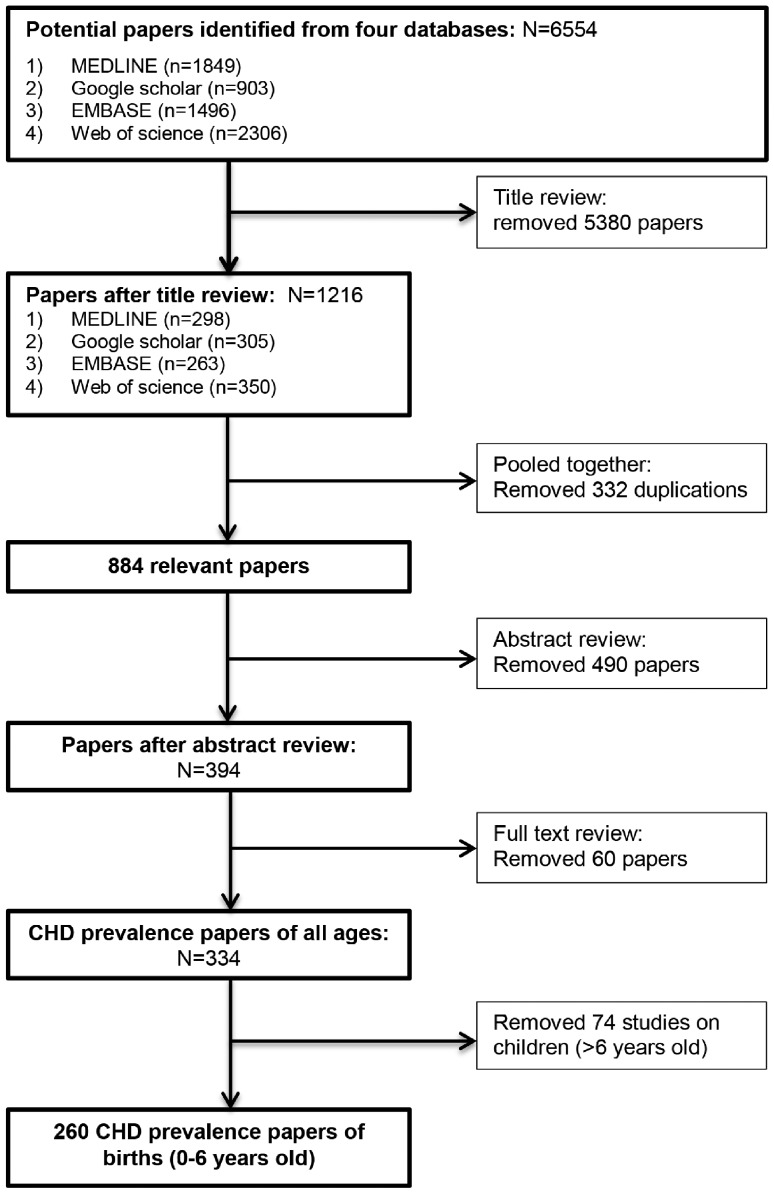
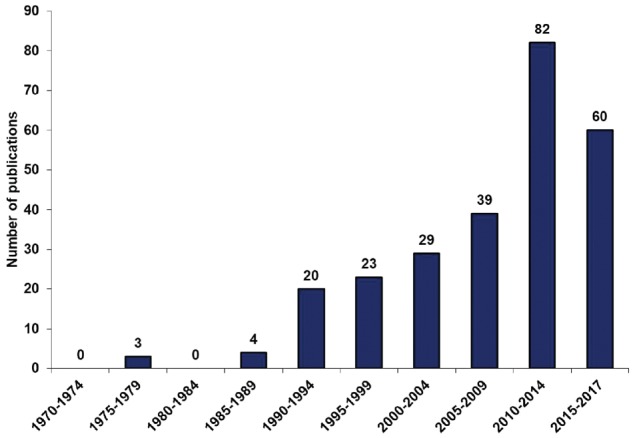
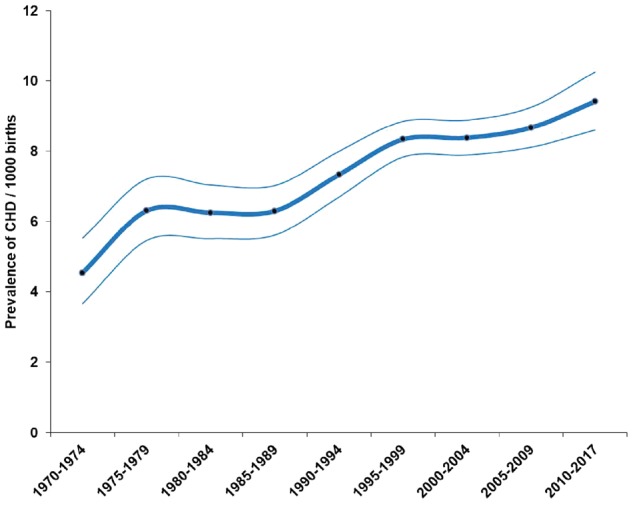
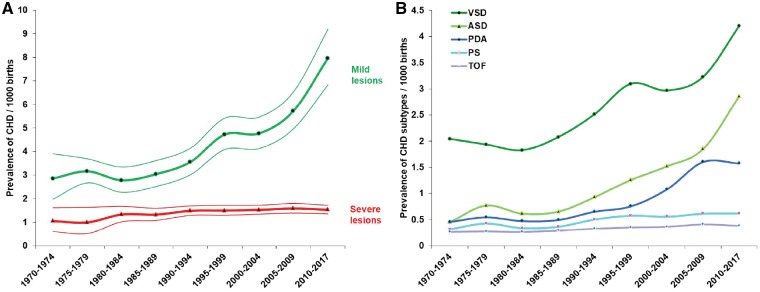
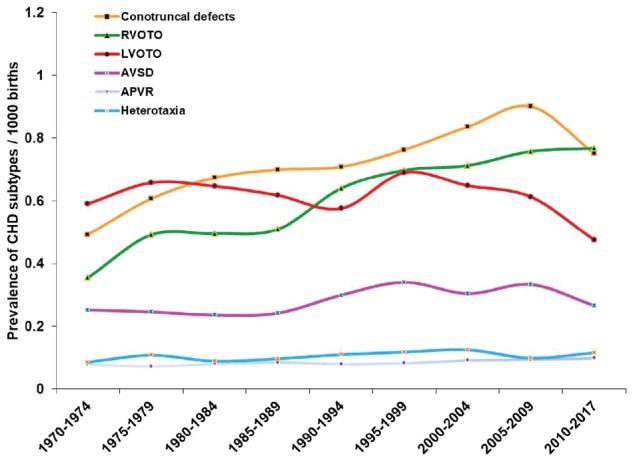
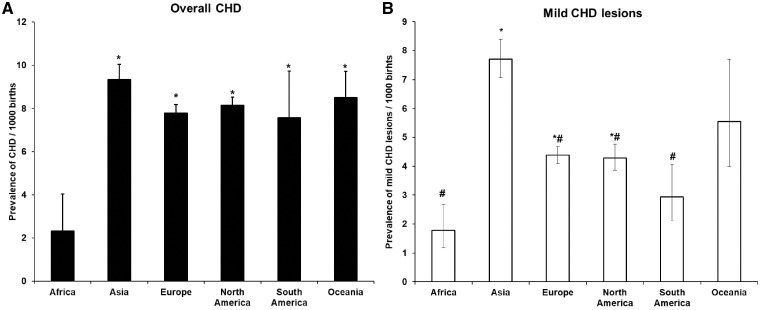
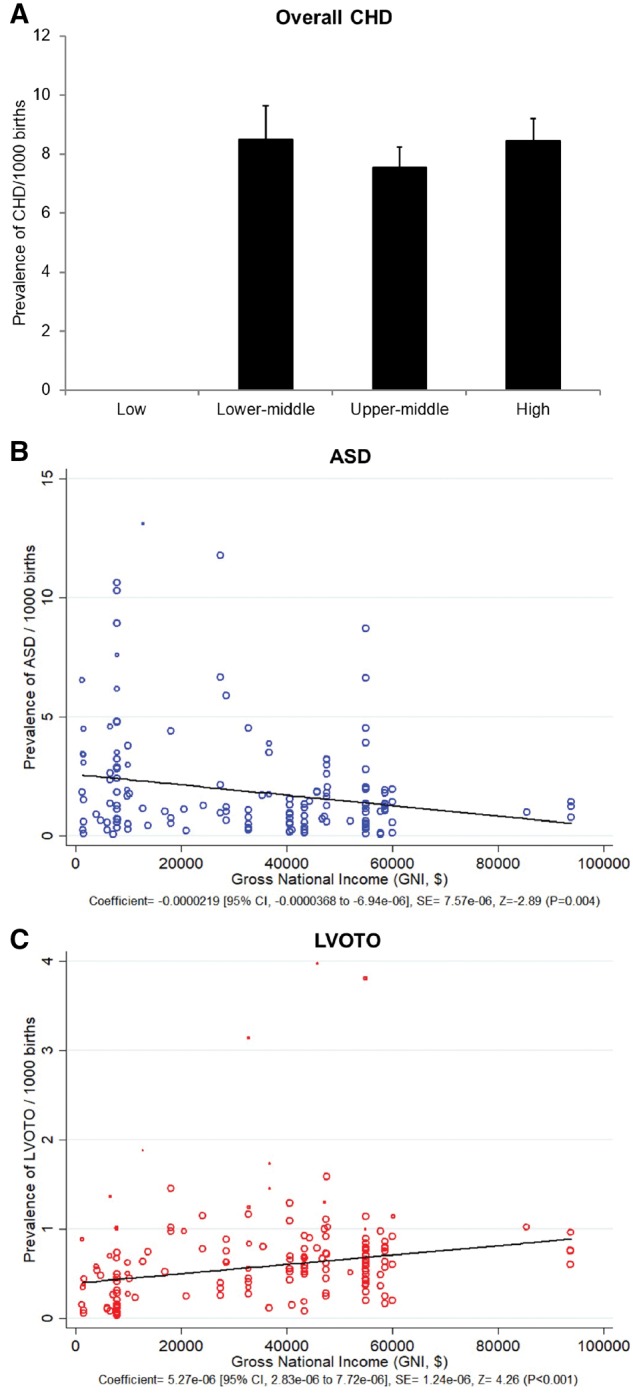
BACKGROUND: Globally, access to healthcare and diagnostic technologies are known to substantially impact the reported birth prevalence of congenital heart disease (CHD). Previous studies have shown marked heterogeneity between different regions, with a suggestion that CHD prevalence is rising globally, but the degree to which this reflects differences due to environmental or genetic risk factors, as opposed to improved detection, is uncertain. We performed an updated systematic review to address these issues. METHODS: Studies reporting the birth prevalence of CHD between the years 1970-2017 were identified from searches of PubMed, EMBASE, Web of Science and Google Scholar. Data on the prevalence of total CHD and 27 anatomical subtypes of CHD were collected. Data were combined using random-effect models. Subgroup and meta-regression analyses were conducted, focused on geographical regions and levels of national income. RESULTS: Two hundred and sixty studies met the inclusion criteria, encompassing 130 758 851 live births. The birth prevalence of CHD from 1970-2017 progressively increased to a maximum in the period 2010-17 of 9.410/1000 [95% CI (confidence interval) 8.602-10.253]. This represented a significant increase over the fifteen prior years (P = 0.031). The change in prevalence of mild CHD lesions (ventricular septal defect, atrial septal defect and patent ductus arteriosus) together explained 93.4% of the increased overall prevalence, consistent with a major role of improved postnatal detection of less severe lesions. In contrast the prevalence of lesions grouped together as left ventricular outflow tract obstruction (which includes hypoplastic left heart syndrome) decreased from 0.689/1000 (95% CI 0.607-0.776) in 1995-99, to 0.475/1000 (95% CI 0.392-0.565; P = 0.004) in 2010-17, which would be consistent with improved prenatal detection and consequent termination of pregnancy when these very severe lesions are discovered. There was marked heterogeneity among geographical regions, with Africa reporting the lowest prevalence [2.315/1000 (95% CI 0.429-5.696)] and Asia the highest [9.342/1000 (95% CI 8.072-10.704)]. CONCLUSIONS: The reported prevalence of CHD globally continues to increase, with evidence of severe unmet diagnostic need in Africa. The recent prevalence of CHD in Asia for the first time appears higher than in Europe and America, where disease ascertainment is likely to be near-complete, suggesting higher genetic or environmental susceptibility to CHD among Asian people.
Overview
The claims and statistics of this paper haven’t been checked yet.
Free: it reads the open-access text and checks the first 5 claims that cite a source we can check. Create a free account to check every claim.
Integrity signals
Registry
Cites
Statistics
Figures
Verification
Claims the paper makes
The claims and statistics of this paper haven’t been checked yet.
Free: it reads the open-access text and checks the first 5 claims that cite a source we can check. Create a free account to check every claim.
Claims other papers make about this one
Each is checked against this paper’s own text: does it say what the citing paper says it does?
The cited source doesn’t support the claim as written.
In the citing paper
“In a subgroup analysis based on the geographic region, a surprisingly high prevalence was reported across all regions of Sub-Saharan Africa.”
From Pooled prevalence and subgroup variations of Tetralogy of Fallot among children and adolescents with congenital heart defect in Sub-Saharan Africa: A systematic review and meta-analysis (2025) · cites this paper as [10]
Checked by a reasoning model — may be wrong.
Experimental — accuracy not yet measuredThe source backs part of the claim, not all of it — or backs it for a different population, condition or comparison.
In the citing paper
“Globally, it accounts for 3% to 5% of all CHD cases, with an estimated incidence of 2.8 to 3.4 per 10,000 live births [2, 10].”
From Pooled prevalence and subgroup variations of Tetralogy of Fallot among children and adolescents with congenital heart defect in Sub-Saharan Africa: A systematic review and meta-analysis (2025) · cites this paper as [10]
Experimental — accuracy not yet measuredThe source backs part of the claim, not all of it — or backs it for a different population, condition or comparison.
In the citing paper
“The prevalence of Tetralogy of Fallot observed was found considerably higher compared to global estimate and reports of developed countries.”
From Pooled prevalence and subgroup variations of Tetralogy of Fallot among children and adolescents with congenital heart defect in Sub-Saharan Africa: A systematic review and meta-analysis (2025) · cites this paper as [10]
Experimental — accuracy not yet measured
Self-check
Percentages, sums and reported differences re-computed from the paper’s own numbers.
The self-check needs the paper’s full text.
Citations
Cites
Cochrane Handbook for Systematic Reviews of Interventions: Cochrane Book Series
(2008) · doi:10.1002/9780470712184 · Cited by 25,048
The incidence of congenital heart disease.
Hoffman, J. I. E., & Kaplan, S. (2002) · Journal of the American College of Cardiology · doi:10.1016/s0735-1097(02)01886-7 · Cited by 6,099
Birth prevalence of congenital heart disease worldwide
van der Linde, D., Konings, E. E. M., Slager, M. A., Witsenburg, M., Helbing, W. A., Takkenberg, J. J. M., & Roos-Hesselink, J. W. (2011) · Journal of the American College of Cardiology · doi:10.1016/j.jacc.2011.08.025 · Cited by 3,452 · cited 6×
“A systematic review of global prevalence data since 1930 was conducted by van der Linde et al.1 in 2010, suggesting an increase in CHD prevalence from the 1930s until 1995, with stabilization between the years 1995–2009.”
BackgroundMethodInfluentialLuchini, C., Stubbs, B., Solmi, M., & Veronese, N. (2017) · World Journal of Meta-Analysis · doi:10.13105/wjma.v5.i4.80 · Cited by 977
Genetics and Genomics of Congenital Heart Disease
Zaidi, S., & Brueckner, M. (2017) · Circulation Research · doi:10.1161/circresaha.116.309140 · Cited by 565 · cited 1×
“It is known that genetic copy number variants and de novo single-nucleotide variants may account for up to 20% of CHD accompanied by extracardiac malformations and/or intellectual impairment.(21) We were unable to stratify participants in the individual studies based on these additional diagnoses.”
BackgroundDu, Y., Xu, X., Chu, M., Guo, Y., & Wang, J. (2016) · PubMed · doi:10.3978/j.issn.2072-1439.2015.11.37 · Cited by 525
Seeking causes: Classifying and evaluating congenital heart defects in etiologic studies
Botto, L. D., Lin, A. E., Riehle‐Colarusso, T., Malik, S., & Correa, A. (2007) · Birth Defects Research Part A: Clinical and Molecular Teratology · doi:10.1002/bdra.20403 · Cited by 469 · cited 2×
“In the principal analyses, CHD was classified into seven phenotypic categories, following the approach of Botto et al.(7) which groups together lesions on the basis of their anatomical/developmental similarity (Supplementary Table 2, available as Supplementary data at IJE online).”
MethodMoller, A.-B., Petzold, M., Chou, D., & Say, L. (2017) · The Lancet Global Health · doi:10.1016/s2214-109x(17)30325-x · Cited by 377
Ambient Air Pollution and Risk of Congenital Anomalies: A Systematic Review and Meta-analysis
Vrijheid, M., Martinez, D., Manzanares, S., Dadvand, P., Schembari, A., Rankin, J., & Nieuwenhuijsen, M. (2011) · Environmental Health Perspectives · doi:10.1289/ehp.1002946 · Cited by 305
Congenital heart disease: current knowledge about causes and inheritance
Blue, G. M., Kirk, E. P., Sholler, G. F., Harvey, R. P., & Winlaw, D. S. (2012) · Medical Journal of Australia · doi:10.5694/mja12.10811 · Cited by 241 · cited 3×
“The studies included in the meta-analysis showed high heterogeneity, as expected, given the unknown aetiological factors for around 80% of CHDs.2 Potentially, hospitalbased studies could have provided upwardly biased estimates of prevalence compared to national registries, both of which were included in the meta-analy…”
BackgroundResultInfluential
Research works printed but not linked: 1
- United Nations. World Economic Situation and Prospects. New York: United Nations, UN, 2014.
Cited by
Items 401–500 of 1,000
Odogwu, N. M., Hagen, C. E., & Nelson, T. J. (2023) · Frontiers in Genetics · doi:10.3389/fgene.2023.1278747 · Cited by 8
“…261,247 infant deaths recorded globally, congenital heart diseases (CHDs) remain the most common and severe birth defect (Hoffman and Kaplan, 2002; Reller et al., 2008; Leirgul et al., 2014; GBD, 2017 Congenital Heart Disease Collaborators, 2020; Bakker et al., 2019; Liu et al., 2019).”
BackgroundSwanson, L., Sivera, R., Capelli, C., Alosaimi, A., Mroczek, D., Lam, C. Z., Cook, A. C., Chaturvedi, R. R., & Schievano, S. (2024) · Journal of Cardiovascular Development and Disease · doi:10.3390/jcdd11100330 · Cited by 7
“A recent meta-analysis, studying CHD prevalence between 1970 and 2017, identified tetralogy of Fallot (ToF) and pulmonary stenosis as the 4th and 5th most common CHD sub types, accounting for 10% of CHD diagnosis [2].”
BackgroundVieira, M. F., Bravo‐Valenzuela, N. J., Carvalho, F. H. C., Rocha, L. A., & Júnior, E. A. (2024) · Journal of Ultrasound in Medicine · doi:10.1002/jum.16609 · Cited by 9
Maternal green space exposure and congenital heart defects: A population-based study
Zhen, S., Lu, Z., Li, Q., Yin, Z., Cui, H., Li, Y., Wu, S., Li, K., Zhao, Y. Y., Liang, F., et al. (2024) · Environmental Research · doi:10.1016/j.envres.2024.120745 · Cited by 8
Huang, Z., Li, X., Qiu, M., Chen, J., Tian, M., Han, F., Ou, Y., Liu, X., Zhou, C., Yuan, H., et al. (2020) · Molecular Medicine Reports · doi:10.3892/mmr.2020.11332 · Cited by 7
Cochrane corner: Physical activity interventions for people with congenital heart disease
Wadey, C. A., Pieles, G. E., Stuart, G., Taylor, R., Long, L., & Williams, C. A. (2021) · Heart · doi:10.1136/heartjnl-2020-318459 · Cited by 7
Schnapper, M., Dalal, I., Mandelberg, A., Sternfeld, A. R., Sasson, L., & Domany, K. A. (2022) · Pediatric Pulmonology · doi:10.1002/ppul.25869 · Cited by 7
“2 cases per 1000 live births.(1) Many children with CHD will require surgical interventions during infancy and childhood.”
BackgroundSun, M., Zhang, S., Li, Y., Chen, L., Diao, J., Li, J., Wei, J., Song, X., Liu, Y., Shu, J., et al. (2022) · Frontiers in Cardiovascular Medicine · doi:10.3389/fcvm.2022.916882 · Cited by 7
Self-citationTruong, T., Nguyen, M. T., Kim, N., Nguyen, T. T., Do, D. L., Le, T., & Le, H. (2022) · Health Science Reports · doi:10.1002/hsr2.732 · Cited by 7
“As longevity and healthcare quality improve, many patients with CHD now survive until adulthood, markedly changing the disease pattern and requiring management in adulthood.(1) According to updated guidelines, such management should be comprehensive.”
BackgroundStrack, K., Freilinger, S., Busse, A. J., Ewert, P., Hauser, M., Huntgeburth, M., Kaemmerer, A.-S., Nagdyman, N., Schopen, J., Kaemmerer, H. M., et al. (2022) · Cardiovascular Diagnosis and Therapy · doi:10.21037/cdt-22-266 · Cited by 9
Xia, Y. X., Cheng, L., Duan, J., Ma, J., & Zhang, Y. (2022) · Journal of Cardiovascular Translational Research · doi:10.1007/s12265-022-10301-5 · Cited by 8
Alghaith, F. A., Arts, H. H., Plourde, F. J., Boswall, A., Gulati, P., McNeely, P. D., Acott, P. D., Wong, K. K., & Dyack, S. (2022) · American Journal of Medical Genetics Part A · doi:10.1002/ajmg.a.63023 · Cited by 7
“Twenty percent of patients with CHD have a known cause, including genetic syndromes, teratogens, and gestational diabetes (Liu et al., 2019).”
BackgroundTabib, A., Talebi, T., Ghasemi, S., Pourirahim, M., Naderi, N., Maleki, M., & Kalayinia, S. (2022) · European journal of medical research · doi:10.1186/s40001-022-00920-8 · Cited by 7
“Moreover, CHDs include structural malformations in the heart and great vessels that occur during the development of the fetus [3].”
BackgroundWang, H., Lin, X., Wang, Z., He, S., Dong, B., & Lyu, G. (2023) · PeerJ · doi:10.7717/peerj.14962 · Cited by 7
“3 of 1,000 births and accounts for 39% of cases of congenital heart disease (CHD) in infants (Liu et al., 2019).”
BackgroundHuth, E. A., Zhao, X., Owen, N. M., Luna, P. N., Vogel, I., Dorf, I. L. H., Joss, S. K., Clayton‐Smith, J., Parker, M. J., Louw, J. J., et al. (2023) · European Journal of Human Genetics · doi:10.1038/s41431-023-01451-4 · Cited by 8
“APVRaffects approximately 1 in 10,000 newborns and accounts for up to 2.3% of all CHDs [3, 4].”
BackgroundInfluentialEffect of deletion of the protein kinase PRKD1 on development of the mouse embryonic heart
Waheed‐Ullah, Q., Wilsdon, A., Abbad, A., Rochette, S., Bu'Lock, F. A., Hitz, M., Dombrowsky, G., Cuello, F., Brook, J. D., & Loughna, S. (2024) · Journal of Anatomy · doi:10.1111/joa.14033 · Cited by 8
“Congenital heart disease (CHD) is the most common congenital defect in newborns (Kalisch-Smith et al., 2020 ; Liu et al., 2019).”
BackgroundTalukder, M. F., Li, H., Liang, F., & Khashru, M. B. B. (2020) · International Surgery Journal · doi:10.18203/2349-2902.isj20200328 · Cited by 7
“410 per 1000 live births, which has been increasing since 1970.(2) The prevalence of congenital pulmonary stenosis (PS) is 8-10% (about 1 per 2000 live births worldwide) of all CHD.”
BackgroundEhrler, M., von Rhein, M., Schlosser, L., Brugger, P., Greutmann, M., Kretschmar, O., Latal, B., & Tuura, R. (2021) · NeuroImage Clinical · doi:10.1016/j.nicl.2021.102885 · Cited by 10
“Introduction Congenital heart disease (CHD) is the most common birth defect, affecting about 1 in 100 live born children (Liu et al., 2019; Van Der Linde et al., 2011).”
BackgroundCurrent Status of Paediatric Cardiac Surgery in Pakistan
Javed, S., Bajwa, T. H., Bajwa, M. S., & Shah, S. S. A. (2021) · Annals of King Edward Medical University · doi:10.21649/akemu.v27i2.4542 · Cited by 7
DNMT3B rs2424913 as a Risk Factor for Congenital Heart Defects in Down Syndrome
Majstorović, D., Barišić, A., Božović, I. B., Bilić, I., Čače, N., Štifanić, M., & Vraneković, J. (2023) · Genes · doi:10.3390/genes14030576 · Cited by 7
“CHDs are defined as a developmentally and clinically heterogeneous group of structural and functional congenital malformations of the heart and/or large blood vessels that result from the incomplete development of the heart during cardiac embryogenesis [3].”
Operational and Ethical Considerations for a National Adult Congenital Heart Disease Database
Bradley, E. A., Khan, A., McNeal, D. M., Bravo‐Jaimes, K., Khanna, A., Cook, S. C., Opotowsky, A. R., John, A., Lee, M., Pasquali, S., et al. (2022) · Journal of the American Heart Association · doi:10.1161/jaha.121.022338 · Cited by 10
“to understanding ACHD- based data and clinical outcomes, and to provide a platform for future data collection, benchmarks and initiatives, we will (1) evaluate ethical principles in largescale data collection for the population of patients with ACHD,9 and (2) discuss strategies that promote sound governance, avoid bia…”
BackgroundLotto, R. R., Nicholson, C., & Kucia, A. M. (2022) · Wiley eBooks · doi:10.1002/9781119117810.ch24 · Cited by 7
van Genuchten, W. J., Averesch, H., van Dieren, Q. M., Bonnet, D., Odermarsky, M., Beghetti, M., Roos‐Hesselink, J. W., Reinhardt, Z., Male, C., Naumburg, E., et al. (2024) · International Journal of Cardiology · doi:10.1016/j.ijcard.2024.132723 · Cited by 7
Sun, W., Dong, Q., Zhang, Y., Wang, H., Wang, Y., Yuan, W., Wang, L., Shi, X., Feng, Y., Wang, H., et al. (2025) · Frontiers in Public Health · doi:10.3389/fpubh.2025.1562461 · Cited by 7
“This rate is comparable to the global average of 2–4% (21) and similar to findings in Wuhan (19.08‰) (11) but higher than Guilin (13.55‰) (22), despite the latter having better air quality (23, 24).”
InfluentialSauter, C., Hofbeck, M., Franz, P., Kettenstock, L., Steger, K., Linhardt, M. J., Reiter, A. M. F., Störk, S., Romanos, M., & Radtke, F. (2025) · Journal of Medical Genetics · doi:10.1136/jmg-2025-110624 · Cited by 6
Martins, G., & Chaves, V. C. C. (2026) · The Cardiothoracic Surgeon · doi:10.1186/s43057-026-00186-4 · Cited by 6
“Congenital heart disease remains the most common birth defect worldwide, affecting 8–12 per 1000 live births, with a substantial proportion of patients requiring surgical intervention to survive and achieve acceptable quality of life [1, 2].”
Atrial Flutters in Adults with Congenital Heart Disease
Capestro, A., Soura, E., Compagnucci, P., Casella, M., Marzullo, R., & Russo, A. D. (2022) · Cardiac Electrophysiology Clinics · doi:10.1016/j.ccep.2022.05.008 · Cited by 6
Zafar, M., Saqlain, M., Raja, A. M., Shaiq, P. A., Asad, M. J., Shah, M. K. N., Fatima, F., Valadi, H., Nawaz, M., & Raja, G. K. (2022) · Genes · doi:10.3390/genes13122226 · Cited by 6
“MetS is predicted to increase the risk of CHD episodes by two-fold and mortality by one-and-a-half-fold in the next 5 to 10 years [9–11], regardless of gender and age [12].”
BackgroundLin, S., Shi, S., Lü, J., He, Z., Li, D., Huang, L., Huang, X., Zhou, Y. Y., & Luo, Y. (2024) · Molecular Cytogenetics · doi:10.1186/s13039-023-00664-y · Cited by 7
“Routine screening of fetal anatomical structures using improved ultrasound technology has partly increased prenatal detection of CHD in recent decades [3, 5].”
BackgroundInoue, T., Takase, R., Uchida, K., Kodo, K., Suda, K., Watanabe, Y., Yoshiura, K.-I., Kunimatsu, M., Ishizaki, R., Azuma, K., et al. (2024) · Journal of Human Genetics · doi:10.1038/s10038-024-01225-w · Cited by 8
“Congenital heart disease (CHD) is caused by defects in cardiovascular development during the fi rst trimester of gestation and represents the most common and life-threatening congenital birth defect among neonates worldwide with an incidence of 8.60 – 10.25 per 1000 births [1].”
BackgroundInfluentialDu, Q., Li, X., Wang, Z., Sun, C., Zhang, X., Liang, J., Guo, H., Chen, N., Yu, H., Zhu, X., et al. (2024) · BMC Medicine · doi:10.1186/s12916-023-03242-6 · Cited by 9
“Congenital heart disease (CHD) is one of the most common structural abnormalities of the cardiovascular system, occurring in 9.41 of every 1000 live births [1].”
BackgroundInfluentialLuo, X., Liu, L., Rong, H., Liu, X., Yang, L., Li, N., & Shi, H. (2024) · Genome Medicine · doi:10.1186/s13073-024-01372-x · Cited by 6
“Despite improved prenatal care and increased awareness of risk factors, the global incidence of CHD has steadily increased over the last five decades [3].”
BackgroundSelf-citationSchamong, A. S., Seven, Ü. S., Folkerts, A., Brockmeier, K., & Kalbe, E. (2024) · Journal of Child Health Care · doi:10.1177/13674935241273982 · Cited by 9
“Research with siblings of children with congenital heart disease (CHD) is scarce (Parker et al., 2020; Schamong et al., 2021) despite the large number of children affected (Liu et al., 2019).”
Stark, R. J., Schrimpe‐Rutledge, A. C., Codreanu, S. G., Sherrod, S. D., MCLEAN, J. A. J., Krispinsky, L. T., & Lamb, F. S. (2024) · Shock · doi:10.1097/shk.0000000000002446 · Cited by 6
Liu, H. H.-P., & Cortez, D. (2024) · Indian Pacing and Electrophysiology Journal · doi:10.1016/j.ipej.2024.09.001 · Cited by 6
Folic Acid and Selected Risk Factors for Fetal Heart Defects—Preliminary Study Results
Kolmaga, A., Trafalska, E., Gaszyńska, E., Murlewska, J., Witkowski, S., Sylwestrzak, O., Sokołowski, Ł., Respondek‐Liberska, M., & Strzelecka, I. (2024) · Nutrients · doi:10.3390/nu16173024 · Cited by 7
Lim, C. W., Jensen, A. S., Marstein, C. M., Bække, P. S., Thuraiaiyah, J., Lytzen, R. M. T., Jøns, C., Schmidt, M. R., Søndergaard, L., & Jørgensen, T. H. (2024) · Journal of the American Heart Association · doi:10.1161/jaha.124.035115 · Cited by 6
Rare homozygous cilia gene variants identified in consanguineous congenital heart disease patients
Baird, D. A., Mubeen, H., Doğanlı, C., Miltenburg, J. B., Thomsen, O. K., Ali, Z., Naveed, T., Rehman, A. U., Baig, S. M., Christensen, S. T., et al. (2024) · Human Genetics · doi:10.1007/s00439-024-02703-z · Cited by 8
“Congenital heart defects (CHD) comprise simple to complex heart malformations, which affect up to one percent of live births (Liu et al. 2019; van der Linde et al. 2011).”
Chlench, S., & Freudenthal, N. J. (2024) · Critical Care Explorations · doi:10.1097/cce.0000000000001170 · Cited by 6
Morbidity Burden in Patients With Ebstein Anomaly: The Natural History
Eckerström, F., Hjortdal, V. E., Eriksson, P., Dellborg, M., & Mandalenakis, Z. (2024) · Journal of the American Heart Association · doi:10.1161/jaha.124.037127 · Cited by 6
“Ebstein anomaly (EA) is a rare congenital heart disease 3 that is defined by malformation and apical displacement of the tricuspid valve, resulting in an incompetent tricuspid valve with a dysfunctional right ventricle.”
Zhen, S., Li, N., Yan, L., Li, Q., Lu, Z., Yin, Z., Dou, Y., Wu, S., Liu, Y., Zhang, X., et al. (2024) · Ecotoxicology and Environmental Safety · doi:10.1016/j.ecoenv.2024.117408 · Cited by 7
Self-citationBarbazi, N., Shin, J. Y., Hiremath, G. M., & Lauff, C. (2025) · JMIR Formative Research · doi:10.2196/63818 · Cited by 7
Danso, K. A., Appah, G., Akuaku, R. S., Karikari, Y. S., Ansong, A. K., Edwin, F., & Yao, N.-A. (2024) · World Journal for Pediatric and Congenital Heart Surgery · doi:10.1177/21501351241299405 · Cited by 10
“Two additional studies were obtained from other sources; one from the included studies of Liu et al 5 and the other from a Ghanaian pediatrician with a particular interest in cardiology.”
Bokhari, S. F. H., Sattar, S. M. F., Mehboob, U., Umais, M., Ahmad, M. S., Malik, A., Bakht, D., Iqbal, A., & Dost, W. (2025) · World Journal of Cardiology · doi:10.4330/wjc.v17.i3.103668 · Cited by 6
Schlein, J., Ungerböck, C., Tertschnig, D., Kaider, A., Karner, B., Atteneder, C., Urganci, E., Werner, P., Base, E., Muríň, P., et al. (2025) · Journal of Clinical Medicine · doi:10.3390/jcm14093160 · Cited by 8
“D-Transposition of the great arteries (d-TGA) is a cyanotic complex congenital heart defect and has an incidence of 0.3 per 1000 livebirths [1].”
InfluentialCabral, G. H. B., Guerra, J. I. E., Pedrosa, K. U., Conrado, P. L. M., Fonseca, J. H. D. A., Luna, V. L. M., Galvão, P. V. M., & Conrado, G. A. M. (2025) · BMC Cardiovascular Disorders · doi:10.1186/s12872-025-05079-8 · Cited by 12
Kristjánsdóttir, Ó., Sjöström‐Strand, A., & Kristjánsdóttir, G. (2020) · International Journal of Environmental Research and Public Health · doi:10.3390/ijerph17238840 · Cited by 7
“CHDs are the most common congenital abnormality among infants, with the global yearly prevalence estimated at about 1% [4].”
BackgroundA case of computed tomography diagnosis of truncus arteriosus type IV
Sadiq, A. M., & Sadiq, A. M. (2021) · Oxford Medical Case Reports · doi:10.1093/omcr/omaa144 · Cited by 6
Parenteral versus enteral nutrition in children with post-surgical congenital heart disease.
Alakeel, Y. S., Ismail, W., Alrubayan, N. I., & Almajed, M. A. (2021) · PubMed Central · Cited by 8
Diao, J., Zhao, L., Luo, L., Li, J., Li, Y., Zhang, S., Wang, T., Chen, L., Huang, P., & Qin, J. (2021) · Medicine · doi:10.1097/md.0000000000026268 · Cited by 9
“Over the past decades, researchers have found that one-fifth of CHD can be attributed to exposure to teratogen, genetic syndromes, and maternal diabetes, while the remaining remains unclear.([1]) Smoking during peri-conception is an important environmental factor that has been reported to have an obvious teratogenic e…”
BackgroundMotor development in infants with complex congenital heart disease: A longitudinal study
Huisenga, D. C., Gemert, S. L. B., Bergen, A. H. V., Sweeney, J. K., & Hadders‐Algra, M. (2022) · Developmental Medicine & Child Neurology · doi:10.1111/dmcn.15287 · Cited by 6
“We addressed the following questions: (1) Do infants with CCHD have worse IMP outcomes at 6 months, 12 months, and 18 months corrected age than reference infants in terms of raw scores and prevalence of children scoring below the 15th centile? (2) Do children with single ventricle physiology have worse IMP outcomes th…”
BackgroundMethodInfluentialWang, Y., Dai, X., Liu, H., Peng, J., & Chen, J. (2022) · Prenatal Diagnosis · doi:10.1002/pd.6294 · Cited by 6
Risk factors characterisation for CHD: a case–control study in Bogota and Cali, Colombia, 2002–2020
Portilla‐Rojas, E., Harizanov, V., Sarmiento, K., Holguín, J., Gracia, G. M., Hurtado-Villa, P. M., & Zarante, I. (2023) · Cardiology in the Young · doi:10.1017/s1047951123001324 · Cited by 6
de Hosson, M., Groote, K. D., Wynendaele, H., Mosquera, L. M., Goossens, E., & Backer, J. F. A. D. (2023) · European Journal of Pediatrics · doi:10.1007/s00431-023-05020-1 · Cited by 6
Taha, M., Awny, N., Ismail, S. M., Ashaat, E. A., & Senousy, M. A. (2023) · Gene · doi:10.1016/j.gene.2023.147660 · Cited by 6
Liver stiffness in Fontan patients: the effect of respiration and food intake
Braun, A., Mühlberg, R., Fischer, M., Haas, N. A., & Meyer, Z. (2023) · Frontiers in Medicine · doi:10.3389/fmed.2023.1192017 · Cited by 6
“45% percent of these are univentricular in which an anatomical correction via surgery is not possible (1, 2).”
BackgroundPang, C., Wang, Y., Shen, J., Yang, L., Li, Y., & Pan, W. X. (2023) · Pediatrics & Neonatology · doi:10.1016/j.pedneo.2023.05.010 · Cited by 6
Decreased lipid levels in adult with congenital heart disease: a systematic review and Meta-analysis
Ma, F., Li, P., Zhang, S., Shi, W., Wang, J., Ma, Q., Zhao, M., Nie, Z., Xiao, H., Chen, X., et al. (2023) · BMC Cardiovascular Disorders · doi:10.1186/s12872-023-03455-w · Cited by 6
“The main search terms used were [1] congenital heart disease, congenital heart defect, CHD, heart abnormality, heart malformation; and [2] adults; and [3] lipid, glucose, blood pressure and BMI.”
BackgroundInfluentialPrevalence of anxiety and depression in adult patients with CHD
Keshavarzi, R., Divsalar, P., & Aliramezany, M. (2023) · Cardiology in the Young · doi:10.1017/s1047951123004079 · Cited by 6
García‐Cruz, E., Villalobos-Pedroza, M., Antonio‐Villa, N. E., Manzur‐Sandoval, D., Navarro-Martínez, D. A., Barrera-Real, A. J., y Terán-Morales, E. M., Angulo-Cruzado, S. T., García-González, N. E., Cervantes-Salazar, J. L., et al. (2024) · International Journal of Cardiology Congenital Heart Disease · doi:10.1016/j.ijcchd.2024.100492 · Cited by 9
Ali, S. I., Khan, O. Y., Naveed, N., Ahmad, H., Patel, N., & Arif, A. (2024) · Human Genomics · doi:10.1186/s40246-023-00566-5 · Cited by 6
“According to a systematic review, 10% CHD prevalence increases in every 5 years [7].”
BackgroundAssessment of mental health and quality of life among children with congenital heart disease
Sehmawy, A. A. E., Elaziz, S. Y. A., Elsheikh, A. A., Elsawy, F. A., Amin, A. A. E., Omran, A. M., & Malek, A. Y. A. E. (2024) · Journal of Pediatric Rehabilitation Medicine · doi:10.3233/prm-220109 · Cited by 9
Fakhri, D., Damayanti, N. M. A. S., & Nurhanif, M. (2023) · Annals of Pediatric Cardiology · doi:10.4103/apc.apc_142_23 · Cited by 6
“[1-3] There are currently multiple risk stratification tools available, including Aristotle Basic Complexity Score (ABC), Aristotle Comprehensive Complexity (ACC), Risk Adjustment in Congenital Heart Surgery (RACHS-1), Society of Thoracic Surgeons and European Association for Cardiothoracic Surgery…”
MethodAssociation between parental decisions regarding abortion and severity of fetal heart disease
Nakao, M., Kuwabara, M., Saito, M., Horiuchi, C., Morisaki, H., Kishiki, K., Hamamichi, Y., Orui, I., Ono, R., Suzuki, R., et al. (2024) · Scientific Reports · doi:10.1038/s41598-024-66027-8 · Cited by 8
Congenital Heart Disease in the Pediatric Population in Eastern India: A Descriptive Study
Chatterjee, S. C., Dutta, S., Ghosh, S. K., Das, S., & Bhattachary, N. (2020) · Indian Pediatrics · doi:10.1007/s13312-020-1738-5 · Cited by 6
Fetal congenital heart disease and fetal position – are they related?
Karuga, F. F., Szmyd, B. M., & Respondek‐Liberska, M. (2019) · Prenatal Cardiology · doi:10.5114/pcard.2019.92544 · Cited by 6
Mutations in the tail domain of MYH3 contributes to atrial septal defect
Maran, S., Ee, R., Faten, S. A., Bing, C. S., Khaw, K. Y., Lim, S. E., Lai, K., Ibrahim, W. P. W., Zain, M. R. M., Chan, K., et al. (2020) · PLoS ONE · doi:10.1371/journal.pone.0230982 · Cited by 6
“The influence of genetic factors in contributing to a high incidence of CHD among Asians has not been clearly described despite reports indicating a potentially higher exposure due to genetic factors [14].”
BackgroundRecent Advances in Digital System Diagnosis and Management of Healthcare
Sartipi, K., & Edoh, T. (2019) · IntechOpen eBooks · doi:10.5772/intechopen.83130 · Cited by 8
Gong, L., Wang, C., Xie, H., Gao, J., Li, T., Qi, S., Wang, B., & Wang, J. (2022) · Molecular Genetics & Genomic Medicine · doi:10.1002/mgg3.1909 · Cited by 8
Liu, Z., Cheng, M., Fu, F., Li, R., Han, J., Yang, X., Deng, Q., Li, L., Lei, T., Li, D., et al. (2022) · Bioengineered · doi:10.1080/21655979.2022.2062525 · Cited by 6
“A systematic review published in 2019 investigated the global incidence of neonatal CHD from 1970 to 2017 [4].”
BackgroundGirch, A., Rippe, R. C. A., Latour, J. M., Stocker, M. J., Blendermann, M., Hoffmann, K., Heppner, H., Berger, F. F., Schmitt, K. R. L., & Ferentzi, H. (2022) · Frontiers in Cardiovascular Medicine · doi:10.3389/fcvm.2022.901260 · Cited by 12
Xie, Y., Li, Q.-L., Li, X.-L., & Yang, F. (2023) · World Journal of Clinical Cases · doi:10.12998/wjcc.v11.i8.1771 · Cited by 7
Geleta, B. E., & Mulu, A. (2025) · PLOS ONE · doi:10.1371/journal.pone.0311686 · Cited by 5
Congenital heart disease research landscape in the Arab world: a 25-year bibliometric review
Bitar, F., Arabi, M. T., Bulbul, Z. R., Nemer, G. M., Jassar, Y., Bitar, F. F., & Sater, Z. A. (2024) · Frontiers in Cardiovascular Medicine · doi:10.3389/fcvm.2023.1332291 · Cited by 5
Bolunduț, A. C., Mureșan, X. M., Suflețel, R. T., Mocan, L. P., Pîrv, S., Șușman, S., & Mihu, C. M. (2025) · Life · doi:10.3390/life15060837 · Cited by 6
“The global burden of congenital heart defects (CHDs) is increasing, reaching a prevalence of 9.41 per 1000 births, becoming about 10% higher in the last 15 years, and being one of the most common types of congenital defects [1].”
InfluentialRhamelani, P., & Rakhmawati, W. (2025) · Journal of Multidisciplinary Healthcare · doi:10.2147/jmdh.s516216 · Cited by 6
Foz, C., Staffa, S. J., Faraoni, D., DiNardo, J. A., & Nasr, V. G. (2025) · Pediatric Anesthesia · doi:10.1111/pan.70040 · Cited by 5
Wu, Y., Andescavage, N. N., Weiner, S. L., Liggett, M., Ngwa, J. S., Kapse, A., Kapse, K. J., McDermott, C., Donofrio, M. T., Wisner, K. L., et al. (2026) · Pediatric Research · doi:10.1038/s41390-026-04859-y · Cited by 5
Schuermans, A., den Eynde, J. V., Jacquemyn, X., Bruaene, A. V. D., Lewandowski, A. J., Kutty, S., Geva, T., Budts, W., Gewillig, M. H. M. L., & Roest, A. A. W. (2022) · The Journal of Pediatrics · doi:10.1016/j.jpeds.2022.11.033 · Cited by 6
Smerling, J. L., Goldstone, A. B., BACHA, E. A., & Liberman, L. (2023) · Journal of Thoracic and Cardiovascular Surgery · doi:10.1016/j.jtcvs.2023.05.014 · Cited by 5
Wu, Y., Meng, C., Liu, J., Wei, Y., & Li, Z. (2023) · China CDC Weekly · doi:10.46234/ccdcw2023.155 · Cited by 5
Shahzad, M., Alheraish, Y. A., Algethami, B., Algheryafi, L. A., Kamel, S., Ghunaim, R., & Al‐Halees, Z. (2024) · Journal of the Saudi Heart Association · doi:10.37616/2212-5043.1364 · Cited by 6
“Over 20 % of the occurrence of CHD may be attributed to teratogen exposure, genetic abnormalities, or maternal diabetes, while 80 % of CHD patients had unidenti fi ed risk factors [1].”
BackgroundInfluentialRakha, S. (2024) · Pediatric Cardiology · doi:10.1007/s00246-024-03479-9 · Cited by 7
“CHD is one of the most common forms of congenital anomalies; the birth prevalence of CHD increased to a maximum in the period of 2010–2017 to reach 9.41/1000 [10].”
InfluentialOmelchenko, A., Jha, N. K., Shah, N. C., AbdelMassih, A. F., Montiel, J. P., & Rajkumar, B. R. (2024) · Journal of Cardiothoracic Surgery · doi:10.1186/s13019-024-02959-6 · Cited by 5
“Ventricular septal defect (VSD), in which 70% of the cases are perimembranous (PM) is the most common congenital cardiac malformation, accounting for approximately 30% of congenital heart defects [1].”
BackgroundFetal Tele-Echocardiography—An Approach to Improving Diagnosis and Management
Ahmed, B. I., El-Sisi, A. M., & Konje, J. C. (2024) · Diagnostics · doi:10.3390/diagnostics14222545 · Cited by 5
“Despite the fact that CHDs contribute to the highest perinatal mortality from congenital malformations, prenatal detection rates vary widely in different geographic regions and for various types of CHDs, with fewer than one half of cardiac anomalies being identified before birth [8–10].”
Rojas, S. F., Nattel, S., Hiram, R., & Khairy, P. (2025) · Canadian Journal of Cardiology · doi:10.1016/j.cjca.2025.01.033 · Cited by 13
Haas, S. D., van der Hulst, A. E., Adel, C., Malekzadeh, A., Blom, N. A., Königs, M., van den Aardweg, J. G., Kuipers, I. M., & Oosterlaan, J. (2025) · Trends in Cardiovascular Medicine · doi:10.1016/j.tcm.2025.04.005 · Cited by 5
Giaquinto, A., Abate, V., Vergatti, A., Muscariello, R., Iervolino, A., Pucci, M., Cavati, G., Pirrotta, F., FILIPPO, G. D., Esposito, R., et al. (2025) · Journal of Internal Medicine · doi:10.1111/joim.20069 · Cited by 5
The Role of Cardiovascular Magnetic Resonance Imaging in Athletic Individuals—A Narrative Review
Grech, N., & Abela, M. (2025) · Journal of Clinical Medicine · doi:10.3390/jcm14103576 · Cited by 7
“There is substantial geographic variation, partly due to improved techniques and more advanced medical care [133].”
Kocher, K. M., Ngwa, J. S., Bhattacharya, S., Donofrio, M. T., Limperopoulos, C., & Andescavage, N. N. (2025) · BMC Medical Genomics · doi:10.1186/s12920-025-02189-2 · Cited by 6
Jiao, X., Zhao, L., Xu, Y., Gao, J., Tang, W., Wu, Y., Yang, L., Huang, J., Sun, K., Guo, Y., et al. (2025) · Frontiers in Public Health · doi:10.3389/fpubh.2025.1657168 · Cited by 6
An interpretable deep learning model for first-trimester fetal cardiac screening
Lei, W., Wen, C., Li, H., Yang, S., Shen, K., Yuan, H., Li, H., Xu, H. L., Gao, X., Zhang, S., et al. (2025) · npj Digital Medicine · doi:10.1038/s41746-025-02217-6 · Cited by 7
Чазова, И. Е., Горбачевский, С. В., Martynyuk, T. V., Shmalts, A. A., Солтановна, В. З., Baryshnikova, I. Y., Glushko, L. A., Владимирович, Г. В., Азизов, В. А., Veselova, T. N., et al. (2022) · Eurasian heart journal · doi:10.38109/2225-1685-2022-1-6-70 · Cited by 8
Akalın, M., Yalçın, M., Demirci, O., İsmailov, H., Odacılar, A. Ş., Dizdaroğulları, G. E., Kahramanoğlu, Ö., Öçal, A., Akalın, E. E., & Dizdaroğulları, M. (2022) · Journal of Psychosomatic Obstetrics & Gynecology · doi:10.1080/0167482x.2022.2124911 · Cited by 5
Wei, J., Xia, F., Miao, J., Wang, T., Chen, L., & Yan, X. (2022) · European Journal of Clinical Pharmacology · doi:10.1007/s00228-022-03416-w · Cited by 5
“22 ‰ of all live-born infants, [4] and the prevalence of CHDs in China is 4.”
BackgroundLiang, Y.-J., Fang, J.-X., Sun, Y., Feng, Z., Liu, C., Zhang, X., Jian, M., Zhong, J., Wang, X., Liu, Y., et al. (2022) · Cardiovascular Diagnosis and Therapy · doi:10.21037/cdt-22-74 · Cited by 5
“Congenital heart disease (CHD) is the most common malformation arising during foetal development, with a rising prevalence of more than 9 per 1,000 live births worldwide affecting millions of newborns each year (1).”
BackgroundSelf-citationDoumbia, A. K., Koné, O., Dembélé, A., Sidibé, N., Banou, N., Diall, H. G., Togo, P. A., Coulibaly, O., Sacko, K., Konaté, D., et al. (2022) · Open Journal of Pediatrics · doi:10.4236/ojped.2022.125087 · Cited by 5
Daelman, B., & Moons, P. (2023) · European Journal of Cardiovascular Nursing · doi:10.1093/eurjcn/zvad010 · Cited by 7
Asemi‐Rad, A., Heidari, Z., Mahmoudzadeh‐Sagheb, H., Mehdipour, Y., Moudi, B., Sheibak, N., & Ebrahimi, S. (2023) · International Journal of Reproductive BioMedicine (IJRM) · doi:10.18502/ijrm.v21i8.14020 · Cited by 5
“In a study that analyzed the prevalence of congenital heart disease (CHD)-related articles worldwide, the result demonstrated that the prevalence of CHD was 9.4 in 1000 live births and globally increased and changed around the world with a considerable increase in Asia (18).”
BackgroundInfluentialImpact of relationship status on psychological parameters in adults with congenital heart disease
Stapel, B., Scharn, N., Halling, T., Akkermann, S., Heitland, I., Westhoff‐Bleck, M., & Kahl, K. G. (2023) · Frontiers in Psychiatry · doi:10.3389/fpsyt.2023.1260664 · Cited by 5
Metadata
- Authors
- Liu, Y., Chen, S., Zühlke, L., Black, G. C., Choy, M.-K., Li, N., & Keavney, B. D.
- Affiliations
- University of Manchester (GB)
- Sichuan University (CN)
- Department of Paediatrics, Red Cross War Memorial Children’s Hospital, University of Cape Town, Cape Town, South Africa
- Manchester Academic Health Science Centre (GB)
- Corresponding author
- Keavney, Bernard D
- Venue
- International Journal of Epidemiology
- Publisher
- Oxford University Press (OUP)
- Published
- 2019-02-19
- Volume
- 48
- Issue
- 2
- Pages
- 455-463
- ISSN
- 0300-5771 (ISSN-L)
- 1464-3685
- PMC
- PMC6469300
- OpenAlex
- W2918094628
- Cited by
- 1,436
- References
- 20
- Citations by year
- 2026: 216 · 2025: 233 · 2024: 288 · 2023: 228 · 2022: 197 · 2021: 162 · 2020: 86 · 2019: 22
- FWCI
- 17.04
- Type
- journal article
- Language
- en
- Open access
- hybrid
- doi.org
- Licence
- Locations
- International Journal of Epidemiology (publishedVersion, cc-by)
- Europe PMC (PubMed Central) (publishedVersion, cc-by)
- PubMed Central (publishedVersion, cc-by)
- PubMed (publishedVersion)
- e-space (Manchester Metropolitan University) (acceptedVersion)
- Research Explorer (The University of Manchester) (submittedVersion, cc-by)
- Funders
- The British Heart Foundation
- The University of Manchester-Peking University Health Science Centre Alliance
- China Scholarships Council
- Medical Research Council
- South African Medical Research Council
- Topics
- Health Sciences › Medicine › Cardiology and Cardiovascular Medicine › Congenital Heart Disease Studies
- Life Sciences › Biochemistry, Genetics and Molecular Biology › Molecular Biology › Congenital heart defects research
- Health Sciences › Medicine › Surgery › Congenital Anomalies and Fetal Surgery
- Keywords
- congenital heart disease, birth prevalence, temporal trends, ventricular septal defect, atrial septal defect, patent ductus arteriosus, left ventricular outflow tract obstruction, hypoplastic left heart syndrome, prenatal diagnosis, abortion, postnatal diagnosis, regional variation, national income, Africa, South America, Asia, Europe
- MeSH terms
- Heart Defects, Congenital, Humans, Infant, Newborn, Global Health, Prevalence, Confidence Intervals
About these checks
Registry, retraction, Cites and statistics results are computed, not judged, with one exception: a printed reference that no index lists is read once by a model before it counts as a citation error. Claims are extracted by a model and kept only when their quote appears verbatim in the text; each cited source is then checked, with a model’s help, for whether it says what the claim relies on. Those verdicts can be wrong — read the claim’s quote and the cited source before relying on one.
Statistics and arithmetic are recomputed, not judged.
Confidence bands are shown only for fields calibrated on our annotated test set. None is calibrated yet, so no band is shown.
What counts as a claim ›How we measure confidence ›How we check this ›
Are you an author, or do you see a problem with this page? Request a review
Data sources
Bibliographic data: Semantic Scholar, OpenAlex, Crossref.
Contains information from the Semantic Scholar Academic Graph Datasets, made available under the ODC Attribution License (ODC-BY 1.0).
Semantic Scholar’s data is described in: Kinney, R., et al. (2023). The Semantic Scholar Open Data Platform. arXiv:2301.10140.
