

Global birth prevalence of congenital heart defects 1970–2017: updated systematic review and meta-analysis of 260 studies
Open accessThe DOI matches its Crossref record; 20 of the 20 references it cites were found in a registry or an index.
Abstract
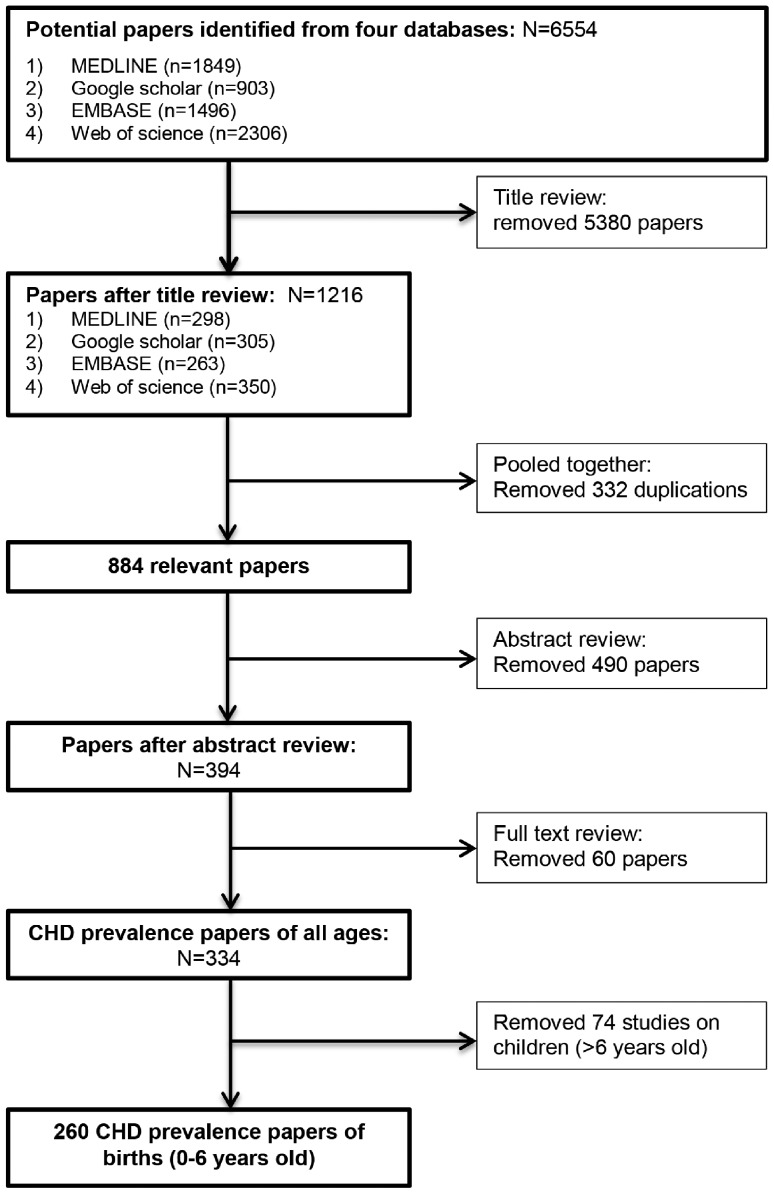
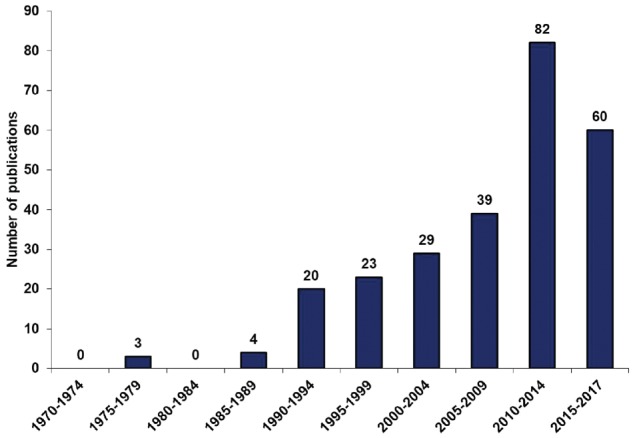
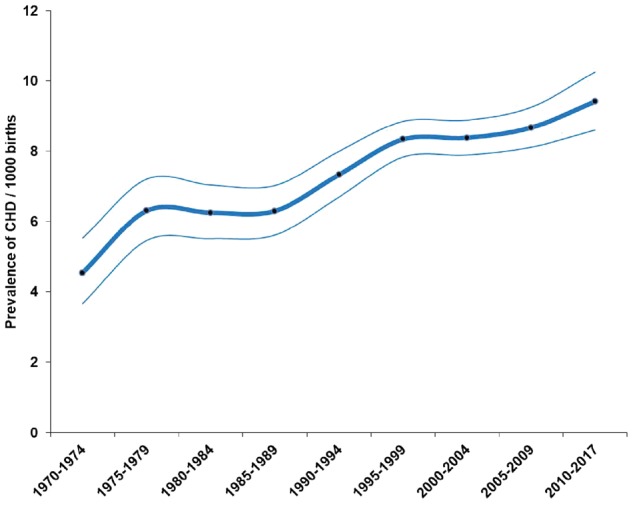
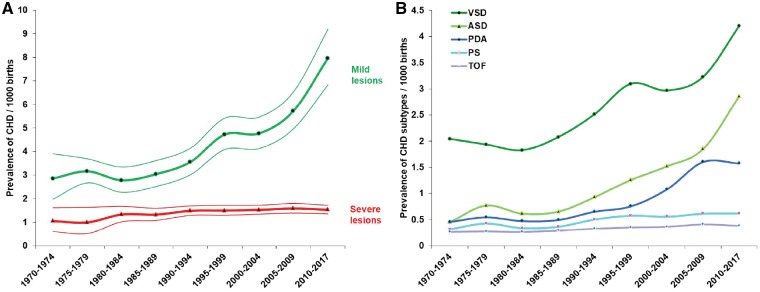
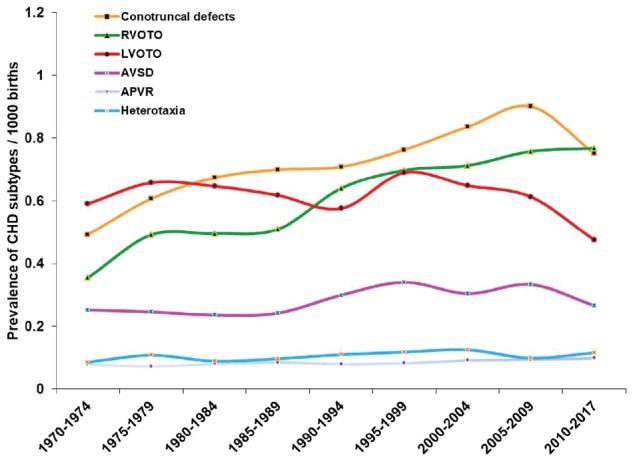
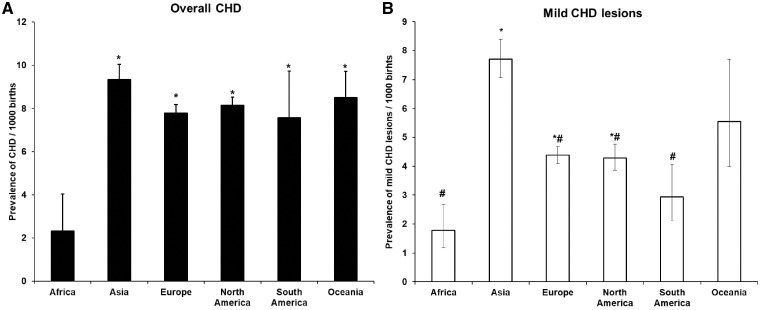
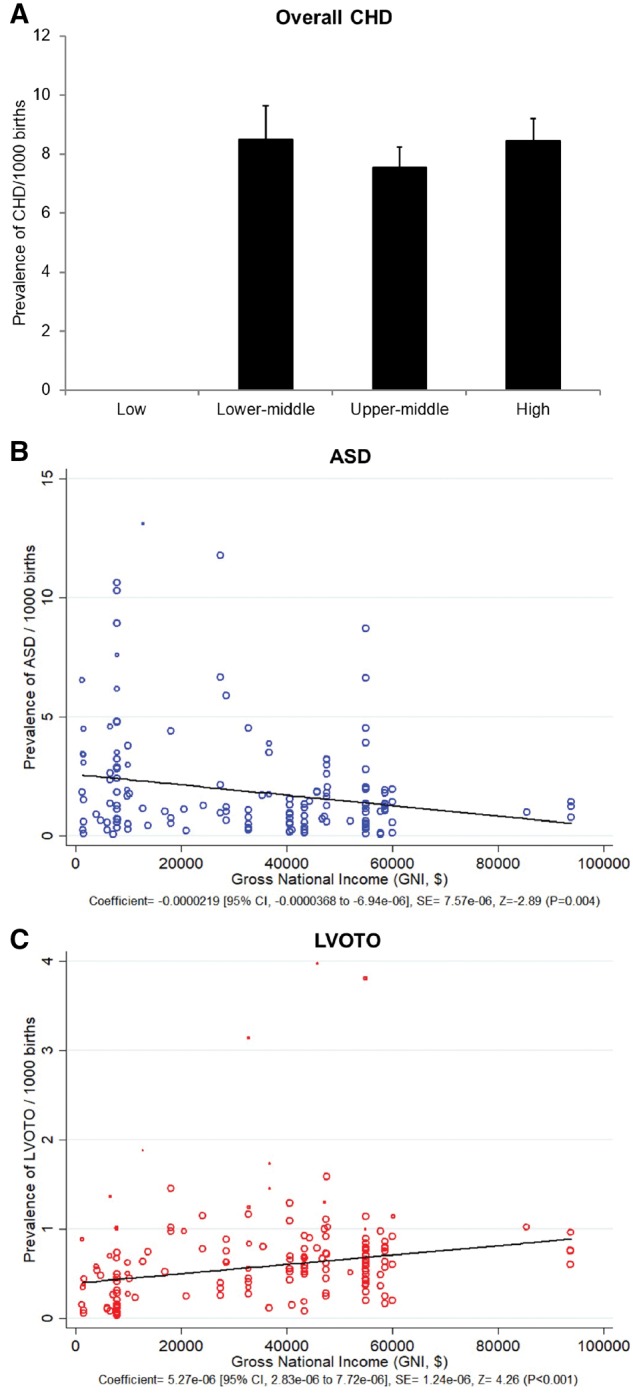
BACKGROUND: Globally, access to healthcare and diagnostic technologies are known to substantially impact the reported birth prevalence of congenital heart disease (CHD). Previous studies have shown marked heterogeneity between different regions, with a suggestion that CHD prevalence is rising globally, but the degree to which this reflects differences due to environmental or genetic risk factors, as opposed to improved detection, is uncertain. We performed an updated systematic review to address these issues. METHODS: Studies reporting the birth prevalence of CHD between the years 1970-2017 were identified from searches of PubMed, EMBASE, Web of Science and Google Scholar. Data on the prevalence of total CHD and 27 anatomical subtypes of CHD were collected. Data were combined using random-effect models. Subgroup and meta-regression analyses were conducted, focused on geographical regions and levels of national income. RESULTS: Two hundred and sixty studies met the inclusion criteria, encompassing 130 758 851 live births. The birth prevalence of CHD from 1970-2017 progressively increased to a maximum in the period 2010-17 of 9.410/1000 [95% CI (confidence interval) 8.602-10.253]. This represented a significant increase over the fifteen prior years (P = 0.031). The change in prevalence of mild CHD lesions (ventricular septal defect, atrial septal defect and patent ductus arteriosus) together explained 93.4% of the increased overall prevalence, consistent with a major role of improved postnatal detection of less severe lesions. In contrast the prevalence of lesions grouped together as left ventricular outflow tract obstruction (which includes hypoplastic left heart syndrome) decreased from 0.689/1000 (95% CI 0.607-0.776) in 1995-99, to 0.475/1000 (95% CI 0.392-0.565; P = 0.004) in 2010-17, which would be consistent with improved prenatal detection and consequent termination of pregnancy when these very severe lesions are discovered. There was marked heterogeneity among geographical regions, with Africa reporting the lowest prevalence [2.315/1000 (95% CI 0.429-5.696)] and Asia the highest [9.342/1000 (95% CI 8.072-10.704)]. CONCLUSIONS: The reported prevalence of CHD globally continues to increase, with evidence of severe unmet diagnostic need in Africa. The recent prevalence of CHD in Asia for the first time appears higher than in Europe and America, where disease ascertainment is likely to be near-complete, suggesting higher genetic or environmental susceptibility to CHD among Asian people.
Overview
The claims and statistics of this paper haven’t been checked yet.
Free: it reads the open-access text and checks the first 5 claims that cite a source we can check. Create a free account to check every claim.
Integrity signals
Registry
Cites
Statistics
Figures
Verification
Claims the paper makes
The claims and statistics of this paper haven’t been checked yet.
Free: it reads the open-access text and checks the first 5 claims that cite a source we can check. Create a free account to check every claim.
Claims other papers make about this one
Each is checked against this paper’s own text: does it say what the citing paper says it does?
The cited source doesn’t support the claim as written.
In the citing paper
“In a subgroup analysis based on the geographic region, a surprisingly high prevalence was reported across all regions of Sub-Saharan Africa.”
From Pooled prevalence and subgroup variations of Tetralogy of Fallot among children and adolescents with congenital heart defect in Sub-Saharan Africa: A systematic review and meta-analysis (2025) · cites this paper as [10]
Checked by a reasoning model — may be wrong.
Experimental — accuracy not yet measuredThe source backs part of the claim, not all of it — or backs it for a different population, condition or comparison.
In the citing paper
“Globally, it accounts for 3% to 5% of all CHD cases, with an estimated incidence of 2.8 to 3.4 per 10,000 live births [2, 10].”
From Pooled prevalence and subgroup variations of Tetralogy of Fallot among children and adolescents with congenital heart defect in Sub-Saharan Africa: A systematic review and meta-analysis (2025) · cites this paper as [10]
Experimental — accuracy not yet measuredThe source backs part of the claim, not all of it — or backs it for a different population, condition or comparison.
In the citing paper
“The prevalence of Tetralogy of Fallot observed was found considerably higher compared to global estimate and reports of developed countries.”
From Pooled prevalence and subgroup variations of Tetralogy of Fallot among children and adolescents with congenital heart defect in Sub-Saharan Africa: A systematic review and meta-analysis (2025) · cites this paper as [10]
Experimental — accuracy not yet measured
Self-check
Percentages, sums and reported differences re-computed from the paper’s own numbers.
The self-check needs the paper’s full text.
Citations
Cites
Cochrane Handbook for Systematic Reviews of Interventions: Cochrane Book Series
(2008) · doi:10.1002/9780470712184 · Cited by 25,048
The incidence of congenital heart disease.
Hoffman, J. I. E., & Kaplan, S. (2002) · Journal of the American College of Cardiology · doi:10.1016/s0735-1097(02)01886-7 · Cited by 6,099
Birth prevalence of congenital heart disease worldwide
van der Linde, D., Konings, E. E. M., Slager, M. A., Witsenburg, M., Helbing, W. A., Takkenberg, J. J. M., & Roos-Hesselink, J. W. (2011) · Journal of the American College of Cardiology · doi:10.1016/j.jacc.2011.08.025 · Cited by 3,452 · cited 6×
“A systematic review of global prevalence data since 1930 was conducted by van der Linde et al.1 in 2010, suggesting an increase in CHD prevalence from the 1930s until 1995, with stabilization between the years 1995–2009.”
BackgroundMethodInfluentialLuchini, C., Stubbs, B., Solmi, M., & Veronese, N. (2017) · World Journal of Meta-Analysis · doi:10.13105/wjma.v5.i4.80 · Cited by 977
Genetics and Genomics of Congenital Heart Disease
Zaidi, S., & Brueckner, M. (2017) · Circulation Research · doi:10.1161/circresaha.116.309140 · Cited by 565 · cited 1×
“It is known that genetic copy number variants and de novo single-nucleotide variants may account for up to 20% of CHD accompanied by extracardiac malformations and/or intellectual impairment.(21) We were unable to stratify participants in the individual studies based on these additional diagnoses.”
BackgroundDu, Y., Xu, X., Chu, M., Guo, Y., & Wang, J. (2016) · PubMed · doi:10.3978/j.issn.2072-1439.2015.11.37 · Cited by 525
Seeking causes: Classifying and evaluating congenital heart defects in etiologic studies
Botto, L. D., Lin, A. E., Riehle‐Colarusso, T., Malik, S., & Correa, A. (2007) · Birth Defects Research Part A: Clinical and Molecular Teratology · doi:10.1002/bdra.20403 · Cited by 469 · cited 2×
“In the principal analyses, CHD was classified into seven phenotypic categories, following the approach of Botto et al.(7) which groups together lesions on the basis of their anatomical/developmental similarity (Supplementary Table 2, available as Supplementary data at IJE online).”
MethodMoller, A.-B., Petzold, M., Chou, D., & Say, L. (2017) · The Lancet Global Health · doi:10.1016/s2214-109x(17)30325-x · Cited by 377
Ambient Air Pollution and Risk of Congenital Anomalies: A Systematic Review and Meta-analysis
Vrijheid, M., Martinez, D., Manzanares, S., Dadvand, P., Schembari, A., Rankin, J., & Nieuwenhuijsen, M. (2011) · Environmental Health Perspectives · doi:10.1289/ehp.1002946 · Cited by 305
Congenital heart disease: current knowledge about causes and inheritance
Blue, G. M., Kirk, E. P., Sholler, G. F., Harvey, R. P., & Winlaw, D. S. (2012) · Medical Journal of Australia · doi:10.5694/mja12.10811 · Cited by 241 · cited 3×
“The studies included in the meta-analysis showed high heterogeneity, as expected, given the unknown aetiological factors for around 80% of CHDs.2 Potentially, hospitalbased studies could have provided upwardly biased estimates of prevalence compared to national registries, both of which were included in the meta-analy…”
BackgroundResultInfluential
Research works printed but not linked: 1
- United Nations. World Economic Situation and Prospects. New York: United Nations, UN, 2014.
Cited by
Items 301–400 of 1,000
Jung, Y. M., Park, J. K., Oh, M., Park, C., Park, J. S., Jun, J. K., Lee, S. M., & Cho, G. J. (2023) · RMD Open · doi:10.1136/rmdopen-2022-002916 · Cited by 10
“In studying malformation, it is also important to consider the severity of malformation.”
Broberg, M. E., Ampuja, M., Jones, S. E., Ojala, T. H., Rahkonen, O. P., Kivelä, R., Priest, J. R., FinnGen, Palotie, A. V., Ollila, H. M., et al. (2024) · BMC Genomics · doi:10.1186/s12864-024-10172-x · Cited by 13
“CHD have their origin in the first trimester of pregnancy [1, 2], and may occur as an element of a syndrome or as an isolated defect.”
BackgroundPredictive value of NT-proBNP and hs-TnT for outcomes after pediatric congenital cardiac surgery
Shen, H., He, Q., Shao, X., Lin, Y.-H., Wu, D., Ma, K., Dou, Z., Liu, Y., Luo, F., Li, S., et al. (2024) · International Journal of Surgery · doi:10.1097/js9.0000000000001311 · Cited by 10
“Congenital heart disease (CHD) is the leading birth defect worldwide with an increasing incidence from 4.5 per 1000 population in 1970 – 1974 to 9.4 per 1000 population in 2010 – 2017 [1,2] .”
BackgroundInfluentialSelf-citationJack, J. T., Jensen, M. Ø., Collins, R. T., Chan, F. P., & Millett, P. C. (2024) · Journal of Biomechanics · doi:10.1016/j.jbiomech.2024.112124 · Cited by 10
Maternal exposure to bisphenol A induces congenital heart disease through mitochondrial dysfunction
Guo, Y., Li, B., Yan, Y., Zhang, N., Shao, S., Yang, L., Ouyang, L., Wu, P., Duan, H., Zhou, K., et al. (2025) · The FASEB Journal · doi:10.1096/fj.202402505r · Cited by 10
Leslie, C. E., Schofield, K. A., Vannatta, K. A., & Jackson, J. L. (2019) · European Journal of Cardiovascular Nursing · doi:10.1177/1474515119885858 · Cited by 12
Mortality Among Children with Down syndrome in Hong Kong: A Population-Based Cohort Study from Birth
Chua, G. T., Tung, K. T. S., Wong, I. C. K., Lum, T. Y. S., Wong, W. H. S., Chow, C., Ho, F. K. W., Wong, R. S. M., & Ip, P. (2020) · The Journal of Pediatrics · doi:10.1016/j.jpeds.2019.11.006 · Cited by 10
“With a similar to higher prevalence of congenital heart disease nationally and regionally,(37-39) enhanced clinical management and surgical techniques should be accounting for the lower rate of mortality due to heart defects in this Hong Kong DS cohort.”
BackgroundLate gadolinium enhancement in patients with Tetralogy of Fallot: A systematic review
Secchi, F., Lastella, G., Monti, C. B., Barbaro, U., Capra, D., Zanardo, M., & Sardanelli, F. (2021) · European Journal of Radiology · doi:10.1016/j.ejrad.2021.109521 · Cited by 11
The 100 most influential articles in congenital heart disease in 2000–2020: A bibliometric analysis
den Eynde, J. V., Franchi, T., Foo, Y. C., Mills, B., Ali, S., Doulamis, I. P., Gewillig, M. H. M. L., Budts, W., Danford, D. A., & Kutty, S. (2021) · International Journal of Cardiology Congenital Heart Disease · doi:10.1016/j.ijcchd.2021.100156 · Cited by 11
Paul, G. J., Anne Princy, S., & Anju, S. (2021) · International Journal of Cardiology Congenital Heart Disease · doi:10.1016/j.ijcchd.2021.100207 · Cited by 12
RetractedMüller, N., Breuer, J., Adler, K., & Freudenthal, N. J. (2021) · Cardiovascular Diagnosis and Therapy · doi:10.21037/cdt-21-458 · Cited by 10
“The prevalence of congenital heart disease is about 1% (1).”
BackgroundRashkin, S. R., Cleves, M. A., Shaw, G. M., Nembhard, W. N., Nestoridi, E., Jenkins, M. M., Romitti, P. A., Lou, X., Browne, M. L., Mitchell, L. E., et al. (2022) · American Journal of Medical Genetics Part A · doi:10.1002/ajmg.a.62759 · Cited by 10
“Congenital heart defects (CHDs) are the most common and among the most serious birth defects, with a worldwide prevalence ranging from 8 to 12 per 1000 live births (Liu et al., 2019).”
BackgroundMeerschaut, I., Steyaert, W., Bové, T., François, K., Martens, T., Groote, K. D., Wilde, H. D., Mosquera, L. M., Panzer, J., Vandekerckhove, K., et al. (2022) · Genes · doi:10.3390/genes13071214 · Cited by 11
“They form a major cause of spontaneous abortion, stillbirth, and termination of pregnancy, and affect around nine per 1000 live births [1,2].”
BackgroundComparison of plasma metanephrines in patients with cyanotic and acyanotic congenital heart disease
Jensterle, M., Podbregar, A., Janež, A., Rakuša, M., Goričar, K., & Prokšelj, K. (2022) · Endocrine · doi:10.1007/s12020-022-03205-6 · Cited by 11
“Congenital heart disease (CHD) is the most common congenital anomaly with a prevalence of approximately 9 per 1000 newborns [17, 18].”
BackgroundAscertaining and classifying cases of congenital anomalies in the ALSPAC birth cohort
Taylor, K., Thomas, R., Mummé, M., Golding, J., Boyd, A., Northstone, K., Caputo, M., & Lawlor, D. A. (2021) · Wellcome Open Research · doi:10.12688/wellcomeopenres.16339.2 · Cited by 10
Ascertaining and classifying cases of congenital anomalies in the ALSPAC birth cohort
Taylor, K., Thomas, R., Mummé, M., Golding, J., Boyd, A., Northstone, K., Caputo, M., & Lawlor, D. A. (2020) · Wellcome Open Research · doi:10.12688/wellcomeopenres.16339.1 · Cited by 10
Sun, J., Feng, T., Wang, B., Li, F., Han, B., Chu, M., Gong, F., Yi, Q., Zhou, X., Chen, S., et al. (2025) · The Lancet Digital Health · doi:10.1016/s2589-7500(24)00245-0 · Cited by 9
Self-citationTang, J., Ou, J., Chen, Y., Li, L., Liu, H., Sun, M., Luo, M., Zhong, T., Wang, T., Wei, J., et al. (2023) · Child Care Health and Development · doi:10.1111/cch.13174 · Cited by 12
Yang, Y., Yang, H., Kiskin, F. N., & Zhang, J. Z. (2024) · Medical Review · doi:10.1515/mr-2023-0059 · Cited by 12
Hedermann, G., Hedley, P. L., Gadsbøll, K., Thagaard, I. N., Krebs, L., Hagen, C. M., Sørensen, T. I. A., Christiansen, M., & Ekelund, C. K. (2024) · International Journal of Obesity · doi:10.1038/s41366-024-01531-5 · Cited by 13
“Believed to be the most common congenital malformations, CHDs have a global prevalence of nine per 1000 live births with geographical differences [7].”
BackgroundShen, H., He, Q., Li, W., Zhu, G., Wang, X., Liu, J., Zhang, Y., Li, S., & Zhou, Z. (2024) · Journal of Thrombosis and Haemostasis · doi:10.1016/j.jtha.2024.05.036 · Cited by 9
Iluz‐Freundlich, D., Vikhorova, Y., Azem, K., Fein, S., Chernov, P., Schamroth-Pravda, N., Shmueli, A., Houri, O., Heesen, P., Garren-Tam, M., et al. (2024) · International Journal of Obstetric Anesthesia · doi:10.1016/j.ijoa.2024.104241 · Cited by 10
Ayfokru, A., Shewasinad, S., Ahmed, F., Tefera, M., Nigussie, G., Getaneh, E., Mengstie, L. A., Teklehaimanot, W. Z., Abemie, W., Gebeyehu, M. T., et al. (2024) · BMC Pediatrics · doi:10.1186/s12887-024-05023-3 · Cited by 13
“Globally, CHD contributes to around 25% of all neonatal deaths related to congenital anomalies, and its incidence is increasing, underscoring a considerable gap in diagnostic capabilities, especially in Africa [1].”
BackgroundBravo‐Valenzuela, N. J., Giffoni, M. C., Nieblas, C. D. O., Werner, H., Tonni, G., Granese, R., Gonçalves, L. F., & Júnior, E. A. (2024) · Journal of Clinical Medicine · doi:10.3390/jcm13247605 · Cited by 16
Molecular genetics of congenital heart disease
Zhang, X., Ming Xin, Q. I., & Fu, Q. (2025) · Science China Life Sciences · doi:10.1007/s11427-024-2861-9 · Cited by 13
“(Boyd et al., 2022; Liu et al., 2019b).”
Schumann, S., Schön, G., Hüners, I., Biermann, D., Siebel, L. C., Jess, F., Gottschalk, U., Gleitze-Nolting, C., Denecke, J., Drescher, J., et al. (2025) · Scientific Reports · doi:10.1038/s41598-025-04927-z · Cited by 9
Crawford, R., Hughes, C., McFadden, S. L., & Crawford, J. (2021) · Journal of Telemedicine and Telecare · doi:10.1177/1357633x20984052 · Cited by 9
“641) per 1000 for the years 1970–2017.(2) It was estimated that in 2017, there were 11,998,283 people living with CHD globally.”
BackgroundCathery, W., Faulkner, A., Jover, E., Rodríguez-Arabaolaza, I., Thomas, A. C., Avolio, E., Caputo, M., & Madeddu, P. R. (2021) · Frontiers in Cardiovascular Medicine · doi:10.3389/fcvm.2020.609980 · Cited by 9
Sadoh, W. E., Okonkwo, I. R., Okonkwo, C. A., Eki-Udoko, F. E., Emeruwa, E., Monday, P., Osueni, G. I., Amake, J., Eyo-Ita, E. U., Otaigbe, B. E., et al. (2021) · Cardiovascular journal of South Africa/Cardiovascular journal of Southern Africa · doi:10.5830/cvja-2021-028 · Cited by 9
“The absence of some CHDs such as hypoplastic left heart syndrome, double-outlet right ventricle and Ebstein’s anomaly is also a limitation, which may be due to the low incidence of such CHDs, as seen in previous studies.(2,3,5) It is possible that the screening of a larger population of neonates would yield such CHDs.”
BackgroundResultInfluentialInvestigation of Copy Number Variation in South African Patients With Congenital Heart Defects
Saacks, N., Eales, J., Spracklen, T. F., Aldersley, T., Human, P., Verryn, M., Lawrenson, J., Cupido, B. J., Comitis, G., Decker, R. D., et al. (2022) · Circulation Genomic and Precision Medicine · doi:10.1161/circgen.121.003510 · Cited by 9
Self-citationGenerative learning approach for radiation dose reduction in X‐ray guided cardiac interventions
Azizmohammadi, F., Navarro-Castellanos, I., Miró, J., Segars, W. P., Samei, E., & Duong, L. (2022) · Medical Physics · doi:10.1002/mp.15654 · Cited by 10
Giang, H. T. N., Hai, T. T., Nguyen, H., Vuong, T. K., Morton, L. W., & Culbertson, C. B. (2022) · PLOS Global Public Health · doi:10.1371/journal.pgph.0001050 · Cited by 9
“70) in LMIC surrounding or nearby to Vietnam [4].”
BackgroundFeng, Z., Chen, X., Li, T., Gao, H. J., Chen, W.-C., Gao, Y., Yao, Q., Zhuang, Q., Ma, X., Sheng, W., et al. (2022) · Translational Pediatrics · doi:10.21037/tp-22-556 · Cited by 9
Jolma, M., Koivu‐Jolma, M., Sarajuuri, A., Torkki, P. M., Autti‐Rämö, I., & Sätilä, H. (2023) · Children · doi:10.3390/children10050788 · Cited by 13
Lei, Y., Ye, Z., Wei, Y., Zhu, L.-P., Zhuang, X.-D., Wang, X., & Cao, H. (2023) · Scientific Reports · doi:10.1038/s41598-023-32572-x · Cited by 13
Lee, J. A., Lee, S. M., Chung, S.-H., Lee, J. H., Shim, J. W., Lim, J. W., Kim, C., & Chang, Y. S. (2023) · Journal of Korean Medical Science · doi:10.3346/jkms.2023.38.e304 · Cited by 9
Gorini, F., & Tonacci, A. (2023) · Exploration of Cardiology · doi:10.37349/ec.2023.00012 · Cited by 10
Universal Fetal Echocardiography for Pregestational Diabetes Mellitus: A Cost-Effectiveness Analysis
Savitsky, L. M., Hamilton, C., Sterrett, M. E., Olerich, K. L. W., Ma, K., & Albright, C. M. (2024) · Obstetrics and Gynecology · doi:10.1097/aog.0000000000005538 · Cited by 9
“14 Multiple prior studies have evaluated the effect of Hb A 1c level on the likelihood of a fetal congenital anomaly.”
Sandberg, M., Fomina, T., Macsali, F., Greve, G., Estensen, M. E., Øyen, N., & Leirgul, E. (2024) · International Journal of Cardiology Congenital Heart Disease · doi:10.1016/j.ijcchd.2024.100507 · Cited by 15
“Congenital heart disease (CHD) is the most frequent birth defect, reported to affect 5 to 12 per 1000 live births [1,2].”
Nagasawa, M., Ikehara, S., Aochi, Y., Tanigawa, K., Kitamura, T., Sobue, T., Iso, H., & the Japan Environment and Children’s Study (JECS) Group (2024) · Environmental Health and Preventive Medicine · doi:10.1265/ehpm.23-00358 · Cited by 11
“The increasing trend of CHD has led to an increasing prevalence of CHD in Asia compared with other regions [3, 9].”
BackgroundHuang, H., Cai, M., Wang, Y., Liang, B., Lin, N., & Xu, L. (2021) · Risk Management and Healthcare Policy · doi:10.2147/rmhp.s286001 · Cited by 9
Na, I., Bulck, L. V., Rassart, J., Goossens, E., Luyckx, K., Bruaene, A. V. D., & Moons, P. (2021) · European Journal of Cardiovascular Nursing · doi:10.1093/eurjcn/zvab117 · Cited by 10
CCBE1 in Cardiac Development and Disease
Bonet, F., Inácio, J. M., Bover, O., Añez, S. B., & Belo, J. A. (2022) · Frontiers in Genetics · doi:10.3389/fgene.2022.836694 · Cited by 9
Diet, inflammation, and cardiovascular disease
Vahid, F., Chiriboga, D. E., Bohn, T., & Hébert, J. R. (2022) · Elsevier eBooks · doi:10.1016/b978-0-12-822130-3.00015-6 · Cited by 10
Luo, M., Wang, T., Huang, P., Zhang, S., Song, X., Sun, M., Liu, Y., Wei, J., Shu, J., Zhong, T., et al. (2022) · Reproductive Sciences · doi:10.1007/s43032-022-01029-3 · Cited by 9
Self-citationSjöberg, P., Arheden, H., Heiberg, E., Stephensen, S. S., & Carlsson, M. (2022) · Clinical Physiology and Functional Imaging · doi:10.1111/cpf.12781 · Cited by 11
Cheng, K., Zhou, H., Fu, F., Lei, T., Li, F., Huang, R., Wang, Y., Yang, X., Li, R., Li, D., et al. (2022) · Frontiers in Cardiovascular Medicine · doi:10.3389/fcvm.2022.988438 · Cited by 9
“Ventricular septal defect (VSD) represents the most frequent type of CHD, which accounts for 35% of its subtypes in newborns (5).”
BackgroundFourdain, S., Provost, S., Tremblay, J., Vannasing, P., Doussau, A., Caron-Desrochers, L., Gaudet, I., Roger, K., Hüsser, A. M., Dehaes, M., et al. (2023) · Child Neuropsychology · doi:10.1080/09297049.2023.2170340 · Cited by 14
“…heart disease; neurodevelopment; restingstate functional connectivity; NIRS; brain function Congenital heart disease (CHD) constitutes the world’s most common birth defect (Liu et al., 2019; van der Linde et al., 2011), accounting for almost a third of all congenital anomalies (EUROCAT, 2020).”
Backgroundvan der Zande, J. A., Tutarel, O., Ramlakhan, K. P., van den Bosch, A. E., Bordese, R., Zengin, E., Wagner, W. E., de Sousa, L., Clifford, P., Johnson, M. R., et al. (2023) · Open Heart · doi:10.1136/openhrt-2023-002406 · Cited by 11
Davis, J. A., Baumgartel, K. L., Baust, T. B., Conley, Y. P., Morowitz, M. J., Ren, D., & Demirci, J. R. (2024) · The Journal of Perinatal & Neonatal Nursing · doi:10.1097/jpn.0000000000000790 · Cited by 8
Karni‐Visel, Y., Dekel, R., Sadeh, Y., Sherman, L., & Katz, U. (2024) · Health Communication · doi:10.1080/10410236.2024.2329422 · Cited by 9
“CHDs are the most prevalent type of congenital defect in children worldwide (Benson, 2020; Botto et al., 2001; Roger et al., 2011), with an average prevalence of 8.22 per 1000 live births (Best & Rankin, 2016; Liu et al., 2019).”
InfluentialGenome sequencing is critical for forecasting outcomes following congenital cardiac surgery
Watkins, W. S., Hernandez, E. J., Miller, T. A., Blue, N. R., Zimmerman, R. M., Griffiths, E. R., Frise, E., Bernstein, D., Boskovski, M. T., Brueckner, M. K., et al. (2025) · Nature Communications · doi:10.1038/s41467-025-61625-0 · Cited by 10
“Overall, we identi fi ed damaging de novo or recessive genotypes in 10.56% of the study cohort (see Supplementary Data 1, 2), in line with previous studies that utilized different methods of de fi ning pathogenicity 4,5,8,9 .”
InfluentialAmintojari, A., Nourian, M., Nikfarid, L., Ojian, P., & Nasiri, M. (2020) · PubMed Central · doi:10.30476/ijcbnm.2020.82761.1084 · Cited by 8
Sezer, S., Özyurt, A., Narın, N., Pamukçu, Ö., Sunkak, S., Argun, M., Baykan, A., & Üzüm, K. (2021) · Cardiology in the Young · doi:10.1017/s1047951121000500 · Cited by 8
Differences in Cardiopulmonary Fitness Between Boy and Girls With Repaired Tetralogy of Fallot
Chang, Y.-L., Kuan, T.-H., Chen, C., Tsai, Y., Chen, G., Lin, K., & Tuan, S. (2022) · Frontiers in Pediatrics · doi:10.3389/fped.2022.911825 · Cited by 11
Dietary Inflammatory Index during Pregnancy and Congenital Heart Defects
Yang, J., Chang, Q., Du, Q., Dang, S., Zeng, L., & Yan, H. (2023) · Nutrients · doi:10.3390/nu15102262 · Cited by 8
“It is estimated that millions of neonates are diagnosed with CHD every year worldwide [1], including 0.”
BackgroundUnmet Clinical Needs for Transcatheter Pulmonary Valves
Agwu, N., Recto, M. R., & Kheradvar, A. (2023) · Annals of Biomedical Engineering · doi:10.1007/s10439-023-03328-5 · Cited by 8
“…these patients will ultimately develop pulmonary valve insufficiency and eventual right ventricular dilation, which will require a pulmonary valve replacement at some point in their life to mitigate the detrimental effects of pulmonary valve regurgitation (PVR) on their right ventricle (RV) [31].”
BackgroundMariotti, A., Antonuccio, M. N., Morello, M., Salvetti, M. V., & Celi, S. (2023) · Computers & Fluids · doi:10.1016/j.compfluid.2023.106043 · Cited by 8
Provost, S., Fourdain, S., Vannasing, P., Tremblay, J., Roger, K., García‐Puente, Y., Doussau, A., Vinay, M.-C., Siebenthal, Z. V., Paquette, N., et al. (2023) · European Journal of Paediatric Neurology · doi:10.1016/j.ejpn.2023.09.005 · Cited by 14
Perfil epidemiológico de nascidos vivos com cardiopatia congênita nas regiões brasileiras
Barros, E. B., Yamada, L. S., Paiva, A. D. O., Soares, A. E. R., Albuquerque, M. D. A., de Souza, G. C., Cavalcante, Y. C., Palumbo, R., do Rego, T. E., & Rocha, G. B. D. S. (2023) · Brazilian Journal of Implantology and Health Sciences · doi:10.36557/2674-8169.2023v5n5p2316-2328 · Cited by 8
Xia, Y. X., Chen, L., Lu, J., Ma, J., & Zhang, Y. (2023) · Journal of Translational Medicine · doi:10.1186/s12967-023-04529-1 · Cited by 8
“With an incidence rate of approximately 2.3/1000–9.1/1000, CHD is the most common birth defect in China, Europe [2], the United States [3], and many other countries world-wide [4], accounting for one-third of all major congenital anomalies [4].”
BackgroundInfluentialChallenges and opportunities in patients with adult congenital heart disease, a narrative review
Fabbri, M., & Sahu, A. (2024) · Frontiers in Cardiovascular Medicine · doi:10.3389/fcvm.2024.1366572 · Cited by 10
“In contemporary healthcare, most girls born with CHD will eventually reach their childbearing years (1, 37 – 39).”
BackgroundInteratrial Communications: Prevalence and Subtypes in 12,385 Newborns–a Copenhagen Baby Heart Study
Blixenkrone-Møller, E., Dannesbo, S., Dehn, A. M., Pihl, C., Sillesen, A., Vøgg, R. O. B., Raja, A. A., Colan, S. D., Mertens, L., Vejlstrup, N., et al. (2024) · Pediatric Cardiology · doi:10.1007/s00246-024-03571-0 · Cited by 8
“In most other large cohort studies, the criteria for the ASD diagnosis were not defined [27, 34–36].”
InfluentialNationwide Birth Prevalence of Crucial Congenital Heart Defects From 2014 to 2018 in Korea
Ha, K. S., Park, C. M., Lee, J. H., Shin, J. H., Choi, E. K., Choi, M., Kim, J., Shin, H. J., Choi, B. M., & Kim, S. (2024) · Korean Circulation Journal · doi:10.4070/kcj.2024.0105 · Cited by 30
Rare genomic copy number variants implicate new candidate genes for bicuspid aortic valve
Carlisle, S. G., Albasha, H., Michelena, H. I., Sabaté-Rotés, A., Bianco, L., Backer, J. F. A. D., Mosquera, L. M., Yetman, A. T., Bissell, M. M., Andreassi, M. G., et al. (2024) · PLoS ONE · doi:10.1371/journal.pone.0304514 · Cited by 8
“The worldwide prevalence of congenital heart disease (CHD) is 8.2 per 1000 live births [5].”
BackgroundInfluentialA disrupted compartment boundary underlies abnormal cardiac patterning and congenital heart defects
Kathiriya, I. S., Dominguez, M. H., Rao, K. S., Muncie, J. M., Devine, W. P., Hu, K. M., Hota, S. K., Garay, B. I., Quintero, D., Goyal, P., et al. (2025) · Nature Cardiovascular Research · doi:10.1038/s44161-025-00755-6 · Cited by 13
“Nearly half of all patients with CHDs have atrial septal defects (ASDs) or ventricular septal defects (VSDs), which are abnormalities of the formation of the interventricular septum (IVS) 2,3 .”
Liu, Z., Wang, M., Yu, P., Li, X., Lin, Y., Duan, Y., Tian, Y., Zhu, J., Deng, Y., & Li, N. (2021) · Reproductive Toxicology · doi:10.1016/j.reprotox.2021.09.010 · Cited by 8
Self-citationZakharova, I. S., Saaya, S. B., Shevchenko, A. I., Stupnikova, A., Zhiven, M. K., Laktionov, P. P., Stepanova, A. O., Romashchenko, A. V., Yanshole, L. V., Chernonosov, A. А., et al. (2022) · Frontiers in Bioengineering and Biotechnology · doi:10.3389/fbioe.2022.772981 · Cited by 8
Zhang, W., Yang, Y., Liu, Y., Zhou, L., Yang, Y., Pan, L., Ba, Y., Wang, R., Huo, Y., Ren, X., et al. (2022) · Environmental Geochemistry and Health · doi:10.1007/s10653-022-01315-8 · Cited by 9
Self-citationLuo, M., Wang, T., Huang, P., Zhang, S., Song, X., Sun, M., Liu, Y., Wei, J., Shu, J., Zhong, T., et al. (2022) · Nutrients · doi:10.3390/nu14153094 · Cited by 8
“Congenital heart disease (CHD) is typically defined as a gross structural abnormality of the heart and/or great vessels that is present at birth [1,2].”
BackgroundSelf-citationSteger, C., Feldmann, M., Borns, J., Hagmann, C. F., Latal, B., Held, U., András, J., Tuura, R., & Knirsch, W. (2022) · Pediatric Research · doi:10.1038/s41390-022-02253-y · Cited by 11
Campos-Garcia, F.-J., Castillo-Espinola, A.-M., Medina-Escobedo, C.-E., Zenteno, J. C., Lara-Riegos, J.-C., Rubio-Zapata, H., Cruz‐Robles, D., & Velazquez-Ibarra, A.-I. (2022) · Cardiogenetics · doi:10.3390/cardiogenetics12030024 · Cited by 8
“CHD is the most common birth defect worldwide [6], with an estimated incidence of 90 per 100,000 newborns affected [5], of which up to 25–30% have CCHD [7].”
BackgroundMaternal first trimester metabolic profile in pregnancies with transposition of the great arteries
Huida, J., Ojala, T. H., Hautala, J., Surcel, H., Priest, J. R., & Helle, E. (2022) · Birth Defects Research · doi:10.1002/bdr2.2139 · Cited by 9
Mitteregger, E., Dirks, T., Theiler, M., Kretschmar, O., & Latal, B. (2022) · Pilot and Feasibility Studies · doi:10.1186/s40814-022-01220-y · Cited by 9
“Background Congenital heart disease (CHD) is one of the most common birth defects, with 8 of 1000 live-born children being affected world-wide [1, 2].”
BackgroundPulmonary arterial hypertension associated with congenital heart disease: An omics study
Zhao, M., Liu, J., Xin, M., Yang, K., Huang, H., Zhang, W., Zhang, J., & He, S. (2023) · Frontiers in Cardiovascular Medicine · doi:10.3389/fcvm.2023.1037357 · Cited by 11
Jaime-Cruz, R., Sánchez‐Gómez, C., Villavicencio-Guzmán, L., Lazzarini-Lechuga, R. C., Patiño-Morales, C. C., Lorenzana, M. G., Ramírez-Fuentes, T. C., & Salazar–García, M. (2023) · Life · doi:10.3390/life13030768 · Cited by 10
“The number of reproductive-age diabetic women is increasing worldwide, leading to a parallel increase in the number of fetuses and delivered children with congenital heart defects [20].”
BackgroundBateson, B. P., Deng, L., Ange, B., Austin, E. H., Dabal, R. J., Broser, T., Pennington, J. K., Sivalingam, S., Lee, C., Truong, N. L. T., et al. (2023) · World Journal for Pediatric and Congenital Heart Surgery · doi:10.1177/21501351231176189 · Cited by 8
Boos, V., Berger, F. F., Cho, M.-Y., Photiadis, J., Bührer, C., & Pfitzer, C. (2021) · European Journal of Cardio-Thoracic Surgery · doi:10.1093/ejcts/ezab494 · Cited by 8
Congenital heart disease prevalence: what does the future hold?
Frogoudaki, A. (2022) · European Journal of Preventive Cardiology · doi:10.1093/eurjpc/zwac296 · Cited by 8
Zhang, S., Zhang, B., Wu, J., Luo, J., Shi, H., Qi, J., & Yang, H. (2023) · Congenital Heart Disease · doi:10.32604/chd.2023.025616 · Cited by 8
Italian Society of Ultrasound in Obstetrics and Gynecology (SIEOG) Working Group on the Obstetric Referral Scan (2023) · Ultrasound in Obstetrics and Gynecology · doi:10.1002/uog.26271 · Cited by 7
“Congenital heart disease (CHD) affects approximately 0.8–1.2% of live births 1 and has become the leading cause of infant mortality, accounting for 42% of infant deaths 2 .”
BackgroundInfluentialHuman Genetics of Congenital Heart Defects
Wilsdon, A., & Loughna, S. (2024) · Advances in experimental medicine and biology · doi:10.1007/978-3-031-44087-8_2 · Cited by 12
Zhou, S., Liu, L., Jin, X., Dorikun, D., & Ma, S. (2025) · Frontiers in Pediatrics · doi:10.3389/fped.2025.1508329 · Cited by 10
Meta-analysis on sex differences in mortality and neurodevelopment in congenital heart defects
Crain, A. K., Lim, Z. N., Sarfatis, C. J., Arias, M. R. R., Holder, T. F., Moreira, A. G., Corno, A. F., & Findley, T. O. (2025) · Scientific Reports · doi:10.1038/s41598-025-92894-w · Cited by 7
Global Health Burden of Zinc Deficiency
Gadapati, S. (2025) · Advances in medical diagnosis, treatment, and care (AMDTC) book series · doi:10.4018/979-8-3693-5355-4.ch004 · Cited by 7
Guo, R., Duan, C., Zarrei, M., Reuter, M. S., Dong, R., Zhang, G., Yang, X., Zhang, H., Wang, Y., Scherer, S. W., et al. (2025) · Scientific Reports · doi:10.1038/s41598-025-06977-9 · Cited by 9
Self-citationMedical Findings in Infants Prenatally Identified With Sex Chromosome Trisomy in Year 1 of Life
Tartaglia, N. R., Davis, S., Howell, S., Bothwell, S., Nocon, K., Kowal, K., Ikomi, C., Keene, A., Reynolds, V., Berglund, A., et al. (2025) · PEDIATRICS · doi:10.1542/peds.2024-068133 · Cited by 11
Ferentzi, H., Rippe, R. C. A., Latour, J. M., Schubert, S., Girch, A., Stocker, M. J., Pfitzer, C., Photiadis, J., Sandica, E., Berger, F. F., et al. (2021) · Frontiers in Pediatrics · doi:10.3389/fped.2021.666904 · Cited by 12
“41 per 1,000 live births worldwide (2).”
Fares, D. A., Wiegel, R. E., Eggink, A. J., Willemsen, S. P., van Meurs, J. B. J., & Steegers‐Theunissen, R. P. M. (2022) · European Journal of Clinical Investigation · doi:10.1111/eci.13784 · Cited by 7
Genetic abnormalities in fetal congenital heart disease with aberrant right subclavian artery
Sun, H., Han, L., Hao, X., Chen, Z., Wang, J., Yi, T., Zhou, X., Gu, X., Han, J., Zhang, Y., et al. (2022) · Scientific Reports · doi:10.1038/s41598-022-20037-6 · Cited by 8
Faiola, S., Casati, D., Stellio, L. N., Laoreti, A., Corti, C. G., Mannarino, S., Lanna, M. M., & Cetin, I. (2022) · Ultrasound in Obstetrics and Gynecology · doi:10.1002/uog.26098 · Cited by 7
Diniz, B. L., Deconte, D., Gadelha, K. A., Glaeser, A. B., Guaraná, B. B., de Moura, A. Á., Rosa, R. F. M., & Zen, P. R. G. (2023) · Journal of Pediatric Genetics · doi:10.1055/s-0043-1763258 · Cited by 7
Yu, Y., Quan, J., Zou, M., Zhao, W., Su, Y., & Xu, Y. (2023) · Birth Defects Research · doi:10.1002/bdr2.2168 · Cited by 8
Ondansetron Use During Pregnancy: Birth Defects and Obstetric Outcomes
Masarwe, S., Shvartsur, R., Hadar, E., Betesh-Abay, B., Peleg, N., & Azab, A. N. (2023) · Clinical Nursing Research · doi:10.1177/10547738231159062 · Cited by 11
“Congenital heart defects (CHDs) account for the most frequent form of structural birth anomalies, leading to prevalent morbidity and mortality (Liu et al., 2019) and requiring investment of resources in development of validated instructional clinical-care nursing techniques for these neonates (da…”
BackgroundLiu, Y., Zhong, T., Song, X., Zhang, S., Sun, M., Wei, J., Shu, J., Yang, T., Wang, T., & Qin, J. (2023) · Scientific Reports · doi:10.1038/s41598-023-36330-x · Cited by 7
Self-citationAgay‐Shay, K. (2023) · Environmental Health Perspectives · doi:10.1289/ehp12931 · Cited by 7
“Am J Med Genet A 164A(3):691–699, PMID: 24459042, https://doi.”
InfluentialAnalysis of congenital heart disease research: Mapping impact, production and global collaboration
Zila-Velasque, J. P., Grados‐Espinoza, P., Cubas, W. S., Diaz-Barrera, M. E., & Pacheco‐Mendoza, J. (2023) · Heliyon · doi:10.1016/j.heliyon.2023.e19188 · Cited by 10
CHARGE syndrome and congenital heart diseases: systematic review of literature
Polito, M. V., Ferraioli, M., Nocilla, A., Coppola, G., D’Auria, F., Marzano, A., Barnabei, L., Malinconico, M., Bossone, E., & Ferrara, F. (2023) · Monaldi Archives for Chest Disease · doi:10.4081/monaldi.2023.2661 · Cited by 7
“%) more frequently in individuals with CS (n. 221) than the full population with CHDs [75].”
BackgroundLi, S., Watson, D., Jorgenson, A. B., Adelekan, Z., Tang, W., Garland, K., Zupancich, L., Dassenko, D., Edens, R. E., Overman, D. M., et al. (2023) · Arteriosclerosis Thrombosis and Vascular Biology · doi:10.1161/atvbaha.123.319181 · Cited by 7
Tesfaye, K., & Tsega, T. (2023) · Pediatric Health Medicine and Therapeutics · doi:10.2147/phmt.s431164 · Cited by 9
Metadata
- Authors
- Liu, Y., Chen, S., Zühlke, L., Black, G. C., Choy, M.-K., Li, N., & Keavney, B. D.
- Affiliations
- University of Manchester (GB)
- Sichuan University (CN)
- Department of Paediatrics, Red Cross War Memorial Children’s Hospital, University of Cape Town, Cape Town, South Africa
- Manchester Academic Health Science Centre (GB)
- Corresponding author
- Keavney, Bernard D
- Venue
- International Journal of Epidemiology
- Publisher
- Oxford University Press (OUP)
- Published
- 2019-02-19
- Volume
- 48
- Issue
- 2
- Pages
- 455-463
- ISSN
- 0300-5771 (ISSN-L)
- 1464-3685
- PMC
- PMC6469300
- OpenAlex
- W2918094628
- Cited by
- 1,436
- References
- 20
- Citations by year
- 2026: 216 · 2025: 233 · 2024: 288 · 2023: 228 · 2022: 197 · 2021: 162 · 2020: 86 · 2019: 22
- FWCI
- 17.04
- Type
- journal article
- Language
- en
- Open access
- hybrid
- doi.org
- Licence
- Locations
- International Journal of Epidemiology (publishedVersion, cc-by)
- Europe PMC (PubMed Central) (publishedVersion, cc-by)
- PubMed Central (publishedVersion, cc-by)
- PubMed (publishedVersion)
- e-space (Manchester Metropolitan University) (acceptedVersion)
- Research Explorer (The University of Manchester) (submittedVersion, cc-by)
- Funders
- The British Heart Foundation
- The University of Manchester-Peking University Health Science Centre Alliance
- China Scholarships Council
- Medical Research Council
- South African Medical Research Council
- Topics
- Health Sciences › Medicine › Cardiology and Cardiovascular Medicine › Congenital Heart Disease Studies
- Life Sciences › Biochemistry, Genetics and Molecular Biology › Molecular Biology › Congenital heart defects research
- Health Sciences › Medicine › Surgery › Congenital Anomalies and Fetal Surgery
- Keywords
- congenital heart disease, birth prevalence, temporal trends, ventricular septal defect, atrial septal defect, patent ductus arteriosus, left ventricular outflow tract obstruction, hypoplastic left heart syndrome, prenatal diagnosis, abortion, postnatal diagnosis, regional variation, national income, Africa, South America, Asia, Europe
- MeSH terms
- Heart Defects, Congenital, Humans, Infant, Newborn, Global Health, Prevalence, Confidence Intervals
About these checks
Registry, retraction, Cites and statistics results are computed, not judged, with one exception: a printed reference that no index lists is read once by a model before it counts as a citation error. Claims are extracted by a model and kept only when their quote appears verbatim in the text; each cited source is then checked, with a model’s help, for whether it says what the claim relies on. Those verdicts can be wrong — read the claim’s quote and the cited source before relying on one.
Statistics and arithmetic are recomputed, not judged.
Confidence bands are shown only for fields calibrated on our annotated test set. None is calibrated yet, so no band is shown.
What counts as a claim ›How we measure confidence ›How we check this ›
Are you an author, or do you see a problem with this page? Request a review
Data sources
Bibliographic data: Semantic Scholar, OpenAlex, Crossref.
Contains information from the Semantic Scholar Academic Graph Datasets, made available under the ODC Attribution License (ODC-BY 1.0).
Semantic Scholar’s data is described in: Kinney, R., et al. (2023). The Semantic Scholar Open Data Platform. arXiv:2301.10140.
