

Global birth prevalence of congenital heart defects 1970–2017: updated systematic review and meta-analysis of 260 studies
Open accessThe DOI matches its Crossref record; 20 of the 20 references it cites were found in a registry or an index.
Abstract
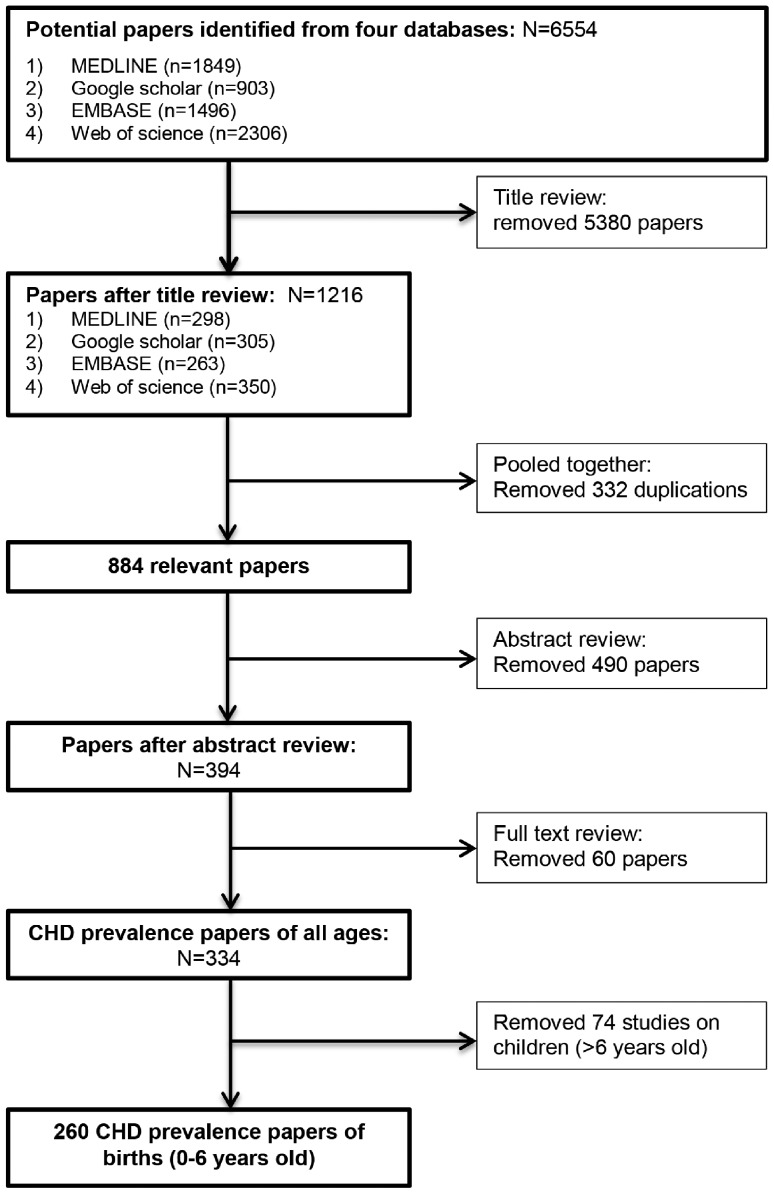
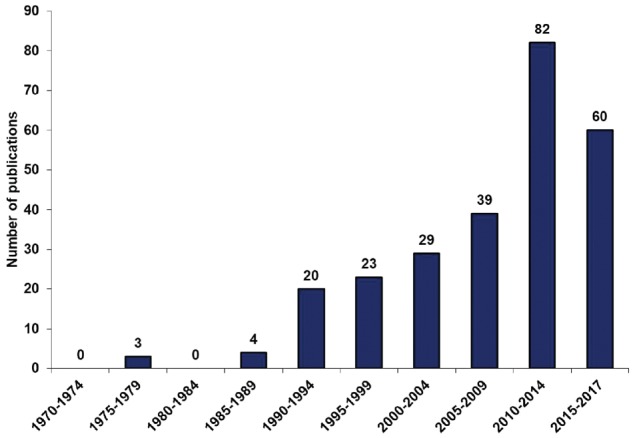
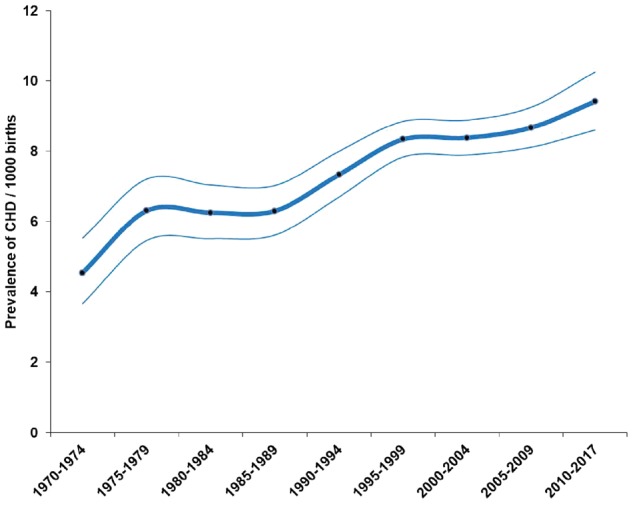
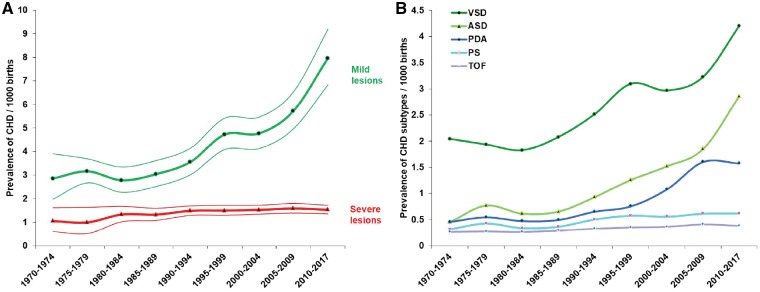
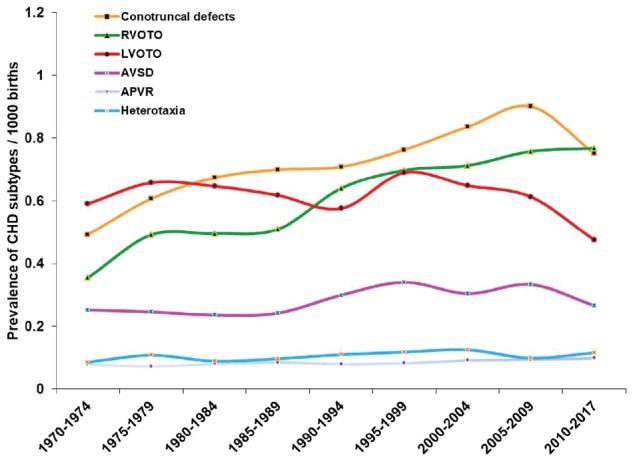
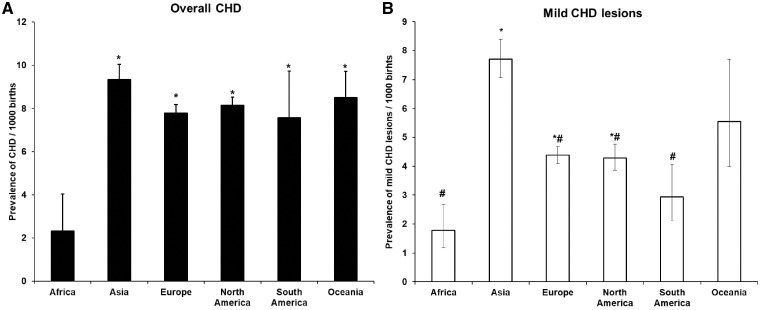
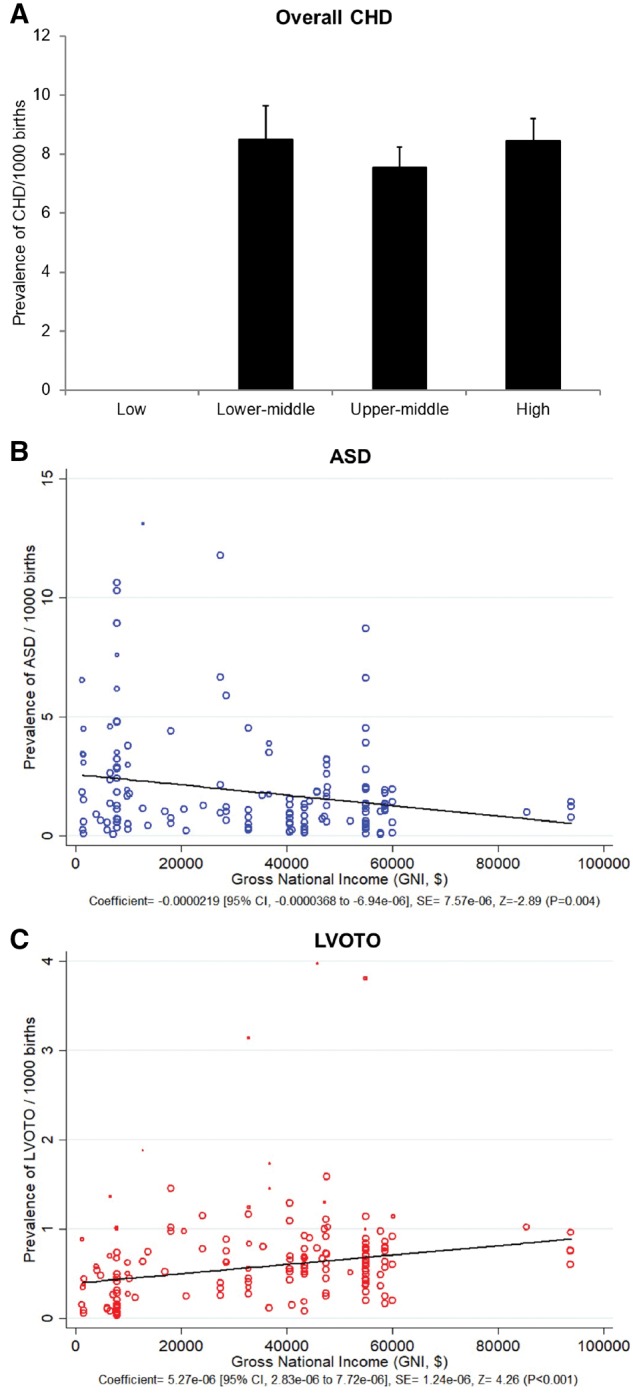
BACKGROUND: Globally, access to healthcare and diagnostic technologies are known to substantially impact the reported birth prevalence of congenital heart disease (CHD). Previous studies have shown marked heterogeneity between different regions, with a suggestion that CHD prevalence is rising globally, but the degree to which this reflects differences due to environmental or genetic risk factors, as opposed to improved detection, is uncertain. We performed an updated systematic review to address these issues. METHODS: Studies reporting the birth prevalence of CHD between the years 1970-2017 were identified from searches of PubMed, EMBASE, Web of Science and Google Scholar. Data on the prevalence of total CHD and 27 anatomical subtypes of CHD were collected. Data were combined using random-effect models. Subgroup and meta-regression analyses were conducted, focused on geographical regions and levels of national income. RESULTS: Two hundred and sixty studies met the inclusion criteria, encompassing 130 758 851 live births. The birth prevalence of CHD from 1970-2017 progressively increased to a maximum in the period 2010-17 of 9.410/1000 [95% CI (confidence interval) 8.602-10.253]. This represented a significant increase over the fifteen prior years (P = 0.031). The change in prevalence of mild CHD lesions (ventricular septal defect, atrial septal defect and patent ductus arteriosus) together explained 93.4% of the increased overall prevalence, consistent with a major role of improved postnatal detection of less severe lesions. In contrast the prevalence of lesions grouped together as left ventricular outflow tract obstruction (which includes hypoplastic left heart syndrome) decreased from 0.689/1000 (95% CI 0.607-0.776) in 1995-99, to 0.475/1000 (95% CI 0.392-0.565; P = 0.004) in 2010-17, which would be consistent with improved prenatal detection and consequent termination of pregnancy when these very severe lesions are discovered. There was marked heterogeneity among geographical regions, with Africa reporting the lowest prevalence [2.315/1000 (95% CI 0.429-5.696)] and Asia the highest [9.342/1000 (95% CI 8.072-10.704)]. CONCLUSIONS: The reported prevalence of CHD globally continues to increase, with evidence of severe unmet diagnostic need in Africa. The recent prevalence of CHD in Asia for the first time appears higher than in Europe and America, where disease ascertainment is likely to be near-complete, suggesting higher genetic or environmental susceptibility to CHD among Asian people.
Overview
The claims and statistics of this paper haven’t been checked yet.
Free: it reads the open-access text and checks the first 5 claims that cite a source we can check. Create a free account to check every claim.
Integrity signals
Registry
Cites
Statistics
Figures
Verification
Claims the paper makes
The claims and statistics of this paper haven’t been checked yet.
Free: it reads the open-access text and checks the first 5 claims that cite a source we can check. Create a free account to check every claim.
Claims other papers make about this one
Each is checked against this paper’s own text: does it say what the citing paper says it does?
The cited source doesn’t support the claim as written.
In the citing paper
“In a subgroup analysis based on the geographic region, a surprisingly high prevalence was reported across all regions of Sub-Saharan Africa.”
From Pooled prevalence and subgroup variations of Tetralogy of Fallot among children and adolescents with congenital heart defect in Sub-Saharan Africa: A systematic review and meta-analysis (2025) · cites this paper as [10]
Checked by a reasoning model — may be wrong.
Experimental — accuracy not yet measuredThe source backs part of the claim, not all of it — or backs it for a different population, condition or comparison.
In the citing paper
“Globally, it accounts for 3% to 5% of all CHD cases, with an estimated incidence of 2.8 to 3.4 per 10,000 live births [2, 10].”
From Pooled prevalence and subgroup variations of Tetralogy of Fallot among children and adolescents with congenital heart defect in Sub-Saharan Africa: A systematic review and meta-analysis (2025) · cites this paper as [10]
Experimental — accuracy not yet measuredThe source backs part of the claim, not all of it — or backs it for a different population, condition or comparison.
In the citing paper
“The prevalence of Tetralogy of Fallot observed was found considerably higher compared to global estimate and reports of developed countries.”
From Pooled prevalence and subgroup variations of Tetralogy of Fallot among children and adolescents with congenital heart defect in Sub-Saharan Africa: A systematic review and meta-analysis (2025) · cites this paper as [10]
Experimental — accuracy not yet measured
Self-check
Percentages, sums and reported differences re-computed from the paper’s own numbers.
The self-check needs the paper’s full text.
Citations
Cites
Cochrane Handbook for Systematic Reviews of Interventions: Cochrane Book Series
(2008) · doi:10.1002/9780470712184 · Cited by 25,048
The incidence of congenital heart disease.
Hoffman, J. I. E., & Kaplan, S. (2002) · Journal of the American College of Cardiology · doi:10.1016/s0735-1097(02)01886-7 · Cited by 6,099
Birth prevalence of congenital heart disease worldwide
van der Linde, D., Konings, E. E. M., Slager, M. A., Witsenburg, M., Helbing, W. A., Takkenberg, J. J. M., & Roos-Hesselink, J. W. (2011) · Journal of the American College of Cardiology · doi:10.1016/j.jacc.2011.08.025 · Cited by 3,452 · cited 6×
“A systematic review of global prevalence data since 1930 was conducted by van der Linde et al.1 in 2010, suggesting an increase in CHD prevalence from the 1930s until 1995, with stabilization between the years 1995–2009.”
BackgroundMethodInfluentialLuchini, C., Stubbs, B., Solmi, M., & Veronese, N. (2017) · World Journal of Meta-Analysis · doi:10.13105/wjma.v5.i4.80 · Cited by 977
Genetics and Genomics of Congenital Heart Disease
Zaidi, S., & Brueckner, M. (2017) · Circulation Research · doi:10.1161/circresaha.116.309140 · Cited by 565 · cited 1×
“It is known that genetic copy number variants and de novo single-nucleotide variants may account for up to 20% of CHD accompanied by extracardiac malformations and/or intellectual impairment.(21) We were unable to stratify participants in the individual studies based on these additional diagnoses.”
BackgroundDu, Y., Xu, X., Chu, M., Guo, Y., & Wang, J. (2016) · PubMed · doi:10.3978/j.issn.2072-1439.2015.11.37 · Cited by 525
Seeking causes: Classifying and evaluating congenital heart defects in etiologic studies
Botto, L. D., Lin, A. E., Riehle‐Colarusso, T., Malik, S., & Correa, A. (2007) · Birth Defects Research Part A: Clinical and Molecular Teratology · doi:10.1002/bdra.20403 · Cited by 469 · cited 2×
“In the principal analyses, CHD was classified into seven phenotypic categories, following the approach of Botto et al.(7) which groups together lesions on the basis of their anatomical/developmental similarity (Supplementary Table 2, available as Supplementary data at IJE online).”
MethodMoller, A.-B., Petzold, M., Chou, D., & Say, L. (2017) · The Lancet Global Health · doi:10.1016/s2214-109x(17)30325-x · Cited by 377
Ambient Air Pollution and Risk of Congenital Anomalies: A Systematic Review and Meta-analysis
Vrijheid, M., Martinez, D., Manzanares, S., Dadvand, P., Schembari, A., Rankin, J., & Nieuwenhuijsen, M. (2011) · Environmental Health Perspectives · doi:10.1289/ehp.1002946 · Cited by 305
Congenital heart disease: current knowledge about causes and inheritance
Blue, G. M., Kirk, E. P., Sholler, G. F., Harvey, R. P., & Winlaw, D. S. (2012) · Medical Journal of Australia · doi:10.5694/mja12.10811 · Cited by 241 · cited 3×
“The studies included in the meta-analysis showed high heterogeneity, as expected, given the unknown aetiological factors for around 80% of CHDs.2 Potentially, hospitalbased studies could have provided upwardly biased estimates of prevalence compared to national registries, both of which were included in the meta-analy…”
BackgroundResultInfluential
Research works printed but not linked: 1
- United Nations. World Economic Situation and Prospects. New York: United Nations, UN, 2014.
Cited by
Heart Disease and Stroke Statistics—2023 Update: A Report From the American Heart Association
Tsao, C. W., Aday, A. W., Almarzooq, Z. I., Anderson, C. A. M., Arora, P., Avery, C. L., Baker-Smith, C. M., Beaton, A. Z., Boehme, A. K., Buxton, A. E., et al. (2023) · Circulation · doi:10.1161/cir.0000000000001123 · Cited by 8,300
Heart Disease and Stroke Statistics—2022 Update: A Report From the American Heart Association
Tsao, C. W., Aday, A. W., Almarzooq, Z. I., Alonso, A., Beaton, A. Z., Bittencourt, M. S., Boehme, A. K., Buxton, A. E., Carson, A. P., Commodore-Mensah, Y., et al. (2022) · Circulation · doi:10.1161/cir.0000000000001052 · Cited by 5,987
Global burden of heart failure: a comprehensive and updated review of epidemiology
Savarese, G., Becher, P. M., Lund, L. H., Seferovic, P., Rosano, G. M. C., & Coats, A. J. S. (2023) · Cardiovascular Research · doi:10.1093/cvr/cvac013 · Cited by 3,315
Martin, S. S., Aday, A. W., Almarzooq, Z. I., Anderson, C. A. M., Arora, P., Avery, C. L., Baker-Smith, C. M., Barone Gibbs, B., Beaton, A. Z., Boehme, A. K., et al. (2024) · Circulation · doi:10.1161/cir.0000000000001209 · Cited by 2,800
2020 ESC Guidelines for the management of adult congenital heart disease
Baumgartner, H., De Backer, J., Babu-Narayan, S. V., Budts, W., Chessa, M., Diller, G.-P., lung, B., Kluin, J., Lang, I. M., Meijboom, F., et al. (2021) · European Heart Journal · doi:10.1093/eurheartj/ehaa554 · Cited by 2,311
Martin, S. S., Aday, A. W., Allen, N. B., Almarzooq, Z. I., Anderson, C. A. M., Arora, P., Avery, C. L., Baker-Smith, C. M., Bansal, N., Beaton, A. Z., et al. (2025) · Circulation · doi:10.1161/cir.0000000000001303 · Cited by 1,080
Zimmerman, M. S., Smith, A. G. C., Sable, C. A., Echko, M. M., Wilner, L. B., Olsen, H. E., Atalay, H. T., Awasthi, A., Bhutta, Z. A., Boucher, J. L., et al. (2020) · The Lancet Child & Adolescent Health · doi:10.1016/s2352-4642(19)30402-x · Cited by 833
Global epidemiology of valvular heart disease
Coffey, S., Roberts-Thomson, R., Brown, A., Carapetis, J., Chen, M., Enriquez-Sarano, M., Zühlke, L., & Prendergast, B. D. (2021) · Nature Reviews Cardiology · doi:10.1038/s41569-021-00570-z · Cited by 770
Survival in Children With Congenital Heart Disease: Have We Reached a Peak at 97%?
Mandalenakis, Z., Giang, K. W., Eriksson, P., Liden, H., Synnergren, M., Wåhlander, H., Fedchenko, M., Rosengren, A., & Dellborg, M. (2020) · Journal of the American Heart Association · doi:10.1161/jaha.120.017704 · Cited by 430
Wu, W., He, J., & Shao, X. (2020) · Medicine · doi:10.1097/md.0000000000020593 · Cited by 415
“Generally, CHD is defined as a structural abnormality of the heart and (or) great vessels that is present at birth.([3]) Although numerous etiologic investigations have been conducted, only approximately 15% of cases of CHD can be attributable to a known cause.”
Background2025 ESC Guidelines for the management of cardiovascular disease and pregnancy
De Backer, J., Haugaa, K. H., Hasselberg, N. E., de Hosson, M., Brida, M., Castelletti, S., Cauldwell, M., Cerbai, E., Crotti, L., de Groot, N. M. S., et al. (2025) · European Heart Journal · doi:10.1093/eurheartj/ehaf193 · Cited by 307
Palaniappan, L. P., Allen, N. B., Almarzooq, Z. I., Anderson, C. A. M., Arora, P., Avery, C. L., Baker-Smith, C. M., Bansal, N., Currie, M. E., Earlie, R. S., et al. (2026) · Circulation · doi:10.1161/cir.0000000000001412 · Cited by 242
ISUOG Practice Guidelines (updated): fetal cardiac screening
Carvalho, J. S., Axt‐Fliedner, R., Chaoui, R., Copel, J. A., Cuneo, B. F., Goff, D., Gordin Kopylov, L., Hecher, K., Lee, W., Moon‐Grady, A. J., et al. (2023) · Ultrasound in Obstetrics & Gynecology · doi:10.1002/uog.26224 · Cited by 246
“However, prenatal detection rates vary widely in different geographic regions and for various types of CHD, with fewer than one half of cardiac anomalies being identified before birth 7,18,19 .”
BackgroundInfluentialGenomic frontiers in congenital heart disease
Morton, S. U., Quiat, D., Seidman, J. G., & Seidman, C. E. (2022) · Nature Reviews Cardiology · doi:10.1038/s41569-021-00587-4 · Cited by 236
Genetics of Congenital Heart Disease
Williams, K., Carson, J., & Lo, C. (2019) · Biomolecules · doi:10.3390/biom9120879 · Cited by 193
Cardiovascular diseases in Africa in the twenty-first century: Gaps and priorities going forward
Minja, N. W., Nakagaayi, D., Aliku, T., Zhang, W., Ssinabulya, I., Nabaale, J., Amutuhaire, W., de Loizaga, S. R., Ndagire, E., Rwebembera, J., et al. (2022) · Frontiers in Cardiovascular Medicine · doi:10.3389/fcvm.2022.1008335 · Cited by 173
“The global birth prevalence rates of CHD show significant geographic variation, with African rates of 1.9–2.3 per 1,000 births being much lower than the global rates of 9.1– 9.4 per 1,000 births (148, 149).”
BackgroundInfluentialEspejo, W., Celis, J. E., Chiang, G., & Bahamonde, P. (2020) · Science of The Total Environment · doi:10.1016/j.scitotenv.2020.141314 · Cited by 178
“A continuous increase in chronic and infectious diseases associatedwith contaminant exposure has been observed in recent decades (DeSantis et al., 2019; Dimakakou et al., 2018; Liu et al., 2019).”
Thomas, J. D., Edvardsen, T., Abraham, T. P., Appadurai, V., Badano, L. P., Banchs, J. A., Cho, G., Cosyns, B., Delgado, V., Donal, E., et al. (2025) · Journal of the American Society of Echocardiography · doi:10.1016/j.echo.2025.07.007 · Cited by 215
HIF in the heart: development, metabolism, ischemia, and atherosclerosis
Knutson, A. K., Williams, A. L., Boisvert, W. A., & Shohet, R. V. (2021) · Journal of Clinical Investigation · doi:10.1172/jci137557 · Cited by 161
“HIF’s role in congenital heart disease Congenital heart disease (CHD) is the most common birth defect, occurring in 1 in 100 live births (45, 46).”
BackgroundMaternal Obesity and Diabetes Mellitus as Risk Factors for Congenital Heart Disease in the Offspring
Helle, E., & Priest, J. R. (2020) · Journal of the American Heart Association · doi:10.1161/jaha.119.011541 · Cited by 182
Zhao, L., Chen, L., Yang, T., Wang, T., Zhang, S., Chen, L., Ye, Z., Luo, L., & Qin, J. (2020) · European Journal of Epidemiology · doi:10.1007/s10654-020-00653-0 · Cited by 145
“In the previous two studies [2, 4] assessing the birth prevalence of CHD, they monitored the occurrence of CHD until 5 to 6 years after birth.”
BackgroundMethodResultInfluentialMoons, P., Bratt, E., Backer, J. F. A. D., Goossens, E., Hornung, T., Tutarel, O., Zuhlke, L. J., Araujo, J. J., Callus, E., Gabriel, H., et al. (2021) · European Heart Journal · doi:10.1093/eurheartj/ehab388 · Cited by 170
Changing epidemiology of congenital heart disease: effect on outcomes and quality of care in adults
Liu, A., Diller, G., Moons, P., Daniels, C. J., Jenkins, K. J., & Marelli, A. J. (2022) · Nature Reviews Cardiology · doi:10.1038/s41569-022-00749-y · Cited by 148
Huisenga, D. C., Gemert, S. L. B., Bergen, A. V., Sweeney, J. K., & Hadders‐Algra, M. (2020) · Developmental Medicine & Child Neurology · doi:10.1111/dmcn.14512 · Cited by 141
“During this period, the overall prevalence of CHD globally increased by 10% every 5 years.(1) Owing in part to earlier detection, the reported prevalence of ‘mild lesions’ such as ventricular septal defect, atrial septal defect, or patent ductus arteriosus increased almost threefold, whereas the prevalence of severe d…”
BackgroundInfluentialTsatsakis, A. M., Petrakis, D., Νikolouzakis, Τ. Κ., Docea, A. O., Călina, D. C., Vinceti, M., Γούμενου, Μ., Kostoff, R. N., Mamoulakis, C., Aschner, M., et al. (2020) · Food and Chemical Toxicology · doi:10.1016/j.fct.2020.111418 · Cited by 139
“, 1997), obesity (OECD, 2014), congenital heart defects (Liu et al., 2019), hypertension (WHO.”
Zuhlke, L. J., Lawrenson, J., Comitis, G., Decker, R. D., Brooks, A., Fourie, B., Swanson, L., & Hugo-Hamman, C. T. (2019) · Current Cardiology Reports · doi:10.1007/s11886-019-1248-z · Cited by 104
Yuan, X., Liang, F., Zhu, J., Huang, K., Dai, L., Li, X., Wang, Y., Li, Q., Lu, X., Huang, J., et al. (2023) · Circulation · doi:10.1161/circulationaha.122.061245 · Cited by 93
“The following births were excluded: (1) 4070 for which data were missing on gestational age, birthweight, maternal age, ethnicity, parity, or fetus number; (2) 530 with birthweight <900 g; (3) 555 involving mothers <14 years of age or >50 years of age; (4) 20 907 without CHD but with other birth defects, stillbirths,…”
BackgroundSelf-citationZhang, S., Wang, L., Yang, T., Chen, L., Zhao, L., Wang, T., Chen, L., Ye, Z., Zheng, Z., & Qin, J. (2019) · European Journal of Preventive Cardiology · doi:10.1177/2047487319874530 · Cited by 112
“35 million babies with CHDs were born each year, representing a major global health problem.(6) In China, the prevalence of CHDs in live birth was 7–8%, with 100,000 to 150,000 cases per year.”
BackgroundWhy residents should teach: a literature review.
Busari, J. O., & Scherpbier, A. J. J. A. (2004) · PubMed · Cited by 96
Xu, J., Li, Q., Deng, L., Xiong, J., Cheng, Z., & Ye, C. (2025) · Frontiers in Cardiovascular Medicine · doi:10.3389/fcvm.2025.1522644 · Cited by 119
Chen, J., Huang, S., Zhang, Y., Chang, Q., Zhang, Y., Li, D., Qiu, J., Hu, L., Peng, X., Du, Y., et al. (2024) · Nature Communications · doi:10.1038/s41467-024-44930-y · Cited by 105
“Besides, it is also recognized that the distribution of CHD subtypes can vary by location and over time 54 .”
BackgroundMethodAssociations between weekly air pollution exposure and congenital heart disease
Zhang, Q., Sun, S., Sui, X., Ding, L., Yang, M. J., Li, C., Zhang, C., Zhang, X.-J., Hao, J., Xu, Y.-C., et al. (2020) · The Science of The Total Environment · doi:10.1016/j.scitotenv.2020.143821 · Cited by 80
Heart Development and Congenital Structural Heart Defects
Houyel, L., & Meilhac, S. M. (2021) · Annual Review of Genomics and Human Genetics · doi:10.1146/annurev-genom-083118-015012 · Cited by 93
Liu, Y., Chen, S., Zuhlke, L. J., Babu‐Narayan, S. V., Black, G. C. M., Choy, M., Li, N., & Keavney, B. D. (2020) · BMC Cardiovascular Disorders · doi:10.1186/s12872-020-01781-x · Cited by 89
“Of note, there was no overlap in data between the present study and our previous meta-analysis of the birth prevalence of CHD [3].”
BackgroundResultInfluentialSelf-citationApplication and Progress of Artificial Intelligence in Fetal Ultrasound
Xiao, S., Zhang, J., Zhu, Y. C., Zhang, Z., Cao, H., Xie, M., & Zhang, L. (2023) · Journal of Clinical Medicine · doi:10.3390/jcm12093298 · Cited by 92
“Congenital heart disease (CHD) is the most common and severe congenital disease among newborns, with a prevalence of about 6–13 per 1000 [29,58].”
BackgroundCongenital heart disease: types, pathophysiology, diagnosis, and treatment options
Meng, X., Song, M., Zhang, K., Lu, W., Li, Y., Zhang, C., & Zhang, Y. (2024) · MedComm · doi:10.1002/mco2.631 · Cited by 90
Congenital heart disease in low‐and‐middle‐income countries: Focus on sub‐Saharan Africa
Zimmerman, M. S., & Sable, C. (2020) · American Journal of Medical Genetics Part C Seminars in Medical Genetics · doi:10.1002/ajmg.c.31769 · Cited by 79
“included 27 anatomic subtypes of CHD, from 1970 to 2017, and encompassed over 130 million live births (Liu et al., 2019).”
BackgroundMethodMaternal iron deficiency perturbs embryonic cardiovascular development in mice
Kalisch-Smith, J. I., Ved, N., Szumska, D., Munro, J. E., Troup, M., Harris, S., Rodriguez‐Caro, H., Jacquemot, A., Miller, J. J. J. J., Stuart, E. M., et al. (2021) · Nature Communications · doi:10.1038/s41467-021-23660-5 · Cited by 70
Benefits and Risks of Antidepressant Drugs During Pregnancy: A Systematic Review of Meta-analyses
Desaunay, P., Eude, L.-G., Dreyfus, M., Alexandre, C., Fédrizzi, S., Alexandre, J., Uğuz, F., & Guenolé, F. (2023) · Pediatric Drugs · doi:10.1007/s40272-023-00561-2 · Cited by 83
“The global birth prevalence of congenital heart defects is around 1%, consisting mainly of ventricular septal defects [55].”
BackgroundMaternal exposure to ambient air pollution and congenital heart defects in China
Yang, B., Qu, Y., Guo, Y., Markevych, I., Heinrich, J., Bloom, M. S., Bai, Z., Knibbs, L. D., Li, S., Chen, G., et al. (2021) · Environment International · doi:10.1016/j.envint.2021.106548 · Cited by 70
“The first trimester is often considered as a critical window for a fetus to develop CHD (Opitz and Clark 2000), we thus focused on this trimester exposure in the main analysis.”
BackgroundBratt, E., Mora, M. A., Sparud‐Lundin, C., Saarijärvi, M., Burström, Å., Skogby, S., Fernlund, E., Fadl, S., Rydberg, A., Hanséus, K., et al. (2023) · Journal of Adolescent Health · doi:10.1016/j.jadohealth.2023.02.019 · Cited by 73
Maternal effect genes: Update and review of evidence for a link with birth defects
Mitchell, L. E. (2021) · Human Genetics and Genomics Advances · doi:10.1016/j.xhgg.2021.100067 · Cited by 79
Spielmann, N., Miller, G., Oprea, T. I., Hsu, C., Fobo, G., Frishman, G., Montrone, C., Mashhadi, H. H., Mason, J., Muñoz‐Fuentes, V., et al. (2022) · Nature Cardiovascular Research · doi:10.1038/s44161-022-00018-8 · Cited by 63
“Structural heart defects are the most prevalent congenital condition in human infants and result from perturbations to normal cardiac development causing structural abnormalities of the heart itself, the adjacent arteries and veins or a combination of heart and cardiac vasculature 3 .”
Maternal exposure to heavy metals and risk for severe congenital heart defects in offspring
Wang, C., Pi, X., Yin, S., Liu, M., Tian, T., Jin, L., Liu, J., Li, Z., Wang, L., Yuan, Z., et al. (2022) · Environmental Research · doi:10.1016/j.envres.2022.113432 · Cited by 57
Artificial Intelligence in Pediatric Cardiology: A Scoping Review
Sethi, Y., Patel, N., Kaka, N., Desai, A., Kaiwan, O., Sheth, M., Sharma, R., Huang, H. Y. R., Chopra, H., Khandaker, M. U., et al. (2022) · Journal of Clinical Medicine · doi:10.3390/jcm11237072 · Cited by 65
Kaeslin, R., Latal, B., & Mitteregger, E. (2023) · Systematic Reviews · doi:10.1186/s13643-023-02320-3 · Cited by 57
“Congenital heart disease (CHD) is one of the most common congenital malformations; it occurs in approximately 10 of 1000 liveborn children worldwide and affects millions of newborns [1, 2].”
BackgroundPrevalence of Feeding and Swallowing Disorders in Congenital Heart Disease: A Scoping Review
Norman, V., Zuhlke, L. J., Murray, K., & Morrow, B. M. (2022) · Frontiers in Pediatrics · doi:10.3389/fped.2022.843023 · Cited by 56
Giang, K. W., Mandalenakis, Z., Fedchenko, M., Eriksson, P., Rosengren, A., Norman, M., Hanséus, K., & Dellborg, M. (2022) · European Journal of Preventive Cardiology · doi:10.1093/eurjpc/zwac227 · Cited by 59
Physical activity interventions for people with congenital heart disease
Williams, C. A., Wadey, C. A., Pieles, G. E., Stuart, G., Taylor, R. S., & Long, L. (2020) · Cochrane Database of Systematic Reviews · doi:10.1002/14651858.cd013400.pub2 · Cited by 80
“[10.1371/journal.pmed.1000100] Liu 2019 Liu Y, Chen S, Zü L, Black GC, Choy M, Li N, Keavney BD. Global birth prevalence of congenital heart defects 1970-2017: updated systematic review and meta-analysis of 260 studies.”
BackgroundInfluentialHedermann, G., Hedley, P. L., Thagaard, I. N., Krebs, L., Ekelund, C. K., Sørensen, T. I. A., & Christiansen, M. (2021) · PLOS ONE · doi:10.1371/journal.pone.0252343 · Cited by 48
“However, other types of CHDs, like bicuspid aortic valve and transient septal heart defects, are far more frequent but of limited clinical significance [3, 6].”
BackgroundMaternal exposure to arsenic in drinking water and risk of congenital heart disease in the offspring
Hansen, F. R., Kloster, S., Wodschow, K., Hansen, B., Schullehner, J., Kristiansen, S. M., Petersen, M. M., Strandberg‐Larsen, K., & Ersbøll, A. K. (2021) · Environment International · doi:10.1016/j.envint.2021.107051 · Cited by 50
Yoon, S. A., Hong, W. H., & Cho, H. J. (2020) · BMC Pediatrics · doi:10.1186/s12887-020-02212-8 · Cited by 57
Wadey, C. A., Weston, M. E., Dorobantu, D. M., Pieles, G. E., Stuart, G., BARKER, A. R., Taylor, R. S., & Williams, C. A. (2021) · European Journal of Preventive Cardiology · doi:10.1093/eurjpc/zwab125 · Cited by 52
Liu, X., Chen, W., Li, W., Priest, J. R., Fu, Y., Pang, K., Ma, B., Han, B., Liu, X., Hu, S., et al. (2020) · Circulation Research · doi:10.1161/circresaha.119.315821 · Cited by 48
Role of cilia in the pathogenesis of congenital heart disease
Gabriel, G. C., Young, C. B., & Lo, C. W. Y. (2020) · Seminars in Cell and Developmental Biology · doi:10.1016/j.semcdb.2020.04.017 · Cited by 51
Giang, K. W., Fedchenko, M., Dellborg, M., Eriksson, P., & Mandalenakis, Z. (2021) · Journal of the American Heart Association · doi:10.1161/jaha.120.020939 · Cited by 48
Maternal Diabetes and Overweight and Congenital Heart Defects in Offspring
Turunen, R., Pulakka, A., Metsälä, J., Vahlberg, T. J., Ojala, T. H., Gissler, M., Kajantie, E., & Helle, E. (2024) · JAMA Network Open · doi:10.1001/jamanetworkopen.2023.50579 · Cited by 52
The Cardiac Neural Crest Cells in Heart Development and Congenital Heart Defects
Erhardt, S., Zheng, M., Zhao, X., Le, T. P., Findley, T. O., & Wang, J. (2021) · Journal of Cardiovascular Development and Disease · doi:10.3390/jcdd8080089 · Cited by 46
Villaseca-Rojas, Y., Varela-Melo, J., Torres‐Castro, R., Vasconcello‐Castillo, L., Mazzucco, G. A., Vilaró, J., & Blanco, I. (2022) · Frontiers in Cardiovascular Medicine · doi:10.3389/fcvm.2022.874700 · Cited by 48
Prevalence of congenital heart defects in Europe, 2008–2015: A registry‐based study
Mamasoula, C., Addor, M., Cavero‐Carbonell, C., Dias, C. M., Echevarría-González-de-Garibay, L. J., Gatt, M., Khoshnood, B., Klungsøyr, K., Randall, K., Stoianova, S., et al. (2022) · Birth Defects Research · doi:10.1002/bdr2.2117 · Cited by 46
Ventricular Arrhythmias in Adults With Congenital Heart Disease, Part I
Bessière, F., Waldmann, V., Combes, N., Metton, O., Dib, N., Mondesert, B. A., O’Leary, E. T., Witt, E. D., Carreon, C. K., Sanders, S. P., et al. (2023) · Journal of the American College of Cardiology · doi:10.1016/j.jacc.2023.06.034 · Cited by 45
Global birth prevalence of major congenital anomalies: a systematic review and meta-analysis
Xie, X., Pei, J., Zhang, L., & Wu, Y. (2025) · BMC Public Health · doi:10.1186/s12889-025-21642-6 · Cited by 40
Towards Achieving Equity and Innovation in Newborn Screening across Europe
Šikonja, J., Grošelj, U., Scarpa, M., la Marca, G., Cheillan, D., Kölker, S., Zetterström, R. H., Kožich, V., Cam, Y. L., Gumus, G., et al. (2022) · International Journal of Neonatal Screening · doi:10.3390/ijns8020031 · Cited by 43
Hasan, B. S., Rasheed, M. A., Wahid, A., Kumar, R., & Zuhlke, L. J. (2021) · Frontiers in Pediatrics · doi:10.3389/fped.2021.764239 · Cited by 43
Liu, L., He, W., Zhu, J., Deng, K., Tan, H., Xiang, L., Yuan, X., Li, Q., Huang, M., Guo, Y., et al. (2023) · European Journal of Pediatrics · doi:10.1007/s00431-023-04932-2 · Cited by 53
“Based on the literature [31], we analyzed CH prevalence during the following 10-year periods: 1969–1980, 1981–1990, 1991–2000, 2001–2010, and 2011–2020.”
BackgroundMeisner, J. K., & Martin, D. M. (2019) · American Journal of Medical Genetics Part C Seminars in Medical Genetics · doi:10.1002/ajmg.c.31761 · Cited by 41
Yang, Y., Lin, Q., Liang, Y., Ruan, Z., Acharya, B. K., Zhang, S., Qian, Z. M., McMillin, S. E., Hinyard, L., Sun, J., et al. (2020) · The Science of The Total Environment · doi:10.1016/j.scitotenv.2019.136470 · Cited by 42
The heart field transcriptional landscape at single-cell resolution
Kelly, R. G. (2023) · Developmental Cell · doi:10.1016/j.devcel.2023.01.010 · Cited by 43
“Together the Nomaru and De Soysa studies demonstrate the power of scRNA-seq approaches for molecular phenotyping and uncovering the pathological mechanisms leading to CHD.”
BackgroundInfluentialMa, Z., Cao, X., Chang, Y., Li, W., Chen, X., & Tang, N. (2021) · Environmental Research · doi:10.1016/j.envres.2021.111014 · Cited by 37
Epigenomic and Transcriptomic Dynamics During Human Heart Organogenesis
VanOudenhove, J., Yankee, T. N., Wilderman, A. S., & Cotney, J. L. (2020) · Circulation Research · doi:10.1161/circresaha.120.316704 · Cited by 43
Zhang, X., Sun, Y., Zhu, J., Zhu, Y., & Qiu, L. (2020) · BMC Pediatrics · doi:10.1186/s12887-020-02313-4 · Cited by 48
Gu, J., & Guan, H.-B. (2021) · Journal of Affective Disorders · doi:10.1016/j.jad.2021.05.002 · Cited by 46
Exploring the Role of Maternal Nutritional Epigenetics in Congenital Heart Disease
Joshi, R. O., Chellappan, S., & Kukshal, P. (2020) · Current Developments in Nutrition · doi:10.1093/cdn/nzaa166 · Cited by 35
“410 per 1000 live births, with a rapid increase in the past 15 y indicating a steep rise in the global burden of CHD (1).”
BackgroundFrailty and Cognitive Function in Middle-Aged and Older Adults With Congenital Heart Disease
Daelman, B., Bulck, L. V., Luyckx, K., Kovacs, A. H., Bruaene, A. V. D., Ladouceur, M., Yang, H., Moon, J. R., Schmidt, A., Lykkeberg, B., et al. (2024) · Journal of the American College of Cardiology · doi:10.1016/j.jacc.2024.01.021 · Cited by 41
Zikarg, Y. T., Tiruneh, C., & Aragie, T. G. (2021) · PLoS ONE · doi:10.1371/journal.pone.0250006 · Cited by 46
“Congenital heart defect (CHD) is typically defined as a structural abnormality of the heart and/or great vessels present at birth [1].”
BackgroundCoping strategies used by mothers and fathers following diagnosis of congenital heart disease
Demianczyk, A. C., Driscoll, C., Karpyn, A. E., Shillingford, A. J., Kazak, A. E., & Sood, E. (2021) · Child Care Health and Development · doi:10.1111/cch.12913 · Cited by 42
Pan, F., Li, J., Lou, H., Li, J., Jin, Y., Wu, T., Pan, L., An, J. W., Xu, J., Cheng, W., et al. (2022) · Current Problems in Cardiology · doi:10.1016/j.cpcardiol.2022.101341 · Cited by 41
SMAD6-deficiency in human genetic disorders
Luyckx, I., Verstraeten, A., Goumans, M., & Loeys, B. (2022) · npj Genomic Medicine · doi:10.1038/s41525-022-00338-5 · Cited by 38
Swanson, L., Owen, B., Keshmiri, A., Deyranlou, A., Aldersley, T., Lawrenson, J., Human, P., Decker, R. D., Fourie, B., Comitis, G., et al. (2020) · Frontiers in Bioengineering and Biotechnology · doi:10.3389/fbioe.2020.00409 · Cited by 35
Self-citationSu, Z., Zhang, Y., Cai, X., Li, Q., Gu, H., Luan, Y., He, Y., Li, S., Chen, J., & Zhang, H. (2023) · The Lancet Child & Adolescent Health · doi:10.1016/s2352-4642(23)00053-6 · Cited by 40
Tricuspid atresia: Where are we now?
Sumal, A. S., Kyriacou, H., & Mostafa, A. M. H. A. M. (2020) · Journal of Cardiac Surgery · doi:10.1111/jocs.14673 · Cited by 33
“1 per 1000 individuals.(2) This places it as the fourth most”
BackgroundUğuz, F. (2020) · Expert Opinion on Drug Safety · doi:10.1080/14740338.2020.1832080 · Cited by 41
Mitochondrial DNA Is a Vital Driving Force in Ischemia‐Reperfusion Injury in Cardiovascular Diseases
Liu, H., Liu, X., Zhou, J., & Li, T. (2022) · Oxidative Medicine and Cellular Longevity · doi:10.1155/2022/6235747 · Cited by 47
“CHD is the leading cause of death from birth defects [86, 87].”
Tomek, V., Jičínská, H., Pavlíček, J., Kovanda, J., Jehlička, P., Klásková, E., Mrázek, J., Čutka, D., Smetanová, D., Brestak, M., et al. (2023) · JAMA Network Open · doi:10.1001/jamanetworkopen.2023.34069 · Cited by 39
“19 All fetal and postnatal CHD diagnoses were classified and listed in groups according to the most important lesions, as follows21: (1) tricuspid atresia, (2) mitral atresia, (3) double inlet ventricle, (4) congenitally corrected transposition of the great arteries, (5) hypoplastic left heart syndrome, (6) persistent…”
SDF4CHD: Generative modeling of cardiac anatomies with congenital heart defects
Kong, F., Stocker, S., Choi, P. S., Ma, M., Ennis, D. B., & Marsden, A. L. (2024) · Medical Image Analysis · doi:10.1016/j.media.2024.103293 · Cited by 51
The placenta as the window to congenital heart disease
Cohen, J. A., Rychik, J. R., & Savla, J. J. (2020) · Current Opinion in Cardiology · doi:10.1097/hco.0000000000000816 · Cited by 33
“Globally, congenital heart disease (CHD) is the most common birth defect, affecting 8–11 infants per 1000 [1].”
BackgroundLeft–right patterning in congenital heart disease beyond heterotaxy
Gabriel, G. C., & Lo, C. W. Y. (2020) · American Journal of Medical Genetics Part C Seminars in Medical Genetics · doi:10.1002/ajmg.c.31768 · Cited by 33
“Congenital heart defect (CHD) is one of the most common structural birth defects, affecting up to 1% of live births (Liu et al., 2019; van der Linde et al., 2011).”
BackgroundThomford, N. E., Biney, R. P., Okai, E., Anyanful, A., Nsiah, P., Frimpong, P. G., Boakye, D. O., Adongo, C. A., Kruszka, P. S., & Wonkam, A. (2020) · Journal of Congenital Cardiology · doi:10.1186/s40949-020-00034-y · Cited by 33
“The estimated incidence of CHD is similar across all countries globally [1, 8]; however, CHD data for African countries is sparse and needed [4].”
BackgroundMahadevan, U., Naureckas, S., Tikhonov, I., Wang, Y., Lin, C. B., Geldhof, A. B., & van der Woude, C. J. (2022) · Alimentary Pharmacology & Therapeutics · doi:10.1111/apt.16960 · Cited by 33
Liang, Y., Pan, Z., Zhu, M., Gao, R., Wang, Y., Cheng, Y., & Zhang, N. (2023) · Frontiers in Nutrition · doi:10.3389/fnut.2023.1121826 · Cited by 34
“As one of the most common congenital malformations and the leading cause to childhood death, CHDs affect around 8–10 per 1,000 live births in the world (2).”
BackgroundMacDonald, K. N., Ivison, S., Hippen, K. L., Hoeppli, R. E., Hall, M., Zheng, G., Dijke, I. E., Aklabi, M. A., Freed, D. H., Rebeyka, I., et al. (2019) · Cytotherapy · doi:10.1016/j.jcyt.2019.10.011 · Cited by 30
Hasan, A. A., Lehyah, N. A. A. A., Tarawneh, M. K. A., Abbad, M. Y., Fraijat, A. G., Al-Jammal, R. A., Moamar, D. M., Shersheer, Q. A., Guthrie, S. O., & Starnes, J. R. (2023) · Frontiers in Pediatrics · doi:10.3389/fped.2023.1261130 · Cited by 31
Dandy, S., Wittkowski, A., & Murray, C. D. (2023) · British Journal of Health Psychology · doi:10.1111/bjhp.12703 · Cited by 38
“Congenital heart disease (CHD) is the most common congenital anomaly, with a global incidence of approximately 1% (Liu et al., 2019).”
The genetic workup for structural congenital heart disease
Serrano, T. J., Beaton, A., & Kruszka, P. S. (2019) · American Journal of Medical Genetics Part C Seminars in Medical Genetics · doi:10.1002/ajmg.c.31759 · Cited by 32
“CHD is the most common congenital defect worldwide with a prevalence of 8.2 per 1,000 live births, ranging from 2.3 to 9.3 per 1,000 live births depending the geographic region (Liu et al., 2019).”
BackgroundInfluentialMaternal Periconceptional Folic Acid Supplementation and Risk for Fetal Congenital Heart Defects
Wang, D., Jin, L., Zhang, J., Meng, W., Ren, A., & Jin, L. (2021) · The Journal of Pediatrics · doi:10.1016/j.jpeds.2021.09.004 · Cited by 32
Muzio, F. P. L., Rozzi, G., Rossi, S., Luciani, G. B., Foresti, R., Cabassi, A., Fassina, L., & Miragoli, M. (2021) · Journal of Clinical Medicine · doi:10.3390/jcm10225330 · Cited by 33
Cheng, Z., Gu, R., Lian, Z., & Gu, H. F. (2022) · Nutrition Journal · doi:10.1186/s12937-022-00772-2 · Cited by 33
“Indeed, confounding is always an issue when assessing the association of a single environmental factor with a complex outcome like CHD, particularly, the incidence of CHD is low [6].”
BackgroundInfluentialIsolated Coarctation of the Aorta: Current Concepts and Perspectives
Bhatt, A. B., Lantin‐Hermoso, M. R., Daniels, C. J., Jaquiss, R. D. B., Landis, B. J., Marino, B. S., Rathod, R. H., Vincent, R. N., Keller, B. B., & Villafañe, J. (2022) · Frontiers in Cardiovascular Medicine · doi:10.3389/fcvm.2022.817866 · Cited by 38
Digital twinning of cardiac electrophysiology for congenital heart disease
Salvador, M., Kong, F., Peirlinck, M., Parker, D. W., Chubb, H., Dubin, A. M., & Marsden, A. L. (2024) · Journal of The Royal Society Interface · doi:10.1098/rsif.2023.0729 · Cited by 41
Fotiou, E., Williams, S. G., Martin-Geary, A. C., Robertson, D. L., Tenin, G., Hentges, K. E., & Keavney, B. D. (2019) · Circulation Genomic and Precision Medicine · doi:10.1161/circgen.119.002694 · Cited by 31
“In addition, we found 45 candidate genes from duplication and BOTH CNVs, which had the following properties: (1) high or medium impact SNVs in the WES data, (2) found in duplication and BOTH CNV regions only seen in nonsyndromic CHD cases, (3) top 5% of ExAC duplication CNV intolerance scores, (4) in the top 25% of hi…”
BackgroundSelf-citation
Metadata
- Authors
- Liu, Y., Chen, S., Zühlke, L., Black, G. C., Choy, M.-K., Li, N., & Keavney, B. D.
- Affiliations
- University of Manchester (GB)
- Sichuan University (CN)
- Department of Paediatrics, Red Cross War Memorial Children’s Hospital, University of Cape Town, Cape Town, South Africa
- Manchester Academic Health Science Centre (GB)
- Corresponding author
- Keavney, Bernard D
- Venue
- International Journal of Epidemiology
- Publisher
- Oxford University Press (OUP)
- Published
- 2019-02-19
- Volume
- 48
- Issue
- 2
- Pages
- 455-463
- ISSN
- 0300-5771 (ISSN-L)
- 1464-3685
- PMC
- PMC6469300
- OpenAlex
- W2918094628
- Cited by
- 1,436
- References
- 20
- Citations by year
- 2026: 216 · 2025: 233 · 2024: 288 · 2023: 228 · 2022: 197 · 2021: 162 · 2020: 86 · 2019: 22
- FWCI
- 17.04
- Type
- journal article
- Language
- en
- Open access
- hybrid
- doi.org
- Licence
- Locations
- International Journal of Epidemiology (publishedVersion, cc-by)
- Europe PMC (PubMed Central) (publishedVersion, cc-by)
- PubMed Central (publishedVersion, cc-by)
- PubMed (publishedVersion)
- e-space (Manchester Metropolitan University) (acceptedVersion)
- Research Explorer (The University of Manchester) (submittedVersion, cc-by)
- Funders
- The British Heart Foundation
- The University of Manchester-Peking University Health Science Centre Alliance
- China Scholarships Council
- Medical Research Council
- South African Medical Research Council
- Topics
- Health Sciences › Medicine › Cardiology and Cardiovascular Medicine › Congenital Heart Disease Studies
- Life Sciences › Biochemistry, Genetics and Molecular Biology › Molecular Biology › Congenital heart defects research
- Health Sciences › Medicine › Surgery › Congenital Anomalies and Fetal Surgery
- Keywords
- congenital heart disease, birth prevalence, temporal trends, ventricular septal defect, atrial septal defect, patent ductus arteriosus, left ventricular outflow tract obstruction, hypoplastic left heart syndrome, prenatal diagnosis, abortion, postnatal diagnosis, regional variation, national income, Africa, South America, Asia, Europe
- MeSH terms
- Heart Defects, Congenital, Humans, Infant, Newborn, Global Health, Prevalence, Confidence Intervals
About these checks
Registry, retraction, Cites and statistics results are computed, not judged, with one exception: a printed reference that no index lists is read once by a model before it counts as a citation error. Claims are extracted by a model and kept only when their quote appears verbatim in the text; each cited source is then checked, with a model’s help, for whether it says what the claim relies on. Those verdicts can be wrong — read the claim’s quote and the cited source before relying on one.
Statistics and arithmetic are recomputed, not judged.
Confidence bands are shown only for fields calibrated on our annotated test set. None is calibrated yet, so no band is shown.
What counts as a claim ›How we measure confidence ›How we check this ›
Are you an author, or do you see a problem with this page? Request a review
Data sources
Bibliographic data: Semantic Scholar, OpenAlex, Crossref.
Contains information from the Semantic Scholar Academic Graph Datasets, made available under the ODC Attribution License (ODC-BY 1.0).
Semantic Scholar’s data is described in: Kinney, R., et al. (2023). The Semantic Scholar Open Data Platform. arXiv:2301.10140.
