

Global birth prevalence of congenital heart defects 1970–2017: updated systematic review and meta-analysis of 260 studies
Open accessThe DOI matches its Crossref record; 20 of the 20 references it cites were found in a registry or an index.
Abstract
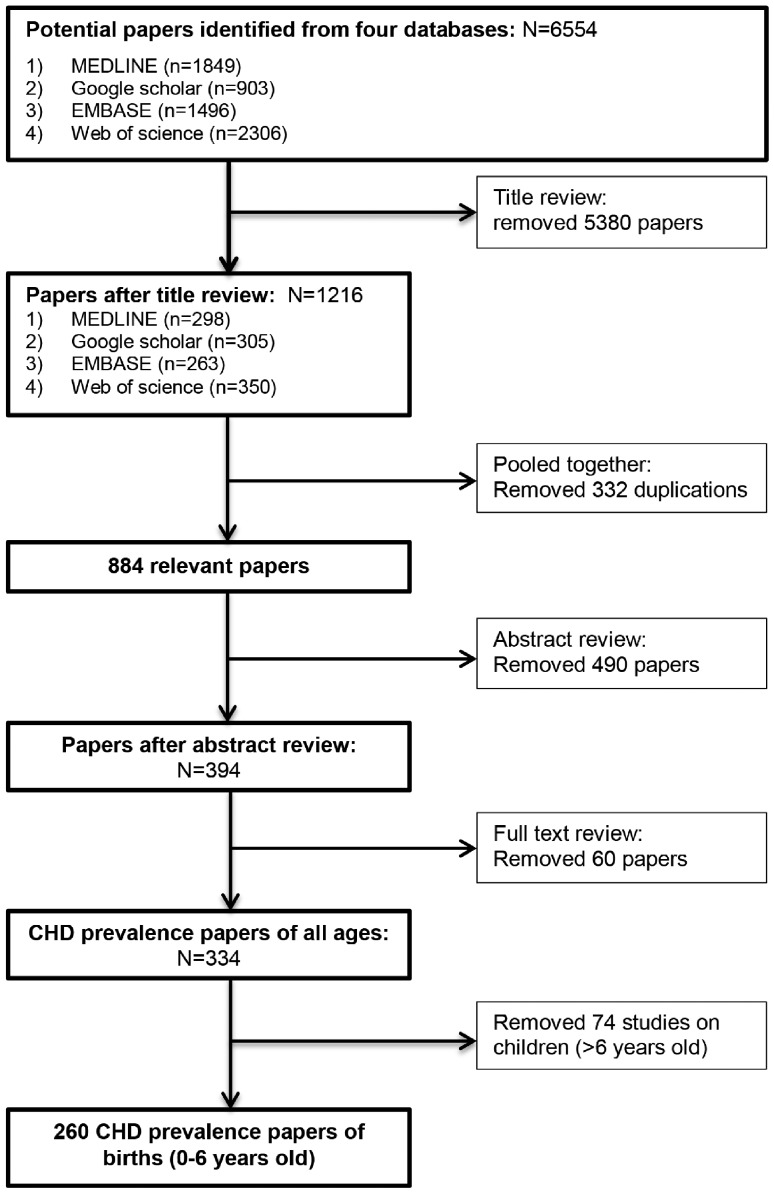
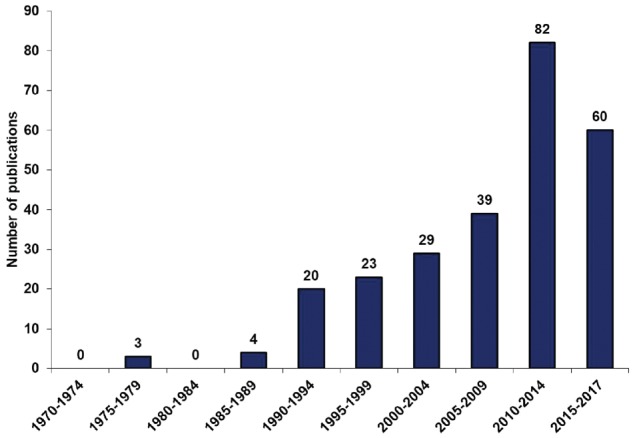
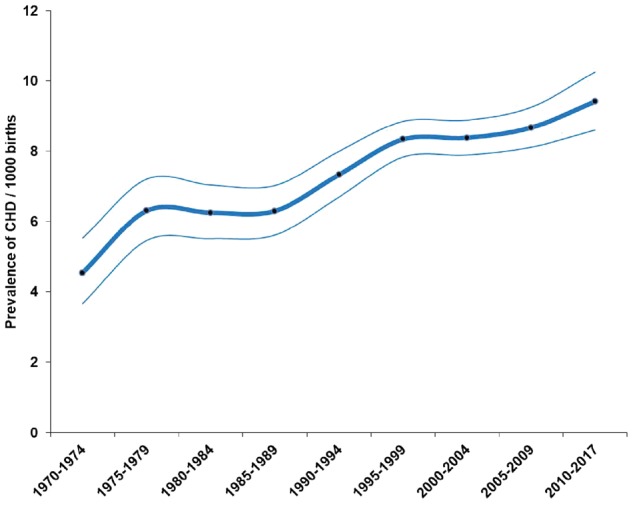
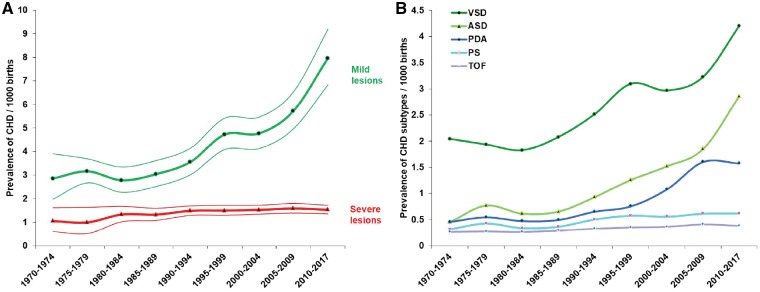
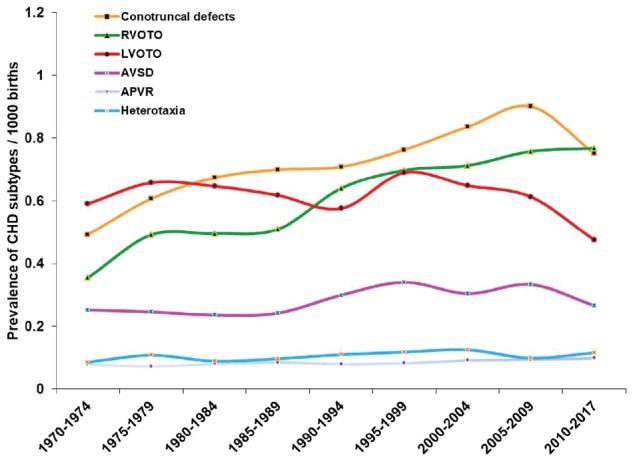
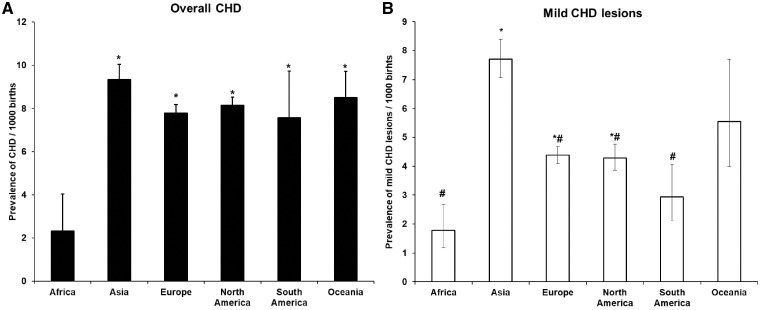
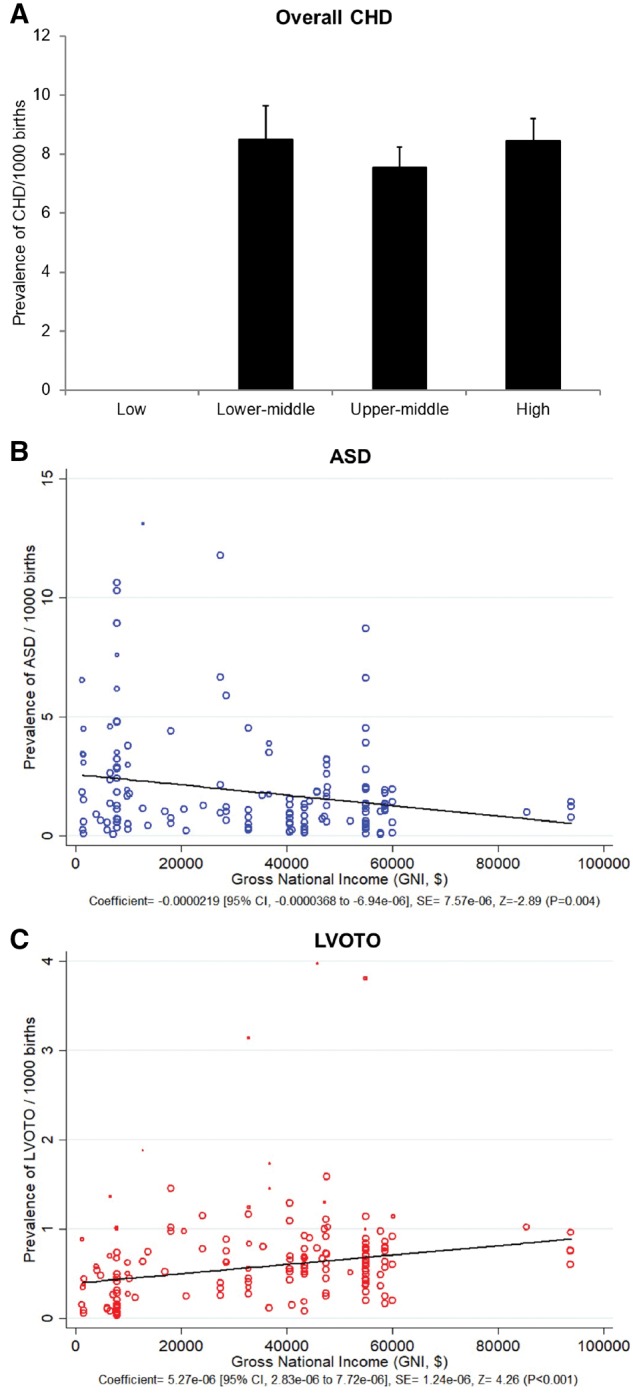
BACKGROUND: Globally, access to healthcare and diagnostic technologies are known to substantially impact the reported birth prevalence of congenital heart disease (CHD). Previous studies have shown marked heterogeneity between different regions, with a suggestion that CHD prevalence is rising globally, but the degree to which this reflects differences due to environmental or genetic risk factors, as opposed to improved detection, is uncertain. We performed an updated systematic review to address these issues. METHODS: Studies reporting the birth prevalence of CHD between the years 1970-2017 were identified from searches of PubMed, EMBASE, Web of Science and Google Scholar. Data on the prevalence of total CHD and 27 anatomical subtypes of CHD were collected. Data were combined using random-effect models. Subgroup and meta-regression analyses were conducted, focused on geographical regions and levels of national income. RESULTS: Two hundred and sixty studies met the inclusion criteria, encompassing 130 758 851 live births. The birth prevalence of CHD from 1970-2017 progressively increased to a maximum in the period 2010-17 of 9.410/1000 [95% CI (confidence interval) 8.602-10.253]. This represented a significant increase over the fifteen prior years (P = 0.031). The change in prevalence of mild CHD lesions (ventricular septal defect, atrial septal defect and patent ductus arteriosus) together explained 93.4% of the increased overall prevalence, consistent with a major role of improved postnatal detection of less severe lesions. In contrast the prevalence of lesions grouped together as left ventricular outflow tract obstruction (which includes hypoplastic left heart syndrome) decreased from 0.689/1000 (95% CI 0.607-0.776) in 1995-99, to 0.475/1000 (95% CI 0.392-0.565; P = 0.004) in 2010-17, which would be consistent with improved prenatal detection and consequent termination of pregnancy when these very severe lesions are discovered. There was marked heterogeneity among geographical regions, with Africa reporting the lowest prevalence [2.315/1000 (95% CI 0.429-5.696)] and Asia the highest [9.342/1000 (95% CI 8.072-10.704)]. CONCLUSIONS: The reported prevalence of CHD globally continues to increase, with evidence of severe unmet diagnostic need in Africa. The recent prevalence of CHD in Asia for the first time appears higher than in Europe and America, where disease ascertainment is likely to be near-complete, suggesting higher genetic or environmental susceptibility to CHD among Asian people.
Overview
The claims and statistics of this paper haven’t been checked yet.
Free: it reads the open-access text and checks the first 5 claims that cite a source we can check. Create a free account to check every claim.
Integrity signals
Registry
Cites
Statistics
Figures
Verification
Claims the paper makes
The claims and statistics of this paper haven’t been checked yet.
Free: it reads the open-access text and checks the first 5 claims that cite a source we can check. Create a free account to check every claim.
Claims other papers make about this one
Each is checked against this paper’s own text: does it say what the citing paper says it does?
The cited source doesn’t support the claim as written.
In the citing paper
“In a subgroup analysis based on the geographic region, a surprisingly high prevalence was reported across all regions of Sub-Saharan Africa.”
From Pooled prevalence and subgroup variations of Tetralogy of Fallot among children and adolescents with congenital heart defect in Sub-Saharan Africa: A systematic review and meta-analysis (2025) · cites this paper as [10]
Checked by a reasoning model — may be wrong.
Experimental — accuracy not yet measuredThe source backs part of the claim, not all of it — or backs it for a different population, condition or comparison.
In the citing paper
“Globally, it accounts for 3% to 5% of all CHD cases, with an estimated incidence of 2.8 to 3.4 per 10,000 live births [2, 10].”
From Pooled prevalence and subgroup variations of Tetralogy of Fallot among children and adolescents with congenital heart defect in Sub-Saharan Africa: A systematic review and meta-analysis (2025) · cites this paper as [10]
Experimental — accuracy not yet measuredThe source backs part of the claim, not all of it — or backs it for a different population, condition or comparison.
In the citing paper
“The prevalence of Tetralogy of Fallot observed was found considerably higher compared to global estimate and reports of developed countries.”
From Pooled prevalence and subgroup variations of Tetralogy of Fallot among children and adolescents with congenital heart defect in Sub-Saharan Africa: A systematic review and meta-analysis (2025) · cites this paper as [10]
Experimental — accuracy not yet measured
Self-check
Percentages, sums and reported differences re-computed from the paper’s own numbers.
The self-check needs the paper’s full text.
Citations
Cites
Cochrane Handbook for Systematic Reviews of Interventions: Cochrane Book Series
(2008) · doi:10.1002/9780470712184 · Cited by 25,048
The incidence of congenital heart disease.
Hoffman, J. I. E., & Kaplan, S. (2002) · Journal of the American College of Cardiology · doi:10.1016/s0735-1097(02)01886-7 · Cited by 6,099
Birth prevalence of congenital heart disease worldwide
van der Linde, D., Konings, E. E. M., Slager, M. A., Witsenburg, M., Helbing, W. A., Takkenberg, J. J. M., & Roos-Hesselink, J. W. (2011) · Journal of the American College of Cardiology · doi:10.1016/j.jacc.2011.08.025 · Cited by 3,452 · cited 6×
“A systematic review of global prevalence data since 1930 was conducted by van der Linde et al.1 in 2010, suggesting an increase in CHD prevalence from the 1930s until 1995, with stabilization between the years 1995–2009.”
BackgroundMethodInfluentialLuchini, C., Stubbs, B., Solmi, M., & Veronese, N. (2017) · World Journal of Meta-Analysis · doi:10.13105/wjma.v5.i4.80 · Cited by 977
Genetics and Genomics of Congenital Heart Disease
Zaidi, S., & Brueckner, M. (2017) · Circulation Research · doi:10.1161/circresaha.116.309140 · Cited by 565 · cited 1×
“It is known that genetic copy number variants and de novo single-nucleotide variants may account for up to 20% of CHD accompanied by extracardiac malformations and/or intellectual impairment.(21) We were unable to stratify participants in the individual studies based on these additional diagnoses.”
BackgroundDu, Y., Xu, X., Chu, M., Guo, Y., & Wang, J. (2016) · PubMed · doi:10.3978/j.issn.2072-1439.2015.11.37 · Cited by 525
Seeking causes: Classifying and evaluating congenital heart defects in etiologic studies
Botto, L. D., Lin, A. E., Riehle‐Colarusso, T., Malik, S., & Correa, A. (2007) · Birth Defects Research Part A: Clinical and Molecular Teratology · doi:10.1002/bdra.20403 · Cited by 469 · cited 2×
“In the principal analyses, CHD was classified into seven phenotypic categories, following the approach of Botto et al.(7) which groups together lesions on the basis of their anatomical/developmental similarity (Supplementary Table 2, available as Supplementary data at IJE online).”
MethodMoller, A.-B., Petzold, M., Chou, D., & Say, L. (2017) · The Lancet Global Health · doi:10.1016/s2214-109x(17)30325-x · Cited by 377
Ambient Air Pollution and Risk of Congenital Anomalies: A Systematic Review and Meta-analysis
Vrijheid, M., Martinez, D., Manzanares, S., Dadvand, P., Schembari, A., Rankin, J., & Nieuwenhuijsen, M. (2011) · Environmental Health Perspectives · doi:10.1289/ehp.1002946 · Cited by 305
Congenital heart disease: current knowledge about causes and inheritance
Blue, G. M., Kirk, E. P., Sholler, G. F., Harvey, R. P., & Winlaw, D. S. (2012) · Medical Journal of Australia · doi:10.5694/mja12.10811 · Cited by 241 · cited 3×
“The studies included in the meta-analysis showed high heterogeneity, as expected, given the unknown aetiological factors for around 80% of CHDs.2 Potentially, hospitalbased studies could have provided upwardly biased estimates of prevalence compared to national registries, both of which were included in the meta-analy…”
BackgroundResultInfluential
Research works printed but not linked: 1
- United Nations. World Economic Situation and Prospects. New York: United Nations, UN, 2014.
Cited by
Items 801–900 of 1,000
Teratogenic Factors Contributing to the Development of Congenital Heart Defects
Zegelbone, P. M., & Patel, S. S. (2024) · Springer eBooks · doi:10.1007/978-3-031-07563-6_10 · Cited by 2
Anuwutnavin, S., Kuichanuan, M., Sompagdee, N., Kanjanauthai, S., & Soongswang, J. (2024) · Journal of Ultrasound in Medicine · doi:10.1002/jum.16606 · Cited by 1
Ding, N., Li, Z., Guo, J., Li, X., Yi, H., & Shen, L. (2024) · Cardiology in the Young · doi:10.1017/s1047951124026799 · Cited by 1
Sakjirapapong, K., Vijarnsorn, C., Thongyai, K., Thirakulnanchai, Y., Chanthong, P., Chungsomprasong, P., Kanjanauthai, S., Thammasate, P., Pacharapakornpong, T., Boonchom, E., et al. (2024) · BMJ Paediatrics Open · doi:10.1136/bmjpo-2024-002938 · Cited by 1
Ahamad, S., Kukshal, P., Kumar, A., Chellappan, S., Sathe, Y. C., & Murthy, P. R. (2024) · International Journal of Scientific Reports · doi:10.18203/issn.2454-2156.intjscirep20243493 · Cited by 1
Wang, J., Zhang, S., Sun, L., Wang, L., & Wu, Q. (2024) · International Journal of Medical Sciences · doi:10.7150/ijms.102843 · Cited by 1
Applicability of Adaptive Noise Cancellation to Fetal Heart Rate Detection Using Phonocardiogram
Ansari, N. J. I., Edinburg, M. M., & Nikita, N. (2024) · International Conference on IoT Based Control Networks and Intelligent Systems (ICICNIS) · doi:10.1109/icicnis64247.2024.10823112 · Cited by 1
Erenbourg, A., Barber, T. J., Cecotti, V., Faiola, S., Fantasia, I., Stampaljia, T., Avnet, H., Radzymińska-Chruściel, B., Meriki, N., & Welsh, A. W. (2025) · BMC Pregnancy and Childbirth · doi:10.1186/s12884-025-07145-7 · Cited by 1
“Congenital heart disease is defined as structural abnormality of the heart and (or) great vessels that is present at birth [1], and is the most frequently diagnosed fetal malformation affecting approximately 0.8% to 1.2% of live births worldwide [2].”
InfluentialCBP/CREB Regulates the Proliferation and Apoptosis of Cardiomyocytes by Interacting With SERCA
Zhouguo, Y., Yuan, Z., Abdul, M., Xi, S., Wei, T., Yan, W., Wang, Y., Guo, R., Xing, Q., & Zhou, Q. W. (2025) · Journal of Cellular and Molecular Medicine · doi:10.1111/jcmm.70426 · Cited by 1
Rare T-box variants in adult pulmonary arterial hypertension with congenital heart disease
Li, L., Chen, G., Qiao, N., Li, J., Wang, Z., Lyu, Y., & Guo, Y. (2025) · Journal of Applied Genetics · doi:10.1007/s13353-025-00958-4 · Cited by 1
The Evolving Landscape of CHD Genetics: A Contemporary Guide to Genetic Testing and Management
O’Malley, B. R., Sholler, G. F., Smith, J. M., & Blue, G. M. (2025) · Journal of Paediatrics and Child Health · doi:10.1111/jpc.70176 · Cited by 3
Yamazaki, F., Kamimura, H., Endo, S., Miida, S., Maruyama, H., Yoshida, T., Kumagai, M., Kimura, N., Abé, H., Sakamaki, A., et al. (2025) · Children · doi:10.3390/children12091131 · Cited by 3
“[2].”
Wang, H., Zhang, Q., Sun, Y., Zhang, X., Ren, Y., Dou, Y., Zhan, C., Ye, M., & Gu, Y. (2025) · Food Science & Nutrition · doi:10.1002/fsn3.70907 · Cited by 1
Effect of a video-based virtual tour on the anxiety of mothers of children undergoing angiography
Mohebali, F., Roshan, F. S., Khalilian, M., & Behzadi, F. (2025) · Discover Psychology · doi:10.1007/s44202-025-00432-6 · Cited by 1
“Despite its diagnostic value, the invasive nature of this procedure is associated with considerable psychological distress, particularly anxiety, in both pediatric patients and their parents [5].”
Callus, E. (2025) · Clinical Case Studies · doi:10.1177/15346501251386456 · Cited by 2
Jin, D., Zhu, Y., & Zu, Y. (2025) · Biochemical and Biophysical Research Communications · doi:10.1016/j.bbrc.2025.152736 · Cited by 1
Şero, L., Tunçel, D., Akdeniz, O., & Okur, N. (2025) · Klinische Pädiatrie · doi:10.1055/a-2695-8865 · Cited by 1
Zheng, J., Li, Z., Bai, S., Guo, J., Song, Z., Li, Q., Ding, N., Zhu, Y., Fan, F., Guo, Z., et al. (2025) · International Journal of Cardiology Congenital Heart Disease · doi:10.1016/j.ijcchd.2025.100633 · Cited by 1
“In Asian populations, particularly East Asians, tetralogy of Fallot is more prevalent [3,4].”
Polymorphisms in congenital heart disease and extracardiac disorders
Islam, M. S., & Auliahadi, S. (2025) · Clinica Chimica Acta · doi:10.1016/j.cca.2025.120693 · Cited by 1
The analysis reveals novel hub genes and pathways associated with Tetralogy of Fallot
Wen, H., Huang, Z., Mao, Y., Tian, W., Peng, L., & Chen, Y. (2025) · Frontiers in Cardiovascular Medicine · doi:10.3389/fcvm.2025.1604939 · Cited by 1
Zhang, L. M., Huang, Y. Y., Huang, Y. Q., & Pang, Y. (2025) · Frontiers in Public Health · doi:10.3389/fpubh.2025.1692007 · Cited by 1
Baesmat, K. H. (2025) · IGI Global eBooks · doi:10.4018/979-8-3373-3735-7.ch010 · Cited by 1
Cause of death in children with heart disease: a cohort study
Derridj, N., Madec, D., Raisky, O., Malekzadeh-Milani, S. G., Khraiche, D., Legendre, A., Houyel, L., Belhadjer, Z., Iserin, F., Méot, M., et al. (2025) · Archives of Disease in Childhood · doi:10.1136/archdischild-2024-328448 · Cited by 1
Li, Z., Zhao, M., Ma, S., & Lei, S. (2025) · European journal of medical research · doi:10.1186/s40001-025-03586-0 · Cited by 1
“Notably, Asia now exhibits a higher prevalence than Europe or the Americas, suggesting greater genetic or environmental susceptibility in Asian populations [6].”
Valvular and congenital heart disease and infective endocarditis
Galluccio, S. T., & Pereira, L.-M. (2025) · Elsevier eBooks · doi:10.1016/b978-0-443-11611-7.00034-7 · Cited by 1
Suo, Z., Rancz, A., Jankó, Á., Hegyi, P., Klárik, Z., Mayer, Á. A., Vezér, M., & Ács, N. (2025) · MedScience · doi:10.1007/s11684-025-1170-2 · Cited by 1
The conundrum of the causation of congenital heart disease
Celermajer, D. S. (2025) · European Heart Journal · doi:10.1093/eurheartj/ehaf953 · Cited by 1
Jiangabieke, L., Azhati, A., & Xie, H. (2026) · Frontiers in Public Health · doi:10.3389/fpubh.2025.1714957 · Cited by 1
Liu, J., Wang, Y., Su, S., Liu, R., Wang, J., Xie, S., Yin, C., & Zhang, E. (2026) · Toxicology · doi:10.1016/j.tox.2026.154404 · Cited by 2
Rampengan, D. D. C. H., Abshori, N. F., Andala, S., Hogipranata, M. O., & Iqhrammullah, M. (2026) · Progress in Pediatric Cardiology · doi:10.1016/j.ppedcard.2026.101903 · Cited by 1
Yao, N.-A., Agyekum, A. B., Adaboh, A., Celestin, D., & Sayeed, S. (2026) · BMJ Global Health · doi:10.1136/bmjgh-2025-022157 · Cited by 2
van Willigen, B. G., Krabben, B. C., der Jagt, M. B. V. D. H., Huberts, W., & van de Vosse, F. N. (2026) · Pediatric Research · doi:10.1038/s41390-025-04565-1 · Cited by 1
Yuan, X., Dai, L., Wang, K., Li, Q., Liu, Z., Li, W., Xu, W., Chen, Z., Gao, Y., Zhu, J., et al. (2026) · Environmental Pollution · doi:10.1016/j.envpol.2026.127736 · Cited by 1
Osteopathic Manipulative Treatment in 564 Children with Congenital Heart Disease: A Project Report
Petracca, M., Turinetto, M., Sciomachen, P., Baroni, F., Lunghi, C., Accorsi, A., Longobardi, M., Pandey, R., & Pozzi, M. (2026) · Children · doi:10.3390/children13020228 · Cited by 1
“The most common diagnoses were ventricular septal defects, tetralogy of Fallot, and atrial septal defects, reflecting the typical prevalence distribution observed in this population [1,2].”
Deep Learning Approach for Predicting Cardiac Septal Defects Using Echocardiography
Nova, R., Sapitri, A. I., Rahayuningsih, S. E., & Putra, S. T. (2025) · International Conference on Artificial Intelligence and Technological Solutions (ICAITech) · doi:10.1109/icaitech66481.2025.11387258 · Cited by 1
“One of the most common types of CHD is cardiac septal defects [1].”
Cărăuleanu, A., Buzdugă, C. M., Tudosa, R. I., Costea, C. F., Morosan, A. P., Nemțoi, A., Pătrășcanu, E., Toma, G. M., Tamaş, C., Hăisan, A., et al. (2026) · Biomedicines · doi:10.3390/biomedicines14030586 · Cited by 2
“…including tetralogy of Fallot and transposition of the great arteries, account for around 10% of cases [2,8,9], while other rarer or more complex malformations, such as patent ductus arteriosus ( ≈ 10.2%), congenital heart block ( ≈ 3.2%), or dextrocardia ( ≈ 1.0%), make up the remaining cases [2].”
Influential蔡美英, Lin, N., Fu, M., Que, Y., Zheng, M., Xu, L., & Huang, H. (2026) · Diagnostics · doi:10.3390/diagnostics16060854 · Cited by 2
Novel biodegradable device for transcatheter closure of atrial septal defects
Kurobe, H., Sakaue, T., Hirata, Y., Moritani, T., Kurata, M., Higaki, T., & Shinoka, T. (2026) · Scientific Reports · doi:10.1038/s41598-026-48868-7 · Cited by 1
Aurich, M., Nagy, K., Fortner, P. T., Seitz, S., Emami, M., Frey, N., Görich, J., Sommer, A., Buss, S. J., & André, F. (2026) · European Journal of Radiology Open · doi:10.1016/j.ejro.2026.100756 · Cited by 1
“With a prevalence of 1.4 cases per 1000 live births ASD are noticeably less common than PFO [6].”
InfluentialErden, D., Polat, A. B., Mısırlıoglu, N. F., & Uzun, H. (2026) · Journal of Clinical Medicine · doi:10.3390/jcm15093274 · Cited by 1
Dalman-Skogby, S., Wiklund, U., Wikner, A., Rinnström, D., Christersson, C., Sörensson, P., Trzebiatowska‐Krzynska, A., Mandalenakis, Z., Hlebowicz, J., Sandberg, C., et al. (2026) · Scandinavian Cardiovascular Journal · doi:10.1080/14017431.2026.2690782 · Cited by 2
“Congenital heart disease (CHD) is the most common congenital malformation, affecting approximately 8.2 per 1,000 live births [1].”
InfluentialScreening examination of the fetal heart and indications for fetal echocardiography
Cohen, S. M., Shwartz, T., Valsky, D. V., & Yagel, S. (2026) · Ultrasound in Obstetrics and Gynecology · doi:10.1002/uog.70259 · Cited by 1
“In keeping with contemporary guidelines, referral for fetal echocardiography is generally recommended when the estimated absolute risk rises substantially above the baseline population risk, which is approximately 0.8% 1,2 .”
InfluentialArribas, C. B., Martínez‐Payo, C., Martín, T. Á., Suárez, M. J. R., Pascual, J., Tello, E., Baz, M. Á. A., Rojo, C. S., Ana Pomares, P., Gómez-Manrique, A., et al. (2026) · Journal of Ultrasound in Medicine · doi:10.1002/jum.70422 · Cited by 1
Kanwal, A., Shiekh, A. M., Azim, K., & Khattak, K. K. (2021) · Pakistan Armed Forces Medical Journal · doi:10.51253/pafmj.v71i6.3342 · Cited by 1
Hermann, S. A., Mikus, G., Chobanyan-Jürgens, K., Gorenflo, M., & Ziesenitz, V. C. (2023) · BMJ Paediatrics Open · doi:10.1136/bmjpo-2022-001662 · Cited by 1
Akaffou-Gbery, A. E., Azagoh-Kouadio, R., Mobio, A.-L. L., Atteby, J.-J. Y., Anoh, S. M. J. N., & Yao, K. R. (2024) · Open Journal of Pediatrics · doi:10.4236/ojped.2024.141010 · Cited by 1
Factors of physical activity in children after congenital heart disease repair
Pomeshkina, S. A., Kulavskaya, M. V., & Барбараш, О. Л. (2024) · Russian Journal of Cardiology and Cardiovascular Surgery · doi:10.17116/kardio202417021158 · Cited by 2
Felipe‐Dimog, E. B., Tumulak, M. J. R., Dacquigan, E. L. A., & Padilla, J. A. (2024) · Acta Medica Philippina · doi:10.47895/amp.vi0.9043 · Cited by 1
Mitteregger, E., Dirks, T., Theiler, M., Kretschmar, O., & Latal, B. (2024) · Pilot and Feasibility Studies · doi:10.1186/s40814-024-01532-1 · Cited by 1
“Congenital heart disease (CHD) is a birth defect that affects approximately 10 out of 1000 live-born children worldwide [1, 2].”
BackgroundZhao, M., Wang, X., Zhang, D., Li, H., Zhu, Y., & Cao, H. (2024) · Heliyon · doi:10.1016/j.heliyon.2024.e35920 · Cited by 1
“Congenital heart diseases (CHDs) are the most common congenital anatomical malformation, affecting 5 to 15 infants per 1000 births worldwide, and are the leading cause of perinatal mortality [1 – 5].”
BackgroundPunabantu, V. M. M., Ngoepe, M., Mishra, A. K., Aldersley, T., Lawrenson, J., & Zuhlke, L. J. (2024) · Mathematical and Computational Applications · doi:10.3390/mca29050071 · Cited by 1
Aryafar, M., Mahdavi, M., Shahzadi, H., Golafrouz, H., Gabeleh, F., & Nasrollahzadeh, J. (2024) · Clinical Nutrition ESPEN · doi:10.1016/j.clnesp.2024.10.163 · Cited by 1
Biological basis of neurodevelopmental disabilities
Kielty, K., Risen, S., & Melendez-Zaidi, A. E. (2024) · Elsevier eBooks · doi:10.1016/b978-0-12-824060-1.00003-1 · Cited by 3
Krishnamurthy, N., Krishna, D., Sanjana, S., Rathinasamy, J., Kumar, A., & Francis, A. M. (2025) · Global Medical Genetics · doi:10.1016/j.gmg.2024.100008 · Cited by 1
Бродский, А. Г., Болсуновский, В. А., Косовских, Е. А., Урванцева, И. А., Твердохлиб, Я. В., Тильтаева, Л. А., & Беляева, Е. Э. (2024) · CHILDREN’S HEART AND VASCULAR DISEASES · doi:10.24022/1810-0686-2024-21-2-158-162 · Cited by 1
Akah, R. T., Enoh, J. S., & Nkeh-Chungag, B. N. (2025) · Recent Advances in Natural Sciences · doi:10.61298/rans.2025.3.1.139 · Cited by 4
Luben, T. J., Roell, K. R., Harrington, C. E., Stingone, J. A., Ward-Caviness, C. K., Desrosiers, T. A., Fry, R. C., & Olshan, A. F. (2025) · Birth Defects Research · doi:10.1002/bdr2.2473 · Cited by 2
“Congenital heart defects (CHDs) are the most common class of birth defects, with an estimated worldwide prevalence of 9.4 per 1000 births (Liu et al. 2019).”
InfluentialZaidi, F., Iqbal, M. J., Zafar, F., Khan, L., Khalid, A., & Lawa, S. (2025) · Pakistan Journal of Health Sciences · doi:10.54393/pjhs.v6i4.2884 · Cited by 1
Chemical-induced heart defects using a transgenic zebrafish model
Liu, S., Kawanishi, T., Shimada, A., Nukada, Y., Miyazawa, M., Takeda, H., & Tasaki, J. (2025) · Toxicological Sciences · doi:10.1093/toxsci/kfaf083 · Cited by 1
“Congenital heart defects (CHDs) are one of the most frequent congenital birth defects worldwide (Liu et al. 2019).”
Alabdali, A., Softah, E. M., Alansari, A. S., Turkistani, S. A., Yagmoour, A. T., Alosaimi, F. G., & Alazhary, N. W. (2025) · Journal of Advanced Trends in Medical Research · doi:10.4103/atmr.atmr_26_25 · Cited by 1
Alhashim, L. J., Alshehri, D. M., Alomar, R. H., Alotaibi, S., Alharbi, L. M., Alghurayri, F. H., Alsaad, Z. M., & Alkhars, O. (2025) · Journal of Advanced Trends in Medical Research · doi:10.4103/atmr.atmr_50_25 · Cited by 2
Laminin γ1 chain is essential for the cardiorespiratory and muscular systems
Gawlik, K. I., Bölükbas, D. A., Daoud, F., Peruzzi, N., Welinder, E., Wendt, T. S., Arévalo‐Martínez, M., Taş, S., Holmberg, J., Gvazava, N., et al. (2025) · Matrix Biology · doi:10.1016/j.matbio.2025.08.006 · Cited by 3
Stapel, B., Winter, L., Heitland, I., Halling, T., Akkermann, S., Muke, J., Löffler, F., Bauersachs, J., Westhoff‐Bleck, M., & Kahl, K. G. (2025) · Frontiers in Psychiatry · doi:10.3389/fpsyt.2025.1490564 · Cited by 2
Quality of Life in Adults with Congenital Heart Disease: Insights from a Tertiary Centre
Kačar, P., Flander, M., & Prokšelj, K. (2025) · Journal of Clinical Medicine · doi:10.3390/jcm14207451 · Cited by 1
“Congenital heart disease (CHD) is the most common congenital disease with an estimated prevalence of 1% [1].”
RBFOX2 Autoregulation Promotes Cardiomyocyte Transcriptome Maturation and Differentiation
Huang, M., Ladha, F. A., Wang, Y., Trembley, M. A., Yin, H., Zheng, R., Prondzynski, M., Tharani, Y., Akerberg, A. A., Aigner, S., et al. (2026) · Circulation Research · doi:10.1101/2025.10.28.685214 · Cited by 3
The 2025 Accra Declaration on Upskilling and Cost- Effective Cardiac Surgery in Africa
Yankah, C., Nwiloh, J. O., Mestres, C. A., Bouzid, A., Mwambu, T. P., Duncan, A. J., Debièche, M., Omokhodion, S., Onakpoya, U. U., Angres, M., et al. (2026) · European Journal of Cardio-Thoracic Surgery · doi:10.1093/ejcts/ezag036 · Cited by 1
Liamlahi, R., Steiner, C., Ehrler, M., Kretschmar, O., Polentarutti, S., & Latal, B. (2026) · Pediatric Research · doi:10.1038/s41390-026-04848-1 · Cited by 1
Genetic disorders and congenital anomalies in Nigeria: a scoping review
Babalola, A. D., Muniz, N. F., & Schüler‐Faccini, L. (2026) · Journal of Community Genetics · doi:10.1007/s12687-026-00876-w · Cited by 2
“…from increased industrial activities, which have been documented as teratogens associated with CHDs such as ToF and observed in this study at a preva - lence level higher than global prevalence (3–4 per 10,000) (Llamosas-Falcón et al. 2019; Bailliard and Anderson 2009; Liu et al. 2019).”
Rodríguez, S., Perez, A., Echeverry, L. M., Castillo, A., Ramírez, N. A., Escobar, M., Monroy, S. G., Vega, D., Rodríguez, N., Castro-Paez, C. I., et al. (2026) · Frontiers in Cardiovascular Medicine · doi:10.3389/fcvm.2026.1726484 · Cited by 1
Pulsatile flow dynamics maintain pulmonary artery architecture
Spurgin, S. B., Thai, L., Wan, T. C., Chaney, C. P., Cowdin, M. A., Reddy, S. V., Hussain, T., Fares, M., Iruela‐Arispe, M. L., Carroll, T. J., et al. (2026) · JCI Insight · doi:10.1172/jci.insight.201797 · Cited by 2
Registered Prevalence and Regional Characteristics of Congenital Anomalies in the Turkistan Region
Аязбеков, А. К., Oshibayeva, A., Özkan, S., Taskynova, G., & Taubekova, M. (2026) · International Journal of Environmental Research and Public Health · doi:10.3390/ijerph23060722 · Cited by 1
“Global demographic trends toward delayed childbearing have therefore been associated with higher prevalence rates in many populations [25].”
Stroke in Children and Younger Adults
Field, T. S., & Selvanathan, T. (2026) · CONTINUUM Lifelong Learning in Neurology · doi:10.1212/cont.0000000000001711 · Cited by 2
Zhang, Y.-Z., Si, Y.-Y., Ouyang, J., Wu, J., Zhang, M., Nie, M.-S., Liu, K., Ma, R.-W., & Cheng, L.-M. (2026) · Journal of Cardiothoracic Surgery · doi:10.1186/s13019-026-04267-7 · Cited by 1
Qin, Y., & Lang, T. (2026) · Journal of Cardiothoracic Surgery · doi:10.1186/s13019-026-04398-x · Cited by 1
“It is characterized by four typical anatomical features: right ventricular outflow tract obstruction, ventricular septal defect, overriding aorta, and right ventricular hypertrophy [1–3].”
Talay, M. N., Orhan, Ö., Kılıç, Y., Karadağlı, E. E., Aldudak, B., Azizoğlu, A., Kalkan, F., & Özbek, M. N. (2026) · Turkish Journal of Pediatric Disease · doi:10.12956/tjpd.2026.1295 · Cited by 1
Toni, E., Ayatollahi, H., Abbaszadeh, R., & Siahpirani, A. F. (2026) · Journal of International Medical Research · doi:10.1177/03000605261472034 · Cited by 2
Yoosannaf, S., Sadiq, M., Qureshi, A. U., Aman, R., & Hyder, S. N. (2026) · Pakistan Heart Journal · doi:10.47144/phj.v59i4.3754 · Cited by 1
Telemedicine Network in Pediatric Cardiology: The Case of Tuscany Region in Italy
Taddei, A., Festa, P., Conforti, F., Santoro, G., Rocchi, G., & Ciucci, L. (2019) · IntechOpen eBooks · doi:10.5772/intechopen.90382 · Cited by 1
MANAGEMENT OF HYPERTENSIVE PDA
Khattak, K. K., Ullah, M., Sheikh, A. M., Kanwal, A., Shah, S. A., & Nisa, N. U. (2021) · Pakistan Armed Forces Medical Journal · doi:10.51253/pafmj.v70isuppl-4.6003 · Cited by 1
Exercise training in patients with corrected tetralogy of Fallot
Gong, Y., Liu, X., Zhi, P., Wei, L., Guo, F., Qian, J.-Z., Wang, Y., & Dong, H.-L. (2021) · Medicine · doi:10.1097/md.0000000000026108 · Cited by 1
Assef, C. C., Lucas, E., Lemos, F. M. C. F., Pinotti, D., Correia, R. P., Bravo‐Valenzuela, N. J., Sacramento, L. M. D. A., da Conceição, L. V., de Azevedo, M. A., & Júnior, E. A. (2021) · Prenatal Cardiology · doi:10.5114/pcard.2021.108431 · Cited by 1
“[3] concluded that there was a 10% increase every 5 years in the prevalence of CHD and interestingly a 90% increase of less complex CHDs such as ventricular septal defect, atrial septal defect, and patent ductus arteriosus.”
BackgroundResultInfluentialChen, Q., Huang, P., Song, X., Liu, Y., Sun, M., Wang, T., Zhang, S., & Qin, J. (2022) · PubMed Central · doi:10.7499/j.issn.1008-8830.2203002 · Cited by 1
Self-citationKröönström, L. A., Dellborg, M., Giang, K. W., Eriksson, P., & Mandalenakis, Z. (2022) · International Journal of Cardiology Congenital Heart Disease · doi:10.1016/j.ijcchd.2022.100413 · Cited by 1
Ling, S., Chen, J., Lapierre-Landry, M., Suh, J., Liu, Y., Jenkins, M. W., Watanabe, M., Ford, S. M., & Rollins, A. M. (2022) · Biomedical Optics Express · doi:10.1364/boe.467629 · Cited by 1
Self-citationJaved, M., Mughal, A. R., Ahmad, I., Khalid, Z. R., & Zia, U. (2022) · The Professional Medical Journal · doi:10.29309/tpmj/2022.29.10.7201 · Cited by 1
Thirty-year experience of arterial switch surgery in a single hospital
Movsesyan, R. R., Валерьевич, А. Н., Александрович, Ш. А., Чижиков, Г. М., Цытко, А. Л., Зуев, Д. Е., Boriskov, M. V., Морозов, А. А., & Vg, L. (2022) · Russian Journal of Cardiology and Cardiovascular Surgery · doi:10.17116/kardio202215041361 · Cited by 1
Ossa-Mercado, O. D. L., Hoz-Bequis, F. D. L., Armella, H. M., Vergara, A. C. Z., & Pérez, I. S. T. (2022) · Archivos de cardiología de México · doi:10.24875/acm.210003401 · Cited by 1
Davis, J. A., Ho, R., Pace, E. K., Kim, A., Lin, J.-H. I., & Morowitz, M. J. (2022) · Critical Care Explorations · doi:10.1097/cce.0000000000000801 · Cited by 1
Gökgöz, G., Karabacak, Ü., & Öntürk, Z. K. (2022) · International Journal of Nursing Practice · doi:10.1111/ijn.13122 · Cited by 2
CURRENT RADIOLOGICAL TRENDS IN PEDIATRIC CONGENITAL HEART DISEASE
Khasanova, K. A., & Арамович, А. М. (2022) · Russian Electronic Journal of Radiology · doi:10.21569/2222-7415-2022-12-3-6-17 · Cited by 1
The world upside down – after 20 years of follow-up of dextro-transposition of the great arteries
Pinto, R. A., Marques, C. A., Proença, T., Carvalho, M. M., Cruz, C., & Macedo, F. (2023) · Monaldi Archives for Chest Disease · doi:10.4081/monaldi.2023.2551 · Cited by 1
Adilbekova, A., Marassulov, S., Nurkeyev, B., Kozhakhmetov, S., & Badambekova, A. (2023) · Congenital Heart Disease · doi:10.32604/chd.2023.028742 · Cited by 2
Maternal and neonatal risk factors for aortic coarctation (a review)
Lyashko, E. S., Khaindrava, A. T., Arustamyan, R. R., Владимировна, К. О., Tsyganova, M. S., & Lukina, N. N. (2023) · Russian Journal of Human Reproduction · doi:10.17116/repro20232904130 · Cited by 1
Tricuspid atresia with atrial and ventricular septal defects in a kitten
Navalón, I., Verdugo, B. C., & Tursi, M. (2023) · Journal of Veterinary Cardiology · doi:10.1016/j.jvc.2023.11.008 · Cited by 1
Comprehensive Multiomics Analysis of Monozygotic Twin Discordant for Double Outlet Right Ventricle
Liu, Z., Li, N., Pan, X., Li, J., Li, S., Li, Q., Li, P., Deng, Y., Chen, F., Jiang, H., et al. (2023) · Twin Research and Human Genetics · doi:10.1017/thg.2023.51 · Cited by 1
“The mean prevalence of CHD 1970 – 2017 globally was 8.224 (7.817, 8.641) per thousand live births (Liu et al., 2019).”
BackgroundInfluentialSelf-citationBulbul, Z. R., Younis, N. K., Malaeb, F., Hussein, H. B., Arabi, M. T., & Bitar, F. F. (2024) · International Journal of Pediatrics · doi:10.1155/2024/3279878 · Cited by 1
“CHD is the most encountered congenital defect worldwide [1].”
BackgroundFreitas, É. J. S., Leal, R. S., Iimori, R., Tavares, I. P. C., Luciano, M., Castro, A. C. S., do Nascimento, M. O. O., Ramasawmy, R., & Neto, J. P. D. M. (2024) · Peer Review · doi:10.53660/prw-1731-3330 · Cited by 1
Obstetrical and neonatal outcomes in patients with surgically repaired heart disease
Laird, A. C., Kumnick, A. R., Fries, M. H., & Chornock, R. L. (2024) · American Journal of Obstetrics & Gynecology MFM · doi:10.1016/j.ajogmf.2024.101323 · Cited by 1
Zehra, S. (2024) · International Journal of Pregnancy & Child Birth · doi:10.15406/ipcb.2024.10.00301 · Cited by 1
Feasibility of fetal echocardiography screening during first trimester in a low-risk population
Perumal, A., Natarajan, L., & Abraham, R. (2024) · International Journal of Reproduction Contraception Obstetrics and Gynecology · doi:10.18203/2320-1770.ijrcog20240474 · Cited by 1
Metadata
- Authors
- Liu, Y., Chen, S., Zühlke, L., Black, G. C., Choy, M.-K., Li, N., & Keavney, B. D.
- Affiliations
- University of Manchester (GB)
- Sichuan University (CN)
- Department of Paediatrics, Red Cross War Memorial Children’s Hospital, University of Cape Town, Cape Town, South Africa
- Manchester Academic Health Science Centre (GB)
- Corresponding author
- Keavney, Bernard D
- Venue
- International Journal of Epidemiology
- Publisher
- Oxford University Press (OUP)
- Published
- 2019-02-19
- Volume
- 48
- Issue
- 2
- Pages
- 455-463
- ISSN
- 0300-5771 (ISSN-L)
- 1464-3685
- PMC
- PMC6469300
- OpenAlex
- W2918094628
- Cited by
- 1,436
- References
- 20
- Citations by year
- 2026: 216 · 2025: 233 · 2024: 288 · 2023: 228 · 2022: 197 · 2021: 162 · 2020: 86 · 2019: 22
- FWCI
- 17.04
- Type
- journal article
- Language
- en
- Open access
- hybrid
- doi.org
- Licence
- Locations
- International Journal of Epidemiology (publishedVersion, cc-by)
- Europe PMC (PubMed Central) (publishedVersion, cc-by)
- PubMed Central (publishedVersion, cc-by)
- PubMed (publishedVersion)
- e-space (Manchester Metropolitan University) (acceptedVersion)
- Research Explorer (The University of Manchester) (submittedVersion, cc-by)
- Funders
- The British Heart Foundation
- The University of Manchester-Peking University Health Science Centre Alliance
- China Scholarships Council
- Medical Research Council
- South African Medical Research Council
- Topics
- Health Sciences › Medicine › Cardiology and Cardiovascular Medicine › Congenital Heart Disease Studies
- Life Sciences › Biochemistry, Genetics and Molecular Biology › Molecular Biology › Congenital heart defects research
- Health Sciences › Medicine › Surgery › Congenital Anomalies and Fetal Surgery
- Keywords
- congenital heart disease, birth prevalence, temporal trends, ventricular septal defect, atrial septal defect, patent ductus arteriosus, left ventricular outflow tract obstruction, hypoplastic left heart syndrome, prenatal diagnosis, abortion, postnatal diagnosis, regional variation, national income, Africa, South America, Asia, Europe
- MeSH terms
- Heart Defects, Congenital, Humans, Infant, Newborn, Global Health, Prevalence, Confidence Intervals
About these checks
Registry, retraction, Cites and statistics results are computed, not judged, with one exception: a printed reference that no index lists is read once by a model before it counts as a citation error. Claims are extracted by a model and kept only when their quote appears verbatim in the text; each cited source is then checked, with a model’s help, for whether it says what the claim relies on. Those verdicts can be wrong — read the claim’s quote and the cited source before relying on one.
Statistics and arithmetic are recomputed, not judged.
Confidence bands are shown only for fields calibrated on our annotated test set. None is calibrated yet, so no band is shown.
What counts as a claim ›How we measure confidence ›How we check this ›
Are you an author, or do you see a problem with this page? Request a review
Data sources
Bibliographic data: Semantic Scholar, OpenAlex, Crossref.
Contains information from the Semantic Scholar Academic Graph Datasets, made available under the ODC Attribution License (ODC-BY 1.0).
Semantic Scholar’s data is described in: Kinney, R., et al. (2023). The Semantic Scholar Open Data Platform. arXiv:2301.10140.
