

Global birth prevalence of congenital heart defects 1970–2017: updated systematic review and meta-analysis of 260 studies
Open accessThe DOI matches its Crossref record; 20 of the 20 references it cites were found in a registry or an index.
Abstract
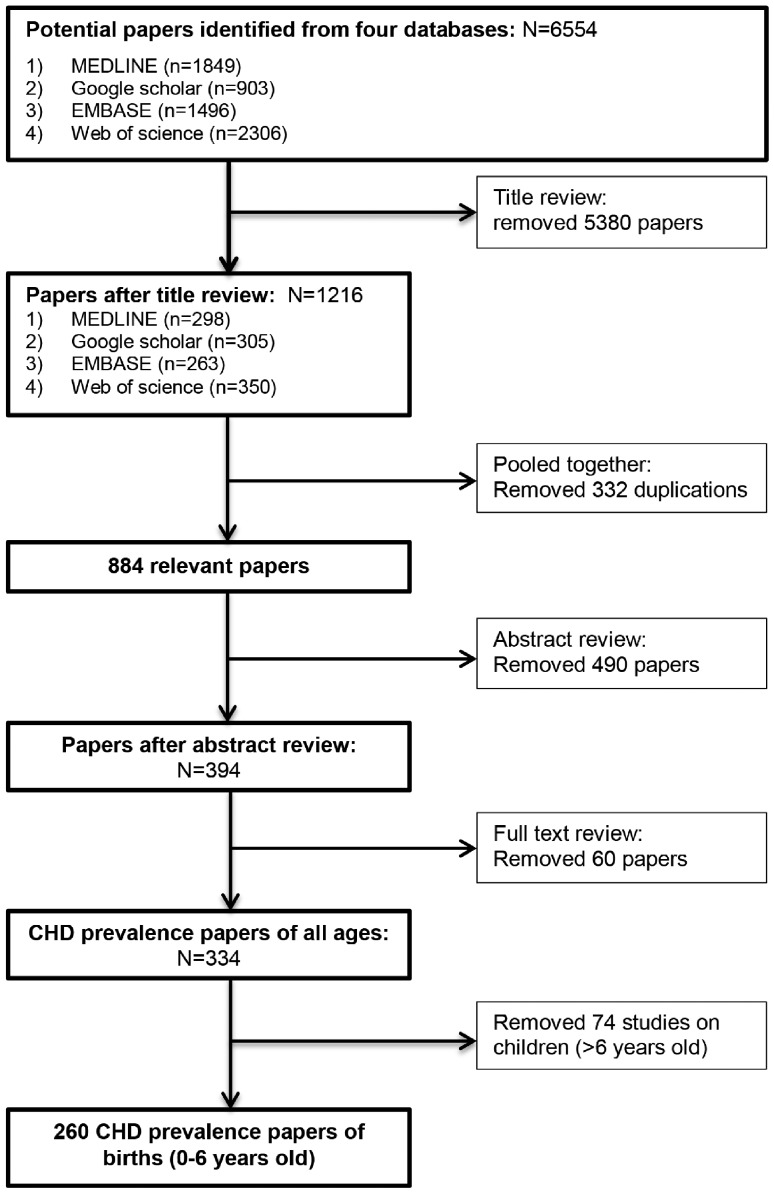
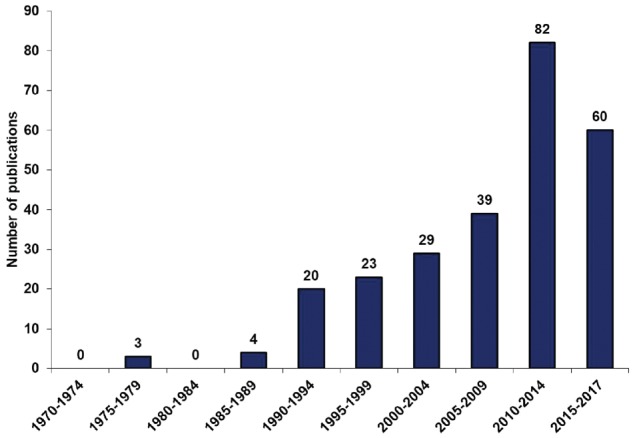
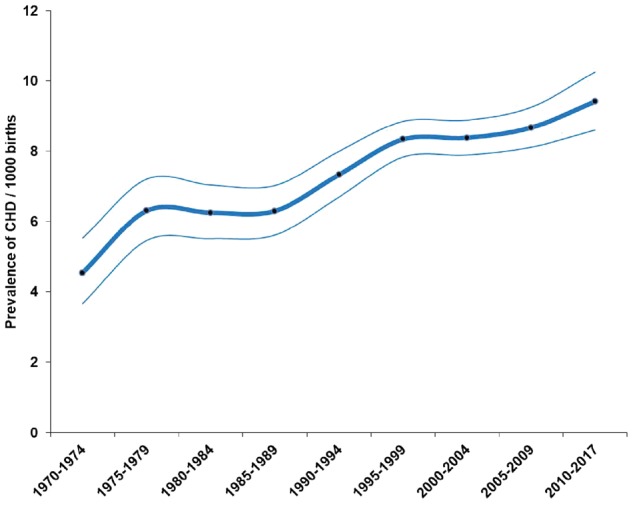
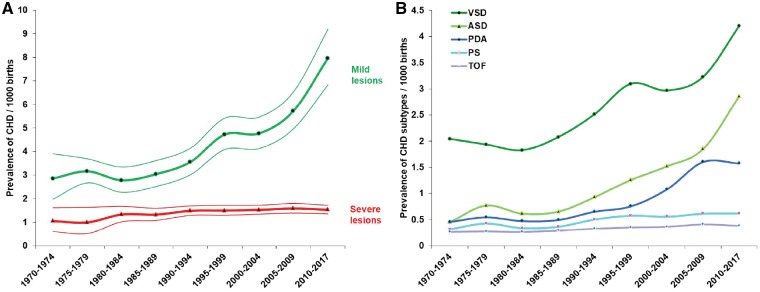
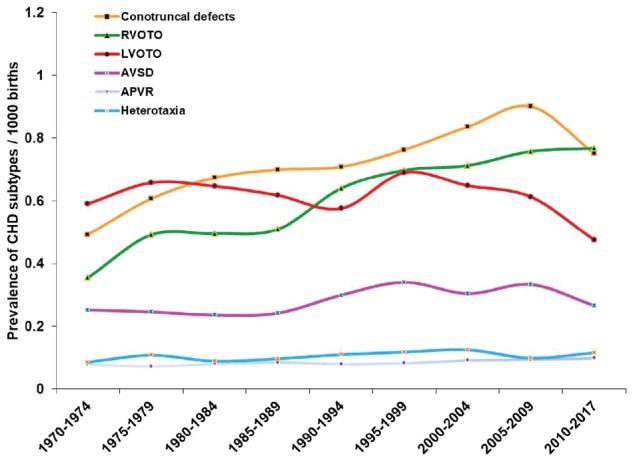
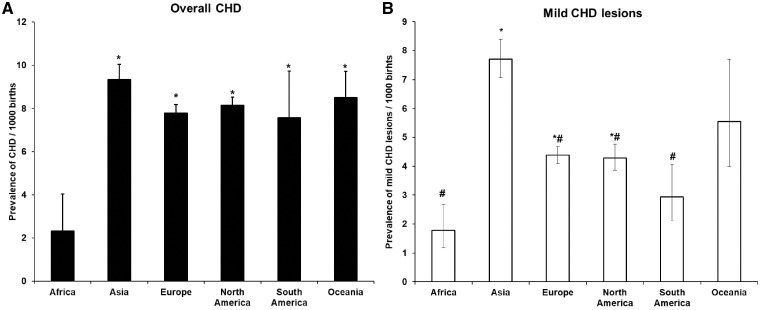
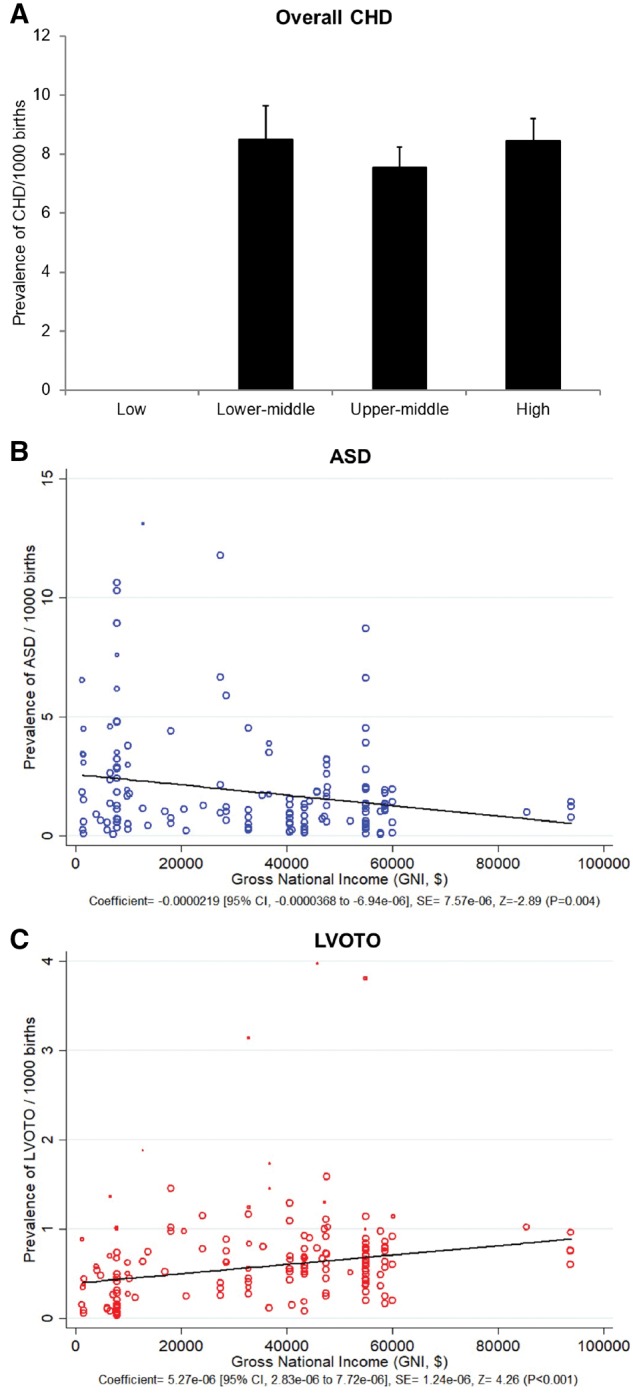
BACKGROUND: Globally, access to healthcare and diagnostic technologies are known to substantially impact the reported birth prevalence of congenital heart disease (CHD). Previous studies have shown marked heterogeneity between different regions, with a suggestion that CHD prevalence is rising globally, but the degree to which this reflects differences due to environmental or genetic risk factors, as opposed to improved detection, is uncertain. We performed an updated systematic review to address these issues. METHODS: Studies reporting the birth prevalence of CHD between the years 1970-2017 were identified from searches of PubMed, EMBASE, Web of Science and Google Scholar. Data on the prevalence of total CHD and 27 anatomical subtypes of CHD were collected. Data were combined using random-effect models. Subgroup and meta-regression analyses were conducted, focused on geographical regions and levels of national income. RESULTS: Two hundred and sixty studies met the inclusion criteria, encompassing 130 758 851 live births. The birth prevalence of CHD from 1970-2017 progressively increased to a maximum in the period 2010-17 of 9.410/1000 [95% CI (confidence interval) 8.602-10.253]. This represented a significant increase over the fifteen prior years (P = 0.031). The change in prevalence of mild CHD lesions (ventricular septal defect, atrial septal defect and patent ductus arteriosus) together explained 93.4% of the increased overall prevalence, consistent with a major role of improved postnatal detection of less severe lesions. In contrast the prevalence of lesions grouped together as left ventricular outflow tract obstruction (which includes hypoplastic left heart syndrome) decreased from 0.689/1000 (95% CI 0.607-0.776) in 1995-99, to 0.475/1000 (95% CI 0.392-0.565; P = 0.004) in 2010-17, which would be consistent with improved prenatal detection and consequent termination of pregnancy when these very severe lesions are discovered. There was marked heterogeneity among geographical regions, with Africa reporting the lowest prevalence [2.315/1000 (95% CI 0.429-5.696)] and Asia the highest [9.342/1000 (95% CI 8.072-10.704)]. CONCLUSIONS: The reported prevalence of CHD globally continues to increase, with evidence of severe unmet diagnostic need in Africa. The recent prevalence of CHD in Asia for the first time appears higher than in Europe and America, where disease ascertainment is likely to be near-complete, suggesting higher genetic or environmental susceptibility to CHD among Asian people.
Overview
The claims and statistics of this paper haven’t been checked yet.
Free: it reads the open-access text and checks the first 5 claims that cite a source we can check. Create a free account to check every claim.
Integrity signals
Registry
Cites
Statistics
Figures
Verification
Claims the paper makes
The claims and statistics of this paper haven’t been checked yet.
Free: it reads the open-access text and checks the first 5 claims that cite a source we can check. Create a free account to check every claim.
Claims other papers make about this one
Each is checked against this paper’s own text: does it say what the citing paper says it does?
The cited source doesn’t support the claim as written.
In the citing paper
“In a subgroup analysis based on the geographic region, a surprisingly high prevalence was reported across all regions of Sub-Saharan Africa.”
From Pooled prevalence and subgroup variations of Tetralogy of Fallot among children and adolescents with congenital heart defect in Sub-Saharan Africa: A systematic review and meta-analysis (2025) · cites this paper as [10]
Checked by a reasoning model — may be wrong.
Experimental — accuracy not yet measuredThe source backs part of the claim, not all of it — or backs it for a different population, condition or comparison.
In the citing paper
“Globally, it accounts for 3% to 5% of all CHD cases, with an estimated incidence of 2.8 to 3.4 per 10,000 live births [2, 10].”
From Pooled prevalence and subgroup variations of Tetralogy of Fallot among children and adolescents with congenital heart defect in Sub-Saharan Africa: A systematic review and meta-analysis (2025) · cites this paper as [10]
Experimental — accuracy not yet measuredThe source backs part of the claim, not all of it — or backs it for a different population, condition or comparison.
In the citing paper
“The prevalence of Tetralogy of Fallot observed was found considerably higher compared to global estimate and reports of developed countries.”
From Pooled prevalence and subgroup variations of Tetralogy of Fallot among children and adolescents with congenital heart defect in Sub-Saharan Africa: A systematic review and meta-analysis (2025) · cites this paper as [10]
Experimental — accuracy not yet measured
Self-check
Percentages, sums and reported differences re-computed from the paper’s own numbers.
The self-check needs the paper’s full text.
Citations
Cites
Cochrane Handbook for Systematic Reviews of Interventions: Cochrane Book Series
(2008) · doi:10.1002/9780470712184 · Cited by 25,048
The incidence of congenital heart disease.
Hoffman, J. I. E., & Kaplan, S. (2002) · Journal of the American College of Cardiology · doi:10.1016/s0735-1097(02)01886-7 · Cited by 6,099
Birth prevalence of congenital heart disease worldwide
van der Linde, D., Konings, E. E. M., Slager, M. A., Witsenburg, M., Helbing, W. A., Takkenberg, J. J. M., & Roos-Hesselink, J. W. (2011) · Journal of the American College of Cardiology · doi:10.1016/j.jacc.2011.08.025 · Cited by 3,452 · cited 6×
“A systematic review of global prevalence data since 1930 was conducted by van der Linde et al.1 in 2010, suggesting an increase in CHD prevalence from the 1930s until 1995, with stabilization between the years 1995–2009.”
BackgroundMethodInfluentialLuchini, C., Stubbs, B., Solmi, M., & Veronese, N. (2017) · World Journal of Meta-Analysis · doi:10.13105/wjma.v5.i4.80 · Cited by 977
Genetics and Genomics of Congenital Heart Disease
Zaidi, S., & Brueckner, M. (2017) · Circulation Research · doi:10.1161/circresaha.116.309140 · Cited by 565 · cited 1×
“It is known that genetic copy number variants and de novo single-nucleotide variants may account for up to 20% of CHD accompanied by extracardiac malformations and/or intellectual impairment.(21) We were unable to stratify participants in the individual studies based on these additional diagnoses.”
BackgroundDu, Y., Xu, X., Chu, M., Guo, Y., & Wang, J. (2016) · PubMed · doi:10.3978/j.issn.2072-1439.2015.11.37 · Cited by 525
Seeking causes: Classifying and evaluating congenital heart defects in etiologic studies
Botto, L. D., Lin, A. E., Riehle‐Colarusso, T., Malik, S., & Correa, A. (2007) · Birth Defects Research Part A: Clinical and Molecular Teratology · doi:10.1002/bdra.20403 · Cited by 469 · cited 2×
“In the principal analyses, CHD was classified into seven phenotypic categories, following the approach of Botto et al.(7) which groups together lesions on the basis of their anatomical/developmental similarity (Supplementary Table 2, available as Supplementary data at IJE online).”
MethodMoller, A.-B., Petzold, M., Chou, D., & Say, L. (2017) · The Lancet Global Health · doi:10.1016/s2214-109x(17)30325-x · Cited by 377
Ambient Air Pollution and Risk of Congenital Anomalies: A Systematic Review and Meta-analysis
Vrijheid, M., Martinez, D., Manzanares, S., Dadvand, P., Schembari, A., Rankin, J., & Nieuwenhuijsen, M. (2011) · Environmental Health Perspectives · doi:10.1289/ehp.1002946 · Cited by 305
Congenital heart disease: current knowledge about causes and inheritance
Blue, G. M., Kirk, E. P., Sholler, G. F., Harvey, R. P., & Winlaw, D. S. (2012) · Medical Journal of Australia · doi:10.5694/mja12.10811 · Cited by 241 · cited 3×
“The studies included in the meta-analysis showed high heterogeneity, as expected, given the unknown aetiological factors for around 80% of CHDs.2 Potentially, hospitalbased studies could have provided upwardly biased estimates of prevalence compared to national registries, both of which were included in the meta-analy…”
BackgroundResultInfluential
Research works printed but not linked: 1
- United Nations. World Economic Situation and Prospects. New York: United Nations, UN, 2014.
Cited by
Items 701–800 of 1,000
Yang, J., Ma, F., Wang, Y., Li, Q., Yanglan, R., Zhou, M., Zhang, Y., Bai, Y., Hu, Q., & Wei, W. (2026) · BMC Public Health · doi:10.1186/s12889-025-26143-0 · Cited by 4
“Statistics show that it affects millions of newborns each year, and it is one of the leading causes of neonatal death, accounting for 46% of all deaths from congenital malformations [6, 7].”
Die ZVK-Anlage in der Kinderanästhesie
Grabert, J., & Schindler, E. (2026) · Die Anaesthesiologie · doi:10.1007/s00101-025-01628-0 · Cited by 2
Howard, T. S., John, A. V., Gutierrez, M., Bruno, M., Salciccioli, K. B., Kim, J. J., Valdés, S. O., Pham, T. D. N., Miyake, C. Y., Cannon, B. C., et al. (2026) · Journal of Cardiovascular Electrophysiology · doi:10.1111/jce.70270 · Cited by 3
Ajmi, N. A. A., & Shoaib, M. (2026) · Computers · doi:10.3390/computers15020102 · Cited by 6
The 2025 Accra Declaration on Upskilling and Cost- Effective Cardiac Surgery in Africa
Yankah, C., Nwiloh, J. O., Mestres, C. A., Bouzid, A., Mwambu, T. P., Duncan, A. J., Debièche, M., Omokhodion, S., Onakpoya, U. U., Angres, M., et al. (2026) · The American Journal of Cardiology · doi:10.1016/j.amjcard.2025.09.067 · Cited by 2
The 2025 Accra Declaration on Upskilling and Cost-Effective Cardiac Surgery in Africa
Yankah, C., Nwiloh, J. O., Mestres, C. A., Bouzid, A., Mwambu, T. P., Duncan, A. J., Debièche, M., Omokhodion, S., Onakpoya, U. U., Angres, M., et al. (2026) · The Annals of Thoracic Surgery · doi:10.1016/j.athoracsur.2026.01.002 · Cited by 2
Behavioral outcomes of preschool children with congenital heart disease and controls
Chew, A. T. M., Bonthrone, A. F., van der Meijden, M. E. M., Sun, Z., Pushparajah, K., Simpson, J. M., Edwards, A. D., Counsell, S. J., & Nosarti, C. (2026) · Frontiers in Pediatrics · doi:10.3389/fped.2026.1725994 · Cited by 2
Brem, O., Pravda, N. S., Xu, H. X., Nguyen, K., & Husain, M. (2026) · Annals of Pediatric Cardiology · doi:10.4103/apc.apc_163_25 · Cited by 2
“[2,5,6] This gap may be attributed to limited access to performance and interpreting echocardiography, which remains the gold standard for diagnosing and monitoring VSD amongst other CHD. Artificial intelligence (AI) refers to the use of computer systems to perform tasks that typically require…”
Hoeben, P., Meester, P. D., Troost, E., Rega, F., Cools, B., Budts, W., & Bruaene, A. V. D. (2026) · Acta cardiologica. Supplementum · doi:10.1080/00015385.2026.2679781 · Cited by 2
“Congenital heart disease (CHD) remains the most prevalent birth defect in newborns [1,2].”
Hussein, H. F., Al-Gohary, E. H., Mohamed, A. G., & Abdel-Salam, A. A. (2021) · Open Journal of Pediatrics · doi:10.4236/ojped.2021.111008 · Cited by 2
“Congenital heart disease (CHD) defined as a structural abnormality of the heart and (or) great vessels that is present at birth [1].”
BackgroundWell, A. M., Dawson-Gore, C. C., Johnson, G. L., Patt, H. A., Fraser, C. D., Mery, C. M., & Beckerman, Z. (2022) · Cardiology in the Young · doi:10.1017/s1047951122003146 · Cited by 2
Anesthetic Management of Brain Abscess with Cyanotic Congenital Heart Disease: Two Case Reports
Narayan, V., Jaswal, S., Narayanan, V., Sethuraman, R. M., & Mahajan, S. (2023) · Journal of Pediatric Neurosciences · doi:10.4103/jpn.jpn_20_22 · Cited by 2
Wittczak, A., Dryżek, P., Maciejewski, M., Mazurek-Kula, A., Moszura, T., Bikiewicz, A., & Bielecka-Dabrowa, A. M. (2023) · Clinical Case Reports · doi:10.1002/ccr3.7222 · Cited by 3
Nikuei, P., Khashavy, Z., Fard, M. A. F., Tabasi, S., Zeidi, A., Pourkashani, P., Tabatabaei, Z., Eftekhar, E., Saberi, M., & Mahjoubi, F. (2023) · International Journal of Reproductive BioMedicine (IJRM) · doi:10.18502/ijrm.v21i8.14022 · Cited by 2
Simard, M., Lepage, C., Gaudet, I., Paquette, N., Doussau, A., Poirier, N. C., Beauchamp, M. H., Côté, S. M., Pinchefsky, E. F., Brossard‐Racine, M., et al. (2023) · BMJ Open · doi:10.1136/bmjopen-2023-079407 · Cited by 5
Li, C., Zhu, Z., Yuan, H., Hu, Y., Xue, Y., Zhong, P., Huang, M., Ren, Y., Kuang, Y., Zeng, X., et al. (2023) · Orphanet Journal of Rare Diseases · doi:10.1186/s13023-023-02969-y · Cited by 2
“Congenital heart disease (CHD) is the most common congenital anomaly and accounts for nearly one-third of all congenital defects, representing a global public health problem and placing a heavy burden on society and families [1, 2].”
BackgroundInfluence of the COVID-19 pandemic on the congenital heart surgery service in Lithuania
Budrys, D., Gegieckienė, R., Lebetkevičius, V., Sudikienė, R., Tarutis, V., & Jonas, K. (2024) · Cardiology in the Young · doi:10.1017/s1047951123004420 · Cited by 3
Ashiq, S., Hyder, S. N., Ashiq, K., & Sabar, M. F. (2024) · The Journal of Tehran University Heart Center · doi:10.18502/jthc.v18i4.14822 · Cited by 2
Ristow, I., Hancken-Pauschinger, C.-V., Zhang, S., Stark, M., Kaul, M. G., Rickers, C., Herrmann, J., Adam, G., Bannas, P., Well, L., et al. (2024) · PLoS ONE · doi:10.1371/journal.pone.0297314 · Cited by 3
“Congenital heart disease (CHD) is the most common congenital disorder with an incidence of about 8:1000 and a major contributor to infant morbidity and mortality [1] The outcome of children suffering from CHD has significantly improved [2].”
BackgroundRahshenas, M., Lelong, N., Bonnet, D., Houyel, L., Choodari‐Oskooei, B., Gönen, M., Goffinet, F., & Khoshnood, B. (2024) · Journal of Clinical Medicine · doi:10.3390/jcm13061623 · Cited by 2
“As a result, children with CHDs are more likely to miss school and to utilize additional healthcare, especially at younger ages [5,6].”
BackgroundRamos-Rosillo, V., Cabello‐Ganem, A., Guerra, E. C., Salas-Martinez, A., Vázquez-Panchos, Y., Luna‐Alcala, S., Martinez‐Dominguez, P., Aparicio-Ortiz, A. D., Antonio‐Villa, N. E., & Espinola-Zavaleta, N. G. (2024) · Radiology Case Reports · doi:10.1016/j.radcr.2024.05.034 · Cited by 2
“According to Yingjuan Liu and collaborators, between 1970 and 2017, the prevalence of cardiac heart defects globally increased by 10% every 5 years, with over 90% of this increase probably due to increased detection of lesions like VSD and PDA [6] .”
BackgroundSevere Features of Systemic Juvenile Idiopathic Arthritis in Patients With Congenital Heart Disease
Aires, B. P., Wobma, H., Samad, A., Chandler, M. T., Chang, M. H., Dedeoğlu, F., Fishman, M. P., Klouda, T. M., Levin, J., Halyabar, O., et al. (2024) · The Journal of Rheumatology · doi:10.3899/jrheum.2024-0180 · Cited by 2
Andrade, C. (2024) · The Journal of Clinical Psychiatry · doi:10.4088/jcp.24f15411 · Cited by 4
Rakha, S., Batouty, N. M., ElDerie, A., & Hussein, A. (2024) · The Italian Journal of Pediatrics/Italian journal of pediatrics · doi:10.1186/s13052-024-01686-x · Cited by 2
“Globally, it accounts for 3.82% of all CHDs, with a prevalence of about 0.3 per 1000 live births [1].”
BackgroundInfluentialWiernik, A., Hyla‐Klekot, L., Brauner, P., Kudela, G., Partyka, M., & Koszutski, T. (2024) · Pediatria i Medycyna Rodzinna · doi:10.15557/pimr.2024.0003 · Cited by 2
Zhang, J., Chen, Y., Lin, Z., Jiang, N., Zhou, L., Sun, C., & Xia, H. (2024) · Translational Pediatrics · doi:10.21037/tp-24-42 · Cited by 2
Current genetic models for studying congenital heart diseases: Advantages and disadvantages
Shorbaji, A. M., Pushparaj, P. N., Bakhashab, S., Al-Ghafari, A. B., Al-Rasheed, R. R., Mira, L. S., Basabrain, M. A., Alsulami, M. A. B. O., Zeid, I. M. A., Naseer, M. I., et al. (2024) · Bioinformation · doi:10.6026/973206300200415 · Cited by 2
Bah, M. B., Doumbouya, A. D., Baldé, M. A., Baldé, M. A., Koné, A., Sylla, I. S., Bah, A., Bah, A., Diallo, M., Balde, T. S., et al. (2024) · World Journal of Cardiovascular Diseases · doi:10.4236/wjcd.2024.148040 · Cited by 2
de Albuquerque, F. B., Neves, I. F., Teixeira, R., Mano, T. B., Rito, T., Costa, P. O., Ferreira, F., de Sousa, L., & Pinto, F. (2024) · Revista Portuguesa de Cardiologia · doi:10.1016/j.repc.2024.06.006 · Cited by 2
Ben, L., Zhang, Y., Wang, Y., Xing, W., Cai, J., & Han, Y. (2024) · Echocardiography · doi:10.1111/echo.15955 · Cited by 3
Topcuoğlu, C., Vardar‐Yağlı, N., Aykan, H. H., Ertuğrul, İ., Karagöz, T., & Sağlam, M. (2024) · Disability and Rehabilitation · doi:10.1080/09638288.2024.2417775 · Cited by 2
“The prevalence of CHD is reported to be about one case per 100 live births and has been increasing in recent years [3].”
Li, Z., Wang, D., Jin, L., Zhang, J., Xue, T., & Jin, L. (2024) · Reproductive Toxicology · doi:10.1016/j.reprotox.2024.108816 · Cited by 3
Lucas, C. N., Slieker, M. G., Molenschot, M. C., Breur, J. M. P. J., & Krings, G. J. (2024) · Journal of the Society for Cardiovascular Angiography & Interventions · doi:10.1016/j.jscai.2024.102391 · Cited by 2
Guan, T., Chen, Z., Xu, D., Zeng, M., Zuo, C., Wang, X., Cai, S., Wang, J., & Hu, N. (2025) · Biomedical Signal Processing and Control · doi:10.1016/j.bspc.2024.107474 · Cited by 2
Hao, K., Wadey, C. A., BARKER, A. R., & Williams, C. A. (2025) · Open Heart · doi:10.1136/openhrt-2024-003091 · Cited by 3
Davis, J. A., Scott, J., Ray, M., Elgersma, K. M., Demirci, J. R., & Levine, M. D. (2025) · Journal of Racial and Ethnic Health Disparities · doi:10.1007/s40615-025-02390-0 · Cited by 2
Zhang, S., Liu, X., Yang, T., Wang, T., Chen, L., & Qin, J. (2021) · European Journal of Clinical Nutrition · doi:10.1038/s41430-021-00969-4 · Cited by 2
Prevalencia de coartación aórtica en Bogotá-Colombia de 2001 a 2018. El diagnóstico debe mejorar
Ardila, D. F., Rincón-Montana, A. G., García-Pérez, L. D., Gracia, G. M., & Zarante, I. (2021) · Archivos de cardiología de México · doi:10.24875/acm.20000515 · Cited by 2
Wong, P. C. (2021) · Springer eBooks · doi:10.1007/978-3-030-57193-1_11 · Cited by 2
CONGENITAL HEART DISEASES, A CONSEQUENCE OF CONSANGUINEOUS MARRIAGES IN PUNJAB, PAKISTAN
Mughal, A. R., Hina, S., Bashir, A., & Mughal, S. (2022) · Pakistan Heart Journal · doi:10.47144/phj.v55i1.2126 · Cited by 2
“2 per one thousand live births.(1) CHD constitutes 28 percent of all major congenital abnormalities.”
BackgroundMedical Therapies for Heart Failure in Hypoplastic Left Heart Syndrome
Baybayon-Grandgeorge, A. N., Pietra, A. E., Miyamoto, S. D., & Garcia, A. M. (2022) · Journal of Cardiovascular Development and Disease · doi:10.3390/jcdd9050152 · Cited by 4
Amoozgar, H., Abdollahi, A., Edraki, M., Mehdizadegan, N., Mohammadi, H., Ajami, G. H., Naghshzan, A., & Abdollahi, M. (2022) · Iranian Journal of Pediatrics · doi:10.5812/ijp-117730 · Cited by 2
“Perimembranous VSD is the most frequent subtype of congenital heart disease (CHD) (21).”
BackgroundMadruga, I., de Moraes, T. D., Prado, C. A. D. S., Baldini, C. E. S., & Braga, A. L. F. (2023) · International Journal of Cardiovascular Sciences · doi:10.36660/ijcs.20210283 · Cited by 3
Benefit From a Humanitarian Pediatric Congenital Heart Surgery Program Over a 10-Year Period
Fürniss, H. E., Leutwyler, M., Zürn, C., Kroll, J., Kari, F. A., Höhn, R., Fleck, T., Kubicki, R., Reineker, K., Beyersdorf, F., et al. (2023) · World Journal for Pediatric and Congenital Heart Surgery · doi:10.1177/21501351231151666 · Cited by 2
Awad, I., Barakat, M. M., & Hasnine, H. (2023) · Benha Journal of Applied Sciences · doi:10.21608/bjas.2023.188326.1039 · Cited by 2
Miller‐Hance, W. C., Gottlieb, E. A., & Motta, P. (2023) · Springer eBooks · doi:10.1007/978-3-031-25358-4_11 · Cited by 2
Haarman, M. G., & Berger, R. M. F. (2023) · Springer eBooks · doi:10.1007/978-3-030-42937-9_92-1 · Cited by 2
Leclair, G., Dingankar, A. R., Robertson, C. M. T., Bond, G. Y., Mohammadian, M. P., Dinu, I. A., Averin, K., Guerra, G. G., & Atallah, J. (2023) · The Journal of Pediatrics · doi:10.1016/j.jpeds.2023.113640 · Cited by 5
Population‐based prevalence and trend of birth defects in Costa Rica from 2000 to 2019
Benavides‐Lara, A., & Barboza‐Argüello, M. D. L. P. (2023) · Birth Defects Research · doi:10.1002/bdr2.2242 · Cited by 2
Human Heart Organoid-derived Extracellular Vesicles for Cardiac Intercellular Communication
Rudsari, H. K., O’Hern, C., Ural, E. E., Damrath, M., Neeb, E., Zoofaghari, M., Veletić, M., Louch, W. E., Aguirre, A., Balasingham, I., et al. (2023) · ACM International Conference on Nanoscale Computing and Communication (NANOCOM) · doi:10.1145/3576781.3608718 · Cited by 2
“Congenital heart defects (CHD) are a prevalent birth defect affecting approximately 1 in every 100 newborns [8].”
BackgroundInfective endocarditis in pediatric patients with pulmonary graft
Nichay, N. R., Gorbatykh, Y. N., Voitov, A. V., Soynov, I. A., Kulyabin, Y. Y., Сагитович, Х. Т., Arkhipov, A. N., Anikina, N. V., Dokuchaeva, A. A., & Bogachev-Prokophiev, A. V. (2024) · Russian Journal of Cardiology and Cardiovascular Surgery · doi:10.17116/kardio202417021139 · Cited by 2
Zhang, Y., Zhou, H., Bai, Y., Chen, Z., Wang, Y., Hu, Q., Yang, M., Wei, W., Ding, L., & Ma, F. (2024) · Frontiers in Public Health · doi:10.3389/fpubh.2024.1365089 · Cited by 2
Cui, Y., He, X., Wang, L., Fan, Y.-H., Chen, J., Zhao, N., Zhang, S., Liu, L., Yao, J., Ren, Z., et al. (2024) · BMC Pregnancy and Childbirth · doi:10.1186/s12884-024-06569-x · Cited by 2
“[ 12, 13] The results of this study were similar to those of Huang GY et al., [14, 15] possibly because of genetic differences.”
ResultHyperglycaemia induces diet-dependent defects of the left-right axis by lowering intracellular pH
Matsuoka, R., Kitajima, K., Nii, T., Zou, Z., Tanaka, K. Y., Joo, K., Ohkawa, Y., Ohga, S., & Meno, C. (2024) · Biochimica et Biophysica Acta (BBA) - Molecular Basis of Disease · doi:10.1016/j.bbadis.2024.167550 · Cited by 2
Congenital Heart Disease among Neonates in a Neonatal Unit of a Tertiary Care Hospital
Jamil, A., Ikram, F., Nawaz, R., Hussain, M., Naz, S., & Ateeq, S. (2024) · Pakistan Armed Forces Medical Journal · doi:10.51253/pafmj.v74i5.7021 · Cited by 2
Thoracic Lymphatic Perfusion Patterns Assessed by Magnetic Resonance Imaging and Late Fontan Failure
Ortega‐Zhindón, D. B., Ramírez, G. M., Patrón‐Chi, S. A., Rivera‐Buendía, F., Calderón-Colmenero, J. E., García‐Montes, J. A., Pérez‐Hernández, N., Rodríguez-Pérez, J. M., & Cervantes-Salazar, J. L. (2024) · Diagnostics · doi:10.3390/diagnostics14232611 · Cited by 2
Climate Change and Congenital Heart Disease: A Narrative Review
Katznelson, E., Yuan, S., Singh, H. S., Navarro, M. J., & Kazi, D. S. (2024) · Congenital Heart Disease · doi:10.32604/chd.2025.062309 · Cited by 3
“Congenital heart disease (CHD) is the most common birth defect, affecting approximately 1% of all live births [1].”
Chen, L., & Jiang, W. (2025) · Cardiology Research and Practice · doi:10.1155/crp/6246458 · Cited by 2
“With associated mortality increasing every year, CHD has emerged as one of the main causes of death in elderly cardiovascular patients worldwide [3–5].”
Chen, H., Chen, X., Yao, Q., Xin, J., Zhang, Y., Huang, X., Wang, D., Li, M., Zhang, T., Tillmann, T., et al. (2025) · Annals of Epidemiology · doi:10.1016/j.annepidem.2025.04.010 · Cited by 2
Variants and Molecular Mechanism of NOTCH1 in Congenital Heart Disease
Xiang, H., Zhuang, J., Bao, L., & Shi, Y. (2025) · Congenital Heart Disease · doi:10.32604/chd.2025.064366 · Cited by 3
Lu, C., Wu, M., Chiu, S., Wang, J., Tseng, W., Chen, C., & Lin, M. (2025) · Journal of the Formosan Medical Association · doi:10.1016/j.jfma.2025.05.038 · Cited by 2
Liu, H., Cheng, J., Peng, K., Chen, L., Kong, Z., Zhao, Y. F., & Luo, Z. (2025) · Children · doi:10.3390/children12060785 · Cited by 2
Motlagh, S. H. H., Roshan, F. S., & Shishehgar, F. (2025) · BMC Psychology · doi:10.1186/s40359-025-03272-0 · Cited by 4
“According to statistics in Iran, about 15% of boys are overweight and obese [4].”
Arjmandnia, M. H., Mohammadi, A., Vahedian, M., Razavi, M. R., Atarod, M. H., & Noori, E. (2025) · Majallah-i dānishgāh-i ̒ulum-i pizishkī-i Kirmān. · doi:10.34172/jkmu.4160 · Cited by 3
Congenital heart defects: familial recurrence patterns in Sweden
Kazamia, K., Ekberg, S., Dietrich, C. E., Eliasson, H., Wahren‐Herlenius, M., & Bergman, G. (2026) · European Heart Journal · doi:10.1093/eurheartj/ehaf1048 · Cited by 4
Paulo Valderrama, E., Ballesteros, F., Rodríguez, A., & Zunzunegui, J. L. (2020) · EuroIntervention · doi:10.4244/eij-d-19-00962 · Cited by 2
Mareș, R.-C., & Mărginean, C. O. (2020) · Medical Ultrasonography · doi:10.11152/mu-2850 · Cited by 2
“The prevalence of congenital heart disease has followed an increasing trend over the past 50 years [1] due to the growing detection of milder lesions such as atrial and ventricular septal defects or patent ductus arteriosus.”
BackgroundBarron, C. R., & Katzman, P. J. (2021) · Pediatric and Developmental Pathology · doi:10.1177/1093526620970822 · Cited by 2
“178 cases per thousand live births.(1) Between 1,000 and 2,000 infants in the United States are born with HLHS each year.”
BackgroundEarly Postoperative Arrhythmias after Paediatric Cardiac Surgery
Shalby, M. M., Assar, E. H., Abdel-Rahman, E., & Ghaly, M. K. (2020) · Benha Journal of Applied Sciences · doi:10.21608/bjas.2020.137582 · Cited by 2
“Surely, the birth predominance of CHD over the world isn't yet precisely settled, conceivably clouding contrasts in natural or potentially hereditary danger factors for CHD between districts that might have general wellbeing consequences [1].”
Left Ventricular Outflow Tract: Congenital Aortic Valve and Left Ventricular Outflow Anomalies
Uppu, S. C. (2021) · Springer eBooks · doi:10.1007/978-3-030-74822-7_15 · Cited by 2
Congenital Heart Diseases in Pregnancy
Bernolian, N., Partan, R. U., Nurmaini, S., Kesty, C., & Widodo, B. W. (2021) · Bioscientia Medicina Journal of Biomedicine and Translational Research · doi:10.32539/bsm.v5i4.376 · Cited by 3
Saijo, Y., Yoshioka, E., Sato, Y., Azuma, H., Tanahashi, Y., Ito, Y., Kobayashi, S., Minatoya, M., Bamai, Y. A., Yamazaki, K., et al. (2021) · BMC Pregnancy and Childbirth · doi:10.1186/s12884-021-04001-2 · Cited by 2
Nguyen, T.-Q., Bechsgaard, T. E., Schmidt, M. R., Juul, K., Moshavegh, R., Lönn, L., Nielsen, M. B., Jensen, J. A., & Hansen, K. L. (2021) · Ultrasound International Open · doi:10.1055/a-1652-1261 · Cited by 2
Biblioteca de la Universidad de Alicante
Cabezas, P. P., & Torres, S. (1999) · Dialnet (Universidad de la Rioja) · Cited by 2
Chapter: imaging of atrial and ventricular septal defects
Uppu, S. C. (2022) · Vessel Plus · doi:10.20517/2574-1209.2021.101 · Cited by 2
Ye, X. T., Buratto, E., Ishigami, S., Weintraub, R. G., Brizard, C. P., & Konstantinov, I. E. (2022) · Seminars in Thoracic and Cardiovascular Surgery · doi:10.1053/j.semtcvs.2022.05.001 · Cited by 2
Mancilla-Pérez, R., & Ramos, E. (2022) · Revista médica (Colegio de Médicos y Cirujanos de Guatemala) · doi:10.36109/rmg.v161i2.457 · Cited by 2
Nicholson, G. T., Goldstein, B. H., Petit, C. J., Qureshi, A. M., Glatz, A. C., McCracken, C., Kelleman, M. S., Meadows, J. J., Zampi, J. D., Shahanavaz, S., et al. (2022) · The Journal of Pediatrics · doi:10.1016/j.jpeds.2022.06.024 · Cited by 2
Outcome of Balloon Valvuloplasty in Children with Pulmonary Valve Stenosis – Multi-Center Experience
Abdelsaboor, M., El-Sisi, A. M., Elsaughier, S. M., Moawed, M. N., & Mahmoud, N. M. (2022) · The Egyptian Journal of Hospital Medicine · doi:10.21608/ejhm.2022.260859 · Cited by 2
“PS is said to be more prevalent in Asian nations than in Western nations like Europe and United States (3-5).”
BackgroundZhao, Z.-W., Cui, X., Zhao, M., & Yao, J.-P. (2022) · Asian Journal of Surgery · doi:10.1016/j.asjsur.2022.10.085 · Cited by 2
Outcomes of Surgical Management for Patent Ductus Arteriosus in Infants in Nigeria
Ezemba, N., Chinawa, J. M., Adiele, D. K., Arodiwe, I. O., Ujunwa, F., & Okorie, C. (2022) · Texas Heart Institute Journal · doi:10.14503/thij-21-7633 · Cited by 2
Wang, H., Zhu, Z., Liu, Z., Yuan, Y.-H., Xu, X., Liu, L., Wen, J., Xia, X., Zhang, Y., & He, J. (2023) · Frontiers in Pediatrics · doi:10.3389/fped.2023.1138717 · Cited by 2
Conings, N., Santens, B., Meester, P. D., Troost, E., Claus, P., Moons, P., Bogaert, J., Vermeersch, P., Bruaene, A. V. D., & Budts, W. (2023) · International Journal of Cardiology · doi:10.1016/j.ijcard.2023.131652 · Cited by 2
Features of Physical and Motor Development of Children with Congenital Heart Diseases
Savova, E. M., Zavarina, A. Y., Шведунова, В. Н., & Ермоленко, М. Л. (2024) · I P Pavlov Russian Medical Biological Herald · doi:10.17816/pavlovj322794 · Cited by 2
Vitamin D and Zinc Deficiency in Children with Congenital Heart Defects
Rastegar, M., Teshnizi, S. H., Khaleghinia, M., Seddighi, N., & Rajaei, S. (2024) · Journal of Comprehensive Pediatrics · doi:10.5812/jcp-145841 · Cited by 3
Obesity-Induced Cardiovascular Complications and Therapeutic Intervention
Alam, M. J., & Banerjee, S. (2020) · Springer eBooks · doi:10.1007/978-3-030-47336-5_2 · Cited by 2
The genetics of congenital heart disease: The role of advanced genomic approaches
Saacks, N., Spracklen, T. F., Eales, J., Shaboodien, G., Keavney, B. D., & Zuhlke, L. J. (2021) · SA Heart · doi:10.24170/18-2-4886 · Cited by 2
Self-citationCARDIAC EVALUATION IN NEWBORNS: AN ECHOCARDIOGRAPHY BASED STUDY
Arshad, M. S., Shakir, W., Anwar-ul-Haq, H. M., Adnan, M., & Ahmad, M. (2021) · Pakistan Heart Journal · doi:10.47144/phj.v54i1.2060 · Cited by 2
Rashid, I., Ginami, G., Nordio, G., Fotaki, A., Neji, R., Alam, M. H., Pushparajah, K., Frigiola, A., Valverde, I., Botnar, R. M., et al. (2022) · Journal of Magnetic Resonance Imaging · doi:10.1002/jmri.28280 · Cited by 3
“Congenital heart disease (CHD) affects approximately 8–10:1000 live births globally with approximately 90% of this group surviving into adulthood.(1,2) With the adult CHD population continuing to grow, life-long follow-up and surveillance are often required to assess for potential late-stage complications.”
BackgroundChowdhury, M. N. I., Ullah, M. A., Hossain, M. B., & Islam, S. S. (2023) · Journal of Bio-Science · doi:10.3329/jbs.v30i1.63106 · Cited by 2
N-Acetyl Transferases: New Insights Into Human Congenital Cardiovascular Defects
Cashman, T. J., & Trivedi, C. M. (2021) · Circulation Research · doi:10.1161/circresaha.121.319049 · Cited by 2
Almasri, M., Al-Sulaiti, K. A., Sayegh, D. A., Sharma, O., Jerbi, A. E., Al-Riyami, Z., Sarada, P., Gupta, S., Al-Saloos, H., Manyama, M. F., et al. (2023) · medRxiv · doi:10.1101/2023.08.24.23294593 · Cited by 3
Alsaeed, M., & Field, T. S. (2024) · Journal of the American Heart Association · doi:10.1161/jaha.124.037076 · Cited by 2
Epidemiological Profile: An Important Step in the Organization of Medical Care
Damiano, A. P. (2023) · International Journal of Cardiovascular Sciences · doi:10.36660/ijcs.20230018 · Cited by 1
Papaccioli, G., Rocca, F. L., Ciriello, G. D., Correra, A., Colonna, D., Romeo, E., Orlando, A., Grimaldi, N., Palma, M., & Sarubbi, B. (2024) · Pediatric Cardiology · doi:10.1007/s00246-024-03444-6 · Cited by 2
“The prevalence of congenital heart disease (CHD) is increasing worldwide [1, 2].”
İmanov, E., Dziuryi, I. V., Truba, I. P., Perepeka, I. A., & Lazoryshynets, V. V. (2024) · Ukrainian journal of cardiovascular surgery · doi:10.30702/ujcvs/24.32(01)/id009-3038 · Cited by 1
Dental status of children with congenital defects of the heart and main vessels in Ukraine
Vovchenko, L., & Zhachko, N. I. (2024) · SUCHASNA STOMATOLOHIYA · doi:10.33295/1992-576x-2024-1-21 · Cited by 1
Doenças genéticas cardiológicas: revisão de literatura
Neto, M. F. D. P., de Souza, J. A., Lacerda, L. O. P., de Menezes, S. J. C. R., Soares, E. Q., Neto, J. T. D. S., de Souza, U. S., Maia, W. B., de Carvalho, I. F. M. M., Neto, F. A. T., et al. (2024) · Brazilian Journal of Implantology and Health Sciences · doi:10.36557/2674-8169.2024v6n5p1026-1034 · Cited by 1
Huang, D., Su, Y., Li, M., Xie, C., Hu, W., Wang, S., Zheng, N., Chen, J., Lin, Y., Cai, W., et al. (2024) · Birth Defects Research · doi:10.1002/bdr2.2350 · Cited by 1
“Congenital heart disease (CHD) is the most prevalent type of anatomical malformation present at birth, affecting 0.8% – 1% of live-born infants, and its global prevalence is on the rise (Liu et al., 2019).”
BackgroundInfluentialYan, R., Liu, X., Peng, Y., & Peng, X. (2024) · International Journal of Gynecology & Obstetrics · doi:10.1002/ijgo.15795 · Cited by 2
Metadata
- Authors
- Liu, Y., Chen, S., Zühlke, L., Black, G. C., Choy, M.-K., Li, N., & Keavney, B. D.
- Affiliations
- University of Manchester (GB)
- Sichuan University (CN)
- Department of Paediatrics, Red Cross War Memorial Children’s Hospital, University of Cape Town, Cape Town, South Africa
- Manchester Academic Health Science Centre (GB)
- Corresponding author
- Keavney, Bernard D
- Venue
- International Journal of Epidemiology
- Publisher
- Oxford University Press (OUP)
- Published
- 2019-02-19
- Volume
- 48
- Issue
- 2
- Pages
- 455-463
- ISSN
- 0300-5771 (ISSN-L)
- 1464-3685
- PMC
- PMC6469300
- OpenAlex
- W2918094628
- Cited by
- 1,436
- References
- 20
- Citations by year
- 2026: 216 · 2025: 233 · 2024: 288 · 2023: 228 · 2022: 197 · 2021: 162 · 2020: 86 · 2019: 22
- FWCI
- 17.04
- Type
- journal article
- Language
- en
- Open access
- hybrid
- doi.org
- Licence
- Locations
- International Journal of Epidemiology (publishedVersion, cc-by)
- Europe PMC (PubMed Central) (publishedVersion, cc-by)
- PubMed Central (publishedVersion, cc-by)
- PubMed (publishedVersion)
- e-space (Manchester Metropolitan University) (acceptedVersion)
- Research Explorer (The University of Manchester) (submittedVersion, cc-by)
- Funders
- The British Heart Foundation
- The University of Manchester-Peking University Health Science Centre Alliance
- China Scholarships Council
- Medical Research Council
- South African Medical Research Council
- Topics
- Health Sciences › Medicine › Cardiology and Cardiovascular Medicine › Congenital Heart Disease Studies
- Life Sciences › Biochemistry, Genetics and Molecular Biology › Molecular Biology › Congenital heart defects research
- Health Sciences › Medicine › Surgery › Congenital Anomalies and Fetal Surgery
- Keywords
- congenital heart disease, birth prevalence, temporal trends, ventricular septal defect, atrial septal defect, patent ductus arteriosus, left ventricular outflow tract obstruction, hypoplastic left heart syndrome, prenatal diagnosis, abortion, postnatal diagnosis, regional variation, national income, Africa, South America, Asia, Europe
- MeSH terms
- Heart Defects, Congenital, Humans, Infant, Newborn, Global Health, Prevalence, Confidence Intervals
About these checks
Registry, retraction, Cites and statistics results are computed, not judged, with one exception: a printed reference that no index lists is read once by a model before it counts as a citation error. Claims are extracted by a model and kept only when their quote appears verbatim in the text; each cited source is then checked, with a model’s help, for whether it says what the claim relies on. Those verdicts can be wrong — read the claim’s quote and the cited source before relying on one.
Statistics and arithmetic are recomputed, not judged.
Confidence bands are shown only for fields calibrated on our annotated test set. None is calibrated yet, so no band is shown.
What counts as a claim ›How we measure confidence ›How we check this ›
Are you an author, or do you see a problem with this page? Request a review
Data sources
Bibliographic data: Semantic Scholar, OpenAlex, Crossref.
Contains information from the Semantic Scholar Academic Graph Datasets, made available under the ODC Attribution License (ODC-BY 1.0).
Semantic Scholar’s data is described in: Kinney, R., et al. (2023). The Semantic Scholar Open Data Platform. arXiv:2301.10140.
