

Global birth prevalence of congenital heart defects 1970–2017: updated systematic review and meta-analysis of 260 studies
Open accessThe DOI matches its Crossref record; 20 of the 20 references it cites were found in a registry or an index.
Abstract
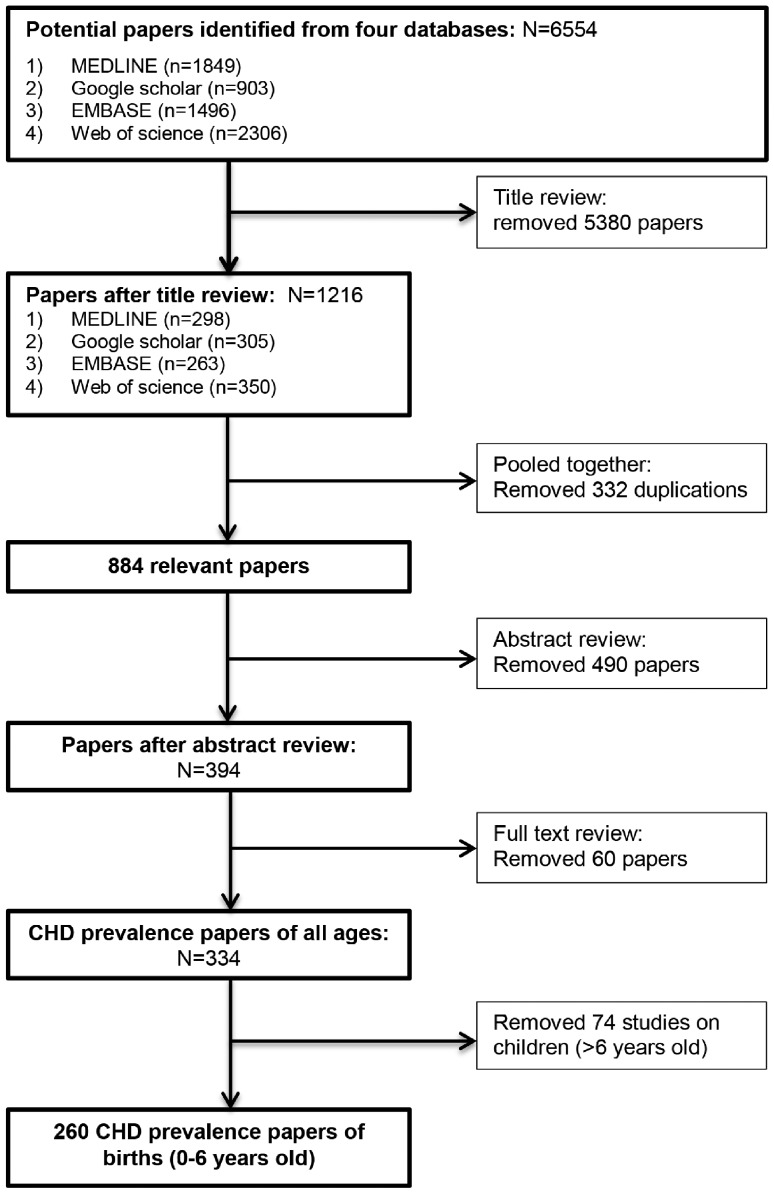
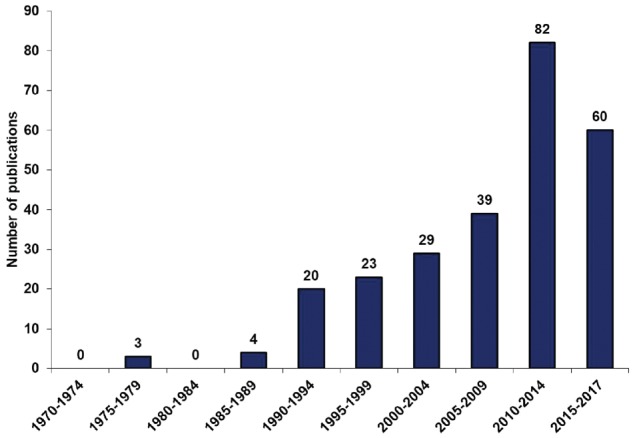
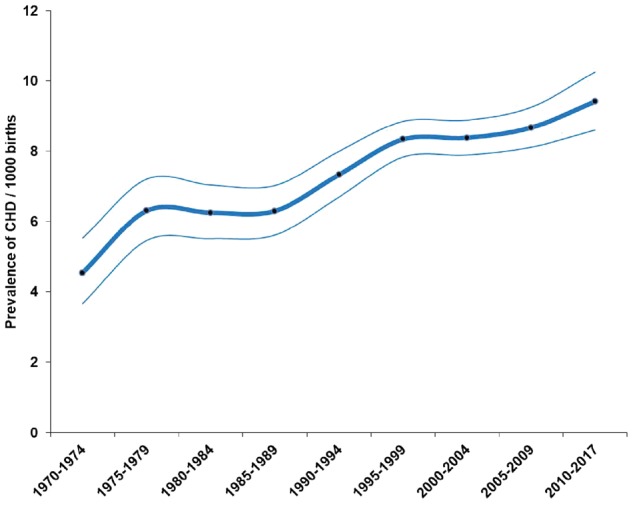
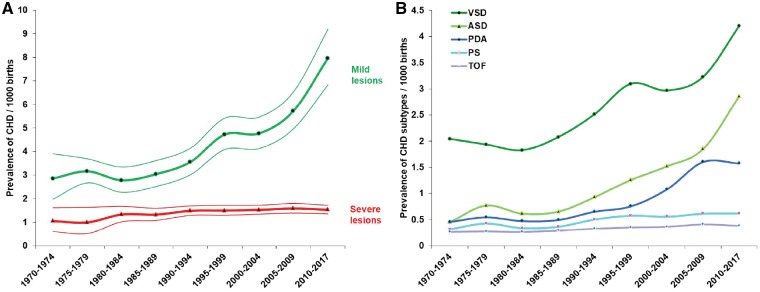
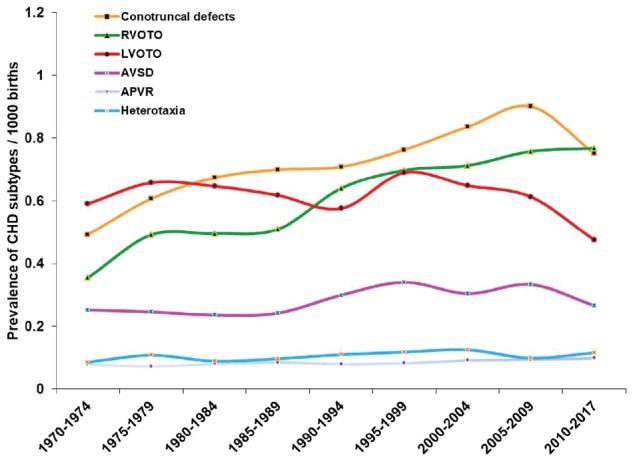
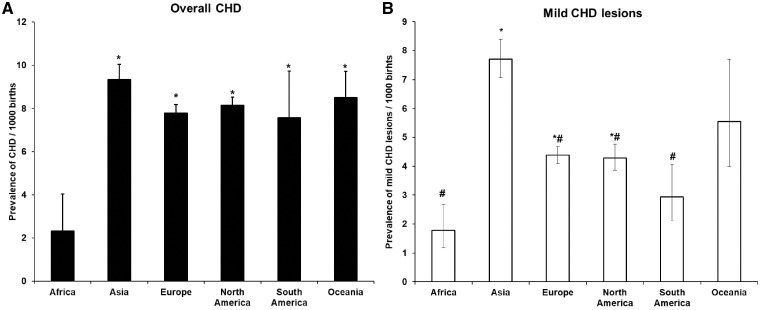
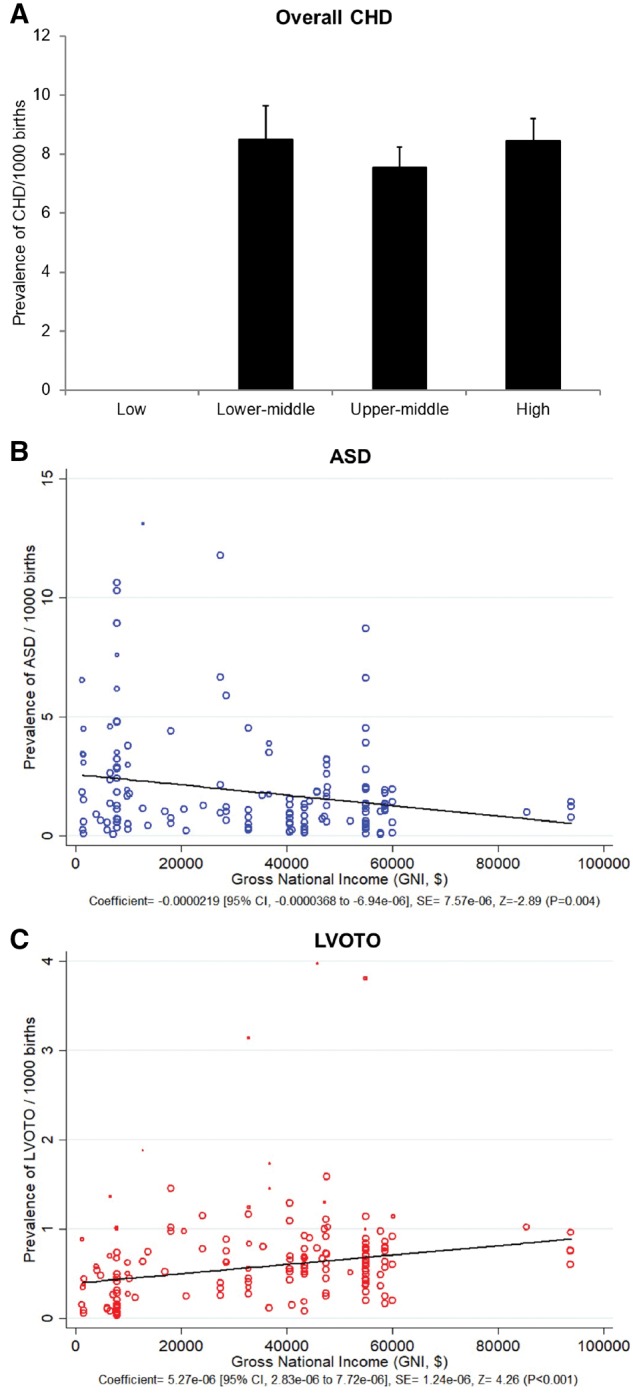
BACKGROUND: Globally, access to healthcare and diagnostic technologies are known to substantially impact the reported birth prevalence of congenital heart disease (CHD). Previous studies have shown marked heterogeneity between different regions, with a suggestion that CHD prevalence is rising globally, but the degree to which this reflects differences due to environmental or genetic risk factors, as opposed to improved detection, is uncertain. We performed an updated systematic review to address these issues. METHODS: Studies reporting the birth prevalence of CHD between the years 1970-2017 were identified from searches of PubMed, EMBASE, Web of Science and Google Scholar. Data on the prevalence of total CHD and 27 anatomical subtypes of CHD were collected. Data were combined using random-effect models. Subgroup and meta-regression analyses were conducted, focused on geographical regions and levels of national income. RESULTS: Two hundred and sixty studies met the inclusion criteria, encompassing 130 758 851 live births. The birth prevalence of CHD from 1970-2017 progressively increased to a maximum in the period 2010-17 of 9.410/1000 [95% CI (confidence interval) 8.602-10.253]. This represented a significant increase over the fifteen prior years (P = 0.031). The change in prevalence of mild CHD lesions (ventricular septal defect, atrial septal defect and patent ductus arteriosus) together explained 93.4% of the increased overall prevalence, consistent with a major role of improved postnatal detection of less severe lesions. In contrast the prevalence of lesions grouped together as left ventricular outflow tract obstruction (which includes hypoplastic left heart syndrome) decreased from 0.689/1000 (95% CI 0.607-0.776) in 1995-99, to 0.475/1000 (95% CI 0.392-0.565; P = 0.004) in 2010-17, which would be consistent with improved prenatal detection and consequent termination of pregnancy when these very severe lesions are discovered. There was marked heterogeneity among geographical regions, with Africa reporting the lowest prevalence [2.315/1000 (95% CI 0.429-5.696)] and Asia the highest [9.342/1000 (95% CI 8.072-10.704)]. CONCLUSIONS: The reported prevalence of CHD globally continues to increase, with evidence of severe unmet diagnostic need in Africa. The recent prevalence of CHD in Asia for the first time appears higher than in Europe and America, where disease ascertainment is likely to be near-complete, suggesting higher genetic or environmental susceptibility to CHD among Asian people.
Overview
The claims and statistics of this paper haven’t been checked yet.
Free: it reads the open-access text and checks the first 5 claims that cite a source we can check. Create a free account to check every claim.
Integrity signals
Registry
Cites
Statistics
Figures
Verification
Claims the paper makes
The claims and statistics of this paper haven’t been checked yet.
Free: it reads the open-access text and checks the first 5 claims that cite a source we can check. Create a free account to check every claim.
Claims other papers make about this one
Each is checked against this paper’s own text: does it say what the citing paper says it does?
The cited source doesn’t support the claim as written.
In the citing paper
“In a subgroup analysis based on the geographic region, a surprisingly high prevalence was reported across all regions of Sub-Saharan Africa.”
From Pooled prevalence and subgroup variations of Tetralogy of Fallot among children and adolescents with congenital heart defect in Sub-Saharan Africa: A systematic review and meta-analysis (2025) · cites this paper as [10]
Checked by a reasoning model — may be wrong.
Experimental — accuracy not yet measuredThe source backs part of the claim, not all of it — or backs it for a different population, condition or comparison.
In the citing paper
“Globally, it accounts for 3% to 5% of all CHD cases, with an estimated incidence of 2.8 to 3.4 per 10,000 live births [2, 10].”
From Pooled prevalence and subgroup variations of Tetralogy of Fallot among children and adolescents with congenital heart defect in Sub-Saharan Africa: A systematic review and meta-analysis (2025) · cites this paper as [10]
Experimental — accuracy not yet measuredThe source backs part of the claim, not all of it — or backs it for a different population, condition or comparison.
In the citing paper
“The prevalence of Tetralogy of Fallot observed was found considerably higher compared to global estimate and reports of developed countries.”
From Pooled prevalence and subgroup variations of Tetralogy of Fallot among children and adolescents with congenital heart defect in Sub-Saharan Africa: A systematic review and meta-analysis (2025) · cites this paper as [10]
Experimental — accuracy not yet measured
Self-check
Percentages, sums and reported differences re-computed from the paper’s own numbers.
The self-check needs the paper’s full text.
Citations
Cites
Cochrane Handbook for Systematic Reviews of Interventions: Cochrane Book Series
(2008) · doi:10.1002/9780470712184 · Cited by 25,048
The incidence of congenital heart disease.
Hoffman, J. I. E., & Kaplan, S. (2002) · Journal of the American College of Cardiology · doi:10.1016/s0735-1097(02)01886-7 · Cited by 6,099
Birth prevalence of congenital heart disease worldwide
van der Linde, D., Konings, E. E. M., Slager, M. A., Witsenburg, M., Helbing, W. A., Takkenberg, J. J. M., & Roos-Hesselink, J. W. (2011) · Journal of the American College of Cardiology · doi:10.1016/j.jacc.2011.08.025 · Cited by 3,452 · cited 6×
“A systematic review of global prevalence data since 1930 was conducted by van der Linde et al.1 in 2010, suggesting an increase in CHD prevalence from the 1930s until 1995, with stabilization between the years 1995–2009.”
BackgroundMethodInfluentialLuchini, C., Stubbs, B., Solmi, M., & Veronese, N. (2017) · World Journal of Meta-Analysis · doi:10.13105/wjma.v5.i4.80 · Cited by 977
Genetics and Genomics of Congenital Heart Disease
Zaidi, S., & Brueckner, M. (2017) · Circulation Research · doi:10.1161/circresaha.116.309140 · Cited by 565 · cited 1×
“It is known that genetic copy number variants and de novo single-nucleotide variants may account for up to 20% of CHD accompanied by extracardiac malformations and/or intellectual impairment.(21) We were unable to stratify participants in the individual studies based on these additional diagnoses.”
BackgroundDu, Y., Xu, X., Chu, M., Guo, Y., & Wang, J. (2016) · PubMed · doi:10.3978/j.issn.2072-1439.2015.11.37 · Cited by 525
Seeking causes: Classifying and evaluating congenital heart defects in etiologic studies
Botto, L. D., Lin, A. E., Riehle‐Colarusso, T., Malik, S., & Correa, A. (2007) · Birth Defects Research Part A: Clinical and Molecular Teratology · doi:10.1002/bdra.20403 · Cited by 469 · cited 2×
“In the principal analyses, CHD was classified into seven phenotypic categories, following the approach of Botto et al.(7) which groups together lesions on the basis of their anatomical/developmental similarity (Supplementary Table 2, available as Supplementary data at IJE online).”
MethodMoller, A.-B., Petzold, M., Chou, D., & Say, L. (2017) · The Lancet Global Health · doi:10.1016/s2214-109x(17)30325-x · Cited by 377
Ambient Air Pollution and Risk of Congenital Anomalies: A Systematic Review and Meta-analysis
Vrijheid, M., Martinez, D., Manzanares, S., Dadvand, P., Schembari, A., Rankin, J., & Nieuwenhuijsen, M. (2011) · Environmental Health Perspectives · doi:10.1289/ehp.1002946 · Cited by 305
Congenital heart disease: current knowledge about causes and inheritance
Blue, G. M., Kirk, E. P., Sholler, G. F., Harvey, R. P., & Winlaw, D. S. (2012) · Medical Journal of Australia · doi:10.5694/mja12.10811 · Cited by 241 · cited 3×
“The studies included in the meta-analysis showed high heterogeneity, as expected, given the unknown aetiological factors for around 80% of CHDs.2 Potentially, hospitalbased studies could have provided upwardly biased estimates of prevalence compared to national registries, both of which were included in the meta-analy…”
BackgroundResultInfluential
Research works printed but not linked: 1
- United Nations. World Economic Situation and Prospects. New York: United Nations, UN, 2014.
Cited by
Items 101–200 of 1,000
Wang, T., Li, Q., Chen, L., Ni, B., Sheng, X., Huang, P., Zhang, S., & Qin, J. (2022) · Clinical Epidemiology · doi:10.2147/clep.s338870 · Cited by 32
“This study was nested on a prospective cohort study conducted among pregnant women and their children in the Hunan Provincial Maternal and Child Health Care Hospital, the provincial health center for women and children in Hunan Province, Central China.”
InfluentialWilliams, S. G., Nakev, A., Guo, H., Frain, S., Tenin, G., Liakhovitskaia, A., Saha, P., Priest, J. R., Hentges, K. E., & Keavney, B. D. (2020) · European Journal of Human Genetics · doi:10.1038/s41431-020-0626-8 · Cited by 30
Self-citationReuter, M. S., Chaturvedi, R. R., Jobling, R. K., Pellecchia, G., Hamdan, O., Sung, W. W. L., Nalpathamkalam, T., Attaluri, P., Silversides, C. K., Wald, R. M., et al. (2021) · Circulation Genomic and Precision Medicine · doi:10.1161/circgen.121.003410 · Cited by 36
Self-citationMaternal Zinc, Copper, and Selenium Intakes during Pregnancy and Congenital Heart Defects
Yang, J., Kang, Y., Chang, Q., Zhang, B., Liu, X., Zeng, L., Yan, H., & Dang, S. (2022) · Nutrients · doi:10.3390/nu14051055 · Cited by 28
ZCHSound: Open-Source ZJU Paediatric Heart Sound Database With Congenital Heart Disease
Jia, W., Wang, Y., Chen, R., Ye, J., Li, D., Yin, F., Jin, Y., Chen, J., Shu, Q., & Xu, W. (2024) · IEEE Transactions on Biomedical Engineering · doi:10.1109/tbme.2023.3348800 · Cited by 27
“Worldwide, the prevalence of CHD in live or term newborns is 0.94%, with an increasing trend [2].”
BackgroundInfluentialFrieberg, P., Aristokleous, N., Sjöberg, P., Töger, J., Liuba, P., & Carlsson, M. (2021) · Journal of Cardiovascular Translational Research · doi:10.1007/s12265-021-10198-6 · Cited by 27
Adult Congenital Heart Disease Survivors at Age 50 Years: Medical and Psychosocial Status
Rehan, R., Kotchetkova, I., Cordina, R., & Celermajer, D. S. (2020) · Heart Lung and Circulation · doi:10.1016/j.hlc.2020.05.114 · Cited by 32
Chen, H., Zhang, Y., Wang, D., Chen, X., Li, M., Huang, X., Jiang, Y., Dou, Y., Wang, Y., Ma, X., et al. (2022) · Annals of Internal Medicine · doi:10.7326/m22-0741 · Cited by 29
Self-citationJiang, W., Liu, Z., Ni, B., Xie, W., Zhou, H., & Li, X. (2021) · Reproductive Toxicology · doi:10.1016/j.reprotox.2021.07.007 · Cited by 29
Arterial Stiffness in Congenital Heart Disease
Sandhu, K., Pepe, S., Smolich, J. J., Cheung, M. M. H., & Mynard, J. P. (2021) · Heart Lung and Circulation · doi:10.1016/j.hlc.2021.07.018 · Cited by 27
Transcatheter Closure of Superior Sinus Venosus Defects
Baruteau, A., Hascoët, S., Malekzadeh-Milani, S. G., Batteux, C., Karsenty, C., Ciobotaru, V., Thambo, J., Fraisse, A., Boudjemline, Y., & Jalal, Z. (2023) · JACC: Cardiovascular Interventions · doi:10.1016/j.jcin.2023.07.024 · Cited by 25
How Will Artificial Intelligence Shape the Future of Decision-Making in Congenital Heart Disease?
Pozza, A., Zanella, L., Castaldi, B., & Salvo, G. D. (2024) · Journal of Clinical Medicine · doi:10.3390/jcm13102996 · Cited by 30
“Nevertheless, the management of these patients might be challenging due to the merging of post-surgical anatomy in complex CHD and acquired diseases [2,3].”
BackgroundFu, M., Yuan, Q., Yang, Q., Song, W., Yu, Y., Luo, Y., Xiong, X., & Yu, G. (2024) · The Italian Journal of Pediatrics/Italian journal of pediatrics · doi:10.1186/s13052-024-01603-2 · Cited by 27
“3, 4, 5 and 6).”
BackgroundEpidemiology of Valvular Heart Disease in Asia Pacific Region
So, C.-Y., Yap, J. J. L., Song, G., Poon, K., Sung, S., Chandavimol, M., Hayashida, K., Park, D., Ewe, S.-H., Chen, M., et al. (2025) · JACC Asia · doi:10.1016/j.jacasi.2025.03.011 · Cited by 28
Thomas, J. D., Edvardsen, T., Abraham, T. P., Appadurai, V., Badano, L. P., Banchs, J. A., Cho, G., Cosyns, B., Delgado, V., Donal, E., et al. (2026) · European Heart Journal - Cardiovascular Imaging · doi:10.1093/ehjci/jeag006 · Cited by 35
Fourdain, S., Caron-Desrochers, L., Simard, M., Provost, S., Doussau, A., Gagnon, K., Dagenais, L., Presutto, É., Prud’homme, J., Boudreault-Trudeau, A., et al. (2020) · Frontiers in Pediatrics · doi:10.3389/fped.2020.539451 · Cited by 31
“Special educational support 3/41 (7) 1/38 (3)”
Zhang, H., Zhang, X., Zhao, X., Cheng, G., Chang, H., Ye, X., Wang, J., Yu, Z., Wang, Q., & Huang, C. (2021) · Ecotoxicology and Environmental Safety · doi:10.1016/j.ecoenv.2021.113070 · Cited by 28
Bulck, L. V., Kovacs, A. H., Goossens, E., Luyckx, K., Zaidi, A. N., Wang, J., Yadeta, D., Windram, J. D., Bruaene, A. V. D., Thomet, C., et al. (2022) · International Journal of Cardiology · doi:10.1016/j.ijcard.2022.06.064 · Cited by 28
“[1] As the life expectancy of patients with CHD is increasing, the population is substantially growing and ageing, especially in higher-income countries.”
Zhou, X., Jiang, Y., Fang, J., Wang, H., Xie, D., Kuang, H., Li, T., Liu, Q., & He, J. M. (2023) · Scientific Reports · doi:10.1038/s41598-023-37436-y · Cited by 24
Factors that influence adherence to medication in adults with congenital heart disease (ACHD).
Halling, T., Akkermann, S., Löffler, F., Groh, A., Heitland, I., Haefeli, W. E., Bauersachs, J., Kahl, K. G., & Westhoff-Bleck, M. (2021) · Frontiers in Psychiatry · doi:10.3389/fpsyt.2021.788013 · Cited by 23
Artificial Intelligence in Pediatric Electrocardiography: A Comprehensive Review
Leone, D. M., O’Sullivan, D. M., & Jaimes, K. B. (2024) · Children · doi:10.3390/children12010025 · Cited by 32
“Pediatric cardiovascular disorders predominantly include congenital heart disease (CHD), which is the most common congenital malformation and occurs in approximately 1% of live births worldwide, contributing substantially to morbidity and mortality [24–26].”
Zhang, S., Qiu, X., Wang, T., Chen, L., Li, J., Diao, J., Li, Y., Qin, J., Chen, L., & Jiang, Y. (2022) · Frontiers in Cardiovascular Medicine · doi:10.3389/fcvm.2022.842878 · Cited by 30
Gillesén, M., Fedchenko, M., Giang, K. W., Dimopoulos, K., Eriksson, P., Dellborg, M., & Mandalenakis, Z. (2022) · European Heart Journal Open · doi:10.1093/ehjopen/oeac055 · Cited by 24
“9% of live births and is one of the most common congenital abnormalites.(1,2) Although CHD used to be a condition with limited chances of survival for many patients, medical and surgical developments in recent decades have made it possible for up to 97% of children with CHD to reach adulthood.”
BackgroundPediatric pulmonary valve replacements: Clinical challenges and emerging technologies
Crago, M., Winlaw, D. S., Farajikhah, S., Dehghani, F., & Naficy, S. (2023) · Bioengineering & Translational Medicine · doi:10.1002/btm2.10501 · Cited by 30
Heart-brain axis: Association of congenital heart abnormality and brain diseases
Sha, L., Li, Y., Zhang, Y., Tang, Y., Li, B., Chen, Y., & Chen, L. (2023) · Frontiers in Cardiovascular Medicine · doi:10.3389/fcvm.2023.1071820 · Cited by 24
Mortality in Patients With Ebstein Anomaly
Eckerström, F., Dellborg, M., Hjortdal, V. E., Eriksson, P., & Mandalenakis, Z. (2023) · Journal of the American College of Cardiology · doi:10.1016/j.jacc.2023.04.037 · Cited by 23
Sprong, M. C. A., Noordstar, J. J., Slieker, M. G., de Vries, L. S., Takken, T., & van Brussel, M. (2023) · Early Human Development · doi:10.1016/j.earlhumdev.2023.105870 · Cited by 30
Khokhar, R. A., Gowa, M. A., Bangash, S. K., & Tahir, A. (2019) · Cureus · doi:10.7759/cureus.5339 · Cited by 24
Li, C., Zhong, P., Yuan, H., Dong, X., Peng, Q., Huang, M., Wu, Q., Liu, B., Xu, M., Kuang, Y., et al. (2020) · Clinical and Experimental Ophthalmology · doi:10.1111/ceo.13846 · Cited by 23
“82% of live newborns around the world.(1) Cyanotic CHD (CCHD) is one type of CHD and typically characterized by much severer hypoxia, higher mortality, and poorer quality of life.”
BackgroundLi, Y., He, C., Yu, H., Wu, D., Liu, L., & Zhang, X. (2025) · BMC Pregnancy and Childbirth · doi:10.1186/s12884-025-07612-1 · Cited by 27
“However, owing to significant differences in health conditions and medical resources across regions, the epidemiological characteristics of CBDs vary widely worldwide [10].”
InfluentialOmbelet, F., Goossens, E., Willems, R. P., Annemans, L., Budts, W., Backer, J. F. A. D., Groote, K. D., Moniotte, S., Bulck, L. V., Marelli, A. J., et al. (2020) · International Journal of Cardiology · doi:10.1016/j.ijcard.2020.05.059 · Cited by 27
A new era of genetic testing in congenital heart disease: A review
Morrish, A. M., Smith, J. M., Enriquez, A., Sholler, G. F., Mervis, J., Dunwoodie, S. L., Kirk, E. P., Winlaw, D. S., & Blue, G. M. (2021) · Trends in Cardiovascular Medicine · doi:10.1016/j.tcm.2021.04.011 · Cited by 26
Nova, R., Nurmaini, S., Partan, R. U., & Putra, S. T. (2021) · Informatics in Medicine Unlocked · doi:10.1016/j.imu.2021.100601 · Cited by 25
Wang, T., Li, Q., Chen, L., Ni, B., Sheng, X., Huang, P., Zhang, S., Chen, L., & Qin, J. (2022) · Preventive Medicine · doi:10.1016/j.ypmed.2022.106963 · Cited by 23
Longitudinal Motor-Developmental Outcomes in Infants with a Critical Congenital Heart Defect
Sprong, M. C. A., van Brussel, M., de Vries, L. S., van der Net, J. J., Nijman, J., Breur, J. M. P. J., & Slieker, M. G. (2022) · Children · doi:10.3390/children9040570 · Cited by 25
“35 million newborns worldwide every year [1].”
Anderson, C. A. J., Suna, J. M., Keating, S. E., Cordina, R., Tran, D., Ayer, J. G., & Coombes, J. S. (2022) · American Heart Journal · doi:10.1016/j.ahj.2022.06.006 · Cited by 26
Chromosomal abnormalities in fetuses with congenital heart disease: a meta-analysis
Wang, H., Lin, X., Lyu, G., He, S., Dong, B., & Yang, Y. (2023) · Archives of Gynecology and Obstetrics · doi:10.1007/s00404-023-06910-3 · Cited by 24
de Sousa, M. T., Hecher, K., Kording, F., Yamamura, J., Lenz, A., Adam, G., Bannas, P., & Schoennagel, B. P. (2020) · Acta Obstetricia Et Gynecologica Scandinavica · doi:10.1111/aogs.13957 · Cited by 22
Tuan, H. X., Long, P. T. P., Kien, V. D., Cường, L. M., Sơn, N. V., & Dalla‐Pozza, R. (2019) · Journal of Cardiovascular Development and Disease · doi:10.3390/jcdd7010002 · Cited by 21
Ramlakhan, K. P., Ahmed, I., Johnson, M. R., & Roos‐Hesselink, J. W. (2020) · International Journal of Cardiology Congenital Heart Disease · doi:10.1016/j.ijcchd.2020.100049 · Cited by 23
Mitteregger, E., Wehrli, M., Theiler, M., Logoteta, J., Nast, I., Seliner, B., & Latal, B. (2021) · BMC Pediatrics · doi:10.1186/s12887-021-02808-8 · Cited by 24
Yan, H., Zhai, B., Feng, R., Wang, P., Zhang, Y., Wang, Y., Hou, Y., & Zhou, Y. (2022) · Frontiers in Pediatrics · doi:10.3389/fped.2022.828300 · Cited by 21
“4 per 1,000 live births in 2010–2017 (17).”
Congenital heart disease: pathology, natural history, and interventions
Giulia Ottaviani, M., & Buja, L. M. (2022) · Elsevier eBooks · doi:10.1016/b978-0-12-822224-9.00011-6 · Cited by 29
Xu, W., Shao, Z., Lou, H., Qi, J., Zhu, J., Li, D., & Shu, Q. (2022) · BMC Medical Research Methodology · doi:10.1186/s12874-022-01719-1 · Cited by 21
“The incidence of CHD is usually higher in developing countries than in developed countries [7, 8].”
BackgroundExercise in patients with repaired tetralogy of Fallot: a systematic review and meta-analysis
Schuermans, A., Boerma, M., Sansoni, G. A., den Eynde, J. V., Takkenberg, J. J. M., Helbing, W. A., Geva, T., Moons, P., Bruaene, A. V. D., & Budts, W. (2023) · Heart · doi:10.1136/heartjnl-2022-321850 · Cited by 25
Zhang, Y., Zhou, H., Bai, Y., Chen, Z., Wang, Y., Hu, Q., Yang, M., Wei, W., Ding, L., & Ma, F. (2022) · Stress and Health · doi:10.1002/smi.3240 · Cited by 26
Wu, H., Yang, Y., Jia, J., Guo, T., Lei, J., Deng, Y., He, Y., Wang, Y., Peng, Z., Zhang, Y., et al. (2023) · Archives of Pediatrics and Adolescent Medicine · doi:10.1001/jamapediatrics.2023.0053 · Cited by 23
Ventricular Arrhythmias in Adults With Congenital Heart Disease, Part II
Bessière, F., Waldmann, V., Combes, N., Metton, O., Dib, N., Mondesert, B. A., O’Leary, E. T., Witt, E. D., Carreon, C. K., Sanders, S. P., et al. (2023) · Journal of the American College of Cardiology · doi:10.1016/j.jacc.2023.06.036 · Cited by 21
Role of carotenoids and retinoids during heart development
Sîrbu, I. O., Chiş, A. R., & Moise, A. R. (2020) · Biochimica et Biophysica Acta (BBA) - Molecular and Cell Biology of Lipids · doi:10.1016/j.bbalip.2020.158636 · Cited by 23
Aldersley, T., Lawrenson, J., Human, P., Shaboodien, G., Cupido, B. J., Comitis, G., Decker, R. D., Fourie, B., Swanson, L., Joachim, A., et al. (2021) · Frontiers in Pediatrics · doi:10.3389/fped.2021.763060 · Cited by 25
Self-citationYamada, H., Ohno, K., Shiota, M., Togawa, M., Utsunomiya, Y., Akaboshi, S., Tsuchie, H., Okada, T., Oguri, M., Higami, S., et al. (2020) · Brain and Development · doi:10.1016/j.braindev.2020.06.008 · Cited by 21
Deng, L., Li, Q., & Cheng, Z. (2025) · Frontiers in Pediatrics · doi:10.3389/fped.2025.1467914 · Cited by 28
Balch, C. M., Liao, N., Lam, D. S. C., Weitzel, J. N., Xu, R., Attard, G., Bunn, P. A., Eggermont, A. M. M., He, J., Kitagawa, Y., et al. (2026) · ecancermedicalscience · doi:10.3332/ecancer.2026.2071 · Cited by 31
Sun, M., Wang, T., Huang, P., Diao, J., Zhang, S., Li, J., Luo, L., Li, Y., Chen, L., Liu, Y., et al. (2021) · BMC Cardiovascular Disorders · doi:10.1186/s12872-021-02117-z · Cited by 20
“3 per 1000 live births and rising [1, 2].”
BackgroundSelf-citationSimmons, W., Lin, S., Luben, T. J., Sheridan, S. C., Langlois, P. H., Shaw, G. M., Reefhuis, J., Romitti, P. A., Feldkamp, M. L., Nembhard, W. N., et al. (2021) · The Science of The Total Environment · doi:10.1016/j.scitotenv.2021.152150 · Cited by 21
Management of Placental Transfusion to Neonates After Delivery
McAdams, R. M., & Lakshminrusimha, S. (2021) · Obstetrics and Gynecology · doi:10.1097/aog.0000000000004625 · Cited by 24
The TBX1/miR‐193a‐3p/TGF‐β2 Axis Mediates CHD by Promoting Ferroptosis
Zhong, L., Yang, H., Zhu, B., Zhao, X., Xie, M., Cao, M., Liu, C., Zhao, D., Lyu, Y., Shang, W., et al. (2022) · Oxidative Medicine and Cellular Longevity · doi:10.1155/2022/5130546 · Cited by 24
“In China, the prevalence of CHD has reached 4.905 ‰ [1, 2].”
InfluentialDetailed Analysis of ITPR1 Missense Variants Guides Diagnostics and Therapeutic Design
Tolonen, J., Schnekenberg, R. P., McGowan, S. J., Sims, D., McEntagart, M., Elmslie, F., Shears, D., Stewart, H. S., Tofaris, G. K., Dabir, T. A., et al. (2023) · Movement Disorders · doi:10.1002/mds.29651 · Cited by 25
“67 IP 3 R1 and IP 3 R2 have been implicated in the perturbation of cardiogenesis via de fi cient calcineurin-NFATc signaling, 68 but causation between dysfunctional IP 3 R1 and congenital heart disease remains unclear.”
BackgroundSprong, M. C. A., Zwagerman, I. R., Soeters, L., Slieker, M. G., Takken, T., van den Hoogen, A., & van Brussel, M. (2024) · European Journal of Pediatrics · doi:10.1007/s00431-024-05600-9 · Cited by 28
“Congenital heart disease (CHD) affects approximately nine per 1000 live births, accounting for 1.35 million newborns worldwide annually [1].”
InfluentialMaternal dietary diversity during pregnancy and congenital heart defects: a case-control study
Yang, J., Cheng, Y., Zeng, L., Dang, S., & Yan, H. (2020) · European Journal of Clinical Nutrition · doi:10.1038/s41430-020-0617-4 · Cited by 20
Scope of telemedicine in neonatology.
Makkar, A., Siatkowski, R. M., Szyld, E. G., Ganguly, A., & Sekar, K. C. (2020) · PubMed · doi:10.7499/j.issn.1008-8830.2001135 · Cited by 22
“先天性心脏病(CHD)的患病率在过去 10 年中 显著增加 ([17])。目前估计的 CHD 患病率为 9.”
BackgroundTime Trends in Simple Congenital Heart Disease Over 39 Years: A Danish Nationwide Study
El-Chouli, M. H., Mohr, G. H., Bang, C. N., Malmborg, M. W., Ahlehoff, O., Torp-Pedersen, C. T., Gerds, T. A., Idorn, L., Raunsø, J., & Gislason, G. (2021) · Journal of the American Heart Association · doi:10.1161/jaha.120.020375 · Cited by 20
“15 Furthermore, general usage of cardiac computed tomography and, to a lesser degree, cardiac magnetic resonance imaging during the past 2 decades has increased for diagnostic and prognostic purposes.”
The current state of prenatal detection of genetic conditions in congenital heart defects
Findley, T. O., & Northrup, H. (2021) · Translational Pediatrics · doi:10.21037/tp-20-315 · Cited by 23
“, septal defects, while the rate of severe lesions has remained stable over the past fifty years (3,4).”
BackgroundImpact of Socioeconomic Status and Residence Distance on Infant Heart Disease Outcomes in Canada
Olugbuyi, O., Smith, C., Kaul, P., Dover, D. C., Mackie, A. S., Islam, S., Eckersley, L., & Hornberger, L. K. (2022) · Journal of the American Heart Association · doi:10.1161/jaha.122.026627 · Cited by 22
Parvar, S. Y., Ghaderpanah, R., & Naghshzan, A. (2023) · Health Science Reports · doi:10.1002/hsr2.1178 · Cited by 27
Pietrolucci, M. E., Maqina, P., Mappa, I., Marra, M. C., Antonio, F. D., & Rizzo, G. (2023) · Journal of Perinatal Medicine · doi:10.1515/jpm-2023-0052 · Cited by 20
Miao, Q., Dunn, S., Wen, S. W., Lougheed, J., Yang, P., Davies, M. J., Venegas, C. L., & WALKER, M. C. (2023) · BMC Public Health · doi:10.1186/s12889-023-15660-5 · Cited by 24
“9 cases per 1,000 births [2], CHD accounts for 30 to 45% of all congenital anomalies [3, 4].”
BackgroundMassadeh, S., Albeladi, M., Albesher, N., Alhabshan, F., Kampe, K., Chaikhouni, F., Kabbani, M. S., Beetz, C., & Alaamery, M. A. (2021) · Genes · doi:10.3390/genes12050612 · Cited by 21
“Globally, CHD prevalence is estimated to range between 19 and 75 cases per 1000 live births and is increasing [3].”
BackgroundDietary Quality during Pregnancy and Congenital Heart Defects
Yang, J., Chang, Q., Dang, S., Liu, X., Zeng, L., & Yan, H. (2022) · Nutrients · doi:10.3390/nu14173654 · Cited by 21
“The prevalence of CHD (the mild lesions in particular) is higher in Asia than that in other regions, and the increase rate of CHD prevalence (atrial septal defects (ASD) in particular) in Asia is also greater than in other regions [1], which may partly come from the difference in dietary habits.”
BackgroundAntenatal screening for fetal structural anomalies – Routine or targeted practice?
Yahya, R. H., Roman, A., Grant, S., & Whitehead, C. L. (2024) · Best Practice & Research Clinical Obstetrics & Gynaecology · doi:10.1016/j.bpobgyn.2024.102521 · Cited by 20
Teekakirikul, P., Zhu, W., Gabriel, G. C., Young, C. B., Williams, K., Martin, L. J., Hill, J. C., Richards, T. D., Billaud, M., Phillippi, J. A., et al. (2021) · Human Genetics and Genomics Advances · doi:10.1016/j.xhgg.2021.100037 · Cited by 21
Peer Support Experienced by Mothers of Children With Congenital Heart Defects in Sweden
Carlsson, T., & Mattsson, E. (2022) · Journal of Family Nursing · doi:10.1177/10748407211067788 · Cited by 21
“…incidence of severe congenital heart defects requiring expert medical treatment is between 0.4 and 2.3 per 1,000 live births (Miranović, 2016), and is increasing globally (Liu et al., 2019), illustrating the importance of prenatal and postnatal screening routines (Ewer, 2014; Lytzen et al., 2019).”
BackgroundInfluentialMohamad, N. S., Tan, L. L., Ali, N. I. M., Mazlan, N.-F., Sage, E. E., Hassan, N. I., & Ta, G. C. (2023) · Environmental Science and Pollution Research · doi:10.1007/s11356-023-25257-5 · Cited by 21
“4% of births globally (Liu et al. 2019); 9% of live births were affected most frequently in China, where more than 150,000 instances are reported yearly (Zhao et al.”
BackgroundYang, H., Pan, J., Wang, W., Guo, T., & Ma, T. (2023) · The Anatolian Journal of Cardiology · doi:10.14744/anatoljcardiol.2022.1386 · Cited by 19
“Three types of CHD cases were included: (1) atrial septal defect (ASD), (2) ventricular septal defect (VSD), and (3) patent ductal arteriosus (PDA).”
Neuromonitoring practices for neonates with congenital heart disease: a scoping review
Pardo, A. C., Carrasco, M., Wintermark, P., Nunes, D., Chock, V. Y., Sen, S. K., Wusthoff, C. J., Bonifacio, S. L., Aly, H. Z., Chau, V., et al. (2024) · Pediatric Research · doi:10.1038/s41390-024-03484-x · Cited by 20
“The global incidence of congenital heart disease (CHD) is reported to be as high as 9.41 per 1000 births and continues to steadily rise 1 .”
InfluentialBarbazi, N., Shin, J. Y., Hiremath, G. M., & Lauff, C. (2025) · JMIR Pediatrics and Parenting · doi:10.2196/64814 · Cited by 25
“Data were sourced from Boneva et al [8], Liu et al [7], Lopez et al [6].”
Robertis, V. D., Stampalija, T., Abuhamad, A., Bosco, M., Chaoui, R., Formigoni, C., Moon‐Grady, A. J., Paladini, D., Pilu, G., Ramezzana, I. G., et al. (2025) · Ultrasound in Obstetrics and Gynecology · doi:10.1002/uog.29224 · Cited by 20
“Congenital heart disease (CHD) affects approximately 0.8–1.2% of live births 1 and has become the leading cause of infant mortality, accounting for 42% of infant deaths 2 .”
InfluentialLi, D., Xu, W., Qiu, Y., Pan, F., Lou, H., Li, J., Jin, Y., Wu, T., Pan, L., An, J. W., et al. (2021) · International Journal of Hygiene and Environmental Health · doi:10.1016/j.ijheh.2021.113898 · Cited by 18
Wang, M., Tian, Y., Yu, P., Li, N., Deng, Y., Li, L., Kang, H., Chen, D., Wang, H., Liu, Z., et al. (2021) · Environmental Science and Pollution Research · doi:10.1007/s11356-021-17054-9 · Cited by 21
Self-citationMajani, N. G., Koster, J. R., Kalezi, Z. E., Letara, N., Nkya, D. A., Mongella, S. M., Kubhoja, S. D., Sharau, G. G., Mlawi, V. A., Grobbee, D. E., et al. (2024) · Global Heart · doi:10.5334/gh.1342 · Cited by 21
Yu, M., Aguirre, M., Jia, M., Gjoni, K., Córdova‐Palomera, A., Munger, C. J., Amgalan, D., Ma, X. R., Pereira, A. C., Tcheandjieu, C., et al. (2023) · Circulation Genomic and Precision Medicine · doi:10.1161/circgen.122.003968 · Cited by 20
Chen, L., Ding, R., Sun, Q., Liu, S., Sun, Z., & Duan, J. (2024) · Environment & Health · doi:10.1021/envhealth.3c00143 · Cited by 19
ISUOG Practice Guidelines (updated): fetal cardiac screening
Carvalho, J. S., Axt-Fliedner, R., Chaoui, R., Copel, J. A., Cuneo, B. F., Goff, D., Kopylov, L. G., Hecher, K., Lee, W., Moon‐Grady, A. J., et al. (2024) · Ultrasound & Functional Diagnostics · doi:10.24835/1607-0771-270 · Cited by 18
Yu, X., Miao, H., Zeng, Q., Wu, H., Chen, Y., Guo, P., & Zhu, Y. (2021) · Environmental Science and Pollution Research · doi:10.1007/s11356-021-16237-8 · Cited by 19
Exercise training in paediatric congenital heart disease: fit for purpose?
Amir, N. H., Dorobantu, D. M., Wadey, C. A., Caputo, M., Stuart, G., Pieles, G. E., & Williams, C. A. (2021) · Archives of Disease in Childhood · doi:10.1136/archdischild-2020-321390 · Cited by 19
Chambault, A.-L., Olsen, K., Brown, L. J., Mellor, S. L., Sorathia, N., Thomas, A. E., Kothari, N., & Harky, A. (2021) · Cardiology in the Young · doi:10.1017/s1047951121004583 · Cited by 17
Moons, P., Goossens, E., Luyckx, K., Kovacs, A. H., Andresen, B., Moon, J. R., Bruaene, A. V. D., Rassart, J., Bulck, L. V., Budts, W., et al. (2021) · European Journal of Cardiovascular Nursing · doi:10.1093/eurjcn/zvab120 · Cited by 19
Epidemiology of Congenital Heart Disease in Jinan, China From 2005 to 2020: A Time Trend Analysis
Zhang, L., Liu, B., Li, H., Wang, C., Yang, S., & Li, Z. (2022) · Frontiers in Cardiovascular Medicine · doi:10.3389/fcvm.2022.815137 · Cited by 18
“61 per 1,000 births from 2016 to 2020, which were roughly equivalent to the CHD prevalence in China (13) over the same period but were higher than that in Changzhou (14), and lower than that in Zhejiang (15), in Asia, and in the world (2).”
ResultAlRabeeah, S. M. (2024) · Journal of Multidisciplinary Healthcare · doi:10.2147/jmdh.s494701 · Cited by 20
Birth prevalence of congenital heart defects in Western Australia, 1990–2016
Hansen, M., Greenop, K. R., Yim, D., Ramsay, J., Thomas, Y., & Baynam, G. S. (2021) · Journal of Paediatrics and Child Health · doi:10.1111/jpc.15592 · Cited by 17
Spatiotemporal expression of long noncoding RNA Moshe modulates heart cell lineage commitment
Kim, N., Lee, K.-H., Son, Y., Nam, A.-R., Moon, E.-H., Pyun, J., Park, J., Kang, J., Lee, Y. J., & Cho, J. (2021) · RNA Biology · doi:10.1080/15476286.2021.1976549 · Cited by 18
Cardiovascular computed tomography in pediatric congenital heart disease: A state of the art review
Cohen, J. L., Asrani, P., Lee, S., Frush, D. P., Han, B., Chelliah, A., & Farooqi, K. M. (2022) · Journal of cardiovascular computed tomography · doi:10.1016/j.jcct.2022.04.004 · Cited by 18
WDR62 variants contribute to congenital heart disease by inhibiting cardiomyocyte proliferation
Hao, L., Ma, J., Wu, F., Ma, X., Qian, M., Sheng, W., Yan, T., Tang, N., Jiang, X., Zhang, B., et al. (2022) · Clinical and Translational Medicine · doi:10.1002/ctm2.941 · Cited by 19
Trends in the disease burden of congenital heart disease in China over the past three decades
Pan, F., Xu, W., Jiabin, L. I., Huang, Z., & Shu, Q. (2022) · Journal of Zhejiang University (Medical Sciences) · doi:10.3724/zdxbyxb-2022-0072 · Cited by 16
Prenatal exposure to ambient air pollutants and congenital heart defects: An umbrella review
Michel, S., Atmakuri, A., & Ehrenstein, O. S. V. (2023) · Environment International · doi:10.1016/j.envint.2023.108076 · Cited by 19
Infant congenital heart disease prevalence and mortality in French Guiana: a population-based study
Lucron, H., Brard, M., d’Orazio, J., Long, L., Lambert, V., Zedong-Assountsa, S., de Gonneville, A. L. H., Ahounkeng, P., Tuttle, S., Stamatelatou, M., et al. (2023) · The Lancet Regional Health - Americas · doi:10.1016/j.lana.2023.100649 · Cited by 19
A national Australian Congenital Heart Disease registry; methods and initial results
Nicholson, C., Strange, G. A., Ayer, J. G., Cheung, M. M. H., Grigg, L., Justo, R. N., Maxwell, R., Wheaton, G. R., DISNEY, P. J. S., Yim, D., et al. (2024) · International Journal of Cardiology Congenital Heart Disease · doi:10.1016/j.ijcchd.2024.100538 · Cited by 19
Genetic Insights into Congenital Cardiac Septal Defects—A Narrative Review
Cervantes-Salazar, J. L., Pérez‐Hernández, N., Calderón-Colmenero, J. E., Rodríguez-Pérez, J. M., González-Pacheco, M. G., Villamil-Castañeda, C., Rosas-Tlaque, A. A., & Ortega‐Zhindón, D. B. (2024) · Biology · doi:10.3390/biology13110911 · Cited by 16
Kloster, S., Tolstrup, J. S., Olsen, M. S., Johnsen, S. P., Søndergaard, L., Nielsen, D. G., & Ersbøll, A. K. (2019) · Journal of the American Heart Association · doi:10.1161/jaha.119.013491 · Cited by 17
Cardiac Surgery: Increasing Access in Low- and Middle-Income Countries
Byiringiro, S., Nyirimanzi, N., Mucumbitsi, J., Kamanzi, E. R., & Swain, J. D. (2020) · Current Cardiology Reports · doi:10.1007/s11886-020-01290-5 · Cited by 16
Metadata
- Authors
- Liu, Y., Chen, S., Zühlke, L., Black, G. C., Choy, M.-K., Li, N., & Keavney, B. D.
- Affiliations
- University of Manchester (GB)
- Sichuan University (CN)
- Department of Paediatrics, Red Cross War Memorial Children’s Hospital, University of Cape Town, Cape Town, South Africa
- Manchester Academic Health Science Centre (GB)
- Corresponding author
- Keavney, Bernard D
- Venue
- International Journal of Epidemiology
- Publisher
- Oxford University Press (OUP)
- Published
- 2019-02-19
- Volume
- 48
- Issue
- 2
- Pages
- 455-463
- ISSN
- 0300-5771 (ISSN-L)
- 1464-3685
- PMC
- PMC6469300
- OpenAlex
- W2918094628
- Cited by
- 1,436
- References
- 20
- Citations by year
- 2026: 216 · 2025: 233 · 2024: 288 · 2023: 228 · 2022: 197 · 2021: 162 · 2020: 86 · 2019: 22
- FWCI
- 17.04
- Type
- journal article
- Language
- en
- Open access
- hybrid
- doi.org
- Licence
- Locations
- International Journal of Epidemiology (publishedVersion, cc-by)
- Europe PMC (PubMed Central) (publishedVersion, cc-by)
- PubMed Central (publishedVersion, cc-by)
- PubMed (publishedVersion)
- e-space (Manchester Metropolitan University) (acceptedVersion)
- Research Explorer (The University of Manchester) (submittedVersion, cc-by)
- Funders
- The British Heart Foundation
- The University of Manchester-Peking University Health Science Centre Alliance
- China Scholarships Council
- Medical Research Council
- South African Medical Research Council
- Topics
- Health Sciences › Medicine › Cardiology and Cardiovascular Medicine › Congenital Heart Disease Studies
- Life Sciences › Biochemistry, Genetics and Molecular Biology › Molecular Biology › Congenital heart defects research
- Health Sciences › Medicine › Surgery › Congenital Anomalies and Fetal Surgery
- Keywords
- congenital heart disease, birth prevalence, temporal trends, ventricular septal defect, atrial septal defect, patent ductus arteriosus, left ventricular outflow tract obstruction, hypoplastic left heart syndrome, prenatal diagnosis, abortion, postnatal diagnosis, regional variation, national income, Africa, South America, Asia, Europe
- MeSH terms
- Heart Defects, Congenital, Humans, Infant, Newborn, Global Health, Prevalence, Confidence Intervals
About these checks
Registry, retraction, Cites and statistics results are computed, not judged, with one exception: a printed reference that no index lists is read once by a model before it counts as a citation error. Claims are extracted by a model and kept only when their quote appears verbatim in the text; each cited source is then checked, with a model’s help, for whether it says what the claim relies on. Those verdicts can be wrong — read the claim’s quote and the cited source before relying on one.
Statistics and arithmetic are recomputed, not judged.
Confidence bands are shown only for fields calibrated on our annotated test set. None is calibrated yet, so no band is shown.
What counts as a claim ›How we measure confidence ›How we check this ›
Are you an author, or do you see a problem with this page? Request a review
Data sources
Bibliographic data: Semantic Scholar, OpenAlex, Crossref.
Contains information from the Semantic Scholar Academic Graph Datasets, made available under the ODC Attribution License (ODC-BY 1.0).
Semantic Scholar’s data is described in: Kinney, R., et al. (2023). The Semantic Scholar Open Data Platform. arXiv:2301.10140.
