

Global birth prevalence of congenital heart defects 1970–2017: updated systematic review and meta-analysis of 260 studies
Open accessThe DOI matches its Crossref record; 20 of the 20 references it cites were found in a registry or an index.
Abstract
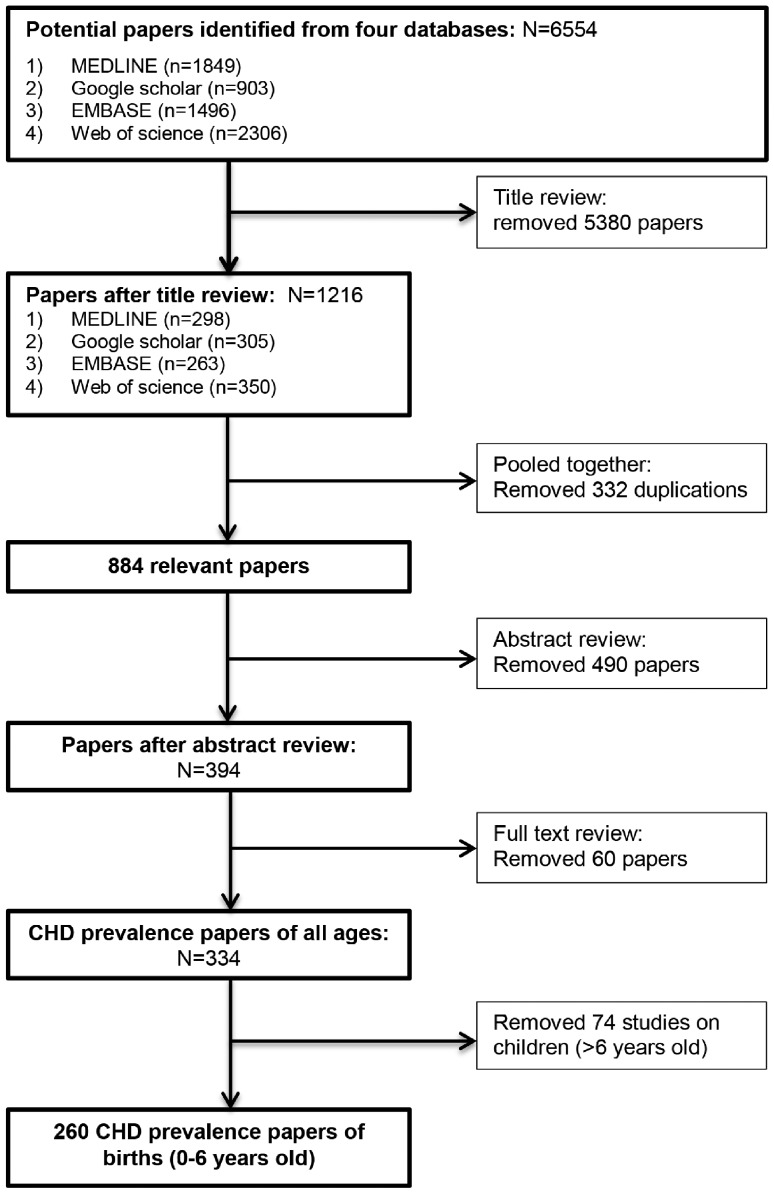
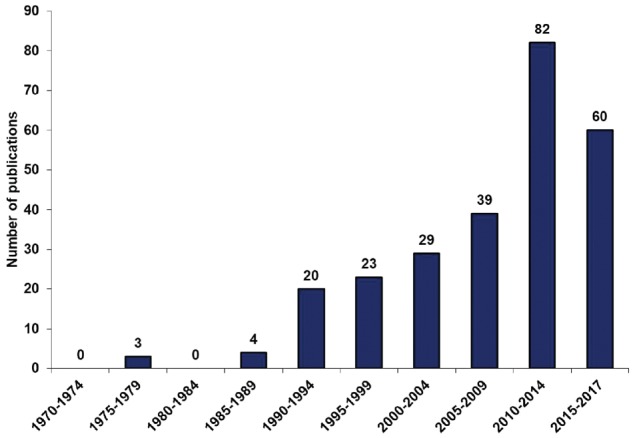
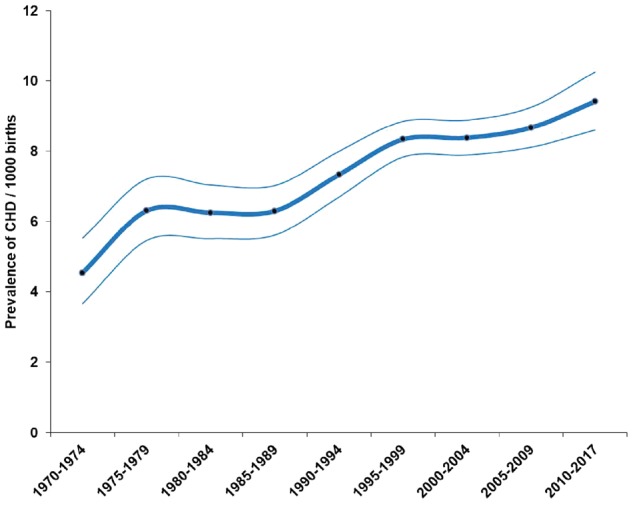
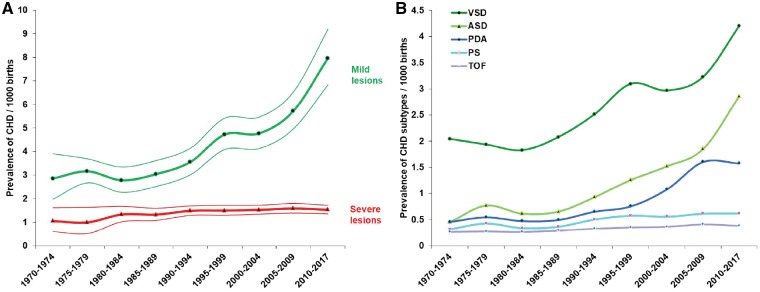
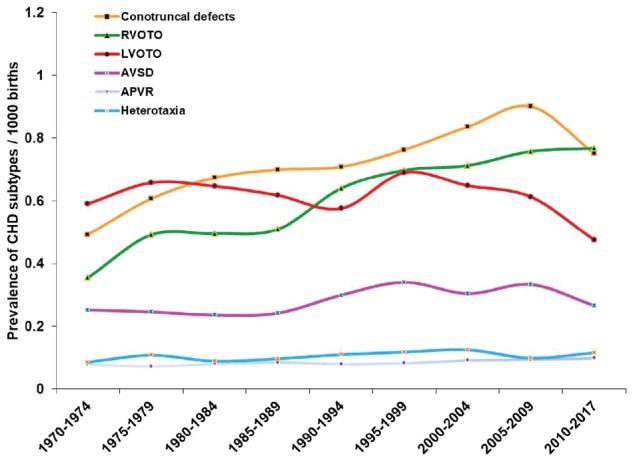
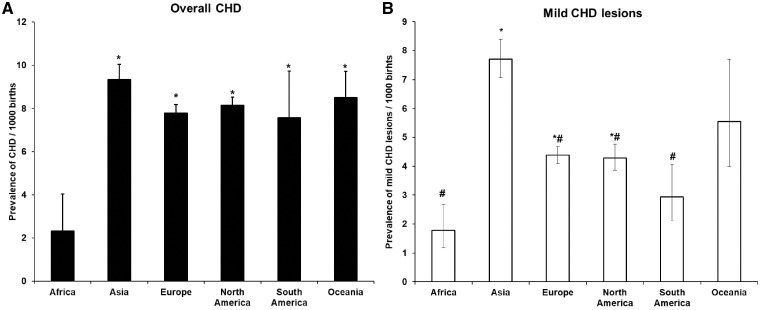
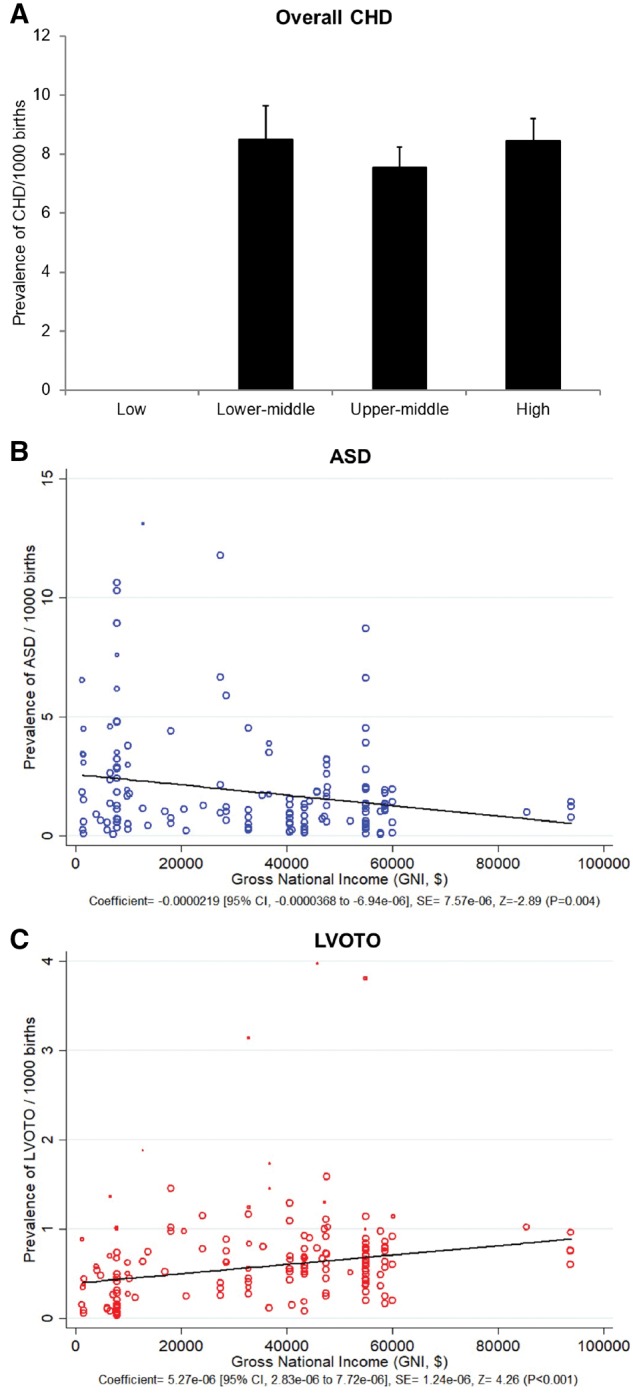
BACKGROUND: Globally, access to healthcare and diagnostic technologies are known to substantially impact the reported birth prevalence of congenital heart disease (CHD). Previous studies have shown marked heterogeneity between different regions, with a suggestion that CHD prevalence is rising globally, but the degree to which this reflects differences due to environmental or genetic risk factors, as opposed to improved detection, is uncertain. We performed an updated systematic review to address these issues. METHODS: Studies reporting the birth prevalence of CHD between the years 1970-2017 were identified from searches of PubMed, EMBASE, Web of Science and Google Scholar. Data on the prevalence of total CHD and 27 anatomical subtypes of CHD were collected. Data were combined using random-effect models. Subgroup and meta-regression analyses were conducted, focused on geographical regions and levels of national income. RESULTS: Two hundred and sixty studies met the inclusion criteria, encompassing 130 758 851 live births. The birth prevalence of CHD from 1970-2017 progressively increased to a maximum in the period 2010-17 of 9.410/1000 [95% CI (confidence interval) 8.602-10.253]. This represented a significant increase over the fifteen prior years (P = 0.031). The change in prevalence of mild CHD lesions (ventricular septal defect, atrial septal defect and patent ductus arteriosus) together explained 93.4% of the increased overall prevalence, consistent with a major role of improved postnatal detection of less severe lesions. In contrast the prevalence of lesions grouped together as left ventricular outflow tract obstruction (which includes hypoplastic left heart syndrome) decreased from 0.689/1000 (95% CI 0.607-0.776) in 1995-99, to 0.475/1000 (95% CI 0.392-0.565; P = 0.004) in 2010-17, which would be consistent with improved prenatal detection and consequent termination of pregnancy when these very severe lesions are discovered. There was marked heterogeneity among geographical regions, with Africa reporting the lowest prevalence [2.315/1000 (95% CI 0.429-5.696)] and Asia the highest [9.342/1000 (95% CI 8.072-10.704)]. CONCLUSIONS: The reported prevalence of CHD globally continues to increase, with evidence of severe unmet diagnostic need in Africa. The recent prevalence of CHD in Asia for the first time appears higher than in Europe and America, where disease ascertainment is likely to be near-complete, suggesting higher genetic or environmental susceptibility to CHD among Asian people.
Overview
The claims and statistics of this paper haven’t been checked yet.
Free: it reads the open-access text and checks the first 5 claims that cite a source we can check. Create a free account to check every claim.
Integrity signals
Registry
Cites
Statistics
Figures
Verification
Claims the paper makes
The claims and statistics of this paper haven’t been checked yet.
Free: it reads the open-access text and checks the first 5 claims that cite a source we can check. Create a free account to check every claim.
Claims other papers make about this one
Each is checked against this paper’s own text: does it say what the citing paper says it does?
The cited source doesn’t support the claim as written.
In the citing paper
“In a subgroup analysis based on the geographic region, a surprisingly high prevalence was reported across all regions of Sub-Saharan Africa.”
From Pooled prevalence and subgroup variations of Tetralogy of Fallot among children and adolescents with congenital heart defect in Sub-Saharan Africa: A systematic review and meta-analysis (2025) · cites this paper as [10]
Checked by a reasoning model — may be wrong.
Experimental — accuracy not yet measuredThe source backs part of the claim, not all of it — or backs it for a different population, condition or comparison.
In the citing paper
“Globally, it accounts for 3% to 5% of all CHD cases, with an estimated incidence of 2.8 to 3.4 per 10,000 live births [2, 10].”
From Pooled prevalence and subgroup variations of Tetralogy of Fallot among children and adolescents with congenital heart defect in Sub-Saharan Africa: A systematic review and meta-analysis (2025) · cites this paper as [10]
Experimental — accuracy not yet measuredThe source backs part of the claim, not all of it — or backs it for a different population, condition or comparison.
In the citing paper
“The prevalence of Tetralogy of Fallot observed was found considerably higher compared to global estimate and reports of developed countries.”
From Pooled prevalence and subgroup variations of Tetralogy of Fallot among children and adolescents with congenital heart defect in Sub-Saharan Africa: A systematic review and meta-analysis (2025) · cites this paper as [10]
Experimental — accuracy not yet measured
Self-check
Percentages, sums and reported differences re-computed from the paper’s own numbers.
The self-check needs the paper’s full text.
Citations
Cites
Cochrane Handbook for Systematic Reviews of Interventions: Cochrane Book Series
(2008) · doi:10.1002/9780470712184 · Cited by 25,048
The incidence of congenital heart disease.
Hoffman, J. I. E., & Kaplan, S. (2002) · Journal of the American College of Cardiology · doi:10.1016/s0735-1097(02)01886-7 · Cited by 6,099
Birth prevalence of congenital heart disease worldwide
van der Linde, D., Konings, E. E. M., Slager, M. A., Witsenburg, M., Helbing, W. A., Takkenberg, J. J. M., & Roos-Hesselink, J. W. (2011) · Journal of the American College of Cardiology · doi:10.1016/j.jacc.2011.08.025 · Cited by 3,452 · cited 6×
“A systematic review of global prevalence data since 1930 was conducted by van der Linde et al.1 in 2010, suggesting an increase in CHD prevalence from the 1930s until 1995, with stabilization between the years 1995–2009.”
BackgroundMethodInfluentialLuchini, C., Stubbs, B., Solmi, M., & Veronese, N. (2017) · World Journal of Meta-Analysis · doi:10.13105/wjma.v5.i4.80 · Cited by 977
Genetics and Genomics of Congenital Heart Disease
Zaidi, S., & Brueckner, M. (2017) · Circulation Research · doi:10.1161/circresaha.116.309140 · Cited by 565 · cited 1×
“It is known that genetic copy number variants and de novo single-nucleotide variants may account for up to 20% of CHD accompanied by extracardiac malformations and/or intellectual impairment.(21) We were unable to stratify participants in the individual studies based on these additional diagnoses.”
BackgroundDu, Y., Xu, X., Chu, M., Guo, Y., & Wang, J. (2016) · PubMed · doi:10.3978/j.issn.2072-1439.2015.11.37 · Cited by 525
Seeking causes: Classifying and evaluating congenital heart defects in etiologic studies
Botto, L. D., Lin, A. E., Riehle‐Colarusso, T., Malik, S., & Correa, A. (2007) · Birth Defects Research Part A: Clinical and Molecular Teratology · doi:10.1002/bdra.20403 · Cited by 469 · cited 2×
“In the principal analyses, CHD was classified into seven phenotypic categories, following the approach of Botto et al.(7) which groups together lesions on the basis of their anatomical/developmental similarity (Supplementary Table 2, available as Supplementary data at IJE online).”
MethodMoller, A.-B., Petzold, M., Chou, D., & Say, L. (2017) · The Lancet Global Health · doi:10.1016/s2214-109x(17)30325-x · Cited by 377
Ambient Air Pollution and Risk of Congenital Anomalies: A Systematic Review and Meta-analysis
Vrijheid, M., Martinez, D., Manzanares, S., Dadvand, P., Schembari, A., Rankin, J., & Nieuwenhuijsen, M. (2011) · Environmental Health Perspectives · doi:10.1289/ehp.1002946 · Cited by 305
Congenital heart disease: current knowledge about causes and inheritance
Blue, G. M., Kirk, E. P., Sholler, G. F., Harvey, R. P., & Winlaw, D. S. (2012) · Medical Journal of Australia · doi:10.5694/mja12.10811 · Cited by 241 · cited 3×
“The studies included in the meta-analysis showed high heterogeneity, as expected, given the unknown aetiological factors for around 80% of CHDs.2 Potentially, hospitalbased studies could have provided upwardly biased estimates of prevalence compared to national registries, both of which were included in the meta-analy…”
BackgroundResultInfluential
Research works printed but not linked: 1
- United Nations. World Economic Situation and Prospects. New York: United Nations, UN, 2014.
Cited by
Items 501–600 of 1,000
Owusu, I. K., Amponsah, G. M., & Wiafe, Y. A. (2024) · Clinical Medicine Insights Case Reports · doi:10.1177/11795476241231140 · Cited by 5
Li, N., Kang, H., Liu, Z., Li, L., Deng, Y., Wang, M., Li, Y., Xu, W., Li, X., Wang, Y., et al. (2024) · BMC Pregnancy and Childbirth · doi:10.1186/s12884-024-06343-z · Cited by 5
“A recent meta-analysis has estimate that the worldwide prevalence of CHDs in live births increased to 9.41/‰ in the period 2010–2017 [1].”
InfluentialSelf-citationZhou, X., Xie, D., Jiang, Y., & Fang, J. (2024) · Scientific Reports · doi:10.1038/s41598-024-65072-7 · Cited by 5
Maneekunwong, K., Srichantaranit, A., & Thampanichawat, W. (2021) · Journal of Health Research · doi:10.1108/jhr-01-2021-0008 · Cited by 5
Hsiao, L.-C., Chiu, S.-N., Chang, L.-Y., Wang, C.-C., Weng, W.-C., & Chang, H.-Y. (2021) · Journal of Developmental & Behavioral Pediatrics · doi:10.1097/dbp.0000000000001051 · Cited by 7
“Congenital heart disease (CHD) is one of the most common birth defects, occurring in approximately 1 per 100 live births.(1) Previous studies have revealed that compared with those without CHD, children with CHD are at an increased risk of neurodevelopmental, emotional, and behavioral problems.”
BackgroundShaping the mouse heart tube from the second heart field epithelium
Palmquist‐Gomes, P., & Meilhac, S. M. (2022) · Current Opinion in Genetics & Development · doi:10.1016/j.gde.2021.101896 · Cited by 7
Liu, Y., Choy, M., Abraham, S., Tenin, G., Black, G. C. M., & Keavney, B. D. (2022) · Genes & Diseases · doi:10.1016/j.gendis.2022.07.010 · Cited by 5
“4/1 000 live births.(1) Atrial Septal Defect (ASD) is one of the commonest CHD clinical phenotypes, which frequently requires treatment either in childhood or adulthood, and can lead to severe complications such as right heart failure and cardiac arrhythmia.”
BackgroundSelf-citationEdwin, F., Edwin, A. K., Palacios‐Macedo, A., Mamorare, H. M., & Yao, N.-A. (2022) · World Journal for Pediatric and Congenital Heart Surgery · doi:10.1177/21501351221103511 · Cited by 5
“178 per 1,000 live births.(5) It has been shown that diagnosis was unrecognized in life in 30% of all babies dying in infancy fromCHD.”
BackgroundNoordstar, J. J., Sprong, M. C. A., Slieker, M. G., Takken, T., van Brussel, M., van der Ent, C. K., & Hulzebos, E. H. J. (2022) · Pediatric Physical Therapy · doi:10.1097/pep.0000000000000967 · Cited by 5
“A total score (1-28) is calculated on the basis of time (in seconds) (1-14) and quality of the performance (0-14).”
BackgroundByrne, D. J. F., Williams, S. G., Nakev, A., Frain, S., Baross, S. L., Vestbo, J., Keavney, B. D., & Talavera, D. (2022) · Scientific Reports · doi:10.1038/s41598-022-21433-8 · Cited by 5
“An alternate binary outcome phenotype was defined based on (1) presence of an EHR of self-reported diagnosis of COPD prior UKB recruitment, along with (2) airflow obstruction during spirometric assessment at recruitment.”
MethodSelf-citationThe patient with congenital heart disease in ambulatory surgery
Eerdekens, G.-J., Beersel, D. V., Rex, S., Gewillig, M. H. M. L., Schrijvers, A., & Tmimi, L. A. (2022) · Best practice & research. Clinical anaesthesiology · doi:10.1016/j.bpa.2022.11.006 · Cited by 7
“An epidemiological study published in 2019 reported an overall incidence of CHD of approximately 10 in 1000 live births worldwide, with patent ductus arteriosus, atrial septal defect, and ventricular septal defect being the three most frequent anomalies [1].”
BackgroundWei, J., Wang, T., Song, X., Liu, Y., Shu, J., Sun, M., Diao, J., Li, J., Li, Y., Chen, L., et al. (2023) · The Journal of Maternal-Fetal & Neonatal Medicine · doi:10.1080/14767058.2023.2211201 · Cited by 5
Self-citationElmakaty, I., Amarah, A., Henry, M., Chhabra, M., Hoang, D., Suk, D., Ron, N., Dygulska, B., Sy, F., Gudavalli, M. B., et al. (2023) · BMC Pediatrics · doi:10.1186/s12887-023-04204-w · Cited by 7
“…marginally significant in our study ( p = 0.050), with a positive coefficient of 0.01, indicating that higher maternal BMI might be associated with an increase in LVPWs. Maternal obesity has been linked to changes in the structure and function of the heart, resulting in cardiac abnormalities [40].”
BackgroundInfluentialPrevalence and Trends of Birth Defects — Five Counties, Shanxi Province, China, 2003–2022
Wang, D., Song, Z., Zhang, Y., Zhang, L., Jin, L., Ren, A., Li, Z., & Liu, J. (2023) · China CDC Weekly · doi:10.46234/ccdcw2023.153 · Cited by 5
Tavakolian, N., Lotfi, M. H., Soodejani, M. T., Madadizadeh, F., & Kalantari, F. (2023) · International Journal of Reproductive BioMedicine (IJRM) · doi:10.18502/ijrm.v21i8.14021 · Cited by 5
Bateson, B. P., Deng, L., Ange, B., Austin, E. H., Dabal, R. J., Bowser, T., Pennington, J. K., Sivalingam, S., Lee, C., Truong, N. L. T., et al. (2023) · World Journal for Pediatric and Congenital Heart Surgery · doi:10.1177/21501351231204333 · Cited by 6
Iskafi, R. A., Abugharbieh, Y., Ahmad, I., Shweki, H., & Dwaik, H. A. (2024) · Cureus · doi:10.7759/cureus.55698 · Cited by 5
Three‐dimensional navigation inside a normal fetal heart in a virtual reality environment
Bravo‐Valenzuela, N. J., Leite, M. D. F. M. P., Lopes, J., Arcoverde, V., Ribeiro, G. L. U., Júnior, E. A., & Werner, H. (2024) · Journal of Clinical Ultrasound · doi:10.1002/jcu.23788 · Cited by 5
Wu, P.-F., Li, R., Zhang, R., Zhang, W., Li, X., Zeng, S., Liu, M., Zhou, Q., Su, Z., & Lin, Y. (2019) · Ultrasound in Medicine & Biology · doi:10.1016/j.ultrasmedbio.2019.11.010 · Cited by 5
Zhang, S., Liu, X., Wang, T., Chen, L., Yang, T., Huang, P., & Qin, J. (2021) · Scientific Reports · doi:10.1038/s41598-021-88057-2 · Cited by 5
Experimental assessment of cardiovascular physiology in the chick embryo
Sukumaran, V., Mutlu, O., Murtaza, M., Alhalbouni, R., Dubansky, B. D., & Yalcin, H. C. (2023) · Developmental Dynamics · doi:10.1002/dvdy.589 · Cited by 6
“Not surprisingly, congenital heart defects (CHDs) are the most common of birth defects.(2) Numerous inherent and environmental factors interact to manage and affect the cardiac developmental program.”
BackgroundKurniawaty, J., & Widyastuti, Y. (2019) · BMC Proceedings · doi:10.1186/s12919-019-0178-5 · Cited by 5
Graczyk, S., Grzeczka, A., & Pasławska, U. (2025) · Animals · doi:10.3390/ani15060850 · Cited by 4
“Nevertheless, VSD should be considered an important and dangerous CHD, being the first in terms of prevalence in both humans [5] and cats [6], with a slightly lower prevalence in dogs, ranking it fourth among all CHDs in this species [7].”
Wang, H., Lin, X., Wang, X., Liu, X., He, S., & Lyu, G. (2023) · Frontiers in Genetics · doi:10.3389/fgene.2023.1254829 · Cited by 4
da Silva, M. T., da Silva, A. C. S. S., Santana, J. J., Góes, F. G. B., Assis, G. G. T., de Matos, P. S. D., & da Cunha, A. L. (2024) · Revista gaúcha de enfermagem · doi:10.1590/1983-1447.2024.20230170.en · Cited by 4
da Silva, M. T., da Silva, A. C. S. S., Santana, J. J., Góes, F. G. B., Assis, G. G. T., de Matos, P. S. D., & da Cunha, A. L. (2024) · Revista gaúcha de enfermagem · doi:10.1590/1983-1447.2024.20230170.pt · Cited by 4
Entsua-Mensah, K., Tetteh, J., Ekem‐Ferguson, G., Swaray, S. M., Adzamli, I., Yao, N.-A., & Tettey, M. M. (2024) · World Journal for Pediatric and Congenital Heart Surgery · doi:10.1177/21501351241254823 · Cited by 5
Du, C., Zhang, Z., Xiao, S., Li, Y., Jiang, R., Jian, W., Ren, Z., Lv, Y., Pan, Z., & Yang, J. (2024) · BioScience Trends · doi:10.5582/bst.2024.01199 · Cited by 4
Chapelski, M. S., Tomyn, M., Sobolewski, K. M., Chow, A. F., Ferguson, L. J., Pockett, C. R., Tomczak, C. R., & ERLANDSON, M. C. (2024) · CJC Pediatric and Congenital Heart Disease · doi:10.1016/j.cjcpc.2024.10.008 · Cited by 4
Second trimester echocardiography
Gómez‐Montes, E., Herraìz, I., Villalaín, C., & Galindo, A. (2025) · Best Practice & Research Clinical Obstetrics & Gynaecology · doi:10.1016/j.bpobgyn.2025.102592 · Cited by 6
Folic acid supplementation on congenital heart disease and its dual character
Wang, Y., Cheng, Z., He, M., Gu, R., & Gu, H. F. (2025) · Current Research in Pharmacology and Drug Discovery · doi:10.1016/j.crphar.2025.100222 · Cited by 6
“Particularly noteworthy is the upward trend observed in the prevalence of mild lesions of CHD (Liu et al., 2019).”
Newborn Screening for Congenital Heart Disease: A Five-Year Study in Shanghai
Tian, Y., Gu, Q., Hu, X., Ge, X., Ma, X., Yang, M., Jia, P., Zhang, J., Yang, L., Zhao, Q., et al. (2025) · International Journal of Neonatal Screening · doi:10.3390/ijns11020038 · Cited by 4
Association of maternal asthma with congenital heart defects in offspring
Kemppainen, M., Kirjavainen, T., Helle, E., & Gissler, M. (2025) · Acta Obstetricia Et Gynecologica Scandinavica · doi:10.1111/aogs.70032 · Cited by 4
Classification of Fetal Congenital Heart Disease by Prenatal Ultrasound and Its Diagnostic Value
Feng, C., Wang, M., Ji, Y., Xu, Y., Sun, S., Sun, L. J., & Wu, Q. (2025) · International Journal of General Medicine · doi:10.2147/ijgm.s535375 · Cited by 5
Yang, J., Ma, F., Wang, Y., Yang, X., Zhou, M., Zhang, Y., Yanglan, R., & Li, Q. (2025) · Journal of Medical Internet Research · doi:10.2196/80784 · Cited by 5
“As a leading cause of neonatal mortality, CHD accounts for approximately 3% of all neonatal deaths and a substantial 46% of deaths attributable to congenital malformations [2,3].”
Duchemin, T., Marty, L., Drouin, J., Miranda, S., Botton, J., Olié, V., Weill, A., & Dray‐Spira, R. (2026) · British Journal of Clinical Pharmacology · doi:10.1002/bcp.70582 · Cited by 4
Survivors of Cyanotic Congenital Heart Disease: A Review
Assenza, G. E., O’Leary, E. T., Brida, M., Kwon, M., & Landzberg, M. J. (2026) · JAMA · doi:10.1001/jama.2026.8806 · Cited by 5
A novel de novo PDE4D gene mutation identified in a Chinese patient with acrodysostosis
Zhan, Y., Chen, W.-C., Feng, Z., Tan, C., Li, M., Song, Y., Zhao, Z., Sheng, W., & Huang, G. (2019) · genesis · doi:10.1002/dvg.23336 · Cited by 5
“VSD is the most common phenotype of congenital heart disease (CHD; Liu et al., 2019; Mostefa-Kara, Houyel, & Bonnet, 2018).”
BackgroundRakha, S., Mohy-Eldeen, R., Al-Haggar, M. S., & El‐Bayoumi, M. A. (2022) · BMC Pediatrics · doi:10.1186/s12887-022-03640-4 · Cited by 5
“410 in 1000 live births [1], which may be a result of improved diagnostic and screening modalities, including prenatal diagnosis [2].”
BackgroundGestational age-specific neonatal mortality in Hong Kong: a population-based retrospective study
Wang, X., Leung, E. Y. M., Fung, G. P. G., & Lam, H. S. (2022) · World Journal of Pediatrics · doi:10.1007/s12519-022-00633-2 · Cited by 5
“Globally, the prevalence of CHDs is rising, at a rate of 10% every five years in the past 40 years, which was more significant in Asia (33% every five years) [14].”
BackgroundTondato, S., Moro, A., Butt, S., Todesco, M., Sandrin, D., Borile, G., Marchesan, M., Fabozzo, A., Bagno, A., Romanato, F., et al. (2023) · Polymers · doi:10.3390/polym15040819 · Cited by 4
Disparities in resource utilisation by families of children with cardiac conditions
Chou, F. L., Donovan, D. J., Weller, R. J., Fremed, M. A., Glickstein, J. S., & Krishnan, U. (2023) · Cardiology in the Young · doi:10.1017/s1047951123001634 · Cited by 4
“1,2 Counseling families of patients diagnosed with CHD involves in-depth explanations of potentially complex anatomical structures and often requires cardiologists to provide additional digital and non-digital resources such as diagrams, medical websites, and printed information.”
Names, A. A., Alqassim, A. Y., Jareebi, M. A., Aldhamdi, M. A., Abutaleb, A., Alwani, A. A., Shami, M. O., Alneel, G. A., Alhazmi, A. H., Gohal, H. M., et al. (2023) · Journal of Family Medicine and Primary Care · doi:10.4103/jfmpc.jfmpc_2008_22 · Cited by 4
“[9] A systematic review and meta‑analysis study was conducted to assess the birth prevalence of CHDs in China, including 201,934 CHD individuals, and found that total CHD birth prevalence increased significantly over time in China, from 0.2 per 1000 births in the 1980s to 5 per 1000 births in…”
BackgroundInfluentialChen, L., Yang, T., Wang, T., Sun, M., & Qin, J. (2023) · Nutrients · doi:10.3390/nu15204478 · Cited by 4
“The overall prevalence has been estimated at 9.4 per 1000 live births worldwide [1].”
BackgroundInfluentialAortic dissection in a young male with persistent ductus arteriosus and a novel variant in MYLK
Boelman, M. B., Hansen, T. V. O., Smith, M. N., Hammer‐Hansen, S., Christensen, A. H., & Diness, B. R. (2023) · American Journal of Medical Genetics Part A · doi:10.1002/ajmg.a.63458 · Cited by 4
“A meta-analysis of 260 studies found a birth prevalence of approximately 1:1000 (Liu et al., 2019).”
BackgroundDeciphering the Involvement of the Epicardium in Cardiac Diseases
Carmona, R., López‐Sánchez, C., García‐Martínez, V., García‐López, V., Muñoz‐Chápuli, R., Lozano-Velasco, E., & Franco, D. (2023) · Hearts · doi:10.3390/hearts4040011 · Cited by 5
“It is estimated that almost 8 million children are born annually in the world with congenital defects (CD), and CHD comprises the most frequently occurring severe congenital malformations, affecting 8.2 per 1000 newborns in the world [36].”
BackgroundInfluentialLi, M., Ye, B., Chen, Y., Gao, L., Wu, Y., & Cheng, W. (2023) · BMC Pediatrics · doi:10.1186/s12887-023-04382-7 · Cited by 5
CanCHD Study of Hematopoietic Cancers in Children With and Without Genetic Syndromes
Hasan, M. S., Ganni, E., Liu, A., Guo, L., Mackie, A. S., Kaufman, J. S., & Marelli, A. J. (2023) · Journal of the American Heart Association · doi:10.1161/jaha.122.026604 · Cited by 6
“80 Using only in-hospital codes might explain the underrepresentation.”
Fetcu, S., Osawa, T., Klawonn, F., Schaeffer, T., Röhlig, C., Staehler, H., Padua, C. D., Heinisch, P. P., Piber, N., Hager, A., et al. (2024) · European Journal of Cardio-Thoracic Surgery · doi:10.1093/ejcts/ezae058 · Cited by 4
Hassankiadeh, R. F., Dobson, A. J., Rahimi, S., Jalilian, A., Schmid, V. J., & Mahaki, B. (2024) · International Journal of Health Policy and Management · doi:10.34172/ijhpm.2024.7931 · Cited by 5
“7,54 Also, due to an inadequate healthcare system and follow-up, lack of accessible diagnostic tools, CHD prevalence may be underestimated in some studies and provinces.”
Dong, W., Guo, J., Wang, L., Zheng, S., Zhu, B., & Shao, J. (2024) · JMIR Public Health and Surveillance · doi:10.2196/53860 · Cited by 6
Deamidation enables pathogenic SMAD6 variants to activate the BMP signaling pathway
Li, L., Lü, L., Xiao, Z., Lv, J., Huang, H., Wu, B., Zhao, T., Li, C., Wang, W., & Wang, H. (2024) · Science China Life Sciences · doi:10.1007/s11427-023-2532-5 · Cited by 5
“CHD is one of the most common birth defects, that affects about 1% of live-born infants (Liu et al., 2019); most patients with significant structural abnormalities require interventional or surgical treatment (Baumgartner et al., 2010).”
Fillies, B., Stapel, B., Lemke, L. H., Löffler, F., Bauersachs, J. K., Kahl, K. G., & Westhoff‐Bleck, M. (2024) · Frontiers in Cardiovascular Medicine · doi:10.3389/fcvm.2024.1418342 · Cited by 4
Cognitive biases in pediatric cardiac care
Padovani, P., Roy, A., Guerra, A. B., Cadeau, O., Ly, M., Vasile, C. M., Pass, R. H., & Baruteau, A. (2024) · Frontiers in Cardiovascular Medicine · doi:10.3389/fcvm.2024.1423680 · Cited by 4
“This can be particularly detrimental in the fi eld of CHD, which may present infrequently in emergency room consultations despite being relatively common, affecting 8 out of 1,000 births (24).”
BackgroundCiulpan, A., Lăcătuşu, A., Pop, L. L., Paul, C., Lungeanu, D., Iacob, D., Bernad, B.-C., Lascu, A., Maghet, E., Arnăutu, D.-A., et al. (2024) · Diagnostics · doi:10.3390/diagnostics14151659 · Cited by 4
Savaş, E. H., Semerci, R., Ay, A., Kızılkaya, M. H., & Morey, A. Ö. (2024) · Journal of Pediatric Nursing · doi:10.1016/j.pedn.2024.08.027 · Cited by 6
Diretriz Brasileira de Ergometria em Crianças e Adolescentes – 2024
de Carvalho, T., de Freitas, O. G. A., Chalela, W. A., Hossri, C. A. C., Milani, M., Buglia, S., Falcão, A. M. G. M., Costa, R. V. C., Ritt, L. E. F., Pfeiffer, M. E. T., et al. (2024) · Arquivos Brasileiros de Cardiologia · doi:10.36660/abc.20240525 · Cited by 5
Epidemiology of Congenital Heart Defects in Perinatal Infants in Guangxi, China
Peng, Z., Wei, J., Huang, X., Chen, B., Liang, L., Feng, B.-Y., Song, P., He, J., Que, T., Lan, J., et al. (2024) · International Journal of General Medicine · doi:10.2147/ijgm.s466195 · Cited by 4
“40 Despite this, screening and diagnostic capabilities are constantly being improved.”
Ward, T. L., Morton, S. U., Venturini, G., Tai, W. C., Jang, M. Y., Gorham, J., DeLaughter, D. M., Wasson, L. K., Khazal, Z., Homsy, J. G., et al. (2025) · Journal of the American Heart Association · doi:10.1161/jaha.124.036860 · Cited by 4
Shi, H., Zhang, Z., Shen, A., Ding, T., Zhao, R., Shi, Y., Zhao, J., Cai, K., & Wang, F. (2025) · Pediatric Research · doi:10.1038/s41390-025-03997-z · Cited by 6
Trends and advances in cardiac rehabilitation for congenital heart disease: a bibliometric analysis
Zhou, H., Huang, Y., Zhang, W., Yao, H., Yi, Z., & Li, D. (2025) · Journal of Cardiothoracic Surgery · doi:10.1186/s13019-025-03562-z · Cited by 4
“CHD represents the most common type of congenital malformation globally, affecting approximately 1% of all live births [2, 3].”
Chang, L., Wang, C.-C., Weng, W., Chiu, S., & Chang, H. (2021) · The Journal of Cardiovascular Nursing · doi:10.1097/jcn.0000000000000783 · Cited by 5
Liu, Z., Wang, M., Tang, Q., He, F., Li, N., Deng, Y., Yu, P., Zhu, J., & Li, X. (2021) · The European Journal of Contraception & Reproductive Health Care · doi:10.1080/13625187.2020.1862081 · Cited by 4
“environmental factors, or a combination of both [2].”
BackgroundSelf-citationMaking every contact count: recognising obesity in paediatric and young adult cardiology
Smith, A. E., Bharucha, T., & Marino, L. V. (2021) · Cardiology in the Young · doi:10.1017/s1047951121001566 · Cited by 4
“The authorsmade the following contribution to the manuscript: (1) LVM formulated the original idea and study design, (2) AS completed the data and statistical analyses and drafted the manuscript, and (3) TB, LVM, AS edited, read, and approved the final manuscript.”
MethodPatel, M. D. (2021) · Springer eBooks · doi:10.1007/978-3-030-74822-7_6 · Cited by 4
Monitoring, Evaluation, and Disease Surveillance for Cardiovascular Surgical Disease
Vervoort, D., Minthor, L., & Pezzella, A. T. (2021) · Sustainable development goals series · doi:10.1007/978-3-030-83864-5_9 · Cited by 4
A rare etiology of tetralogy of Fallot with pulmonary atresia: Renpenning syndrome
Kaymakçalan, H., İstanbul-Turkey, Ercan‐Sencicek, A. G., Cebeci, A. N., Erlangen-Germany, P. P., Dong, W., & Yalçın, A. S. Y. (2022) · The Anatolian Journal of Cardiology · doi:10.5152/anatoljcardiol.2021.554 · Cited by 5
“Congenital heart disease (CHD) is the most frequent birth defect among live births and the leading cause of infant and perinatal mortality from a birth defect (1).”
BackgroundHamdar, H., GHRAYEB, H., Fakhry, B., Chammas, E., & Chéhab, G. (2022) · World Journal of Advanced Research and Reviews · doi:10.30574/wjarr.2022.14.1.0333 · Cited by 4
He, J., Xie, L., Li, Y., Liu, L., Xu, H. S., Wang, T., Gao, Y., Wang, X., Duan, Y., Liu, H., et al. (2022) · Clinical Proteomics · doi:10.1186/s12014-022-09356-y · Cited by 5
Nurses' perceptions and use of near infrared spectroscopy in paediatric cardiac intensive care
Pieciak, K., McGowan, K., Grade, L., Morrill, D., DiPasquale, Z., Casto, E., Connor, J. A., & Lisanti, A. J. (2022) · Nursing in Critical Care · doi:10.1111/nicc.12861 · Cited by 4
He, W., Nassar, N., Schneuer, F. J., Lain, S. J., & Congenital Heart Disease Synergy Study group (2023) · Paediatric and Perinatal Epidemiology · doi:10.1111/ppe.12976 · Cited by 5
Ashiq, S., & Sabar, M. F. (2023) · Molecular Biology Reports · doi:10.1007/s11033-023-08418-0 · Cited by 4
“The overall prevalence in Asian regions is higher due to milder lesions [5].”
BackgroundAraujo, J. J., Rodriguez-Monserrate, C. P., Elizari, A., Yáñez‐Gutiérrez, L., Mouratian, M. D., Amaral, F., Quiñones, M. H., del Rosario, M., O’Connell, M., Aguirre-Zurita, O., et al. (2023) · International Journal of Cardiology Congenital Heart Disease · doi:10.1016/j.ijcchd.2023.100461 · Cited by 4
Lin, Y., Huang, Y., Lin, C., Wu, V. C., Kao, Y., Chiang, H., & Chu, P. (2023) · Reviews in Cardiovascular Medicine · doi:10.31083/j.rcm2408225 · Cited by 4
“The prevalence of congenital heart disease (CHD) worldwide is currently estimated to be 9 per 1000 new-borns, with significant geographic variability [ 1–5].”
BackgroundKang, Y., Wang, W., Zhang, X., Dong, X., Fan, Z., Yu-hu, M., Gao, J., Li, X., & You, T. (2023) · Cytokine · doi:10.1016/j.cyto.2023.156415 · Cited by 4
Lykkeberg, B., Nørgaard, M. W., & Bjerrum, M. B. (2024) · Journal of Child Health Care · doi:10.1177/13674935241231024 · Cited by 4
“With a prevalence of 9.4 per 1000 live births, CHD is the most common congenital abnormality at birth (Liu et al., 2019).”
InfluentialProgresses in genetic testing in congenital heart disease
Gao, H., Liu, Y., Sheng, W., Shou, W., & Huang, G. (2024) · Medicine Plus · doi:10.1016/j.medp.2024.100028 · Cited by 4
Self-citationPosition statement of Italian Society of Obesity (SIO): Gestational Obesity
Barrea, L., Camastra, S., Garelli, S., Guglielmi, V., Manco, M., Velluzzi, F., Barazzoni, R., Verde, L., & Muscogiuri, G. (2024) · Eating and Weight Disorders - Studies on Anorexia Bulimia and Obesity · doi:10.1007/s40519-024-01688-y · Cited by 5
“Congenital heart disease (CHD), characterized by defects in cardiac development within the first six weeks of pregnancy, is the most common congenital abnormality, with an increasing global birth prevalence and a strong clinical and social impact [135].”
BackgroundAustin, R., Quinn, M. C. J., Afoakwah, C., Metke‐Jimenez, A., Leroux, H., Atherton, J. J., Brown, J. S., Wornham, L., Macciocca, I., Silva, M. D., et al. (2021) · International Journal of Cardiology · doi:10.1016/j.ijcard.2021.02.010 · Cited by 4
Vocal cord palsy as a sequela of paediatric cardiac surgery – a review
Sinha, A., Geragotellis, A., Singh, G. K., Verma, D., Ansari, D. M., Tarmahomed, A., Whitehall, E., Lowe, N. M., Ashry, A., & Harky, A. (2021) · Cardiology in the Young · doi:10.1017/s1047951121001165 · Cited by 4
Irfan, M., Ali, M. Y. J., Tobing, T. C. L., Dalimunthe, W., & Adriansyah, R. (2021) · Paediatrica Indonesiana · doi:10.14238/pi61.2.2021.100-6 · Cited by 4
Pineda, T., Zarante, I., Paredes, A., Rozo, J. P., Reyes, M., & Moreno-Niño, O. M. (2021) · Clinical Medicine Insights Cardiology · doi:10.1177/11795468211016870 · Cited by 5
Association of PLXND1 with a novel subtype of anomalous pulmonary venous return
Zhou, W., Zeng, Z., Shen, H., Chen, W., Li, T., Ma, B., Sun, Y., Yang, F., Zhang, Y., Li, W., et al. (2021) · Human Molecular Genetics · doi:10.1093/hmg/ddab331 · Cited by 4
Hasan, B. S., Ather, M., Rasheed, M. A., & Chowdhury, D. (2021) · NEJM Catalyst · doi:10.1056/cat.21.0258 · Cited by 4
Modeling Transposition of the Great Arteries with Patient-Specific Induced Pluripotent Stem Cells
Ontoria‐Oviedo, I., Földes, G., Tejedor, S., Panadero, J., Kitani, T., Vázquez, A., Wu, J. C., Harding, S. E., & Sepúlveda, P. (2021) · International Journal of Molecular Sciences · doi:10.3390/ijms222413270 · Cited by 4
“d-TGA is the sixth most prevalent CHD from a total of 27 anatomical subtypes, as reported in a systematic review [22].”
BackgroundThe Additional Role of the 3-Vessels and Trachea View in Screening for Congenital Heart Disease
Gireadă, R., Socolov, D. G., Mihălceanu, E., Matasariu, D. R., Ursache, A., Akad, M., Bujor, I. E., Scripcariu, I. S., Popa, R. F., & Socolov, R. V. (2022) · Medicina · doi:10.3390/medicina58020262 · Cited by 6
“8% [1], mostly because minor anomalies were included, such as PLSVC, ARSA, and ASA.”
BackgroundSylwestrzak, O., Strzelecka, I., Wójtowicz‐Marzec, M., Krekora, M., Moszura, T., Słodki, M., & Respondek‐Liberska, M. (2022) · Journal of Clinical Ultrasound · doi:10.1002/jcu.23339 · Cited by 4
Adults with congenital heart disease – we need more Europe for a better care
Chessa, M., & Tutarel, O. (2021) · European Journal of Heart Failure · doi:10.1002/ejhf.2107 · Cited by 4
Zhao, Q., & Huang, G. (2022) · World Journal of Pediatrics · doi:10.1007/s12519-022-00538-0 · Cited by 4
Muñoz, H., Enríquez, G., Ortega, X., Pinto, M., Stefan Hosiasson, S., Germaín, A., Díaz, C., & Cortés, F. (2023) · Revista Médica Clínica Las Condes · doi:10.1016/j.rmclc.2023.01.001 · Cited by 6
Pajaziti, E., Schievano, S., Cook, A. C., Thiel, F. J., Jegatheeswaran, A., Belitsis, G., Mimic, B., Kostolny, M., & Capelli, C. (2024) · Lecture notes in computer science · doi:10.1007/978-3-031-71704-8_7 · Cited by 3
Unmet Needs in Pediatric and Congenital Heart Surgery: A Review
Vervoort, D., Deng, M. X., Izumi, A., Kutty, S., & Edwin, F. (2024) · Congenital Heart Disease · doi:10.32604/chd.2024.057749 · Cited by 3
Congenital heart disease presentations in the 15q11.2 microdeletion syndrome
Fifirig, C.-I., Abraham, S., Keavney, B. D., & Hentges, K. E. (2025) · Frontiers in Genetics · doi:10.3389/fgene.2025.1535732 · Cited by 4
Self-citationA lactoferrin-derived peptide LFDP1 alleviates experimental NEC via blocking ACSL4-LPCAT3 axis
Yu, B., Yao, S., Chen, Y., Chen, W., & Han, S. (2025) · Journal of Functional Foods · doi:10.1016/j.jff.2025.106900 · Cited by 3
Incidence of Stroke in Adults With Congenital Heart Disease
Bilski, A. E., Kochav, J. D., Waldrop, G. E., Mammadli, G., Sariyeva, M., Argenio, M., Willey, J. Z., Ibeh, C., Rosenbaum, M., Lewis, M., et al. (2025) · JACC Advances · doi:10.1016/j.jacadv.2025.101898 · Cited by 3
Agwu, N., Chau, D., Kelley, G. S., Burney, T., Perminov, E., Alcantara, C., Recto, M. R., & Kheradvar, A. (2025) · Journal of the American Heart Association · doi:10.1161/jaha.125.041932 · Cited by 3
Kong, A. S.-Y., Khaw, K. Y., Mood, M. C., Khan, M. A., Ayub, Q., & Maran, S. (2025) · BMC Public Health · doi:10.1186/s12889-025-23800-2 · Cited by 3
“Developing countries have experienced notable increases in birth rates and the incidence of CHD [4–6].”
InfluentialLi, Y., Zhang, X., Zhang, J., Liu, J., Di, L., Mao, D., Wang, Z., Wu, Y., Li, Q., Xiang, X., et al. (2025) · Environmental Pollution · doi:10.1016/j.envpol.2025.126973 · Cited by 5
Genetic insights into congenital heart disease: Prevalence, aetiology and clinical implications
Yuan, Y., Jia, Y., Peng, S., Zhao, S., Dong, K., Hu, Y., Zhao, Z., Jiang, X., & Zhang, Z. (2025) · Clinical and Translational Discovery · doi:10.1002/ctd2.70087 · Cited by 3
Niinomi, K., Yoshikawa, S., Sato, T., Omori, H., & Miyashita, K. (2025) · Pediatric Cardiology · doi:10.1007/s00246-025-04033-x · Cited by 3
“Congenital heart disease (CHD) is the most common congenital disorder, with a global prevalence of 8.2 per 1000 live births [1]; it accounts for approximately one-third of all major congenital anomalies [2].”
Influential
Metadata
- Authors
- Liu, Y., Chen, S., Zühlke, L., Black, G. C., Choy, M.-K., Li, N., & Keavney, B. D.
- Affiliations
- University of Manchester (GB)
- Sichuan University (CN)
- Department of Paediatrics, Red Cross War Memorial Children’s Hospital, University of Cape Town, Cape Town, South Africa
- Manchester Academic Health Science Centre (GB)
- Corresponding author
- Keavney, Bernard D
- Venue
- International Journal of Epidemiology
- Publisher
- Oxford University Press (OUP)
- Published
- 2019-02-19
- Volume
- 48
- Issue
- 2
- Pages
- 455-463
- ISSN
- 0300-5771 (ISSN-L)
- 1464-3685
- PMC
- PMC6469300
- OpenAlex
- W2918094628
- Cited by
- 1,436
- References
- 20
- Citations by year
- 2026: 216 · 2025: 233 · 2024: 288 · 2023: 228 · 2022: 197 · 2021: 162 · 2020: 86 · 2019: 22
- FWCI
- 17.04
- Type
- journal article
- Language
- en
- Open access
- hybrid
- doi.org
- Licence
- Locations
- International Journal of Epidemiology (publishedVersion, cc-by)
- Europe PMC (PubMed Central) (publishedVersion, cc-by)
- PubMed Central (publishedVersion, cc-by)
- PubMed (publishedVersion)
- e-space (Manchester Metropolitan University) (acceptedVersion)
- Research Explorer (The University of Manchester) (submittedVersion, cc-by)
- Funders
- The British Heart Foundation
- The University of Manchester-Peking University Health Science Centre Alliance
- China Scholarships Council
- Medical Research Council
- South African Medical Research Council
- Topics
- Health Sciences › Medicine › Cardiology and Cardiovascular Medicine › Congenital Heart Disease Studies
- Life Sciences › Biochemistry, Genetics and Molecular Biology › Molecular Biology › Congenital heart defects research
- Health Sciences › Medicine › Surgery › Congenital Anomalies and Fetal Surgery
- Keywords
- congenital heart disease, birth prevalence, temporal trends, ventricular septal defect, atrial septal defect, patent ductus arteriosus, left ventricular outflow tract obstruction, hypoplastic left heart syndrome, prenatal diagnosis, abortion, postnatal diagnosis, regional variation, national income, Africa, South America, Asia, Europe
- MeSH terms
- Heart Defects, Congenital, Humans, Infant, Newborn, Global Health, Prevalence, Confidence Intervals
About these checks
Registry, retraction, Cites and statistics results are computed, not judged, with one exception: a printed reference that no index lists is read once by a model before it counts as a citation error. Claims are extracted by a model and kept only when their quote appears verbatim in the text; each cited source is then checked, with a model’s help, for whether it says what the claim relies on. Those verdicts can be wrong — read the claim’s quote and the cited source before relying on one.
Statistics and arithmetic are recomputed, not judged.
Confidence bands are shown only for fields calibrated on our annotated test set. None is calibrated yet, so no band is shown.
What counts as a claim ›How we measure confidence ›How we check this ›
Are you an author, or do you see a problem with this page? Request a review
Data sources
Bibliographic data: Semantic Scholar, OpenAlex, Crossref.
Contains information from the Semantic Scholar Academic Graph Datasets, made available under the ODC Attribution License (ODC-BY 1.0).
Semantic Scholar’s data is described in: Kinney, R., et al. (2023). The Semantic Scholar Open Data Platform. arXiv:2301.10140.
